6 Days Gorilla and Chimpanzee Habituation and Queen Elizabeth Safari
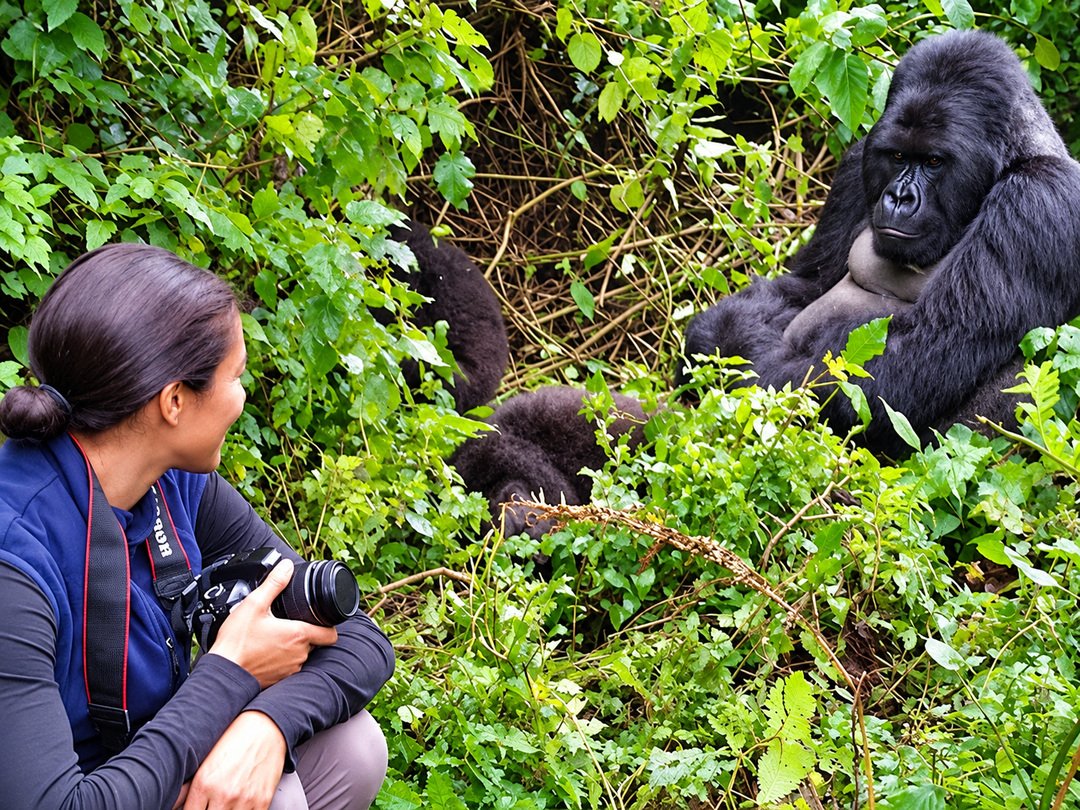
The 6 Days Gorilla and Chimpanzee Habituation and Queen Elizabeth Safari is a carefully designed Uganda primate and wildlife journey combining extended encounters with mountain gorillas in Bwindi Impenetrable National Park, chimpanzees in Kibale National Park and classic wildlife viewing in Queen Elizabeth National Park. It is ideal for travellers who want to experience Uganda’s two most immersive primate activities while still enjoying game drives, savannah scenery and the Kazinga Channel within a compact six-day itinerary.
Your safari begins in Entebbe or Kampala and takes you southwest to Kibale National Park for the chimpanzee habituation experience. You then continue to Queen Elizabeth National Park for game viewing and a Kazinga Channel boat safari before travelling through the Ishasha region towards Bwindi Impenetrable National Park. The journey culminates with the gorilla habituation experience, giving you extended observation time with mountain gorillas before returning to Entebbe, Kampala or continuing towards Kigali.
6 Days Gorilla and Chimpanzee Habituation and Queen Elizabeth Safari Overview
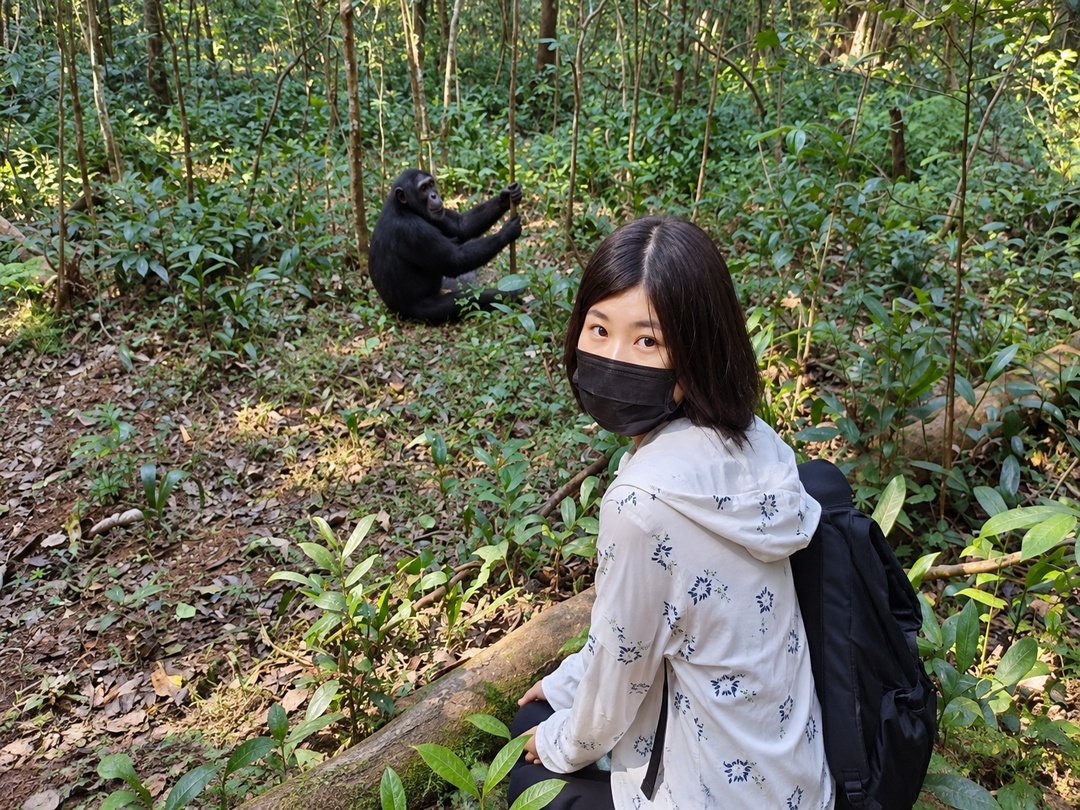
The 6 Days Gorilla and Chimpanzee Habituation and Queen Elizabeth Safari takes you through three of western Uganda’s most rewarding protected areas. Kibale National Park introduces you to the world of chimpanzees and tropical forest primates, Queen Elizabeth National Park provides open savannah wildlife and water-based viewing, while Bwindi Impenetrable National Park delivers the ultimate mountain gorilla habituation experience.
This itinerary differs from an ordinary primate safari because it includes both the chimpanzee habituation experience and the gorilla habituation experience. These activities provide extended observation periods compared with standard tracking, giving you more time to study primate behaviour, photography opportunities and the conservation work involved in gradually familiarising primates with carefully controlled human presence.
Queen Elizabeth National Park provides a contrasting wildlife environment between the two forest experiences. Game drives and the Kazinga Channel introduce elephants, buffaloes, Uganda kobs, hippos, crocodiles, lions and abundant birdlife, giving the safari a strong combination of rainforest adventure and traditional African wildlife viewing.
6 Days Gorilla and Chimpanzee Habituation and Queen Elizabeth Safari – Trip Summary
Day 1: Entebbe/Kampala – Transfer to Kibale National Park
Day 2: Chimpanzee Habituation Experience in Kibale National Park
Day 3: Kibale – Transfer to Queen Elizabeth National Park – Kazinga Channel Boat Cruise
Day 4: Morning Game Drive in Queen Elizabeth National Park – Transfer to Bwindi via Ishasha
Day 5: Gorilla Habituation Experience in Bwindi Impenetrable National Park
Day 6: Bwindi – Transfer to Entebbe/Kampala or Kigali
6 Days Gorilla and Chimpanzee Habituation and Queen Elizabeth Safari – Detailed Itinerary
Day 1: Entebbe/Kampala – Transfer to Kibale National Park
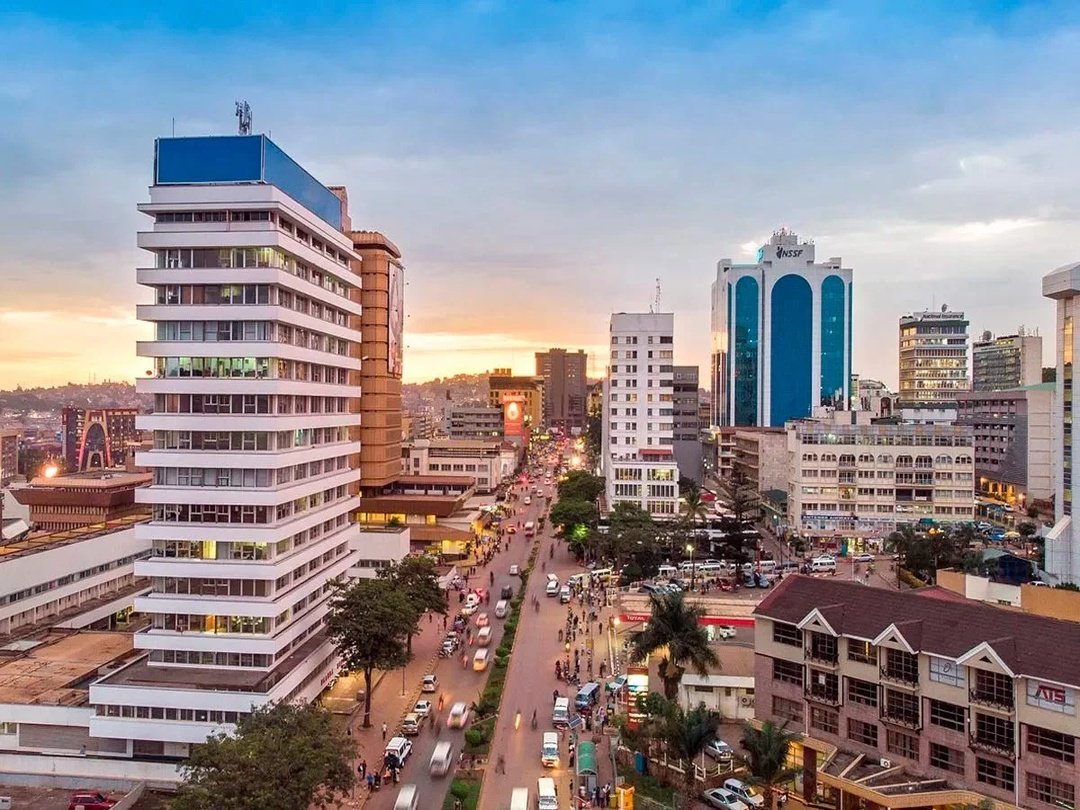
Your 6 Days Gorilla and Chimpanzee Habituation and Queen Elizabeth Safari begins with pickup from Entebbe or Kampala followed by a scenic journey towards western Uganda. The road takes you through changing countryside, rural settlements, agricultural landscapes and rolling hills before reaching the greener environments surrounding Kibale National Park.
The journey provides a comfortable introduction to Uganda’s western tourism circuit. Depending on your departure time, stops can be made for refreshments, lunch and photography as you travel towards the Fort Portal and Kibale region.
On arrival, you check into your lodge and spend the remainder of the afternoon relaxing and preparing for the following morning’s chimpanzee habituation experience. Your guide can brief you on suitable clothing, departure time and what to carry into the forest.
Accommodation: Lodge in the Kibale area
Meal Plan: Lunch and Dinner
Day 2: Chimpanzee Habituation Experience in Kibale National Park
After an early breakfast, you transfer to the designated briefing point for your chimpanzee habituation experience. The activity begins early, allowing you to enter the forest when chimpanzees are becoming active and beginning their daily movements.
Chimpanzee Habituation Briefing
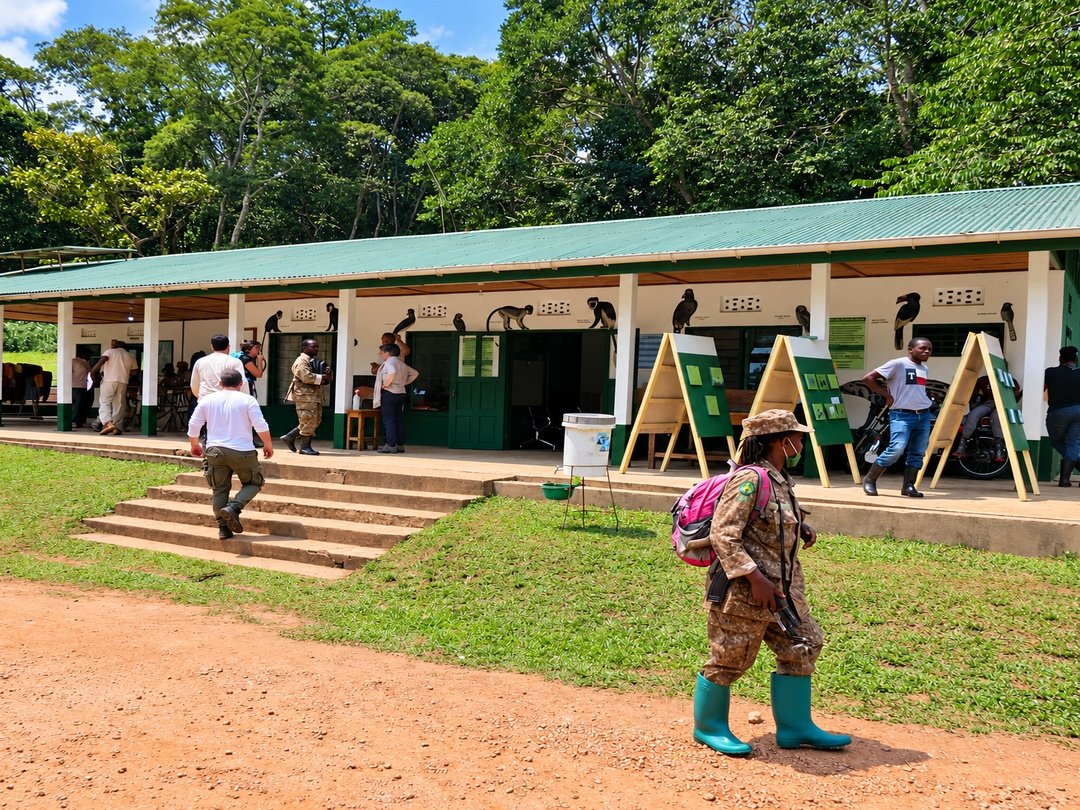
Before entering the forest, wildlife officials explain the activity, forest regulations and how visitors should behave when close to chimpanzees. The briefing is important because habituation involves primates that are still becoming accustomed to controlled human presence.
Entering Kibale Forest
You enter the forest with experienced guides, trackers and researchers. Kibale’s tropical forest environment is very different from Uganda’s savannah parks, with tall trees, dense vegetation, forest trails and an impressive variety of primates and birds.
As you move deeper into the forest, your guide may point out other primates, forest vegetation and signs left by chimpanzees as trackers work to locate the habituation group.
Locating the Chimpanzees
Chimpanzees are highly mobile and can travel through the forest quickly, especially while searching for fruit and other food. Their calls can sometimes help trackers determine their location, although the amount of walking required varies from day to day.
Once the chimpanzees are located, you begin an extended period of observation under the supervision of the guiding team.
Extended Chimpanzee Habituation Experience
The chimpanzee habituation experience provides substantially more observation time than an ordinary tracking excursion. Current Uganda Wildlife Authority guidelines allow a maximum of four hours of viewing during chimpanzee habituation once the chimpanzees have been encountered.
During this time, you may observe chimpanzees feeding, travelling, grooming, resting, calling to one another and interacting within their community. Because chimpanzees are highly active, the experience may involve following them through different sections of the forest rather than remaining in one location.
Chimpanzee Photography
The extended encounter provides excellent opportunities for wildlife photography. Forest lighting can be challenging, and chimpanzees often move quickly between trees and vegetation, so patience and suitable camera settings are important.
After completing the experience, you return to your lodge for relaxation and overnight.
Accommodation: Lodge in Kibale
Meal Plan: Breakfast, Lunch and Dinner
Day 3: Kibale – Transfer to Queen Elizabeth National Park – Kazinga Channel Boat Cruise
After breakfast, you leave Kibale and begin the journey towards Queen Elizabeth National Park. The route takes you through western Uganda’s scenic landscapes as the environment gradually changes from tropical forest to open savannah, crater landscapes and wetlands.
On arrival in Queen Elizabeth National Park, you continue towards your lodge or the Mweya area before preparing for the afternoon boat safari.
Kazinga Channel Boat Cruise
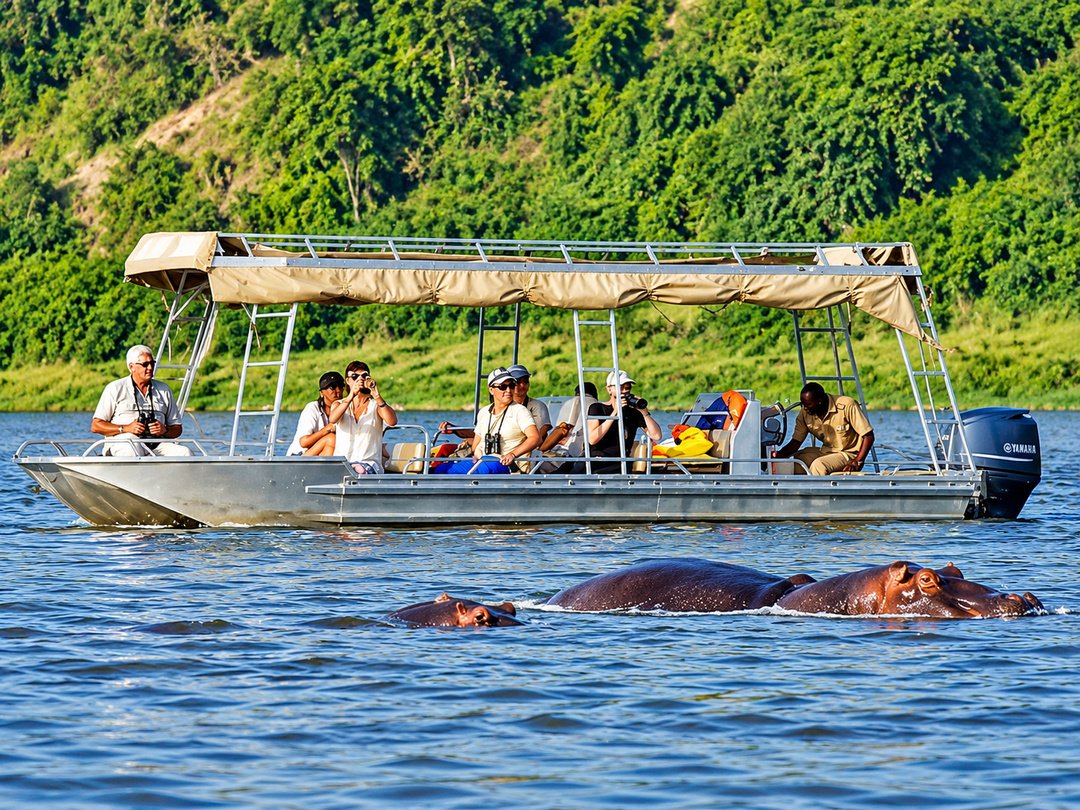
In the afternoon, you enjoy a boat cruise along the Kazinga Channel, the natural waterway connecting Lake George and Lake Edward. The cruise provides one of the most rewarding wildlife-viewing experiences in Queen Elizabeth National Park because many animals gather around the channel.
Hippos are commonly encountered in large numbers, while crocodiles, buffaloes, elephants and numerous waterbirds may also be seen along the shoreline. The boat moves at a relaxed pace, providing excellent opportunities for wildlife photography.
After the cruise, you continue to your lodge for dinner and overnight.
Accommodation: Lodge in Queen Elizabeth National Park
Meal Plan: Breakfast, Lunch and Dinner
Day 4: Queen Elizabeth National Park Game Drive – Transfer to Bwindi via Ishasha
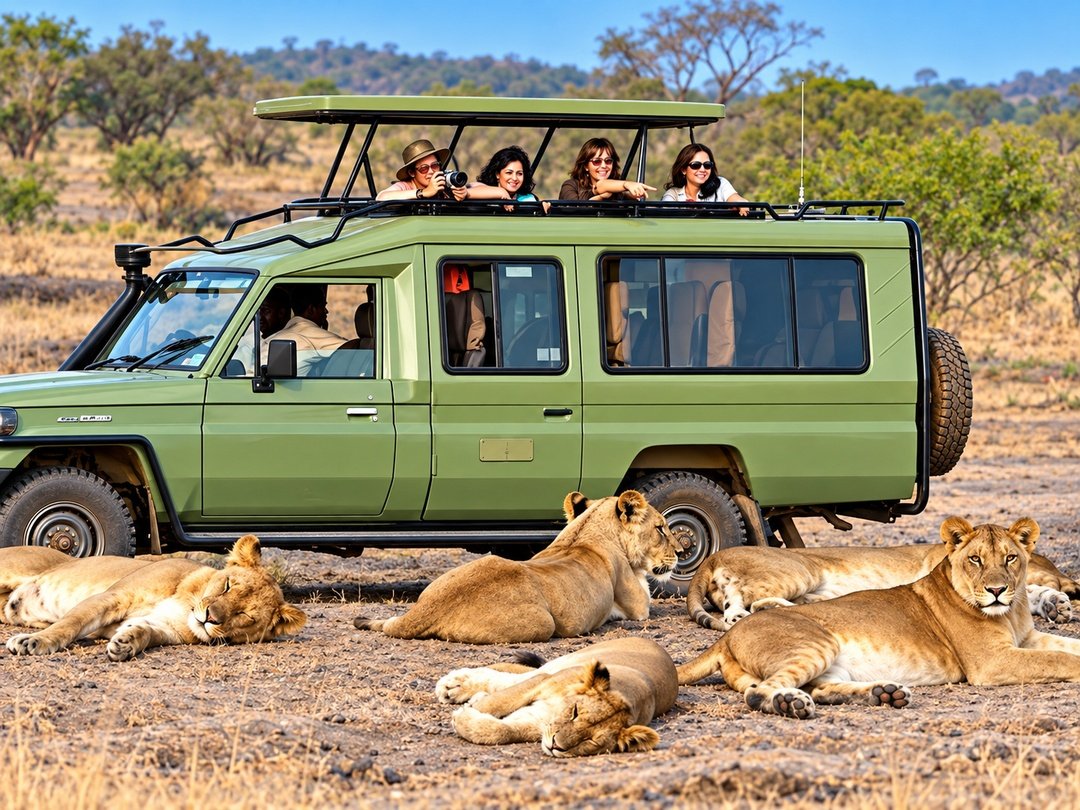
Your day begins with an early morning game drive through the savannah areas of Queen Elizabeth National Park. Morning hours can be particularly rewarding because wildlife is often more active before temperatures rise.
During the drive, you may encounter elephants, buffaloes, Uganda kobs, waterbucks, warthogs and other plains animals. Your guide will also search for lions and other predators while explaining the ecology and behaviour of the wildlife you encounter.
After the game drive, you begin the journey towards Bwindi Impenetrable National Park. The route can take you through the Ishasha Sector, an area particularly associated with tree-climbing lions.
Wildlife sightings are never guaranteed, but Ishasha may also reveal elephants, buffaloes, topis and other savannah species before the landscape gradually becomes greener and more mountainous as you approach southern Bwindi.
You arrive at your lodge in the Bwindi region and prepare for the following day’s gorilla habituation experience.
Accommodation: Lodge in the Rushaga/Bwindi area
Meal Plan: Breakfast, Lunch and Dinner
Day 5: Gorilla Habituation Experience in Bwindi Impenetrable National Park
Today is one of the major highlights of the safari. After an early breakfast, you transfer to the appropriate briefing point for your gorilla habituation experience.
Gorilla Habituation Briefing
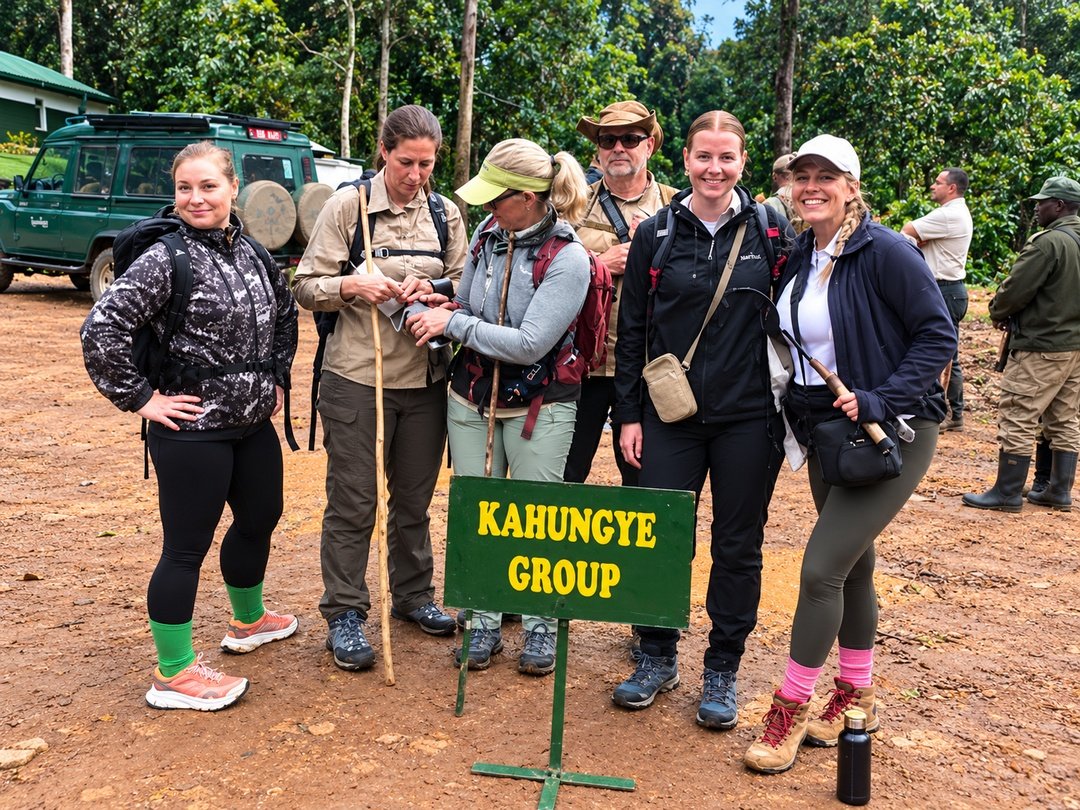
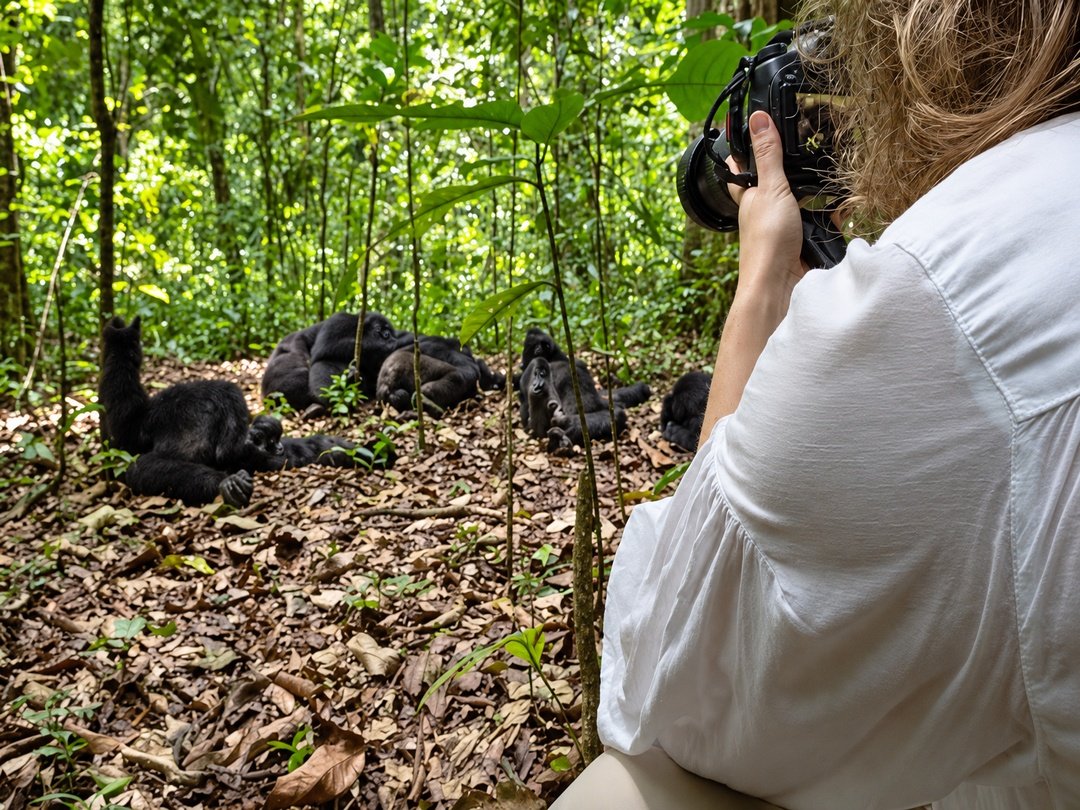
Rangers explain the conservation rules, trekking procedures and appropriate behaviour around mountain gorillas. Because the experience involves gorillas undergoing habituation, following the instructions of the ranger team is especially important.
Entering Bwindi Impenetrable Forest
You begin trekking through Bwindi with trackers, rangers and other members of the field team. The terrain can involve steep slopes, muddy paths, dense vegetation and uneven forest trails, so suitable hiking footwear and a reasonable level of fitness are useful.
Locating the Gorilla Family
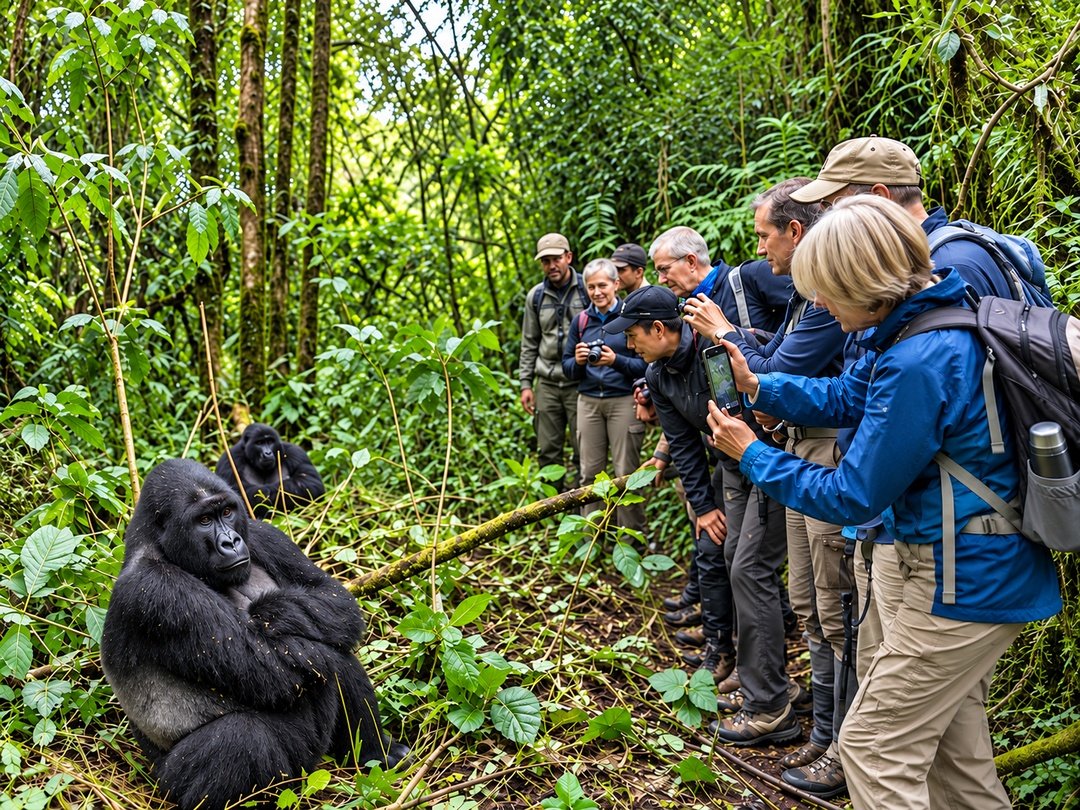
Trackers look for signs such as footprints, feeding remains, broken vegetation and nesting areas to follow the gorillas’ movements through the forest. The amount of time required to find them varies because the gorillas move naturally within their home range.
Extended Gorilla Habituation Experience
Once the gorilla family is located, you enjoy an extended period of observation while the research and tracking team continues the habituation process. Current Uganda Wildlife Authority guidelines allow a maximum of four hours of viewing during the gorilla habituation experience.
During the encounter, you may watch the gorillas feeding, grooming, resting, playing and moving through the vegetation. The longer observation period creates opportunities to notice behaviours that may be difficult to appreciate during a shorter standard gorilla trek.
Gorilla Photography
The extended encounter is particularly rewarding for photographers because you have more time to observe the gorillas and wait for suitable moments. Flash photography should not be used, and forest light can vary considerably.
After the experience, you trek back through the forest and return to your lodge for relaxation and overnight.
Accommodation: Lodge in Bwindi
Meal Plan: Breakfast, Lunch and Dinner
Day 6: Bwindi – Transfer to Entebbe/Kampala or Kigali
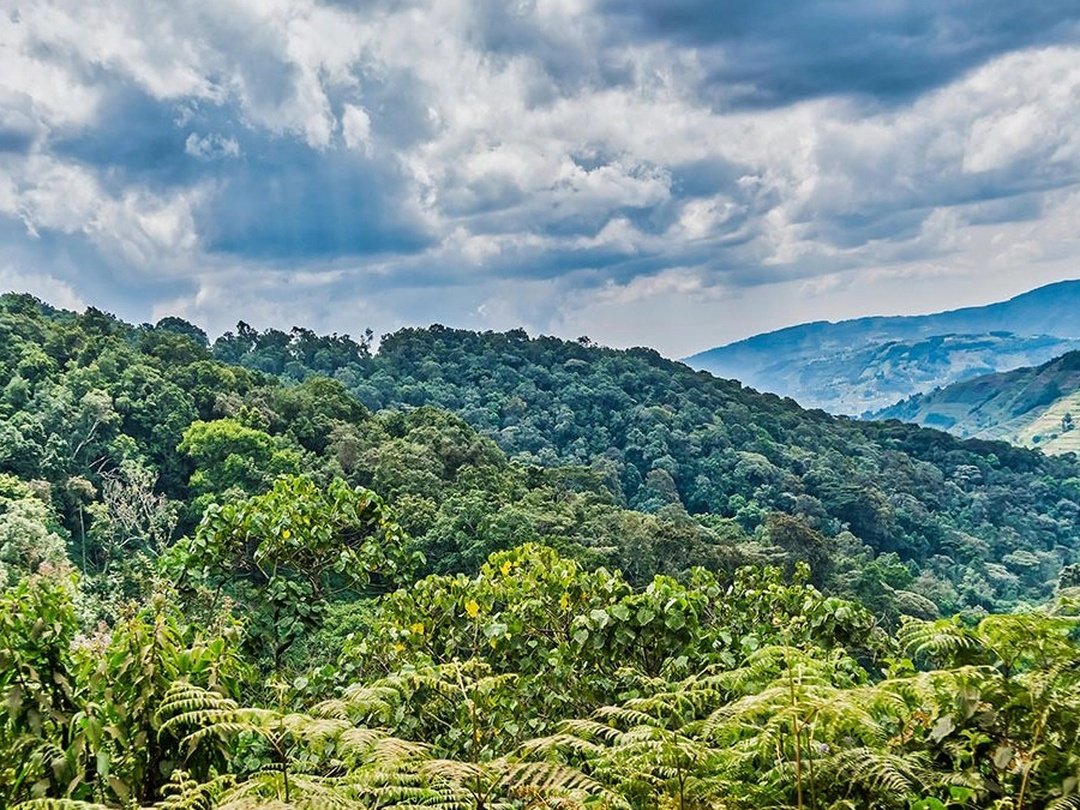
After breakfast, you leave Bwindi and begin your final transfer. Travellers returning to Kampala or Entebbe journey northeast through the scenic landscapes of southwestern Uganda, with suitable stops along the way.
Alternatively, travellers whose onward arrangements are in Rwanda can end the safari with a private transfer towards Kigali, depending on the agreed itinerary and travel documents.
The journey brings your 6 Days Gorilla and Chimpanzee Habituation and Queen Elizabeth Safari to an end after experiencing Uganda’s mountain gorillas, chimpanzees, savannah wildlife and some of the country’s most beautiful forest landscapes.
Meal Plan: Breakfast and Lunch
Safari Highlights of 6 Days Gorilla and Chimpanzee Habituation and Queen Elizabeth Safari
The 6 Days Gorilla and Chimpanzee Habituation and Queen Elizabeth Safari combines two of Uganda’s most immersive primate activities with traditional wildlife viewing. You experience chimpanzee habituation in Kibale National Park, gorilla habituation in Bwindi Impenetrable National Park, a game drive in Queen Elizabeth National Park and a Kazinga Channel boat cruise.
The safari also gives you an opportunity to experience three very different ecosystems within six days: Kibale’s tropical forest, Queen Elizabeth’s savannah and wetlands, and Bwindi’s mountainous rainforest.
Why Choose the 6 Days Gorilla and Chimpanzee Habituation and Queen Elizabeth Safari?
This itinerary is particularly rewarding for travellers whose main interest is primates but who also want a complete African wildlife component. Instead of choosing between gorillas, chimpanzees and a savannah safari, the journey combines all three experiences within a manageable six-day itinerary.
The two habituation experiences are the defining feature of the safari. They provide longer observation periods than standard gorilla and chimpanzee tracking, making the journey especially attractive to wildlife enthusiasts, photographers and travellers interested in primate behaviour.
Queen Elizabeth National Park creates an important contrast between the two rainforest destinations, allowing you to see elephants, buffaloes, antelopes, hippos, crocodiles and potentially lions before returning to the forest environment of Bwindi.
Main Destinations of 6 Days Gorilla and Chimpanzee Habituation and Queen Elizabeth Safari
Kibale National Park – Chimpanzee habituation, tropical rainforest and diverse primate encounters.
Queen Elizabeth National Park – Game drives, Kazinga Channel boat safari, savannah wildlife and the Ishasha region.
Bwindi Impenetrable National Park – Gorilla habituation, mountain gorillas and ancient rainforest scenery.
What to Pack for the 6 Days Gorilla and Chimpanzee Habituation and Queen Elizabeth Safari
Packing for this safari requires clothing and equipment suitable for both tropical forest trekking and open savannah wildlife viewing. For the gorilla and chimpanzee habituation experiences, pack lightweight long trousers, long-sleeved shirts and sturdy waterproof hiking boots with reliable grip.
A lightweight rain jacket or poncho is useful because rainfall can occur in both Bwindi and Kibale throughout the year. Gardening gloves and gaiters can also be helpful when walking through muddy or heavily vegetated forest trails.
Carry a small daypack with drinking water, snacks or a packed lunch, insect repellent, sunscreen and any personal medication you require. Comfortable neutral-coloured safari clothing, sunglasses and a hat are useful for your time in Queen Elizabeth National Park.
Photographers should bring adequate memory cards, spare batteries and equipment suitable for lower forest light. Binoculars are also useful for birds, primates and distant wildlife during game drives and the Kazinga Channel cruise.
Who Should Book The 6 Days Gorilla and Chimpanzee Habituation and Queen Elizabeth Safari?
The 6 Days Gorilla and Chimpanzee Habituation and Queen Elizabeth Safari is suitable for couples, solo travellers, photographers, primate enthusiasts and wildlife lovers who want a deeper experience than ordinary gorilla and chimpanzee tracking.
It is particularly appropriate if you want extended primate observation but still consider a traditional wildlife safari an essential part of your Uganda journey.
Inclusions of 6 Days Gorilla and Chimpanzee Habituation and Queen Elizabeth Safari
- Gorilla habituation permit
- Chimpanzee habituation permit
- Accommodation throughout the safari
- Private 4×4 safari vehicle and professional driver-guide
- Meals as indicated in the itinerary
- Park entrance fees for scheduled activities
- Queen Elizabeth National Park game drive
- Kazinga Channel boat cruise
Exclusions of 6 Days Gorilla and Chimpanzee Habituation and Queen Elizabeth Safari
- International flights
- Visa fees
- Personal travel insurance
- Tips and gratuities
Gorilla Habituation Permit Cost
A gorilla habituation permit is required for the extended mountain gorilla experience in Bwindi Impenetrable National Park. The permit costs USD 1,500 per person for foreign non-residents, USD 1,000 for foreign residents, USD 1,000 for Rest of Africa visitors and UGX 750,000 for East African Community citizens. Because permit availability is limited and conservation tariffs can change, the applicable rate should always be reconfirmed when booking your safari.
Chimpanzee Habituation Permit Cost
The chimpanzee habituation experience in Kibale National Park also requires a separate permit. The permit costs USD 300 per person for foreign non-residents, USD 250 for foreign residents and UGX 250,000 for East African Community citizens. The permit gives you access to the extended chimpanzee habituation experience and should be booked in advance because availability is limited. As with gorilla permits, the applicable rate should be confirmed at the time of booking.
6 Days Gorilla and Chimpanzee Habituation and Queen Elizabeth Safari Cost
The cost of the 6 Days Gorilla and Chimpanzee Habituation and Queen Elizabeth Safari depends on your accommodation category, number of travellers, travel dates and final lodge selection. Because the itinerary contains two specialised habituation permits as well as wildlife activities in Queen Elizabeth National Park, it generally costs more than a standard six-day primate safari.
For planning purposes, you can use the following estimated ranges:
| Safari Style | Estimated Cost Per Person Sharing |
|---|---|
| Budget Safari | USD 3,200–3,900 |
| Midrange Safari | USD 3,900–4,900 |
| Luxury Safari | USD 5,500–7,500+ |
These figures are planning estimates rather than fixed quotations. Solo travellers generally pay more because private vehicle and accommodation costs are not shared, while groups can sometimes achieve lower per-person transport costs. Your final price should be calculated from your exact dates, number of travellers, confirmed permit tariffs and selected accommodation.
Best Time for 6 Days Gorilla and Chimpanzee Habituation and Queen Elizabeth Safari
The 6 Days Gorilla and Chimpanzee Habituation and Queen Elizabeth Safari can be undertaken throughout the year, although the relatively drier months of June to September and December to February are particularly popular. Forest trails in Bwindi and Kibale can be easier to negotiate during these periods, while game-drive conditions in Queen Elizabeth National Park are also favourable.
The wetter periods from approximately March to May and October to November remain suitable for travel. Both rainforests become exceptionally green during these months, and there may be fewer visitors, although trekking conditions can be muddier and more physically demanding.
Because both habituation experiences require limited permits, your travel dates should also be influenced by permit availability rather than weather alone. Booking early gives you more flexibility when selecting travel dates and accommodation.
Frequently Asked Questions About the 6 Days Gorilla and Chimpanzee Habituation and Queen Elizabeth Safari
What is the 6 Days Gorilla and Chimpanzee Habituation and Queen Elizabeth Safari?
The 6 Days Gorilla and Chimpanzee Habituation and Queen Elizabeth Safari is a carefully designed Uganda itinerary combining three very different wildlife experiences within six days. You spend time with chimpanzees during an extended habituation experience in Kibale National Park, enjoy game viewing and a Kazinga Channel boat cruise in Queen Elizabeth National Park, and finish with an immersive gorilla habituation experience in Bwindi Impenetrable National Park. It is an excellent option for travellers who want both primates and classic African wildlife without taking a much longer safari.
Which national parks are included in the 6 Days Gorilla and Chimpanzee Habituation and Queen Elizabeth Safari?
The safari includes Kibale National Park, Queen Elizabeth National Park and Bwindi Impenetrable National Park. Each park contributes a completely different experience: Kibale is famous for chimpanzees and tropical forest, Queen Elizabeth offers savannah wildlife and boat-based game viewing, while Bwindi provides the mountain gorilla habituation experience in dense rainforest.
What are the main highlights of the safari?
The main highlights are the chimpanzee habituation experience in Kibale, the gorilla habituation experience in Bwindi, wildlife game drives in Queen Elizabeth National Park and the Kazinga Channel boat cruise. You also enjoy scenic transfers through western Uganda and may pass through the Ishasha area, which is well known for tree-climbing lions.
What is gorilla habituation?
Gorilla habituation is a specialised primate experience that allows visitors to spend extended time observing a mountain gorilla family that is still becoming accustomed to controlled human presence. You normally trek with rangers, trackers and researchers, giving you a deeper understanding of gorilla behaviour and the conservation process compared with an ordinary gorilla trek.
What is chimpanzee habituation?
Chimpanzee habituation is an extended forest experience where you follow chimpanzees that are gradually becoming familiar with carefully controlled human observation. It gives you more time to watch how chimpanzees feed, travel, communicate, groom and interact within their community while accompanied by experienced guides and field staff.
How long can I spend with gorillas during habituation?
The gorilla habituation experience allows up to four hours of viewing once the gorilla family has been located, subject to ranger guidance and prevailing conditions. This longer observation period gives you more time to study the gorillas’ behaviour and capture photographs than during a standard gorilla trekking experience.
How long can I spend with chimpanzees during habituation?
Chimpanzee habituation also allows up to four hours of viewing once the chimpanzees are encountered, depending on the activity arrangements and ranger guidance. Because chimpanzees move frequently through the forest, part of the experience involves following their movements while observing their natural behaviour.
Where is gorilla habituation done?
Gorilla habituation is conducted in Bwindi Impenetrable National Park, particularly in areas where gorilla families are undergoing the habituation process. Availability depends on the active habituation groups and permit allocation at the time of travel.
Where is chimpanzee habituation done?
On this safari, chimpanzee habituation takes place in Kibale National Park, one of Uganda’s leading primate destinations. The park’s tropical forest supports a large chimpanzee population and provides excellent conditions for extended primate observation.
Do I need separate permits for the two habituation experiences?
Yes. Gorilla habituation and chimpanzee habituation are separate activities and each requires its own permit. Both permits should be secured in advance because availability is limited, particularly during popular travel periods.
Who manages the permits?
The permits are managed by the Uganda Wildlife Authority. Travellers can have the permits arranged as part of a complete safari package through a licensed Uganda tour operator, together with accommodation, transport and other safari activities.
How early should I book?
It is advisable to book several months in advance, especially if you plan to travel during the popular dry seasons. Gorilla and chimpanzee habituation permits are limited, and preferred lodges can also fill quickly, so early booking gives you better availability and more accommodation choices.
What is the minimum age for gorilla habituation?
The minimum age for gorilla habituation is generally 15 years. This requirement helps ensure that participants can follow ranger instructions, manage the physical demands of the trek and behave appropriately around the gorillas.
Is chimpanzee habituation physically demanding?
Chimpanzee habituation can be moderately demanding because you may spend several hours walking through tropical forest while following active chimpanzees. The terrain is generally less mountainous than Bwindi, but good walking fitness, comfortable hiking shoes and suitable clothing still make the experience easier.
Is gorilla habituation physically demanding?
Yes, gorilla habituation can be physically demanding. Bwindi has steep slopes, thick vegetation, muddy trails and uneven terrain, and the amount of walking varies depending on where the gorilla family is located. A reasonable level of fitness is recommended.
Can I hire a porter in Bwindi?
Yes. Hiring a porter is strongly recommended because a porter can carry your daypack, water and camera equipment and may also help you on steep or slippery sections of the trail. It can make the gorilla habituation experience much more comfortable.
What should I wear for the forest experiences?
Wear long trousers, long-sleeved shirts and sturdy waterproof hiking boots with good grip. A lightweight rain jacket, gardening gloves, gaiters and comfortable socks are also useful because forest trails can be wet, muddy and heavily vegetated.
Can I photograph the gorillas and chimpanzees?
Yes. Photography is allowed during both habituation experiences, but you must follow ranger instructions and avoid flash photography. It is useful to carry spare batteries and memory cards because both activities provide many opportunities for wildlife photography.
What wildlife can I see in Queen Elizabeth National Park?
You may encounter elephants, buffaloes, Uganda kobs, waterbucks, warthogs, hippos and a variety of bird species. Lions may also be seen during game drives, although all wildlife sightings depend on natural animal movements.
Can I see tree-climbing lions?
The itinerary can pass through the Ishasha Sector, which is famous for tree-climbing lions. Sightings are possible, but they can never be guaranteed because the lions move naturally within the landscape.
What is the Kazinga Channel boat cruise?
The Kazinga Channel boat cruise is a wildlife-viewing experience along the natural waterway connecting Lake George and Lake Edward. It gives you a different perspective on Queen Elizabeth National Park and allows you to observe animals and birds that gather near the water.
What wildlife can be seen on the Kazinga Channel?
You may see hippos, crocodiles, buffaloes, elephants and a wide variety of waterbirds along the shoreline. The slow pace of the boat also makes the cruise especially rewarding for photography.
Is Queen Elizabeth National Park important to this safari?
Yes. Queen Elizabeth National Park adds an important savannah component between the two forest-based primate experiences. It makes the itinerary more balanced by adding game drives, large mammals, predators and a boat safari.
Is the safari suitable for photographers?
Yes. The safari is especially suitable for photographers because it combines extended primate encounters, open savannah wildlife, birds and water-based viewing. The longer habituation experiences give you more time to wait for good photographic moments.
Can solo travellers book the safari?
Yes. Solo travellers can book the safari privately. The overall price is usually higher because vehicle and accommodation costs are not shared, but the advantage is greater flexibility throughout the itinerary.
Is the safari suitable for couples?
Yes. It is a very good option for couples who want a combination of adventure, wildlife, photography and scenic landscapes. The itinerary can also be upgraded with more comfortable lodges for a more private or romantic safari experience.
Can this safari be private?
Yes. The safari can be arranged as a fully private trip with your own 4×4 safari vehicle and professional driver-guide. This gives you greater flexibility with stops, photography and daily travel timing.
Can I choose budget, midrange or luxury accommodation?
Yes. The itinerary can be arranged using budget, midrange or luxury lodges depending on your preferred comfort level and safari budget. The activities remain the same, while the main difference is the standard and location of accommodation.
Where does the safari start?
The standard itinerary begins in Entebbe or Kampala. Your guide can collect you from your hotel or another agreed pickup point before starting the journey towards western Uganda.
Can the safari start from Kigali?
Yes. The safari can be customised to begin in Kigali, although the order of destinations may need to change for a more practical route. Starting from Kigali can be particularly convenient for access to southern Bwindi.
Where does the safari end?
The safari can end in Entebbe, Kampala or Kigali depending on your onward travel arrangements. The final route should be planned around your international flight, hotel booking or next safari destination.
What type of vehicle is used?
A private 4×4 safari vehicle is normally used for the road transfers and wildlife game drives. The vehicle provides suitable comfort, luggage space and good wildlife visibility during the journey.
Are meals included in the 6 Days Gorilla and Chimpanzee Habituation and Queen Elizabeth Safari?
Yes. Meals are normally provided according to the itinerary and your lodge package. Most safari days include breakfast, lunch and dinner, while arrival and departure days may vary depending on timing.
Are park entrance fees included in the 6 Days Gorilla and Chimpanzee Habituation and Queen Elizabeth Safari?
Yes. Park entrance fees for the scheduled activities are normally included in the safari package unless otherwise stated in your quotation. This should always be confirmed when the final safari price is prepared.
What is the best time for the 6 Days Gorilla and Chimpanzee Habituation and Queen Elizabeth Safari?
The relatively drier months of June to September and December to February are popular because forest trails are usually easier to walk and wildlife viewing conditions are favourable. However, the safari can be organised throughout the year.
Can I travel during the rainy season?
Yes. Gorilla and chimpanzee habituation take place throughout the year, including during wetter months. Rainy-season travel often brings greener landscapes and fewer visitors, although forest trails can be more slippery and muddy.
What should I pack for the 6 Days Gorilla and Chimpanzee Habituation and Queen Elizabeth Safari?
Bring waterproof hiking boots, long trousers, long-sleeved shirts, a rain jacket, gloves, insect repellent, sunscreen, binoculars and camera equipment. A small daypack, reusable water bottle and any personal medication are also useful.
Is the 6 Days Gorilla and Chimpanzee Habituation and Queen Elizabeth Safari suitable for first-time visitors to Uganda?
Yes. It is an excellent introduction to Uganda because it combines tropical forests, primates, savannah wildlife, boat-based game viewing and scenic countryside within one itinerary. It gives first-time visitors a strong overview of Uganda’s wildlife diversity.
Can I extend the 6 Days Gorilla and Chimpanzee Habituation and Queen Elizabeth Safari?
Yes. The safari can be extended with additional destinations such as Lake Mburo National Park, Murchison Falls National Park or another gorilla trekking experience. Cultural activities, birding and additional nights in the national parks can also be added.
Why choose this safari instead of standard gorilla and chimpanzee trekking?
This safari is ideal if you want more time with primates than ordinary tracking allows. The two habituation experiences provide extended observation periods and deeper insight into primate behaviour, while Queen Elizabeth National Park ensures that you still enjoy classic African wildlife during the same journey.
Book Your 6 Days Gorilla and Chimpanzee Habituation and Queen Elizabeth Safari
Experience Uganda’s most immersive primate encounters together with classic savannah wildlife on the 6 Days Gorilla and Chimpanzee Habituation and Queen Elizabeth Safari. Pieland Gorilla Safaris can organise your gorilla and chimpanzee habituation permits, accommodation, private 4×4 transport, Queen Elizabeth National Park activities and all major safari logistics.
Whether you prefer a budget, midrange or luxury journey, the safari can be customised around your travel dates, accommodation preference and onward travel plans while preserving the core experiences in Kibale, Queen Elizabeth National Park and Bwindi Impenetrable National Park.
Book Your 6 Days Gorilla and Chimpanzee Habituation and Queen Elizabeth Safari