
7 Days Bwindi Gorilla Habituation, Chimpanzee Trekking and Lake Bunyonyi Safari
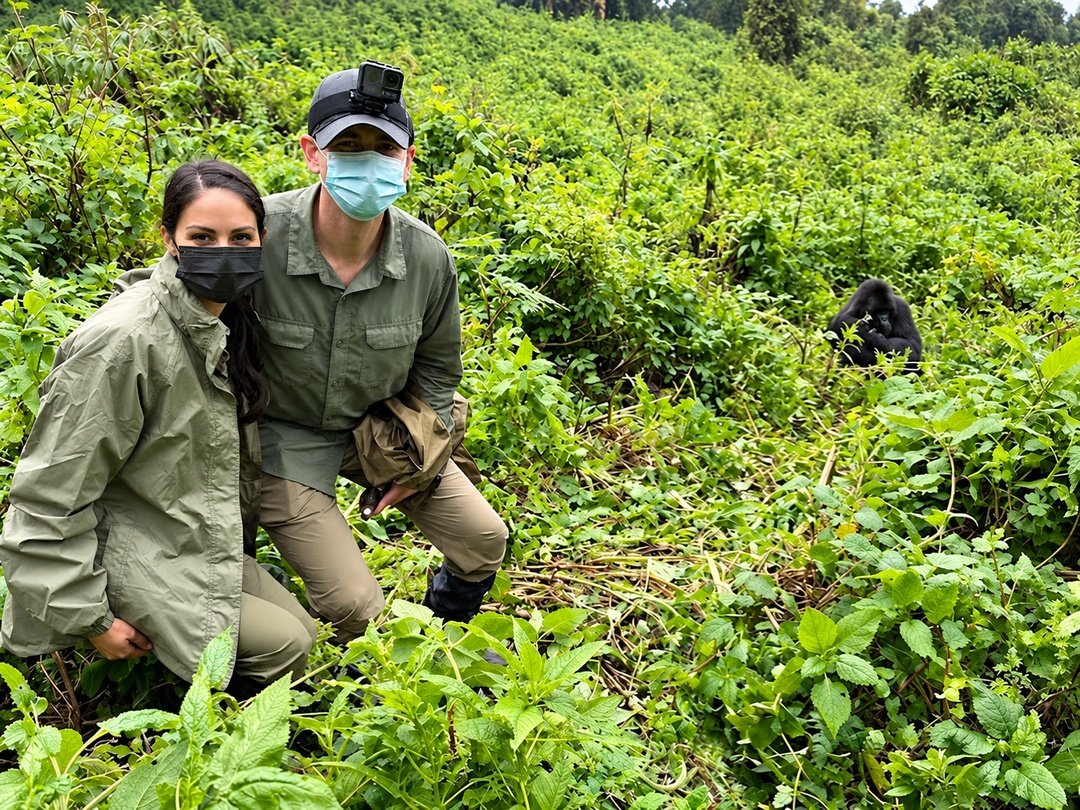
The 7 Days Bwindi Gorilla Habituation, Chimpanzee Trekking and Lake Bunyonyi Safari is a rewarding primate and scenic journey combining chimpanzee trekking in Kibale National Park, an extended gorilla habituation experience in Bwindi Impenetrable National Park and a relaxing stay at Lake Bunyonyi in southwestern Uganda.
The safari has been designed for travellers who want gorilla habituation to remain the major highlight while still experiencing Uganda’s chimpanzees and ending their journey in a peaceful highland setting. Instead of moving directly back to Kampala or Entebbe after the physically demanding forest experiences, you spend time around Lake Bunyonyi, where terraced hills, islands and calm waters create a relaxing conclusion to the adventure.
Your journey begins in Entebbe or Kampala and travels west towards Kibale, one of Uganda’s most important primate destinations. After chimpanzee trekking, you continue south towards Bwindi, where you join trackers, rangers and researchers for the extended mountain gorilla habituation experience. You then transfer to Lake Bunyonyi for scenic exploration, optional canoeing and relaxation before returning to Kampala or Entebbe.
The combination of chimpanzees, mountain gorillas and Lake Bunyonyi makes this itinerary particularly attractive to couples, photographers, solo travellers and first-time visitors who want a mixture of adventure and relaxation without adding several traditional wildlife parks.
7 Days Bwindi Gorilla Habituation, Chimpanzee Trekking and Lake Bunyonyi Safari Overview
The 7 Days Bwindi Gorilla Habituation, Chimpanzee Trekking and Lake Bunyonyi Safari combines three very different environments within western and southwestern Uganda. Kibale introduces tropical rainforest and energetic chimpanzees, Bwindi provides mountainous rainforest and extended observation of mountain gorillas, while Lake Bunyonyi offers a tranquil highland landscape surrounded by terraced hills.
Your first major wildlife activity is chimpanzee trekking in Kibale National Park. Chimpanzees are highly social and active primates, and trekking through Kibale gives you opportunities to observe their movement, feeding, vocal communication and interactions within the forest.
You then travel south to Bwindi Impenetrable National Park for the defining experience of the safari. The gorilla habituation experience gives you extended time around a mountain gorilla family that is still becoming accustomed to carefully managed human presence.
After the demanding primate experiences, Lake Bunyonyi provides a welcome change of pace. Instead of another strenuous trek or long wildlife drive, you enjoy beautiful views, fresh highland air and a full day dedicated to scenic exploration and relaxation.
This makes the safari particularly well balanced. The first half focuses on active forest adventures, while the final section allows you to slow down and enjoy one of southwestern Uganda’s most attractive landscapes.
7 Days Bwindi Gorilla Habituation, Chimpanzee Trekking and Lake Bunyonyi Safari – Trip Summary
Day 1: Entebbe/Kampala – Transfer to Kibale Forest National Park
Day 2: Chimpanzee Trekking in Kibale National Park
Day 3: Transfer from Kibale to Bwindi Impenetrable National Park
Day 4: Gorilla Habituation Experience in Bwindi Impenetrable National Park
Day 5: Bwindi – Transfer to Lake Bunyonyi
Day 6: Full Day at Lake Bunyonyi – Canoeing, Scenic Exploration and Relaxation
Day 7: Lake Bunyonyi – Transfer to Kampala/Entebbe
Day 1: Entebbe/Kampala – Transfer to Kibale Forest National Park
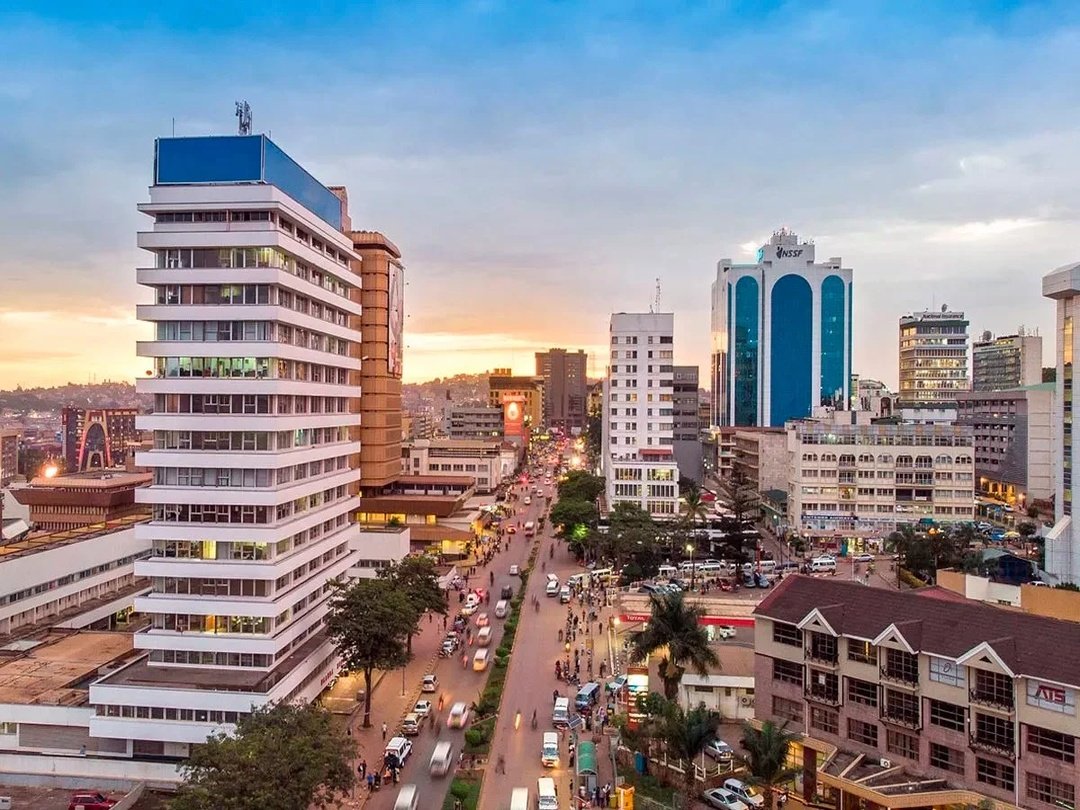
Your 7 Days Bwindi Gorilla Habituation, Chimpanzee Trekking and Lake Bunyonyi Safari begins with an early pickup from Entebbe or Kampala before travelling west towards Kibale National Park.
The road journey introduces you to Uganda’s changing countryside as you leave the busy urban areas and travel through agricultural communities, small towns, rolling hills and increasingly green landscapes.
Suitable stops can be arranged for refreshments, lunch and photography. As you approach western Uganda, the scenery becomes increasingly attractive, with tea-growing areas, crater landscapes and lush vegetation surrounding the greater Fort Portal and Kibale region.
You eventually arrive at your lodge near Kibale Forest National Park and check in for the night.
The remainder of the evening is reserved for relaxation and preparation for the following morning’s chimpanzee trekking experience.
Your guide will explain the expected briefing time, suitable trekking clothing and the items you should carry into the forest.
Accommodation: Lodge in Kibale
Meal Plan: Lunch and Dinner
Day 2: Chimpanzee Trekking in Kibale National Park
After an early breakfast, you transfer to the designated briefing point for your chimpanzee trekking experience in Kibale National Park.
Chimpanzee trekking provides the first major primate encounter of your safari and introduces you to one of Uganda’s most fascinating tropical forest ecosystems.
Chimpanzee Trekking Briefing
Before entering the forest, experienced wildlife officials explain the trekking rules, safety guidelines and appropriate behaviour around chimpanzees.
You are then placed into an appropriate trekking group and enter the forest accompanied by an experienced ranger-guide.
Entering Kibale Forest
Kibale’s tall trees and dense tropical vegetation provide habitat for chimpanzees and several other primate species.
As you walk through the forest, your guide may point out monkeys, birds, plants and other natural features while listening for chimpanzee calls and watching for signs of recent movement.
The experience is not simply about reaching the chimpanzees. Walking through the forest itself gives you an opportunity to understand the environment in which these primates live.
Locating the Chimpanzees
Chimpanzees are highly mobile and can move considerable distances through the forest.
Their calls may sometimes be heard before the animals are seen, helping experienced guides determine the direction in which a community is travelling.
Once located, the chimpanzees may be observed feeding, resting, grooming, travelling along the forest floor or climbing high into the trees.
Observing Chimpanzee Behaviour
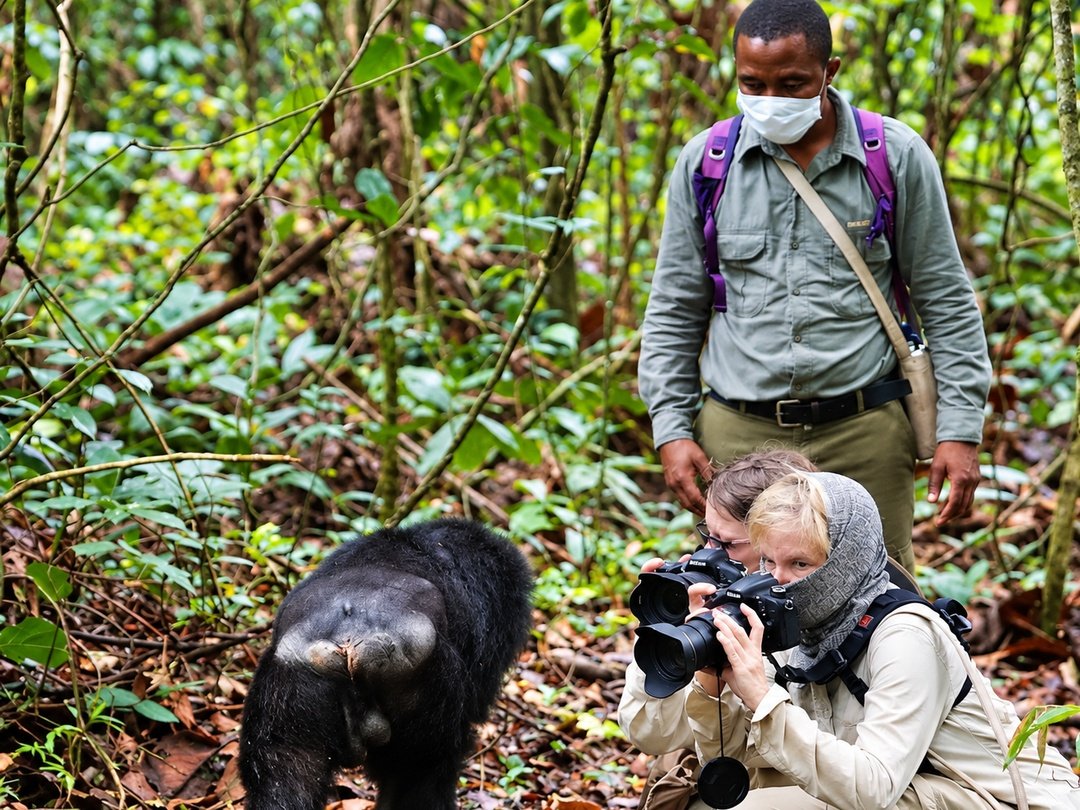
During your regulated observation period, you have an opportunity to watch the chimpanzees as they interact naturally within their forest environment.
You may observe grooming, feeding, social communication and movement between different members of the community.
Compared with mountain gorillas, chimpanzees are generally more active and unpredictable, creating a faster and more energetic primate encounter.
Chimpanzee Photography
Photographing chimpanzees can be challenging because the forest light changes constantly and the animals may move quickly.
A camera that performs well in lower-light conditions can be useful, while photographers should remain prepared for sudden movement.
Flash photography should be avoided, and ranger instructions should always be followed.
After completing the trek, you return to your lodge for lunch and relaxation.
The remainder of the day can be kept relaxed, giving you time to enjoy the forest surroundings and prepare for the following day’s transfer towards Bwindi.
Accommodation: Lodge in Kibale
Meal Plan: Breakfast, Lunch and Dinner
Day 3: Transfer from Kibale to Bwindi Impenetrable National Park

After breakfast, you leave Kibale and begin travelling south towards Bwindi Impenetrable National Park.
The journey takes you through some of western Uganda’s most attractive rural landscapes. You pass tea plantations, cultivated hillsides, local communities and gradually more mountainous terrain as you approach southwestern Uganda.
The road transfer also gives you time to recover from chimpanzee trekking before the more physically demanding gorilla habituation experience.
Suitable stops can be made along the route for lunch, Equator experience, refreshments and photography.
As you approach Bwindi, the countryside becomes greener and increasingly dramatic. Forested mountains rise above cultivated valleys, creating a strong contrast with the tropical landscapes surrounding Kibale.
Upon arrival, you check into your lodge in the Bwindi area and spend the evening relaxing.
Your guide will provide a detailed briefing about the following morning’s gorilla habituation experience, including the expected departure time, suitable trekking clothing and essential items to carry.
Accommodation: Lodge in the Rushaga/Bwindi area
Meal Plan: Breakfast, Lunch and Dinner
Day 4: Gorilla Habituation Experience in Bwindi Impenetrable National Park
Day 4 is the main highlight of the 7 Days Bwindi Gorilla Habituation, Chimpanzee Trekking and Lake Bunyonyi Safari.
After an early breakfast, you transfer to the designated briefing point for your gorilla habituation experience.
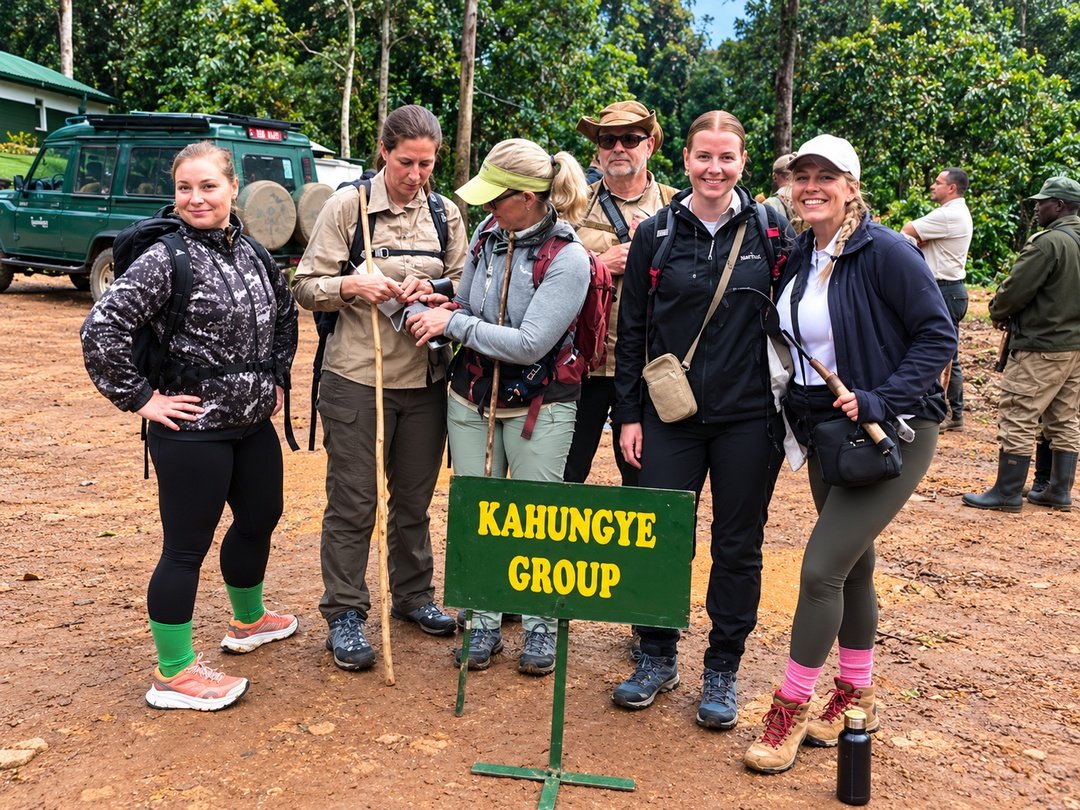
The activity begins early because trackers and field teams require enough time to enter the forest, search for the designated mountain gorilla family and participate in the extended observation experience.
Gorilla Habituation Briefing
Before entering Bwindi, wildlife officials and experienced rangers provide a detailed briefing covering forest regulations, conservation guidelines, safety procedures and appropriate behaviour around mountain gorillas.
Because you are visiting a gorilla family that is still undergoing habituation, following ranger instructions carefully is particularly important.
The experience is managed to allow meaningful observation while reducing unnecessary disturbance to the animals.
Entering Bwindi Impenetrable Forest
Following the briefing, you enter the rainforest with trackers, rangers and members of the habituation team.
Bwindi can be physically demanding. The forest contains steep slopes, thick vegetation, muddy sections, streams and uneven ground.
The difficulty of the trek varies according to weather conditions and the location of the gorilla family.
For many travellers, the physical challenge makes the final encounter even more rewarding because reaching the gorillas requires genuine effort.
Locating the Mountain Gorilla Family
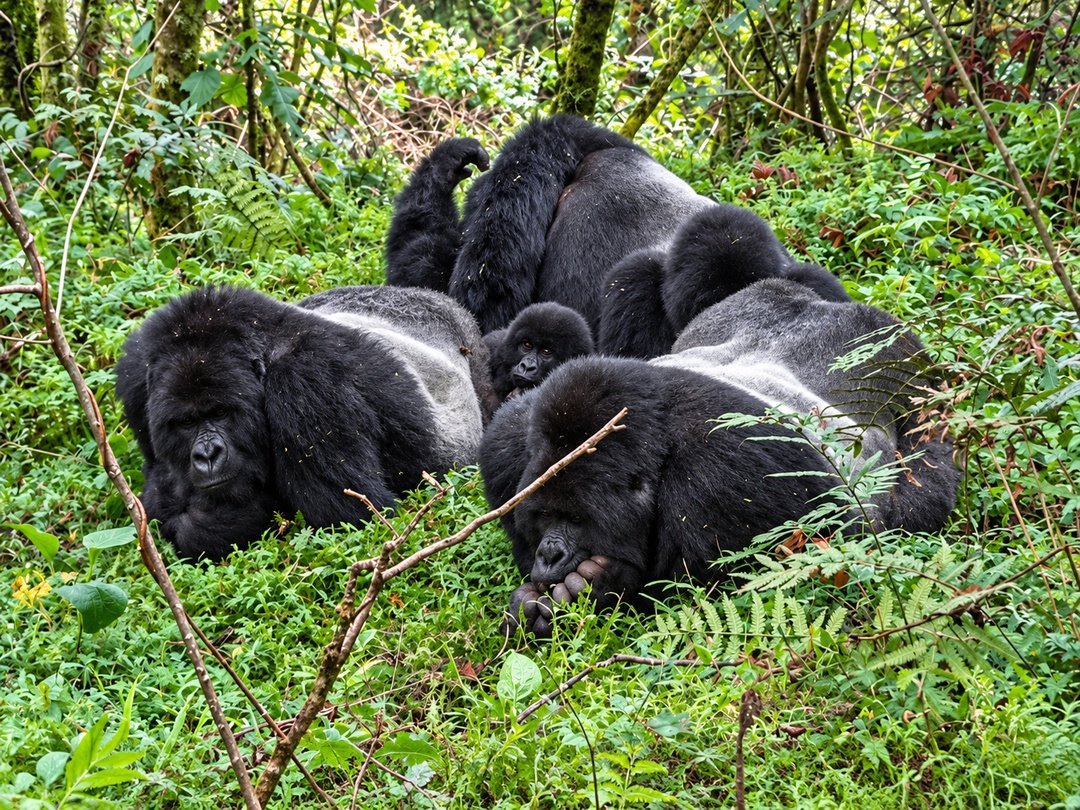
Experienced trackers search for signs of recent gorilla activity, including footprints, feeding remains, broken vegetation and nests.
There is no fixed duration for the search because mountain gorillas move naturally through their forest habitat.
Some groups may locate the family relatively quickly, while others may trek much farther before reaching them.
Extended Gorilla Habituation Experience
Once the gorillas are located, the extended observation period begins under the supervision of the research and tracking team.
This is what distinguishes gorilla habituation from standard gorilla trekking.
Having additional observation time gives you a better opportunity to notice subtle social behaviour within the family.
You may see adult gorillas feeding, resting and grooming while juveniles play nearby. Females may care for younger gorillas while the dominant silverback remains attentive to the family’s movements.
Gorilla Photography
The extended observation period can be particularly rewarding for wildlife photographers.
Forest lighting changes constantly, and mountain gorillas may move between darker vegetation and brighter forest openings.
Having more time allows you to wait patiently for favourable photographic moments instead of trying to capture every image immediately.
Flash photography should not be used, and all ranger instructions must be respected.
After completing your gorilla habituation experience, you trek back through the forest and return to your lodge for a well-earned rest.
Accommodation: Lodge in Bwindi
Meal Plan: Breakfast, Lunch and Dinner
Day 5: Bwindi – Transfer to Lake Bunyonyi
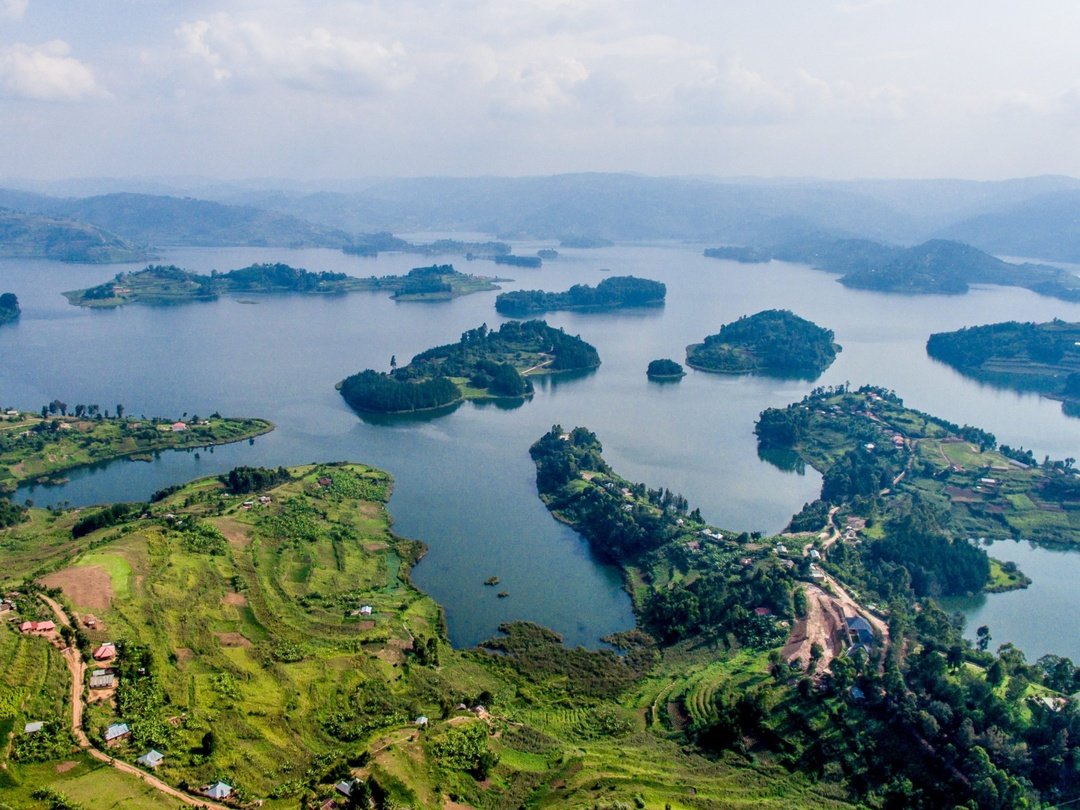
After breakfast, you leave Bwindi and begin the scenic journey towards Lake Bunyonyi.
The transfer takes you through the beautiful highlands of southwestern Uganda, where cultivated hills, valleys and rural communities create excellent scenery along the route.
After several active days involving chimpanzee trekking and gorilla habituation, this stage marks the beginning of the more relaxed part of your safari.
As you approach Lake Bunyonyi, the landscape opens into a dramatic combination of steep terraced hills and calm water dotted with numerous islands.
Upon arrival, you check into your lodge overlooking or situated close to the lake.
The remainder of the afternoon can be spent relaxing and enjoying the peaceful surroundings.
Depending on your arrival time and personal preference, you may enjoy a short walk around the lodge, sit overlooking the lake or simply rest after the previous day’s demanding gorilla habituation experience.
Lake Bunyonyi provides an ideal setting for slowing down after several days of forest trekking.
Accommodation: Lodge at Lake Bunyonyi
Meal Plan: Breakfast, Lunch and Dinner
Day 6: Full Day at Lake Bunyonyi – Canoeing, Scenic Exploration and Relaxation
After breakfast, you have a full day to enjoy Lake Bunyonyi and its surrounding highland scenery.
The day is intentionally relaxed, allowing you to recover fully from your primate trekking experiences while still exploring the area.
Morning Scenic Exploration
You can begin the morning by enjoying the views across the lake and surrounding terraced hills.
The landscapes around Lake Bunyonyi are particularly photogenic, especially when mist hangs over the water during the early morning.
A leisurely walk or short scenic excursion provides opportunities to experience the surrounding communities, cultivated hillsides and viewpoints.
Canoeing or Boat Experience
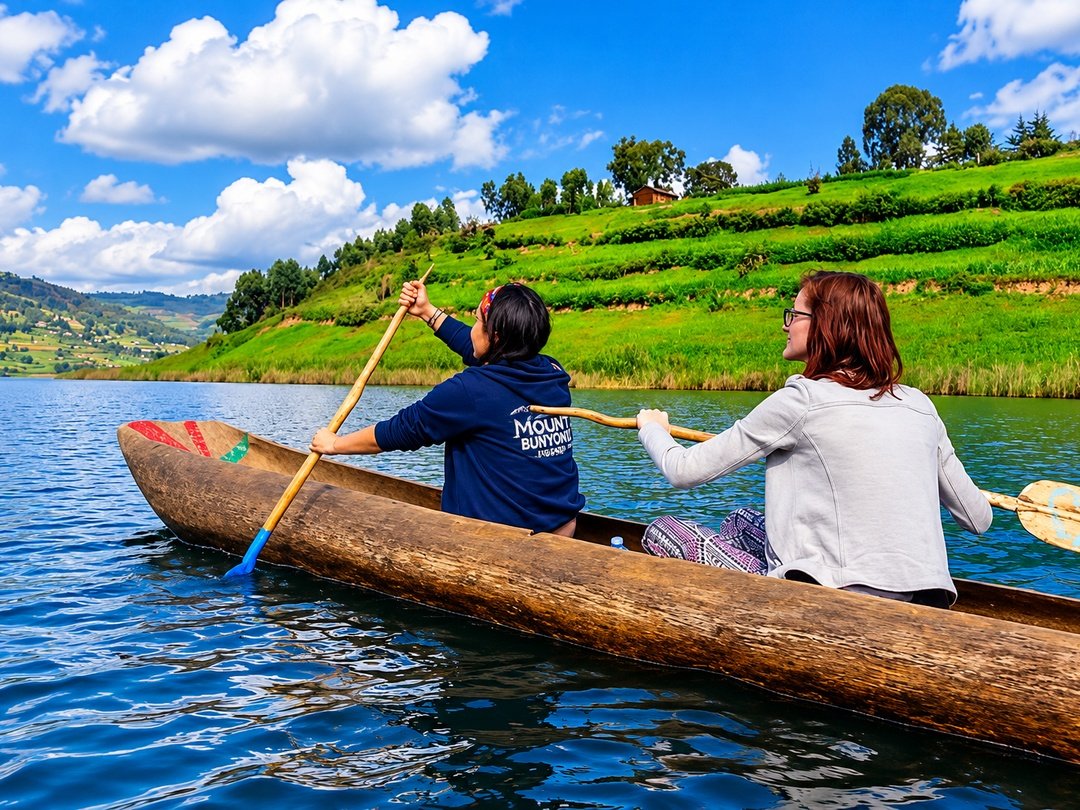
Depending on the programme arranged, you can enjoy a canoe or boat experience on Lake Bunyonyi.
Exploring the lake from the water provides a completely different perspective on its islands and surrounding hills.
The slower pace contrasts beautifully with the active trekking experiences in Kibale and Bwindi and makes this an ideal activity after several demanding forest days.
Relaxation at Lake Bunyonyi
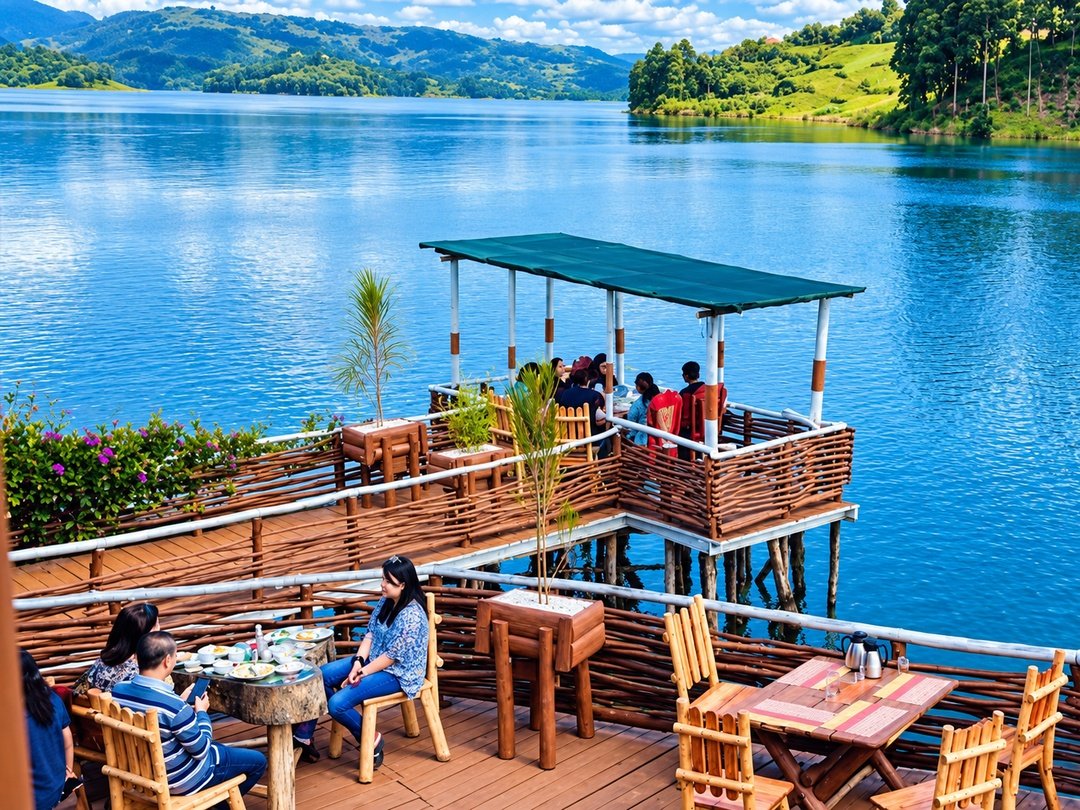
The afternoon can be spent relaxing at your lodge, reading, photographing the landscape or simply enjoying the peaceful environment.
Couples may particularly appreciate the quiet atmosphere, while photographers can take advantage of changing light across the surrounding hills and islands.
The full day at Lake Bunyonyi makes the itinerary feel more balanced because it provides genuine rest rather than immediately beginning the long return journey after gorilla habituation.
You later enjoy dinner and your final overnight beside the lake.
Accommodation: Lodge at Lake Bunyonyi
Meal Plan: Breakfast, Lunch and Dinner
Day 7: Lake Bunyonyi – Transfer to Kampala/Entebbe
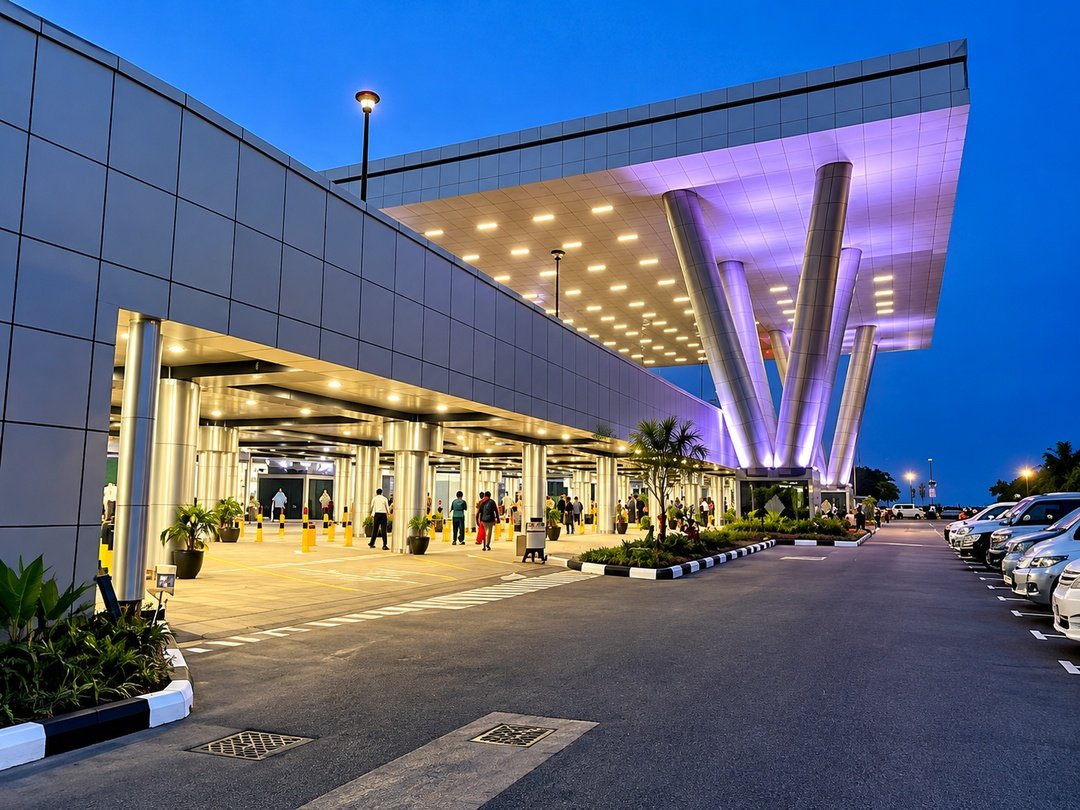
After breakfast, you begin your return journey towards Kampala or Entebbe.
The transfer takes you through southwestern and central Uganda, giving you one final opportunity to enjoy the country’s rural landscapes.
Appropriate stops can be arranged for lunch, refreshments and photography according to your onward travel schedule.
You eventually arrive in Kampala or Entebbe, bringing your 7 Days Bwindi Gorilla Habituation, Chimpanzee Trekking and Lake Bunyonyi Safari to an end.
By the conclusion of the journey, you will have experienced energetic chimpanzees in Kibale, an extended mountain gorilla encounter in Bwindi and a peaceful scenic escape at Lake Bunyonyi.
Meal Plan: Breakfast and Lunch
Safari Highlights of the 7 Days Bwindi Gorilla Habituation, Chimpanzee Trekking and Lake Bunyonyi Safari
The 7 Days Bwindi Gorilla Habituation, Chimpanzee Trekking and Lake Bunyonyi Safari combines primate adventure with scenic relaxation.
The major highlight is the extended gorilla habituation experience in Bwindi Impenetrable National Park.
You also enjoy chimpanzee trekking in Kibale National Park, providing a contrasting primate encounter with one of Africa’s most socially complex animals.
The safari finishes with two nights around Lake Bunyonyi, including a full day for scenic exploration, optional canoeing and relaxation.
The result is a safari that combines challenging forest adventure with a peaceful ending rather than filling every day with demanding activities.
Why Choose the 7 Days Bwindi Gorilla Habituation, Chimpanzee Trekking and Lake Bunyonyi Safari?
This safari is particularly suitable for travellers who want to focus on Uganda’s primates while maintaining a comfortable pace.
The itinerary gives gorilla habituation a central position while also including chimpanzee trekking, making it attractive to travellers who want to experience Uganda’s two most famous great apes.
Lake Bunyonyi then adds an important relaxation element. Instead of adding another national park, game drive or demanding trek, the final section allows you to slow down and enjoy the highland scenery.
This balance can be particularly appealing to couples, honeymooners, photographers and travellers who prefer a more relaxed ending to an active safari.
Main Destinations of the 7 Days Bwindi Gorilla Habituation, Chimpanzee Trekking and Lake Bunyonyi Safari
Kibale National Park – Chimpanzee trekking, tropical rainforest and diverse primate life.
Bwindi Impenetrable National Park – Mountain gorillas, gorilla habituation, rainforest trekking and dramatic highland scenery.
Lake Bunyonyi – Scenic islands, terraced hills, canoeing opportunities and peaceful relaxation.
Gorilla Habituation vs Chimpanzee Trekking
Gorilla habituation and chimpanzee trekking provide very different primate experiences.
Gorilla habituation is generally slower and more intimate. Once the gorilla family has been located, you have extended time to observe feeding, resting, grooming and family interactions under professional supervision.
Chimpanzee trekking is normally more energetic because chimpanzees may move quickly through the forest, climb trees and communicate loudly with other members of their community.
Experiencing both allows you to appreciate important behavioural differences between Uganda’s two great apes.
Why Add Lake Bunyonyi After Gorilla Habituation?
Gorilla habituation can be physically demanding, and Lake Bunyonyi provides an excellent environment for recovering after the trek.
Instead of immediately spending a full day driving back to Kampala or adding another intensive wildlife activity, you travel to a peaceful highland lake surrounded by beautiful scenery.
The relaxed atmosphere also adds variety to the itinerary. Your safari begins with tropical forest, progresses into mountain rainforest and concludes beside a scenic lake.
Who Should Book This Safari?
The 7 Days Bwindi Gorilla Habituation, Chimpanzee Trekking and Lake Bunyonyi Safari is suitable for primate enthusiasts, couples, solo travellers, photographers and first-time visitors.
It is particularly suitable for travellers who want mountain gorillas and chimpanzees but prefer not to include several traditional wildlife parks.
Couples and honeymooners may especially appreciate the peaceful ending at Lake Bunyonyi after the active trekking experiences.
What to Pack for the 7 Days Bwindi Gorilla Habituation, Chimpanzee Trekking and Lake Bunyonyi Safari
Bring sturdy waterproof hiking boots for both chimpanzee trekking and gorilla habituation.
Long trousers and lightweight long-sleeved shirts help protect you from forest vegetation and insects.
Gardening gloves are useful during gorilla habituation, particularly when using vegetation for support on steep sections.
A lightweight waterproof jacket or poncho should always be carried because rainfall can occur throughout the year.
Your daypack should include drinking water, insect repellent, sunscreen, personal medication and snacks or packed lunch where required.
For Lake Bunyonyi, bring comfortable casual clothing, a light sweater for cooler evenings and suitable photography equipment for landscapes.
Inclusions of 7 Days Bwindi Gorilla Habituation, Chimpanzee Trekking and Lake Bunyonyi Safari
- Gorilla habituation permit from Uganda Wildlife Authority
- Chimpanzee trekking permit
- Accommodation throughout the safari
- Private 4×4 safari vehicle
- Professional English-speaking driver-guide
- Meals as indicated in the itinerary
- Scheduled park entrance fees
- Lake Bunyonyi scenic activities as specified in the final programme
Exclusions of 7 Days Bwindi Gorilla Habituation, Chimpanzee Trekking and Lake Bunyonyi Safari
- International flights
- Visa fees
- Personal travel insurance
- Tips and gratuities
Gorilla Habituation Permit
A gorilla habituation permit is required to participate in the extended mountain gorilla experience in Bwindi Impenetrable National Park.
Permit numbers are limited, making advance booking particularly important during popular travel periods.
The applicable conservation tariff should always be reconfirmed when your travel dates are selected because permit fees can change.
Pieland Gorilla Safaris can arrange your gorilla habituation permit together with accommodation, transportation and the other major elements of your safari.
Chimpanzee Trekking Permit
A separate permit is required for chimpanzee trekking in Kibale National Park.
Because conservation tariffs may change, the applicable permit cost should be confirmed when preparing your final quotation.
Your chimpanzee permit can be secured together with your gorilla habituation permit to ensure that the itinerary is organised around confirmed primate activity dates.
7 Days Bwindi Gorilla Habituation, Chimpanzee Trekking and Lake Bunyonyi Safari Cost
The total price of the 7 Days Bwindi Gorilla Habituation, Chimpanzee Trekking and Lake Bunyonyi Safari depends on your number of travellers, travel dates, selected accommodation and confirmed primate permit costs.
Because the itinerary includes gorilla habituation, the permit represents a significant component of the total safari price.
| Safari Style | Estimated Cost Per Person Sharing |
|---|---|
| Budget Safari | USD 3,000–3,700 |
| Midrange Safari | USD 3,700–4,600 |
| Luxury Safari | USD 5,000–6,800+ |
These figures are planning estimates rather than fixed quotations. Solo travellers generally pay a higher per-person rate because private transportation and some accommodation expenses are not shared.
Your final quotation should be calculated according to the exact travel dates, selected lodges, number of travellers and confirmed conservation tariffs.
Best Time for 7 Days Bwindi Gorilla Habituation, Chimpanzee Trekking and Lake Bunyonyi Safari
The 7 Days Bwindi Gorilla Habituation, Chimpanzee Trekking and Lake Bunyonyi Safari can be undertaken throughout the year.
The relatively drier months from June to September and December to February are particularly popular because trekking conditions in Bwindi and Kibale may be easier.
The wetter months from March to May and October to November can also provide rewarding experiences, especially for travellers interested in green scenery and atmospheric photography.
Rainfall remains possible throughout the year in Uganda’s tropical and mountain forests, so waterproof clothing and suitable hiking footwear should always be carried.
Frequently Asked Questions About the 7 Days Bwindi Gorilla Habituation, Chimpanzee Trekking and Lake Bunyonyi Safari
What is the 7 Days Bwindi Gorilla Habituation, Chimpanzee Trekking and Lake Bunyonyi Safari?
The 7 Days Bwindi Gorilla Habituation, Chimpanzee Trekking and Lake Bunyonyi Safari is a seven-day Uganda itinerary designed for travellers who want to combine two of the country’s most important primate experiences with a scenic and relaxing ending. The journey begins with chimpanzee trekking in Kibale National Park, continues to Bwindi Impenetrable National Park for an extended gorilla habituation experience, and finishes with two nights around Lake Bunyonyi for canoeing, scenic exploration and relaxation.
The safari works particularly well because each destination provides a different type of experience. Kibale offers an active tropical forest encounter with chimpanzees, Bwindi provides a more immersive mountain gorilla experience in dense rainforest, while Lake Bunyonyi allows you to slow down after the physically demanding trekking days.
What is the main highlight of the 7 Days Bwindi Gorilla Habituation, Chimpanzee Trekking and Lake Bunyonyi Safari?
The principal highlight is the gorilla habituation experience in Bwindi Impenetrable National Park. This extended encounter allows you to spend more time observing a mountain gorilla family that is still becoming accustomed to carefully controlled human presence, making it one of the most immersive primate experiences available in Uganda.
Chimpanzee trekking in Kibale adds a second major primate experience, while the full day around Lake Bunyonyi gives the itinerary a more relaxed conclusion. This balance between adventure and rest makes the safari especially suitable for travellers who want a strong primate focus without spending every day on demanding activities.
Which destinations are included in the 7 Days Bwindi Gorilla Habituation, Chimpanzee Trekking and Lake Bunyonyi Safari?
The itinerary includes Kibale National Park, Bwindi Impenetrable National Park and Lake Bunyonyi. Each destination adds a distinct part of the overall journey, from tropical forest and chimpanzees to mountain gorillas and peaceful highland scenery.
Kibale is visited for chimpanzee trekking, Bwindi is the location for gorilla habituation, and Lake Bunyonyi provides the final scenic section of the safari. The route therefore moves naturally from active primate encounters towards a quieter and more relaxing ending.
Where does chimpanzee trekking take place?
Chimpanzee trekking takes place in Kibale National Park, one of Uganda’s best-known primate destinations. You enter the tropical forest with an experienced ranger-guide and search for a habituated chimpanzee community while also learning about the wider forest ecosystem.
The experience may involve listening for calls, following recent movement and walking through different sections of the forest. Once the chimpanzees are located, you have an opportunity to observe their behaviour and social interactions within their natural habitat.
What is chimpanzee trekking like?
Chimpanzee trekking is generally active and energetic because chimpanzees can move quickly through trees and across the forest floor. Their vocal communication, group interactions and constant movement make the experience very different from observing mountain gorillas.
You may see chimpanzees feeding, grooming, climbing trees, travelling in groups or calling to other members of their community. Because they are highly mobile, the activity sometimes requires you to follow them through different parts of the forest, adding an adventurous element to the trek.
Where does gorilla habituation take place?
Gorilla habituation takes place in Bwindi Impenetrable National Park. The exact trekking area depends on the permit allocation and the mountain gorilla families undergoing habituation at the time of your visit.
Bwindi’s steep slopes, thick vegetation and ancient rainforest create a dramatic environment for the experience. The final trekking location should therefore be confirmed when your permit and travel dates are arranged.
What is gorilla habituation?
Gorilla habituation is the gradual process through which a wild mountain gorilla family becomes accustomed to carefully controlled human presence. Visitors participate alongside trackers, rangers and researchers and receive extended observation time once the family has been located.
The experience allows you to observe family relationships, feeding behaviour, grooming, resting and movement in greater detail. Because the gorillas are still undergoing the habituation process, following all ranger instructions carefully is especially important.
How is gorilla habituation different from normal gorilla trekking?
Gorilla habituation generally provides a longer and more research-oriented encounter with a family that is still undergoing the familiarisation process. Standard gorilla trekking normally involves visiting an already habituated family for a shorter regulated observation period.
The extended nature of habituation makes it especially attractive to photographers, primate enthusiasts and travellers who want more time to observe mountain gorilla behaviour rather than simply having a shorter encounter.
Do I need separate permits for gorillas and chimpanzees?
Yes. Gorilla habituation and chimpanzee trekking are separate regulated activities and each requires its own permit. It is advisable to secure both permits before finalising accommodation and transport arrangements because your confirmed activity dates influence the rest of the safari route.
Booking the permits early is particularly important during popular travel periods, when limited spaces can affect your preferred dates.
How physically demanding is gorilla habituation?
Gorilla habituation can be physically demanding because Bwindi contains steep slopes, thick vegetation, muddy trails and uneven forest ground. The level of difficulty also depends on where the gorilla family has moved on the day of your experience.
Some groups may reach the gorillas relatively quickly, while others may trek for much longer. A reasonable level of fitness, waterproof hiking boots and preparation for changing forest conditions can make the experience considerably more comfortable.
Is chimpanzee trekking difficult?
Chimpanzee trekking can involve several hours of forest walking, although the terrain in Kibale is generally different from the steep mountain conditions found in parts of Bwindi. The amount of walking depends largely on the movements of the chimpanzee community.
The trek can become more energetic when chimpanzees move rapidly through the forest, so comfortable hiking footwear and suitable clothing are recommended.
Can I hire a porter during gorilla habituation?
Yes. Hiring a porter is recommended because they can carry your daypack, water and camera equipment while also providing assistance on steep or slippery sections of the trail.
A porter can be especially valuable during longer treks, allowing you to conserve energy for the actual gorilla encounter and making the overall experience more comfortable.
Can I photograph the mountain gorillas on the 7 Days Bwindi Gorilla Habituation, Chimpanzee Trekking and Lake Bunyonyi Safari?
Yes. Photography is allowed during the gorilla habituation experience, but flash should not be used. The extended nature of the encounter gives photographers more time to work with changing forest light and gorilla movement.
Because Bwindi can be dark beneath the canopy, a camera capable of handling lower-light conditions can be useful. You should also remain patient and follow ranger instructions rather than moving simply to obtain a photograph.
Can I photograph chimpanzees?
Yes. Photography is permitted during chimpanzee trekking subject to ranger instructions. Because chimpanzees can move quickly, a camera with responsive focusing can be useful.
You should be prepared for sudden movement between the forest floor and trees, as well as changing light conditions beneath the canopy.
Are gorilla sightings guaranteed during the 7 Days Bwindi Gorilla Habituation, Chimpanzee Trekking and Lake Bunyonyi Safari?
Mountain gorilla tracking has a strong success record, but wildlife encounters should never be described as absolutely guaranteed because the gorillas live freely within their natural habitat.
Experienced trackers use nests, feeding signs, footprints and recent movement to locate the family, but the length and difficulty of the trek can vary from one day to another.
Are chimpanzee sightings guaranteed during the 7 Days Bwindi Gorilla Habituation, Chimpanzee Trekking and Lake Bunyonyi Safari?
Chimpanzee sightings cannot be guaranteed because the animals live freely and may move considerable distances through the forest. Experienced guides use calls, feeding signs and recent movement to locate them.
The dynamic nature of chimpanzee behaviour is part of what makes the experience exciting, although it also means that every trek is different.
Why is Lake Bunyonyi included?
Lake Bunyonyi is included to provide a relaxing change of pace after chimpanzee trekking and gorilla habituation. It allows you to enjoy scenic highland views and slower activities rather than immediately moving into another demanding trek or long wildlife programme.
This makes the itinerary more balanced because the first half is adventure-focused while the final section is centred on scenery, relaxation and recovery.
How many nights are spent at Lake Bunyonyi?
The itinerary includes two nights around Lake Bunyonyi. This gives you an arrival afternoon on Day 5 and a full day on Day 6 for scenic exploration, relaxation and optional lake activities.
Having two nights means you do not have to rush through the destination and can genuinely enjoy the peaceful environment after the forest experiences.
What can I do at Lake Bunyonyi?
Depending on the programme arranged, you can enjoy canoeing or a boat experience, scenic walks, photography and time relaxing at your lodge while looking across the lake and surrounding hills.
The day can remain as active or relaxed as you prefer. Some travellers choose a full scenic programme, while others prefer simply to enjoy the lodge, landscapes and peaceful atmosphere.
Is Lake Bunyonyi good for couples?
Yes. Lake Bunyonyi’s peaceful setting and attractive scenery make it particularly suitable for couples who want a relaxing conclusion after the active primate trekking experiences.
The lake environment also works well for honeymooners and couples who want time to slow down, enjoy private lodge moments and photograph the surrounding highland scenery.
Is the 7 Days Bwindi Gorilla Habituation, Chimpanzee Trekking and Lake Bunyonyi Safari suitable for photographers?
Yes. The itinerary combines three very different photographic environments: energetic chimpanzee photography in Kibale, extended mountain gorilla observation in Bwindi and scenic landscape photography around Lake Bunyonyi.
This variety makes the journey especially attractive to photographers who want both wildlife and landscape subjects within one seven-day itinerary.
Can solo travellers book the 7 Days Bwindi Gorilla Habituation, Chimpanzee Trekking and Lake Bunyonyi Safari?
Yes. Solo travellers can book the itinerary privately, although private transport and accommodation arrangements can result in a higher per-person cost.
A private safari can be especially rewarding for solo photographers and primate enthusiasts because the overall pace can be adjusted more easily around individual interests.
Can couples book a private 7 Days Bwindi Gorilla Habituation, Chimpanzee Trekking and Lake Bunyonyi Safari?
Yes. The journey can be organised privately with your own 4×4 safari vehicle and professional driver-guide, giving you greater flexibility throughout the route.
A private safari also allows more freedom with scenic stops, photography breaks and the overall pace between Kibale, Bwindi and Lake Bunyonyi.
Where does the 7 Days Bwindi Gorilla Habituation, Chimpanzee Trekking and Lake Bunyonyi Safari start?
The standard itinerary begins in Entebbe or Kampala before travelling west towards Kibale National Park.
Pickup can normally be arranged from your hotel, Entebbe International Airport or another agreed location, depending on your arrival arrangements.
Where does the 7 Days Bwindi Gorilla Habituation, Chimpanzee Trekking and Lake Bunyonyi Safari finish?
The safari normally finishes in Kampala or Entebbe after leaving Lake Bunyonyi on Day 7.
Your final drop-off can be coordinated with your hotel reservation, onward journey or international flight schedule.
Can the safari start from Kigali?
Yes. The route can be customised to start from Kigali, although the order of destinations may need to change to maintain an efficient itinerary.
A Kigali start can be particularly convenient for travellers who want easier access to southwestern Uganda before continuing north towards Kibale.
Can the 7 Days Bwindi Gorilla Habituation, Chimpanzee Trekking and Lake Bunyonyi Safari end in Kigali?
Yes. A customised version can finish in Kigali, particularly because Lake Bunyonyi and Bwindi are located in southwestern Uganda relatively close to the Rwanda border region.
The itinerary should be rearranged carefully if Kigali is the final destination so that unnecessary backtracking is avoided.
What kind of vehicle is used during the 7 Days Bwindi Gorilla Habituation, Chimpanzee Trekking and Lake Bunyonyi Safari?
A private 4×4 safari vehicle is normally used for road transfers between Entebbe or Kampala, Kibale, Bwindi and Lake Bunyonyi.
A 4×4 vehicle is well suited to Uganda’s varied road conditions and provides greater comfort on the longer transfer days between the primate destinations.
Are meals included in the 7 Days Bwindi Gorilla Habituation, Chimpanzee Trekking and Lake Bunyonyi Safari?
Meals are normally included according to the selected lodge arrangements and itinerary. The exact meal plan is confirmed in your final quotation.
Most full safari days are commonly arranged on breakfast, lunch and dinner, while the first and final travel days may vary according to arrival and departure times.
Can I choose budget accommodation?
Yes. Suitable budget accommodation can be arranged in Kibale, Bwindi and Lake Bunyonyi while maintaining practical access to the major activities.
This option is suitable for travellers who want to prioritise primate permits and experiences while keeping lodge costs under control.
Can I choose midrange accommodation during the 7 Days Bwindi Gorilla Habituation, Chimpanzee Trekking and Lake Bunyonyi Safari?
Yes. Comfortable midrange lodges can be selected throughout the itinerary and generally provide a good balance between location, comfort and overall safari cost.
Midrange accommodation is often a strong choice for travellers who want reliable comfort without moving into the higher costs associated with luxury properties.
Is there a luxury version of the 7 Days Bwindi Gorilla Habituation, Chimpanzee Trekking and Lake Bunyonyi Safari?
Yes. The journey can be upgraded with luxury accommodation in Kibale, Bwindi and Lake Bunyonyi while keeping the same core experiences.
A luxury version can include more exclusive lodges, enhanced service and upgraded room categories depending on availability and your preferred travel style.
What should I wear for gorilla habituation?
Wear sturdy waterproof hiking boots, long trousers, a long-sleeved shirt and a lightweight waterproof jacket. These items help protect you against vegetation, mud and changing forest weather.
Neutral, comfortable clothing is preferable, and you should avoid clothing that restricts movement because the trek can involve steep and uneven terrain.
Should I bring gardening gloves on the 7 Days Bwindi Gorilla Habituation, Chimpanzee Trekking and Lake Bunyonyi Safari?
Yes. Gardening gloves are particularly useful in Bwindi because they protect your hands when using vegetation for support on steep or slippery sections.
They are lightweight, easy to carry and can make the forest trek much more comfortable.
Should I bring gaiters?
Yes. Gaiters are useful for keeping mud, insects and plant material away from your lower legs and hiking boots during forest trekking.
They are especially helpful during wetter periods when trails can become muddy and vegetation may be thicker.
What should I pack for Lake Bunyonyi?
Comfortable casual clothing, a light sweater or jacket for cooler mornings and evenings, sunscreen and camera equipment for landscape photography are useful around Lake Bunyonyi.
You may also want lightweight footwear for lodge use and scenic walks because the Lake Bunyonyi section is considerably more relaxed than the forest trekking days.
What is the best time for the 7 Days Bwindi Gorilla Habituation, Chimpanzee Trekking and Lake Bunyonyi Safari?
The journey can be undertaken throughout the year. June to September and December to February are popular because trekking conditions are often relatively drier.
These periods may provide easier trail conditions, although rain is still possible in Uganda’s tropical and mountain forests at any time of year.
Can I travel during the rainy season?
Yes. Gorilla habituation and chimpanzee trekking continue during wetter periods, although forest trails may become muddier and more slippery.
Travelling during the wetter months can also provide especially green landscapes and atmospheric forest photography, provided you are properly equipped for rain.
Is the 7 Days Bwindi Gorilla Habituation, Chimpanzee Trekking and Lake Bunyonyi Safari suitable for first-time visitors?
Yes. The itinerary provides two of Uganda’s major primate experiences while including enough time at Lake Bunyonyi to relax, making it a strong introduction to southwestern Uganda.
It works particularly well for first-time visitors who want mountain gorillas and chimpanzees but do not necessarily want to include several savannah wildlife parks.
Can I add Queen Elizabeth National Park?
Yes. You can extend the journey with Queen Elizabeth National Park for traditional game drives and additional wildlife experiences.
Adding Queen Elizabeth is a good choice if you want to combine primates with elephants, buffaloes, antelopes, lions and the broader savannah environment.
Can I add Lake Mburo National Park on the 7 Days Bwindi Gorilla Habituation, Chimpanzee Trekking and Lake Bunyonyi Safari?
Yes. Lake Mburo National Park can be added between Lake Bunyonyi and Entebbe for plains wildlife and additional safari activities.
This extension can add zebras, impalas and another wildlife environment without requiring you to travel as far north as some of Uganda’s larger national parks.
Can I add golden monkey trekking on the 7 Days Bwindi Gorilla Habituation, Chimpanzee Trekking and Lake Bunyonyi Safari?
Yes. You can extend the safari with golden monkey trekking in southwestern Uganda, creating an itinerary with three different primate encounters.
Golden monkeys add a much faster and more energetic experience than mountain gorillas, making the extension particularly attractive to primate enthusiasts and photographers.
Can I extend the safari to Murchison Falls?
Yes. A longer Uganda journey can include Murchison Falls National Park, although several additional days are advisable because of the considerable distance from southwestern Uganda.
Murchison Falls can add game drives, broader savannah wildlife and another major Uganda destination, but it is best included in a longer itinerary rather than trying to fit it into the original seven days.
Book Your 7 Days Bwindi Gorilla Habituation, Chimpanzee Trekking and Lake Bunyonyi Safari
Experience Uganda’s mountain gorillas, chimpanzees and spectacular southwestern highland scenery on the 7 Days Bwindi Gorilla Habituation, Chimpanzee Trekking and Lake Bunyonyi Safari.
Pieland Gorilla Safaris can arrange your gorilla habituation permit, chimpanzee trekking permit, accommodation, private 4×4 transportation and major safari logistics.
Whether you prefer a budget, midrange or luxury safari, the itinerary can be customised around your travel dates and accommodation preferences while keeping Bwindi gorilla habituation as the defining experience and Lake Bunyonyi as a peaceful ending to your Uganda journey.
Contact Pieland Gorilla Safaris today to start planning your 7 Days Bwindi Gorilla Habituation, Chimpanzee Trekking and Lake Bunyonyi Safari.