9 Day Congo Cultural & Gorilla Safari
Virunga + Kahuzi-Biega + Batwa Experience
Introduction
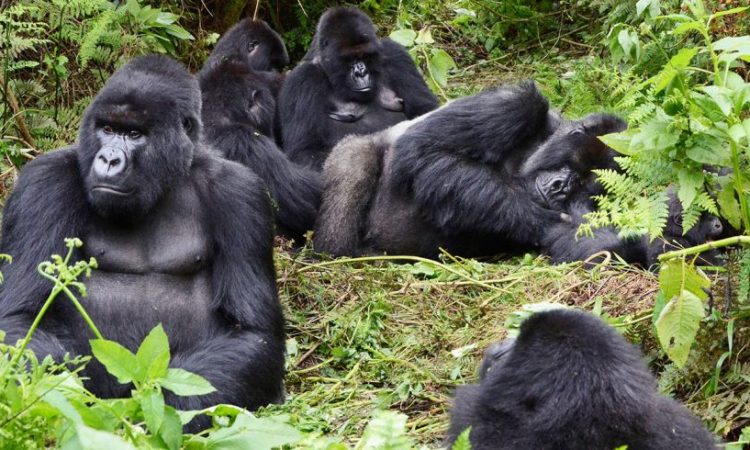
The 9 Day Congo Cultural & Gorilla Safari blends gorilla trekking with rich cultural encounters, offering one of Africa’s most travel gateway. This itinerary takes you into the heart of Virunga National Park and Kahuzi-Biega National Park, where you experience both mountain and eastern lowland gorillas.
Beyond wildlife, this safari connects you with local communities, including the Batwa, offering authentic insight into traditional forest life, culture, music, and storytelling. Starting from Kigali, the journey blends adventure, culture, and scenic beauty around Lake Kivu into one unforgettable experience.
Brief Itinerary for 9 Day Congo Cultural and Gorilla Safari
Day 1: Arrival in Kigali → Transfer to Goma
Day 2: Gorilla trekking in Virunga National Park
Day 3: Batwa cultural experience
Day 4: Nyiragongo hike or Lake Kivu relaxation
Day 5: Transfer to Bukavu → Kahuzi-Biega National Park
Day 6: Lowland gorilla trekking
Day 7: Cultural village experience
Day 8: Lake Kivu relaxation and cultural exploration
Day 9: Return to Kigali → Departure
Request a quote.
Detailed Itinerary for 9 Day Congo Cultural and Gorilla Safari
Day 1: Arrival in Kigali → Transfer to Goma
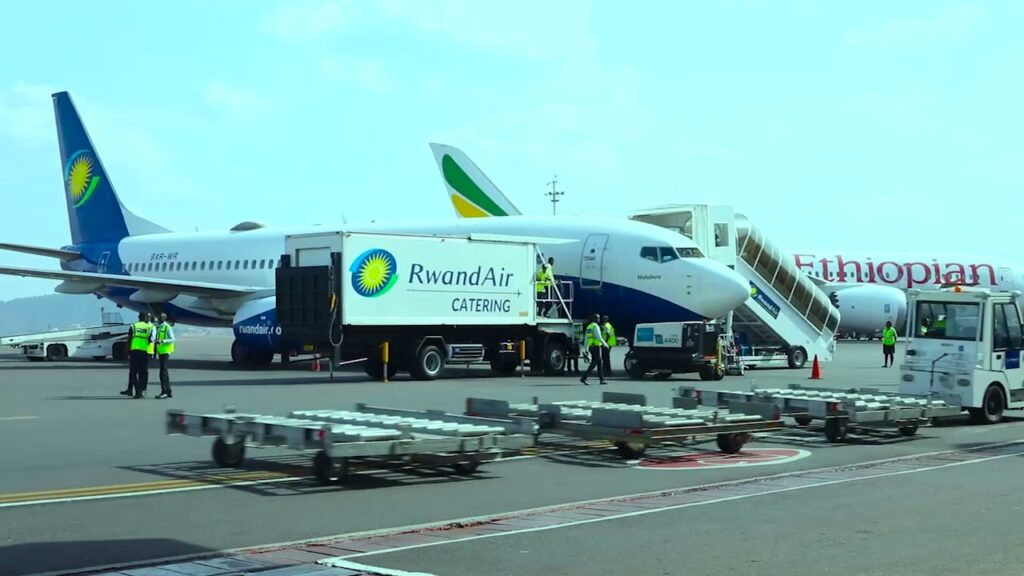
Arrive at Kigali International Airport where your driver-guide welcomes you with a short safari briefing. After meeting, begin a scenic drive toward the western border, passing rolling hills, tea plantations, and vibrant local towns that define Rwanda’s countryside.
You proceed to the Gisenyi/Goma border, where your guide assists with immigration formalities before crossing into the Democratic Republic of the Congo. Once in Goma, you continue to your lodge near Virunga National Park, often overlooking the calm waters of Lake Kivu. The evening is relaxed, allowing you to settle in, enjoy dinner, and prepare for the next day’s gorilla trekking adventure.
Day 2: Gorilla Trekking in Virunga National Park
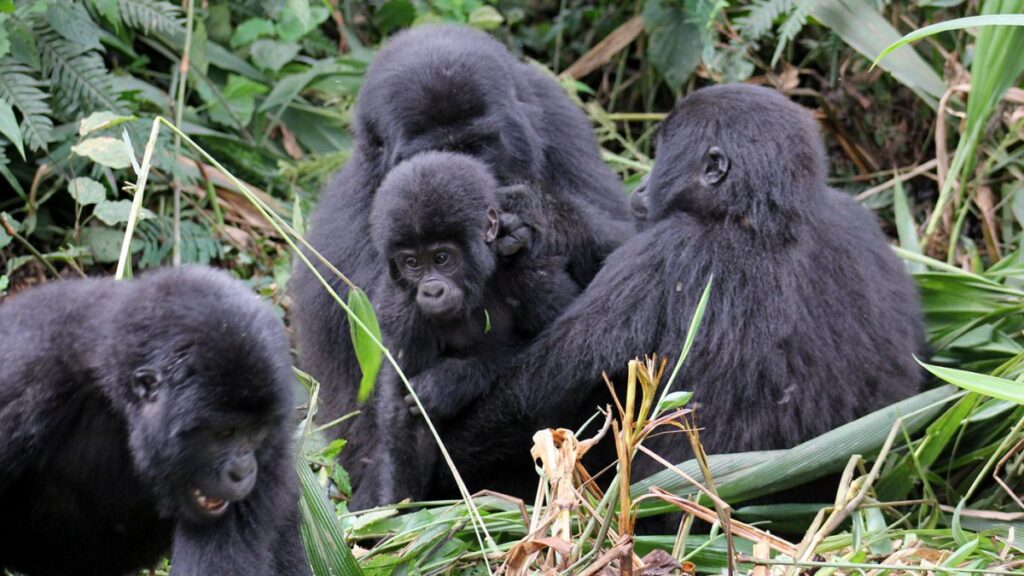
An early breakfast is followed by a transfer to the park headquarters for registration and a detailed briefing by rangers. You are assigned a gorilla family and guided into the dense rainforest of Virunga National Park.
The trek can take anywhere from one to several hours depending on the location of the gorillas. Along the way, guides interpret forest ecology, birdlife, and animal tracks. When the gorillas are found, you spend one unforgettable hour observing them as they feed, groom, and interact within their family groups.
After the trek, return to your lodge for lunch and relaxation. The rest of the day is spent at leisure, reflecting on this once-in-a-lifetime experience.
Day 3: Batwa Cultural Experience
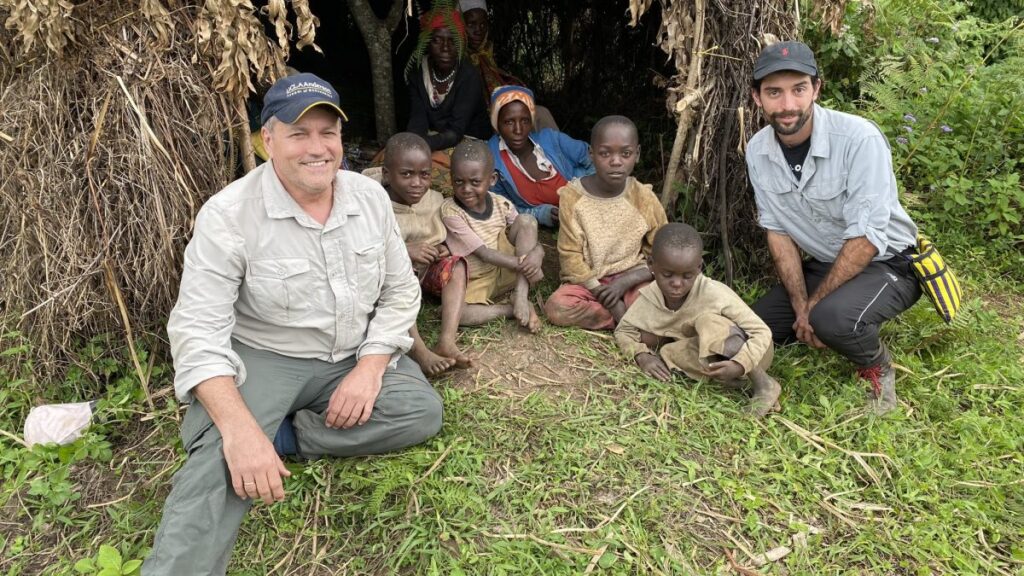
Today is dedicated to cultural immersion with the Batwa community, one of Central Africa’s oldest indigenous groups. You visit a nearby village where local guides introduce you to traditional forest-based lifestyles.
You learn about hunting techniques, medicinal plants, fire-making, and survival skills once used in the rainforest. Elders share stories of their ancestral connection to the forest, while cultural performances bring music, rhythm, and dance to life.
This experience is deeply interactive and meaningful, offering a rare opportunity to understand Congo’s cultural heritage beyond wildlife. Return to your lodge in the afternoon with time to relax.
Day 4: Nyiragongo Hike or Lake Kivu Relaxation
This day offers flexibility depending on your preference for adventure or relaxation.
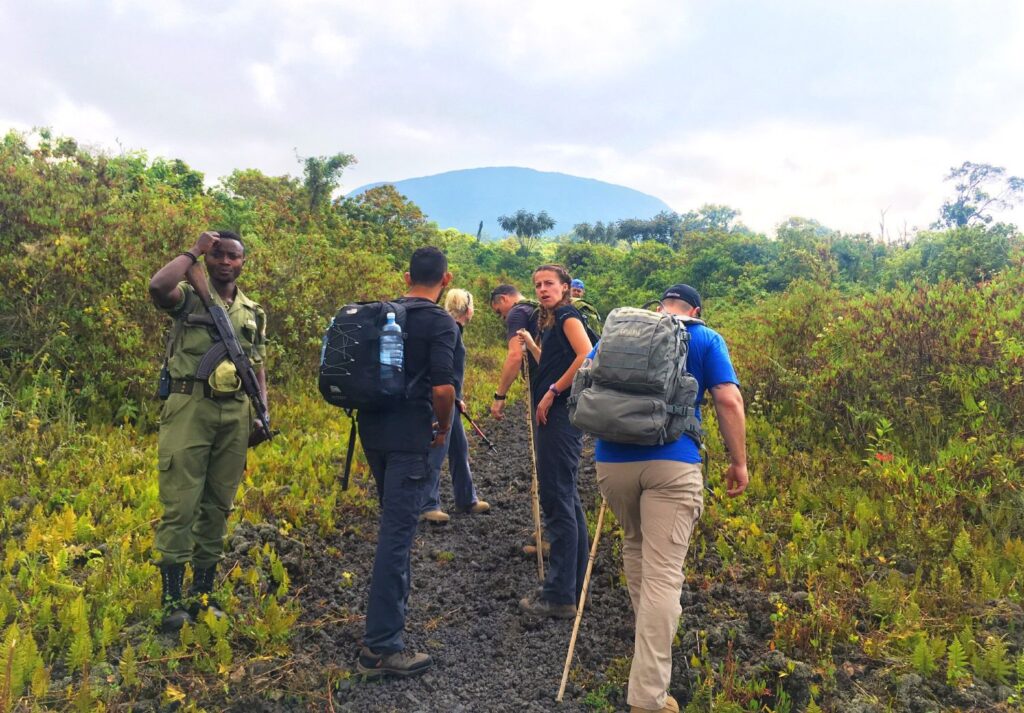
For those seeking adventure, hike Mount Nyiragongo, one of Africa’s most iconic volcanoes. The trek ascends through different vegetation zones before reaching the summit, where you witness the world’s largest lava lake glowing dramatically at night. Overnight is spent in basic summit cabins.
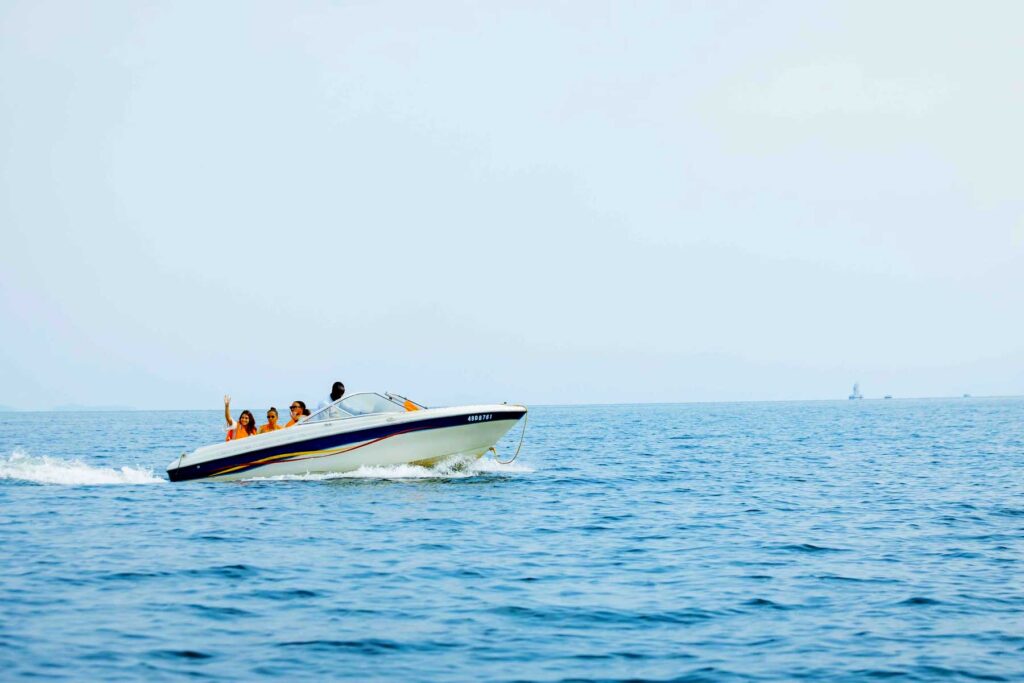
Alternatively, choose a relaxed day at Lake Kivu. Enjoy optional activities such as boat rides, kayaking, or simply unwinding by the lakeshore while taking in the scenic surroundings. This option is ideal for travelers preferring a slower pace.
Day 5: Transfer to Bukavu → Kahuzi-Biega National Park
After breakfast, depart for Bukavu along the scenic Lake Kivu shoreline. The journey offers stunning views of terraced hills, fishing villages, and local life along the lake. Depending on logistics, this transfer may be done by road or boat.
Upon arrival in Bukavu, continue to Kahuzi-Biega National Park, a UNESCO World Heritage Site known for its rich biodiversity. Check into your forest lodge, surrounded by lush vegetation and tranquil natural sounds.
Day 6: Lowland Gorilla Trekking
Begin the day with an early briefing before trekking into the forest to track eastern lowland gorillas. These gorillas are larger and inhabit lower altitude forests compared to their mountain counterparts.
The trek is generally less crowded, offering a more exclusive experience. As with mountain gorillas, you spend one hour observing their behavior once located. The experience is equally powerful, with opportunities to see feeding, movement, and social interaction.
Return to your lodge for lunch and relaxation, with the option to explore the surrounding forest or enjoy the peaceful setting.
Day 7: Cultural Village Experience
Today focuses on deeper cultural interaction with communities around Kahuzi-Biega National Park. You visit local villages where you engage in daily activities such as farming, food preparation, and craft-making.
You also witness traditional dances and music performances that reflect the region’s heritage. This day provides meaningful cultural exchange and supports local communities through responsible tourism.
Day 8: Lake Kivu Relaxation and Exploration
Enjoy a relaxed day along Lake Kivu. You may visit fishing villages, interact with local fishermen, or take a guided boat excursion across the lake.
The day can also include visits to local markets or cultural centers, offering insight into everyday life in the region. Alternatively, spend time at your lodge enjoying the peaceful lakeside environment, making this a perfect day to unwind before departure.
Day 9: Return to Kigali → Departure
After breakfast, begin your return journey to Kigali. The drive offers one final opportunity to enjoy the scenic landscapes of the region.
Upon arrival, you are transferred to the airport for your onward flight, marking the end of your 9 Day Congo Cultural and Gorilla Safari filled with unforgettable wildlife encounters and cultural experiences.
Inclusions of 9 Day Congo Cultural and Gorilla Safari
This safari includes gorilla permits for both parks, accommodation, all meals, private transport, professional guide, park entry fees, ranger services, and cultural experiences.
Exclusions
International flights, visas for Congo and Rwanda, travel insurance, tips, personal expenses, and optional activities are not included.
Estimated Cost of 9 Day Congo Cultural and Gorilla Safari
| Category | Price Per Person (USD) |
|---|---|
| Budget | 3,800 – 4,500 |
| Midrange | 4,500 – 7,500 |
| Luxury | 8,000 – 12,000+ |
Why Travel with Pieland Gorilla Safaris
Pieland Gorilla Safaris , offers expert planning, reliable logistics, and deep regional knowledge for Congo safaris. With strong partnerships on the ground, they ensure smooth border crossings, secured gorilla permits, and safe, well-guided experiences. Their personalized approach, experienced guides, and commitment to authentic travel make them a trusted choice for Congo cultural and gorilla safaris.
Contact Us to inquire about this safari.
FAQs about 9 Day Congo Cultural and Gorilla Safari
Is Congo safe for gorilla trekking?
Gorilla trekking in the Democratic Republic of the Congo is conducted in well-protected national parks such as Virunga National Park and Kahuzi-Biega National Park. All treks are accompanied by trained rangers and guides, and visitors are briefed on safety procedures before entering the forest. When organized through experienced operators, the experience is considered safe and well-managed.
Do I need a visa for Congo?
Yes, travelers require a tourist visa before entering Congo. The process is typically arranged in advance and often coordinated through your tour operator. You will also need a valid passport, passport photos, and supporting travel documents.
How difficult is gorilla trekking?
Gorilla trekking can be physically demanding due to steep terrain, dense vegetation, and unpredictable trekking durations. Treks can last from one to several hours, depending on the gorilla family’s location. However, guides assign groups based on fitness levels to ensure a manageable experience.
How long do you spend with gorillas?
Once the gorillas are located, visitors are allowed to spend one hour in their presence. This time is strictly regulated to minimize disturbance and protect the animals while still offering a meaningful and immersive encounter.
What is the difference between mountain and lowland gorillas?
Mountain gorillas, found in Virunga National Park, live in higher altitude forests and tend to have thicker fur. Eastern lowland gorillas, found in Kahuzi-Biega National Park, are larger in size, with broader bodies and shorter hair, and inhabit lower altitude forests.
Can beginners do this safari?
Yes, this safari is suitable for beginners with a reasonable level of fitness. While gorilla trekking requires some physical effort, it does not require prior trekking experience, and guides provide support throughout.
Is the Nyiragongo hike mandatory?
No, the hike to Mount Nyiragongo is optional. Travelers who prefer a more relaxed experience can choose to spend the day at Lake Kivu or enjoy cultural and leisure activities instead.
What accommodation level is available?
Accommodation options range from budget lodges to midrange comfort and luxury eco-lodges. Each category offers different levels of comfort, amenities, and service, allowing travelers to choose based on their preferences and budget.
How many people trek per group?
Gorilla trekking groups are limited to a maximum of eight people per gorilla family. This ensures a more intimate experience and reduces stress on the animals.
Is photography allowed?
Yes, photography is allowed during gorilla trekking and throughout the safari. However, the use of flash is strictly prohibited as it can disturb the gorillas.
What should I wear for trekking?
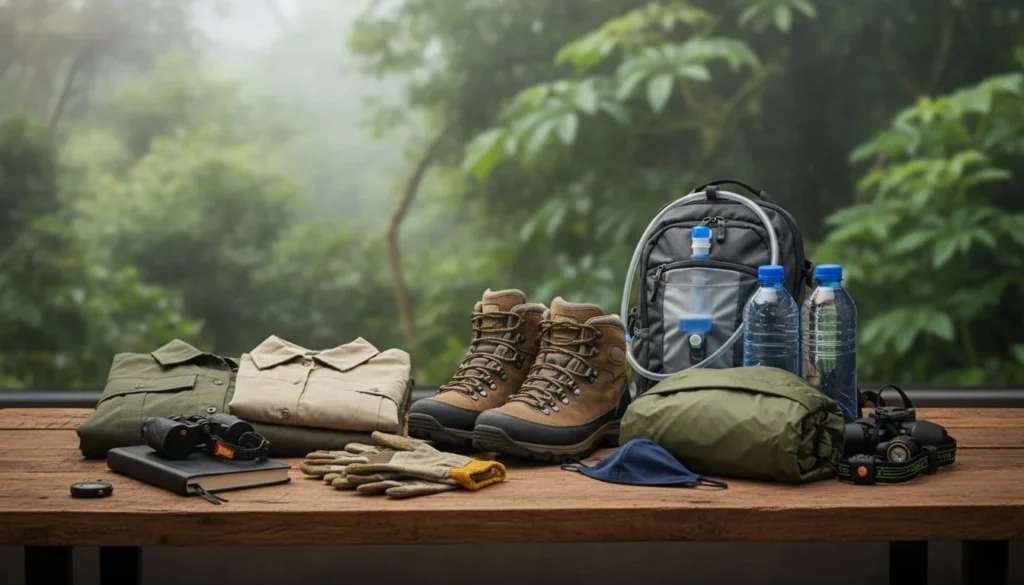
Wear long-sleeved shirts, long trousers, and sturdy hiking boots. It is also recommended to carry a rain jacket, gloves for handling vegetation, and insect repellent for protection in the forest.
Can I customize this itinerary?
Yes, this itinerary is flexible and can be tailored to suit your travel dates, preferences, and interests. Additional activities or extensions can easily be included.
Are meals included?
Yes, meals are typically included throughout the safari, depending on the accommodation package. Most lodges provide full-board services with breakfast, lunch, and dinner.
Do I need travel insurance?
Travel insurance is highly recommended. It should cover medical emergencies, evacuation, trip cancellations, and unexpected disruptions.
What currency is used?
US Dollars are widely accepted for tourism services. It is advisable to carry clean, newer USD notes for ease of transactions.
Is WiFi available?
WiFi is available in some lodges but may be limited or slow due to the remote locations of national parks.
Can I combine this with Rwanda?
Yes, this safari typically starts and ends in Kigali, making it easy to combine with Rwanda experiences such as city tours or additional wildlife safaris.
Are children allowed?
The minimum age for gorilla trekking is usually 15 years. This is due to the physical demands of trekking and conservation guidelines.
What wildlife besides gorillas can I see?
In addition to gorillas, you may encounter other primates, forest elephants, birds, and various species unique to Congo’s rainforest ecosystems.
How far is Kigali from Goma?
The drive from Kigali to Goma typically takes about 4 to 5 hours, depending on border crossing procedures and road conditions.
Do I need vaccinations?
A yellow fever vaccination is mandatory for entry into Congo. Other recommended vaccinations may include hepatitis A, typhoid, and routine immunizations.
Is tipping expected?
Yes, tipping is customary and appreciated. It is a way to recognize the efforts of guides, drivers, porters, and lodge staff who contribute to your safari experience.
Contact Us to inquire about this Congo adventure.