Hiking Mount Nyiragongo in Virunga National Park offers a great adventure, with stunning views and the chance to witness an active volcano. This Mountain is an active shield volcano located in the Virunga National Park, situated in the Democratic Republic of the Congo (DRC). With an elevation of 3,470 meters (11,380 feet), it is one of the most famous volcanoes in Africa. Known for its lava lake, Mount Nyiragongo attracts travelers from all over the world who are eager to witness one of the most active and accessible lava lakes on Earth.
The volcano is part of the Virunga Volcanic Chain, which includes other notable peaks such as Mount Mikeno and Mount Karisimbi. The breathtaking views from the summit and the intense volcanic activity make hiking Mount Nyiragongo in Virunga National Park a one-of-a-kind adventure.
For trekkers, the hike presents a mix of challenging terrain and thrilling geological features, including volcanic craters, steep slopes, and lush forest areas. It is this combination of natural beauty and the fascinating volcanic activity that makes hiking Mount Nyiragongo in Virunga National Park a must-do for adventurous travelers.
Significance Hiking Mount Nyiragongo in Virunga
Hiking Mount Nyiragongo in Virunga National Park is not only about reaching the summit—it’s about experiencing one of the world’s most active volcanoes firsthand. The true highlight of this trek is the opportunity to view the lava lake that sits at the summit. The lake is often bubbling with lava, creating a fiery, glowing spectacle that is rare to witness in such an accessible location. This makes hiking Mount Nyiragongo in Virunga National Park a once-in-a-lifetime experience for those who wish to observe an active volcanic system up close.
The significance of this hike also goes beyond its geological wonder. Mount Nyiragongo has had several major eruptions, including the devastating eruption in 2002, which displaced thousands of residents in the town of Goma. Despite this, hiking Mount Nyiragongo in Virunga National Park allows visitors to witness the resilience of the local communities who have learned to live alongside the volcano.
Furthermore, the hike is crucial for the conservation of the surrounding environment. Virunga National Park is home to endangered species like the mountain gorillas, and funds raised from the trekking permits help support the park’s wildlife conservation efforts. Thus, hiking Mount Nyiragongo in Virunga National Park not only offers personal enrichment but also contributes to preserving this vital ecosystem.
Hiking Mount Nyiragongo in Virunga National Park offers trekkers a rare combination of geological exploration, natural beauty, and cultural significance, making it a truly unforgettable journey.
Best Time for Hiking Mount Nyiragongo in Virunga
Ideal Months for Trekking
The best time to hike Mount Nyiragongo in Virunga National Park largely depends on the weather conditions, and the ideal months for trekking are typically during the dry season. These months are from June to August and December to February. During this period, the trails are more manageable, and there is less rain, which makes the hike safer and more enjoyable.
Dry Season (June to August and December to February) is considered the prime time for hiking Mount Nyiragongo because the terrain is drier, and the paths are less slippery, making it easier to navigate. The dry weather also ensures better visibility, allowing trekkers to enjoy stunning views of the surrounding volcanoes, forests, and lakes.
Rainy Season (March to May and September to November) can make the trails muddy and challenging. Rain can create slippery conditions, increasing the difficulty of the hike and the risk of injury. Also, the visibility during the rainy season can be reduced, and trekking in these conditions may not offer the best views of the lava lake or the surrounding landscape.
For those who are flexible and looking to avoid the crowds, December through February can offer a slightly quieter hiking experience, though it may still attract some visitors as it’s part of the dry season.
Weather Conditions and Trail Considerations
Temperature: At lower altitudes, the weather can be quite warm, but as you ascend to higher elevations, temperatures can drop significantly, especially at night. The summit of Mount Nyiragongo can be cold and windy, so trekkers should be prepared for cooler conditions, even in the dry months.
Rain: Even in the dry season, there’s still a chance of occasional rain showers. If hiking in the rainy season, trekkers should be prepared for continuous rain, which can make the trail challenging and more physically demanding.
Visibility: The dry season offers the best visibility, allowing trekkers to fully appreciate the expansive views from the summit. During the rainy season, mist can reduce visibility, making the overall trekking experience less immersive.
Request a quote for hiking Mount Nyiragongo in Virunga National Park.
Hiking Overview
Difficulty Level and Trail Options
Hiking Terrain of Mount Nyiragongo.
Hiking Mount Nyiragongo is considered a challenging trek due to its elevation, steep terrain, and rugged volcanic landscape. It’s important to be in good physical condition and have experience hiking in mountainous or rugged terrain before attempting this hike. Here’s a breakdown of the difficulty level:
Steep Terrain: The trail is steep in parts, with a significant incline, making the hike physically demanding. Although it is not a technical climb, the effort required to ascend the mountain can be tough for inexperienced hikers. The final ascent, especially in the higher reaches of the volcano, can be exhausting, and trekkers need to pace themselves properly to manage the altitude and steepness.
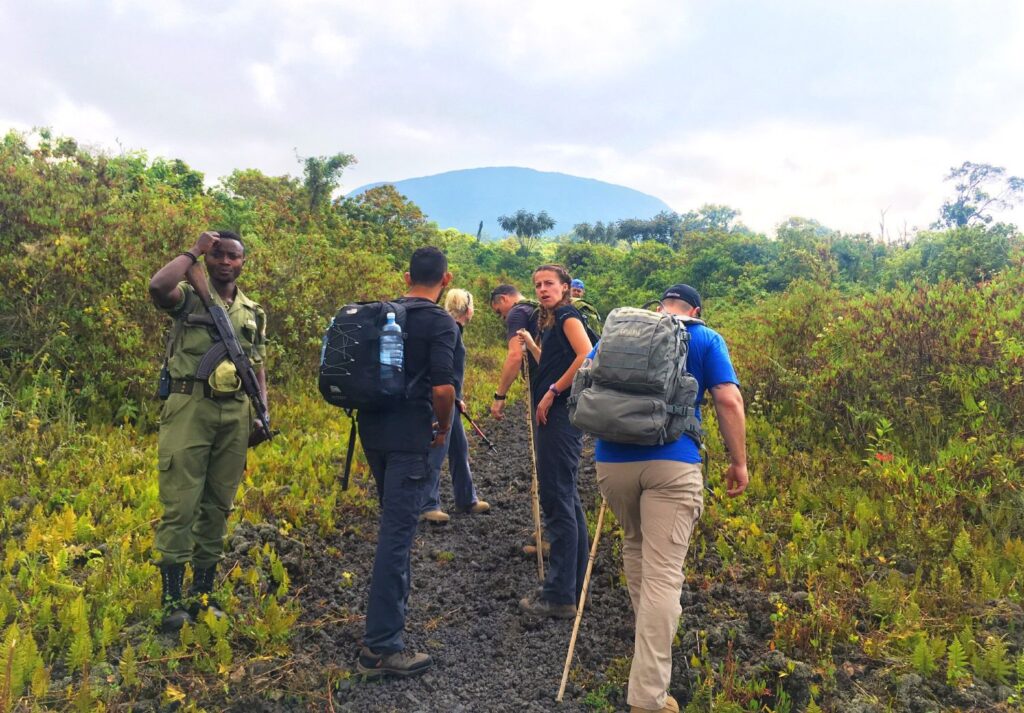
Trail Conditions: The trail is primarily a volcanic path with loose rocks, volcanic ash, and uneven surfaces. There are sections where the path is covered in ash deposits from past eruptions, and during the dry season, these areas can be dusty. In wetter conditions, the path can be slippery and muddy, increasing the challenge.
Guided Experience: It’s mandatory to hike with an official guide and ranger. These experts are trained in guiding trekkers safely up the volcano and provide essential information about the environment, wildlife, and history of Mount Nyiragongo. They also ensure the safety of the group, particularly in a remote area like this where volcanic activity can still occur.
There is one main trail that leads to the summit, called the Nyiragongo Volcano Trail. This trail begins from the Ranger Station at around 2,000 meters and climbs steadily to the summit at 3,470 meters. Along the way, there are rest stops where hikers can catch their breath and enjoy panoramic views.
Duration of the Hike
The total duration of the hike to Mount Nyiragongo’s summit is typically 6 to 7 hours one way, with an ascent of around 1,500 meters.
Day 1: The trek begins in the afternoon and continues through the late afternoon and evening, with the goal to reach the summit before nightfall. Trekkers often spend the night at the summit in simple mountain huts or shelters near the lava lake. Spending the night at the summit allows visitors to witness the lava lake’s glowing activity under the night sky.
Descent: The descent is typically faster, taking 4 to 5 hours. However, hikers are advised to take it slow on the way down to avoid injuries from the uneven terrain.
The overall experience, including time at the summit, generally spans two days—with the ascent on day one, an overnight stay at the summit, and the descent on day two. This multi-day experience gives trekkers ample time to explore the summit and observe the unique geological features of the volcano.
Summary
Hiking Mount Nyiragongo is a physically demanding but highly rewarding adventure that requires preparation and good physical fitness. Choosing the right time to hike, ideally in the dry season from June to August or December to February, ensures the best experience with drier trails and better visibility. The trek itself is challenging due to the steep volcanic slopes and rocky terrain, but the opportunity to witness the stunning lava lake at the summit makes every effort worthwhile. The 6-7 hour ascent and overnight stay provide a chance to fully immerse in the incredible volcanic environment, with guides and rangers ensuring safety and providing valuable insights into the history and ecology of this remarkable landscape.
Steep volcanic slopes .
Preparing for Hiking Mount Nyiragongo in Virunga
Necessary Gear and Equipment
Hiking Mount Nyiragongo in Virunga National Park requires careful preparation, as the conditions can be physically demanding, and the terrain is often rugged and steep. Here’s a list of essential gear and equipment that trekkers should bring to ensure a safe and comfortable hike:
Sturdy Hiking Boots:
Waterproof, ankle-supporting boots are crucial for the steep and rocky terrain of Hiking Mount Nyiragongo in Virunga National Park. The volcanic ash and loose rocks can make the trail slippery, so boots with good grip and support are essential to prevent injuries.
Clothing:
Layered Clothing: The weather can change drastically with altitude, so wearing layers is key. Start with a moisture-wicking base layer to keep sweat off your skin. Add an insulating mid-layer (fleece or down jacket) for warmth, and top it off with a waterproof jacket to protect from rain or wind.
Pants: Wear long, durable hiking pants to protect against the rough terrain during Hiking Mount Nyiragongo in Virunga National Park. Avoid shorts as they won’t provide adequate protection against thorns, rocks, or cold temperatures at higher altitudes.
Gloves and Hat: Since the summit can get cold, a warm hat and gloves are recommended to maintain body heat, especially in the evening when temperatures drop.
Rain Gear:
The weather can be unpredictable, even in the dry season, so carrying a lightweight, breathable rain jacket or poncho is essential. Waterproof covers for your backpack are also important to keep your gear dry in case of rain during Hiking Mount Nyiragongo in Virunga National Park.
Backpack:
A small daypack (20-30 liters) is sufficient to carry essentials such as water, snacks, a camera, sunscreen, extra layers, and your first aid kit. It’s important not to carry too much weight, as the hike can be physically demanding.
Headlamp/Flashlight:
A headlamp is essential for visibility during the last leg of Hiking Mount Nyiragongo in Virunga National Park, which may take place in the evening or at night as you approach the summit. Bring extra batteries, as the cold can drain battery life quickly.
Water and Snacks:
Carry at least 2-3 liters of water, as staying hydrated is critical during Hiking Mount Nyiragongo in Virunga National Park. High-energy snacks, such as trail mix, energy bars, or nuts, will help keep your energy up throughout the trek.
Sunscreen and Sunglasses:
At high altitudes, UV rays can be intense, so apply sunscreen with a high SPF and wear sunglasses with UV protection to protect your skin and eyes from sunburn.
First Aid Kit:
A small first aid kit with band-aids, antiseptic, pain relief, and any personal medications is important in case of injury or discomfort during Hiking Mount Nyiragongo in Virunga National Park.
Camera/Phone:
Don’t forget your camera or smartphone to capture the breathtaking scenery. Make sure your phone is fully charged before Hiking Mount Nyiragongo in Virunga National Park and bring a portable charger for emergencies.
Physical Fitness Requirements
Hiking Mount Nyiragongo in Virunga National Park is a strenuous activity, and it’s important to be physically prepared. Here’s what you need to focus on:
Cardiovascular Fitness:
The hike involves significant elevation gain and steep inclines. Building endurance with cardiovascular exercises like running, cycling, or hiking at higher altitudes will help you maintain energy over the duration of Hiking Mount Nyiragongo in Virunga National Park. Aim for 30-60 minutes of cardio at least 3-4 times a week leading up to the hike.
Leg Strength:
Since the trail involves climbing steep volcanic slopes, leg strength is crucial. Exercises like squats, lunges, and step-ups will prepare your quads, calves, and hamstrings for the ascent. Hill training and stair climbing can also help simulate the trail’s demands during Hiking Mount Nyiragongo in Virunga National Park.
Core Stability:
Having a strong core (abdomen and back muscles) will help with balance and stability as you hike over rocky, uneven ground. Incorporate exercises like planks, Russian twists, and leg raises into your workout routine.
Mental Stamina:
The hike can be long and taxing, so mental preparedness is just as important as physical fitness. Practice pushing through fatigue and staying motivated, especially in the last stretch of Hiking Mount Nyiragongo in Virunga National Park, which can be the most challenging.
Altitude Acclimatization:
Mount Nyiragongo’s summit sits at 3,470 meters (11,380 feet). If you’re coming from a lower altitude, it’s important to allow your body time to acclimatize to the reduced oxygen levels. Plan for a gradual acclimatization process by spending a few days at moderate altitude (e.g., Goma or Kigali) before Hiking Mount Nyiragongo in Virunga National Park.
What to Expect During Hiking Mount Nyiragongo in Virunga
Terrain and Challenges
The terrain on Hiking Mount Nyiragongo in Virunga National Park varies significantly as you ascend, offering a mix of volcanic rock, ash, and forested sections. Here’s a breakdown of what to expect:
Volcanic Ash and Rocks:
The trail consists of loose volcanic ash and sharp rocks, making the path uneven and challenging to navigate. In the lower parts of the hike, the ground may be dusty, but as you ascend, the trail becomes rockier and steeper.
Steep Climbing Sections:
Much of Hiking Mount Nyiragongo in Virunga National Park involves steep inclines and switchbacks, which can be physically demanding, especially during the last sections when the altitude increases. There are some areas with minimal shade, so maintaining a steady pace is essential to conserve energy.
Mud and Slippery Spots:
If it has rained recently, certain sections of the trail can become slippery and muddy, particularly near the base and in the middle sections of the hike. This requires careful footing to avoid slipping during Hiking Mount Nyiragongo in Virunga National Park.
High Altitude and Thin Air:
As you climb, the air gets thinner, which can lead to shortness of breath and fatigue, especially if you’re not accustomed to high-altitude hiking. Drink plenty of water and take breaks to manage your energy levels while Hiking Mount Nyiragongo in Virunga National Park.
Scenic Views Along the Trail
Stunning Volcanic Landscapes: As you ascend, the views become progressively more stunning. The landscape around you is shaped by centuries of volcanic activity, with smoldering fumaroles, jagged lava rocks, and volcanic craters visible as you climb during Hiking Mount Nyiragongo in Virunga National Park.
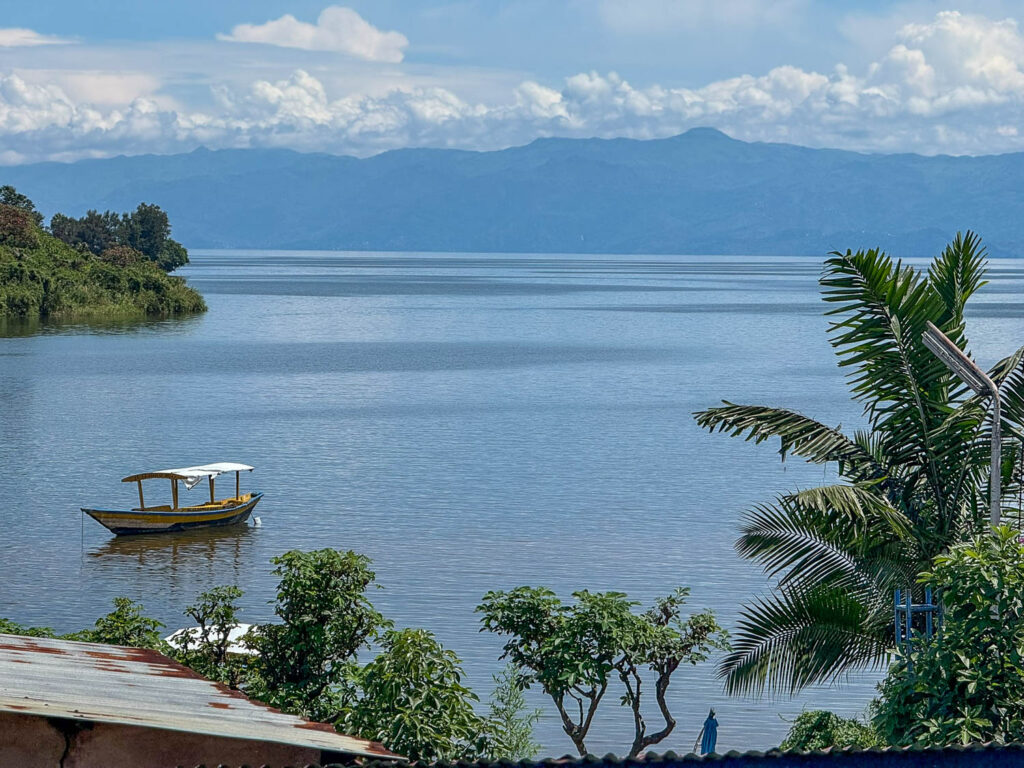
Views of Goma and Lake Kivu: From the middle sections of the trail, you’ll be treated to panoramic views of Goma (a bustling town on the edge of Lake Kivu) and Lake Kivu itself, offering a beautiful contrast of volcanic terrain and the expansive blue lake below.
Panoramic views of Lake Kivu.
Lava Lake at the Summit: The most dramatic sight is at the summit, where you’ll be greeted by the incredible lava lake inside the crater, often glowing with bright orange molten lava. This view, especially at night, is one of the most memorable aspects of Hiking Mount Nyiragongo in Virunga National Park.
Hiking Mount Nyiragongo in Virunga National Park is a physically demanding but rewarding experience. With the right preparation and mindset, you’ll encounter unique geological landscapes, the thrill of volcanic activity, and unforgettable views. The lava lake view at the summit makes every step worthwhile, and the challenges of the hike are matched by the incredible rewards.
Summit Experience
Lava Lake and Crater Views
Reaching the summit of Mount Nyiragongo is the highlight of the hike, and the experience is unparalleled. The summit offers a spectacular view of the active lava lake situated within the volcano’s crater. The lava lake is one of the most active and accessible lava lakes in the world, and it is an awe-inspiring sight to behold.
Lava Lake:
The lava lake at Mount Nyiragongo is often bubbling with molten lava, glowing bright orange and sometimes erupting in spectacular displays. This intense geological feature is constantly changing, making the view from the summit uniquely dynamic.
Depending on volcanic activity, you might witness lava fountains shooting high into the air, creating a breathtaking spectacle. The sight of rivers of flowing lava and the powerful rumble of the volcano make the summit of Mount Nyiragongo an experience that few places on Earth can offer.
Crater Views:
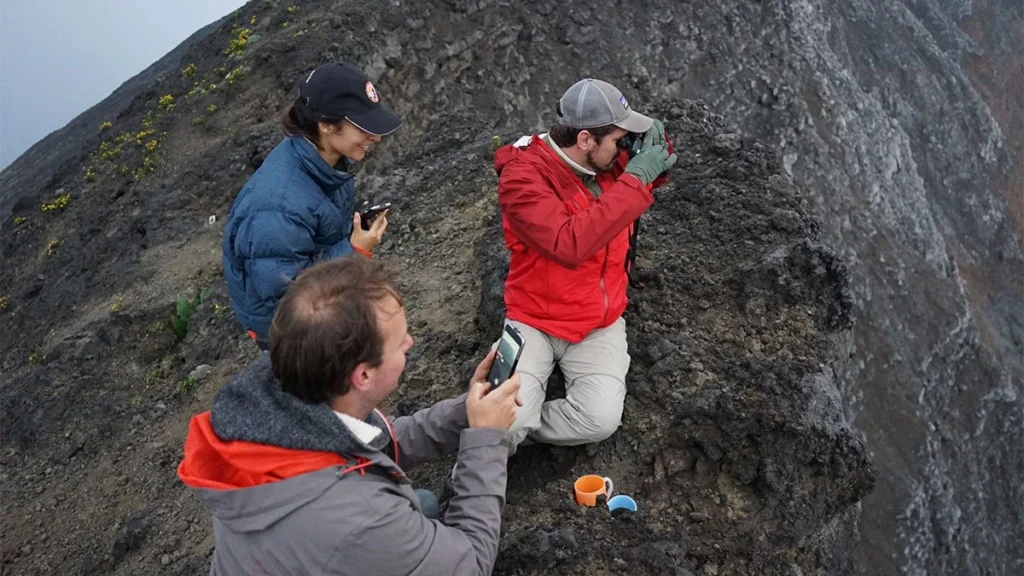
In addition to the lava lake, the summit offers expansive views of the crater’s rim and surrounding volcanic landscapes. The edges of the crater provide a sense of how large and powerful this volcano is, with sheer cliffs and jagged rock formations that have been shaped by millions of years of volcanic activity.
On clear days, you can also see Lake Kivu and Goma, and even Rwanda in the distance, with the rolling hills and forests adding to the dramatic contrast between nature’s serenity and the raw power of the volcano.
Accommodations at the Summit
After a long day of hiking, spending the night at the summit allows trekkers to enjoy the full volcanic experience. There are basic accommodations near the summit, providing an essential, yet comfortable place to rest after the hike.
Mountain Huts:
At the summit, there are mountain huts (also called shelters) provided by the park authorities. These shelters are designed to provide a safe haven from the elements and allow trekkers to spend the night at the summit.
The huts are simple but adequate, equipped with bunk beds, blankets, and sometimes basic facilities like solar-powered lights. The cold temperatures at night mean that bringing an extra layer or sleeping bag is a good idea to stay warm in the high-altitude conditions.
Summit Experience:
The real treat of staying at the summit is the opportunity to witness the lava lake in the dark. As night falls, the glow of the molten lava becomes more pronounced, creating a surreal and mesmerizing atmosphere. The combination of the chilly mountain air and the fiery glow from the lava makes for an unforgettable experience.
Watching the lava lake from the summit hut, under a blanket of stars, is a rare and awe-inspiring experience that very few get to enjoy in their lifetime.
Safety and Security
Park Rangers and Guides
Safety is a top priority when hiking Mount Nyiragongo in Virunga National Park. The park employs a team of trained park rangers and local guides who are crucial to ensuring the safety of all trekkers during the hike.
Guides:
Experienced local guides are essential to the hiking experience on Mount Nyiragongo. These guides are familiar with the trail, the terrain, and the unique features of the volcano. They provide not only expert navigation but also essential information about the flora, fauna, and geology of the area.
Guides are also trained to assist in emergency situations. They are equipped with basic first aid knowledge and carry communication devices in case assistance is needed.
Rangers:
Armed rangers accompany all trekkers to ensure both safety and security, especially since the region has experienced instability in the past. The presence of rangers helps to protect trekkers from potential dangers, including wildlife encounters or security threats.
Rangers also monitor volcanic activity to ensure that Hiking Mount Nyiragongo is safe. They keep trekkers informed about any potential hazards and provide safety briefings before the trek begins.
Precautions During the Hike
While Hiking Mount Nyiragongo is an incredible adventure, it’s important to take necessary precautions to ensure a safe and enjoyable experience. The difficult terrain and volatile volcanic conditions mean that safety is paramount.
Physical Preparedness:
As Hiking Mount Nyiragongo involves significant elevation gain and challenging terrain, it’s essential to be physically fit. Those planning to hike should undergo cardiovascular conditioning and strength training to prepare for the uphill climb and rocky paths.
Altitude sickness can affect trekkers, so acclimatizing properly before the hike is critical. It is advised to spend at least a day or two in Goma or Kigali to adjust to the altitude and reduce the risk of altitude sickness.
Weather Considerations:
The weather in the area can change rapidly, and trekkers must be prepared for any conditions. Rain showers can make the trail slippery, and temperatures at the summit can drop significantly. Carrying the right rain gear, warm clothing, and extra layers is essential to staying comfortable during the hike.
Guided Trekking:
It’s crucial to hike with a guide and follow all safety instructions given by the guides and rangers. Straying off the trail, especially in the higher reaches of the volcano, can lead to accidents or dangerous situations.
Always stay with your group and avoid taking unnecessary risks, especially when near the summit or volcanic craters. The terrain can be treacherous, and guides are there to help you navigate safely.
Volcanic Activity Monitoring:
Mount Nyiragongo is an active volcano, and the lava lake is constantly changing. While the rangers will monitor the volcano’s activity and ensure that conditions are safe for trekking, there’s always a small risk of sudden eruptions or changes in lava behavior.
Trekkers are briefed on how to recognize signs of volcanic activity and are always accompanied by rangers who are trained in assessing and responding to potential volcanic hazards.
Hiking Mount Nyiragongo in Virunga National Park is a thrilling and memorable adventure, but it requires preparation and adherence to safety guidelines. The incredible views of the lava lake and the summit accommodations are worth the effort, but trekkers should respect the conditions and rely on the expertise of guides and rangers to ensure a safe and rewarding experience. By following the necessary precautions and staying informed, visitors can enjoy one of the most unique and awe-inspiring volcanic hikes in the world.
How to Book Your Trek
Permit Requirements and Costs
Booking a trek to Mount Nyiragongo requires obtaining a permit, as the hike is managed by Virunga National Park. The permits are essential for entry and are issued through official channels to ensure that the park’s delicate ecosystems and the trekkers themselves are protected.
Permit Costs:
The cost of the Mount Nyiragongo trek permit is typically around $300–$400 USD per person. This fee covers park entry, the park ranger (who guides the trek), and the basic accommodation at the summit (shelters or mountain huts).
The cost also supports conservation efforts in Virunga National Park, including the protection of the park’s wildlife, like mountain gorillas, and maintenance of the park’s infrastructure.
Group Size:
Treks are organized in groups, usually consisting of 4 to 10 people. If you prefer a private trek, this can often be arranged, but it may come with a higher cost. Keep in mind that the group size helps maintain a manageable number of trekkers, ensuring that the experience remains intimate and environmentally sustainable.
Inclusions for Hiking Mount Nyiragongo in Virunga
The permit cost typically includes:
Ranger fees for guidance and safety.
Accommodation at the summit, which is usually in basic mountain huts or shelters.
Safety equipment (including the first-aid kit and communication tools).
Park entry fees for the conservation of the area.
Booking with Pieland Gorilla Safaris
Pieland Gorilla Safaris offers a seamless and professional way to book your Mount Nyiragongo trek, making the entire process easier and ensuring you get the best possible experience.
Comprehensive Trekking Packages:
Pieland Gorilla Safaris offers comprehensive tour packages that include not just the Mount Nyiragongo hike, but also gorilla trekking in Virunga National Park, and the option to visit Kahuzi-Biega National Park for lowland gorilla trekking.
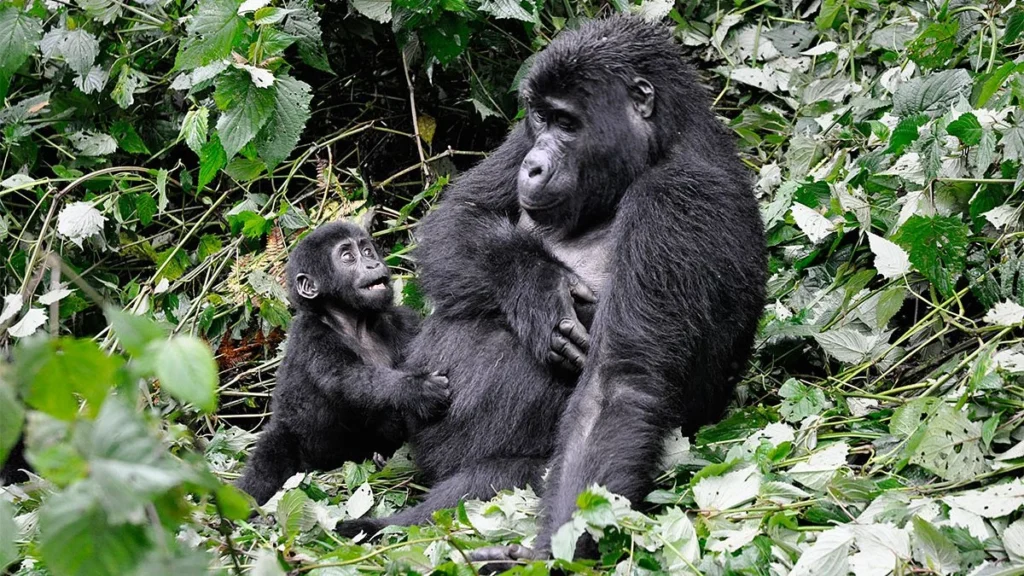
Gorilla trekking in Virunga National Park
You can choose from standard trekking packages or luxury tours that include VIP services such as private guides, helicopter transfers, and exclusive accommodations.
Easy Booking Process:
Pieland Gorilla Safaris simplifies the booking process by taking care of all logistics, from obtaining your trekking permit to arranging the right guides and rangers. Their experienced team handles all aspects of your trip, ensuring a stress-free experience for you.
The Pieland team is well-versed in the Virunga region, which allows them to provide tailored itineraries, so you can make the most of your trekking experience. Whether you want a short, intense trek or a longer, more leisurely exploration, they can customize your package.
Safety and Expertise:
Pieland Gorilla Safaris only uses qualified local guides and park rangers, ensuring you receive expert advice on the trail and safety tips for Hiking Mount Nyiragongo.
They also provide essential information about the terrain, lava activity, and potential hazards along the way, ensuring that you’re fully prepared for the adventure ahead.
Accommodation at the Summit:
With Pieland Gorilla Safaris, you will have the option of booking luxury or standard accommodations at the summit. The basic mountain huts are included in the trek, but if you prefer additional comfort, Pieland offers luxury camping options or access to special huts for a more exclusive experience at the summit.
Flexible Payment Options:
Pieland Gorilla Safaris offers flexible payment options for securing your Mount Nyiragongo trekking permit. You can either pay a deposit to confirm your booking and pay the balance closer to your departure date or choose to pay in full upfront.
Transportation Services:
Pieland Gorilla Safaris also offers airport pick-up and transportation services to and from Goma or Kigali (Rwanda) for those flying into Virunga National Park.
Whether you’re arriving from Kigali International Airport or Goma, Pieland Gorilla Safaris can arrange safe and comfortable transportation, taking the stress out of getting to the park and starting your trek on the right foot.
Additional Services:
If you’re looking to combine your trek with other activities such as chimpanzee trekking, safari tours in the DRC, or even volcano hikes in Rwanda, Pieland Gorilla Safaris can curate packages that include these activities, giving you the full adventure experience.
Required Documents:
Ensure you have valid travel documents, such as a passport and any required visas for the Democratic Republic of the Congo (DRC). Apply visit Vosa for DRC .Many tourists visit Virunga National Park via Rwanda, Appy visit Visa for Rwanda, so keep in mind the visa requirements for both countries.
Conclusion
Why Mount Nyiragongo is a Must-Hike Adventure
Hiking Mount Nyiragongo in Virunga National Park is an adventure that offers something few places on Earth can provide—a chance to witness an active lava lake and trek up one of the most powerful volcanoes in Africa. Here’s why it’s an experience not to be missed:
Unique Volcanic Landscape:
The lava lake at the summit of Mount Nyiragongo is one of only a few active lava lakes in the world. This rare phenomenon provides an unmatched visual experience, especially at night when the glowing lava contrasts against the dark sky. This spectacle alone makes Hiking Mount Nyiragongo in Virunga National Park an adventure that will stay with you forever.
Immersive Natural Experience:
As you hike, you’ll encounter a diverse range of environments—from dense forests and lush vegetation at lower altitudes to the stark volcanic landscapes higher up. The scenic views along the trail offer a mix of wildlife, volcanic landscapes, and vistas of nearby Lake Kivu and Goma.
A Challenging Yet Rewarding Hike:
The trek to Mount Nyiragongo’s summit is physically demanding, but it’s also incredibly rewarding. The climb offers a sense of accomplishment, and the chance to stand at the edge of an active volcano is something few hikers will ever experience in their lifetime. The night spent at the summit, overlooking the lava lake, is an unforgettable part of the journey.
Conservation Impact:
By booking your trek to Mount Nyiragongo, you’re not only enjoying a once-in-a-lifetime experience, but you’re also contributing to the conservation efforts in Virunga National Park. The funds from trekking permits directly support wildlife protection, including the preservation of mountain gorillas and other endangered species in the region. Your adventure helps sustain the park’s delicate ecosystem.
Accessibility:
Despite being an active volcano, Mount Nyiragongo is relatively accessible to non-expert trekkers, especially those with good physical fitness. You don’t need technical mountaineering experience, just proper preparation and a sense of adventure.
Cultural and Historical Significance:
Mount Nyiragongo has not only been a geological wonder for millions of years, but it has also shaped the history and lives of the people living near it. The eruptions in 2002 and their impact on the surrounding communities highlight the resilience of the local populations, and hiking the volcano offers an opportunity to understand their connection to the land and their ongoing adaptation to living with a powerful natural force.
Hiking Mount Nyiragongo in Virunga National Park is much more than just a physical challenge; it’s an exploration of nature’s raw power, an immersion in one of Africa’s most dynamic ecosystems, and a chance to witness one of the planet’s most stunning volcanic features. Whether you’re an adventure seeker, nature lover, or someone looking to contribute to conservation, the trek is an experience that promises to be rewarding, thrilling, and memorable.
Contact Us today to book your Mount Nyiragongo expedition.
FAQs About Hiking Mount Nyiragongo in Virunga National Park
What is the best time to hike Mount Nyiragongo? The best time to hike is during the dry season, typically from June to August and December to February, as the trails are less muddy and the weather is more predictable.
How long does it take to hike Mount Nyiragongo? The hike to the summit typically takes 6 to 7 hours, depending on the pace and weather conditions. The descent usually takes 4 to 5 hours.
What is the difficulty level of the hike? Hiking Mount Nyiragongo is considered a moderately challenging hike, requiring good physical fitness, especially for the steep ascent and high altitude.
Do I need prior hiking experience to hike Mount Nyiragongo? While prior hiking experience is not necessary, it’s recommended that trekkers have some experience with moderate hiking and be physically fit for the ascent.
How much does the trekking permit cost? The permit for Mount Nyiragongo typically costs $300–$400 USD per person, which includes park entry, guide services, and summit accommodation.
What does the permit include? The permit covers park entry, a guide, a mountain hut or shelter at the summit, and ranger fees. It also contributes to the park’s conservation efforts.
Is the trek safe? Yes, the trek is safe as long as you follow the guidelines set by the park rangers and guides. They are trained to handle the terrain and ensure your safety throughout the hike.
Are there guides available for the hike? Yes, you are required to hike with a trained guide and park ranger. They provide navigation, safety, and insightful information about the park and the volcano.
What should I pack for the hike? You should bring sturdy hiking boots, layered clothing, rain gear, water, snacks, a headlamp, camera, and sunscreen. A small backpack for your essentials is recommended.
Can I hike Mount Nyiragongo alone? No, solo hiking is not allowed. You must hike with an official guide and ranger for safety reasons.
Is there accommodation at the summit? Yes, there are basic mountain huts or shelters at the summit where trekkers can stay overnight. These huts provide bunk beds, blankets, and essential amenities.
What kind of terrain will I encounter during the hike? The terrain includes volcanic rock, ash fields, steep inclines, and rocky paths. The trail can be slippery if it’s wet, so sturdy footwear is essential.
How high is Mount Nyiragongo? Mount Nyiragongo stands at 3,470 meters (11,380 feet), which is why it’s important to be prepared for high-altitude conditions.
Can I see the lava lake at the summit? Yes, the lava lake is one of the highlights of the trek. From the summit, you can see the glowing molten lava, and in the evening, it offers a mesmerizing and fiery view.
What are the risks of hiking Mount Nyiragongo? The main risks include slippery terrain, altitude sickness, and volcanic activity. Guides and rangers are trained to monitor conditions and ensure safety throughout the hike.
How do I book the trek? You can book the trek through Virunga National Park’s official website or through tour operators like Pieland Gorilla Safaris who can assist with the entire process, including the permit, transportation, and guides.
Do I need a visa to visit the DRC for hiking Mount Nyiragongo? Yes, you’ll need a visa for the Democratic Republic of the Congo (DRC). Depending on your nationality, you may be able to obtain a visa on arrival or need to apply in advance.
What is the weather like at the summit? The weather at the summit can be cold and windy, with temperatures dropping significantly in the evening. It’s important to pack warm clothing and a jacket.
Is there any mobile service or Wi-Fi on the mountain? There is no mobile network coverage or Wi-Fi on the summit. It’s advised to inform family or friends in advance and prepare for a digital detox during the hike.