Remote Fishing Destinations in Uganda
Introduction to Remote fishing destinations in Uganda
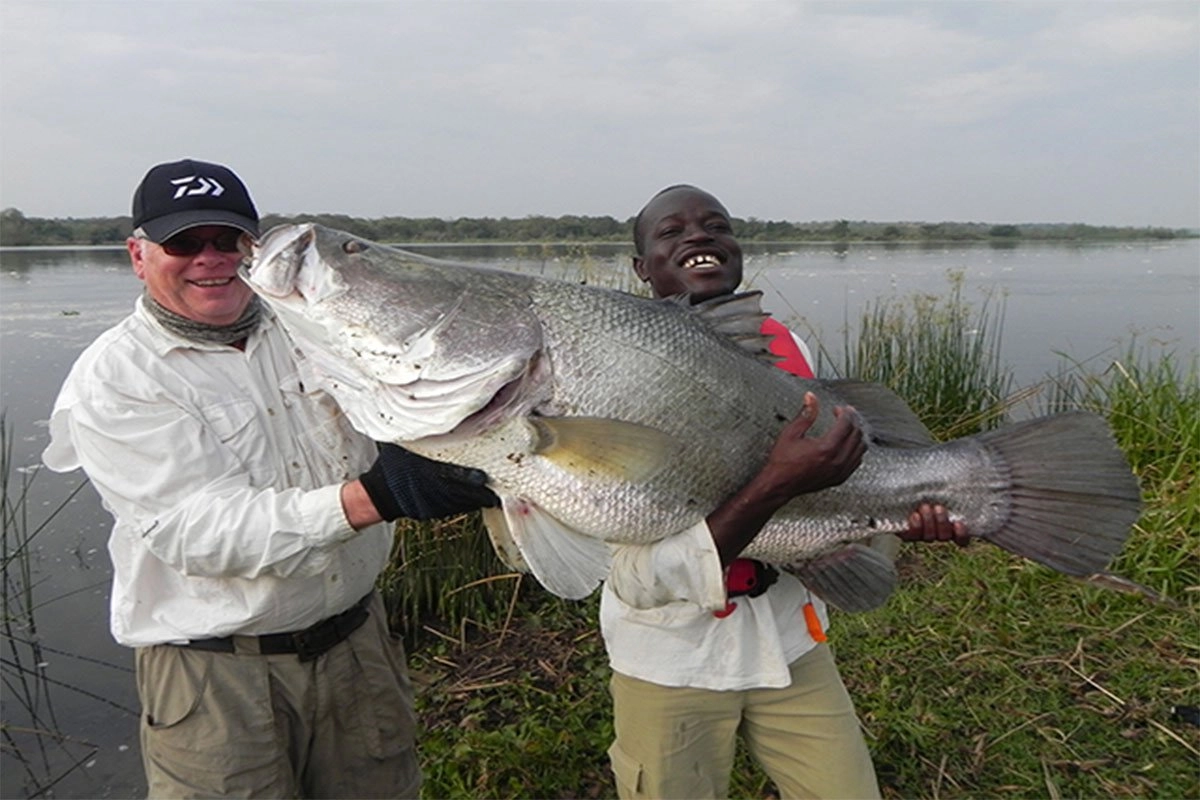
Remote fishing destinations in Uganda offer some of the most untouched and tranquil fishing experiences in East Africa. Known for its diverse landscapes, Uganda’s lakes and rivers provide the perfect environment for anglers looking to cast a line in serene and secluded waters. From the vast shores of Lake Albert to the hidden gems along the Achwa River, Uganda’s remote fishing spots are teeming with rich biodiversity, offering anglers an opportunity to enjoy nature at its finest while pursuing their passion for fishing.
These exclusive fishing locations are far removed from the crowds, providing an intimate experience with nature. Uganda’s pristine and abundant freshwater ecosystems house a wide variety of fish species, making it an ideal destination for both seasoned anglers and those new to the sport. Whether you’re seeking solitude, adventure, or an authentic fishing experience, Uganda’s remote fishing destinations are the perfect choice.
Why Choose Remote Fishing Destinations in Uganda
Seclusion and Tranquility
Remote fishing destinations in Uganda are perfect for those looking to escape the noise and chaos of everyday life. These hidden fishing spots, far from the usual tourist crowds, offer peace and solitude in the heart of nature. Surrounded by lush landscapes and the sounds of wildlife, anglers can enjoy the calming serenity of Uganda’s untouched waters. With no distractions, it’s the ultimate setting to relax, reflect, and immerse oneself in the beauty of nature while enjoying a day of fishing.
Variety of Fish Species in Remote Fishing Destinations in Uganda
Uganda’s remote fishing locations are home to a wide variety of fish species, making it a must-visit destination for anglers. The waters of Uganda host iconic species such as the Nile perch, as well as tilapia, catfish, and many other freshwater species. Whether you’re trolling the deep waters of Lake Albert or casting from the riverbanks of Lake Edward, Uganda offers diverse fishing opportunities that cater to anglers of all skill levels. With such a range of species, each fishing trip provides a new and exciting challenge, whether you’re after a trophy fish or a relaxing day by the water.
Exclusive Fishing Experiences in Remote fishing destinations in Uganda
Fishing in Uganda’s remote spots offers an unparalleled level of exclusivity. With fewer visitors than more well-known locations, these secluded fishing areas provide the perfect opportunity for private, uninterrupted experiences. Whether you’re fishing solo or with a small group, you’ll have the waters all to yourself. Many of these fishing destinations also offer guided tours with local experts, ensuring that you visit the best spots and make the most of your time on the water. This combination of solitude and expert guidance guarantees a premium fishing experience tailored to your preferences.
Eco-Friendly Practices and Sustainability
Remote fishing destinations in Uganda are not only about enjoying nature but also about preserving it. Many of Uganda’s remote fishing locations are dedicated to sustainable fishing practices that protect the ecosystems. From catch-and-release programs to eco-friendly lodges, Uganda emphasizes the importance of conservation. Fishing here allows anglers to engage with the environment responsibly, contributing to the preservation of Uganda’s stunning freshwater habitats. By choosing these destinations, you are supporting eco-tourism efforts that ensure these natural wonders remain vibrant for future generations.
Remote Fishing Destinations in Uganda
Lake Albert
Overview
Lake Albert, located in the northwestern part of Uganda, is one of the largest lakes in the country. Surrounded by beautiful landscapes and remote surroundings, this lake is a haven for anglers seeking a peaceful and unspoiled fishing experience. Its clear waters and diverse ecosystems make it an ideal destination for both beginner and experienced fishermen. For those seeking a true remote fishing destination in Uganda, Lake Albert offers a unique and immersive experience far from the crowds.
Fishing Opportunities
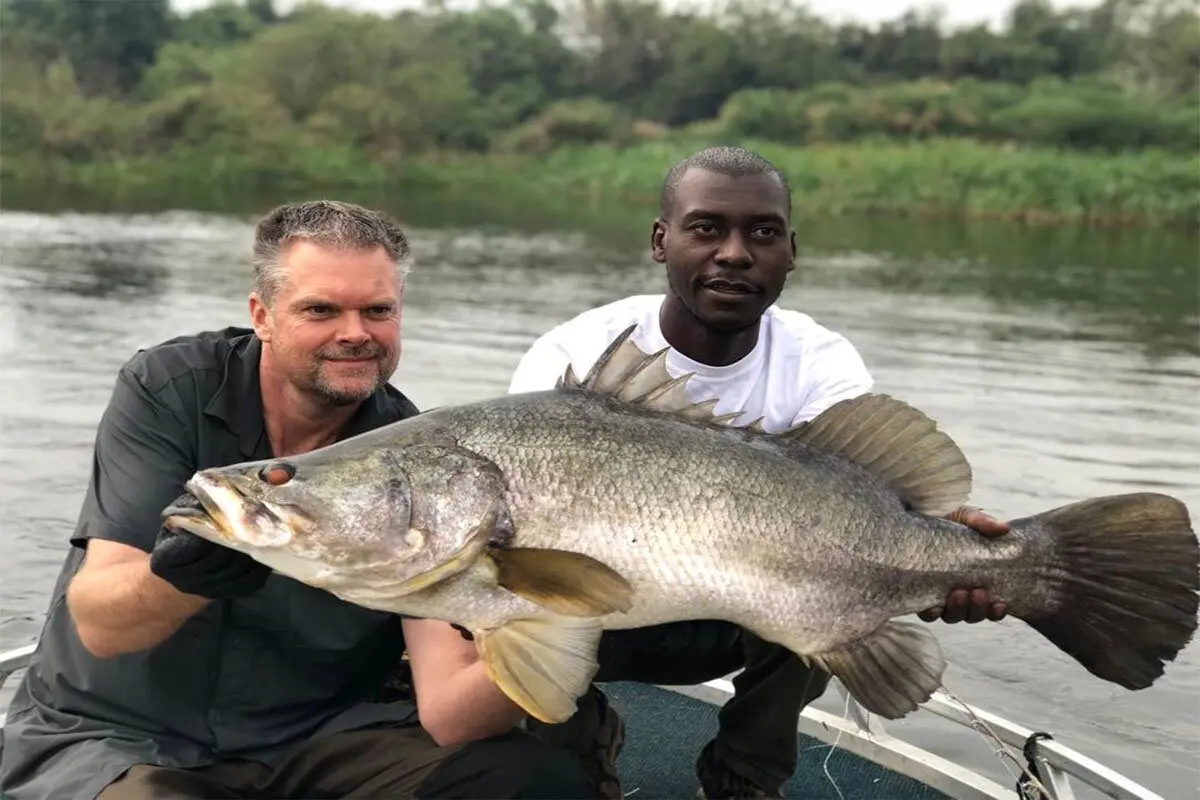
Lake Albert is renowned for its abundant fish species, particularly Nile perch, tilapia, and catfish. The lake’s depth and extensive shoreline provide various fishing opportunities, including trolling, casting, and live bait fishing. The area is also known for its sizable Nile perch, which can grow to impressive sizes, making it a top attraction for anglers looking for big catches in remote fishing destinations in Uganda.
Best Time to Visit
The best time to visit Lake Albert for fishing is during the dry season, from December to February and June to September, when the weather is more stable, and the fishing conditions are ideal. The wet season, from March to May, brings heavy rains that can make fishing more challenging.
Access and Logistics
Lake Albert is accessible by road from Kampala, with a drive time of approximately 6–7 hours. The nearest towns are Hoima and Kibaale, which are key starting points for accessing the lake. The area can also be reached via chartered flights to nearby airstrips, which offer a quicker and more comfortable way to get to the lake.
Accommodation Options
Accommodations around Lake Albert range from basic lodges to mid-range options. Several lakeside camps and eco-lodges offer a more intimate and secluded experience, providing everything from comfortable rooms to fishing guides. More upscale options are available in nearby towns such as Hoima, though they require a short drive to the fishing sites.
Lake Edward
Overview
Lake Edward, nestled between Uganda and the Democratic Republic of Congo, is a picturesque lake surrounded by the beautiful Queen Elizabeth National Park. Known for its tranquility and biodiversity, the lake provides an excellent setting for a peaceful fishing retreat. Its unique location and proximity to national parks make it an ideal destination for anglers who also want to experience wildlife. For those seeking a remote fishing destination in Uganda, Lake Edward offers both serenity and adventure in one stunning location.
Fishing Opportunities
Lake Edward is home to a variety of species, including Nile perch, tilapia, and catfish. The lake’s calm waters are perfect for both trolling and casting. The surrounding areas also offer access to some of the best fishing spots along the lake’s shores. Fishing on Lake Edward provides the added bonus of combining the serenity of the lake with breathtaking views of the park and wildlife.
Best Time to Visit
The best time to visit Lake Edward is during the dry seasons, from June to September and December to February. These months offer more stable weather and clearer waters, which improve the chances of successful fishing. During the wet season, from March to May, the lake’s fishing conditions can be more difficult due to muddy waters and unpredictable weather.
Access and Logistics
Lake Edward is accessible by road from Queen Elizabeth National Park. A drive from Kampala takes about 6–7 hours. Alternatively, visitors can fly to nearby airstrips, such as Kasese or Mweya airstrip, and then drive to the lake. Once in the area, local guides and fishermen can provide access to the best fishing sites.
Accommodation Options
Several mid-range and budget-friendly accommodations are available around Lake Edward, including lakeside lodges and campsites. Queen Elizabeth National Park also has luxury lodges like Mweya Safari Lodge and Kyambura Gorge Lodge, offering a combination of wildlife experiences and proximity to fishing spots.
Lake Mburo National Park
Overview
Lake Mburo, located within Lake Mburo National Park, is a beautiful and peaceful destination for anglers seeking a more intimate fishing experience. The lake is smaller compared to other major Ugandan lakes, but it offers a rich and diverse fishing environment within a park famous for its wildlife, including zebras and impalas. The park is also known for its boat safaris, which combine both wildlife viewing and fishing making it a good remote fishing destinations in Uganda
Fishing Opportunities
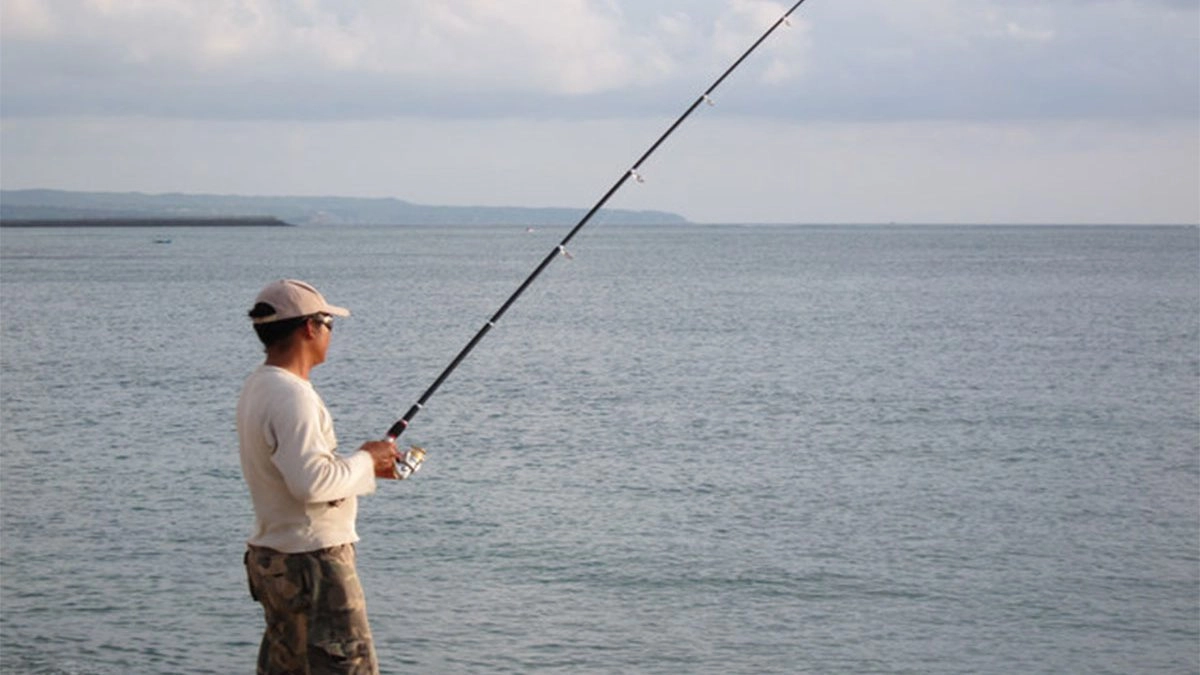
Lake Mburo is known for its abundant tilapia, Nile perch, and catfish. The fishing here is excellent for those looking for a laid-back fishing experience, as well as for those keen to target larger species. For anglers seeking a remote fishing destination in Uganda, Lake Mburo provides the perfect blend of peaceful waters and diverse wildlife. Boat fishing is particularly popular on this lake, offering anglers a unique perspective of the park’s wildlife and landscapes, making one of the best remote fishing destinations in Uganda
Best Time to Visit
The best time to visit Lake Mburo for fishing is during the dry season, from June to September and December to February, when the waters are clearer, and the weather is more favorable. During the wet season, the rains can make fishing more challenging, though it’s also a great time for birdwatching and general wildlife viewing.
Access and Logistics
Lake Mburo is easily accessible by road from Kampala, with a drive time of about 4 hours. Visitors can also fly into the nearby Nyakisharara Airstrip and then drive to the park. Once inside the park, local guides can help with transportation to the best fishing locations around the lake.
Accommodation Options
Accommodation near Lake Mburo is diverse, ranging from budget campsites to mid-range lodges and upscale options within the park. Popular lodges include Lake Mburo Safari Lodge and Mihingo Lodge, both of which offer comfortable accommodations and the opportunity to combine fishing with game drives and boat safaris.
Achwa River
Overview
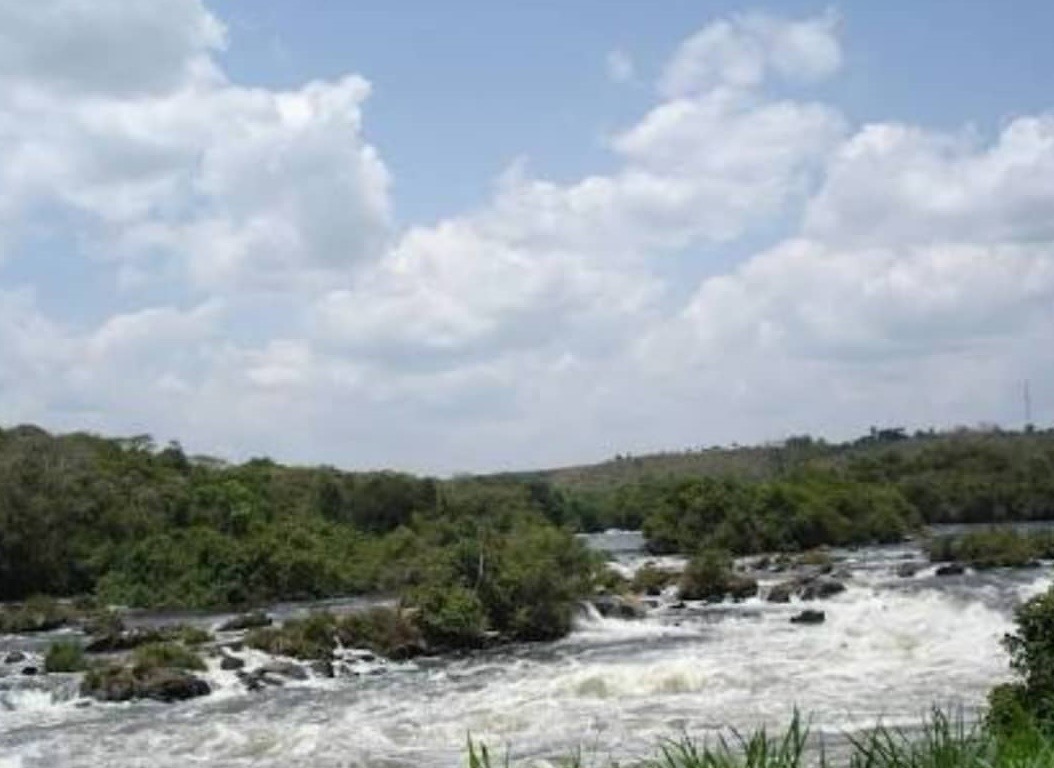
The Achwa River is a hidden gem for anglers looking for a remote fishing destination in Uganda. Located in the northern region of the country, this river flows through lush landscapes and remote areas, providing a peaceful and exclusive fishing experience. The river is known for its pristine waters and scenic surroundings, making it an ideal place to connect with nature.
Fishing Opportunities
The Achwa River is home to a variety of species, including Nile perch, tilapia, and catfish. The river’s flowing waters provide an excellent environment for both traditional casting and fly fishing. Fishing here offers the chance to catch larger fish in a secluded and serene setting, far from the more crowded fishing spots in Uganda.
Best Time to Visit
The best time to visit the Achwa River is during the dry season, from June to September and December to February, when the waters are clear, and fishing conditions are optimal. The river is more challenging to fish during the rainy season due to higher water levels and muddy conditions, though it can be a good time for birdwatching and exploring the surrounding nature.
Access and Logistics
Access to the Achwa River is through the nearby towns of Gulu or Kitgum, both of which are accessible by road from Kampala, with travel times of around 6–7 hours. The river is best explored with a local guide who can help anglers navigate the river and find the best fishing spots.
Accommodation Options
There are limited but charming accommodation options near the Achwa River, ranging from basic guesthouses to more rustic camping experiences. The area is less developed than other fishing spots in Uganda, making it perfect for those seeking a truly remote and immersive experience. Visitors can also opt for lodges in Gulu or Kitgum, which are a short drive from the river.
Fishing Techniques
Trolling
Trolling is a popular and effective fishing technique in Uganda’s lakes and rivers, particularly for targeting larger species such as Nile perch. This method involves towing a fishing line with bait or lures behind a boat, allowing the bait to swim at a specific depth while the boat moves. Trolling works well in deeper waters and is ideal for catching larger fish, as it covers a wide area and attracts predatory fish like Nile perch.
Live Bait
Using live bait is another successful technique in Uganda, especially in areas like Lake Albert and Lake Edward. Live bait involves using smaller fish, such as minnows or shad, to attract larger species. This method mimics natural feeding patterns and is effective for a variety of fish, including tilapia and catfish. Live bait is especially beneficial when targeting species that are more cautious or picky about what they bite.
Casting
Casting is one of the most versatile fishing techniques and is often used around the shorelines of Uganda’s lakes and rivers. It involves throwing a baited hook or lure into the water and retrieving it in a rhythmic motion to attract fish. This technique is perfect for anglers looking to catch tilapia, catfish, and smaller Nile perch. It can be done from the shore, from a boat, or even while wading in shallow waters. Casting allows for a more interactive fishing experience and works well in areas with abundant underwater structures.
Target Species
Nile Perch
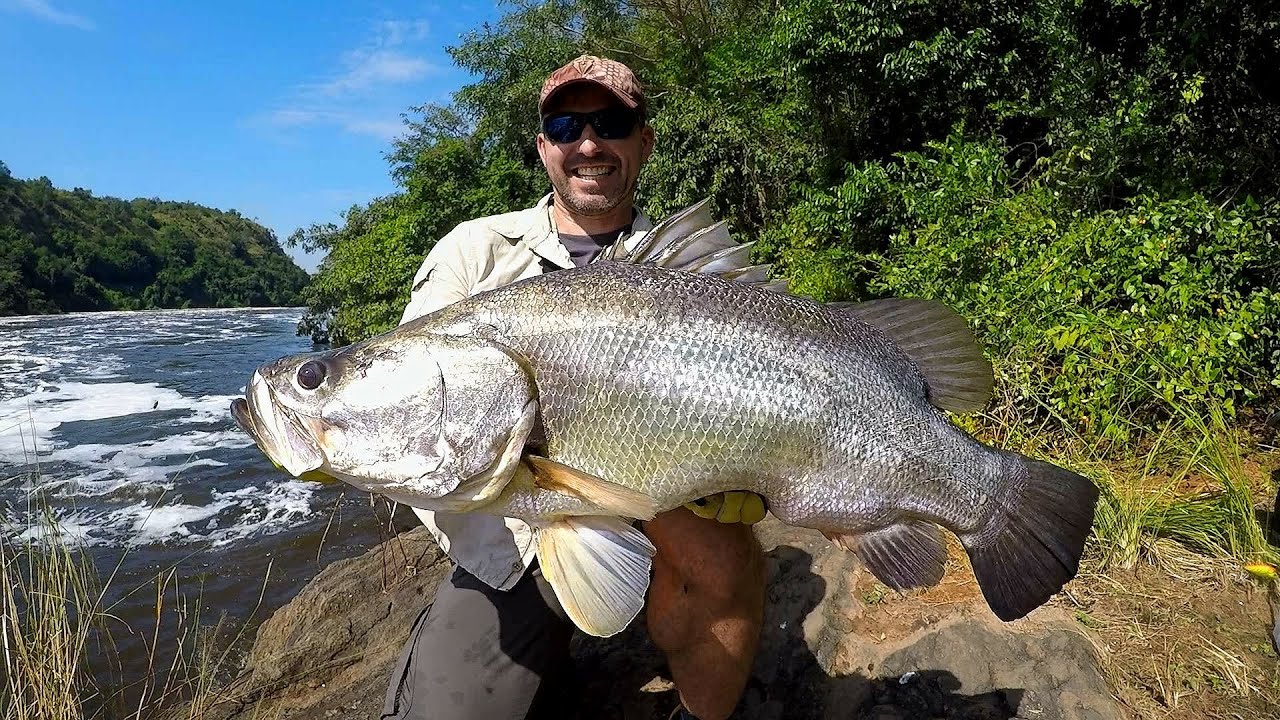
Nile perch is one of the most prized fish in Uganda, known for its size and strength. It is a top target for anglers looking for a challenge, as it can grow to impressive sizes, sometimes exceeding 100kg. Found in lakes such as Lake Albert and Lake Edward, Nile perch is often caught using trolling techniques or live bait. Its aggressive feeding behavior makes it a great sport fish, and it is highly sought after for both local and international markets.
Tilapia
Tilapia is a widely found fish in Uganda’s waters, known for its mild flavor and firm flesh. It is abundant in lakes such as Lake Albert, Lake Edward, and Lake Mburo, making it a popular target for both amateur and experienced anglers. Tilapia can be caught using live bait or casting techniques and is a great choice for those looking for an enjoyable and rewarding fishing experience. It is an excellent fish for beginners and is often found near the shorelines and in shallower waters.
Catfish
Catfish is another common species in Uganda, with large populations found in many of the country’s lakes and rivers. Known for its distinctive whiskers, catfish are bottom dwellers, making them ideal targets for anglers using live bait or casting. The Achwa River and Lake Mburo are popular places for catching catfish, which are typically caught at night or in deeper waters. The fish is highly prized for its taste and is an important species in Uganda’s local cuisine.
Other Notable Species
In addition to Nile perch, tilapia, and catfish, Uganda’s waters are home to several other notable species, including the African tiger fish, barbel, and the electric catfish. These species are found in specific regions of the country and offer additional challenges for anglers. Whether you’re fishing in the remote lakes or rivers, Uganda provides a diverse range of fish species to catch, making it an exciting destination for every type of angler.
Best Time to Visit Remote fishing destinations in Uganda
Dry Season vs. Wet Season
The best time to fish in Uganda largely depends on the season. The dry season, from June to September and December to February, is considered the peak fishing season in most parts of the country. During this time, the weather is more predictable, and water levels are lower, which improves fishing conditions. Fish are generally easier to catch during the dry season, and the clear water makes it easier to see fish and plan fishing strategies.
In contrast, the wet season, from March to May and October to November, can make fishing more challenging due to higher water levels, muddy waters, and unpredictable weather. However, the wet season can be an excellent time for birdwatching and wildlife viewing, as many species are more active during this time. Fishing can still be successful during the wet season, but anglers must adjust their techniques and be prepared for more challenging conditions.
Species-Specific Considerations
Certain fish species may be more active during specific seasons. For example, Nile perch tends to be more aggressive during the dry season, making it an ideal time for trolling. Tilapia, on the other hand, may be easier to catch during the wet season when they move closer to the shorelines to spawn. Catfish are often more active at night, especially during the wet season, when they venture into shallower waters.
When planning a fishing trip to Uganda, it’s important to consider the species you want to target and the best times to catch them. Understanding these seasonal patterns will help improve your chances of success.
Eco-Friendly Fishing Practices
Conservation Efforts
Uganda’s fishing industry has placed a strong emphasis on conservation in recent years, ensuring that its freshwater ecosystems remain healthy and sustainable. Many fishing lodges and operators participate in conservation initiatives, such as catch-and-release programs, which help preserve fish populations. Local communities are also educated about sustainable fishing practices, and the government works to regulate fishing activities to prevent overfishing and protect vulnerable species.
Additionally, some of Uganda’s fishing destinations have introduced eco-tourism projects that focus on preserving the surrounding environment. These efforts include maintaining water quality, protecting wildlife habitats, and supporting community-based conservation initiatives. By fishing in Uganda’s remote destinations, anglers can play a role in supporting these conservation efforts, ensuring that the country’s fishing resources are protected for future generations.
Sustainability Initiatives
Sustainability initiatives in Uganda’s fishing industry focus on maintaining healthy ecosystems, promoting responsible tourism, and reducing the environmental impact of fishing activities. Many fishing lodges and operators in Uganda are committed to using sustainable practices, such as eco-friendly fishing gear, waste management systems, and energy-efficient accommodations.
Eco-conscious anglers can also contribute to sustainability by respecting local fishing regulations, avoiding harmful practices, and supporting businesses that prioritize sustainability. By choosing eco-friendly fishing options, visitors help ensure that Uganda’s remote fishing destinations remain pristine and thriving for years to come.
Accommodation in Remote fishing destinations in Uganda
Remote Lakeside Lodges
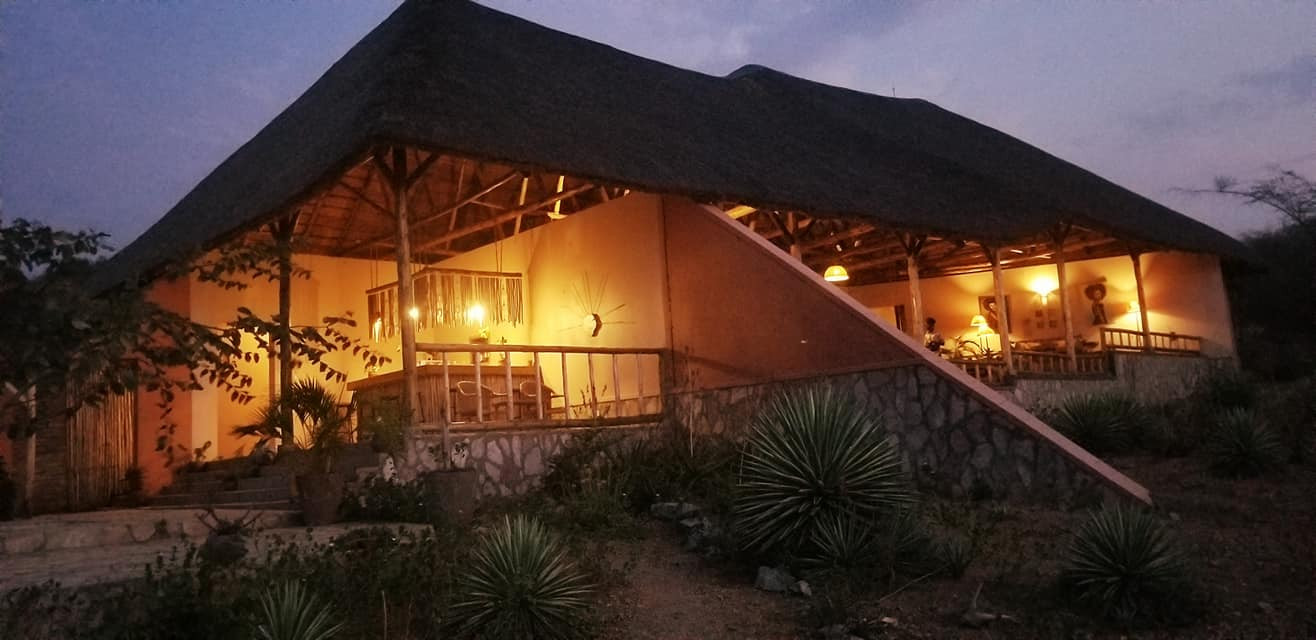
Remote lakeside lodges offer an immersive and comfortable stay for anglers looking to enjoy Uganda’s secluded fishing destinations. These lodges are often eco-friendly, blending harmoniously with the natural surroundings while providing basic amenities, making them ideal for those seeking a peaceful and private fishing experience. Some lodges offer luxurious accommodations, with stunning views of the lake and wildlife, while others may have more rustic charm, perfect for those who want to connect more closely with nature. Many lakeside lodges also provide fishing gear, local guides, and tailored services to enhance the fishing experience.
Camping Experiences
For those who prefer a more rugged and authentic experience, camping along Uganda’s remote lakes or rivers is an excellent option. Camping allows anglers to immerse themselves fully in nature, with the sounds of the water and wildlife surrounding them. Several campsites are located near popular fishing destinations like Lake Albert and Lake Edward. These campsites offer basic facilities, including tents, cooking equipment, and access to fishing spots, allowing anglers to enjoy an unforgettable adventure. Some areas even offer glamping-style setups with more comfortable accommodations, making it a perfect blend of nature and comfort.
Access and Logistics
Transportation Options
Accessing Uganda’s remote fishing destinations is relatively straightforward, though the journey may require some preparation. The most common way to reach these areas is by road from major cities like Kampala, with travel times ranging from 4 to 7 hours, depending on the destination. Roads to more remote fishing areas can be rough, but many tour operators provide 4×4 vehicles with experienced drivers to ensure a smooth journey.
Alternatively, visitors can fly into nearby airstrips, such as those near Queen Elizabeth National Park, Lake Mburo, or around Lake Albert, which offer quick access to fishing locations. Charter flights or scheduled domestic flights from Entebbe International Airport to regional airports like Kasese or Kisoro are options for those looking to save time. Once at the fishing destination, local transport or boat rides are often used to reach specific fishing spots.
Local Guides and Fishing Tours
Local guides and fishing tours are an essential part of any fishing trip in Uganda. Expert guides are familiar with the best fishing locations, techniques, and local conditions, ensuring a more successful and enjoyable experience. Many local guides offer fishing tours tailored to your preferences, whether you’re looking to fish from a boat, explore remote areas, or even fish in the evening for specific species like catfish. Local guides also help with permits, ensuring you comply with all regulations and contributing to sustainable practices. Booking a guide ensures not only a greater chance of success but also a deeper understanding of Uganda’s unique ecosystems.
Booking Your Adventure to Remote fishing destinations in Uganda
How to Book
Booking your remote fishing adventure in Uganda is straightforward. Pieland Gorilla Safaris offers online booking systems, allowing you to secure your spot ahead of time. Some popular fishing destinations also offer booking options through local fishing agencies, where you can arrange packages that include transport, accommodation, fishing permits, and guided tours. It’s recommended to book at least 1–2 months in advance, especially during the peak fishing seasons (June–September and December–February).
To ensure a smooth booking process, consider reaching out directly to the Pieland Gorilla Safaris for more personalized service. They can help with specific fishing requirements, such as the type of fish you wish to target, preferred fishing techniques, or special accommodations. It’s also important to inquire about availability during your desired dates and confirm any additional services like equipment rentals or meal preferences.
What to Expect
When booking a remote fishing adventure in Uganda, expect a tailored and authentic experience. Once you’ve secured your booking, you’ll receive confirmation and additional details about your trip, such as accommodation options, transport arrangements, and what to bring. Upon arrival at the fishing lodge or campsite, you’ll be greeted by local guides, who will take you to the best fishing spots based on the season, weather, and species availability.
Expect to spend most of your time fishing, with opportunities to enjoy the surrounding wildlife and stunning landscapes. Pieland Gorilla Safaris offers additional activities like boat safaris, birdwatching, or cultural tours, allowing you to explore more of Uganda’s natural beauty. Meals will typically be provided, with some lodges offering local cuisine or options tailored to dietary preferences.
Overall, booking a remote fishing adventure in Uganda offers a unique and enriching experience, combining the thrill of fishing with the beauty of Africa’s most secluded destinations.
Request a quote for a fishing adventure in Uganda.
Frequently Asked Questions
What fishing permits are required in Uganda?
A valid fishing permit is required to fish in Uganda’s lakes and rivers. Permits are often included in fishing packages provided by lodges or tour operators.
Do I need a fishing guide?
While not mandatory, a local fishing guide is highly recommended to enhance your experience. Guides know the best fishing spots, local regulations, and techniques to improve your chances of success.
What fish species can I catch in Uganda?
Common fish species include Nile perch, tilapia, catfish, and a variety of other freshwater species, such as African tiger fish and barbel.
When is the best time to fish in Uganda?
The dry season, from June to September and December to February, offers the best fishing conditions. However, the wet season can still provide excellent fishing opportunities, especially for certain species like tilapia.
Can I fish during the wet season?
Yes, although conditions can be more challenging due to higher water levels and muddy waters, some species are more active during the wet season, making it a worthwhile experience for seasoned anglers.
Are fishing tours available in Uganda?
Yes, many lodges and operators offer guided fishing tours tailored to your experience level and the species you wish to target.
What types of fishing techniques are used in Uganda?
Common fishing techniques include trolling, live bait fishing, and casting, each suited to different species and locations.
Do I need to bring my own fishing gear?
Most lodges and tour operators provide fishing gear, but it’s always a good idea to confirm in advance. If you prefer to bring your own equipment, check with your lodge to ensure it meets local requirements.
Is fishing in Uganda safe?
Yes, fishing in Uganda is safe when you follow the guidance of your local guide and respect safety protocols. Some areas may require extra caution, especially when near wildlife or navigating rough waters.
Can I fish from a boat?
Yes, boat fishing is a popular way to fish in Uganda, especially in larger lakes like Lake Albert and Lake Edward. Many fishing operators offer boat rentals for an added experience.
What type of accommodation is available near fishing spots?
Accommodations vary from remote lakeside lodges to campsites, with options ranging from basic to luxury, depending on the location and budget.
Is it possible to fish without staying at a lodge?
Yes, it is possible to fish independently in Uganda’s lakes and rivers, though having access to a lodge or tour operator enhances your overall experience by providing equipment, guides, and transport.
Are there eco-friendly fishing practices in Uganda?
Yes, many fishing operators in Uganda promote sustainability through catch-and-release programs, eco-friendly fishing gear, and community-based conservation efforts to protect the country’s freshwater ecosystems.
Do I need to book my fishing trip in advance?
It is recommended to book your fishing trip in advance, particularly during peak seasons, to secure accommodations and permits.
What should I bring on my fishing trip?
Items to bring include appropriate clothing for fishing (lightweight, breathable clothing), sunscreen, insect repellent, a hat, and any personal fishing gear you wish to use. It’s also a good idea to bring a camera to capture the stunning surroundings.
Can I fish on my own, or do I need a guide?
While fishing independently is possible, a guide can significantly enhance your experience by helping you find the best fishing spots, ensuring proper technique, and providing local knowledge.
Are there any fishing regulations I need to be aware of?
Yes, Uganda has fishing regulations to protect its ecosystems and fish populations. It’s important to follow local rules regarding fishing seasons, species limits, and prohibited practices, all of which will be outlined by your guide or operator.
What types of fish are found in Lake Albert?
Lake Albert is home to a variety of species, including Nile perch, tilapia, and catfish. It is particularly well known for its large Nile perch.
Can I combine fishing with other activities?
Yes, many fishing destinations in Uganda also offer additional activities, such as boat safaris, birdwatching, and wildlife viewing, giving you a well-rounded experience.
Are meals included during my fishing trip?
Many fishing lodges and tours include meals as part of the package. The types of meals offered will vary depending on the lodge, but they typically feature local Ugandan cuisine.
Can I fish at night?
Yes, certain species, like catfish, are more active at night, and fishing at night can be a thrilling experience. Some lodges and tour operators offer night fishing trips.
What is the fishing season for Nile perch?
The best time to target Nile perch is during the dry season, from June to September and December to February, when they are most active.
Are there any wildlife dangers while fishing in Uganda?
While fishing in Uganda’s lakes and rivers, you may encounter wildlife such as hippos, crocodiles, and various species of birds. It’s important to follow safety guidelines and stay alert, particularly when fishing near the shoreline.
Do I need to bring any special gear for fishing in Uganda?
Depending on the species you are targeting, special gear like heavy-duty rods for Nile perch or light rods for tilapia may be needed. However, most lodges provide all necessary equipment, so confirm in advance.
Is there a maximum number of people allowed for fishing trips?
Most fishing tours can accommodate small groups, typically 2 to 6 people per boat for a more personalized experience. However, larger groups may also be accommodated with prior arrangement.
What other species can I catch in Lake Edward?
In addition to Nile perch, Lake Edward is home to tilapia, catfish, and other local fish species, making it an ideal location for anglers looking for variety.