
Top Fishing Locations in Northern Uganda
Murchison Falls National Park
River Nile Fishing Zones
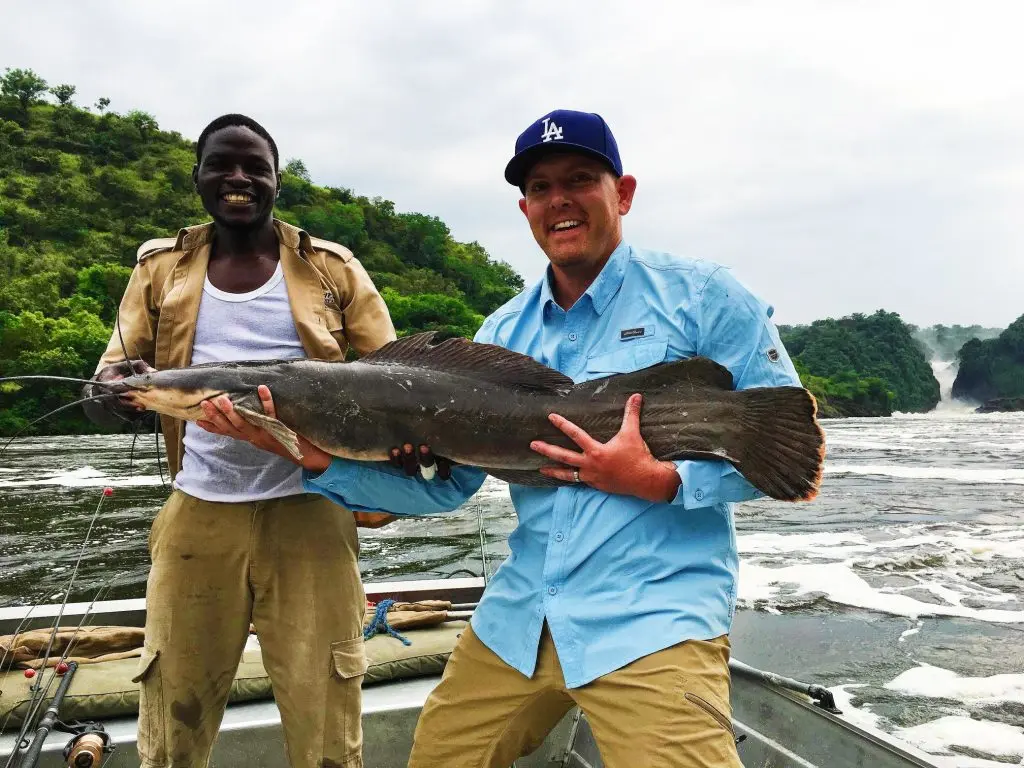
Top fishing locations in Northern Uganda like the River Nile in Murchison Falls National Park offer premier destination for fishing safaris. This section of the Nile is defined by powerful currents, deep channels, and oxygen-rich waters that naturally attract large predatory fish. The variation between calm stretches and turbulent rapids creates diverse fishing conditions, allowing anglers to explore multiple productive zones within the same river system. These waters are especially known for producing trophy catches, making them a prime destination for serious sport fishing.
Murchison Falls Base Area as Top Fishing Locations in Northern Uganda
The base of Murchison Falls is the most iconic and technically demanding fishing location in the park. As the Nile squeezes through a narrow gorge and crashes down with immense force, it creates a highly oxygenated pool that attracts large fish, particularly Nile perch. Fishing here requires precision and experience due to the strong currents and rocky terrain. Access is usually by boat followed by a guided approach to the fishing spots, making it both an adventurous and highly rewarding location for anglers seeking exceptional catches. It is important to note that Uganda Wildlife Authority is responsible to issue fishing permits in Murchison Falls National Park.
Would you like to inquire about fishing locations in Northern Uganda?
Contact Us now
Paraa Stretch
The Paraa section provides a more relaxed fishing environment compared to the base of the falls. Located downstream, this stretch features wider river channels, slower-moving water, and easier access for both boat and shoreline fishing. It is ideal for extended fishing sessions and suits anglers who prefer a less physically intense setting. The surrounding landscape enhances the experience, with frequent wildlife sightings along the riverbanks adding to the overall atmosphere.
Target Fish Species in Top Fishing Locations in Northern Uganda
Fishing in this region is dominated by the Nile perch, the most prized species due to its size, strength, and fighting ability. These fish can grow to impressive weights, making them a top target for sport fishing. Other commonly found species include tilapia and catfish, which contribute to the rich aquatic biodiversity of the Nile. The presence of both large predators and supporting fish species ensures a consistent and engaging fishing experience.
Fishing Techniques
Fishing techniques vary depending on the specific location along the Nile. Casting is commonly used in areas with strong currents, especially near the falls where precision is essential. Trolling is more effective in calmer sections such as Paraa, allowing anglers to cover larger areas of water. Live bait fishing is also widely practiced, particularly when targeting Nile perch in deeper channels. Guided fishing is recommended to ensure safety, improve success rates, and navigate the challenging river conditions effectively.
Lake Albert
Butiaba Landing Site
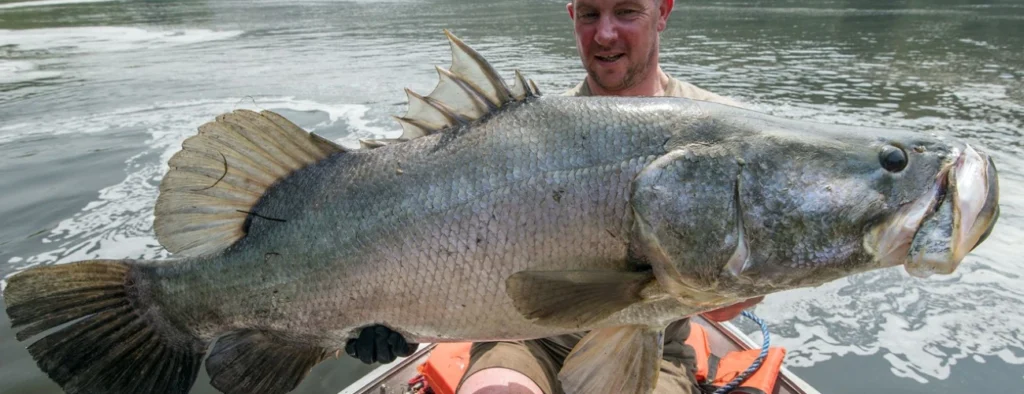
The Butiaba landing site is one of the most active and historically significant fishing hubs along Lake Albert. Located on the eastern shores, this area provides direct access to deep waters where large fish are commonly found. The shoreline here is characterized by a mix of sandy banks and gradual drop-offs, creating ideal conditions for both local fishermen and sport anglers. Early mornings and late evenings are particularly productive, as fish move closer to the surface to feed. The constant activity at the landing site also offers insight into traditional fishing practices, adding a cultural dimension to the experience.
Pakwach Fishing Area
The Pakwach area, where the Nile transitions into Lake Albert, is one of the most productive fishing zones in Northern Uganda. This unique convergence of river and lake ecosystems creates nutrient-rich waters that attract a high concentration of fish. The currents here are moderate, allowing for a combination of river and lake fishing techniques. Accessibility is relatively easy, and the area supports both guided fishing trips and independent angling. The blend of flowing and still waters makes Pakwach especially attractive for anglers targeting large, active fish.
Delta Fishing Zones
The delta zones of Lake Albert are among the richest fishing grounds due to their calm, shallow waters and abundant vegetation. These areas act as breeding and feeding grounds for many fish species, making them highly productive throughout the year. The environment here is quieter and more remote, offering a more immersive fishing experience. Anglers often explore these zones by boat, navigating through channels and wetlands where fish congregate in large numbers. The diversity of habitats within the delta ensures consistent fishing opportunities across different seasons.
Target Fish Species in Top Fishing Locations in Northern Uganda
Lake Albert is well known for its variety of freshwater fish, with Nile perch being the most sought-after species due to its size and strength. Tilapia is also abundant and commonly targeted, especially in shallower waters and near the delta regions. Catfish are frequently found in deeper areas and along the lakebed, providing an alternative challenge for anglers. The combination of these species creates a dynamic fishing environment that caters to both recreational and serious sport fishing.
Fishing Techniques
Fishing techniques on Lake Albert vary depending on the specific zone and target species. Trolling is widely used in deeper waters, particularly for Nile perch, allowing anglers to cover large areas efficiently. Casting is effective near the shoreline and around structures where fish are likely to gather. In the delta regions, live bait fishing is highly successful due to the high concentration of fish in calmer waters. Local methods are also commonly observed, offering additional insight into traditional fishing practices. Guided fishing is often preferred to maximize results and ensure safe navigation across the lake.
Achwa River
Pader District Sections
The Achwa River flowing through Pader District offers some of the most untouched fishing environments in Northern Uganda. This section of the river is defined by natural channels, rocky outcrops, and stretches of calm water that create ideal habitats for freshwater fish. The riverbanks are largely undeveloped, allowing anglers to experience a raw and authentic fishing setting. Accessibility varies, with some entry points requiring short drives off the main roads, but this isolation contributes to less fishing pressure and more rewarding catches.
Remote Fishing Spots
One of the defining features of the Achwa River is its remote fishing locations. These areas are far from busy settlements and offer quiet, undisturbed waters where fish thrive. Anglers willing to venture deeper into these places often find highly productive fishing zones with minimal competition. The remoteness also enhances the overall experience, providing a sense of exclusivity and connection with nature. Local guides are highly valuable in identifying the best access points and ensuring safe movement through these isolated areas.
Seasonal Fishing Areas
Fishing conditions along the Achwa River are strongly influenced by seasonal water levels. During the dry season, the river recedes, creating concentrated pools where fish gather, making it easier to target them. In the wet season, the river expands, opening up new fishing grounds but also dispersing fish across a wider area. Understanding these seasonal patterns is essential for maximizing success, as different sections of the river become more or less productive depending on water flow and accessibility.
Target Fish Species
The Achwa River supports a variety of freshwater species that are well adapted to its changing conditions. Catfish are among the most common and are often found in deeper pools and slower-moving sections of the river. Tilapia can also be found, particularly in calmer areas with vegetation. Smaller river species contribute to the ecosystem and provide additional fishing opportunities. While the river may not produce the same trophy sizes as larger water bodies, it offers consistent and engaging fishing for those seeking a more traditional experience.
Fishing Techniques
Fishing techniques along the Achwa River are typically simple yet effective, reflecting both local practices and the nature of the river itself. Casting is commonly used in shallow and moderately flowing sections, allowing anglers to target fish near structures and along the banks. Live bait fishing is particularly effective for catfish, especially in deeper pools. Handline methods are also widely practiced by local fishermen and can be adapted for recreational fishing. Due to the remote nature of the river, preparation and local knowledge are key to a successful and safe fishing experience.
Agago River
Kalongo Area
The Kalongo area along the Agago River is one of the most accessible and active fishing sections in Northern Uganda. This stretch of the river features a mix of gentle currents and shallow pools, making it suitable for both local fishermen and visiting anglers. The surrounding landscape is largely rural, with open grasslands and scattered vegetation that create a calm and natural setting. Fishing here is often most productive during early mornings and late afternoons when fish are more active near the surface.
Rural Fishing Points
Across the Agago River, numerous rural fishing points provide quiet and productive locations away from busy settlements. These spots are typically accessed through village paths and small trails leading to the riverbanks. The absence of heavy fishing activity in many of these areas allows fish populations to remain relatively stable. The environment is peaceful and less commercialized, offering an authentic experience that reflects traditional fishing life in Northern Uganda.
Local Fishing Practices
Fishing along the Agago River is deeply rooted in local traditions. Communities rely on simple, time-tested methods that have been passed down through generations. These include handlines, small nets, and basic hooks, often used from the riverbanks or small canoes. The practices are closely tied to sustainability, with many fishermen taking only what is needed for daily use. Observing or participating in these methods offers valuable insight into the cultural importance of fishing in the region.
Target Fish Species
The Agago River supports a range of freshwater fish species suited to its moderate flow and seasonal variations. Catfish are commonly found in deeper and slower-moving sections of the river, while tilapia tend to inhabit calmer, vegetated areas. Smaller river fish are also present and contribute to a steady fishing experience. Although the river is not known for very large trophy fish, it provides reliable catches and a diverse ecosystem.
Fishing Techniques
Fishing techniques on the Agago River are generally straightforward and effective. Casting is widely used along the banks, particularly in areas where fish gather near structures or vegetation. Live bait fishing is especially effective for targeting catfish in deeper pools. In calmer sections, simple line fishing methods work well and align closely with local practices. Success on the river often depends on understanding water flow patterns, selecting the right spots, and adapting to seasonal changes.
Pager River
Gulu District Sections
The sections of the Pager River that flow through Gulu District offer some of the most accessible and consistent fishing environments in Northern Uganda. These stretches are characterized by gently flowing water, scattered vegetation, and a mix of shallow and moderately deep channels. The riverbanks are easier to reach compared to more remote rivers, making this area suitable for both local fishermen and visiting anglers. The steady flow supports a stable fish population, ensuring reliable fishing opportunities throughout much of the year.
Accessible Fishing Spots
One of the key advantages of the Pager River is the availability of easily accessible fishing spots. Many sections can be reached via short walks from nearby roads or villages, eliminating the need for long travel or specialized transport. These spots often include calm bends in the river, shaded banks, and small inlets where fish tend to gather. The convenience of access makes the river ideal for casual fishing sessions as well as longer, more relaxed outings.
Community Fishing Zones
Fishing along the Pager River is closely linked to local community life. Designated community fishing zones are commonly used by residents for both subsistence and small-scale commercial fishing. These areas are typically shared spaces where traditional practices are maintained, and fishing is done in a respectful and sustainable manner. Engaging with these zones offers a cultural perspective, as fishing is not just an activity but an important part of daily life and livelihood in the region.
Target Fish Species
The Pager River supports a variety of freshwater fish species adapted to its moderate flow and seasonal patterns. Catfish are among the most commonly caught species, especially in deeper pools and slower-moving sections. Tilapia are also present and tend to inhabit calmer waters near vegetation. Smaller fish species contribute to a steady catch rate, making the river suitable for both beginners and experienced anglers looking for consistent action rather than trophy-sized fish.
Fishing Techniques Used in Top Fishing Locations in Northern Uganda
Fishing techniques on the Pager River are simple, practical, and effective. Casting is widely used along the banks, particularly in areas with visible fish activity or natural cover. Live bait fishing is highly effective for targeting catfish, especially in deeper sections of the river. Traditional handline methods are also commonly practiced and can yield good results. Due to the relatively calm nature of the river, anglers can comfortably experiment with different techniques while adapting to changing water levels and seasonal conditions.
River Aswa
Aswa–Lolim Section
The Aswa–Lolim section of the River Aswa is one of the most distinctive fishing stretches in Northern Uganda, known for its rugged terrain and semi-wild character. This part of the river flows through relatively remote landscapes, with rocky channels, scattered rapids, and pockets of calmer water that create ideal habitats for fish. The mix of fast-moving and slow sections allows anglers to explore different fishing environments within a single stretch. Access may require some planning, but the reward is a less pressured fishing experience with naturally thriving fish populations.
Wild Fishing Zones
River Aswa is defined by its wild fishing zones—areas that remain largely untouched and free from heavy human activity. These zones offer a raw and immersive fishing experience, where anglers can operate in quiet surroundings with minimal disturbance. The natural structure of the river, including submerged rocks, fallen trees, and deep pools, creates ideal hiding and feeding grounds for fish. These conditions support healthy fish stocks and make the river particularly appealing to those seeking a more adventurous and authentic fishing environment.
Seasonal Access Points
Access to River Aswa varies significantly with the seasons. During the dry season, water levels drop, exposing more fishing spots and making it easier to reach deeper pools where fish concentrate. This is generally the most productive time for fishing. In the wet season, rising water levels can make certain areas difficult to access, but they also expand the river’s reach and open up new fishing grounds. Understanding these seasonal changes is essential, as the best fishing locations shift depending on water flow and accessibility.
Target Fish Species in Top Fishing Locations in Northern Uganda
River Aswa supports a variety of freshwater species that are well adapted to its dynamic conditions. Catfish are among the most common and are often found in deeper pools and slower-moving sections of the river. Tilapia are present in calmer areas, particularly where vegetation provides cover. Other smaller river species contribute to the ecosystem and offer consistent fishing opportunities. While the river is not primarily known for trophy-sized catches, it provides a steady and rewarding experience for anglers.
Fishing Techniques
Fishing techniques on River Aswa are shaped by the river’s varied flow and structure. Casting is effective in both shallow and moderately flowing sections, especially near rocks and natural cover where fish tend to gather. Live bait fishing is particularly successful for targeting catfish in deeper pools. In calmer stretches, simple line fishing methods can yield consistent results. Due to the wild nature of the river, adapting techniques to changing conditions and using local knowledge can significantly improve success while ensuring safety.
Request a quote now.
FAQs About Top Fishing Locations in Northern Uganda
What are the best fishing locations in Northern Uganda?
Top locations include Murchison Falls National Park, Lake Albert, River Aswa, Achwa River, Agago River, and Pager River
Which location is best for catching Nile perch?
Murchison Falls National Park and Lake Albert are the most reliable for large Nile perch
Is fishing in Northern Uganda good for beginners?
Yes, especially in calmer areas like Lake Albert shores and Pager River
Do I need a fishing permit in Northern Uganda?
Yes, permits are required in protected areas like Murchison Falls National Park and may apply elsewhere
What is the best time for fishing in Northern Uganda?
The dry seasons offer better access and more concentrated fish populations
Can I go fishing in Murchison Falls National Park?
Yes, it is one of the top sport fishing destinations in Uganda
Are there guided fishing tours available?
Yes, especially around Murchison Falls and Lake Albert
What types of fish can I catch in Northern Uganda?
Common species include Nile perch, tilapia, catfish, and various freshwater species
Is Lake Albert good for fishing?
Yes, it is one of Uganda’s richest fishing lakes with diverse species
Which river is best for traditional fishing experiences?
Rivers like Achwa, Agago, and Pager offer authentic local fishing experiences
Can I fish without a guide?
Yes, in some areas, but guides are recommended for better results and safety
What fishing techniques are commonly used?
Casting, trolling, and live bait fishing are widely used
Is fishing in Northern Uganda safe?
Yes, with proper planning and awareness of wildlife and local conditions
Are there luxury fishing experiences available?
Yes, especially in Murchison Falls National Park with organized fishing safaris
Can fishing be combined with wildlife safaris?
Yes, particularly in Murchison Falls National Park
What should I bring for a fishing trip?
Fishing gear, appropriate clothing, sun protection, and safety essentials
Are boats available for fishing?
Yes, especially in Lake Albert and along the Nile in Murchison Falls
How accessible are fishing locations in Northern Uganda?
Some areas are easily accessible while others require travel planning
Do local communities allow fishing access?
Yes, but it is important to respect local guidelines and customs
What makes Northern Uganda unique for fishing?
Its combination of wild rivers, large lakes, and low fishing pressure
Are there seasonal changes in fishing conditions?
Yes, water levels and fish distribution change between wet and dry seasons
Is catch and release practiced in Northern Uganda?
It is encouraged in sport fishing areas like Murchison Falls
Can I fish year-round in Northern Uganda?
Yes, but success varies depending on location and season
What is the most challenging fishing location?
The base of Murchison Falls due to strong currents and terrain
Is Northern Uganda crowded with anglers?
No, most locations remain relatively uncrowded and natural
Are there family-friendly fishing spots?
Yes, calmer areas like Lake Albert and Pager River are suitable for families
Do I need special equipment for Nile perch fishing?
Strong rods, reels, and lines are recommended due to the size and strength of the fish
Can I experience local fishing culture?
Yes, especially along rivers like Agago, Achwa, and Pager where traditional methods are used