Where to See Silverback Gorillas in the Wild
If you have ever dreamed of an intimate wildlife encounter, you’re probably wondering where to see Silverback Gorillas in the wild. These magnificent primates—known for their sheer power, gentle nature, and striking presence—live deep within the dense rainforests of East and Central Africa. Seeing a Silverback Gorilla in its natural habitat is one of the most profound wildlife experiences on Earth.
Gorilla Trekking in Uganda
But with several gorilla destinations across Africa, many travelers ask the same important question: where to see Silverback Gorillas in the wild safely, ethically, and affordably? From Uganda’s Bwindi Impenetrable Forest to Rwanda’s Volcanoes National Park and Congo’s hidden jungles, each location offers something unique.
In this guide, we explore the very best places to see Silverback Gorillas in the wild, what to expect, and how to plan a life-changing gorilla trekking safari—whether you’re a solo traveler, couple, family, or adventurer.
Where to See Silverback Gorillas in the Wild – Top Countries
If you’re researching where to see Silverback Gorillas in the wild, there are three standout destinations in Africa that offer unforgettable encounters with these endangered giants: Uganda, Rwanda, and the Democratic Republic of Congo (DR Congo). Each country offers a unique experience—from luxury trekking to rugged off-the-beaten-path adventures—making your choice depend on budget, accessibility, and how wild you want your journey to be.
Uganda – Bwindi and Mgahinga Gorilla Parks

Location: Southwestern Uganda, near the border with the Democratic Republic of Congo.
Highlight: Home to nearly half of the world’s remaining mountain gorillas, with multiple habituated families.
Experience: Dense rainforest trekking, unique bird species, and deep cultural encounters with the Batwa community.
Uganda remains one of the most rewarding answers to where to see Silverback Gorillas in the wild, hosting over half of the world’s remaining mountain gorilla population. The country is home to two key gorilla trekking destinations: Bwindi Impenetrable National Park and Mgahinga Gorilla National Park.
Bwindi alone has over 20 habituated gorilla families spread across four major trekking sectors: Buhoma, Rushaga, Ruhija, and Nkuringo. These lush rainforest regions offer varying landscapes, from steep forested ridges to more open jungle trails—perfect for adventurers looking to see gorillas in their untouched natural habitat.
Mgahinga, though smaller, is equally impressive and ideal for those seeking a quieter trek. It shares the Virunga Mountain range with Rwanda and Congo, and often rewards trekkers with clearer sightings and fewer crowds.
The gorilla trekking permit in Uganda costs $800 per person (as of 2025), making it a mid-range option compared to Rwanda and Congo. And with Uganda’s rich biodiversity, many travelers combine gorilla trekking with safaris in Queen Elizabeth or Murchison Falls National Parks—making Uganda the perfect place if you’re seeking where to see Silverback Gorillas in the wild and enjoy wildlife diversity.
2. Rwanda – Volcanoes National Park

Location: Northwestern Rwanda, part of the Virunga Mountains.
Highlight: Renowned for Dian Fossey’s research and well-organized gorilla trekking experiences.
Experience: Volcano hiking, golden monkey tracking, and luxury gorilla safari options.
For those who value ease of access and a luxury trekking experience, Rwanda is a top destination to see Silverback Gorillas in the wild. The legendary Volcanoes National Park lies just 2–3 hours from Kigali International Airport, making it the most accessible gorilla trekking destination in Africa.
Volcanoes National Park is home to over 10 habituated gorilla families, often found on the forested slopes of the Virunga Volcanoes. The park’s infrastructure is well-developed, and trekking experiences here are often complemented by high-end lodges and excellent ranger support.
Although Rwanda’s gorilla permit costs $1,500, the premium price contributes to superior conservation efforts and sustainable tourism. If you’re wondering where to see Silverback Gorillas in the wild while enjoying luxurious comforts and minimal travel time, Rwanda is the ultimate choice.
3. DR Congo– Virunga National Park

Location: Eastern Democratic Republic of Congo, part of the Albertine Rift.
Highlight: Africa’s oldest national park and one of the most biologically diverse places on Earth.
Experience: Gorilla trekking plus Mount Nyiragongo volcano hikes and raw wilderness adventures.
If you’re an adventurer at heart and wondering where to see Silverback Gorillas in the wild with fewer tourists and raw wilderness, DR Congo offers a rare and thrilling opportunity. The Virunga National Park, Africa’s oldest national park and a UNESCO World Heritage Site, is home to several habituated mountain gorilla families.
Congo offers the cheapest gorilla permits in the region, often around $400, making it the most budget-friendly choice. However, travel to Congo comes with challenges, including an evolving security situation that requires careful planning and up-to-date information.
That said, seeing Silverback Gorillas in the wild in Virunga is as wild and authentic as it gets. The treks are less crowded, the scenery is volcanic and dramatic, and the experience feels like stepping into untouched territory.
While Congo isn’t for everyone, it’s undeniably one of the most rewarding answers to where to see Silverback Gorillas in the wild—especially for seasoned travelers who crave something extraordinary.
What Makes Silverback Gorillas So Special?
Seeing a Silverback Gorilla in the wild is not just about wildlife; it’s about witnessing natural leadership in its rawest form. A silverback is the dominant adult male in a gorilla family, easily recognized by the silver-colored hair that stretches across his back—hence the name. These magnificent males are the protectors, decision-makers, and emotional anchors of their groups.
Each gorilla family, often called a troop, is made up of several members—females, their young, and sometimes other subordinate males. But the silverback is always at the center, guiding the group through dense rainforests, defending against threats, and maintaining peace within the family. Observing this behavior in their natural habitat is truly awe-inspiring.
If you’re wondering where to see Silverback Gorillas in the wild, your journey leads deep into the misty jungles of East and Central Africa—places like Bwindi Impenetrable Forest, Volcanoes National Park, and Virunga National Park. These are not just gorilla trekking destinations—they are windows into the emotional and social complexity of gorilla life.
Unlike other wildlife encounters, seeing a Silverback Gorilla in the wild involves quiet observation. You’ll watch as he sits with authority, glances over his troop, or gently interacts with a juvenile—reminding you that leadership in the animal kingdom can be as gentle as it is powerful.
So when people ask what makes Silverback Gorillas so special, the answer is layered. It’s the physical presence, the deep family bonds, and the unmatched opportunity to witness true wild royalty. That’s why knowing where to see Silverback Gorillas in the wild matters—because you’re not just going to tick off a safari box; you’re going to meet the king of the forest.
When Is the Best Time to See Silverback Gorillas in the Wild?
If you’re planning a once-in-a-lifetime encounter and wondering when is the best time to see Silverback Gorillas in the wild, timing can significantly impact your experience. The dry seasons—from June to September and December to February—are generally considered the most favorable for gorilla trekking. During these months, trails are less muddy and more manageable, visibility is better, and the gorillas are easier to locate as they stay on lower slopes in search of food and warmth.
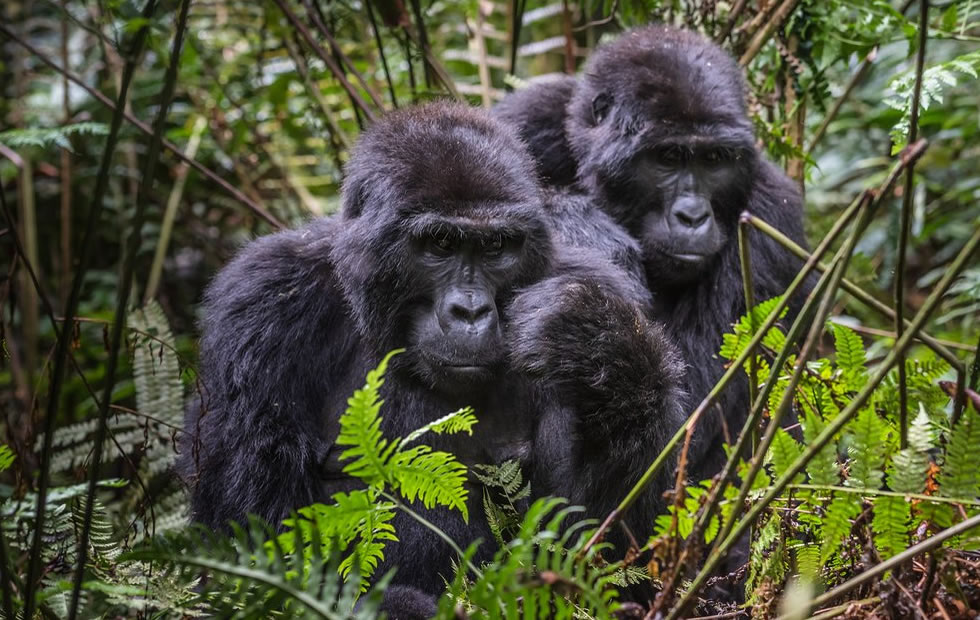
That said, gorilla trekking happens year-round, and some travelers prefer the wetter months for fewer crowds and more affordable rates at lodges. However, trail conditions can be slippery, and treks may be longer and more physically demanding. If your goal is to discover where to see Silverback Gorillas in the wild under the best conditions, sticking to the dry season gives you the highest chance of a safe, comfortable, and successful trek.
What to Expect During a Gorilla Trek
Knowing where to see Silverback Gorillas in the wild is one thing — but preparing for the trek itself is just as important. Gorilla trekking is a physically demanding activity, with hikes ranging from 2 to 6 hours depending on the location of the gorilla family you’re assigned to. The terrain can be steep, dense, and muddy, so a reasonable level of fitness is essential.
What to Pack
-
Good hiking boots (waterproof and ankle-high)
-
Rain jacket and waterproof backpack
-
Long-sleeved shirts and trousers for bush protection
-
Gardening gloves to help grip vines and branches
-
Snacks and at least 2 liters of water
-
A walking stick (often provided at park entrances)
-
A camera with no flash (flash is prohibited)
Permit Process
To see gorillas in the wild, you need a gorilla trekking permit, which must be booked in advance. Permits are limited to 8 people per gorilla family per day to minimize disturbance. The cost varies by country: $800 in Uganda, $1,500 in Rwanda, and $400 in DR Congo.
Trekking regulations are strict but necessary to protect these endangered giants and ensure you enjoy a magical, ethical, and safe encounter. Rangers will brief you beforehand and guide you throughout, maintaining safe distances while allowing ample time to observe the Silverbacks and their families.
Whether you choose Uganda, Rwanda, or DR Congo, seeing a Silverback Gorilla in the wild is a bucket-list experience that combines raw adventure with emotional depth.

Ethical Gorilla Trekking & Conservation Efforts
Gorilla trekking is more than just an adventure — it’s a direct investment in the future of endangered mountain gorillas. A significant portion of gorilla permit fees goes directly toward conservation initiatives, including the protection and preservation of gorilla habitats within national parks like Bwindi Impenetrable Forest, Volcanoes National Park, and Virunga.
Your trek helps fund anti-poaching patrols, veterinary support, and vital research to protect gorilla populations from disease, habitat loss, and illegal wildlife trade. It also supports community development projects, including schools, clinics, and eco-tourism jobs. Local communities benefit directly, which builds strong support for gorilla protection and ensures peaceful coexistence.
So when you choose a responsible gorilla trekking company like Pieland Gorilla Safaris, you’re not just fulfilling your dream of seeing a Silverback Gorilla in the wild — you’re helping safeguard these majestic animals for future generations.
Frequently Asked Questions – Where to See Silverback Gorillas in the Wild
Where can I see Silverback Gorillas in their natural habitat?
You can see Silverback Gorillas in the wild in three countries: Uganda, Rwanda, and Democratic Republic of Congo. The most popular destinations include Bwindi Impenetrable National Park and Mgahinga Gorilla National Park in Uganda, Volcanoes National Park in Rwanda, and Virunga National Park in DR Congo.
How much does it cost to see Silverback Gorillas in the wild?
Permit prices vary by country: $800 in Uganda, $1,500 in Rwanda, and $400 in DR Congo. These costs support conservation and include the guidance of experienced rangers during your trek to see Silverback Gorillas in the wild.
Are Silverback Gorillas only found in Uganda?
No. While Uganda is a prime destination, Silverback Gorillas also live in the high-altitude forests of Rwanda and DR Congo. Each destination offers a unique trekking experience and different travel logistics.
Is it safe to see Silverback Gorillas in the wild?
Yes, it is safe. Gorilla trekking is conducted by trained guides and rangers who ensure your safety and that of the gorillas. Guidelines are strictly followed to maintain a respectful and non-threatening distance from the gorilla families.
What is the best age to trek to see Silverback Gorillas?
Participants must be at least 15 years old to trek. There’s no upper age limit, but good physical health is important due to the strenuous nature of the hikes.
Start Planning Your Gorilla Safari Today
No matter your travel style, our team at Pieland Gorilla Safaris will help you discover where to see Silverback Gorillas in the wild in a safe, ethical, and unforgettable way.
We offer a range of expertly designed gorilla trekking packages that match your interests, fitness level, and budget. Whether you want a quick getaway or a multi-day wildlife journey, you’ll find the perfect itinerary with us:
Ready to plan? Contact us today and let’s turn your dream of seeing a Silverback Gorilla in the wild into reality.
Book Now