
5 Days Gorilla and Chimpanzee Habituation Safari
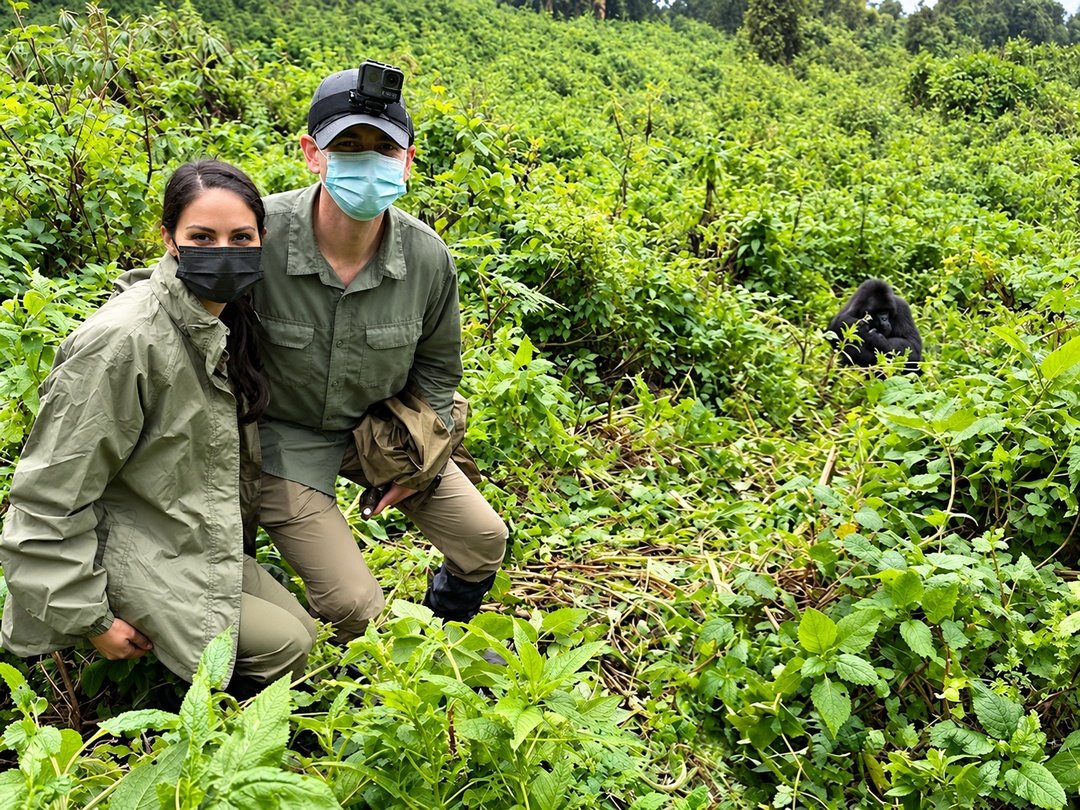
A 5 Days Gorilla and Chimpanzee Habituation Safari combines two of Uganda’s most immersive primate encounters in one carefully planned journey through Bwindi Impenetrable National Park and Kibale National Park. Rather than simply tracking fully habituated primate groups for shorter encounters, this safari places greater emphasis on extended observation, behaviour, conservation and the fascinating process through which wild primates gradually become accustomed to controlled human presence.
Your journey takes you into the mountainous forests of southwestern Uganda for the gorilla habituation experience before continuing north towards Kibale National Park, one of Africa’s most important chimpanzee habitats. The combination gives you an opportunity to compare two closely related but remarkably different primates: the powerful, mostly ground-dwelling mountain gorilla and the highly social, energetic chimpanzee.
The itinerary is particularly rewarding for wildlife photographers, primate enthusiasts and travellers who want more time observing animal behaviour than is normally available during conventional gorilla or chimpanzee tracking. Both experiences are accompanied by professional ranger teams, and your safari also includes scenic journeys through Uganda’s highlands, forests, rural communities and crater-region landscapes.
The 5 Days Gorilla and Chimpanzee Habituation Safari works particularly well as a Kigali-to-Entebbe itinerary. You can begin in Kigali, travel to southern Bwindi for gorilla habituation, continue to Kibale for chimpanzee habituation and finish in Entebbe. The route can also be reversed for travellers arriving through Entebbe.
5 Days Gorilla and Chimpanzee Habituation Safari Overview
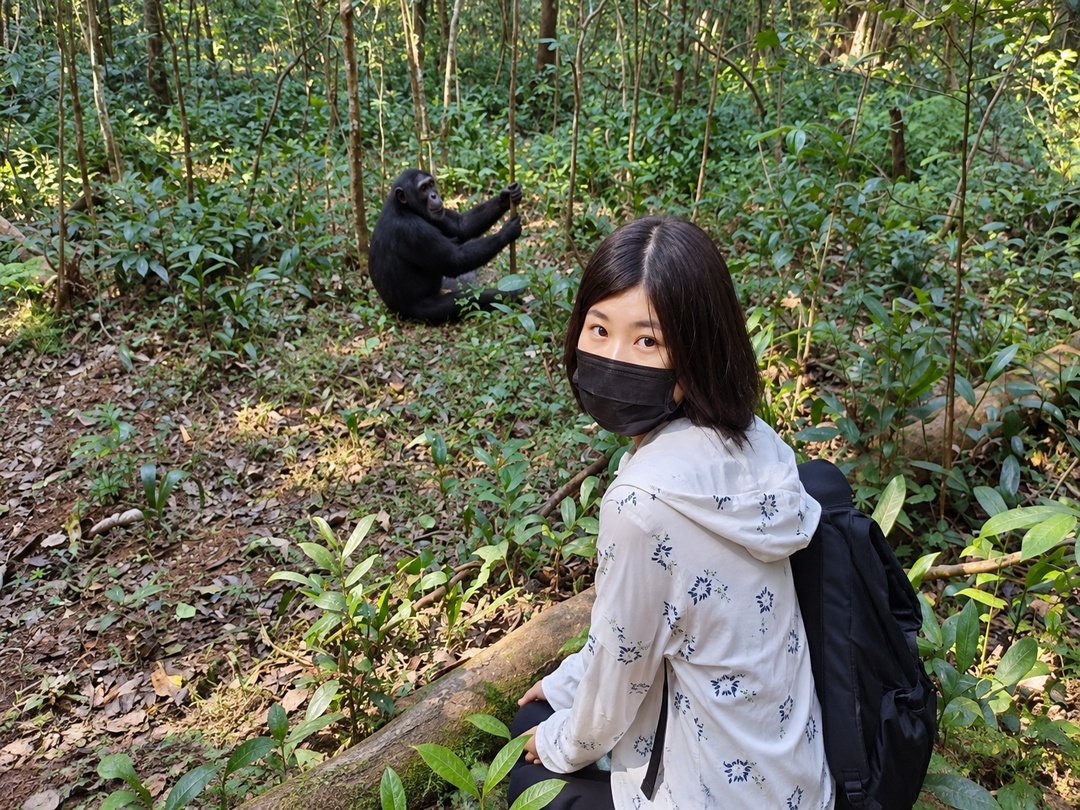
Your safari begins with a journey to Bwindi Impenetrable National Park, one of Uganda’s most important mountain gorilla habitats. Travellers beginning in Kigali cross into southwestern Uganda and continue towards the Rushaga area of southern Bwindi, where Uganda’s gorilla habituation experience is conducted.
Day 2 is dedicated to gorilla habituation. After an early briefing, you enter Bwindi with Uganda Wildlife Authority rangers, trackers and researchers and begin searching for the assigned mountain gorilla family. The extended encounter provides considerably more time to observe feeding, grooming, resting, communication and family interactions than a conventional gorilla trek.
On Day 3, you leave Bwindi and travel towards Kibale National Park, passing through the beautiful landscapes of western Uganda. The journey provides a valuable recovery day between the two demanding primate experiences.
Day 4 is dedicated to chimpanzee habituation in Kibale. You enter the forest with experienced rangers and researchers and spend an extended period following chimpanzees while observing their feeding behaviour, vocalisations, social relationships and movement through the forest.
Day 5 concludes the safari with a transfer from Kibale towards Entebbe, Kampala or another onward destination.
5 Days Gorilla and Chimpanzee Habituation Safari Summary
Day 1: Kigali or Entebbe – Transfer to Bwindi Impenetrable National Park
Day 2: Gorilla Habituation Experience in Bwindi
Day 3: Transfer from Bwindi to Kibale National Park
Day 4: Chimpanzee Habituation Experience in Kibale National Park
Day 5: Transfer from Kibale to Entebbe – Departure
Destinations: Bwindi Impenetrable National Park and Kibale National Park
Main activities: Gorilla habituation and chimpanzee habituation
Duration: 5 Days / 4 Nights
Gorilla area: Southern Bwindi, commonly around Rushaga
Chimpanzee destination: Kibale National Park
Minimum age for gorilla habituation: 15 years
Best for: Primate enthusiasts, photographers, couples, solo travellers and adventurous travellers
Accommodation: Four nights
Detailed 5 Days Gorilla and Chimpanzee Habituation Safari
Day 1: Transfer to Bwindi Impenetrable National Park

Your 5 Days Gorilla and Chimpanzee Habituation Safari begins with a scenic journey towards Bwindi Impenetrable National Park, where you prepare for the following morning’s mountain gorilla habituation experience.
If you begin in Kigali, your guide can collect you from your hotel or Kigali International Airport before travelling through Rwanda’s countryside towards the Uganda border. After immigration procedures, you continue into the mountainous landscapes of southwestern Uganda.
The Kigali route is particularly convenient for travellers whose gorilla habituation permit is allocated to southern Bwindi because areas such as Rushaga are considerably closer to Rwanda than to Entebbe.
As you approach Bwindi, rolling farmland gradually gives way to steep forested ridges. The landscape becomes increasingly dramatic, with cultivated hillsides, villages and dense tropical forest providing an impressive introduction to southwestern Uganda.
Travellers beginning in Entebbe or Kampala can travel overland to Bwindi, although the journey is considerably longer. Domestic flights into southwestern Uganda can also be incorporated for travellers wanting to minimise road travel.
You arrive at your lodge, check in and spend the remainder of the day preparing for your gorilla habituation experience.
Accommodation: Lodge near Rushaga or southern Bwindi
Meals: Lunch and dinner depending on arrival arrangements
Day 2: Gorilla Habituation Experience in Bwindi Impenetrable National Park
Day 2 is one of the defining experiences of your safari.
After an early breakfast, your guide transfers you to the designated briefing point, where Uganda Wildlife Authority rangers explain the regulations governing gorilla habituation.
You are introduced to the ranger, tracker and research team before entering the forest.
Gorilla Habituation Briefing
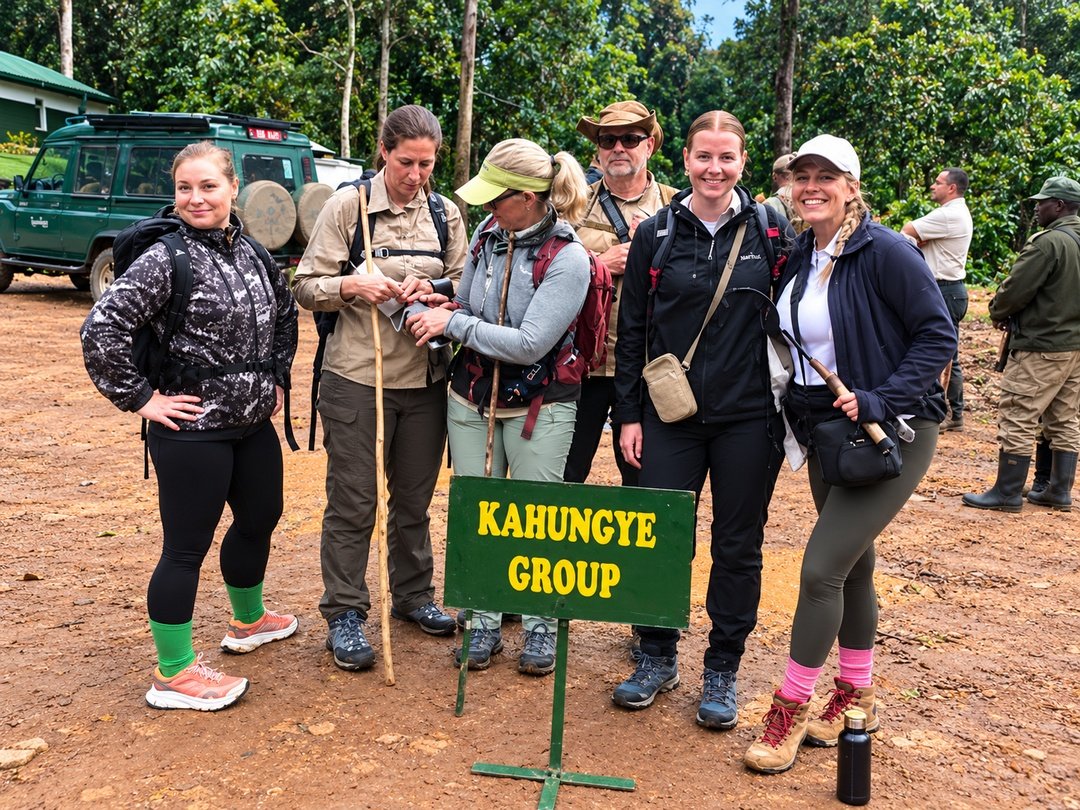
The briefing explains how you should behave around mountain gorillas, how to respond if an animal approaches, photography regulations and the importance of following ranger instructions throughout the experience.
You also learn about the habituation process itself. Mountain gorillas undergoing habituation remain wild animals. Researchers and trackers gradually introduce them to carefully controlled human presence over an extended period.
Entering Bwindi Impenetrable Forest
Bwindi is characterised by steep hills, thick vegetation, vines, streams and dense tropical forest.
The terrain may become muddy and slippery, especially after rainfall, so waterproof hiking boots and suitable clothing are important.
Trackers search for feeding remains, nests, broken vegetation and other signs indicating where the gorilla family has recently travelled.
There is no predetermined distance because mountain gorillas move freely through their natural habitat.
Locating the Mountain Gorillas
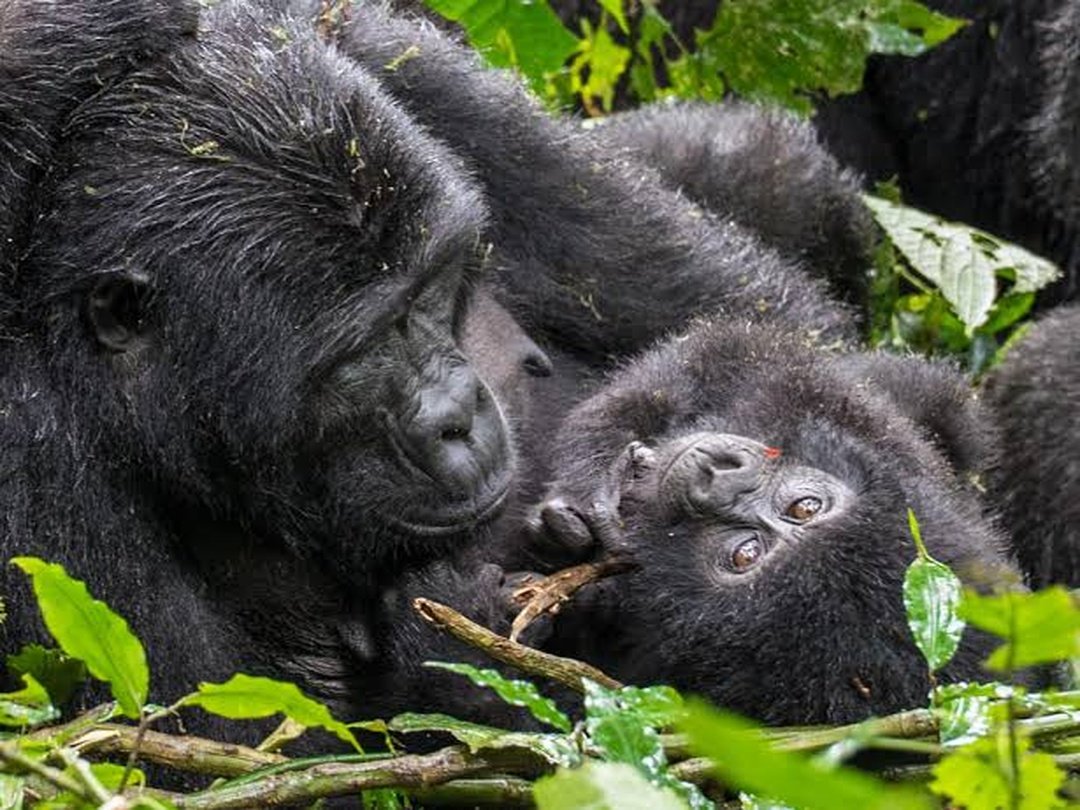
As the tracking team approaches the gorillas, you may begin hearing vegetation moving or occasional gorilla vocalisations.
Your first sighting could be a large silverback resting beneath the forest canopy, females feeding nearby or juveniles climbing through the vegetation.
Once the gorillas are located, you follow ranger instructions carefully as the extended observation period begins.
Extended Gorilla Habituation Experience
The major attraction of gorilla habituation is the additional time available for observing natural behaviour.
You may watch gorillas feeding, grooming, resting, travelling and communicating while researchers continue documenting the family.
The longer encounter can reveal behaviours that may not always be witnessed during a shorter conventional gorilla trek. Juveniles may play together, mothers may interact with infants and the dominant silverback may monitor activities within the family.
The experience is particularly valuable for travellers interested in primate behaviour, conservation and wildlife research.
Photography During Gorilla Habituation
Photographers benefit considerably from the longer observation period.
Bwindi’s rainforest can create difficult lighting conditions, but additional time allows you to wait for better positions, expressions and interactions rather than rushing your photographs.
Flash photography should not be used.
Return to Your Lodge
After completing the experience, you begin walking back through the forest before meeting your safari guide.
You return to your lodge for a shower, dinner and a relaxing evening after an extraordinary day with mountain gorillas.
Accommodation: Lodge near southern Bwindi
Meals: Breakfast, packed lunch and dinner
Day 3: Transfer From Bwindi to Kibale National Park
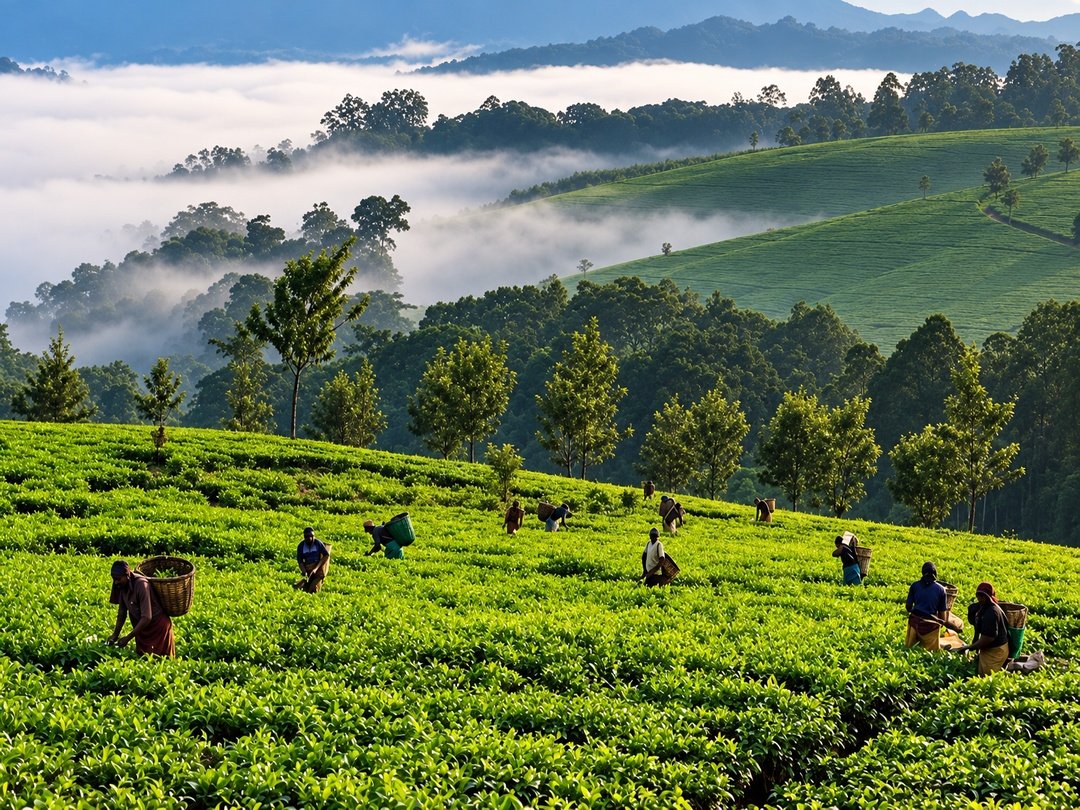
After breakfast, you leave the mountainous landscape surrounding Bwindi and begin travelling north towards Kibale National Park.
Day 3 deliberately separates your two major habituation experiences, giving you time to recover from the physically demanding gorilla trek before entering another rainforest the following day.
The journey passes through western Uganda’s changing landscapes, including rural communities, cultivated hills and areas close to Queen Elizabeth National Park before continuing towards the Fort Portal and Kibale region.
Kibale protects one of Uganda’s most important tropical forest ecosystems and is internationally recognised for its exceptional primate diversity.
Chimpanzees are the park’s most famous residents, but Kibale supports several other primate species as well as diverse forest birds, butterflies and other wildlife.
After arriving at your lodge, you check in and spend the evening relaxing.
Your guide confirms the following morning’s departure time and helps ensure your clothing, water, camera equipment and other essentials are prepared.
Accommodation: Lodge near Kibale National Park
Meals: Breakfast, lunch and dinner
Day 4: Chimpanzee Habituation Experience in Kibale National Park
Day 4 introduces you to the second major primate encounter of your 5 Days Gorilla and Chimpanzee Habituation Safari.
You wake early, have breakfast and transfer to the designated starting point for your chimpanzee habituation experience.
Chimpanzee Habituation Briefing
Before entering Kibale Forest, rangers explain chimpanzee behaviour, forest regulations, photography guidelines and safety procedures.
Chimpanzees are extremely active, intelligent and social primates, meaning the experience can involve considerably more movement than your gorilla encounter.
You may also learn how researchers recognise individual chimpanzees and monitor relationships within the community.
Entering Kibale Forest
You enter the forest with your ranger and begin searching for chimpanzees.
The experience may begin early because researchers often want to observe the chimpanzees as they leave their sleeping nests and begin their daily activities.
Unlike mountain gorillas, chimpanzees frequently travel considerable distances and may move quickly through both the forest canopy and the ground.
Their distinctive calls can sometimes be heard before the animals themselves become visible.
Finding the Chimpanzees
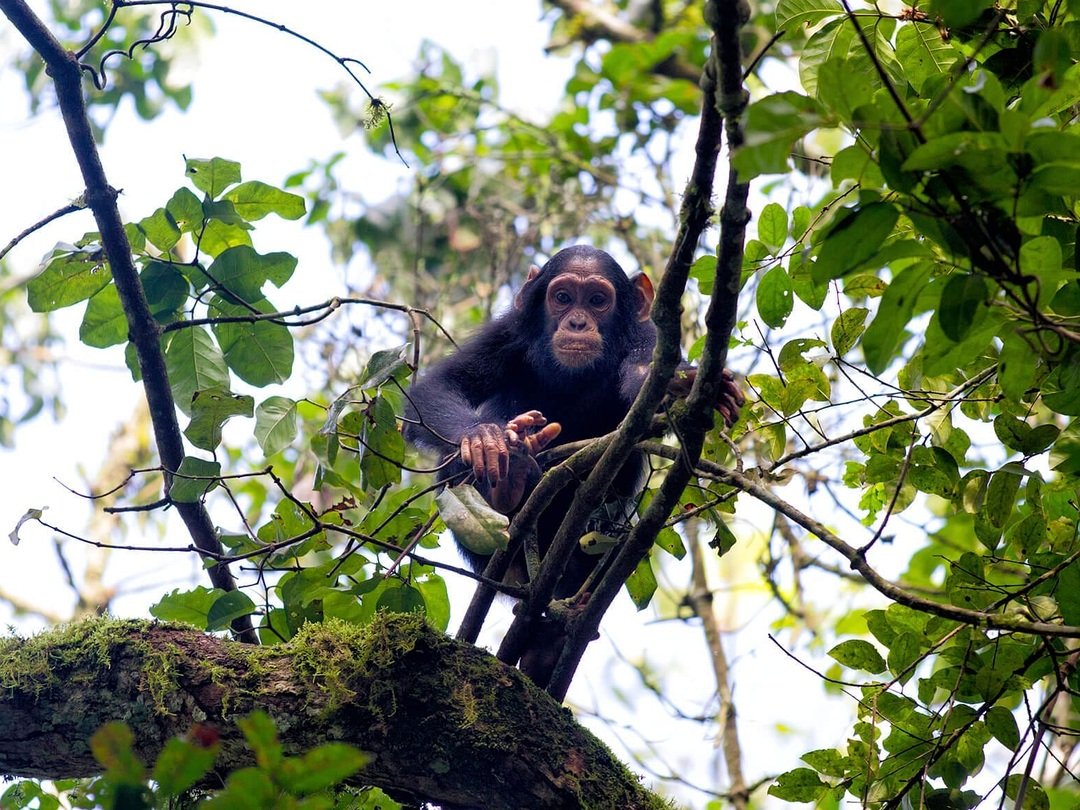
Once the community is located, you begin observing their behaviour while following the directions of your ranger and research team.
You may see chimpanzees feeding, grooming one another, resting, travelling between feeding sites or communicating using vocalisations and gestures.
Their complex social relationships make extended observation especially interesting.
Dominant males may interact with other members of the community, mothers may travel with young chimpanzees and juveniles often display energetic behaviour.
Extended Chimpanzee Habituation Experience
Chimpanzee habituation offers considerably more opportunity to observe behaviour than a conventional short tracking encounter.
The activity can occupy a substantial part of the day, allowing travellers to appreciate how chimpanzees move, communicate and maintain relationships within their community.
Uganda Wildlife Authority describes chimpanzee habituation as an extended activity in Kibale and confirms that it operates throughout the year.
The pace can vary considerably. At times, chimpanzees may remain in one feeding area, while at other times you may need to follow them through the forest.
Photography During Chimpanzee Habituation
Chimpanzee photography can be more challenging than gorilla photography because chimpanzees frequently move rapidly and may spend time high in the canopy.
Extended observation increases your opportunities to capture portraits, social interactions, feeding behaviour and environmental photographs.
A camera capable of handling changing forest light can be useful, but patience remains more important than equipment.
Return to Your Lodge
After completing the chimpanzee habituation experience, you leave the forest and return to your lodge.
The evening gives you time to relax and reflect on the remarkable contrast between the mountain gorillas of Bwindi and chimpanzees of Kibale.
Accommodation: Lodge near Kibale National Park
Meals: Breakfast, packed lunch and dinner
Day 5: Transfer From Kibale National Park to Entebbe

After breakfast, you begin your final journey from Kibale towards Kampala and Entebbe.
The drive takes you away from western Uganda’s forested landscapes and towards central Uganda.
Depending on your departure arrangements, your guide can transfer you to Entebbe International Airport, your hotel or another agreed destination.
Travellers with additional days can instead continue to another national park or extend their journey elsewhere in Uganda.
Your 5 Days Gorilla and Chimpanzee Habituation Safari concludes after two exceptional extended primate encounters in two of Uganda’s most important forests.
Meals: Breakfast and lunch depending on departure arrangements
Why Choose a 5 Days Gorilla and Chimpanzee Habituation Safari?
This itinerary is designed for travellers who want primates to be the central focus of their Uganda experience.
Rather than combining gorillas with a conventional savannah game drive, you dedicate your journey to Uganda’s two most celebrated great apes and experience them through extended habituation activities.
The itinerary also provides a practical balance between activity and travel. Gorilla habituation takes place on Day 2, Day 3 is primarily a transfer and recovery day, and chimpanzee habituation follows on Day 4.
For photographers, researchers, repeat gorilla trekkers and passionate wildlife travellers, the extended observation opportunities make this considerably more immersive than a standard primate safari.
Gorilla Habituation in Bwindi Impenetrable National Park
Bwindi Impenetrable National Park protects one of the world’s remaining populations of mountain gorillas and provides Uganda’s gorilla habituation experience.
Southern Bwindi, particularly the Rushaga area, is strongly associated with the activity.
The exact briefing point depends on the permit issued for your travel date, making it important to arrange accommodation according to your confirmed permit rather than selecting a lodge first.
Gorilla habituation combines trekking with extended observation alongside Uganda Wildlife Authority rangers, trackers and researchers.
Chimpanzee Habituation in Kibale National Park
Kibale National Park is Uganda’s leading destination for chimpanzee experiences and contains one of the country’s richest concentrations of primates.
Chimpanzee habituation gives you an extended opportunity to follow chimpanzees while researchers and rangers observe their behaviour.
The experience differs greatly from gorilla habituation because chimpanzees are faster, more vocal and regularly move between the forest floor and canopy.
This contrast is one of the main reasons the two activities work so well together.
Gorilla Habituation Permit
Every traveller participating in gorilla habituation requires a valid Uganda Wildlife Authority permit.
Availability is limited, making the gorilla permit one of the first elements that should be confirmed when planning your safari.
For Foreign Non-Residents, permits are normally secured through a licensed tour operator under UWA’s permit-management procedures.
Gorilla Habituation Permit Price
For travel before the end of 2026, the applicable UWA tariff should be confirmed at the time of booking.
Uganda Wildlife Authority has officially announced that from 1 January 2027, gorilla habituation will cost USD 1,800 for Foreign Non-Residents, USD 1,600 for Foreign Residents, USD 1,000 for Rest of Africa visitors and UGX 750,000 for East African citizens.
Because permit tariffs are date-sensitive, your exact travel date should always be checked before quotation and payment.
Chimpanzee Habituation Permit
A separate permit is required for chimpanzee habituation in Kibale National Park.
The permit is specific to the confirmed date and activity, so it should be secured together with your gorilla habituation permit when possible.
Advance planning is particularly useful when your safari dates are fixed because both activities determine the structure of the itinerary.
Chimpanzee Habituation Permit Price
Under the UWA tariff applying before the announced 2027 changes, the chimpanzee habituation experience in Kibale was listed at USD 300 for Foreign Non-Residents, USD 250 for Foreign Residents and UGX 250,000 for East African citizens, with the permit including the guide fee and park entrance.
From 1 January 2027, Uganda Wildlife Authority has announced new chimpanzee habituation rates of USD 400 for Foreign Non-Residents, USD 300 for Foreign Residents, USD 250 for Rest of Africa visitors and UGX 250,000 for East African citizens.
Travellers should therefore use the tariff corresponding to their exact safari date rather than relying on an older published price.
Gorilla Habituation Versus Chimpanzee Habituation
Although both experiences involve observing primates undergoing or associated with the habituation process, they feel remarkably different.
Mountain gorillas are considerably larger and often spend extended periods feeding or resting relatively close together. Once a gorilla family is located, the encounter may therefore feel calm and intimate.
Chimpanzees are faster and more mobile. They frequently climb trees, travel between feeding areas, vocalise loudly and interact within complex social groups.
Gorilla habituation is often more physically demanding because of Bwindi’s steep terrain and dense vegetation, while chimpanzee habituation may involve more continuous movement as you follow the chimpanzees through Kibale.
Experiencing both gives you an exceptional opportunity to compare the behaviour of two of humanity’s closest primate relatives.
How Much Does the 5 Days Gorilla and Chimpanzee Habituation Safari Cost?
The cost of a 5 Days Gorilla and Chimpanzee Habituation Safari depends on your travel dates, permit tariffs, accommodation category, number of travellers, starting point and transport arrangement.
The two habituation permits form a substantial part of the overall safari cost. Travellers visiting from January 2027 should also account for the revised permit tariffs announced by Uganda Wildlife Authority.
Estimated 5 Days Gorilla and Chimpanzee Habituation Safari Cost Per Person
| Safari Category | 2 Travellers Sharing | Solo Traveller | Typical Accommodation |
|---|---|---|---|
| Budget | From USD 3,100–3,700 pp | From USD 3,700–4,400 | Simple comfortable lodges |
| Mid-range | From USD 3,700–4,600 pp | From USD 4,400–5,300 | Quality safari lodges |
| Luxury | From USD 5,000–6,800+ pp | From USD 5,800–7,800+ | Premium forest lodges and services |
These are planning estimates rather than fixed quotations. Final prices depend on your exact travel dates, current permit tariffs, accommodation availability, transport, room arrangements and whether domestic flights are included.
Main Safari Cost Components
| Cost Component | What It Covers |
|---|---|
| Gorilla habituation permit | Official gorilla habituation experience in Bwindi |
| Chimpanzee habituation permit | Extended chimpanzee experience in Kibale |
| Accommodation | Four nights |
| Private 4×4 transport | Transfers between destinations |
| Professional guide | Driver-guide throughout the safari |
| Meals | Meals according to the confirmed itinerary |
| Drinking water | Water during road transfers |
| Safari organisation | Permits, accommodation and itinerary coordination |
How Difficult Is the 5 Days Gorilla and Chimpanzee Habituation Safari?
The gorilla habituation day is normally the most physically demanding part of the itinerary.
Bwindi contains steep slopes, dense vegetation and potentially muddy trails. The gorillas can also move considerable distances, meaning the duration of your trek cannot be predicted beforehand.
Chimpanzee habituation also requires reasonable fitness because chimpanzees may travel quickly through Kibale Forest.
Travellers who regularly walk or undertake moderate exercise should generally be better prepared for both experiences.
A porter is strongly recommended for the gorilla habituation day.
What to Wear on the 5 Days Gorilla and Chimpanzee Habituation Safari
Wear long trousers, long-sleeved shirts and comfortable waterproof hiking boots with good grip.
A lightweight waterproof jacket is important because rainfall can occur throughout the year in both Bwindi and Kibale.
Gardening gloves can help protect your hands from vegetation during gorilla trekking.
Neutral, comfortable and quick-drying clothing is generally preferable to heavy or delicate clothing.
What to Carry During the Safari
Carry enough drinking water, personal medication, rain protection, identification documents and camera equipment.
A packed lunch is normally required during longer habituation activities.
Photographers should carry spare batteries, memory cards and waterproof protection for their equipment.
A small comfortable backpack is ideal, while a porter can help significantly during the Bwindi experience.
Best Time for the 5 Days Gorilla and Chimpanzee Habituation Safari
Both gorilla and chimpanzee habituation activities can be undertaken throughout the year.
Drier periods often provide easier trekking conditions because forest trails may contain less mud.
However, Uganda’s tropical forests receive rainfall throughout the year, so waterproof equipment remains necessary even during traditionally drier months.
Kibale’s chimpanzees may also behave differently according to seasonal food availability, meaning every season can provide a different forest experience.
Your final travel dates should therefore balance trekking conditions, permit availability, accommodation availability and your wider Uganda itinerary.
5 Days Gorilla and Chimpanzee Habituation Safari From Kigali
Kigali is an excellent starting point for this itinerary because southern Bwindi is relatively accessible from Rwanda.
On Day 1, you travel from Kigali across the border into Uganda and continue to Bwindi.
After gorilla habituation, you travel north towards Kibale National Park before completing chimpanzee habituation.
The safari can then finish in Entebbe on Day 5, creating an efficient cross-country itinerary without unnecessary backtracking.
Travellers continuing in Rwanda can also customise the route to suit their international flights or additional destinations.
5 Days Gorilla and Chimpanzee Habituation Safari From Entebbe
The safari can also start from Entebbe.
For an Entebbe departure, the itinerary can be reversed, beginning with Kibale National Park and chimpanzee habituation before continuing south to Bwindi for gorilla habituation.
This arrangement can finish in Kigali or return to Entebbe depending on your international flights and wider travel plans.
Travellers seeking additional comfort can also incorporate domestic flights into selected sections of the journey.
Who Should Book the 5 Days Gorilla and Chimpanzee Habituation Safari?
The safari is particularly suitable for travellers whose primary interest is primates.
Wildlife photographers benefit from extended observation opportunities in two completely different forest environments.
Primate enthusiasts can compare mountain gorilla and chimpanzee behaviour, while repeat visitors to Uganda can experience more immersive alternatives to standard primate tracking.
Couples and solo travellers can also enjoy the itinerary as a focused five-day wildlife journey.
Inclusions of 5 Days Gorilla and Chimpanzee Habituation Safari
- Gorilla habituation permit
- Chimpanzee habituation permit
- Four nights’ accommodation
- Professional safari guide
- Private 4×4 safari transportation
- Meals as stated in the itinerary
- Drinking water during transfers
- Packed lunches during habituation activities
Exclusions of 5 Days Gorilla and Chimpanzee Habituation Safari
- International flights
- Visa fees
- Personal travel insurance
- Tips and gratuities
Combine 5 Days Gorilla and Chimpanzee Habituation Safari With Other Uganda and Rwanda Destinations
Travellers with additional time can easily extend the 5 Days Gorilla and Chimpanzee Habituation Safari into a longer Uganda or Rwanda journey. Because the itinerary already connects Bwindi Impenetrable National Park and Kibale National Park, it can be combined naturally with several wildlife, primate and scenic destinations depending on your interests, available time and preferred route.
Queen Elizabeth National Park
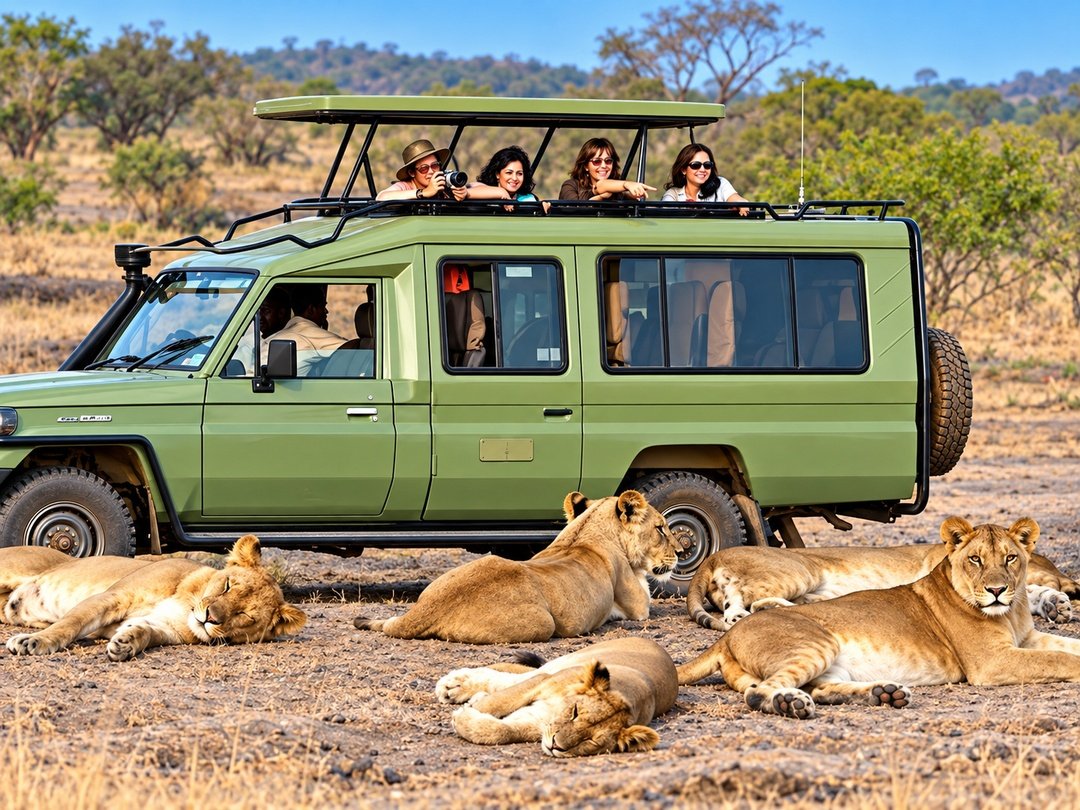
Queen Elizabeth National Park is one of the easiest and most rewarding additions to this itinerary because it lies between Bwindi and Kibale. It gives you a completely different safari experience by adding open savannah, game drives and wildlife viewing to your forest-based primate journey.
You can search for elephants, buffaloes, antelopes and lions on game drives and also enjoy a boat cruise along the Kazinga Channel. Travellers who want a balanced Uganda safari often combine gorilla habituation, chimpanzee habituation and Queen Elizabeth National Park because the three destinations create a strong mix of primates and classic African wildlife.
Lake Mburo National Park
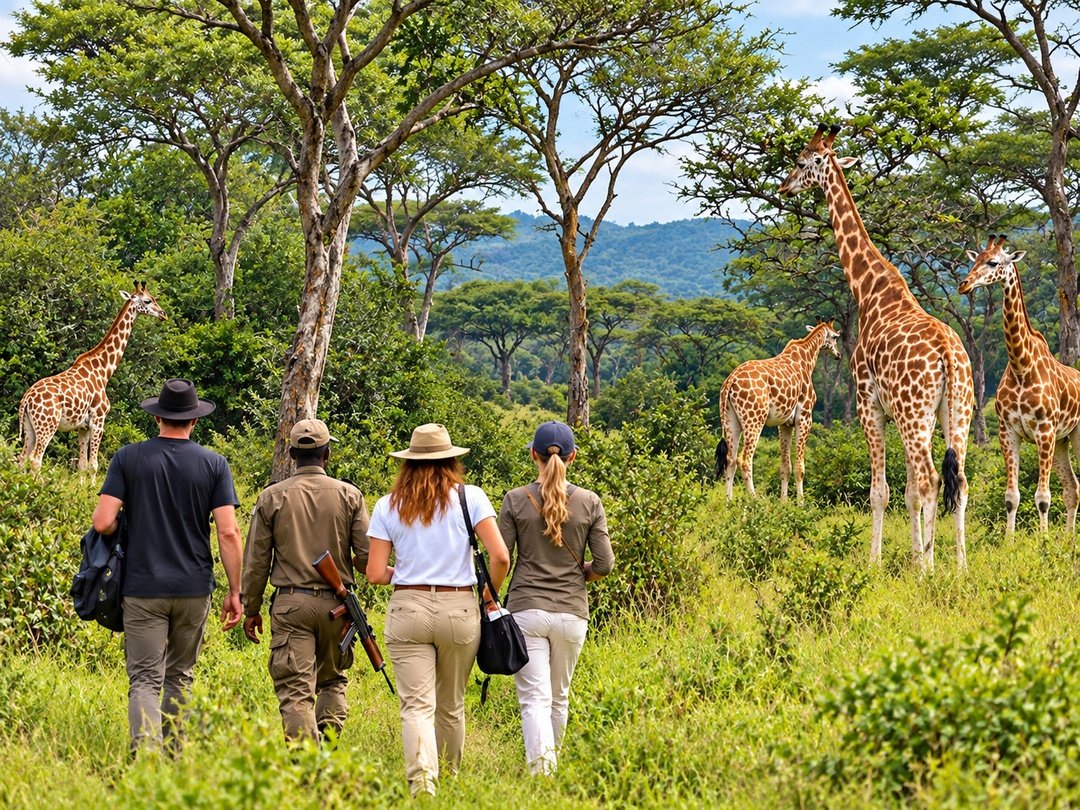
Lake Mburo National Park can be added before or after the main safari, especially for travellers travelling between western Uganda and Entebbe. The park is smaller and easier to explore than many of Uganda’s larger national parks, making it a convenient addition without significantly extending the itinerary.
Lake Mburo is known for zebras, impalas, elands, buffaloes and other plains wildlife. Depending on your programme, you can enjoy a game drive, boat activity or guided nature experience before continuing towards Entebbe. It works particularly well for travellers who want one final wildlife stop after completing their primate experiences.
Murchison Falls National Park
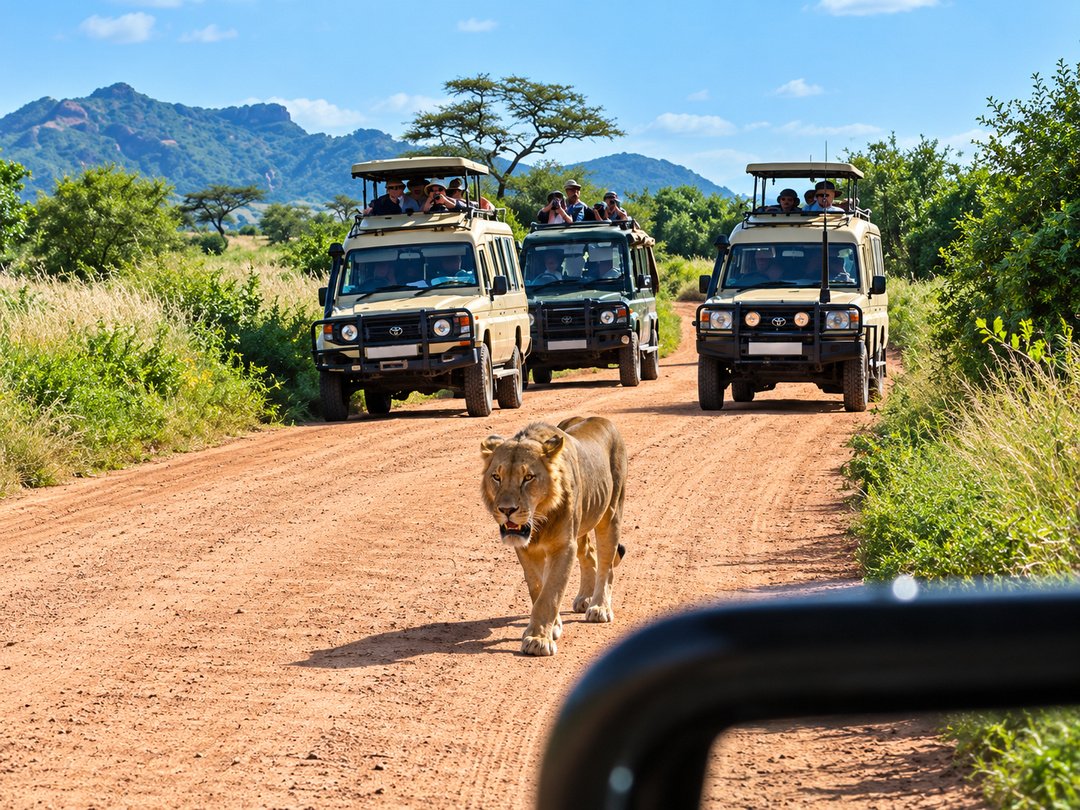
Travellers with several additional days can continue north to Murchison Falls National Park, Uganda’s largest national park and one of the country’s most diverse wildlife destinations. This extension is ideal if you want to combine primates with major savannah wildlife and the dramatic scenery of the Nile.
A typical Murchison Falls extension can include an early morning game drive, a boat safari along the Nile and a visit to the Top of the Falls. The park supports elephants, giraffes, buffaloes, lions, hippos, crocodiles and many other species, creating a strong contrast with the forest environments of Bwindi and Kibale.
Ziwa Rhino Sanctuary
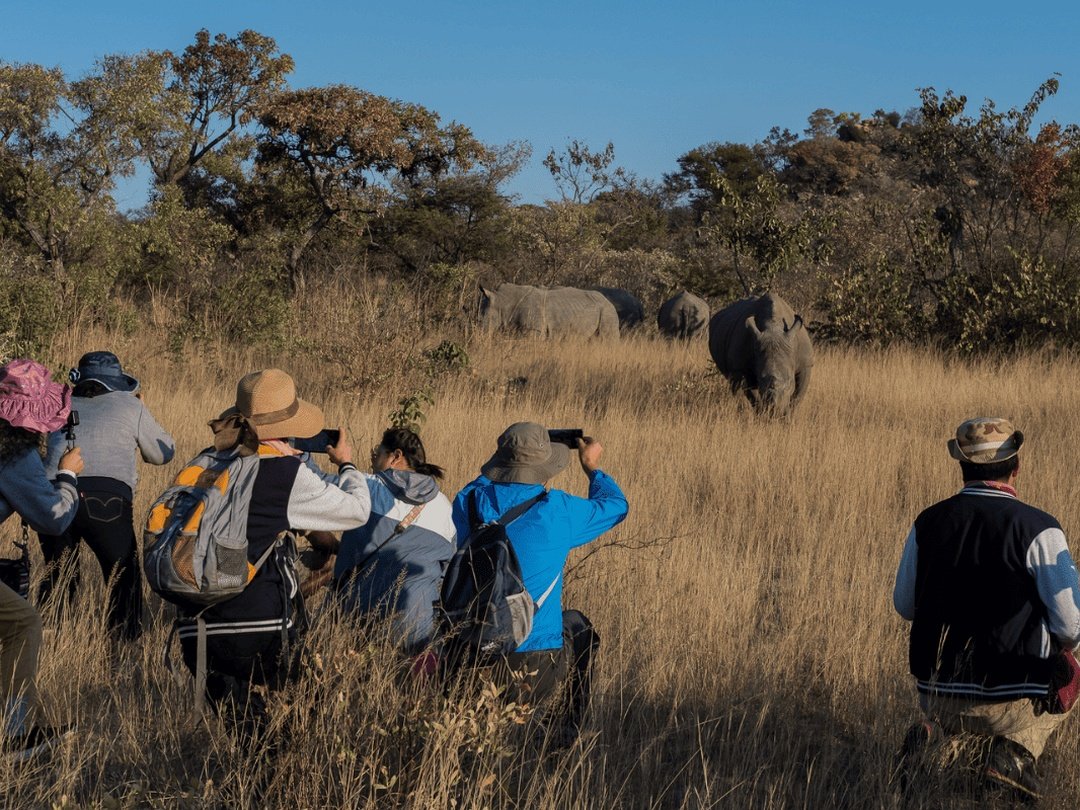
Ziwa Rhino Sanctuary can be combined naturally with a Murchison Falls extension and is particularly valuable for travellers who want to see rhinos during their Uganda safari. The sanctuary provides guided rhino tracking and can usually be included while travelling between Kampala or Entebbe and Murchison Falls National Park.
Adding Ziwa allows your safari to include another distinctive wildlife experience without requiring a separate long detour. It also works well for travellers interested in conservation because the sanctuary plays an important role in Uganda’s rhino conservation efforts.
Kidepo Valley National Park
For travellers with more time, Kidepo Valley National Park can transform the 5-day primate itinerary into a much broader Uganda safari. Kidepo is located in the far northeast of Uganda and is best suited to travellers who want remote wilderness, dramatic landscapes and fewer visitors.
The park offers excellent game viewing across open savannah and rugged valleys, with opportunities to see elephants, buffaloes, lions, giraffes and other wildlife. Because of the distance from Bwindi and Kibale, Kidepo usually requires several extra days and may be more practical with a domestic flight depending on your overall itinerary.
Volcanoes National Park
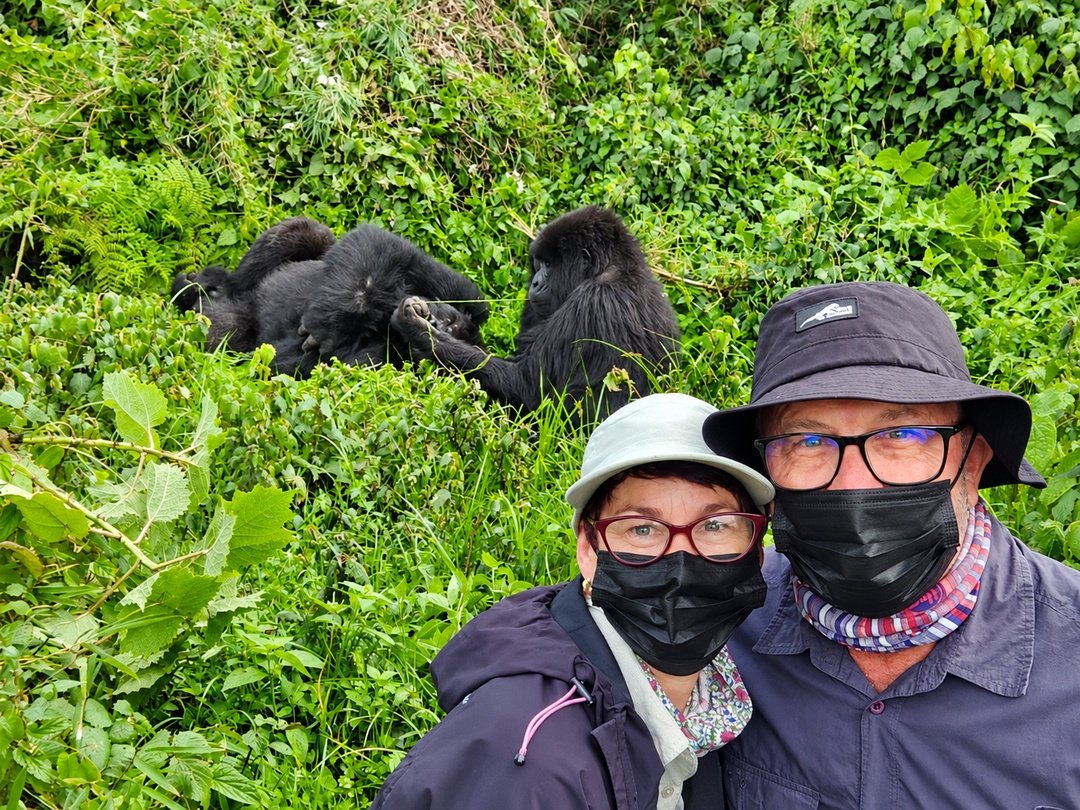
Travellers starting or ending the safari in Kigali can combine the journey with Volcanoes National Park in Rwanda. This works particularly well for travellers who want to continue their primate-focused journey after completing gorilla and chimpanzee habituation in Uganda.
Volcanoes National Park can add another mountain gorilla trek, golden monkey trekking or scenic experiences around the Virunga Mountains. Combining Uganda and Rwanda also gives travellers the opportunity to compare different primate habitats and safari styles within one East African journey.
Akagera National Park
Akagera National Park is another excellent Rwanda extension for travellers beginning or ending in Kigali. While Bwindi and Kibale focus on primates and rainforest environments, Akagera adds open savannah, lakes and traditional game viewing.
A safari in Akagera can include game drives in search of elephants, buffaloes, giraffes, antelopes and other wildlife, making it a strong addition for travellers who want a broader Rwanda experience after their Uganda primate safari. It can also help create a well-rounded itinerary combining forests, mountains and savannah.
Creating a Longer Uganda and Rwanda Safari
The 5 Days Gorilla and Chimpanzee Habituation Safari can therefore be expanded in several directions depending on the type of experience you want. Queen Elizabeth National Park and Lake Mburo are among the easiest additions for travellers staying within western and southern Uganda, while Murchison Falls and Ziwa Rhino Sanctuary work well for a longer northbound safari.
Kidepo Valley National Park is best for travellers with more time who want remote wilderness, while Volcanoes National Park and Akagera National Park are excellent choices for travellers combining Uganda with Rwanda. This flexibility makes the itinerary suitable for anything from a short primate-focused holiday to a much longer East African wildlife journey.
Book Your 5 Days Gorilla and Chimpanzee Habituation Safari
Your 5 Days Gorilla and Chimpanzee Habituation Safari can be customised according to your preferred travel dates, starting point, accommodation category and onward destination.
Pieland Gorilla Safaris can organise your gorilla habituation permit, chimpanzee habituation permit, private 4×4 transport, accommodation and all essential safari arrangements.
Because gorilla habituation permits are limited and both permits determine the sequence of your itinerary, confirming your preferred dates early gives you greater flexibility when selecting accommodation and arranging transport.