Goma Town – Gateway to Virunga, Adventure Capital of Eastern Congo
Introduction to Goma Town
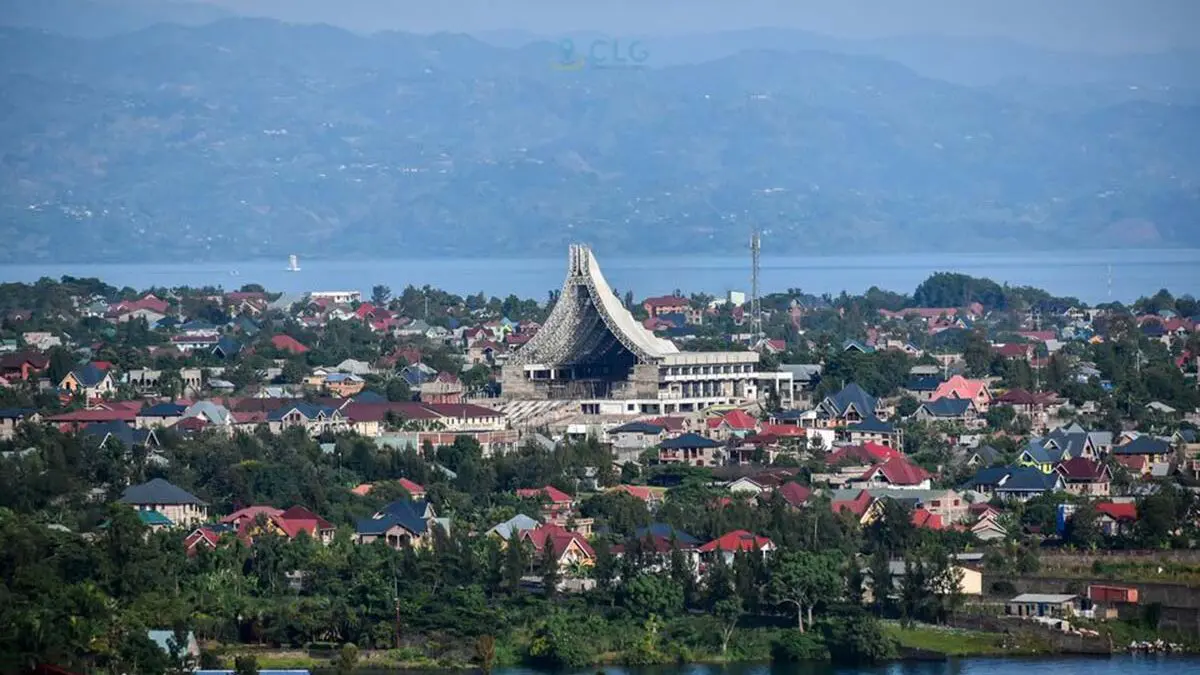
Goma town is one of the most fascinating cities in Central Africa, serving as a gateway to eastern Congo rich in wildlife, culture and trade. Located in the eastern part of the Democratic Republic of Congo (DRC), Goma sits on the northern shore of Lake Kivu, directly bordering Rwanda’s city of Gisenyi. This unique geographical position makes Goma both a cultural crossroads and the primary gateway for travelers embarking on Congo Gorilla Trekking Safaris into Virunga National Park.
Unlike many African cities that develop inland, Goma town is shaped by water, volcanoes, and cross-border movement. It lies in the shadow of the active Mount Nyiragongo volcano, one of the most powerful and active volcanoes in the world. This volcanic influence has shaped the city’s soil, economy, and even its history, giving Goma town a dramatic and sometimes unpredictable natural environment.
Today, Goma town is a growing urban center where tourism, humanitarian activity, trade, and local Congolese culture intersect. It serves as a base for adventurers, researchers, aid organizations, and safari travelers heading into the surrounding national parks. Despite its history of volcanic eruptions and regional instability, Goma town continues to rebuild and grow, becoming a symbol of resilience in eastern Congo.
Geography and Strategic Location of Goma
Goma’s location is one of its most defining features. The city is positioned along the border with Rwanda, making it one of the most accessible entry points into eastern Congo. Travelers often fly into Kigali International Airport in Rwanda and then cross by road into Goma town within a few hours.
The city sits at an elevation of approximately 1,500 meters above sea level and is bordered by Lake Kivu to the south. This lake is one of Africa’s Great Lakes and forms a natural boundary between Congo and Rwanda. The northern edge of Goma town is dominated by volcanic landscapes linked to the Virunga mountain chain.
Because of this geography, Goma acts as a natural bridge between Central and East Africa. It connects Rwanda’s well-developed tourism infrastructure with Congo’s raw wilderness, especially the gorilla habitats of Virunga National Park.
Goma as the Gateway to Gorilla Trekking Safaris
Goma town is widely recognized as the main entry point for visitors heading to Congo Gorilla Trekking Safaris. Most travelers arrive in Goma town before proceeding to gorilla trekking in Virunga National Park.
From Goma town, the journey into the forest begins almost immediately. Within a short drive, travelers transition from urban streets to dense jungle, lava plains, and volcanic terrain. This makes Goma not just a city stopover but a true launch point into one of Africa’s most iconic wildlife experiences.
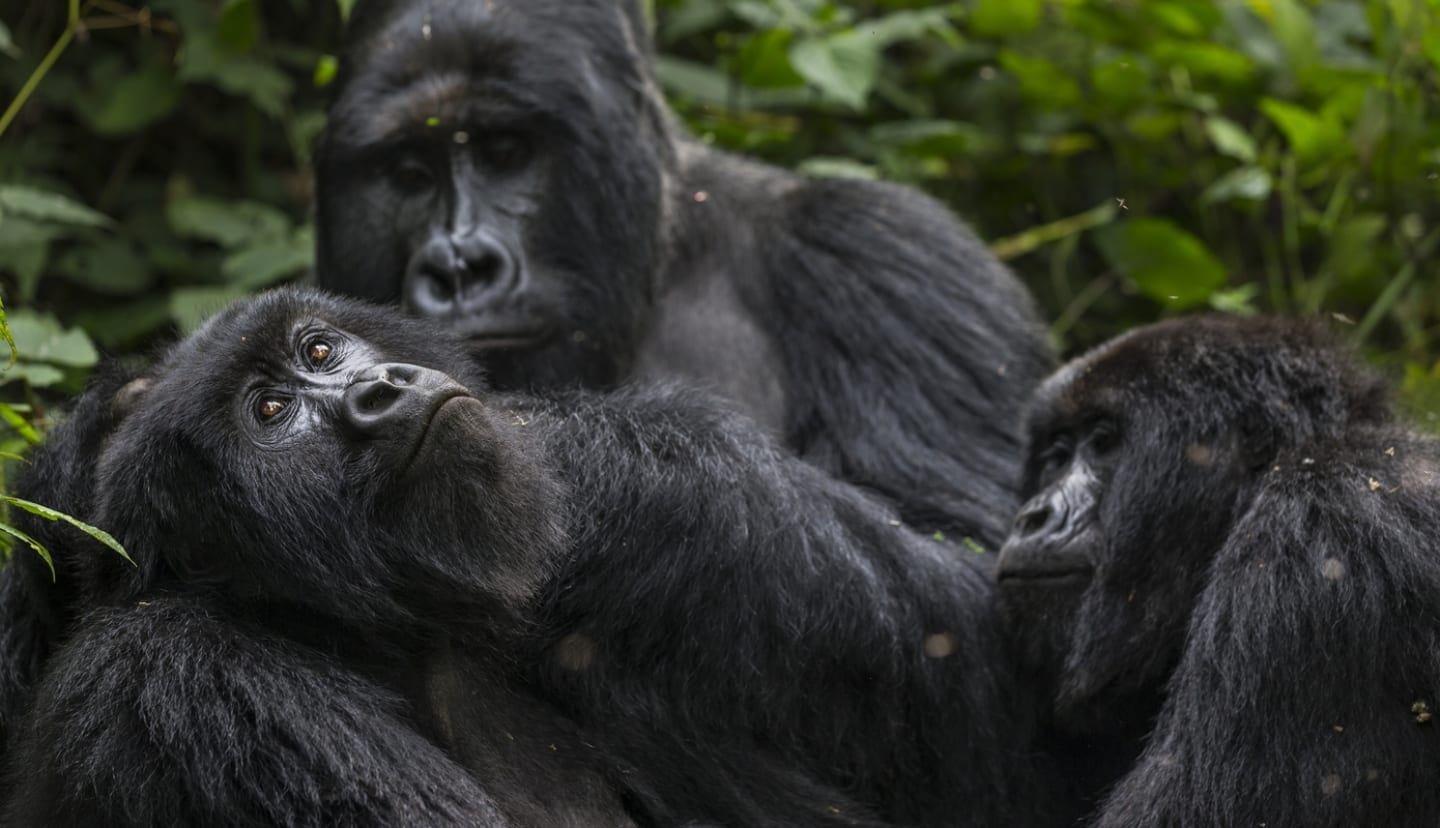
Gorilla trekking in Virunga offers visitors the chance to see endangered mountain gorillas in their natural habitat. The proximity of Goma to the park headquarters makes it an ideal logistical hub for early morning departures, permit processing, and guided expeditions.
The city also supports tourism infrastructure such as hotels, transport services, guides, and ranger coordination offices, all of which play a crucial role in organizing safaris.
History of Goma Town
The history of Goma is closely tied to both natural forces and regional geopolitics. The city’s modern development began during the colonial era when it served as a small administrative and trade post due to its location near Lake Kivu and the Rwandan border.
However, Goma’s most defining historical moments have been shaped by volcanic eruptions. The most significant eruption occurred in 2002 when Mount Nyiragongo erupted, sending lava flows through parts of the city and destroying infrastructure. This event reshaped large sections of Goma and displaced thousands of residents.
Despite these challenges, the city has continuously rebuilt itself. Humanitarian organizations, local government efforts, and regional trade have contributed to its gradual recovery. Today, Goma is a growing city that reflects resilience in the face of natural and human challenges.
Mount Nyiragongo and Volcanic Influence
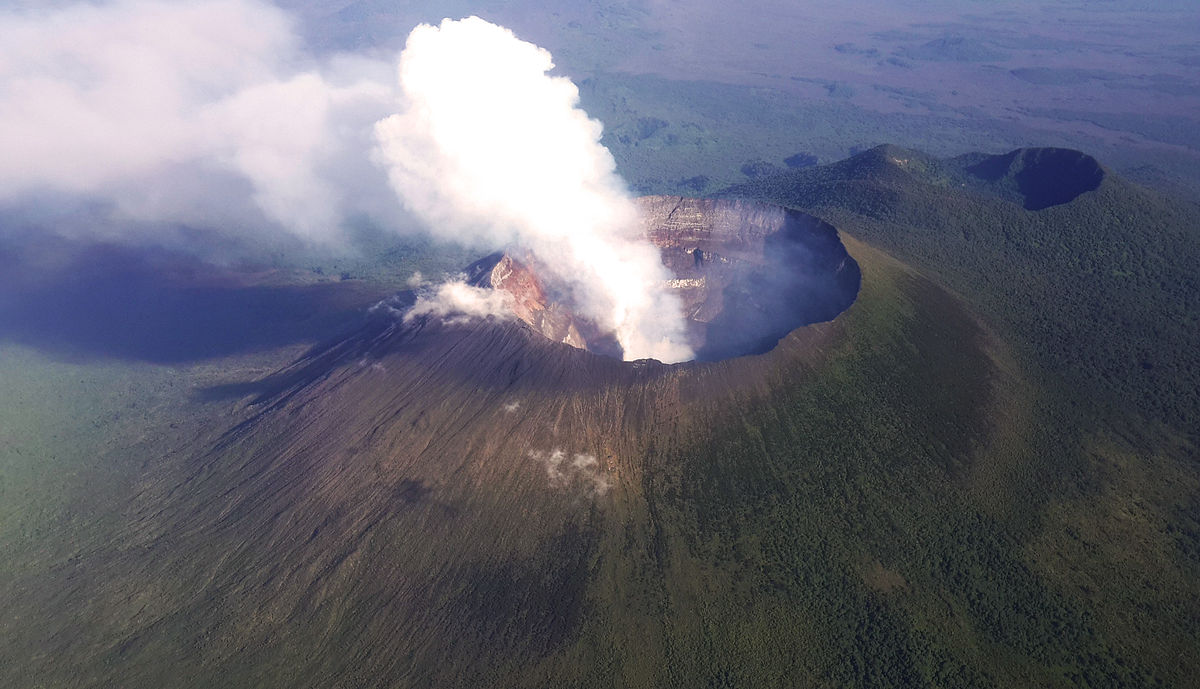
One of the most iconic natural landmarks near Goma is Mount Nyiragongo, an active stratovolcano located within Virunga National Park. This volcano is famous for its massive lava lake, one of the largest in the world.
Nyiragongo plays a major role in shaping the identity of Goma. Its eruptions have historically affected the city, but it also attracts adventure travelers who hike to its summit for one of the most extraordinary volcanic experiences in Africa.
The volcanic soil surrounding Goma is highly fertile, supporting agriculture in nearby rural areas. However, it also presents risks due to ongoing geological activity in the region. This combination of beauty and danger defines much of the Goma experience.
Economy and Trade in Goma Town
Goma’s economy is driven by trade, tourism, agriculture, and cross-border commerce with Rwanda. The city serves as a major trading hub between Congo and East Africa, with goods flowing through the Goma-Gisenyi border daily.
Local markets in Goma are vibrant centers of activity where fresh produce, fish from Lake Kivu, textiles, electronics, and household goods are exchanged. The informal economy plays a significant role in supporting livelihoods for many residents.
Tourism is another growing sector, especially due to the increasing popularity of Congo Gorilla Trekking Safaris. Hotels, tour operators, and transport services benefit directly from visitors traveling to Virunga National Park and surrounding attractions.
Culture and Daily Life in Goma Town
Goma is a culturally rich city influenced by multiple ethnic groups, languages, and traditions. The most commonly spoken languages are Swahili, French, and local Congolese dialects.
Music and dance are important aspects of daily life in Goma. Congolese rumba and Afrobeat rhythms can often be heard in local venues, reflecting the country’s strong musical heritage.
The city’s lifestyle is a blend of urban energy and rural influence. While modern developments continue to expand, traditional customs and community structures remain deeply rooted in everyday life.
Food culture in Goma is also diverse, with local dishes such as grilled fish from Lake Kivu, plantains, cassava, rice, and tropical vegetables forming the basis of most meals.
Tourism in Goma Town
Goma is increasingly becoming a tourism hub, not only for gorilla trekking but also for adventure travel and cultural exploration. Visitors often use Goma as a base before exploring Virunga National Park or hiking Mount Nyiragongo.
Lake Kivu is another major attraction near the city. Its calm waters offer boat rides, scenic views, and relaxation opportunities after intense trekking experiences in the forest.
The city also provides access to nearby cultural experiences, including visits to local communities, artisan markets, and historical sites. These experiences help travelers understand the resilience and lifestyle of people living in eastern Congo.
Safety and Travel Considerations
Traveling to Goma requires careful planning and awareness of regional conditions. While the city is generally safe for tourists in designated areas, it is important to travel with registered tour operators who understand local logistics and security protocols.
Most visitors enter via Rwanda due to easier access and better flight connections. Border crossings are managed, and travelers are typically escorted or guided during transfers into Congo.
Health precautions such as yellow fever vaccination and malaria prevention are essential due to the tropical environment. Travel insurance is also strongly recommended for anyone visiting Goma and surrounding safari destinations.
Accommodation in Goma Town
Goma offers a range of accommodation options for travelers. These include luxury hotels, midrange lodges, and budget guesthouses catering to different types of visitors.
Luxury hotels near Lake Kivu provide comfort, scenic views, and high-end services for safari travelers and humanitarian workers. Midrange hotels offer practical comfort and convenience for those heading into gorilla trekking expeditions. Budget accommodations are available for backpackers and long-stay travelers.
Most lodges in Goma are strategically located to provide easy access to transport routes leading to Virunga National Park and other attractions.
Goma and Congo Gorilla Trekking Connection
The connection between Goma and gorilla trekking is one of the strongest tourism links in the region. Without Goma, access to Virunga National Park would be significantly more difficult.
Travelers often begin their Congo Gorilla Trekking Safaris in Goma, where they prepare for their journey into the forest. The city provides essential logistics such as permit coordination, guide assignment, transport arrangements, and safety briefings.
This makes Goma not just a stopover city but a critical part of the overall gorilla trekking experience in Congo.
Conclusion: Why Goma Town Matters
Goma is more than just a city—it is a gateway, a survival story, and a strategic hub for one of Africa’s most extraordinary safari experiences. Its location on Lake Kivu, proximity to Virunga National Park, and connection to volcanic landscapes make it a unique destination in its own right.
For travelers embarking on Congo Gorilla Trekking Safaris, Goma represents the starting point of adventure, discovery, and transformation. It is where urban life meets wilderness, and where journeys into the heart of Africa truly begin.
Goma continues to grow in importance as tourism expands in eastern Congo, offering visitors a rare blend of culture, nature, history, and adventure that cannot be found anywhere else in the world.