
Itombwe Nature Reserve Congo|Wildlife, Gorillas and Conservation
Introduction to Itombwe Nature Reserve
Itombwe Nature Reserve is nestled within the rugged mountains of eastern DR Congo and is the least explored conservation area.Itombwe Nature Reserve covers approximately 5,732 square kilometers, the reserve protects a vast wilderness of montane forests, bamboo zones, high-altitude grasslands, rivers, and valleys that form part of the biologically rich Albertine Rift. Itombwe Nature Reserve is internationally recognized for its exceptional biodiversity and serves as a critical refuge for some of the world’s rarest and most endangered wildlife species.
The reserve is particularly famous for harboring significant populations of the endangered Eastern Lowland Gorilla, also known as Grauer’s Gorilla, the largest gorilla subspecies on Earth. Alongside these magnificent primates, Itombwe supports chimpanzees, forest elephants, numerous monkey species, rare reptiles, amphibians, and hundreds of bird species found nowhere else in the world.
Despite its remarkable ecological value, Itombwe Nature Reserve remains one of the least visited protected areas in Central Africa. This isolation has helped preserve much of its pristine wilderness while also presenting unique conservation challenges. Today, the reserve stands as a symbol of Congo’s commitment to protecting its natural heritage and preserving one of Africa’s last great wilderness frontiers.
For travelers interested in remote nature, wildlife conservation, birdwatching, and discovering untouched landscapes, Itombwe Nature Reserve offers an extraordinary glimpse into one of the most biologically diverse ecosystems on the African continent.
Where is Itombwe Nature Reserve Located?
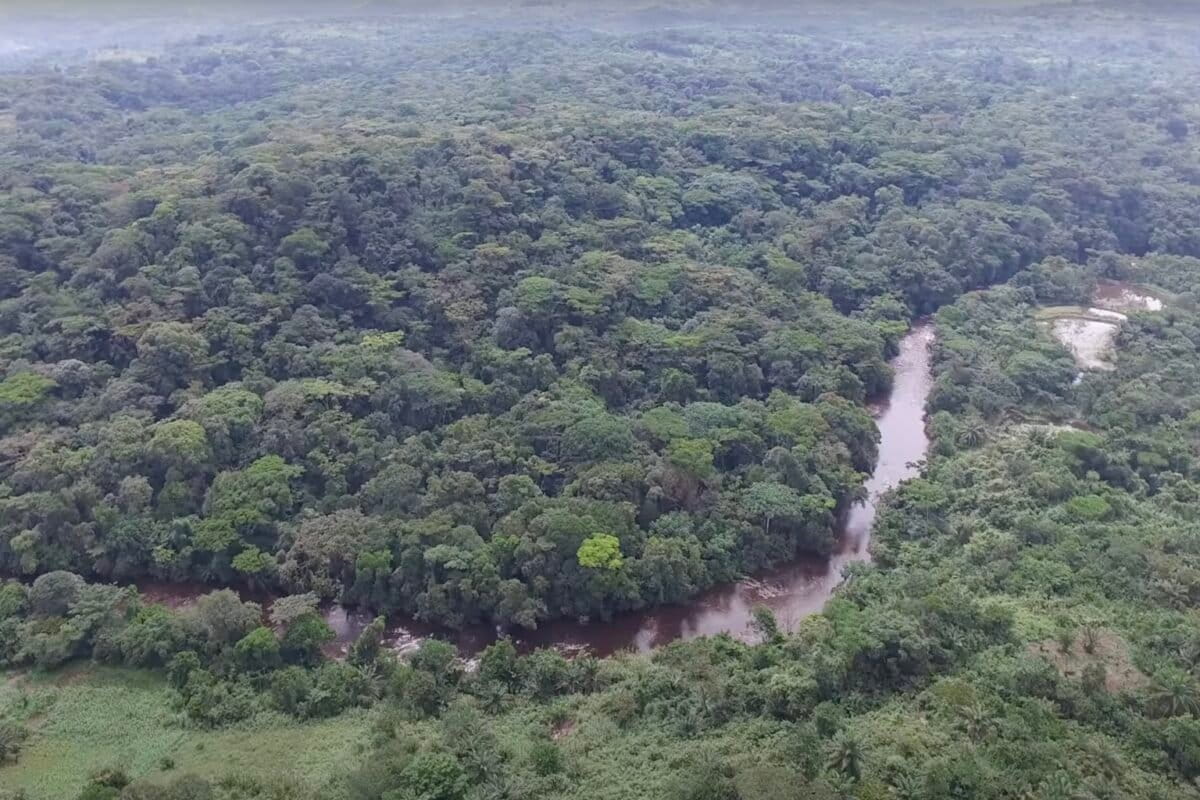
Itombwe Nature Reserve is located in South Kivu Province in the eastern part of the Democratic Republic of the Congo. The reserve stretches along the spectacular Itombwe Mountains, forming part of the western branch of the Great Rift Valley known as the Albertine Rift. This mountainous region lies between Lake Tanganyika to the east and the vast Congo Basin forests to the west.
The reserve occupies a strategic ecological position connecting several important wildlife habitats across Central Africa. Its diverse elevation ranges from approximately 600 meters in the lowland forests to over 3,400 meters above sea level in the highest mountain peaks. This dramatic variation in altitude creates a wide range of habitats and microclimates that support exceptional biodiversity.
The nearest major city to the reserve is Bukavu, located on the southern shores of Lake Kivu. Most visitors traveling to the reserve access the region through Bukavu after arriving via international flights to Kigali in Rwanda or through major Congolese cities such as Kinshasa and Goma.
The remote location of Itombwe Nature Reserve has historically limited tourism development, but it has also helped preserve many of the area’s unique ecosystems. Conservationists consider the reserve one of the most significant biodiversity hotspots in Africa due to its strategic position within the Albertine Rift, one of the world’s most important centers of endemism.
Its location between the Congo Basin and East African ecosystems allows species from different ecological regions to coexist, creating an extraordinary concentration of wildlife rarely found elsewhere on the continent.
History and Establishment of Itombwe Nature Reserve
The conservation significance of the Itombwe region has been recognized for decades due to its exceptional biodiversity and the presence of numerous endemic species. Scientific expeditions conducted throughout the twentieth century revealed that the Itombwe Mountains contained some of the richest concentrations of wildlife and unique plant species in Central Africa.
As human activities such as agriculture, logging, mining, and hunting expanded into the region, conservationists became increasingly concerned about the future of the area’s rare wildlife populations. Surveys identified Itombwe as a critical stronghold for Grauer’s Gorillas, many of which were facing increasing threats throughout their range.
In response to growing conservation concerns, efforts intensified during the early 2000s to establish stronger protection for the region. Following years of scientific research, negotiations, and community consultations, the Congolese government officially created Itombwe Nature Reserve in 2006.
The reserve’s establishment marked a major milestone for conservation in the Democratic Republic of the Congo. Unlike many traditional protected areas, the creation of Itombwe involved extensive engagement with local communities whose livelihoods depended on the forests and natural resources of the region. This community-based approach aimed to balance biodiversity protection with sustainable development opportunities for local residents.
Today, Itombwe Nature Reserve is managed through collaboration between the Congolese government, conservation organizations, local communities, and international partners. Ongoing conservation efforts focus on protecting endangered wildlife, reducing habitat destruction, supporting local livelihoods, and strengthening environmental education programs throughout the region.
The reserve remains one of the most important conservation landscapes in Africa and plays a crucial role in safeguarding species that are found nowhere else on Earth.
Geography and Landscape of Itombwe Nature Reserve
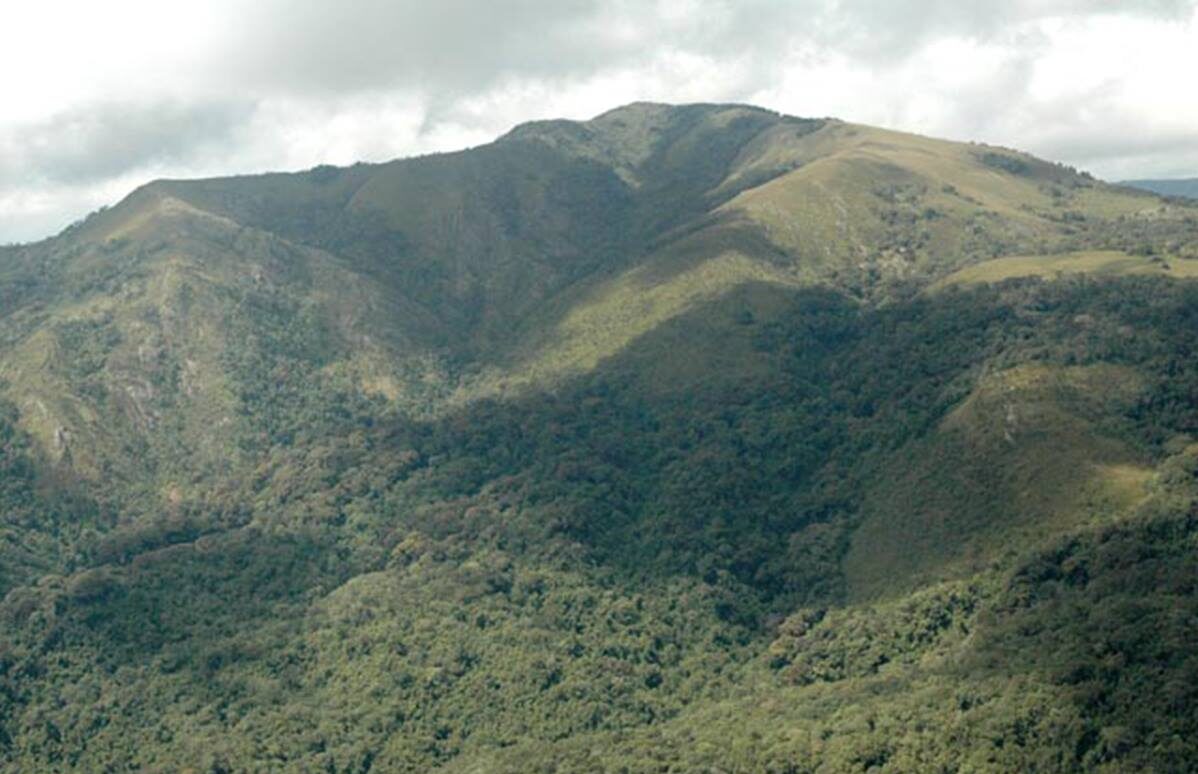
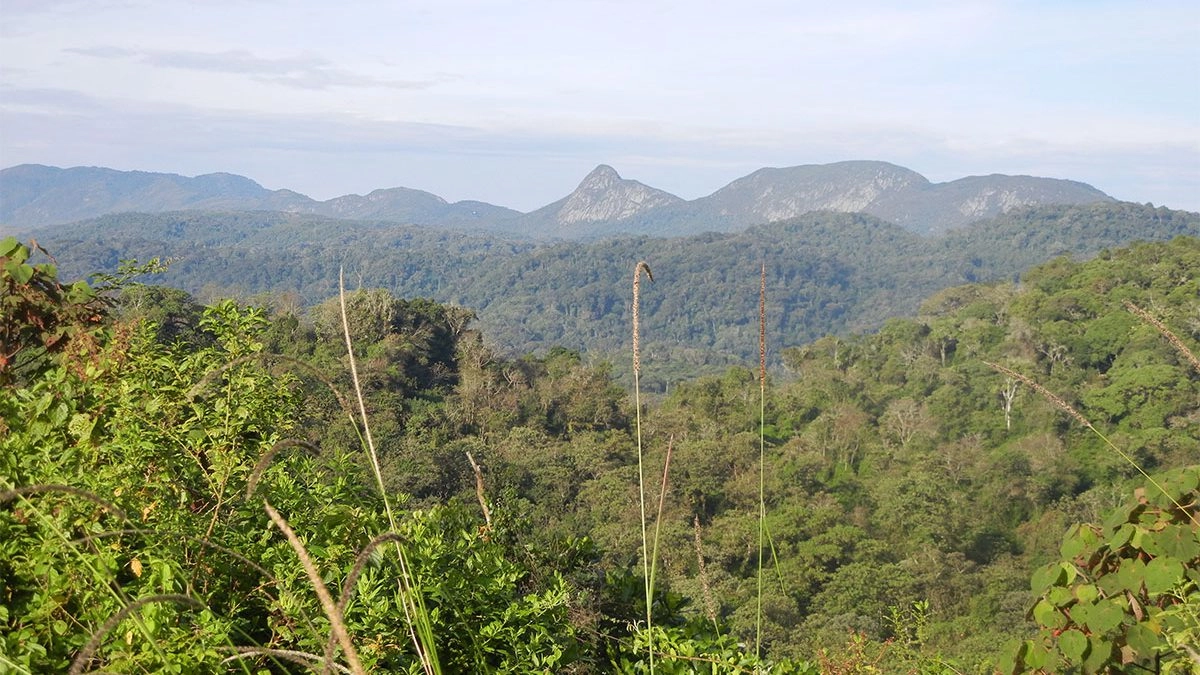
The landscape of Itombwe Nature Reserve is among the most spectacular and diverse in Central Africa. Dominated by the towering Itombwe Mountains, the reserve features a complex mosaic of habitats ranging from dense tropical rainforests to alpine grasslands found at higher elevations.
Steep mountain ridges, deep valleys, cascading streams, waterfalls, wetlands, and forested slopes characterize much of the reserve. These varied landscapes create a wide range of ecological niches that support extraordinary levels of biodiversity.
The reserve’s mountainous terrain acts as a natural water catchment system, feeding numerous rivers and streams that flow into Lake Tanganyika and the broader Congo Basin watershed. These freshwater systems provide essential resources for wildlife and local communities while contributing to regional ecological stability.
Lower elevations are dominated by tropical forests rich in giant trees, vines, and dense vegetation. As elevation increases, the forests gradually transition into bamboo zones, montane forests, and eventually high-altitude grasslands. Each habitat supports its own unique community of plants and animals.
Frequent rainfall, cool mountain temperatures, and fertile volcanic soils contribute to the lush vegetation that covers much of the reserve. The dramatic scenery offers breathtaking views across valleys, mountain peaks, forests, and distant landscapes stretching toward Lake Tanganyika.
The combination of varied elevations, climate conditions, and habitat diversity makes Itombwe Nature Reserve one of the most ecologically complex and biologically productive regions in Africa.
The Itombwe Mountains and Albertine Rift Ecosystem
The Itombwe Mountains form the backbone of Itombwe Nature Reserve and are considered one of the most important biodiversity centers within the Albertine Rift ecosystem. The Albertine Rift extends from northern Uganda through Rwanda, Burundi, and eastern Congo and is globally recognized as one of Africa’s richest regions for endemic species.
The mountains create unique environmental conditions that have allowed many species to evolve in isolation over thousands of years. As a result, the Itombwe Mountains support numerous animals, birds, amphibians, reptiles, and plants that are found nowhere else in the world.
Among the most iconic inhabitants of the mountains are Grauer’s Gorillas, chimpanzees, Albertine Rift endemic birds, rare duikers, and various species of monkeys. Scientists continue to discover new species in the region, highlighting how much remains unknown about this remarkable ecosystem.
The high-altitude forests serve as important carbon sinks, helping regulate climate patterns while storing significant amounts of atmospheric carbon. These forests also protect watersheds that supply clean water to communities and ecosystems across eastern Congo.
Conservation experts regard the Itombwe Mountains as one of the highest-priority conservation areas in Africa because of their extraordinary biodiversity, ecological importance, and role in protecting endangered species. Their preservation is essential not only for wildlife but also for maintaining ecosystem services that benefit millions of people throughout the region.
Today, the Itombwe Mountains remain one of the last great wilderness strongholds in Central Africa, offering a rare glimpse into an ecosystem that has evolved largely undisturbed for centuries and continues to play a vital role in global biodiversity conservation.
Why Itombwe Nature Reserve is Important for Conservation
Itombwe Nature Reserve is one of the most significant conservation landscapes in Africa and plays a critical role in protecting some of the continent’s most threatened wildlife and ecosystems. Located within the Albertine Rift, a globally recognized biodiversity hotspot, the reserve safeguards vast tracts of montane forest, bamboo habitats, wetlands, and grasslands that support an extraordinary concentration of endemic and endangered species.
The reserve is particularly important because it protects one of the largest remaining strongholds of the endangered Grauer’s Gorilla, the world’s largest gorilla subspecies. Conservationists consider Itombwe a lifeline for these great apes as populations have declined in other parts of eastern Congo due to habitat loss, poaching, and human encroachment.
Beyond gorillas, Itombwe serves as a refuge for chimpanzees, forest elephants, rare antelope species, endemic birds, amphibians, and unique plant communities found nowhere else on Earth. The reserve also functions as a crucial ecological corridor connecting wildlife populations across the Albertine Rift.
The forests of Itombwe help regulate regional climate, protect watersheds, prevent soil erosion, and store vast amounts of carbon, making them important in the fight against global climate change. Conservation efforts within the reserve not only protect biodiversity but also support local communities through sustainable resource management and environmental education programs.
As one of the least explored protected areas in Central Africa, Itombwe Nature Reserve remains a conservation priority of global importance and a vital sanctuary for species facing increasing pressures throughout their natural range.
Wildlife in Itombwe Nature Reserve
Itombwe Nature Reserve supports one of the richest concentrations of wildlife in the Democratic Republic of the Congo. The reserve’s varied landscapes, ranging from lowland forests to high mountain habitats, provide ideal conditions for a remarkable diversity of mammals, birds, reptiles, amphibians, and insects.
Scientists have identified hundreds of species within the reserve, many of which are endemic to the Albertine Rift. The reserve is best known for its populations of Grauer’s Gorillas and chimpanzees, but visitors may also encounter forest elephants, buffaloes, antelopes, monkeys, rare birds, and numerous smaller creatures that contribute to the region’s ecological richness.
The combination of tropical forests, bamboo zones, wetlands, and montane ecosystems allows species from different habitats to coexist, creating one of Africa’s most important biodiversity hotspots. Ongoing scientific surveys continue to reveal new species and improve understanding of the reserve’s extraordinary wildlife.
Grauer’s Gorillas in Itombwe Nature Reserve
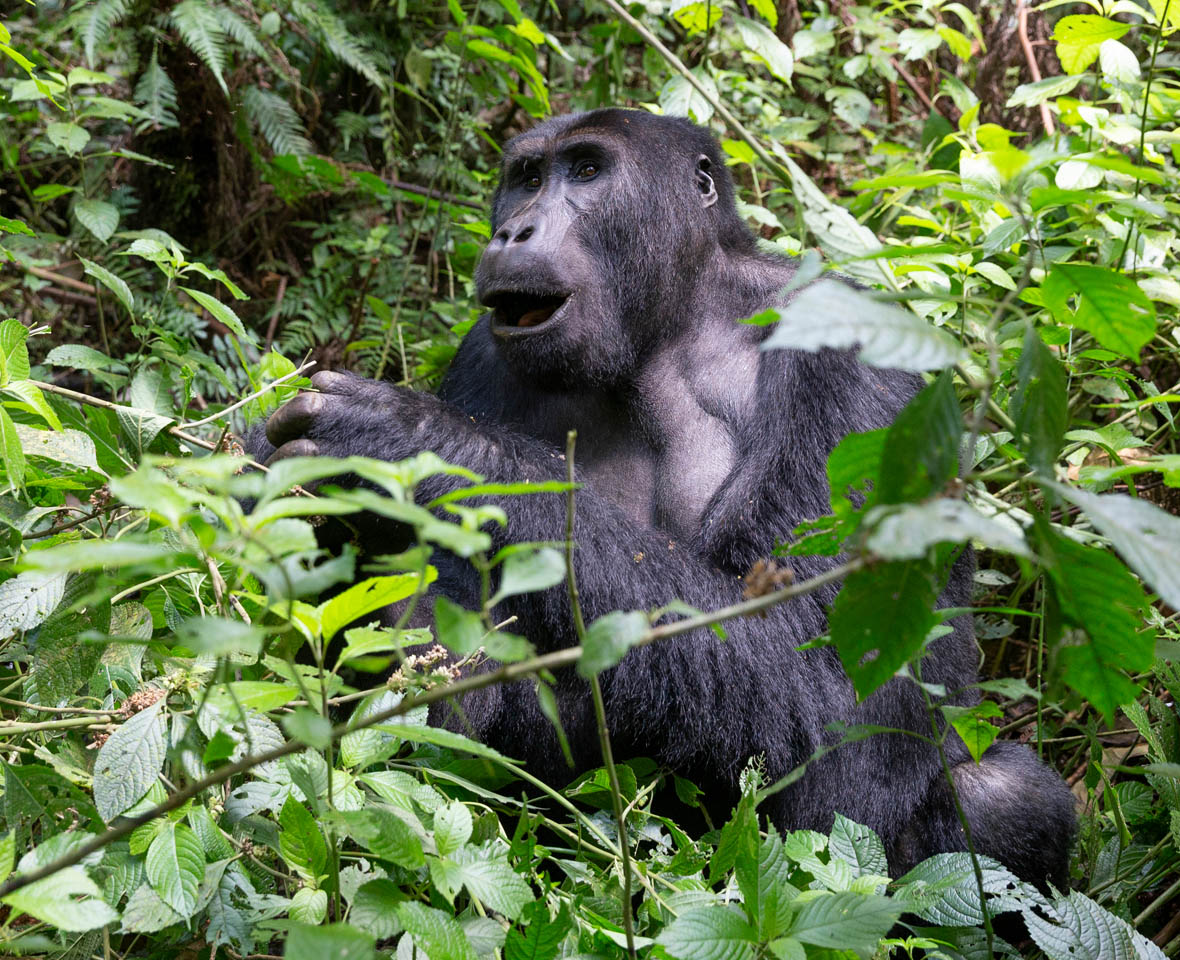
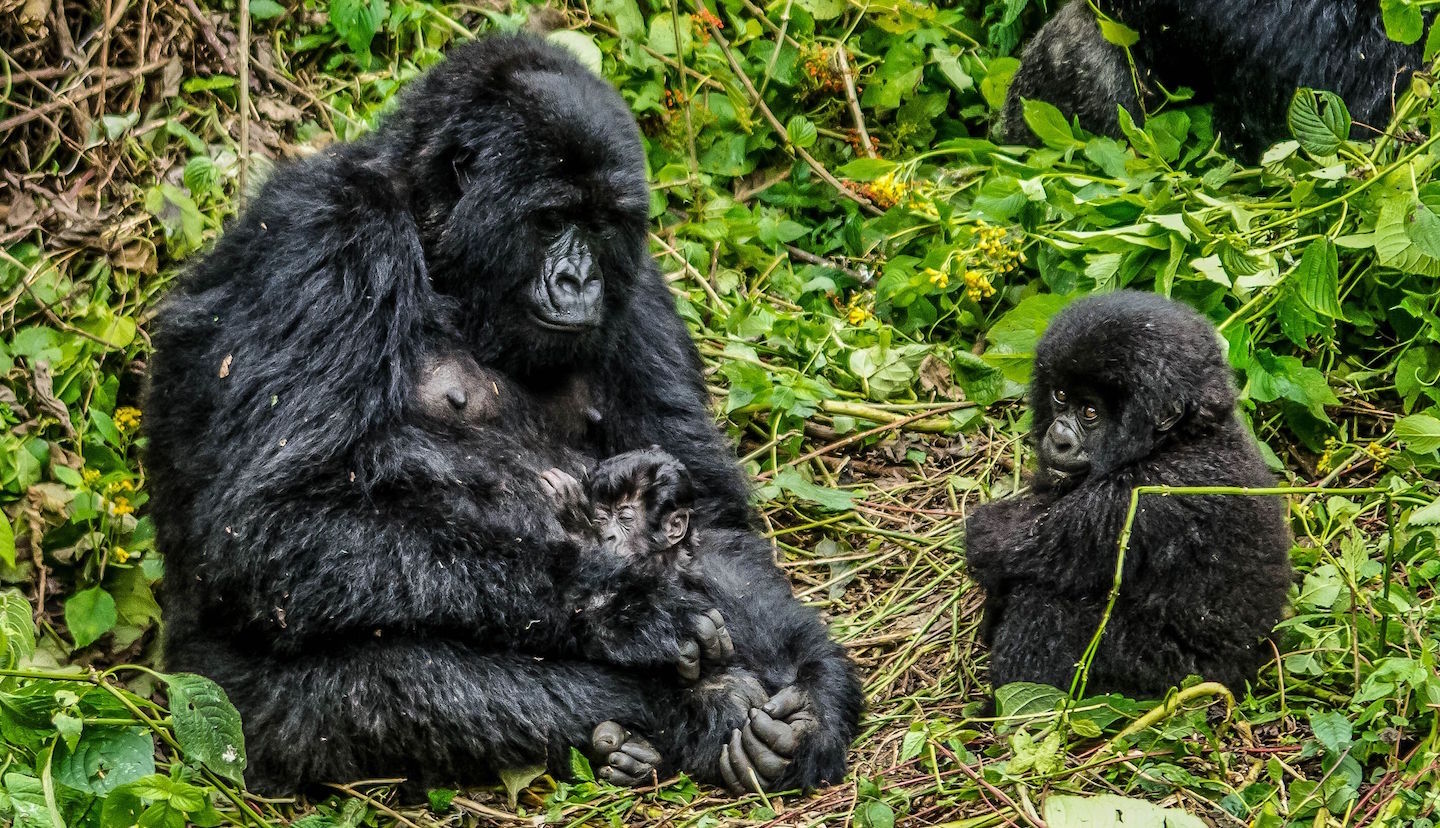
Itombwe Nature Reserve is one of the most important refuges for Grauer’s Gorillas, also known as Eastern Lowland Gorillas. These magnificent primates are the largest gorilla subspecies and are found only in eastern Democratic Republic of the Congo.
The reserve contains extensive areas of suitable habitat that support significant populations of these critically endangered great apes. Grauer’s Gorillas inhabit the dense forests and mountainous regions of Itombwe where they feed on leaves, stems, fruits, bark, and other vegetation.
Adult silverbacks can weigh more than 200 kilograms and lead family groups that may consist of several females and their offspring. Their social behavior, intelligence, and close genetic relationship to humans make them among the most fascinating wildlife species in Africa.
Conservation efforts in Itombwe are crucial for the survival of Grauer’s Gorillas, whose populations have declined dramatically due to habitat destruction, illegal mining, armed conflict, and poaching. The reserve provides one of the safest remaining habitats for these endangered primates and serves as a key conservation stronghold for the species.
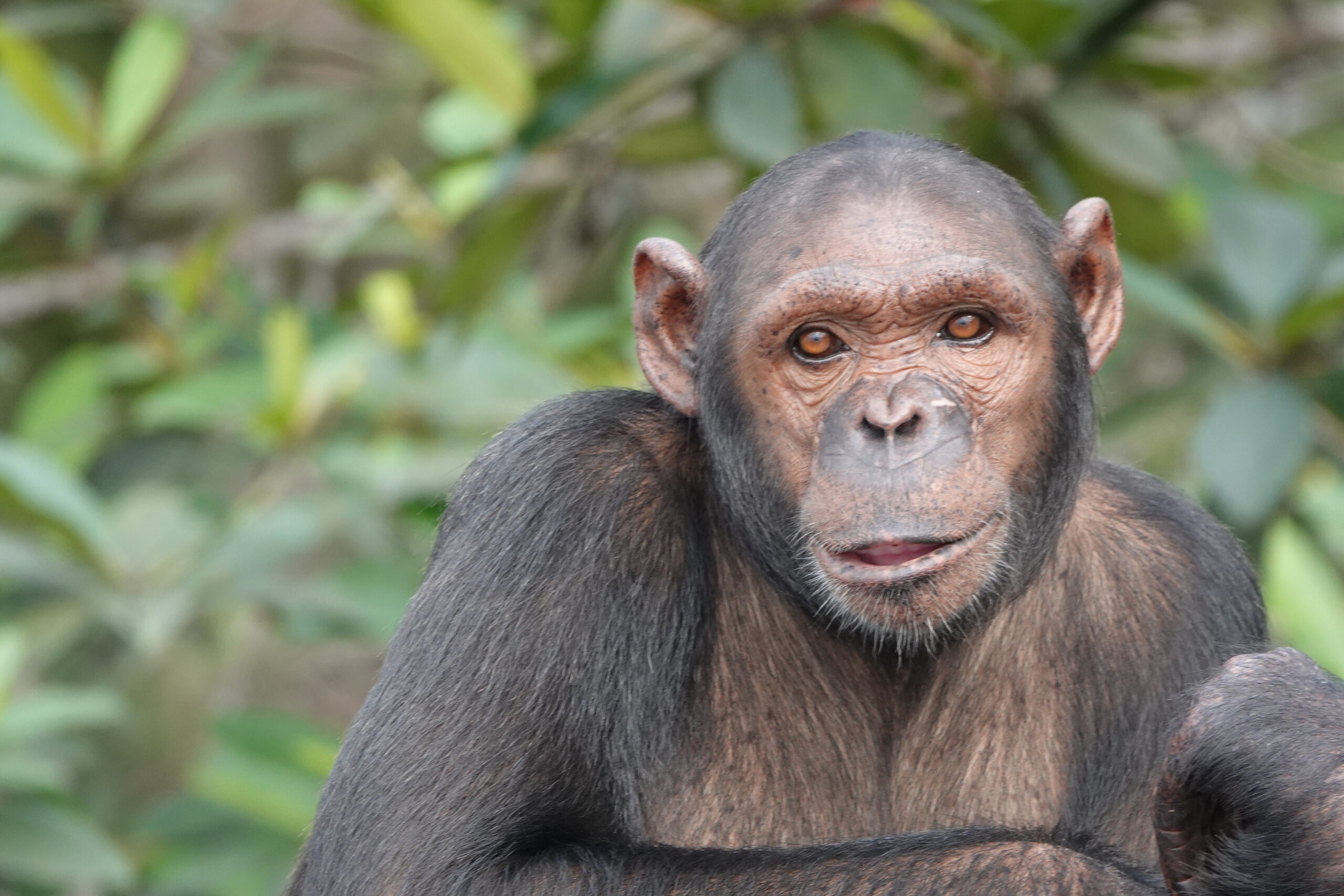
Chimpanzees of Itombwe Forest
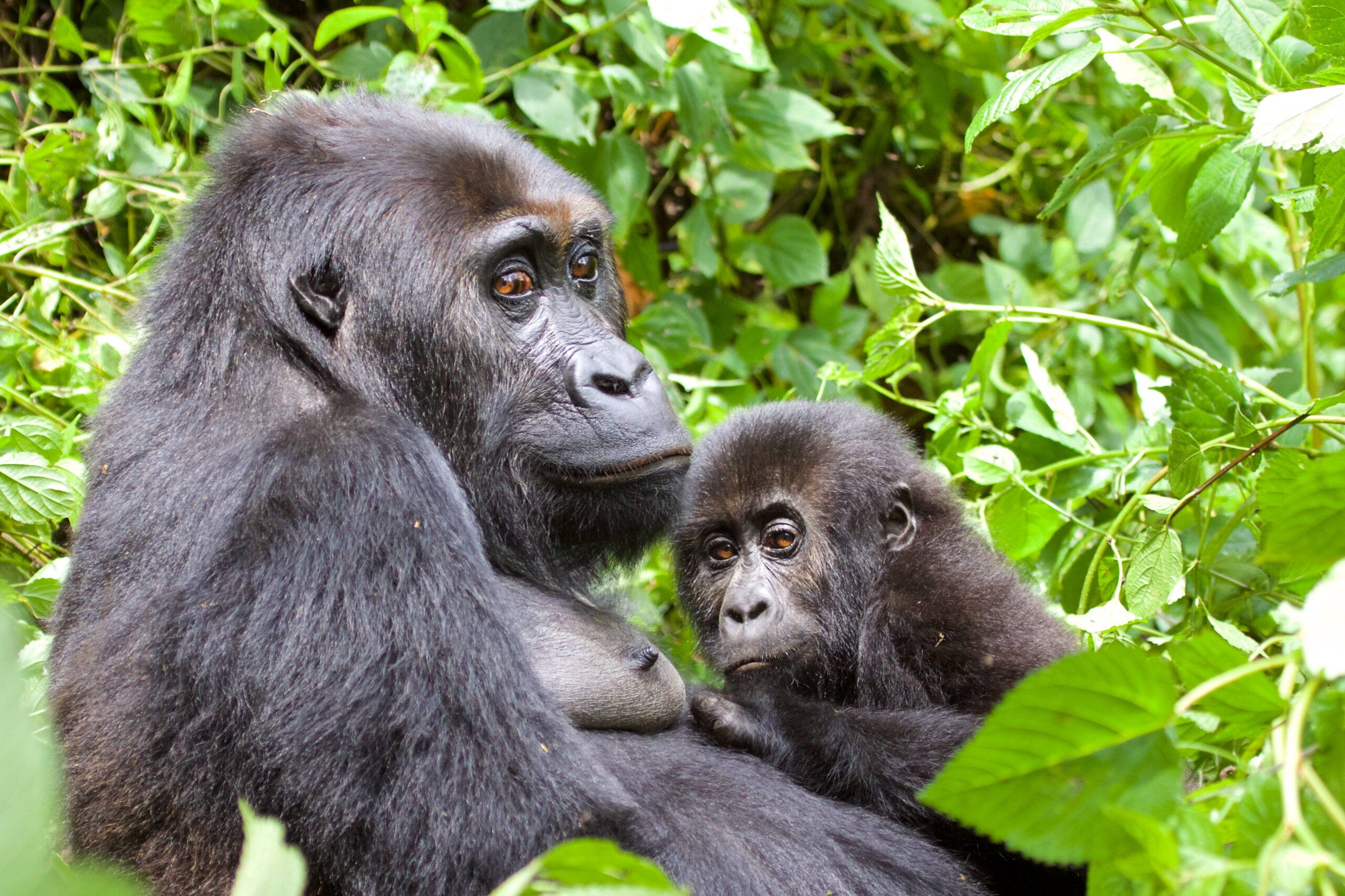
The forests of Itombwe Nature Reserve also provide important habitat for wild chimpanzees. These highly intelligent primates share approximately 98 percent of their DNA with humans and are known for their complex social structures, communication systems, and tool-using abilities.
Chimpanzees in Itombwe live within forest communities that occupy large territories across the reserve. They spend much of their time foraging for fruits, seeds, leaves, insects, and occasionally small animals. Their presence indicates the health and integrity of the forest ecosystem.
Researchers regard the chimpanzee populations of Itombwe as particularly valuable because relatively little is known about their behavior and distribution compared to populations in more accessible regions of Africa. Continued conservation efforts help ensure these primates can thrive within one of their most important remaining habitats.
The calls of chimpanzees echoing through the forests are among the most remarkable wildlife experiences found within the reserve.
Forest Elephants and Other Mammals
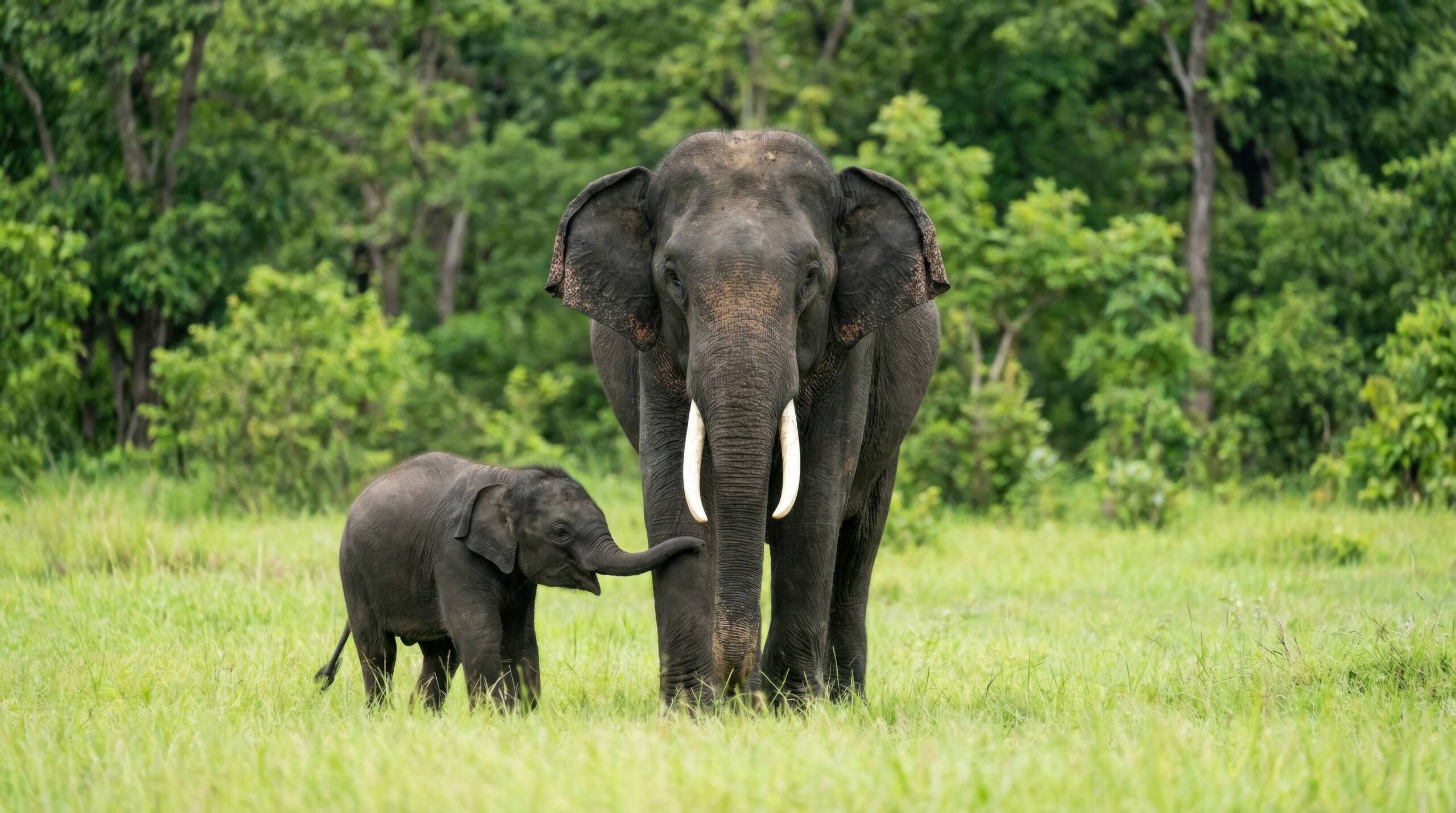
Among the larger mammals inhabiting Itombwe Nature Reserve are African forest elephants. Smaller than their savannah relatives, forest elephants play a critical ecological role by dispersing seeds and creating pathways through dense vegetation.
Although sightings are relatively rare due to the dense forest environment, their presence contributes significantly to maintaining healthy forest ecosystems. Forest elephants help shape vegetation patterns and promote forest regeneration.
Other mammals found within the reserve include giant forest hogs, bush pigs, civets, genets, pangolins, bushbucks, duikers, and various species of small carnivores. These animals occupy different ecological niches and contribute to the balance of the ecosystem.
Predators such as leopards are also believed to inhabit portions of the reserve, though they are rarely seen due to their elusive nature and the remoteness of the terrain.
Antelopes, Buffaloes and Smaller Wildlife
Itombwe Nature Reserve supports a variety of antelope species adapted to both forest and montane environments. Several duiker species inhabit the reserve’s forests, including rare and localized species that are difficult to observe elsewhere.
Buffalo populations can also be found in some areas, particularly where suitable grasslands and forest edges occur. These powerful herbivores play an important role in shaping vegetation dynamics and supporting predator-prey relationships.
Smaller mammals contribute greatly to the reserve’s biodiversity. Species such as tree hyraxes, squirrels, rodents, bats, and insectivores occupy important ecological roles including seed dispersal, pollination, and insect control.
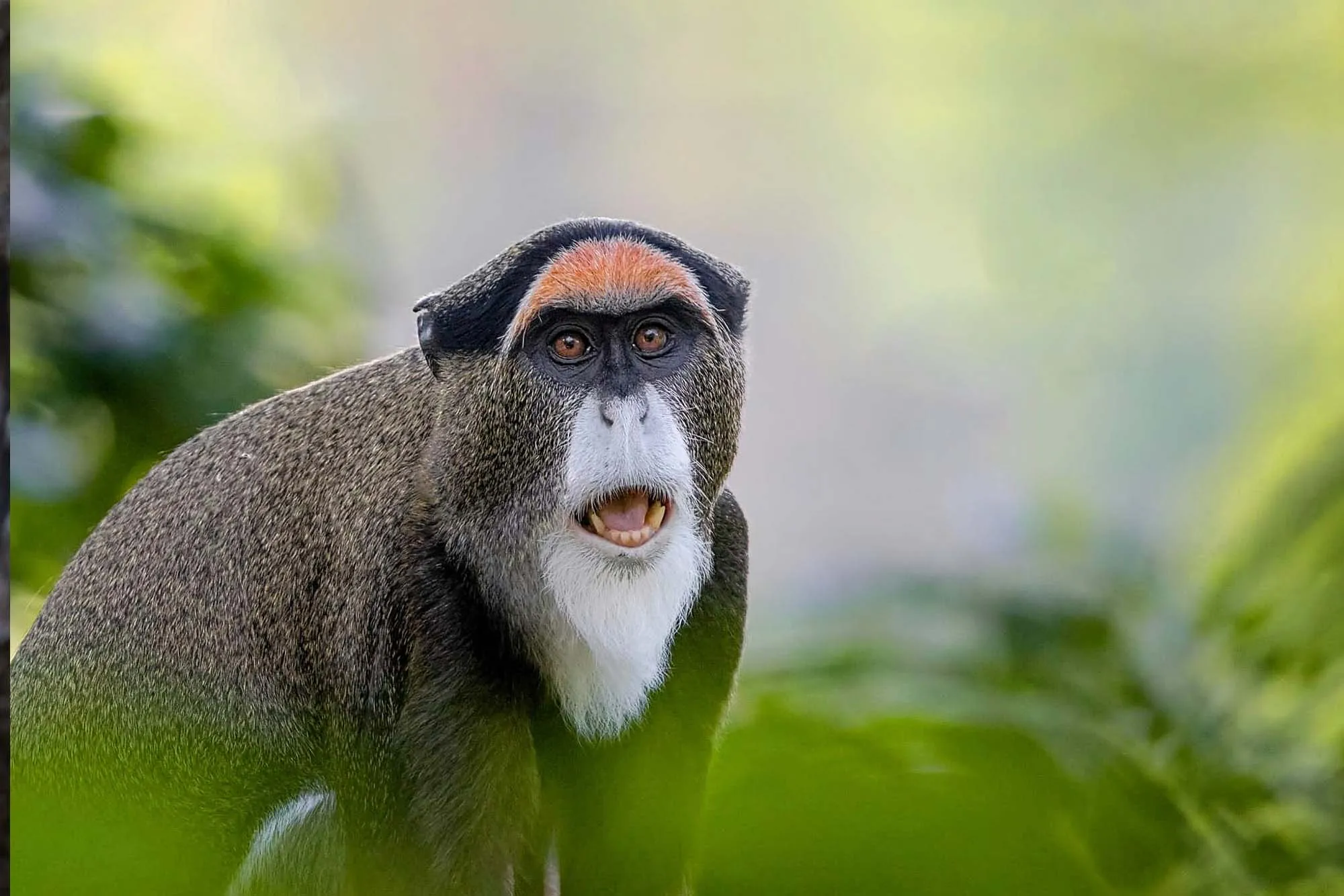
Numerous monkey species inhabit the forests, including blue monkeys, red-tailed monkeys, L’Hoest’s monkeys, and other Albertine Rift primates that add to the reserve’s remarkable wildlife diversity.
Rare Reptiles and Amphibians
The diverse habitats of Itombwe Nature Reserve support a rich variety of reptiles and amphibians, many of which are endemic to the Albertine Rift. Scientists consider the reserve one of the most important centers of amphibian diversity in Africa.
The region’s cool montane forests, wetlands, streams, and rivers provide ideal conditions for frogs, toads, salamander-like amphibians, and numerous reptile species. Several species found in Itombwe occur nowhere else in the world.
Chameleons, forest snakes, skinks, geckos, and lizards are among the reptiles that inhabit the reserve. Many of these species remain poorly studied, highlighting the scientific importance of continued research and conservation.
The presence of diverse amphibian populations is also a strong indicator of healthy ecosystems, as these animals are highly sensitive to environmental changes and habitat degradation.
Birdlife in Itombwe Nature Reserve
Itombwe Nature Reserve is internationally recognized as one of Africa’s premier bird conservation areas. Bird enthusiasts and ornithologists regard the reserve as a paradise due to its exceptional concentration of rare, endemic, and threatened bird species.
More than 500 bird species have been recorded in the broader Itombwe region, making it one of the richest birding destinations in Central Africa. The reserve’s varied elevations and habitats support a remarkable diversity of forest birds, montane specialists, raptors, wetland birds, and migratory species.
Birdlife can be found throughout the reserve’s forests, grasslands, bamboo zones, wetlands, and mountain slopes. The combination of habitat diversity and geographical isolation has contributed to the evolution of many species unique to the Albertine Rift.
For serious birdwatchers, Itombwe represents one of the most rewarding yet least explored birding locations on the African continent.
Endemic Albertine Rift Bird Species
The Albertine Rift is one of Africa’s most important regions for endemic birds, and Itombwe Nature Reserve protects many of these unique species. Endemic birds are species found nowhere else on Earth, making their conservation particularly important.
Among the notable Albertine Rift endemics found in the region are the Albertine Owlet, Congo Bay Owl, Regal Sunbird, Rwenzori Turaco, Strange Weaver, Shelley’s Crimsonwing, and Dusky Crimsonwing.
These birds have evolved within the isolated mountain ecosystems of the Albertine Rift and depend on the preservation of high-altitude forests and montane habitats for survival.
Because many endemic species have limited distributions, habitat protection within Itombwe Nature Reserve is essential for preventing their extinction.
Rare Birds Found Only in Itombwe
One of the reserve’s greatest ornithological treasures is the presence of bird species strongly associated with the Itombwe Mountains. The region has historically been a source of important bird discoveries due to its isolation and limited scientific exploration.
Species such as the Itombwe Owl and other localized Albertine Rift birds have contributed to the reserve’s international conservation significance. Researchers continue to study the area in hopes of learning more about these rare species and identifying additional populations.
The remote nature of the reserve has allowed many sensitive bird species to persist in relatively undisturbed habitats, making Itombwe a crucial sanctuary for some of Africa’s rarest avian life.
Birdwatching Opportunities in Itombwe Nature Reserve
Birdwatching in Itombwe Nature Reserve offers an extraordinary opportunity to observe some of Africa’s rarest and most sought-after bird species. The reserve’s diverse habitats provide year-round birding opportunities for both experienced ornithologists and nature enthusiasts.
Montane forests offer excellent chances to observe Albertine Rift endemics, while grasslands and wetlands attract a variety of additional species. Early morning birding excursions are particularly productive as birds are most active during the cooler hours of the day.
The reserve’s relatively untouched wilderness allows birdwatchers to experience birdlife in a truly natural environment, free from the crowds found in more established destinations. Every expedition into Itombwe has the potential to reveal rare sightings, making the reserve a dream destination for adventurous birders seeking unique species and unforgettable wildlife encounters.
For conservation-minded travelers, birdwatching in Itombwe Nature Reserve also contributes to awareness and support for one of Africa’s most important biodiversity strongholds.
Flora and Vegetation of Itombwe Nature Reserve
The flora and vegetation of Itombwe Nature Reserve are among the most diverse and ecologically important in Central Africa. Situated within the Albertine Rift, the reserve contains an extraordinary variety of plant communities shaped by dramatic changes in altitude, climate, rainfall, and soil conditions. These diverse habitats support thousands of plant species and provide essential food, shelter, and breeding grounds for wildlife ranging from Grauer’s gorillas and chimpanzees to rare birds and amphibians.
One of the most remarkable features of Itombwe Nature Reserve is its continuous vegetation gradient that stretches from lowland tropical forests to high-altitude montane ecosystems. This variation creates a mosaic of habitats that support exceptional biodiversity and contribute significantly to the ecological importance of the reserve.
The reserve’s forests act as major carbon sinks, helping regulate regional climate patterns while protecting critical watersheds that supply fresh water to communities and ecosystems throughout eastern Democratic Republic of the Congo. Many of the plant species found in Itombwe are endemic to the Albertine Rift, making the reserve a vital center for botanical conservation.
Scientists continue to discover and document new plant species in the region, highlighting the importance of protecting this unique landscape for future generations. The vegetation of Itombwe not only sustains wildlife but also supports local communities through traditional medicine, food resources, and sustainable forest products.
Montane Forests
Montane forests are among the most dominant and ecologically significant habitats within Itombwe Nature Reserve. These forests occur at higher elevations throughout the Itombwe Mountains and are characterized by cool temperatures, frequent rainfall, dense vegetation, and rich biodiversity.
The montane forests of Itombwe are composed of towering trees draped in mosses, lichens, ferns, and epiphytic plants. Thick canopies create shaded environments that support a wide range of wildlife, including Grauer’s gorillas, chimpanzees, monkeys, forest elephants, and numerous bird species.
These forests play a crucial role in maintaining ecological balance by regulating water cycles, preventing soil erosion, and capturing atmospheric carbon. Their extensive root systems stabilize mountain slopes while helping replenish streams and rivers that originate within the reserve.
Many Albertine Rift endemic species depend entirely on montane forests for survival. The forests provide feeding grounds, nesting sites, and migration corridors for wildlife while serving as one of the most important conservation habitats in Central Africa.
The mist-covered montane forests of Itombwe create some of the reserve’s most spectacular scenery, offering breathtaking landscapes that remain largely untouched by modern development.
Bamboo Forests
Bamboo forests form an important transitional habitat within Itombwe Nature Reserve, particularly at mid-to-high elevations where environmental conditions favor their growth. These dense stands of bamboo create unique ecosystems that support specialized wildlife and plant communities.
The bamboo zones are especially important for Grauer’s gorillas, which often feed on young bamboo shoots, leaves, and stems. During certain seasons, bamboo becomes a valuable food resource for gorillas and other herbivorous mammals inhabiting the reserve.
Beyond providing food, bamboo forests offer shelter and movement corridors for wildlife traveling between different habitat zones. Many bird species, small mammals, reptiles, and insects utilize bamboo habitats for nesting and protection from predators.
Bamboo also contributes to soil conservation by stabilizing slopes and reducing erosion on steep mountain terrain. Its rapid growth helps maintain ecological resilience while supporting the overall health of the reserve’s ecosystems.
The vibrant green appearance of bamboo forests creates striking contrasts against the darker montane forests, adding to the scenic beauty and ecological diversity of the Itombwe Mountains.
Grasslands and Highlands
At the highest elevations of Itombwe Nature Reserve, forests gradually give way to open grasslands, shrublands, and highland ecosystems. These habitats provide a completely different environment from the dense forests below and support their own unique communities of plants and animals.
The highland grasslands are shaped by cooler temperatures, stronger winds, and lower tree densities. These conditions allow specialized grasses, herbs, flowering plants, and shrubs to thrive in areas where forests cannot easily establish themselves.
Many species of antelopes, small mammals, birds, and reptiles utilize these open habitats for feeding and breeding. Raptors can often be seen soaring above the grasslands, taking advantage of open landscapes to hunt for prey.
The highland ecosystems also provide important ecological services by protecting watersheds and helping regulate water flow into rivers and streams originating from the Itombwe Mountains.
The sweeping views from these elevated grasslands reveal some of the most dramatic scenery in eastern Congo, with rolling hills, mountain peaks, deep valleys, and distant forest canopies stretching across the landscape.
These high-altitude environments contribute significantly to the overall biodiversity of Itombwe Nature Reserve by creating additional ecological niches that support species adapted to cooler and more open habitats.
Endemic Plant Species
One of the most remarkable botanical features of Itombwe Nature Reserve is the presence of numerous endemic plant species that occur only within the Albertine Rift region. The reserve’s geographic isolation, varied elevations, and unique environmental conditions have allowed many plant species to evolve independently over thousands of years.
Scientists consider the Itombwe Mountains a center of plant endemism, containing species that are found nowhere else on Earth. These endemic plants include rare orchids, flowering plants, shrubs, ferns, and specialized montane forest trees that contribute to the reserve’s global conservation significance.
Many of these plants play vital ecological roles by providing food, shelter, and nesting materials for wildlife. Certain endemic species have developed highly specialized relationships with local birds, insects, and mammals, forming complex ecological networks that sustain biodiversity throughout the reserve.
Some endemic plants also possess cultural and medicinal importance for local communities, who have used them for generations in traditional healthcare practices and daily life.
Because many endemic species have restricted distributions and specific habitat requirements, they are particularly vulnerable to environmental disturbances such as deforestation, climate change, and habitat fragmentation. Protecting Itombwe Nature Reserve is therefore essential not only for wildlife conservation but also for preserving one of Africa’s most important centers of plant diversity.
The rich flora of Itombwe Nature Reserve continues to attract scientific interest, with researchers regularly conducting botanical surveys that contribute to a growing understanding of one of the continent’s most extraordinary and least explored ecosystems.
Gorilla Conservation in Itombwe Nature Reserve
Gorilla conservation is one of the primary reasons why Itombwe Nature Reserve is considered one of the most important protected areas in the Democratic Republic of the Congo. The reserve safeguards significant populations of the endangered Grauer’s Gorilla, also known as the Eastern Lowland Gorilla, the largest gorilla subspecies in the world. Found only in eastern Congo, Grauer’s Gorillas have experienced dramatic population declines over recent decades, making the protection of habitats such as Itombwe more important than ever.
The forests of Itombwe provide ideal conditions for gorillas, offering abundant food sources, nesting sites, water, and shelter. These remote mountain forests have become a critical refuge for gorilla populations that face increasing pressures elsewhere in their range.
Conservation efforts within Itombwe Nature Reserve involve collaboration between the Congolese government, local communities, conservation organizations, researchers, and international partners. Programs focus on wildlife monitoring, habitat protection, anti-poaching operations, environmental education, and community engagement initiatives designed to reduce threats to gorillas and their habitats.
Field researchers regularly conduct surveys to monitor gorilla populations, understand their movements, and assess the health of the ecosystem. Conservation teams also work with local communities to promote sustainable livelihoods that reduce dependence on activities harmful to wildlife and forests.
Protecting Grauer’s Gorillas in Itombwe is not only important for the survival of the species but also for maintaining the health of the entire ecosystem. As large herbivores and seed dispersers, gorillas play a vital role in shaping forest structure and supporting biodiversity throughout the reserve.
Today, Itombwe Nature Reserve remains one of the most important strongholds for Grauer’s Gorilla conservation and represents a critical component of global efforts to protect great apes from extinction.
Threats Facing Itombwe Nature Reserve
Despite its immense ecological importance, Itombwe Nature Reserve faces numerous conservation challenges that threaten its wildlife, forests, and biodiversity. Human activities, economic pressures, population growth, and environmental changes continue to place increasing strain on the reserve’s ecosystems.
Many of these threats directly impact endangered species such as Grauer’s Gorillas, chimpanzees, forest elephants, and endemic birds. Habitat degradation, resource extraction, and unsustainable land use practices can reduce wildlife populations and fragment critical habitats.
Conservation organizations and government agencies continue working to address these challenges through law enforcement, community partnerships, education programs, and sustainable development initiatives. However, protecting such a vast and remote landscape remains a complex task requiring long-term commitment and international support.
Understanding these threats is essential for appreciating the importance of ongoing conservation efforts within Itombwe Nature Reserve.
Illegal Mining
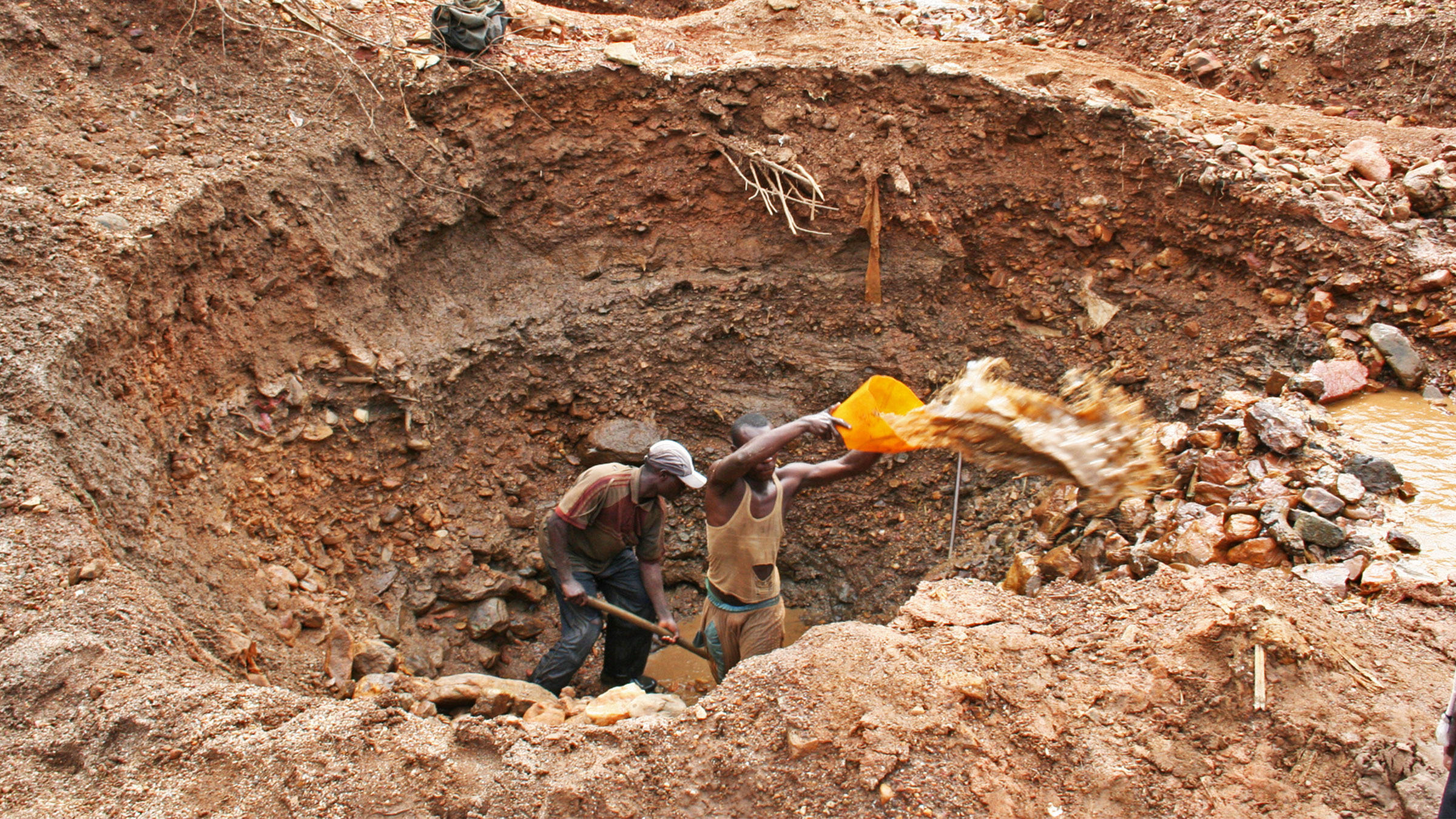
Illegal mining is one of the most serious threats facing Itombwe Nature Reserve. Eastern Democratic Republic of the Congo contains significant deposits of valuable minerals including gold, coltan, cassiterite, and other resources that are in high demand globally.
Mining activities often occur within or near protected areas, leading to extensive environmental damage. Forests are cleared to create mining camps, access roads, and excavation sites, resulting in habitat destruction and fragmentation.
The presence of mining operations can also increase hunting pressure on wildlife as workers rely on bushmeat for food. Increased human activity within previously remote forest areas disturbs sensitive species and creates additional pressures on ecosystems.
Mining pollution can contaminate rivers and streams, affecting aquatic ecosystems and reducing water quality for both wildlife and local communities. Sedimentation and chemical runoff further degrade habitats that many species depend upon.
Reducing illegal mining within Itombwe Nature Reserve remains a major conservation priority due to its widespread ecological impacts and long-term consequences for biodiversity.
Deforestation
Deforestation poses a significant threat to the ecological integrity of Itombwe Nature Reserve. Forest clearing occurs for agriculture, fuelwood collection, charcoal production, settlement expansion, and infrastructure development.
As forests are removed, wildlife loses critical habitat for feeding, breeding, and shelter. Species that depend on large, continuous forest ecosystems become increasingly vulnerable when habitats are fragmented into smaller isolated patches.
Deforestation also affects ecosystem services that benefit both wildlife and people. Forests regulate water cycles, prevent soil erosion, store carbon, and help maintain stable local climates. Their destruction can lead to increased flooding, landslides, and reduced water availability.
For Grauer’s Gorillas and chimpanzees, the loss of forest habitat directly threatens survival by reducing access to food resources and increasing contact with human populations.
Protecting Itombwe’s forests is therefore essential not only for biodiversity conservation but also for safeguarding ecological processes that support livelihoods throughout the region.
Poaching
Poaching remains a persistent challenge for wildlife conservation in Itombwe Nature Reserve. Hunting occurs for bushmeat, traditional uses, and, in some cases, illegal wildlife trade.
Although gorillas are not typically the primary targets of hunters, they are vulnerable to snares and traps set for other animals. Accidental injuries caused by snares can lead to severe suffering, infections, and death among gorillas and other wildlife.
Forest elephants, antelopes, primates, and numerous smaller mammals are also affected by hunting pressures. The removal of wildlife from ecosystems can disrupt ecological balance and reduce biodiversity over time.
Poaching becomes particularly problematic when combined with other threats such as habitat loss and human population growth. Increased access to remote forests through roads and mining activities often facilitates illegal hunting.
Conservation teams work to combat poaching through ranger patrols, community awareness programs, intelligence gathering, and law enforcement efforts aimed at protecting wildlife throughout the reserve.
Human-Wildlife Conflict
Human-wildlife conflict occurs when the needs of local communities and wildlife overlap, creating challenges for both conservation and livelihoods. As human populations grow around the reserve, interactions between people and wildlife become more frequent.
Wild animals may occasionally enter agricultural areas in search of food, leading to crop damage and economic losses for local farmers. In response, some communities may view wildlife as a threat and become less supportive of conservation initiatives.
Although direct conflict involving gorillas is relatively uncommon, habitat encroachment can increase interactions between humans and wildlife. These encounters may also elevate the risk of disease transmission between people and great apes.
Conservation organizations work closely with communities to develop solutions that reduce conflict while promoting coexistence. These initiatives include environmental education, sustainable agriculture, community conservation programs, and alternative livelihood opportunities.
Successfully managing human-wildlife conflict is essential for ensuring long-term conservation success within Itombwe Nature Reserve.
Habitat Loss
Habitat loss represents one of the greatest long-term threats to biodiversity in Itombwe Nature Reserve. The combined effects of agriculture, logging, mining, settlement expansion, infrastructure development, and resource extraction continue to reduce available wildlife habitat.
When habitats are destroyed or fragmented, wildlife populations become isolated, limiting movement, breeding opportunities, and genetic diversity. Smaller populations are often more vulnerable to disease, environmental changes, and local extinction.
For Grauer’s Gorillas, habitat loss reduces access to food sources, nesting areas, and migration routes that are essential for survival. Chimpanzees, forest elephants, birds, amphibians, and countless other species face similar challenges when natural habitats are altered.
Habitat loss also weakens ecosystem resilience by disrupting ecological processes such as seed dispersal, pollination, nutrient cycling, and water regulation.
Protecting and restoring habitat remains one of the most effective conservation strategies for ensuring the future of Itombwe Nature Reserve. By safeguarding forests, mountains, wetlands, and grasslands, conservation efforts help preserve one of Africa’s most important biodiversity hotspots for future generations.
Local Communities Around Itombwe Nature Reserve
The landscapes surrounding Itombwe Nature Reserve are home to numerous local and indigenous communities that have lived alongside the region’s forests, mountains, and wildlife for generations. These communities play a vital role in the cultural identity, ecological stewardship, and long-term conservation of the reserve. Their deep understanding of the environment, traditional practices, and close relationship with nature have helped shape the unique character of the Itombwe region.
Many villages around the reserve depend on natural resources for agriculture, livestock keeping, fishing, medicinal plants, and forest products. The forests of Itombwe provide water, fertile soils, food resources, and materials used in everyday life. As a result, the well-being of local communities is closely linked to the health of the reserve’s ecosystems.
Modern conservation efforts increasingly recognize that successful wildlife protection cannot be achieved without community involvement. Conservation organizations, government agencies, and local leaders work together to promote sustainable resource management while ensuring that local people benefit from conservation initiatives.
Today, local communities are considered essential partners in protecting Grauer’s Gorillas, chimpanzees, forests, and other wildlife that make Itombwe Nature Reserve one of Africa’s most important biodiversity hotspots.
Indigenous Communities and Traditional Conservation
The Itombwe region is home to several indigenous and traditional communities whose cultural heritage is deeply connected to the forests and mountains of eastern Congo. For centuries, these communities have relied on traditional ecological knowledge passed down through generations to manage natural resources and coexist with wildlife.
Many indigenous groups possess extensive knowledge of medicinal plants, wildlife behavior, seasonal patterns, water sources, and sustainable harvesting practices. This traditional knowledge has historically contributed to the conservation of forests and biodiversity long before modern protected areas were established.
Certain forest areas, sacred sites, rivers, and mountain locations have traditionally been protected through cultural beliefs and customary laws. These traditional conservation practices often restricted overexploitation of resources and helped maintain ecological balance within the landscape.
Today, conservation organizations increasingly recognize the value of indigenous knowledge in biodiversity protection. By integrating traditional conservation approaches with scientific management, Itombwe Nature Reserve benefits from a more inclusive and effective conservation strategy.
Supporting indigenous communities also helps preserve cultural traditions while strengthening local participation in conservation decision-making processes.
Community Conservation Programs
Community conservation programs have become a cornerstone of conservation efforts in and around Itombwe Nature Reserve. These initiatives aim to involve local residents directly in protecting wildlife and natural habitats while creating opportunities for social and economic development.
Many programs focus on environmental education, helping communities understand the importance of protecting Grauer’s Gorillas, chimpanzees, forests, watersheds, and other natural resources. Schools, local organizations, and conservation groups often conduct awareness campaigns that promote sustainable resource use and biodiversity conservation.
Community members are frequently engaged in wildlife monitoring, forest protection activities, habitat restoration projects, and reporting illegal activities such as poaching and unauthorized resource extraction. This local involvement strengthens conservation efforts by creating a sense of ownership and responsibility for the reserve.
Some conservation programs also support community-managed forests and natural resource management initiatives that allow local people to benefit from conservation while maintaining ecological sustainability.
By actively involving communities in conservation planning and implementation, these programs help build stronger relationships between protected area managers and local residents, creating a more sustainable future for both people and wildlife.
Sustainable Livelihood Projects
Sustainable livelihood projects play a critical role in reducing pressure on the natural resources of Itombwe Nature Reserve while improving the quality of life for surrounding communities. Many conservation challenges, including deforestation, poaching, and habitat degradation, are closely linked to economic hardship and limited livelihood opportunities.
To address these challenges, conservation organizations and development partners support alternative income-generating activities that provide economic benefits without harming the environment. These projects help reduce dependence on unsustainable practices while promoting long-term community development.
Agricultural improvement programs encourage sustainable farming techniques that increase productivity while minimizing forest clearance. Farmers receive training in soil conservation, crop diversification, agroforestry, and climate-resilient farming practices that support both livelihoods and environmental protection.
Other livelihood initiatives include beekeeping, fish farming, tree planting, handicraft production, sustainable harvesting of non-timber forest products, and small business development. These activities create new sources of income while reducing pressure on wildlife habitats.
Ecotourism also has the potential to contribute to sustainable livelihoods in the future. As interest in remote conservation destinations grows, carefully managed tourism can generate employment opportunities for guides, porters, lodge staff, drivers, and local entrepreneurs while supporting conservation objectives.
By investing in sustainable livelihood projects, conservation partners help create economic incentives for protecting Itombwe Nature Reserve. These efforts demonstrate that conservation and community development can work together to secure a better future for both people and nature in one of Africa’s most important wilderness landscapes.
Tourism in Itombwe Nature Reserve
Tourism in Itombwe Nature Reserve remains largely undeveloped compared to more famous safari destinations in Africa, making it one of the continent’s last true wilderness frontiers. Located in the remote mountains of eastern Democratic Republic of the Congo, the reserve offers adventurous travelers an opportunity to experience pristine forests, spectacular mountain scenery, rare wildlife, and authentic cultural encounters far from traditional tourist routes.
Unlike heavily visited national parks, Itombwe Nature Reserve provides a raw and immersive wilderness experience where nature remains largely untouched. The reserve attracts conservationists, researchers, birdwatchers, wildlife enthusiasts, and adventure travelers interested in exploring one of Africa’s most biologically important ecosystems.
The combination of rugged mountains, dense forests, unique wildlife, and extraordinary biodiversity creates immense potential for sustainable ecotourism. As conservation efforts continue and tourism infrastructure gradually develops, Itombwe could become an important destination for travelers seeking off-the-beaten-path experiences in Central Africa.
Tourism also offers opportunities to support conservation by generating income for local communities and promoting the protection of endangered species and critical habitats throughout the reserve.
Can Tourists Visit Itombwe Nature Reserve?
Yes, tourists can visit Itombwe Nature Reserve, although travel to the area remains more challenging than visiting established safari destinations such as Kahuzi-Biega National Park or Virunga National Park. The reserve’s remote location, limited infrastructure, and ongoing conservation priorities mean that tourism is still relatively small-scale and specialized.
Most visits are currently organized through conservation organizations, research projects, experienced local guides, and safari operators familiar with eastern Congo. Visitors should plan carefully and obtain updated travel information before arranging a trip.
The best experiences are typically designed for adventurous travelers who appreciate remote wilderness, biodiversity, birdwatching, hiking, and cultural exploration rather than traditional luxury tourism.
As conservation and tourism development continue, opportunities for responsible ecotourism are expected to expand, providing visitors with greater access while ensuring that the reserve’s sensitive ecosystems remain protected.
Travelers interested in visiting Itombwe should work with experienced Congo safari specialists who understand the logistical requirements and can coordinate transportation, permits, guides, and accommodation arrangements.
Adventure and Exploration Opportunities
Itombwe Nature Reserve offers some of the most authentic wilderness adventures available in Central Africa. The reserve’s remote forests, mountain ranges, rivers, and valleys provide endless opportunities for exploration and discovery.
Unlike conventional safari destinations where wildlife viewing often takes place from vehicles, adventures in Itombwe focus on immersive experiences within natural environments. Visitors can traverse mountain trails, explore dense forests, discover remote valleys, and experience landscapes that few travelers have ever seen.
The dramatic scenery of the Itombwe Mountains creates ideal conditions for adventurous expeditions. Hikers can enjoy panoramic views of forests, highland grasslands, waterfalls, and distant mountain ridges while exploring one of Africa’s least-known biodiversity hotspots.
For conservation-focused travelers, exploration of Itombwe provides a rare opportunity to witness firsthand the challenges and successes of protecting one of the world’s most important wilderness areas.
Every journey into the reserve offers the possibility of encountering rare wildlife, endemic plants, and pristine habitats that remain largely untouched by modern development.
Nature Walks and Forest Expeditions
Nature walks and forest expeditions are among the most rewarding activities in Itombwe Nature Reserve. Guided walks allow visitors to experience the reserve’s biodiversity at a slower pace while gaining a deeper appreciation for its ecosystems.
Walking through the forests reveals a fascinating world of giant trees, bamboo thickets, orchids, ferns, medicinal plants, insects, butterflies, and birdlife that are often overlooked during vehicle-based safaris. Experienced local guides help interpret the environment and share knowledge about wildlife, ecology, and traditional uses of forest resources.
Forest expeditions may vary from short day hikes to multi-day trekking adventures through remote mountain landscapes. Trails often pass through different habitat zones, allowing visitors to experience the remarkable ecological diversity of the reserve.
Along the way, travelers may encounter signs of wildlife such as gorilla nests, chimpanzee feeding areas, elephant tracks, bird colonies, and unique plant species that highlight the reserve’s extraordinary biodiversity.
These walking experiences provide an intimate connection with nature and offer some of the most authentic wilderness encounters available in the Democratic Republic of the Congo.
Primate Viewing Possibilities
One of the greatest attractions of Itombwe Nature Reserve is its remarkable primate diversity. The reserve protects important populations of Grauer’s Gorillas, chimpanzees, and several monkey species, making it one of the most significant primate conservation areas in Africa.
While organized gorilla trekking tourism is not currently developed in the same way as in Kahuzi-Biega National Park or Rwanda’s Volcanoes National Park, Itombwe remains a vital habitat for Grauer’s Gorillas and offers important opportunities for scientific research and conservation monitoring.
Chimpanzees are also found throughout many forested areas of the reserve, where their vocalizations can often be heard echoing through the mountains. Their complex social behavior and intelligence make them one of the most fascinating species inhabiting the region.
Other primates that may be encountered include blue monkeys, red-tailed monkeys, L’Hoest’s monkeys, baboons, and other forest-dwelling species adapted to the diverse habitats of the Albertine Rift.
Future conservation-based tourism initiatives may further enhance opportunities for carefully managed primate viewing while ensuring that wildlife remains protected and undisturbed.
Birding Safaris
Birding safaris represent one of the most promising tourism activities in Itombwe Nature Reserve. The reserve is widely recognized as one of the most important bird conservation areas within the Albertine Rift and supports an extraordinary diversity of bird species.
With hundreds of recorded species, including many Albertine Rift endemics, Itombwe offers exceptional opportunities for serious birdwatchers and ornithologists. The reserve’s varied habitats, ranging from montane forests and bamboo zones to wetlands and highland grasslands, create ideal conditions for diverse birdlife.
Birders visiting Itombwe may search for sought-after species such as the Rwenzori Turaco, Regal Sunbird, Strange Weaver, Shelley’s Crimsonwing, Dusky Crimsonwing, Albertine Owlet, and numerous other rare birds associated with the Albertine Rift.
Early morning birding excursions are particularly productive, as forests come alive with calls, songs, and activity from a wide variety of species. The reserve’s relatively untouched nature allows birdwatchers to experience species in pristine habitats with minimal disturbance.
For adventurous birders seeking destinations beyond traditional safari routes, Itombwe Nature Reserve offers one of Africa’s most exciting and least explored birdwatching experiences. Its combination of rare species, dramatic scenery, and remote wilderness makes it a true hidden gem for birding enthusiasts and conservation-minded travelers alike.
Best Time to Visit Itombwe Nature Reserve
The best time to visit Itombwe Nature Reserve is during the dry seasons, which typically occur from June to September and December to February. During these months, rainfall is lower, forest trails are less muddy, mountain paths are easier to navigate, and wildlife observation opportunities improve.
The June to September dry season is often considered the most favorable period for exploring the Itombwe Mountains. Clearer skies provide better visibility across the mountain landscapes, while drier conditions make hiking, birdwatching, and nature expeditions more comfortable. Forest trails become more accessible, allowing visitors to reach remote parts of the reserve with fewer logistical challenges.
The shorter dry season from December to February also offers excellent travel conditions. Wildlife viewing can be rewarding during this period, and the reduced rainfall allows easier movement through the reserve’s forests and mountain terrain.
The rainy seasons generally occur between March and May and October and November. Heavy rainfall during these months can make roads difficult to use, increase river levels, and create slippery hiking conditions. However, the forests become exceptionally green and lush, supporting abundant birdlife and vibrant vegetation.
Because Itombwe Nature Reserve lies within a mountainous tropical region, occasional rainfall can occur at any time of the year. Travelers should always prepare for changing weather conditions regardless of the season.
How to Get to Itombwe Nature Reserve
Reaching Itombwe Nature Reserve requires careful planning due to its remote location in eastern Democratic Republic of the Congo. Unlike more developed safari destinations, the reserve has limited tourism infrastructure and transportation options.
Most visitors begin their journey through the city of Bukavu in South Kivu Province, which serves as the primary gateway to the reserve. From Bukavu, travelers continue by road toward the Itombwe Mountains and surrounding conservation areas.
Because of the logistical challenges involved, travelers are strongly encouraged to arrange transportation, guides, permits, and local support through experienced Congo safari operators familiar with the region.
The journey itself is part of the adventure, taking visitors through dramatic mountain scenery, rural villages, forests, and landscapes that showcase the natural beauty of eastern Congo.
International Flights to Congo
Most international travelers visiting Itombwe Nature Reserve enter the Democratic Republic of the Congo through neighboring Rwanda before crossing into eastern Congo. This route is often preferred because it offers easier access to South Kivu Province and Bukavu.
Travelers commonly fly into Kigali International Airport, which is Rwanda’s main international gateway. Kigali receives regular international flights from Africa, Europe, the Middle East, and other global destinations.
Major airlines serving Kigali include RwandAir, Ethiopian Airlines, Qatar Airways, Kenya Airways, and several other international carriers.
Alternatively, travelers may arrive through major Congolese cities such as Kinshasa or Goma before continuing toward South Kivu Province. However, the Kigali-Bukavu route is generally considered the most practical option for accessing the Itombwe region.

Access Through Bukavu
Bukavu is the main gateway city for travelers heading to Itombwe Nature Reserve. Located on the southern shores of Lake Kivu near the Rwanda border, Bukavu serves as an important transportation and administrative center for conservation areas in South Kivu.
Most visitors travel by road from Kigali to Bukavu through the Rwanda–Congo border crossing at Rusizi. The journey offers beautiful views of hills, valleys, tea plantations, and the Lake Kivu region before reaching eastern Congo.
Bukavu provides the nearest major accommodation facilities, banking services, supplies, transportation arrangements, and logistical support for expeditions into the Itombwe Mountains. Travelers often spend at least one night in Bukavu before continuing deeper into the reserve.
The city also serves as a base for accessing other important conservation areas in eastern Congo, including Kahuzi-Biega National Park.
Road Travel to Itombwe Mountains
After reaching Bukavu, travelers continue by road toward the Itombwe Mountains. Road journeys into the reserve pass through remote rural areas, mountainous landscapes, local villages, and forested regions that highlight the remarkable geography of eastern Congo.
Road conditions can vary significantly depending on weather and maintenance. During the rainy season, some routes may become difficult or inaccessible due to mud, landslides, river crossings, and deteriorating infrastructure. Travel is generally easier during the dry months when roads are more stable and passable.
The route toward Itombwe may involve passing through parts of Fizi, Uvira, Mwenga, and surrounding territories depending on the chosen access point and destination within the reserve. Some remote areas require four-wheel-drive vehicles and experienced local drivers familiar with mountain terrain.
As visitors approach the Itombwe Mountains, the scenery becomes increasingly dramatic with towering ridges, montane forests, bamboo zones, waterfalls, deep valleys, and panoramic viewpoints stretching across the Albertine Rift. These landscapes are among the most spectacular and least explored in Central Africa.
For adventurous travelers, the journey into the Itombwe Mountains is not simply transportation—it is an integral part of experiencing one of Africa’s last great wilderness regions.
Accommodation Near Itombwe Nature Reserve
Accommodation near Itombwe Nature Reserve remains relatively limited due to the reserve’s remote location and undeveloped tourism infrastructure. Unlike major safari destinations with luxury lodges and established safari camps, most accommodation options around Itombwe are simple and designed for researchers, conservation workers, adventurous travelers, and expedition groups.
Visitors planning to explore the reserve typically stay in community guesthouses, basic lodges, temporary camps, or hotels in Bukavu before traveling into the mountains. As tourism gradually develops, accommodation options may expand, but currently travelers should expect modest facilities focused more on practicality than luxury.
The remote nature of the reserve is part of its appeal, offering visitors an authentic wilderness experience within one of Africa’s least explored conservation landscapes.
Basic Community Lodges
Several communities surrounding the Itombwe Mountains offer simple lodging facilities for visitors traveling through the region. These community-based accommodations provide an opportunity to experience local culture while supporting livelihoods in villages located near the reserve.
Most community lodges offer basic rooms, simple meals prepared using local ingredients, and access to guides familiar with the surrounding forests and mountain trails. Facilities are generally modest and may include shared bathrooms, limited electricity, and basic amenities.
Staying in community lodges allows travelers to interact with local residents, learn about traditional lifestyles, and gain a deeper understanding of the relationship between communities and conservation efforts within the Itombwe region.
Community-based tourism also contributes directly to local economies, helping create incentives for wildlife conservation and sustainable resource management.
Camping Opportunities
Camping is one of the most practical and rewarding accommodation options for visitors exploring remote areas of Itombwe Nature Reserve. Due to the limited number of permanent lodging facilities inside or near the reserve, many expeditions rely on mobile camping arrangements.
Camping allows travelers to access remote forests, mountain ridges, valleys, and wildlife-rich habitats that are difficult to reach from established accommodation centers. Multi-day trekking expeditions often involve overnight stays at designated campsites or temporary wilderness camps.
The camping experience offers a unique opportunity to immerse oneself in the natural environment of the Itombwe Mountains. Visitors can enjoy forest sounds, birdlife, mountain scenery, and some of the most untouched wilderness landscapes in Central Africa.
Because of the reserve’s remoteness, camping trips should always be organized with experienced guides, local support teams, and appropriate equipment to ensure safety and comfort during the expedition.
Accommodation in Bukavu
Most travelers visiting Itombwe Nature Reserve use Bukavu as their primary accommodation base before and after exploring the reserve. Bukavu offers the widest range of lodging options in South Kivu Province, from budget guesthouses to comfortable hotels overlooking Lake Kivu.
Some commonly used accommodation options in Bukavu include:
Orchids’ Safari Club Hotel Restaurant
HOTEL NEW RIVIERA – BUKAVU
Hotel Begonias
Mont Kahuzi
Lake Side
Résidence Hôtel
These hotels provide the most reliable accommodation options for visitors preparing for travel into more remote parts of eastern Congo.
Safety and Travel Considerations
Travel to Itombwe Nature Reserve requires careful planning due to the reserve’s remote location, challenging terrain, and changing security conditions in parts of eastern Democratic Republic of the Congo.
Visitors should always obtain updated travel information before planning a trip and work with experienced safari operators, local guides, conservation partners, or organizations familiar with the region. Conditions can vary depending on local circumstances, road accessibility, weather, and conservation activities.
Road travel in mountainous areas may be affected by rainfall, landslides, poor road conditions, and limited infrastructure. Four-wheel-drive vehicles are often necessary for accessing remote sections of the Itombwe Mountains.
Travelers should also prepare for limited communication networks, basic facilities in remote areas, and the physical demands of mountain trekking. Proper hiking gear, rain protection, sturdy boots, drinking water, and medical supplies are essential when exploring the reserve.
Because eastern Congo has experienced periods of insecurity, travelers should closely follow current travel advisories and local guidance regarding safety conditions around Bukavu and South Kivu Province. Recent security developments have affected parts of the region, making professional local guidance especially important when planning visits.
For adventurous and well-prepared travelers, Itombwe Nature Reserve offers a rare opportunity to explore one of Africa’s most important biodiversity strongholds. Responsible travel, proper preparation, and support for local conservation initiatives help ensure that tourism contributes positively to both wildlife protection and community development in this remarkable wilderness landscape.
Conservation Organizations Working in Itombwe Nature Reserve
Several conservation partners have supported protection efforts in Itombwe Nature Reserve, including the Congolese Institute for Nature Conservation, WWF, local community structures, and other biodiversity organizations. WWF reported that government approval of reserve boundaries was an important step for stronger protection and community-based conservation in Itombwe.
These organizations focus on protecting Grauer’s gorillas, chimpanzees, forest elephants, endemic birds, watersheds, montane forests, and community livelihoods. Their work is especially important because Itombwe is one of eastern Congo’s most biodiverse but least developed conservation landscapes.
ICCN Conservation Efforts
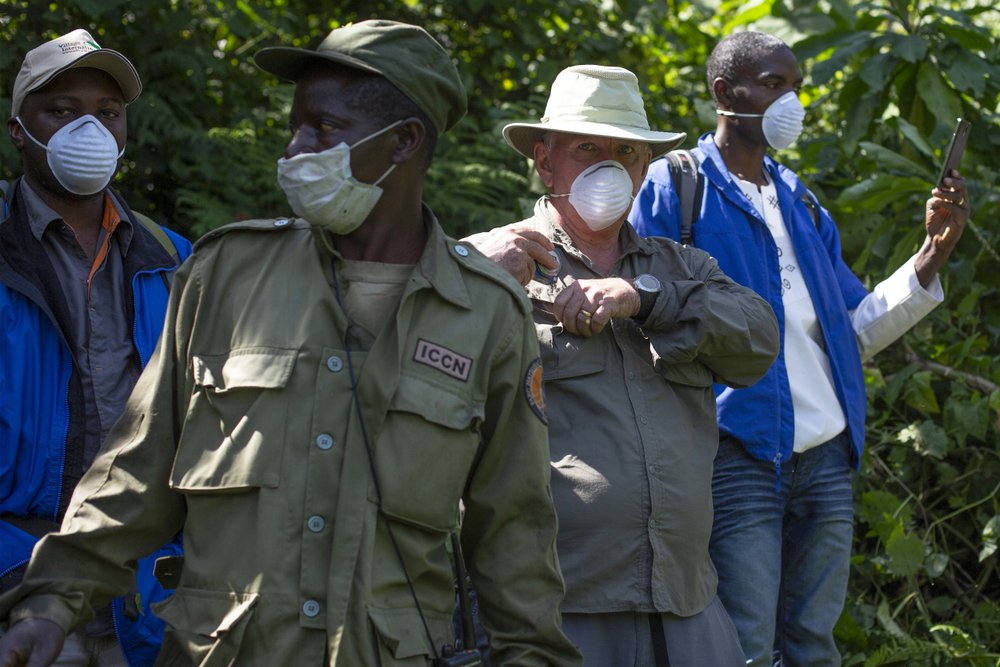
The Congolese Institute for Nature Conservation, commonly known as ICCN, is the national body responsible for protected area management in the Democratic Republic of the Congo. In Itombwe Nature Reserve, ICCN plays a central role in conservation planning, biodiversity protection, ranger coordination, law enforcement, and collaboration with local communities.
ICCN’s work supports wildlife monitoring, anti-poaching activities, habitat protection, and the long-term management of the reserve. Because Itombwe is vast and remote, ICCN’s conservation efforts depend heavily on partnerships with local communities, conservation NGOs, researchers, and international supporters.
WWF Conservation Programs
WWF has played an important role in supporting conservation and community engagement in Itombwe Nature Reserve. Its work has included support for boundary clarification, participatory conservation, biodiversity protection, and community-based planning. WWF described the government approval of Itombwe’s boundaries as a major boost for conservation and communities in eastern DRC.
WWF programs in the wider Itombwe landscape aim to balance wildlife protection with the needs of people living around the reserve. This is important because conservation success in Itombwe depends not only on protecting forests, but also on supporting local livelihoods and reducing pressure on natural resources.
Community-Based Conservation Initiatives
Community-based conservation is one of the most important features of Itombwe Nature Reserve. Research describes Itombwe as a protected area shaped through a community conservation approach in a conflict-affected landscape.
These initiatives involve local communities in natural resource management, forest protection, environmental education, wildlife monitoring, and sustainable livelihood projects. Community participation helps reduce conflict, builds local ownership, and makes conservation more practical in areas where people depend directly on land, forests, water, and farming.
Biodiversity Significance of Itombwe Nature Reserve
Itombwe Nature Reserve is one of the most important biodiversity areas in the Albertine Rift. The Albertine Rift is recognized as one of Africa’s richest regions for endemic species, with exceptional diversity of birds, mammals, reptiles, amphibians, plants, and butterflies.
Itombwe protects montane forests, bamboo zones, wetlands, grasslands, rivers, and highland ecosystems that support Grauer’s gorillas, chimpanzees, forest elephants, rare birds, endemic amphibians, and unique plants. Its conservation value is global because many species found in this landscape have limited ranges and depend on intact mountain habitats.
Comparing Itombwe Nature Reserve with Other Congo Protected Areas
Itombwe Nature Reserve is best understood as a remote conservation landscape rather than a fully developed safari park. Compared with Congo’s better-known protected areas, Itombwe is less accessible, less developed for tourism, and more focused on biodiversity conservation, research, community protection, and wilderness preservation.
Itombwe Nature Reserve vs Kahuzi-Biega National Park
Kahuzi-Biega National Park is more established for tourism and is best known for Eastern Lowland Gorilla trekking near Bukavu. It has a stronger visitor structure, clearer tourism routes, and more recognized gorilla trekking experiences.
Itombwe Nature Reserve, on the other hand, is more remote and less developed. It is better suited for conservation-focused travelers, researchers, birders, and adventure explorers. While both areas protect Grauer’s gorillas and Albertine Rift biodiversity, Kahuzi-Biega is the better option for organized gorilla trekking, while Itombwe offers a wilder and less explored conservation experience.
Itombwe Nature Reserve vs Virunga National Park
Virunga National Park is Congo’s most famous protected area and is known for mountain gorillas, volcanoes, dramatic landscapes, and a long conservation history. It has historically attracted more international attention and stronger tourism branding than Itombwe.
Itombwe Nature Reserve is quieter, more remote, and less commercial. It does not have the same level of tourism infrastructure as Virunga, but it is extremely important for Grauer’s gorillas, chimpanzees, forest elephants, endemic birds, and montane forest conservation. Virunga is more iconic for classic adventure tourism, while Itombwe is more suitable for deep biodiversity, conservation, and off-the-beaten-path exploration.
Itombwe Nature Reserve vs Maiko National Park
Maiko National Park is another remote Congo wilderness known for Grauer’s gorillas, okapi, forest elephants, and deep rainforest ecosystems. Like Itombwe, Maiko is difficult to access and remains far less developed than Virunga or Kahuzi-Biega.
The main difference is landscape and conservation character. Maiko is mainly associated with dense lowland rainforest and remote interior wilderness, while Itombwe is strongly defined by its mountains, montane forests, bamboo zones, highlands, and Albertine Rift endemism. Both are important for conservation, but Itombwe stands out for mountain biodiversity, rare birds, amphibians, and its community-based conservation model.
Challenges and Future of Itombwe Nature Reserve
Despite its extraordinary biodiversity and global conservation importance, Itombwe Nature Reserve faces numerous challenges that threaten its long-term ecological integrity. Illegal mining, deforestation, poaching, agricultural expansion, population growth, and habitat fragmentation continue to place pressure on the reserve’s forests and wildlife. These threats are particularly concerning for endangered species such as Grauer’s Gorillas, chimpanzees, forest elephants, and endemic Albertine Rift birds that depend on intact habitats for survival.
Limited infrastructure, funding constraints, and the remoteness of the reserve can make conservation management difficult. The vast size of the protected area requires significant resources for wildlife monitoring, anti-poaching patrols, community engagement, and habitat protection.
However, the future of Itombwe Nature Reserve remains promising. Growing international recognition of its biodiversity value has attracted support from conservation organizations, researchers, government agencies, and local communities. Community-based conservation programs are creating opportunities for local people to benefit from conservation while protecting the natural resources on which they depend.
Sustainable ecotourism also offers potential for the future. Carefully managed tourism can generate revenue for conservation, support local livelihoods, and raise awareness about the importance of protecting one of Africa’s most remarkable wilderness landscapes.
With continued conservation investment, stronger community partnerships, and responsible tourism development, Itombwe Nature Reserve can remain a sanctuary for wildlife and an important center of biodiversity conservation for generations to come.
Why Visit Itombwe Nature Reserve with Pieland Gorilla Safaris
Pieland Gorilla Safaris specializes in authentic Congo wildlife adventures, conservation-focused travel experiences, and tailor-made itineraries designed to showcase the best of the Democratic Republic of the Congo.
When you choose Pieland Gorilla Safaris for your Itombwe Nature Reserve expedition, you benefit from:
Expert Congo Safari Knowledge
Our team understands the unique logistics, conservation significance, and travel requirements associated with remote destinations throughout eastern Congo.
Customized Itineraries
We design personalized itineraries based on your interests, whether you are focused on birdwatching, wildlife conservation, mountain exploration, photography, or cultural experiences.
Reliable Ground Support
From airport transfers and accommodation arrangements to experienced guides and transportation, we handle every detail of your journey.
Responsible Tourism
We support sustainable tourism practices that contribute to conservation efforts and community development within the Itombwe region.
Conservation-Focused Experiences
Our itineraries are designed to promote appreciation of Congo’s biodiversity while supporting the protection of endangered species and fragile ecosystems.
Combination Safari Options
We can combine Itombwe Nature Reserve with other iconic Congo destinations including Kahuzi-Biega National Park, Virunga National Park, Nyiragongo Volcano, and additional wildlife and cultural experiences.
With Pieland Gorilla Safaris, your visit to Itombwe Nature Reserve becomes more than a safari—it becomes an opportunity to discover one of Africa’s most important conservation landscapes while supporting responsible tourism in the Democratic Republic of the Congo.
Frequently Asked Questions About Itombwe Nature Reserve
What is Itombwe Nature Reserve?
Itombwe Nature Reserve is a protected conservation area located in eastern Democratic Republic of the Congo. It is internationally recognized for its biodiversity, Grauer’s Gorillas, chimpanzees, endemic birds, and unique Albertine Rift ecosystems.
Where is Itombwe Nature Reserve Located?
The reserve is located in South Kivu Province in eastern Congo, within the Itombwe Mountains of the Albertine Rift region.
Is Gorilla Trekking Available in Itombwe Nature Reserve?
Traditional tourism-based gorilla trekking is not currently developed in the same way as Kahuzi-Biega National Park. However, the reserve protects important populations of Grauer’s Gorillas and remains a significant conservation area for the species.
What Animals Live in Itombwe Nature Reserve?
The reserve is home to Grauer’s Gorillas, chimpanzees, forest elephants, buffaloes, duikers, monkeys, reptiles, amphibians, butterflies, and hundreds of bird species.
Why is Itombwe Nature Reserve Important?
Itombwe Nature Reserve protects one of Africa’s richest biodiversity hotspots and serves as a critical refuge for endangered species found only within the Albertine Rift region.
Can Tourists Visit Itombwe Nature Reserve?
Yes. Visitors can explore the reserve through organized expeditions, conservation-focused tours, birdwatching trips, and guided nature walks with experienced operators.
What is the Best Time to Visit Itombwe Nature Reserve?
The best time to visit is during the dry seasons from June to September and December to February when trails are easier to access and weather conditions are generally favorable.
How Do I Get to Itombwe Nature Reserve?
Most travelers access the reserve through Bukavu after arriving via Kigali, Rwanda, or other major cities in the Democratic Republic of the Congo.
Is Itombwe Nature Reserve Safe to Visit?
Safety conditions can change, so travelers should always obtain current travel advice and work with experienced safari operators familiar with eastern Congo.
Are There Grauer’s Gorillas in Itombwe?
Yes. Itombwe Nature Reserve is one of the most important remaining strongholds for the endangered Grauer’s Gorilla.
What Birds Can Be Seen in Itombwe Nature Reserve?
Birders can observe numerous Albertine Rift endemics including the Regal Sunbird, Rwenzori Turaco, Strange Weaver, Shelley’s Crimsonwing, Dusky Crimsonwing, and many other rare species.
How Large is Itombwe Nature Reserve?
The reserve covers approximately 5,732 square kilometers, making it one of the largest protected areas in eastern Congo.
Who Manages Itombwe Nature Reserve?
The reserve is managed by the Congolese Institute for Nature Conservation (ICCN) in collaboration with conservation organizations, local communities, and international partners.
What Conservation Challenges Does Itombwe Face?
Major challenges include illegal mining, poaching, habitat loss, deforestation, agricultural encroachment, and limited conservation funding.
Are Chimpanzees Found in Itombwe Nature Reserve?
Yes. Chimpanzees inhabit many of the reserve’s forested areas and are among its most important primate species.
What Makes Itombwe Different from Virunga National Park?
Itombwe is more remote, less developed for tourism, and focuses heavily on biodiversity conservation, community-based management, and Albertine Rift ecosystems.
Are There Accommodation Facilities Inside the Reserve?
Accommodation within the reserve is limited. Most visitors stay in community lodges, temporary camps, or hotels in Bukavu before entering the reserve.
Can Itombwe Be Combined with Kahuzi-Biega Safaris?
Yes. Many travelers combine Itombwe Nature Reserve with Kahuzi-Biega National Park, allowing them to experience both Grauer’s Gorilla habitats and eastern Congo’s exceptional biodiversity.
What Should I Pack for Itombwe Nature Reserve?
Visitors should pack sturdy hiking boots, waterproof clothing, warm layers, insect repellent, binoculars, a camera, personal medications, and rain protection suitable for mountain environments.
Why Book with Pieland Gorilla Safaris?
Pieland Gorilla Safaris offers expert Congo safari planning, customized itineraries, reliable logistical support, conservation-focused travel experiences, and extensive knowledge of eastern Congo’s protected areas.
Book Your Itombwe Nature Reserve Congo Safari
Discover one of Africa’s most extraordinary and least explored conservation landscapes with Pieland Gorilla Safaris. Explore the breathtaking Itombwe Mountains, learn about Grauer’s Gorilla conservation, encounter rare wildlife, search for endemic Albertine Rift birds, and experience the untouched wilderness of eastern Democratic Republic of the Congo.
Whether you are a birder, conservation enthusiast, wildlife photographer, researcher, or adventurous traveler seeking an off-the-beaten-path destination, Itombwe Nature Reserve offers an unforgettable journey into one of Africa’s most important biodiversity hotspots.
Contact Pieland Gorilla Safaris today and start planning your Itombwe Nature Reserve Congo Safari adventure.