
Tayna Gorilla Reserve Congo |Home of the Eastern Lowland Gorillas
Introduction to Tayna Gorilla Reserve Congo
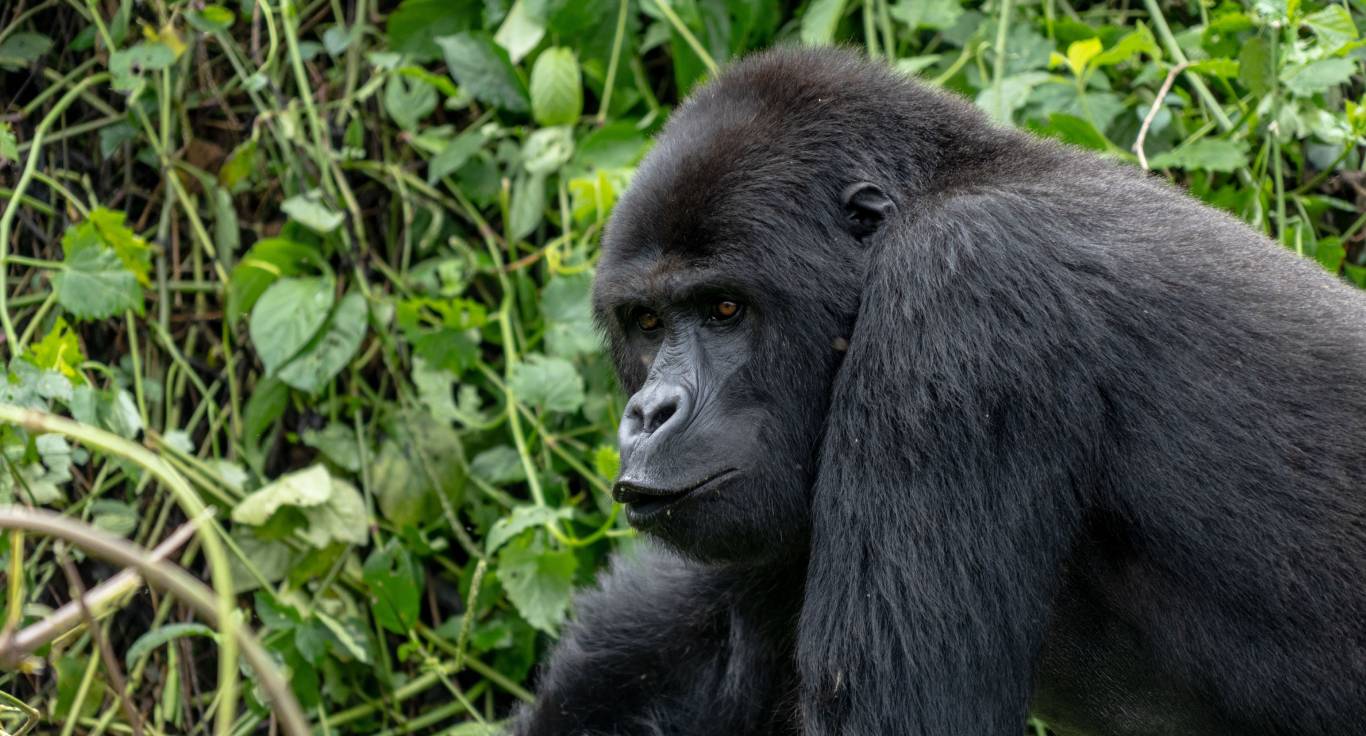
Tayna Gorilla Reserve Congo is one of the most important community-managed conservation areas in the Democratic Republic of Congo. This Reserve protects vast tracts of the Congo Basin rainforest and serves as a critical refuge for the endangered Eastern Lowland Gorilla, also known as Grauer’s Gorilla. Located in North Kivu Province, Tayna Gorilla Reserve covers approximately 900 square kilometers of tropical rainforest and forms part of a larger conservation landscape known as the Tayna Nature Reserve and the neighboring community reserves.
Established through a pioneering partnership between local communities and conservation organizations, Tayna Gorilla Reserve has become an international model for community-based wildlife conservation. Unlike many protected areas created solely through government initiatives, Tayna was developed with direct involvement from local communities who recognized the importance of protecting their forests, wildlife, and natural resources for future generations.
The reserve is home to one of the remaining populations of Eastern Lowland Gorillas, the largest gorilla subspecies in the world. These magnificent primates live alongside a remarkable diversity of wildlife, including forest elephants, chimpanzees, monkeys, birds, reptiles, and countless plant species that thrive within the rich ecosystems of the Congo rainforest.
Today, Tayna Gorilla Reserve Congo represents much more than a wildlife sanctuary. It stands as a symbol of conservation success in one of Africa’s most biologically important regions, demonstrating how local communities can play a leading role in protecting endangered species while benefiting from sustainable tourism and conservation programs. For travelers seeking authentic Congo safari adventures, gorilla conservation experiences, and opportunities to explore one of Africa’s least-visited wilderness areas, Tayna Gorilla Reserve offers an extraordinary journey into the heart of the Congo Basin.
Where is Tayna Gorilla Reserve Located?
Tayna Gorilla Reserve is located in the eastern region of the Democratic Republic of Congo within North Kivu Province, a biologically rich area that forms part of the greater Albertine Rift ecosystem. The reserve lies west of the city of Goma and north of the renowned Kahuzi-Biega National Park, placing it within one of Africa’s most important biodiversity hotspots.
The reserve is situated in a remote section of the Congo Basin rainforest, surrounded by mountainous landscapes, dense tropical forests, rivers, and community lands that support both wildlife and local livelihoods. Its strategic location helps create a conservation corridor connecting several protected areas across eastern Congo, allowing wildlife populations to move through extensive forest habitats.
Tayna Gorilla Reserve forms part of the larger network of community conservation areas collectively known as the Community Conservation Landscape of Eastern Congo. Together with neighboring reserves such as Kisimba-Ikobo and other protected forests, it contributes significantly to preserving the remaining habitat of Eastern Lowland Gorillas.
Travelers typically access Tayna Gorilla Reserve through Goma, which serves as the primary gateway to eastern Congo safaris. From Goma, visitors continue by domestic flights, charter aircraft, or overland transfers depending on logistical arrangements. While reaching the reserve requires careful planning due to its remote location, the journey rewards visitors with access to one of the most pristine and untouched wilderness regions in Central Africa.
The reserve’s remote location has helped preserve its ecosystems from large-scale development, making it an important stronghold for wildlife conservation and scientific research. Its forests continue to provide critical habitat for endangered species while also supporting local communities that depend on sustainable natural resource management.
History of Tayna Gorilla Reserve
The history of Tayna Gorilla Reserve is one of the most inspiring conservation stories in Africa. During the 1990s, increasing pressure from poaching, deforestation, mining activities, and regional instability threatened many wildlife populations across eastern Democratic Republic of Congo. Recognizing the urgent need to protect their natural heritage, local communities in the Tayna region took the unprecedented step of initiating conservation efforts themselves.
Community leaders worked alongside conservation partners to establish a protected area that would safeguard wildlife while creating opportunities for sustainable development. Their efforts led to the creation of Tayna Gorilla Reserve, making it one of the first large-scale community-managed conservation areas in the Congo Basin.
The reserve gained international recognition for its innovative conservation model, which places local communities at the center of wildlife protection. Instead of excluding people from conservation efforts, Tayna actively involves local residents in decision-making, habitat protection, environmental education, wildlife monitoring, and sustainable tourism initiatives.
Over the years, conservation programs have expanded to include gorilla research, biodiversity monitoring, anti-poaching patrols, community development projects, and educational programs designed to promote long-term environmental stewardship. Partnerships with international conservation organizations have helped strengthen protection efforts while generating global awareness about the importance of preserving Eastern Lowland Gorilla populations.
Despite facing challenges such as political instability, illegal resource extraction, and limited infrastructure, Tayna Gorilla Reserve has continued to demonstrate resilience and commitment to conservation. Its success has inspired similar community-based conservation initiatives throughout the Congo Basin and across Africa.
Today, Tayna remains a powerful example of how local communities can lead conservation efforts while protecting some of the world’s most endangered wildlife species.
Why Tayna Gorilla Reserve is Important for Gorilla Conservation
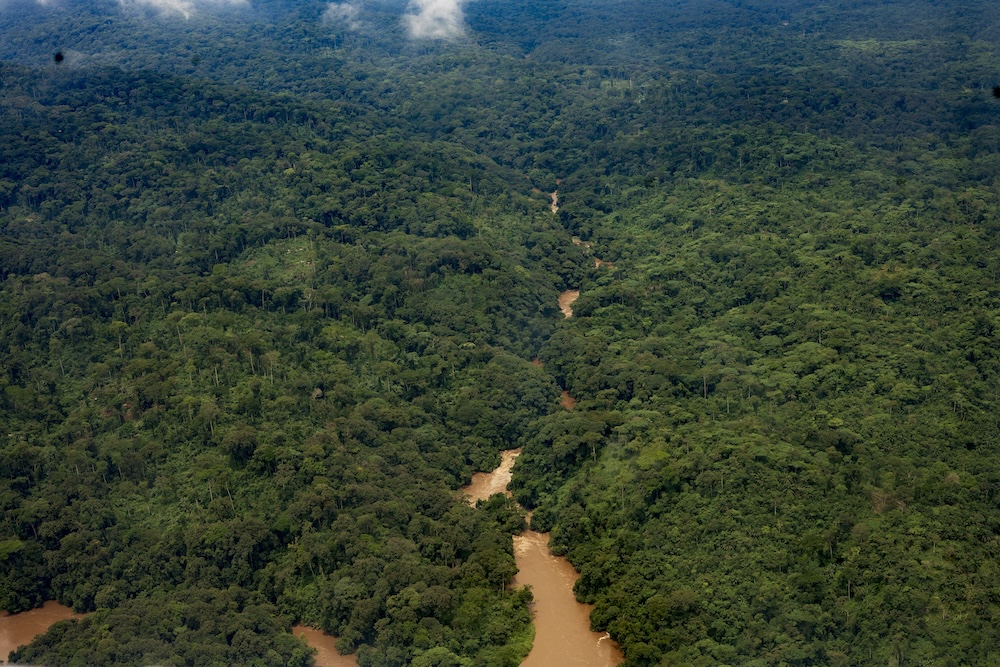
Tayna Gorilla Reserve plays a crucial role in global gorilla conservation because it protects one of the most important remaining habitats of the Eastern Lowland Gorilla (Grauer’s Gorilla), a subspecies found only in the Democratic Republic of Congo. Eastern Lowland Gorillas have experienced dramatic population declines over recent decades due to habitat loss, poaching, armed conflict, and illegal mining activities, making conservation efforts more critical than ever.
The reserve provides a vast and relatively intact forest ecosystem where gorillas can feed, breed, and move freely through their natural habitat. By protecting large areas of rainforest, Tayna helps ensure the long-term survival of gorilla populations while preserving the ecological processes that support biodiversity throughout the region.
Tayna Gorilla Reserve is also significant because it demonstrates how community-led conservation can effectively protect endangered species. Local communities actively participate in anti-poaching patrols, wildlife monitoring programs, habitat restoration initiatives, and environmental education campaigns. This collaborative approach creates strong local support for conservation while providing economic benefits through sustainable development opportunities.
Researchers working within the reserve contribute valuable scientific knowledge about gorilla behavior, population trends, habitat use, and conservation challenges. These findings help guide management strategies not only in Tayna but also across the broader range of Eastern Lowland Gorillas throughout eastern Congo.
Beyond gorillas, conservation efforts in Tayna protect thousands of other species that depend on the Congo rainforest. Healthy gorilla populations serve as indicators of healthy forest ecosystems, meaning that protecting gorillas also safeguards countless plants, birds, mammals, insects, and ecological services that benefit both wildlife and people.
As one of the largest and most successful community conservation areas in the Democratic Republic of Congo, Tayna Gorilla Reserve remains a cornerstone of regional and global efforts to secure a future for Eastern Lowland Gorillas and preserve one of the planet’s most important tropical rainforest ecosystems.
Eastern Lowland Gorillas in Tayna Gorilla Reserve
Eastern Lowland Gorillas are the most iconic wildlife species protected within Tayna Gorilla Reserve Congo. Also known as Grauer’s Gorillas, these remarkable primates are the largest gorilla subspecies on Earth and are found only in the eastern regions of the Democratic Republic of Congo. Tayna Gorilla Reserve provides one of the most important remaining habitats for these endangered gorillas, making the reserve a critical stronghold for their survival.
The dense rainforests, mountainous terrain, and remote wilderness areas of Tayna offer ideal conditions for gorilla populations to thrive. These forests provide abundant vegetation, fruits, leaves, bark, and other food sources that sustain gorilla families throughout the year. Conservation efforts within Tayna Gorilla Reserve focus heavily on protecting these gorillas from threats such as habitat destruction, poaching, illegal mining, and human encroachment.
For conservationists, researchers, and wildlife enthusiasts, Tayna Gorilla Reserve represents one of the most significant locations for preserving the future of Eastern Lowland Gorillas in Central Africa.
What are Eastern Lowland Gorillas?
Eastern Lowland Gorillas (Gorilla beringei graueri), commonly known as Grauer’s Gorillas, are a subspecies of eastern gorillas that inhabit the tropical rainforests of eastern Democratic Republic of Congo. They are distinguished by their massive size, muscular build, broad chests, large hands, and shorter facial hair compared to Mountain Gorillas.
Adult male Eastern Lowland Gorillas, known as silverbacks, can weigh over 200 kilograms, making them the largest living primates in the world. Their powerful bodies are adapted for life within dense forests where they spend most of their time feeding, resting, socializing, and moving through the vegetation.
Unlike Mountain Gorillas that inhabit higher-altitude volcanic forests, Eastern Lowland Gorillas occupy a variety of habitats ranging from lowland rainforests to montane forests. Their diet mainly consists of leaves, stems, shoots, fruits, bark, roots, and seasonal vegetation found throughout the Congo Basin forests.
Unfortunately, Eastern Lowland Gorillas are classified as Critically Endangered due to significant population declines caused by habitat loss, armed conflict, poaching, and illegal resource extraction. Reserves such as Tayna play a vital role in ensuring the long-term survival of this unique gorilla subspecies.
Gorilla Families in Tayna Gorilla Reserve
The gorillas living within Tayna Gorilla Reserve exist in family groups led by dominant silverbacks. These family units form the foundation of gorilla social structure and are essential for maintaining stable populations within the forest ecosystem.
A typical gorilla family in Tayna may consist of:
- One dominant silverback
- Several adult females
- Juvenile gorillas
- Infants and young offspring
- Occasionally subordinate males
The silverback serves as the protector and leader of the group. He guides daily movements, resolves conflicts, defends family members from threats, and determines feeding and nesting locations. Female gorillas care for infants while maintaining strong social bonds within the group.
Young gorillas spend much of their time playing, learning social behaviors, and developing skills necessary for adulthood. These playful interactions are important for strengthening family relationships and preparing younger gorillas for future roles within gorilla society.
Researchers monitoring Tayna Gorilla Reserve continue to identify and study gorilla groups throughout the reserve, helping conservation teams better understand population dynamics and habitat use.
Gorilla Habitats and Behavior
The forests of Tayna Gorilla Reserve provide ideal habitats for Eastern Lowland Gorillas due to their rich biodiversity, dense vegetation, and relatively undisturbed wilderness areas.
Gorillas in Tayna occupy:
- Tropical lowland rainforests
- Mountain forest zones
- Secondary forest habitats
- Bamboo-covered areas
- Riverine forest corridors
These habitats offer abundant food resources and secure nesting locations. Every evening, gorillas build fresh nests from leaves and branches where they sleep for the night. Infants often share nests with their mothers while larger juveniles and adults construct their own sleeping platforms.
Eastern Lowland Gorillas are generally peaceful and highly intelligent animals. They communicate through vocalizations, facial expressions, body postures, chest beating, and social grooming behaviors. Despite their enormous size, gorillas are primarily gentle herbivores that spend much of their day feeding and resting.
Daily gorilla activities often include:
- Morning feeding sessions
- Social interactions among family members
- Resting periods during warmer hours
- Movement between feeding locations
- Nest building before sunset
Their ecological role is extremely important because gorillas help disperse seeds throughout the rainforest, supporting forest regeneration and biodiversity conservation.
Gorilla Research and Monitoring Programs
Research and monitoring programs are among the most important conservation activities conducted within Tayna Gorilla Reserve. These initiatives provide essential scientific information that helps conservation teams protect gorilla populations and manage habitats effectively.
Researchers working in the reserve focus on:
Gorilla Population Monitoring
Regular surveys help estimate gorilla numbers, identify family groups, monitor population growth, and detect potential conservation threats. Tracking gorilla populations allows conservation organizations to evaluate the success of protection efforts over time.
Behavioral Research
Scientists study gorilla feeding habits, social structures, communication patterns, movement behaviors, and habitat preferences. These findings improve understanding of Eastern Lowland Gorilla ecology and contribute to regional conservation planning.
Habitat Monitoring
Conservation teams assess forest conditions, vegetation changes, wildlife distribution, and environmental pressures affecting gorilla habitats. Monitoring forest health helps identify areas requiring additional protection or restoration.
Anti-Poaching Surveillance
Field teams conduct patrols throughout the reserve to detect illegal activities, remove snares, and prevent poaching incidents. These efforts significantly contribute to gorilla protection and wildlife conservation.
Community Conservation Programs
Local communities participate actively in conservation activities through environmental education, forest management programs, research assistance, and wildlife monitoring projects. Their involvement strengthens long-term protection efforts and promotes sustainable conservation practices.
The information gathered through research programs in Tayna Gorilla Reserve contributes not only to local conservation efforts but also to international strategies aimed at protecting Eastern Lowland Gorillas throughout the Democratic Republic of Congo.
Wildlife in Tayna Gorilla Reserve
Although Eastern Lowland Gorillas are the reserve’s most famous inhabitants, Tayna Gorilla Reserve supports an extraordinary diversity of wildlife within its vast rainforest ecosystems.
The reserve forms part of the globally important Congo Basin, one of the largest tropical rainforest systems in the world. Its forests provide habitat for numerous mammals, birds, reptiles, amphibians, insects, and plant species that contribute to the region’s exceptional biodiversity.
Wildlife commonly associated with Tayna Gorilla Reserve includes:
Primates Found in Tayna Gorilla Reserve
The reserve protects several primate species alongside Eastern Lowland Gorillas, including chimpanzees, black-and-white colobus monkeys, blue monkeys, red-tailed monkeys, owl-faced monkeys, and other forest-dwelling primates.
Forest Elephants
African forest elephants move through sections of the reserve, helping shape forest ecosystems by dispersing seeds and creating pathways through dense vegetation.
Congo Forest Mammals in Tayna Gorilla Reserve
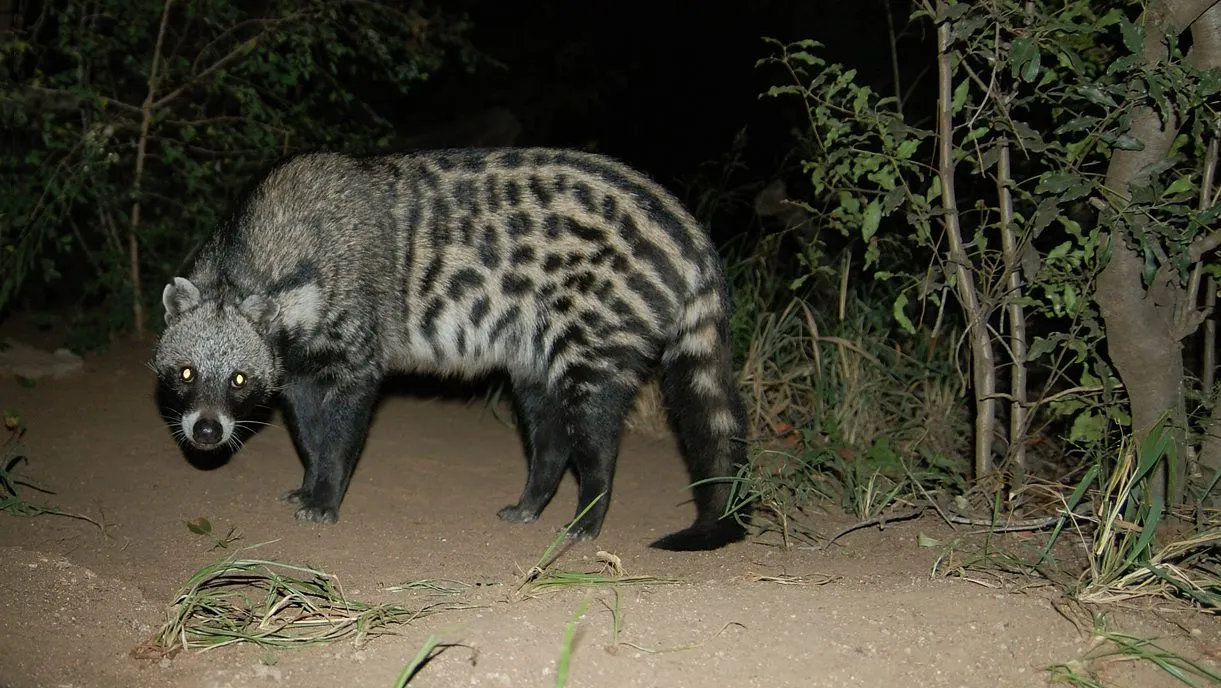
Other mammals found within the reserve include giant forest hogs, bush pigs, duikers, civets, mongooses, small antelope species, and various nocturnal forest animals.
Birdlife
Tayna Gorilla Reserve is a valuable destination for bird conservation, supporting numerous Congo Basin endemic species, forest hornbills, turacos, sunbirds, eagles, kingfishers, and many migratory birds.
Reptiles and Amphibians
The reserve’s rivers, wetlands, and forests support diverse reptile and amphibian populations, including forest snakes, chameleons, frogs, and other rainforest-adapted species.
Butterflies and Insects
Thousands of insect species inhabit the reserve, including spectacular tropical butterflies that contribute to pollination and overall ecosystem health.
The remarkable biodiversity of Tayna Gorilla Reserve highlights the importance of conserving not only gorillas but entire rainforest ecosystems that sustain countless forms of life throughout the Congo Basin.
Gorilla Trekking in Tayna Gorilla Reserve
Gorilla Trekking in Tayna Gorilla Reserve offers one of the most authentic wildlife experiences in the Democratic Republic of Congo. Unlike some of Africa’s more frequently visited gorilla destinations, Tayna provides a remote and immersive rainforest adventure where visitors can explore one of the last strongholds of the critically endangered Eastern Lowland Gorilla, also known as Grauer’s Gorilla.
The reserve’s vast tropical forests, rugged terrain, and exceptional biodiversity create a remarkable setting for gorilla conservation and wildlife encounters. Gorilla trekking in Tayna is not only a tourism activity but also an important conservation initiative that helps support local communities, habitat protection programs, wildlife monitoring efforts, and anti-poaching operations.
As one of the largest community-managed conservation areas in eastern Congo, Tayna Gorilla Reserve provides visitors with an opportunity to experience gorilla habitats while directly contributing to the long-term survival of Eastern Lowland Gorillas.
Gorilla Trekking Experience in Tayna Gorilla Reserve
The Gorilla Trekking Experience in Tayna Gorilla Reserve is centered around exploring dense Congo Basin rainforests in search of wild Eastern Lowland Gorilla families. The experience combines wildlife observation, conservation education, forest exploration, and cultural interaction with local communities that actively participate in protecting the reserve.
Treks are usually led by experienced local trackers, conservation guides, and rangers who possess extensive knowledge of gorilla behavior, forest ecology, and wildlife monitoring techniques. Their expertise helps visitors safely navigate the rainforest while increasing the chances of locating gorilla groups.
Unlike highly commercialized safari destinations, Tayna offers a more exclusive and less crowded experience. Visitors often enjoy a stronger sense of wilderness and adventure as they move through untouched forest environments where wildlife remains largely undisturbed.
The experience also allows travelers to gain a deeper understanding of the challenges facing gorilla conservation in eastern Congo and the role that community conservation programs play in protecting endangered wildlife populations.
What to Expect During a Gorilla Trek in Tayna Gorilla Reserve
A typical gorilla trekking day begins early in the morning with a briefing from conservation staff and guides. During this orientation session, visitors learn about trekking procedures, safety regulations, gorilla behavior, conservation practices, and responsible tourism guidelines.
After the briefing, trekking groups enter the rainforest accompanied by trackers who locate gorilla families using signs such as:
- Fresh nests
- Feeding remains
- Gorilla vocalizations
- Footprints and trails
- Direct monitoring information from previous observations
The duration of the trek can vary significantly depending on the location of the gorilla family. Some treks may last less than an hour, while others can take several hours through dense forest terrain. Eastern Lowland Gorilla tracking routes often pass through thick vegetation, steep hillsides, forest clearings, river valleys, and remote wilderness zones.
Once a gorilla family is located, visitors are normally allowed a limited period to observe the animals in their natural habitat. During this time, guests may witness:
- Silverbacks supervising family groups
- Mothers caring for infants
- Juvenile gorillas playing
- Feeding activities
- Social interactions
- Nesting behavior
- Communication among group members
Watching these intelligent primates in the wild is often described as one of Africa’s most emotional and unforgettable wildlife encounters.
Gorilla Trekking Rules and Guidelines in Tayna Gorilla Reserve
Strict Gorilla Trekking Rules and Guidelines are implemented in Tayna Gorilla Reserve to protect both visitors and gorillas. Because gorillas share a large percentage of human DNA, they are highly vulnerable to human diseases and disturbances.
Important trekking regulations include:
Maintain Safe Distances
Visitors must maintain the recommended distance from gorillas at all times. This helps reduce stress and minimizes disease transmission risks.
Do Not Touch Gorillas
Physical contact with gorillas is strictly prohibited, even when gorillas approach visitors out of curiosity.
Follow Ranger Instructions
Guides and rangers provide instructions throughout the trek. Visitors must follow all conservation and safety guidelines.
No Flash Photography
Flash photography is not permitted because it can disturb gorillas and alter their natural behavior.
Keep Noise Levels Low
Visitors are encouraged to speak quietly and avoid sudden movements while observing gorilla families.
Do Not Litter
All waste must be removed from the forest to preserve the reserve’s fragile ecosystem.
Respect Gorilla Behavior
If gorillas move away, visitors should not attempt to follow them without guide approval. Gorillas must always remain in control of the interaction.
Health Precautions
Visitors showing signs of illness may be restricted from participating in gorilla trekking activities to protect gorilla populations from infectious diseases.
These guidelines play a vital role in ensuring sustainable gorilla tourism and long-term conservation success throughout eastern Congo.
Best Time for Gorilla Trekking in Tayna Gorilla Reserve
Gorilla Trekking in Tayna Gorilla Reserve can be conducted throughout the year because gorillas remain within the forest regardless of season. However, weather conditions influence trekking difficulty and overall visitor experience.
Dry Season
The dry seasons are generally considered the best periods for gorilla trekking:
- June to September
- December to February
During these months, trails are typically less muddy, vegetation is slightly less dense, and hiking conditions are more comfortable for visitors. Wildlife viewing opportunities are often improved because forest movement becomes easier.
Wet Season
The rainy seasons occur approximately during:
- March to May
- October to November
Although trekking remains possible, trails can become slippery and more physically demanding. However, the rainforest is particularly beautiful during these months, with lush vegetation, abundant birdlife, and fewer visitors.
Many experienced wildlife photographers prefer the greener scenery and softer lighting conditions that accompany the rainy season.
Eastern Lowland Gorillas can be encountered year-round, making Tayna Gorilla Reserve an excellent destination regardless of season.
Photography During Gorilla Trekking
Photography During Gorilla Trekking is one of the most rewarding aspects of visiting Tayna Gorilla Reserve. The opportunity to capture images of wild Eastern Lowland Gorillas within their natural rainforest environment attracts wildlife photographers, conservationists, filmmakers, and nature enthusiasts from around the world.
The reserve’s dense forests provide dramatic photographic opportunities featuring:
- Silverback portraits
- Gorilla family interactions
- Mothers carrying infants
- Juvenile gorillas playing
- Rainforest landscapes
- Conservation activities
- Unique Congo Basin wildlife
For the best photography experience, visitors should consider carrying:
- DSLR or mirrorless cameras
- Telephoto lenses
- Extra batteries
- Waterproof camera protection
- Lens cleaning materials
- Lightweight camera bags
Because flash photography is prohibited, photographers often rely on natural forest lighting and higher camera sensitivity settings to capture quality images. Early morning treks frequently provide favorable conditions for wildlife photography due to softer light and active gorilla behavior.
Visitors are encouraged to prioritize respectful wildlife observation over photography. Maintaining safe distances and minimizing disturbance helps ensure that gorillas remain comfortable and continue exhibiting natural behaviors throughout the encounter.
Photography in Tayna Gorilla Reserve not only creates unforgettable memories but also helps raise awareness about the conservation of Eastern Lowland Gorillas and the importance of protecting the Congo Basin rainforest for future generations.
Conservation Efforts in Tayna Gorilla Reserve
Conservation Efforts in Tayna Gorilla Reserve have made the reserve one of the most successful examples of community-led conservation in the Democratic Republic of Congo. Located within one of the world’s most biologically important rainforest ecosystems, Tayna Gorilla Reserve was established not only to protect the critically endangered Eastern Lowland Gorilla but also to preserve vast areas of the Congo Basin rainforest and improve the livelihoods of local communities.
The reserve demonstrates how conservation and community development can work together to protect biodiversity while creating economic opportunities for people living near protected areas. Through anti-poaching operations, habitat protection, gorilla monitoring, environmental education, scientific research, and sustainable tourism initiatives, Tayna Gorilla Reserve continues to play a vital role in safeguarding wildlife and natural resources for future generations.
The success of Tayna’s conservation model has attracted international recognition and serves as an inspiration for similar conservation initiatives throughout Central Africa.
Community-Based Conservation Model
The Community-Based Conservation Model is the foundation upon which Tayna Gorilla Reserve was built. Unlike many traditional protected areas that are managed exclusively by governments or conservation agencies, Tayna was created through the direct involvement of local communities who recognized the importance of preserving their forests and wildlife.
Community leaders worked together with conservation organizations to establish a reserve that balances environmental protection with community development. Local residents actively participate in decision-making processes, wildlife monitoring, environmental education programs, and forest management initiatives.
This model allows communities to benefit from conservation through:
- Employment opportunities
- Ecotourism revenue
- Conservation training programs
- Educational initiatives
- Community infrastructure projects
- Sustainable livelihood programs
By giving local communities a direct stake in conservation success, Tayna Gorilla Reserve has developed strong local support for protecting Eastern Lowland Gorillas and other wildlife species.
The reserve is often cited as one of Africa’s most successful examples of community-driven conservation, demonstrating that long-term wildlife protection is most effective when local people are actively involved.
Anti-Poaching Programs in Tayna Gorilla Reserve
Anti-Poaching Programs are among the most important conservation activities conducted within Tayna Gorilla Reserve. Poaching remains one of the greatest threats facing Eastern Lowland Gorillas and many other wildlife species throughout eastern Democratic Republic of Congo.
To combat illegal hunting and wildlife trafficking, trained rangers and community conservation teams conduct regular patrols throughout the reserve. These patrols help detect and prevent illegal activities while monitoring wildlife populations and forest conditions.
Anti-poaching efforts focus on:
Ranger Patrols
Conservation rangers regularly patrol gorilla habitats and key wildlife areas to deter illegal hunting activities and remove traps or snares that may threaten wildlife.
Wildlife Monitoring
Field teams track wildlife movements and identify areas where conservation interventions may be needed.
Community Awareness Programs
Educational campaigns help local communities understand the ecological and economic importance of protecting wildlife populations.
Intelligence Gathering
Conservation teams work closely with local communities to identify and address illegal activities that threaten the reserve’s biodiversity.
Law Enforcement Collaboration
Reserve authorities collaborate with regional government agencies and conservation partners to strengthen wildlife protection measures.
These anti-poaching programs have contributed significantly to improving the security of gorilla habitats and reducing threats to endangered species within the reserve.
Habitat Protection Initiatives
Habitat Protection Initiatives are essential for ensuring the long-term survival of Eastern Lowland Gorillas and the countless other species that depend on the forests of Tayna Gorilla Reserve.
The reserve protects hundreds of square kilometers of tropical rainforest that provide food, shelter, breeding areas, and migration corridors for wildlife. Conservation teams continuously monitor forest conditions to identify threats such as illegal logging, agricultural expansion, mining activities, and habitat degradation.
Key habitat protection activities include:
Forest Patrols
Teams regularly inspect protected areas to prevent illegal forest destruction and resource extraction.
Reforestation Programs
Native tree species are planted in degraded areas to restore forest ecosystems and improve wildlife habitats.
Conservation Education
Local communities receive training on sustainable land-use practices that reduce pressure on protected forests.
Biodiversity Monitoring
Researchers assess forest health, wildlife populations, and ecological changes to guide conservation management decisions.
Protected Area Management
Conservation authorities develop and implement management plans designed to preserve critical wildlife habitats and ecosystem functions.
Healthy forests are vital for gorilla survival because they provide the vegetation, nesting sites, and ecological conditions required by Eastern Lowland Gorillas and many other forest species.
Gorilla Monitoring and Veterinary Programs
Gorilla Monitoring and Veterinary Programs are critical components of conservation efforts in Tayna Gorilla Reserve. These initiatives help researchers and conservation teams understand gorilla populations while ensuring that threats to their health and survival are identified and addressed.
Gorilla Population Monitoring
Researchers regularly conduct surveys to estimate population sizes, identify gorilla family groups, and track population trends over time.
Monitoring programs collect valuable information on:
- Gorilla distribution
- Family group composition
- Reproductive success
- Habitat use
- Feeding behavior
- Movement patterns
This data helps conservation managers make informed decisions regarding habitat protection and wildlife management.
Health Monitoring
Conservation teams observe gorilla groups for signs of illness, injury, or unusual behavior that may require intervention.
Because gorillas share many diseases with humans, health monitoring plays a crucial role in preventing outbreaks that could threaten entire populations.
Veterinary Support
Specialized wildlife veterinarians occasionally assist conservation programs by assessing health threats, responding to emergencies, and supporting disease prevention initiatives.
Research Partnerships
Tayna Gorilla Reserve collaborates with conservation organizations and research institutions that contribute scientific expertise and support long-term gorilla conservation efforts.
These programs help ensure that Eastern Lowland Gorillas remain protected while advancing scientific understanding of one of Africa’s most endangered primate species.
Sustainable Tourism Development
Sustainable Tourism Development provides an important source of support for conservation activities within Tayna Gorilla Reserve. Carefully managed tourism creates economic opportunities for local communities while generating funding for wildlife protection, environmental education, and habitat conservation.
The reserve promotes low-impact tourism experiences that prioritize conservation and environmental responsibility.
Benefits of sustainable tourism include:
Conservation Funding
Tourism revenue helps support ranger patrols, research programs, habitat protection efforts, and community conservation initiatives.
Employment Opportunities
Local residents gain jobs as guides, trackers, conservation assistants, hospitality staff, drivers, and tourism service providers.
Community Development
Tourism can contribute to infrastructure improvements, education projects, healthcare initiatives, and livelihood programs.
Environmental Awareness
Visitors learn about gorilla conservation, rainforest ecosystems, and the importance of protecting biodiversity in the Congo Basin.
Incentives for Conservation
When communities benefit directly from tourism, they are more likely to support long-term conservation efforts and wildlife protection.
Sustainable tourism ensures that conservation generates tangible benefits for both wildlife and local people, creating a positive cycle that supports long-term environmental stewardship.
Local Communities Around Tayna Gorilla Reserve
Local Communities Around Tayna Gorilla Reserve play a central role in the success of conservation efforts throughout the region. The reserve was established through the vision and commitment of community leaders who recognized the importance of protecting their forests, wildlife, and natural resources.
The people living around Tayna belong to various ethnic and cultural groups that have maintained strong connections to the rainforest for generations. Their traditional knowledge of the forest contributes significantly to conservation, wildlife monitoring, and sustainable resource management.
Today, communities participate in a wide range of conservation-related activities including:
- Wildlife monitoring
- Anti-poaching patrols
- Environmental education
- Sustainable agriculture projects
- Ecotourism initiatives
- Research assistance
- Forest management programs
Community involvement helps strengthen conservation outcomes while creating opportunities for economic development and improved livelihoods.
Visitors to Tayna Gorilla Reserve may also have opportunities to learn about local cultures through community visits, traditional performances, handicraft experiences, and cultural exchange activities. These experiences provide valuable insights into the relationship between people and nature within the Congo Basin.
The partnership between conservation organizations and local communities remains one of the key reasons why Tayna Gorilla Reserve has become a globally recognized model for community-led conservation and gorilla protection.
Community Conservation Success Stories
Tayna Gorilla Reserve is widely recognized as one of Africa’s most successful examples of community-led conservation. The reserve was established through the determination and vision of local communities who chose to protect their forests and wildlife rather than allow uncontrolled exploitation of natural resources. This pioneering conservation model has become a global example of how local people can lead efforts to safeguard biodiversity while improving livelihoods.
One of the greatest success stories of Tayna Gorilla Reserve is the protection of critical Eastern Lowland Gorilla habitat. Through community involvement, large areas of rainforest that were once threatened by poaching, deforestation, and unsustainable resource extraction have been preserved. Local residents now actively participate in conservation activities, helping to monitor wildlife, protect forests, and educate future generations about environmental stewardship.
The reserve has also contributed to improved education and employment opportunities within surrounding communities. Conservation programs have supported schools, training initiatives, environmental awareness campaigns, and sustainable livelihood projects that provide alternatives to activities harmful to wildlife.
Perhaps the most remarkable achievement is the transformation of local attitudes toward conservation. Communities that once depended heavily on forest resources now increasingly view wildlife and protected forests as valuable assets that can support long-term development through tourism, conservation partnerships, and sustainable land management.
The success of Tayna Gorilla Reserve demonstrates that conservation is most effective when local communities become active partners and beneficiaries of environmental protection efforts.
Cultural Experiences for Visitors in Tayna Gorilla Reserve
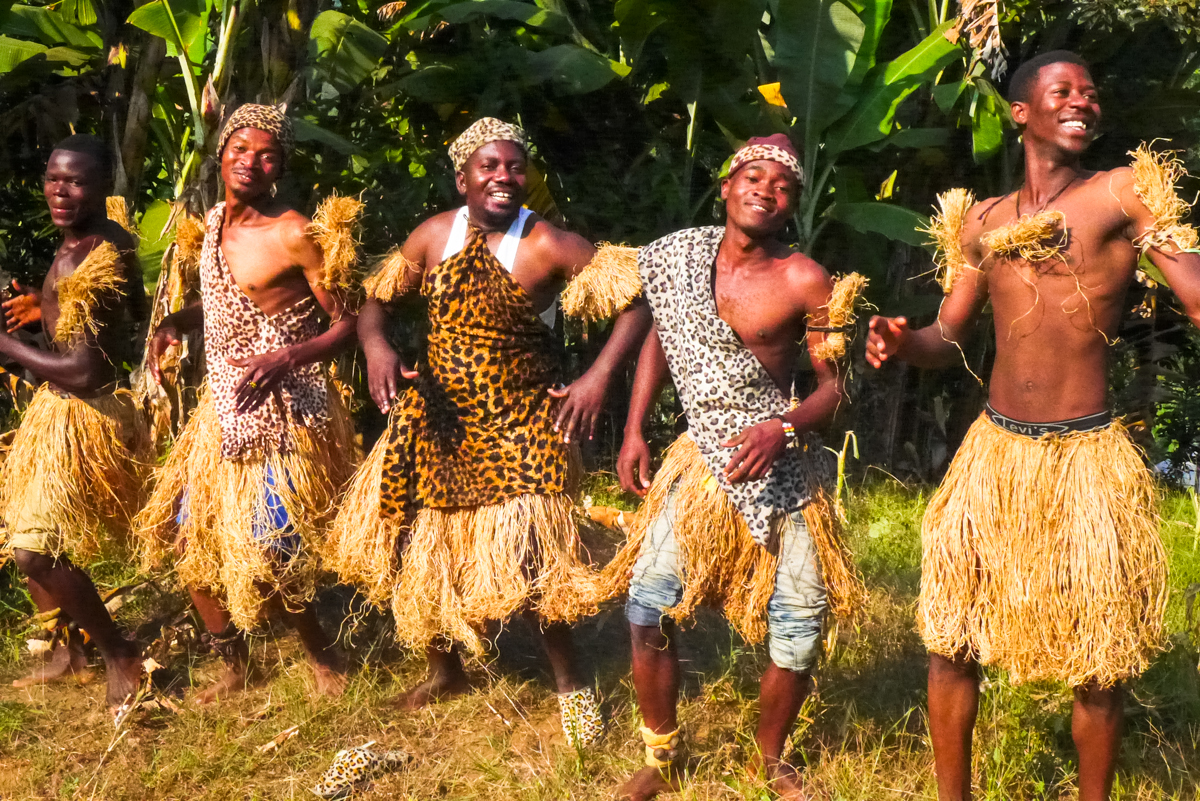
A visit to Tayna Gorilla Reserve offers more than wildlife encounters. The surrounding communities provide visitors with opportunities to experience the rich cultures and traditions of the people who have lived alongside the Congo rainforest for generations.
Cultural experiences allow travelers to gain a deeper understanding of local lifestyles, traditional knowledge, and the close relationship between communities and the natural environment.
Visitors may enjoy:
Traditional Dance Performances
Local cultural groups often perform traditional dances accompanied by drums, songs, and storytelling. These performances celebrate community history, cultural identity, and important social traditions.
Community Village Visits
Guided visits to nearby villages provide insight into daily life, local customs, traditional farming practices, and community conservation initiatives.
Traditional Craft Demonstrations
Visitors can observe artisans creating baskets, carvings, woven products, and handmade crafts using locally sourced materials and techniques passed down through generations.
Cultural Storytelling
Community elders often share stories about local history, wildlife, forest traditions, and cultural beliefs that have shaped life in the region.
Traditional Cuisine
Guests may have opportunities to sample local foods and learn about traditional cooking methods that reflect the region’s cultural heritage.
These cultural experiences enrich the overall safari journey while helping support local communities through responsible tourism.
Benefits of Tourism to Local Communities
Tourism plays an increasingly important role in supporting conservation and community development around Tayna Gorilla Reserve. Revenue generated through responsible tourism helps create economic opportunities while providing incentives for long-term wildlife protection.
Some of the key benefits of tourism include:
Employment Creation
Tourism provides jobs for guides, trackers, drivers, hospitality staff, conservation assistants, cooks, porters, and community tourism operators.
Income Generation
Local businesses benefit from visitor spending on accommodation, transportation, crafts, cultural activities, and tourism services.
Education Support
Tourism-related funding can contribute to school development, scholarships, environmental education programs, and training opportunities.
Healthcare Improvements
Community projects supported by tourism revenue may help improve access to healthcare services and community facilities.
Conservation Incentives
When communities benefit economically from tourism, they have stronger incentives to protect wildlife, forests, and natural resources.
Infrastructure Development
Road improvements, communication networks, clean water projects, and other infrastructure investments often result from conservation and tourism partnerships.
By supporting sustainable tourism, visitors contribute directly to both wildlife conservation and community well-being throughout the Tayna region.
Best Time to Visit Tayna Gorilla Reserve
Tayna Gorilla Reserve can be visited throughout the year, offering unique experiences during every season. Because Eastern Lowland Gorillas remain within their forest habitats year-round, wildlife encounters are possible regardless of when visitors travel.
However, weather conditions influence trekking difficulty, photography opportunities, accessibility, and overall safari experiences.
The reserve’s tropical rainforest climate includes two relatively dry seasons and two wetter periods, each offering different advantages for visitors.
Choosing the best time to visit depends on individual preferences, travel goals, and desired safari activities.
Dry Season Visits
The dry seasons are generally considered the most popular times to visit Tayna Gorilla Reserve.
The primary dry periods typically occur between:
- June to September
- December to February
During these months, rainfall is usually lower and trekking trails become easier to navigate. Forest paths are less muddy, river crossings are more manageable, and hiking conditions are generally more comfortable.
Benefits of visiting during the dry season include:
Easier Gorilla Trekking
Reduced rainfall makes forest trails more accessible and less physically demanding.
Better Wildlife Observation
Improved trail conditions allow visitors to move more efficiently through gorilla habitats and wildlife viewing areas.
Improved Photography Conditions
Brighter weather and more predictable conditions often create excellent opportunities for wildlife and landscape photography.
Comfortable Travel Conditions
Road transfers and logistical operations are generally easier during drier periods.
The dry season is often recommended for first-time visitors seeking the most comfortable trekking experience.
Wet Season Visits
The wet seasons generally occur during:
- March to May
- October to November
Although rainfall is more frequent during these periods, visiting Tayna Gorilla Reserve during the wet season offers several unique advantages.
Benefits of wet season travel include:
Lush Rainforest Scenery
The forest becomes exceptionally green, vibrant, and visually stunning as vegetation flourishes.
Fewer Visitors
Lower visitor numbers create a more exclusive and peaceful safari experience.
Excellent Birdwatching
Many bird species become more active during rainy periods, making this an attractive time for bird enthusiasts.
Beautiful Photography Opportunities
Cloud formations, mist-covered forests, and vibrant vegetation often create dramatic photographic scenes.
Active Wildlife
Many animals remain highly active throughout the rainy season despite changing weather conditions.
Travelers willing to embrace occasional rain often enjoy rewarding and memorable experiences during these quieter months.
Wildlife Viewing Throughout the Year
Wildlife Viewing Throughout the Year is one of Tayna Gorilla Reserve’s greatest strengths. The reserve’s protected forests support a rich diversity of wildlife that can be encountered during every season.
Eastern Lowland Gorillas remain the primary attraction and can be tracked year-round. Because gorillas do not migrate, conservation teams and trackers are able to monitor family groups throughout the year.
Other wildlife commonly observed includes:
Primates
Chimpanzees, colobus monkeys, blue monkeys, red-tailed monkeys, and several other forest primates inhabit the reserve.
Forest Mammals
Forest elephants, duikers, bush pigs, giant forest hogs, civets, and other mammals may occasionally be encountered.
Birds
The reserve supports a rich variety of Congo Basin bird species, including forest hornbills, turacos, sunbirds, kingfishers, and raptors.
Butterflies and Insects
Thousands of butterfly and insect species contribute to the reserve’s remarkable biodiversity.
Rainforest Ecosystems
Regardless of season, visitors can enjoy the beauty of one of Africa’s largest and most important tropical rainforest environments.
Because wildlife encounters remain possible throughout the year, Tayna Gorilla Reserve is a rewarding destination for nature lovers, conservation enthusiasts, photographers, birdwatchers, and adventure travelers in every season.
How to Get to Tayna Gorilla Reserve
Tayna Gorilla Reserve is located in the remote forests of North Kivu Province in eastern Democratic Republic of Congo, making it one of the most isolated and untouched conservation areas in Central Africa. Reaching the reserve requires careful planning, but the journey rewards travelers with access to one of the most important habitats for Eastern Lowland Gorillas and one of Africa’s leading community-based conservation areas.
Visitors typically access Tayna Gorilla Reserve through major gateways such as Goma, Kisangani, or other regional transit points before continuing by domestic flights and overland transfers into the reserve. Because of the reserve’s remote location and limited tourism infrastructure, most travelers arrange their journeys through experienced Congo safari operators who coordinate permits, transportation, accommodation, security updates, and logistics.
International Flights to Congo

International travelers visiting Tayna Gorilla Reserve usually arrive in the Democratic Republic of Congo through major international airports that serve as gateways to eastern Congo.
Common entry points include:
Goma International Airport
Goma serves as one of the main gateways for travelers visiting conservation areas in eastern Congo. The city is strategically positioned near several protected areas and safari destinations within North Kivu Province.
N’djili International Airport – Kinshasa
Travelers arriving through Kinshasa often connect to domestic flights serving eastern Congo destinations such as Goma, Kisangani, Bukavu, or other regional airports.
Kigali International Airport (Rwanda)
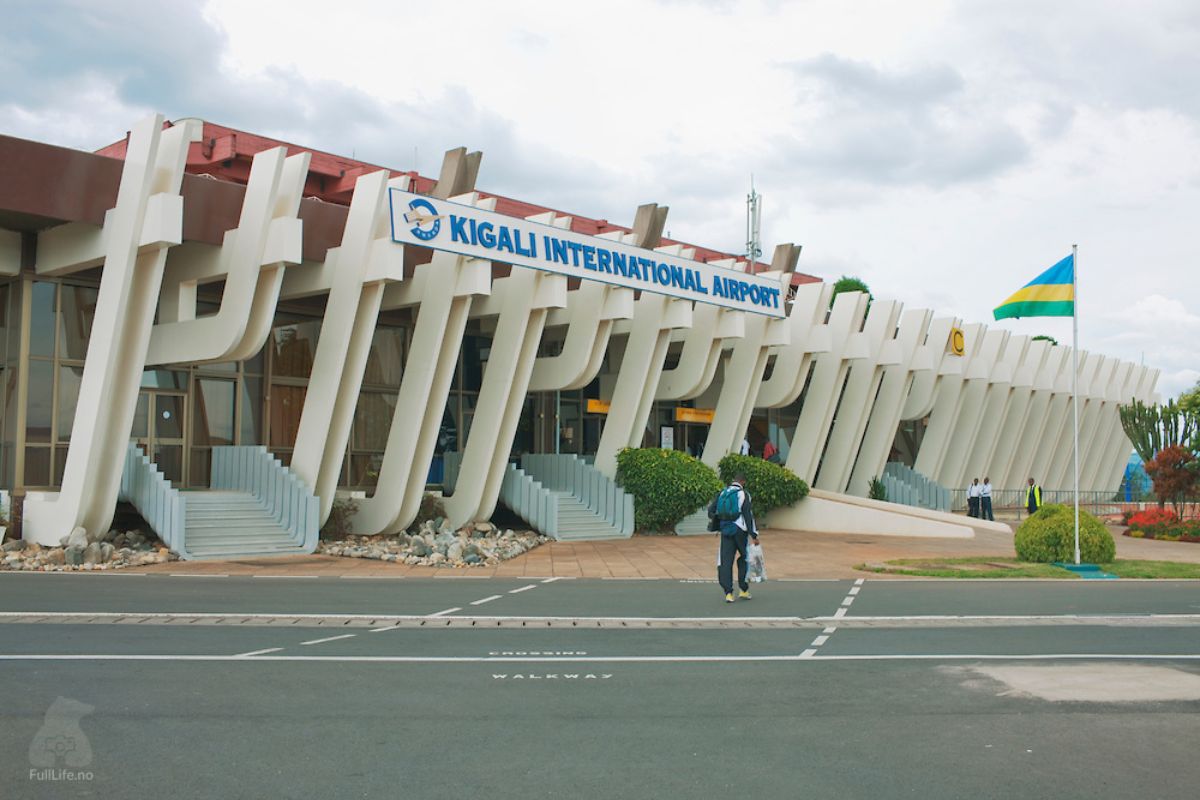
Access via Goma
Goma is the most commonly used access point for visitors traveling to protected areas in eastern Democratic Republic of Congo. Located near the Rwanda border and Lake Kivu, the city functions as an important tourism and logistics hub for gorilla safaris and conservation travel.
After arriving in Goma, visitors continue toward Tayna Gorilla Reserve using a combination of domestic flights, charter services, and road transfers depending on travel arrangements.
Advantages of accessing Tayna through Goma include:
- Better regional flight connections
- Easier access from Rwanda
- Availability of hotels and safari services
- Proximity to conservation areas in North Kivu
- Established tourism logistics networks
Many travelers combine visits to Tayna Gorilla Reserve with other destinations in eastern Congo using Goma as a central transit point.
Access via Kisangani
Kisangani provides another potential access route for travelers exploring remote conservation areas in the Congo Basin. Located in northeastern Democratic Republic of Congo, the city serves as an important transportation center connecting different regions of the country.
Travelers accessing Tayna through Kisangani may use domestic flights and overland routes depending on logistical arrangements and seasonal conditions.
This route is often preferred by researchers, conservation teams, and specialized expedition travelers seeking broader exploration of the Congo Basin rainforest and remote wildlife habitats.
Because transportation infrastructure can vary significantly, access through Kisangani generally requires advance planning and coordination with experienced local operators.
Domestic Flights and Road Transfers
Due to the reserve’s remote location, domestic flights play an important role in reducing travel time within the Democratic Republic of Congo.
Domestic aviation services may connect major cities such as:
- Kinshasa
- Goma
- Kisangani
- Bukavu
- Other regional airstrips in eastern Congo
After arriving at the nearest operational airstrip, visitors continue by road through forested landscapes and rural communities toward Tayna Gorilla Reserve.
Road transfers provide opportunities to experience:
- Congo Basin rainforest scenery
- Traditional villages
- Mountain landscapes
- Local agricultural communities
- Regional conservation areas
Travel times vary depending on weather conditions, road quality, and seasonal accessibility. During rainy periods, some roads may become more challenging, making professional safari logistics particularly important.
Travel Permits and Entry Requirements
Visitors traveling to Tayna Gorilla Reserve must ensure they obtain all required travel documents before entering the Democratic Republic of Congo.
Important requirements may include:
Congo Tourist Visa
Most international visitors require a valid Democratic Republic of Congo tourist visa before travel.
Passport Validity
Travelers should carry passports with sufficient validity beyond their planned travel dates.
Yellow Fever Vaccination Certificate
Proof of yellow fever vaccination is commonly required for entry into the Democratic Republic of Congo and border crossings within the region.
Travel Insurance
Comprehensive travel insurance covering medical emergencies, evacuation services, and remote travel is strongly recommended.
Conservation and Research Permissions
Depending on planned activities, special permissions may occasionally be required for research projects, filming, photography expeditions, or conservation-related visits.
Travel regulations may change periodically, so visitors should verify the latest entry requirements before departure. Professional Congo safari operators can assist with permit coordination and travel preparation.
Accommodation Near Tayna Gorilla Reserve
Accommodation near Tayna Gorilla Reserve remains relatively limited compared to more developed safari destinations in East Africa. However, visitors can still find comfortable lodging options through conservation facilities, community-based accommodations, safari camps, and hotels located in nearby towns or regional transit points.
Many accommodations supporting visits to Tayna focus on sustainability, conservation awareness, and community involvement while providing access to the reserve and surrounding rainforest landscapes.
Accommodation choices generally range from luxury eco-lodges to midrange safari camps and budget-friendly community guesthouses.
Luxury Accommodation
Luxury accommodation options for visitors traveling to Tayna Gorilla Reserve are usually found in major transit hubs such as Goma or within specialized conservation-focused safari itineraries.
Luxury properties typically offer:
- Spacious private suites
- Premium dining experiences
- Professional safari services
- Guided conservation activities
- Scenic rainforest or lake views
- Personalized travel assistance
These accommodations are ideal for travelers seeking greater comfort while exploring remote regions of eastern Congo.
Some luxury safari itineraries may combine Tayna Gorilla Reserve with higher-end accommodations in Goma, Bukavu, or nearby conservation destinations.
Midrange Accommodation
Midrange accommodation provides a balance between comfort and affordability for travelers visiting Tayna Gorilla Reserve.
Typical features include:
- Comfortable private rooms
- Ensuite bathrooms
- Restaurant services
- Guided excursion support
- Reliable hospitality services
- Convenient access to regional transportation routes
Many midrange lodges and safari camps are used by conservation travelers, researchers, photographers, and wildlife enthusiasts exploring eastern Congo.
These accommodations often provide excellent value while maintaining strong connections to local conservation initiatives and community tourism projects.
Budget Accommodation
Budget accommodation options are available for adventurous travelers seeking affordable access to Tayna Gorilla Reserve and surrounding conservation areas.
Budget facilities may include:
- Community guesthouses
- Basic eco-camps
- Local lodges
- Research stations
- Conservation field camps
- Simple traveler accommodations
Although facilities are generally more modest, many budget accommodations offer authentic cultural experiences and opportunities to engage closely with local communities.
Choosing budget accommodation often allows visitors to contribute directly to community tourism initiatives while supporting conservation-based development programs in the region.
For travelers prioritizing wildlife experiences, conservation learning, and cultural immersion, budget accommodation can provide rewarding and memorable stays near Tayna Gorilla Reserve.
Community Guesthouses
Community Guesthouses near Tayna Gorilla Reserve provide visitors with an authentic and culturally immersive experience while directly supporting local conservation and development initiatives. These accommodations are often operated or supported by community-based tourism programs that help generate income for families living around the reserve.
Staying in community guesthouses allows travelers to experience daily life within the Congo Basin while contributing to sustainable tourism efforts that benefit local residents and wildlife conservation projects.
Community guesthouses typically offer:
- Simple but comfortable rooms
- Local hospitality experiences
- Traditional meals
- Cultural interactions
- Guided community visits
- Opportunities to learn about conservation programs
Although facilities may be more basic than luxury lodges, these accommodations often provide some of the most meaningful travel experiences for visitors interested in conservation, cultural exchange, and responsible tourism.
Many travelers appreciate the opportunity to engage directly with local communities and gain a deeper understanding of how conservation initiatives support livelihoods around Tayna Gorilla Reserve.
Safety and Travel Information
Traveling to Tayna Gorilla Reserve requires careful planning due to its remote location within eastern Democratic Republic of Congo. Visitors are strongly encouraged to travel with experienced safari operators who understand regional logistics, conservation regulations, transportation arrangements, and current travel conditions.
Preparation is an important part of any journey to the reserve. Travelers should ensure they have the necessary travel documents, health requirements, insurance coverage, and updated information regarding local conditions before departure.
While Tayna Gorilla Reserve offers extraordinary wildlife and conservation experiences, responsible planning helps ensure a safer and more comfortable safari.
Current Security Situation
The security situation in eastern Democratic Republic of Congo can vary depending on regional developments, local conditions, and travel routes. As a result, visitors should always obtain current travel updates before planning visits to Tayna Gorilla Reserve.
Conservation organizations, safari operators, local authorities, and regional tourism stakeholders continuously monitor conditions affecting protected areas and visitor access.
Important travel considerations include:
Advance Trip Planning
Travel arrangements should be coordinated with reputable operators who regularly work within the region and maintain updated logistical information.
Flexible Travel Itineraries
Because conditions can occasionally change, travelers are advised to maintain flexible travel schedules when visiting remote parts of eastern Congo.
Guided Travel
Independent travel in remote conservation areas is generally not recommended. Organized travel provides logistical support, local expertise, and access to updated regional information.
Conservation Area Coordination
Protected area authorities and conservation organizations often provide guidance regarding visitor access and operational conditions within the reserve.
Travelers should always consult official travel advisories and local operators before finalizing plans to visit Tayna Gorilla Reserve.
Travel Insurance Recommendations
Comprehensive travel insurance is highly recommended for all visitors traveling to Tayna Gorilla Reserve and other remote destinations within the Democratic Republic of Congo.
A suitable travel insurance policy should ideally include:
Emergency Medical Coverage
Coverage for medical treatment, hospitalization, and emergency healthcare services during travel.
Medical Evacuation
Emergency evacuation coverage is particularly important when visiting remote conservation areas with limited medical infrastructure.
Trip Cancellation and Interruption
Protection against unexpected travel disruptions, cancellations, or itinerary changes.
Lost Baggage and Equipment
Coverage for personal belongings, cameras, luggage, and travel equipment.
Adventure Travel Coverage
Visitors participating in gorilla trekking, rainforest hiking, wildlife excursions, and conservation activities should confirm that their policy covers such activities.
Travelers should carefully review insurance terms before departure to ensure adequate coverage for remote safari destinations.
Health and Vaccination Requirements
Visitors traveling to Tayna Gorilla Reserve should prepare carefully for health and vaccination requirements before entering the Democratic Republic of Congo.
Yellow Fever Vaccination
A valid Yellow Fever Vaccination Certificate is commonly required for entry into the Democratic Republic of Congo and may be requested during border crossings or airport procedures.
Malaria Prevention
Because Tayna Gorilla Reserve lies within a tropical rainforest region, malaria prevention measures are strongly recommended. Travelers should seek medical advice regarding appropriate preventive medication before travel.
Routine Vaccinations
Visitors should ensure that routine vaccinations are up to date according to medical travel recommendations.
Personal Medical Supplies
Travelers should carry essential medications, basic first aid supplies, insect repellent, sunscreen, and any prescribed treatments required during the journey.
Drinking Water Safety
Bottled or properly treated drinking water is generally recommended during travel in remote regions.
Consulting a qualified travel health specialist before departure is highly advisable to receive personalized medical guidance based on current health recommendations and travel plans.
Responsible Tourism Practices
Responsible Tourism Practices are essential for protecting Eastern Lowland Gorillas, preserving rainforest ecosystems, and supporting local communities around Tayna Gorilla Reserve.
Every visitor has an important role to play in ensuring that tourism contributes positively to conservation efforts.
Key responsible tourism principles include:
Respect Wildlife
Wild animals should always be observed from appropriate distances without causing disturbance to their natural behavior.
Follow Gorilla Trekking Regulations
Visitors must comply with all gorilla trekking guidelines designed to protect both gorillas and people.
Support Community-Based Tourism
Choosing locally operated services, community guesthouses, guides, and cultural experiences helps ensure that tourism benefits surrounding communities.
Reduce Environmental Impact
Travelers should avoid littering, minimize waste, and respect protected habitats throughout their visit.
Respect Local Cultures
Visitors are encouraged to engage respectfully with local communities, traditions, customs, and cultural practices.
Promote Conservation Awareness
Sharing conservation knowledge and supporting responsible travel initiatives helps strengthen global awareness about the importance of protecting Eastern Lowland Gorillas and the Congo Basin rainforest.
Responsible tourism not only enhances visitor experiences but also contributes directly to the long-term protection of wildlife, forests, and local communities within Tayna Gorilla Reserve.
Challenges Facing Tayna Gorilla Reserve
Despite its remarkable conservation achievements, Tayna Gorilla Reserve continues to face several challenges that threaten both wildlife populations and the long-term sustainability of conservation efforts. Located within one of Africa’s most biodiverse regions, the reserve protects critical habitat for Eastern Lowland Gorillas, forest elephants, chimpanzees, and countless other species. However, increasing pressure from human activities, economic demands, and environmental threats continues to place these ecosystems at risk.
Conservation organizations, local communities, researchers, and reserve authorities work tirelessly to address these challenges through habitat protection, community engagement, wildlife monitoring, education programs, and sustainable development initiatives. Understanding these threats highlights the importance of continued conservation support and responsible tourism in protecting Tayna Gorilla Reserve for future generations.
Illegal Mining
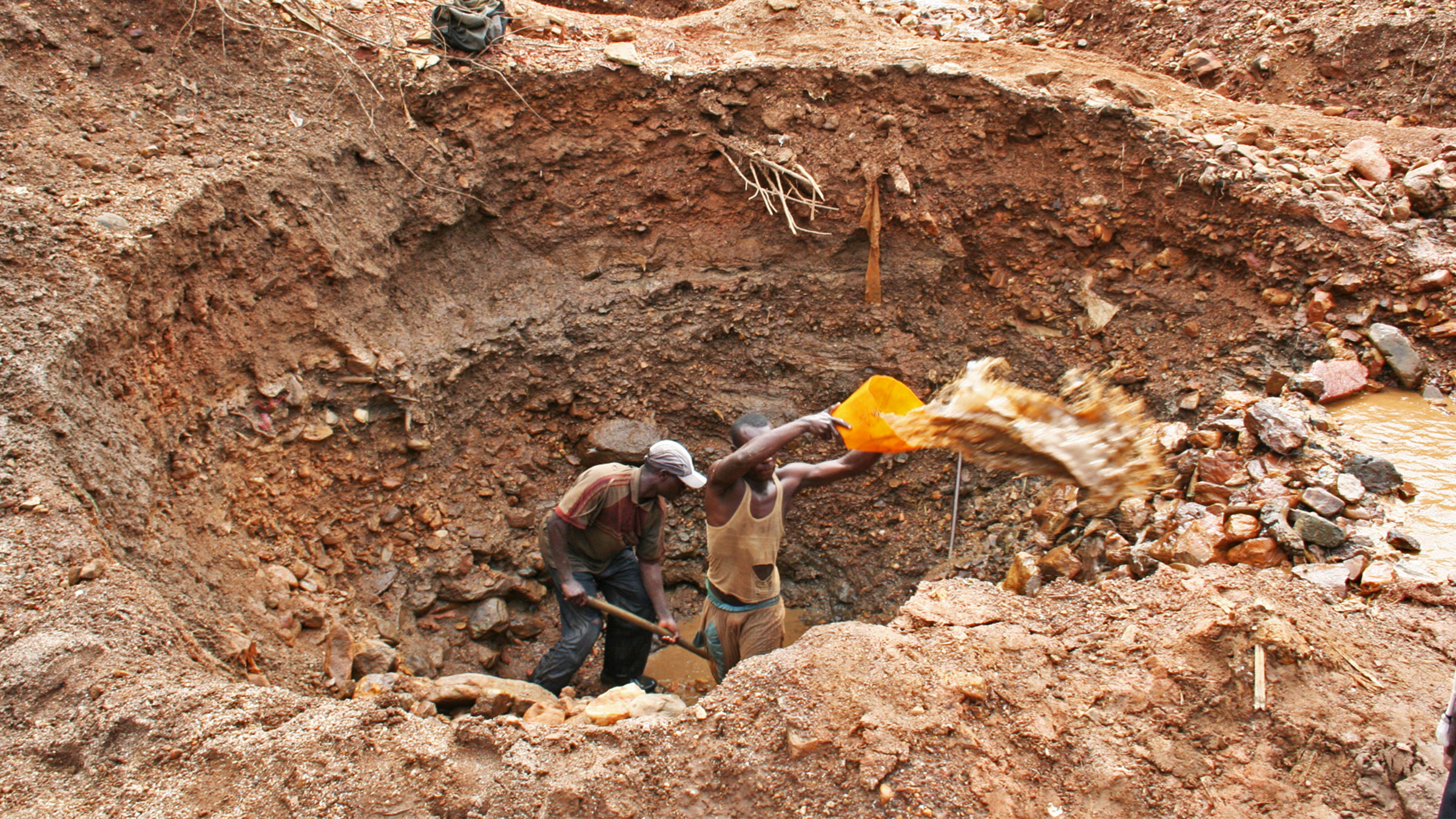
Illegal mining remains one of the most significant threats facing Tayna Gorilla Reserve and many other protected areas in eastern Democratic Republic of Congo. The region is rich in valuable minerals, including gold, coltan, cassiterite, and other natural resources that are in high demand globally.
Unregulated mining activities can have devastating consequences for wildlife and forest ecosystems.
Habitat Destruction
Mining operations often require the clearing of large areas of forest, resulting in the destruction of critical gorilla habitats and wildlife corridors.
Increased Human Presence
Mining camps attract workers and settlements into previously remote conservation areas, increasing pressure on natural resources and wildlife populations.
Water Pollution
Mining activities can contaminate rivers and streams with sediments and chemicals, affecting both wildlife and local communities that depend on these water sources.
Increased Wildlife Hunting
Growing human populations associated with mining operations often increase demand for bushmeat, placing additional pressure on wildlife species.
Conservation authorities continue to work with communities and government agencies to reduce illegal mining activities within protected areas and promote sustainable alternatives that benefit both people and nature.
Habitat Loss
Habitat loss is another major conservation challenge affecting Tayna Gorilla Reserve. Eastern Lowland Gorillas depend on large, intact forest ecosystems for food, shelter, breeding, and movement throughout their range.
As human populations grow and demand for land increases, forests can come under pressure from various forms of development and resource use.
Agricultural Expansion
The conversion of forests into farmland can reduce available wildlife habitat and fragment important conservation areas.
Logging Activities
Unsustainable timber extraction can alter forest structure and reduce the quality of gorilla habitats.
Infrastructure Development
Road construction and other development projects may increase access to previously protected forests and create new conservation challenges.
Forest Fragmentation
When habitats become divided into smaller sections, wildlife populations may become isolated, making long-term survival more difficult.
Protecting large continuous areas of rainforest remains one of the most important priorities for ensuring the survival of Eastern Lowland Gorillas and maintaining ecological balance within the Congo Basin.
Poaching Threats
Poaching continues to pose a serious threat to wildlife populations throughout eastern Congo, including those protected within Tayna Gorilla Reserve.
Although gorillas are not always the direct target of poachers, they can still be affected by hunting activities occurring within their habitats.
Bushmeat Hunting
Wildlife species are sometimes hunted for meat, placing pressure on numerous forest animals and disrupting ecosystem balance.
Snares and Traps
Wire snares set for other animals can accidentally injure or kill gorillas, chimpanzees, and other non-target species.
Illegal Wildlife Trade
Certain wildlife species are targeted for illegal trade, creating additional conservation concerns.
Reduced Wildlife Populations
Continued hunting pressure can decrease wildlife numbers and affect biodiversity throughout the reserve.
To combat poaching, conservation teams conduct regular patrols, remove illegal traps, strengthen law enforcement efforts, and engage communities through conservation education programs.
Anti-poaching initiatives have become a cornerstone of wildlife protection efforts within Tayna Gorilla Reserve and remain essential for safeguarding endangered species.
Human-Wildlife Conflict
As communities and wildlife share landscapes surrounding Tayna Gorilla Reserve, conflicts can occasionally arise between people and animals competing for resources.
Human-wildlife conflict is a growing conservation challenge in many regions where protected areas border agricultural land and settlements.
Crop Damage
Wild animals may enter agricultural areas in search of food, resulting in crop losses for local farmers.
Competition for Resources
Communities and wildlife often depend on the same forests, water sources, and natural resources.
Encroachment into Wildlife Habitats
Human settlement expansion can increase interactions between people and wildlife, sometimes leading to conflict situations.
Conservation Challenges
Negative experiences with wildlife can reduce local support for conservation if communities do not receive adequate benefits from protected areas.
To address these issues, Tayna Gorilla Reserve promotes community conservation programs, environmental education, sustainable livelihood initiatives, and collaborative resource management strategies.
By involving local communities in conservation decision-making and ensuring they benefit from tourism and conservation projects, the reserve helps build positive relationships between people and wildlife.
Reducing human-wildlife conflict remains critical for achieving long-term conservation success and ensuring that both local communities and wildlife populations can thrive together within the landscapes surrounding Tayna Gorilla Reserve.
Combining Tayna Gorilla Reserve with Other Congo Safaris
Tayna Gorilla Reserve is one of the most rewarding destinations for travelers seeking authentic wildlife experiences in the Democratic Republic of Congo. However, the reserve becomes even more extraordinary when combined with other iconic Congo safari destinations. From Eastern Lowland Gorilla trekking and active volcanoes to pristine rainforests, rare wildlife, and legendary river expeditions, Congo offers some of Africa’s most diverse and adventurous safari experiences.
Combining Tayna Gorilla Reserve with other protected areas allows visitors to explore multiple ecosystems, encounter different wildlife species, and gain a deeper understanding of the Congo Basin, one of the largest tropical rainforest systems on Earth.
Whether travelers are interested in gorilla trekking, chimpanzee tracking, birdwatching, volcano hiking, cultural experiences, or conservation-focused travel, multi-destination Congo safaris provide unforgettable opportunities to discover the country’s remarkable biodiversity.
Kahuzi-Biega National Park
Combining Tayna Gorilla Reserve with Kahuzi-Biega National Park creates one of the best Eastern Lowland Gorilla safari experiences in Africa.
Located near the city of Bukavu in eastern Democratic Republic of Congo, Kahuzi-Biega National Park is internationally renowned for its population of habituated Eastern Lowland Gorillas. The park is recognized as a UNESCO World Heritage Site and protects a vast area of rainforest stretching from lowland forests to mountainous terrain.
Visitors combining these two destinations benefit from:
Eastern Lowland Gorilla Encounters
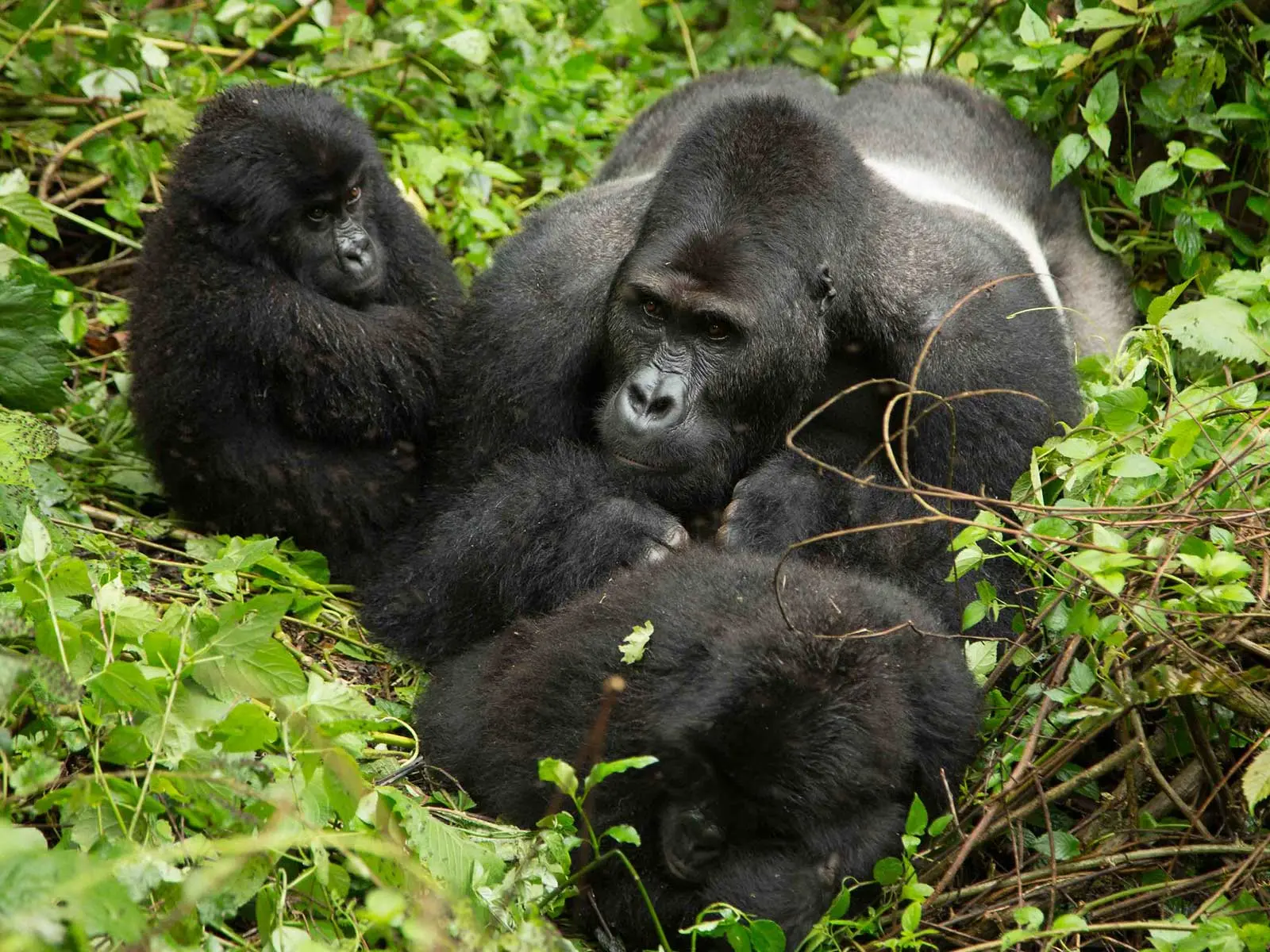
Experience gorilla conservation efforts in Tayna Gorilla Reserve while also participating in gorilla trekking activities within Kahuzi-Biega National Park.
Exceptional Biodiversity
Explore diverse rainforest habitats supporting primates, birds, reptiles, amphibians, and forest mammals.
Conservation Learning
Gain valuable insights into different conservation models protecting endangered gorillas throughout eastern Congo.
Scenic Landscapes
Enjoy breathtaking mountain scenery, waterfalls, dense forests, and spectacular rainforest ecosystems.
A Tayna and Kahuzi-Biega combination offers one of the most comprehensive gorilla-focused safari itineraries available in Central Africa.
Virunga National Park
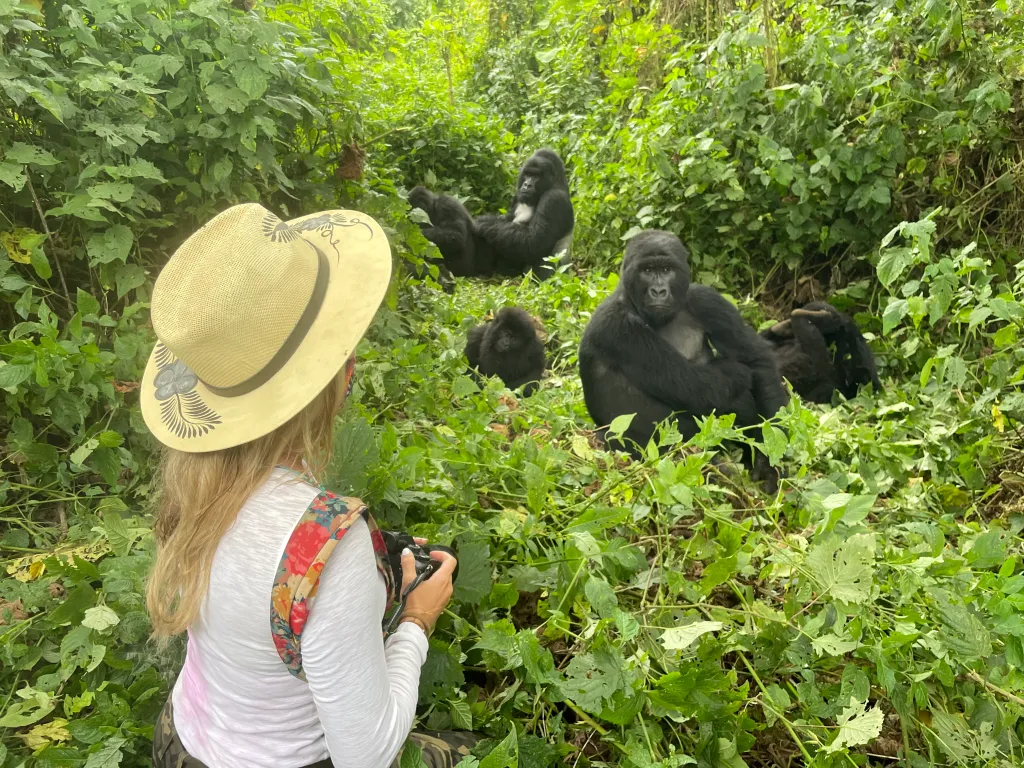
Virunga National Park is one of Africa’s most famous protected areas and a natural complement to a Tayna Gorilla Reserve safari.
Established in 1925, Virunga is Africa’s oldest national park and a UNESCO World Heritage Site. The park protects an extraordinary range of ecosystems, including volcanoes, savannahs, forests, wetlands, and mountain habitats.
Highlights of combining Virunga with Tayna Gorilla Reserve include:
Mountain Gorilla Trekking
Encounter the endangered Mountain Gorillas that inhabit the Virunga Mountains.
Diverse Wildlife Viewing
Virunga supports elephants, buffaloes, antelope species, primates, birds, and numerous other wildlife species.
Volcano Landscapes
Explore one of Africa’s most dramatic volcanic regions.
Conservation Experiences
Learn about some of the continent’s most important wildlife conservation initiatives.
Together, Tayna Gorilla Reserve and Virunga National Park provide visitors with opportunities to experience both Eastern Lowland Gorillas and Mountain Gorillas in a single Congo safari.
Maiko National Park
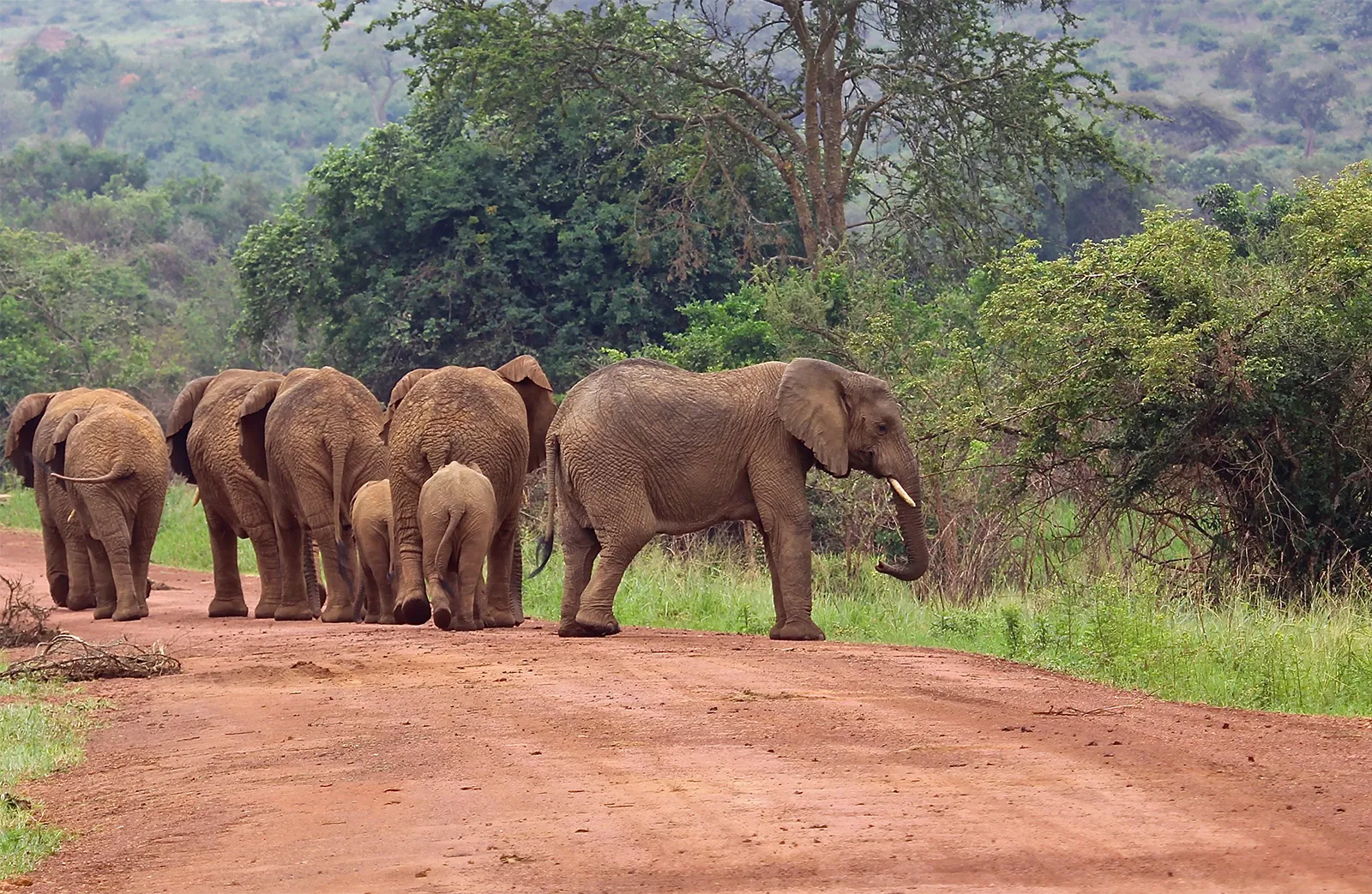
Maiko National Park is one of the most remote and least-explored protected areas in the Democratic Republic of Congo. Combining Tayna Gorilla Reserve with Maiko National Park offers adventurous travelers a rare opportunity to explore some of Central Africa’s most untouched wilderness.
The park protects extensive rainforest habitats and supports an impressive diversity of wildlife.
Key attractions include:
Eastern Lowland Gorillas
Maiko protects important populations of Eastern Lowland Gorillas living in remote forest environments.
Congo Peafowl
The park is one of the few places where visitors may encounter the endemic Congo Peafowl.
Forest Elephants
African forest elephants inhabit sections of the park’s vast rainforest ecosystem.
Wilderness Exploration
Experience true rainforest adventure in one of Africa’s least-visited national parks.
Combining Tayna and Maiko provides an exceptional journey for wildlife enthusiasts interested in conservation, biodiversity, and remote exploration.
Okapi Wildlife Reserve
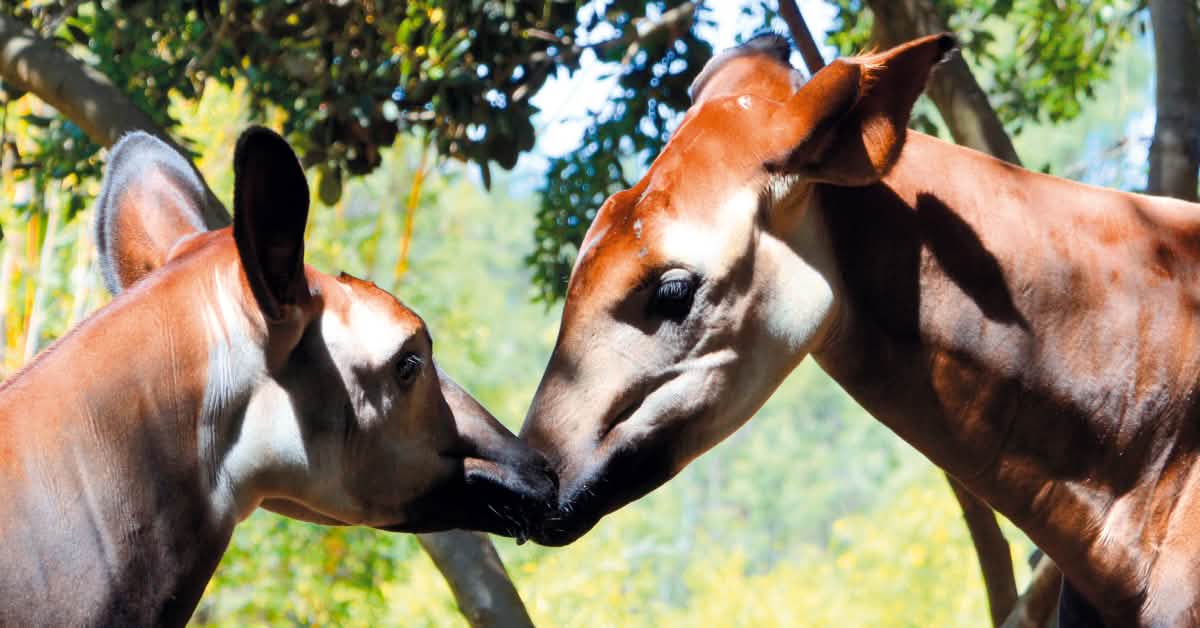
The Okapi Wildlife Reserve offers a fascinating addition to a Tayna Gorilla Reserve safari by showcasing one of Congo’s most unique and elusive animals—the Okapi.
Located within the Ituri Forest of northeastern Congo, the reserve protects one of the largest remaining tracts of tropical rainforest in Africa and is recognized as a UNESCO World Heritage Site.
Visitors combining Tayna with Okapi Wildlife Reserve can experience:
Okapi Conservation
Learn about efforts to protect the rare and endangered Okapi, a species found nowhere else in the world.
Rich Rainforest Biodiversity
Explore forests inhabited by primates, forest elephants, birds, reptiles, and numerous endemic species.
Indigenous Cultural Experiences
Interact with local forest communities whose traditional lifestyles are closely linked to the rainforest.
Scientific and Conservation Programs
Discover ongoing research and conservation projects supporting biodiversity protection.
This combination offers a unique opportunity to explore two of Congo’s most important conservation landscapes.
Nyiragongo Volcano Hiking
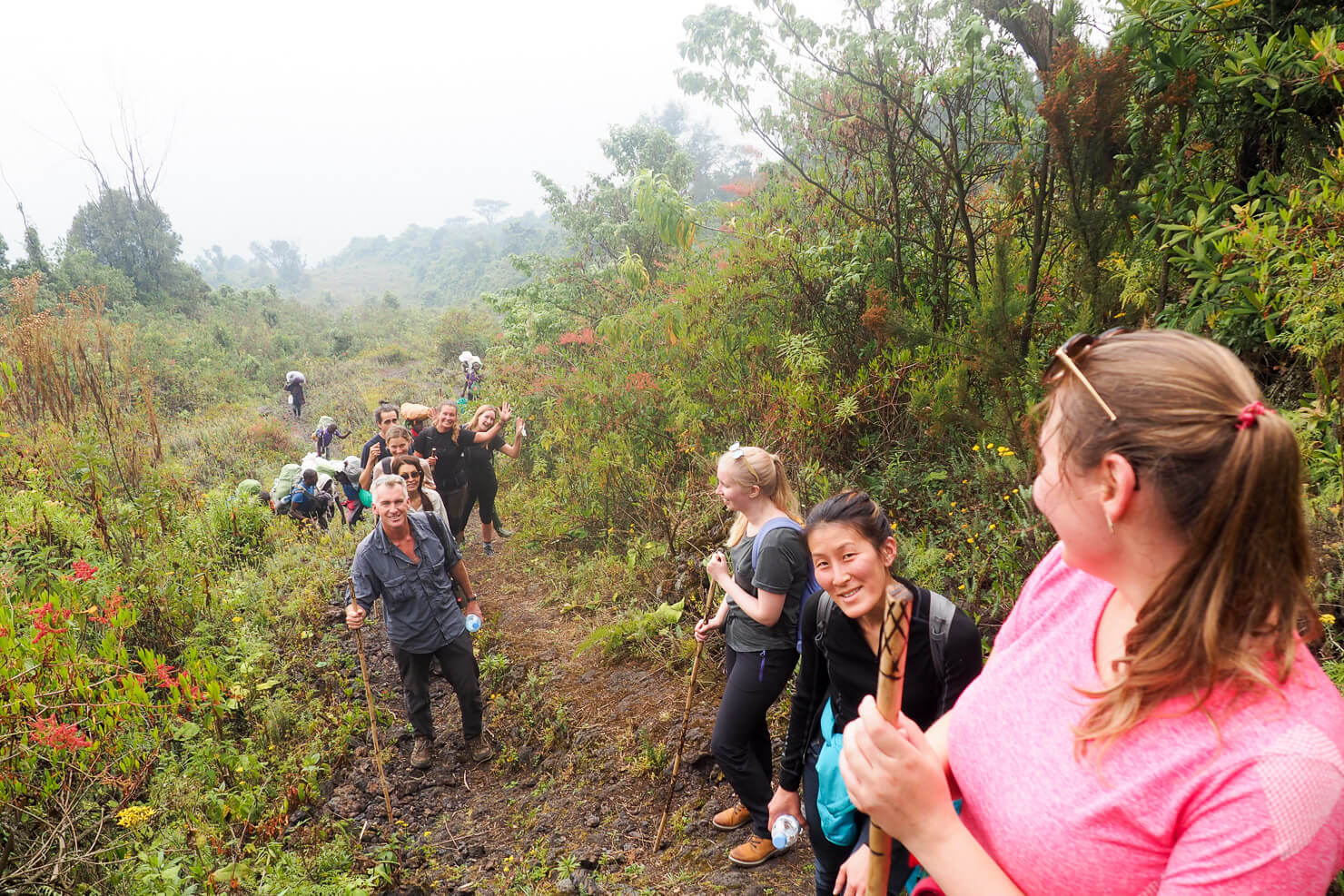
For travelers seeking adventure, combining Tayna Gorilla Reserve with Nyiragongo Volcano Hiking creates one of Africa’s most exciting safari experiences.
Located within Virunga National Park, Mount Nyiragongo is famous for having one of the world’s largest active lava lakes. The volcano rises dramatically above the surrounding landscape and offers spectacular views of eastern Congo and neighboring Rwanda.
Highlights include:
Volcano Hiking Adventure
Climb one of Africa’s most iconic volcanoes accompanied by experienced guides.
Lava Lake Views
Witness the glowing lava lake that makes Nyiragongo one of the world’s most remarkable volcanic destinations.
Unique Landscapes
Experience volcanic terrain, lava fields, montane forests, and stunning mountain scenery.
Multi-Adventure Safari
Combine gorilla conservation experiences with one of Africa’s greatest trekking adventures.
A Tayna and Nyiragongo safari is ideal for travelers seeking both wildlife encounters and outdoor adventure.
Congo River Expeditions
Combining Tayna Gorilla Reserve with Congo River Expeditions offers a completely different perspective on the Democratic Republic of Congo and its vast natural landscapes.
The Congo River is the second-longest river in Africa and one of the most powerful waterways on Earth. It serves as the lifeline of the Congo Basin and supports millions of people, countless wildlife species, and extensive rainforest ecosystems.
Congo River expeditions may include:
Scenic River Cruises
Travel through remote rainforest regions while observing local communities and wildlife.
Birdwatching Opportunities
The river system supports a rich diversity of aquatic and forest bird species.
Cultural Encounters
Visit traditional river communities and learn about local cultures and livelihoods.
Rainforest Exploration
Discover the ecological importance of the Congo Basin and its role in global biodiversity conservation.
Photography Adventures
Capture stunning images of river landscapes, rainforest ecosystems, wildlife, and cultural scenes.
Combining Tayna Gorilla Reserve with a Congo River expedition creates a truly immersive Congo safari experience that highlights both the country’s extraordinary wildlife and its legendary waterways.
Together, these destinations showcase the remarkable diversity of the Democratic Republic of Congo, offering travelers a once-in-a-lifetime journey through gorilla habitats, rainforests, volcanoes, rivers, and some of Africa’s most important conservation landscapes.
Why Tayna Gorilla Reserve Matters for Global Conservation
Tayna Gorilla Reserve matters for global conservation because it protects one of the world’s most important remaining habitats for the critically endangered Eastern Lowland Gorilla. As the largest gorilla subspecies on Earth, Eastern Lowland Gorillas face numerous threats, including habitat loss, illegal mining, poaching, and human encroachment. The survival of these remarkable primates depends heavily on protected areas such as Tayna Gorilla Reserve.
The reserve forms part of the globally significant Congo Basin, the second-largest tropical rainforest on the planet after the Amazon. These forests play a critical role in regulating climate, storing carbon, protecting biodiversity, and supporting millions of people across Central Africa.
Tayna Gorilla Reserve is particularly important because it demonstrates how community-led conservation can successfully protect wildlife while improving local livelihoods. By placing local communities at the center of conservation efforts, the reserve has become a model for sustainable environmental management that is studied and supported by conservation organizations around the world.
The reserve contributes to global conservation by:
Protecting Eastern Lowland Gorillas
Tayna safeguards critical habitat for one of the world’s most endangered great ape populations.
Preserving Congo Basin Rainforests
The reserve protects vast tracts of rainforest that support countless plant and animal species.
Supporting Biodiversity Conservation
Thousands of species depend on the ecosystems protected within Tayna Gorilla Reserve.
Combating Climate Change
Healthy tropical forests store significant amounts of carbon and help regulate global climate systems.
Promoting Community-Based Conservation
Tayna’s success demonstrates that conservation works best when local communities benefit directly from environmental protection.
For conservationists, researchers, and responsible travelers, Tayna Gorilla Reserve represents hope for the future of wildlife conservation in one of the world’s most important ecological regions.
Why Visit Tayna Gorilla Reserve Congo
Tayna Gorilla Reserve offers one of the most authentic wildlife and conservation experiences available in Africa. Unlike more heavily visited safari destinations, Tayna remains remote, wild, and largely untouched, providing visitors with an opportunity to experience the Congo Basin in its natural state.
The reserve combines extraordinary biodiversity, rich cultural heritage, conservation success stories, and genuine adventure, making it an exceptional destination for travelers seeking something truly unique.
Reasons to visit Tayna Gorilla Reserve include:
Discover Eastern Lowland Gorilla Habitat
Explore one of the most important strongholds for the world’s largest gorilla subspecies.
Experience the Congo Basin Rainforest
Walk through one of the planet’s most biodiverse tropical rainforest ecosystems.
Support Community Conservation
Your visit contributes directly to conservation programs and community development initiatives.
Enjoy Authentic Wilderness Experiences
Experience remote forests with fewer visitors and a greater sense of adventure.
Encounter Diverse Wildlife
Discover chimpanzees, forest elephants, monkeys, birds, butterflies, and countless rainforest species.
Learn About Conservation
Gain firsthand insight into one of Africa’s most successful community-led conservation projects.
Explore Untouched Landscapes
Visit a destination that remains largely undiscovered by mainstream tourism.
For travelers seeking meaningful wildlife experiences beyond traditional safari destinations, Tayna Gorilla Reserve offers an unforgettable journey into the heart of the Congo Basin.
Why Book Tayna Gorilla Reserve Safaris with Pieland Gorilla Safaris
Planning a safari to Tayna Gorilla Reserve requires expertise, local knowledge, logistical coordination, and a thorough understanding of travel conditions within the Democratic Republic of Congo. Pieland Gorilla Safaris specializes in creating safe, well-organized, and conservation-focused Congo safari experiences designed to help travelers explore some of Africa’s most remarkable destinations.
Whether you are interested in gorilla conservation, rainforest exploration, birdwatching, photography, cultural experiences, or multi-destination Congo safaris, our team provides professional support from initial planning through to the completion of your journey.
With years of experience operating safaris throughout Central and East Africa, Pieland Gorilla Safaris helps travelers experience Tayna Gorilla Reserve with confidence, comfort, and expert guidance.
Expert Congo Safari Planning
Organizing travel to remote conservation destinations requires detailed planning and local expertise. Our team assists with every aspect of your safari, ensuring a smooth and enjoyable experience.
Our planning services include:
- Safari itinerary design
- Travel consultation
- Permit assistance
- Accommodation selection
- Transportation arrangements
- Border crossing guidance
- Travel preparation support
We handle the complex logistics so you can focus on enjoying your adventure.
Reliable Gorilla Safari Logistics
One of the most important aspects of a successful Tayna Gorilla Reserve safari is reliable logistical coordination.
Pieland Gorilla Safaris provides:
Transportation Planning
We arrange domestic flights, airport transfers, road transportation, and regional connections throughout your safari.
Permit Coordination
Our team assists with required travel documentation, permits, and conservation-related approvals where necessary.
Accommodation Management
We secure accommodations that match your travel style, budget, and itinerary requirements.
Ground Support
Professional support teams assist throughout your journey to ensure smooth operations and responsive assistance.
Our logistical expertise allows travelers to explore remote conservation areas with greater confidence and convenience.
Professional Local Guides
Professional local guides play a vital role in enhancing the safari experience. Their knowledge of wildlife, conservation programs, local cultures, and rainforest ecosystems provides valuable insight throughout your journey.
Our guides offer expertise in:
Wildlife Identification
Learn about gorillas, chimpanzees, birds, forest mammals, and other wildlife species.
Conservation Education
Gain a deeper understanding of conservation challenges and successes within the Congo Basin.
Cultural Interpretation
Explore local traditions, history, and community conservation initiatives.
Rainforest Ecology
Understand the ecological importance of one of the world’s largest tropical rainforest systems.
Professional guiding enriches every aspect of your Tayna Gorilla Reserve experience.
Tailor-Made Congo Itineraries
Every traveler has different interests, schedules, and travel goals. Pieland Gorilla Safaris specializes in creating tailor-made Congo itineraries that reflect your preferences and desired experiences.
Customized safaris may include:
Gorilla Conservation Experiences
Explore key gorilla habitats and conservation areas throughout eastern Congo.
Multi-Park Adventures
Combine Tayna Gorilla Reserve with Kahuzi-Biega National Park, Virunga National Park, Maiko National Park, or Okapi Wildlife Reserve.
Cultural Encounters
Include community visits and cultural experiences that provide insight into local traditions.
Photography Expeditions
Design itineraries focused on wildlife photography, conservation storytelling, and rainforest landscapes.
Adventure Safaris
Combine gorilla experiences with Nyiragongo Volcano hiking, rainforest trekking, and Congo River expeditions.
Each itinerary is carefully designed to maximize your experience while maintaining flexibility and comfort.
Conservation-Focused Travel Experiences
At Pieland Gorilla Safaris, we believe tourism should contribute positively to wildlife conservation and community development. Our conservation-focused approach ensures that travel experiences support the long-term protection of gorillas, rainforests, and local communities.
Through responsible tourism, visitors help:
- Support conservation programs
- Protect Eastern Lowland Gorilla habitats
- Generate income for local communities
- Promote environmental awareness
- Strengthen community conservation initiatives
- Encourage sustainable tourism development
By choosing Pieland Gorilla Safaris, you become part of a broader effort to protect one of Africa’s most important conservation landscapes while experiencing the incredible natural beauty of Tayna Gorilla Reserve Congo.
Whether you are a wildlife enthusiast, conservation supporter, photographer, researcher, or adventure traveler, Tayna Gorilla Reserve offers a truly unique opportunity to explore the heart of the Congo Basin while contributing to the protection of one of the world’s most endangered great ape populations.
Talk to a Congo safari expert.
Frequently Asked Questions About Tayna Gorilla Reserve Congo
What is Tayna Gorilla Reserve?
Tayna Gorilla Reserve is a community-managed conservation area located in eastern Democratic Republic of Congo. It protects important rainforest habitats that support Eastern Lowland Gorillas, chimpanzees, forest elephants, birds, and numerous other wildlife species.
Where is Tayna Gorilla Reserve located?
Tayna Gorilla Reserve is located in North Kivu Province in eastern Democratic Republic of Congo. The reserve lies within the Congo Basin rainforest and forms part of an important conservation landscape that protects some of Central Africa’s most valuable biodiversity.
Can tourists visit Tayna Gorilla Reserve?
Yes. Tourists can visit Tayna Gorilla Reserve through organized safari operators and conservation-focused travel programs. Due to the reserve’s remote location, advance planning and professional logistical support are highly recommended.
Are there Eastern Lowland Gorillas in Tayna Gorilla Reserve?
Yes. Tayna Gorilla Reserve is one of the most important strongholds for Eastern Lowland Gorillas, also known as Grauer’s Gorillas. The reserve protects critical habitat for this critically endangered gorilla subspecies.
What wildlife can be seen in Tayna Gorilla Reserve?
Visitors may encounter Eastern Lowland Gorillas, chimpanzees, forest elephants, colobus monkeys, blue monkeys, red-tailed monkeys, duikers, forest birds, butterflies, reptiles, and numerous rainforest species.
Is gorilla trekking available in Tayna Gorilla Reserve?
Gorilla-related conservation experiences and wildlife exploration opportunities may be available depending on current conservation programs and visitor access regulations. Travelers should consult experienced safari operators for the latest information regarding trekking opportunities.
What is the best time to visit Tayna Gorilla Reserve?
The best time to visit Tayna Gorilla Reserve is generally during the dry seasons from June to September and December to February when trekking trails are easier to navigate. However, the reserve can be visited throughout the year.
How do I get to Tayna Gorilla Reserve?
Most visitors access Tayna Gorilla Reserve through Goma or Kisangani before continuing via domestic flights, charter services, and road transfers. Travel logistics are usually arranged through specialized Congo safari operators.
Is Tayna Gorilla Reserve safe to visit?
Safety conditions can vary depending on regional circumstances. Visitors should always travel with reputable operators, follow local guidance, and review current travel advisories before visiting the reserve.
What permits are required?
Visitors typically require a valid Congo tourist visa, passport, Yellow Fever Vaccination Certificate, and any conservation or travel permissions that may be applicable to their itinerary.
What should I pack for Tayna Gorilla Reserve?
Recommended items include:
- Waterproof hiking boots
- Long-sleeved clothing
- Rain jacket
- Insect repellent
- Camera equipment
- Personal medications
- Daypack
- Reusable water bottle
- Binoculars
- Travel documents
How many gorillas live in Tayna Gorilla Reserve?
Exact gorilla numbers vary as conservation monitoring continues. Researchers regularly conduct surveys to estimate population sizes and monitor the status of Eastern Lowland Gorilla groups within the reserve.
Why is Tayna Gorilla Reserve important for conservation?
Tayna Gorilla Reserve protects critical Eastern Lowland Gorilla habitat, preserves Congo Basin rainforest ecosystems, supports biodiversity conservation, promotes community-based conservation, and contributes to global climate protection through forest preservation.
Can I combine Tayna with Kahuzi-Biega National Park?
Yes. Many travelers combine Tayna Gorilla Reserve with Kahuzi-Biega National Park to experience multiple Eastern Lowland Gorilla conservation areas and explore some of Congo’s most important rainforest ecosystems.
What accommodation options are available?
Accommodation options may include:
- Luxury eco-lodges
- Midrange safari lodges
- Community guesthouses
- Conservation camps
- Regional hotels in transit destinations
Accommodation availability depends on current tourism infrastructure and safari itineraries.
How difficult is trekking in Tayna Gorilla Reserve?
Trekking difficulty varies depending on weather conditions, terrain, and the location of wildlife. Visitors should be prepared for hiking through rainforest environments that may include steep slopes, dense vegetation, and muddy trails.
Are guides required during visits?
Yes. Professional guides and conservation staff are strongly recommended and often required for activities within the reserve. Guides provide safety support, wildlife expertise, and valuable conservation insights.
What conservation projects operate in Tayna?
Major conservation initiatives include:
- Gorilla monitoring programs
- Anti-poaching patrols
- Habitat protection projects
- Environmental education programs
- Community conservation initiatives
- Biodiversity research projects
- Sustainable tourism development
How does tourism support local communities?
Tourism helps create employment opportunities, generates income for local businesses, supports community development projects, strengthens conservation programs, and provides incentives for long-term wildlife protection.
Why choose Pieland Gorilla Safaris for a Tayna Gorilla Reserve tour?
Pieland Gorilla Safaris offers expert Congo safari planning, reliable logistics, professional local guides, tailor-made itineraries, permit assistance, conservation-focused experiences, and extensive knowledge of gorilla destinations throughout Central Africa.
Book Your Tayna Gorilla Reserve Congo Safari with Pieland Gorilla Safaris
Experience one of Africa’s most remarkable conservation destinations with Pieland Gorilla Safaris. Explore the rainforests of Tayna Gorilla Reserve, discover the world of Eastern Lowland Gorillas, support community-led conservation, and experience the extraordinary biodiversity of the Congo Basin.
Our team specializes in creating customized Congo safari itineraries that combine wildlife encounters, conservation experiences, cultural interactions, and unforgettable adventure. Whether you wish to visit Tayna Gorilla Reserve alone or combine it with Kahuzi-Biega National Park, Virunga National Park, Okapi Wildlife Reserve, Maiko National Park, Nyiragongo Volcano, or Congo River expeditions, we can design the perfect itinerary for your travel goals.
Contact Pieland Gorilla Safaris today to begin planning your Tayna Gorilla Reserve Congo safari and discover one of the most important gorilla conservation landscapes in Africa.