
Maiko National Park | Congo’s Hidden Gem for Wildlife Adventures
Introduction
Maiko National Park is one of the most remote, wild, and biologically rich protected areas in Central Africa. Located deep within the Congo Basin rainforest, the park offers untouched tropical wilderness, dense jungle landscapes, rich biodiversity, and extraordinary wildlife encounters rarely experienced elsewhere in Africa. Covering thousands of square kilometers of pristine rainforest, Maiko National Park remains one of Congo’s least explored safari destinations, making it perfect for adventurous travelers seeking authentic wilderness experiences far away from mass tourism.
The park is internationally important for protecting endangered eastern lowland gorillas, okapis, forest elephants, chimpanzees, Congo peafowls, and countless tropical plant species within one of the world’s largest rainforest ecosystems. Hiking through Maiko National Park introduces travelers to thick jungle trails, river systems, swamp forests, waterfalls, and remote rainforest habitats filled with incredible biodiversity and natural beauty.
Unlike traditional safari destinations focused mainly on open savannah wildlife, Maiko National Park offers immersive rainforest adventures where every hike becomes a journey through one of Africa’s last great wilderness frontiers. The untouched nature of the park creates a true expedition atmosphere ideal for travelers interested in hiking safaris, rainforest exploration, birdwatching, conservation tourism, and rare wildlife experiences in Congo.
Location of Maiko National Park
Maiko National Park is located in the northeastern region of the Democratic Republic of Congo within the provinces of North Kivu, Maniema, and Tshopo. The park lies deep within the Congo Basin rainforest and forms part of one of the largest continuous tropical forest systems in the world.
Maiko National Park covers approximately 10,885 square kilometers of protected rainforest, rivers, wetlands, and mountainous terrain. Its remote location contributes greatly to its untouched character and exceptional biodiversity. The park is surrounded by dense forest regions, remote villages, and river systems that create spectacular natural scenery throughout the landscape.
The park’s location within the Congo Basin places it within one of Africa’s most important ecological regions. Vast tropical forests, swamp ecosystems, bamboo zones, and rainforest rivers dominate the environment while supporting numerous endangered wildlife species.
Although reaching Maiko National Park requires careful logistical planning due to its remoteness, the journey rewards travelers with extraordinary wilderness experiences rarely found elsewhere in Africa. Access to the region is usually organized through experienced Congo safari operators using flights, road transfers, and guided rainforest expeditions from cities such as Goma, Kisangani, or Bukavu.
History of Maiko National Park
Maiko National Park was officially established in 1970 to protect the extraordinary biodiversity and fragile rainforest ecosystems of the Congo Basin. The park was created primarily to conserve endangered wildlife species including eastern lowland gorillas, okapis, forest elephants, and the rare Congo peafowl that inhabit the dense tropical forests of the region.
For centuries before the park’s establishment, indigenous communities lived within and around the Maiko rainforest while maintaining strong cultural and ecological connections to the forest environment. These communities depended on the rainforest for traditional medicine, hunting, food gathering, and spiritual practices.
The creation of Maiko National Park marked an important step in Congo’s conservation history because the area protects one of Central Africa’s most biologically diverse rainforest ecosystems. However, the park has faced numerous conservation challenges over the years including poaching, illegal mining, armed conflict, and limited tourism infrastructure due to its remote location.
Despite these challenges, Maiko National Park remains internationally recognized for its ecological importance and conservation value within the Congo Basin. Conservation organizations, park authorities, and eco-tourism initiatives continue working to protect the park’s wildlife, forests, and local communities while promoting sustainable tourism and biodiversity conservation.
Today, Maiko National Park stands as one of Congo’s last truly wild rainforest frontiers where travelers can experience untouched nature, rare wildlife, and authentic rainforest exploration within a protected wilderness environment.
Why Visit Maiko National Park
Maiko National Park is one of the best destinations in Congo for travelers seeking authentic rainforest adventures, rare wildlife encounters, and untouched wilderness experiences. The park offers a completely different safari experience compared to more commercial destinations because it remains remote, wild, and largely unexplored by mass tourism.
One of the main reasons to visit Maiko National Park is its exceptional biodiversity. The park protects eastern lowland gorillas, okapis, forest elephants, chimpanzees, Congo peafowls, monkeys, reptiles, butterflies, and hundreds of bird species within dense tropical rainforest habitats. Wildlife encounters inside the park feel natural and exclusive because of the low number of visitors and the park’s untouched environment.
Maiko National Park is also ideal for Hiking Safaris in Congo. Travelers explore jungle trails, river valleys, swamp forests, bamboo vegetation, and remote rainforest regions while guided by experienced local trackers and conservation experts. Every hike feels adventurous and deeply connected to nature.
The park’s remote atmosphere creates a genuine expedition experience for travelers who enjoy exploration, photography, birdwatching, and rainforest discovery. Unlike crowded safari circuits, Maiko offers peaceful wilderness immersion where the sounds of birds, insects, waterfalls, and rainforest wildlife dominate the landscape.
For conservation travelers, visiting Maiko National Park also contributes to wildlife protection and sustainable tourism efforts supporting local communities and rainforest conservation initiatives within the Congo Basin.
Wildlife in Maiko National Park
Maiko National Park protects one of the richest concentrations of rainforest wildlife in Central Africa. The park’s dense forests, rivers, swamps, and mountainous ecosystems provide habitat for some of Africa’s rarest and most endangered species.
Eastern Lowland Gorillas
Maiko National Park is one of the few places in the world where eastern lowland gorillas live naturally within remote rainforest habitats. These gorillas are the largest gorilla subspecies and are known for their massive size, strength, and peaceful social behavior. The dense forests of Maiko provide important habitat for these endangered primates, making the park highly valuable for gorilla conservation in Congo.
Okapis
The rare okapi, often called the “forest giraffe,” is another remarkable species protected within Maiko National Park. Found only in the Democratic Republic of Congo, okapis are shy rainforest mammals with zebra-like striped legs and giraffe-like features. Their secretive behavior makes sightings rare but highly rewarding during rainforest exploration.
Forest Elephants
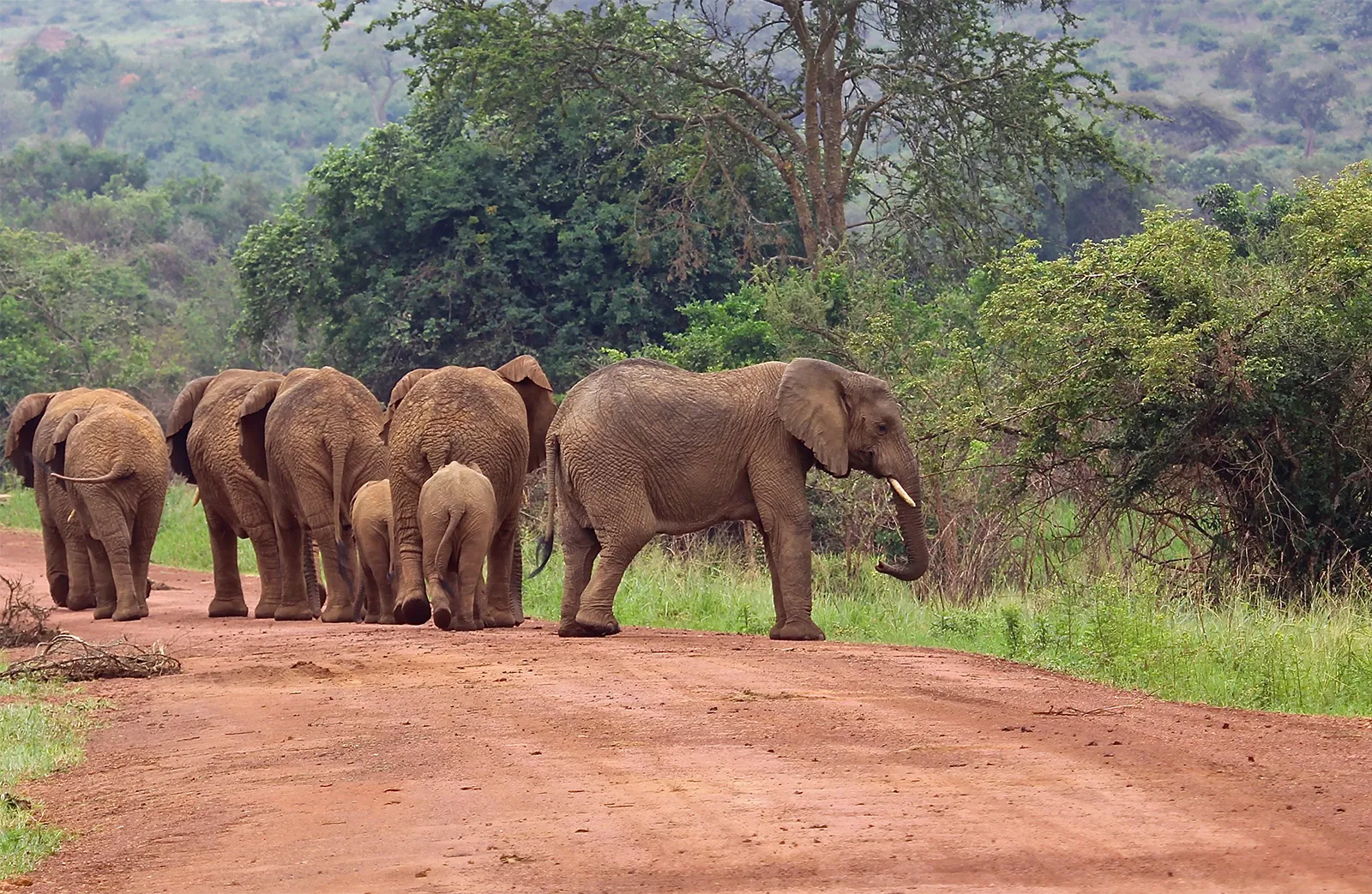
Forest elephants inhabit the deep rainforests of Maiko National Park where they move quietly through dense jungle vegetation searching for fruits, leaves, and forest plants. Smaller and darker than savannah elephants, forest elephants play an important ecological role by dispersing seeds throughout the rainforest ecosystem.
Chimpanzees
Chimpanzees are commonly found within Maiko’s tropical forests and are often heard before they are seen. Their loud vocalizations, energetic movement through trees, and highly social behavior create exciting wildlife encounters during hiking safaris and rainforest expeditions.
Congo Peafowls
Maiko National Park protects the rare Congo peafowl, a bird species found only in the Congo Basin. This colorful forest bird is one of the most sought-after sightings for birdwatchers exploring Congo’s rainforests.
Forest Monkeys
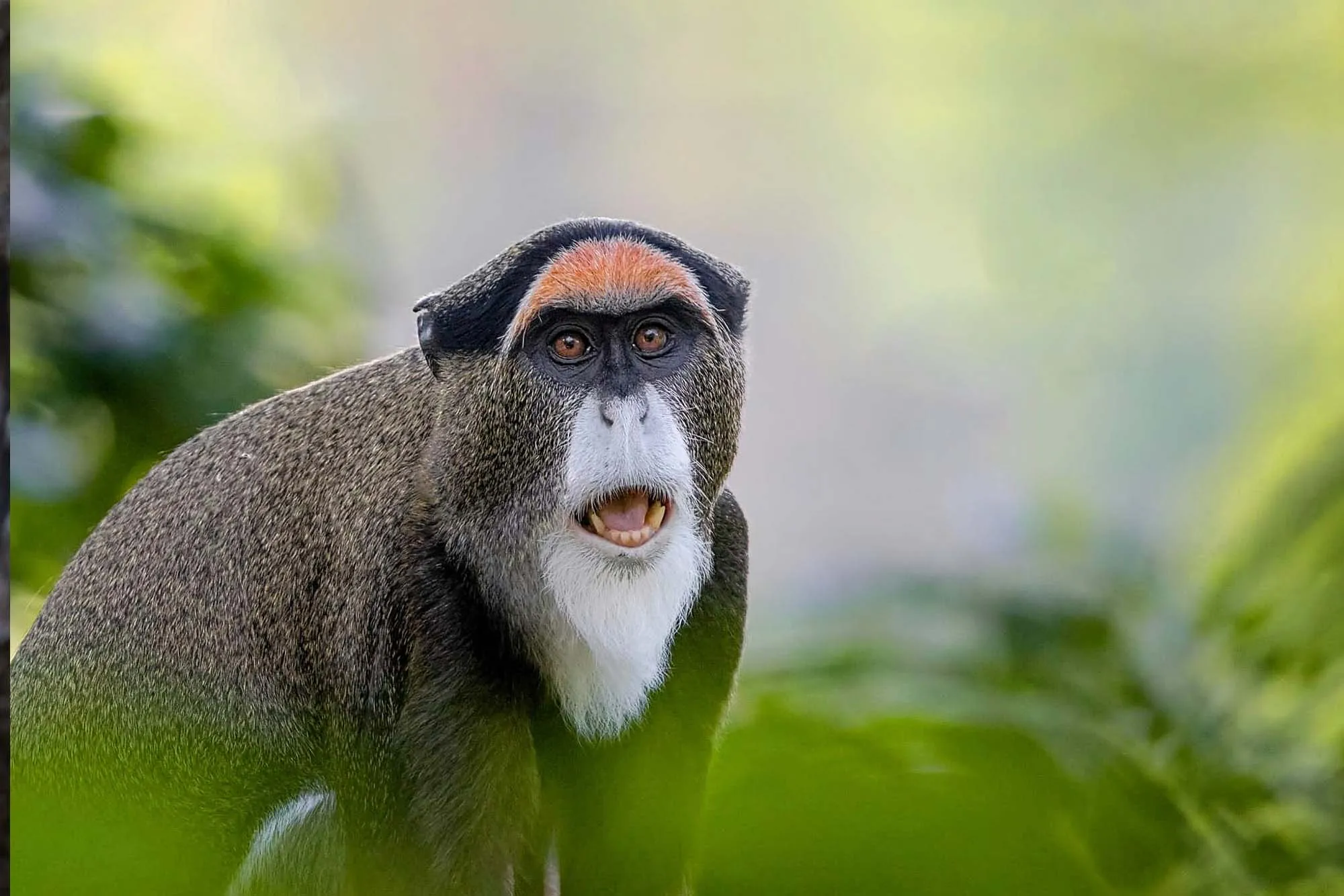
Several monkey species inhabit the forests of Maiko National Park including colobus monkeys, blue monkeys, mangabeys, and vervet monkeys. These primates are commonly seen moving through the forest canopy during jungle hikes and wildlife expeditions.
The incredible diversity of wildlife found within Maiko National Park makes it one of Congo’s most important destinations for rainforest safaris, conservation tourism, and biodiversity exploration.
Hiking Safaris in Maiko National Park
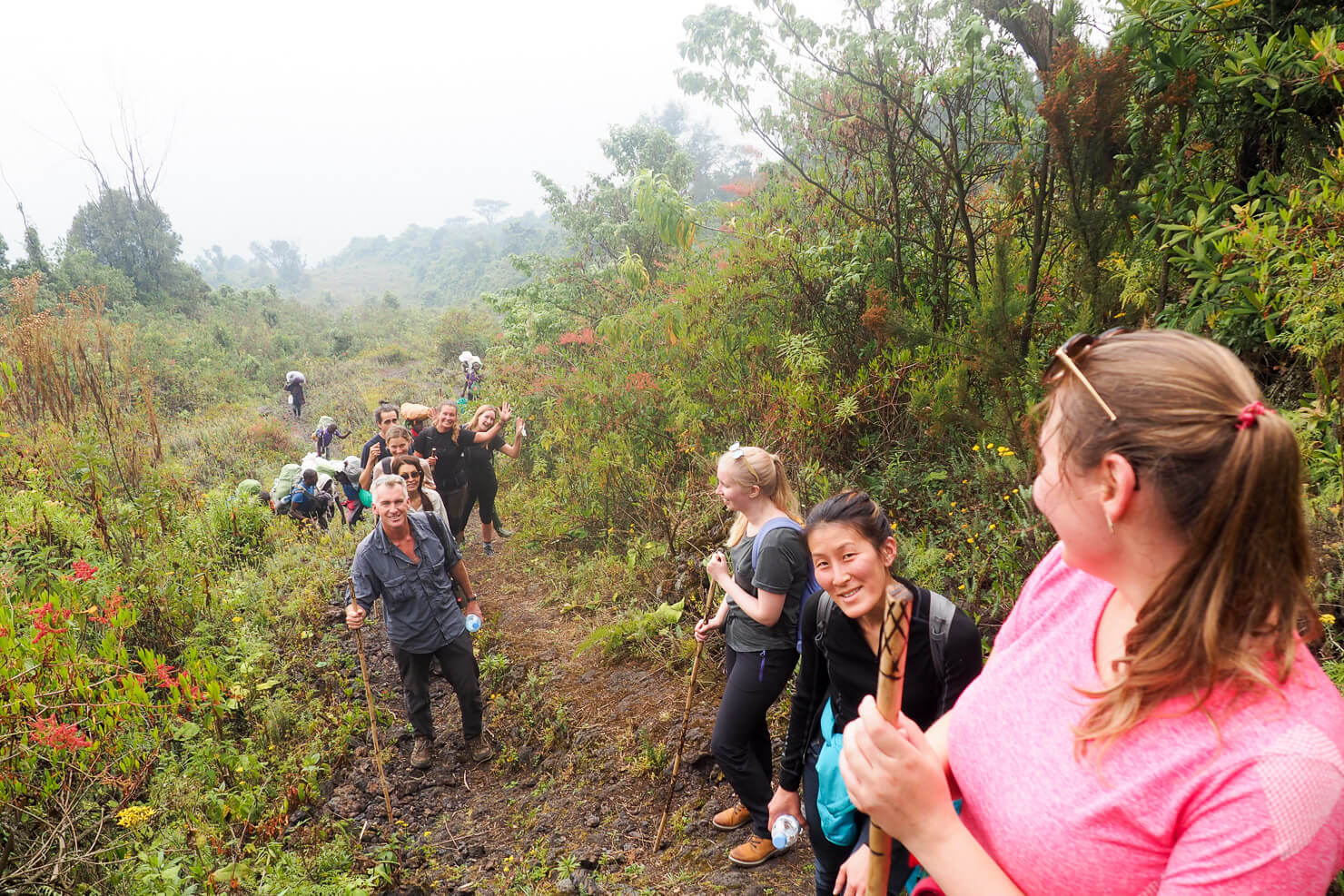
Hiking Safaris in Maiko National Park offer adventurous travelers the opportunity to explore one of Africa’s most untouched rainforest wilderness areas. The park’s remote location, dense tropical forests, river valleys, swamp ecosystems, and rugged jungle terrain create extraordinary hiking experiences filled with wildlife, biodiversity, and raw natural beauty.
Unlike crowded safari destinations, Maiko National Park provides peaceful and authentic wilderness exploration where every trail feels remote and undiscovered. Hikers move through thick rainforest vegetation, bamboo forests, muddy jungle paths, and hidden forest clearings while surrounded by birds, butterflies, monkeys, and distant wildlife sounds echoing through the Congo Basin rainforest.
Hiking safaris in Maiko are ideal for travelers seeking true adventure, rainforest exploration, wildlife encounters, photography, and conservation-focused tourism. Guided hikes led by experienced local trackers allow visitors to discover hidden sections of the rainforest while learning about wildlife behavior, medicinal plants, forest ecology, and indigenous knowledge connected to the Congo Basin ecosystem.
The untouched environment of Maiko National Park makes every hiking expedition feel exclusive and deeply immersive, offering one of the most authentic rainforest safari experiences in Central Africa.
Rainforest Exploration Experiences
Rainforest Exploration Experiences in Maiko National Park introduce travelers to one of the most biologically rich tropical forest ecosystems on earth. The dense rainforests of Maiko form part of the Congo Basin, the second-largest rainforest in the world after the Amazon.
Exploring these forests reveals giant tropical trees, hanging vines, medicinal plants, waterfalls, rivers, swamp forests, and hidden wildlife habitats untouched by modern development. The rainforest environment constantly changes throughout the journey, creating exciting opportunities for wildlife sightings, birdwatching, photography, and jungle adventure.
Travelers hiking through Maiko’s rainforests often encounter forest monkeys, butterflies, tropical birds, reptiles, chimpanzees, and signs of larger wildlife hidden within the dense vegetation. The peaceful sounds of birds, insects, flowing rivers, and distant primates create a magical atmosphere throughout the forest trails.
Rainforest exploration experiences in Maiko National Park also allow travelers to appreciate the ecological importance of the Congo Basin and the ongoing conservation efforts protecting its biodiversity. Every rainforest hike becomes both an adventure and an educational experience connected to nature, conservation, and wilderness discovery.
Birdwatching in Maiko National Park
Maiko National Park is one of the most rewarding birdwatching destinations in Congo because of its rich rainforest ecosystems and incredible diversity of tropical bird species. The park’s dense forests, wetlands, rivers, bamboo zones, and jungle clearings create ideal habitats for both endemic and migratory birds within the Congo Basin.
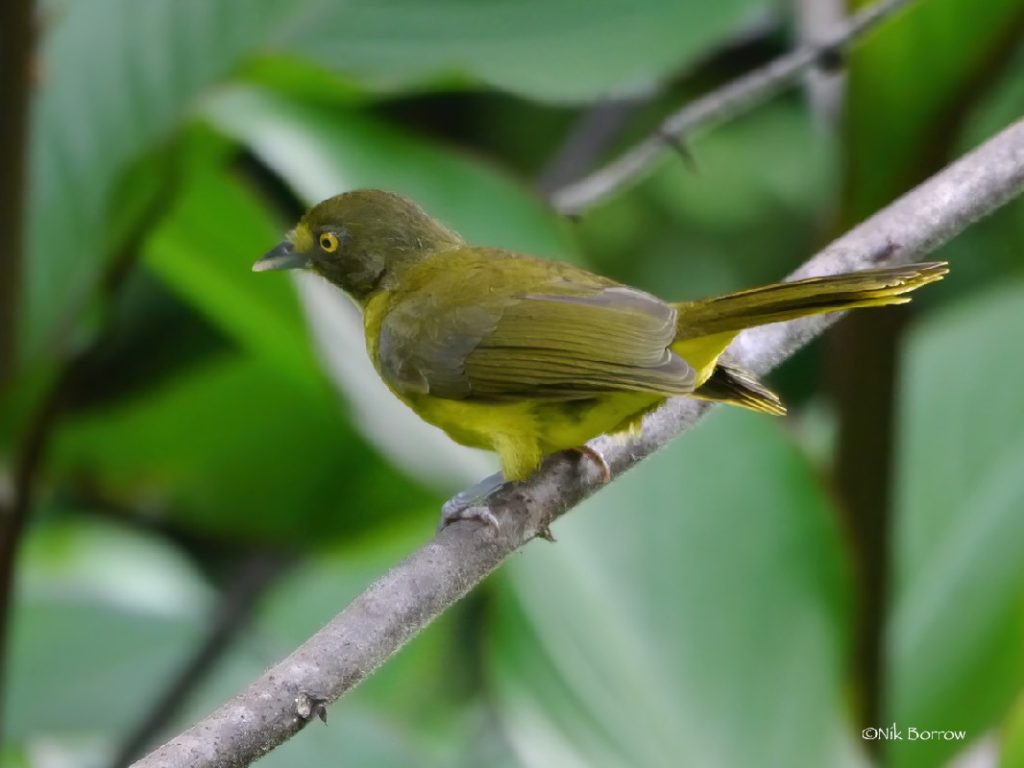
Birdwatchers exploring Maiko National Park may encounter the rare Congo peafowl, hornbills, turacos, kingfishers, forest robins, sunbirds, bee-eaters, owls, and countless colorful rainforest bird species hidden within the canopy and forest undergrowth. Morning hikes are particularly rewarding because bird activity is highest during the cooler hours of the day.
Guided birdwatching walks allow travelers to explore remote rainforest trails while experienced local guides help identify species by sight and sound. The untouched nature of Maiko’s forests creates peaceful birdwatching experiences free from crowds and heavy tourism activity.
Birdwatching in Maiko National Park combines beautifully with hiking safaris, rainforest exploration, wildlife photography, and conservation tourism, making the park an exceptional destination for nature lovers exploring Congo’s wilderness regions.
Congo Basin Biodiversity
Maiko National Park protects an extraordinary section of the Congo Basin, one of the world’s most important biodiversity hotspots. The Congo Basin rainforest supports thousands of plant and animal species while playing a critical role in global climate regulation and ecological balance.
Maiko National Park contains diverse ecosystems including tropical rainforests, swamp forests, rivers, bamboo vegetation, wetlands, and mountainous jungle terrain. These habitats support endangered eastern lowland gorillas, okapis, forest elephants, chimpanzees, Congo peafowls, reptiles, butterflies, amphibians, and hundreds of bird species.
The biodiversity of the Congo Basin is remarkable because many species found within these forests exist nowhere else in the world. The rainforest also contains thousands of tropical plant species used traditionally for medicine, food, and forest survival by indigenous communities.
Exploring Maiko National Park allows travelers to witness the incredible richness of the Congo Basin while understanding the importance of protecting these fragile ecosystems from deforestation, poaching, and habitat destruction. The park remains one of Central Africa’s most valuable conservation areas and an important refuge for endangered rainforest wildlife.
Cultural Experiences Around Maiko National Park
Cultural Experiences Around Maiko National Park add depth and authenticity to Hiking Safaris in Congo by allowing travelers to interact with local communities living near the rainforest environment. These communities maintain strong cultural connections to the forest and preserve traditions passed down through generations.
Travelers visiting villages near Maiko National Park can learn about traditional forest lifestyles, local farming practices, music, dance, storytelling, and indigenous knowledge connected to rainforest survival. Cultural encounters often include demonstrations of traditional cooking, medicinal plant use, craft making, hunting tools, and forest navigation techniques.
The region surrounding Maiko National Park is also influenced by indigenous forest cultures that possess deep ecological knowledge of the Congo Basin ecosystem. Guided cultural walks and community visits help travelers understand how local people depend on the rainforest while contributing to conservation and sustainable tourism efforts.
Traditional music, drumming, and dance performances create memorable cultural experiences that celebrate the rich heritage of Congo’s rainforest communities. These interactions provide meaningful cultural exchange while supporting local livelihoods through responsible tourism.

Best Time to Visit Maiko National Park
The best time to visit Maiko National Park is during the dry seasons from June to September and December to February when rainforest trails are less muddy and hiking conditions are more comfortable. These months are ideal for Hiking Safaris in Congo, rainforest exploration, birdwatching, wildlife tracking, and photography within the untouched Congo Basin wilderness.
During the dry seasons, travelers enjoy easier jungle hikes, clearer forest views, and more accessible rainforest trails while exploring the park’s rich biodiversity. Wildlife encounters are often more rewarding because animals move along visible forest paths and river areas searching for food and water.
The rainy seasons from March to May and October to November transform the rainforest into an incredibly green and vibrant ecosystem filled with active waterfalls, tropical flowers, butterflies, and lush jungle scenery. Although hiking becomes more challenging because of muddy trails and heavier rainfall, the rainforest appears exceptionally beautiful and full of life during these months.
Travelers visiting Maiko National Park throughout the year should prepare for tropical rainforest weather by carrying waterproof hiking boots, rain jackets, quick-drying clothing, insect repellent, and waterproof bags suitable for jungle expeditions.
How to Get to Maiko National Park
Reaching Maiko National Park requires careful planning because of its remote location deep within the Congo Basin rainforest. The journey itself becomes part of the adventure, taking travelers through tropical forests, remote towns, river systems, and rugged jungle landscapes.
Most safaris to Maiko National Park are organized through experienced Congo safari operators like Pieland Gorilla Safaris who arrange flights, road transfers, guides, permits, and logistics for rainforest expeditions. Access routes usually begin through major cities such as Goma, Kisangani, or Bukavu before continuing toward the remote rainforest regions surrounding the park.
Because infrastructure within the region remains limited, guided expeditions are highly recommended for safety, navigation, and logistical support during travel to Maiko National Park.
Flights to Congo
International travelers visiting Maiko National Park usually fly into the Democratic Republic of Congo through major airports such as Kinshasa, Goma, or Kisangani depending on their safari route and travel itinerary.
Many travelers use:
- N’djili International Airport
- Goma International Airport
- Bangoka International Airport
International airlines connecting to Congo often operate through cities such as Addis Ababa, Kigali, Nairobi, Istanbul, or Brussels before continuing into Congo.
Domestic flights within Congo may then be arranged to regional airports closer to Maiko National Park depending on road accessibility and safari logistics.

Access Through Goma or Kisangani
Goma and Kisangani are among the main gateway cities for travelers planning safaris to Maiko National Park.
Goma
Goma is commonly used by travelers combining Maiko National Park with gorilla trekking in Virunga National Park or Mount Nyiragongo hiking adventures. Goma offers regional flight connections, hotels, safari logistics, and organized overland expeditions toward the rainforest regions surrounding Maiko.
Kisangani
Kisangani provides another important access point for travelers entering northeastern Congo rainforest regions. The city connects travelers to remote jungle routes, conservation areas, and rainforest expeditions leading toward Maiko National Park and surrounding Congo Basin wilderness areas.
Road Transfers and Local Transport
Road transfers to Maiko National Park are adventurous and often involve long-distance travel through remote rainforest roads, jungle tracks, local villages, river crossings, and rugged terrain. The condition of roads varies depending on weather, rainfall, and seasonal accessibility.
Most safari operators use 4×4 safari vehicles specially equipped for rainforest travel because many routes become muddy and challenging during rainy seasons. In some remote areas, travelers may also use local boats, motorcycles, or guided walking expeditions to reach sections of the park and surrounding rainforest regions.
The remote nature of the journey adds authenticity and adventure to the experience while allowing travelers to witness Congo’s untouched landscapes, forest communities, rivers, and tropical scenery along the route.
Accommodation Near Maiko National Park
Accommodation near Maiko National Park is generally limited because of the park’s remote wilderness location. Most accommodation options focus on eco-tourism, rainforest exploration, and expedition-style safari experiences designed for adventurous travelers visiting the Congo Basin.
Travelers can stay in nearby towns, safari camps, rainforest lodges, or conservation-based accommodation depending on the route and level of comfort preferred. Most safaris are organized as tailor-made expeditions with accommodation included as part of guided Congo safari packages.
Luxury Safari Lodges
Luxury safari experiences near Maiko National Park focus mainly on exclusive rainforest expeditions and comfortable eco-lodges offering privacy, personalized services, and immersive wilderness experiences.
These lodges often provide:
- Spacious rooms or luxury safari tents
- Fine dining experiences
- Scenic rainforest surroundings
- Guided nature walks
- Personalized safari services
- Private wildlife excursions
Luxury accommodation for Congo rainforest safaris is designed to combine adventure with comfort while maintaining strong eco-tourism and conservation values connected to the surrounding rainforest ecosystems.
Midrange Accommodation
Midrange accommodation near Maiko National Park provides comfortable lodging for travelers seeking a balance between affordability and convenience during rainforest safaris.
These accommodations typically include:
- Comfortable guest rooms
- Restaurant services
- Hot showers
- Guided safari activities
- Jungle excursion arrangements
- Basic safari amenities
Midrange lodges and guesthouses are often located within nearby towns or along safari routes leading toward the rainforest regions surrounding the park.
Budget Camps and Lodges
Budget camps and lodges are suitable for adventurous travelers and backpackers seeking authentic rainforest experiences at lower costs. These camps usually focus on simplicity, eco-tourism, and close connection to nature.
Budget accommodation may include:
- Basic safari tents
- Shared facilities
- Local meals
- Guided forest hikes
- Community-based tourism experiences
- Simple eco-lodge settings
Staying in budget camps often creates a more immersive wilderness atmosphere while supporting local communities and conservation initiatives connected to Congo rainforest tourism.
What to Pack for Maiko National Park Safaris
Packing properly for Maiko National Park is extremely important because the park lies deep within the Congo Basin rainforest where weather conditions, terrain, and hiking environments can be challenging. Travelers exploring this Park should prepare for tropical rainforest conditions, muddy jungle trails, river crossings, humidity, insects, and long hiking expeditions through remote wilderness areas.
Essential items include waterproof hiking boots with strong grip because rainforest trails can become slippery and muddy during hikes. Lightweight long-sleeved clothing helps protect against insects, scratches from vegetation, and changing forest temperatures. Waterproof rain jackets and quick-drying clothing are highly recommended because rainfall is common throughout the Congo rainforest.
Travelers should also carry insect repellent, sunscreen, sunglasses, reusable water bottles, energy snacks, flashlights or headlamps, power banks, cameras, binoculars, and personal medications. Waterproof bags help protect electronics and travel documents during jungle expeditions.
For wildlife photography and birdwatching, binoculars and telephoto lenses are extremely useful while exploring the dense forests of Maiko National Park. Walking sticks can also provide additional support during difficult jungle hikes and swamp crossings.
Because the Park remains remote and largely undeveloped, travelers should pack carefully for comfort, safety, and successful rainforest exploration experiences.
Safety Tips for Visiting Maiko National Park
Visiting Maiko National Park requires proper planning and responsible travel practices because the park is located within a remote rainforest region of the Congo Basin. Travelers are strongly advised to organize safaris through experienced Congo tour operators familiar with local conditions, park regulations, and logistical requirements.
Guided safaris with professional local guides and park rangers are highly recommended because they provide important knowledge about rainforest navigation, wildlife safety, weather conditions, and local travel routes. Travelers should avoid independent exploration within remote forest areas due to the challenging terrain and isolated wilderness environment.
It is important to stay informed about current travel advisories and regional conditions before visiting Maiko National Park. Travel insurance covering medical evacuation and adventure activities is also strongly recommended for all travelers exploring Congo rainforest destinations.
Health precautions are essential during rainforest safaris. Travelers should carry malaria medication, insect repellent, first-aid supplies, and valid yellow fever vaccination certificates required for entry into the Democratic Republic of Congo.
While hiking in the rainforest, travelers should remain with guides, follow ranger instructions carefully, stay hydrated, and wear proper hiking gear suitable for jungle environments. Responsible and organized travel helps ensure safe and rewarding safari experiences within Maiko National Park.
Conservation Efforts in Maiko National Park
This Park plays a vital role in protecting one of Central Africa’s most important rainforest ecosystems. The park safeguards endangered wildlife species, tropical forests, rivers, wetlands, and biodiversity within the Congo Basin, one of the world’s largest rainforest regions.
Conservation efforts focus heavily on protecting eastern lowland gorillas, okapis, forest elephants, chimpanzees, Congo peafowls, and countless rainforest species threatened by habitat destruction, poaching, illegal mining, and deforestation.
Park authorities, conservation organizations, and eco-tourism initiatives work together to support wildlife monitoring, anti-poaching patrols, community conservation programs, and environmental education projects aimed at preserving the park’s biodiversity for future generations.
Sustainable tourism also contributes to conservation by supporting local employment, eco-tourism development, and responsible rainforest exploration. Travelers visiting Maiko National Park help generate awareness and funding that support conservation activities protecting Congo’s wildlife and tropical forests.
The protection of this Park is globally important because the Congo Basin rainforest plays a major role in regulating climate, storing carbon, and preserving biodiversity within one of Earth’s most valuable natural ecosystems.
Combining Maiko National Park with Other Congo Safaris
Combining Maiko National Park with other Congo safari destinations creates extraordinary multi-adventure experiences filled with rainforest exploration, gorilla trekking, volcano hiking, wildlife encounters, and Congo Basin discovery.
Travelers exploring Maiko National Park often combine the experience with nearby national parks and wilderness regions to enjoy a wider variety of wildlife, landscapes, and adventure activities across the Democratic Republic of Congo.
Virunga National Park
Virunga National Park is one of the best destinations to combine with Maiko National Park because it offers mountain gorilla trekking, active volcano hiking, rainforest exploration, birdwatching, and breathtaking volcanic scenery within the Virunga Mountains.
Combining both parks creates an exceptional Congo safari itinerary featuring lowland rainforest wildlife in Maiko alongside mountain gorillas and volcanic adventures in Virunga National Park.
Kahuzi-Biega National Park
Kahuzi-Biega National Park is internationally famous for eastern lowland gorilla trekking experiences within dense tropical rainforests. Travelers combining Kahuzi-Biega with Maiko National Park enjoy incredible biodiversity, rainforest hiking, birdwatching, waterfalls, and authentic Congo wilderness adventures.
The combination allows travelers to experience different rainforest ecosystems and some of Africa’s rarest wildlife species within one safari journey.
Nyiragongo Volcano Hiking
Hiking Mount Nyiragongo is one of Africa’s greatest volcano adventures and combines perfectly with Maiko National Park safaris. The challenging hike to the summit reveals the world’s largest active lava lake glowing deep inside the volcanic crater.
Travelers combining Nyiragongo hiking with Maiko rainforest exploration enjoy dramatic contrasts between volcanic landscapes, tropical rainforests, wildlife encounters, and mountain adventure experiences.
Bonobo Tracking Safaris
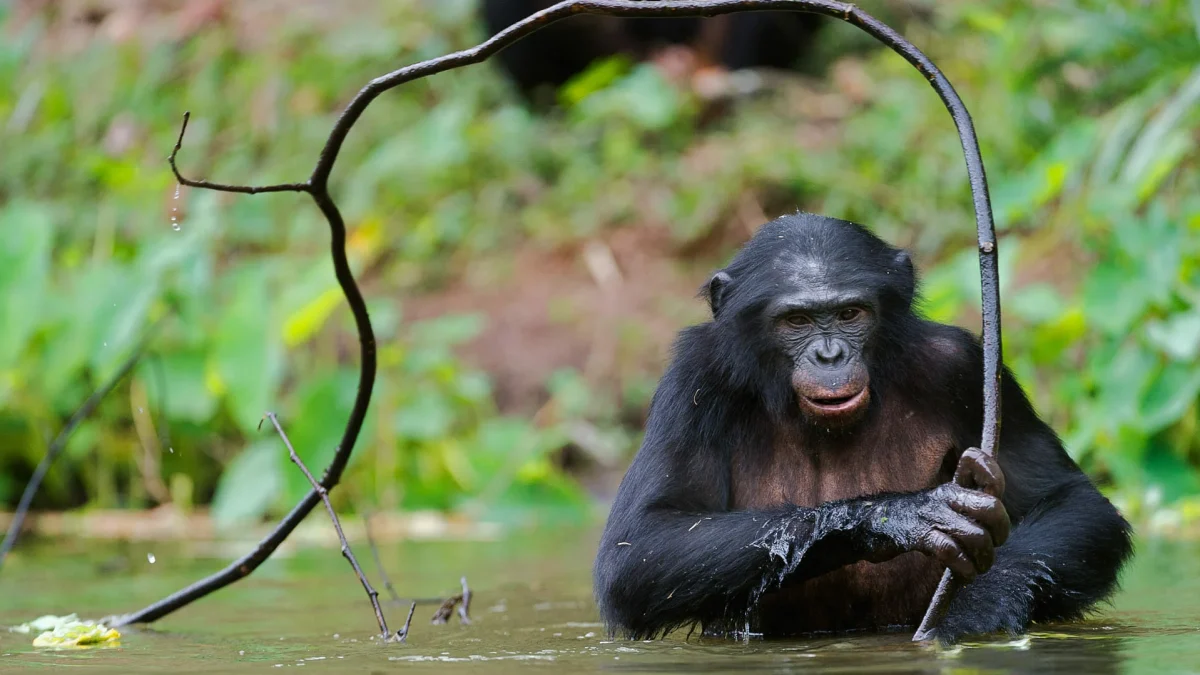
Bonobo Tracking Safaris in Congo offer rare opportunities to observe bonobos, one of humanity’s closest relatives, within the untouched Congo Basin rainforests. Combining bonobo tracking with Maiko National Park safaris creates extraordinary rainforest expeditions focused on biodiversity, conservation, and primate encounters.
Travelers hiking through the Congo rainforest may encounter bonobos, chimpanzees, forest elephants, birds, butterflies, and other wildlife while exploring one of Africa’s richest tropical ecosystems. The combination creates one of the most immersive and authentic rainforest safari experiences available in Central Africa.
Why Book Maiko National Park Safaris with Pieland Gorilla Safaris
Pieland Gorilla Safaris specializes in unforgettable Congo safari adventures designed for travelers seeking authentic rainforest exploration, wildlife encounters, and expertly guided Hiking Safaris in Congo. With extensive experience organizing safaris across the Democratic Republic of Congo, the company offers carefully planned expeditions to Maiko National Park and other iconic Congo safari destinations.
Travelers booking with Pieland Gorilla Safaris benefit from experienced local guides, personalized safari itineraries, reliable transportation, permit assistance, accommodation booking, and deep knowledge of Congo’s rainforest regions. The company focuses on responsible tourism, conservation support, traveler safety, and authentic wilderness experiences that showcase the beauty of the Congo Basin.
Whether travelers are interested in rainforest hiking, gorilla trekking, birdwatching, bonobo tracking, or volcano adventures, Pieland Gorilla Safaris creates tailor-made safari experiences suitable for luxury, midrange, and budget travelers exploring Congo.
Request a Tailor-Made Congo Safari.
Frequently Asked Questions About Maiko National Park
What is Maiko National Park famous for?
This Park is famous for untouched rainforests, eastern lowland gorillas, okapis, chimpanzees, forest elephants, and authentic Congo wilderness adventures.
Where is Maiko National Park located?
The park is located in northeastern Democratic Republic of Congo within the provinces of North Kivu, Maniema, and Tshopo.
Is Maiko National Park safe to visit?
Travelers should visit with experienced Congo safari operators and stay updated on regional travel conditions and park regulations.
What wildlife can be seen in Maiko National Park?
Wildlife includes eastern lowland gorillas, okapis, chimpanzees, forest elephants, monkeys, birds, reptiles, and butterflies.
Are gorillas found in Maiko National Park?
Yes. Eastern lowland gorillas live within the dense rainforests of Maiko National Park.
What is the best time to visit Maiko National Park?
The best months are generally June to September and December to February during the drier seasons.
Can tourists do hiking safaris in Maiko National Park?
Yes. Hiking safaris are among the main activities in the park.
Is Maiko National Park good for birdwatching?
Yes. The park protects many rainforest bird species including the rare Congo peafowl.
How large is Maiko National Park?
The park covers approximately 10,885 square kilometers.
What should I pack for Maiko National Park safaris?
Pack waterproof hiking boots, rain jackets, insect repellent, long-sleeved clothing, binoculars, and waterproof bags.
Can I combine Maiko National Park with Virunga National Park?
Yes. Many Congo safaris combine both parks for gorilla trekking and rainforest adventures.
Does Maiko National Park have luxury lodges?
Accommodation is limited but some safari expeditions offer comfortable eco-lodge experiences.
Are guided safaris required in Maiko National Park?
Yes. Guided safaris are highly recommended because of the park’s remote rainforest environment.
What is the Congo Basin rainforest?
The Congo Basin is the second-largest tropical rainforest in the world after the Amazon.
Can I see okapis in Maiko National Park?
Yes. Maiko protects important okapi habitats within the Congo rainforest.
Is Maiko National Park crowded?
No. The park remains remote and receives relatively few visitors.
What kind of landscapes are found in Maiko National Park?
The park contains rainforests, rivers, swamps, wetlands, bamboo forests, and jungle trails.
Are chimpanzees found in this park?
Yes. Chimpanzees inhabit the tropical forests of the park.
How difficult are hiking safaris in Maiko National Park?
Difficulty varies depending on trail conditions, weather, and hiking routes.
What conservation efforts protect Maiko National Park?
Conservation focuses on anti-poaching, wildlife protection, rainforest conservation, and eco-tourism support.
Is Maiko National Park a UNESCO World Heritage Site?
The park is internationally recognized for its ecological importance within the Congo Basin.
Can beginners visit Maiko National Park?
Yes, but travelers should be prepared for adventurous rainforest conditions.
Are cultural experiences available near Maiko National Park?
Yes. Travelers can visit local communities and experience Congolese culture and traditions.
How do travelers reach Maiko National Park?
Access usually involves flights to Congo followed by road transfers and guided rainforest expeditions.
Which airport is best for Maiko National Park safaris?
Travelers commonly access the region through Goma or Kisangani.
Can Maiko safaris be combined with Nyiragongo hiking?
Yes. Many Congo itineraries combine rainforest adventures with volcano hiking.
Are bonobo safaris available in the park?
Yes. Bonobo tracking safaris can be combined with Congo rainforest expeditions.
Why is Maiko National Park important?
The park protects rare wildlife and one of Africa’s most important rainforest ecosystems.
Are rainforest expeditions available in the Park?
Yes. Multi-day rainforest expeditions are among the top safari experiences in the region.
Why book with Pieland Gorilla Safaris?
Pieland Gorilla Safaris offers experienced guides, customized itineraries, conservation-focused safaris, and authentic Congo rainforest adventures.
Book Your Safari in Congo
Book your unforgettable safari with Pieland Gorilla Safaris and experience one of Africa’s last great rainforest wilderness destinations. Explore untouched Congo Basin forests, encounter rare wildlife, enjoy Hiking Safaris in Congo, and discover authentic adventure experiences filled with biodiversity, conservation, and breathtaking tropical scenery.