
Little Monkey Camp – Best Safari Camp in Kibale National Park
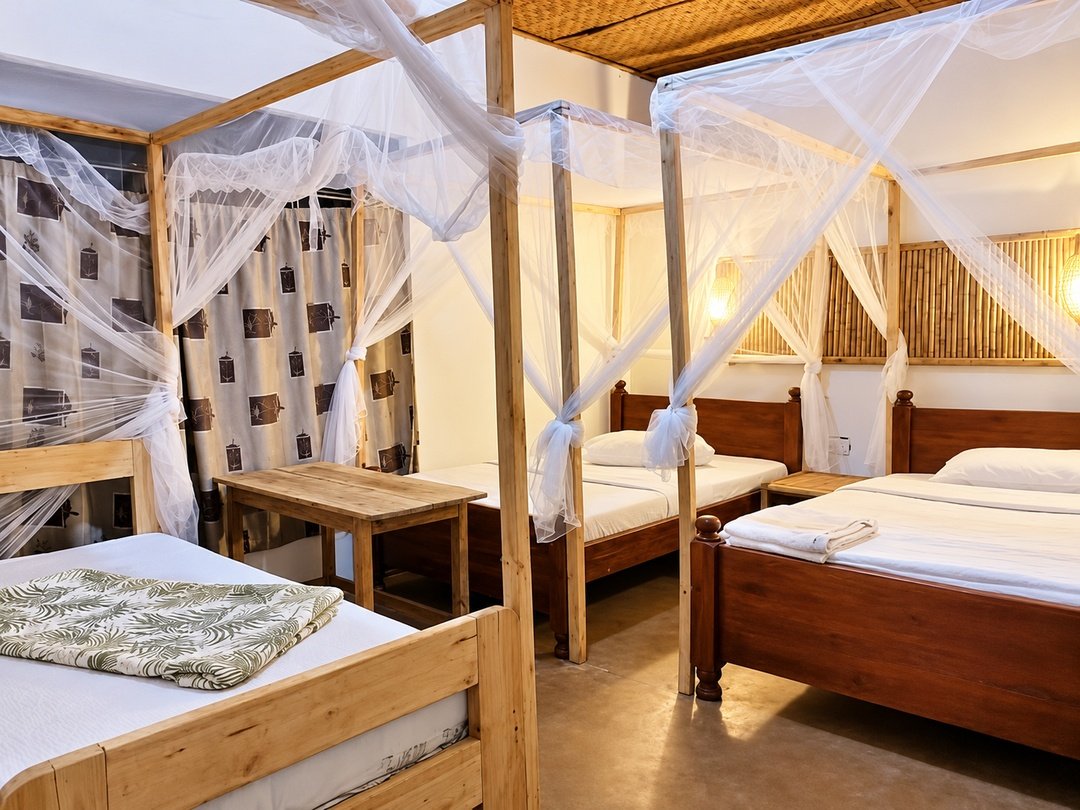
Little Monkey Camp is a peaceful safari accommodation on the edge of Uganda’s remarkable Kibale Forest, offering travelers a convenient base for chimpanzee trekking, primate encounters, birding, nature experiences and exploration of western Uganda. Surrounded by the green landscapes associated with Kibale, the camp combines a relaxed forest atmosphere with comfortable accommodation for visitors who want to stay close to one of Uganda’s most important primate destinations.
For travelers searching for a safari camp in Kibale National Park, location is an important consideration. Early-morning chimpanzee activities are easier to manage when your accommodation is positioned close to the forest and the main tourism areas. Little Monkey Camp provides this convenience while allowing visitors to enjoy the quieter side of a Kibale safari, where mornings may begin with birdsong, mist-covered vegetation and the sounds of primates in the surrounding landscape.
Kibale National Park is internationally known for its primates, with chimpanzee trekking remaining the major reason many travelers include the forest on their Uganda safari itinerary. Staying at Little Monkey Camp therefore places visitors in an excellent position to combine comfortable accommodation with one of East Africa’s most rewarding wildlife experiences.
Whether you are planning a dedicated chimpanzee safari, a longer Uganda wildlife journey, a birding holiday, a family adventure or a combined gorilla and chimpanzee trekking itinerary, Little Monkey Camp can serve as an attractive base from which to experience Kibale and the wider Fort Portal region.
Book Your Stay at Little Monkey Camp Reserve Your Chimp Trek Via Whatsapp
About Little Monkey Camp
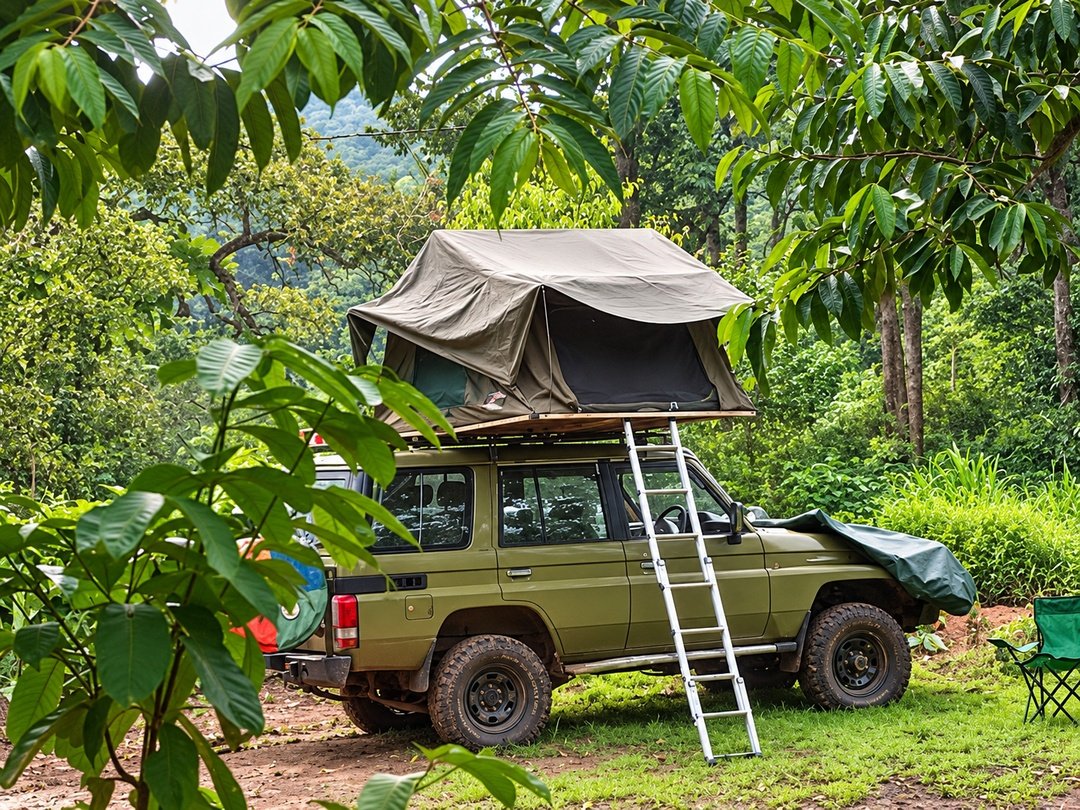
Little Monkey Camp has been developed around the idea of providing visitors with a comfortable place to stay while retaining the natural character of the Kibale Forest environment. Rather than separating travelers from the destination they have come to experience, the setting encourages guests to remain connected to the surrounding landscape.
The atmosphere is particularly suitable for travelers who appreciate smaller safari camps, greenery and a more relaxed environment. After several hours exploring Kibale Forest, visitors can return to the camp, settle into their accommodation and enjoy the slower rhythm of western Uganda.
One of the major attractions of staying here is the relationship between the camp and the surrounding forest ecosystem. Kibale is not simply a destination for seeing chimpanzees. It is a complex tropical environment filled with primates, birds, butterflies, forest vegetation and communities whose lives have long been connected to the surrounding landscapes.
A stay at Little Monkey Camp therefore works especially well for travelers who want their accommodation to feel like part of their Kibale experience rather than simply somewhere to sleep between activities.
Location of Little Monkey Camp Near Kibale National Park
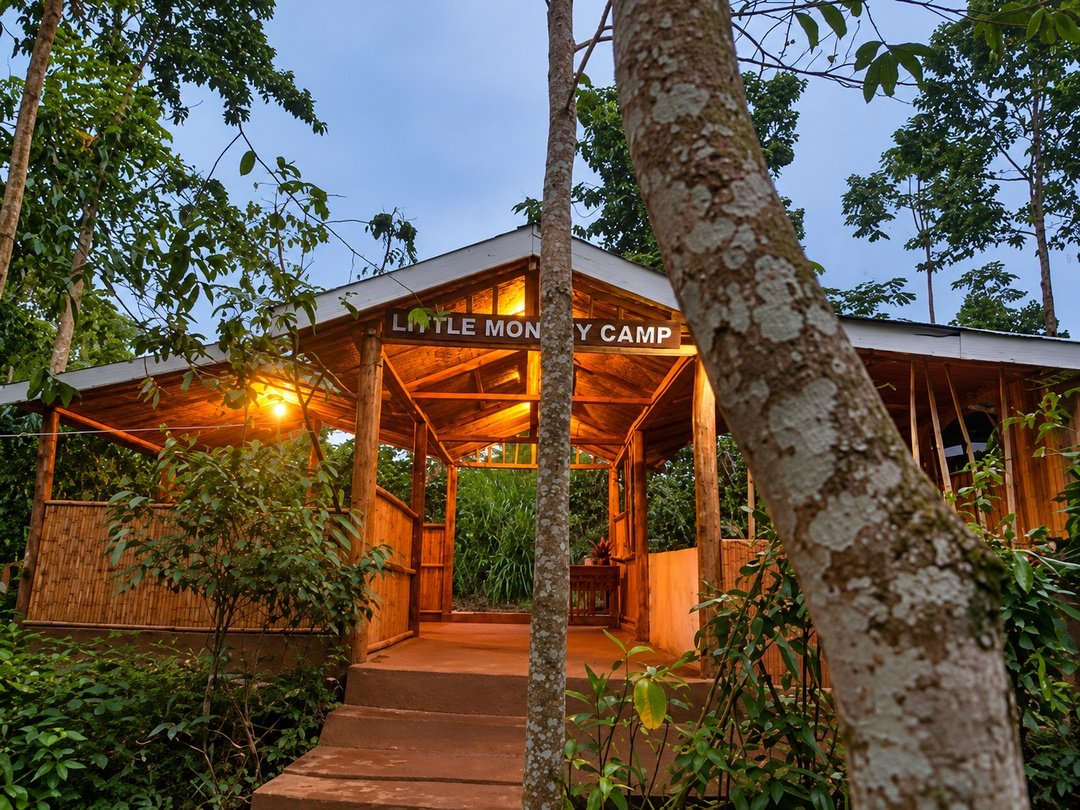
The location of Little Monkey Camp is one of its strongest advantages. The camp sits close to Kibale Forest and provides convenient access to the Kanyanchu area, which is closely associated with chimpanzee trekking and other visitor activities in Kibale.
Staying close to the forest can be particularly valuable on a chimpanzee trekking morning. Safari activities often require travelers to arrive in time for registration and briefing before entering the forest with experienced guides. Reducing unnecessary transfer time can make the morning more comfortable and allow visitors to begin their experience feeling prepared rather than rushed.
The surrounding region is also well positioned for exploring other attractions around Kibale. Travelers can combine their chimpanzee experience with Bigodi, local communities, crater lakes, birding areas and the beautiful countryside surrounding Fort Portal.
The location also makes Little Monkey Camp useful on longer Uganda itineraries. Kibale commonly fits between destinations such as Queen Elizabeth National Park, the Fort Portal region, Bwindi Impenetrable National Park and other western Uganda attractions.
Accommodation at Little Monkey Camp
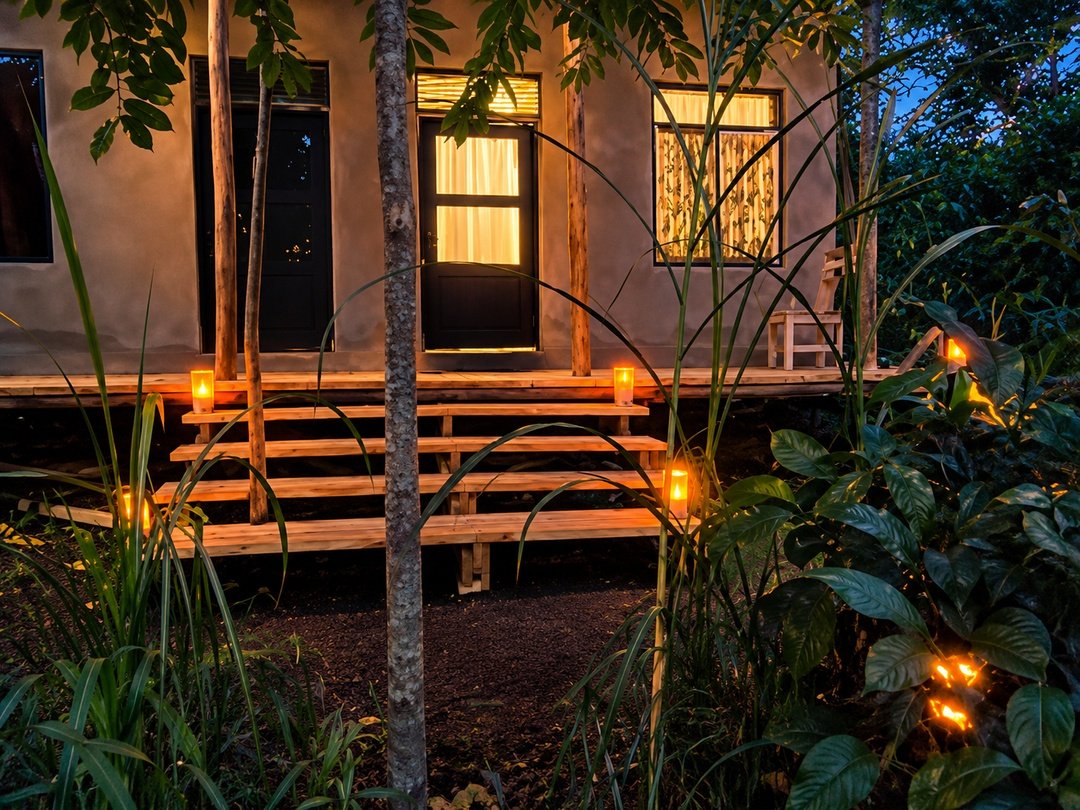
Accommodation plays an important role in shaping the overall safari experience, particularly after active days spent trekking through tropical forest. Little Monkey Camp provides comfortable rooms designed to give travelers somewhere peaceful to rest before and after their Kibale adventures.
The camp setting emphasizes views and access to the surrounding natural environment. Private outdoor areas allow travelers to sit quietly, enjoy the atmosphere and appreciate the greenery around Kibale without needing to leave the property.
Private bathroom facilities add convenience for travelers returning from forest activities, while comfortable sleeping arrangements make the camp suitable for visitors spending one or several nights in the area.
Depending on travel arrangements and available room configurations, the camp can appeal to solo travelers, couples, friends and families. Travelers planning a specific room arrangement should always confirm their requirements when arranging their stay.
What makes accommodation near Kibale especially memorable is that the forest experience does not necessarily disappear when the scheduled activity ends. Birds, monkeys and the sounds of the surrounding landscape can continue to provide a sense of connection with nature throughout the day.
Facilities and Guest Comfort
A safari camp does not need to be overly elaborate to deliver an enjoyable stay. What matters most is whether guests have the facilities required to rest comfortably, eat well and prepare for their next activity.
Little Monkey Camp provides facilities intended to support travelers exploring Kibale. Dining areas allow guests to enjoy meals without needing to travel elsewhere after a long day, while outdoor spaces help preserve the relaxed safari atmosphere.
Visitors can spend time on their veranda or other outdoor areas, reflect on the day’s chimpanzee sightings, sort photographs or simply enjoy Uganda’s forest environment.
Travelers should remember that staying near a tropical forest is different from staying in a large urban hotel. The appeal comes partly from being close to nature. Sounds of birds, insects and primates can become part of the experience rather than interruptions to it.
This character makes Little Monkey Camp particularly attractive to nature-oriented travelers who prefer authenticity, convenience and atmosphere over unnecessary formality.
Dining at Little Monkey Camp
Meals become an important part of a safari when travelers are spending long hours outdoors. A good breakfast prepares visitors for an active morning, while an enjoyable evening meal provides time to relax and discuss the day’s experiences.
Little Monkey Camp offers dining for guests staying near Kibale Forest. Current camp information emphasizes meat-free dining, making the property particularly interesting for vegetarian travelers or visitors who enjoy fresh plant-based meals during their safari.
Breakfast can be especially important on chimpanzee trekking days because visitors may spend several hours walking through uneven forest terrain. Travelers should discuss meal times with the camp in advance when an early departure is required.
Lunch and dinner provide an opportunity to slow down after the day’s activities. Depending on the program, travelers may also require packed meals when undertaking longer excursions.
Guests with allergies, dietary preferences or specific meal requirements should communicate these before arrival so appropriate arrangements can be discussed.
Chimpanzee Trekking from Little Monkey Camp
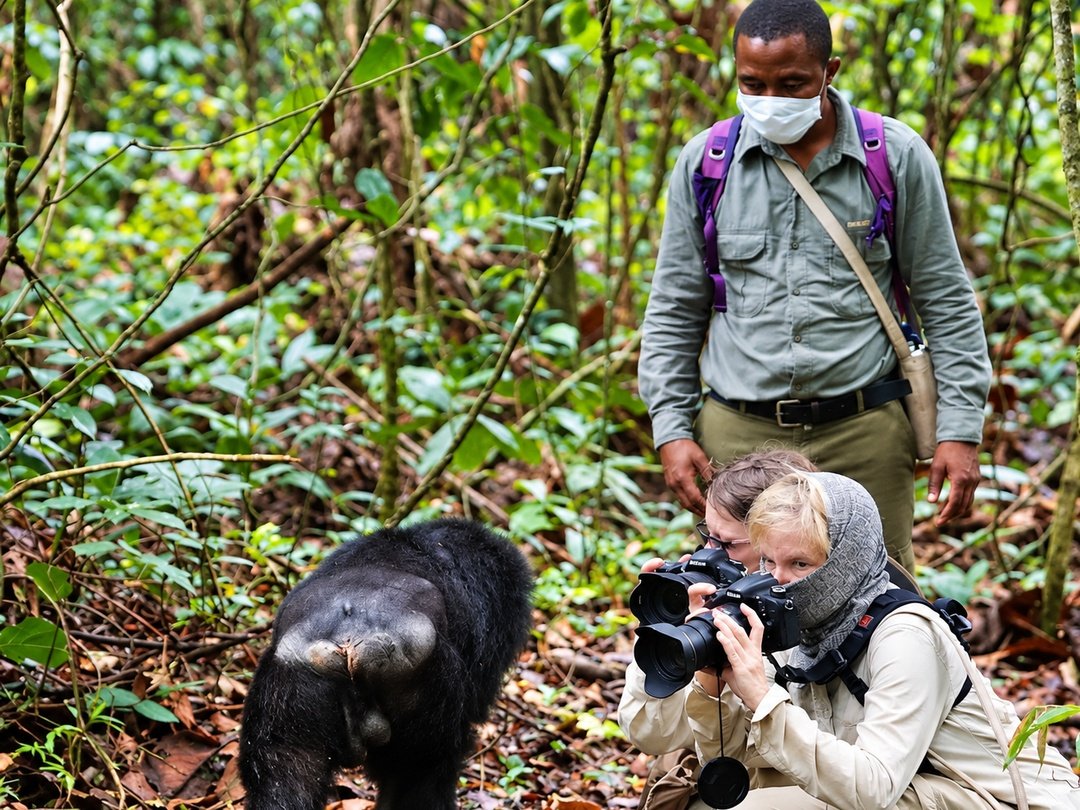
Kibale offers visitors the opportunity to enter the tropical forest with trained guides and search for habituated chimpanzees living within their natural habitat. The experience is very different from observing wildlife from a safari vehicle because travelers explore the forest on foot, becoming immersed in the sounds, vegetation and movements of one of Uganda’s richest primate ecosystems.
You walk beneath the forest canopy listening for calls and movement while experienced guides interpret signs that may reveal where a chimpanzee community has traveled. Sometimes the first clue comes from distant vocalizations echoing through the trees. At other times, movement high in the canopy may reveal chimpanzees feeding, climbing or traveling between trees.
The search itself is part of the adventure. Conditions vary from one trek to another because chimpanzees are wild animals that move freely throughout the forest. This makes every chimpanzee trekking experience in Kibale different.
Once chimpanzees are located, visitors have an extraordinary opportunity to observe their natural behavior. They may be feeding, resting, climbing, grooming one another, communicating through vocalizations or moving together through the forest. These encounters provide fascinating insight into the social structure and daily lives of one of humanity’s closest living relatives.
For photographers, primate enthusiasts, wildlife lovers and first-time safari travelers, these moments can become some of the strongest memories of a journey through Uganda.
Chimpanzee Trekking Permits Through Little Monkey Camp
For visitors interested in chimpanzee trekking, Little Monkey Camp can assist with securing chimpanzee trekking permits from the Uganda Wildlife Authority, helping travelers coordinate one of the most important requirements of a Kibale safari.
Chimpanzee permits should ideally be arranged before arriving at Kibale, particularly when traveling during busy safari periods. Having accommodation, trekking dates and permits coordinated together can make safari planning much easier and reduce the risk of arriving when the preferred trekking session is unavailable.
Visitors planning to stay at Little Monkey Camp can therefore arrange their accommodation alongside their chimpanzee trekking plans, creating a smoother experience from arrival through to the day of the trek.
Because chimpanzee permit availability can change, travelers are encouraged to confirm their preferred trekking dates as early as possible.
Stay Close to the Chimpanzee Trekking Experience
Staying at Little Monkey Camp makes it easier to organize your accommodation around chimpanzee trekking because the camp is located close to Kibale’s major chimpanzee tourism area.
This is particularly useful for morning trekking sessions, when visitors may need to report for registration and briefing before entering the forest. Staying nearby reduces unnecessary early-morning driving and gives travelers more time to prepare comfortably for the trek.
After returning from the forest, guests can relax at the camp, review photographs and enjoy the peaceful surroundings rather than immediately beginning a long transfer to another destination.
Safari Transfers from Little Monkey Camp to Other Uganda National Parks
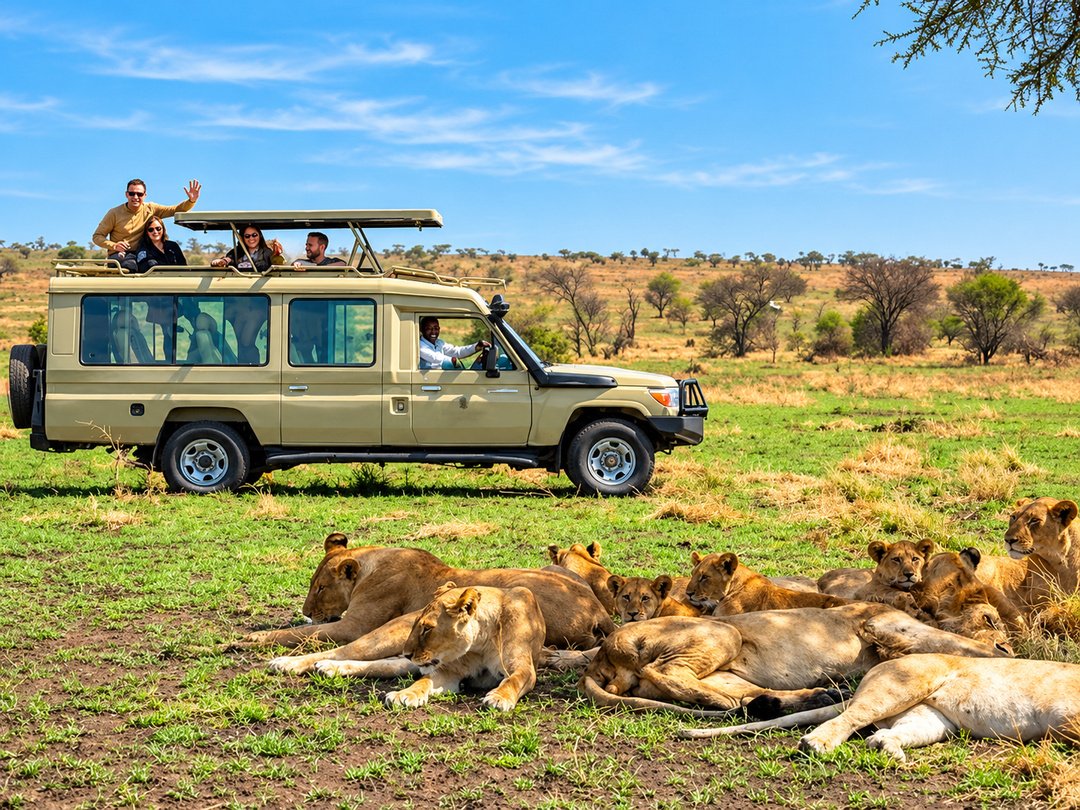
Little Monkey Camp can also help travelers continue their Uganda safari beyond Kibale by organizing transfers to other national parks and major wildlife destinations.
Visitors can arrange onward transfers to Semuliki National Park, an excellent addition for travelers interested in birding, lowland forest ecosystems and the famous Sempaya hot springs.
Transfers can also be organized toward Lake Mburo National Park, where visitors can experience savannah wildlife, game viewing, birding and other activities before continuing toward Kampala or Entebbe.
Travelers heading south can connect Little Monkey Camp with Bwindi Impenetrable National Park, allowing them to combine chimpanzee trekking in Kibale with mountain gorilla trekking in one of Uganda’s most famous protected forests.
Another option is Mgahinga Gorilla National Park, where travelers can continue their primate adventure with mountain gorilla trekking, golden monkey experiences and dramatic views of the Virunga volcanoes.
For visitors planning a longer Uganda safari, transfers can also be arranged toward Murchison Falls National Park, where game drives, Nile experiences and the spectacular Murchison Falls provide a dramatic contrast to the forests of Kibale.
This makes Little Monkey Camp more than simply a place to stay for chimpanzee trekking. It can serve as a convenient safari base from which travelers connect Kibale with Uganda’s wider national park circuit.
Build a Complete Uganda Primate and Wildlife Safari
A stay at Little Monkey Camp can therefore form part of a much larger Uganda adventure. Travelers may begin with chimpanzee trekking in Kibale before continuing to Bwindi or Mgahinga for gorilla trekking, Semuliki for birding and forest exploration, Lake Mburo for savannah wildlife or Murchison Falls for a combination of game viewing and Nile experiences.
By combining accommodation, chimpanzee permit assistance and onward safari transfers, Little Monkey Camp can help simplify the logistics of exploring several of Uganda’s major wildlife destinations.
For visitors whose main interest is chimpanzee trekking, staying close to Kibale while arranging permits and onward transportation from one point creates a more convenient and connected safari experience.
Chimpanzee Habituation Experience in Kibale
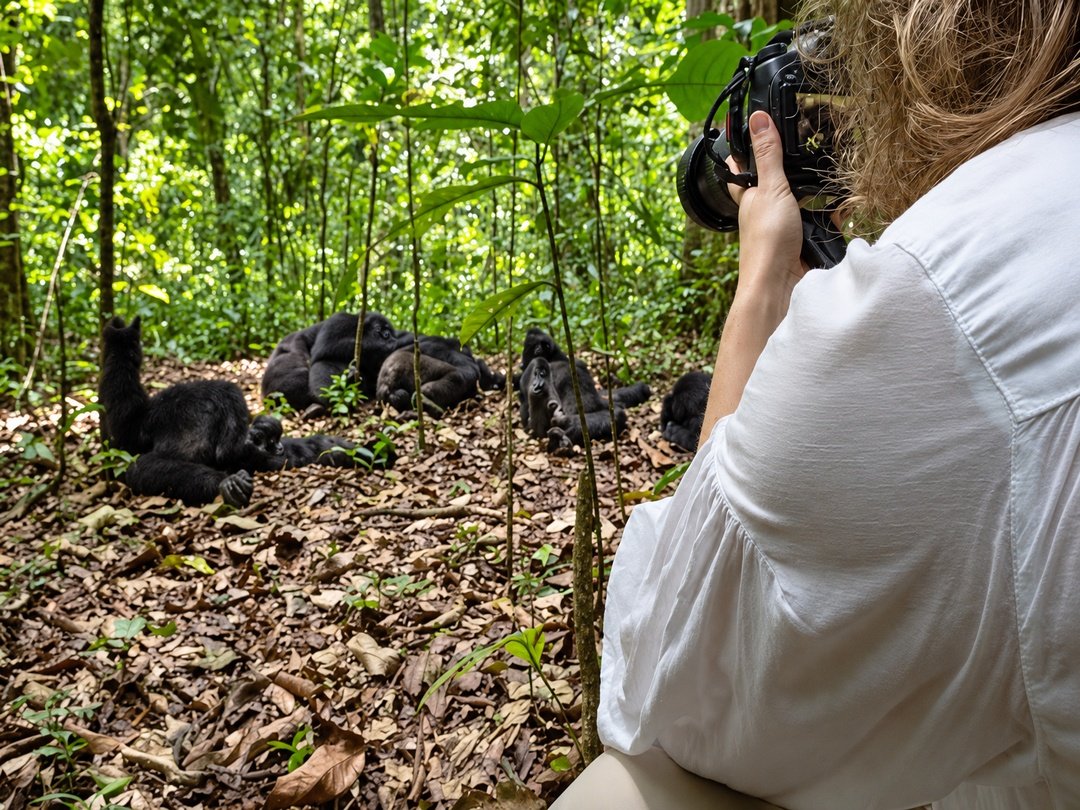
Travelers who want a deeper primate encounter may also investigate the chimpanzee habituation experience available in the Kibale area.
Chimpanzee habituation differs from a standard trekking experience because it is designed around spending considerably more time following chimpanzees that are being accustomed to the presence of researchers and visitors.
For serious wildlife enthusiasts, photographers and travelers fascinated by primate behavior, the additional time in the forest can provide opportunities to observe patterns that may not become apparent during a shorter encounter.
The experience can involve considerable walking, and forest conditions may vary with weather and chimpanzee movements. Participants should therefore be reasonably prepared for an active day and should bring appropriate trekking clothing, footwear, drinking water and rain protection.
Little Monkey Camp can work well as accommodation for travelers planning this type of Kibale experience because staying near the forest simplifies the beginning and end of a demanding day.
Other Activities Around Little Monkey Camp
Although chimpanzees receive much of the attention, travelers should avoid thinking of Kibale as a one-activity destination.
Several additional experiences can turn a short stop into a rewarding multi-night stay.
Bigodi Wetland Experience
Bigodi is one of the best-known community and nature experiences near Kibale. Guided walks through the wetland environment introduce visitors to birds, primates, vegetation and rural life around the forest.
The slower walking pace provides a different experience from chimpanzee trekking and can be particularly enjoyable for birdwatchers and photographers.
Including Bigodi alongside chimpanzee trekking also helps travelers gain a broader understanding of how communities and conservation areas interact.
Birdwatching
The Kibale region is an excellent destination for travelers interested in birds.
Forest edges, wetlands, gardens and surrounding agricultural landscapes create varied habitats, giving birdwatchers opportunities to encounter numerous species without limiting themselves to the national park interior.
Guests staying at Little Monkey Camp can begin listening and looking for birds from around their accommodation before continuing to more dedicated birding locations.
Nature Walks
Guided nature walks offer travelers an opportunity to appreciate the smaller details that can be missed when attention is focused entirely on major wildlife.
Plants, butterflies, insects, birds, primate calls and forest ecology all become more meaningful when interpreted by someone familiar with the area.
Community Experiences
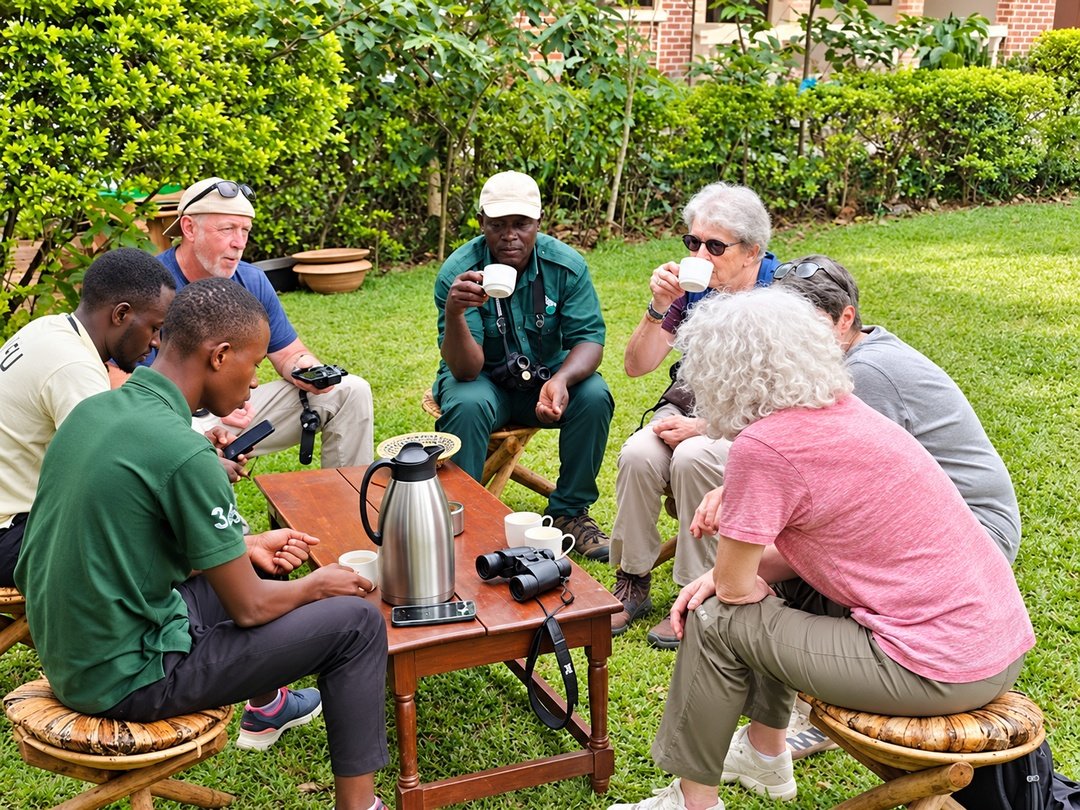
The communities surrounding Kibale contribute greatly to the character of the destination.
Cultural experiences may introduce visitors to traditional lifestyles, agriculture, coffee, food preparation, local knowledge and other aspects of everyday life in western Uganda.
Responsible community tourism is most rewarding when it encourages genuine interaction rather than staged encounters.
Crater Lake Exploration
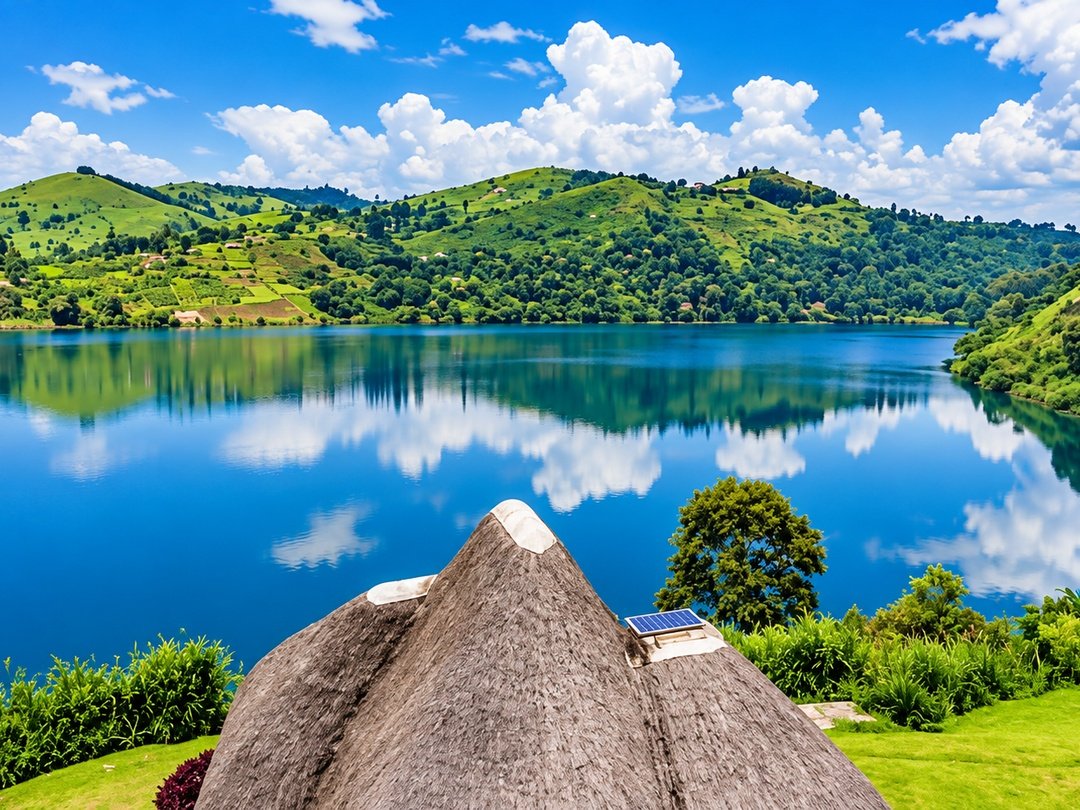
The Fort Portal and Kibale region contains spectacular crater-lake landscapes formed by ancient volcanic activity.
Visitors with additional time can explore viewpoints, rural trails, lakes and the rolling countryside that distinguishes this part of Uganda.
A crater-lake excursion works particularly well as a relaxed activity before or after a demanding forest trek.
Wildlife Around Kibale National Park
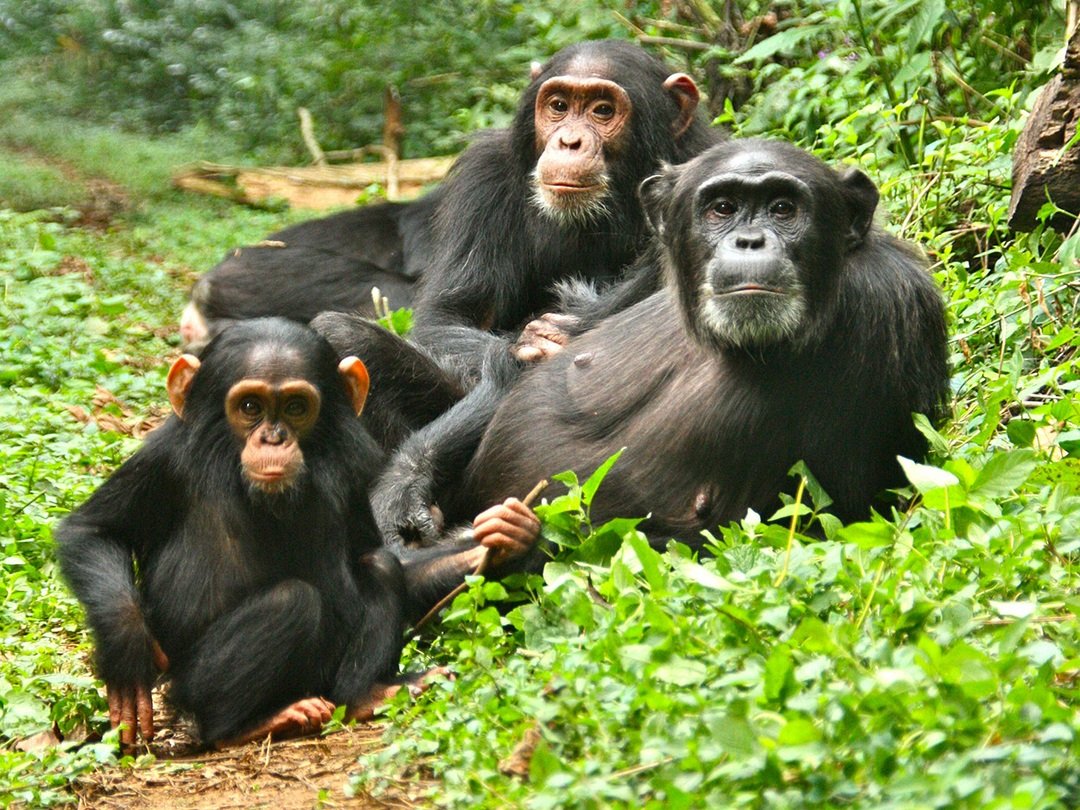
Kibale is often associated with chimpanzees, but its biodiversity extends much further.
The forest supports numerous primates, making almost every walk interesting for visitors who enjoy observing monkeys and other forest wildlife. Depending on location and luck, travelers may encounter species such as black-and-white colobus monkeys, red-tailed monkeys and other primates associated with the Kibale ecosystem.
Birdlife adds another dimension to the destination. Even visitors who do not consider themselves dedicated birdwatchers often become interested once they begin noticing the variety of calls, colors and behavior found around the forest.
Butterflies, reptiles, insects and rich vegetation further demonstrate why Kibale should be experienced slowly.
For this reason, staying for more than a single rushed night can greatly improve a Kibale safari. Additional time allows visitors to appreciate the environment outside their scheduled chimpanzee activity.
Why Choose Little Monkey Camp in Kibale?
Several factors can make Little Monkey Camp an appealing choice for travelers researching where to stay near Kibale National Park.
Its strongest advantage is location. Being close to the chimpanzee trekking area is valuable because it minimizes unnecessary travel on an important safari morning.
The camp also suits visitors who prefer an intimate, nature-oriented environment rather than large-scale accommodation.
Another attraction is flexibility. Kibale attracts different kinds of visitors: chimpanzee trekkers, birdwatchers, photographers, backpackers, couples, families and travelers crossing western Uganda on longer safari routes.
Little Monkey Camp fits naturally into many of these travel styles.
Perhaps most importantly, the camp keeps visitors close to what brought them to Kibale in the first place: the forest.
Who Should Stay at Little Monkey Camp?
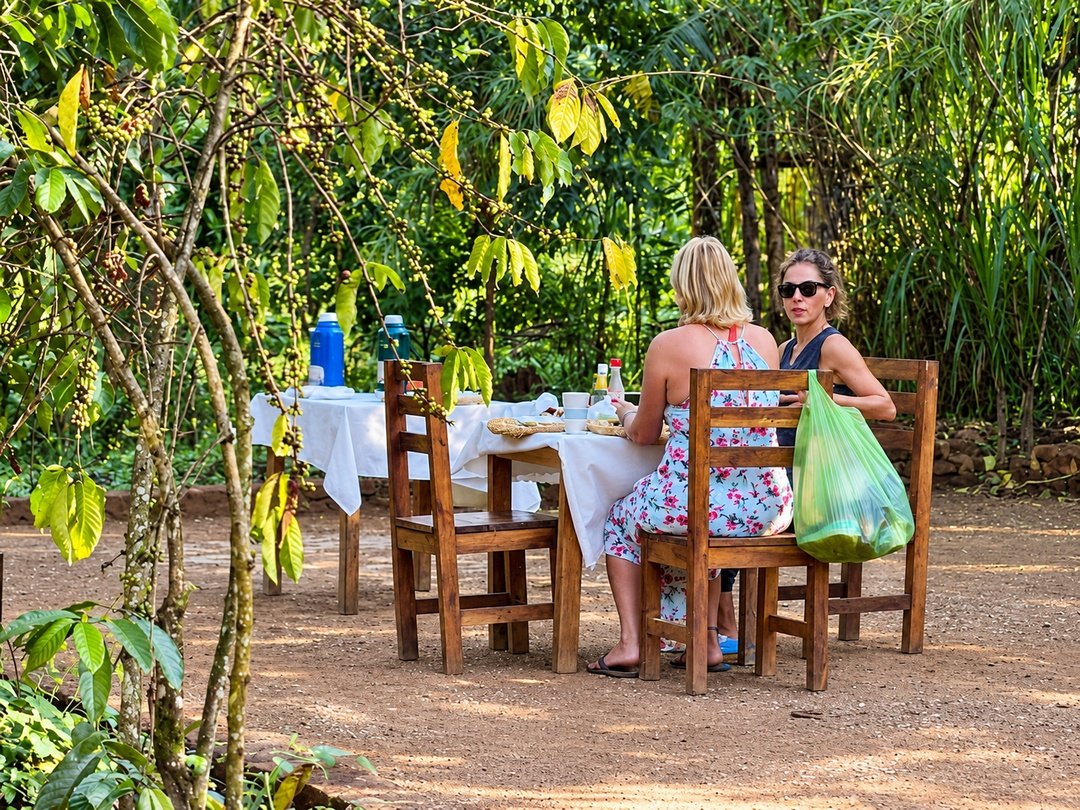
Little Monkey Camp can appeal to a broad range of travelers.
Chimpanzee trekkers benefit from staying close to the Kibale forest activities that form the centerpiece of their visit.
Couples may appreciate the peaceful setting and opportunity to combine wildlife experiences with quiet evenings near the forest.
Solo travelers can use the camp as a convenient base while exploring Kibale and meeting guides or other travelers.
Families interested in nature can combine suitable forest activities with community visits, birding and slower excursions around the region.
Photographers benefit from being surrounded by landscapes, wildlife and rural environments that provide photographic possibilities throughout the day.
Birdwatchers can use the camp as a base for exploring the diverse habitats around Kibale.
Longer Uganda safari travelers can incorporate Little Monkey Camp into routes connecting Kibale with Queen Elizabeth National Park, Bwindi and other western Uganda destinations.
Best Time to Visit Little Monkey Camp and Kibale
Kibale can be visited throughout the year, although the experience changes with seasonal weather conditions.
Drier periods are often attractive to travelers because trails may be easier to navigate and road conditions can be more predictable. These periods can also be popular, making advance planning particularly important.
Rain should never be considered unusual in a tropical forest environment. Even during relatively dry periods, showers can occur.
Wetter seasons create beautiful green landscapes and atmospheric forest conditions. Photographers may appreciate dramatic clouds, mist and rich vegetation, although trails can become more slippery.
Birding interests may also influence when travelers choose to visit.
Rather than looking for one universally perfect month, it is usually better to plan your Kibale visit around your complete Uganda itinerary, preferred activities and tolerance for different weather conditions.
How to Get to Little Monkey Camp
Little Monkey Camp can be incorporated into several common Uganda safari routes.
From Kampala or Entebbe
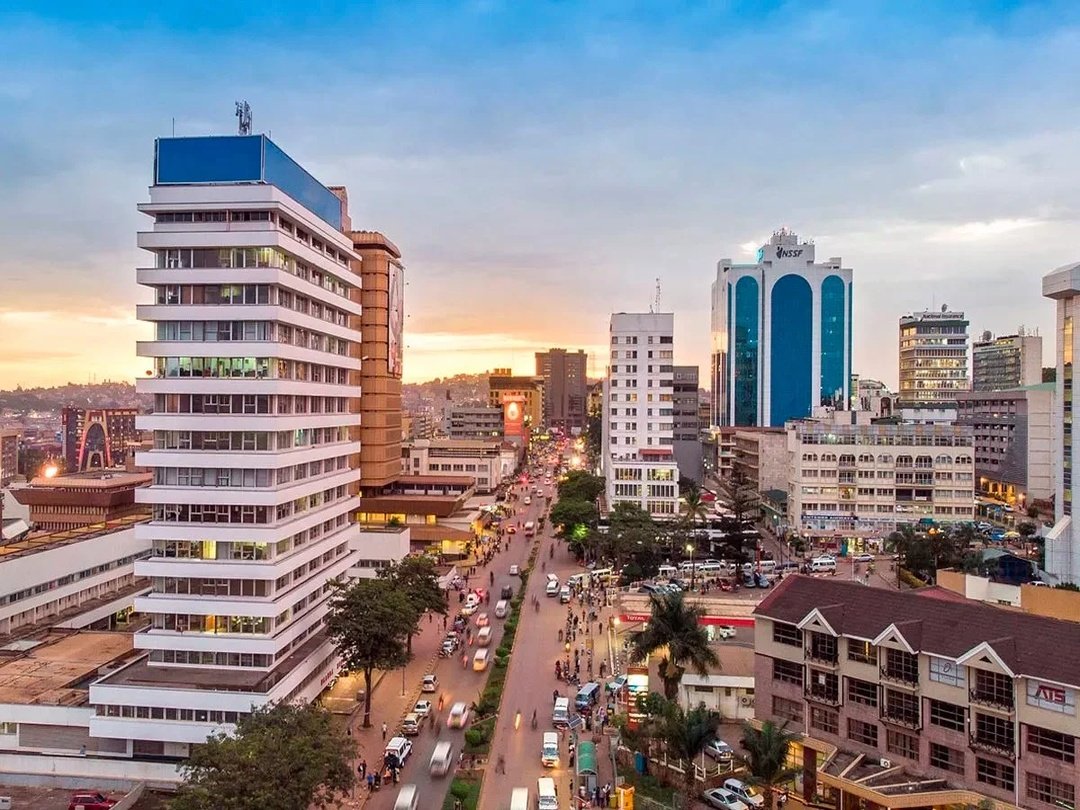
Travelers arriving through Entebbe and beginning their safari around Kampala can continue west toward the Fort Portal and Kibale region.
The journey provides an introduction to Uganda’s changing landscapes as urban areas gradually give way to countryside, farms, tea-growing regions and forest environments.
Many safari itineraries include stops or other destinations along the way depending on the number of available days.
From Fort Portal
Fort Portal is the major urban center associated with the Kibale tourism region and provides access to crater lakes, cultural attractions and routes leading toward the forest.
Travelers spending time around Fort Portal can continue toward Little Monkey Camp as part of their Kibale itinerary.
From Queen Elizabeth National Park
Combining Kibale and Queen Elizabeth National Park is one of the most logical safari combinations in western Uganda.
Kibale provides the forest and primate component while Queen Elizabeth introduces classic savannah wildlife, game drives and other ecosystems.
From Bwindi Impenetrable National Park
Travelers planning both chimpanzee trekking and mountain gorilla trekking can connect Kibale with Bwindi as part of a broader primate safari.
This combination creates one of Uganda’s most distinctive wildlife itineraries because travelers can experience chimpanzees and mountain gorillas within the same journey.
Combining Little Monkey Camp With a Uganda Safari
Little Monkey Camp does not need to be treated as an isolated overnight stop. Its location near Kibale makes it a practical base within a wider western Uganda safari circuit, especially for travelers who want to combine chimpanzee trekking with savannah wildlife, gorilla trekking, crater lakes, cultural experiences and scenic countryside.
A carefully planned itinerary can connect Kibale with several of Uganda’s major destinations without making the safari feel unnecessarily rushed. This is particularly important because western Uganda contains some of the country’s most rewarding attractions within a relatively connected safari route.
Travelers staying at Little Monkey Camp can therefore use Kibale as one part of a broader journey that includes Queen Elizabeth National Park, Bwindi Impenetrable National Park, Fort Portal and other attractions across the region.
Kibale and Queen Elizabeth National Park
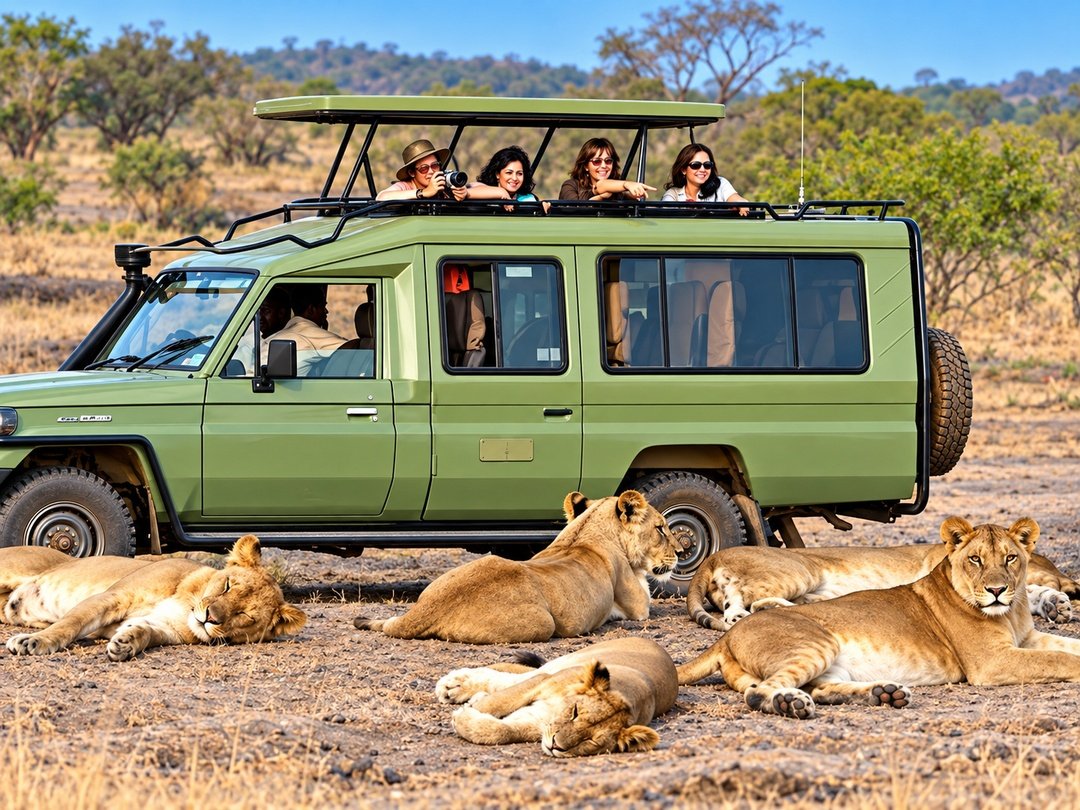
Combining Kibale with Queen Elizabeth National Park is one of the most rewarding safari combinations in western Uganda because the two destinations offer completely different wildlife experiences.
Kibale is defined by tropical forest, primates and guided walking experiences. Chimpanzee trekking is usually the main highlight, but visitors can also enjoy birdwatching, nature walks, Bigodi Wetland excursions and community-based experiences around the forest.
Queen Elizabeth National Park, on the other hand, introduces visitors to open savannah, crater landscapes, lakes, wetlands and traditional game-viewing opportunities. Travelers can enjoy game drives in search of elephants, buffaloes, antelopes, lions and other wildlife associated with Uganda’s savannah ecosystems.
This contrast is what makes the combination so attractive. One day may involve walking through dense forest while listening for chimpanzee calls, while another may begin with an early-morning game drive across open plains.
Travelers can also include a boat experience on the Kazinga Channel, where wildlife and birdlife can often be observed close to the water. The combination creates a well-balanced safari because it brings together primates, big game, landscapes and birding within one itinerary.
A typical safari can begin with chimpanzee trekking while staying near Kibale, followed by a road transfer toward Queen Elizabeth National Park for game drives and other wildlife activities.
This route works especially well for first-time visitors to Uganda because it introduces two very different ecosystems without requiring an overly complicated itinerary.
Kibale and Bwindi
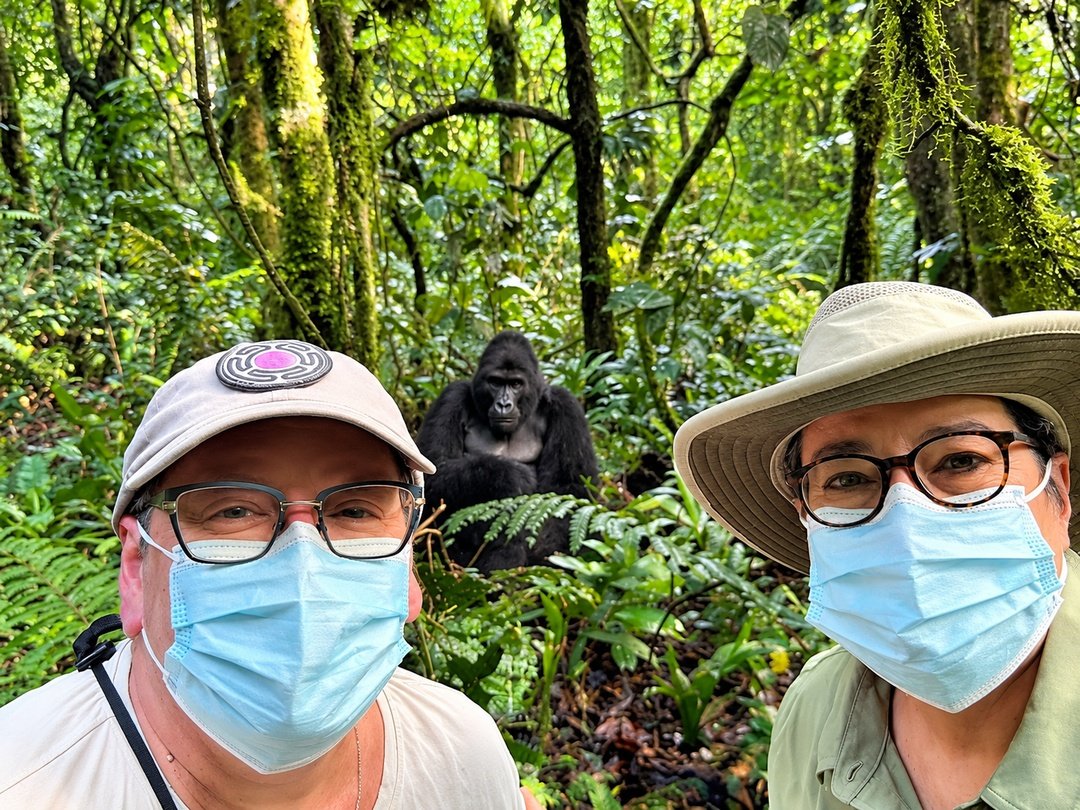
Travelers primarily interested in primates can combine Little Monkey Camp and Kibale with Bwindi Impenetrable National Park for one of Uganda’s strongest great-ape safari experiences.
Kibale provides the opportunity to encounter chimpanzees, while Bwindi is internationally known for mountain gorilla trekking.
Experiencing both allows visitors to appreciate the differences between chimpanzee and gorilla behavior. Chimpanzees are often more active and mobile, moving quickly through the forest and communicating loudly with members of their community.
Mountain gorillas generally provide a different type of encounter. Visitors may observe family groups resting, feeding, grooming and interacting at close range under the supervision of trained guides.
The environments are also different. Kibale offers a tropical forest experience with numerous primate species, while Bwindi is characterized by steep terrain, dense vegetation and dramatic mountainous forest scenery.
Travelers can therefore experience two distinctive forms of primate trekking within the same Uganda safari.
A route from Kibale toward Bwindi usually involves traveling through western Uganda, and the journey itself reveals changing landscapes, farms, villages, hills and forested areas.
For travelers whose main interest is primates, this combination can form the core of an entire Uganda safari.
Kibale, Queen Elizabeth and Bwindi
Combining Kibale, Queen Elizabeth National Park and Bwindi creates one of the most complete safari routes in western Uganda.
This itinerary brings together three major experiences: chimpanzee trekking, classic savannah wildlife viewing and mountain gorilla trekking.
Travelers can begin their journey around Kibale, using Little Monkey Camp as a base for chimpanzee trekking and other forest experiences.
From Kibale, the safari can continue toward Queen Elizabeth National Park, where the environment changes dramatically from tropical forest to open savannah and wetland landscapes.
Game drives provide opportunities to search for larger mammals, while boat activities add another dimension to the safari.
After exploring Queen Elizabeth National Park, travelers can continue south toward Bwindi for mountain gorilla trekking.
This creates a natural progression through several of Uganda’s strongest wildlife experiences.
The route is particularly good for travelers who want variety. Instead of focusing only on one ecosystem, the journey moves through forests, savannahs, wetlands, crater landscapes and highland environments.
Photographers also benefit from this diversity because each destination offers different subjects, lighting conditions and landscapes.
For wildlife enthusiasts, the combination provides a chance to observe primates, large mammals, birds and other species within one journey.
This route can be adapted for different travel styles. Some visitors may prefer a shorter itinerary focused mainly on the major activities, while others may spend additional nights in each destination for photography, birding, nature walks and slower exploration.
Kibale and Fort Portal
Travelers who prefer a slower regional itinerary can combine Little Monkey Camp with Fort Portal and the surrounding crater-lake region.
Fort Portal is one of western Uganda’s most attractive tourism centers and serves as a gateway to Kibale.
The surrounding countryside is characterized by green hills, tea-growing areas, crater lakes and rural landscapes that offer a very different experience from traditional game-drive safaris.
Travelers can spend time exploring scenic viewpoints, crater lakes, community attractions and local cultural experiences before or after chimpanzee trekking.
This combination works particularly well for visitors with limited time because it reduces long transfers between distant safari destinations.
It is also suitable for travelers who want to experience western Uganda at a slower pace rather than moving quickly between national parks.
A relaxed itinerary might include chimpanzee trekking in Kibale, a wetland walk around Bigodi, a crater-lake excursion and time exploring the Fort Portal area.
This type of safari can be especially attractive for couples, photographers, birdwatchers and travelers who prefer a balance of wildlife and landscape experiences.
Kibale, Murchison Falls and Queen Elizabeth National Park
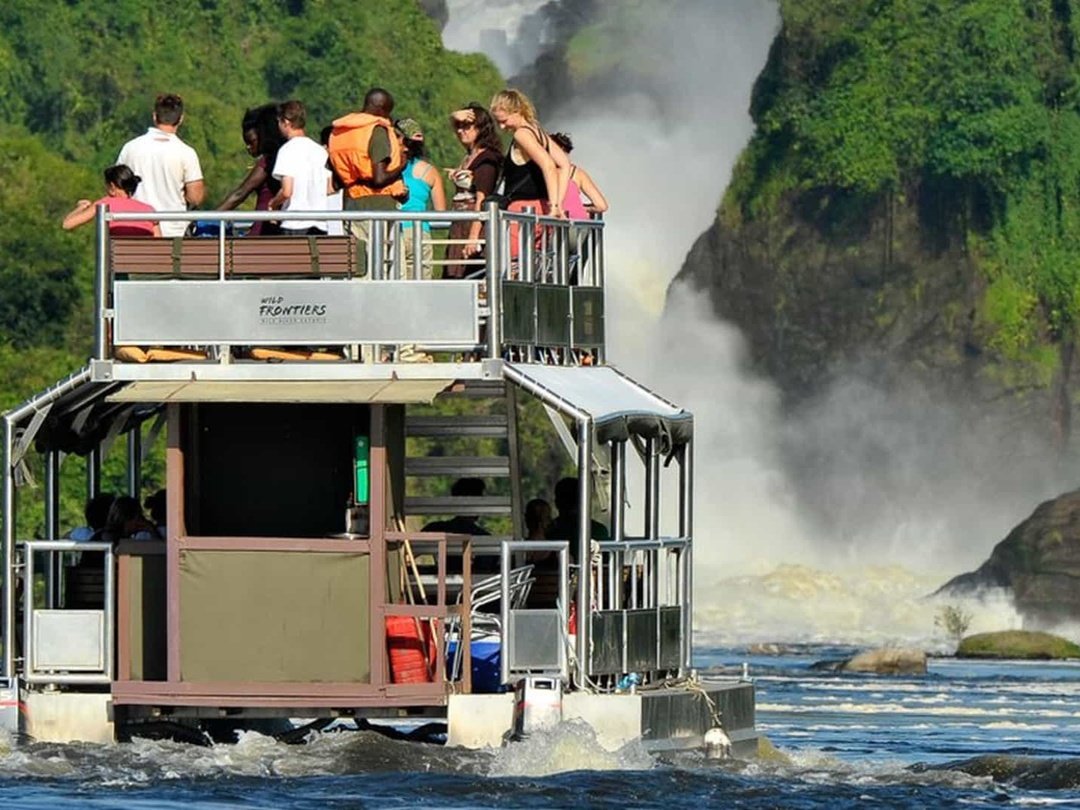
Travelers with more time can extend their safari northward or westward to include Murchison Falls National Park.
Murchison Falls adds another completely different environment to a Kibale-based safari.
The park is known for the dramatic section of the Nile where water is forced through a narrow gorge before continuing downstream. Game drives, boat trips and scenic viewpoints make the destination particularly attractive for travelers interested in combining wildlife with dramatic landscapes.
A safari linking Murchison Falls, Kibale and Queen Elizabeth National Park gives visitors a broad introduction to Uganda’s major ecosystems.
Murchison Falls contributes river and savannah experiences, Kibale provides chimpanzees and forest exploration, while Queen Elizabeth adds additional wildlife viewing and varied landscapes.
Such an itinerary is best suited to travelers with enough time to avoid rushing between destinations.
Kibale and Lake Bunyonyi
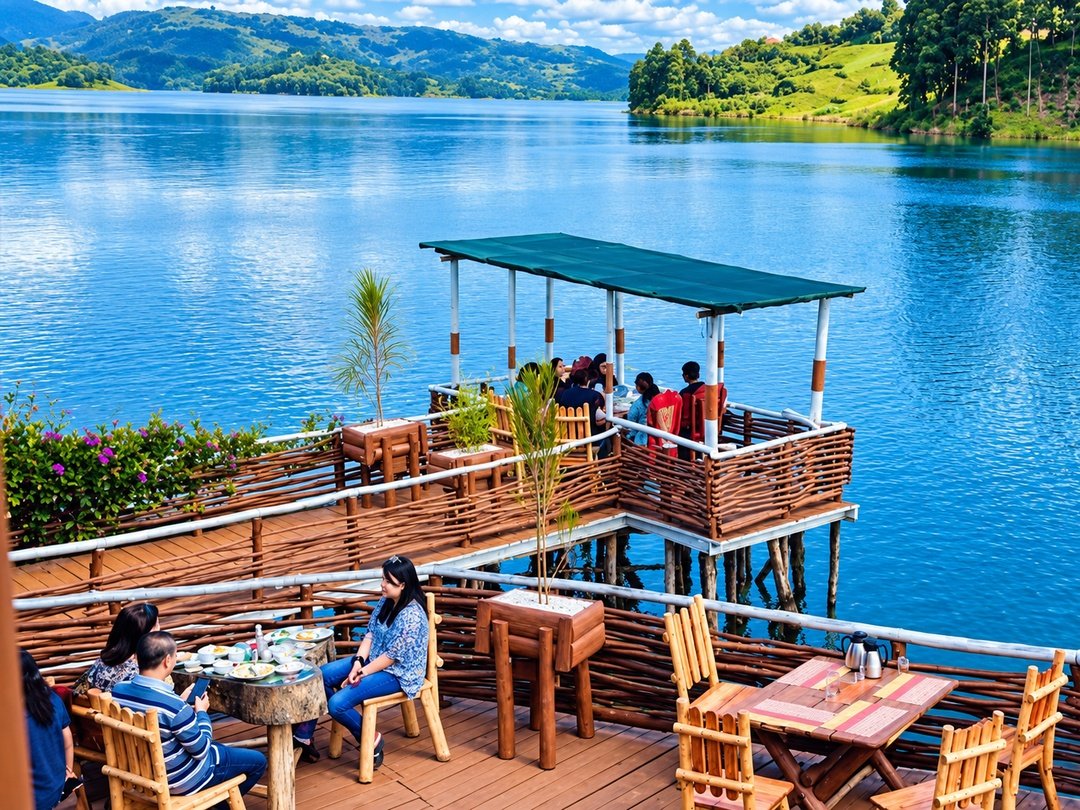
Another interesting extension from Kibale is Lake Bunyonyi in southwestern Uganda.
Lake Bunyonyi is known for its beautiful island-dotted scenery, steep surrounding hills and peaceful atmosphere.
Travelers often include the lake before or after gorilla trekking, but it can also form part of a broader route beginning around Kibale.
After active days of chimpanzee trekking and forest exploration, spending time near Lake Bunyonyi provides an opportunity to slow down and enjoy a more relaxed environment.
Activities may include canoeing, boat trips, birding and simply enjoying the scenery.
This combination works especially well within longer western Uganda itineraries that also include Bwindi.
Kibale and Semuliki National Park
Travelers interested in birding, unusual landscapes and less frequently visited destinations may also combine Kibale with Semuliki National Park.
Semuliki offers a different ecological character from Kibale and is particularly appealing to experienced birdwatchers.
The region is known for lowland forest, distinctive bird species and geothermal attractions.
Combining the two destinations creates a more specialized forest-focused itinerary.
While Kibale is strongly associated with chimpanzees, Semuliki can add birding and geological interest to the journey.
How Many Days Are Ideal for a Safari Including Little Monkey Camp?
The ideal safari length depends on how many destinations are included.
A short Kibale-focused journey may require only a few nights, particularly if chimpanzee trekking is the main objective.
Adding Queen Elizabeth National Park generally makes the safari more complete, while including Bwindi requires additional time for travel and gorilla trekking.
Travelers who want to include Kibale, Queen Elizabeth and Bwindi should ideally allow enough time to avoid spending every day moving between destinations.
A slower itinerary gives visitors more time to appreciate each area and reduces travel fatigue.
Longer safaris can also include Fort Portal, Lake Bunyonyi, Murchison Falls or other regions depending on individual interests.
Why Little Monkey Camp Works Well on a Multi-Destination Uganda Safari
Little Monkey Camp works well on a broader Uganda safari because Kibale occupies an important position within western Uganda’s tourism circuit.
Travelers can use the camp as a comfortable base for chimpanzee trekking before continuing south toward Queen Elizabeth and Bwindi or exploring Fort Portal and other nearby attractions.
The camp’s forest-edge setting also creates a strong contrast with the open landscapes visitors may experience later in their journey.
A well-designed itinerary allows travelers to experience Uganda gradually, moving from forests and primates to savannah wildlife, mountain landscapes and cultural attractions.
For visitors who want more than a single national park experience, combining Little Monkey Camp with other destinations creates a richer and more complete Uganda safari.
What to Pack for Little Monkey Camp and Kibale
Packing correctly can make your forest experience considerably more comfortable.
Good walking shoes or trekking boots are among the most important items because forest trails can become muddy or slippery.
Long trousers help protect your legs from vegetation and insects, while a lightweight long-sleeved shirt can provide similar protection for your upper body.
A waterproof jacket is highly recommended because weather can change quickly around tropical forest.
Carry a comfortable daypack for drinking water, photography equipment, snacks and personal items.
Other useful items include insect repellent, sunscreen, binoculars, a hat and additional camera batteries.
Travelers interested in photography should consider weather protection for their equipment because humidity and sudden rain are possible.
Responsible Safari Travel at Little Monkey Camp
Visiting Kibale comes with a responsibility to help protect the environment that makes the experience possible.
Chimpanzee encounters are managed carefully because these primates are wild animals living within a sensitive ecosystem. Visitors should always follow instructions given by guides and wildlife authorities.
Avoid feeding wildlife, attempting to touch animals or leaving rubbish in natural areas.
Travelers should also respect local communities. Ask permission before photographing individuals, listen to cultural guidance and support responsible community-based activities where possible.
Accommodation choices can also influence conservation outcomes. Staying longer, purchasing locally produced goods and participating in well-managed community experiences can help spread tourism benefits beyond the national park boundaries.
Responsible travel is ultimately about leaving Kibale with wonderful memories while ensuring future visitors can experience the same forest.
Why Include Little Monkey Camp in Your Kibale Safari?
Choosing where to stay in Kibale National Park should involve more than comparing rooms.
Your accommodation determines how easily you reach activities, how relaxed you feel before early departures and how connected you remain to the destination after the scheduled wildlife experience finishes.
Little Monkey Camp provides an appealing combination of convenient forest access, comfortable accommodation and a peaceful natural atmosphere.
Its location makes it especially relevant for travelers whose primary objective is chimpanzee trekking, while surrounding attractions provide enough variety to justify spending additional nights in the Kibale region.
From mornings spent following chimpanzees beneath the forest canopy to afternoons exploring wetlands, communities or crater lakes, Kibale offers far more than a single wildlife encounter.
Little Monkey Camp provides a comfortable base from which those experiences can unfold.
For travelers planning a Uganda safari built around primates, nature, birdlife and authentic western Uganda landscapes, Little Monkey Camp deserves serious consideration when deciding where to stay near Kibale National Park.
location makes it convenient for accessing Kibale National Park and nearby tourism activities. Travelers should still make sure that park activities, permits and guide arrangements are confirmed before their planned safari dates.
Frequently Asked Questions About Little Monkey Camp
Is Little Monkey Camp suitable for couples?
Yes. Couples who enjoy quiet safari settings, nature and primate experiences may find Little Monkey Camp particularly appealing. Its forest-edge atmosphere can work well for couples looking for a peaceful place to relax after chimpanzee trekking.
Is Little Monkey Camp suitable for honeymooners?
Little Monkey Camp can suit honeymooners who prefer an intimate nature-focused experience rather than a large resort environment. Couples can combine their stay with chimpanzee trekking, crater-lake excursions, birding and other relaxed activities around Kibale.
Is Little Monkey Camp suitable for families?
Yes. Families can stay at Little Monkey Camp, but they should confirm room arrangements and activity age restrictions before traveling. Some forest activities have minimum-age requirements, so parents should plan their itinerary carefully.
Is Little Monkey Camp suitable for solo travelers?
Yes. Solo travelers can use Little Monkey Camp as a comfortable base for exploring Kibale. Guided activities such as chimpanzee trekking, birding, community walks and nature excursions make it easy for solo visitors to experience the destination safely and meaningfully.
Is Little Monkey Camp suitable for small groups?
Yes. Small groups of friends, photographers, students or nature travelers can use Little Monkey Camp as a convenient accommodation base. Group travelers should confirm room availability early when traveling during popular safari seasons.
What activities can I do around Little Monkey Camp?
Visitors can enjoy chimpanzee trekking, birdwatching, guided nature walks, Bigodi wetland excursions, community experiences, crater-lake tours and exploration of the Fort Portal region. These activities make Kibale a rewarding destination even beyond chimpanzee trekking.
Can I visit Bigodi Wetland while staying at Little Monkey Camp?
Yes. Bigodi Wetland is one of the popular attractions near Kibale and can be included in a safari itinerary from Little Monkey Camp. It is particularly rewarding for birdwatchers, nature lovers and travelers interested in community-based tourism.
Is Little Monkey Camp good for birdwatchers?
Yes. Kibale and the surrounding wetlands, gardens, forest edges and rural landscapes support excellent birdlife. Staying at Little Monkey Camp gives birdwatchers opportunities to enjoy birding both around the camp and during guided excursions.
Can I take nature walks from Little Monkey Camp?
Nature walks can be arranged in the wider Kibale region and around suitable forest-edge areas. These walks help visitors appreciate birds, plants, butterflies, primates and the smaller details of the ecosystem.
Can I visit crater lakes while staying at Little Monkey Camp?
Yes. The Fort Portal and Kibale region is known for its beautiful crater-lake scenery. Travelers can include a crater-lake excursion as part of a longer stay at Little Monkey Camp, especially if they want a quieter activity between forest experiences.
How many nights should I spend at Little Monkey Camp?
Two nights can work well for travelers whose main goal is chimpanzee trekking. Three or more nights are better for visitors who also want to include Bigodi, birdwatching, community activities, crater lakes and a more relaxed experience of the Kibale region.
What is the best time to stay at Little Monkey Camp?
Little Monkey Camp can be visited throughout the year. Drier periods may offer easier walking conditions, while wetter months create very green landscapes and can be attractive for photography, birding and travelers who enjoy tropical forest scenery.
Does it rain often around Little Monkey Camp?
Rain is common in the Kibale region because it is a tropical forest environment. Visitors should always carry rain protection even when traveling during months that are considered relatively dry.
What should I pack for a stay at Little Monkey Camp?
Useful items include light outdoor clothing, a rain jacket, strong walking shoes, insect repellent, a hat, sunscreen, a reusable water bottle, a flashlight and personal toiletries. Travelers planning chimpanzee trekking should also bring suitable forest clothing.
What should I wear for chimpanzee trekking from Little Monkey Camp?
Long trousers, a long-sleeved shirt, sturdy walking shoes or boots and a lightweight waterproof jacket are recommended. Clothing should be comfortable, breathable and suitable for walking through humid forest conditions.
Do I need hiking boots for chimpanzee trekking?
Strong hiking shoes or trekking boots are highly recommended. Kibale trails can become muddy and slippery, especially after rain, so footwear with good grip can make the experience much more comfortable.
Can I take photographs during chimpanzee trekking?
Yes. Photography is generally part of the chimpanzee trekking experience, but visitors should follow the instructions of their guides and avoid disturbing the animals. Flash photography should not be used.
Is chimpanzee trekking physically difficult?
Chimpanzee trekking can range from relatively easy to moderately demanding depending on the location of the chimpanzees, trail conditions and weather. Travelers should be prepared to walk on uneven forest paths.
How long does chimpanzee trekking usually take?
The duration varies because chimpanzees move freely through the forest. The total experience may take several hours, depending on how quickly the chimpanzees are located and the conditions within the forest.
Are chimpanzee sightings guaranteed?
Sightings cannot be completely guaranteed because chimpanzees are wild animals. However, Kibale is widely regarded as one of Uganda’s strongest destinations for organized chimpanzee trekking.
What is the difference between chimpanzee trekking and chimpanzee habituation?
Chimpanzee trekking generally involves locating a habituated chimpanzee community and spending a limited observation period with them. The chimpanzee habituation experience normally involves spending much more time following chimpanzees that are being accustomed to human presence.
Can I do chimpanzee habituation while staying at Little Monkey Camp?
Travelers interested in chimpanzee habituation can use Little Monkey Camp as a base when their itinerary includes the experience in Kibale. Permits for habituation should be arranged well in advance because availability may be limited.
Can I combine Little Monkey Camp with gorilla trekking?
Yes. Kibale can be combined with Bwindi Impenetrable National Park or Mgahinga Gorilla National Park for a primate-focused Uganda safari. This allows travelers to experience both chimpanzees and mountain gorillas in one journey.
Can I combine Little Monkey Camp with Queen Elizabeth National Park?
Yes. Kibale and Queen Elizabeth National Park are commonly combined because they offer very different safari experiences. Kibale focuses on forest primates, while Queen Elizabeth adds savannah wildlife, game drives and other classic safari experiences.
Can I combine Little Monkey Camp with Murchison Falls National Park?
Yes. Travelers with more time can include Kibale and Murchison Falls National Park in a longer Uganda safari. The combination offers primates, savannah wildlife, river experiences and varied landscapes.
Can I combine Little Monkey Camp with Fort Portal?
Yes. Fort Portal is one of the main towns in western Uganda and is closely connected with the Kibale tourism region. Visitors can combine a stay at Little Monkey Camp with crater lakes, cultural attractions and other experiences around Fort Portal.
How do I get to Little Monkey Camp from Kampala or Entebbe?
Travelers normally reach the Kibale region by road from Kampala or Entebbe, passing through western Uganda toward Fort Portal and Kibale. The journey can be incorporated into a wider safari itinerary with stops along the way.
Can I reach Little Monkey Camp from Queen Elizabeth National Park?
Yes. Queen Elizabeth National Park and Kibale are commonly linked within western Uganda safari itineraries. Travelers can move between the two destinations by road as part of a multi-day safari.
Is Little Monkey Camp a good choice for budget travelers?
Little Monkey Camp can appeal to travelers looking for a nature-focused stay without needing a large luxury property. Visitors should compare current room options and inclusions when planning their budget.
Is Little Monkey Camp suitable for photographers?
Yes. Wildlife photographers, bird photographers and landscape enthusiasts can use Little Monkey Camp as a base for exploring Kibale’s forests, wetlands, primates and surrounding countryside.
Can I see monkeys around Little Monkey Camp?
The Kibale region is famous for primates, and visitors may encounter monkeys in the wider forest-edge environment. Sightings are never guaranteed, but the area is one of Uganda’s most rewarding regions for primate enthusiasts.
Is Little Monkey Camp good for a primate safari?
Yes. Its location near Kibale makes it particularly suitable for travelers planning a primate-focused safari. Visitors can combine chimpanzees in Kibale with gorillas in Bwindi or Mgahinga for a broader Uganda primate experience.
Can I stay at Little Monkey Camp without doing chimpanzee trekking?
Yes. Chimpanzee trekking is the main attraction for many visitors, but it is not the only reason to stay in the area. Birding, nature walks, wetlands, community activities, photography and crater-lake excursions can all form part of a Kibale stay.
Should I book Little Monkey Camp in advance?
Advance booking is recommended, particularly during popular safari periods and when your stay is connected to fixed chimpanzee permit dates. Booking early also makes it easier to coordinate accommodation with your wider Uganda safari itinerary.
Why choose Little Monkey Camp for a Kibale safari?
Little Monkey Camp combines a quiet forest-edge atmosphere with convenient access to Kibale’s chimpanzee experiences and surrounding attractions. It is especially suitable for travelers who want their accommodation to feel closely connected to the natural environment while remaining practical for safari activities.
Book Your Stay at Little Monkey Camp
Make your Kibale safari more memorable with a stay at Little Monkey Camp, a peaceful base near the forest and within easy reach of chimpanzee trekking experiences. Whether you are planning a primate safari, a romantic escape, a family adventure or a longer Uganda wildlife journey, Little Monkey Camp gives you a comfortable place to relax while staying close to the action.
Plan your stay together with chimpanzee trekking, Bigodi Wetland, birding, crater-lake excursions and other unforgettable experiences around Kibale.
Ready to experience Kibale National Park? Book your stay at Little Monkey Camp and start planning your chimpanzee safari today.