
Okapi Wildlife Reserve |Explore Congo’s Hidden Jungle Treasures
Introduction to Okapi Wildlife Reserve
The Okapi Wildlife Reserve is one of the most extraordinary and least-explored protected areas in the Democratic Republic of Congo (DRC). Covering approximately 13,700 square kilometers of dense tropical rainforest, it serves as a sanctuary for some of the world’s most elusive and rare species. Established in 1992, the reserve is recognized as a UNESCO World Heritage Site due to its outstanding biodiversity, ecological importance, and the role it plays in the conservation of endangered species.
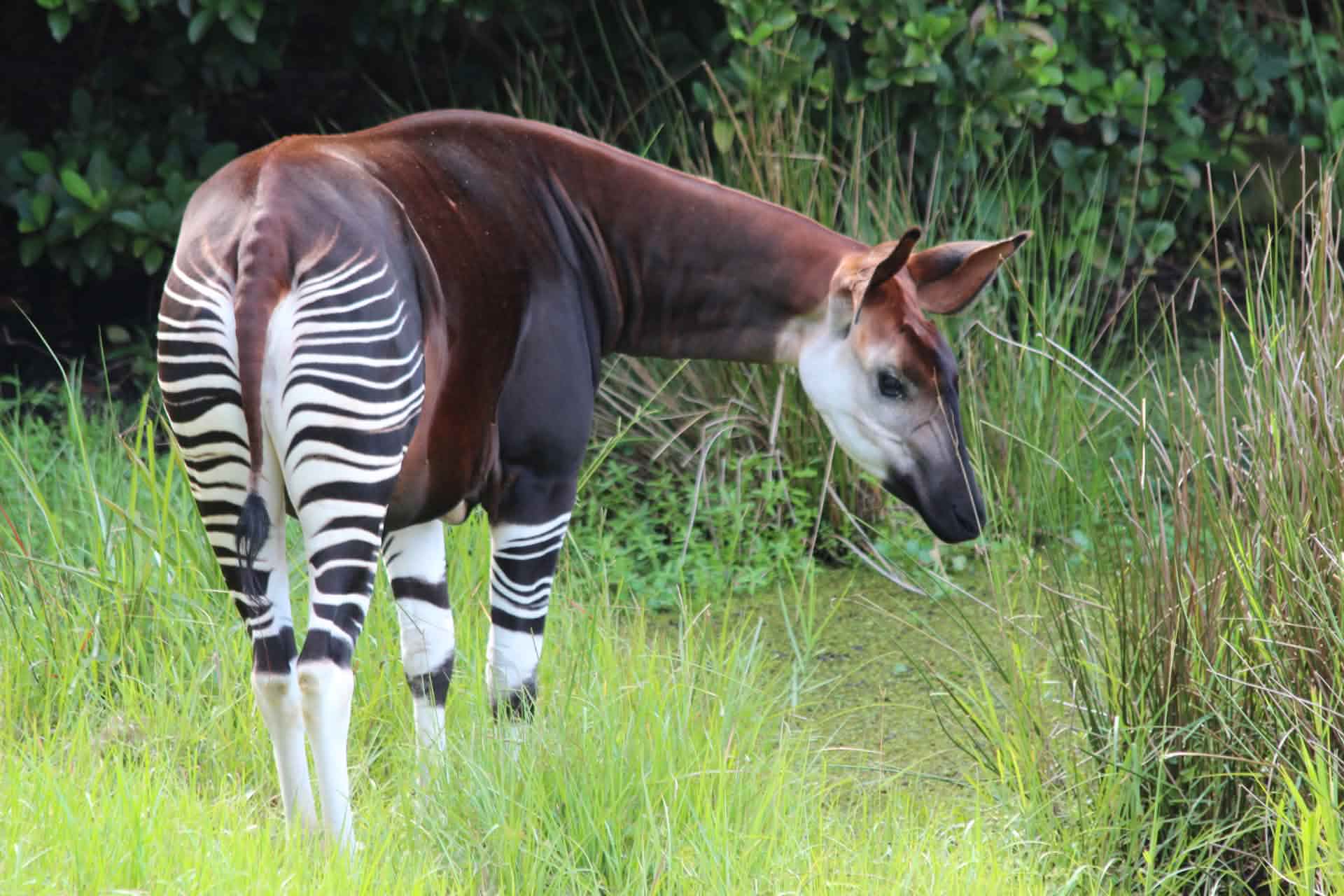
Home to the iconic okapi, a forest giraffe known for its striking striped legs and secretive nature, the reserve also hosts forest elephants, bongos, chimpanzees, and a variety of other primates. Its rich ecosystems include swamp forests, riverine habitats, and lowland tropical rainforests, creating a mosaic of environments that support a vast array of flora and fauna. In addition to its wildlife, the Okapi Wildlife Reserve is notable for its cultural significance, as it overlaps with lands traditionally inhabited by indigenous Mbuti and Efe pygmy communities, offering a unique intersection of nature and culture.
Visitors to the reserve are immersed in an untouched wilderness, where every trek into the forest reveals a world largely unseen by most travelers. Its remoteness ensures that wildlife encounters feel truly exclusive, making Okapi Wildlife Reserve one of Africa’s hidden gems for adventurous safari-goers and conservation enthusiasts.
Why Visit Okapi Wildlife Reserve
The Okapi Wildlife Reserve offers a once-in-a-lifetime safari experience, combining thrilling wildlife encounters with serene natural beauty.
Rare Wildlife Encounters: The reserve is one of the few places in the world where you can track the elusive okapi in its natural habitat. Guests may also spot forest elephants, bongos, and diverse primate species, creating unforgettable wildlife encounters that are unmatched anywhere else in the world.
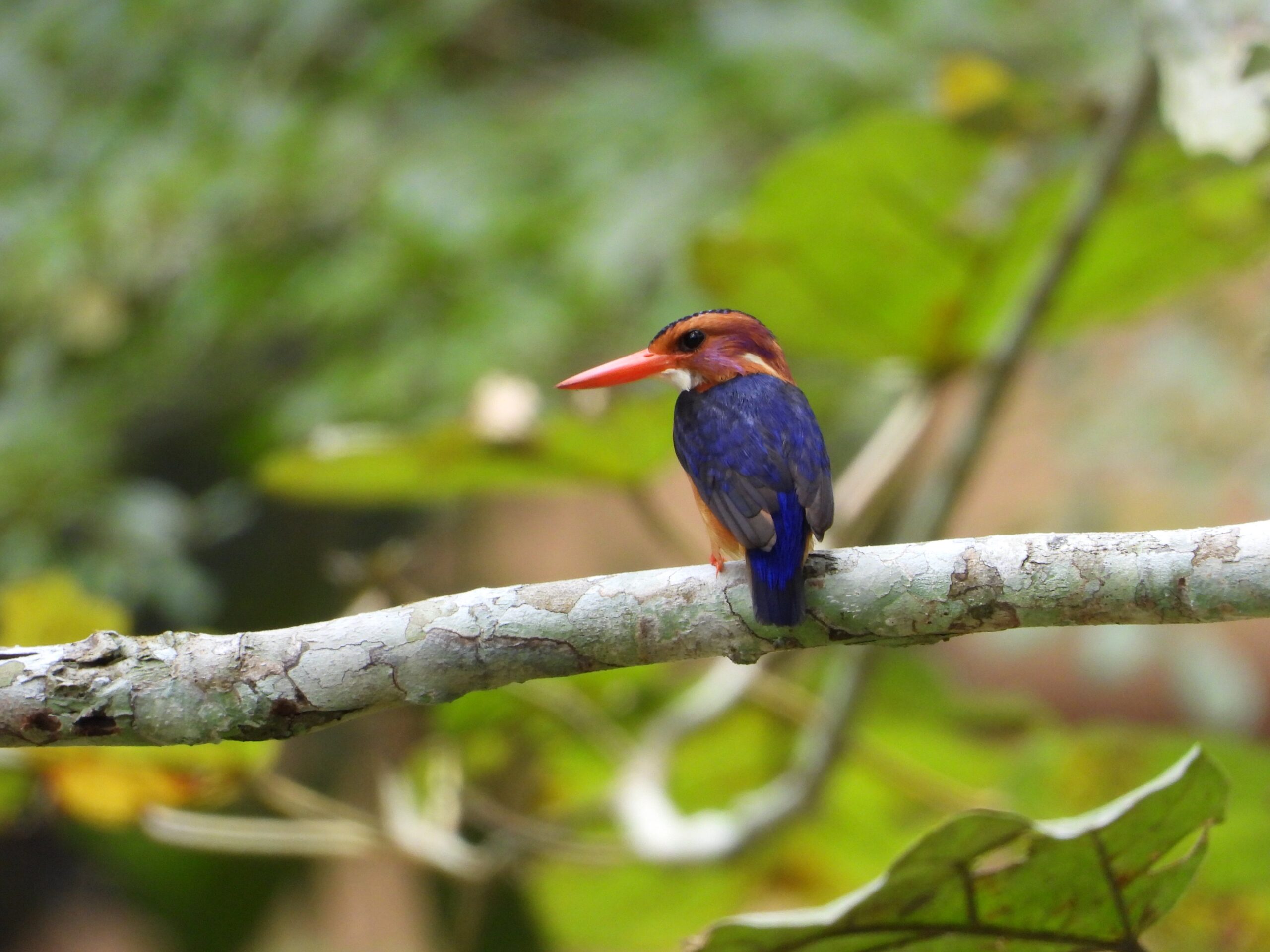
Birdwatching Opportunities: With over 300 recorded bird species, including hornbills, turacos, and sunbirds, the reserve is a paradise for bird enthusiasts. Whether walking along forest trails or observing from a riverbank, visitors are treated to spectacular bird activity and vibrant rainforest sounds.
Adventure Trekking in Pristine Rainforest: Guided treks through the dense rainforest allow visitors to experience the reserve’s pristine, unspoiled environment. From navigating winding forest paths to discovering hidden waterfalls and lush vegetation, every step provides a sense of discovery and adventure.
Conservation and Cultural Insights: Touring the Okapi Wildlife Reserve is not only a wildlife experience but also a journey into conservation efforts and local culture. Visitors learn about the work being done to protect endangered species and can interact respectfully with indigenous communities, gaining insight into traditional forest lifestyles and practices.
The combination of exclusive wildlife viewing, immersive trekking experiences, and cultural encounters makes Okapi Wildlife Reserve a must-visit destination for anyone seeking authentic African rainforest adventures far from the typical safari crowds.
Wildlife and Nature in the Reserve
The Okapi Wildlife Reserve is a sanctuary of remarkable biodiversity, offering a rare glimpse into one of the world’s most pristine tropical rainforests.
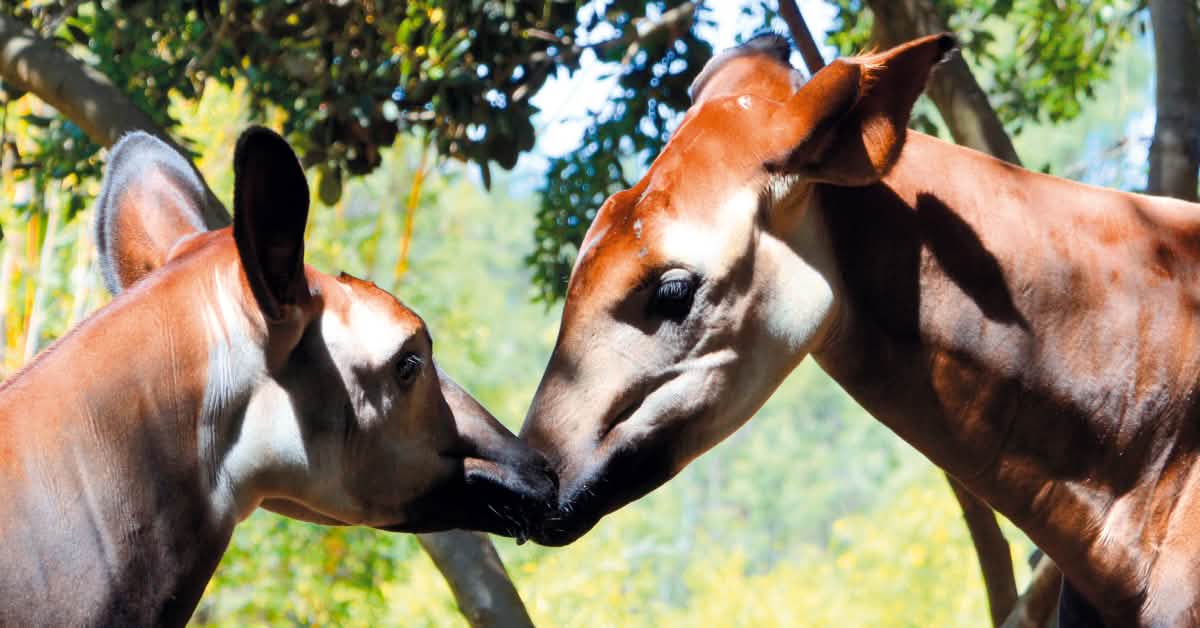
Iconic Species: The reserve is globally renowned for the okapi, a species endemic to the Congo’s dense forests, often called the “forest giraffe” for its giraffe-like body and zebra-striped legs. Beyond okapis, visitors can encounter forest elephants, elusive bongos, and numerous primates such as chimpanzees, colobus monkeys, and mangabeys. These species thrive in the reserve’s vast, unspoiled habitats, making every encounter an extraordinary and intimate wildlife experience.
Birds and Reptiles: With over 300 species of birds, including rare hornbills, turacos, and sunbirds, the reserve is a paradise for birdwatchers. The rainforest canopy, riverine edges, and forest clearings provide ideal observation points for these vibrant species. Reptile diversity is also notable, with chameleons, monitor lizards, and various snake species inhabiting the forest floor and tree branches, adding another layer of discovery for nature enthusiasts.
Flora: Okapi Wildlife Reserve is home to unique rainforest trees, orchids, ferns, and medicinal plants used by indigenous communities. Towering hardwoods, dense undergrowth, and intricate vine systems create a lush environment that supports the rich wildlife. The forest itself is a living ecosystem, offering visitors not just visual splendor but a chance to learn about ecological interactions and the plants’ traditional uses.
Activities and Experiences
Visiting Okapi Wildlife Reserve is more than a safari—it’s an immersive adventure that combines wildlife observation, cultural insight, and hands-on exploration.
Guided Forest Walks: Expert guides lead visitors on treks deep into the rainforest, tracking signs of elusive wildlife such as okapi footprints, broken branches, and feeding sites. These walks provide an intimate encounter with the forest’s creatures while emphasizing conservation and respectful observation.
Community Visits: The reserve is home to indigenous Mbuti and Efe pygmy communities. Visitors can engage in cultural encounters, learning about traditional hunting practices, forest survival skills, and local crafts. These experiences enrich the safari with a human dimension, offering insights into how communities coexist sustainably with the rainforest.
Birding Safaris: Specialized birdwatching tours are available for enthusiasts, often conducted in the early mornings when the forest is alive with calls and songs. The variety of habitats—from swampy clearings to dense canopy trails—ensures opportunities to spot rare and endemic bird species, making each excursion a rewarding adventure for both novice and experienced birders.
Conservation and Research Participation: Some tours offer the chance to observe or assist with ongoing conservation efforts, such as wildlife monitoring, anti-poaching initiatives, and ecological surveys, allowing visitors to contribute to protecting the reserve’s biodiversity.
These activities make Okapi Wildlife Reserve a unique blend of adventure, learning, and wildlife immersion, ideal for travelers seeking authentic experiences far from conventional safari routes.
Short Itinerary – Okapi Wildlife Reserve
Experience the heart of Congo’s rainforest on a 3–5 day adventure at the Okapi Wildlife Reserve. Your journey combines guided forest trekking, rare wildlife spotting, and immersive cultural experiences with indigenous communities. From tracking the elusive okapi to discovering hidden waterfalls and medicinal plants, this itinerary provides a perfect balance of adventure, wildlife observation, and local culture.
Detailed Day-by-Day Itinerary
Day 1: Arrival & Briefing
Arrive at the nearest airport (often Kisangani or a regional airstrip) and transfer to your lodge or camp within the reserve. Meet your guide for an orientation briefing covering safety, conservation guidelines, and what to expect on your forest expeditions. Enjoy a welcome dinner featuring local cuisine and prepare for the adventure ahead.
Day 2: Forest Trekking & Wildlife Tracking
Embark on a full-day guided trek through the rainforest. Track okapi, forest elephants, bongos, and various primates, learning how to identify signs of wildlife such as footprints, feeding traces, and vocalizations. Expert guides share insights into the forest ecosystem, flora, and the reserve’s conservation efforts. Return to the lodge for evening relaxation and wildlife spotting from your accommodation.
Day 3: Community Visit & Optional Activities
Visit local Mbuti or Efe communities to gain a deeper understanding of their traditional forest lifestyle. Participate in cultural demonstrations, learn about hunting and survival techniques, and observe local crafts. Optional activities include additional forest treks, birdwatching tours, or photography excursions to capture the beauty of the rainforest.
Day 4: Conservation Experience & Departure
Spend the morning engaged in a conservation activity, such as assisting researchers with wildlife monitoring or learning about anti-poaching efforts. Enjoy a final walk through the forest before your transfer back to the airport for onward travel, leaving with unforgettable memories of Congo’s hidden wilderness.
Accommodation Options – Okapi Wildlife Reserve
The reserve offers a range of accommodations designed to suit different preferences, blending comfort with immersive nature experiences:
Onsite Lodges & Camps: Comfortable lodges and eco-camps located within or near the forest provide convenient access to trekking and wildlife areas. Some lodges feature private decks and forest viewpoints, allowing for wildlife observation from your room.
Eco-Bandas: Small, traditional bandas offer an authentic rainforest experience, often with open-air designs and minimal impact on the environment.
Facilities and Amenities: Most accommodations include meals with local and international cuisine, hot showers, electricity, and guided services.
Luxury vs. Budget Options: Travelers can choose luxury lodges with premium amenities for a comfortable stay or budget-friendly camps and bandas for a more immersive and rustic rainforest adventure.
Costs and Safari Packages – Okapi Wildlife Reserve
Visiting the Okapi Wildlife Reserve is an investment in a rare and authentic rainforest experience. Costs vary depending on the duration, type of accommodation, and inclusions in your safari package.
3-Day Safari: Includes guided forest treks, wildlife tracking, cultural visits, meals, and accommodation in eco-bandas or lodges. Ideal for travelers with limited time but seeking a concentrated experience of the reserve.
5-Day Safari: Offers a more immersive journey, with extended forest trekking, multiple wildlife observation opportunities, community visits, and conservation experiences. Includes accommodation, meals, local transport, and expert guides.
Custom Packages: Longer or specialized safaris can be arranged, including additional forest excursions, birdwatching tours, or photography-focused itineraries. Packages can be tailored for luxury lodges or budget camps, depending on traveler preference.
Permit Fees and Conservation Contributions:
Okapi Reserve Entry Permit: Required for all visitors, fees contribute directly to conservation and reserve management.
Wildlife Tracking Fees: Some activities, such as guided okapi tracking, may carry a supplementary cost to support forest protection initiatives.
Conservation Contributions: Guests are encouraged to contribute to ongoing efforts protecting endangered species, local communities, and rainforest habitats.
Permits and Rules – Okapi Wildlife Reserve
To ensure the safety of both visitors and wildlife, the reserve enforces the following regulations:
Entry Requirements: All visitors must obtain a valid reserve permit, typically coordinated through authorized safari operators. Identification and vaccination records may be requested at entry points.
Wildlife Interaction Guidelines: Direct contact with wildlife is strictly prohibited. Visitors must maintain a safe distance, follow guide instructions, and avoid disturbing animals in their natural habitat. Tracking is conducted respectfully with minimal forest impact.
Photography and Filming Rules: Photography is permitted, but the use of drones or professional filming equipment may require special authorization. Visitors are encouraged to capture experiences responsibly without interfering with wildlife or local communities.
Best Time to Visit – Okapi Wildlife Reserve
The timing of your visit can significantly affect your wildlife sightings and forest experience:
- Dry Season (June – September / December – February): Trails are more accessible, making trekking and wildlife tracking easier. Dry conditions improve visibility and increase the chances of observing okapis, forest elephants, and other elusive species. Birdwatching is also particularly rewarding during this period.
- Rainy Season (March – May / October – November): The rainforest is lush and vibrant, offering incredible photographic opportunities and a thriving environment for flora. However, some trails may be slippery or difficult to navigate, and wildlife may be less visible due to dense foliage.
- Wildlife Visibility Tips: Early morning and late afternoon are the best times for spotting wildlife. Guides recommend quiet, slow-paced treks to maximize encounters with elusive forest species.
Getting There and Logistics – Okapi Wildlife Reserve
Reaching the Okapi Wildlife Reserve requires careful planning due to its remote location in the northeastern Democratic Republic of Congo.
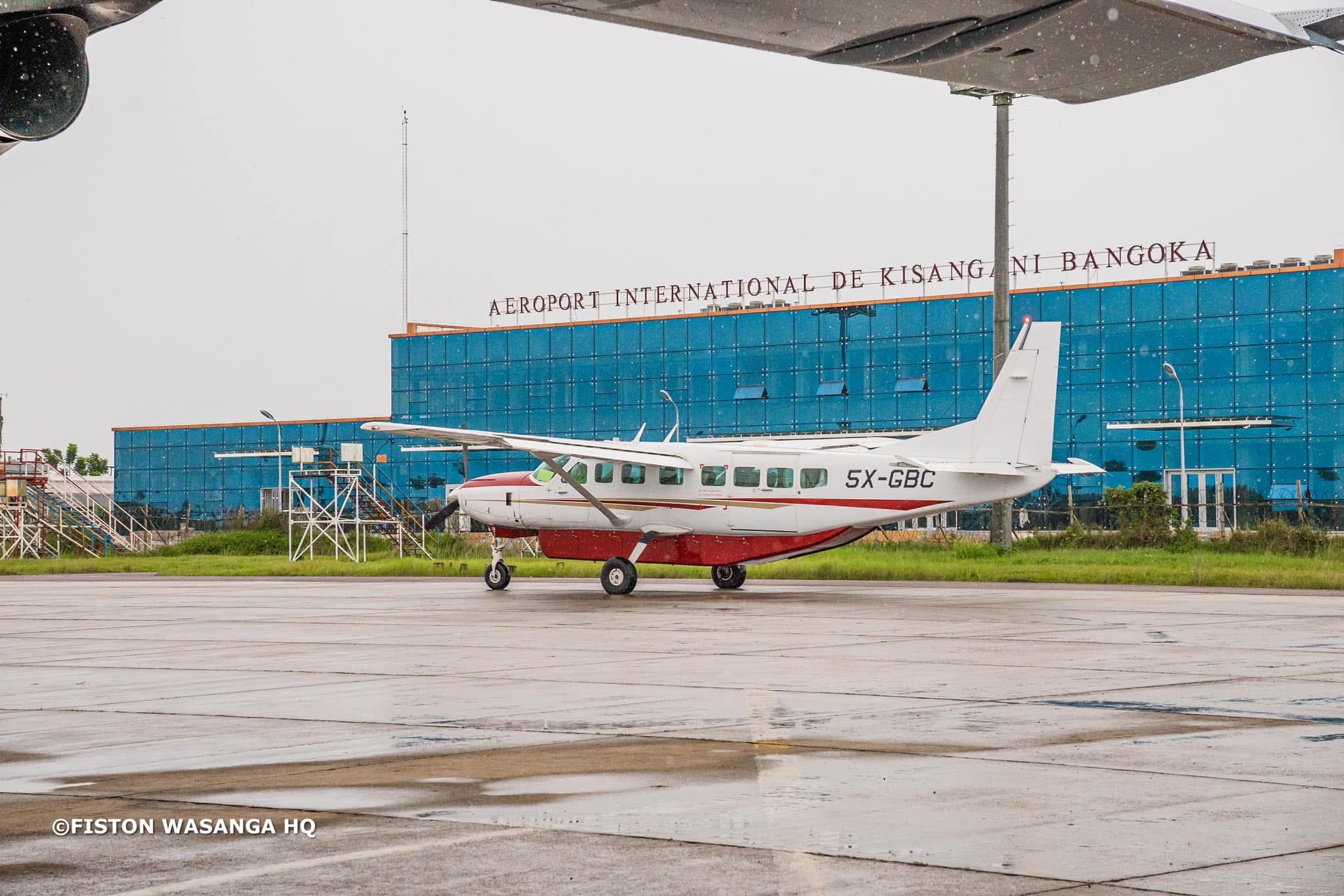
Nearest Airports and Transport Options: The most common gateways are Kisangani Airport (Kisangani Bangoka International Airport) and Goma International Airport, depending on your itinerary. From these airports, travelers typically take chartered flights, 4×4 vehicles, or organized transfers to reach the reserve. Internal flights can significantly reduce travel time compared to long overland journeys through dense rainforest regions.
Transfers from Kinshasa or Goma: For visitors coming from Kinshasa, domestic flights to Kisangani or Goma are recommended, followed by guided transfers to the reserve. Road access from these cities can be challenging, especially during the rainy season, so most visitors rely on experienced safari operators for safe and efficient transfers.
Travel Tips for Remote Rainforest Access:
Pack lightweight, waterproof clothing and sturdy walking shoes suitable for rainforest terrain.
Bring insect repellent, sun protection, and personal medical supplies.
Travel with an experienced guide to navigate dense forest trails and ensure safety in remote areas.
Ensure all permits and park authorizations are obtained prior to arrival to avoid delays at checkpoints.
These logistics tips help ensure a smooth and safe journey, allowing travelers to focus on wildlife encounters, trekking, and cultural experiences rather than travel challenges.
Dining and Facilities – Okapi Wildlife Reserve
Accommodations within the reserve provide comfort while immersing visitors in the rainforest environment.
Onsite Meals and Dining Experience: Most lodges and eco-camps offer full-board meals, featuring a combination of local Congolese cuisine and international dishes. Meals are freshly prepared using locally sourced ingredients, and guests can enjoy their meals in dining halls or open-air settings with views of the forest and surrounding wildlife.
Additional Services:
Guides: Expert local guides accompany all forest treks and wildlife excursions, providing in-depth knowledge about flora, fauna, and conservation practices.
Porters: Porters assist with luggage and trekking gear, ensuring a safe and comfortable trekking experience for all visitors.
Medical Support: Onsite lodges maintain basic medical facilities, and guides are trained in first aid. In case of emergencies, rapid access to regional hospitals or evacuation services can be arranged by safari operators.
Would you like to visit Okapi Game Reserve.
FAQs About Okapi Wildlife Reserve
What is the Okapi Wildlife Reserve?
It is a UNESCO World Heritage Site and a protected rainforest area in the Democratic Republic of Congo, home to the elusive okapi and other rare wildlife.
Where is Okapi Wildlife Reserve located?
It is located in the northeastern part of the DRC, covering dense tropical rainforest across approximately 13,700 square kilometers.
Which species can I see in the reserve?
Visitors can encounter okapi, forest elephants, bongos, chimpanzees, monkeys, birds, reptiles, and unique flora.
What makes Okapi Wildlife Reserve special?
It combines rare wildlife sightings, pristine rainforest, cultural interactions with indigenous communities, and a focus on conservation.
Is it safe to visit Okapi Wildlife Reserve?
Yes, when traveling with experienced guides and authorized safari operators. Safety protocols and park regulations are strictly followed.
Do I need a permit to enter the reserve?
Yes, all visitors require an entry permit, which is usually arranged through safari operators.
Can I go on self-guided treks?
No, treks must be guided by authorized local experts to ensure safety and minimize impact on wildlife.
What is the best time to visit the reserve?
The dry seasons (June–September and December–February) are ideal for trekking and wildlife visibility.
How long should a safari last?
A typical safari ranges from 3 to 5 days, though longer or customized itineraries are possible.
Are there accommodations inside the reserve?
Yes, options include eco-bandas, lodges, and camps offering full-board services and guided activities.
Can I combine Okapi Wildlife Reserve with other Congo safaris?
Yes, it can be combined with safaris to Virunga National Park, Garamba National Park, or Kahuzi-Biega National Park for a multi-destination Congo adventure.
What activities are available in the reserve?
Guided forest walks, wildlife tracking, birdwatching, cultural visits, and participation in conservation initiatives.
Are children allowed in the reserve?
Yes, but they must be accompanied by adults and participate in guided tours suitable for their age.
What should I pack for the safari?
Lightweight clothing, waterproof gear, sturdy walking shoes, insect repellent, sun protection, and a camera.
Is the reserve accessible by road?
Access is challenging; most visitors reach the reserve via flights to Kisangani or Goma, followed by guided transfers.
Can I see okapis in the wild?
Yes, but sightings are rare and require guided tracking through forest trails. Patience and early morning or late afternoon treks improve chances.
Do I need vaccinations to visit?
Yellow fever vaccination is mandatory; other recommended vaccines include tetanus, hepatitis, and typhoid. Consult your doctor before travel.
Is there cell phone or internet coverage?
Coverage is limited due to the remote rainforest location; lodges may offer minimal connectivity.
Are meals provided during the safari?
Yes, most accommodations offer full-board meals featuring local and international cuisine.
What languages are spoken by guides?
Guides usually speak English, French, and local languages, ensuring clear communication and enriching your experience.
Can I take photographs in the reserve?
Yes, photography is encouraged, but drones or professional filming require special permits.
How do I contribute to conservation?
By paying permits, following guidelines, and supporting eco-lodges and community initiatives that preserve wildlife and habitat.
What is the level of fitness required?
Moderate fitness is needed for trekking in dense rainforest and uneven trails. Guides provide options suitable for different ability levels.
Why Book With Pieland Gorilla Safaris
Expertise and Local Guides from Pieland Gorilla Safaris: Our team consists of experienced guides and conservationists who know the Okapi Wildlife Reserve intimately, ensuring a safe, insightful, and unforgettable safari experience.
Exclusive Experiences: We offer private forest treks, cultural visits, and wildlife encounters not available through standard operators, providing a personalized and immersive adventure.
Conservation Support and Responsible Tourism: Every safari contributes directly to wildlife protection, local communities, and rainforest conservation efforts, ensuring your visit supports the preservation of Congo’s unique ecosystems.
Seamless Logistics: From airport transfers, accommodations, guided treks, and permits, we handle all arrangements so you can focus on your adventure with peace of mind.
Tailored Safari Packages: Whether you prefer luxury lodges or eco-bandas, short or extended itineraries, we customize experiences to match your interests, time, and budget.