Okavango Delta Safari: Ultimate Guide to Botswana’s Water Wilderness
Introduction: Discover the Magic of an Okavango Delta Safari
An Okavango Delta Safari offers one of Africa’s most extraordinary wildlife experiences, combining pristine wilderness, breathtaking landscapes, and unforgettable encounters with nature. Located in northern Botswana, the Okavango Delta is one of the world’s largest inland river deltas, where seasonal floodwaters transform the landscape into a spectacular network of waterways, lagoons, islands, and wildlife-rich plains.
Unlike traditional African safari destinations that mainly focus on open savannah landscapes, the Okavango Delta provides a completely unique adventure where water and wildlife exist together. Travellers can glide silently through crystal-clear channels in a traditional mokoro canoe, explore remote islands on guided walking safaris, and enjoy thrilling game drives across private concessions where some of Africa’s most iconic animals roam freely.
The destination is famous for its incredible biodiversity, supporting large populations of elephants, lions, leopards, cheetahs, buffalo, hippos, giraffes, zebras, antelopes, and hundreds of bird species. The combination of permanent waterways and seasonal floodplains creates one of the richest ecosystems on the African continent, making Botswana a dream destination for wildlife enthusiasts, photographers, honeymooners, and luxury safari travellers.
An Okavango Delta Safari in Botswana is more than just a wildlife trip; it is an immersive journey into one of the planet’s last great wilderness areas. From peaceful sunrise canoe excursions to dramatic predator encounters on the open plains, every moment offers a deeper connection with Africa’s natural beauty.
At Pieland Gorilla Safaris, we design carefully planned Botswana safari experiences that combine the Okavango Delta with other iconic destinations such as Chobe National Park, Victoria Falls, and other Southern Africa highlights. Whether you are searching for a luxury safari, a private wildlife adventure, a photography journey, or a tailor-made African holiday, the Okavango Delta provides an unforgettable experience.
What Makes the Okavango Delta Unique?
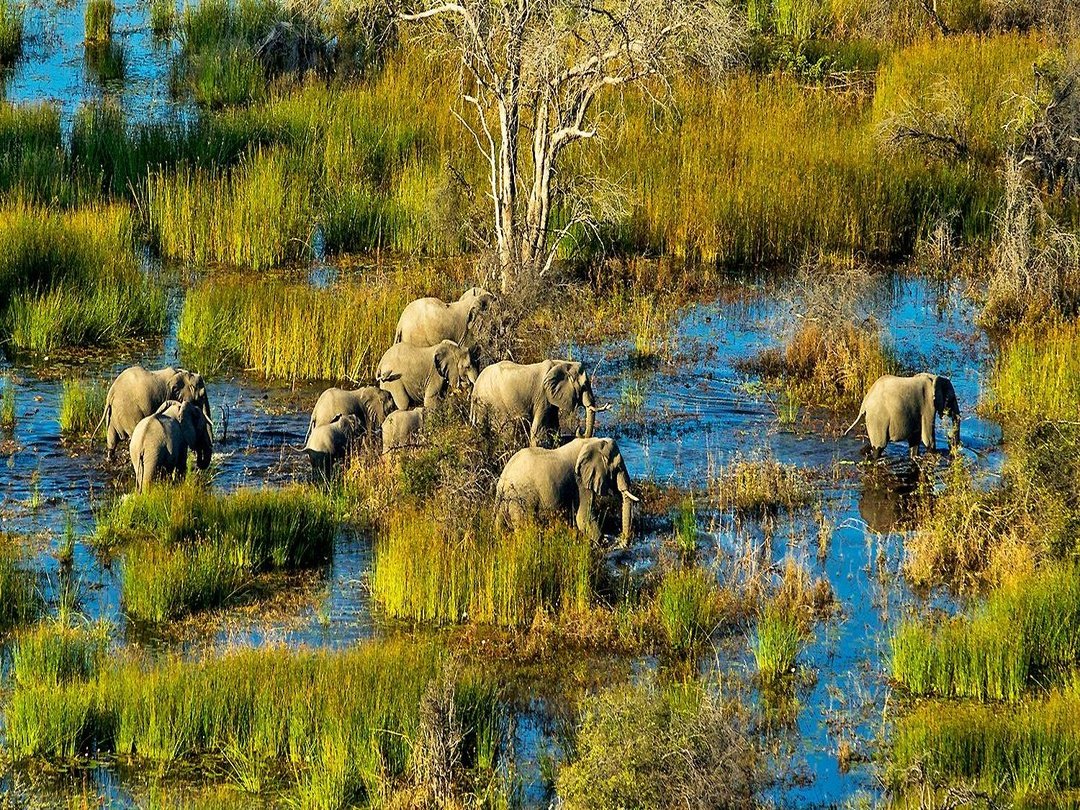
The Okavango Delta is unlike any other safari destination in Africa because its entire ecosystem is shaped by water. The delta is formed by the Okavango River, which begins in the highlands of Angola before flowing southwards into Botswana. Instead of reaching the ocean, the river spreads across the dry Kalahari Desert, creating a remarkable inland wetland ecosystem that supports an extraordinary concentration of wildlife.
The seasonal flooding of the Okavango Delta creates a constantly changing environment. During the flood season, thousands of kilometres of waterways fill with fresh water, transforming dry landscapes into lush green islands, channels, and lagoons. These waters attract huge numbers of animals searching for food and shelter, creating some of the most spectacular wildlife viewing opportunities in Africa.
One of the most unique aspects of an Okavango Delta Safari is the ability to experience wildlife from the water. Traditional game drives are combined with peaceful mokoro journeys where travellers move quietly through narrow channels surrounded by reeds, lilies, and incredible birdlife. This creates a completely different perspective compared to classic savannah safaris.
The delta is also recognised as a globally important conservation area. Its untouched landscapes, exceptional wildlife diversity, and unique ecological importance have earned it international recognition as one of Botswana’s most valuable natural treasures.
For travellers seeking an exclusive safari experience away from crowded tourist destinations, the Okavango Delta offers privacy, tranquillity, and some of the most authentic wildlife encounters in Africa.
Where Is the Okavango Delta Located?
The Okavango Delta is located in northern Botswana, within the heart of the Kalahari Basin. It covers a vast area of wetlands, floodplains, grasslands, and islands, creating one of the largest inland delta systems in the world.
The main gateway to the Okavango Delta is Maun, a small town often referred to as the safari capital of Botswana. Most travellers arriving for an Okavango Delta Safari pass through Maun International Airport before connecting to safari camps by light aircraft or safari vehicles.
Combining the Okavango Delta with Other Southern Africa Safari Destinations
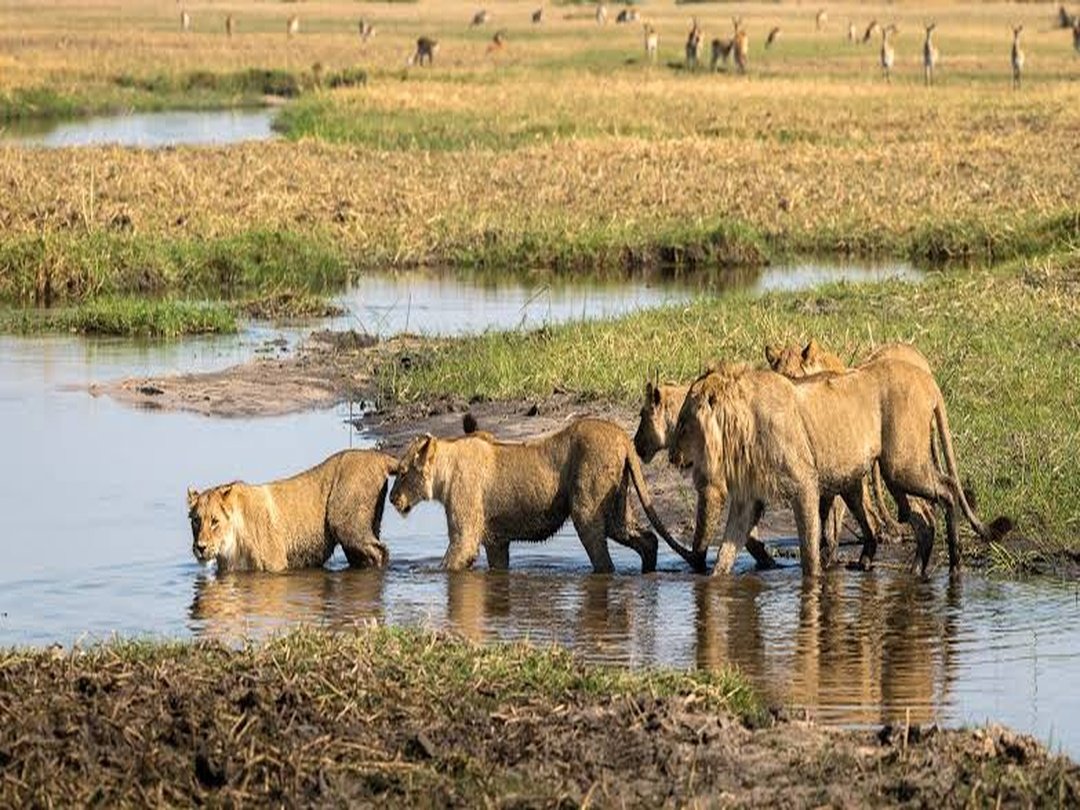
The location of the Okavango Delta makes it one of the best destinations to include in a wider Southern Africa safari adventure. While the delta itself offers an incredible water-based wildlife experience, combining it with nearby parks and natural wonders allows travellers to experience the remarkable diversity of this region. From powerful waterfalls and large elephant herds to desert landscapes and remote wilderness areas, a multi-destination safari provides a deeper understanding of Africa’s landscapes, wildlife, and cultures.
Because Botswana shares borders and excellent travel connections with neighbouring countries, travellers can easily design itineraries that combine the Okavango Delta with Chobe National Park, Victoria Falls, Moremi Game Reserve, and Namibia. These combinations create balanced safari experiences where each destination offers something different, from iconic landmarks to exclusive wildlife encounters.
Okavango Delta and Chobe National Park Safari Combination
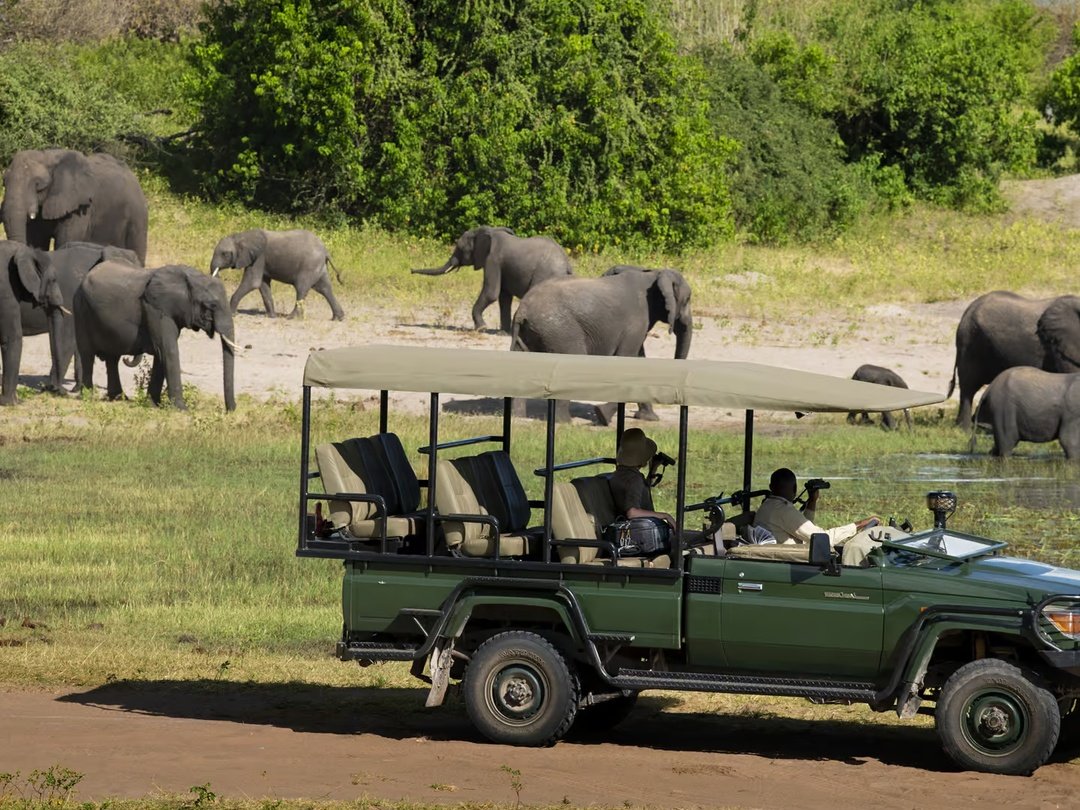
Combining the Okavango Delta and Chobe National Park is one of the most popular safari combinations in Botswana because the two destinations provide completely different wildlife experiences.
While the Okavango Delta is famous for its waterways, mokoro canoe safaris, remote islands, and intimate wildlife encounters, Chobe National Park is renowned for its enormous elephant populations, the beautiful Chobe River, and exceptional boat safari experiences. Together, these destinations provide travellers with a perfect balance between land and water-based safaris.
In the Okavango Delta, visitors can quietly navigate through flooded channels while observing hippos, colourful bird species, and animals coming to drink along the waterways. Game drives through private concessions offer opportunities to search for lions, leopards, cheetahs, African wild dogs, and other predators.
Chobe National Park provides a different perspective, with large herds of elephants gathering along the riverbanks, especially during the dry season. Boat cruises on the Chobe River allow travellers to observe elephants swimming, buffalo resting near the water, crocodiles along the shores, and hundreds of bird species.
A combination of Okavango Delta and Chobe National Park is ideal for travellers who want to experience Botswana’s most famous wildlife areas while enjoying both luxury lodge experiences and diverse safari activities.
Okavango Delta and Victoria Falls Safari Combination
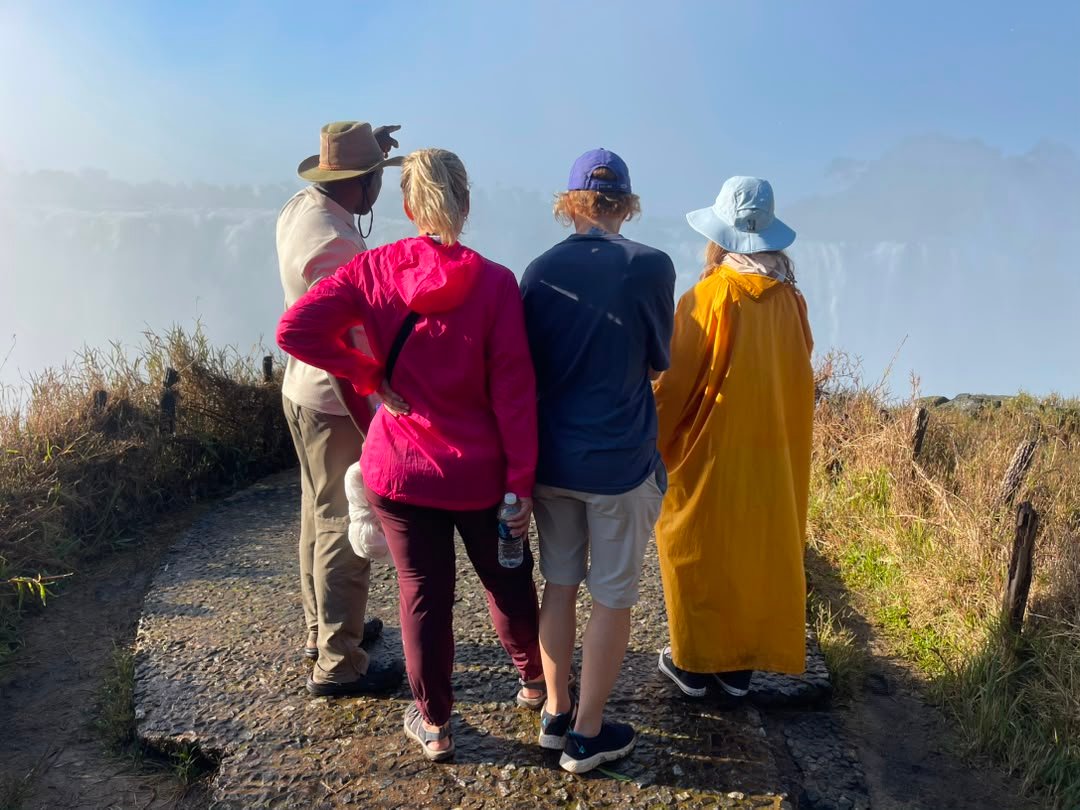
The combination of the Okavango Delta and Victoria Falls brings together two of Southern Africa’s greatest natural attractions: one of the world’s most unique wetland ecosystems and one of the largest waterfalls on Earth.
Victoria Falls, located on the border between Zambia and Zimbabwe, offers a completely different experience from the peaceful wilderness of the Okavango Delta. Known locally as Mosi-oa-Tunya (“The Smoke That Thunders”), Victoria Falls creates a spectacular display of water, mist, and rainforest scenery along the Zambezi River.
After exploring the waterways and wildlife of the Okavango Delta, travellers can continue to Victoria Falls for unforgettable experiences such as guided waterfall walks, sunset cruises on the Zambezi River, helicopter flights, cultural experiences, and adventure activities.
This combination is especially popular among first-time visitors to Southern Africa because it combines:
- Exceptional wildlife viewing in Botswana
- A world-famous natural wonder
- Adventure activities
- Luxury accommodation experiences
- Easy regional connections
A Victoria Falls and Okavango Delta Safari provides the perfect blend of adventure, relaxation, nature, and unforgettable African landscapes.
Okavango Delta and Moremi Game Reserve Safari Combination
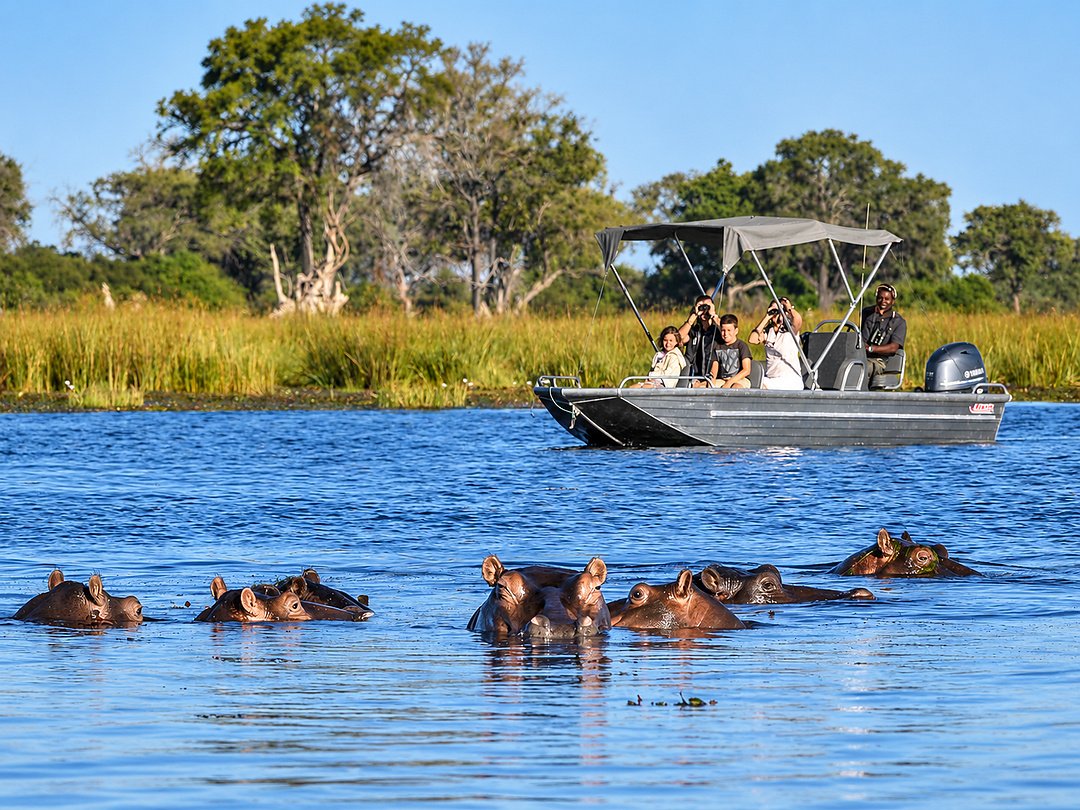
The Okavango Delta and Moremi Game Reserve combination allows travellers to explore one of the richest wildlife areas in Botswana. Moremi Game Reserve forms an important part of the greater Okavango ecosystem and protects a diverse combination of wetlands, forests, lagoons, and open grasslands.
While the Okavango Delta is famous for its waterways and aquatic safari experiences, Moremi provides excellent traditional game drives through varied landscapes. The reserve is known for outstanding wildlife viewing, including elephants, lions, leopards, buffalo, giraffes, zebras, and large numbers of antelope.
Travellers exploring Moremi can experience some of Botswana’s most famous areas, including floodplains, lagoons, and wildlife-rich regions where predators are often active. The combination creates opportunities for both water and land-based safaris within one connected ecosystem.
An Okavango Delta and Moremi Game Reserve Safari is particularly suitable for travellers who want a deeper exploration of Botswana’s wilderness, spending more time away from busy tourist routes while enjoying exceptional wildlife encounters.
Botswana and Namibia Safari Circuits
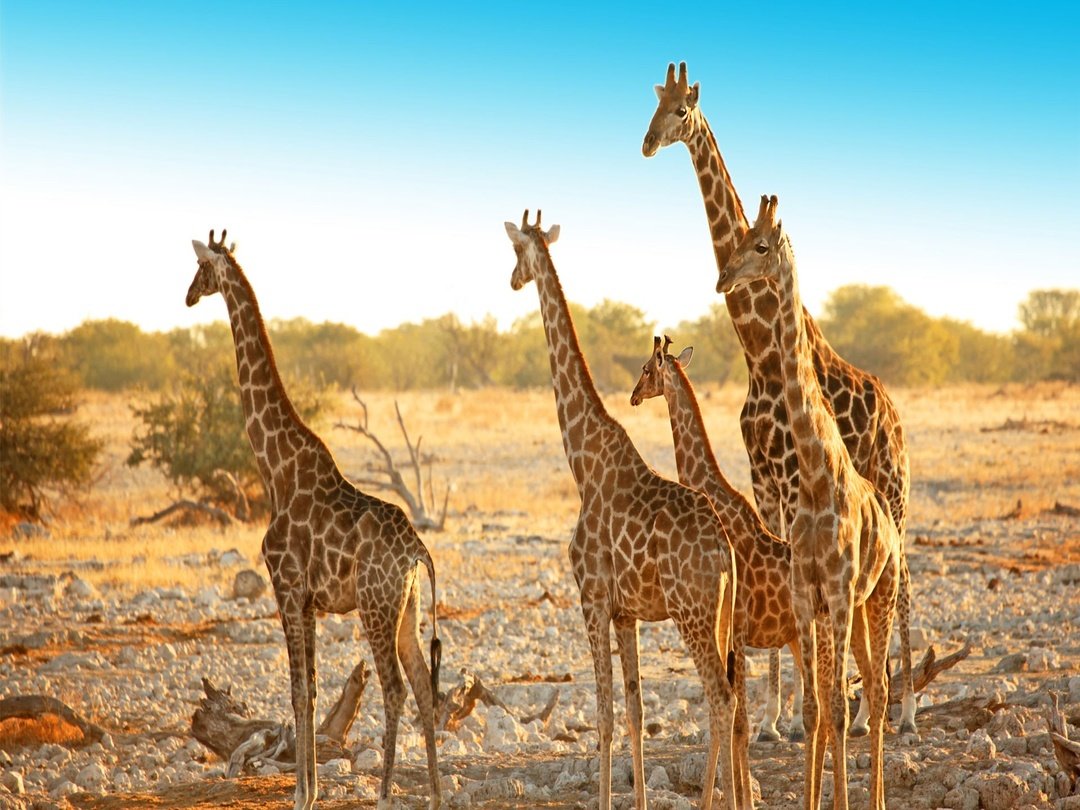
For travellers looking for a longer and more diverse African adventure, combining Botswana with Namibia creates an extraordinary safari journey through contrasting landscapes.
Botswana offers some of Africa’s richest wildlife areas, including the Okavango Delta, Chobe National Park, and Moremi Game Reserve. Namibia adds a completely different dimension with dramatic deserts, ancient landscapes, and unique destinations such as the Namib Desert, Etosha National Park, and the Skeleton Coast.
A Botswana and Namibia safari circuit allows travellers to experience:
- The waterways and wetlands of the Okavango Delta
- The wildlife-rich plains of Chobe and Moremi
- Namibia’s vast desert scenery
- Etosha National Park’s famous waterholes
- Unique cultural and geological attractions
This combination is ideal for adventurous travellers seeking a longer Southern Africa journey that goes beyond traditional safari routes.
Wildlife in the Okavango Delta
The Okavango Delta is one of Africa’s richest wildlife destinations, supporting an incredible variety of animals due to its combination of permanent waterways, seasonal floodplains, and diverse habitats. The availability of water throughout the year attracts large numbers of animals, making the delta one of the best places in Botswana for wildlife encounters.
Unlike many dry-season safari destinations where animals concentrate only around limited water sources, the Okavango Delta offers wildlife viewing across different environments. Visitors can observe animals along river channels, open grasslands, woodland areas, and remote islands, each providing unique opportunities for photography and observation.
Elephants in the Okavango Delta
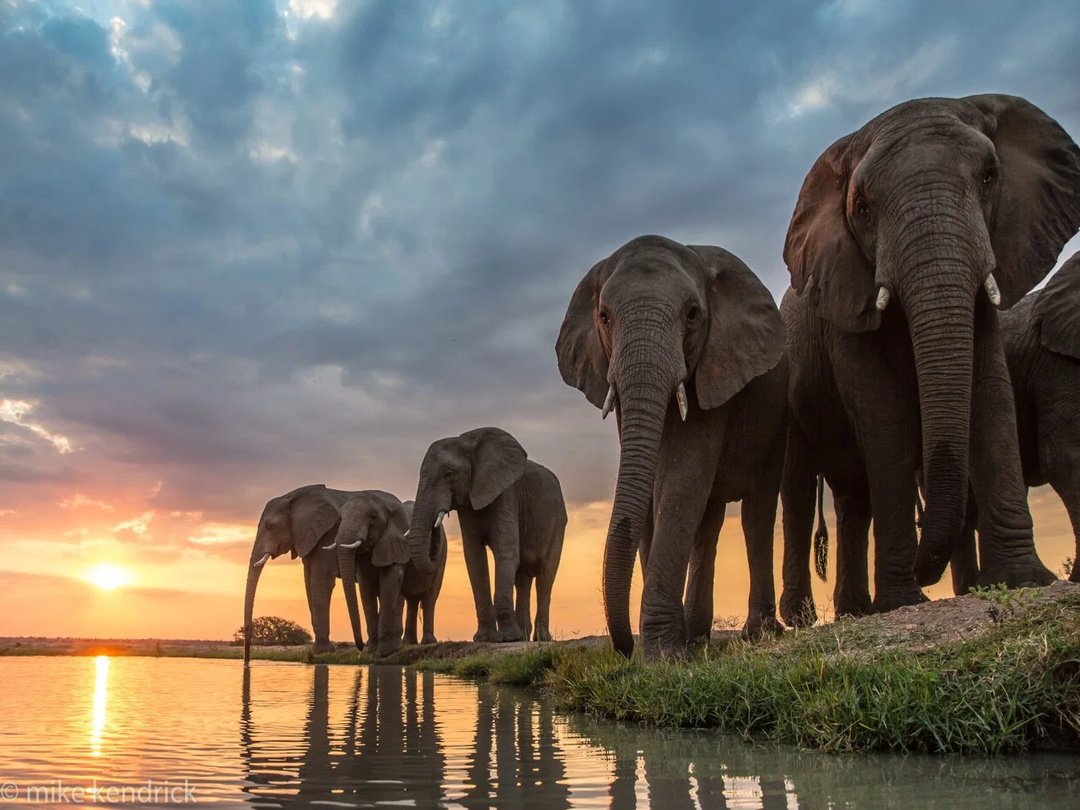
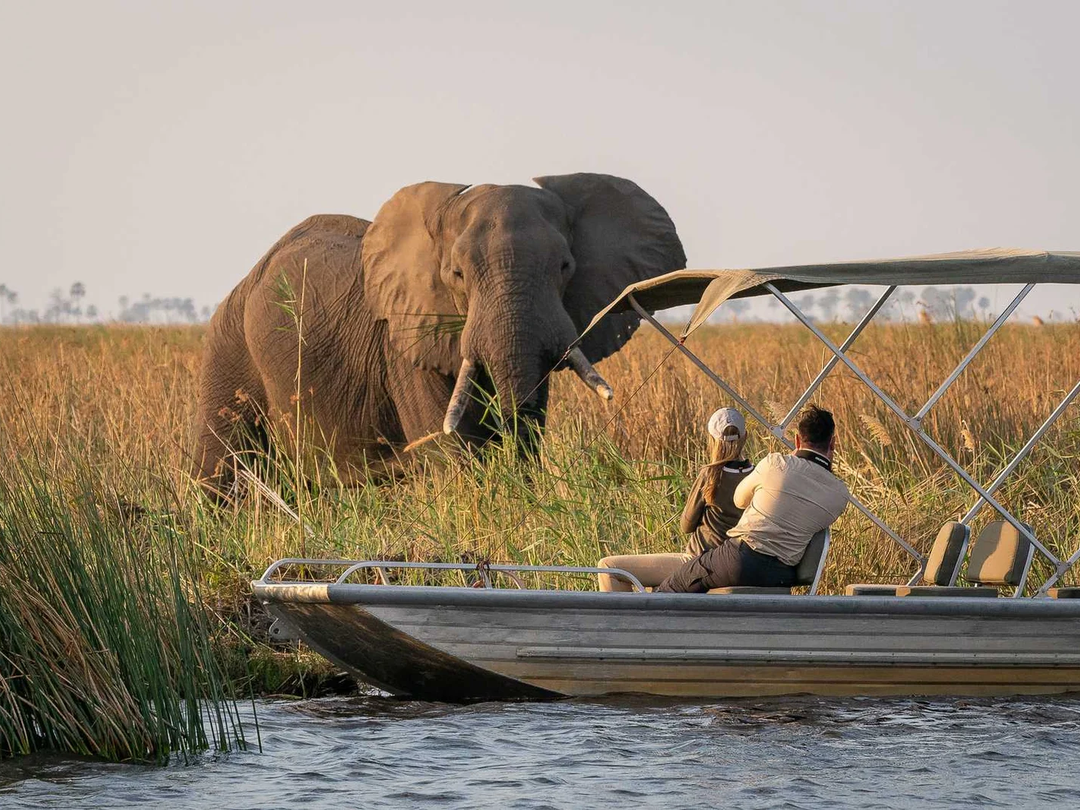
Elephants are among the most iconic animals found in the Okavango Delta. Large herds move through the wetlands, often seen crossing waterways, feeding on vegetation, or gathering near lagoons. Watching elephants interact with the aquatic environment is one of the most memorable experiences during an Okavango Delta Safari.
The presence of water creates incredible photographic opportunities, with elephants often surrounded by reflections from calm channels and beautiful golden light during sunrise and sunset. These encounters provide a deeper appreciation of how wildlife has adapted to the unique conditions of the delta.
Lions and Predators of the Okavango Delta
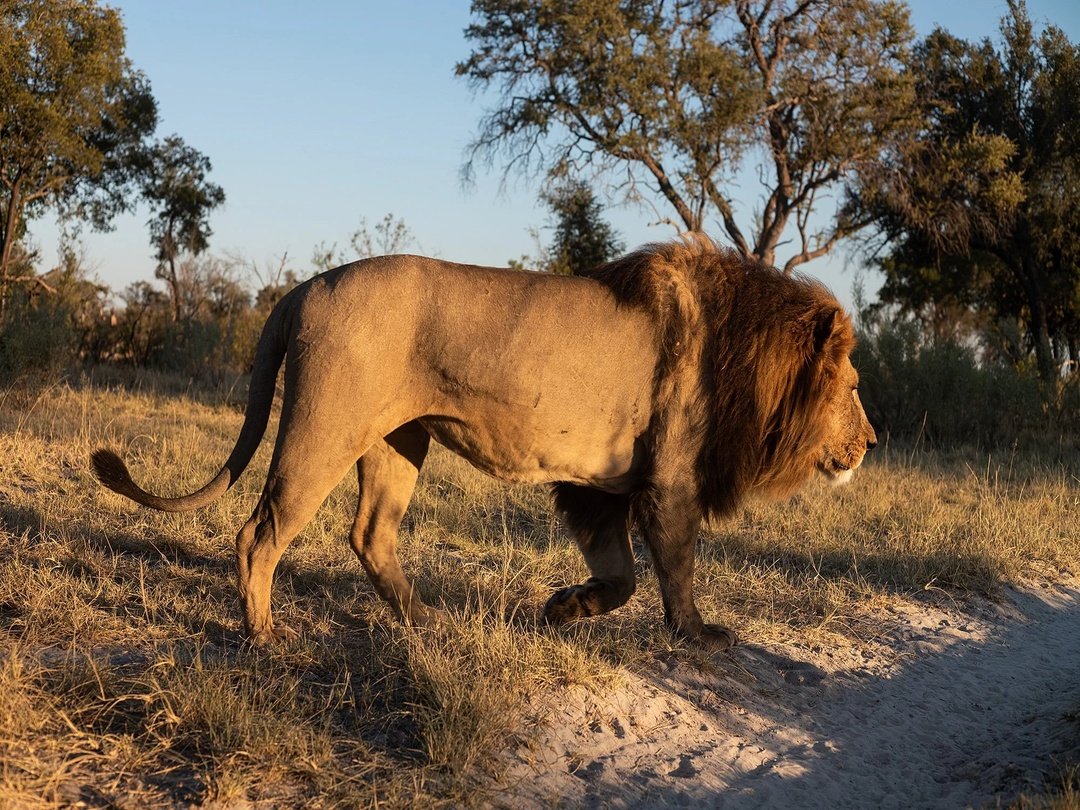
The Okavango Delta is famous for exceptional predator sightings. Lions thrive in the delta’s diverse habitats, with some prides adapting specifically to the wetland environment. During game drives, travellers may encounter lions resting under trees, moving through open plains, or actively hunting.
The delta is also home to leopards, cheetahs, and African wild dogs. African wild dogs are among the most exciting species to observe because of their highly social behaviour and incredible hunting skills. The Okavango Delta remains one of the best places in Africa to search for these endangered predators.
Buffalo, Hippos, and Other Wildlife
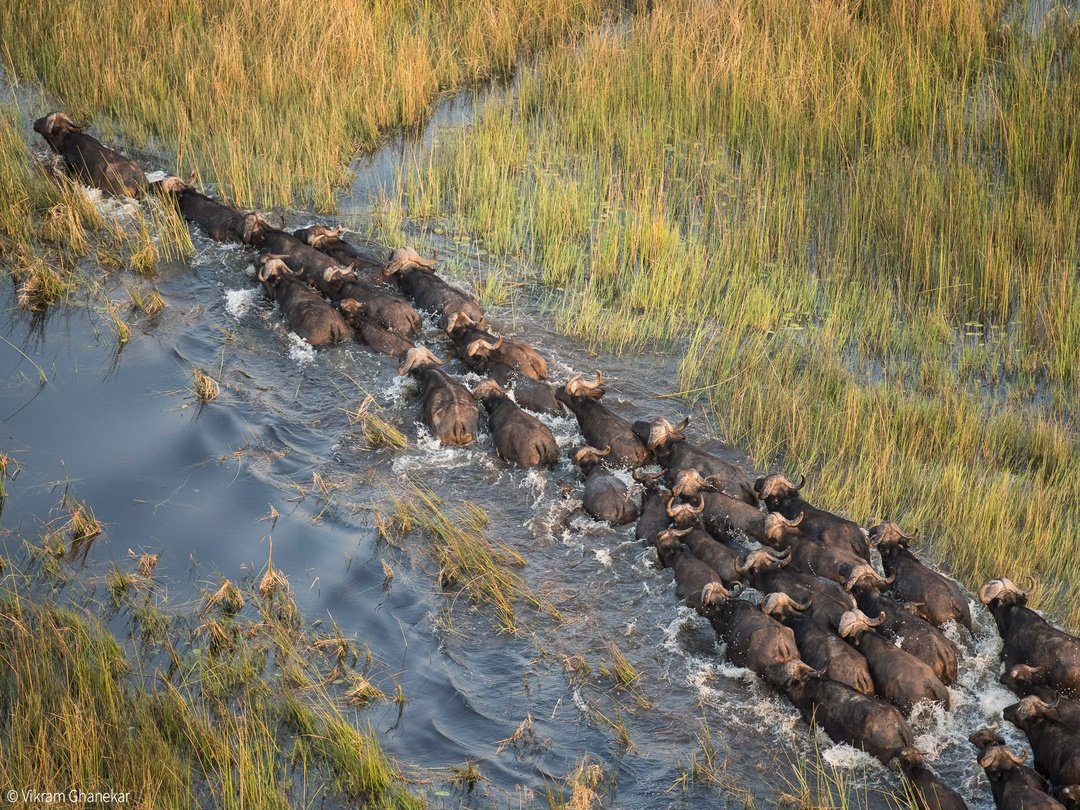
Large herds of Cape buffalo move through the delta, often found near water sources and open grasslands. Hippos are commonly seen in deeper channels and lagoons, where they spend much of their day in water before becoming more active during cooler hours.
Other wildlife includes giraffes, zebras, wildebeest, warthogs, impalas, kudus, and the rare sitatunga antelope, a species specially adapted to living in wetland environments.
Birdlife in the Okavango Delta
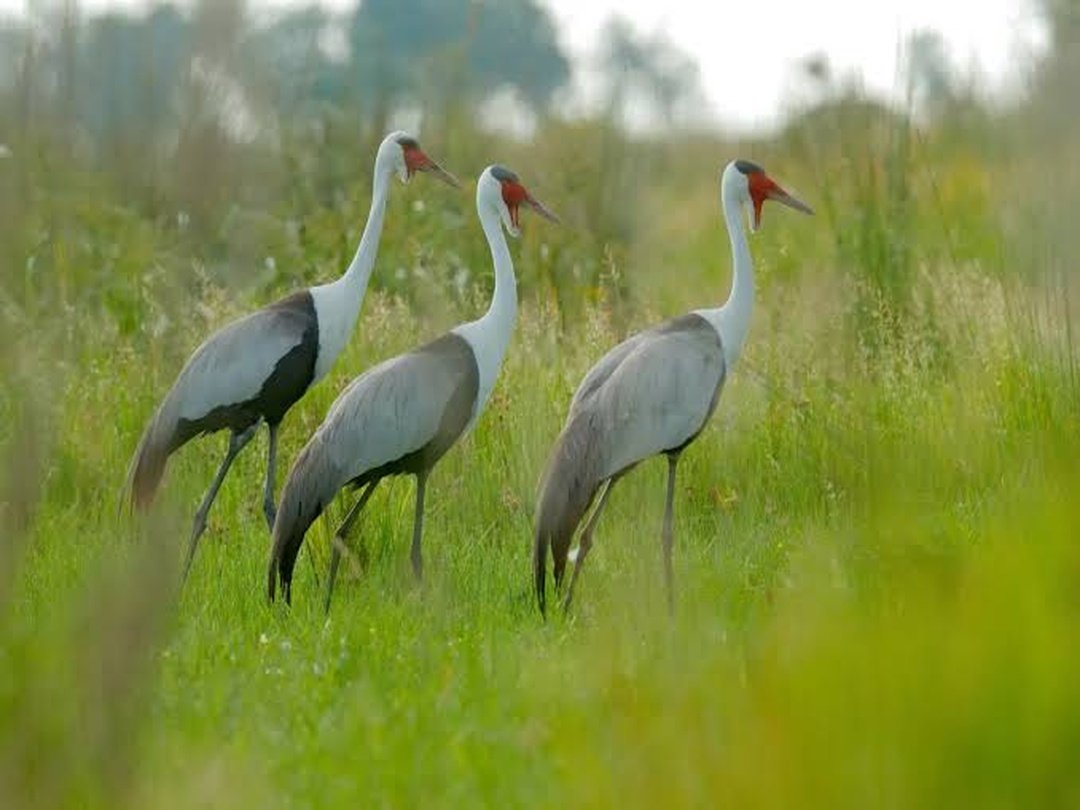
The Okavango Delta is a paradise for bird lovers, with more than 400 recorded bird species. The combination of waterways, forests, and floodplains provides perfect habitats for both resident and migratory birds.
During an Okavango Delta Safari, visitors can encounter impressive species such as African fish eagles, kingfishers, herons, storks, pelicans, and colourful bee-eaters. The wet season is especially rewarding for birdwatchers as migratory species arrive and breeding activity increases.
Best Safari Activities in the Okavango Delta
The uniqueness of the Okavango Delta comes from the variety of activities available. Instead of experiencing the destination only through traditional game drives, visitors can explore the wilderness through water, walking, and aerial perspectives.
Mokoro Canoe Safaris
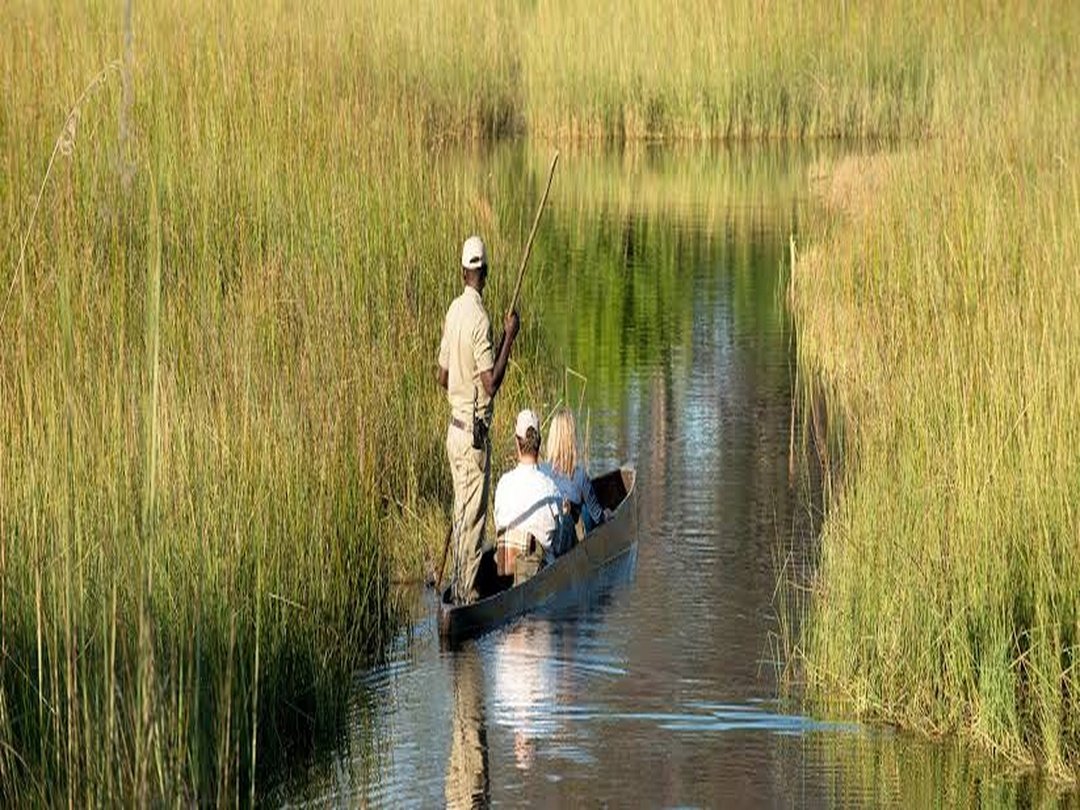
A mokoro safari is one of the most iconic experiences in the Okavango Delta. These traditional dugout canoes allow visitors to quietly travel through shallow waterways while surrounded by reeds, lilies, and incredible birdlife.
Guided by experienced local polers, travellers glide peacefully through channels where they can observe smaller wildlife, aquatic birds, and animals approaching the water. The silence of the mokoro creates a completely different connection with nature compared to vehicle-based safaris.
Game Drives
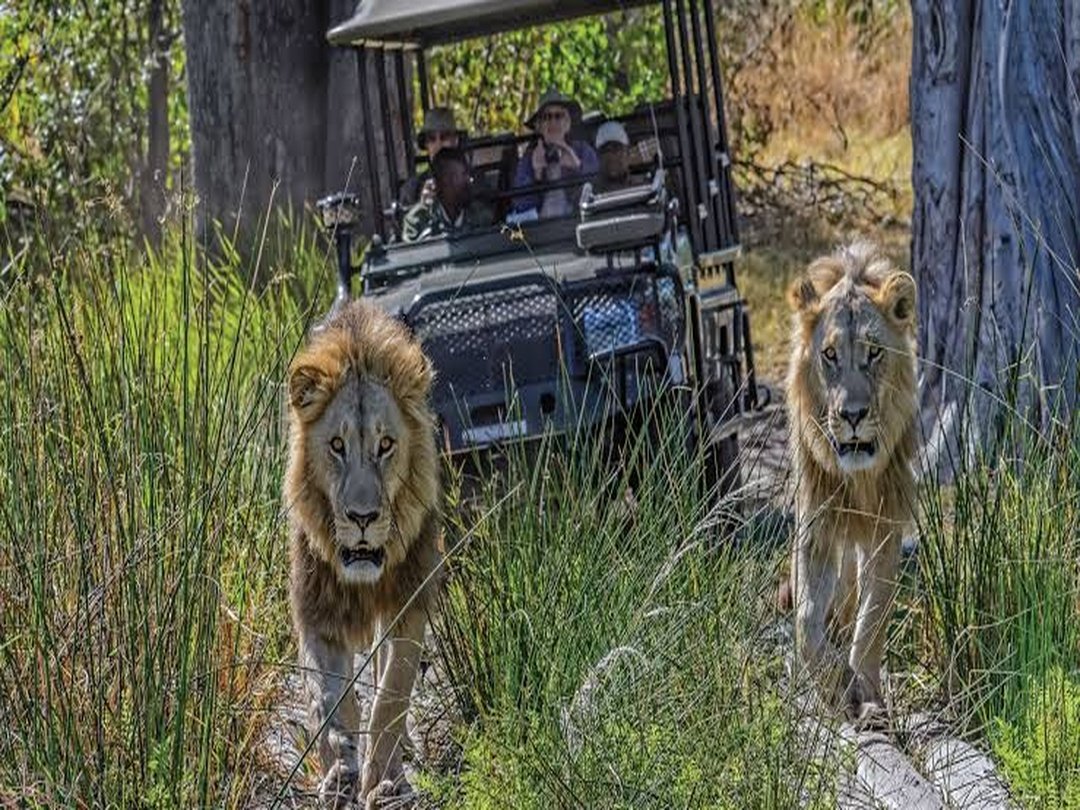
Game drives remain one of the most exciting ways to explore the Okavango Delta. Early morning and evening drives provide the best opportunities to observe predators and wildlife when animals are most active.
Experienced guides use their knowledge of animal behaviour and the landscape to locate lions, leopards, elephants, buffalo, wild dogs, and other species. Private concessions often allow additional flexibility, including night drives that reveal nocturnal wildlife.
Walking Safaris
Walking safaris provide a more personal way to experience the Okavango Delta. Accompanied by professional guides, travellers learn about animal tracks, plants, insects, and the smaller details that are often missed during vehicle safaris.
Walking through the wilderness creates a deeper appreciation of the ecosystem and allows visitors to experience Africa through all their senses.
Boat Safaris
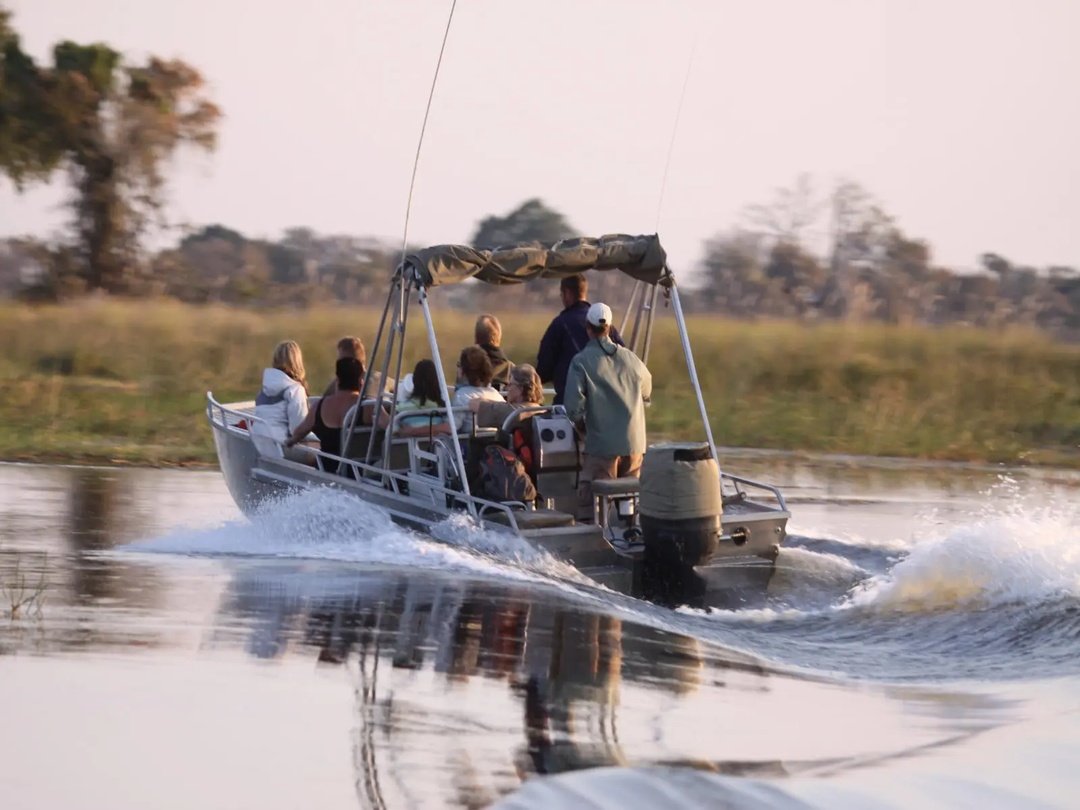
Boat safaris are ideal in areas with deeper waterways. These experiences provide opportunities to observe hippos, crocodiles, elephants, and birdlife from a unique perspective.
Sunset boat cruises are particularly popular because the calm waters, changing colours, and surrounding wildlife create unforgettable photographic moments.
Scenic Flights Over the Okavango Delta
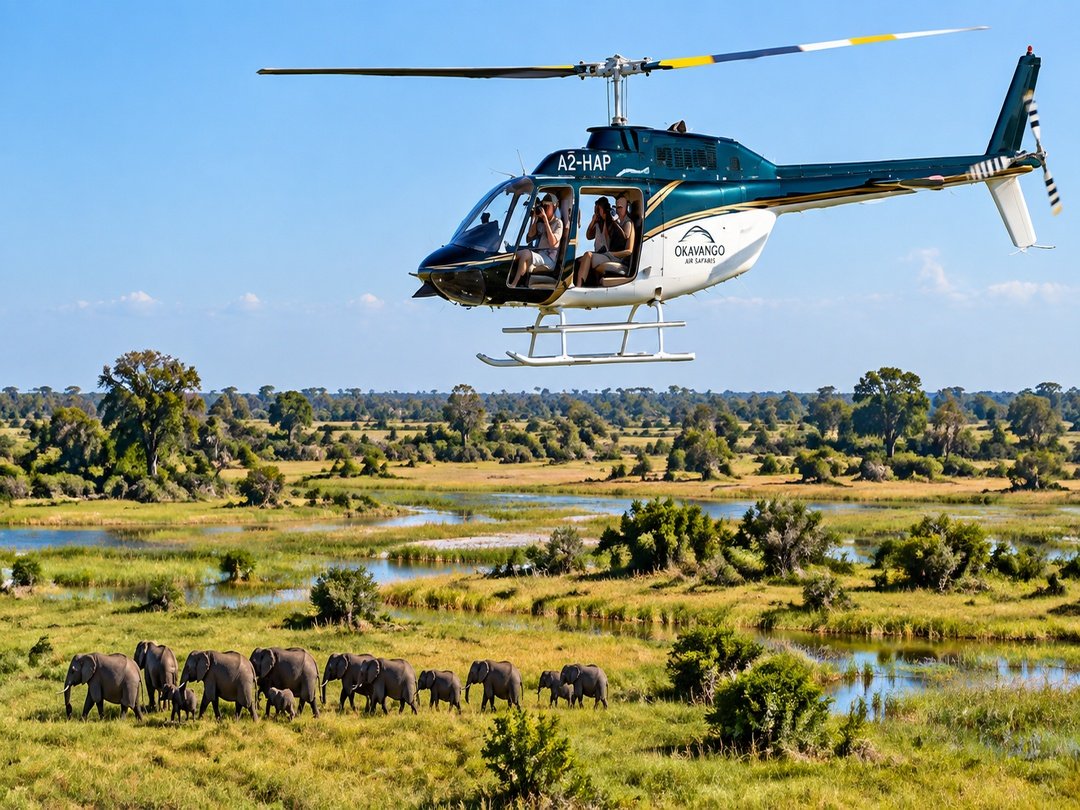
A scenic flight provides one of the best ways to appreciate the scale and beauty of the delta. From above, travellers can see winding waterways, green islands, wildlife trails, and the incredible patterns created by seasonal flooding.
These flights are especially valuable for photographers and first-time visitors who want to understand the vastness of this remarkable ecosystem.
Best Time to Visit the Okavango Delta
The best time for an Okavango Delta Safari depends on the type of experience travellers are looking for. The destination offers different highlights throughout the year, with each season providing unique opportunities.
Dry Season: May to October
The dry season is considered one of the best periods for wildlife viewing. As water becomes concentrated in permanent channels and lagoons, animals gather around these areas, making sightings more predictable.
This period also coincides with the arrival of floodwaters, creating excellent conditions for mokoro and boat safaris. The weather is generally dry, skies are clear, and temperatures are comfortable for exploring.
Flood Season: June to August
The arrival of floodwaters transforms the Okavango Delta into a spectacular water paradise. Channels fill, islands become surrounded by water, and aquatic safari experiences become especially rewarding.
This is one of the best times for travellers interested in mokoro excursions and exploring the delta’s famous waterways.
Wet Season: November to April
The wet season brings lush landscapes, dramatic skies, and excellent birdwatching opportunities. Many animals give birth during this period, creating opportunities to witness young wildlife.
Although some areas may become more difficult to access due to rainfall, the season offers beautiful scenery, fewer visitors, and excellent photography conditions.
Best Lodges and Camps in the Okavango Delta
Choosing the right accommodation is one of the most important decisions when planning an Okavango Delta Safari because where you stay strongly influences the wildlife, activities and landscapes you experience. The Okavango is not one single safari area. Some camps are positioned beside permanent waterways where boating and mokoro excursions form an important part of the stay, while others are located in wildlife-rich areas where game drives and predator sightings are the principal attraction.
Many of the best camps lie deep within the Delta or Moremi Game Reserve and are reached by light aircraft from Maun, Kasane or another safari camp. This isolation is part of the attraction. Rather than staying beside towns or busy roads, guests wake up surrounded by floodplains, channels, forests and wildlife, with safari activities beginning almost immediately after leaving camp.
Accommodation in the Okavango Delta generally leans toward the premium and luxury end of the safari market because of its remote locations, low-density tourism model and the logistics involved in operating camps inside the wilderness. However, travellers do not necessarily need to stay at the most expensive properties to experience the Delta. Luxury camps, classic safari lodges, mobile camping journeys and self-drive campsites provide different ways to explore the ecosystem.
For travellers wanting the most complete Okavango Delta Safari, combining two contrasting locations can be particularly rewarding. A camp known primarily for exceptional land-based wildlife viewing can be paired with another property offering strong water experiences, allowing travellers to experience game drives, mokoro excursions, boating and different Delta habitats within one itinerary.
Ultra-Luxury Okavango Delta Camps
At the very top of Botswana’s safari market are a small number of camps offering exceptional privacy, highly personalised service and access to some of the most productive wildlife areas in the Delta. These properties are best suited to travellers who place exclusivity, outstanding guiding and location above price.
Mombo Camp
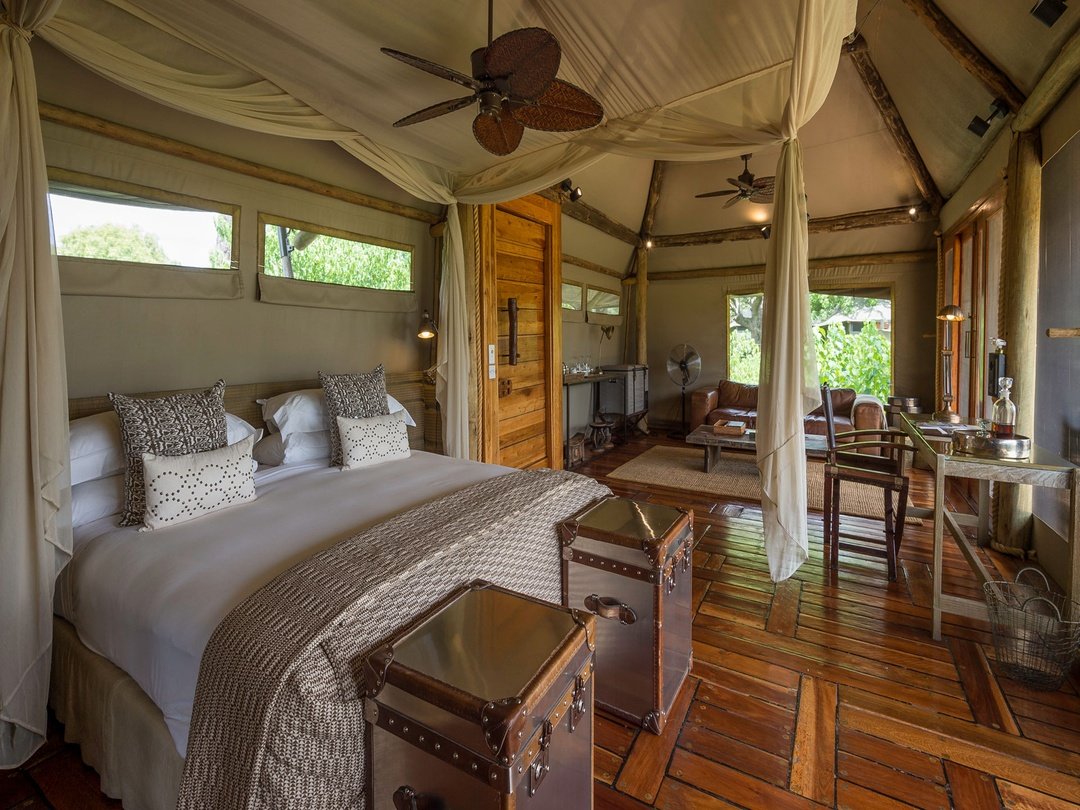
Mombo Camp is one of the Okavango Delta’s most celebrated luxury safari camps and is particularly renowned for wildlife viewing. It lies on the north-eastern side of Chief’s Island within Moremi Game Reserve, overlooking productive floodplains where wildlife concentrations can be exceptional. Wilderness describes the area as particularly notable for predator-prey interactions, with lions, leopards, wild dogs and other predators among the major attractions.
Mombo is particularly well suited to travellers whose priority is high-quality game viewing rather than simply staying beside permanent water. The surrounding Chief’s Island environment attracts elephants, buffalo, antelope and numerous predators, creating opportunities for extended wildlife observation and photography.
The camp itself combines spacious tented accommodation with elevated views across the floodplain, sophisticated hospitality and experienced safari guiding. It is one of the properties to consider when designing a once-in-a-lifetime luxury Botswana safari where the quality of the wildlife experience is just as important as the accommodation.
Little Mombo
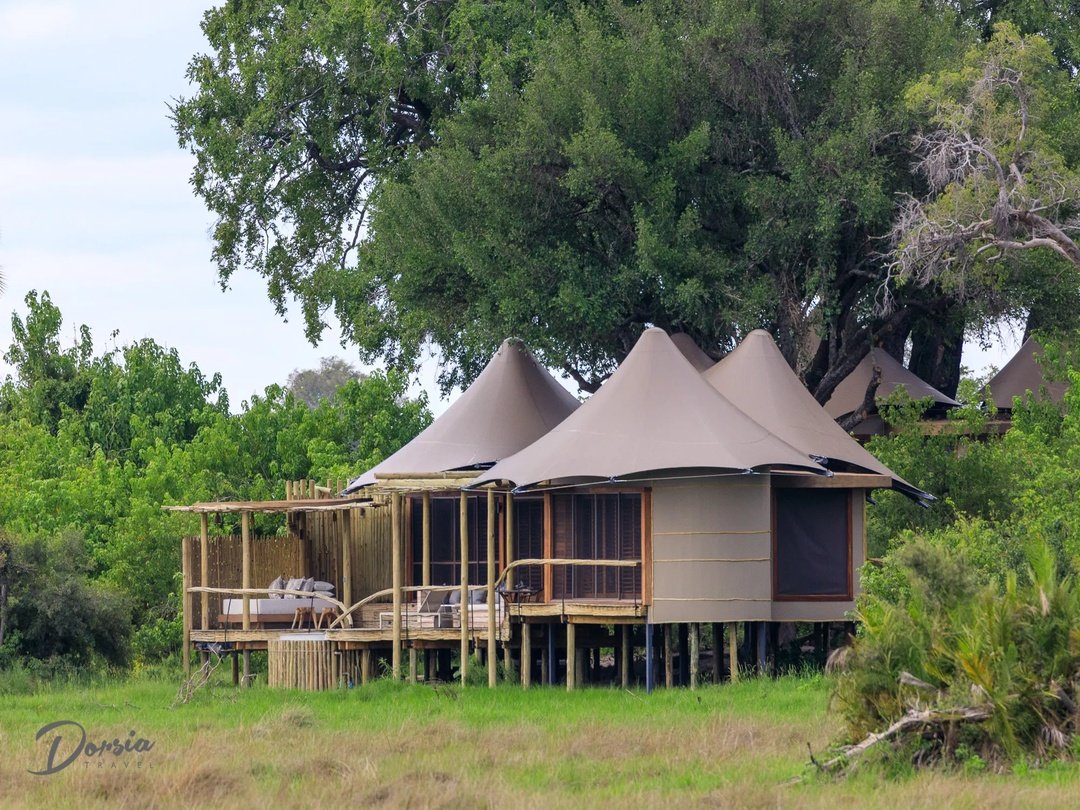
Little Mombo should be classified as ultra-luxury accommodation, not mid-range. It is Mombo’s smaller and more exclusive sister property on Chief’s Island within Moremi Game Reserve and is designed particularly for travellers seeking privacy and a highly intimate safari experience. Wilderness currently positions Little Mombo specifically as an exclusive-use option and notes its private traversing access within the Moremi environment.
The attraction of Little Mombo is not that it provides a cheaper or simpler alternative to Mombo. Its appeal is the opposite: fewer guests, greater privacy and an experience that can feel much closer to having a private safari camp. Guests enjoy access to the same extraordinary Chief’s Island wildlife environment while returning to a smaller and more secluded base.
Little Mombo is therefore particularly appropriate for honeymooners, private families, small groups of friends and luxury travellers who want one of the most exclusive Okavango Delta Safari experiences available.
Luxury Okavango Delta Lodges
Luxury accommodation dominates much of the inner Okavango Delta and Moremi safari experience. Properties in this category combine comfortable or highly sophisticated accommodation with professional guiding and excellent locations, although each camp should be chosen according to the activities and habitats surrounding it.
Chief’s Camp
Chief’s Camp is situated on Chief’s Island within Moremi Game Reserve, placing guests in one of the Okavango’s most productive wildlife landscapes. The camp offers an elegant luxury safari experience built around spacious accommodation and access to the rich wildlife associated with Chief’s Island.
The surrounding ecosystem includes floodplains and other habitats supporting elephants, buffalo, antelope and major predators. Lions and leopards are among the wildlife travellers may search for during guided safari activities, making the camp particularly attractive to guests interested in traditional game viewing and wildlife photography.
Chief’s Camp is a strong choice for travellers wanting a sophisticated lodge experience combined with one of the best-known wildlife areas in the wider Okavango ecosystem.
Vumbura Plains Camp
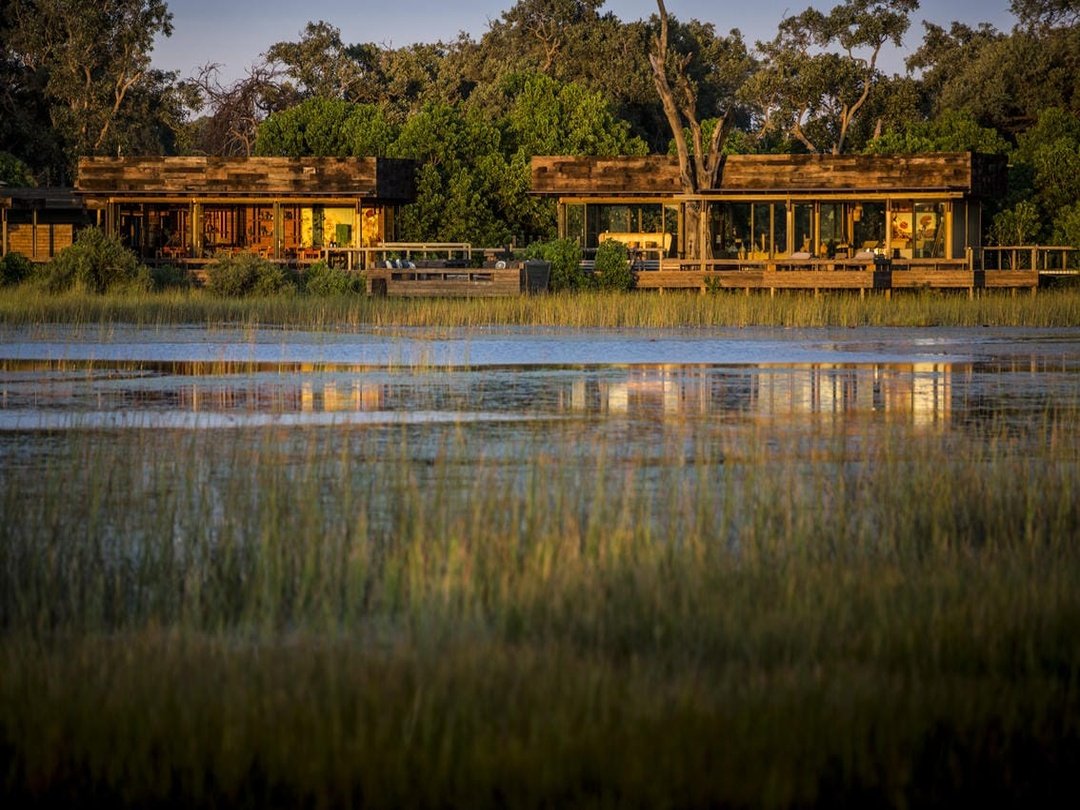
Vumbura Plains is one of the strongest choices for travellers who want both land and water experiences during the same stay. The camp lies in the northern Okavango Delta within a large private wilderness area bordering Moremi Game Reserve and overlooks landscapes shaped by seasonal flooding.
Its position gives travellers access to a varied safari programme that can include game drives, mokoro excursions, boating and catch-and-release fishing, depending on seasonal water conditions. This mixture of activities makes Vumbura Plains particularly useful when designing an itinerary for travellers who do not want their Okavango experience to focus exclusively on either game drives or waterways.
Wildlife in the surrounding area can include lions, African wild dogs, buffalo, elephants and a variety of wetland species. The combination of floodplains, channels and drier habitats creates one of the more diverse safari environments in the northern Delta.
For travellers seeking a luxurious Okavango Delta Safari that demonstrates both the aquatic and terrestrial character of the region, Vumbura Plains is one of the most balanced options.
Camp Moremi
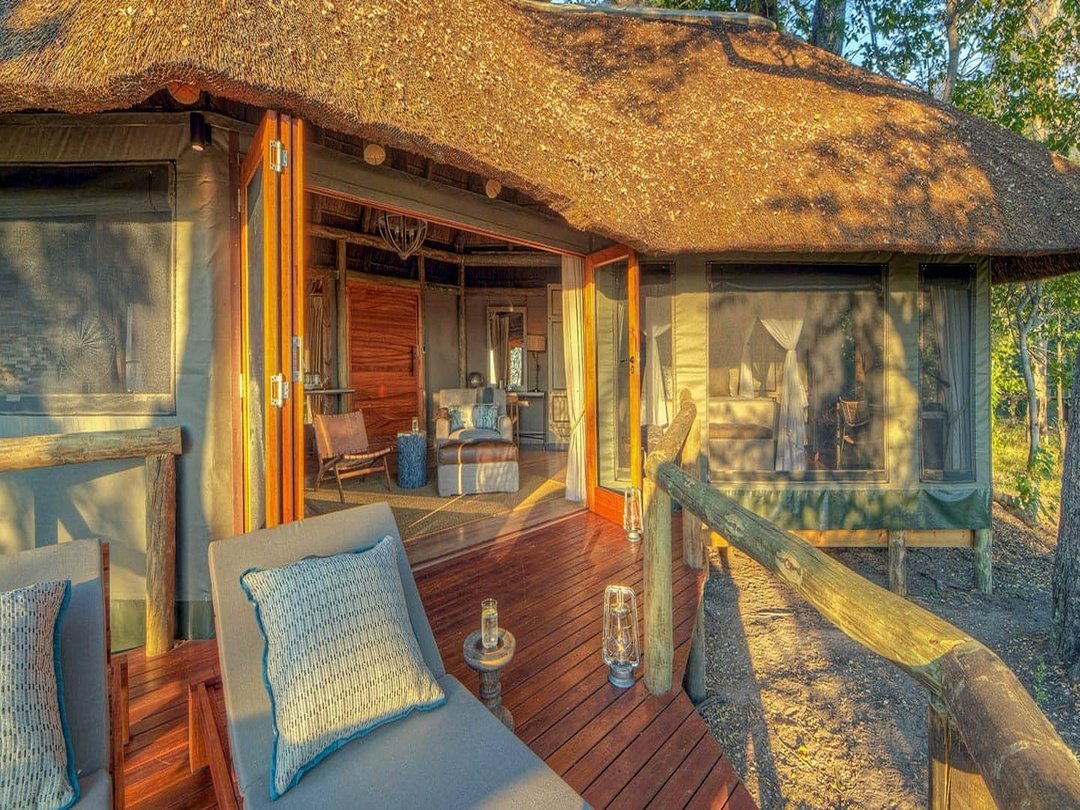
Camp Moremi should also be positioned within the luxury category rather than described as a conventional mid-range lodge. Its operator officially describes it as a modern luxury safari lodge located within Moremi Game Reserve. The property has twelve tented safari rooms, including a family unit, and combines traditional safari atmosphere with access to both wildlife and waterways.
One of Camp Moremi’s strengths is the ability to combine guided game drives through Moremi with motorised boat excursions around the Xakanaxa Lagoon and surrounding channels. This creates a useful balance for travellers wanting to experience the famous wildlife of Moremi while also seeing part of the Delta from the water.
The surrounding ecosystems support elephants, lions, leopards, numerous antelope species and exceptional birdlife. Camp Moremi is therefore particularly suitable for travellers seeking a classic Botswana safari rather than the highly exclusive atmosphere and pricing associated with properties such as Mombo or Little Mombo.
&Beyond Xaranna Okavango Delta Lodge – Temporarily Closed
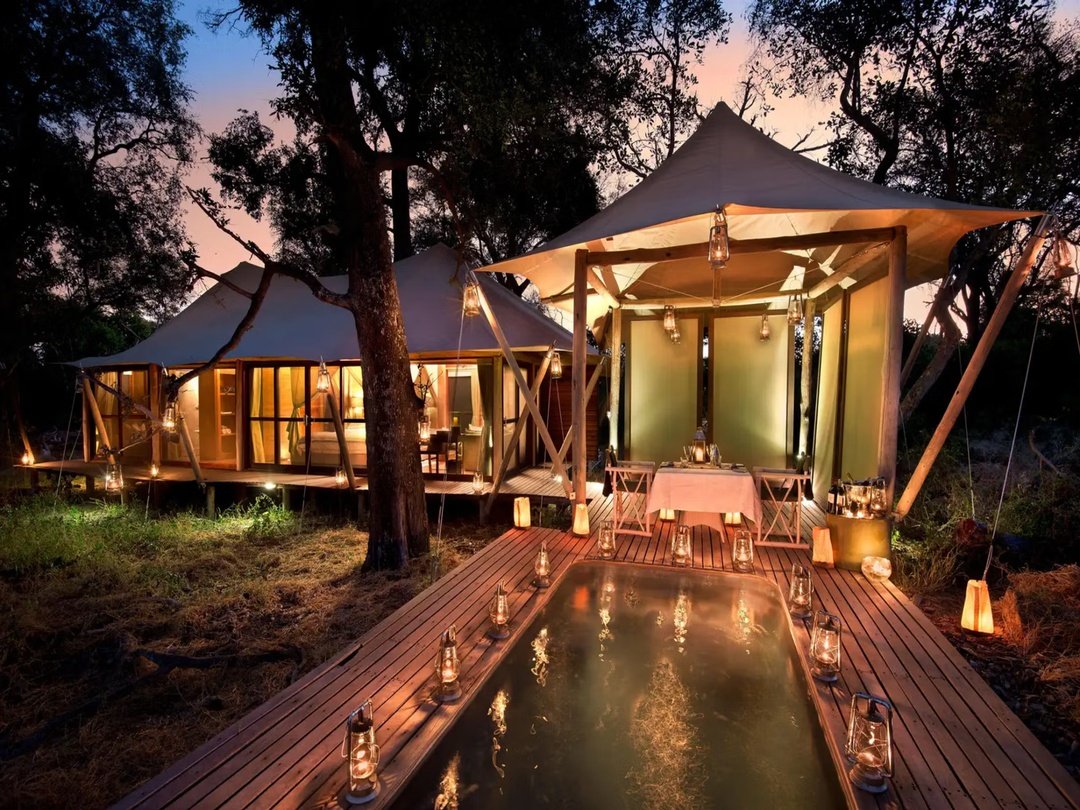
&Beyond Xaranna Okavango Delta Lodge has traditionally been known as an intimate luxury property within the Okavango Delta, particularly appealing to travellers interested in combining sophisticated accommodation with the Delta’s water-oriented landscapes.
However, Xaranna should not currently be presented as an immediately available accommodation option. &Beyond’s official information states that the lodge is temporarily closed for a significant refurbishment while the property is being reimagined.
The planned lodge remains within a vast private concession and is intended to retain a strong relationship with both the aquatic and terrestrial sides of the Delta. Once reopening dates and availability are formally confirmed, it can again be considered for travellers seeking an exclusive Okavango stay.
Until then, travellers should be offered currently operating alternatives rather than being led to believe Xaranna can necessarily be booked for their intended safari dates.
More Affordable Okavango Delta Safari Options
The Okavango Delta is not generally a traditional low-cost destination, particularly when travellers want to stay deep inside the wilderness and use charter flights between camps. However, more affordable ways of experiencing the region are available for adventurous travellers who prioritise wildlife and wilderness over luxury accommodation.
Mobile camping safaris, self-drive camping within Moremi and carefully designed journeys using simpler camps can substantially reduce the cost compared with the Delta’s ultra-luxury properties.
Third Bridge Campsite
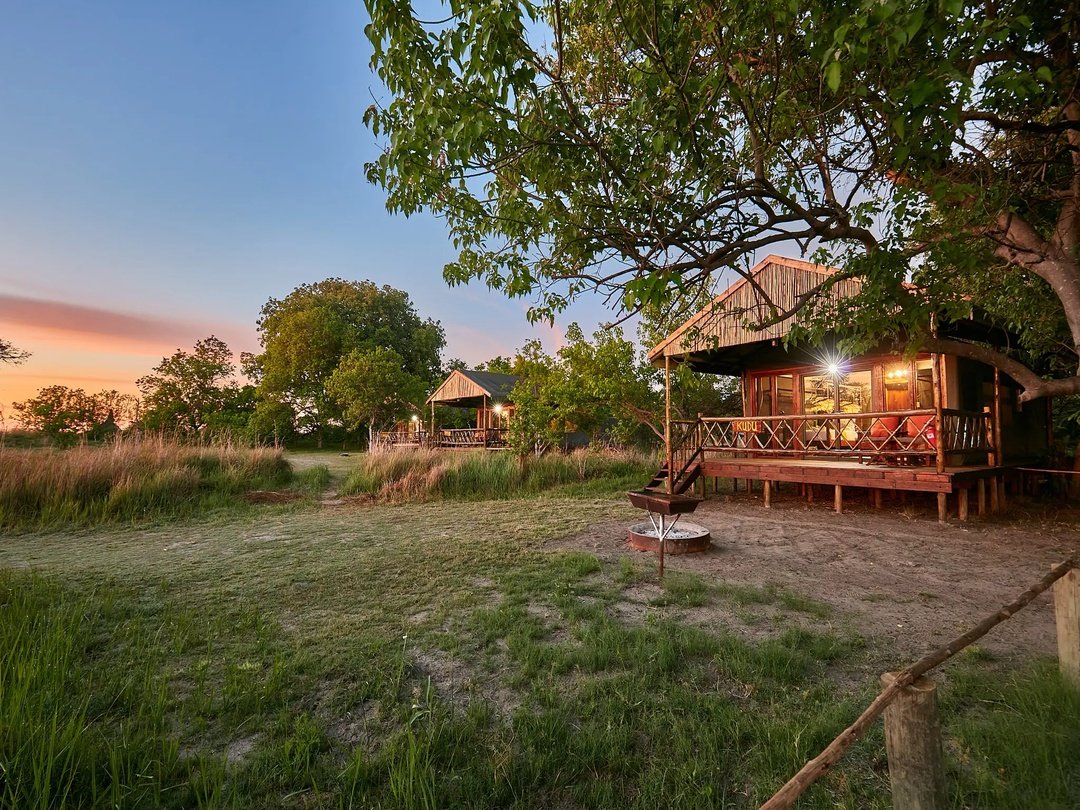
Third Bridge is more accurately described as a campsite rather than a conventional safari lodge. It lies within Moremi Game Reserve near the Sekiri River and is well known among adventurous and self-drive travellers exploring the reserve. Botswana Tourism Organisation describes Third Bridge as a rustic campsite and highlights Moremi as an important destination for self-drive camping.
Staying here provides a very different experience from Mombo, Vumbura Plains or Chief’s Camp. The emphasis is on immersion in the wilderness rather than sophisticated suites, fine dining or highly personalised lodge service.
Third Bridge is therefore better suited to experienced self-drive travellers, campers and visitors seeking a more adventurous Botswana safari. Travellers considering this style of trip should understand that camping in a wildlife reserve requires proper preparation and adherence to park regulations.
Mobile Camping Safaris
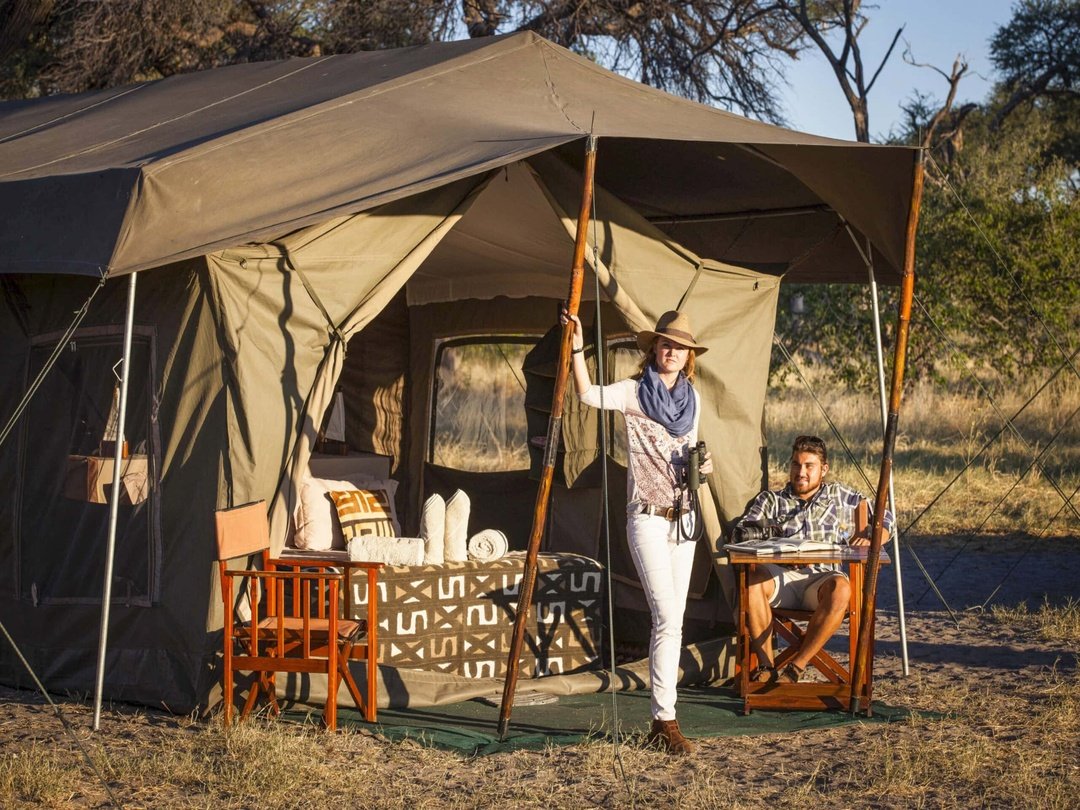
A mobile camping safari is one of the most rewarding ways to experience Botswana for travellers who want to spend considerable time in the wilderness without paying the rates associated with the Delta’s most exclusive permanent camps.
Rather than remaining in one luxury lodge, guests move between selected wildlife areas accompanied by a professional safari team. Depending on the programme, camps are established in strategic locations and travellers spend their days exploring by safari vehicle before returning to tented accommodation in the wilderness.
The experience can range from relatively simple adventure camping to fully serviced mobile safaris with spacious tents, prepared meals and dedicated camp staff. This means mobile camping should not automatically be confused with uncomfortable or extremely basic travel.
For wildlife-focused travellers, one of the main advantages is the ability to combine several habitats within the same journey. A mobile safari can explore areas of Moremi Game Reserve and continue toward other Botswana wildlife regions, creating a broader safari experience without relying entirely on expensive fly-in lodges.
Choosing the Best Okavango Delta Accommodation
There is no single lodge that is best for every Okavango Delta Safari. The right property depends on what the traveller wants to experience.
Travellers prioritising exceptional predator viewing and ultra-luxury accommodation may consider Mombo or Little Mombo, while those wanting a stronger balance between water and land experiences can consider Vumbura Plains. Chief’s Camp provides luxury accommodation within the important Chief’s Island wildlife environment, while Camp Moremi offers a classic luxury safari with both game drives and boating around the Xakanaxa area. More adventurous travellers can explore Moremi through mobile camping or designated campsites such as Third Bridge.
The most rewarding approach is often to avoid choosing accommodation purely according to the appearance of the rooms. The surrounding concession or reserve, seasonal water levels, wildlife patterns and activities available from each camp are much more important when designing a complete Okavango journey.
For travellers with sufficient time, combining two contrasting camps can provide a far richer experience than staying in one place throughout the safari. A wildlife-focused camp can be paired with a water-oriented property, allowing guests to experience the extraordinary variety that makes the Okavango Delta one of Africa’s most distinctive safari destinations.
Okavango Delta Safari Cost
The cost of an Okavango Delta Safari varies considerably because there is no single standard way to experience the Delta. A mobile camping journey beginning in Maun can cost a fraction of a fly-in safari staying at an exclusive private-concession camp, while ultra-luxury properties can cost several thousand dollars per person for a single night. The final price is influenced by the season of travel, accommodation category, location of the camp, number of nights, internal charter flights, park and concession fees, safari activities and whether guests travel privately or share activities with other lodge visitors.
As a general guide for 2026, travellers can find mobile camping experiences from roughly USD 300–450 per person per day, while more affordable permanent safari camps may fall around USD 400–1,000 per person per night depending on the season. Comfortable and higher-end camps commonly move into the USD 900–2,000+ per person per night range, while premium luxury properties may cost USD 2,000–4,000 or more per person per night. At the very top of the market, ultra-luxury camps such as Mombo can exceed USD 5,000 per person per night during peak season. These figures are indicative rather than fixed package prices and should always be reconfirmed for the traveller’s exact dates.
Okavango Delta Safari Cost Comparison – 2026 Price Guide
| Safari Style | Indicative 2026 Cost | Typical Experience |
|---|---|---|
| Mobile camping safari | USD 300–450 pp/day | Camping, shared game drives, meals and guided activities |
| More affordable permanent camps | USD 400–1,000 pp/night | Permanent tented camp, meals and scheduled activities |
| Comfortable / upper mid-range safari | USD 900–1,500+ pp/night | Better camp locations, full-board stay and guided activities |
| Luxury Okavango safari | USD 1,500–3,000+ pp/night | Luxury tented suites, private concessions and premium guiding |
| Ultra-luxury safari | USD 3,000–5,000+ pp/night | Highly exclusive camps, exceptional locations and personalised service |
Prices are indicative per person sharing and vary significantly by season, camp and inclusions.
Budget and Mobile Camping Okavango Delta Safari Cost
Travellers seeking a more affordable Okavango Delta Safari should look first at mobile camping safaris rather than attempting to find conventional low-cost lodges deep inside the Delta. Mobile safaris reduce accommodation costs while still allowing visitors to spend substantial time inside Botswana’s wilderness, often combining the Okavango Delta with Moremi Game Reserve, Khwai or other wildlife areas.
Current 2026 examples demonstrate how much more accessible this style of travel can be. One four-night Okavango Delta and Moremi mobile camping itinerary is advertised at approximately USD 1,525 per person sharing, while a six-night mobile safari combining the Okavango, Moremi and Khwai is around USD 2,425 per person sharing. These programmes include elements such as meals, tented accommodation, guided activities and transfers from Maun, although inclusions vary by operator.
Mobile camping does not necessarily mean travelling without comfort. Many organised camping safaris provide proper safari tents, camp staff, prepared meals and professional guides. The main difference is that travellers exchange permanent luxury suites and high-end lodge facilities for a more adventurous experience closer to the wilderness.
For travellers who care more about wildlife, guiding and time in the bush than spas, private plunge pools or sophisticated lodge design, this can provide some of the best value in Botswana.
More Affordable Permanent Camp Costs
Travellers who prefer a permanent safari camp but want to remain below the rates charged by the Delta’s most exclusive properties also have options. These camps generally provide proper beds, en-suite facilities, meals and organised safari activities while maintaining a simpler level of luxury.
For example, published 2026 rates at Oddballs’ Camp range from approximately USD 368 per person per night during the green season to around USD 601 during high season, while Delta Camp ranges from approximately USD 562 to USD 946 per person per night depending on the travel period.
This category can be particularly attractive to travellers who want to stay within or close to the Delta itself without paying the premium associated with highly exclusive private concessions. However, guests should always compare what is included because one camp’s rate may include meals, drinks, activities and conservation fees while another may charge separately for transfers or other services.
Mid-Range and Upper Mid-Range Okavango Delta Safari Cost
The term mid-range needs to be used carefully in the Okavango Delta because Botswana’s remote safari model means that even camps considered moderate by Delta standards can be considerably more expensive than mid-range lodges elsewhere in Africa.
A realistic planning range is approximately USD 800–1,500 or more per person per night, particularly during the shoulder and high seasons. As an example, Machaba Camp publishes 2026 rates of approximately USD 882 per person sharing during the shoulder season and USD 1,315 during high season, with meals, selected drinks and safari activities included.
At this level, travellers can generally expect comfortable permanent tented accommodation, professional guides, full-board meals and well-organised scheduled safari activities. The biggest differences between properties are often not the size of the room but the location, wildlife density, concession rights and range of activities available.
For many travellers, this category provides an excellent balance. It allows them to experience the character of an authentic Okavango safari while keeping the overall holiday significantly below the cost of Botswana’s premium camps.
Luxury Okavango Delta Safari Cost
Luxury accommodation represents a major part of the Okavango Delta safari market. These camps are often located in remote private concessions and are designed around low guest numbers, excellent guiding and exclusive access to wildlife areas.
A luxury Okavango Delta Safari can commonly cost approximately USD 1,500–3,000 or more per person per night, depending heavily on season. For example, Wilderness Qorokwe publishes 2026 rates ranging from about USD 1,710 per person per night in part of the lower-demand period to USD 2,940 during the June-to-October high season. Gomoti Plains publishes rates of approximately USD 1,577 during its shoulder season and USD 2,095 during the 2026 high season.
At this level, rates commonly include accommodation, meals, selected drinks, scheduled game-viewing activities and some conservation or park charges. Camps may offer game drives, mokoro excursions, boating, walking safaris or other activities depending on their location and seasonal water conditions.
One important additional cost is transportation between camps. Many luxury Okavango properties are reached by light aircraft, and these charter or seat-in-plane transfers may either be included within a complete safari package or quoted separately. Travellers should therefore compare the total itinerary cost, not simply the nightly accommodation rate.
Ultra-Luxury Okavango Delta Safari Cost
At the highest level, the Okavango Delta contains some of Africa’s most expensive and exclusive safari camps. These properties are designed for travellers seeking exceptional wildlife locations, very low guest numbers, highly personalised service and sophisticated accommodation.
Current published rates illustrate how high this category can reach. Wilderness Vumbura Plains lists a 2026 peak-season rate of approximately USD 3,945 per person per night, while Mombo Camp reaches approximately USD 5,043 per person per night between June and October 2026. Mombo’s lower-season rate between November and mid-December 2026 is still approximately USD 3,285 per person per night.
These prices reflect much more than accommodation. At camps such as Mombo, the published fully inclusive rate covers accommodation, meals, twice-daily camp activities, park fees, laundry and most local drinks. The premium also reflects access to highly sought-after wildlife areas and the exceptionally small-scale nature of the safari experience.
Ultra-luxury accommodation is therefore not necessary to experience the Okavango Delta, but it provides an option for travellers whose priorities are exclusivity, privacy, exceptional locations and highly personalised service.
Why Okavango Delta Safari Prices Change by Season
Seasonality has one of the greatest influences on the cost of an Okavango Delta Safari. The period from roughly June through October generally attracts strong demand because it combines the Botswana dry season with excellent wildlife viewing and, in many parts of the Delta, high-water conditions.
This difference can be substantial. Qorokwe, for example, rises from approximately USD 1,710 per person per night during November to mid-December 2026 to approximately USD 2,940 during June to October. Mombo moves from approximately USD 3,285 to more than USD 5,000 per person per night across comparable periods.
Travellers with flexible dates can therefore save considerably by visiting during green or shoulder periods. Lower prices do not mean that the Delta has no wildlife during these months. Instead, travellers experience different landscapes, birdlife, weather and animal behaviour while often benefiting from fewer visitors.
What Is Usually Included in an Okavango Delta Safari Price?
Many Okavango safari camps operate on an inclusive basis, particularly at the luxury end of the market. Accommodation, meals, selected beverages and scheduled safari activities are frequently included, and some properties also incorporate park or conservation fees and laundry.
However, inclusions are not identical across every lodge or safari package. Internal flights, premium drinks, private vehicles, specialised activities, travel insurance, international flights and personal expenses may be charged separately.
For this reason, travellers should avoid comparing two Okavango safaris solely by their headline nightly price. A seemingly more expensive package may include internal flights, conservation fees and activities that are additional costs elsewhere.
What Determines the Final Cost of an Okavango Delta Safari?
Accommodation level is only one part of the final safari price. Season of travel can change camp rates dramatically, while the location of the lodge determines whether expensive light-aircraft transfers are required. The number of nights, number of camps visited, private versus shared safari activities and whether the itinerary continues to Moremi, Chobe or Victoria Falls can all affect the total.
Solo travellers should also consider single supplements, while families may benefit from family-room configurations or child policies at selected properties. Private vehicles, specialist photographic guiding and chartering an aircraft privately will increase the price further.
The best approach is therefore to build the safari around the experience the traveller wants and then select camps that provide the strongest value within that budget.
How Much Should You Budget for an Okavango Delta Safari?
For an adventurous mobile camping journey, approximately USD 300–450 per person per day can provide a realistic starting point based on current 2026 scheduled itineraries. Travellers choosing permanent camps should generally expect considerably more, with comfortable options frequently beginning around USD 500–1,000 per person per night and moving upward according to location and season.
A luxury fly-in safari involving quality private-concession camps can easily average USD 1,500–3,000+ per person per night, before considering any transfers not already included. Travellers choosing Botswana’s most exclusive properties should be prepared for USD 3,000–5,000+ per person per night during peak periods.
These ranges are best treated as planning guidelines rather than fixed prices. The final cost of an Okavango Delta Safari should always be calculated using current camp availability and rates for the traveller’s exact dates, preferred accommodation and routing.
How to Get to the Okavango Delta
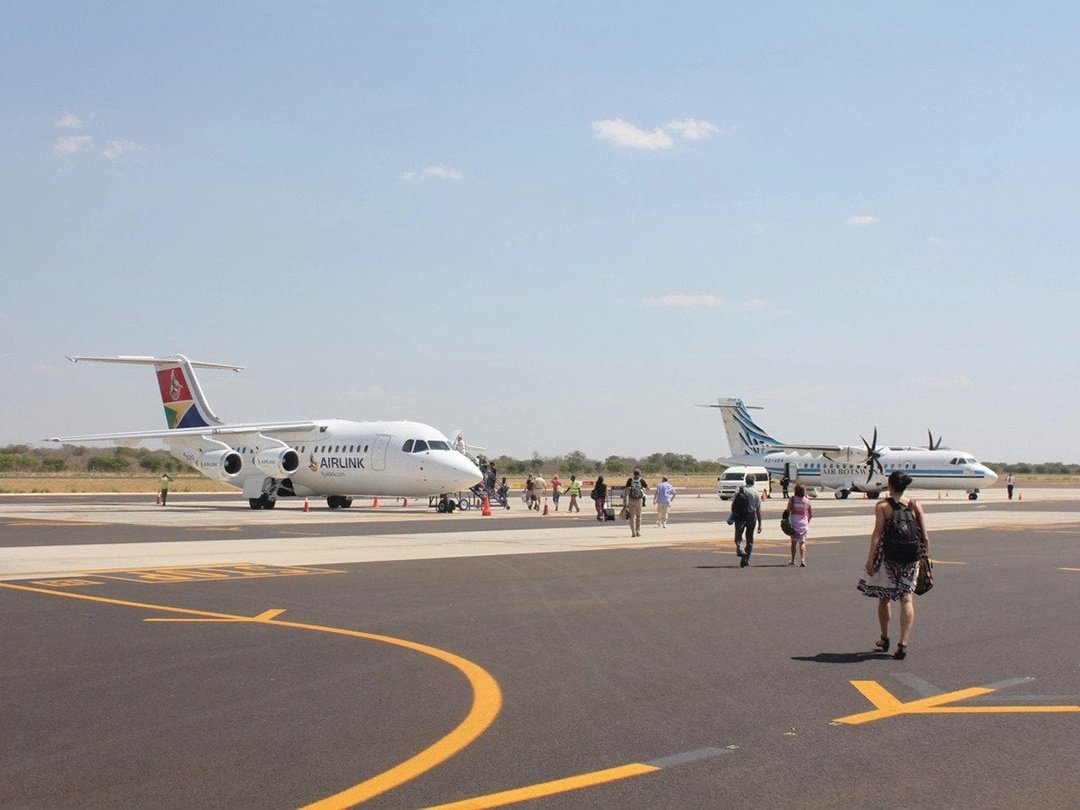
Most travellers begin their Okavango Delta Safari journey through Maun, Botswana’s main safari gateway. Maun International Airport receives regional flights and connects visitors to safari camps throughout the delta.
From Maun, most travellers continue by light aircraft to remote airstrips near their chosen lodges. These scenic flights provide breathtaking aerial views of the waterways, islands, and wildlife below.
Some travellers combine the Okavango Delta with Chobe National Park or Victoria Falls, creating a longer Southern Africa safari circuit.
The remote nature of the delta means transportation is part of the adventure, offering visitors a spectacular introduction to Botswana’s wilderness.