Traveler’s Guide to Zambia, Zimbabwe & Botswana
This Traveler’s Guide to Zambia, Zimbabwe and Botswana provides valuable insights for planning adventure safaris in Africa. These countries offer some of the most extraordinary travel experiences in Southern Africa and are famous for spectacular wildlife safaris, natural landscapes, and rich cultural heritage.
From the breathtaking power of Victoria Falls to the unique wetlands of the Okavango Delta, the region offers a combination of adventure, nature, history and cultural experiences.
Whether you are planning a honeymoon safari, solo safari, group safari, self-drive safari, or a photography trip, an unforgettable African adventure, this traveler’s guide to Zambia, Zimbabwe and Botswana will help you explore the best tourist attractions and travel experiences across southern Africa.
The Geography of Zambia, Zimbabwe & Botswana
These three countries are connected by the powerful Zambezi River, which flows through several national parks and forms the border between Zambia and Zimbabwe. The region features a wide variety of landscapes including, vast savannah plains, river ecosystems, desert landscapes, wetlands and deltas and ancient archaeological sites.
These natural environments support some of the highest and ultimate Wildlife Safaris in Africa that go beyond the travelers’ expectations.
Tourist Attractions in Zambia
A safari to Victoria Falls
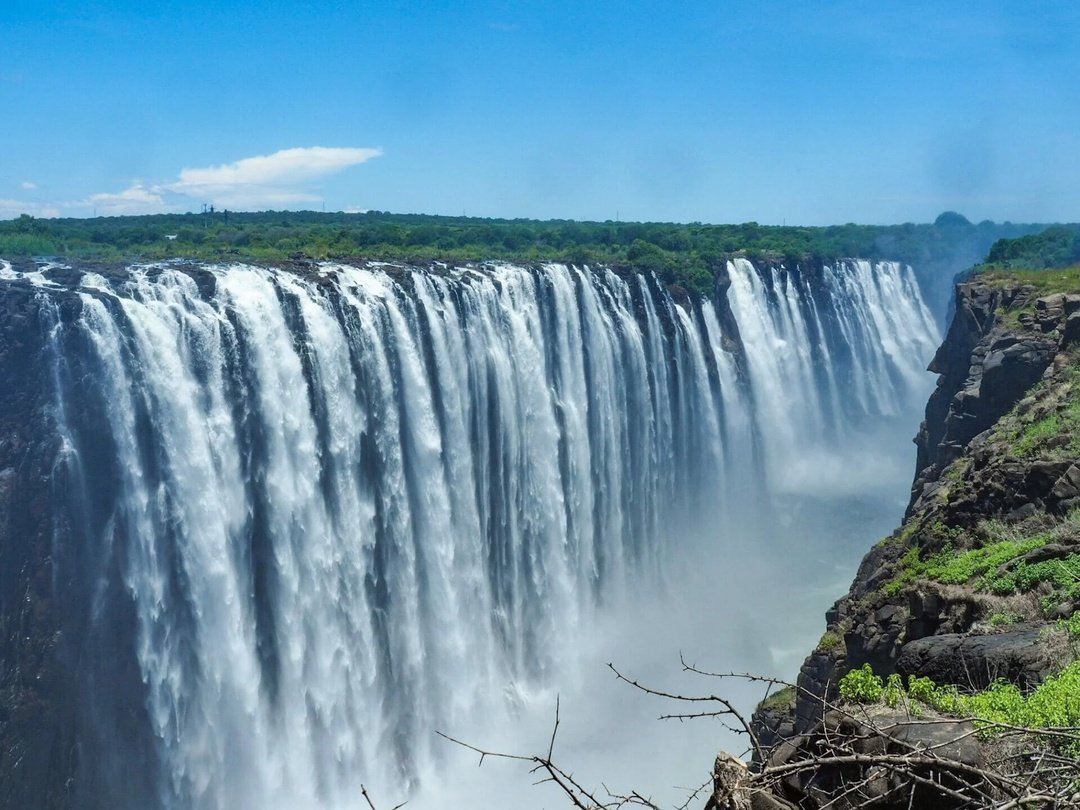
Few places on Earth leave travelers speechless the moment they arrive just like seeing Victoria Falls. In this traveler’s guide to Zambia, Zimbabwe and Botswana, we explore the home of the largest and most breathtaking waterfalls in the world. Located on the border between Zambia and Zimbabwe, this natural wonder attracts adventure seekers, photographers, and nature lovers from across the globe. If you’re planning a trip to southern Africa, visiting Victoria Falls from the Zambian side offers a unique, thrilling, and unforgettable experience.
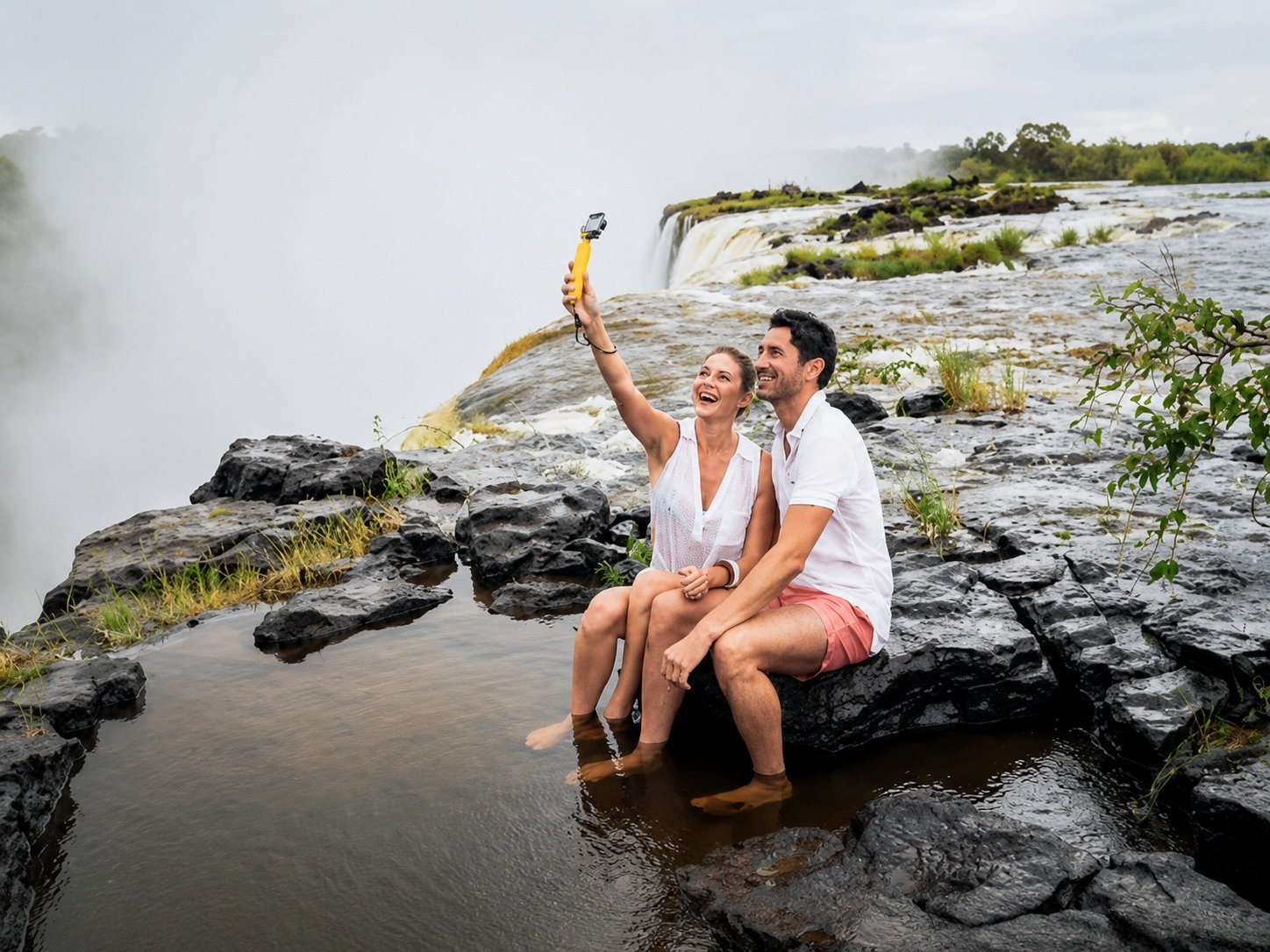
Victoria Falls in Zambia is one of the greatest natural wonders in the world and a UNESCO Heritage Site. It also offers the best and romantic sunset boat cruises. It is one of the most famous attractions in Africa located near the city of Livingstone. Also known locally as Mosi-oa-Tunya , meaning The Smoke That Thunders, the waterfall is one of the largest in the world that offer scenic viewing. Some of the activities around the falls include, helicopter scenic flights,white water rafting, Swimming at the Devil’s Pool, Guided Walking Tours , fishing and bungee jumping.
Visiting Victoria Falls is a once-in-a-lifetime experience, allowing travelers to witness one of the most spectacular, breathtaking, and awe-inspiring natural wonders in the world. Victoria Falls is a destination that truly deserves a place on every traveler’s bucket list.
How to Visit Victoria Falls in Zambia
Visiting Victoria Falls in Zambia is best done with the support of an experienced and registered tour operator that can organize every part of the journey, from transportation and accommodation to activities and safari extensions. Working with a professional travel company ensures that your itinerary is carefully designed around your interests, available time, travel style, and preferred budget.
At Pieland Gorilla Safaris, we help travelers plan seamless Victoria Falls experiences by arranging accommodation near the falls, airport transfers, local transportation, guided activities, and complete safari packages.
When planning your Victoria Falls visit, choosing the right side of the falls is an important consideration. The Zambian side offers travelers a closer experience of the falls, allowing visitors to walk near the cascading waters and enjoy dramatic viewpoints from close range. The Zimbabwean side, on the other hand, is famous for providing wider panoramic views of the entire waterfall system. Many travelers choose to combine both sides for a more complete Victoria Falls experience.
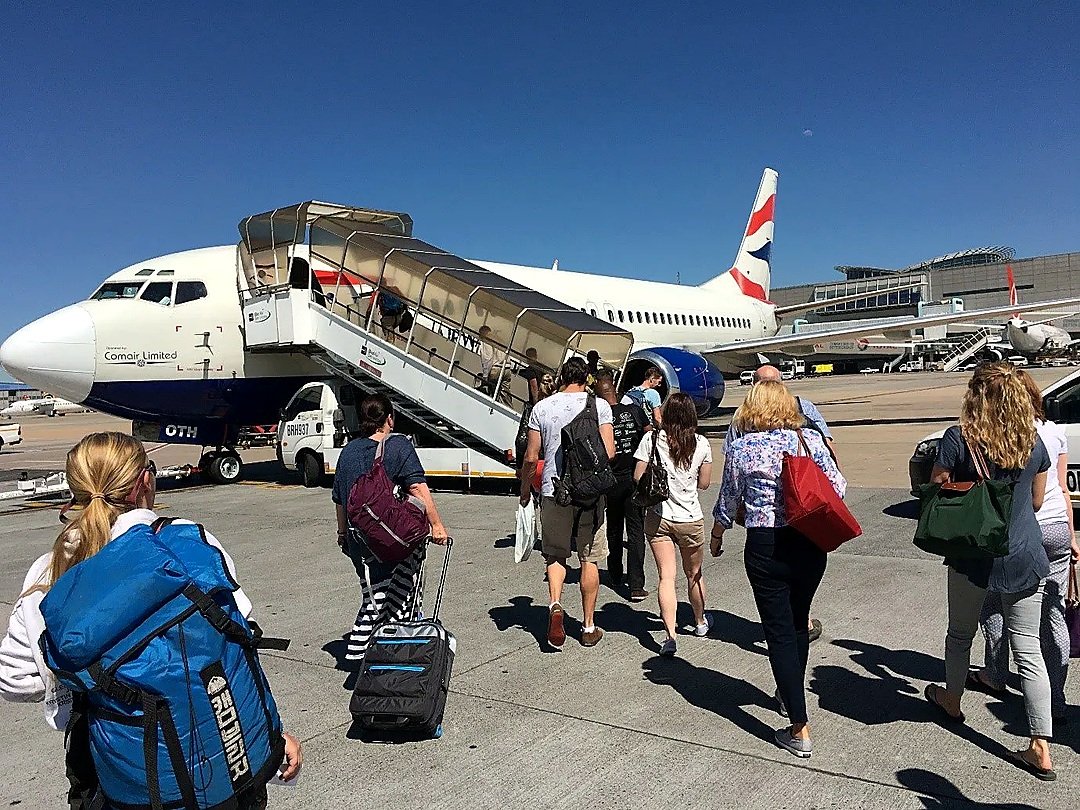
The most convenient airport for travelers visiting Victoria Falls from the Zambian side is Harry Mwaanga Nkumbula International Airport in Livingstone in Livingstone, located approximately 15 minutes from the falls. This makes it the ideal arrival point for travelers who want quick and easy access to the Victoria Falls, hotels, and safari activities.
Pieland Gorilla Safaris can arrange your complete Victoria Falls safari experience, including comfortable accommodation options close to the falls, airport transfers, guided tours, adventure activities, and combinations with other destinations such as Chobe National Park, Botswana, Zambia safaris, Zimbabwe safaris, and Southern Africa wildlife journeys.
For the best experience, travelers are encouraged to book their Victoria Falls safari at least three months before arrival, especially during peak travel seasons, to secure preferred accommodation and activities. Victoria Falls safaris can be customized according to different travel preferences, including luxury, mid-range, and budget options, ensuring every traveler can enjoy this incredible natural wonder in a way that suits their needs.
Lodges at Victoria Falls on Zambia Side
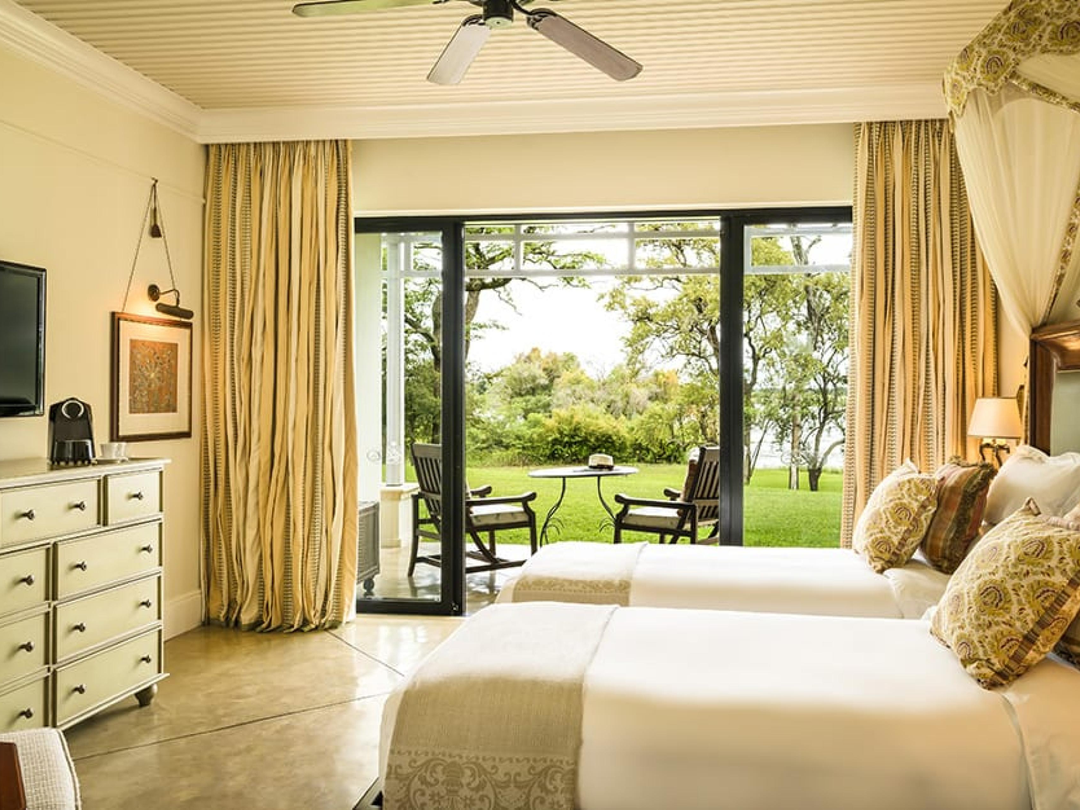
Luxury/premium Lodges.
- Royal Livingstone Victoria Falls Zambia Hotel by Anantara.
- Tongabezi Lodge.
- Sussi & Chuma Lodge, an A&K Sanctuary.
- Old Drift Lodge (Zimbabwe side in Zambezi National Park)
- Victoria Falls River Lodge (Zimbabwe side)
- Matetsi Victoria Falls (Zimbabwe side)
- Victoria Falls Safari Club (Zimbabwe side)
Midrange Lodges at Victoria Falls on Zambia Side
- Avani Victoria Falls Resort.
- The Nkhosi Livingstone Lodge and Spa.
- Ilala Lodge Hotel (Zimbabwe side)
- Pioneers Lodge (Zimbabwe side)
- Bayete Guest Lodge (Zimbabwe side)
- Lokuthula Lodges (Zimbabwe side)
- The Shrub Lodge (Zimbabwe side)
Budget Lodges at Victoria Falls on Zambia Side
- Jollyboys Backpackers.
- Fawlty Towers Lodge.
- Victoria Falls Backpackers Lodge (Zimbabwe side)
- Livingstone Lodge (Zimbabwe side)
- Bhejane Lodge (Zimbabwe side)
- VicFalls Premier Lodges (Zambian side)
What is the Best Time to Visit Victoria Falls
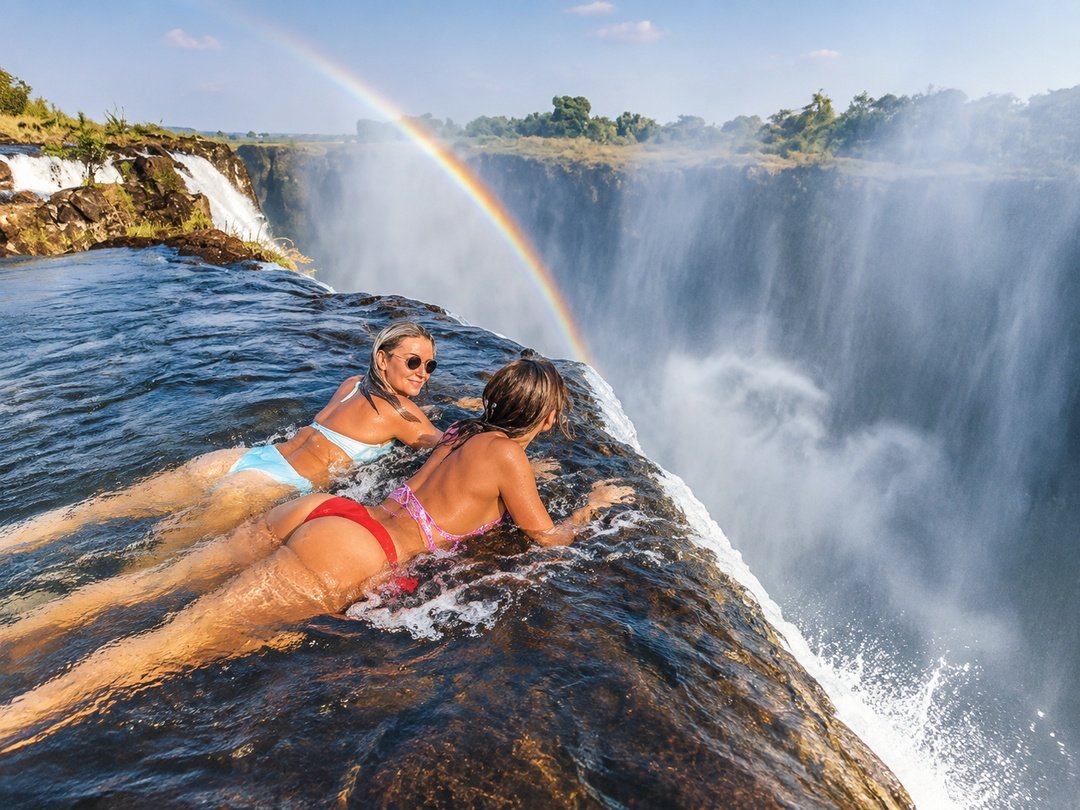
Victoria Falls looks different throughout the year.
February to May
Highest water levels, powerful waterfalls with heavy spray .
No swimming at the Devil’s Pool.
June to August
Cooler weather and clearer views.
It is possible to swim at Devil’s pool only when the water levels are low but with guided and controlled tour.
September to December
Lower water levels and the best time to swim at Devil’s Pool.
Popular Safaris to Victoria Falls.
- 3 Days Zambezi River Sunset Boat cruise with Chobe National Park.
- 4 Days Victoria Falls and Chobe National Park.
- 7 Days Victoria Falls, Chobe and Hwange National Park Safari.
- 7 Days Victoria Falls and Botswana Safari.
- 10 Days Victoria Falls, Okavango Delta, and Chobe National Park.
- 14 Days Victoria Falls and Botswana Safari.
- 16 Days Gorilla Trekking and magical Victoria Falls.
- 18 Days Explore Namibia with Victoria Falls and Gorilla Trekking.
- 20 Days Southern Africa and Gorilla Trekking.
Request a free safari quote today.
National Parks in Zambia
Zambia is one of Africa’s most spectacular wildlife destinations known for its vast wilderness, rich biodiversity, and authentic safari experiences. This Traveler’s Guide to Zambia, Zimbabwe and Botswana explains the most famous national parks and game reserves, which together cover nearly 30% of Zambia’s land area, making Zambia one of Africa’s top destinations for guided wildlife safaris.
These national parks protect diverse ecosystems including savannas, floodplains, rivers, wetlands, and forests, providing habitats for thousands of species of animals and birds. Zambia’s parks are famous for Big Five safaris, walking safaris, birdwatching, and eco-tourism adventures.
In this Traveler’s Guide, you will discover the most important national parks in Zambia, their unique features, wildlife, and why they are among Africa’s best safari destinations. Each park offers a different safari experience depending on landscape, wildlife, and accessibility.
South Luangwa National Park
South Luangwa National Park is considered one of the best wildlife reserves in Africa. Located in eastern Zambia along the Luangwa River, it is famous for its dense wildlife populations and spectacular landscapes.
The park is also known as the birthplace of the walking safaris, a unique way to explore the African wilderness on foot with experienced local guides in Zambia .
Safari at South Luangwa National Park
Wildlife in South Luangwa National Park
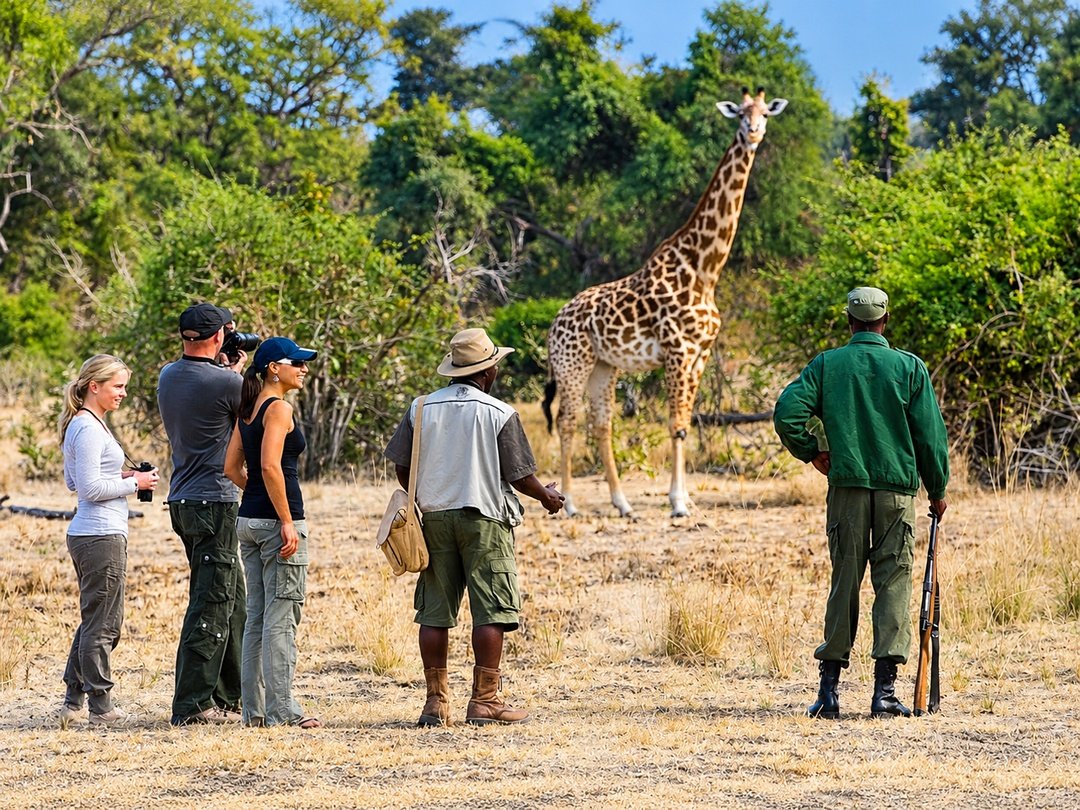
The park hosts a large variety of wildlife, including elephants, lions, leopards, giraffes, buffaloes, and hippos. This park is suitable for game viewing with 4WD safari jeep, walking safaris, wildlife photography, night game drives and visiting river floodplains . It is also a haven for bird watching since it is a home of over 4000 bird species . Visiting South Luangwa National Park is as simple as getting in touch with Pieland Gorilla Safaris to expertly organise your lifetime adventure holiday in Zambia . Safaris to this park are organised according to the traveler’s choice and this park has budget, Midrange and Luxury Accommodations.
Luxury accommodation in South Luangwa National Park.
- Sungani Lodge
- Chichele Presidential Lodge Zambia .
- Mfuwe Lodge.
- Puku Ridge Camp
- Time and Tide Chinzombo.
Midrange Accommodation in South Luangwa National Park
- Nkwali Camp.
- Kafunta River Lodge .
- Thornicroft Lodge.
- Flatdog Camp.
Budget Lodges in South Luangwa National Park
- Marula Lodge .
- Track and Trail River Camp.
- Croc Valley Camp .
North Luangwa National Park
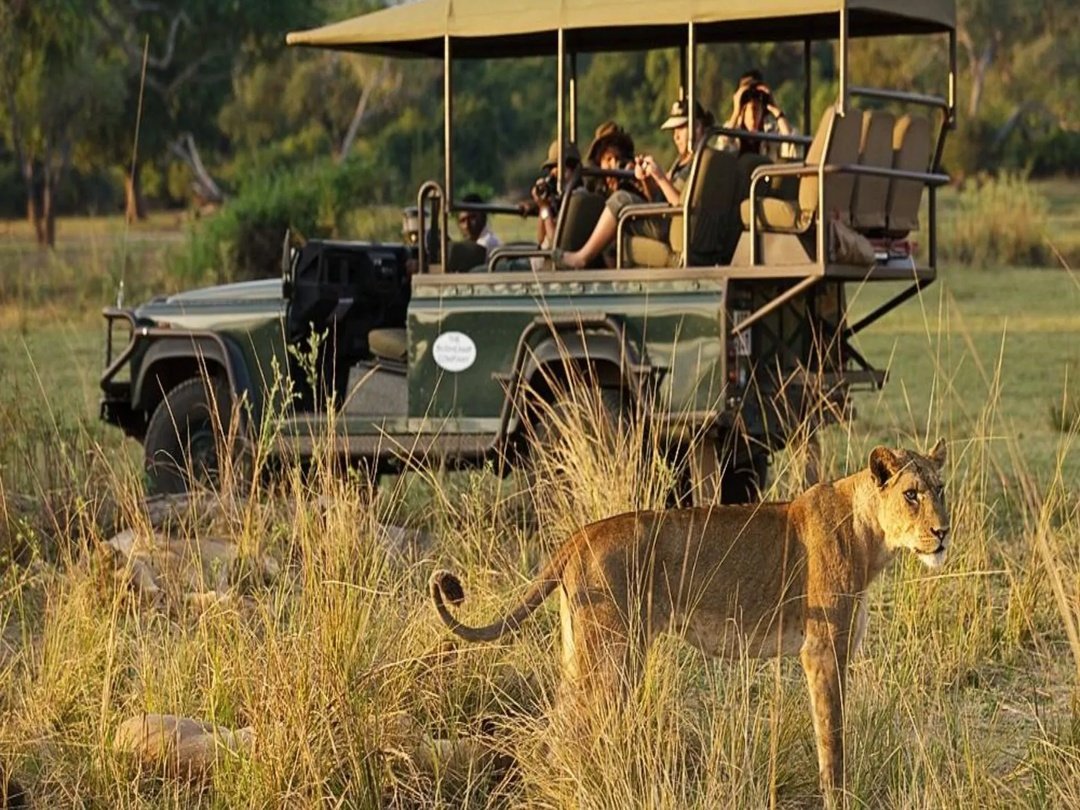
North Luangwa National Park is one of the most remote safari destinations in Africa, offering a truly wild and untouched experience. Located in northern Zambia, this hidden gem is perfect for travelers searching for exclusive African safaris, off-the-beaten-path adventures, and authentic wildlife encounters. Unlike more commercial parks, North Luangwa provides a peaceful environment where nature thrives without heavy tourist traffic hence making it a beautiful destination for holiday.
Location and Unique Landscape
Situated in the Luangwa Valley, North Luangwa National Park is bordered by the Luangwa River, which attracts a wide range of wildlife. The park features diverse ecosystems, including miombo woodlands, riverine forests, and open grasslands, making it ideal for wildlife photography and eco-tourism. Its remote location adds to its charm, making it one of the best places for a private safari experience in Africa.
Incredible Wildlife and Safari Experience
North Luangwa National Park is known for its abundant wildlife and conservation success. Visitors can spot the Big Game animals in Africa, including lions, elephants, leopards, and buffalo. The park is also famous for the rare Cookson’s wildebeest, a species found only in this region.
One of the biggest highlights is its successful black rhino reintroduction program, making it a key destination for wildlife conservation tourism. Walking safaris are the main attraction, allowing visitors to explore the park on foot with trained guides, offering a thrilling yet safe way to experience nature up close.
Best Time to Visit for Safari
The best time to visit North Luangwa National Park is during the dry season from June to October. During this time, wildlife gathers near water sources making it easier for visitors to enjoy game viewing and safari tours. The dry weather also ensures better road access and more comfortable travel conditions, which is ideal for luxury and adventure travelers alike.
Why North Luangwa National Park is Safe to Visit
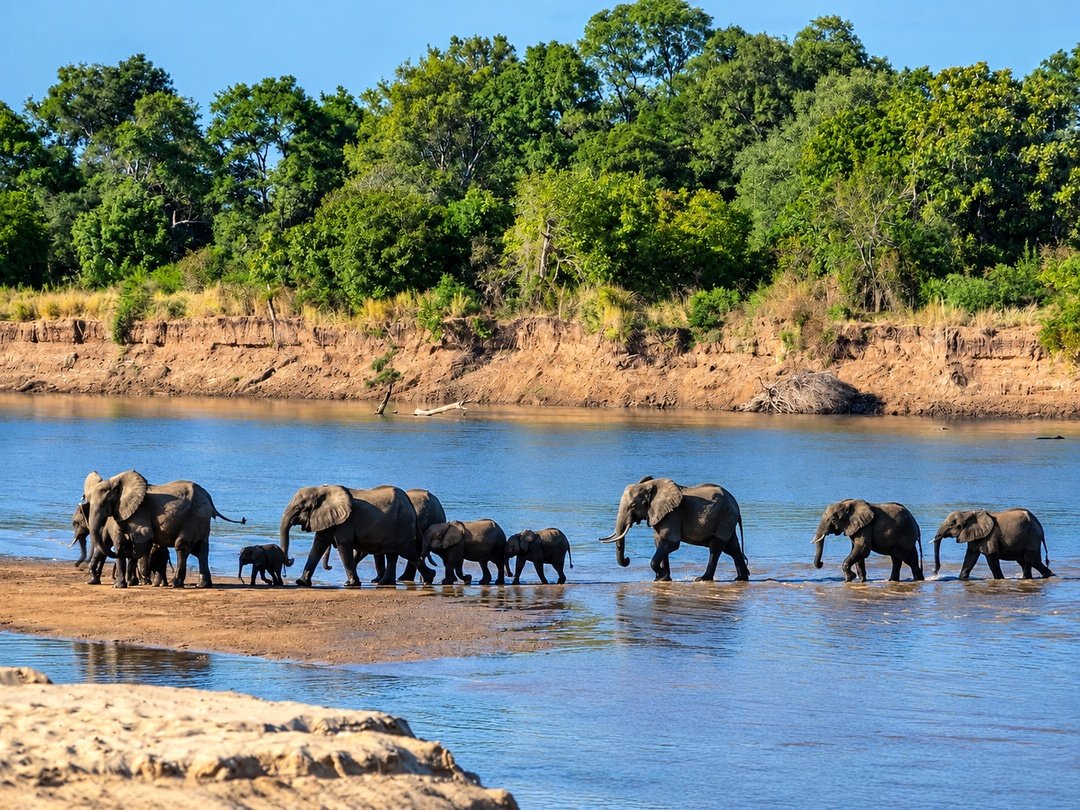
Many travelers ask, “Is North Luangwa National Park safe?” The answer is yes. The park is highly secure due to strict conservation policies and limited visitor access. All walking safaris are led by professional guides from Pieland Gorilla Safaris and armed rangers ensuring maximum safety.
In addition, Zambia’s wildlife authorities maintain strong anti-poaching measures, protecting both animals and tourists. The remote nature of the park means fewer crowds, reducing risks and providing a controlled, safe environment. Lodges and camps also follow strict safety standards giving visitors peace of mind during their stay in the park .
Sustainable Tourism and Conservation Efforts
North Luangwa is a leader in eco-tourism in Zambia. Tourism here directly supports conservation projects, including wildlife protection and community development. By visiting the park, travelers contribute to preserving one of Africa’s last untouched wilderness areas.
Why Visit North Luangwa National Park
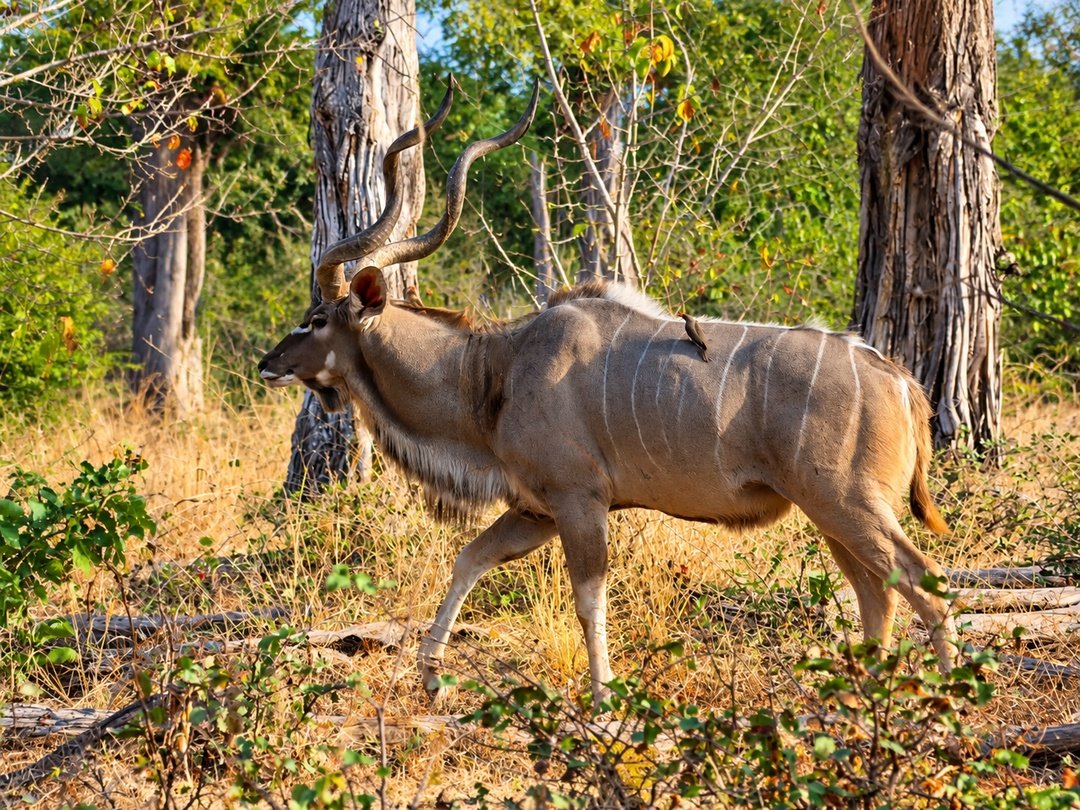
If you are looking for a safe African safari destination, rich wildlife, and an exclusive experience, North Luangwa National Park is the perfect choice. It combines adventure travel, conservation, and luxury safari experiences in one of Africa’s most pristine environments.
How to Get to North Luangwa National Park
Reaching North Luangwa National Park is part of the adventure, as it is one of the most remote safari destinations in Africa. While access is limited, there are reliable ways to get there depending on your budget and travel style.
By Air (Best and Most Convenient Option)
The easiest way to reach North Luangwa National Park is by flying. Most travelers first fly into Zambia’s main international gateway, Kenneth Kaunda International Airport. From there, you can take a direct charter flight to Mwaleshi Airstrip or taking a 40-45 minute flight from Mfuwe Airport . These small aircraft flights are typically arranged by Pieland Gorilla Safaris as your travel agent. Flying is the fastest and safest option offering stunning aerial views of the Luangwa Valley and saving significant travel time.
By Road (For Adventurous Travelers)
Traveling by road is possible , challenging due to rough terrain and remote conditions. The journey usually starts from Mfuwe, a town near South Luangwa National Park. From Mfuwe, you are driven in a 4×4 vehicle with an experienced company driver-guide to navigate dirt tracks and river crossings.
Road travel can take several hours to a full day, depending on conditions especially during the rainy season when roads may become a bit impassable. This option is best suited for experienced adventurers looking for a rugged safari journey.
Through South Luangwa National Park
Some visitors combine their trip with South Luangwa National Park which is more accessible. From this point guided transfers /organized safari tours can be connected to North Luangwa National Park. This is a popular route for travelers wanting to experience both parks in one itinerary.
Entry Requirements and Planning Tips
- Most visits are arranged through guided safari packages from a travel company like Pieland Gorilla Safaris
- Book your flights and accommodations in advance with the travel company as access is controlled
- Travel during the dry season from June to October for easier access and better road conditions.
Top Lodges & Safari Camps in North Luangwa National Park
Mwaleshi Camp
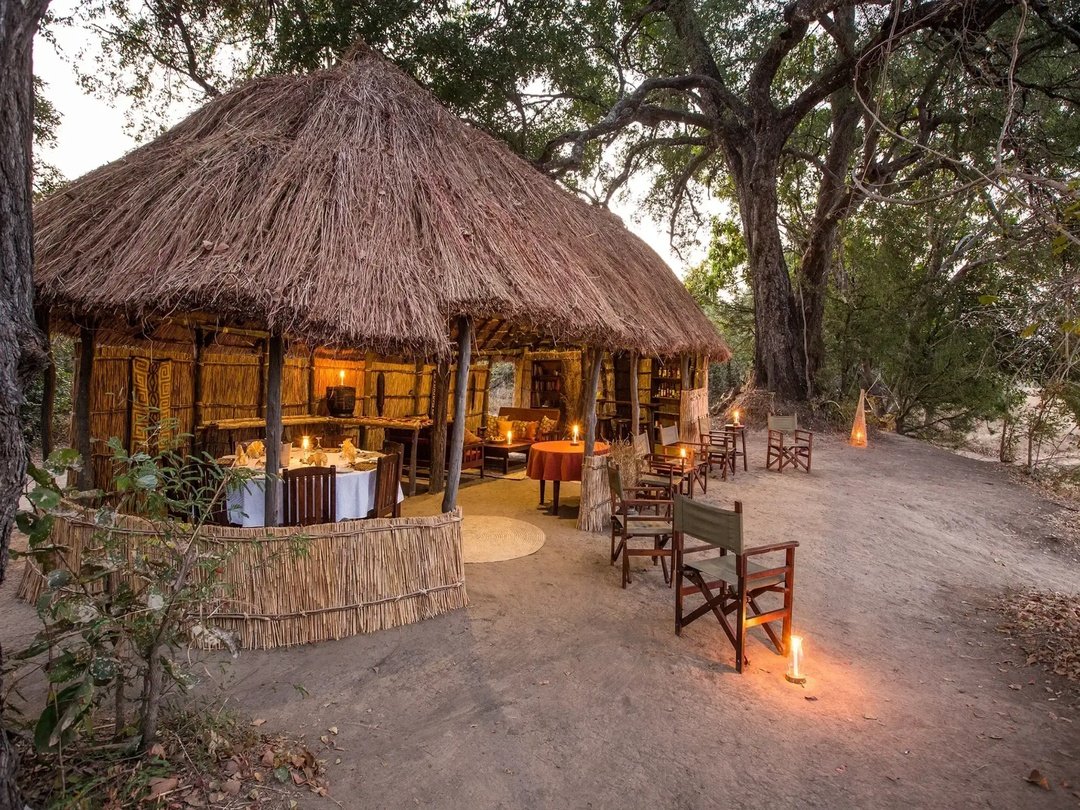
Mwaleshi Camp is one of the most authentic camps located near the Mwaleshi River. It offers a true wilderness accommodation in Zambia with simple but comfortable thatched chalets. This camp operates on seasonal basis from June to October and focuses on eco-tourism and conservation-based travel.
North Luangwa River Lodge and Camp
North Luangwa River Camp is one of the established lodges inside the park area. It provides a classic safari lodge experience with access to wildlife viewing, walking around the lodge to see nature and river scenery. It’s ideal for travelers looking for a balance of comfort and adventure in a remote wilderness setting.
Luangwa River Camp
Located along the Luangwa River system. Luangwa River Camp offers luxury safari accommodation combined with best African cuisine. Guests enjoy close encounters with wildlife while staying at this lodge making it perfect for high-end safari travelers.
All the above lodges operate mainly in dry season from June to October with exclusivity to luxury travellers. Safaris to North Luangwa National are organised according to traveler’s preference and duration .
Lower Zambezi National Park
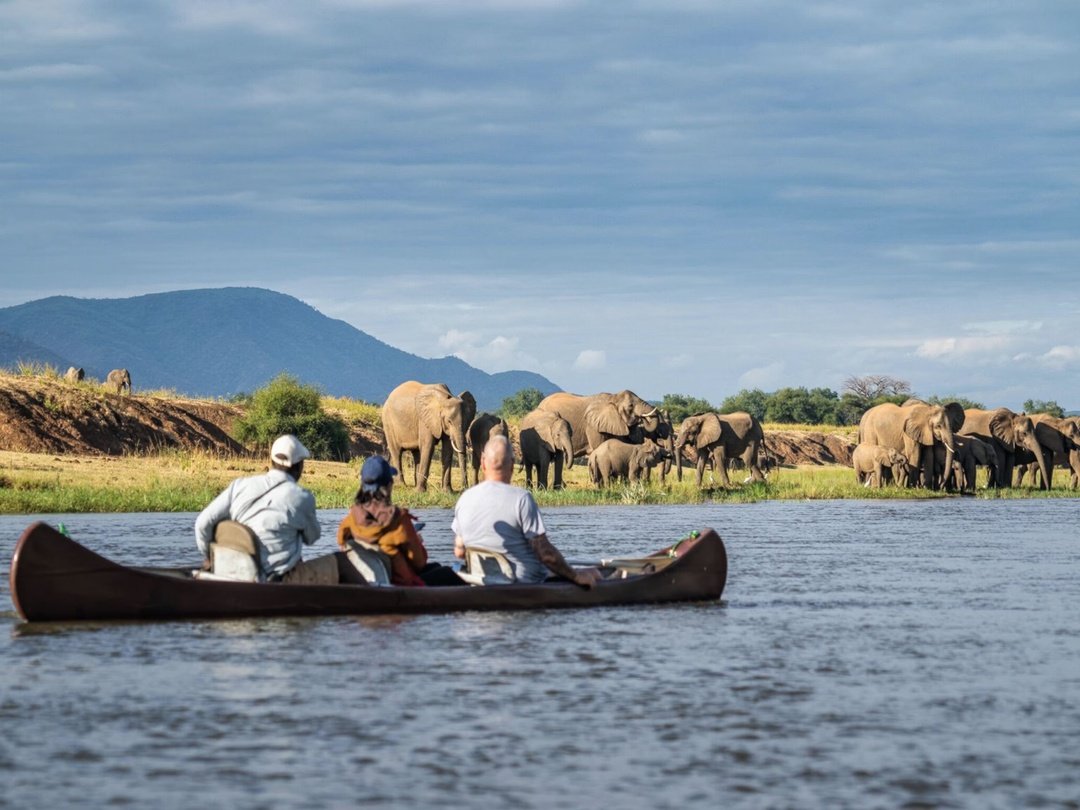
This Traveler’s Guide to Zambia, Zimbabwe and Botswana gives insights on why Lower Zambezi National Park is one of Africa’s most spectacular safari destinations in Zambia. The park is rich in breathtaking scenery, great wildlife, and luxury safari experiences. Located along the banks of the mighty Zambezi River, this park offers a perfect blend of adventure travel, wildlife safaris, and eco-tourism in Zambia. It is ideal for travelers seeking both relaxation and thrilling outdoor experiences.
Why Visit Lower Zambezi National Park
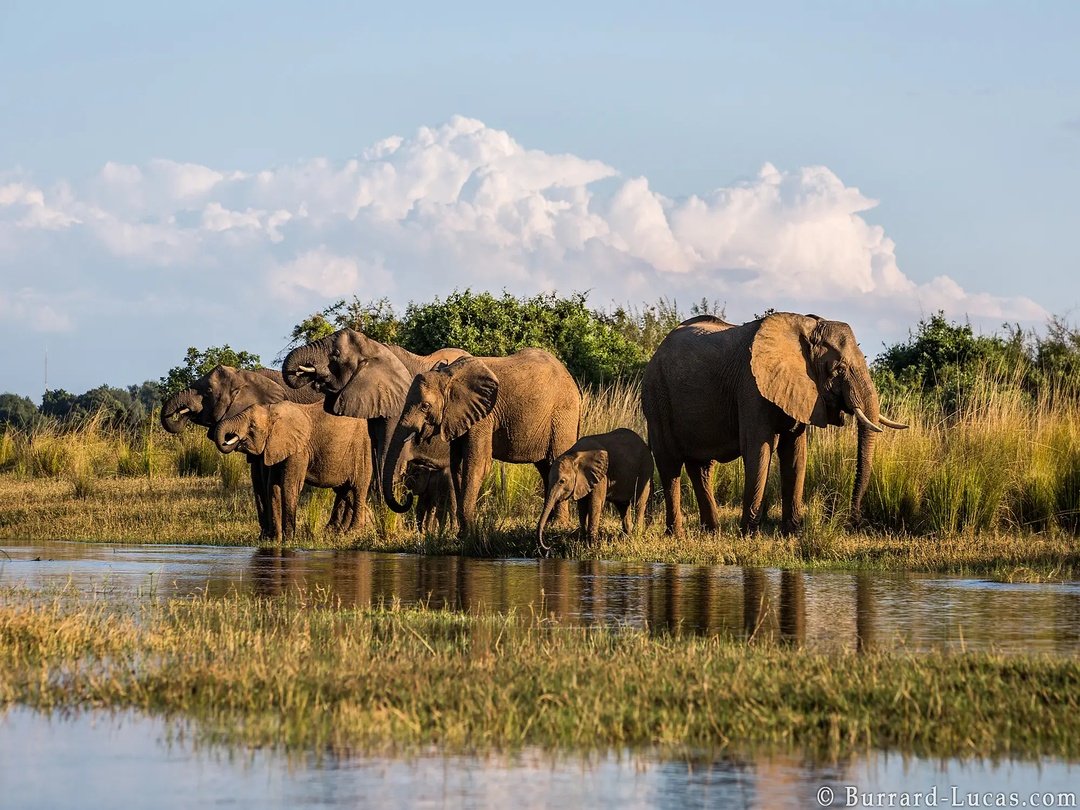
Lower Zambezi National Park is famous for its exclusive African safari experience, with fewer crowds compared to other parks. Visitors enjoy close encounters with elephants, hippos, lions, leopards, and crocodiles. The park is also a hotspot for canoe safaris, boat cruises, and tiger fishing, making it one of the best safari destinations in Zambia.
Its location directly across from Mana Pools National Park creates a vast wildlife-rich ecosystem, offering some of the best game viewing opportunities in Africa.
Best Time to Visit Lower Zambezi National Park
The best time to visit Lower Zambezi National Park is during the dry season from May to October. During this period, animals gather along the river to look for water for drinking and shelter making it perfect for wildlife photography and safari tours. The weather is sunny and dry, ideal for outdoor activities like game drives and canoeing.
Where To Stay in Lower Zambezi National Park
Royal Zambezi Lodge
A luxury safari lodge offering stunning river views and private plunge pools .It is perfect for travelers looking for a high-end accommodation experience in Zambia.
Chiawa Camp
One of the most award-winning lodges in the Lower Zambezi National Park, known for exceptional service and luxury tented safari accommodation. It offers game drives, canoeing, and walking safaris.
Old Mondoro Camp
Famous for its intimate setting and frequent elephant visits, this camp is ideal for a close-to-nature accommodation experience.
Sausage Tree Camp
A top-tier luxury camp offering spacious tents, fine dining, and personalized accommodation experiences perfect for honeymooners and luxury travelers.
Is Lower Zambezi National Park Safe to Visit?
Yes, Lower Zambezi National Park is a safe safari destination in Zambia . All activities are conducted by trained guides and armed rangers. Tour companies follow strict safety standards and wildlife encounters are carefully managed. The park’s controlled tourism environment ensures a secure and enjoyable travel experience.
How to Get to Lower Zambezi National Park
The easiest way to reach the park is by flying from Lusaka to nearby airstrips like Jeki Airstrip or Royal Airstrip. Charter flights are commonly arranged by tour companies like Pieland Gorilla Safaris . Alternatively, visitors can travel by road or boat, though flying is the most convenient option.
Why Lower Zambezi Should Be Your Next Safari Destination
If you are searching for the best safari experience in Zambia, Lower Zambezi National Park offers everything from luxury lodges to diverse wildlife, scenic landscapes, and unique safari activities. Whether you want adventure or relaxation, this park delivers an unforgettable African safari experience.
Safaris to this park can be combined with other parks and Victoria Falls.
Kafue National Park

Kafue National Park is the largest national park in Zambia and one of the most diverse wildlife destinations in Africa. It has vast wilderness, rich ecosystems, and uncrowded safari experiences. Kafue is perfect for travelers seeking an authentic African safari, luxury travel, and eco-tourism adventures. With its remote beauty and abundant wildlife, it ranks among the best safari destinations in Africa.
Why Visit Kafue National Park
Kafue National Park offers a unique blend of game viewing, birdwatching, and adventure travel. Unlike more crowded parks, Kafue provides a peaceful and exclusive safari experience. Visitors can explore open plains, dense forests, and wetlands teeming with wildlife.
The park is home to lions, leopards, elephants, cheetahs, and large herds of antelope. It is especially famous for Busanga Plains , a seasonal floodplain known for incredible wildlife photography and game drives.
Top Attractions in Kafue National Park
Busanga Plains
The Busanga Plains are one of the highlights of Kafue. During the dry season, this area becomes a hotspot for predators and large herds making it ideal for safari tours and wildlife viewing in Zambia.
Kafue River
The Kafue River runs through the park, offering opportunities for, Canoeing boat safaris, Fishing at Kafue River, and birdwatching. It attracts hippos, crocodiles, and a variety of bird species making it a perfect destination for nature lovers.
What is the Best Time to Visit Kafue National Park?

The best time to visit Kafue National Park is from June to October which is a dry season. During this period, animals gather around water sources for drinking and shelter providing excellent game viewing opportunities. The wet season from November to April is ideal for birdwatching and lush landscapes but may limit access to some areas.
What are the Best Lodges in Kafue National Park?
Busanga Bush Camp
A seasonal camp located in the Busanga Plains, offering an intimate and exclusive accommodation experience with excellent wildlife viewing.
Mukambi Safari Lodge
A popular lodge along the Kafue River known for comfortable accommodation and ideal for both group families and couples.
Ila Safari Lodge
A luxury eco-lodge featuring modern design, river views, and sustainable tourism practices. Perfect for travelers seeking comfort and style.
Shumba Camp
One of the most luxurious camps in Kafue, located in the Busanga Plains. It offers high-end accommodation experiences, fine dining, and exceptional wildlife encounters.
Is Kafue National Park Safe to Visit?
Kafue National Park is considered a safe safari destination in Zambia. Visitors are guided by trained professionals, and lodges maintain high safety standards. The park’s remote nature and controlled tourism ensure a secure and peaceful travel experience.
How to Get to Kafue National Park
Travelers can reach Kafue National Park by road from Lusaka, which takes approximately 4–6 hours driving for 272km. Charter flights are also available to airstrips within the park, offering a faster and more convenient option to this park.
Why Kafue National Park Should Be on Your Travel List
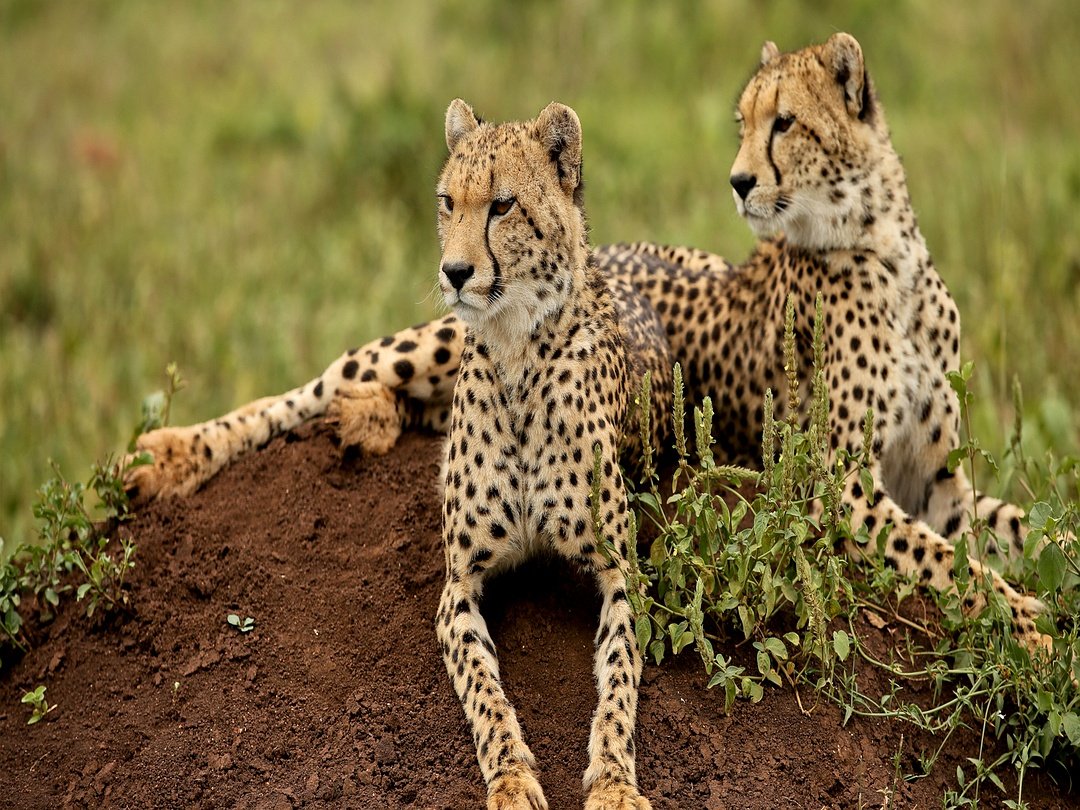
Any traveler looking for a top African safari destination with diverse wildlife, luxury lodges, and fewer crowds will find Kafue National Park an excellent choice. It combines adventure, relaxation, and conservation, making it one of the best places for a memorable safari in Zambia.
Liuwa Plain National Park
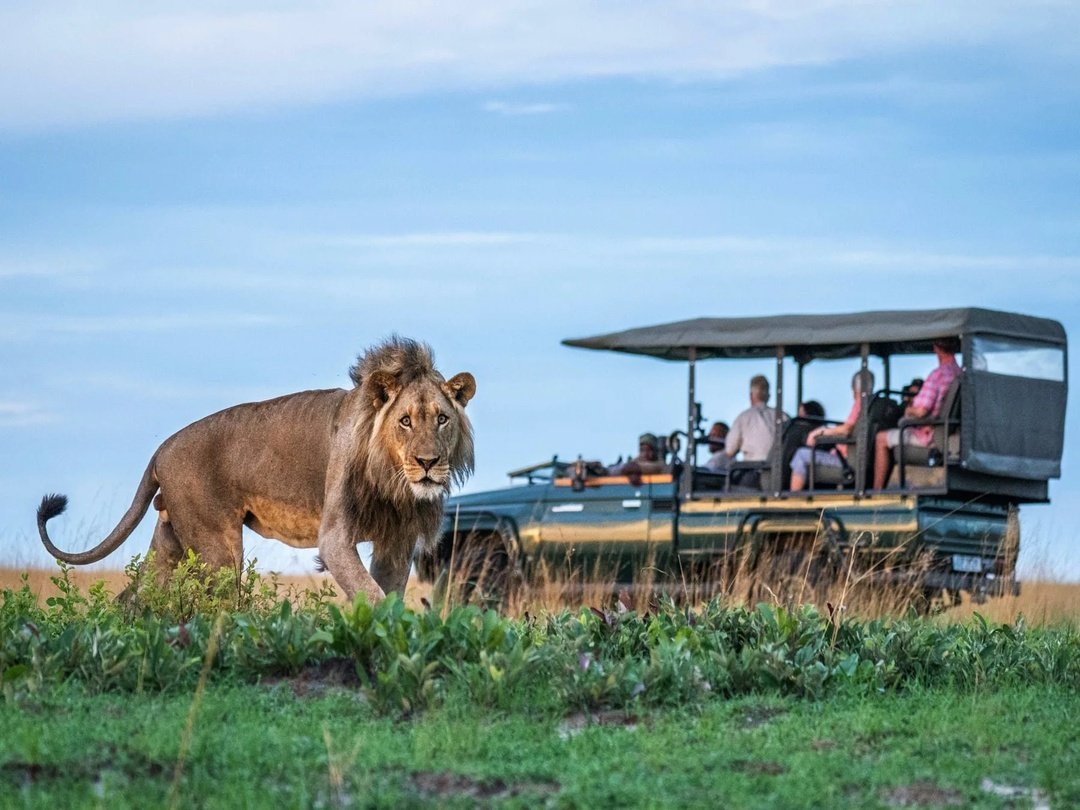
Liuwa Plain National Park is one of Zambia’s most remote and untouched safari destinations, offering a unique wildlife experience in the heart of Africa. Known for its vast open grasslands, dramatic landscapes, and seasonal wildebeest migration, Liuwa Plain National Park is perfect for travelers seeking an off-the-beaten-path safari adventure. This hidden gem is ideal for wildlife photography, luxury safaris, and eco-tourism experiences in Zambia.
Why Visit Liuwa Plain National Park
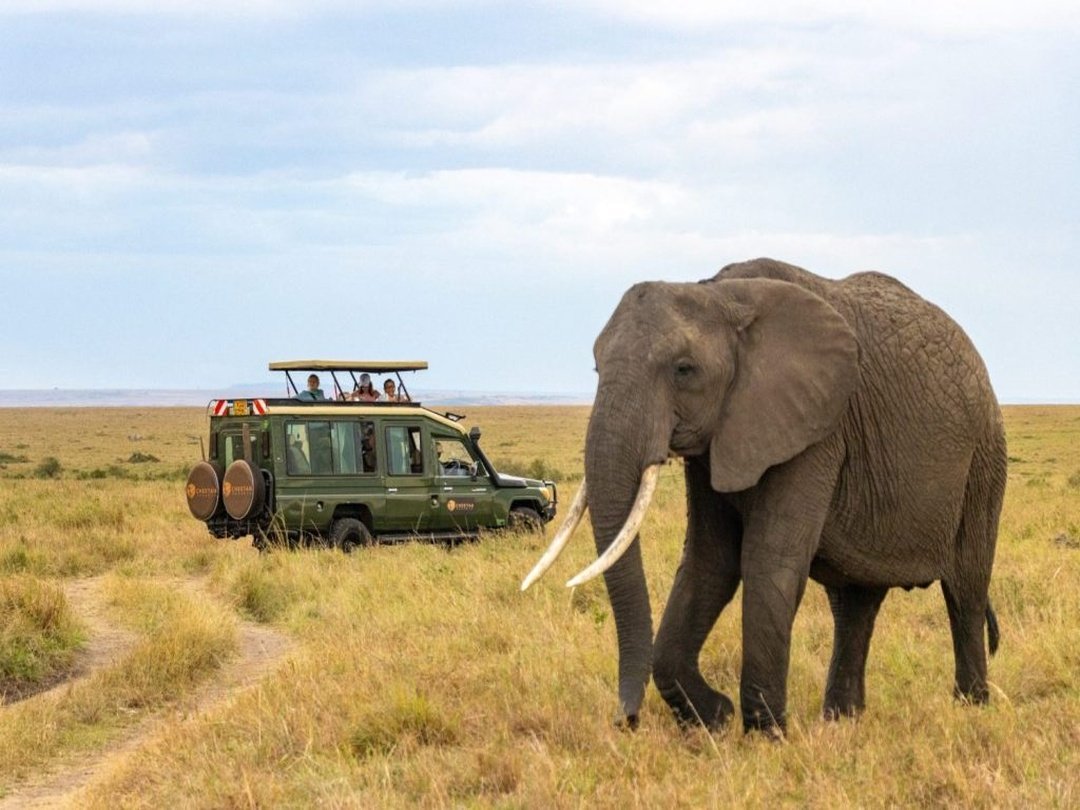
Liuwa Plain is famous for being home to Africa’s second-largest annual wildebeest migration attracting thousands of animals between February and June. The park’s wide-open plains also host lions, hyenas, cheetahs and abundant antelope species. With fewer tourists than South Luangwa or Lower Zambezi, Liuwa offers a peaceful and authentic safari experience.
Best Time to Visit Liuwa Plain National Park
The best time to visit Liuwa Plain is during the dry season from May to September when wildlife gathers around water sources. The wildebeest migration typically happens between February and June providing dramatic wildlife scenes. Visiting during these months ensures optimal game viewing, safari photography, and walking safaris.
Top Safari Activities in Liuwa Plain
Visitors to Liuwa Plain can enjoy a variety of adventure and wildlife experiences:
- Game Drives: Explore the vast plains to spot lions, wildebeest, and buffalos.
- Walking Safaris: Experience the African bush up close with expert guides from Pieland Gorilla Safaris
- Birdwatching: Ideal for spotting rare and migratory bird species
- Photography Safaris: Capture stunning landscapes and wildlife action
- Cultural Encounter: Engage with local Lozi communities near the park
Best Lodges in Liuwa Plain National Park
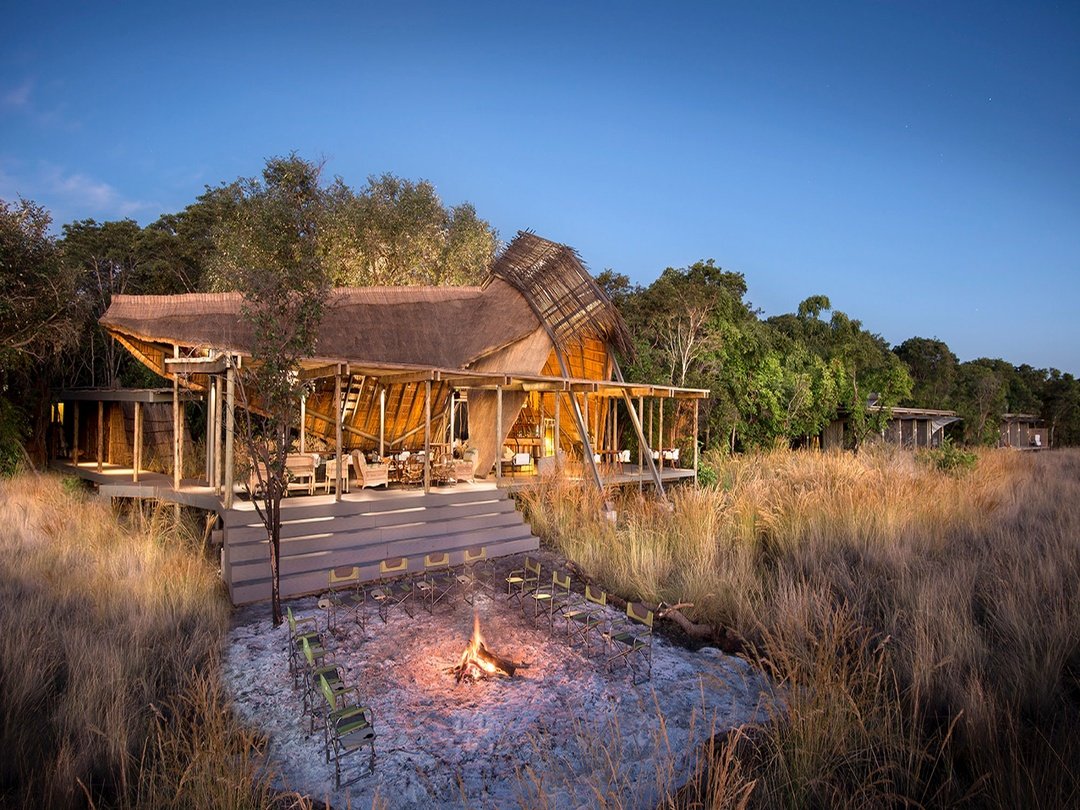
King Lewanika Lodge
A luxury lodge located near the plains, offering comfortable accommodation and peaceful environment. This lodge is perfect for travelers seeking a mix of adventure and comfort.
Liuwa Plain Safari Camp
A seasonal bush camp providing an authentic accommodation experience in the heart of Liuwa. Guests enjoy intimate wildlife encounters and eco-friendly accommodation.
Mwandi Bush Camp
This camp offers tented accommodation ideal for families, photographers, and wildlife enthusiasts looking for privacy and serenity.
Is Liuwa Plain National Park Safe to Visit?
Yes, Liuwa Plain is considered a safe safari destination in Zambia. All activities are guided by trained rangers and professional safari operators. Lodges maintain high safety standards, and visitor numbers are limited to ensure a controlled and secure wildlife experience.
How to Get to Liuwa Plain National Park
The park is remote and accessible primarily via a Charter flight by Proflight Zambia from Lusaka to Mwandi airstrip arranged by a safari company . Road access is possible but challenging, requiring a 4×4 vehicle and experienced driver. Most safari tours include transport from major cities.
Why Liuwa Plain National Park Should Be on Your Travel List
For travelers seeking unspoiled wilderness, dramatic wildlife encounters, and a quiet safari experience, Liuwa Plain National Park is a top choice. From the spectacular wildebeest migration to luxury safari lodges, it offers an unforgettable and authentic African wilderness adventure.
Safaris to Liuwa Plain National Park can be combined with other National Park.
Mosi-oa-Tunya National Park: The Ultimate Safari Experience Near Victoria Falls
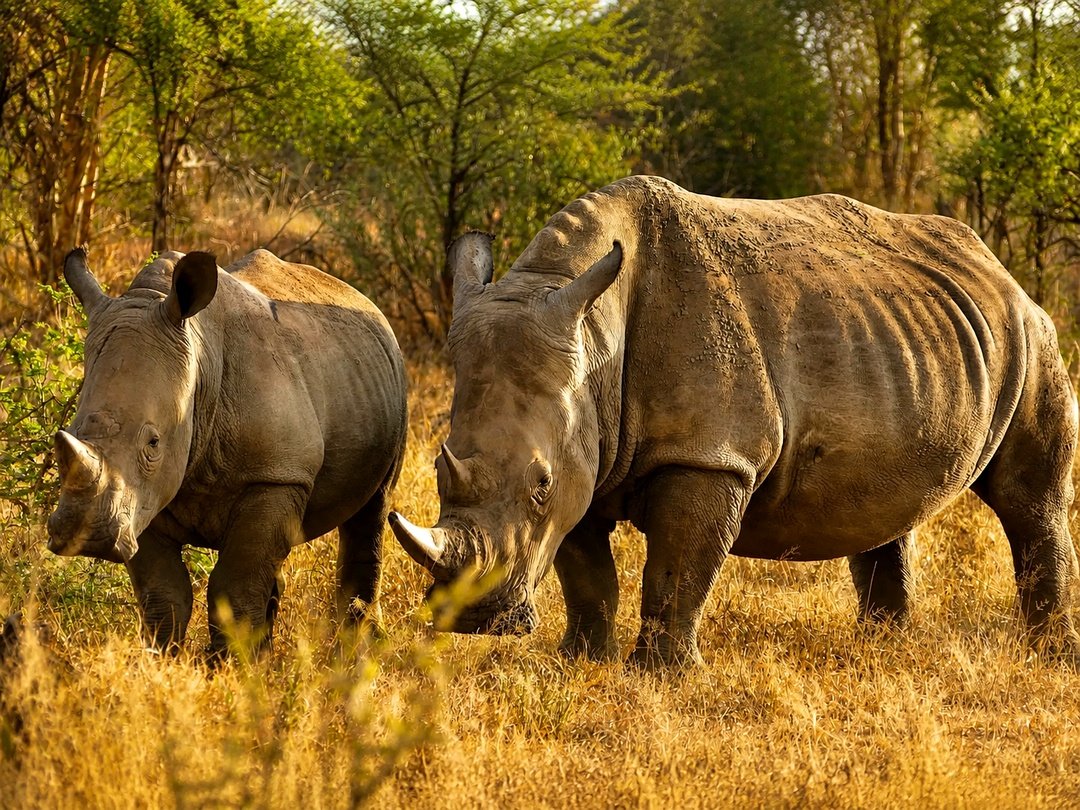
Mosi-oa-Tunya National Park is located in southern Zambia near the vibrant tourist town of Livingstone, the park is one of the Africa’s most accessible and rewarding safari destinations. Its name means “The Smoke That Thunders” denoting to the nearby world-famous Victoria Falls, one of the Seven Natural Wonders of the World. This compact yet wildlife-rich park offers unmatched and a perfect blend of adventure safaris , wildlife, and scenic beauty making it ideal for both first-time and seasoned travelers.
Why Visit Mosi-oa-Tunya National Park?
Prime Location Near Victoria Falls
The biggest advantages of this park is its proximity to Victoria Falls. Visitors can easily combine a safari experience with waterfall tours, helicopter ride , sunset cruise and rafting making it one of the most convenient destinations in southern Africa. This Park is so safe to visit.
Rich Wildlife Viewing
Despite its smaller size compared to other Zambian parks, Mosi-oa-Tunya offers impressive wildlife sightings, including, White rhinos ,Elephants and buffalo ,Giraffes and zebras and Hippos along the Zambezi River Game drives here are ideal for travelers with limited time who still want an authentic safari.
Top Things to Do in Mosi-oa-Tunya National Park
Game Drives
Enjoy guided or self-drive safaris through open grasslands and riverine forests. The park is known for high chances of spotting wildlife in a short time.
Rhino Tracking
Mosi-oa-Tunya is one of the few places in Zambia where you can track endangered white rhinos on foot with experienced guides.
Zambezi River Activities
The Zambezi River offers, Sunset cruises, Canoeing safaris and Birdwatching (over 350 species)
Visit Victoria Falls
No trip is complete without exploring Victoria Falls, just minutes away.
Enjoy the Knife-edge viewpoints, Devil’s Pool (seasonal) and Helicopter flights over the falls
Best Time to Visit Mosi-oa-Tunya National Park
- Dry Season from May to October: Best for wildlife viewing as animals gather around water sources
- Wet Season from November to April: Lush scenery and fewer crowds, ideal for birdwatching.
Lodges and Accommodation in Mosi-oa-Tunya National Park
Luxury Lodges
- Royal Livingstone Hotel and Avani Victoria Falls Resort
Mid-Range Lodges
- Maramba River Lodge and Chrismar Hotel Livingstone
Budget Options
- Jollyboys Backpackers and Fawlty Towers
How to Get to Mosi-oa-Tunya National Park
- By Air: Fly into Harry Mwanga Nkumbula International Airport.
- By Road: Easily accessible from Livingstone town (just a short drive).
- From Victoria Falls (Zimbabwe): Cross the border via the Victoria Falls Bridge.
Travel Tips for Visitors
- Carry sunscreen and insect repellent
- Book safari activities in advance during peak season
- Combine your trip with other parks like South Luangwa National Park for a complete safari experience.
Lusaka National Park
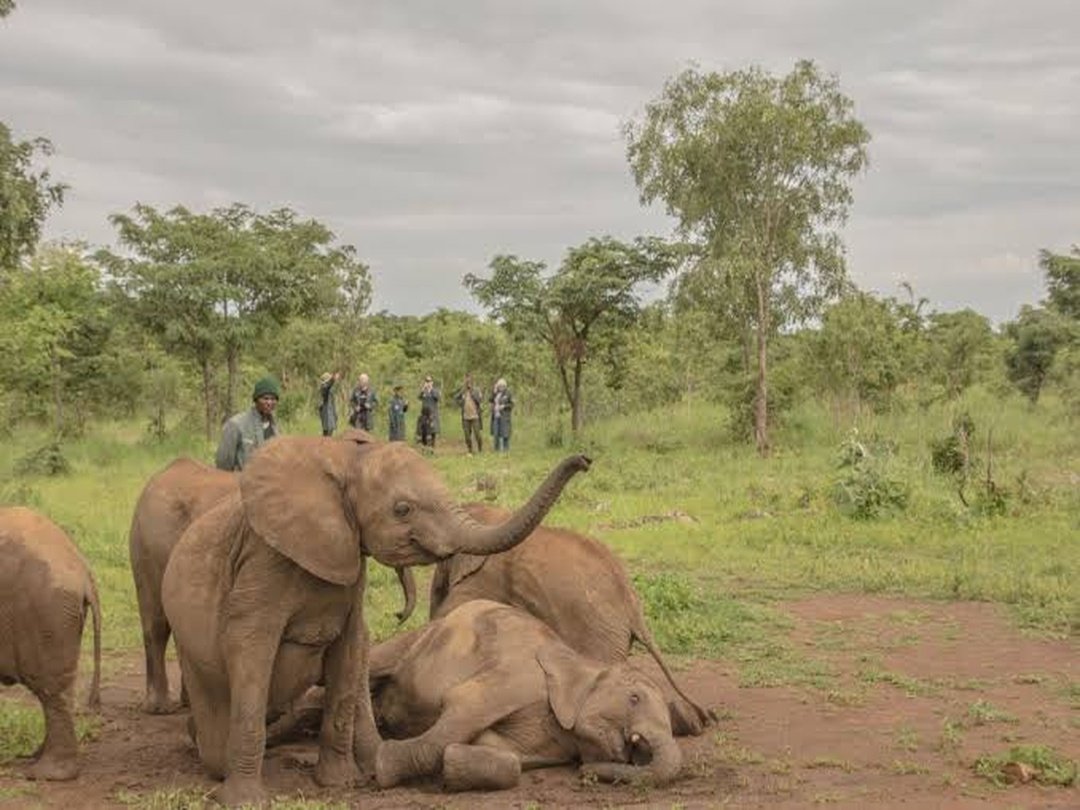
Lusaka National Park is one of Zambia’s fastest-growing tourist attractions offering a unique blend of wildlife, easy accessibility and walking safari . Located just outside Lusaka city, it is ideal for travelers seeking a quick yet authentic safari experience. Its popularity continues to rise due to its convenience and the opportunity to see rare animals like white rhinos . It is also known for its Elephant’s Orphanage.
Location and Accessibility
The park is situated about 30 km southeast of Lusaka, making it the most accessible national park in Zambia. Visitors can reach it within an hour by car, making it perfect for day trips, weekend getaways, and short safaris.
Wildlife and Biodiversity
Despite its small size, Lusaka National Park offers impressive wildlife viewing. Key animals include, White rhinos (main attraction), Giraffes, Zebras, Impalas and other antelopes ,Warthogs and monkeys.
The park is also home to diverse bird species, making it a great destination for birdwatchers and photographers.
Safari Experience and Activities in Lusaka National Park
The park provides a relaxed and beginner-friendly safari experience. Activities include, Self-drive and guided game drives, Wildlife photography, Birdwatching and Educational conservation tours.The park has well-maintained roads that make it easy to explore and even for first-time visitors.
Conservation Importance
Lusaka National Park plays a critical role in Zambia’s wildlife conservation efforts. It is especially known for protecting endangered white rhinos through strict anti-poaching measures. The park also helps educate visitors about sustainable tourism and environmental protection.
Lodges and Accommodation Options
Although there are no luxury lodges inside Lusaka National Park, there are excellent accommodation options available nearby in Lusaka.
Luxury Lodges & Hotels
- Radisson Blu Hotel Lusaka
- Taj Pamodzi Hotel
These hotels offer high-end comfort and are ideal for tourists combining business travel with a safari experience.
Mid-Range Lodges
- Protea Hotel by Marriott Lusaka Cairo Road
- Best Western Plus Lusaka Grand Hotel
These options are perfect for travelers looking for comfort, convenience, and quality services at reasonable prices.
Budget Accommodation
- Lusaka Backpackers
- Natwange Backpackers
Best Time to Visit
- Dry season from May to October -Best for wildlife viewing
- Wet season from November to April- Lush scenery and birdwatching
Why Visit Lusaka National Park?
- The park is close to Lusaka city.
- High chances of seeing white rhinos.
- Ideal for short safaris.
- Affordable and less crowded.
- Strong conservation focus.
Chobe National Park: The Ultimate Safari Destination in Botswana
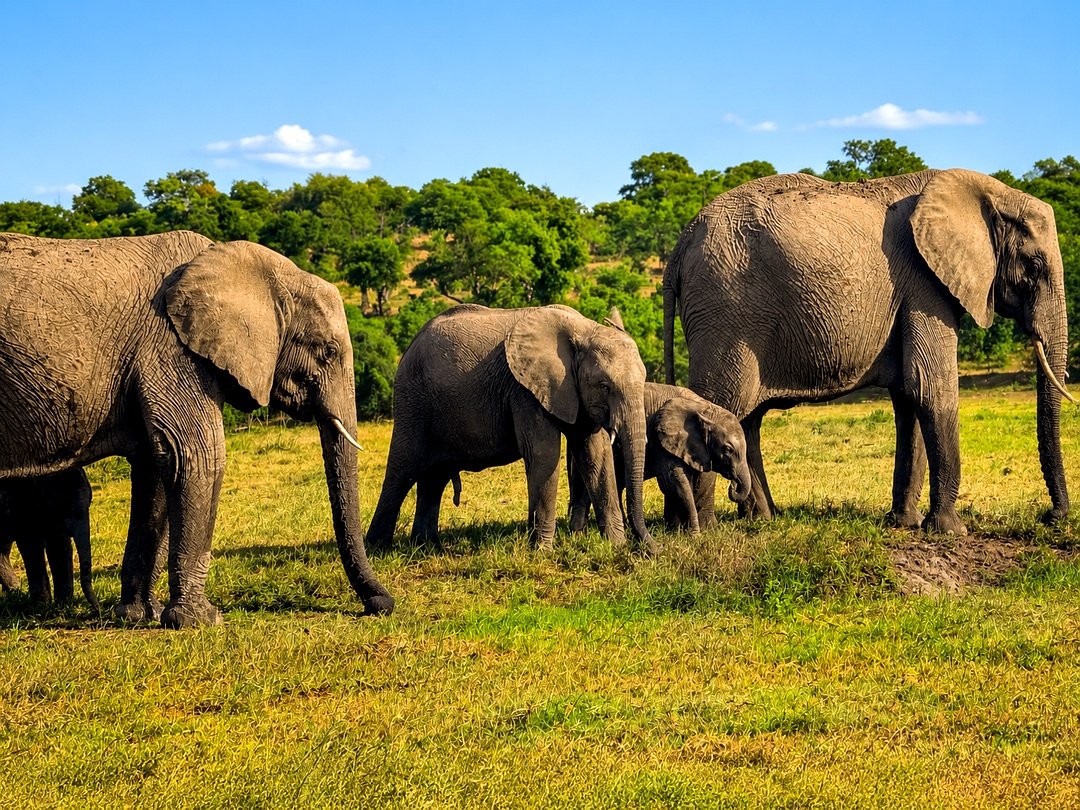
Chobe National Park is one of Africa’s most iconic wildlife destinations, offering visitors an unforgettable safari experience filled with diverse landscapes, abundant wildlife, and breathtaking scenery. The park is in northern part of Botswana and is renowned for its large elephant population, rich ecosystems, and exceptional game-viewing opportunities. Whether you’re a first-time traveler or a seasoned safari enthusiast, Chobe National Park promises an adventure like no other.
Why is Chobe National Park so Special?
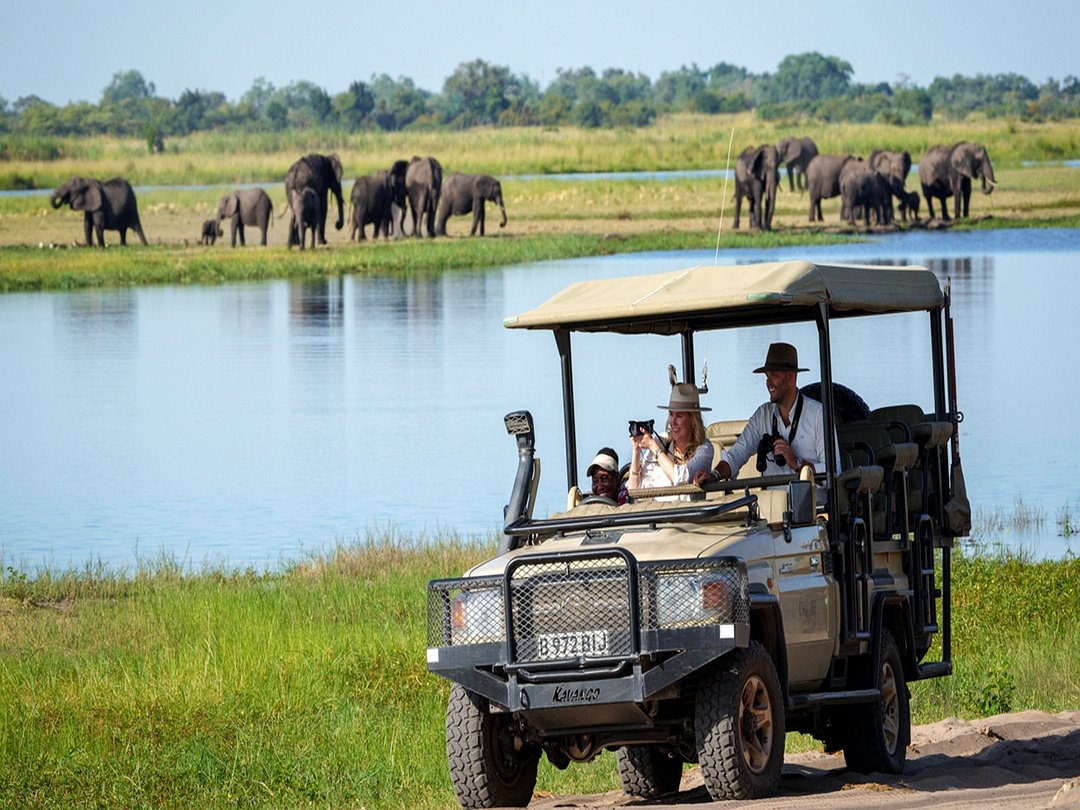
Chobe National Park stands out as a premier safari destination due to its incredible biodiversity. The park is home to one of the largest concentrations of elephants in Africa, with herds often seen along the Chobe River. Visitors can also encounter lions, leopards, buffalo, giraffes, zebras, and a wide variety of antelope species.
Bird lovers will find paradise here as well, with over 450 bird species recorded and making it one of the top birdwatching destinations in the region. From majestic fish eagles to colorful kingfishers, the park offers endless opportunities for photography and wildlife observation.
Top & Best Safaris in Chobe National Park
Game Drives
Game drives are the most popular way to explore the park. Early morning and late afternoon game drives provide the best chances to see predators in action and herbivores grazing across the plains.
Boat Safaris
A unique highlight of Chobe National Park is the boat safari along the Chobe River. This experience allows visitors to get up close to elephants bathing, hippos wallowing, and crocodiles sunbathing on riverbanks. It’s also one of the best ways to witness stunning African sunsets.
Birdwatching
With its rich birdlife, Chobe offers exceptional birdwatching opportunities year-round. The wet season, in particular, attracts migratory birds, creating a vibrant and colorful environment.
Photography Safaris
The park’s dramatic landscapes combined with abundant wildlife and make it a dream destination for photographers. Golden-hour lighting along the river provides perfect conditions for capturing unforgettable moments.
When is the Best Time to Visit Chobe National Park?
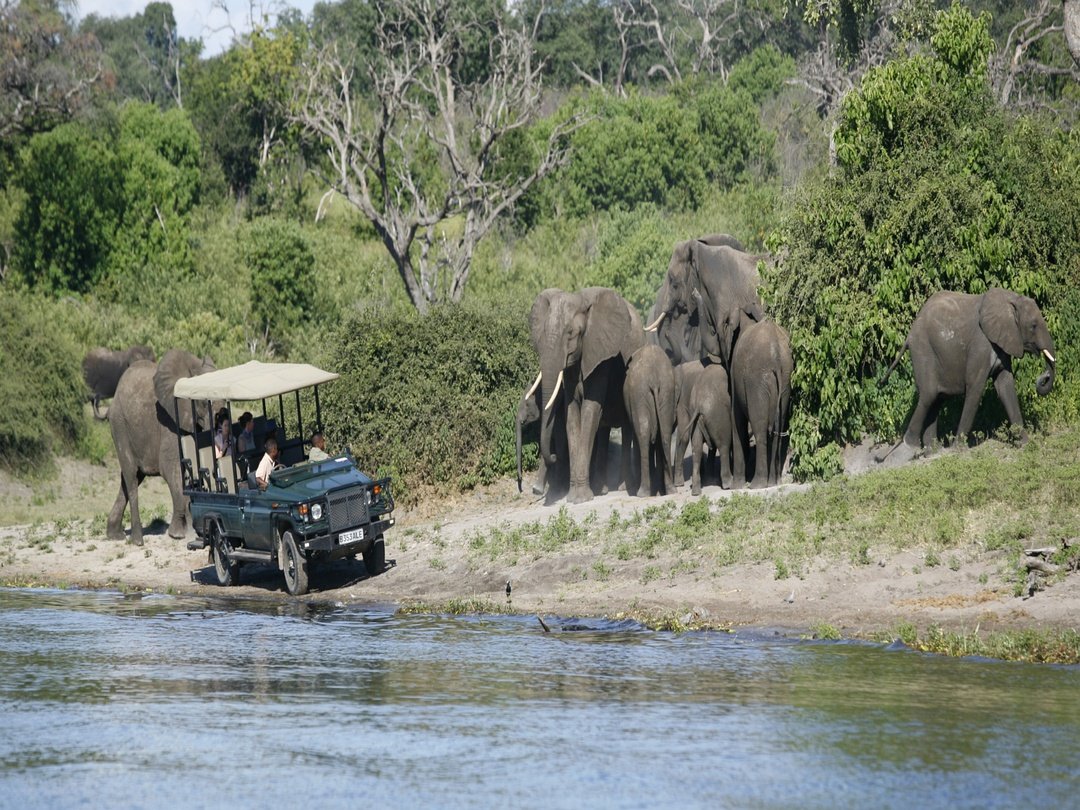
The dry season that starts from May to October is considered the best time to visit. During this period, animals gather around water sources making wildlife sightings more predictable and frequent. The wet season that starts from November to April offers lush landscapes, fewer crowds and excellent birdwatching opportunities.
What are the Best Lodges in Chobe National Park?
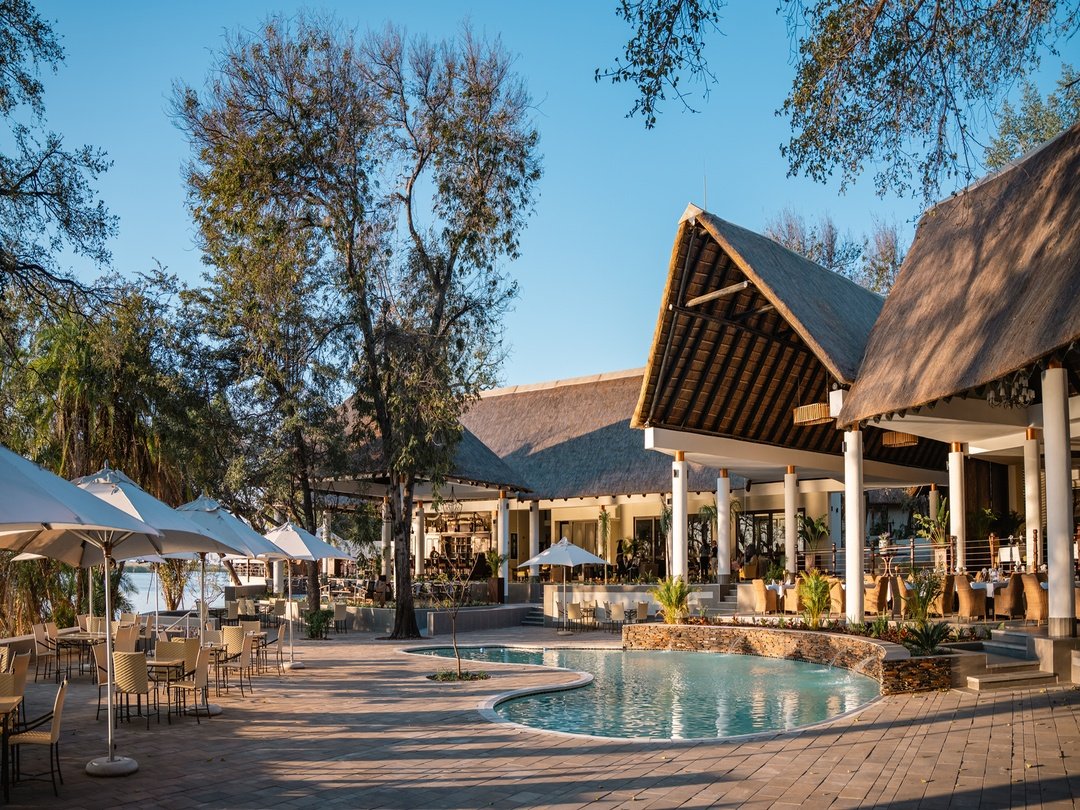
Chobe National Park offers a wide range of accommodation options from luxury lodges to mid-range and budget-friendly stays. Here are some of the best lodges to consider:
Luxury Lodges
- Chobe Game Lodge – The only permanent lodge inside the park, offering luxury rooms and riverfront views.
- Sanctuary Chobe Chilwero – Known for its elegant suites, spa, and panoramic views of the Chobe River.
- Ngoma Safari Lodge – A boutique lodge offering intimate experiences and stunning sunset views.
Mid-Range Lodges
- Chobe Safari Lodge – A popular choice with comfortable rooms and excellent river access.
- Cresta Mowana Safari Resort & Spa – Offers a blend of comfort, relaxation, and great safari access.
- Chobe Bush Lodge – Ideal for travelers seeking quality accommodation at a reasonable price.
Budget-Friendly Options
- Thebe River Safaris – Affordable accommodation with camping and chalet options.
- Kwalape Safari Lodge – A great option for budget-conscious travelers with a relaxed atmosphere.
- Elephant Trail Guesthouse – Comfortable and affordable lodging near the park entrance.
What is the Best Route to Chobe National Park?
The main gateway to Chobe National Park is through Kasane, a small town located near the park’s entrance. Kasane is accessible by air via Kasane International Airport, with connections from major cities such as Johannesburg. Visitors can also reach Chobe National Park by flying into Zambia through Harry Mwaanga Nkumbula International Airport or Zimbabwe through Victoria Falls Airport, and then continue by road to the park. The park can also be accessed from Namibia by driving through the Caprivi Strip in the Zambezi Region and crossing at the Ngoma Bridge border post.
Best Travel Thoughts About Chobe National Park
Chobe National Park is a must-visit destination for anyone seeking an authentic African safari experience. From its vast elephant herds and scenic river landscapes to its diverse wildlife, the park offers something for every traveler around the globe. With a wide range of lodges to suit all budgets and preferences, planning your dream safari to Chobe is easier with Pieland Gorilla Safaris.
Whether you’re exploring by land or water, every moment in Chobe National Park is filled with wonder, making it a truly unforgettable destination.
Is Chobe National Park Close Victoria Falls?
Yes, Chobe National Park (via Kasane town) is only about 70–80 km (1.5 to 2 hours by road) from Victoria Falls on Zambia’s side. This journey also includes crossing the border at Kazungula Bridge which links two countries. This short distance makes it one of the easiest, cost friendly , time saving and most rewarding safari combinations in Southern Africa compared to visiting far-apart destinations.
Combining Chobe National Park with Victoria Falls in one safari is not only possible but one of the best safari combinations in Africa. You get unmatched wildlife viewing alongside one of the Seven Natural Wonders of the World ,all within a short and convenient journey.
The Okavango Delta: Africa’s Unique Water Safari Paradise
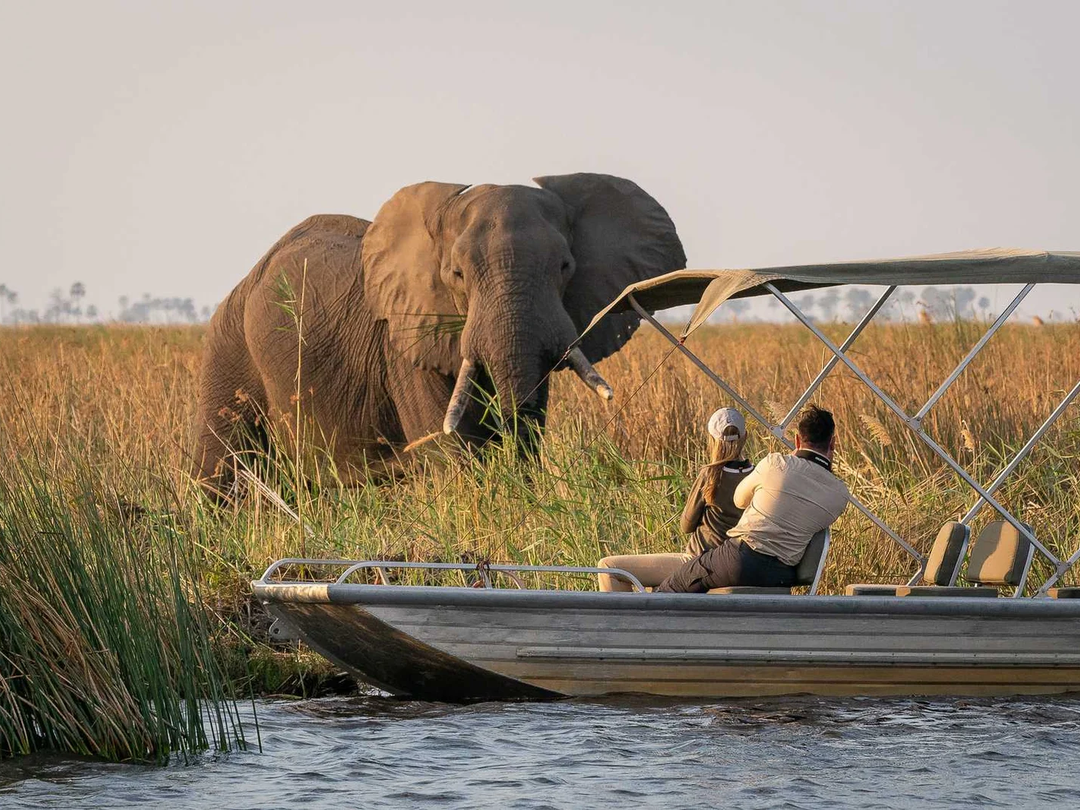
The Okavango Delta is one of the world’s most extraordinary safari destinations. Located in northern Botswana, it is the largest inland delta in the world. It offers a unique combination of lush waterways, seasonal floods, and abundant wildlife. Unlike other traditional game parks, the Okavango Delta provides visitors with an intimate, water-focused safari experience making it a must-visit destination for travelers seeking adventure and natural beauty.
Why to Visit the Okavango Delta?
The Okavango Delta stands out for several reasons that make it a top safari choice:
Unparalleled Wildlife Diversity
The delta is home to a remarkable array of African wildlife animals like elephants, lions, leopards, cheetahs.
The delta is also a home of some hippos, crocodiles, and abundant birdlife with unique species like sitatunga antelopes and African wild dogs.
The seasonal flooding creates rich grazing areas and attracts huge concentrations of animals, ensuring unforgettable sightings.
Exclusive Water Safaris
Unlike other parks, the Okavango Delta offers mokoro (dugout canoe) safaris, where guests glide silently through waterways. This allows for close encounters with wildlife in a serene and eco-friendly environment. Motorboat safaris and walking safaris add variety to your adventure.
Stunning Landscapes
The Delta’s ever-changing scenery includes;
- Open water channels
- Flooded grasslands
- Palm-fringed islands
- Lush floodplains
Every season brings a new visual spectacle and sighting making photography opportunities endless.
Birdwatcher’s Paradise
With over 400 different bird species recorded, including fish eagles, kingfishers, and herons, the Okavango Delta is a haven for bird enthusiasts. Migratory birds during the wet season create a vibrant natural display making the delta worth to visit .
Top Activities in the Okavango Delta
- Mokoro Safaris: Traditional dugout canoe rides through the Delta’s waterways.
- Walking Safaris: Guided walks allow you to track wildlife and discover the smaller wonders of the ecosystem.
- Boat Safaris: Motorboat cruises give a broader perspective of the delta’s flooded channels.
- Photography and Flying Safaris: Capture the Delta’s dramatic landscapes, wildlife, and sunsets.
- Birdwatching Tours: Explore islands and floodplains with expert guides for unmatched birding experiences.
What is the Best Time to Visit the Okavango Delta?
- Dry Season from May to October: Ideal for wildlife sightings, as animals gather near permanent water sources.
- Wet Season from November to March: Flooded landscapes, lush scenery, and excellent birdwatching.
The Best Accommodations in the Okavango Delta
The Okavango Delta offers a range of accommodations, from luxury lodges to intimate eco-camps.
Luxury Lodges
- &Beyond Xaranna Okavango Delta Lodge– Private island setting, luxury tents, and exclusive accommodation experiences.
- Belmond Savute Elephant Lodge – Offers exceptional wildlife encounters and high-end services.
- Mombo Camp – Known for its prime wildlife location and intimate luxury accommodation experience.
Mid-Range Lodges
- Little Mombo Camp – Comfortable tents and excellent game-viewing opportunities.
- Camp Moremi– Ideal for families and small groups seeking quality accommodations.
Budget-Friendly Lodges
- Third Bridge Safari Camp – Affordable safari tents with great access to wildlife-rich areas.
- Sanctuary Stanley’s Camp– Eco-friendly camping option with immersive wilderness experiences.
How to Get to Okavango Delta
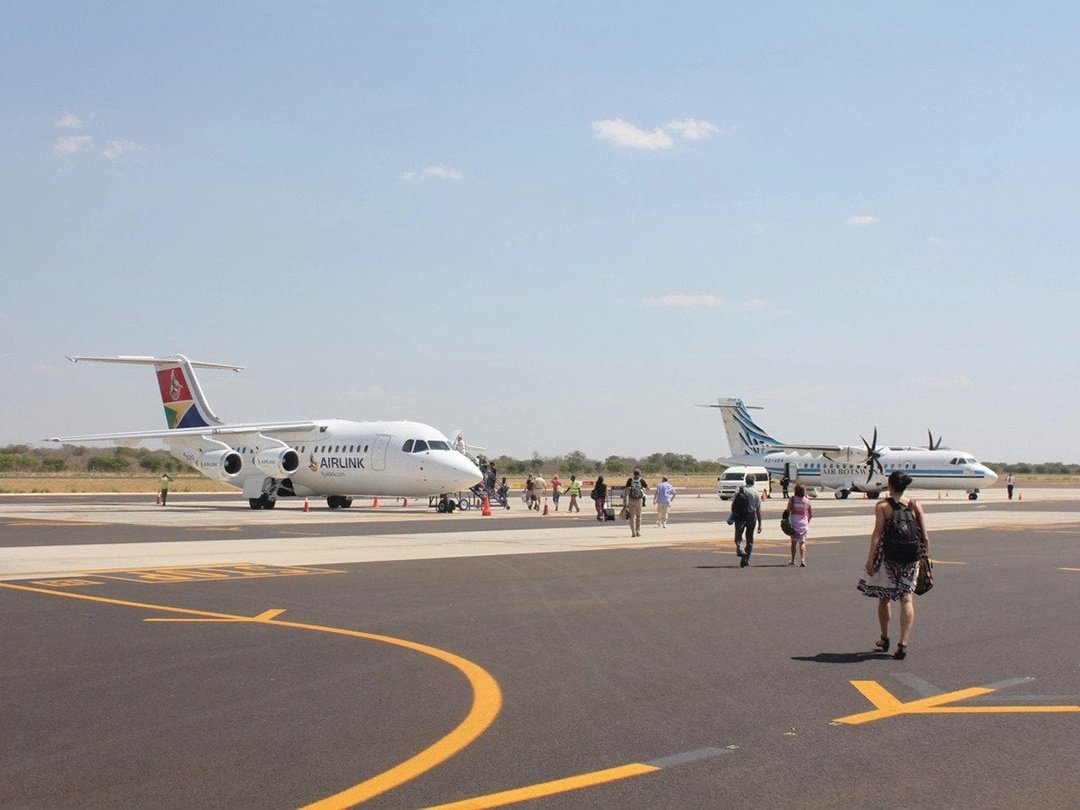
The main entry point is Maun International Airport where by a traveler will board a light aircraft to the delta’s private airstrips. Your travel agency will also include transfers from Maun International Airport as part of the safari package and making access straightforward even to remote camps. Alternatively, to get to Okavango Delta is to drive through Moremi Game Reserve (which is also part of Okavango delta) from Maun with an equipped 4WD vehicle. During this journey you need to have great navigation skills and great driving experience. Once you are in the delta, access to these camps and wildlife viewing is done with motorboats commonly known as the traditional mokoro (dugout canoe).
Travel Thoughts About Okavango Delta
Visiting the Okavango Delta is an unforgettable experience that combines wildlife, water, and wilderness in one of Africa’s most unique landscapes. With exclusive water safaris, flying safaris , diverse ecosystems and world-class accommodations. It is a perfect destination for travelers seeking a mix of adventure, luxury and natural beauty. Whether gliding silently in a mokoro or enjoying the vibrant birdlife, having a scenic flight, the Okavango Delta promises memories that last a lifetime.
All Safaris to the Okavango Delta can be combined with other National Parks.
Explore Hwange National Park – The Intimate African Safari Destination
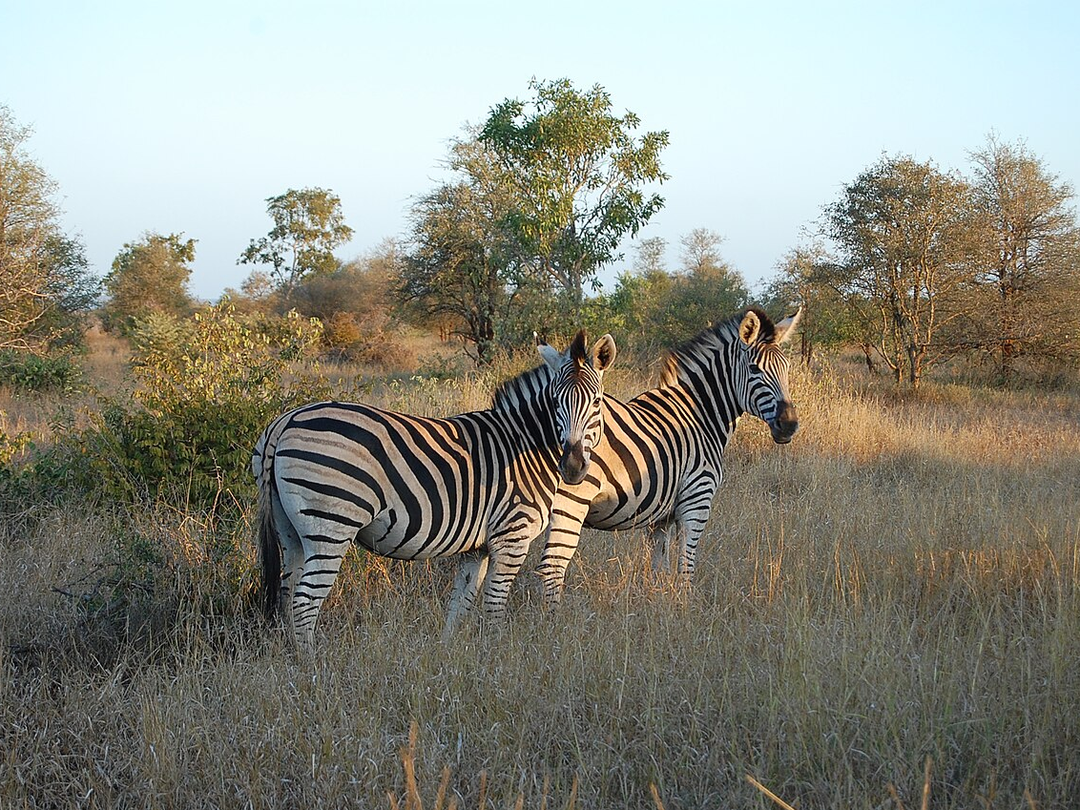
Nestled in the heart of Zimbabwe, Hwange National Park stands as the country’s largest and most celebrated wildlife sanctuary. Covering approximately 14,600 square kilometers, this iconic park is a haven for nature lovers, safari enthusiasts and photographers seeking an authentic African wilderness experience. Known for its rich biodiversity and scenic landscapes, Hwange National Park offers visitors an unforgettable journey into the wild.
Why Hwange National Park is a Must-Visit Destination
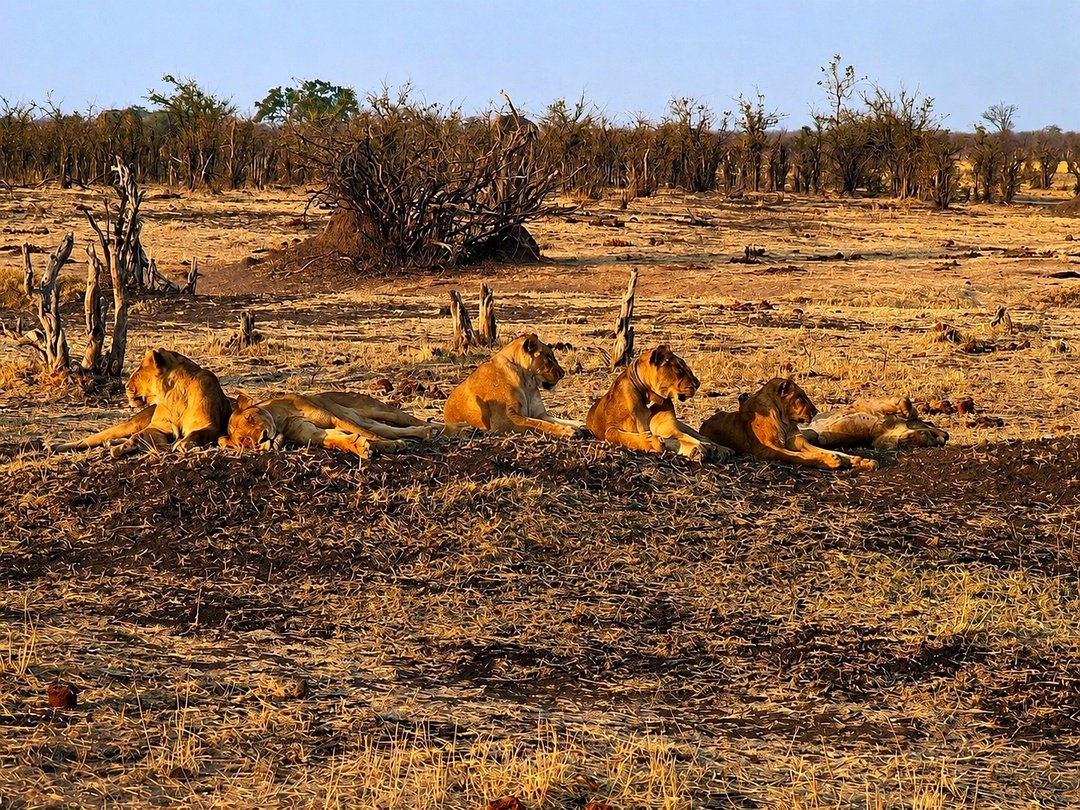
Hwange National Park is globally recognized for hosting one of Africa’s largest elephant populations with tens of thousands roaming freely across its plains. In addition to elephants, the park is home to the Big Five including lions, leopards, buffalo and occasionally rhinos. Other wildlife species include giraffes, zebras, hyenas, wild dogs, and antelopes .
Its strategic location near Victoria Falls makes it a top choice for travelers looking to combine a thrilling safari with a visit to one of the Seven Natural Wonders of the World.
Unique Landscapes and Ecosystems
Hwange’s diverse terrain sets it apart from other African parks. Visitors can explore vast grasslands, teak forests, mopane woodlands and seasonal wetlands. The park is also famous for its man-made waterholes, which attract large concentrations of animals, especially during the dry season.
These waterholes provide excellent opportunities for wildlife viewing and photography, making Hwange a dream destination for safari lovers.
Top Activities in Hwange National Park
Game Drives
Game drives are the most popular way to explore Hwange. Guided by experienced tour guides and visitors can witness predators hunting while herds grazing in their natural habitat.
Walking Safaris
For a more immersive experience, walking safaris allow guests to explore the park on foot, learning about animal tracks, plants and smaller ecosystems often missed during drives.
Bird Watching
Hwange is a paradise for bird watchers with over 400 recorded species. From colorful kingfishers to majestic eagles, birdlife here is both diverse and abundant.
Cultural Tours
Visitors can also engage with local communities around the park to learn about Zimbabwean culture, traditions, and conservation efforts.
What is the Best Time to Visit Hwange National Park?
The best time to visit Hwange National Park is during the dry season that is May to October. During this period, wildlife gathers around waterholes making sightings more predictable and rewarding.
The wet season that starts from November to April transforms the park into a lush green paradise ideal for bird watching and scenic photography though wildlife may be more dispersed.
Accommodation in Hwange National Park
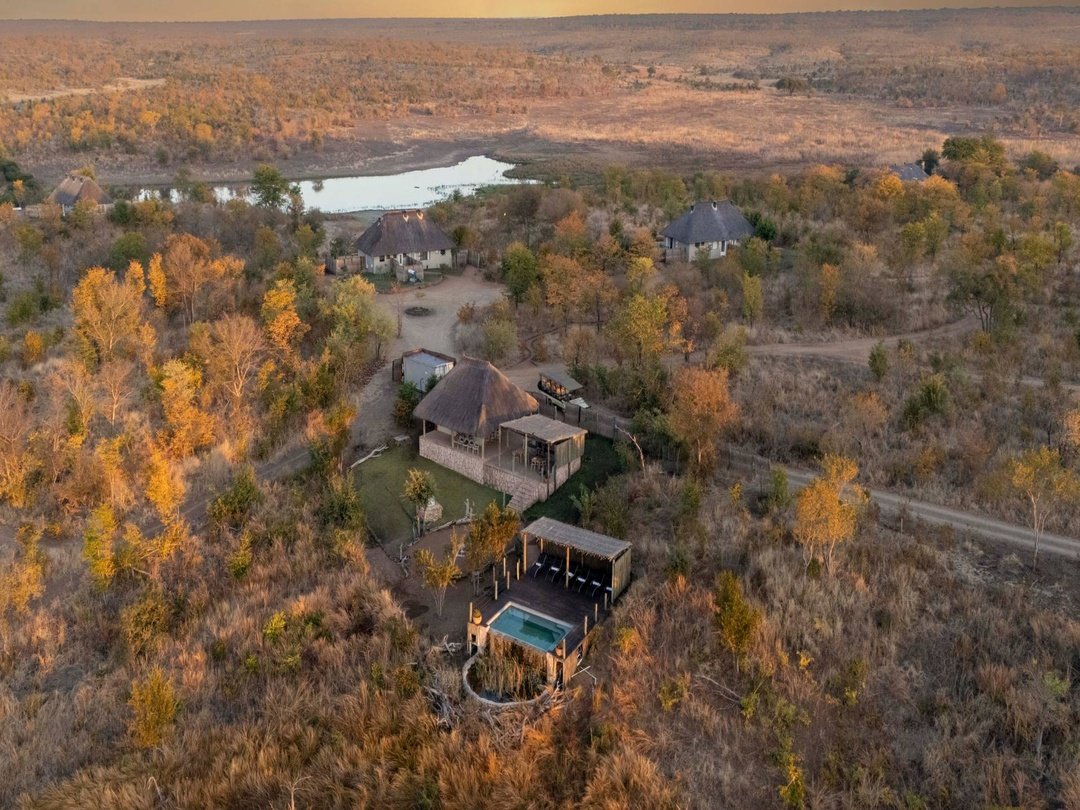
Hwange National Park offers a wide range of accommodation options ranging from luxury lodges to budget-friendly campsites. Here are some of the most popular places to stay:
Luxury Lodges
- Hwange Safari Lodge – Located near the park entrance. This lodge offers stunning views of a waterhole frequently visited by elephants and other wildlife.
- Somalisa Camp – A high-end eco-lodge known for its elegant tents and close-up wildlife encounters.
- Linkwasha Camp – A modern luxury camp offering exceptional service, gourmet meals, and guided safaris.
- Little Makalolo Camp – A boutique safari camp providing an intimate and exclusive experience.
Mid-Range Accommodation
- Sable Sands Lodge – Offers comfortable chalets and excellent access to wildlife-rich areas.
- Miombo Safari Camp – A peaceful retreat with cozy accommodations and personalized service.
- Ivory Lodge – Known for its scenic views and proximity to waterholes.
Budget Camps and Self-Catering Options
- Main Camp Hwange – Ideal for budget travelers offering basic facilities and easy access to game viewing areas.
- Sinamatella Camp – A government-run camp with affordable accommodation and stunning views.
- Robins Camp – A popular choice for self-drive travelers seeking budget-friendly lodging.
How to Get to Hwange National Park
Hwange National Park is easily accessible from major cities such as Bulawayo and Victoria Falls. Visitors can travel by road, rail, or air. The nearest airport is Victoria Falls International Airport followed by a drive of approximately 2–3 hours to the park.
Best Travel Tips for Visiting Hwange
- Book accommodation in advance, especially during peak season.
- Carry binoculars and a good camera for wildlife viewing.
- Follow park rules and always listen to your guide for safety.
- Pack light, breathable clothing and sunscreen.
Safaris to this national park can be combined with other national park
Victoria Falls National Park
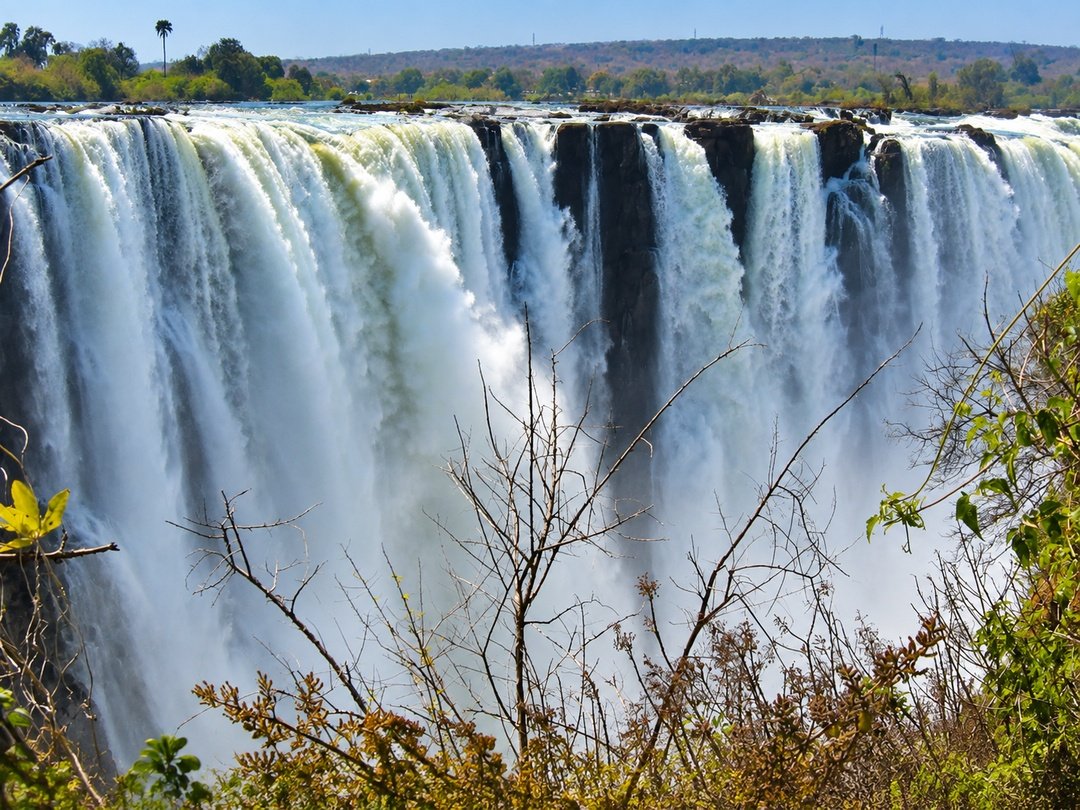
Victoria Falls National Park is one of Africa’s most iconic travel destinations well known for hosting the breathtaking Victoria Falls locally known as “The Smoke That Thunders.” Located in northwestern Zimbabwe along the mighty Zambezi River. This park combines dramatic natural beauty, rich biodiversity and thrilling adventure experiences making it one of the most visited parks on the continent.
Is Victoria Falls National Park Worth Visiting?
The centerpiece of the park is the magnificent Victoria Falls, one of the Seven Natural Wonders of the World. Stretching over 1.7 kilometers wide and plunging more than 100 meters, it creates a spectacular mist visible from miles away. The falls are at their most powerful between February and May after the rainy season.
Unique Rainforest Ecosystem
The constant spray from the falls sustains a lush rainforest within the park. This rare ecosystem is home to tall mahogany trees and fig trees, ferns, palms and Birdlife including hornbills and falcons
Walking trails allow visitors to explore this green oasis while enjoying panoramic viewpoints.
Incredible Wildlife Viewing
Although smaller than other safari parks, Victoria Falls National Park offers opportunities to spot:
- Elephants
- Buffalo
- Baboons and monkeys
- Antelope species
Game drives and guided walks are popular ways to explore the wildlife.
Top Things to Do
Explore the Falls Viewpoints
A network of well-maintained trails provides access to stunning viewpoints such as, Devil’s Cataract, Main Falls and Rainbow Falls.
Each offers a different perspective of the cascading water.
Adventure Activities
The park and surrounding area are famous for adrenaline-filled experiences like,
- White-water rafting and sunset cruise on the Zambezi River.
- Bungee jumping from Victoria Falls Bridge.
- Helicopter flights over the falls.
- Zip-lining and gorge swings.
What is the Best Time to Visit?
- High Water Season from Feb to May: Best for dramatic waterfall views
- Low Water Season from Aug to Dec: Ideal for activities like swimming in Devil’s Pool and clearer views of the rock formations
- Cool Season from May to Aug: Comfortable temperatures for sightseeing
Accommodation in Victoria Falls National Park
Visitors to Victoria Falls National Park can choose from a wide range of accommodation options from luxury lodges to budget-friendly stays.
Luxury Lodges &Lodges.
- Victoria Falls Hotel : A historic 5-star hotel offering colonial elegance and stunning views of the falls
- Victoria Falls Safari Lodge: Known for its panoramic views and wildlife sightings at the on-site waterhole
Mid-Range Options
- A’Zambezi River Lodge: Located along the river with comfortable amenities
- Cresta Sprayview Hotel: Affordable comfort close to the town center
Budget Accommodation
- Victoria Falls Backpackers Lodge: Ideal for backpackers and budget travelers
- Shoestrings Backpackers Lodge: Offers a lively atmosphere and basic facilities
How to Go to Victoria Falls National Park
The park is easily accessible via:
- Victoria Falls Airport (international and regional flights).
- Road transfers from nearby towns and neighboring countries like Zambia.
Travel Tips for Victoria Fall National Park
- Carry waterproof gear to protect against the mist.
- Book activities in advance during peak season.
- Respect wildlife and park regulations.
- Consider combining your trip with a visit to the Zambian side of the falls.
Victoria Falls National Park is a must-visit destination for anyone seeking a mix of natural wonder, wildlife and adventure. Whether you’re marveling at the thunderous Victoria Falls, exploring lush rainforest trails or enjoying world-class accommodation, this park promises an unforgettable African experience.
Safaris to this National Park can be combined with other parks.
Visa Guide for Zambia, Zimbabwe & Botswana
Applying for the KAZA Univisa is the Best Option
The easiest way to visit both Zambia and Zimbabwe is through getting the KAZA Univisa that covers Zambia, Zimbabwe and allowing day trips to Botswana by driving through Kazungula Border. This Visa is valid for only 30 days and it costs $50. It allows a traveler to enjoy multiple entries between Zambia and Zimbabwe. It saves money and enables one to visit Victoria Falls from both countries.
Where to get KAZA Univisa?
This visa can obtained on arrival at Victoria Falls Airport, Harry Mwanga Nkumbula International Airport and on Land borders like Victoria Falls border.
Not all nationalities are eligible to get this visa on arrival and it is better to check if your passport qualifies.
How to get the KAZA Univisa
What are the Visa Requirements KAZA Univisa?
- Passport (6+ months validity).
- Proof and sufficient funds .
- Return ticket and travel itinerary.
- Accommodation details.
- Visa fee is $50.
Zambia and Zimbabwe are generally easy and flexible with visas. The process to get Visas on arrival is so smooth and it is the most common way to enter these countries.
For Botswana ,many nationalities (including most African countries) get visa-free entry and those who need visa can get on arrival or online but with limited availability.
Note that it is highly recommended to carry USD to pay for visas and local currency for small transactions .
Locals currencies can be obtained from banks, Bureau de Change spots and withdrawing from ATM using Visa/Mastercard in order to avoid scams. The above mentioned places are at Airports, major towns and at Land borders.
Frequently Asked Questions About a Traveler’s Guide to Zambia, Zimbabwe and Botswana
Why should I combine Zambia, Zimbabwe and Botswana in one African safari?
Combining Zambia, Zimbabwe and Botswana creates one of Southern Africa’s most rewarding multi-country safari experiences because the three destinations complement each other extremely well. Zambia is celebrated for wild, immersive safari experiences in destinations such as South Luangwa National Park and Lower Zambezi National Park. Zimbabwe combines outstanding wildlife areas such as Hwange National Park and Mana Pools with Victoria Falls, while Botswana adds the Okavango Delta and the wildlife-rich Chobe region.
A well-planned Traveler’s Guide to Zambia, Zimbabwe and Botswana therefore offers much more variety than visiting only one country. Travelers can experience game drives, walking safaris, boat safaris, canoe excursions, mokoro trips, river cruises and Victoria Falls within the same holiday. Border connections around Livingstone, Victoria Falls and Kasane also make it practical to combine the three countries without spending excessive amounts of the safari driving between distant destinations.
What is the best time to visit Zambia, Zimbabwe and Botswana?
For travelers primarily interested in wildlife viewing, the dry season from approximately May or June through October is generally the most popular period. Vegetation becomes thinner and animals increasingly concentrate around permanent rivers, waterholes and floodplains. Zambia’s South Luangwa, for example, experiences increasingly concentrated wildlife around remaining water sources as the dry season progresses, while June to October is also an excellent wildlife-viewing period in Zimbabwe’s Mana Pools.
However, there is no single perfect month for every experience. November to April brings greener landscapes, dramatic skies, newborn animals and excellent birding in many areas. Zambia commonly refers to this period as the Emerald Season, particularly in destinations such as South Luangwa and Kafue. Travelers should therefore choose their dates according to whether wildlife concentrations, photography, birding, Victoria Falls water levels, pricing or lush scenery are their main priorities.
How many days do I need for Zambia, Zimbabwe and Botswana?
A useful minimum for a three-country journey is approximately 10 to 12 days, although 14 to 18 days produces a more comfortable safari. Trying to visit all three countries within a week normally results in too much time being spent transferring between airports, lodges and border posts instead of enjoying wildlife experiences.
A 12- to 14-day safari could combine Victoria Falls or Livingstone with Chobe National Park and the Okavango Delta before adding a major Zambian or Zimbabwean wildlife destination. Travelers with more time can include South Luangwa, Lower Zambezi, Hwange or Mana Pools and spend three or four nights in several different ecosystems rather than simply passing through each destination.
Which country is best for safari: Zambia, Zimbabwe or Botswana?
There is no single winner because each destination offers a different style of safari. Botswana is especially famous for the Okavango Delta, private concessions, mokoro excursions and high-quality low-density safari experiences. The northern Botswana safari circuit also includes Chobe and the Linyanti-Savuti region, creating excellent diversity.
Zambia is particularly attractive to travelers interested in adventurous and intimate wilderness experiences, especially walking safaris, river-based activities and destinations such as South Luangwa and Lower Zambezi. Zimbabwe is an excellent all-round destination, combining Victoria Falls with Hwange, Mana Pools, Matobo, Great Zimbabwe and other attractions. Instead of choosing one, travelers with sufficient time often gain the richest experience by combining them.
What are the best places to visit in Zambia?
Some of Zambia’s most important destinations are Victoria Falls and Livingstone, South Luangwa National Park, Lower Zambezi National Park and Kafue National Park. South Luangwa is particularly famous for its wildlife concentrations and walking safari heritage, while Lower Zambezi combines game drives with boating, fishing and canoe-based experiences along the Zambezi River.
Kafue appeals to travelers searching for a large, less crowded wilderness, while Livingstone provides access to the Zambian side of Victoria Falls and numerous adventure activities. Travelers planning an extended Zambia safari can combine two wildlife parks with Livingstone rather than attempting to cover every major region in a single short holiday.
What are the best places to visit in Zimbabwe?
Zimbabwe offers far more than Victoria Falls. Hwange National Park is one of the country’s leading wildlife destinations and is especially famous for elephants and classic game viewing.
Other outstanding destinations include Mana Pools National Park, Great Zimbabwe, Matobo National Park, Lake Kariba and Gonarezhou National Park. Mana Pools is particularly attractive for travelers seeking remote wilderness, walking experiences and canoe safaris along the Zambezi. Zimbabwe can therefore support a complete standalone safari rather than serving only as a short Victoria Falls extension.
What are the best places to visit in Botswana?
The Okavango Delta is Botswana’s most internationally recognized safari destination, offering a mixture of seasonal floodplains, channels, islands and wildlife-rich wilderness. Travelers can combine conventional game drives with mokoro excursions and, depending on location and water conditions, motorboat experiences.
Chobe National Park is another major highlight and is particularly convenient for travelers combining Botswana with Victoria Falls. Beyond Chobe and the Okavango, travelers can explore Moremi, Savuti, Linyanti, the Makgadikgadi Pans, Nxai Pan and the Central Kalahari. Botswana is therefore suitable for both classic big-game safaris and highly specialized wilderness journeys.
Can I visit Victoria Falls from both Zambia and Zimbabwe?
Yes. Victoria Falls lies on the border between Zambia and Zimbabwe, and travelers can experience the waterfall from either country or visit both sides during the same trip. The viewpoints differ, so travelers who have sufficient time often cross the Victoria Falls Bridge and explore the falls from both perspectives.
The experience also changes considerably according to seasonal water levels. During periods of high flow, immense spray can create a dramatic and powerful experience, while lower-water months can provide clearer views into the gorge and expose more of the rock formations.
When is the best time to see Victoria Falls?
The best time depends on whether you want maximum water volume, clearer views of the rock face or specific adventure activities. The falls are generally at their most powerful during and shortly after the rainy season, creating immense spray and dramatic scenes.
As water levels fall later in the year, visibility of the gorge and geological formation generally improves. Some water-dependent activities also operate according to river conditions rather than a fixed annual calendar. Travelers planning rafting, swimming near the falls or other seasonal adventures should therefore confirm operating conditions shortly before travel.
Can I easily travel between Victoria Falls, Livingstone and Chobe?
Yes. This is one of the easiest multi-country combinations in Southern Africa. Livingstone in Zambia, Victoria Falls town in Zimbabwe and Kasane in Botswana form a highly practical tourism triangle, allowing travelers to experience three countries without taking multiple long-distance flights.
Kasane is the gateway to Chobe National Park and can be reached from the Victoria Falls region by road and border transfer. This makes combinations such as Livingstone – Victoria Falls – Chobe – Okavango Delta particularly attractive to first-time visitors who want varied experiences without excessive travel time.
What is the KAZA UNIVISA?
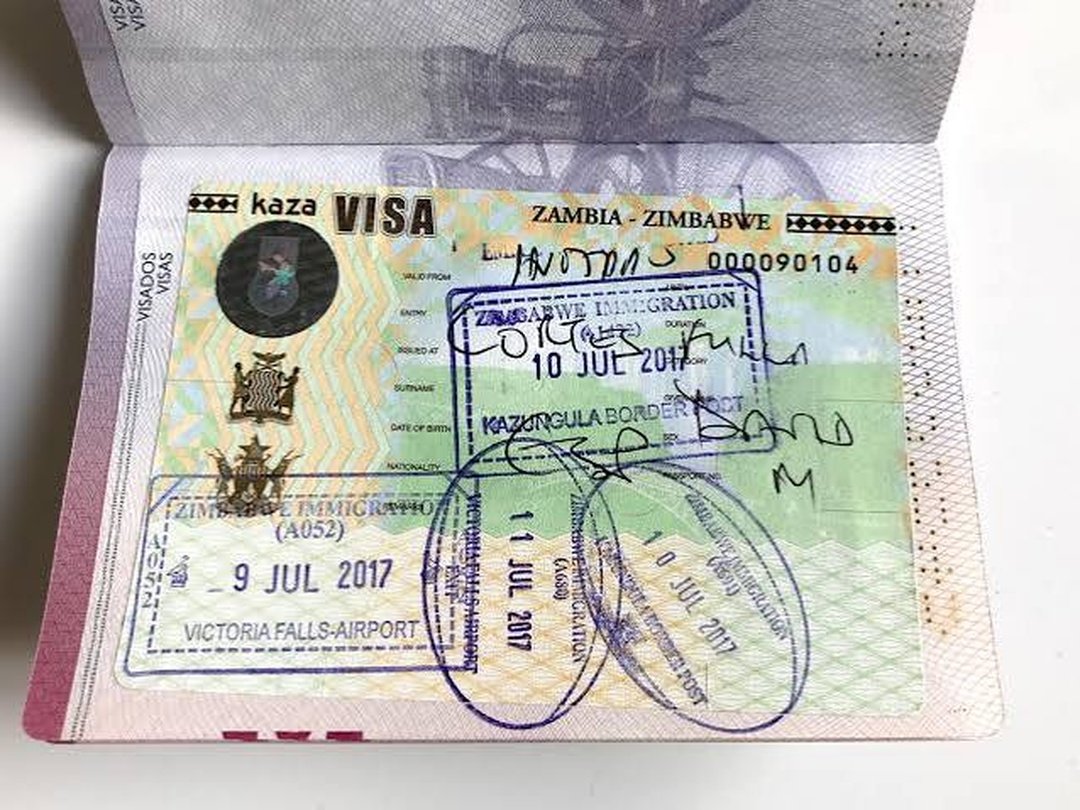
The KAZA UNIVISA is designed to make travel between Zambia and Zimbabwe easier for eligible international visitors. It can allow qualifying travelers to cross between Zambia and Zimbabwe multiple times within the permitted validity period and can also be useful for certain day trips into Botswana through approved border points.
Travelers should not assume that every nationality automatically qualifies or that the visa is issued at every possible border. Visa rules, fees and eligible entry points can change, so passport holders should verify the latest information with the relevant immigration authorities shortly before departure.
Do I need separate visas for Zambia, Zimbabwe and Botswana?
Visa requirements depend heavily on your nationality. Some travelers can enter one or more of these countries visa-free, while others require visas in advance or may qualify for regional arrangements such as the KAZA UNIVISA.
Because immigration rules are nationality-specific and can change, travelers should always check official requirements before purchasing flights. It is especially important to consider whether you will make multiple border crossings during your safari, as this may affect the type of visa required.
How long should my passport be valid when visiting these countries?
A good rule when planning a multi-country Southern African safari is to travel with a passport that has at least six months of remaining validity and sufficient blank pages for immigration stamps and visas.
Requirements can vary according to citizenship, visa type and route, particularly if your flights transit through another African country. It is therefore sensible to check every country on the itinerary, including transit points, rather than checking only the final safari destination.
Is Zambia, Zimbabwe and Botswana suitable for a first African safari?
Yes. This combination works exceptionally well for first-time safari travelers because it introduces several very different African landscapes within one journey. Travelers can experience elephants and other wildlife around Chobe, the wetlands of the Okavango Delta, Victoria Falls and traditional game-drive environments in Zambia or Zimbabwe.
The region can also be organized at many comfort levels. A first-time visitor can book a fully guided itinerary with airport assistance, road transfers, lodge accommodation and safari activities arranged in advance, eliminating most of the logistical challenges associated with crossing several international borders.
What wildlife can I expect to see?
Wildlife varies according to the parks selected, but the three-country region supports an extraordinary diversity of mammals and birds. Depending on your itinerary, sightings may include elephants, lions, leopards, buffaloes, giraffes, zebras, hippos, crocodiles, hyenas, African wild dogs, wildebeest and numerous antelope species.
Hwange is particularly famous for elephants, while Chobe is another outstanding elephant destination. South Luangwa is highly regarded for predators, hippos and varied game, while Botswana’s northern safari areas are known for both predators and large herbivore populations. No ethical operator can guarantee individual wildlife sightings because these are natural, unfenced ecosystems.
Can I see the Big Five in Zambia, Zimbabwe and Botswana?
It is possible to see many of the **Big Five—lion, leopard, elephant, buffalo and rhinoceros—**during a multi-country journey, although their distribution varies by park. Travelers should therefore avoid assuming that every reserve contains all five species.
A better approach is to plan according to overall wildlife diversity rather than treating the safari as a checklist. Zambia, Zimbabwe and Botswana provide excellent opportunities to observe predator-prey interactions, elephants, wild dogs, hippos, crocodiles, birdlife and numerous smaller species that can be equally memorable.
Is Botswana more expensive than Zambia and Zimbabwe?
Botswana can be relatively expensive, particularly in remote parts of the Okavango Delta where many camps are accessed by light aircraft and operate on an inclusive lodge model. Private concessions, limited camp capacity and extensive logistics can also raise safari costs.
However, Botswana is not exclusively a luxury destination. Kasane, Chobe and some self-drive routes offer more accessible options. Zambia and Zimbabwe likewise range from budget-friendly guesthouses and camps to highly exclusive luxury properties. The final safari price depends more on accommodation category, transfers, internal flights, private guiding and season than simply on the country name.
Can I do a budget safari across Zambia, Zimbabwe and Botswana?
Yes, although careful routing is essential. Travelers can control costs by using road transfers around Livingstone, Victoria Falls and Kasane, selecting comfortable mid-range lodges, reducing expensive charter flights and concentrating on destinations that connect efficiently.
A budget-conscious itinerary could combine Victoria Falls with Chobe and perhaps one additional safari destination instead of attempting a long circuit through several remote parks. Traveling during selected shoulder or green-season periods can also offer better lodge value, although travelers must consider rainfall, seasonal camp closures and road accessibility.
Are luxury safaris available in all three countries?
Absolutely. Zambia, Zimbabwe and Botswana contain some of Southern Africa’s finest safari camps. Luxury options may include spacious suites, private plunge pools, expert guides, premium food and wine, charter flights, private vehicles and highly personalized service.
Botswana is particularly famous for remote luxury camps in the Okavango and private concessions, while Zambia offers exceptional luxury experiences along the Luangwa and Zambezi rivers. Zimbabwe also has highly regarded camps in Hwange, Mana Pools, Victoria Falls and other wilderness areas.
What is the difference between a game drive, walking safari, boat safari and mokoro safari?
A game drive uses a safari vehicle to cover relatively large distances and search for wildlife. A walking safari explores the ecosystem on foot with qualified guides, concentrating not only on large animals but also tracks, plants, insects, animal behavior and smaller ecological details often missed from a vehicle.
Boat safaris are popular along rivers such as the Chobe and Zambezi and provide excellent opportunities to observe elephants, hippos, crocodiles and waterbirds. A mokoro safari, associated particularly with Botswana’s Okavango Delta, uses a traditional-style dugout canoe or modern equivalent to move quietly through shallow channels.
Is a walking safari in Zambia or Zimbabwe safe?
Professionally operated walking safaris are designed around strict safety procedures and are led by trained guides who understand animal behavior and local terrain. Zambia and Zimbabwe both have strong traditions of guided walking in wilderness areas.
Travelers must nevertheless recognize that a walking safari takes place in genuine wildlife habitat. Following the guide’s instructions immediately, remaining quiet when requested, walking in formation and never approaching animals independently are essential. People with mobility concerns should discuss the physical requirements with their operator before booking.
Can children travel on safari in Zambia, Zimbabwe and Botswana?
Yes, and the three countries can provide excellent family safari experiences. However, minimum ages may apply to walking safaris, canoeing, mokoro excursions and certain lodge activities. Some properties may also require families with young children to book private safari vehicles.
Families should therefore choose accommodation based not only on price but also on family-room configuration, fencing, swimming pools, meal flexibility, transfer times and children’s activity policies. A slower itinerary with fewer lodge changes is usually more enjoyable for families.
Is it safe to travel to Zambia, Zimbabwe and Botswana?
The established tourism circuits of Zambia, Zimbabwe and Botswana are widely visited, but normal travel precautions remain important. Visitors should safeguard passports and money, avoid displaying expensive possessions unnecessarily, use reputable transport providers and follow local advice in towns and border areas.
Safari environments require an additional type of awareness. Wild animals can move through unfenced camps, so guests should follow lodge rules, avoid walking alone after dark where escorts are required and never leave vehicles or approach wildlife unless instructed by qualified guides.
What health preparations should I make before traveling?
Travelers should consult a qualified travel-health professional well before departure because recommendations vary according to medical history, season, trip duration, exact route and countries visited before or after the safari. Malaria prevention may be relevant in several safari regions, and insect-bite protection is important.
Travelers should also carry appropriate travel insurance, personal medication, basic first-aid items, high-SPF sunscreen and insect repellent. Entry-health requirements can depend on your recent travel history, so these should be confirmed with official health and immigration authorities before departure.
What should I pack for a safari in Zambia, Zimbabwe and Botswana?
Pack lightweight, comfortable clothing in neutral shades such as khaki, olive, beige and brown. Include long trousers, long-sleeved shirts, comfortable closed walking shoes, sandals for lodge use, a wide-brimmed hat, sunglasses, sunscreen, insect repellent, binoculars and a small daypack.
Warm layers are extremely important during the Southern African winter because early morning game drives can be surprisingly cold even when afternoons become warm. Avoid overpacking because light-aircraft transfers may impose stricter baggage limits than international airlines.
What currency should I carry?
Currency arrangements differ among Zambia, Zimbabwe and Botswana, so it is better to prepare for a multi-currency journey instead of assuming one payment method will work everywhere. Travelers should carry some accessible funds for tips, small purchases and situations where card facilities or networks are temporarily unavailable.
Major safari lodges and larger tourism businesses often accept electronic payments, but availability varies by location. Before departure, ask your operator which currencies are most practical for your exact route, where cash may be needed and whether park fees, visas or optional activities must be paid separately.
Can I self-drive through Zambia, Zimbabwe and Botswana?
Yes, but a three-country self-drive safari is best suited to travelers who are comfortable with long distances, border procedures and variable road conditions. Remote national parks may have deep sand, rough tracks, seasonal flooding or limited fuel availability.
A capable 4×4 vehicle is strongly recommended for many remote safari areas. First-time visitors who prefer a less complicated experience may find a guided road-and-fly itinerary considerably easier.
Should I use road transfers or light aircraft between safari destinations?
Both can be useful. Road transfers are practical for relatively short connections such as Victoria Falls–Kasane, Livingstone–Victoria Falls and certain lodge-to-lodge movements. They are usually more economical and allow travelers to see local landscapes and communities along the route.
Light aircraft become valuable when connecting remote safari destinations such as the Okavango Delta or distant Zambian camps. Although flying increases the price, it can save many hours of difficult road travel. Many of the best itineraries therefore combine road transfers around the Victoria Falls–Chobe region with scheduled or charter flights for remote safari camps.
What is a good itinerary for Zambia, Zimbabwe and Botswana?
A strong first-time itinerary could begin in Livingstone, Zambia, with time around Victoria Falls before crossing into Zimbabwe for another perspective of the falls. Travelers could then transfer by road to Chobe National Park in Botswana for game drives and Chobe River activities.
From Chobe, continue by light aircraft into the Okavango Delta before adding Hwange in Zimbabwe, South Luangwa in Zambia or another wilderness area depending on available time. A more comprehensive journey should ideally allow approximately 12 to 16 days so that the trip feels like a safari rather than a sequence of border crossings.
How do I plan the perfect Zambia, Zimbabwe and Botswana safari?
Begin by identifying the experiences that matter most to you rather than simply selecting destinations from a map. Decide whether your priorities are Victoria Falls, the Okavango Delta, elephants, predators, walking safaris, photography, birding, luxury camps, family travel or adventurous wilderness experiences. Your preferred month and budget will then determine which parks fit naturally into the journey.
An excellent Traveler’s Guide to Zambia, Zimbabwe and Botswana should also consider seasonal wildlife movements, river levels, camp accessibility, border crossings, visa eligibility, internal-flight schedules and realistic travel times. The most successful itinerary usually spends several nights in carefully selected destinations rather than trying to include every famous park. When Zambia’s wilderness experiences, Zimbabwe’s outstanding parks and Victoria Falls, and Botswana’s Chobe and Okavango ecosystems are combined thoughtfully, the result can be one of the most diverse safari journeys in Southern Africa.
Can Zambia, Zimbabwe and Botswana be combined with South Africa?
Yes. Zambia, Zimbabwe and Botswana combine very naturally with South Africa, especially for travelers flying through Johannesburg or Cape Town. Johannesburg is a major regional aviation hub with useful connections into destinations such as Livingstone, Victoria Falls, Kasane and Maun. This makes it possible to add several days in South Africa before or after a Southern African safari without creating an overly complicated itinerary.
A popular combination may include Cape Town, Victoria Falls, Chobe National Park and the Okavango Delta. Travelers with more time can add Zambia’s South Luangwa or Zimbabwe’s Hwange National Park. This kind of itinerary works especially well for visitors who want to combine city experiences, food and wine, dramatic scenery and traditional wildlife safaris in one holiday.
Which airports are best for a Zambia, Zimbabwe and Botswana safari?
The best airport depends on the safari route. Livingstone Airport is convenient for the Zambian side of Victoria Falls, while Victoria Falls International Airport serves travelers staying on the Zimbabwean side. Kasane Airport is useful for Chobe National Park, and Maun is the main gateway for many Okavango Delta safari camps.
Travelers visiting deeper areas of Zambia or Zimbabwe may connect through larger regional airports before taking domestic flights or road transfers. When planning a multi-country safari, it is often more efficient to fly into one country and depart from another rather than returning to the original arrival airport.
Is it better to start a safari in Zambia, Zimbabwe or Botswana?
There is no mandatory starting point, but the best choice depends on international flights, safari direction and the parks being visited. Beginning around Victoria Falls or Livingstone can work very well because travelers can recover from their international flight before continuing into more remote safari destinations.
Starting in Botswana can also be convenient when focusing heavily on Chobe and the Okavango Delta. A carefully designed open-jaw itinerary, where the traveler arrives in one country and flies home from another, can considerably reduce unnecessary backtracking.
What is the best way to combine Chobe National Park with Victoria Falls?
Chobe and Victoria Falls are among the easiest major attractions to combine in Southern Africa. Travelers can stay in Victoria Falls or Livingstone before making a road transfer to Kasane, the gateway town to Chobe National Park.
Another option is to visit Chobe as a day trip from the Victoria Falls region, although staying at least two nights in or near Chobe allows for a more complete safari. This gives travelers time for both game drives and a boat safari along the Chobe River, rather than rushing through the experience in a single day.
Is a day trip from Victoria Falls to Chobe worth it?
A Chobe day trip can be worthwhile for travelers with very limited time because it introduces Botswana’s wildlife without requiring a hotel change. A typical excursion may include road transfers, border formalities, a game drive and a Chobe River safari before returning to Victoria Falls.
However, visitors who are serious about wildlife photography or want a more relaxed safari should consider spending at least two nights in Botswana. Early morning and late afternoon wildlife activity can be particularly rewarding, and an overnight stay avoids spending part of the day repeatedly crossing borders.
Should I stay in Livingstone or Victoria Falls town?
Both are excellent bases for experiencing Victoria Falls, but they offer slightly different travel styles. Livingstone is a larger Zambian town with restaurants, accommodation and easy access to attractions on the Zambian side of the falls. Victoria Falls town in Zimbabwe is compact and highly tourism-focused, with many hotels, restaurants and activities within a relatively small area.
The best choice can depend on the season, preferred accommodation, onward safari route and which viewpoints travelers most want to explore. Some itineraries deliberately include time on both sides of the border to experience the waterfall from different perspectives.
How many nights should I spend at Victoria Falls?
Two to three nights are generally comfortable for most travelers. Two nights may be sufficient for visiting the falls and completing one major activity, while three nights create more time for sunset cruises, helicopter flights, cultural activities, rafting or day trips.
Travelers using Victoria Falls as part of a longer Zambia, Zimbabwe and Botswana safari should avoid spending too many nights there at the expense of wildlife areas unless they are especially interested in adventure activities. The ideal balance depends on the overall length of the journey.
Is a helicopter flight over Victoria Falls worth doing?
For many travelers, a helicopter flight is one of the most memorable ways to appreciate the scale of Victoria Falls. From the air, visitors can see the Zambezi River approaching the gorge, the waterfall itself and the dramatic series of gorges downstream.
The aerial perspective is particularly useful because ground-level spray can sometimes limit visibility during periods of high water. Travelers interested in photography should consider the time of day, light conditions and potential reflections before choosing a flight.
Can I include a sunset cruise on the Zambezi River?
Yes. A sunset cruise on the Zambezi River is a popular addition to a Victoria Falls or Livingstone itinerary. These cruises provide a relaxed contrast to game drives and often offer opportunities to see hippos, crocodiles, elephants, waterbirds and beautiful riverside scenery.
A sunset cruise works especially well on the first or final evening of a safari. It requires relatively little physical effort and can be enjoyed by couples, families, honeymooners and older travelers.
What is the difference between Chobe and the Okavango Delta?
Chobe National Park is particularly famous for its large elephant populations, riverfront wildlife and excellent boat safaris. The Chobe River attracts large concentrations of wildlife during the drier months, making it especially attractive for photographers.
The Okavango Delta offers a more varied wetland environment of channels, islands and floodplains. Depending on the camp, travelers may enjoy game drives, mokoro excursions, boating and walking activities. Chobe is easier to access by road, while many Delta camps are reached by light aircraft.
Should I visit both Chobe National Park and the Okavango Delta?
Yes, if time and budget allow. The two destinations provide different safari experiences despite both being in northern Botswana. Chobe is ideal for river-based wildlife viewing and large elephant herds, while the Okavango is known for its intimate wetland landscapes and combination of land- and water-based activities.
Combining both areas creates a stronger Botswana safari than selecting only one. Travelers with limited time can often spend two nights in Chobe and three nights in the Delta as part of a larger Zambia, Zimbabwe and Botswana itinerary.
What is the difference between Moremi Game Reserve and the Okavango Delta?
Moremi Game Reserve occupies part of the Okavango ecosystem and includes a mixture of floodplains, woodland, lagoons and dry land. It is especially well known for traditional vehicle-based wildlife viewing.
The wider Okavango Delta includes both public reserve areas and private concessions. Some private concessions allow activities that may not be available everywhere in Moremi, including night drives, walking safaris and certain water-based experiences. Travelers should therefore choose camps according to activities rather than simply selecting an area by name.
Is Hwange National Park worth adding after Victoria Falls?
Yes. Hwange National Park is one of the strongest additions to a Victoria Falls itinerary because it offers excellent wildlife viewing without requiring travelers to leave Zimbabwe. It is particularly well suited to visitors who want a more traditional land-based safari after experiencing the waterfall.
Hwange is known for elephants, predators, plains game and numerous waterholes. Staying several nights allows travelers to explore different habitats and gives the safari a stronger wildlife focus than visiting Victoria Falls alone.
Should I choose Hwange or Chobe National Park?
Both parks are outstanding, but they offer different experiences. Chobe is especially appealing for travelers interested in river safaris and enormous elephant concentrations along the Chobe River. Hwange provides a broader terrestrial safari environment with extensive game-drive opportunities.
Travelers who have enough time do not necessarily need to choose between them. A Victoria Falls, Hwange and Chobe combination can create an excellent route, particularly for wildlife enthusiasts who want to experience both Zimbabwe and Botswana.
Is South Luangwa worth adding to a three-country safari?
Yes. South Luangwa is one of the best additions for travelers who want the Zambia portion of the itinerary to involve more than Victoria Falls. The park is famous for walking safaris, varied wildlife and a strong feeling of wilderness.
Adding South Luangwa normally requires more time and internal flying, so it suits itineraries of approximately two weeks or longer. Travelers who include it gain a much deeper understanding of Zambia’s safari identity.
What makes Lower Zambezi National Park special?
Lower Zambezi National Park combines traditional wildlife viewing with the dramatic setting of the Zambezi River. Visitors can enjoy game drives as well as boating, canoeing and river-focused activities depending on the lodge and season.
This mix makes Lower Zambezi especially attractive for travelers who prefer varied safari experiences rather than spending every activity inside a vehicle. The river setting also provides excellent opportunities for observing elephants, hippos and other wildlife around the water.
Is Mana Pools suitable for first-time safari travelers?
Mana Pools can be visited by first-time safari travelers, but it is particularly rewarding for people who appreciate adventurous and wilderness-focused experiences. The park is famous for walking safaris, canoeing and close observation of wildlife in a relatively wild environment.
Travelers who prefer highly structured lodge-based tourism may be more comfortable beginning with destinations such as Chobe or Hwange before adding Mana Pools. Those who enjoy remote wilderness often consider Mana Pools a highlight.
Can I combine Mana Pools with Lower Zambezi National Park?
Yes. Mana Pools and Lower Zambezi are located on opposite sides of the broader Zambezi Valley ecosystem, creating an appealing combination for travelers fascinated by river-based wilderness.
However, logistical planning can be more complex than combining Victoria Falls and Chobe. The itinerary should be arranged carefully around seasonal operations, transfer connections and available flights. It is generally better suited to experienced safari travelers or longer itineraries.
Are night game drives available in Zambia, Zimbabwe and Botswana?
Night drives are available in selected safari areas, but they are not permitted everywhere. Regulations depend on the national park, reserve or private concession. Private safari concessions often have more flexibility than public park areas.
Night drives can reveal nocturnal species that are rarely seen during daytime safaris, including genets, civets, porcupines, owls and hunting predators. Travelers who particularly want this experience should check the activities offered by each lodge before booking.
What animals are most active during night safaris?
Many predators and smaller mammals become more active after sunset. Depending on the destination, travelers may encounter lions, leopards, hyenas, civets, genets, bush babies, porcupines and other nocturnal wildlife.
Night drives are also valuable because the safari atmosphere changes significantly after dark. Guides use specialized lights to search for reflections from animals’ eyes while minimizing disturbance to wildlife.
Is birdwatching good in Zambia, Zimbabwe and Botswana?
Yes. All three countries are excellent birding destinations because they contain wetlands, rivers, woodlands, savannahs and seasonal floodplains. Travelers can encounter hundreds of bird species across a multi-country journey.
Birding becomes especially rewarding during greener months when migratory species arrive and many resident birds enter breeding plumage. Destinations such as the Okavango Delta, Chobe River, South Luangwa and the Zambezi Valley can be particularly productive.
Is a Zambia, Zimbabwe and Botswana safari good for photographers?
Yes. The diversity of landscapes and wildlife makes this region outstanding for safari photography. Chobe offers exceptional opportunities for photographing elephants at water level, while the Okavango provides dramatic reflections, wetlands and aerial scenery.
Victoria Falls offers landscape photography, while South Luangwa, Hwange and other wildlife parks can deliver excellent predator and mammal photography. Serious photographers may benefit from private safari vehicles, specialized photography boats and camps with fewer guests per vehicle.
Can I use a drone during my safari?
Drone regulations are strict in many protected areas, border zones and tourism destinations. Travelers should never assume that a recreational drone can simply be flown over national parks or safari lodges.
Permissions may involve aviation authorities, park management and other government agencies. Because unauthorized flying can result in penalties or confiscation, photographers should obtain written permission before traveling if drone photography is important to them.
What type of camera equipment should I carry on safari?
A camera with a telephoto lens is useful for wildlife because animals are often photographed at considerable distance. A second shorter lens can be helpful for landscapes, lodges, people and Victoria Falls.
Travelers should also carry spare batteries, memory cards, cleaning equipment and protection against dust. Weight restrictions on light aircraft are important, so photographers carrying heavy equipment should inform their safari operator in advance.
Will I have Wi-Fi and mobile phone coverage during the safari?
Coverage varies considerably. Hotels around Livingstone, Victoria Falls, Kasane and major towns generally offer better connectivity than remote safari camps. Some wilderness lodges provide Wi-Fi only in communal areas or during specific hours.
Travelers should expect limited or inconsistent connectivity in remote areas of the Okavango Delta, South Luangwa, Mana Pools and other wilderness destinations. For many visitors, this temporary reduction in connectivity becomes part of the appeal of the safari.
What electrical plugs are used in Zambia, Zimbabwe and Botswana?
Plug configurations can vary across Southern Africa, and some lodges use universal adapters or provide charging stations. Travelers should carry a high-quality universal travel adapter rather than depending on one plug style.
Remote safari camps may generate electricity through solar power and may limit the use of high-consumption devices. Travelers carrying medical equipment, camera chargers or other important electronics should confirm charging arrangements before arrival.
Can I drink tap water during my trip?
Travelers should follow the guidance provided by each lodge or hotel. Many safari properties provide filtered or bottled drinking water and refill stations for guests.
Because water treatment standards can differ between locations, visitors should avoid making assumptions based on conditions in major towns. Using the drinking water provided by the accommodation is generally the simplest approach.
What food can I expect at safari lodges?
Safari lodges typically provide a mixture of international dishes, regional ingredients and African-inspired cuisine. Meals are often included at remote properties because alternative restaurants are not accessible.
Dietary requirements such as vegetarian, vegan, gluten-free and allergy-sensitive meals can often be accommodated when communicated well in advance. Travelers should provide clear dietary information before the safari rather than waiting until arrival at remote camps.
How does tipping work on safari?
Tipping is generally discretionary but is widely appreciated in the safari industry. Travelers may choose to tip guides, trackers, lodge staff and drivers based on service quality.
Some lodges provide general staff tipping boxes while guiding teams may be tipped separately. Because customs and recommended amounts can vary by country and lodge, travelers should ask their safari operator for guidance before departure.
Do I need travel insurance for Zambia, Zimbabwe and Botswana?
Comprehensive travel insurance is strongly recommended for a multi-country safari. Policies should ideally cover medical emergencies, evacuation, trip cancellation, luggage problems and disruption to flights or safari arrangements.
Travelers visiting remote camps should pay particular attention to emergency evacuation coverage because access to major medical facilities may require an aircraft transfer. Adventure activities around Victoria Falls may also require specific policy coverage.
What happens if my international flight is delayed?
Flight delays can affect safari transfers, particularly when travelers have same-day connections onto light aircraft or long road journeys. For this reason, it is often wise to spend the first night near the international arrival point before continuing into remote safari areas.
A well-planned itinerary includes enough connection time to reduce the risk of missing charter flights. Travel insurance can also be important when unexpected delays result in additional accommodation or transport expenses.
How much luggage can I carry on a light aircraft safari flight?
Light-aircraft baggage allowances are often lower than those used by international airlines. Soft-sided bags are usually preferred because they are easier to fit into small aircraft luggage compartments.
Travelers should confirm the exact allowance with their safari operator before departure. Large hard-shell suitcases can create problems on bush flights, even when they were accepted on the international journey.
Should I use a soft safari bag instead of a hard suitcase?
A soft-sided travel bag is generally more practical for multi-country safaris involving light aircraft. It can fit more easily into restricted luggage compartments and safari vehicles.
Travelers staying only in major towns and using road transfers may face fewer luggage restrictions, but anyone entering the Okavango Delta or remote fly-in camps should strongly consider using soft baggage.
Are laundry services available at safari camps?
Many safari lodges provide laundry services, sometimes included in the room rate. This allows travelers to pack fewer clothes, which is particularly useful when light-aircraft luggage limits apply.
However, some properties may not wash certain personal items due to cultural practices, and drying can take longer during rainy periods. Travelers should check individual lodge policies.
What languages are commonly spoken?
English is widely used in the tourism industry across Zambia, Zimbabwe and Botswana, making communication relatively straightforward for many international travelers.
Each country also has numerous local languages and cultural traditions. Learning a few basic greetings can be a thoughtful way to interact with guides, lodge staff and communities during the journey.
Can I visit local communities during my safari?
Yes. Many safari itineraries can include village visits, markets, schools, cultural centers or community-owned tourism projects. These experiences can add cultural depth to a wildlife-focused journey.
Travelers should choose community experiences that are respectful, locally supported and not staged purely for photography. A responsible tour operator can help identify activities where tourism revenue genuinely benefits local residents.
Is a Zambia, Zimbabwe and Botswana safari suitable for honeymooners?
Yes. The combination is particularly attractive for honeymooners because it blends adventure, luxury and privacy. Couples can combine romantic safari camps with sunset cruises, private dinners, scenic flights and secluded accommodations in wilderness areas.
A honeymoon itinerary might combine Victoria Falls, Chobe and the Okavango Delta before adding an intimate lodge in Zambia or Zimbabwe. Private transfers and longer stays at fewer properties can make the journey feel more relaxed.
Can senior travelers comfortably visit Zambia, Zimbabwe and Botswana?
Yes. Many senior travelers enjoy these destinations, particularly when the itinerary is designed around comfortable transfers, good lodge locations and manageable activity levels.
Travelers with reduced mobility should discuss walking distances, aircraft access, vehicle steps and room layouts before booking. Activities such as walking safaris can be replaced with game drives or river activities where necessary.
Are wheelchair-accessible safari options available?
Accessibility varies widely between properties. Some modern lodges provide accessible rooms, ramps and modified facilities, while remote camps may involve uneven paths, steps, sand or aircraft access that can create challenges.
Travelers requiring wheelchair access should plan the itinerary around specific lodge facilities rather than assuming general accessibility. Detailed advance planning can make a major difference.
Can I travel alone through Zambia, Zimbabwe and Botswana?
Yes. Solo travelers can enjoy all three countries, particularly when using organized safari transfers and established lodges. Joining shared game drives can also make the trip social without requiring a permanent travel companion.
Single supplements can increase accommodation costs, especially at luxury camps, although some properties occasionally offer reduced solo-traveler supplements during selected seasons.
Are these countries good for group safaris?
Yes. Small groups can benefit from sharing transport and private safari vehicles, which may improve both flexibility and value. Families, friends and photography groups often combine the three countries.
Group planning should consider room arrangements, vehicle capacity, border procedures and light-aircraft baggage limits. Booking well ahead is particularly important when several rooms are needed at smaller safari camps.
How far in advance should I book a safari?
For peak-season travel, booking several months in advance is highly advisable, particularly for popular camps in the Okavango Delta, Chobe, South Luangwa and Victoria Falls.
Travelers with fixed dates, larger groups or specific luxury lodges may need to book even earlier. More flexibility is generally available during shoulder and green-season periods.
Can I book a last-minute Zambia, Zimbabwe and Botswana safari?
It is possible, but the choice of lodges, flights and safari camps may be limited. Remote camps have relatively few rooms, and light-aircraft schedules depend on existing bookings.
Last-minute travelers who remain flexible about accommodation level and exact routing can sometimes assemble excellent trips. Those requiring specific camps should plan earlier.
Is the green season worth considering?
Yes. The green season can provide lush landscapes, dramatic clouds, excellent birding and newborn animals. It can also offer reduced rates at some properties.
However, rain can affect road conditions and some camps may close seasonally. Travelers should select destinations carefully rather than assuming every park operates the same way throughout the year.
Are there mosquitoes and insects on safari?
Yes, particularly near rivers, wetlands and during warmer or wetter periods. Travelers should bring effective insect repellent and wear long sleeves and trousers during evenings.
Safari lodges may provide mosquito nets, screens or insect-control measures. Travelers should also seek medical advice regarding malaria prevention based on their exact itinerary.
Can I combine safari with fishing?
Yes. Fishing opportunities are available in several river and lake destinations, including parts of the Zambezi system. Tiger fishing is especially well known in parts of Southern Africa.
Fishing activities may be seasonal and may require permits. Travelers should ask about catch-and-release policies, equipment and local regulations before booking.
Can I combine safari with white-water rafting?
Yes. The Zambezi below Victoria Falls is internationally famous for white-water rafting. The experience is highly adventurous and depends on river levels.
Rafting operations may change seasonally, and participants should consider fitness requirements and safety guidelines. Travelers should also make sure their insurance covers adventure sports.
Is canoeing on the Zambezi suitable for beginners?
Some canoe safari experiences can be suitable for beginners when operated by professional guides, but conditions vary by river section, wildlife activity and water levels.
Travelers should follow all safety instructions because hippos, crocodiles and other wildlife inhabit the river. More adventurous multi-day canoe safaris may be better suited to travelers comfortable with wilderness conditions.
What are the best cultural experiences to add to the safari?
Cultural experiences can include village visits, craft markets, traditional food experiences, local storytelling, historical sites and community tourism projects.
Zimbabwe’s Great Zimbabwe ruins can add a major historical dimension to a safari, while cultural visits around Livingstone, Victoria Falls and Botswana can provide insight into contemporary communities and local traditions.
Can I visit Great Zimbabwe during a multi-country safari?
Yes, although Great Zimbabwe lies away from the main Victoria Falls–Chobe–Okavango route. Adding it requires extra road travel or domestic connections.
It is particularly worthwhile for travelers interested in history, archaeology and African civilizations. Visitors with longer Zimbabwe itineraries can combine Great Zimbabwe with Matobo, Hwange and Victoria Falls.
Is Lake Kariba worth visiting?
Yes. Lake Kariba can provide a slower and more relaxed contrast to traditional game drives. Visitors can enjoy boating, fishing, wildlife viewing and scenic sunsets.
Houseboat trips are especially popular and can be combined with safari areas around the lake. Lake Kariba works best for travelers with enough time to move beyond the most common Victoria Falls circuit.
What is the best safari destination for elephant viewing?
Chobe National Park and Hwange National Park are among the strongest choices for elephant enthusiasts. Chobe is famous for large elephant concentrations along the river, particularly in the dry season.
Hwange also supports impressive elephant populations around waterholes. Combining both destinations can provide very different photographic settings and behaviors.
Where are the best chances of seeing African wild dogs?
African wild dogs occur in several areas across Zambia, Zimbabwe and Botswana, although sightings can never be guaranteed. Parts of Botswana’s northern safari circuit, Zambia’s major wildlife areas and Zimbabwe’s large protected landscapes can provide good opportunities.
Because wild dogs travel large distances, sightings depend heavily on current pack movements. Experienced local guides can improve the chances by tracking recent activity.
Which country is best for walking safaris?
Zambia is particularly famous for walking safaris, with South Luangwa often considered one of the classic destinations for this style of safari.
Zimbabwe also offers exceptional walking experiences, especially in areas such as Mana Pools. Travelers who want walking to be a major part of their journey should choose lodges with experienced specialist guides.
Which country is best for water-based safaris?
Botswana is exceptional for water-based safari experiences because of the Okavango Delta and Chobe River. Mokoro excursions, boat safaris and wetland wildlife viewing can form a major part of the itinerary.
Zambia and Zimbabwe also provide excellent river experiences along the Zambezi, including boating and canoeing. A three-country itinerary can therefore combine several different forms of water-based wildlife viewing.
Can I combine a safari with a beach holiday?
Yes. Although Zambia, Zimbabwe and Botswana are landlocked, travelers can connect their safari with beach destinations elsewhere in Africa.
Popular extensions may include Mozambique, Zanzibar, Mauritius or the Indian Ocean coast depending on flight routes and budget. A safari-and-beach combination works particularly well for honeymooners and travelers taking longer holidays.
What makes a Zambia, Zimbabwe and Botswana itinerary different from an East African safari?
Southern African safaris often place greater emphasis on varied activity styles, including boat safaris, mokoro excursions, walking safaris and private concession experiences. East African safaris are especially famous for large open savannahs, the Great Migration and destinations such as the Serengeti and Masai Mara.
Neither region is automatically better. Travelers choosing Zambia, Zimbabwe and Botswana often value wilderness, lower-density safari areas, river systems and diverse ways of viewing wildlife.
Is this three-country safari suitable for repeat visitors to Africa?
Absolutely. Travelers who have already visited Kenya, Tanzania, Uganda, Rwanda or South Africa often find Zambia, Zimbabwe and Botswana refreshingly different.
The combination provides new landscapes, specialized walking and water-based safaris, Victoria Falls and several remote wilderness areas. It is therefore an excellent choice for travelers seeking a deeper African safari experience rather than simply repeating a conventional game-drive itinerary.
Would you like to visit Zambia, Zimbabwe and Botswana?
Contact Us today.