
Hwange National Park Safari – Ultimate Zimbabwe Wildlife Guide
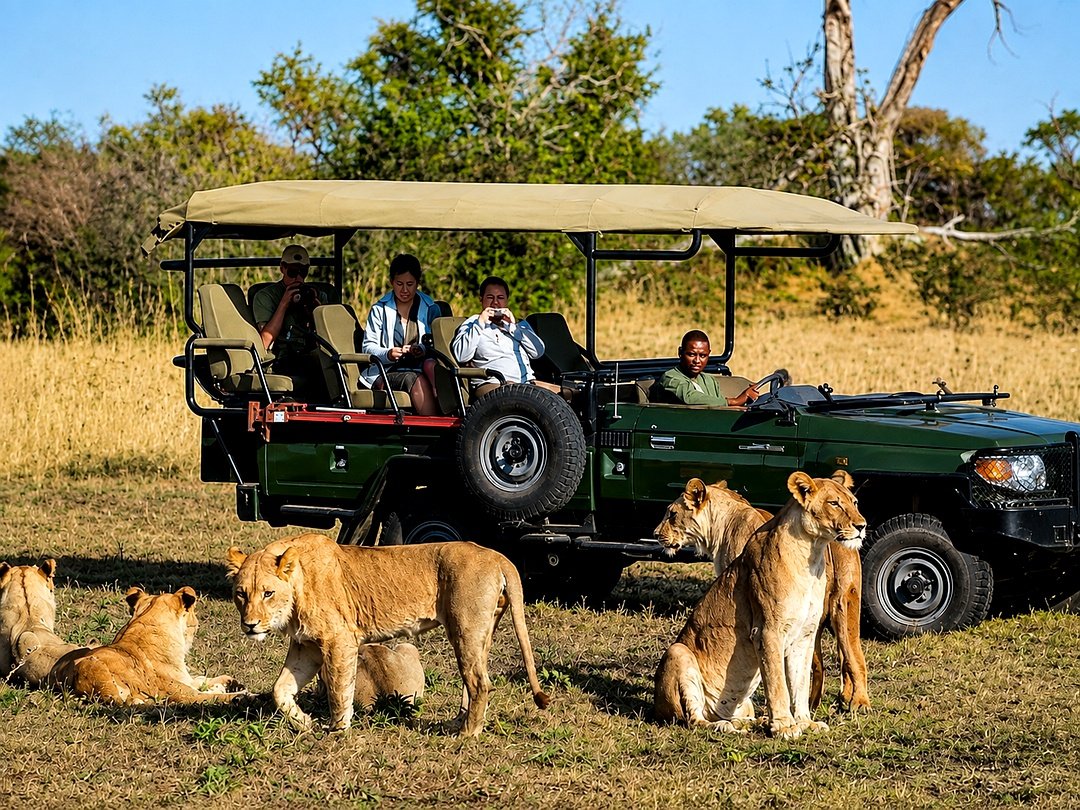
A Hwange National Park Safari takes travellers into one of Zimbabwe’s greatest wilderness areas, where enormous elephant herds, powerful predators, busy waterholes and seemingly endless woodland create an authentic Southern African safari experience. Located in western Zimbabwe within easy reach of Victoria Falls, Hwange is an outstanding destination for travellers who want to combine spectacular wildlife encounters with one of Africa’s most celebrated natural attractions.
Covering approximately 14,650 square kilometres, Hwange is Zimbabwe’s largest national park and protects an extraordinary diversity of habitats ranging from open grasslands and seasonal pans to teak and mopane woodland. These contrasting environments support around 100 mammal species and nearly 400 recorded bird species, making the park an excellent destination for general wildlife viewing as well as specialist birding and photography safaris.
Elephants are one of the defining features of a Hwange National Park Safari. During the dry season, large herds gather around permanent and artificially maintained water sources, creating remarkable opportunities to watch elephants drinking, bathing, interacting and moving across the surrounding plains. Lions, leopards, buffalo, African wild dogs, hyenas, giraffes, zebras and numerous antelope species add even greater variety to the safari experience.
With Pieland Gorilla Safaris, Hwange can be explored as an independent Zimbabwe safari or incorporated into a longer Southern African journey. Travellers can combine the park with Victoria Falls, a Zambezi River Safari, Chobe National Park in Botswana, Mana Pools or wider Zimbabwe and Botswana itineraries. For travellers seeking an even broader African adventure, a Southern African safari can also be connected with mountain gorilla trekking in Uganda or Rwanda.
Why Choose a Hwange National Park Safari?
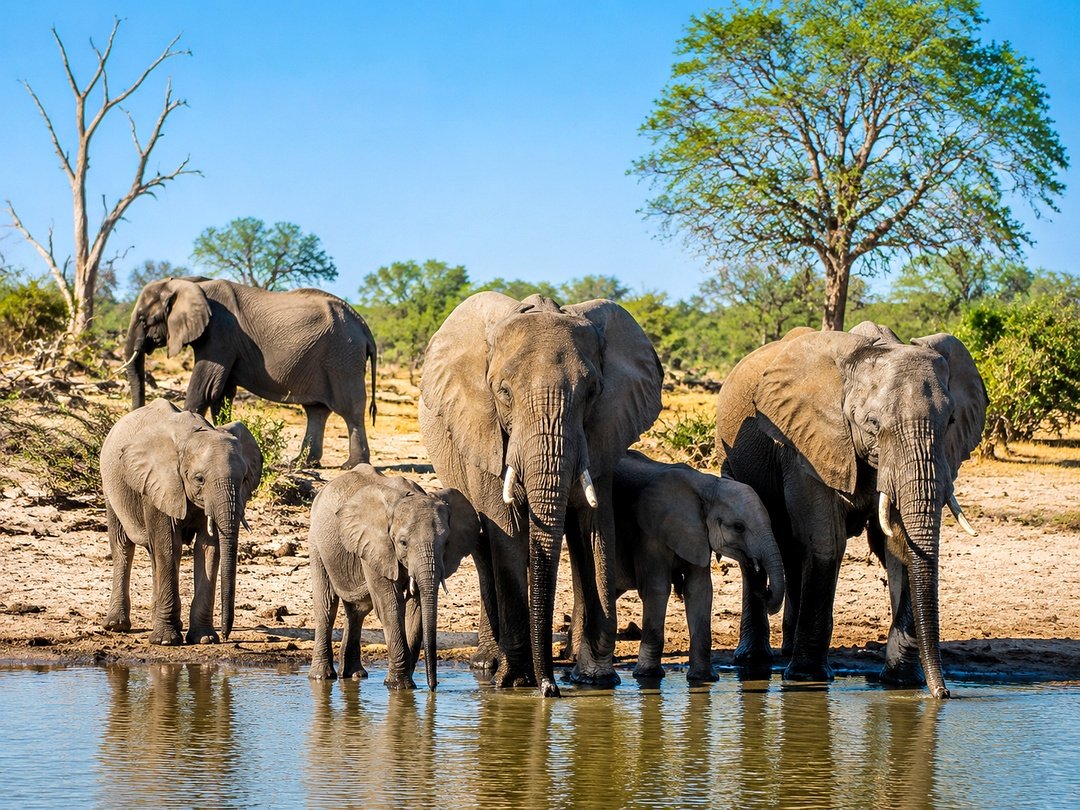
A Hwange National Park Safari is particularly rewarding for travellers who want substantial wildlife viewing without depending entirely on famous East African safari circuits. Hwange’s enormous size, varied habitats and network of waterholes create excellent conditions for observing wildlife in a landscape that often feels wonderfully wild and spacious.
Elephants are a major attraction, especially during the driest months when large numbers gather around water sources. Sitting quietly beside a productive waterhole while elephants emerge from the woodland, drink, cover themselves in mud and interact with other herds can become one of the most memorable experiences of an entire Zimbabwe safari.
Predator viewing adds another dimension. Lions occur throughout suitable areas of the park, while leopards are present but naturally more elusive. Hwange is also an important landscape for African wild dogs, one of Africa’s most endangered large carnivores. Hyenas, jackals and other smaller predators may also be encountered.
Hwange also works extremely well logistically. Travellers visiting Victoria Falls can add several nights in the park without designing an entirely separate journey. This makes Victoria Falls and Hwange National Park one of the strongest wildlife-and-scenery combinations in Zimbabwe.
Where Is Hwange National Park?
Hwange National Park is situated in northwestern Zimbabwe, south of Victoria Falls and close to the country’s border region with Botswana. Its location places it within one of Southern Africa’s most exciting safari circuits, allowing travellers to combine Zimbabwe with neighbouring Botswana and Zambia.
Victoria Falls is the most convenient international gateway for many visitors. Travellers can arrive at Victoria Falls International Airport, explore the falls and surrounding Zambezi region, and then continue south by road toward Hwange.
The park has several distinct safari areas, camps and access points. This means that the experience can differ substantially depending on where travellers stay. Some areas are convenient for road-based itineraries, while more remote sections offer secluded camps, private concessions and longer wilderness stays.
How Big Is Hwange National Park?
Hwange covers approximately 14,650 square kilometres, making it Zimbabwe’s largest national park. Its considerable size allows wildlife to move across extensive woodland, grassland, seasonal pans and water-dependent habitats.
Much of the landscape is characterised by Kalahari sands, teak woodland, mopane vegetation and open areas around waterholes. Rather than being dominated by a single river system, Hwange relies heavily on seasonal water and pumped waterholes during dry periods.
This distinctive ecology is central to the park’s safari experience. Wildlife concentrations can change according to rainfall and water availability, which means the same location can look and feel dramatically different at different times of the year.
Wildlife in Hwange National Park
Wildlife is at the heart of every Hwange National Park Safari. The park supports an exceptional variety of mammals, predators and birds, with waterholes playing an especially important role in wildlife movements during the dry season.
Elephants in Hwange National Park
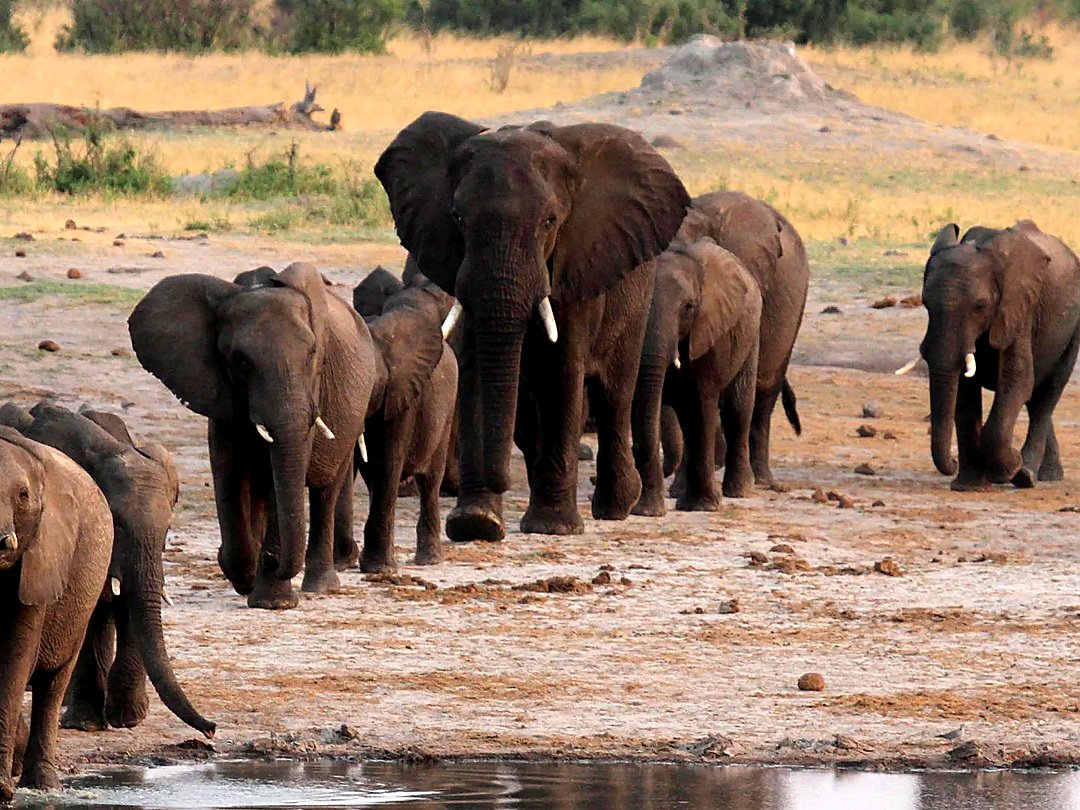
Elephants are Hwange’s signature wildlife attraction. The wider northwestern Zimbabwe landscape supports a very large elephant population, and Hwange becomes especially important during dry conditions when reliable water sources attract herds from extensive surrounding areas.
A safari may reveal elephants travelling in family groups, bulls walking alone between feeding areas, calves playing near water or enormous gatherings developing around productive waterholes.
The experience can be particularly impressive late in the dry season when water becomes increasingly important. Rather than seeing only one elephant herd during the day, travellers may watch several groups arriving and departing from the same water source.
Lions in Hwange National Park
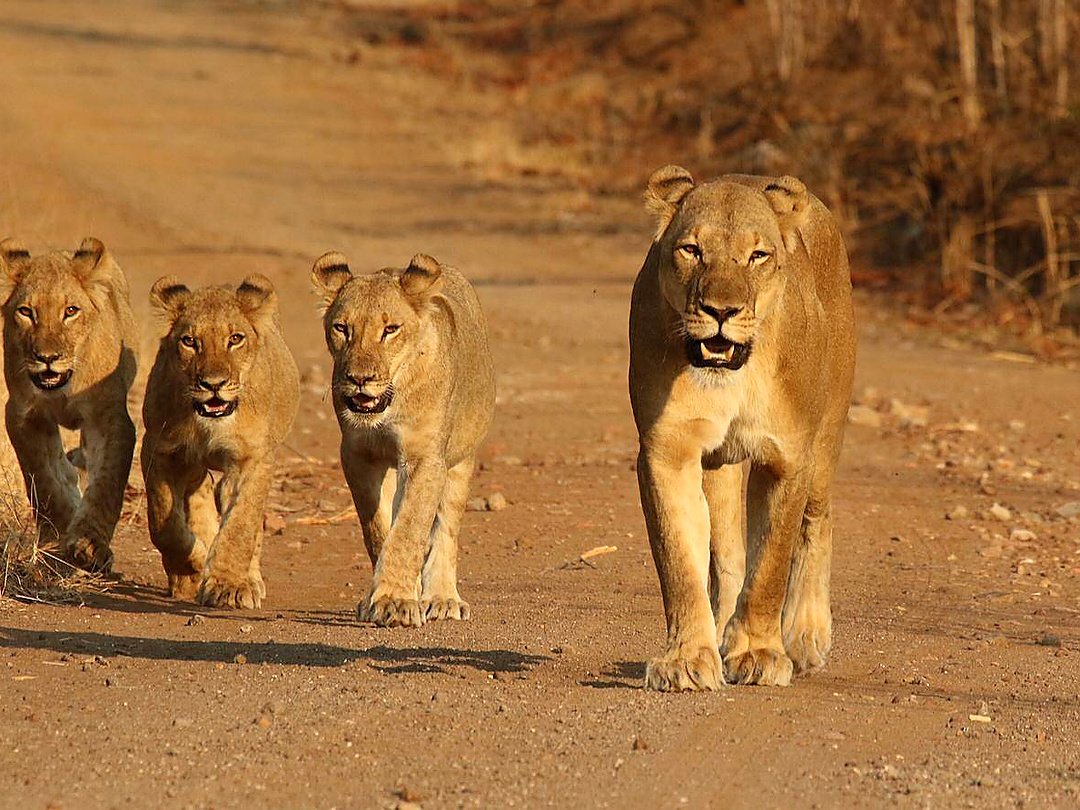
Lions are among Hwange’s most sought-after predators and can be encountered across several areas of the park.
Early mornings are often rewarding for predator searches because temperatures are cooler and lions may still be active following the night. Afternoon game drives can also become exciting as temperatures fall and predators begin moving again.
Sightings can include prides resting near waterholes, lions walking along tracks or individuals watching concentrations of prey animals. As with all genuinely wild safari destinations, sightings can never be guaranteed.
Leopards in Hwange
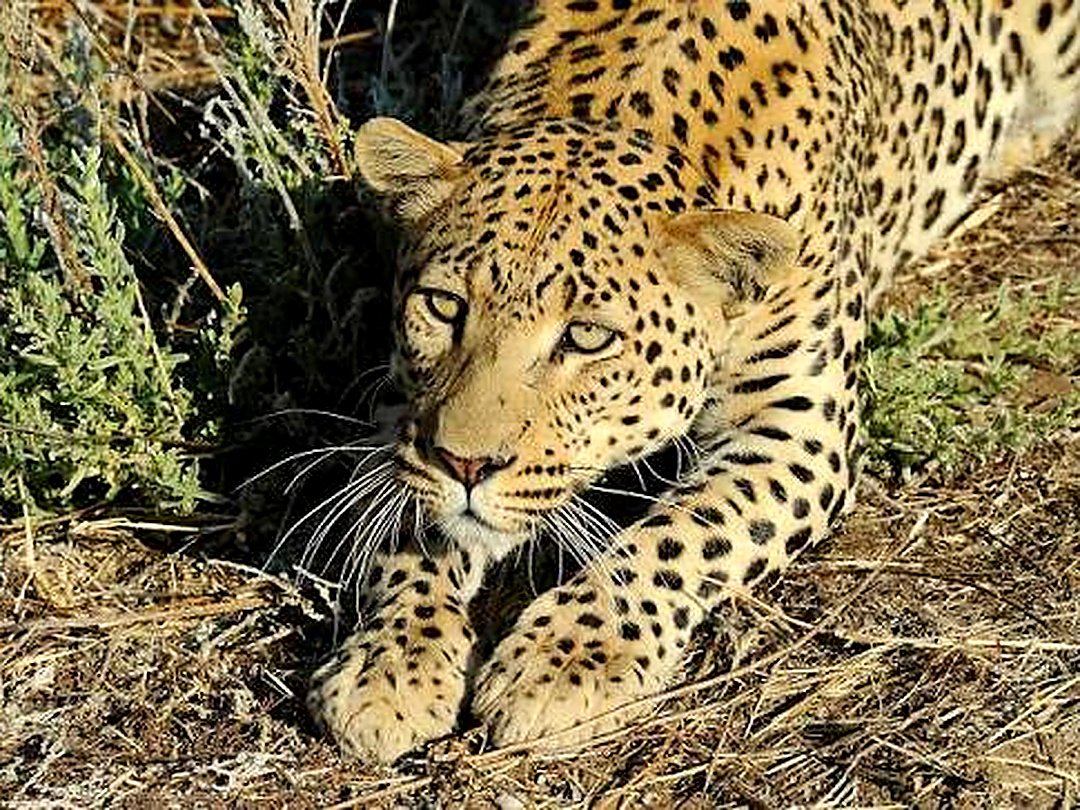
Leopards occur in Hwange but are naturally more difficult to find than elephants or many plains animals.
These secretive cats favour areas that provide suitable cover and prey. Experienced guides look for tracks, alarm calls and behaviour from other animals that may indicate the presence of a leopard.
A leopard encounter can therefore be one of the most rewarding moments of a Hwange safari.
African Wild Dogs
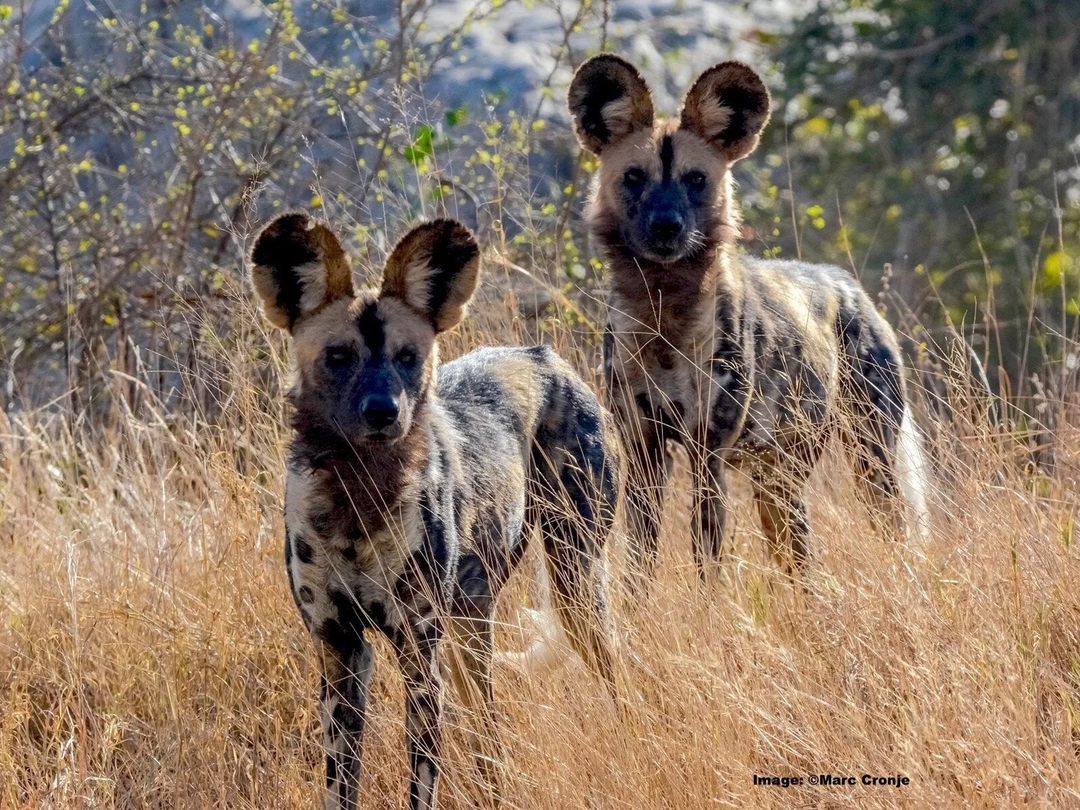
African wild dogs, also called painted dogs, are among the most exciting predators to encounter in Hwange. Zimbabwe Parks identifies the park as an important area for the endangered species.
Wild dogs live in highly social packs and can travel considerable distances when hunting. Their mobility means they may appear unexpectedly during a game drive before disappearing into another part of the wilderness.
Watching a pack interact, rest or begin a hunt is a remarkable safari experience and one of the reasons wildlife enthusiasts value Hwange so highly.
African Buffalo
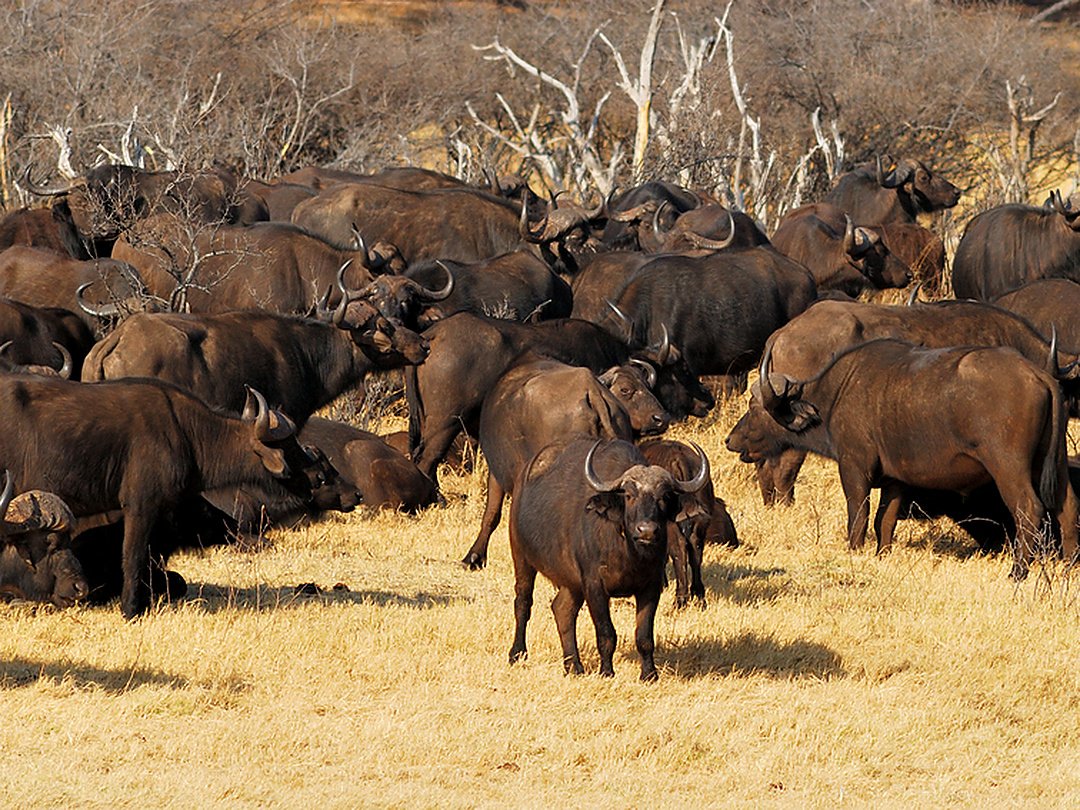
African buffalo occur throughout suitable areas of Hwange and may gather in large herds.
Like elephants, buffalo become increasingly dependent on reliable water during dry conditions, making waterholes important locations for finding them.
Where buffalo populations are healthy, predators may also follow their movements, creating interesting opportunities for observing natural predator-prey relationships.
Cheetahs
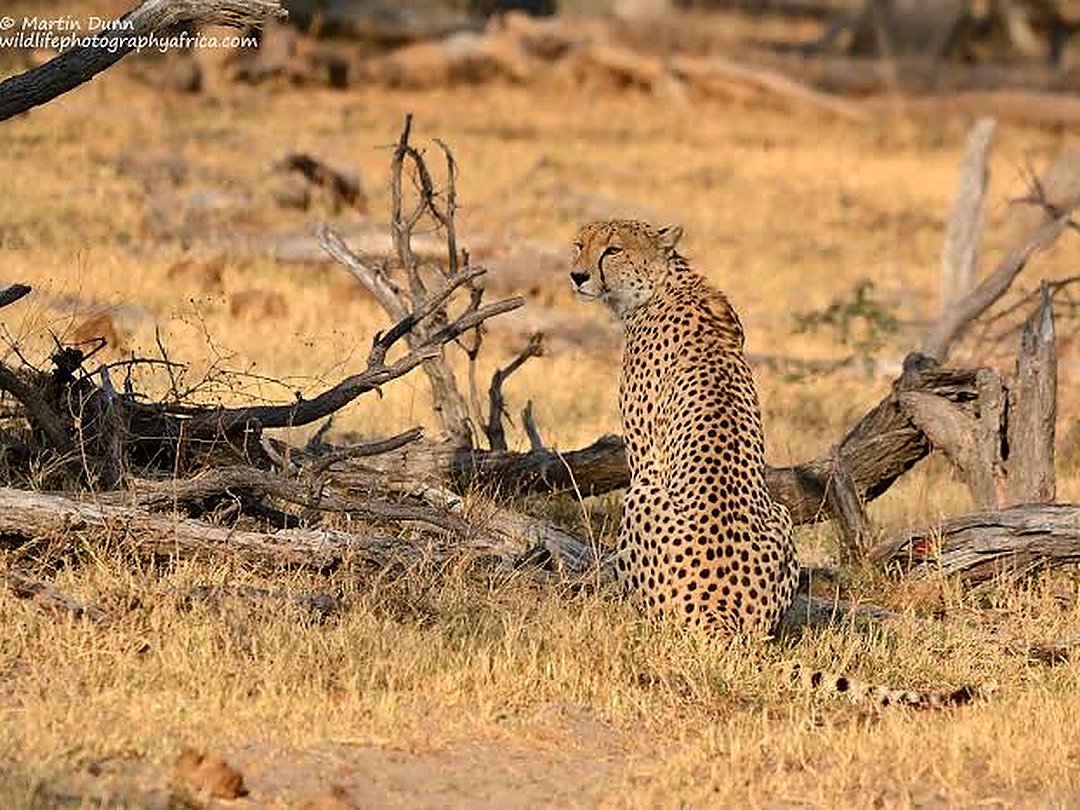
Cheetahs are less commonly encountered than lions and should never be treated as a guaranteed sighting.
However, Hwange contains open areas where these fast-moving predators may occasionally be seen searching for suitable prey.
For safari travellers, the uncertainty is part of the experience. Every game drive provides a different combination of wildlife.
Giraffes
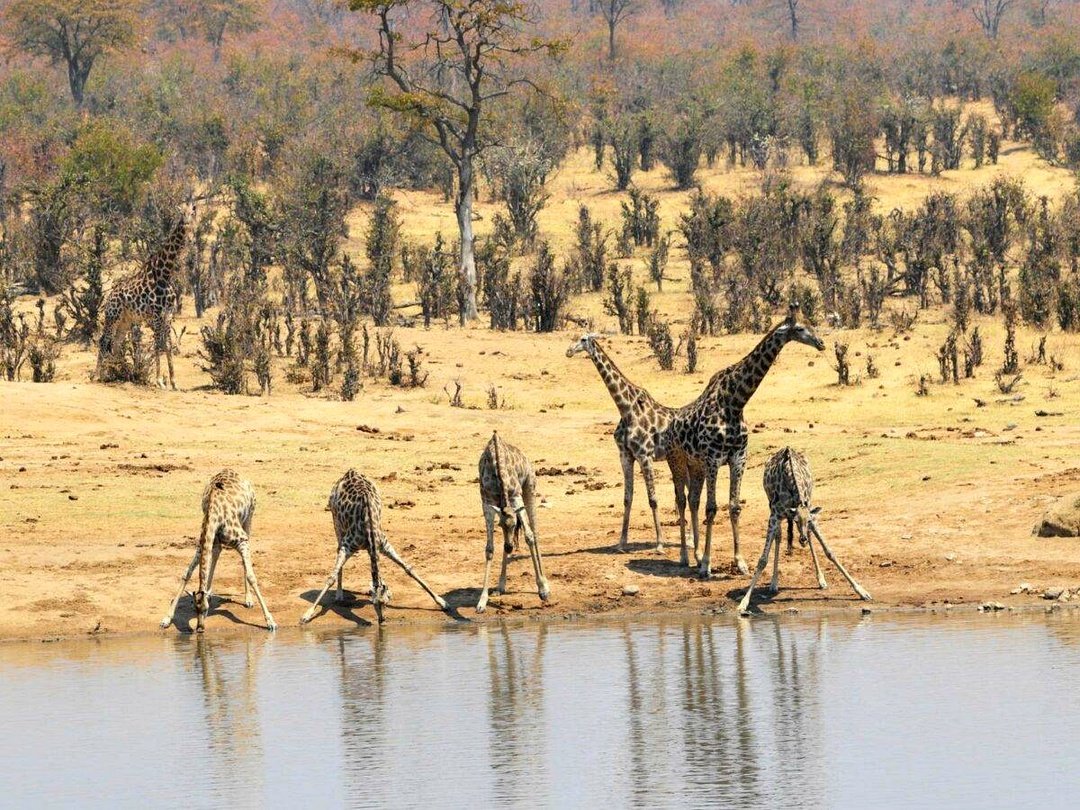
Giraffes are among Hwange’s most photogenic herbivores and can often be encountered moving through woodland and open areas.
Their height allows them to feed on vegetation beyond the reach of many other herbivores, while their distinctive silhouette makes them particularly attractive subjects during early morning and late afternoon photography.
Zebras
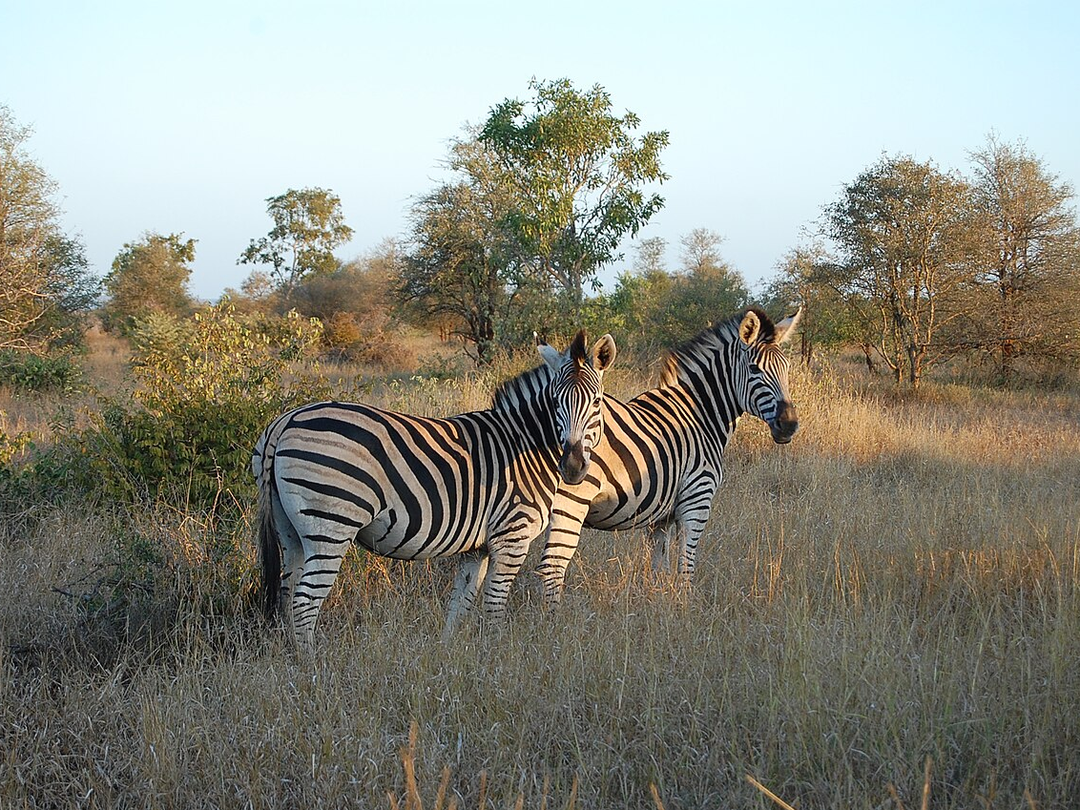
Zebras occur throughout appropriate grassland and woodland environments and are often encountered alongside other herbivores.
Around productive water sources, travellers may see zebras approaching cautiously to drink while remaining alert to predators.
Antelope Species
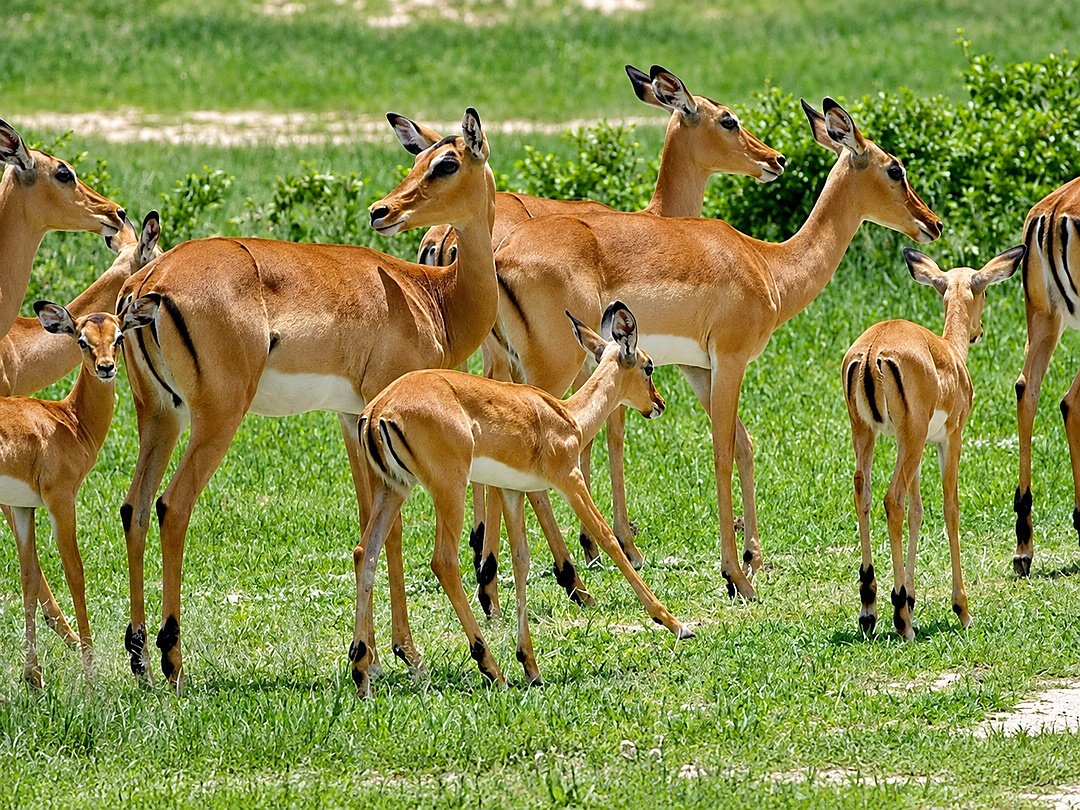
Hwange supports an impressive variety of antelope, including impala, kudu, waterbuck, sable and roan.
Sable and roan are particularly exciting sightings for wildlife enthusiasts because they are less commonly encountered in many other popular safari destinations.
The variety of herbivores contributes to Hwange’s strong predator population and creates diversity throughout game drives.
Hyenas
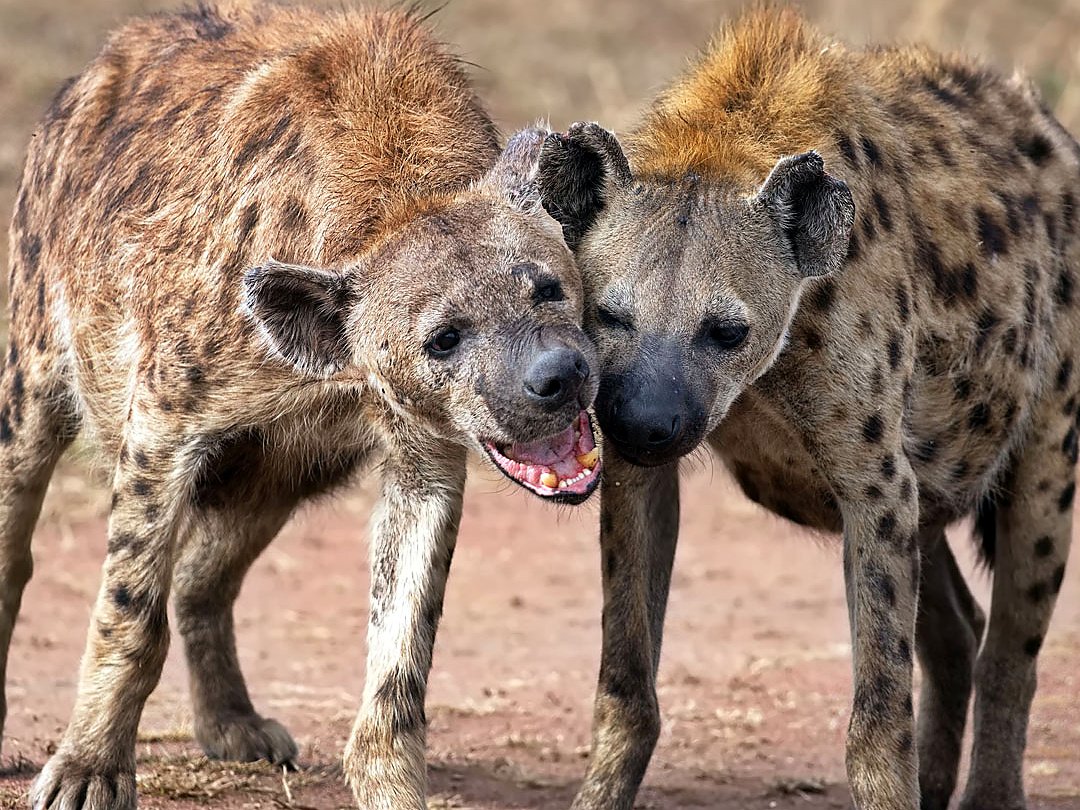
Spotted hyenas form an important part of the Hwange ecosystem.
They are skilled hunters as well as opportunistic scavengers and may be encountered around predator kills, waterholes or while travelling across the park.
Their distinctive calls are sometimes heard after darkness, adding to the atmosphere of an overnight stay in the wilderness.
Birdlife in Hwange National Park
Hwange is also an excellent birding destination, with nearly 400 species recorded in the park.
Birdlife changes with season and habitat. Raptors, hornbills, rollers, vultures, water-associated birds and numerous woodland species may all be encountered.
The green season can be especially rewarding for bird enthusiasts because migrant species arrive and breeding activity increases.
Can You See the Big Five in Hwange National Park?
Hwange supports four of the traditional Big Five: elephant, lion, leopard and buffalo. Rhino should not be presented as a standard Hwange sighting.
This distinction is important when planning a safari. Hwange remains an exceptional big-game destination even without relying on a Big Five checklist. Its elephant concentrations, predator diversity, African wild dogs, sable, roan and other species provide a much broader wildlife experience.
Travellers whose priority is specifically seeing all five animals can combine Hwange with other Southern African destinations where rhino viewing is more established.
Best Safari Areas in Hwange National Park
Hwange is too large to experience as one uniform destination. Different regions provide different landscapes, levels of accessibility and wildlife experiences.
Main Camp Area
Main Camp is among the most accessible areas of Hwange and can work well for travellers arriving by road.
The surrounding network of roads and waterholes allows guides to explore different wildlife habitats during morning and afternoon game drives.
It can be a convenient choice for shorter safaris and travellers combining Hwange with Victoria Falls.
Ngweshla Area
Ngweshla is associated with open landscapes, pans and excellent wildlife viewing.
During productive periods, herbivores gather around water and grazing areas, potentially attracting lions and other predators.
The open environment can also be rewarding for wildlife photography.
Kennedy Area
The Kennedy region contains important waterholes and game-viewing areas.
As conditions become drier, water sources can become focal points for elephants, buffalo, antelope and predators.
Experienced guides often use knowledge of water availability when deciding where to spend time.
Sinamatella Area
Sinamatella lies within a distinctive part of Hwange and offers a different perspective from the flatter landscapes experienced elsewhere.
The region appeals to travellers who want to explore beyond the park’s most commonly visited routes.
Robins Area
The Robins area provides access to the northern part of Hwange and can work especially well within itineraries travelling between Victoria Falls and the park.
Different habitats and water sources make it worthwhile for travellers staying several nights and wanting greater variety.
Makalolo and Eastern Hwange
Eastern and southeastern regions of Hwange include remote safari areas and private concession experiences.
Travellers choosing more exclusive camps may enjoy fewer vehicles, guided activities and a stronger sense of isolation.
Hwange National Park Waterholes
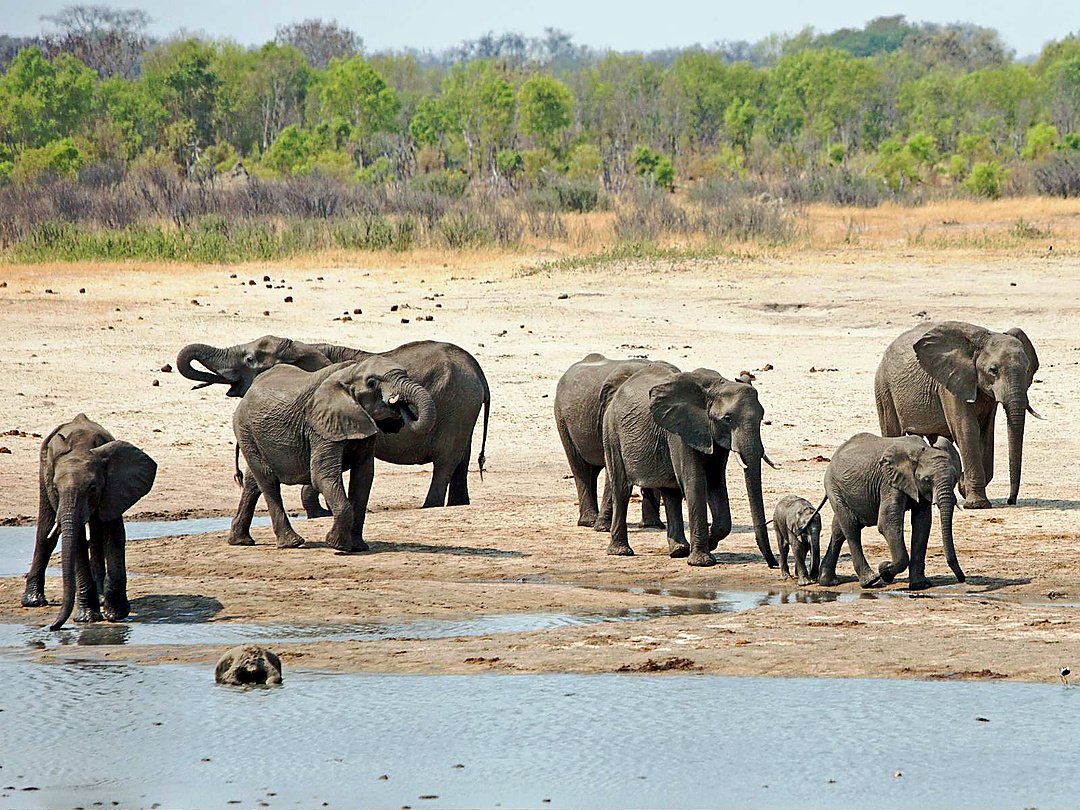
Waterholes are fundamental to understanding a Hwange National Park Safari.
Much of Hwange does not contain permanent natural surface water throughout the year. A network of pumped waterholes therefore plays an important role in sustaining wildlife during dry periods.
As natural pans begin to disappear, elephants, buffalo, zebra, antelope and other animals increasingly concentrate around dependable water.
Predators understand these movements as well. Lions may rest within reach of waterholes or patrol routes commonly used by herbivores.
For photographers, spending extended time at a productive waterhole can sometimes be more rewarding than driving continuously in search of wildlife.
Game Drives in Hwange National Park
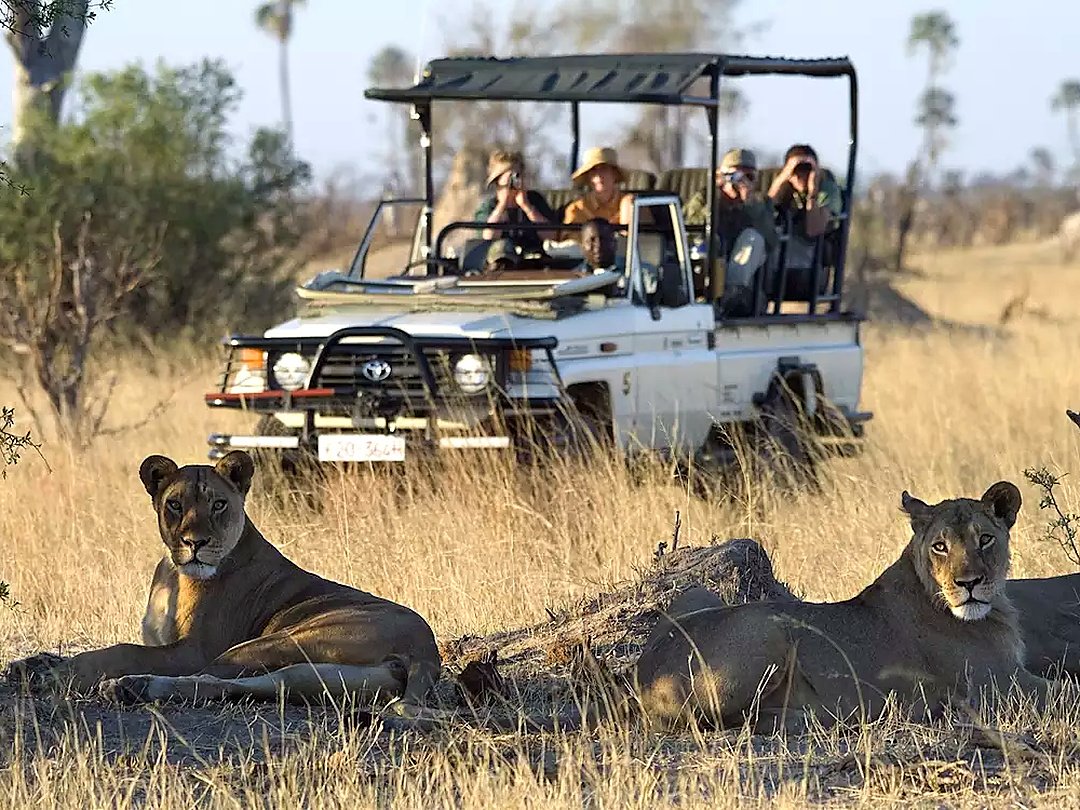
Game drives are the principal way to explore Hwange.
Morning drives usually begin around sunrise, when temperatures are cooler and predators may still be active. Wildlife commonly becomes less active as midday temperatures rise before activity increases again later in the afternoon.
Full-day game drives may be appropriate when exploring distant waterholes or travelling between different regions of the park.
Private game drives can provide additional flexibility because travellers can spend longer at sightings, concentrate on photography or focus on particular species without having to follow a larger group’s schedule.
Walking Safaris in Hwange National Park
A guided walking safari changes the way travellers experience the wilderness.
Instead of concentrating only on large animals, walking introduces tracks, plants, insects, birds, animal signs and ecological relationships that can easily be missed from a safari vehicle.
Walking also develops a deeper appreciation for distance, sound and the behaviour of wildlife.
These activities must be undertaken only where permitted and with properly qualified professional guides.
Night Game Drives in the Hwange Region
Night drives may be available in certain private concessions and safari areas where regulations allow them.
They offer opportunities to search for nocturnal wildlife such as genets, civets, hyenas, owls and predators beginning their nighttime activity.
Night drives should not be assumed to be available everywhere inside the national park, so travellers interested in them should select accommodation and concessions accordingly.
Hwange National Park Safari Photography
Hwange is an exceptional destination for wildlife photography.
Elephant herds gathering around waterholes can create powerful compositions, particularly when dust catches the late afternoon light. Lions, wild dogs, giraffes, sable and numerous bird species provide additional photographic opportunities.
Early morning and late afternoon usually produce softer light than the middle of the day.
Serious photographers may prefer a private safari vehicle so they can spend more time positioning themselves responsibly and waiting for behaviour to unfold.
Best Time for a Hwange National Park Safari
Hwange can be visited throughout much of the year, but safari conditions change significantly between the dry and green seasons.
Dry Season
The dry season is particularly popular for wildlife viewing because vegetation becomes thinner and animals increasingly depend on permanent water sources.
Elephants may gather in impressive numbers around pumped waterholes, while buffalo, antelope and predators also become easier to locate around dependable water.
The later dry months can produce outstanding wildlife encounters, although daytime temperatures may become high.
Green Season
The arrival of rain transforms Hwange.
Dry plains become greener, seasonal pans refill and wildlife disperses more widely because water is no longer concentrated at a small number of locations.
This can make some wildlife harder to locate, but the scenery becomes beautiful and birdlife is particularly rewarding.
Shoulder Seasons
Transitional months can offer an attractive balance.
Wildlife may remain concentrated enough for productive viewing while temperatures, vegetation and visitor numbers can differ from peak dry-season conditions.
The ideal time ultimately depends on whether the traveller prioritises concentrated wildlife, green scenery, birds, photography or lower seasonal demand.
Hwange National Park Month-by-Month Safari Guide
January to March
These months fall within the wetter part of the year. Landscapes are generally green and birdlife can be excellent.
Animals may be more widely dispersed because natural water is available across a larger area.
April to May
Rainfall generally begins decreasing and the landscape can remain attractive and green.
Temperatures become more comfortable, making this a pleasant transitional period for travellers interested in scenery and wildlife.
June to August
Conditions become increasingly dry and mornings can be cold, particularly during open-vehicle game drives.
Wildlife begins concentrating more consistently around permanent water, creating strong safari conditions.
September to October
These are typically among the driest and hottest months.
Waterholes become increasingly important and elephant concentrations can be extraordinary. Wildlife viewing can be excellent, although travellers should prepare for substantial daytime heat.
November to December
The first rains gradually transform the landscape.
New vegetation emerges, bird activity increases and animals begin dispersing away from permanent dry-season water points.
How Many Days Do You Need in Hwange National Park?
The ideal duration depends on the wider itinerary.
2 Days in Hwange
Two days can work for travellers with limited time, especially when combining the park with Victoria Falls.
However, the stay will be relatively short and provide only an introduction.
3 Days in Hwange
Three days provides a better balance, allowing several morning and afternoon game drives.
It is a strong choice for travellers adding Hwange to a Victoria Falls holiday.
4–5 Days in Hwange
Four or five days allows travellers to settle into the rhythm of safari and explore different areas without rushing.
This duration is particularly attractive for photographers and serious wildlife enthusiasts.
6–7 Days in Hwange
A longer stay allows travellers to divide their time between different camps or regions of the park.
This creates greater habitat diversity and increases opportunities for unusual wildlife encounters.
Sample Hwange National Park Safari Itineraries
3 Days Hwange National Park Safari
A three-day Hwange National Park Safari can begin with a transfer from Victoria Falls to the Hwange region. After arriving and checking into the lodge, travellers can enjoy an afternoon game drive before returning for dinner.
The second day can be devoted to morning and afternoon wildlife viewing, with time focused around productive waterholes and predator areas.
The final morning may include another safari activity before returning to Victoria Falls or continuing onward.
4 Days Hwange National Park Safari
Four days provides additional time to explore different waterholes and habitats.
The itinerary can include several game drives while maintaining enough time between activities to relax at the lodge.
5 Days Victoria Falls and Hwange Safari
A 5 Days Victoria Falls and Hwange Safari combines two of Zimbabwe’s outstanding attractions.
Travellers can begin with Victoria Falls sightseeing and a Zambezi sunset experience before transferring to Hwange for several game drives.
The combination works particularly well for first-time Zimbabwe visitors because it delivers both extraordinary scenery and classic big-game safari experiences.
7 Days Victoria Falls, Hwange and Chobe Safari
A 7 Days Victoria Falls, Hwange and Chobe Safari can combine Zimbabwe and Botswana.
Victoria Falls provides the iconic natural landmark, Hwange delivers extensive land-based wildlife viewing, and Chobe introduces exceptional river-based safari experiences.
10 Days Zimbabwe and Botswana Safari
A 10 Days Zimbabwe and Botswana Safari offers travellers enough time to experience a deeper and more diverse Southern African wildlife circuit. The journey can combine the dramatic scenery of Victoria Falls with exceptional game viewing in Hwange National Park before continuing into Botswana for Chobe National Park and other remarkable wilderness areas such as Savuti, Moremi Game Reserve and the Okavango Delta.
Request a free quote.
Hwange National Park and Victoria Falls
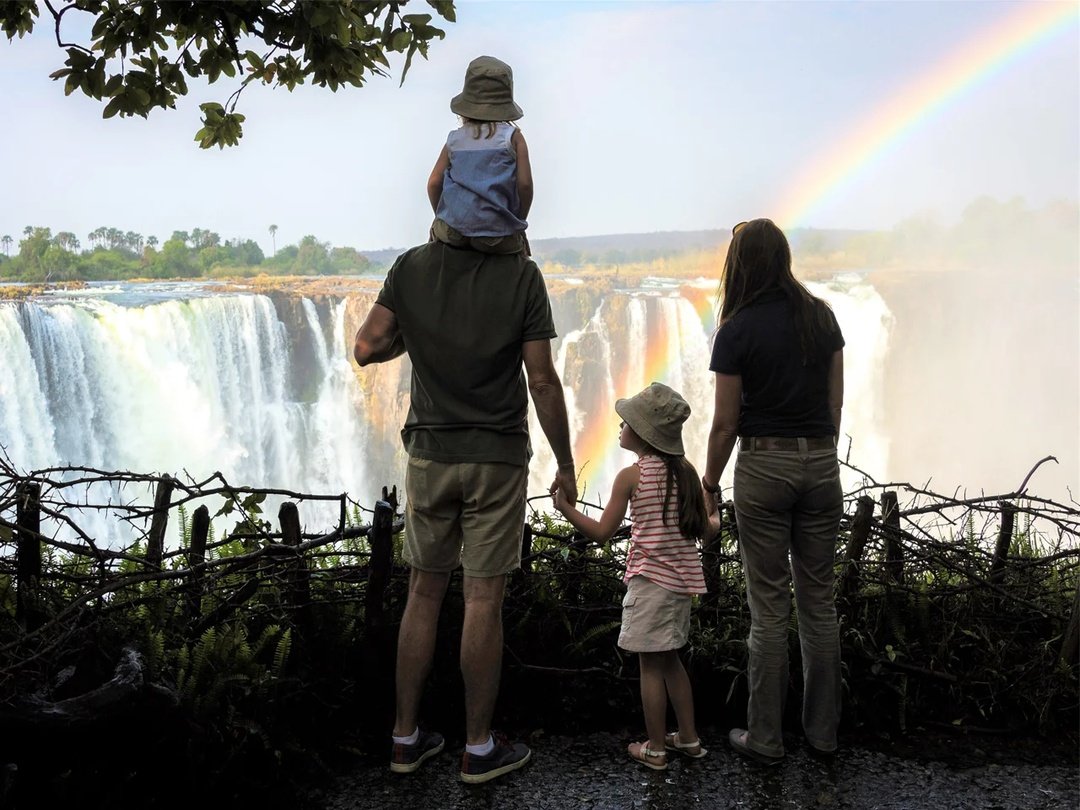
A Victoria Falls and Hwange National Park Safari is one of Zimbabwe’s strongest combinations.
Victoria Falls provides dramatic scenery, Zambezi River activities and adventure experiences, while Hwange provides multiple days of dedicated wildlife viewing.
Because the two destinations can be connected by road, travellers do not necessarily need complicated domestic flight arrangements.
A well-paced itinerary can spend two or three nights around Victoria Falls followed by two to four nights in Hwange, depending on available time.
Hwange National Park and Chobe National Park
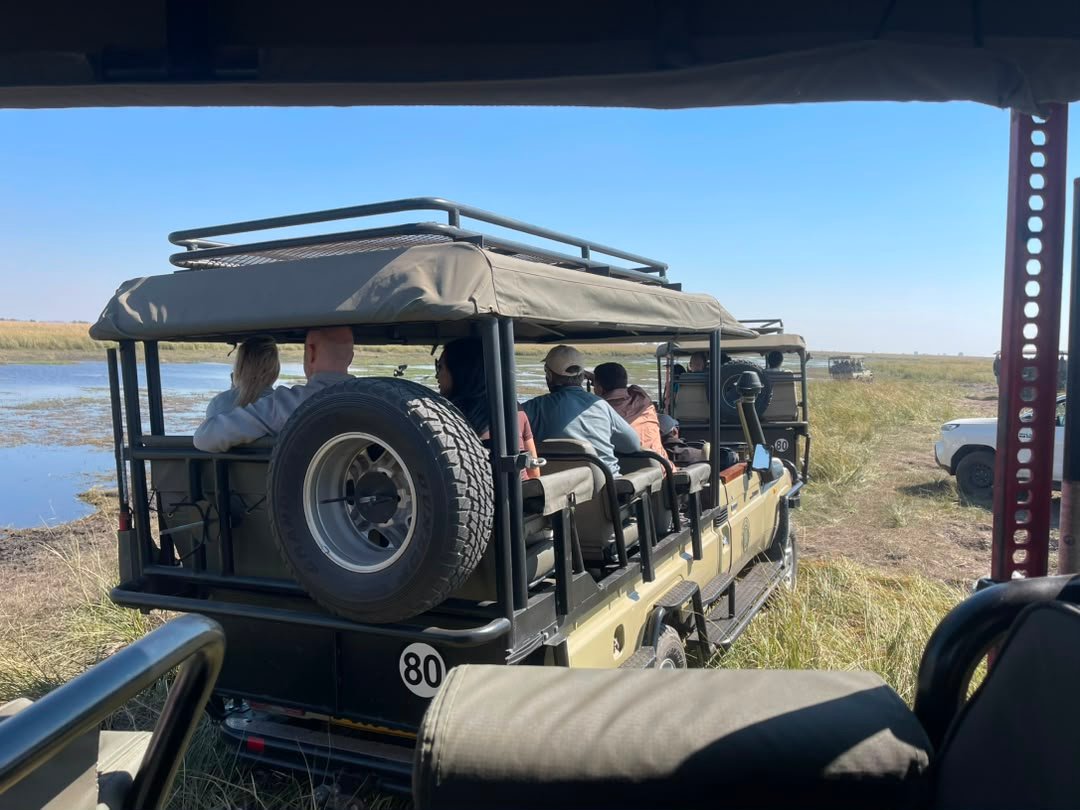
Combining Hwange with Chobe adds another dimension to the safari.
Hwange is dominated by inland woodland, plains and waterholes, while Chobe’s riverfront provides opportunities for boat safaris where elephants, buffalo, hippos, crocodiles and other wildlife can be viewed from the water.
The combination is especially attractive for travellers wanting both Zimbabwe and Botswana within one itinerary.
Hwange National Park and Zambezi River Safari
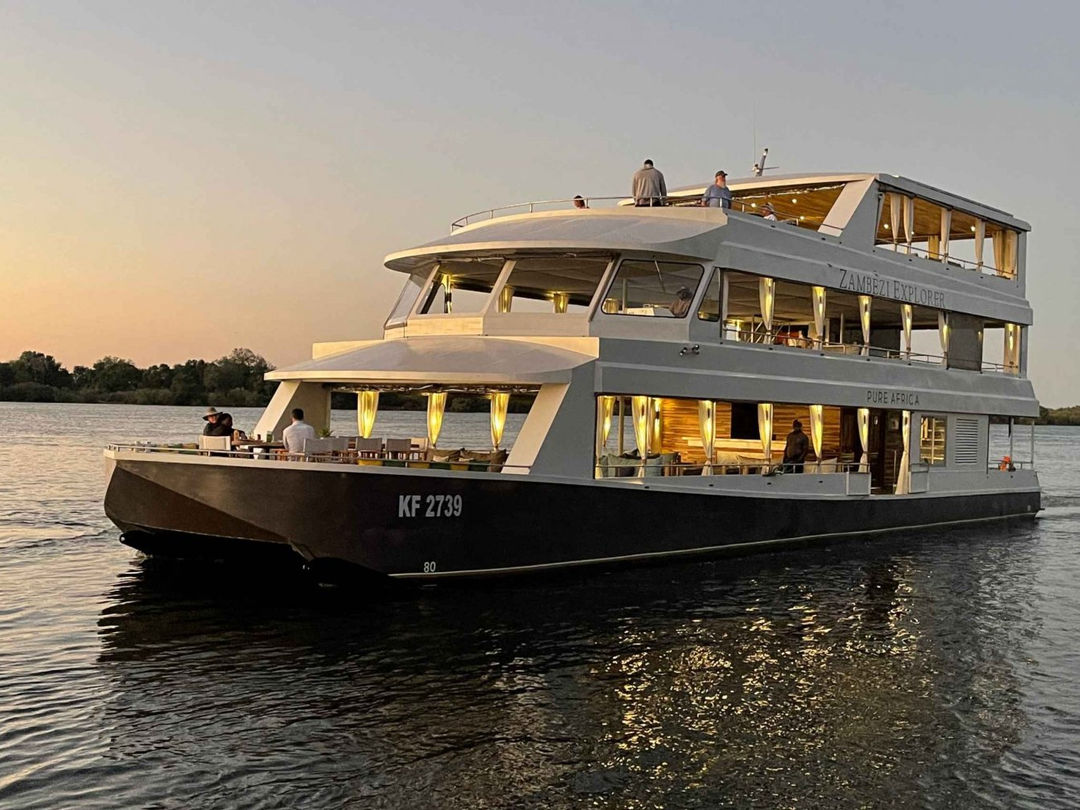
A Hwange National Park Safari combines naturally with the Zambezi River.
Around Victoria Falls, travellers can enjoy sunset cruises and wildlife experiences before continuing into Hwange for more intensive game viewing.
The contrast is excellent: the Zambezi provides river scenery, hippos, crocodiles and boat-based activities, while Hwange provides extensive terrestrial habitats, elephants, predators and traditional game drives.
Hwange National Park and Mana Pools
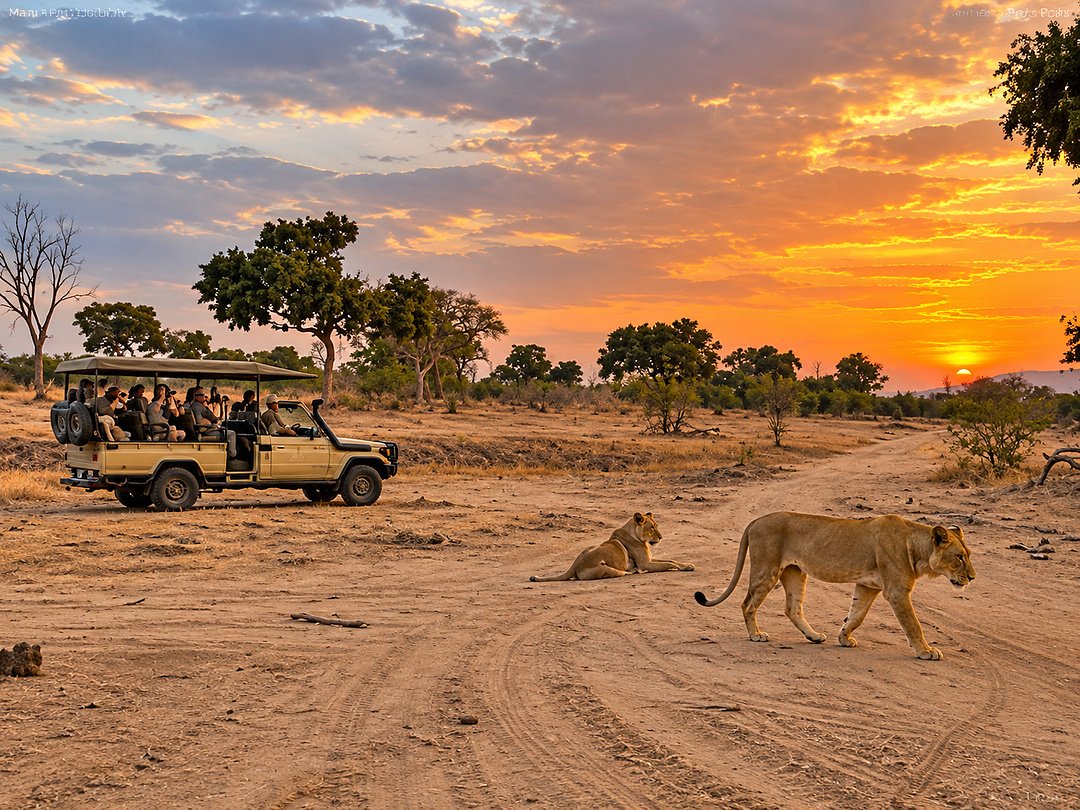
Hwange and Mana Pools offer two very different Zimbabwe wilderness experiences.
Hwange is strongly associated with waterholes and elephant concentrations, while Mana Pools lies along the Zambezi River and is renowned for floodplain landscapes, walking and canoe-based wilderness experiences.
Combining them creates an exceptional Zimbabwe wildlife itinerary for travellers with sufficient time.
Hwange National Park and Botswana
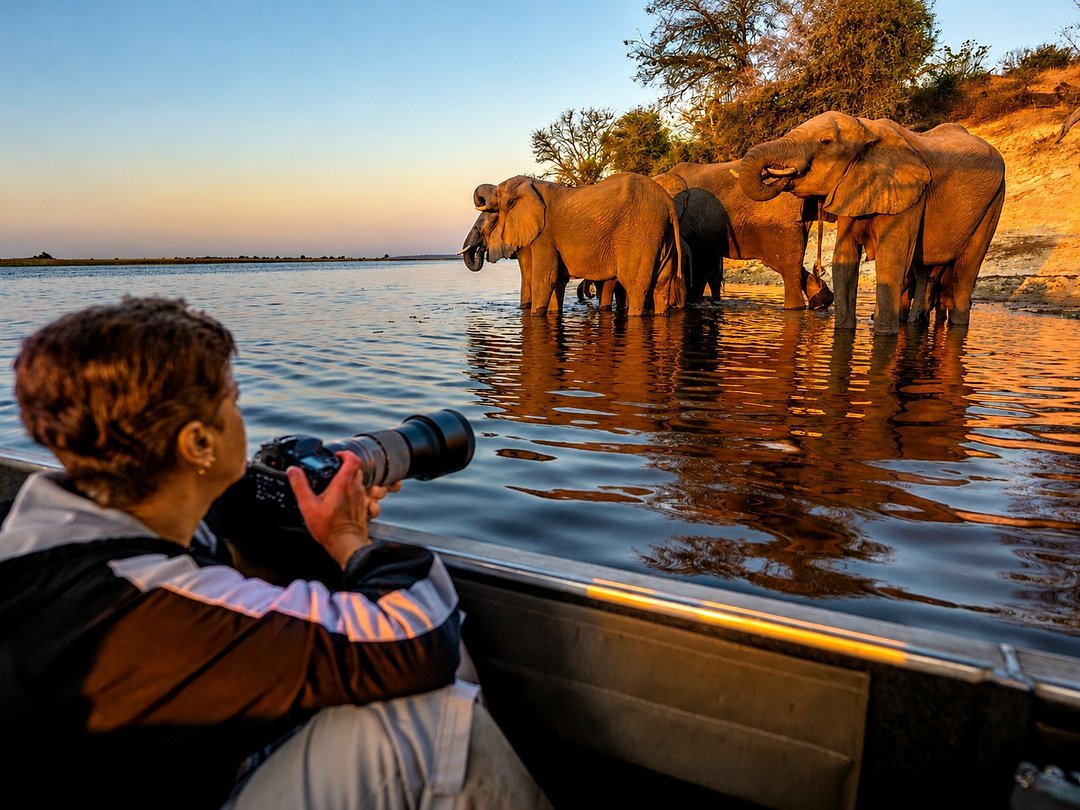
Hwange can easily form part of a larger Botswana safari.
After visiting Victoria Falls and Hwange, travellers can continue toward Chobe and then deeper into Botswana toward Savuti, Moremi Game Reserve and the Okavango Delta.
Hwange National Park and Kafue National Park
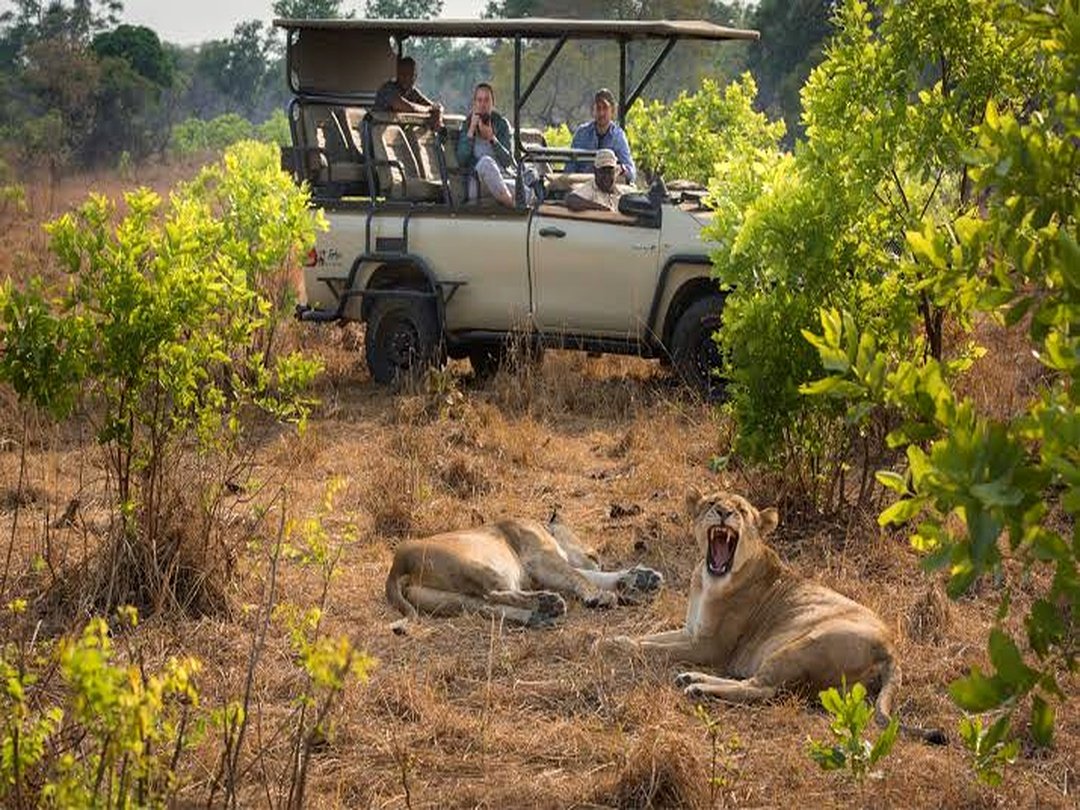
Travellers can also combine Hwange with Zambia.
Victoria Falls provides the natural connection between Zimbabwe and Zambia, while longer itineraries can continue toward Lower Zambezi National Park, South Luangwa or Kafue.
This works especially well for travellers wanting an extended Southern African wildlife journey rather than a short single-country holiday.
Hwange National Park and Gorilla Trekking
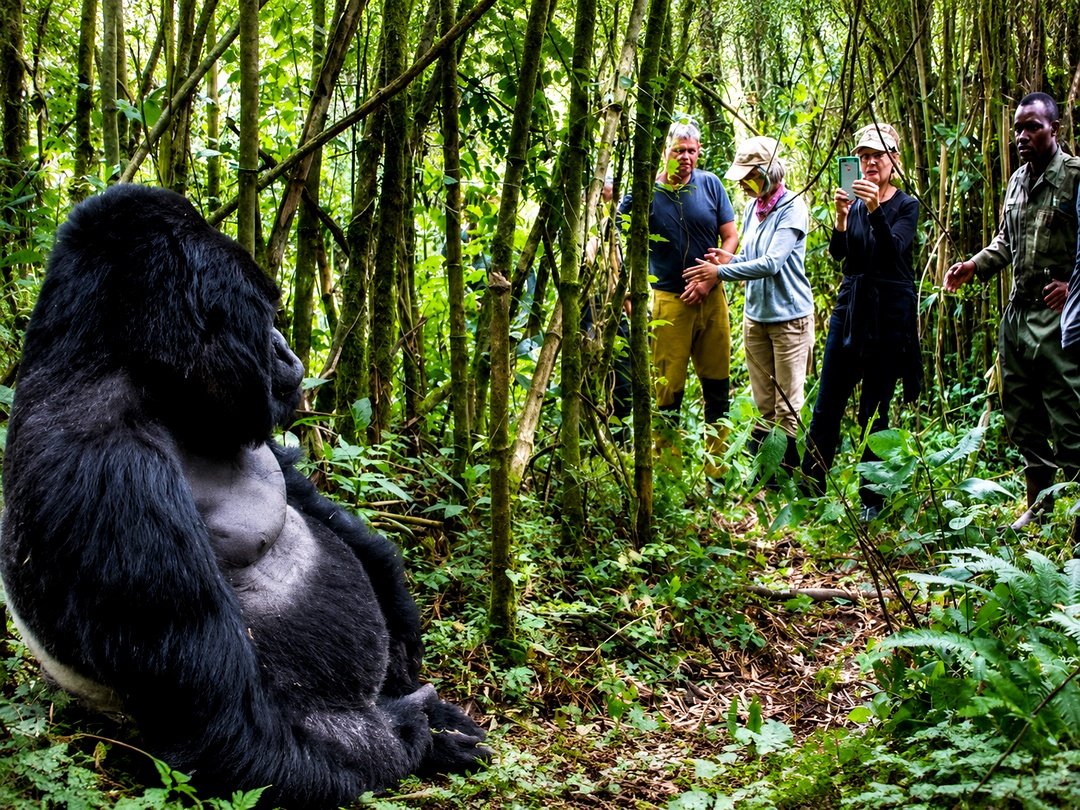
A Hwange National Park Safari can also be combined with mountain gorilla trekking in Uganda or Rwanda.
The experiences are dramatically different. Hwange offers elephants, lions, buffalo, wild dogs and extensive savannah and woodland environments, while Uganda and Rwanda offer intimate encounters with mountain gorillas in high-altitude forests.
Combining the two can create a particularly memorable African journey for travellers who want both traditional big-game safari and primate trekking.
Luxury Hwange National Park Safari
Luxury safaris in Hwange focus on privacy, exceptional guiding and carefully positioned accommodation.
Travellers may stay in intimate safari camps overlooking productive wildlife areas and participate in small-group or private activities.
Some remote camps can be accessed through charter flights, while others can be reached by road depending on their location.
Private concessions may also provide activities not available in all areas of the national park.
Mid-Range Hwange National Park Safari
Mid-range Hwange safaris provide comfortable accommodation without requiring the cost of exclusive luxury camps.
Travellers can stay in established lodges or tented camps and participate in professional guided game drives.
Road transfers from Victoria Falls can further help manage overall costs.
Budget Hwange National Park Safari
Budget-conscious travellers can still experience Hwange by selecting simpler accommodation and concentrating on essential activities.
Shorter road-based itineraries can reduce transport costs while still providing game drives and wildlife experiences.
The important consideration is not simply selecting the cheapest safari, but ensuring that guiding, transportation, accommodation and park access are professionally organised.
Hwange National Park Safari for Families
Hwange can be an excellent family safari destination when the itinerary is planned around children’s ages and interests.
Private vehicles are particularly useful for families because they provide more control over game-drive duration, departure times and rest stops.
Parents should check age restrictions for walking safaris, specialist activities and specific camps before booking.
Combining Hwange with Victoria Falls also provides families with additional variety beyond traditional game drives.
Hwange National Park Safari for Couples
Couples can enjoy a Hwange safari built around intimate camps, wildlife viewing and quiet evenings in the African wilderness.
A combination with Victoria Falls adds sunset cruises, scenic experiences and opportunities for special dinners.
This makes the destination particularly suitable for anniversaries and romantic journeys.
Hwange National Park Safari for Honeymooners
For honeymooners, Hwange can be incorporated into a more luxurious Zimbabwe or Southern African itinerary.
Private game drives, secluded safari camps and romantic dinners can be combined with Victoria Falls and Chobe.
The experience can then continue into Botswana or even East Africa for gorilla trekking.
Hwange National Park Safari for Photographers
Hwange is particularly rewarding for photographers because wildlife frequently gathers around water sources.
Elephants provide endless behavioural opportunities, while predators, birds and antelope add variety.
Private vehicles can be particularly valuable because photographers may require more time at a single sighting than guests on a conventional shared safari.
Where to Stay in Hwange National Park
Accommodation ranges from simple camps to exclusive luxury lodges.
Luxury Safari Camps
Luxury camps generally prioritise exceptional guiding, intimate accommodation, quality dining and access to productive wildlife areas.
Some also operate within private concessions where the safari experience can be especially secluded.
Mid-Range Safari Lodges
Mid-range properties provide a balance between comfort and cost.
They can be particularly suitable for travellers combining Hwange with several other destinations.
Budget Accommodation
Budget accommodation may include simpler camps, chalets and properties outside or near park access areas.
These can work well for travellers prioritising wildlife experiences over luxury facilities.
Private Concession Camps
Private concession accommodation can provide a more exclusive experience with fewer safari vehicles and additional activities where regulations permit.
Accommodation Around Main Camp
Staying around Main Camp can be convenient for road-based itineraries and shorter stays.
The best choice ultimately depends on budget, safari style and the wider route.
How Much Does a Hwange National Park Safari Cost?
The price of a Hwange National Park Safari varies according to accommodation category, number of nights, travel season, number of travellers, transport method and whether activities are private or shared. As a general guide for 2026, travellers can expect to spend from around US$200–US$350 per person per day for budget and basic organised safaris, while mid-range and luxury experiences can cost considerably more.
Road-based safaris from Victoria Falls are generally more affordable than fly-in itineraries, while exclusive camps, private vehicles, premium guiding and charter flights increase the overall safari price.
Hwange National Park Safari Price Comparison
| Safari Style | Approximate 2026 Price Per Person | Typical Experience |
|---|---|---|
| Hwange Day Safari from Victoria Falls | US$270–US$350 per person | Full-day road safari, game drives, guide and selected park services |
| Budget Hwange Safari | US$200–US$300 per person per day | Basic lodge or camping accommodation, road transfers and shared game drives |
| Mid-Range Hwange Safari | US$350–US$600 per person per day | Comfortable safari lodge or tented camp, meals and guided game drives |
| Luxury Hwange Safari | US$550–US$1,000+ per person per night | Luxury safari camp, meals, drinks and scheduled wildlife activities |
| High-Season Luxury Safari | US$800–US$1,300+ per person per night | Premium camps, excellent locations, highly inclusive services and specialist guiding |
| Ultra-Luxury Hwange Safari | US$1,300–US$1,800+ per person per night | Exclusive camps, premium service, private or small-group activities and luxury accommodation |
| Fly-In Luxury Hwange Safari | US$1,200–US$2,000+ per person per day | Luxury accommodation combined with light-aircraft transfers and premium safari services |
These prices should be treated as general planning estimates rather than fixed safari rates. Accommodation prices vary significantly according to season. For example, some luxury Hwange camps charge around US$550–US$600 per person sharing during lower-demand months but rise to more than US$1,000 per person per night during the peak wildlife season.
Some of Hwange’s premium properties can be considerably more expensive. Highly exclusive camps may reach approximately US$1,500–US$1,800 or more per person per night during peak season, particularly when meals, drinks, park fees, laundry and scheduled safari activities are included.
Travellers should therefore compare the complete safari package rather than the accommodation price alone. Park entrance and conservation fees, transfers from Victoria Falls, meals, drinks, game drives, private vehicles, charter flights and additional activities can all affect the final cost.
A road-based Victoria Falls and Hwange Safari is generally one of the most economical ways to experience the park, while combining Hwange with Chobe, Botswana or remote fly-in camps will increase the overall price.
For an accurate cost, travellers should request a personalised quotation based on their travel dates, number of travellers, number of safari days and preferred accommodation level. Pieland Gorilla Safaris can then compare budget, mid-range and luxury Hwange options and design a safari around the traveller’s available budget.
What Is Included in a Hwange Safari?
Depending on the package, a Hwange safari may include accommodation, meals, road transfers, professional safari guides, game drives and relevant park fees.
More inclusive lodge packages may provide most meals and scheduled safari activities.
Pieland Gorilla Safaris can clearly specify the inclusions of each customised itinerary before booking.
What Is Usually Excluded?
Common exclusions may include international flights, visas, travel insurance, personal expenses, gratuities, premium drinks and optional activities not listed in the itinerary.
Regional flights or charter flights may also be excluded unless specifically included in the quoted package.
How to Get to Hwange National Park
From Victoria Falls
Victoria Falls is one of the most convenient gateways to Hwange.
Road transfers can connect hotels around Victoria Falls with different Hwange safari areas, making this a practical combination without requiring another international flight.
From Victoria Falls International Airport
International visitors can fly into Victoria Falls International Airport and continue toward Hwange by road or, depending on the safari camp, by charter aircraft.
Travellers may also spend one or more nights at Victoria Falls before continuing to the park.
From Bulawayo
Hwange can also be approached from Bulawayo by road.
This route may be useful for travellers exploring other parts of Zimbabwe before heading toward Hwange and Victoria Falls.
Fly-In Safari Options
Certain lodges and camps can be reached using private or scheduled light-aircraft arrangements where available.
Fly-in travel reduces long road transfers and can be particularly attractive for luxury itineraries.
Hwange National Park Entrance Fees
Hwange National Park entrance fees vary according to visitor category and can change over time.
Travellers should therefore use current Zimbabwe Parks and Wildlife Management Authority rates rather than relying on outdated online prices.
When booking a complete safari package through Pieland Gorilla Safaris, relevant park fees can be clearly identified within the quotation.
What to Pack for a Hwange National Park Safari
Safari packing should focus on comfort, protection from the sun and preparation for changing temperatures.
Lightweight neutral-coloured clothing is useful during daytime activities, while warmer layers are important for early morning and evening game drives during cooler months.
Binoculars significantly improve wildlife and bird viewing, while cameras should have sufficient batteries and memory.
Travellers should also bring sunscreen, a hat, insect repellent, comfortable closed footwear, personal medications and appropriate travel documents.
What to Wear on Safari in Hwange
Neutral safari colours such as khaki, beige, brown and muted green work well during wildlife activities.
Lightweight fabrics are useful during hot days, while sweaters, fleece layers and jackets may be needed during cold early-morning drives.
Comfortable footwear is sufficient for most vehicle-based safaris, while travellers joining walking experiences should bring suitable closed shoes.
Is Hwange National Park Safe?
A professionally organised Hwange safari is designed around established wildlife and park safety procedures.
Guests should remember that Hwange is a genuine wilderness containing elephants, lions, buffalo and other potentially dangerous animals.
Travellers should never approach wildlife independently, walk away from accommodation without permission in unfenced wilderness areas or ignore guide instructions.
Professional guides understand local wildlife behaviour and help ensure visitors experience the park responsibly.
Responsible Tourism in Hwange National Park
Responsible tourism contributes to the long-term protection of Hwange’s wildlife and wilderness.
Visitors should maintain appropriate wildlife viewing distances, avoid pressuring guides to approach animals too closely and never feed wildlife.
Water management is particularly important in Hwange because artificial water supplies have played a major role in shaping dry-season wildlife distribution.
Supporting professionally managed tourism also helps maintain the economic value of wildlife conservation and protected landscapes.
Is Hwange National Park Worth Visiting?
Yes. A Hwange National Park Safari is particularly worthwhile for travellers interested in elephants, predators, wild dogs, waterhole wildlife and classic Southern African landscapes.
Its enormous size and ecological diversity make it far more than a quick wildlife excursion from Victoria Falls.
Travellers with two or three nights can gain a rewarding introduction, while longer stays allow a deeper exploration of different regions.
Most importantly, Hwange combines beautifully with Victoria Falls, the Zambezi River and Botswana, allowing travellers to create a safari that includes waterfalls, river wildlife and extensive inland wilderness within one journey.
Frequently Asked Questions About Hwange National Park Safaris
Where is Hwange National Park?
Hwange National Park is located in northwestern Zimbabwe, south of Victoria Falls and within reach of the Botswana border region.
Its location allows travellers to combine the park with Victoria Falls, Zambezi River experiences and Chobe National Park.
What is Hwange National Park famous for?
Hwange is particularly famous for its elephants, large wilderness landscapes, waterholes and diverse mammal population.
African wild dogs, lions, buffalo, leopards and numerous antelope species are additional highlights.
Is Hwange National Park worth visiting?
Yes. Hwange is one of Zimbabwe’s most important safari destinations and is especially rewarding for travellers interested in elephants and traditional game viewing.
It also combines conveniently with Victoria Falls.
How many days do I need in Hwange?
Three nights is a good starting point for many visitors.
Four or five nights provides more opportunities to explore different areas and reduces the pressure to find particular animals within a short period.
What animals can I see in Hwange?
Potential sightings include elephants, lions, leopards, buffalo, African wild dogs, giraffes, zebras, hyenas, sable, roan, kudu, impala and numerous other species.
Wildlife sightings always depend on natural movements and season.
Are there elephants in Hwange National Park?
Yes. Elephants are one of Hwange’s signature wildlife attractions.
Large numbers can gather around waterholes during dry conditions.
Can I see lions in Hwange?
Yes. Lions occur in Hwange and are among the major predators searched for during game drives.
No individual sighting can be guaranteed.
Are there leopards in Hwange?
Yes. Leopards occur in Hwange but are generally more secretive than lions.
Experienced guides use tracks, alarm calls and local knowledge to improve the chances of finding them.
Are African wild dogs found in Hwange?
Yes. Hwange is an important landscape for African wild dogs.
Pack movements can be unpredictable because these predators travel over large areas.
Can I see the Big Five in Hwange?
Hwange supports elephant, lion, leopard and buffalo.
Travellers should not rely on Hwange as a destination for seeing rhinos.
What is the best time to visit Hwange?
The dry season is particularly popular for wildlife viewing because animals gather around dependable waterholes.
The green season offers lush scenery and excellent birding.
Is Hwange good during the green season?
Yes. The park becomes greener and birdlife can be outstanding.
Wildlife may be more dispersed because natural water becomes more widely available.
How far is Hwange from Victoria Falls?
Hwange can be reached from Victoria Falls by road, although travel time depends on the selected camp and access point.
Travellers should plan the transfer according to their specific accommodation rather than treating Hwange as one single entrance location.
Can I visit Hwange from Victoria Falls?
Yes. Hwange and Victoria Falls are commonly combined within the same Zimbabwe itinerary.
Spending several nights in Hwange provides a far stronger experience than attempting to rush through the park.
Can I combine Hwange and Chobe?
Yes. Hwange can be combined with Chobe National Park in Botswana through the Victoria Falls and Kasane safari corridor.
This adds river-based wildlife viewing to Hwange’s land-based safari experience.
Can I combine Hwange and Mana Pools?
Yes. Combining Hwange and Mana Pools creates an exceptional Zimbabwe wildlife itinerary.
The two parks provide very different environments and safari styles.
Can I combine Hwange with a Zambezi River Safari?
Yes. This is an excellent combination.
Travellers can enjoy boat activities and river wildlife around the Zambezi before exploring Hwange’s woodland, waterholes and predators.
Are walking safaris available in Hwange?
Guided walking experiences are available in appropriate areas and through selected safari operations.
They should always be conducted with properly qualified professional guides.
Are night drives available in Hwange?
Night drives may be offered in selected private concessions and areas where regulations permit them.
They are not necessarily available from every lodge or throughout the national park.
Is Hwange good for photography?
Yes. Elephants, waterholes, predators, birds and seasonal landscapes make Hwange excellent for photography.
Private vehicles can provide greater flexibility for serious photographers.
Is Hwange good for birdwatching?
Yes. Nearly 400 bird species have been recorded in Hwange.
The green season can be particularly rewarding for bird enthusiasts.
Can children visit Hwange?
Yes. Families can enjoy game drives and many lodge-based experiences.
Age restrictions may apply to walking safaris and selected activities.
Is Hwange suitable for honeymooners?
Yes. Couples can choose intimate safari camps and combine Hwange with Victoria Falls or Botswana.
Luxury properties can provide private activities and romantic wilderness experiences.
Are luxury safaris available in Hwange?
Yes. Hwange has several high-end safari camps and private concession experiences.
Luxury itineraries can include private guiding, charter flights and highly inclusive lodge stays.
Are budget safaris available in Hwange?
Yes. Road-based journeys, simpler accommodation and shared safari activities can reduce costs.
A carefully designed itinerary can still provide strong wildlife experiences without requiring luxury accommodation.
How much does a Hwange safari cost?
Prices vary according to season, accommodation, safari duration, transfers and whether activities are private or shared.
Travellers should request a detailed quotation based on their actual travel dates and preferences.
What should I pack for Hwange?
Bring comfortable neutral clothing, warm layers, sunscreen, insect repellent, a hat, binoculars, suitable footwear and camera equipment.
Personal medication and travel documentation should also be carried.
What should I wear in Hwange?
Neutral lightweight clothing is suitable during warmer periods.
Warm layers are important for early morning and evening activities during cooler months.
Is Hwange National Park safe?
Visitors who follow park regulations and professional guide instructions can enjoy Hwange responsibly.
Wild animals should always be treated with respect and approached only under professional guidance.
Which airport is best for Hwange?
Victoria Falls International Airport is one of the most convenient international gateways for travellers combining Hwange with Victoria Falls.
Specific lodge access can then be arranged by road or light aircraft where appropriate.
Can I drive from Victoria Falls to Hwange?
Yes. Road transfers are commonly used between Victoria Falls and Hwange.
The exact travel time depends on the chosen accommodation and part of the park.
Where should I stay in Hwange?
The best area depends on budget, desired activities and safari duration.
Options range from accessible accommodation around Main Camp to remote camps and private concession properties.
What are the best safari areas in Hwange?
Main Camp, Ngweshla, Kennedy, Sinamatella, Robins and eastern Hwange all offer different safari characteristics.
Travellers staying longer can combine more than one area.
Why are waterholes important in Hwange?
Water becomes limited during dry periods, so reliable waterholes attract elephants, buffalo, antelope and other wildlife.
Predators may also concentrate around areas where prey is abundant.
What is the weather like in Hwange?
Hwange experiences a distinct dry period and a wetter green season.
Temperatures vary considerably between cold winter mornings and very hot late dry-season afternoons.
Can I combine Hwange with Botswana?
Yes. Chobe is the most straightforward Botswana extension, while longer itineraries can continue toward Savuti, Moremi and the Okavango Delta.
Can I combine Hwange with Zambia?
Yes. Travellers can cross through the Victoria Falls region and continue into Zambia.
Longer safaris can include destinations such as Lower Zambezi, Kafue or South Luangwa.
Can I combine Hwange with gorilla trekking?
Yes. Southern African safari itineraries can be connected with flights toward Uganda or Rwanda.
This allows travellers to combine big-game wildlife with mountain gorilla trekking.
Is Hwange suitable for first-time safari travellers?
Yes. Hwange offers the classic elements many first-time safari travellers hope to experience, including elephants, predators, game drives and dramatic wilderness landscapes.
Combining it with Victoria Falls adds further variety.
How do I book a Hwange National Park Safari with Pieland Gorilla Safaris?
Contact Pieland Gorilla Safaris with your intended travel dates, number of travellers, preferred accommodation category, available days and approximate budget.
Your itinerary can then be customised around Hwange alone or combined with Victoria Falls, the Zambezi River, Chobe, Botswana, Zambia, Mana Pools or gorilla trekking in Uganda and Rwanda.
Which Visa Do I Need to Visit Hwange National Park?
The visa you need depends on your nationality because Hwange National Park is in Zimbabwe. Some travellers enter visa-free, while others can obtain a visa on arrival or must apply in advance.
If you are combining Zimbabwe with Zambia and an eligible Chobe day trip, the KAZA UNIVISA can be a convenient option.
Book Your Hwange National Park Safari With Pieland Gorilla Safaris
A Hwange National Park Safari provides the opportunity to experience one of Southern Africa’s great wildlife landscapes at a pace that allows travellers to appreciate far more than a checklist of animals. From elephants gathering around waterholes to lions resting in woodland shade and African wild dogs moving across enormous territories, every day in Hwange can reveal a different side of Zimbabwe’s wilderness.
Pieland Gorilla Safaris can customise your Hwange journey according to your available time, preferred accommodation style, number of travellers and overall safari budget. Short itineraries can concentrate on Victoria Falls and Hwange National Park, while longer adventures can extend into Chobe National Park, Botswana, the Zambezi River, Mana Pools and Zambia.
Families can travel with carefully paced itineraries and private vehicles, couples and honeymooners can select intimate safari camps, photographers can request additional flexibility at wildlife sightings, and luxury travellers can combine exclusive accommodation with private guiding and convenient transfers.
Travellers seeking an even larger African adventure can continue from Southern Africa to Uganda or Rwanda for mountain gorilla trekking, creating an extraordinary journey that combines Hwange’s elephants and predators with the mountain forests of East Africa.
Whether you are planning your first Zimbabwe safari or returning to Africa in search of a deeper wilderness experience, Hwange deserves time rather than a rushed visit.
Start planning your Hwange National Park Safari with Pieland Gorilla Safaris and experience Zimbabwe’s remarkable wildlife, legendary elephants and unforgettable wilderness landscapes.
Contact Us today.