6 Days Uganda Gorilla Trekking from Australia with Wildlife Safari – Ultimate Primate & Wildlife Adventure
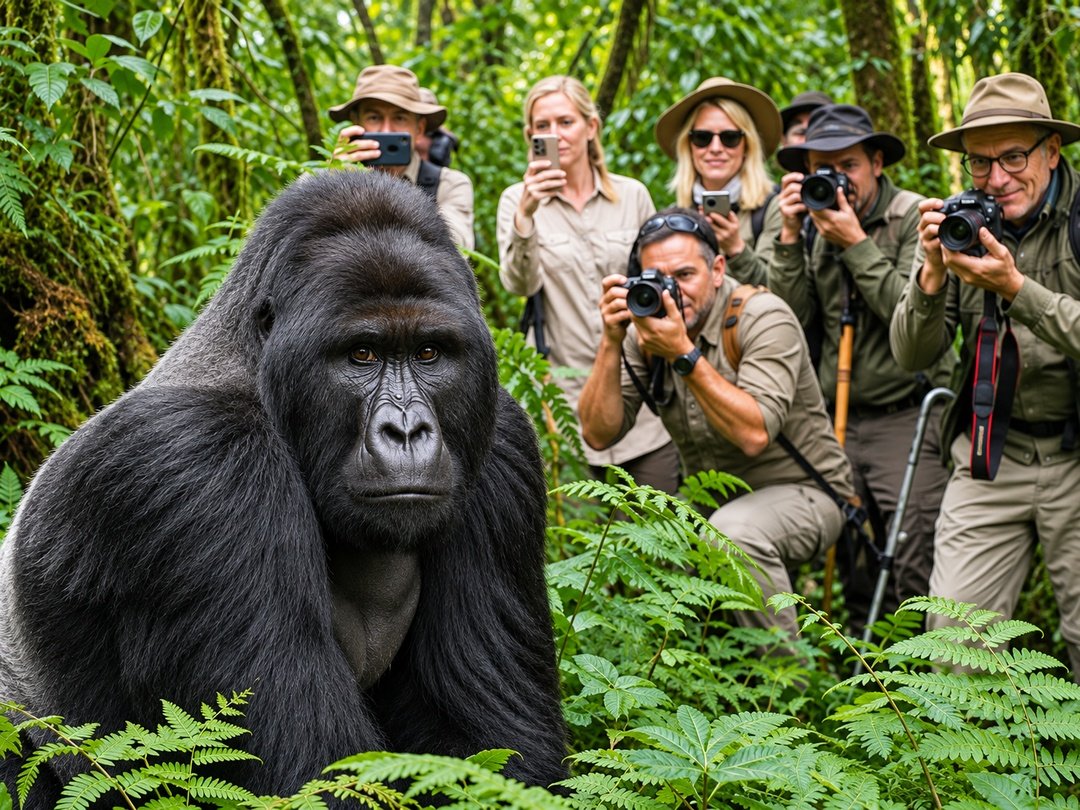
6 Days Uganda Gorilla Trekking from Australia with Wildlife Safari is a compact Uganda safari designed for Australian travellers who want to combine chimpanzee trekking, classic African wildlife viewing and mountain gorilla trekking during one carefully planned journey.
The itinerary connects three of Uganda’s most important safari destinations: Kibale National Park for chimpanzees, Queen Elizabeth National Park for wildlife and the Kazinga Channel boat cruise, and Bwindi Impenetrable National Park for mountain gorilla trekking.
Travellers flying from Sydney, Melbourne, Brisbane, Perth, Adelaide or other Australian cities can use this six-day safari as a standalone Uganda adventure or combine it with a wider East African holiday. Rather than travelling to Uganda for only one major experience, this itinerary allows visitors to encounter chimpanzees in tropical forest, wildlife across savannah landscapes and mountain gorillas in the mist-covered forests of Bwindi.
The journey begins from Entebbe or Kampala and travels west towards Kibale Forest National Park. After chimpanzee trekking, travellers continue towards Queen Elizabeth National Park for an Equator experience, Kazinga Channel boat cruise and game drives.
The final major destination is Bwindi Impenetrable National Park, where travellers complete the mountain gorilla trekking experience before returning to Kampala or Entebbe.
Australian visitors planning their wider journey should also read our complete Uganda Gorilla Trekking from Australia guide for additional information about permits, flights, accommodation, trekking sectors, transport and preparation.
Why Book 6 Days Uganda Gorilla Trekking from Australia with Wildlife Safari?
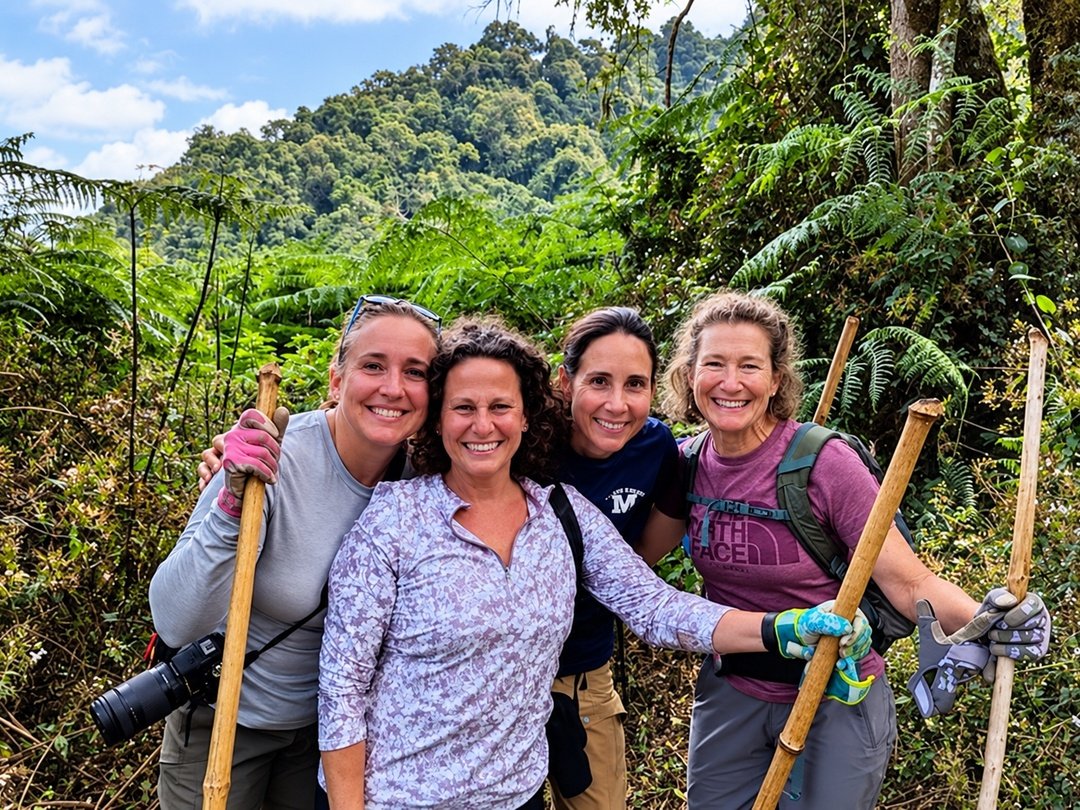
The 6 Days Uganda Gorilla Trekking from Australia with Wildlife Safari is particularly suitable for travellers who want a broad introduction to Uganda without spending two or three weeks on safari.
The itinerary combines two great ape experiences with traditional savannah wildlife.
Chimpanzee trekking in Kibale introduces visitors to an energetic and highly social primate species. Chimpanzees may move rapidly through the forest, climb into trees and communicate loudly with other members of their community.
Queen Elizabeth National Park then changes the safari environment completely. Travellers leave the forest and enter open savannah landscapes where elephants, buffaloes, antelopes, hippos and other wildlife may be encountered.
The Kazinga Channel boat cruise adds another perspective because animals can often be observed around the water rather than from a vehicle.
The final major experience is mountain gorilla trekking in Bwindi. Mountain gorillas generally provide a slower and more intimate primate encounter than chimpanzees.
Combining all three destinations allows Australian travellers to experience Uganda’s primates and wildlife within one logical road route.
6 Days Uganda Gorilla Trekking from Australia with Wildlife Safari Highlights
The 6 Days Uganda Gorilla Trekking from Australia with Wildlife Safari brings together some of Uganda’s strongest primate and wildlife attractions.
Safari highlights include:
- Chimpanzee trekking in Kibale National Park
- Mountain gorilla trekking in Bwindi Impenetrable National Park
- Equator experience near Queen Elizabeth National Park
- Kazinga Channel boat cruise
- Evening game drive in Queen Elizabeth National Park
- Morning game drive in Queen Elizabeth National Park
- Possible elephant sightings
- Possible buffalo sightings
- Possible lion sightings
- Hippos along the Kazinga Channel
- Uganda kob and other antelope species
- Scenic journey through western Uganda
- Four-wheel-drive safari transportation
- Professional English-speaking safari driver-guide
- Five nights of accommodation
- Gorilla permit coordination
- Chimpanzee permit coordination
- Private safari option
- Selected group joining arrangements where available
- Budget, midrange and luxury safari choices
- Entebbe or Kampala starting point
- Kampala or Entebbe drop-off
Brief Itinerary of 6 Days Uganda Gorilla Trekking from Australia with Wildlife Safari
Day 1 – Transfer from Entebbe or Kampala to Kibale National Park: Meet your safari driver-guide and travel west towards Kibale. Check into your lodge and prepare for chimpanzee trekking.
Day 2 – Chimpanzee Trekking in Kibale National Park: Attend the morning briefing and enter Kibale Forest with professional ranger guides to search for a habituated chimpanzee community.
Day 3 – Kibale to Queen Elizabeth National Park, Equator Experience, Kazinga Channel Boat Cruise and Evening Game Drive: Leave Kibale after breakfast and travel towards Queen Elizabeth National Park. Enjoy an Equator stop, afternoon Kazinga Channel boat cruise and evening game drive.
Day 4 – Morning Game Drive and Transfer to Bwindi Impenetrable National Park: Explore Queen Elizabeth National Park during an early morning game drive before continuing towards Bwindi.
Day 5 – Mountain Gorilla Trekking in Bwindi Impenetrable National Park: Attend the morning briefing and enter the rainforest with ranger guides to search for a habituated mountain gorilla family.
Day 6 – Drive from Bwindi to Kampala or Entebbe: After breakfast, begin the return journey towards Kampala or Entebbe, marking the end of the safari.
Detailed 6 Days Uganda Gorilla Trekking from Australia with Wildlife Safari Itinerary
Day 1: Entebbe or Kampala to Kibale National Park
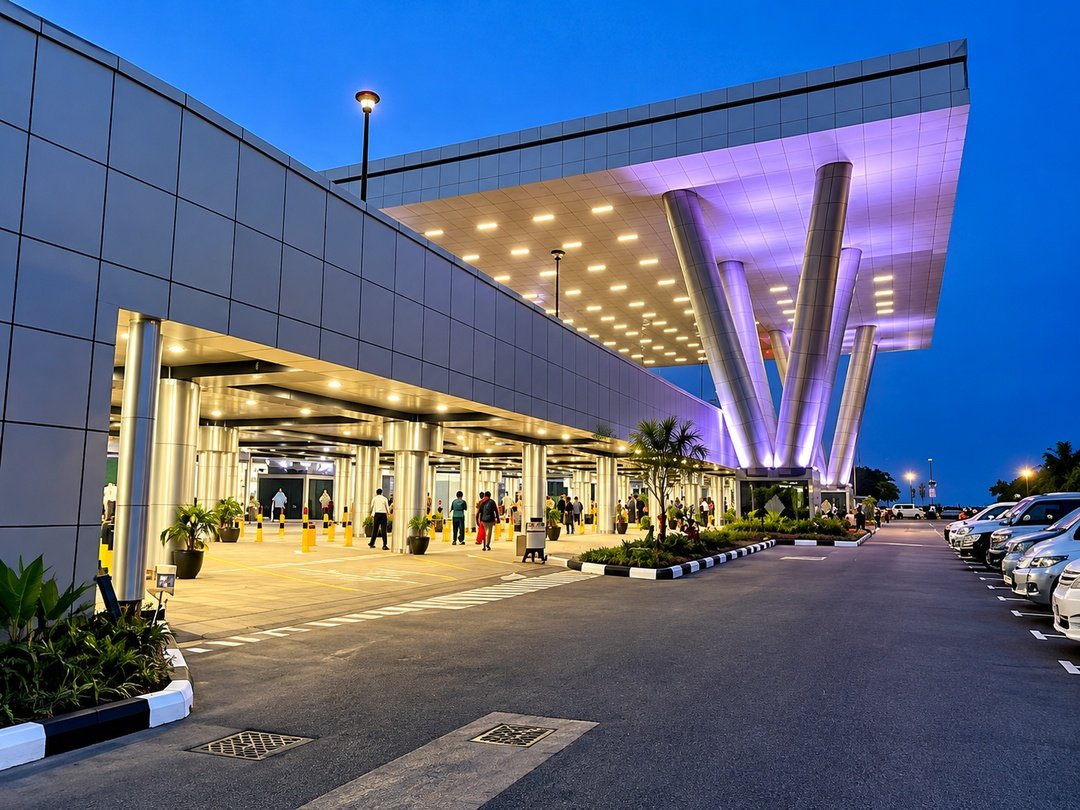
Your 6 Days Uganda Gorilla Trekking from Australia with Wildlife Safari begins with collection from Entebbe International Airport, an Entebbe hotel, Kampala or another agreed location.
For Australian travellers arriving after a long international journey, spending the previous night in Entebbe is recommended.
This allows enough time to rest before beginning the road journey into western Uganda.
After meeting your professional English-speaking safari driver-guide, begin travelling towards Kibale Forest National Park.
The road journey introduces visitors to Uganda’s changing landscapes.
Busy urban areas gradually give way to agricultural communities, rolling countryside, tea-growing regions and the greener landscapes associated with western Uganda.
Stops can be arranged for lunch, refreshments, photography and comfort breaks.
Kibale National Park is Uganda’s best-known chimpanzee tracking destination.
Uganda Wildlife Authority describes Kibale as an important primate destination, with guided chimpanzee tracking walks operating from the Kanyanchu Visitor Centre.
As you approach Kibale, the environment becomes noticeably greener and more forested.
On arrival, check into your selected lodge.
Spend the evening relaxing and preparing your trekking clothes, hiking shoes, rain protection, camera equipment and daypack for the following morning.
Accommodation: Budget, midrange or luxury lodge near Kibale National Park
Meals: According to the confirmed safari package
Day 2: Chimpanzee Trekking in Kibale National Park
Day two introduces travellers to the first major primate experience of the 6 Days Uganda Gorilla Trekking from Australia with Wildlife Safari.
After an early breakfast, transfer to the chimpanzee trekking briefing point.
Chimpanzee Trekking Briefing
Before entering the forest, ranger guides explain trekking procedures, forest safety, chimpanzee behaviour and the rules visitors should follow once the chimpanzees are located.
Chimpanzees are wild animals moving freely through a natural forest environment, so the duration and direction of the trek cannot be predicted exactly.
After the briefing, enter Kibale Forest with professional ranger guides.
Chimpanzee Trekking Experience
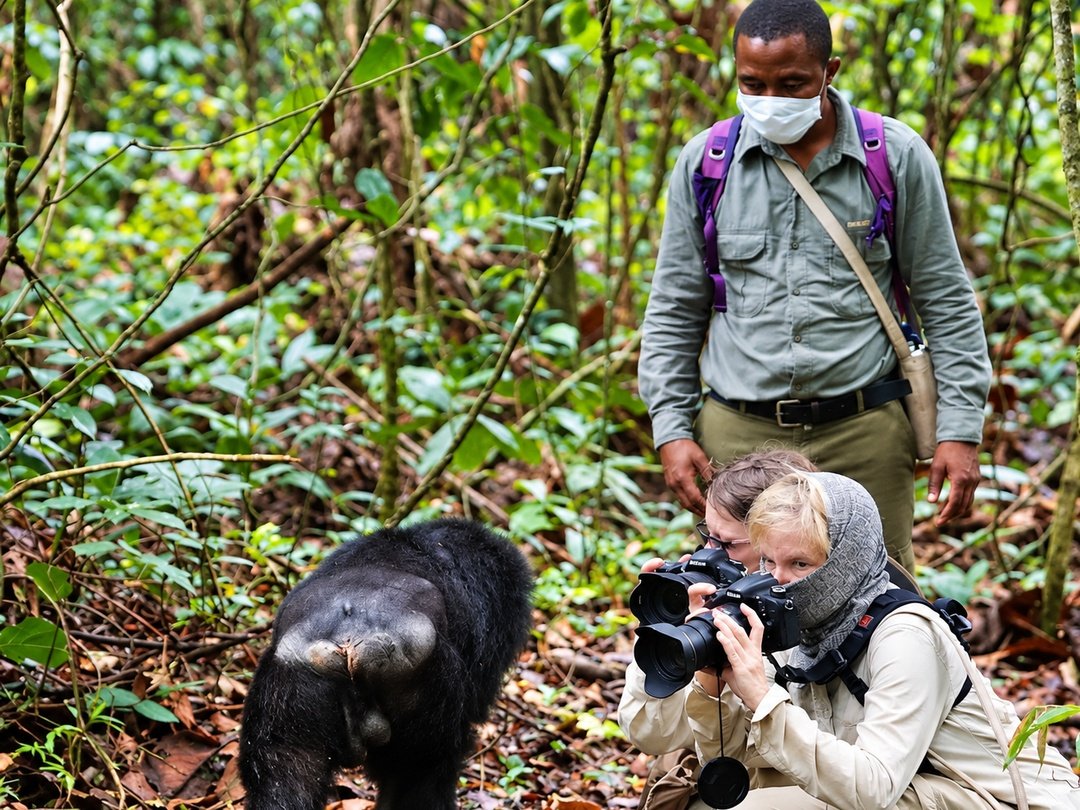
Chimpanzee trekking can be energetic because chimpanzees are highly mobile.
They may travel through the forest, climb into the canopy, feed, groom and communicate with other members of their community.
Rangers listen for vocalisations, observe signs of chimpanzee activity and use their knowledge of the forest to locate the habituated community.
Kibale also supports numerous other primates.
Visitors may encounter monkeys and other forest wildlife during the trek, although the chimpanzees remain the main attraction.
Uganda Wildlife Authority states that Kibale’s guided chimpanzee tracking walks operate daily and that trekkers spend a maximum of one hour observing the chimpanzees once they have been located.
The total trekking experience may last several hours depending on chimpanzee movements, terrain and weather conditions.
Photography is possible, but visitors should follow ranger instructions throughout the experience.
Australian travellers wanting more information can read our dedicated chimpanzee tracking in Uganda guide.
After completing the trek, return to your lodge.
Spend the afternoon relaxing after the forest experience.
This slower afternoon also helps travellers recover before the following day’s combination of road transfer, Kazinga Channel boat cruise and evening game drive.
Accommodation: Budget, midrange or luxury lodge near Kibale National Park
Meals: According to the selected safari package
Day 3: Kibale National Park to Queen Elizabeth National Park – Equator Experience, Kazinga Channel Boat Cruise and Evening Game Drive
After breakfast, leave Kibale and begin travelling towards Queen Elizabeth National Park.
This stage changes the safari from a forest primate experience to a classic African wildlife environment.
The journey passes through western Uganda’s rural landscapes before approaching the wider Queen Elizabeth conservation area.
Equator Experience
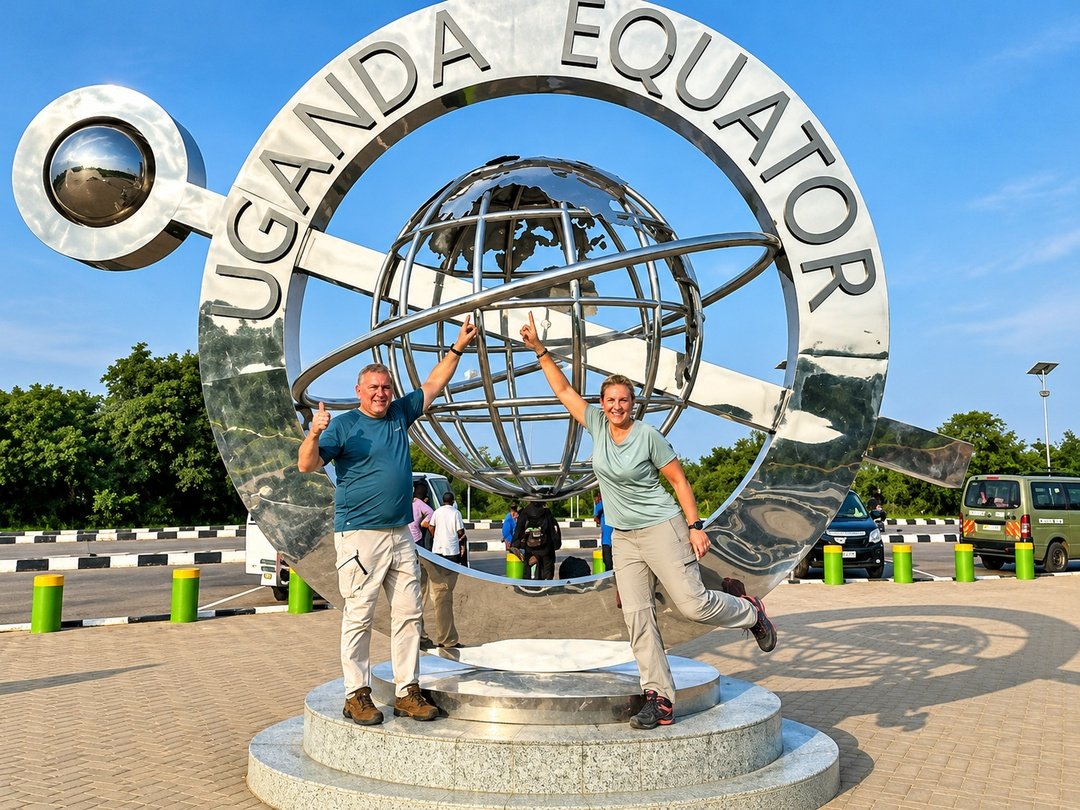
During the journey, stop at the Equator for photographs and a short experience marking the point where the imaginary line divides the Northern and Southern Hemispheres.
This provides an enjoyable break during the road journey and is particularly popular with visitors travelling through western Uganda.
Take photographs before continuing towards Queen Elizabeth National Park.
Arrival in Queen Elizabeth National Park
Queen Elizabeth National Park is one of Uganda’s most recognised wildlife destinations.
The park protects approximately 1,978 square kilometres and supports extensive savannah, wetlands, crater landscapes and waterways.
On arrival, continue according to the afternoon activity schedule.
Kazinga Channel Boat Cruise
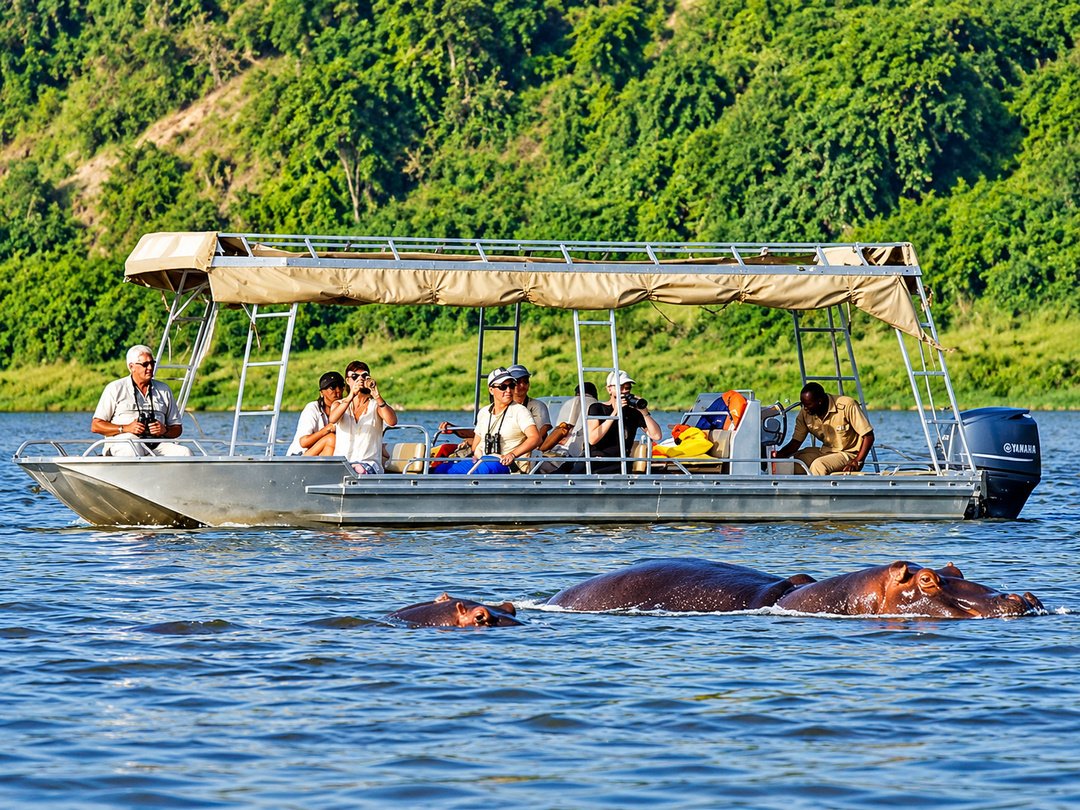
The afternoon boat cruise along the Kazinga Channel is one of the major wildlife experiences of the safari.
The Kazinga Channel connects Lake George and Lake Edward and provides important habitat and water access for wildlife.
During the boat trip, travellers may observe large numbers of hippos, buffaloes, elephants, crocodiles and numerous water-associated bird species.
Wildlife sightings vary from day to day because animals move naturally through the ecosystem.
One of the advantages of the boat cruise is the opportunity to observe wildlife from water level rather than from a safari vehicle.
Hippos may be seen resting in the water, while buffaloes and elephants may appear along the banks.
Bird enthusiasts can also enjoy the variety of species associated with the channel.
After the boat cruise, continue with the evening game drive.
Evening Game Drive in Queen Elizabeth National Park
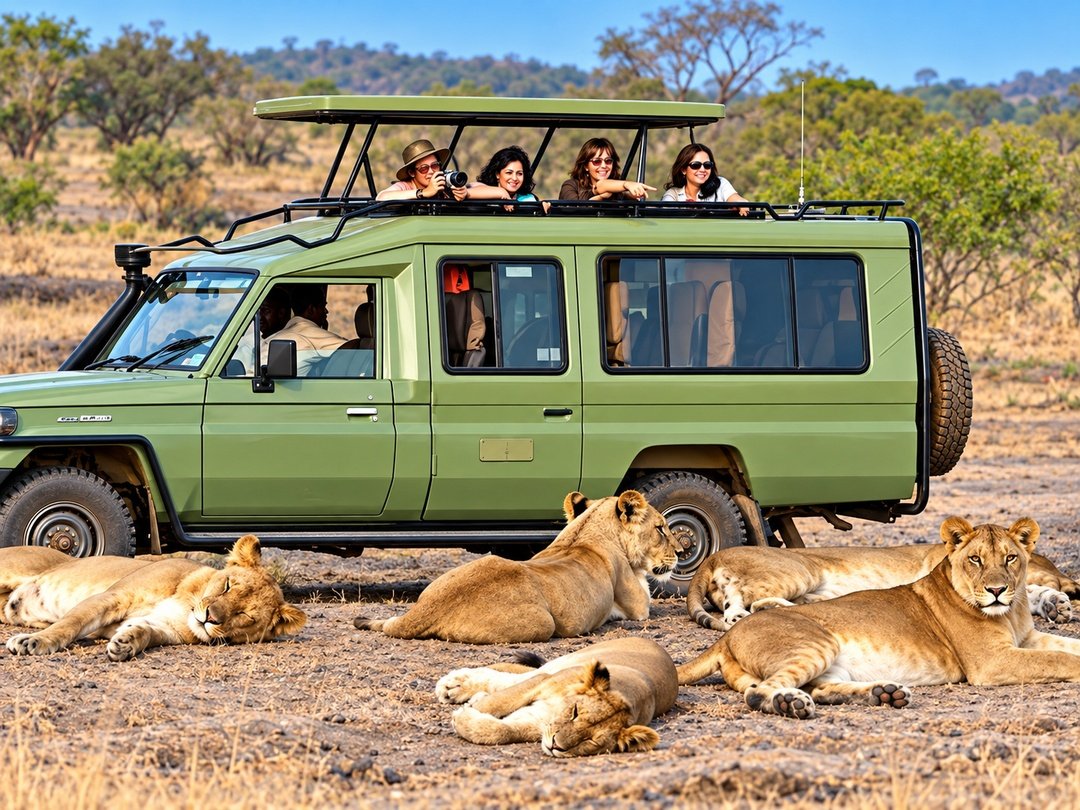
The late afternoon and early evening can be productive for wildlife viewing.
Explore suitable savannah areas with your driver-guide while searching for elephants, buffaloes, Uganda kobs, waterbucks, warthogs and other animals.
Predators such as lions and leopards also occur in the park, although sightings can never be guaranteed.
The evening drive provides a useful contrast with the boat cruise because visitors return to land-based wildlife viewing.
After the game drive, continue to your lodge for dinner and overnight.
Accommodation: Budget, midrange or luxury lodge near Queen Elizabeth National Park
Meals: According to the confirmed safari package
Day 4: Morning Game Drive in Queen Elizabeth National Park and Transfer to Bwindi Impenetrable National Park
Wake early and enjoy breakfast before heading out for another wildlife experience.
Morning Game Drive
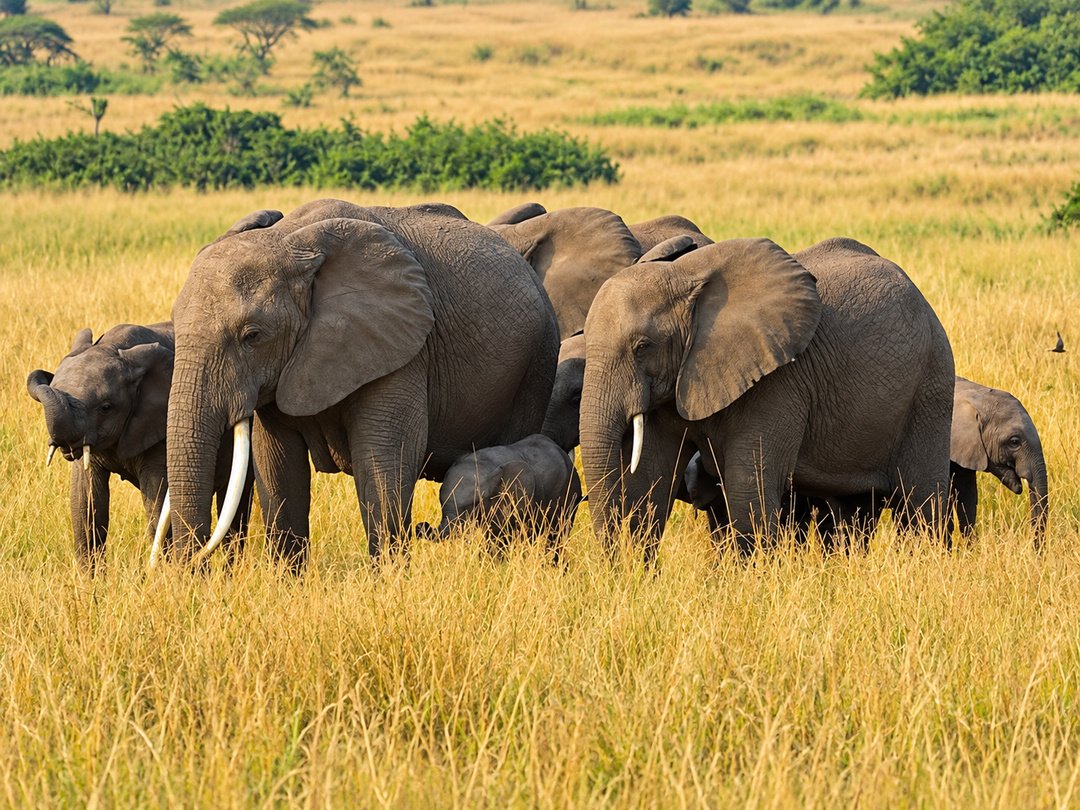
Morning is one of the most enjoyable times to explore Queen Elizabeth National Park.
Temperatures are cooler, and many animals may still be active before the heat of the day increases.
Your driver-guide will select suitable wildlife-viewing areas according to current conditions.
Possible sightings include elephants, buffaloes, Uganda kobs, waterbucks, warthogs and other savannah species.
Lions may also be encountered, although sightings remain dependent on their natural movements.
This morning drive gives travellers another opportunity to search for wildlife that may not have been seen during the previous evening.
After completing the game drive, leave Queen Elizabeth National Park and begin travelling towards Bwindi Impenetrable National Park.
Queen Elizabeth National Park to Bwindi Impenetrable National Park
The exact route from Queen Elizabeth National Park to Bwindi Impenetrable National Park depends on the confirmed gorilla trekking sector.
Bwindi’s main trekking areas are Buhoma, Ruhija, Rushaga and Nkuringo. Travellers using Buhoma or Ruhija may follow a different road route from visitors trekking from Rushaga or Nkuringo.
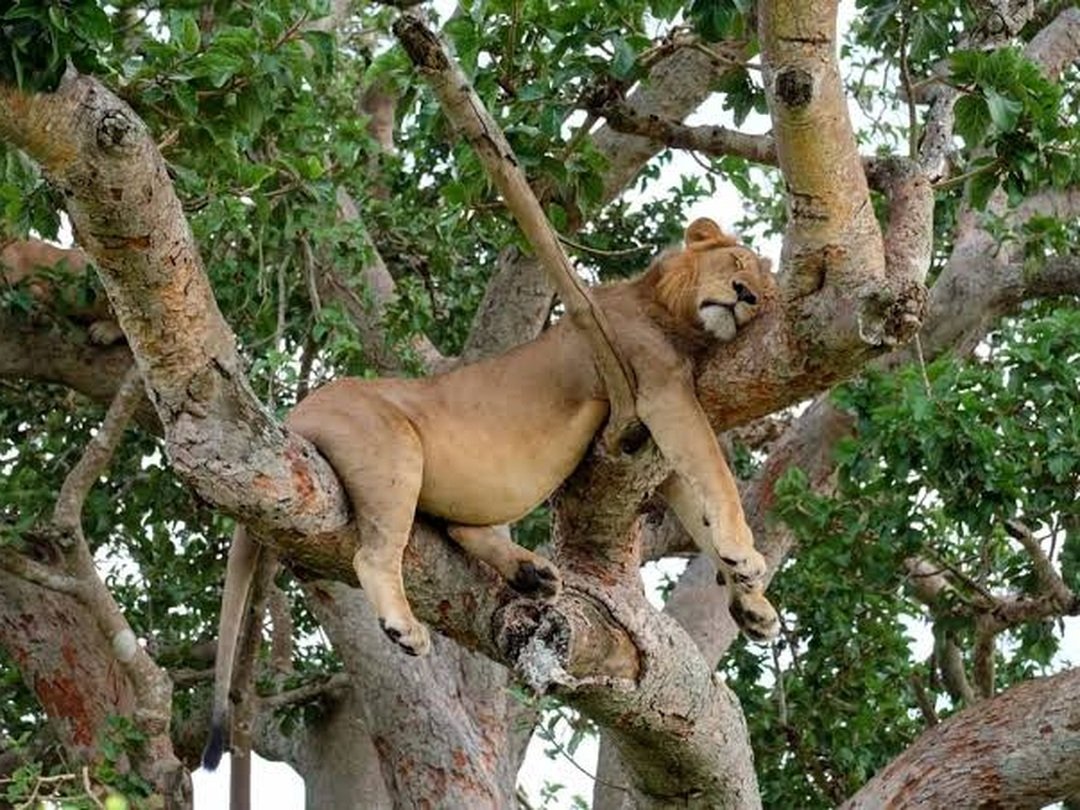
Where the transfer passes through the southern Ishasha sector of Queen Elizabeth National Park, travellers may have the opportunity to see the area’s famous tree-climbing lions. These lions are known for resting in the branches of large fig trees, although sightings cannot be guaranteed because they move naturally through the ecosystem.
The possibility of encountering tree-climbing lions adds another wildlife highlight to the journey between Queen Elizabeth National Park and Bwindi. Travellers may also see other wildlife along the route depending on the day’s conditions.
Continue through southwestern Uganda as the scenery gradually changes from open savannah to cultivated highlands, farms, villages and increasingly mountainous landscapes.
Australian travellers using southern Bwindi can read more about Rushaga gorilla trekking and gorilla habituation.
On arrival, check into accommodation close to your confirmed gorilla trekking sector.
Use the evening to prepare your hiking boots, long trousers, gloves, rain protection, drinking water, camera equipment and daypack for the following morning’s gorilla trekking experience.
Accommodation: Budget, midrange or luxury lodge close to the confirmed Bwindi sector
Meals: According to the selected safari package
Day 5: Mountain Gorilla Trekking in Bwindi Impenetrable National Park
Day five is the major highlight of the 6 Days Uganda Gorilla Trekking from Australia with Wildlife Safari.
After an early breakfast, transfer to the appropriate gorilla trekking briefing point.
Gorilla Trekking Briefing
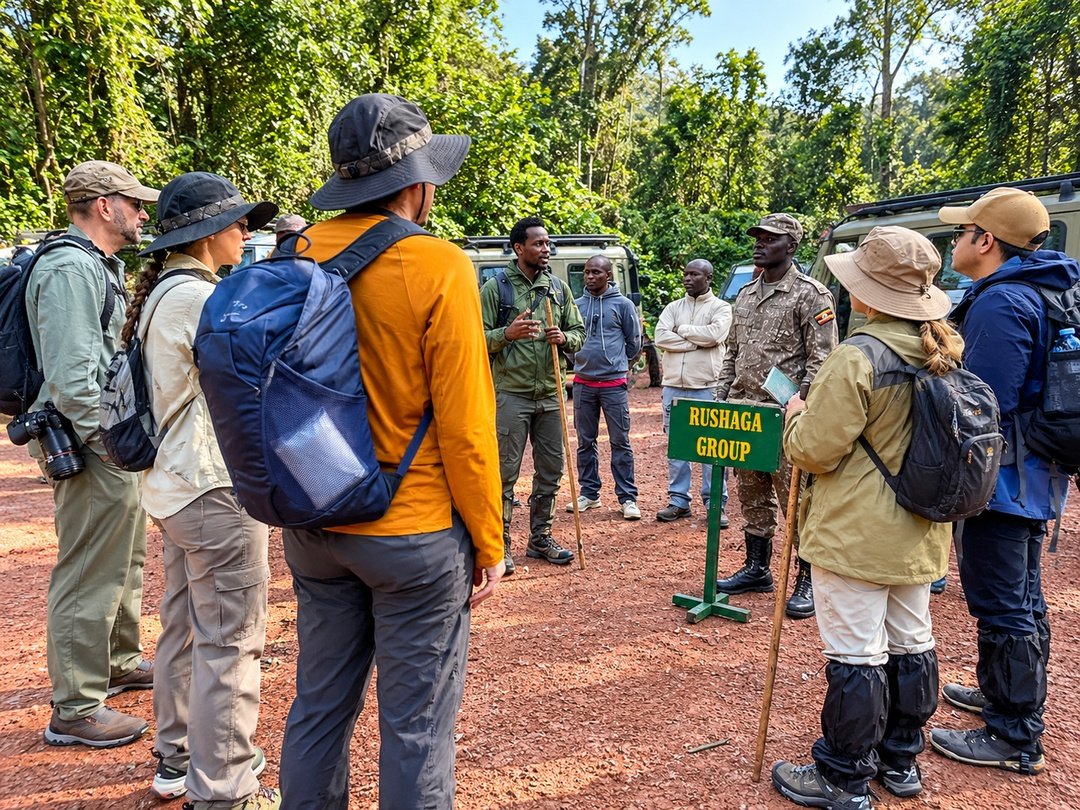
Uganda Wildlife Authority ranger guides explain trekking procedures, forest safety, gorilla conservation rules and expected behaviour around the gorillas.
Travellers are then organised into trekking groups and assigned a habituated mountain gorilla family.
Entering Bwindi Impenetrable Forest
Once the briefing is complete, enter the rainforest with professional ranger guides and trackers.
The terrain can include steep slopes, muddy trails, exposed roots, thick vegetation and uneven ground.
The duration of the trek cannot be predicted because mountain gorillas move naturally through the forest.
Some groups may locate their assigned family relatively quickly, while others may spend several hours trekking.
Uganda Wildlife Authority states that normal gorilla treks may last approximately two to seven hours depending on the location of the gorillas.
Hiring a porter is recommended for travellers carrying cameras, drinking water, rainwear or other equipment.
Porters can also provide useful assistance on steep or slippery sections of the trail.
Encountering the Mountain Gorillas
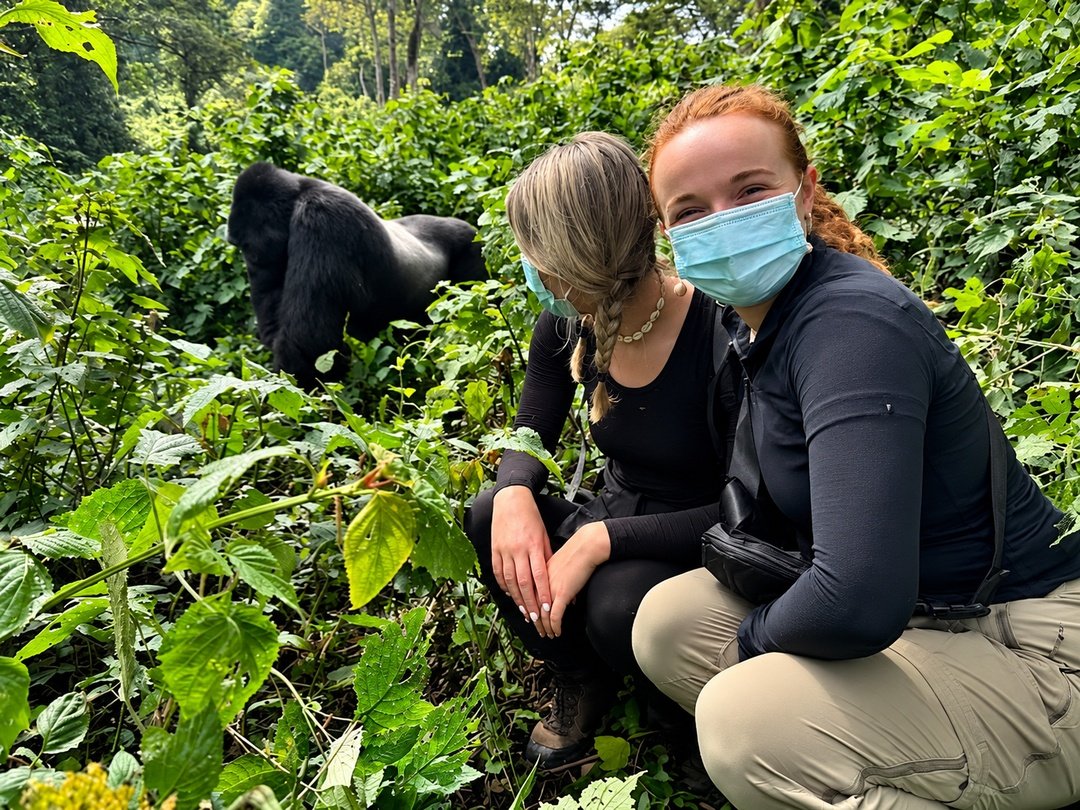
Once the gorilla family is located, visitors are allowed to observe the habituated family under ranger supervision.
Standard gorilla tracking provides a maximum of one hour with the gorillas after the encounter begins.
During this time, travellers may observe adults feeding, juveniles playing, mothers caring for infants and the dominant silverback monitoring his family.
Photography is allowed, but flash photography should not be used.
The experience is very different from the chimpanzee trek completed earlier in the safari.
Chimpanzees can be fast-moving, vocal and highly active, while mountain gorillas often provide a slower encounter involving close observation of the family group.
This contrast is one of the greatest strengths of the 6 Days Uganda Gorilla Trekking from Australia with Wildlife Safari.
Australian travellers preparing for the trek can read our Ultimate Gorilla Trekking Guide in Uganda.
After completing the trek, return to your lodge.
Spend the remainder of the day relaxing.
Optional Batwa Cultural Experience
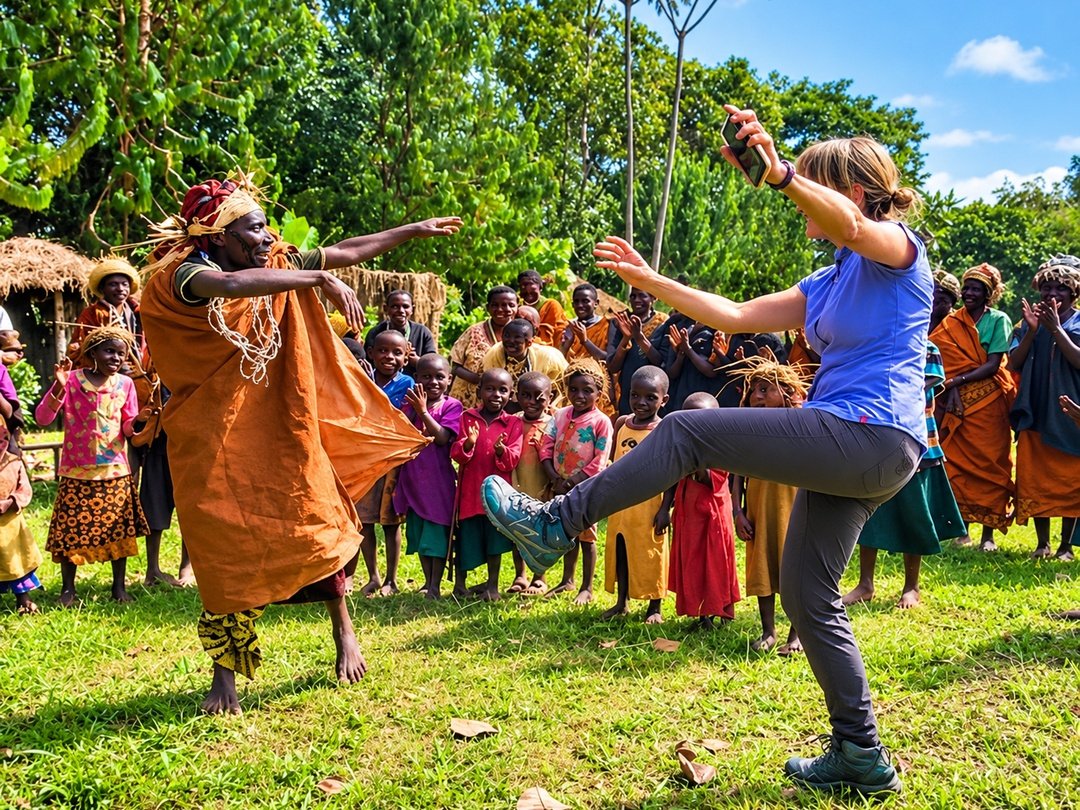
Where time and energy levels permit, an optional Batwa cultural experience can be arranged.
The experience introduces visitors to aspects of Batwa history, traditional knowledge and cultural practices associated with southwestern Uganda.
It should be arranged respectfully and should not interfere with the main gorilla trekking programme.
Accommodation: Budget, midrange or luxury lodge near Bwindi
Meals: According to the confirmed safari package
Day 6: Bwindi Impenetrable National Park to Kampala or Entebbe
After breakfast, check out of your lodge and begin the return road journey towards Kampala or Entebbe.
The drive takes travellers away from the mountainous landscapes surrounding Bwindi and gradually returns towards central Uganda.
Stops can be arranged for lunch, refreshments, photography and comfort breaks.
The journey provides time to reflect on three very different wildlife experiences completed during the previous days: chimpanzees in Kibale, savannah wildlife in Queen Elizabeth National Park and mountain gorillas in Bwindi.
The safari concludes with drop-off in Kampala, at an Entebbe hotel, Entebbe International Airport or another agreed location.
Australian travellers departing internationally on the same day should avoid scheduling a flight too close to the expected road arrival time.
Where possible, an additional night in Entebbe can provide a more relaxed conclusion before the long international journey back to Australia.
Safari Inclusions for 6 Days Uganda Gorilla Trekking from Australia with Wildlife Safari
The safari package can include the major services required to complete the itinerary.
Typical inclusions are:
- Uganda mountain gorilla trekking permit
- Kibale chimpanzee trekking permit
- Five nights of safari accommodation
- Meals according to the confirmed itinerary
- Professional English-speaking safari driver-guide
- Private or selected shared safari transportation
- Fuel for scheduled road transfers
- Entebbe or Kampala pick-up
- Transfer to Kibale National Park
- Chimpanzee trekking arrangements
- Transfer from Kibale to Queen Elizabeth National Park
- Queen Elizabeth National Park entrance arrangements
- Kazinga Channel boat cruise where included
- Evening game drive
- Morning game drive
- Transfer from Queen Elizabeth National Park to Bwindi
- Transportation to the gorilla trekking briefing point
- Mountain gorilla trekking arrangements
- Bottled drinking water during road transfers
- Driver-guide expenses
- Final transfer to Kampala or Entebbe
- Assistance coordinating both primate permits
- Assistance matching the Bwindi lodge with the correct trekking sector
- Domestic flight arrangements where specifically included in a customised package
- Airstrip transfers where listed in the final quotation
Safari Exclusions for 6 Days Uganda Gorilla Trekking from Australia with Wildlife Safari
Unless specifically included in the confirmed quotation, exclusions normally include:
- International flights between Australia and Uganda
- Return flights to Sydney, Melbourne, Brisbane, Perth, Adelaide or another Australian city
- Uganda visa charges
- Travel insurance
- Medical insurance
- Personal expenses
- Alcoholic beverages
- Premium drinks
- Laundry
- Souvenirs
- Telephone charges
- Optional activities outside the confirmed itinerary
- Gorilla trekking porter fees unless specified
- Tips and gratuities
- Accommodation before or after the safari
- Extra airport transfers outside the programme
- Additional meals outside the selected meal plan
- Expenses resulting from personal flight delays or missed connections
- Any item not specifically listed under inclusions
Why Combine Kibale National Park, Queen Elizabeth National Park and Bwindi?
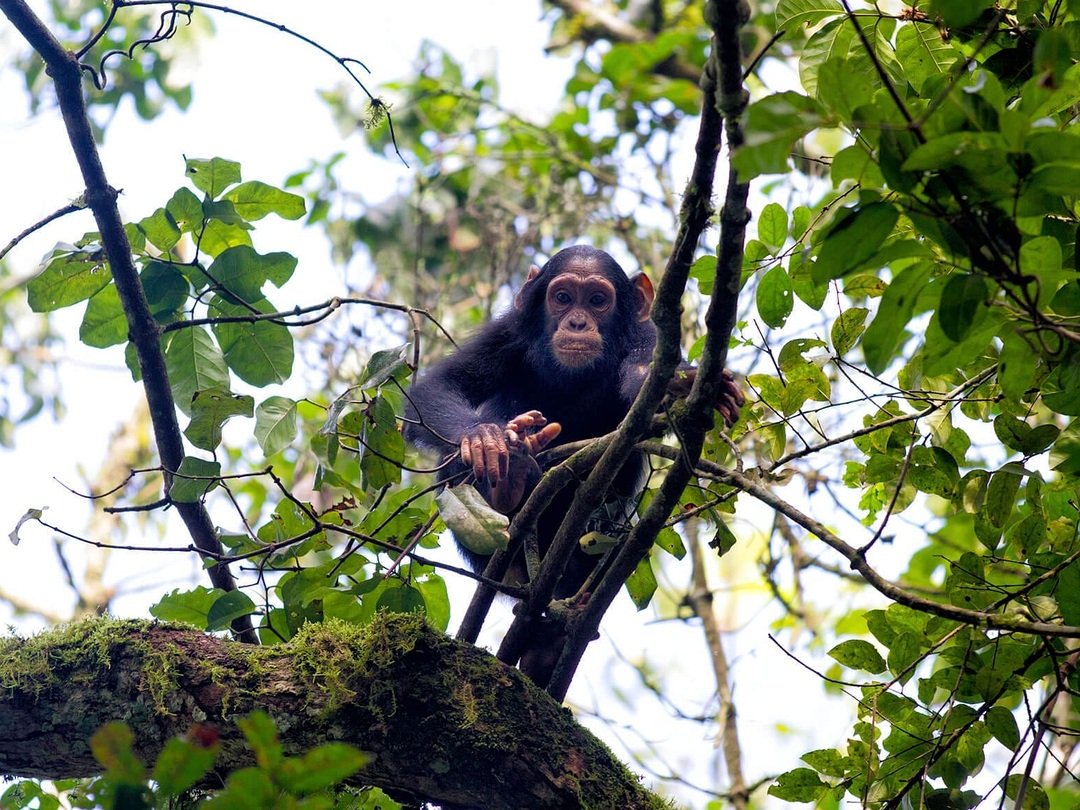
Kibale National Park, Queen Elizabeth National Park and Bwindi Impenetrable National Park create one of Uganda’s strongest short safari combinations because each destination contributes a completely different experience to the journey.
Kibale Forest National Park introduces travellers to Uganda’s tropical forest environment and provides the chimpanzee trekking experience. The forest is particularly well known for its primate diversity, making it an excellent starting point for travellers who want to understand Uganda’s reputation as one of Africa’s leading primate destinations.
From Kibale, the itinerary continues to Queen Elizabeth National Park, where the landscape changes from dense forest to open savannah, wetlands, crater areas and waterways. Here, travellers can enjoy traditional wildlife viewing through morning and evening game drives as well as the Kazinga Channel boat cruise.
The journey then continues towards Bwindi Impenetrable National Park, where the open landscapes of Queen Elizabeth gradually give way to the green highlands and dense rainforest of southwestern Uganda. Bwindi provides the final major experience of the safari: mountain gorilla trekking.
The geographical arrangement of the three parks also makes the route practical. Travellers can move progressively from Entebbe or Kampala towards Kibale, continue south towards Queen Elizabeth National Park and then travel onward to Bwindi without repeatedly returning to central Uganda.
This saves valuable safari time and creates a natural progression through three different ecosystems.
For Australian travellers who have flown a considerable distance to East Africa, the combination provides particularly good value. Instead of travelling to Uganda solely for mountain gorilla trekking, visitors also encounter chimpanzees, savannah wildlife, wetlands, a boat safari and some of the country’s most dramatic landscapes within one six-day itinerary.
Australians planning the wider trip can also read our complete Uganda Gorilla Trekking from Australia guide for additional information about flights, permits, accommodation, transportation and safari preparation.
Chimpanzee Trekking in Kibale National Park
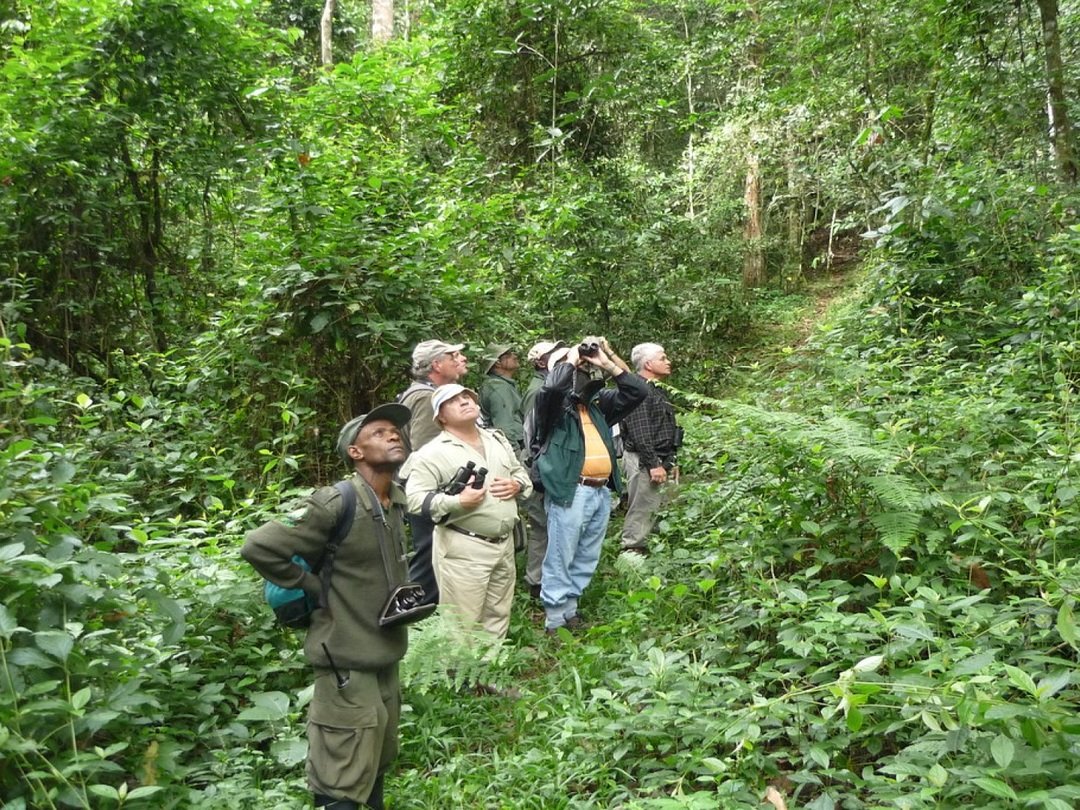
Kibale Forest National Park is the first major national park visited during the safari and provides one of Uganda’s most important primate experiences.
Chimpanzee trekking begins with a ranger briefing before visitors enter the forest in search of a habituated chimpanzee community.
The experience is different from mountain gorilla trekking because chimpanzees are generally more active and mobile. They may move quickly through the forest, climb into the canopy, feed on fruit, groom one another and communicate using powerful vocalisations.
Ranger guides use their knowledge of the forest, chimpanzee movements, calls and signs of recent activity to locate the habituated community.
The trek can last several hours depending on where the chimpanzees are located, the condition of the forest trails and the movement of the group.
Once the chimpanzees are located, standard chimpanzee tracking provides a regulated observation period under ranger supervision.
Kibale also supports numerous other primates, birds, butterflies and forest species, which means the walk can remain interesting even before the chimpanzees are found.
The forest environment can be humid, wet and uneven, so travellers should arrive with comfortable walking shoes, long trousers, rain protection and a small daypack.
Although chimpanzee trekking is generally less mountainous than trekking in Bwindi, visitors still need reasonable walking fitness.
The experience is particularly valuable within this six-day safari because it allows Australian travellers to compare two very different great ape species during the same journey.
Chimpanzees tend to create a faster and more energetic forest encounter, while mountain gorillas usually provide a slower and more intimate family-group experience.
Travellers wanting more preparation information should read our dedicated chimpanzee tracking in Uganda guide before travelling.
Wildlife Safari in Queen Elizabeth National Park
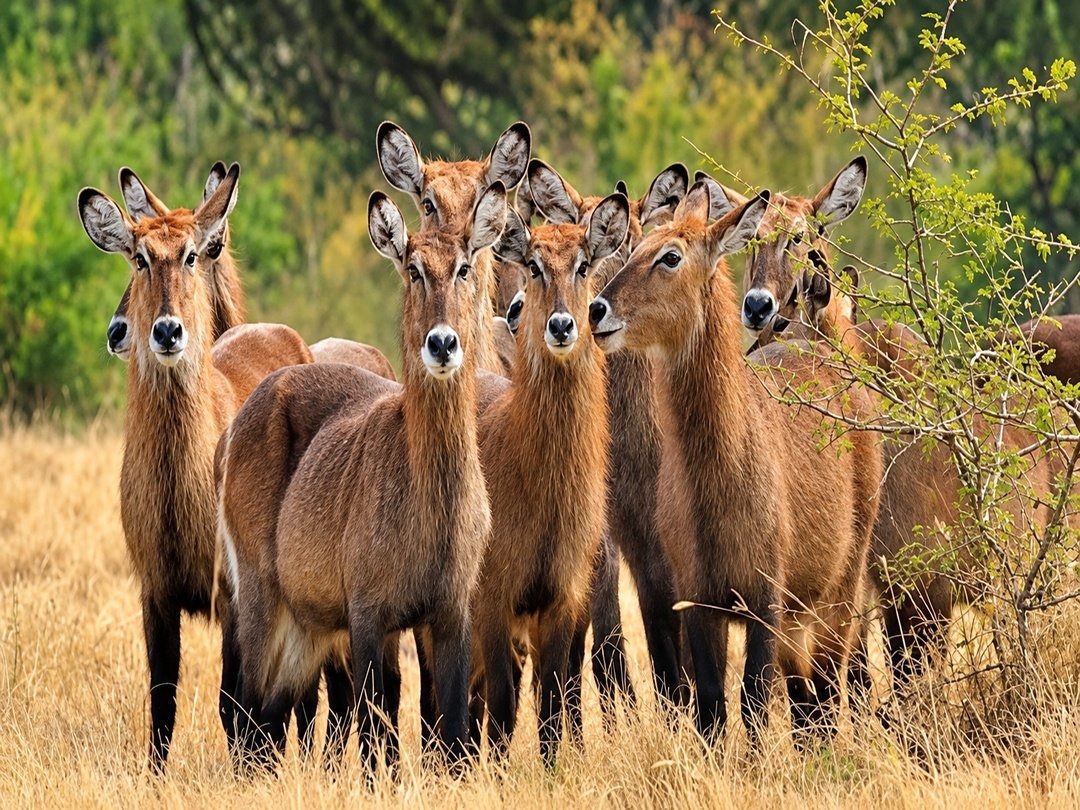
Queen Elizabeth National Park provides the main traditional wildlife experience of the safari.
After spending time in Kibale’s tropical forest, travellers move into an environment dominated by savannah grasslands, wetlands, crater landscapes and open wildlife-viewing areas.
The park supports a broad range of animals, and possible sightings include African elephants, buffaloes, Uganda kobs, waterbucks, warthogs, hippos, baboons and several other species.
Lions and leopards also occur in the park. However, predator sightings should never be guaranteed because the animals move freely through a large natural ecosystem.
One of the advantages of this itinerary is that travellers receive both an evening and morning game drive.
The evening game drive on Day 3 takes place after the Kazinga Channel boat cruise and provides an opportunity to search for wildlife as temperatures begin to fall.
Some animals become more active during the cooler late-afternoon period, while changing light conditions can also create attractive photography opportunities.
The following morning, travellers return to the park for another game drive before beginning the journey towards Bwindi.
This second drive is valuable because wildlife conditions vary from one outing to another.
An animal missed during the evening drive may be encountered the following morning, while different sections of the park may also be explored.
For Australian travellers who primarily associate Uganda with mountain gorillas, Queen Elizabeth National Park demonstrates that the country also provides rewarding traditional African wildlife experiences.
Kazinga Channel Boat Cruise
The Kazinga Channel boat cruise is one of the major highlights of Queen Elizabeth National Park and provides a completely different wildlife experience from a game drive.
The Kazinga Channel is a natural waterway connecting Lake George and Lake Edward.
Its banks provide important water access for wildlife, which means animals frequently gather around the channel to drink, feed and cool themselves.
During the boat cruise, travellers may observe large numbers of hippos in and around the water.
Buffaloes are also frequently associated with the channel, while elephants may approach the banks to drink.
Crocodiles can occur along the waterway, and numerous water-associated bird species make the cruise particularly interesting for birdwatchers.
The advantage of the boat cruise is the viewing angle.
During a game drive, wildlife is observed from the safari vehicle across the savannah. On the Kazinga Channel, travellers move slowly along the water and can sometimes observe animals from a closer and lower perspective.
This makes the boat cruise especially valuable for wildlife photography.
The cruise also provides a more relaxed activity between the road transfer from Kibale and the evening game drive.
Instead of spending the entire day inside a safari vehicle, travellers can enjoy the scenery and wildlife from the boat before returning to land-based game viewing.
Mountain Gorilla Trekking in Bwindi Impenetrable National Park
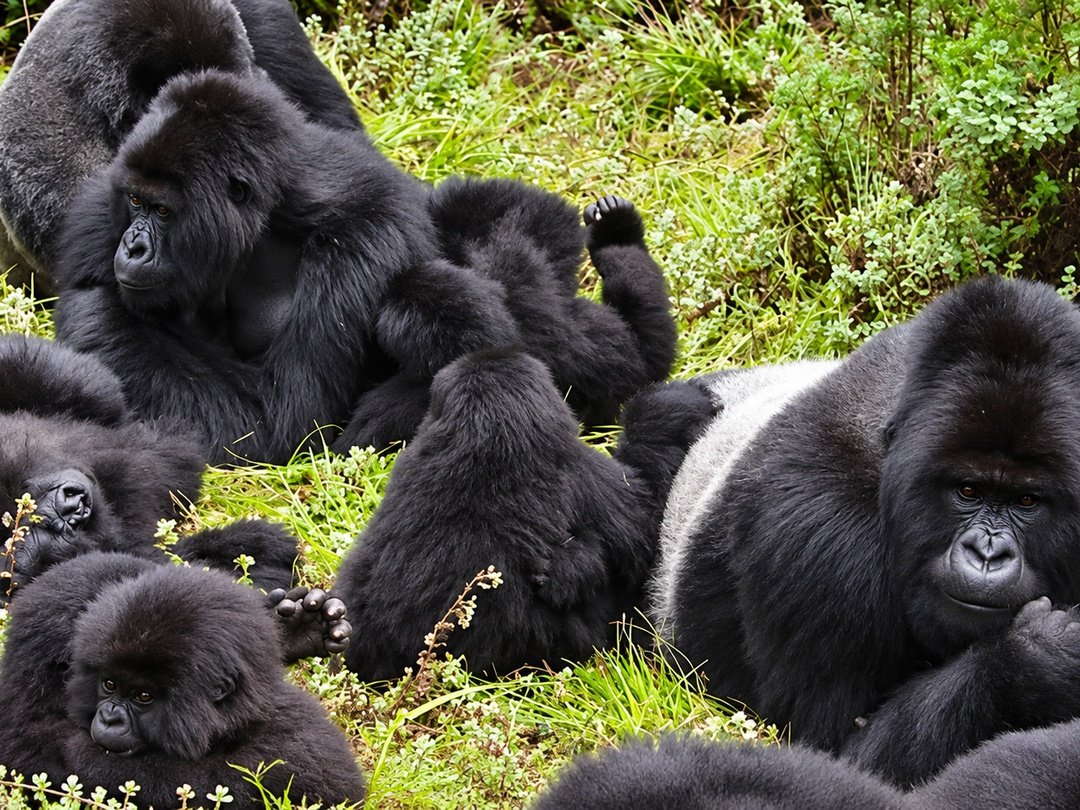
Bwindi Impenetrable National Park provides the defining experience of this six-day safari.
After the wildlife activities in Queen Elizabeth National Park, travellers continue towards the forested highlands of southwestern Uganda in preparation for mountain gorilla trekking.
Bwindi has four principal trekking sectors: Buhoma, Ruhija, Rushaga and Nkuringo. Uganda Wildlife Authority confirms these as the principal designated entry points for gorilla tracking in Bwindi.
Each sector has its own trekking briefing location and surrounding accommodation.
This makes correct permit planning extremely important.
A traveller holding a Rushaga permit, for example, should generally stay around southern Bwindi rather than booking a lodge close to Buhoma in the north.
The safari lodge therefore needs to be selected only after the trekking sector has been confirmed.
On the trekking morning, visitors attend a ranger briefing before entering the forest with guides and trackers.
The trek may involve steep slopes, muddy pathways, exposed roots and dense vegetation.
Uganda Wildlife Authority notes that gorilla tracking can last approximately two to seven hours depending on the location of the gorilla family.
Once the assigned habituated family is located, standard trekking provides one hour of observation under ranger supervision.
During the encounter, travellers may observe adults feeding, juveniles playing, mothers caring for infants and a mature silverback resting or monitoring his family.
Because the terrain can be physically demanding, hiring a porter is recommended for travellers carrying camera equipment, drinking water, rainwear or other personal items.
Australian travellers preparing for this experience can read our Ultimate Gorilla Trekking Guide in Uganda for additional information about physical preparation, clothing, photography and trekking conditions.
Visitors comparing alternative gorilla packages can also explore our wider collection of gorilla trekking safaris in Uganda.
Gorilla and Chimpanzee Permits for Australian Travellers
Australian travellers participating in both primate activities require separate permits for chimpanzee trekking in Kibale and mountain gorilla trekking in Bwindi.
The permits are among the most important parts of the safari because they determine the confirmed trekking dates and, in the case of the gorilla permit, the Bwindi entry point.
Uganda Wildlife Authority’s permit guidelines confirm that gorilla permits are booked according to the trekking date and designated entry point, such as Buhoma, Ruhija, Rushaga or Nkuringo.
This is why travellers should not book a Bwindi lodge independently and then attempt to match a permit later.
The permit should be coordinated first, followed by accommodation close to the correct trekking area.
For Australians travelling during the current tariff period, the exact permit rate should always be checked against the Uganda Wildlife Authority conservation tariff applicable to the confirmed travel date.
UWA’s published tariff information lists the foreign non-resident standard gorilla trekking permit at USD 800 under the current rate structure shown on its tariff resources.
Chimpanzee permit prices also depend on the tariff period and the activity selected.
Because Uganda Wildlife Authority periodically updates conservation tariffs, travellers should avoid relying on old blog posts or outdated safari quotations when budgeting.
Pieland Gorilla Safaris can coordinate the permits as part of the complete package and ensure that the accommodation and road transfers correspond correctly with the trekking dates.
Australian visitors wanting more information about the process can read our guide to booking a gorilla permit in Uganda.
Travellers comparing the overall budget can also use our guide to the price of gorilla trekking safaris in Uganda.
Gorilla Trekking vs Chimpanzee Trekking
Although both activities involve entering forest environments with ranger guides, chimpanzee trekking and mountain gorilla trekking provide noticeably different experiences.
Chimpanzee Trekking
Chimpanzees are generally more active, faster-moving and louder than mountain gorillas.
They may travel through the forest while feeding, climb high into trees or communicate with other chimpanzees using calls that can be heard from considerable distances.
This means the trekking experience may involve following their movement between different forest sections.
The forest itself also forms an important part of the experience because visitors may encounter other primates, birds and tropical vegetation while searching for the chimpanzee community.
Gorilla Trekking
Mountain gorilla trekking generally creates a slower and more intimate encounter once the habituated family has been located.
Gorillas commonly spend substantial periods feeding, resting and interacting on or close to the forest floor.
Visitors may therefore have opportunities to observe family relationships, young gorillas playing and the behaviour of the dominant silverback.
The trekking terrain in Bwindi can be more physically challenging than Kibale because of the park’s steep mountainous landscape.
Which Experience Is Better?
Neither experience needs to be considered better than the other.
The value comes from experiencing both.
Chimpanzee trekking introduces travellers to one type of great ape behaviour, while mountain gorilla trekking provides a very different encounter.
For Australians travelling a long distance to Uganda, combining both activities within the same itinerary provides a more complete understanding of the country’s primate tourism.
Road or Fly-In Options for 6 Days Uganda Gorilla Trekking from Australia with Wildlife Safari
Australian travellers can complete the itinerary as a full road safari or customise selected portions with domestic flights.
The most suitable arrangement depends on budget, preferred comfort level, available time and the confirmed trekking sector.
Road Safari
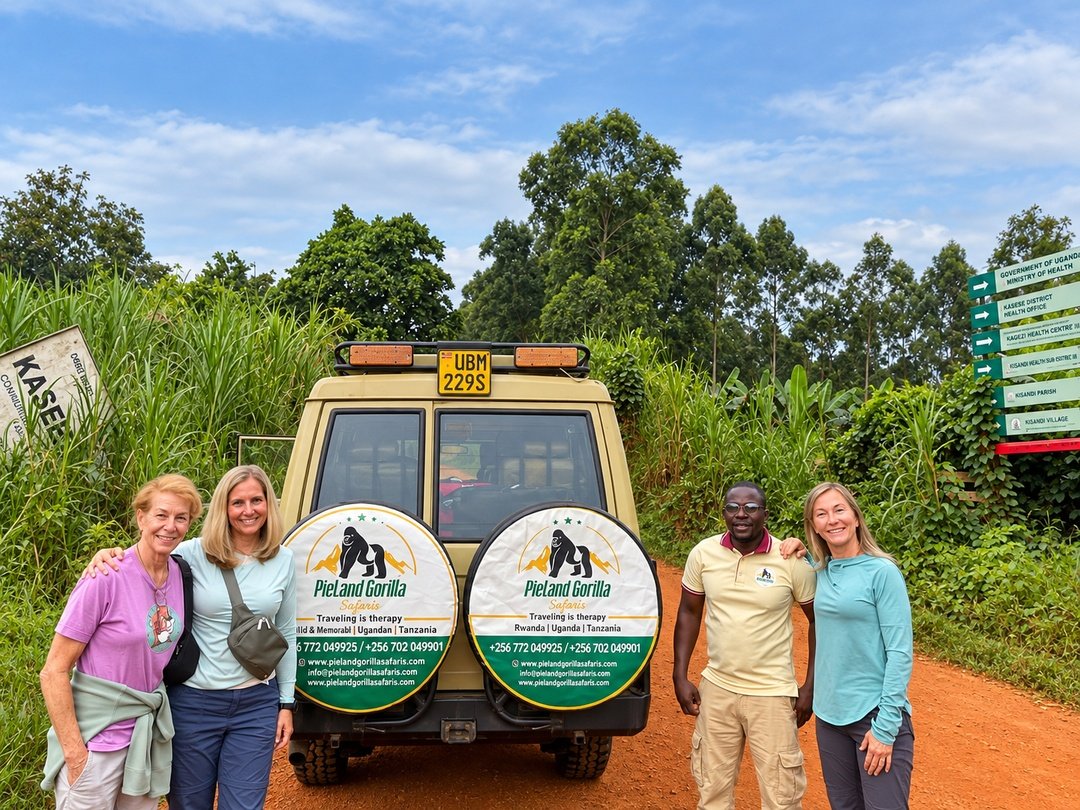
A road safari is the most practical and straightforward way to connect Kibale, Queen Elizabeth National Park and Bwindi.
Travellers normally use the same four-wheel-drive safari vehicle and professional driver-guide throughout the journey.
This means the vehicle is available for the transfer from Entebbe or Kampala to Kibale, the journey from Kibale to Queen Elizabeth National Park, the scheduled game drives, the transfer to Bwindi and the final return journey.
Using the same vehicle creates continuity and makes luggage handling much easier.
The driver-guide also becomes familiar with the travellers’ interests, preferred stops and travel pace.
Road travel adds an important cultural and scenic dimension to the safari.
Australian visitors can see towns, tea-growing regions, farms, villages, highlands and local communities between the national parks rather than experiencing only airports and lodges.
The road option is also normally more economical than incorporating several domestic flights.
For couples and small groups, vehicle expenses can be divided among more travellers, reducing the per-person transport cost.
Fly-In Safari
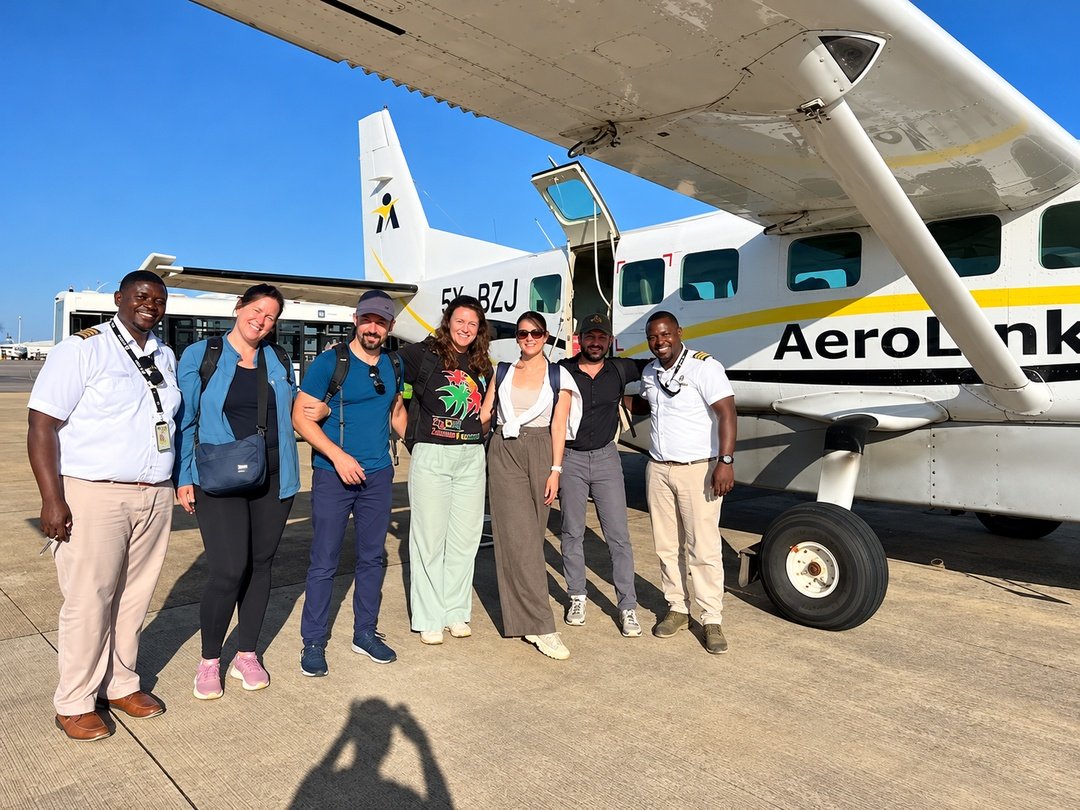
A fly-in version can reduce selected long-distance transfers for travellers who place a higher priority on convenience than overall price.
Domestic flights can serve the wider Bwindi region, with the appropriate airstrip depending on the confirmed trekking sector.
However, this particular itinerary still requires substantial road transportation.
Kibale and Queen Elizabeth need to be connected, game drives require a safari vehicle, and transfers between airstrips, lodges and trekking briefing points remain necessary.
For this reason, the most practical luxury version is usually a combination of road and air rather than attempting to make the complete itinerary fly-in.
Australian travellers interested in a fly-in arrangement should confirm the trekking sector first so that the domestic flight, airstrip and lodge can be coordinated correctly.
Private vs Group Joining 6-Day Primate and Wildlife Safari
The 6 Days Uganda Gorilla Trekking from Australia with Wildlife Safari can be organised as a private safari or through compatible group joining arrangements where suitable departures are available.
The right option depends largely on budget, flexibility and preferred travel style.
Private Safari
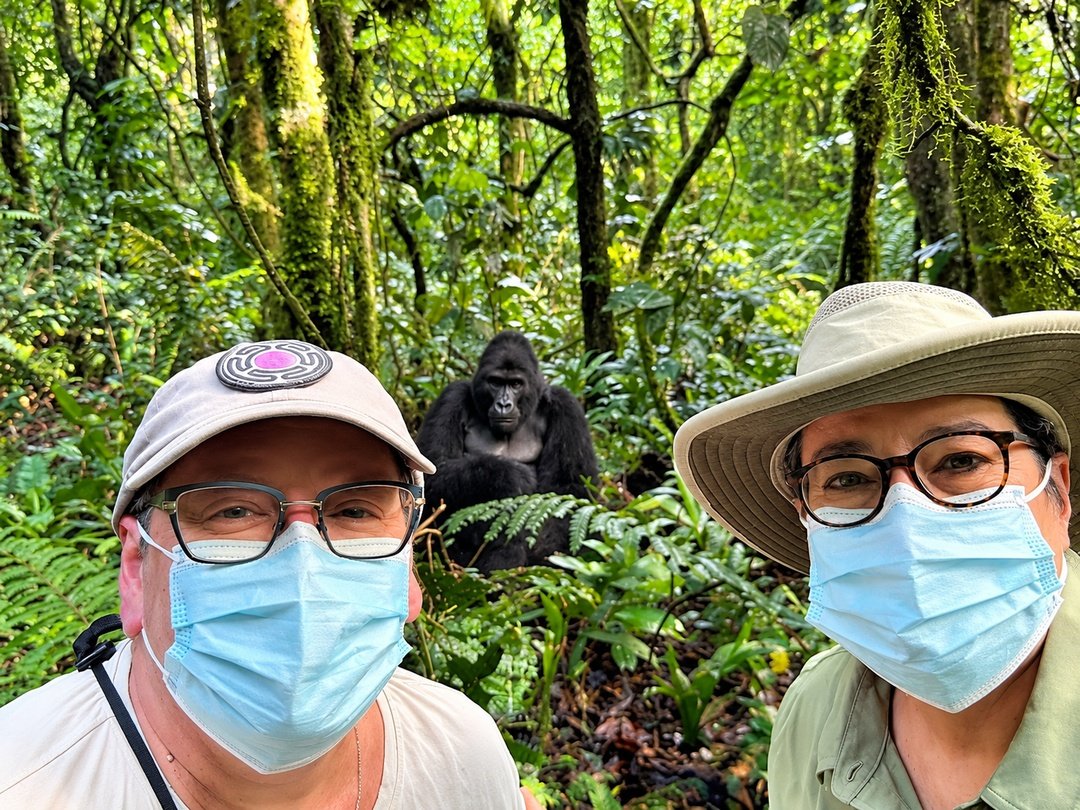
A private safari provides exclusive use of the safari vehicle and professional driver-guide.
This arrangement is particularly suitable for couples, families, honeymooners, photographers and travellers wanting greater flexibility.
Departure times, photography stops and selected road breaks can be adjusted according to the needs of the travelling party.
Private travel is also useful when carrying additional luggage or professional camera equipment because the vehicle does not need to be shared with unrelated travellers.
The itinerary can also be coordinated around specific lodge preferences and the confirmed gorilla and chimpanzee permits.
For Australian couples or groups of three or four travellers, dividing the vehicle expenses can make private travel surprisingly competitive on a per-person basis.
Group Joining Safari
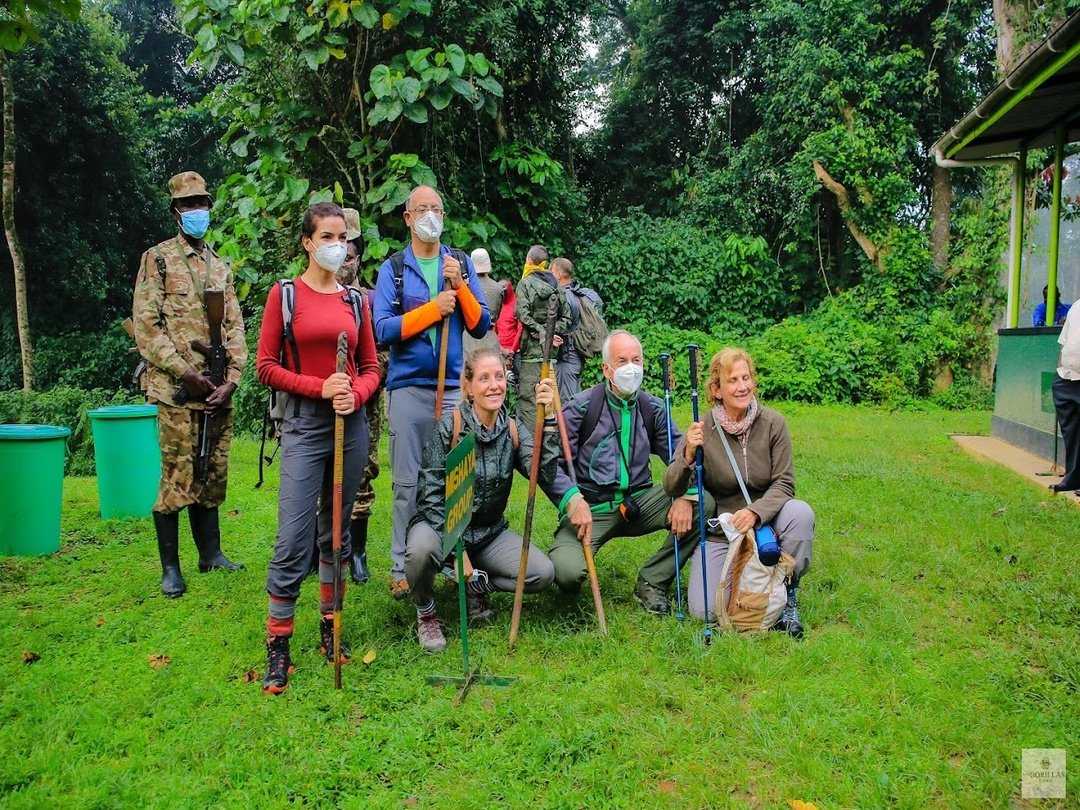
Group joining allows travellers with compatible dates and itineraries to share selected transportation.
This option is especially useful for solo Australian travellers because operating a private four-wheel-drive safari vehicle for one person can significantly increase the package cost.
Sharing transportation distributes vehicle, driver-guide and fuel expenses across several travellers.
Participants still complete the same major activities, including chimpanzee trekking in Kibale, game drives in Queen Elizabeth, the Kazinga Channel boat cruise and mountain gorilla trekking in Bwindi.
Group joining does not automatically mean sharing bedrooms.
A solo traveller can normally request a private room, although a single supplement may apply.
The main limitation is reduced flexibility because the group must follow agreed departure times, road stops and lodge arrangements.
Travellers considering shared transportation can read more about our best group joining safaris in Uganda.
How Much Does 6 Days Uganda Gorilla Trekking from Australia with Wildlife Safari Cost?
The cost of the 6 Days Uganda Gorilla Trekking from Australia with Wildlife Safari depends on several factors rather than one fixed safari rate.
The most important factors include the number of travellers, travel dates, accommodation category, permit tariffs, whether the safari is private or shared and whether domestic flights are incorporated.
Primate Permit Costs
The gorilla and chimpanzee permits form a significant part of the safari budget.
Unlike accommodation or vehicle costs, which can often be shared or adjusted according to the preferred category, permits are generally charged individually for each traveller participating in the activity.
The applicable Uganda Wildlife Authority tariff should therefore be confirmed for the actual travel date.
Accommodation Costs
The itinerary includes five nights of accommodation.
Travellers can choose budget, midrange or luxury lodges around Kibale, Queen Elizabeth National Park and Bwindi.
Accommodation category can substantially affect the final package price.
Budget lodges focus on practical comfort, while midrange properties generally offer stronger room facilities, dining and locations.
Luxury lodges can significantly increase the package cost but may provide premium rooms, exceptional settings, personalised service and additional amenities.
Safari Vehicle and Fuel
Transportation is another major cost.
The safari requires a reliable vehicle for the journey from Entebbe or Kampala to Kibale, onward travel to Queen Elizabeth, game drives, the Bwindi transfer and the return journey.
Private vehicle expenses are divided among the number of travellers using the vehicle.
This means a solo traveller normally pays more per person than a couple or group of four using the same vehicle.
Queen Elizabeth National Park Activities
The wildlife section also contributes to the final cost.
The package may include park entrance fees, scheduled game drives and the Kazinga Channel boat cruise.
These costs should be clearly identified in the final quotation so travellers know exactly which wildlife experiences are covered.
Private vs Group Joining Price
Private safaris generally cost more for solo travellers because the entire vehicle expense is carried by one person.
For couples or small groups, the difference can become smaller because vehicle costs are divided among several participants.
Group joining is generally the most economical option for solo travellers where compatible departures are available.
Road vs Fly-In Price
A fully road-based itinerary is usually the more economical option.
Adding domestic flights increases the cost because travellers still require road transfers and safari vehicle services even after paying for the flights.
Fly-in arrangements should therefore be viewed primarily as a convenience upgrade rather than a budget-saving option.
Estimated Cost of 6 Days Uganda Gorilla Trekking from Australia with Wildlife Safari Per Person
| Safari Style | Estimated Price Per Person |
|---|---|
| Budget Group Joining Safari | Approx. USD 1,850–2,300 |
| Budget Private Safari – 2 Travellers | Approx. USD 2,100–2,600 |
| Midrange Private Safari – 2 Travellers | Approx. USD 2,500–3,100 |
| Midrange Private Safari – 3 to 4 Travellers | Approx. USD 2,200–2,800 |
| Luxury Private Safari | Approx. USD 3,400–4,800+ |
| Luxury Fly-In Safari | Approx. USD 4,000–5,500+ |
These figures should be treated as planning ranges rather than fixed quotations.
Actual prices vary according to lodge availability, room configuration, travel dates, applicable Uganda Wildlife Authority tariffs, fuel costs, domestic flights and the exact activities included.
Travellers should request a personalised quotation based on their actual dates and number of participants rather than assuming the highest or lowest figure in the table will automatically apply.
For a broader explanation of safari expenses, travellers can read our guide to the price of gorilla trekking safaris in Uganda.
Australian travellers who are still comparing itinerary styles can also return to our main Uganda Gorilla Trekking from Australia page.
For a personalised price based on your preferred dates, number of travellers and accommodation level, contact Pieland Gorilla Safaris.
Budget 6 Days Uganda Gorilla Trekking from Australia with Wildlife Safari
The budget option focuses spending on the experiences that matter most while using practical accommodation and road transportation to keep the overall safari cost manageable.
Travellers still enjoy the same core highlights of the itinerary, including chimpanzee trekking in Kibale National Park, wildlife viewing in Queen Elizabeth National Park, the Kazinga Channel boat cruise and mountain gorilla trekking in Bwindi Impenetrable National Park.
Budget accommodation normally consists of simple but comfortable lodges or guesthouses located within reasonable driving distance of the main activity areas. Rooms are generally private, with basic en-suite facilities and meals included according to the confirmed package.
The main savings usually come from choosing practical accommodation, travelling by road and sharing selected transport costs where group joining arrangements are available.
The quality of the main experiences does not change because the chimpanzee and gorilla trekking activities remain the same regulated experiences regardless of whether the traveller stays in a budget or luxury lodge.
This option works particularly well for solo travellers, students, younger travellers and Australians who want to prioritise the major wildlife and primate activities rather than premium accommodation.
Midrange 6 Days Uganda Gorilla Trekking from Australia with Wildlife Safari
A midrange safari offers a strong balance between comfort, location and overall price.
Travellers normally stay in comfortable lodges with private en-suite rooms, good meals, reliable service and convenient access to the national parks and trekking areas.
Around Kibale, Queen Elizabeth National Park and Bwindi, midrange lodges often provide attractive natural settings without reaching the much higher price levels of premium luxury properties.
This category also works well with private road transportation, allowing travellers to enjoy more flexibility during transfers, photography stops and game drives.
For many Australian visitors, the midrange option provides the best overall balance because the safari remains comfortable while still keeping a substantial part of the budget focused on the chimpanzee permit, gorilla permit and wildlife activities.
It is particularly suitable for couples, friends travelling together, first-time Uganda visitors and travellers who want a well-organised safari without unnecessary luxury costs.
Luxury 6 Days Uganda Gorilla Trekking from Australia with Wildlife Safari
The luxury version is designed for travellers who want greater comfort, privacy and personalised service throughout the safari.
Luxury accommodation can be arranged near Kibale, Queen Elizabeth National Park and Bwindi, with properties offering higher-end rooms, refined dining, scenic locations and more personalised lodge service.
Private safari transportation is normally used throughout the journey, giving travellers more control over departure times, photography stops, road breaks and daily scheduling.
Selected domestic flights can also be incorporated where they genuinely improve the route, although road transfers remain necessary between some destinations and activity points.
In Bwindi, the luxury lodge should still be selected according to the confirmed gorilla trekking sector so that travellers remain close to the correct briefing point.
This category is especially suitable for honeymooners, photographers, anniversary travellers and visitors who place a high value on privacy, comfort and a more exclusive safari experience.
Even in the luxury category, the main focus remains the same: chimpanzees in Kibale, wildlife in Queen Elizabeth National Park and mountain gorillas in Bwindi. The difference is the level of accommodation, transportation and personalised service surrounding those experiences.
What to Pack for 6 Days Uganda Gorilla Trekking from Australia with Wildlife Safari
Pack for both forest trekking and wildlife viewing. Essential items include sturdy hiking boots, long trousers, long-sleeved shirts, a lightweight rain jacket, gloves, insect repellent, sunscreen, a hat, sunglasses and a comfortable daypack.
Travellers should also carry personal medication, camera equipment, extra batteries, binoculars, a reusable water bottle and waterproof protection for electronics. A light sweater is useful for cooler mornings, especially around Bwindi.
Because rain can occur at any time in Uganda’s forest regions, waterproof clothing and suitable footwear are recommended throughout the year.
What Is the Best Time for 6 Days Uganda Gorilla Trekking from Australia with Wildlife Safari?
The safari can operate throughout the year.
June to September
June through September is popular because conditions are often comparatively drier.
These months can be attractive for forest trekking and wildlife viewing.
They also work well for Australians combining Uganda with Kenya or Tanzania.
December to February
December through February is another popular period.
These months coincide with Australian summer holidays and can be convenient for travellers using annual leave.
March to May
March through May generally brings wetter conditions.
Forest trails may become muddier, but chimpanzee and gorilla trekking continue.
October and November
October and November can also receive substantial rainfall.
However, November is now one of UWA’s designated low-season months for discounted gorilla and chimpanzee permit rates under the 2026 tariff changes.
Is Six Days Enough for Chimpanzees, Wildlife and Gorillas in Uganda?
Yes.
Six days is enough when the route concentrates on Kibale, Queen Elizabeth National Park and Bwindi.
Day 1 reaches Kibale, Day 2 covers chimpanzee trekking, Day 3 travels to Queen Elizabeth for the boat cruise and evening game drive, Day 4 includes the morning game drive and transfer to Bwindi, Day 5 provides the gorilla trek and Day 6 returns to Kampala or Entebbe.
Travellers wanting Lake Bunyonyi, Murchison Falls, additional gorilla treks or a slower schedule should extend the itinerary.
Who Should Book the 6 Days Uganda Gorilla Trekking from Australia with Wildlife Safari?
This safari works particularly well for:
- First-time Uganda visitors
- Australian couples
- Solo Australian travellers
- Honeymooners
- Primate enthusiasts
- Wildlife enthusiasts
- Photographers
- Families with eligible trekking participants
- Travellers with limited safari time
- Visitors combining Uganda with Rwanda
- Visitors combining Uganda with Kenya
- Visitors combining Uganda with Tanzania
- Travellers wanting chimpanzees, wildlife and gorillas in one trip
Why Book Your 6 Days Uganda Gorilla Trekking from Australia with Wildlife Safari With Pieland Gorilla Safaris?
Combining three national parks requires careful coordination.
The chimpanzee permit, gorilla permit, Bwindi sector, Queen Elizabeth activities, accommodation and transport all need to fit within the same six-day route.
Pieland Gorilla Safaris can arrange the itinerary according to the traveller’s dates, group size, preferred accommodation and transport style.
Australian visitors can also use our complete Uganda Gorilla Trekking from Australia guide when planning their wider journey.
Ready to Book Your 6 Days Uganda Gorilla Trekking from Australia with Wildlife Safari?
Send us your preferred travel dates, number of travellers and desired accommodation category.
We can coordinate chimpanzee permits, the gorilla trekking permit, Queen Elizabeth activities, accommodation and safari transportation into one complete itinerary.
Whether you prefer budget, midrange, luxury, private or selected group joining travel, the itinerary can be adjusted according to availability.
Frequently Asked Questions About 6 Days Uganda Gorilla Trekking from Australia with Wildlife Safari
Is six days enough for chimpanzee trekking, wildlife and gorilla trekking?
Yes. Six days is enough when the safari concentrates on Kibale National Park, Queen Elizabeth National Park and Bwindi Impenetrable National Park.
The route is carefully arranged so that each major destination receives adequate time without unnecessary backtracking. Day 1 is used to reach Kibale, Day 2 is dedicated to chimpanzee trekking, Day 3 combines the transfer to Queen Elizabeth with the Equator experience, Kazinga Channel boat cruise and an evening game drive, Day 4 includes a morning game drive followed by the journey to Bwindi, Day 5 is reserved for mountain gorilla trekking, and Day 6 returns towards Kampala or Entebbe.
Travellers who want additional destinations such as Lake Bunyonyi, Murchison Falls National Park or another gorilla trek should consider extending the safari.
Where does the 6 Days Uganda Gorilla Trekking from Australia with Wildlife Safari begin?
The safari normally begins in Entebbe or Kampala, depending on where the traveller spends the previous night.
Entebbe is usually the most convenient starting point for Australian visitors because international flights arrive through Entebbe International Airport. Spending the first night in Entebbe can also provide valuable rest after the long international journey from Australia.
The driver-guide can collect travellers from an Entebbe hotel, Kampala hotel or another agreed location before beginning the journey towards western Uganda.
Where does chimpanzee trekking take place?
Chimpanzee trekking takes place in Kibale Forest National Park, one of Uganda’s most important primate destinations.
The experience involves entering the forest with professional ranger guides to search for a habituated chimpanzee community. Chimpanzees are active, vocal and highly mobile, so the trek may involve following them through different areas of the forest.
Visitors may observe chimpanzees feeding, grooming, climbing, resting and communicating with members of their community. Travellers wanting additional preparation information can read our guide to chimpanzee tracking in Uganda.
How long does chimpanzee trekking take on the 6 Days Uganda Gorilla Trekking from Australia with Wildlife Safari?
The total chimpanzee trekking experience can take several hours, depending on the location and movement of the chimpanzees, forest conditions and the pace of the trekking group.
The trek begins after a ranger briefing and continues until the habituated community is located. Once the chimpanzees are found, visitors normally receive a regulated observation period under the supervision of ranger guides.
Travellers should therefore allow most of the morning for the activity rather than expecting a fixed return time.
What is the chimpanzee trekking permit price?
The chimpanzee trekking permit price depends on the Uganda Wildlife Authority tariff applicable to the traveller’s actual trekking date.
Permit rates can change, and selected months may occasionally have different tariff arrangements. Australian travellers should therefore confirm the applicable rate before making final payment.
The permit should be secured before accommodation and the final route are fully confirmed because the trekking date forms an important part of the safari schedule.
Where does the wildlife safari take place?
The principal wildlife component takes place in Queen Elizabeth National Park.
Travellers enjoy both land-based and water-based wildlife experiences. The itinerary includes an evening game drive, a morning game drive and an afternoon Kazinga Channel boat cruise.
This combination provides more variety than relying on a single game drive because wildlife can be observed across savannah landscapes and around the water.
What animals can travellers see during the 6 Days Uganda Gorilla Trekking from Australia with Wildlife Safari?
Travellers may encounter elephants, buffaloes, Uganda kobs, waterbucks, warthogs, hippos, crocodiles and numerous bird species during the wildlife portion of the safari.
Lions and leopards also occur in Queen Elizabeth National Park, although sightings cannot be guaranteed because all animals move naturally through their habitat.
Different activities provide different opportunities. Hippos and water-associated birds are particularly prominent around the Kazinga Channel, while savannah game drives provide better opportunities for terrestrial wildlife.
What is the Equator experience?
The Equator experience is a short stop where travellers can take photographs and enjoy the experience of standing around the imaginary line separating the Northern and Southern Hemispheres.
It provides an enjoyable break during the road journey from Kibale towards Queen Elizabeth National Park.
The stop is mainly a sightseeing and photography experience and should not be confused with one of the main wildlife activities of the safari.
What is the Kazinga Channel?
The Kazinga Channel is a natural waterway connecting Lake George and Lake Edward inside Queen Elizabeth National Park.
It is one of the park’s most important wildlife areas because animals frequently gather along the channel banks to drink, cool themselves and feed.
A boat cruise provides opportunities to see hippos, buffaloes, elephants, crocodiles and a wide variety of birdlife from the water.
Is the Kazinga Channel boat cruise included in the 6 Days Uganda Gorilla Trekking from Australia with Wildlife Safari?
The boat cruise can be included as one of the scheduled activities when it is clearly listed in the confirmed safari quotation.
Because the itinerary is specifically designed around the Kazinga Channel experience on Day 3, travellers should check that the cruise is listed among the inclusions before making final payment.
The confirmed quotation should also state the park activities, accommodation, meals, transportation and permit arrangements.
Is an evening game drive included on Day 3?
Yes. The planned itinerary includes an evening game drive after the Kazinga Channel boat cruise.
The exact timing depends on the arrival time from Kibale, the boat departure schedule and park conditions. The late afternoon can be particularly enjoyable because temperatures begin to cool and some wildlife becomes more active.
The evening drive complements the boat cruise by returning travellers to savannah wildlife viewing from the safari vehicle.
Is there another game drive on Day 4?
Yes. Day 4 begins with a morning game drive in Queen Elizabeth National Park before the journey continues towards Bwindi.
This gives travellers a second opportunity to search for animals that may not have been seen during the previous evening.
Morning conditions are often favourable for wildlife viewing because temperatures are cooler and many animals may still be active.
Can travellers see lions on the 6 Days Uganda Gorilla Trekking from Australia with Wildlife Safari?
Yes, lions occur in Queen Elizabeth National Park and may be seen during the scheduled game drives.
However, lion sightings cannot be guaranteed. Their location changes naturally from day to day, and successful sightings depend on wildlife movement, weather and the areas explored.
The driver-guide will use local knowledge and current conditions to select suitable wildlife-viewing areas.
Can travellers see tree-climbing lions?
There is a possibility of seeing tree-climbing lions if the transfer towards Bwindi uses the Ishasha region of Queen Elizabeth National Park.
Whether Ishasha fits naturally into the route depends on the confirmed Bwindi trekking sector.
Tree-climbing lion sightings remain unpredictable, so this should be considered a possible bonus rather than a guaranteed part of the itinerary.
Where does gorilla trekking take place?
Mountain gorilla trekking takes place in Bwindi Impenetrable National Park in southwestern Uganda.
Bwindi contains several separate gorilla trekking areas. The confirmed permit determines which area visitors use and where they should stay the night before trekking.
This coordination is important because the park’s different sectors are geographically separated.
What are the main Bwindi trekking sectors on the 6 Days Uganda Gorilla Trekking from Australia with Wildlife Safari?
The principal Bwindi trekking sectors are Buhoma, Ruhija, Rushaga and Nkuringo.
Each sector has its own trekking briefing point, accommodation choices and access routes.
Travellers should therefore avoid choosing a lodge before the gorilla trekking sector has been confirmed. Correctly matching the permit and lodge prevents unnecessarily long early morning transfers on the trekking day.
Which Bwindi sector is best for this itinerary?
There is no single sector that is automatically best for every traveller.
The most suitable sector depends on permit availability, lodge preferences and the route used from Queen Elizabeth National Park.
The goal should be to select a sector that fits smoothly into the overall itinerary rather than choosing an area solely because it is well known.
Can Rushaga be used?
Yes. Rushaga can be used if the confirmed gorilla permit is for southern Bwindi.
Travellers using this sector should stay near Rushaga or another suitable nearby area to make the trekking morning convenient.
More information is available in our guide to Rushaga gorilla trekking and gorilla habituation.
How much is the gorilla permit for the 6 Days Uganda Gorilla Trekking from Australia with Wildlife Safari?
The cost of the gorilla permit depends on the Uganda Wildlife Authority tariff applicable to the traveller’s actual trekking date.
Because permit tariffs can be revised, travellers should always confirm the current amount before paying for the safari.
The permit is one of the most important components of the package because it determines both the trekking date and the Bwindi sector.
How long does gorilla trekking take?
The total trekking experience can vary considerably.
Some groups may locate their assigned gorilla family relatively quickly, while others may spend several hours walking through the forest.
The duration depends on the gorillas’ location, terrain, weather and the pace of the group. Travellers should therefore treat the activity as a full morning or potentially longer experience.
How long do visitors spend with the gorillas?
Standard gorilla trekking provides a regulated observation period once the assigned habituated family has been located.
During this time, visitors remain with ranger guides and observe the gorillas while following conservation rules.
The encounter may include adults feeding, juveniles playing, mothers caring for young gorillas and a silverback resting or monitoring the family.
Is gorilla trekking physically demanding on the 6 Days Uganda Gorilla Trekking from Australia with Wildlife Safari?
It can be physically demanding because Bwindi has steep slopes, uneven trails, thick vegetation and sections that can become muddy after rainfall.
The actual difficulty varies from one trekking group to another because the location of the gorilla family changes.
Travellers should wear suitable hiking footwear, carry rain protection and prepare for several hours of walking.
Can travellers hire a porter?
Yes. Hiring a porter is recommended for many travellers.
A porter can carry drinking water, camera equipment, rainwear and other personal items, allowing the traveller to concentrate on the trek.
Porters can also provide valuable physical support when crossing steep or slippery sections of forest.
Is this safari suitable for solo travellers?
Yes. Solo Australian travellers can complete the safari privately or join compatible shared departures where available.
Private travel gives the traveller their own vehicle and driver-guide, while group joining can reduce transportation expenses.
Solo travellers can still request a private bedroom even if some transport is shared.
Can solo travellers join a group on the 6 Days Uganda Gorilla Trekking from Australia with Wildlife Safari?
Yes, where suitable group departures match the traveller’s dates and route.
Group joining can make the safari more economical by allowing several visitors to share vehicle and fuel expenses.
Travellers considering this arrangement can explore our best group joining safaris in Uganda.
Do solo travellers have to share rooms?
No. Sharing transportation does not automatically mean sharing accommodation.
A solo traveller can normally request a private room while travelling with other safari participants.
A single-room supplement may apply depending on the lodge and confirmed package.
Can couples book privately?
Yes. Couples can book the safari with exclusive use of a private safari vehicle and professional driver-guide.
Private travel gives couples more flexibility with road stops, photography, accommodation choices and daily timing.
It is particularly suitable for honeymooners or travellers who prefer a more personalised experience.
Is the 6 Days Uganda Gorilla Trekking from Australia with Wildlife Safari suitable for honeymooners?
Yes. The itinerary can work very well for honeymooners who want adventure, wildlife and primate encounters rather than a conventional holiday.
The safari can be upgraded with premium lodges, private transportation and more personalised services.
Couples can also combine the safari with additional destinations before or after the six-day programme.
Can families book the safari?
Yes, provided family members intending to participate in the primate activities meet the applicable trekking requirements.
Private transport is usually especially practical for families because road stops and daily timing can be adjusted more easily.
Families should confirm age requirements before purchasing chimpanzee or gorilla trekking permits.
Can older travellers complete the safari?
Yes, many older travellers can complete the itinerary successfully.
The main physical challenge is usually the forest trekking rather than the road transfers or game drives.
Good footwear, sensible preparation, porter assistance and choosing appropriate accommodation can significantly improve comfort.
Can the 6 Days Uganda Gorilla Trekking from Australia with Wildlife Safari be organised on a budget?
Yes. The safari can be organised using practical accommodation and road transportation while maintaining the main experiences.
The largest costs are generally the primate permits, park activities and safari vehicle.
Budget savings are usually achieved through lodge category, shared transportation and avoiding unnecessary upgrades rather than removing the core experiences.
Are midrange lodges available?
Yes. Kibale, Queen Elizabeth National Park and Bwindi all offer midrange accommodation.
These properties generally provide private rooms, en-suite facilities, meals and convenient access to the scheduled activities.
In Bwindi, location is particularly important because the lodge should correspond with the confirmed trekking sector.
Can the safari be organised as a luxury trip?
Yes. The itinerary can be upgraded with premium accommodation, private transportation and selected fly-in arrangements.
Luxury lodges are available around Kibale, Queen Elizabeth and Bwindi.
This option is especially suitable for honeymooners, photographers and visitors who place a high value on privacy and comfort.
Can Australians fly to Bwindi during the 6 Days Uganda Gorilla Trekking from Australia with Wildlife Safari?
Yes. Domestic flights can be incorporated into a customised version of the safari.
Kihihi generally serves northern Bwindi, while Kisoro is more suitable for southern trekking sectors.
Road transfers are still required between the airstrip, lodge and trekking briefing location.
Can the whole safari be completed by air?
No. Road transportation remains essential because Kibale, Queen Elizabeth and Bwindi need to be connected by land for much of the itinerary.
Domestic flights can reduce selected long-distance transfers, but they do not eliminate the need for a safari vehicle.
A partially fly-in safari is therefore best viewed as a combination of air and road travel.
Is road travel better for this itinerary?
For most travellers, road travel is the most practical way to complete the route.
The three destinations connect logically through western and southwestern Uganda, allowing travellers to see countryside and communities between the national parks.
Using one vehicle throughout the trip also provides continuity with the same driver-guide.
What should travellers pack for the 6 Days Uganda Gorilla Trekking from Australia with Wildlife Safari?
Travellers should pack sturdy hiking boots, long trousers, long-sleeved shirts, a lightweight waterproof jacket, gloves, sunscreen, insect repellent, a hat and a comfortable daypack.
Camera equipment and binoculars are useful because the itinerary combines primate trekking with savannah wildlife viewing.
A waterproof cover for cameras and electronics can also be valuable in Kibale and Bwindi.
Is rain common?
Yes. Rain can occur throughout the year, particularly in Kibale and Bwindi because both are tropical forest environments.
Even travellers visiting during relatively drier periods should carry lightweight rain protection.
Proper hiking footwear is also important because forest trails can become muddy and slippery.
What is the best time for the 6 Days Uganda Gorilla Trekking from Australia with Wildlife Safari?
The itinerary operates throughout the year.
June to September and December to February are often selected by travellers seeking comparatively drier trekking conditions.
However, weather should not be the only factor considered. Permit availability, international airfare, accommodation availability and the traveller’s wider East African plans are equally important.
Are there discounted permit months?
Permit tariffs occasionally include lower-season arrangements for selected months.
Travellers should confirm the exact Uganda Wildlife Authority tariff applicable to their travel dates before making payment.
If discounted rates are available for the confirmed month, they can reduce the overall cost of the two primate activities.
Can Australians travel during Christmas and New Year?
Yes. December and January work particularly well for many Australian travellers because they coincide with the Australian summer holiday period.
These dates can also attract increased international demand, so early planning is advisable.
Permits, suitable accommodation and safari transportation should ideally be organised well in advance.
Why should Australians choose the 6 Days Uganda Gorilla Trekking from Australia with Wildlife Safari?
The itinerary allows Australians travelling a long distance to Uganda to experience much more than a single gorilla trek.
Within six days, travellers encounter chimpanzees in Kibale, enjoy an Equator experience, cruise along the Kazinga Channel, complete two game drives in Queen Elizabeth National Park and trek mountain gorillas in Bwindi.
The combination creates a varied journey through tropical forest, savannah and mountainous rainforest without requiring an excessively long safari.
Why book the 6 Days Uganda Gorilla Trekking from Australia with Wildlife Safari with Pieland Gorilla Safaris?
Pieland Gorilla Safaris can coordinate the different elements of the journey as one complete itinerary.
This includes chimpanzee permit arrangements, the gorilla trekking permit, the correct Bwindi sector, accommodation, Queen Elizabeth activities, safari transportation and driver-guide services.
Correct coordination is particularly important because each destination has fixed activities and the Bwindi accommodation needs to correspond with the confirmed trekking sector.
Contact Pieland Gorilla Safaris with your preferred travel dates, number of travellers and accommodation category to begin planning your Uganda primate and wildlife safari.