
Ultimate Gorilla Trekking Guide in Uganda 2027–2030
Introduction to Ultimate Gorilla Trekking in Uganda
Gorilla Trekking in Uganda
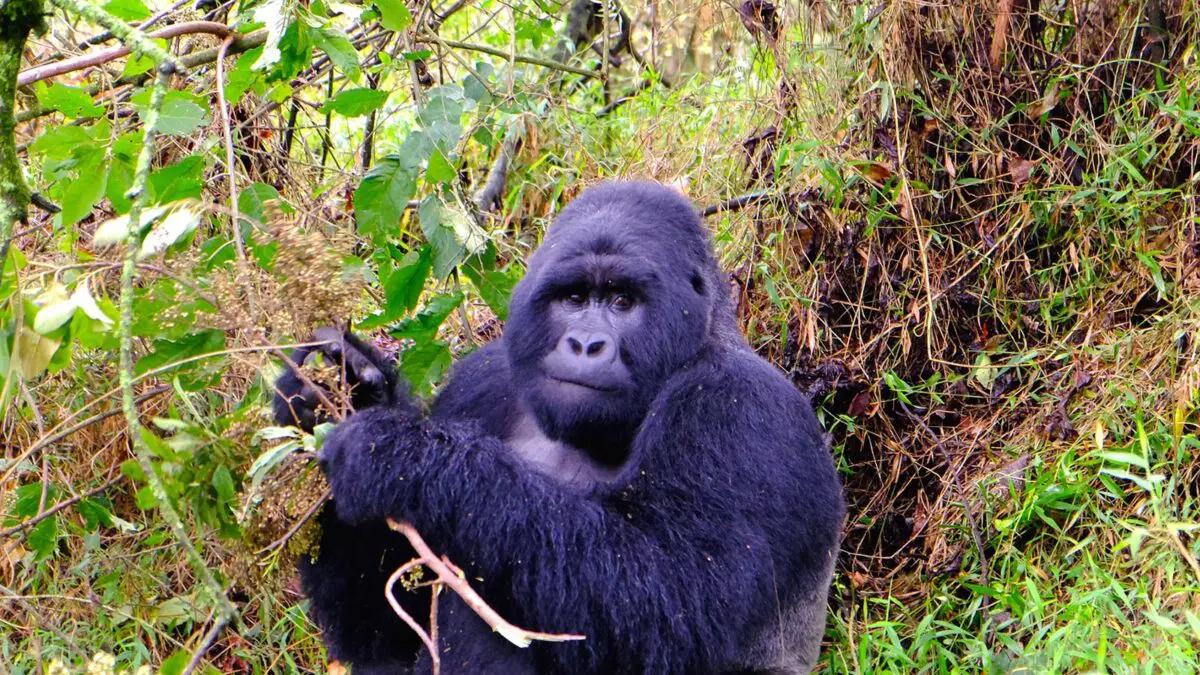
This Ultimate Gorilla Trekking Guide in Uganda takes you deep into the country’s ancient Bwindi rainforest, where mist rises above emerald mountains and rare mountain gorillas move quietly through dense tropical vegetation. Bwindi Impenetrable National Park offers one of Africa’s most extraordinary wildlife encounters, giving travelers the opportunity to trek through pristine rainforest and observe mountain gorillas in their natural habitat while surrounded by breathtaking scenery, rich biodiversity, and the unforgettable sounds of Uganda’s wilderness. Gorilla trekking in Uganda is one of the most extraordinary wildlife experiences in the world, offering travelers the rare opportunity to enter the ancient tropical forests of East Africa and encounter endangered mountain gorillas in their natural habitat. Unlike traditional wildlife safaris where animals are viewed from a vehicle, gorilla trekking is an immersive adventure that takes you deep into dense rainforest ecosystems, following experienced trackers through mist-covered mountains, bamboo forests, and untouched wilderness landscapes.
Uganda is home to almost half of the world’s remaining mountain gorilla population, making it one of the most important destinations for gorilla conservation and responsible wildlife tourism. The country’s two gorilla destinations, Bwindi Impenetrable National Park and Mgahinga Gorilla National Park, provide exceptional opportunities to observe these intelligent primates while supporting long-term conservation efforts and local communities.
Uganda Gorilla Trekking Quick Facts
| Information | Details |
|---|---|
| Destination | Uganda |
| Main Parks | Bwindi Impenetrable National Park & Mgahinga Gorilla National Park |
| Gorilla Species | Mountain Gorillas |
| Permit Cost | USD 800 |
| Trek Duration | 2–8 hours |
| Gorilla Encounter | Maximum 1 hour |
| Minimum Age | 15 years |
| Best Months | June–September & December–February |
| Main Airport | Entebbe International Airport |
The Ultimate Gorilla Trekking Guide in Uganda 2027–2030 is designed to help travelers understand every important aspect of planning a successful gorilla adventure, from choosing the best trekking destination and securing permits to selecting accommodation, preparing for forest conditions, and creating the perfect Uganda safari itinerary. Whether you are a first-time visitor, wildlife photographer, adventure traveler, or luxury safari enthusiast, Uganda offers a deeply rewarding gorilla experience that combines nature, culture, conservation, and unforgettable encounters.
A Uganda gorilla trekking adventure is more than just seeing gorillas. It is a journey into one of Africa’s most remarkable ecosystems, where towering trees, rare bird species, colorful butterflies, forest elephants, primates, and unique plant life create an extraordinary wilderness experience. The emotional connection created during a close encounter with a mountain gorilla family is often described as one of the most powerful wildlife moments a traveler can experience.
Between 2027 and 2030, Uganda is expected to remain one of Africa’s leading gorilla trekking destinations due to its successful conservation programs, diverse safari opportunities, improved tourism infrastructure, and commitment to protecting mountain gorilla habitats. Travelers planning their adventure during this period can expect authentic forest experiences combined with flexible safari options that connect gorilla trekking with Uganda’s famous wildlife destinations.
Why Uganda Remains the Ultimate Gorilla Trekking Destination in Africa
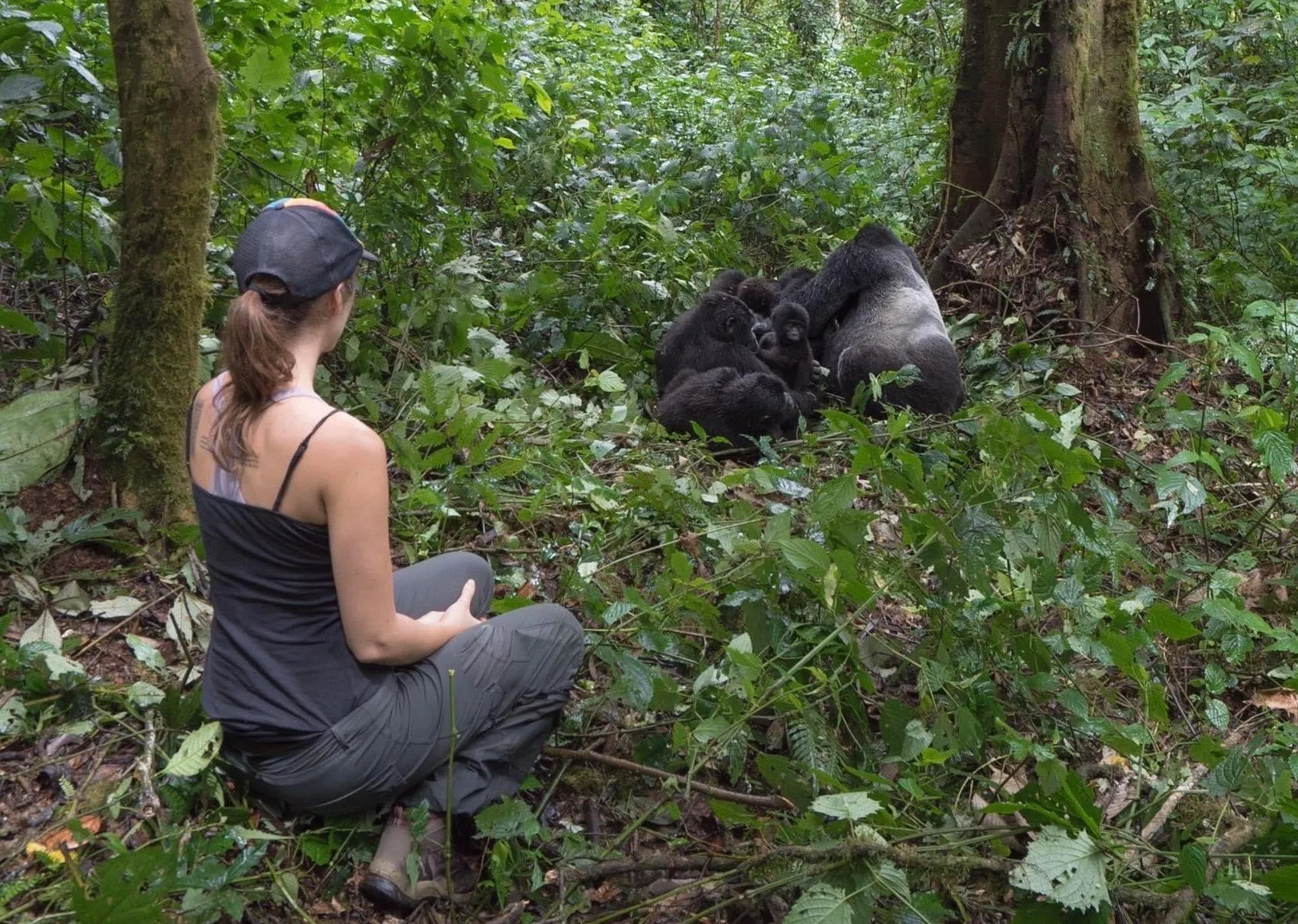
Uganda continues to stand out as the Ultimate Gorilla Trekking Guide in Uganda 2027–2030 destination because it offers one of the most authentic, affordable, and diverse mountain gorilla experiences in Africa. The country combines exceptional gorilla encounters with spectacular landscapes, rich biodiversity, welcoming communities, and opportunities to explore beyond the rainforest.
One of Uganda’s greatest advantages is its large population of habituated mountain gorillas available for trekking. The gorillas living within Bwindi Impenetrable National Park and Mgahinga Gorilla National Park have undergone careful habituation processes that allow visitors to spend a limited time observing them safely under the guidance of trained Uganda Wildlife Authority rangers and trackers.
Bwindi Impenetrable National Park is the main gorilla trekking destination in Uganda and is internationally recognized as one of the most important conservation areas in Africa. The ancient forest provides a natural sanctuary for numerous gorilla families spread across four main trekking sectors: Buhoma, Ruhija, Rushaga, and Nkuringo. Each sector offers a unique trekking experience, with different landscapes, gorilla families, accommodation options, and accessibility levels.
Beyond gorillas, Uganda offers a complete African safari experience. Travelers can combine gorilla trekking with chimpanzee encounters in Kibale Forest, wildlife viewing in Queen Elizabeth National Park, boat cruises along the Kazinga Channel, lion tracking experiences, rhino encounters at Ziwa Rhino Sanctuary, and scenic adventures around the Rwenzori Mountains and Lake Bunyonyi.
Another reason Uganda remains a preferred choice is the affordability of gorilla permits compared with neighboring destinations. While gorilla trekking requires careful planning and investment, Uganda generally provides better value by combining competitive permit prices with longer safari possibilities, diverse accommodation options, and opportunities to experience several national parks within one journey.
Uganda also offers a more intimate and less crowded gorilla trekking experience. Compared with some popular wildlife destinations, Uganda’s forest landscapes allow travelers to enjoy deeper connections with nature while exploring remote communities and culturally rich areas surrounding the gorilla habitats.
The country’s commitment to conservation has transformed gorilla tourism into a powerful tool for protecting endangered mountain gorillas. Revenue generated from gorilla permits contributes to conservation programs, ranger operations, habitat protection, and community development projects. By choosing Uganda, travelers directly support the survival of these incredible animals for future generations.
For visitors seeking an authentic African adventure, Uganda provides the perfect balance between wildlife discovery, cultural interaction, adventure, and responsible tourism. This combination makes the country the preferred choice for travelers searching for the Ultimate Gorilla Trekking Guide in Uganda 2027–2030 experience.
What Makes the Ultimate Gorilla Trekking Guide in Uganda 2027–2030 Essential for Travelers
Planning a gorilla trekking adventure requires careful preparation because the experience involves unique requirements, including permits, travel arrangements, accommodation selection, physical preparation, and understanding conservation regulations. The Ultimate Gorilla Trekking Guide in Uganda 2027–2030 provides travelers with the essential knowledge needed to create a smooth, safe, and unforgettable journey.
Unlike ordinary safari experiences, gorilla trekking takes place in challenging rainforest environments where conditions can change quickly. Travelers need to understand the trekking difficulty, expected weather conditions, appropriate clothing, health considerations, and essential equipment required for navigating Uganda’s forests. Proper preparation ensures visitors enjoy the experience while respecting the natural environment.
One of the most important reasons travelers need a comprehensive guide is understanding gorilla permit availability and booking procedures. Gorilla trekking permits are limited each day to minimize human impact on gorilla families and protect their health. During peak travel periods, permits can sell out months in advance, making early planning essential for travelers visiting between 2027 and 2030.
The guide also helps travelers choose the right gorilla trekking location based on their interests, fitness level, budget, and overall safari plans. Bwindi’s four sectors provide different experiences. Some travelers prefer the historic Buhoma sector with excellent tourism infrastructure, while others choose Rushaga for gorilla habituation opportunities or Nkuringo for dramatic mountain scenery.
Accommodation selection is another important part of planning a successful gorilla safari. Uganda offers everything from luxury forest lodges overlooking breathtaking landscapes to comfortable mid-range properties and budget-friendly guesthouses. Understanding the best lodges near each trekking sector allows travelers to maximize comfort and reduce unnecessary travel time before their trekking adventure.
The Ultimate Gorilla Trekking Guide in Uganda 2027–2030 is also valuable because it explains how to combine gorilla trekking with other Ugandan adventures. Many travelers choose multi-day itineraries that include chimpanzee tracking, Big Five wildlife safaris, cultural experiences, and relaxation at scenic destinations such as Lake Bunyonyi or Queen Elizabeth National Park.
Responsible travel is another essential element covered in this guide. Gorilla trekking is built around conservation principles that protect both gorillas and visitors. Understanding trekking rules, maintaining safe distances, following ranger instructions, and respecting local communities ensures that tourism continues benefiting Uganda’s wildlife and people.
For international travelers, the guide provides clarity on logistics such as airport transfers, visa requirements, transportation options, safari costs, and the best times to visit. With proper planning, visitors can avoid common mistakes and focus entirely on enjoying one of the world’s most memorable wildlife encounters.
The Ultimate Gorilla Trekking Guide in Uganda 2027–2030 serves as a complete resource for anyone dreaming of standing in the heart of Uganda’s ancient forests and experiencing the unforgettable moment of meeting a mountain gorilla family face-to-face. It combines practical travel information with expert insights to help travelers create a meaningful, conservation-focused, and life-changing gorilla safari experience.
Gorilla Trekking in Uganda at a Glance
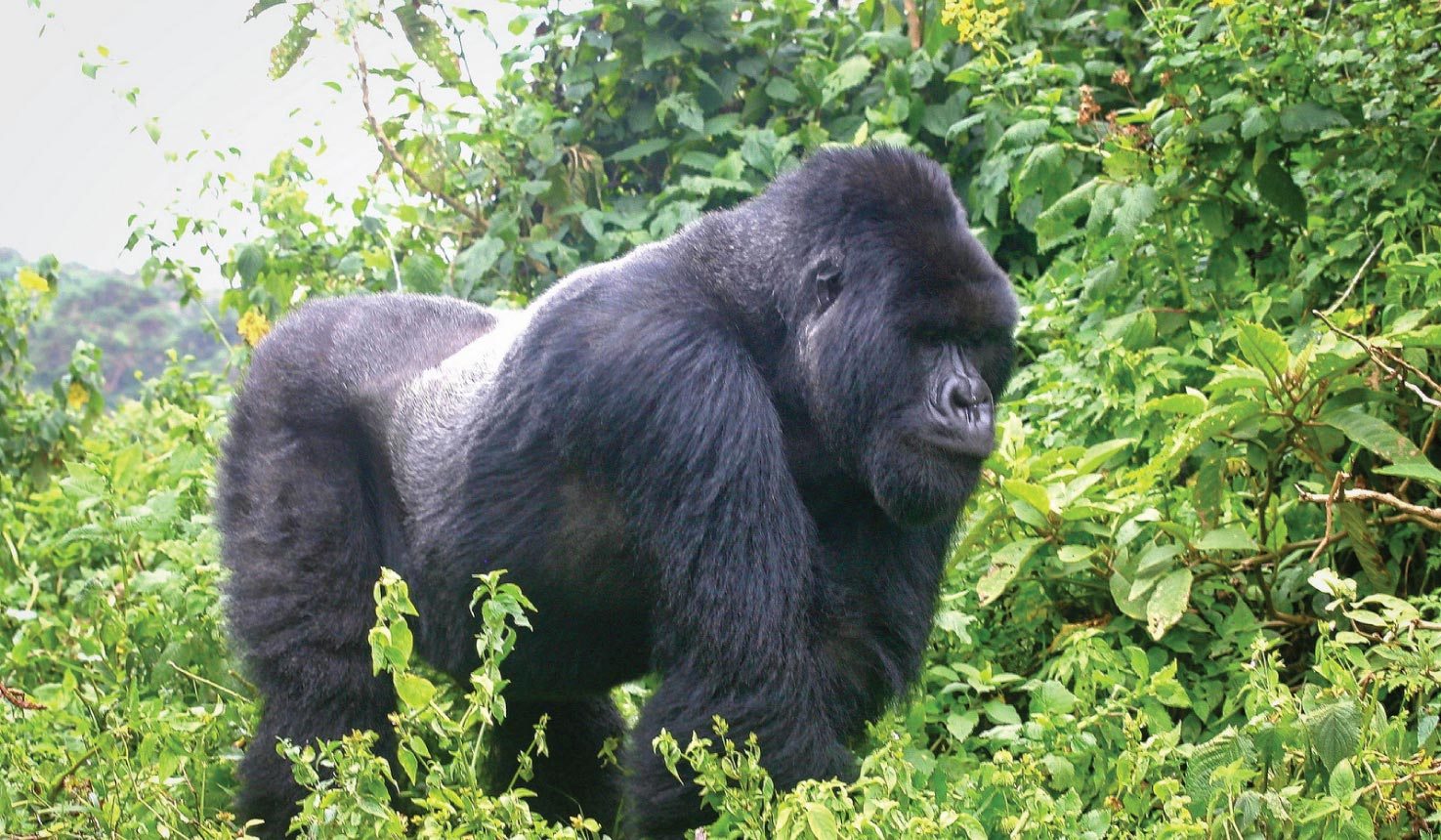
Gorilla trekking in Uganda is one of Africa’s most remarkable wildlife adventures, offering travelers the rare privilege of walking through ancient rainforest landscapes in search of endangered mountain gorillas. Located in the southwestern part of the country, Uganda provides some of the most authentic and rewarding gorilla encounters in the world, combining incredible wildlife experiences with conservation, culture, and breathtaking natural scenery.
The Ultimate Gorilla Trekking Guide in Uganda 2027–2030 highlights Uganda as a premier destination for travelers seeking meaningful encounters with mountain gorillas while exploring some of Africa’s most biologically diverse forests. Uganda’s gorilla trekking experience takes place mainly in two protected areas: Bwindi Impenetrable National Park and Mgahinga Gorilla National Park, both forming part of the larger Albertine Rift ecosystem.
Unlike conventional safari experiences where wildlife is viewed from a vehicle, gorilla trekking involves hiking through dense tropical forests alongside experienced trackers and Uganda Wildlife Authority rangers. The journey can range from a short forest walk to several hours of trekking depending on the location of the gorilla family on that particular day. Every trek is unique because mountain gorillas roam freely within their natural environment.
Uganda’s mountain gorilla trekking experience allows visitors to spend a magical hour observing a habituated gorilla family as they feed, play, rest, and interact with one another. Watching a powerful silverback protect his family, observing mothers caring for infants, and seeing young gorillas display playful behavior creates a deeply emotional connection between humans and wildlife.
The country offers different trekking experiences suitable for various types of travelers. Adventure seekers can explore challenging forest trails in search of remote gorilla groups, while travelers looking for more comfortable experiences can choose trekking sectors with easier accessibility and nearby luxury lodges. Uganda also offers the exclusive gorilla habituation experience, allowing visitors more time with semi-habituated gorillas while participating in a conservation-focused research process.
A major advantage of choosing Uganda is the opportunity to combine gorilla trekking with a complete East African safari. Visitors can explore chimpanzees in Kibale Forest, search for lions and elephants in Queen Elizabeth National Park, enjoy boat cruises on the Kazinga Channel, discover waterfalls and savannah landscapes, or experience Uganda’s rich cultural heritage.
The period from 2027 to 2030 presents exciting opportunities for travelers planning a gorilla adventure. With continued conservation success, improved tourism services, and growing interest in responsible travel, Uganda remains one of the best destinations for an unforgettable primate safari experience.
Mountain Gorillas in Uganda: Conservation, Population and Habitats
Mountain gorillas are among the world’s most endangered great apes and represent one of Africa’s greatest conservation success stories. Uganda plays a vital role in protecting these extraordinary animals, hosting a significant percentage of the remaining global mountain gorilla population within protected forests located along the borders of Uganda, Rwanda, and the Democratic Republic of Congo.
The Ultimate Gorilla Trekking Guide in Uganda 2027–2030 recognizes mountain gorilla conservation as the foundation of Uganda’s successful gorilla tourism industry. Through decades of dedicated conservation efforts, partnerships between government agencies, conservation organizations, local communities, and international researchers have helped increase mountain gorilla numbers and improve their survival prospects.
Uganda’s mountain gorillas mainly inhabit two protected areas: Bwindi Impenetrable National Park and Mgahinga Gorilla National Park. Bwindi is home to the larger population of Uganda’s mountain gorillas, with numerous habituated gorilla families available for trekking across its four tourism sectors. Mgahinga forms part of the wider Virunga Massif ecosystem and protects gorillas living among the dramatic volcanic mountains shared with Rwanda and the Democratic Republic of Congo.
Mountain gorillas survive in high-altitude forest environments characterized by thick vegetation, mist-covered hills, bamboo zones, and mountainous terrain. Bwindi’s ancient rainforest provides an ideal habitat with abundant plant species that form the main diet of gorillas. These forests are among the oldest ecosystems in Africa, creating a unique environment where wildlife has evolved over thousands of years.
Conservation of mountain gorillas involves strict protection measures designed to maintain their health and preserve their natural behavior. Gorilla families open for tourism undergo a careful habituation process where trained trackers gradually introduce gorillas to human presence over several years. This allows visitors to observe them without causing significant disturbance.
Gorilla tourism has become a powerful conservation tool in Uganda. Revenue from gorilla permits supports forest protection, ranger patrols, veterinary monitoring, and community development programs around protected areas. Tourism also provides employment opportunities for local guides, trackers, drivers, lodge staff, and community members, creating incentives for protecting gorilla habitats.
The success of Uganda’s gorilla conservation demonstrates how responsible tourism can contribute to wildlife protection. Every traveler participating in gorilla trekking directly contributes to safeguarding one of the planet’s most fascinating species.
Where to Go Gorilla Trekking in Uganda
Uganda offers two exceptional destinations for mountain gorilla trekking, each providing a unique forest experience. Choosing the right destination depends on factors such as travel plans, preferred scenery, accommodation choices, trekking difficulty, and additional safari interests.
The two main locations featured in the Ultimate Gorilla Trekking Guide in Uganda 2027–2030 are Bwindi Impenetrable National Park and Mgahinga Gorilla National Park. Both destinations offer unforgettable encounters with mountain gorillas while providing opportunities to explore some of Uganda’s most spectacular landscapes.
Bwindi Impenetrable National Park
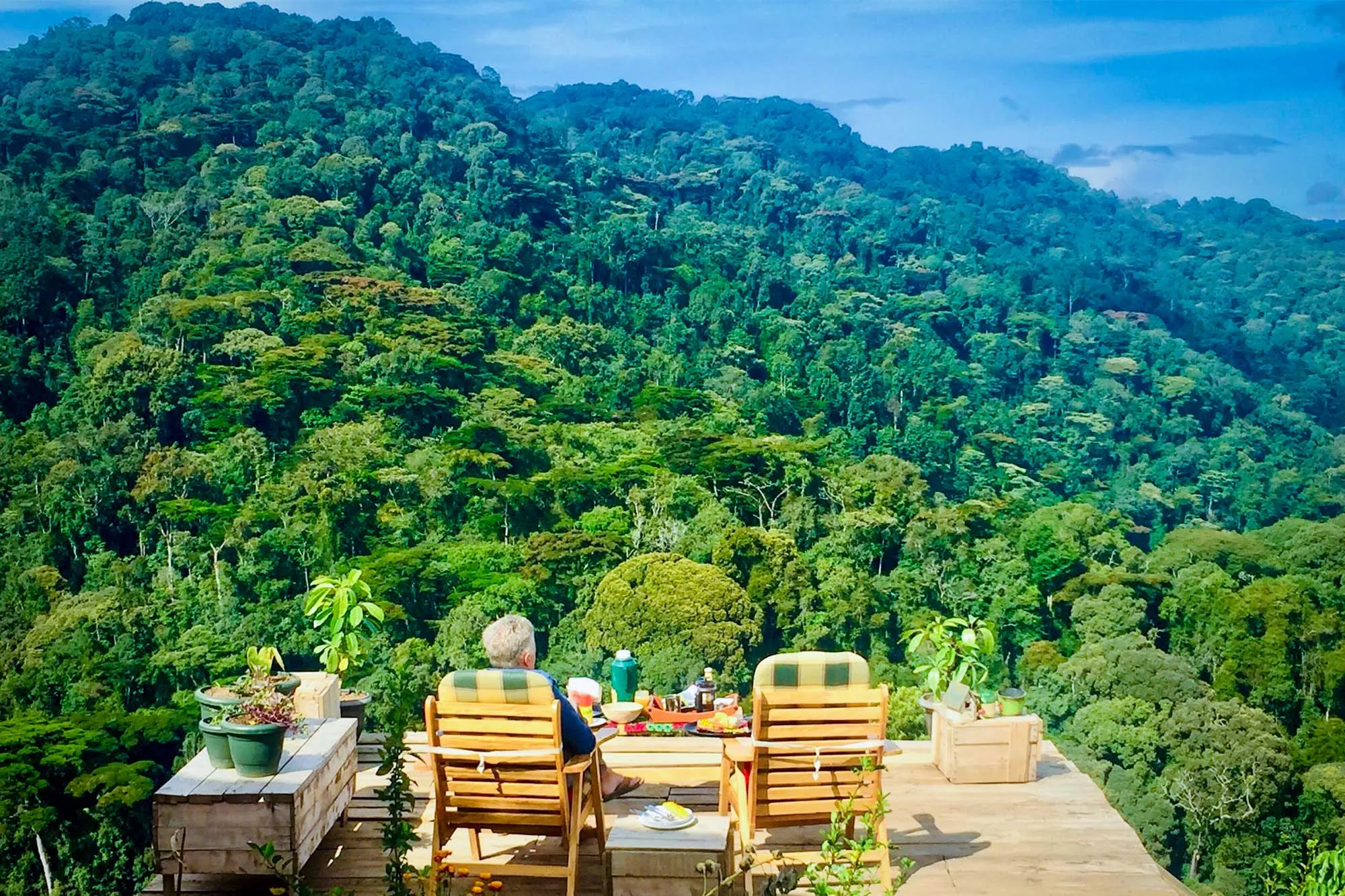
Bwindi Impenetrable National Park is Uganda’s most famous gorilla trekking destination and one of Africa’s most important conservation areas. Recognized as a UNESCO World Heritage Site, this ancient rainforest covers dramatic mountainous terrain in southwestern Uganda and provides a protected home for a large population of mountain gorillas.
The park’s name comes from its dense vegetation, which creates a truly wild and untouched atmosphere. The forest contains towering trees, thick undergrowth, waterfalls, streams, and diverse wildlife, making every trekking experience feel like an exploration into a hidden world.
Bwindi offers the greatest variety of gorilla trekking experiences in Uganda because it is divided into four main trekking sectors: Buhoma, Ruhija, Rushaga, and Nkuringo. Each sector provides access to different habituated gorilla families and offers unique landscapes and accommodation options.
The Buhoma sector, located in the northern part of Bwindi, is the historic birthplace of gorilla tourism in Uganda. It offers excellent infrastructure, beautiful forest trails, and easy connections to other safari destinations. Travelers choosing Buhoma enjoy a combination of rainforest exploration, cultural experiences, and comfortable lodge options.
The Ruhija sector is located on the eastern side of Bwindi and is known for its peaceful atmosphere, scenic mountain views, and excellent gorilla trekking opportunities. It is a preferred choice for travelers seeking a quieter forest experience surrounded by nature.
The Rushaga sector, located in southern Bwindi, is especially popular because it offers both standard gorilla trekking and the unique gorilla habituation experience. Visitors interested in spending more time learning about gorilla behavior often choose Rushaga because of its conservation-focused experiences.
The Nkuringo sector offers some of the most dramatic scenery in Bwindi, with spectacular views of forest-covered mountains and nearby volcanic landscapes. Although some trails can be challenging, many travelers consider Nkuringo one of the most rewarding trekking areas in Uganda.
Bwindi is not only about gorillas. Visitors can enjoy bird watching, nature walks, waterfall hikes, Batwa cultural experiences, and interactions with communities surrounding the forest. Its combination of wildlife, scenery, and culture makes it a highlight of any Uganda safari.
Mgahinga Gorilla National Park
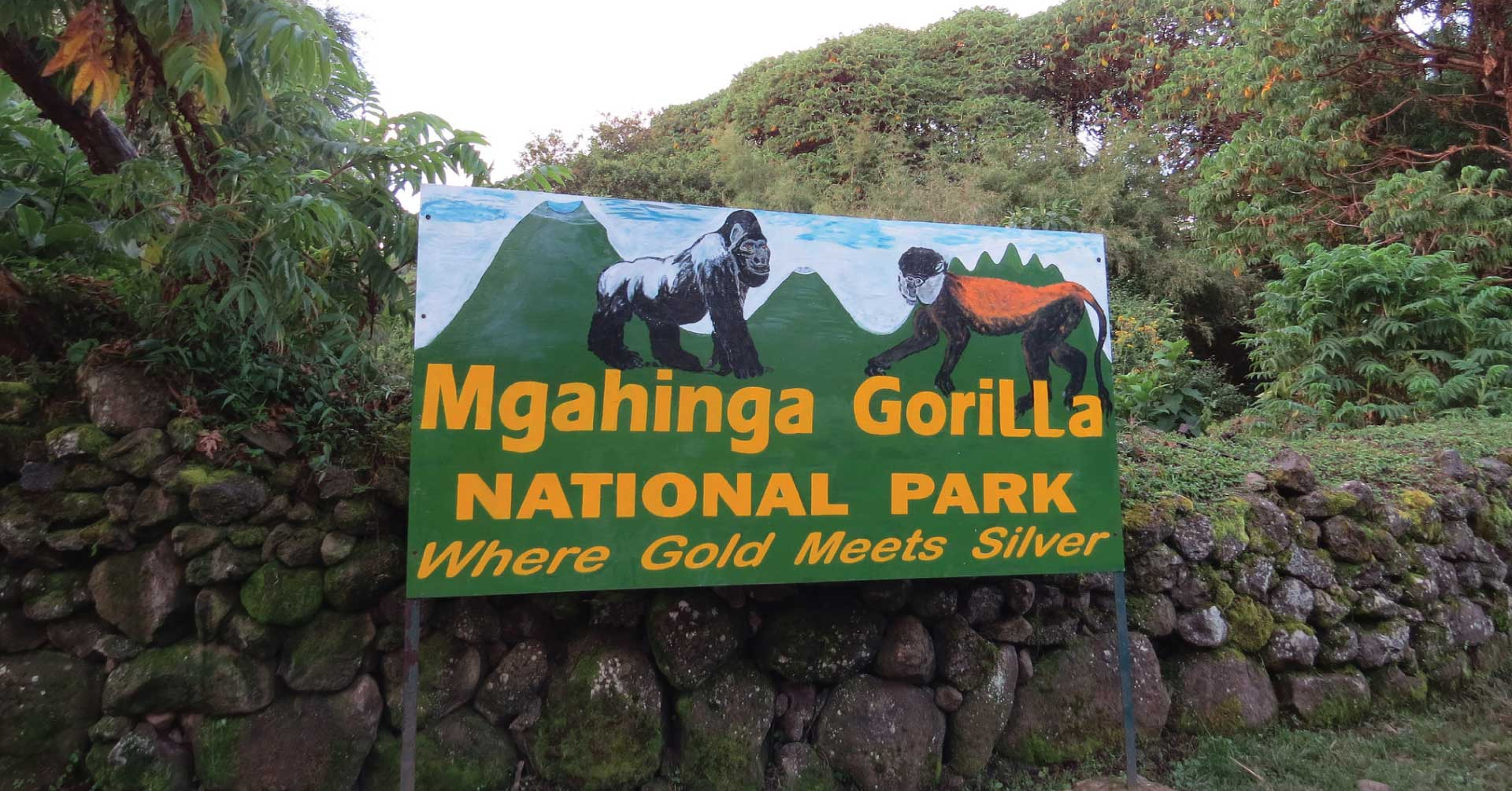
Mgahinga Gorilla National Park is Uganda’s smallest national park but offers one of the most spectacular gorilla trekking environments in Africa. Located within the Virunga Mountains, the park protects a section of the larger Virunga conservation area shared by Uganda, Rwanda, and the Democratic Republic of Congo.
The park is famous for its dramatic volcanic landscape, including three extinct volcanoes: Mount Gahinga, Mount Sabinyo, and Mount Muhabura. These towering peaks create a stunning backdrop for gorilla trekking and provide some of the most scenic landscapes in Uganda.
The Ultimate Gorilla Trekking Guide in Uganda 2027–2030 highlights Mgahinga as an excellent choice for travelers seeking a more intimate and adventurous gorilla experience. The park usually has fewer visitors compared with Bwindi, creating a quieter atmosphere where travelers can enjoy the beauty of the forest without large crowds.
Mgahinga is home to the Nyakagezi gorilla family, one of Uganda’s most famous gorilla groups. This family is known for its interesting social dynamics and movement patterns within the Virunga ecosystem. Trekking here provides an opportunity to explore a beautiful volcanic forest while searching for these incredible primates.
Beyond gorilla trekking, Mgahinga offers additional wildlife experiences, including golden monkey tracking, volcano hiking, bird watching, and cultural encounters with the Batwa people. The combination of mountain scenery, primates, and cultural experiences makes Mgahinga a unique destination.
Its location near the border with Rwanda also makes Mgahinga convenient for travelers combining Uganda and Rwanda safaris. Visitors arriving through Kigali can often reach the park within a shorter driving distance compared with traveling from Entebbe or Kampala.
For travelers seeking breathtaking scenery, fewer crowds, and a truly adventurous rainforest experience, Mgahinga Gorilla National Park remains one of the most rewarding destinations included in the Ultimate Gorilla Trekking Guide in Uganda 2027–2030.
Gorilla Trekking Sectors in Bwindi Impenetrable National Park
Bwindi Impenetrable National Park is Uganda’s most celebrated mountain gorilla trekking destination and one of the most important conservation areas in Africa. Because of its vast size, mountainous landscape, and scattered gorilla populations, the park is divided into four main gorilla trekking sectors: Buhoma, Rushaga, Ruhija, and Nkuringo. Each sector offers a unique gorilla trekking experience, with different gorilla families, landscapes, accommodation options, accessibility levels, and surrounding attractions.
The Ultimate Gorilla Trekking Guide in Uganda 2027–2030 recognizes that choosing the right Bwindi sector is one of the most important decisions when planning a successful gorilla safari. While all four sectors provide unforgettable encounters with mountain gorillas, each area has its own character and is suited to different types of travelers. Some visitors prefer the historic charm and easy accessibility of Buhoma, others choose Rushaga for gorilla habituation experiences, Ruhija for peaceful forest adventures, or Nkuringo for dramatic mountain scenery and exclusive trekking experiences.
Bwindi’s sectors were created to manage gorilla tourism sustainably, reduce pressure on individual gorilla families, and provide visitors with high-quality wildlife experiences. Each sector has dedicated ranger teams, trackers, and tourism facilities that ensure responsible encounters while protecting the health and natural behavior of mountain gorillas.
Buhoma Sector
Buhoma Sector is the birthplace of gorilla tourism in Uganda and remains one of the most famous and accessible gorilla trekking areas in Bwindi Impenetrable National Park. Located in the northern part of the park, Buhoma was the first area where mountain gorillas were opened for tourism in 1993, making it a historic destination for travelers seeking an authentic Uganda gorilla experience.
The sector is surrounded by the magnificent ancient rainforest of Bwindi, where narrow forest trails wind through towering trees, thick vegetation, and mist-covered hills. The atmosphere in Buhoma is truly wild and immersive, allowing visitors to experience the feeling of entering one of Africa’s last remaining primeval forests.
Buhoma is home to several habituated gorilla families that visitors can track under the guidance of experienced Uganda Wildlife Authority rangers. Some of the well-known gorilla groups associated with the sector include the Mubare, Habinyanja, and Rushegura families. Each gorilla family has its own unique social structure, history, and personality, creating different experiences for travelers.
The trekking experience in Buhoma varies depending on where the gorilla family spends the night before the trek. Some groups may be found relatively close to the park headquarters, while others require longer hikes through challenging forest terrain. The unpredictability of the forest makes every trek an exciting adventure.
One of the greatest advantages of Buhoma is its excellent tourism infrastructure. The sector has a wide range of accommodation options, from luxury forest lodges to comfortable mid-range properties and budget guesthouses. This makes it ideal for travelers seeking convenience, comfort, and easy access to trekking activities.
Buhoma also offers additional experiences beyond gorilla trekking. Visitors can enjoy the famous Buhoma–Nkuringo walking trail, which crosses through Bwindi’s forest landscapes and connects northern and southern sectors of the park. Nature walks, bird watching, waterfall visits, and Batwa cultural experiences provide excellent opportunities to explore the region further.
The sector’s location also allows easy combination with other Uganda safari destinations. Travelers can connect Buhoma with Queen Elizabeth National Park, especially Ishasha sector, where tree-climbing lions may be encountered, creating a perfect combination of gorilla trekking and wildlife safari.
For travelers searching for a classic and well-established gorilla trekking experience, Buhoma remains one of the strongest choices in the Ultimate Gorilla Trekking Guide in Uganda 2027–2030.
Rushaga Sector
Rushaga Sector is located in the southern part of Bwindi Impenetrable National Park and has become one of Uganda’s most popular gorilla trekking destinations. Known for its large number of habituated gorilla families and exclusive gorilla habituation experiences, Rushaga provides some of the most diverse gorilla encounters in Uganda.
The sector is particularly famous because it offers the opportunity to participate in the gorilla habituation experience, a unique adventure where visitors spend more time with semi-habituated gorilla families alongside researchers, trackers, and conservation experts. Unlike normal gorilla trekking, where visitors spend approximately one hour with a fully habituated gorilla family, the habituation experience allows several hours of observation and learning about gorilla behavior.
Rushaga’s landscape is spectacular, featuring rolling hills, forest-covered valleys, agricultural communities, and breathtaking views of the surrounding countryside. The journey through the sector provides travelers with a deeper connection to Uganda’s rural landscapes and local communities.
The sector hosts several famous gorilla families, including the Nshongi, Mishaya, Busingye, Bweza, Kahungye, and Bikingi groups. These families offer different trekking possibilities, and ranger guides carefully assign visitors based on fitness levels, preferences, and daily gorilla locations.
Rushaga is often considered one of the best sectors for travelers seeking flexibility because of the number of gorilla groups available. The higher number of habituated families increases the chances of obtaining trekking permits, especially during busy travel periods when other sectors may have limited availability.
Accommodation options around Rushaga range from luxury eco-lodges overlooking the forest to comfortable safari lodges and budget-friendly camps. Many properties emphasize nature, sustainability, and community connections, allowing travelers to enjoy peaceful stays surrounded by Uganda’s beautiful landscapes.
The sector is also conveniently positioned for travelers entering Uganda through Rwanda. Visitors arriving at Kigali International Airport can reach Rushaga by road in approximately a few hours, making it an excellent choice for shorter gorilla safari itineraries.
Beyond gorilla trekking, Rushaga offers cultural experiences with local communities, Batwa encounters, scenic viewpoints, forest walks, and opportunities to learn about conservation initiatives. The area provides a more remote and intimate feeling compared with some of Uganda’s more established tourism areas.
For travelers seeking extended gorilla encounters, conservation-focused experiences, and excellent permit availability, Rushaga is one of the most important destinations featured in the Ultimate Gorilla Trekking Guide in Uganda 2027–2030.
Ruhija Sector
Ruhija Sector is located in the eastern part of Bwindi Impenetrable National Park and is widely regarded as one of the most peaceful and scenic gorilla trekking areas in Uganda. Positioned between Buhoma and Kabale, Ruhija offers a quieter alternative for travelers who want to experience mountain gorillas away from larger tourist concentrations.
The sector is surrounded by beautiful high-altitude forest landscapes, offering breathtaking views of misty hills, deep valleys, and untouched wilderness. The remote atmosphere of Ruhija creates a strong sense of adventure, making visitors feel connected to the natural environment from the moment they enter the forest.
Ruhija is home to several habituated gorilla families, including the Bitukura, Oruzogo, Kyaguriro, and Mukiza groups. Each family provides a unique trekking experience, with knowledgeable trackers sharing information about their history, social relationships, and conservation importance.
One of the highlights of Ruhija is the opportunity to encounter gorillas in a less crowded environment. Because the sector receives fewer visitors compared with some other areas, travelers often appreciate the peaceful atmosphere and more intimate connection with the forest.
The trekking terrain in Ruhija can range from moderate to challenging because of Bwindi’s mountainous landscape. Visitors should be prepared for forest hiking, uneven trails, and changing weather conditions. However, the effort is rewarded with unforgettable moments observing gorillas surrounded by the beauty of the ancient rainforest.
Ruhija is also one of Uganda’s best birding destinations. The surrounding forest supports numerous Albertine Rift endemic bird species, making it especially attractive for travelers interested in combining gorilla trekking with bird watching.
Accommodation around Ruhija includes eco-friendly lodges, forest camps, and comfortable guesthouses designed to blend with the surrounding environment. Many properties provide excellent views of the forest and create peaceful settings for relaxation before and after trekking.
The sector’s location allows travelers to combine gorilla trekking with visits to Queen Elizabeth National Park, Lake Bunyonyi, and other southwestern Uganda attractions. Its accessibility from both Kabale and Kigali makes it a flexible option for different safari routes.
For travelers seeking tranquility, beautiful scenery, excellent wildlife encounters, and a genuine forest adventure, Ruhija offers one of the finest experiences within the Ultimate Gorilla Trekking Guide in Uganda 2027–2030.
Nkuringo Sector
Nkuringo Sector is located in the southern part of Bwindi Impenetrable National Park and is famous for offering some of the most spectacular scenery and challenging gorilla trekking experiences in Uganda. Situated on the southern edge of Bwindi, Nkuringo overlooks stunning landscapes with views toward the Virunga Volcanoes, creating one of the most dramatic settings for gorilla trekking in Africa.
The sector was opened for gorilla tourism in 2004 and has become a favorite among adventurous travelers seeking exclusive experiences. Nkuringo is known for its mountainous terrain, steep forest trails, and rewarding trekking conditions that provide a true wilderness adventure.
The famous Nkuringo gorilla family was the first group opened for tourism in this sector. Today, the area is associated with several habituated gorilla families, including Nkuringo, Bushaho, and Christmas groups. These gorillas provide incredible opportunities to observe complex social behaviors within the forest environment.
Nkuringo trekking can be physically demanding because of the steep slopes and rugged terrain surrounding the sector. However, many travelers consider the challenge part of the adventure. The sense of achievement after hiking through the forest and finally encountering a gorilla family in the wild makes the experience exceptionally memorable.
One of Nkuringo’s greatest attractions is its scenery. The sector offers breathtaking views of the Virunga Mountains, forest-covered valleys, and surrounding communities. Sunrise and sunset views from Nkuringo’s hills are among the most beautiful experiences available in Uganda.
The sector has developed a reputation for luxury and boutique safari experiences. Accommodation options include high-end lodges, charming eco-retreats, and comfortable forest properties designed for travelers seeking privacy and exceptional service.
Nkuringo also provides excellent opportunities for cultural tourism and community experiences. Visitors can participate in village walks, traditional performances, and interactions with local communities that demonstrate the relationship between conservation and rural livelihoods.
The sector’s connection with Rushaga through the Nkuringo–Rushaga trail allows adventurous travelers to explore different parts of Bwindi on foot. This makes Nkuringo especially attractive for travelers seeking deeper exploration beyond standard gorilla trekking.
For adventurous travelers who value dramatic landscapes, challenging hikes, and exclusive wildlife experiences, Nkuringo represents one of the most rewarding choices in the Ultimate Gorilla Trekking Guide in Uganda 2027–2030.
Best Gorilla Families to Track in Uganda
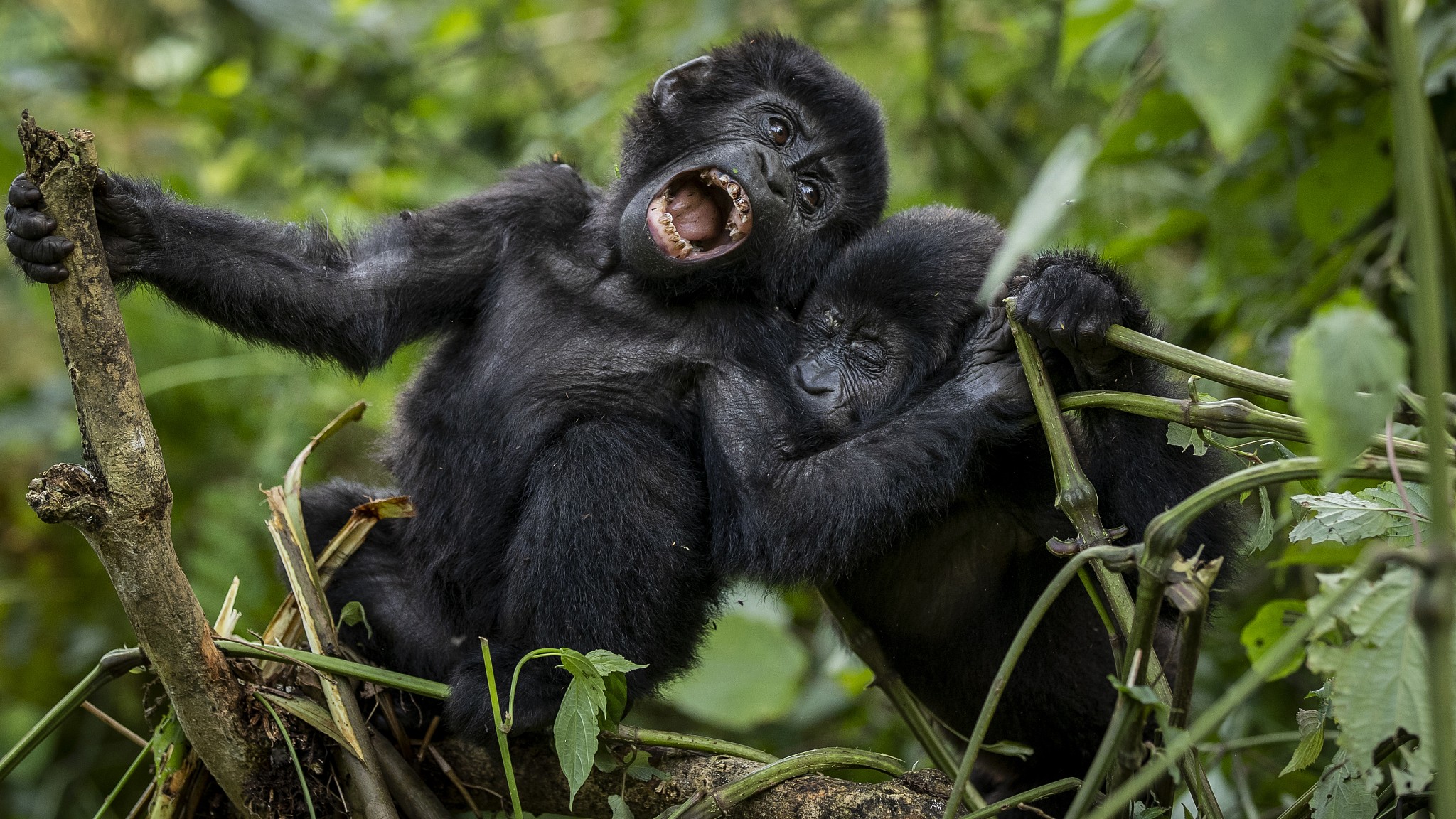
Uganda is one of the world’s most important mountain gorilla destinations, protecting almost half of the remaining population of endangered mountain gorillas within the forests of Bwindi Impenetrable National Park and Mgahinga Gorilla National Park. The country offers some of the most diverse gorilla trekking experiences in Africa, with numerous habituated gorilla families available for visitors across Bwindi’s four trekking sectors: Buhoma, Ruhija, Rushaga, and Nkuringo.
Every gorilla family in Uganda has a unique identity shaped by its history, dominant silverback, family size, location, and social behavior. Some groups are famous because they were among the first families opened for tourism, while others are known for their playful juveniles, research importance, large numbers, or spectacular trekking locations.
The Ultimate Gorilla Trekking Guide in Uganda 2027–2030 emphasizes that there is no single “best” gorilla family because each encounter is unpredictable and special. Gorilla families constantly change through births, deaths, silverback leadership changes, and natural splitting of groups. Uganda Wildlife Authority guides assign trekking groups to available families based on factors such as gorilla location, visitor fitness levels, conservation considerations, and trekking conditions on the day.
Below is a complete guide to the major habituated gorilla families in Uganda, including families available for trekking and those important for research or habituation programs.
Summary Table of Gorilla Families in Uganda
| Gorilla Family | Location / Sector | Status | Main Highlights |
|---|---|---|---|
| Mubare | Buhoma Sector, Bwindi | Trekking Family | Uganda’s first habituated gorilla family and historic group |
| Habinyanja | Buhoma Sector, Bwindi | Trekking Family | Famous for large social structure and interesting history |
| Rushegura | Buhoma Sector, Bwindi | Trekking Family | Calm and peaceful family, suitable for relaxed trekking |
| Katwe | Buhoma Sector, Bwindi | Trekking Family | Newer habituated family offering intimate encounters |
| Bitukura | Ruhija Sector, Bwindi | Trekking Family | Known for peaceful interactions and multiple generations |
| Oruzogo | Ruhija Sector, Bwindi | Trekking Family | Famous for playful juveniles and active behavior |
| Kyaguriro | Ruhija Sector, Bwindi | Research/Trekking Family | Important for scientific studies and conservation research |
| Mukiza | Ruhija Sector, Bwindi | Trekking Family | Formed after splitting from Kyaguriro |
| Nkuringo | Nkuringo Sector, Bwindi | Trekking Family | Iconic family with dramatic mountain trekking scenery |
| Bushaho | Nkuringo Sector, Bwindi | Trekking Family | Descendant group from Nkuringo family |
| Christmas | Nkuringo Sector, Bwindi | Trekking Family | Named after famous silverback Christmas |
| Bikingi | Rushaga Sector, Bwindi | Trekking/Habituation Family | Associated with habituation experiences |
| Bweza | Rushaga Sector, Bwindi | Trekking Family | Split from Nshongi family |
| Nshongi | Rushaga Sector, Bwindi | Trekking Family | Historically one of Uganda’s largest groups |
| Mishaya | Rushaga Sector, Bwindi | Trekking Family | Founded after splitting from Nshongi |
| Kahungye | Rushaga Sector, Bwindi | Trekking Family | Known for multiple silverbacks |
| Busingye | Rushaga Sector, Bwindi | Trekking Family | Split from Kahungye group |
| Mucunguzi | Rushaga Sector, Bwindi | Trekking Family | Formed by a former solitary silverback |
| Rwiigi | Rushaga Sector, Bwindi | Trekking Family | One of Rushaga’s newer groups |
| Nyakagezi | Mgahinga National Park | Trekking Family | Only habituated gorilla family in Mgahinga |
| Posho | Nkuringo Sector, Bwindi | Habituation Family | Emerging habituation group |
Mubare Gorilla Family – Buhoma Sector
The Mubare Gorilla Family is one of the most historically significant gorilla groups in Uganda because it was the first mountain gorilla family opened for tourism in Bwindi Impenetrable National Park. The group was habituated in the early years of Uganda’s gorilla tourism program and officially became available for visitors in 1993.
Named after Mubare Hills near Buhoma, this family represents the beginning of Uganda’s successful gorilla conservation tourism story. The group has experienced many natural changes over the years, including leadership transitions and changes in family members.
Mubare is often considered one of the more accessible gorilla families in Buhoma, although trekking conditions always depend on where the gorillas move within the forest. Visitors commonly enjoy observing feeding behavior, grooming, communication between members, and the protective role of the silverback.
For travelers interested in the history of gorilla tourism, Mubare offers one of the most meaningful encounters in Uganda.
Habinyanja Gorilla Family – Buhoma Sector
The Habinyanja Gorilla Family is one of the most famous gorilla groups in Uganda. Located in the Buhoma sector, the family was named after a swampy area where it was first discovered. The name Habinyanja comes from the local word associated with a place containing water.
Habinyanja is famous for its complex social history and large family structure. Over the years, the group experienced leadership changes and eventually produced other independent families, including the Rushegura group.
Tracking Habinyanja offers excellent opportunities to observe natural gorilla interactions, including relationships between silverbacks, adult females, juveniles, and infants.
The family is ideal for travelers who want to experience a historically important gorilla group while exploring the beautiful northern section of Bwindi.
Rushegura Gorilla Family – Buhoma Sector
The Rushegura Gorilla Family is one of the most popular groups in Buhoma because of its calm behavior and fascinating history. It was formed after a split from the Habinyanja family, creating an independent group with its own social organization.
Rushegura is often described as one of the more peaceful gorilla families in Bwindi. The group is known for relaxed interactions, making it rewarding for visitors interested in photography and observing everyday gorilla activities.
Travelers tracking Rushegura may witness silverbacks maintaining family order, young gorillas playing, mothers caring for infants, and members feeding together in the forest.
Katwe Gorilla Family – Buhoma Sector
The Katwe Gorilla Family is among the newer habituated gorilla groups in the Buhoma area. It provides visitors with an opportunity to experience a less frequently visited family while exploring the northern section of Bwindi.
Like all mountain gorilla groups, Katwe continues to develop naturally through births, social changes, and leadership patterns. The family offers a more intimate encounter for travelers seeking a quieter trekking experience.
Bitukura Gorilla Family – Ruhija Sector
The Bitukura Gorilla Family is one of the best-known groups in Ruhija. The family gained attention because of its peaceful nature and interesting relationships among different age groups.
Bitukura provides excellent opportunities to observe gorilla social behavior because the group contains multiple generations living together. Visitors often enjoy seeing young gorillas learning behaviors from adults and interacting playfully.
The Ruhija forest environment adds to the experience, offering beautiful scenery and fewer crowds compared with some other trekking locations.
Oruzogo Gorilla Family – Ruhija Sector
The Oruzogo Gorilla Family is one of Uganda’s most exciting gorilla groups, especially for travelers who enjoy watching active and playful gorillas.
This family is famous for its energetic juveniles and infants, which often create memorable moments through climbing, playing, and interacting with other members.
For wildlife photographers, Oruzogo is one of the most rewarding groups because of its dynamic behavior and expressive individuals.
Kyaguriro Gorilla Family – Ruhija Sector
The Kyaguriro Gorilla Family is one of Uganda’s most important groups from a scientific perspective. Unlike many families primarily established for tourism, Kyaguriro has played a major role in mountain gorilla research and conservation studies.
Researchers have used the family to better understand gorilla behavior, social relationships, and conservation challenges.
Today, Kyaguriro provides a unique experience because visitors encounter a group with an important scientific history.
Mukiza Gorilla Family – Ruhija Sector
The Mukiza Gorilla Family was formed after a split from the Kyaguriro group. The family is named after its dominant silverback Mukiza.
The group offers visitors another excellent opportunity to explore Ruhija’s beautiful forests while observing a developing gorilla family.
Mukiza represents the natural process of gorilla groups dividing and forming new social units as populations grow.
Nkuringo Gorilla Family – Nkuringo Sector
The Nkuringo Gorilla Family is one of Uganda’s most iconic gorilla groups. Located in the scenic Nkuringo sector, this family provides one of the most dramatic trekking experiences in Bwindi.
The trek to find Nkuringo gorillas is often challenging because of steep terrain and mountainous landscapes, but the reward is an unforgettable encounter surrounded by breathtaking scenery.
The family is famous for its history, strong silverback leadership, and the spectacular environment surrounding southern Bwindi.
Bushaho Gorilla Family – Nkuringo Sector
The Bushaho Gorilla Family originated from members that separated from the Nkuringo group. It provides travelers with a unique opportunity to observe a newer gorilla family developing its own identity.
Bushaho trekking combines beautiful scenery, fewer crowds, and excellent wildlife viewing opportunities.
Christmas Gorilla Family – Nkuringo Sector
The Christmas Gorilla Family is named after the famous silverback Christmas, who played an important role in leading the group.
The family offers visitors a memorable trekking experience within one of Bwindi’s most scenic areas.
Nkuringo’s dramatic landscapes, combined with the family’s interesting history, make this one of the most rewarding trekking options.
Rushaga Gorilla Families
The Rushaga sector has one of the highest concentrations of habituated gorilla families in Uganda. It is especially famous for offering both normal gorilla trekking and the gorilla habituation experience.
Nshongi Gorilla Family
Nshongi was historically one of Uganda’s largest habituated gorilla groups. The family became famous because of its impressive size and complex social structure.
Mishaya Gorilla Family
Mishaya was formed after a split from Nshongi. It became known as an independent family led by a powerful silverback.
Kahungye Gorilla Family
Kahungye is famous for its history involving several silverbacks and interesting leadership dynamics.
Busingye Gorilla Family
Busingye split from Kahungye and developed into its own independent family.
Bweza Gorilla Family
Bweza originated from Nshongi and is now one of the popular trekking groups in Rushaga.
Bikingi Gorilla Family
Bikingi is associated with habituation experiences and conservation monitoring.
Mucunguzi Gorilla Family
Mucunguzi was formed by a former solitary silverback who established his own family.
Rwiigi Gorilla Family
Rwiigi is among the newer habituated groups available for trekking in Rushaga.
Nyakagezi Gorilla Family – Mgahinga Gorilla National Park
The Nyakagezi Gorilla Family is the only habituated gorilla family currently available for trekking in Mgahinga Gorilla National Park.
This family provides a completely different experience from Bwindi because trekking takes place within the Virunga volcanic landscape. Visitors enjoy views of Mount Sabinyo, Mount Gahinga, and Mount Muhabura while searching for gorillas.
Nyakagezi is famous for its interesting movements and social history. Because Mgahinga receives fewer visitors compared with Bwindi, trekking this family often feels more exclusive.
How to Choose the Best Gorilla Family in Uganda
Choosing the best gorilla family depends on the type of experience a traveler wants.
Travelers looking for historic gorilla encounters may prefer Mubare or Habinyanja in Buhoma. Visitors interested in photography and playful gorillas may enjoy Oruzogo or Bitukura in Ruhija. Adventurous hikers often choose Nkuringo, while travelers interested in gorilla habituation usually select Rushaga.
The Ultimate Gorilla Trekking Guide in Uganda 2027–2030 recommends focusing less on finding a specific “perfect” family and more on selecting the best trekking sector, accommodation, and safari route. Every gorilla family encounter is unique because these are wild animals living freely in Uganda’s ancient forests.
The true magic of Uganda gorilla trekking comes from standing in the presence of mountain gorillas, witnessing their family bonds, and contributing directly to the conservation of one of the world’s most endangered species.
Gorilla Trekking Permit Guide for Uganda 2027–2030

A gorilla trekking permit is the most important requirement for anyone planning to experience mountain gorillas in Uganda. Without a valid permit issued through the Uganda Wildlife Authority (UWA) or an authorized tourism partner, visitors cannot enter Bwindi Impenetrable National Park or Mgahinga Gorilla National Park for gorilla trekking.
The Ultimate Gorilla Trekking Guide in Uganda 2027–2030 considers understanding gorilla permits one of the most important parts of planning a successful safari because permits are limited, highly demanded, and directly connected to mountain gorilla conservation. Each permit allows one visitor to spend a regulated period with a habituated gorilla family under the supervision of professional trackers and armed conservation rangers.
Gorilla trekking permits are intentionally limited because mountain gorillas are sensitive animals that require strict protection from excessive human interaction. By controlling visitor numbers, Uganda ensures that gorilla tourism remains sustainable while protecting the health, behavior, and natural habitat of these endangered primates.
A gorilla permit is not simply an entrance ticket. It represents a direct contribution to conservation activities, including ranger patrols, gorilla monitoring, veterinary support, habitat protection, and community development programs around gorilla habitats. Tourism revenue has played a major role in transforming mountain gorilla conservation in Uganda by creating economic value for protecting wildlife.
Uganda Gorilla Permit Summary Table 2027–2030
| Permit Type | Visitor Category | Estimated Cost | Experience Duration | Location Available | What It Includes |
|---|---|---|---|---|---|
| Standard Gorilla Trekking Permit | Foreign Non-Residents | USD 800 per person | Maximum 1 hour with gorillas | Bwindi Impenetrable National Park & Mgahinga Gorilla National Park | Gorilla trekking, ranger guides, park entry, conservation contribution |
| Standard Gorilla Trekking Permit | Foreign Residents | USD 700 per person | Maximum 1 hour with gorillas | Bwindi & Mgahinga | Gorilla trekking experience and conservation services |
| Standard Gorilla Trekking Permit | Rest of Africa Visitors | USD 500 per person | Maximum 1 hour with gorillas | Bwindi & Mgahinga | Guided gorilla trekking experience |
| Standard Gorilla Trekking Permit | East African Citizens | UGX 300,000 per person | Maximum 1 hour with gorillas | Bwindi & Mgahinga | Gorilla trekking and conservation services |
| Gorilla Habituation Permit | Foreign Non-Residents | USD 1,500–1,800 per person depending on tariff period | Up to 4 hours with gorillas | Rushaga Sector, Bwindi | Extended gorilla observation with researchers and trackers |
| Gorilla Habituation Permit | Foreign Residents | USD 1,000–1,600 per person depending on tariff period | Up to 4 hours with gorillas | Rushaga Sector, Bwindi | Extended habituation experience |
| Gorilla Habituation Permit | Rest of Africa Visitors | USD 1,000 per person | Up to 4 hours with gorillas | Rushaga Sector, Bwindi | Conservation-focused gorilla experience |
| Gorilla Habituation Permit | East African Citizens | UGX 750,000 per person | Up to 4 hours with gorillas | Rushaga Sector, Bwindi | Extended gorilla encounter |
Current published permit rates indicate that standard gorilla trekking permits are USD 800 for foreign non-residents, USD 700 for foreign residents, USD 500 for visitors from other African countries, and UGX 300,000 for East African citizens. Gorilla habituation permits are priced higher because they provide a longer experience with semi-habituated gorillas.
Uganda Gorilla Permit Cost and Booking Information
How Much Does a Gorilla Permit Cost in Uganda?
The cost of a Uganda gorilla permit depends on the visitor category and the type of experience selected. For international travelers, the standard gorilla trekking permit remains one of the most valuable wildlife experiences in Africa because it combines access to endangered mountain gorillas with direct conservation support.
For most international visitors planning a gorilla safari between 2027 and 2030, the standard permit cost is expected to remain one of the major expenses of the trip. The permit provides access to one habituated gorilla family in either Bwindi Impenetrable National Park or Mgahinga Gorilla National Park.
The permit fee covers several important services, including:
Access to the protected gorilla habitat.
Professional Uganda Wildlife Authority ranger guides.
Security and monitoring during the trek.
Park conservation fees.
Gorilla protection and monitoring programs.
Support for conservation and surrounding communities.
A gorilla permit does not include accommodation, transportation, meals, flights, visas, porter services, or personal expenses. These are arranged separately or included within a complete gorilla safari package created by a tour operator.
Standard Gorilla Trekking Permit Experience
A standard gorilla trekking permit allows visitors to spend up to one hour with a habituated mountain gorilla family after locating them in the forest.
The experience begins early in the morning with a briefing at the park headquarters. Rangers explain gorilla trekking rules, safety procedures, conservation guidelines, and expectations for the day.
Visitors are then grouped into small trekking teams and assigned a gorilla family depending on factors such as:
The location of gorilla families.
Visitor fitness levels.
Trekking difficulty.
Conservation considerations.
Experienced trackers usually enter the forest before visitors to locate the gorillas and communicate their movements with ranger teams.
Once the gorilla family is found, visitors spend an unforgettable hour observing their behavior. This may include watching silverbacks resting, mothers caring for infants, juveniles playing, and family members feeding within the forest.
Gorilla Habituation Permit Experience
The gorilla habituation experience is one of Uganda’s most exclusive wildlife adventures. Unlike standard trekking, where visitors spend approximately one hour with fully habituated gorillas, habituation allows visitors to spend up to four hours with gorillas that are still undergoing the gradual habituation process.
This experience takes place mainly in the Rushaga sector of Bwindi Impenetrable National Park.
During the habituation experience, visitors accompany researchers, conservation specialists, and trackers as they observe gorilla behavior and contribute to the process of preparing gorilla groups for future tourism.
The experience provides deeper insight into gorilla conservation, including:
Learning individual gorilla personalities.
Understanding social relationships.
Observing feeding and communication patterns.
Supporting scientific monitoring.
Because only a limited number of visitors are allowed daily, habituation permits are highly competitive and should be booked early.
How to Book a Gorilla Trekking Permit in Uganda
Booking a gorilla permit requires advance planning because Uganda limits the number of visitors allowed to track gorillas each day. The demand is highest during peak travel periods, especially June to September and December to February.
The Ultimate Gorilla Trekking Guide in Uganda 2027–2030 recommends booking permits several months before travel, particularly for travelers with fixed dates, preferred trekking sectors, or specific accommodation choices.
Booking Through Uganda Wildlife Authority
Visitors can purchase permits directly through the Uganda Wildlife Authority. This involves contacting UWA offices, checking availability, making payment, and receiving confirmation of the permit.
UWA is responsible for managing Uganda’s protected areas and official gorilla trekking activities.
Booking Through a Licensed Tour Operator
Many international travelers prefer booking through a registered Ugandan safari company like Pieland Gorilla Safaris because operators simplify the entire process.
A professional tour operator can arrange:
Gorilla permit reservation.
Transport from Entebbe, Kampala, or Kigali.
Accommodation near the trekking sector.
Professional safari guides.
Meals and logistics.
Additional wildlife experiences.
This option is especially recommended for first-time visitors because gorilla trekking involves multiple arrangements beyond simply purchasing the permit.
Step-by-Step Gorilla Permit Booking Process
Choose Your Preferred Trekking Date
Before purchasing a permit, travelers should decide their preferred travel dates. Permit availability determines whether specific dates and sectors are possible.
Select Your Gorilla Trekking Sector
Uganda has four main Bwindi trekking sectors:
Buhoma Sector.
Rushaga Sector.
Ruhija Sector.
Nkuringo Sector.
Travelers should select a sector based on accommodation, accessibility, fitness level, and safari plans.
Check Permit Availability
Availability should be confirmed before making final travel arrangements. Popular dates can sell out quickly.
Make Payment
Once availability is confirmed, payment is required to secure the permit.
Receive Permit Confirmation
After payment, travelers receive confirmation details that are presented during the trekking registration process.
Best Time for Gorilla Trekking in Uganda
Uganda offers gorilla trekking throughout the year because mountain gorillas live permanently within the forests of Bwindi and Mgahinga. There is no migration season, meaning visitors have opportunities to see gorillas during every month.
However, weather conditions influence trekking difficulty, photography opportunities, road conditions, and overall travel comfort.
The best time for gorilla trekking depends on personal preferences:
Travelers seeking easier hiking conditions often choose the drier months.
Budget travelers may prefer wetter months with fewer visitors.
Photographers may choose periods with better forest visibility.
The Ultimate Gorilla Trekking Guide in Uganda 2027–2030 recommends considering both seasons before selecting travel dates.
Dry Season Gorilla Trekking Experience
The dry seasons are generally considered the most comfortable periods for gorilla trekking in Uganda.
The main dry seasons occur around:
June to September.
December to February.
During these months:
Forest trails are generally less muddy.
Road access is easier.
Photography conditions are usually better.
Hiking can be more comfortable.
Gorilla viewing opportunities remain excellent.
Because these months coincide with popular international holiday periods, permits and lodges often require early booking.
Dry season does not mean completely rain-free conditions because Bwindi is a rainforest ecosystem. Short showers can still occur, but overall conditions are usually more favorable.
Rainy Season Gorilla Trekking Experience
The rainy seasons offer a different but equally rewarding gorilla trekking experience.
The main wetter periods usually occur around:
March to May.
October to November.
Many travelers avoid these months because trails can become muddy and slippery. However, rainy seasons also provide unique advantages.
During wetter months:
The forest becomes exceptionally green and vibrant.
Photography opportunities can be beautiful with lush vegetation.
There are often fewer visitors.
Some lodges may offer better availability.
Travelers who enjoy adventure and quieter experiences often appreciate trekking during these periods.
With proper preparation, including waterproof clothing, hiking boots, and walking sticks, rainy-season gorilla trekking remains an incredible experience.
Dry Season vs Rainy Season Gorilla Trekking Comparison Table
| Feature | Dry Season | Rainy Season |
|---|---|---|
| Main Months | June–September, December–February | March–May, October–November |
| Trail Conditions | Generally easier and less slippery | More muddy and challenging |
| Visitor Numbers | Higher demand | Fewer visitors |
| Permit Availability | Requires early booking | Often easier availability |
| Photography | Better visibility and easier conditions | Lush forests and dramatic scenery |
| Accommodation Prices | Often higher | Possible lower rates |
| Adventure Level | More comfortable trekking | More adventurous experience |
| Forest Appearance | Beautiful and green | Extremely lush and vibrant |
Final Recommendation for Gorilla Trekking in Uganda 2027–2030
The best gorilla trekking experience in Uganda comes from planning early, choosing the right sector, securing permits in advance, and preparing properly for rainforest conditions.
Whether visiting during the dry season for easier trekking or during the rainy season for a quieter forest adventure, Uganda offers one of the world’s most unforgettable wildlife encounters.
The Ultimate Gorilla Trekking Guide in Uganda 2027–2030 highlights that a gorilla permit is not only a ticket to see mountain gorillas but also a contribution toward protecting these endangered animals and preserving Uganda’s ancient forests for future generations.
How Difficult is Gorilla Trekking in Uganda?
Gorilla trekking in Uganda is an adventurous rainforest experience that requires a certain level of physical preparation, but it is achievable for most travelers with reasonable fitness and proper planning. The difficulty level varies depending on the location of the gorilla family, the trekking sector selected, weather conditions, altitude, and the natural movement patterns of mountain gorillas within Bwindi Impenetrable National Park and Mgahinga Gorilla National Park.
The Ultimate Gorilla Trekking Guide in Uganda 2027–2030 recognizes that gorilla trekking is not a simple wildlife viewing activity. It is an active journey through ancient tropical forests where visitors hike along natural trails, climb hills, cross uneven terrain, and navigate changing weather conditions in search of wild mountain gorillas.
Unlike traditional safaris where animals are observed from a vehicle, gorilla trekking requires travelers to physically enter the gorillas’ natural habitat. The adventure itself is part of the experience, allowing visitors to connect deeply with the forest ecosystem before reaching the gorilla family.
The duration of a gorilla trek is unpredictable. Some visitors may locate gorillas after 30 minutes of walking, while others may spend several hours hiking through the forest. Mountain gorillas move freely every day, and trackers begin searching early in the morning to determine their location before visitors start the trek.
Factors That Determine Gorilla Trekking Difficulty in Uganda
Trekking Sector Selection
The difficulty of gorilla trekking depends greatly on the Bwindi sector chosen.
The Buhoma sector is often considered suitable for travelers looking for a more established trekking experience with excellent infrastructure and relatively accessible trails. However, gorilla locations can still require long hikes.
The Rushaga sector offers varied trekking conditions, ranging from easier walks to more challenging hikes. Its advantage is the availability of many gorilla families and gorilla habituation experiences.
The Ruhija sector provides a peaceful forest experience but can involve challenging terrain because of its mountainous environment.
The Nkuringo sector is often regarded as one of the more physically demanding areas because of steep slopes and high-altitude landscapes. However, the dramatic scenery and rewarding encounters make the effort worthwhile.
Terrain and Forest Conditions
Bwindi Impenetrable National Park is an ancient rainforest located in a mountainous region of southwestern Uganda. The name “Impenetrable” reflects the dense vegetation, thick undergrowth, and challenging forest environment.
During trekking, visitors may encounter:
Steep hills and valleys.
Mud and slippery trails.
Tree roots and uneven ground.
Dense vegetation.
Streams and forest pathways.
Changing weather conditions.
The forest environment is part of what makes Uganda gorilla trekking unique. The challenge creates a sense of adventure and allows travelers to experience one of Africa’s last remaining wilderness areas.
Fitness Requirements for Gorilla Trekking
You do not need to be an athlete to enjoy gorilla trekking in Uganda. Many travelers of different ages and fitness levels successfully complete the experience. However, basic physical preparation is recommended.
Travelers should be comfortable with:
Walking several kilometers.
Hiking uphill and downhill.
Walking on uneven surfaces.
Spending several hours outdoors.
People with limited mobility or physical concerns should communicate with their tour operator and Uganda Wildlife Authority in advance so appropriate arrangements can be considered.
Visitors can also hire a porter to assist with backpacks, walking support, and difficult sections of the trail. Hiring a porter is highly recommended because it provides practical assistance while directly supporting local communities around gorilla habitats.
Tips for Making Gorilla Trekking Easier
Proper preparation can significantly improve the trekking experience.
Travelers should:
Wear strong hiking boots with good grip.
Carry waterproof clothing because rainforest weather changes quickly.
Use walking sticks provided at the park headquarters.
Carry enough drinking water and energy snacks.
Hire a local porter.
Choose a trekking sector that matches their fitness level.
Train through regular walking or hiking before the safari.
With preparation, even travelers who initially worry about the difficulty often describe gorilla trekking as one of the most rewarding experiences of their lives.
Gorilla Trekking Rules and Regulations in Uganda
Gorilla trekking rules in Uganda are designed to protect endangered mountain gorillas, maintain their natural behavior, and ensure safe interactions between humans and wildlife. These regulations are established by the Uganda Wildlife Authority and are followed by all visitors entering Bwindi Impenetrable National Park and Mgahinga Gorilla National Park.
The Ultimate Gorilla Trekking Guide in Uganda 2027–2030 emphasizes that responsible tourism is essential because mountain gorillas share approximately 98% of their DNA with humans, making them vulnerable to human diseases.
Following trekking rules ensures that gorilla tourism continues supporting conservation while protecting both visitors and gorillas.
Maintain a Safe Distance from Gorillas
Visitors must maintain a minimum distance of approximately 7 meters from mountain gorillas.
This distance helps reduce the possibility of disease transmission and allows gorillas to behave naturally without feeling threatened.
Although gorillas may sometimes approach visitors on their own, guests are advised to remain calm and follow ranger instructions.
Maximum Time with Gorillas
Standard gorilla trekking permits allow visitors to spend a maximum of one hour with a gorilla family.
This limited interaction time helps reduce stress on gorillas while allowing many visitors to experience these incredible animals responsibly.
The time begins when visitors locate the gorilla family and ends according to ranger instructions.
Do Not Use Flash Photography
Flash photography is not permitted during gorilla encounters.
Sudden bright flashes can disturb gorillas and affect their natural behavior. Visitors should adjust camera settings before approaching the gorilla family.
Silent photography and responsible filming are encouraged.
Avoid Visiting Gorillas When Sick
Visitors showing symptoms of illness, including flu, cough, or other contagious conditions, should avoid trekking.
Because gorillas are vulnerable to human diseases, even common illnesses can have serious consequences for their populations.
Travelers should inform guides if they feel unwell before trekking.
Follow Ranger Instructions
Rangers and trackers are highly experienced professionals who understand gorilla behavior and forest conditions.
Visitors must follow instructions regarding:
Where to stand.
How to approach gorillas.
When to move.
How to behave near animals.
Safety procedures.
Their guidance protects both visitors and gorillas.
Keep Voices Low in the Forest
Travelers should avoid making loud noises during the trek.
Quiet movement increases the chances of encountering wildlife and reduces disturbance to the forest ecosystem.
The forest itself is part of the experience, offering opportunities to hear birds, primates, and other wildlife.
Do Not Eat or Drink Near Gorillas
Eating and drinking near gorillas are prohibited because food smells may attract animals and alter their natural behavior.
Visitors should consume snacks away from gorilla groups.
Do Not Leave Waste in the Forest
All visitors must carry their waste out of the forest.
Protecting Bwindi and Mgahinga ecosystems is essential for long-term conservation.
Gorilla Trekking Experience: What Happens on the Trekking Day
A gorilla trekking day in Uganda begins early because visitors need to arrive at the park headquarters for registration, briefing, and allocation of gorilla families.
The experience combines preparation, forest adventure, wildlife discovery, and one of the most emotional wildlife encounters in the world.
Morning Arrival and Registration
Visitors usually arrive at the park headquarters around 7:30 AM to 8:00 AM.
At the briefing point, Uganda Wildlife Authority officials explain:
Gorilla trekking rules.
Safety guidelines.
Forest conditions.
Expected behavior around gorillas.
Visitors are then assigned to gorilla families depending on availability, fitness levels, and trekking conditions.
Meeting Rangers and Trackers
Before entering the forest, visitors meet professional guides and trackers.
Trackers are among the most knowledgeable people about gorilla behavior because they follow gorilla families daily.
They understand:
Gorilla movements.
Family relationships.
Individual gorilla personalities.
Forest routes.
Beginning the Forest Trek
The trek begins through Bwindi’s ancient rainforest.
The journey itself is an incredible experience, with opportunities to observe:
Bird species.
Butterflies.
Forest plants.
Small mammals.
Beautiful landscapes.
The forest environment creates a feeling of true wilderness exploration.
Searching for the Gorilla Family
Trackers move ahead to locate the gorillas based on their previous night’s location.
Because gorillas move freely, every trek is different.
Some encounters happen quickly, while others require several hours of hiking.
The Gorilla Encounter
Finding the gorilla family is the most unforgettable moment of the adventure.
Visitors may observe:
Silverbacks protecting their families.
Mothers caring for infants.
Young gorillas playing.
Gorillas feeding on vegetation.
Social interactions within the group.
The encounter usually lasts one hour for standard trekking permits.
Returning from the Forest
After the encounter, visitors return through the forest to the park headquarters.
Successful trekkers receive certificates recognizing their participation in gorilla conservation.
Many travelers describe the return journey as a moment of reflection after experiencing one of nature’s greatest encounters.
Gorilla Habituation Experience in Uganda
The gorilla habituation experience is Uganda’s most exclusive mountain gorilla adventure, offering visitors a deeper understanding of gorilla conservation and behavior.
Unlike normal trekking, habituation involves spending extended time with gorilla groups that are still becoming comfortable with human presence.
The experience takes place mainly in the Rushaga sector of Bwindi Impenetrable National Park.
What Is Gorilla Habituation?
Gorilla habituation is a gradual process where conservation experts help wild gorilla groups become accustomed to human presence without changing their natural behavior.
The process can take several years and involves:
Researchers.
Veterinarians.
Trackers.
Conservation specialists.
During habituation, experts study gorilla behavior, movements, health, and social relationships.
Gorilla Habituation Experience Activities
Visitors participating in habituation may spend up to four hours with gorillas while observing:
Feeding habits.
Communication methods.
Social hierarchy.
Individual personalities.
Daily behaviors.
This makes the experience more educational and immersive compared with standard trekking.
Who Should Choose Gorilla Habituation?
The habituation experience is ideal for:
Wildlife photographers.
Researchers.
Conservation enthusiasts.
Travelers seeking exclusive experiences.
Visitors who want more time observing gorillas.
Because it requires longer forest hours and higher physical endurance, participants should be prepared for a more demanding adventure.
Gorilla Trekking vs Gorilla Habituation Experience
| Feature | Gorilla Trekking | Gorilla Habituation Experience |
|---|---|---|
| Main Location | Bwindi and Mgahinga | Mainly Rushaga Sector, Bwindi |
| Time With Gorillas | Maximum 1 hour | Up to 4 hours |
| Gorilla Groups | Fully habituated families | Semi-habituated families |
| Main Purpose | Wildlife viewing experience | Conservation learning and research |
| Physical Demand | Moderate to challenging | More demanding |
| Daily Visitors | More available permits | Very limited permits |
| Cost | Lower permit cost | Higher permit cost |
| Best For | First-time visitors and general travelers | Photographers and conservation lovers |
| Experience Style | Short but unforgettable encounter | Deeper educational interaction |
Which Experience Should You Choose?
The choice between gorilla trekking and gorilla habituation depends on your travel goals.
For most visitors, standard gorilla trekking provides the perfect introduction to mountain gorillas. One unforgettable hour with a gorilla family is enough to create a lifelong memory.
For travelers seeking a deeper connection with gorilla conservation, photography opportunities, and extended observation time, the habituation experience provides a more exclusive adventure.
The Ultimate Gorilla Trekking Guide in Uganda 2027–2030 recommends either experience because both contribute directly to protecting mountain gorillas and preserving Uganda’s incredible rainforest ecosystems for future generations.
How Long Does Gorilla Trekking Take in Uganda?
Gorilla trekking in Uganda is a full-day rainforest adventure that can take anywhere from a few hours to an entire day depending on several factors, including the location of the gorilla family, the trekking sector, weather conditions, terrain, and the movement patterns of mountain gorillas within Bwindi Impenetrable National Park and Mgahinga Gorilla National Park.
The Ultimate Gorilla Trekking Guide in Uganda 2027–2030 highlights that there is no fixed duration for a gorilla trek because mountain gorillas are wild animals that move freely through their natural habitat. Every trekking experience is unique, and the time required to find a gorilla family can never be predicted with complete accuracy.
Some visitors may find their assigned gorilla family after a short 30-minute walk, while others may hike for four to six hours through steep rainforest terrain before reaching the gorillas. The adventure is not only about reaching the gorillas but also experiencing the beauty, biodiversity, and mystery of Uganda’s ancient forests.
Average Duration of Gorilla Trekking in Uganda
A typical gorilla trekking experience follows this general timeline:
| Activity | Approximate Time |
|---|---|
| Arrival and registration at park headquarters | 7:00 AM – 8:00 AM |
| Pre-trek briefing by Uganda Wildlife Authority guides | 8:00 AM – 8:30 AM |
| Entering the forest and searching for gorillas | 30 minutes – 6 hours |
| Time spent with mountain gorillas | Maximum 1 hour |
| Returning to park headquarters | 30 minutes – several hours |
| Total trekking experience | Approximately 2–8 hours |
The actual hiking time depends on where the gorilla family spent the previous night. Trackers enter the forest early in the morning to locate the gorillas and communicate their position with the ranger guides before visitors begin trekking.
Factors That Influence Gorilla Trek Duration
Location of the Gorilla Family
Mountain gorillas do not stay in one location. They move daily in search of food, shelter, and suitable resting areas. Some families may be closer to the starting point, while others may move deeper into the forest.
Gorilla Trekking Sector
Different sectors of Bwindi provide different trekking experiences.
Buhoma can offer relatively accessible trekking routes, although some families may still require longer hikes.
Rushaga has several gorilla families and offers different trekking levels depending on family location.
Ruhija provides beautiful but sometimes challenging forest terrain.
Nkuringo is known for steep landscapes and more physically demanding trails.
Weather Conditions
Rain can affect trail conditions, making movement slower. Wet seasons may create muddy paths and slippery sections, increasing trekking time.
Traveler Fitness Level
Visitors with good physical preparation usually find the trek more comfortable. Travelers should move at a pace that allows everyone in the group to enjoy the experience safely.
Age Limit and Requirements for Gorilla Trekking in Uganda
Gorilla trekking in Uganda has specific requirements designed to protect mountain gorillas, ensure visitor safety, and maintain responsible tourism standards.
The Ultimate Gorilla Trekking Guide in Uganda 2027–2030 emphasizes that gorilla trekking is a carefully managed conservation activity. Visitors must meet certain conditions before entering the protected forests of Bwindi Impenetrable National Park and Mgahinga Gorilla National Park.
Minimum Age Requirement for Gorilla Trekking
The minimum age for gorilla trekking in Uganda is 15 years old.
Visitors below 15 years are not permitted to participate because:
Young children may find the physical demands of trekking challenging.
Children may have difficulty following strict gorilla interaction rules.
There are concerns about safety, disease transmission, and maintaining calm behavior around gorillas.
Travelers must provide valid identification or passport details during permit booking to confirm their eligibility.
Physical Requirements for Gorilla Trekking
There is no official maximum age limit for gorilla trekking in Uganda. Many older travelers successfully complete gorilla treks with proper preparation and assistance.
However, visitors should be prepared for:
Walking several kilometers through forest terrain.
Climbing hills and navigating uneven trails.
Spending several hours outdoors.
Managing changing weather conditions.
Travelers who are concerned about physical ability should discuss their needs before booking. Tour operators and park authorities can recommend easier trekking options and provide support arrangements.
Gorilla Trekking Permit Requirement
Every visitor must have a valid gorilla trekking permit before entering the forest.
A permit allows:
Access to gorilla habitats.
Guided trekking with professional rangers.
A regulated gorilla encounter.
Support for conservation programs.
Permits must be booked in advance because daily visitor numbers are limited.
Passport and Identification Requirements
Visitors should carry:
Valid passport.
Gorilla permit confirmation details.
Travel insurance information.
Personal medical details if necessary.
Passport information is required during permit registration.
Health Requirements
Visitors should be physically healthy before trekking because mountain gorillas are vulnerable to human diseases.
Travelers should avoid trekking if experiencing:
Flu symptoms.
Fever.
Persistent cough.
Contagious illnesses.
The ranger team may advise visitors who are sick not to enter the forest.
What to Pack for Gorilla Trekking in Uganda
Packing correctly can significantly improve your gorilla trekking experience. Bwindi Impenetrable National Park is a tropical rainforest environment where conditions can change quickly from sunshine to rain, even within the same day.
The Ultimate Gorilla Trekking Guide in Uganda 2027–2030 recommends preparing for hiking, wet conditions, changing temperatures, and forest environments.
Essential Gorilla Trekking Packing List
| Item | Why You Need It |
|---|---|
| Waterproof hiking boots | Provide grip and protection on muddy forest trails |
| Rain jacket or poncho | Protects against sudden rainforest showers |
| Hiking trousers | Protect legs from vegetation and insects |
| Long-sleeved shirts | Protect against scratches and insects |
| Garden gloves | Protect hands when holding vegetation during hikes |
| Small backpack | Carries personal essentials |
| Reusable water bottle | Keeps you hydrated during trekking |
| Energy snacks | Provides extra energy during long hikes |
| Camera and extra batteries | Captures unforgettable moments |
| Binoculars | Useful for forest wildlife viewing |
| Sunscreen | Protection during exposed areas |
| Insect repellent | Helps prevent insect bites |
| Personal medication | Supports individual health needs |
| Walking stick | Provides support on steep trails |
| Waterproof backpack cover | Protects equipment from rain |
Photography Equipment
Gorilla trekking is one of Africa’s greatest photography experiences. Visitors should consider bringing:
Camera with good low-light performance.
Extra batteries.
Memory cards.
Lens cleaning equipment.
Small camera bag.
Because Bwindi’s forest can be dark, cameras with good low-light ability produce better images.
Visitors should remember that flash photography is prohibited around gorillas.
Important Documents to Carry
Travelers should keep:
Passport.
Gorilla permit confirmation.
Travel insurance documents.
Emergency contacts.
Money for tips, porters, and personal expenses.
Best Clothing and Footwear for Gorilla Trekking
Choosing the correct clothing is one of the most important parts of preparing for gorilla trekking in Uganda. The rainforest environment requires clothing that provides protection, comfort, and flexibility.
Recommended Gorilla Trekking Clothing
Long-Sleeved Shirts
Long-sleeved shirts protect against:
Branches.
Insects.
Sun exposure.
Forest vegetation.
Lightweight, breathable materials are recommended.
Hiking Trousers
Strong hiking trousers are essential because forest trails may contain:
Mud.
Wet vegetation.
Sharp plants.
Uneven terrain.
Avoid jeans because they become uncomfortable when wet and dry slowly.
Waterproof Jacket
Bwindi receives rainfall throughout the year, meaning rain gear is essential even during dry seasons.
A lightweight waterproof jacket protects against:
Rain showers.
Cold forest temperatures.
Wind.
Warm Layers
Early mornings in Bwindi can be cool because the park is located at high altitude.
Travelers should carry:
Fleece jackets.
Light sweaters.
Warm layers.
Best Footwear for Gorilla Trekking
Good footwear can determine the comfort of your entire trekking experience.
The best option is:
High-quality waterproof hiking boots with ankle support.
Good boots provide:
Protection from mud.
Better grip.
Support on steep slopes.
Comfort during long walks.
Avoid:
Sandals.
Sneakers with poor grip.
New shoes that have not been tested.
Travelers should wear their hiking boots before the safari to ensure comfort.
Health, Fitness and Safety Tips for Gorilla Trekking
Gorilla trekking in Uganda is a safe and well-managed wildlife experience when visitors follow professional guidance and prepare properly.
The Ultimate Gorilla Trekking Guide in Uganda 2027–2030 recommends focusing on physical preparation, personal health, and responsible behavior to maximize enjoyment and safety.
Prepare Physically Before Your Trek
Although anyone with reasonable fitness can participate, preparation helps make the experience more enjoyable.
Recommended preparation includes:
Regular walking.
Hiking practice.
Cardiovascular exercises.
Strength training.
Walking on uneven surfaces.
Hire a Local Porter
Hiring a porter is one of the best ways to make trekking easier.
Porters help with:
Carrying backpacks.
Providing support on difficult trails.
Assisting during steep sections.
Offering encouragement.
More importantly, hiring porters directly supports communities living near gorilla habitats.
Stay Hydrated
Gorilla trekking requires energy because of the physical effort involved.
Visitors should carry enough drinking water and drink regularly throughout the trek.
Protect Yourself from Insects
Although insect encounters are usually limited, travelers should carry:
Insect repellent.
Long clothing.
Comfortable protective gear.
Follow Ranger Instructions
Rangers are responsible for visitor safety and gorilla protection.
Always:
Maintain distance from gorillas.
Avoid sudden movements.
Remain calm.
Follow instructions.
Avoid touching gorillas.
Respect Gorilla Behavior
Mountain gorillas are wild animals, even though habituated groups are accustomed to humans.
Visitors should avoid:
Loud noises.
Rapid movements.
Eating near gorillas.
Attempting to attract their attention.
Travel Insurance
Comprehensive travel insurance is recommended for all gorilla trekking visitors.
Coverage should include:
Medical emergencies.
Evacuation.
Trip cancellation.
Lost luggage.
Final Thoughts
Gorilla trekking in Uganda is an extraordinary adventure that combines physical exploration, wildlife discovery, and conservation. While the experience requires preparation, the reward of standing near a mountain gorilla family in the ancient forests of Bwindi or Mgahinga is unforgettable.
With the right clothing, proper fitness preparation, respect for trekking regulations, and careful planning, travelers of different ages and backgrounds can successfully enjoy one of the world’s most remarkable wildlife experiences.
The Ultimate Gorilla Trekking Guide in Uganda 2027–2030 provides the essential knowledge needed to prepare for this once-in-a-lifetime journey while supporting the protection of Uganda’s endangered
Gorilla Trekking Accommodation Options in Uganda
Choosing the right accommodation is one of the most important parts of planning a successful gorilla trekking safari in Uganda. Unlike traditional wildlife destinations where travelers can stay in one central lodge and explore large areas by vehicle, gorilla trekking requires visitors to stay close to their assigned trekking sector because Bwindi Impenetrable National Park is a vast mountainous rainforest divided into four different sectors: Buhoma, Rushaga, Ruhija, and Nkuringo. Staying near your trekking sector reduces unnecessary travel time, allows an early start on trekking day, and improves the overall experience.
The Ultimate Gorilla Trekking Guide in Uganda 2027–2030 emphasizes that accommodation is not only about where you sleep after a long forest adventure. The best gorilla lodges provide comfort, excellent meals, warm hospitality, breathtaking forest views, conservation experiences, and easy access to gorilla trekking starting points.
Uganda offers accommodation options for every type of traveler, from exclusive luxury forest lodges designed for high-end safari experiences to comfortable mid-range properties and affordable budget camps that allow travelers to experience gorilla trekking without excessive costs.
The main accommodation areas include:
| Gorilla Trekking Sector | Recommended Accommodation Area |
|---|---|
| Buhoma Sector | Buhoma, northern Bwindi |
| Rushaga Sector | Rushaga, southern Bwindi |
| Ruhija Sector | Ruhija, eastern Bwindi |
| Nkuringo Sector | Nkuringo, southern Bwindi |
| Mgahinga Gorilla National Park | Kisoro and Mgahinga areas |
The best accommodation choice depends on your budget, preferred comfort level, trekking sector, safari route, and the type of experience you want during your Uganda gorilla adventure.
Luxury Gorilla Lodges in Uganda
Luxury gorilla lodges in Uganda are designed for travelers seeking exceptional comfort, privacy, personalized service, and an immersive rainforest experience. These lodges combine modern amenities with natural surroundings, allowing guests to enjoy the wilderness without sacrificing comfort.
Luxury accommodation around Bwindi focuses on creating a complete safari experience. Guests enjoy spacious cottages, private verandas overlooking forests and mountains, gourmet meals, fireplaces, spa services, professional guides, and personalized hospitality.
Many luxury lodges also emphasize sustainability by using eco-friendly designs, supporting local communities, and contributing to conservation initiatives around mountain gorilla habitats.
For travelers choosing the Ultimate Gorilla Trekking Guide in Uganda 2027–2030, luxury lodges provide the perfect balance between adventure and relaxation, especially after several hours hiking through Bwindi’s challenging terrain.
Sanctuary Gorilla Forest Camp – Buhoma Sector
Sanctuary Gorilla Forest Camp is one of Uganda’s most exclusive gorilla trekking accommodations, offering a deep forest experience within the Bwindi ecosystem. The camp is located inside Bwindi Impenetrable National Park, providing guests with an exceptional connection to the rainforest environment.
The camp is ideal for travelers seeking an intimate luxury experience surrounded by nature. Its location allows guests to feel completely immersed in the forest, with the sounds of birds, insects, and the surrounding wilderness creating a true jungle atmosphere.
Accommodation features include:
Spacious luxury tents.
Private bathrooms.
Comfortable beds.
Forest views.
Personalized dining experiences.
Warm safari hospitality.
One of the biggest advantages of staying here is the feeling of being completely surrounded by Bwindi’s ancient rainforest while still enjoying premium comfort.
Bwindi Lodge – Buhoma Sector
Bwindi Lodge is one of Uganda’s most famous luxury gorilla lodges and offers an exceptional base for gorilla trekking in Buhoma. The lodge is positioned opposite Bwindi Forest and provides easy access to trekking activities.
The lodge combines traditional Ugandan design with modern luxury. Guests stay in elegant forest bandas designed to blend naturally with the surrounding environment.
Highlights include:
Forest-facing rooms.
Private terraces.
Luxury bathrooms.
Locally inspired cuisine.
Exceptional hospitality.
Relaxing spaces after trekking.
Bwindi Lodge is particularly popular among travelers who want a refined safari experience while remaining close to the gorilla trekking starting point.
Mahogany Springs – Buhoma Sector
Mahogany Springs is a highly regarded luxury lodge located near Buhoma and offers a peaceful setting overlooking the Munyanga River and surrounding forest landscapes.
The lodge provides spacious cottages with beautiful views, excellent food, and personalized service.
It is suitable for:
Couples.
Luxury safari travelers.
Families.
Photographers.
Travelers seeking comfort close to the gorilla trekking headquarters.
Mahogany Springs is known for its relaxed atmosphere, beautiful natural surroundings, and strong connection with local communities.
Nkuringo Gorilla Lodge – Nkuringo Sector
Nkuringo Gorilla Lodge is one of the most scenic luxury lodges in Uganda, located on the southern side of Bwindi overlooking spectacular landscapes toward the Virunga Volcanoes.
The lodge is famous for breathtaking views, especially sunrise and sunset scenes over the mountains.
Features include:
Luxury cottages.
Panoramic views.
Fireplaces.
Excellent dining.
Nature-focused experiences.
Nkuringo Gorilla Lodge is perfect for travelers who want dramatic scenery combined with a premium gorilla trekking experience.
Four Gorillas Lodge – Rushaga Sector
Four Gorillas Lodge is a popular luxury accommodation choice in the Rushaga sector, especially for travelers interested in gorilla trekking and gorilla habituation experiences.
The lodge provides a comfortable retreat close to the trekking starting point, making it convenient for early morning gorilla activities.
It offers:
Comfortable cottages.
Forest surroundings.
Quality meals.
Relaxing gardens.
Personalized guest services.
Its location makes it an excellent option for travelers combining gorilla trekking with the southern Bwindi route.
Mid-Range Gorilla Lodges in Uganda
Mid-range gorilla lodges provide excellent comfort, good service, and beautiful locations at more affordable prices than luxury properties. They are ideal for travelers who want a comfortable stay while focusing their budget on experiences such as gorilla trekking, wildlife safaris, and cultural activities.
The best mid-range lodges offer:
Comfortable rooms.
Private bathrooms.
Good meals.
Beautiful views.
Friendly local hospitality.
Many mid-range properties are located close to trekking headquarters, making them practical choices for most travelers.
Ichumbi Gorilla Lodge – Rushaga Sector
Ichumbi Gorilla Lodge is one of the most popular mid-range accommodations in the Rushaga sector.
The lodge offers comfortable cottages, excellent views, and convenient access to gorilla trekking activities.
It is especially suitable for visitors participating in:
Standard gorilla trekking.
Gorilla habituation experiences.
Southern Bwindi safari routes.
The lodge combines comfort with affordability, making it a strong choice for travelers seeking value.
Gorilla Valley Lodge – Rushaga Sector
Gorilla Valley Lodge provides a peaceful forest environment near Bwindi.
The lodge is known for its natural setting, comfortable accommodation, and beautiful views over the surrounding landscapes.
It is suitable for travelers who want a comfortable stay close to gorilla trekking areas without choosing a luxury lodge.
Bakiga Lodge – Ruhija Sector
Bakiga Lodge is a comfortable mid-range property near Ruhija, offering excellent views and convenient access to gorilla trekking.
The lodge provides:
Comfortable cottages.
Forest views.
Good meals.
Relaxing atmosphere.
It is popular among travelers who combine gorilla trekking with bird watching because Ruhija is one of Uganda’s best birding destinations.
Engagi Lodge – Buhoma Sector
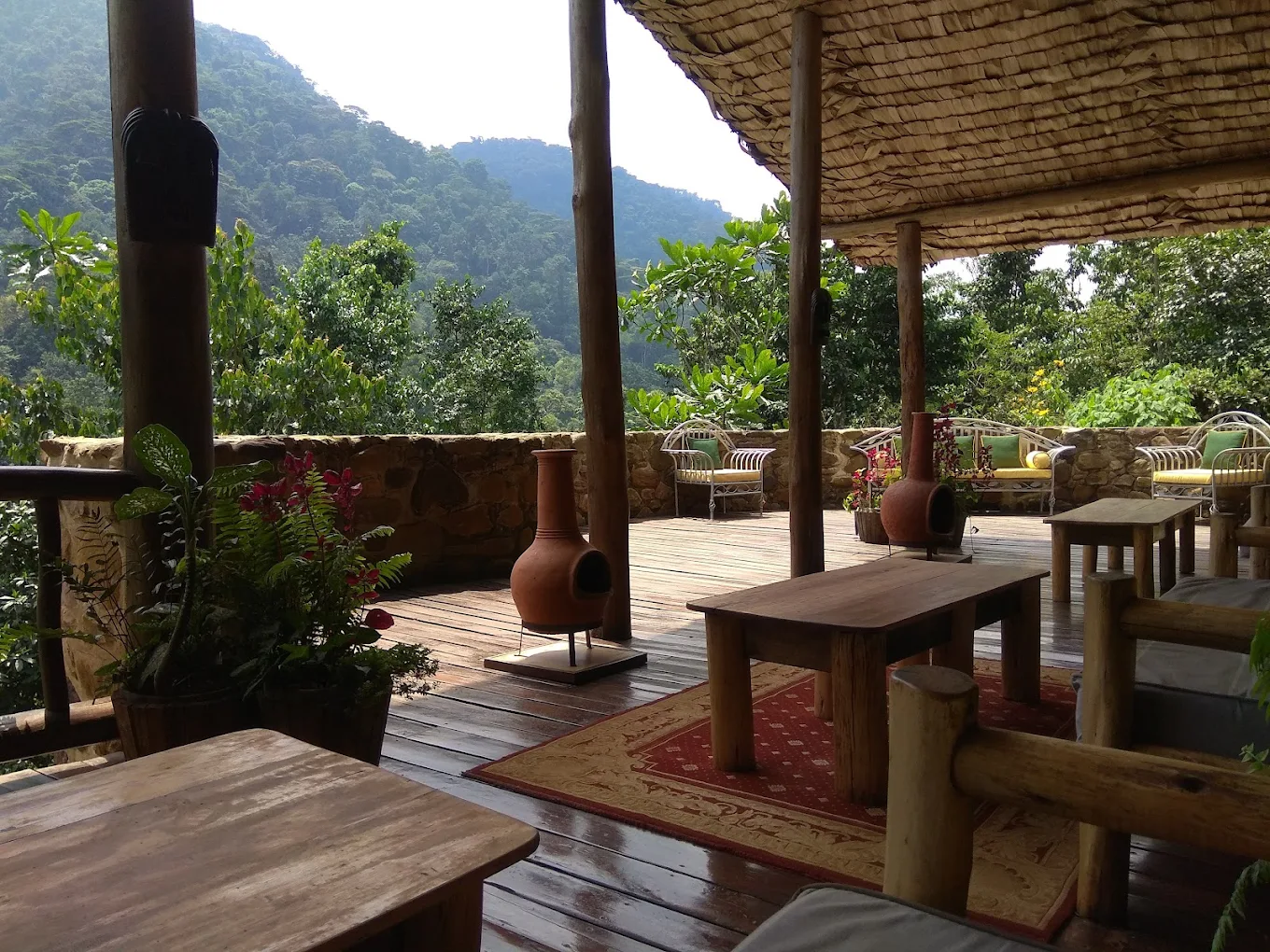
Engagi Lodge offers comfortable accommodation close to Buhoma’s gorilla trekking area.
The lodge provides a peaceful setting with natural surroundings, making it ideal after a long day exploring Bwindi forest.
Budget Gorilla Accommodation in Uganda
Budget gorilla accommodation allows travelers to experience Uganda’s incredible mountain gorillas while keeping safari costs manageable. Budget does not mean poor quality; many affordable lodges provide clean rooms, excellent meals, friendly service, and convenient access to trekking points.
Budget accommodations are especially popular among:
Backpackers.
Young travelers.
Adventure travelers.
Longer safari visitors.
Travelers combining multiple destinations.
The key consideration when choosing budget accommodation is location. Staying close to your trekking sector remains important because early morning transportation between distant areas can be challenging.
Buhoma Community Rest Camp – Buhoma Sector
Buhoma Community Rest Camp is one of the most established budget accommodations in Bwindi.
The camp provides simple but comfortable accommodation while supporting local community development initiatives.
Guests enjoy:
Basic but clean rooms.
Affordable rates.
Local hospitality.
Close proximity to trekking headquarters.
It is an excellent option for travelers who prioritize experience over luxury.
Wagtail Eco Safari Lodge – Bwindi Area
Wagtail Eco Safari Lodge is a budget-friendly accommodation option popular among travelers exploring southern Bwindi areas.
The lodge provides a comfortable base for travelers interested in affordable gorilla trekking experiences.
Bwindi View Bandas – Bwindi Area
Bwindi View Bandas offers simple accommodation suitable for budget-conscious travelers.
It provides basic facilities while allowing visitors to remain close to Uganda’s famous gorilla habitat.
How to Choose the Best Gorilla Lodge in Uganda
Choosing the best accommodation depends on several factors:
Choose Luxury Lodges If You Want:
Maximum comfort.
Exceptional service.
Private and romantic experiences.
Premium dining.
Beautiful forest views.
Choose Mid-Range Lodges If You Want:
Comfort at reasonable prices.
Good facilities.
Excellent trekking access.
Balance between cost and experience.
Choose Budget Accommodation If You Want:
Affordable gorilla trekking.
Simple accommodation.
More money available for additional safari experiences.
Final Thoughts on Gorilla Trekking Accommodation in Uganda
Accommodation is an important part of creating a memorable Uganda gorilla trekking safari. The best lodge choice should match your trekking sector, travel style, budget, and expectations.
Luxury travelers can enjoy exclusive forest retreats with exceptional comfort, mid-range travelers can access excellent facilities at great value, while budget travelers can still experience the magic of Bwindi without unnecessary expenses.
The Ultimate Gorilla Trekking Guide in Uganda 2027–2030 recommends booking accommodation together with gorilla permits because the most popular lodges often fill quickly, especially during peak trekking seasons. A carefully selected lodge near your trekking sector ensures a smoother journey, more relaxation, and a truly unforgettable mountain gorilla experience.
Best Safari Combinations with Gorilla Trekking in Uganda
Gorilla trekking in Uganda is one of Africa’s most unforgettable wildlife experiences, but combining it with other safari destinations creates a more complete East African adventure. Uganda is uniquely positioned to offer travelers a diverse safari experience that combines endangered mountain gorillas with chimpanzees, Big Five wildlife, savannah landscapes, waterfalls, lakes, and cultural encounters.
The Ultimate Gorilla Trekking Guide in Uganda 2027–2030 recommends combining gorilla trekking with Uganda’s other national parks because the journey to Bwindi Impenetrable National Park or Mgahinga Gorilla National Park passes through some of the country’s most spectacular landscapes. Instead of focusing only on gorillas, travelers can explore Uganda’s incredible biodiversity through carefully designed multi-day safari itineraries.
From short 2-day gorilla escapes to extended 21-day Uganda wildlife adventures, there are numerous combinations suitable for honeymooners, families, photographers, adventure travelers, and luxury safari seekers.
Gorilla Safari Combination Summary Table (2–21 Days)
| Safari Duration | Gorilla Safari Combination | Main Destinations Included | Best For |
|---|---|---|---|
| 2 Days | Uganda Gorilla Trekking Short Safari | Bwindi Impenetrable National Park | Travelers with limited time |
| 3 Days | Classic Uganda Gorilla Trekking Safari | Bwindi + Kigali/Entebbe | First-time gorilla visitors |
| 4 Days | Gorilla Trekking + Lake Bunyonyi Safari | Bwindi + Lake Bunyonyi | Relaxation and scenery |
| 5 Days | Gorilla Trekking + Queen Elizabeth Wildlife Safari | Bwindi + Queen Elizabeth National Park | Wildlife lovers |
| 6 Days | Gorilla Trekking + Queen Elizabeth + Kazinga Channel Safari | Bwindi + Queen Elizabeth | Big game and primates |
| 7 Days | Gorilla Trekking + Chimpanzee Safari | Bwindi + Kibale Forest | Primate enthusiasts |
| 8 Days | Gorilla Trekking + Wildlife & Chimpanzee Safari | Bwindi + Kibale + Queen Elizabeth | Complete Uganda experience |
| 9 Days | Gorilla Trekking + Murchison Falls Safari | Bwindi + Murchison Falls | Big Five and waterfalls |
| 10 Days | Gorilla Trekking + Murchison Falls + Kibale Safari | Bwindi + Kibale + Murchison Falls | Ultimate wildlife adventure |
| 11 Days | Uganda Gorilla Trekking & Big Five Safari | Bwindi + Queen Elizabeth + Murchison Falls | First-time Uganda explorers |
| 12 Days | Gorilla Trekking + Chimpanzee + Wildlife Safari | Bwindi + Kibale + Queen Elizabeth + Murchison Falls | Comprehensive Uganda safari |
| 13 Days | Uganda Gorilla, Wildlife and Cultural Safari | Bwindi + Kibale + Queen Elizabeth + Communities | Culture and wildlife travelers |
| 14 Days | Ultimate Uganda Gorilla Trekking Safari | Bwindi + Kibale + Queen Elizabeth + Murchison Falls + Ziwa Rhino | Complete Uganda adventure |
| 15 Days | Uganda Primates and Wildlife Safari | Bwindi + Kibale + Semuliki + Queen Elizabeth | Primates and nature lovers |
| 16 Days | Uganda Gorilla Trekking and Rwanda Combination Safari | Uganda + Rwanda | Multi-country travelers |
| 17 Days | Uganda Rwanda Gorilla and Wildlife Safari | Bwindi + Volcanoes NP + Queen Elizabeth | Gorilla enthusiasts |
| 18 Days | Uganda Rwanda Tanzania Gorilla and Wildlife Safari | Uganda + Rwanda + Tanzania | East Africa explorers |
| 19 Days | Uganda Kenya Gorilla and Wildlife Safari | Uganda + Kenya | Big wildlife adventure |
| 20 Days | Uganda Rwanda Kenya Tanzania Safari | East African highlights | Luxury long safari travelers |
| 21 Days | Ultimate East Africa Gorilla and Wildlife Safari | Uganda + Rwanda + Kenya + Tanzania | Complete African safari experience |
Gorilla Trekking and Wildlife Safari in Queen Elizabeth National Park
Combining gorilla trekking with Queen Elizabeth National Park creates one of Uganda’s most popular safari experiences. This combination allows travelers to move from the misty rainforest of Bwindi into the open savannah landscapes of one of Uganda’s most diverse wildlife destinations.
Queen Elizabeth National Park is famous for its incredible wildlife variety, including elephants, lions, leopards, buffaloes, hippos, antelopes, warthogs, and numerous bird species. The park’s diverse ecosystems include savannah plains, wetlands, forests, lakes, and rivers.
The highlight of combining gorilla trekking with Queen Elizabeth National Park is experiencing two completely different worlds within one safari:
The ancient rainforest habitat of mountain gorillas.
The open savannah environment of African wildlife.
Key Experiences in Queen Elizabeth National Park
Game Drives
Morning and afternoon game drives provide opportunities to search for:
African lions.
Elephants.
Cape buffaloes.
Leopards.
Uganda kob.
Waterbucks.
Warthogs.
Hyenas.
The Ishasha sector of Queen Elizabeth National Park is especially famous for its tree-climbing lions, making it one of Uganda’s most unique wildlife experiences.
Kazinga Channel Boat Cruise
The Kazinga Channel boat cruise is one of Uganda’s most rewarding wildlife experiences.
The cruise provides close views of:
Large hippo populations.
Nile crocodiles.
Elephants drinking along the shoreline.
Buffaloes.
Water birds.
The combination of a boat safari and gorilla trekking creates an excellent balance between rainforest adventure and water-based wildlife viewing.
Gorilla Trekking and Chimpanzee Tracking in Kibale Forest
Combining gorilla trekking with chimpanzee tracking in Kibale Forest creates Uganda’s ultimate primate safari experience.
Bwindi provides encounters with mountain gorillas, while Kibale Forest National Park is known as one of the best places in Africa for chimpanzee tracking.
The two destinations allow travelers to experience Uganda’s closest relatives:
Mountain gorillas.
Chimpanzees.
Other primates.
Kibale Forest Chimpanzee Experience
Kibale Forest is often called the “Primate Capital of the World” because it protects one of Africa’s highest concentrations of primates.
Chimpanzee tracking allows visitors to observe:
Chimpanzee communities.
Social interactions.
Feeding behavior.
Communication.
Forest ecology.
Besides chimpanzees, visitors may encounter:
Red-tailed monkeys.
L’Hoest’s monkeys.
Colobus monkeys.
Olive baboons.
Why Combine Gorillas and Chimpanzees?
This combination offers:
Two of Africa’s greatest primate encounters.
Different forest ecosystems.
Excellent photography opportunities.
A deeper understanding of primate conservation.
For wildlife enthusiasts, this is one of the most rewarding Uganda safari combinations.
Gorilla Trekking and Murchison Falls Safari
Combining gorilla trekking with Murchison Falls National Park creates a spectacular adventure connecting Uganda’s rainforest south with its northern savannah wilderness.
Murchison Falls National Park is Uganda’s largest protected area and is famous for dramatic landscapes, abundant wildlife, and the powerful Murchison Falls where the Nile River squeezes through a narrow gorge.
Wildlife Experiences in Murchison Falls
Visitors can enjoy:
Game drives searching for elephants, lions, giraffes, buffaloes, and antelopes.
Boat cruises along the Nile River.
Chimpanzee tracking in Budongo Forest.
Bird watching.
Hiking around Murchison Falls.
Murchison Falls Boat Safari
The boat cruise to the base of Murchison Falls is one of Uganda’s most iconic experiences.
Travelers can observe:
Hippos.
Crocodiles.
Elephants.
Buffaloes.
Water birds.
The combination of powerful waterfalls, wildlife, and gorilla trekking creates a diverse Uganda adventure.
Gorilla Trekking and Lake Mburo Safari
Lake Mburo National Park is an excellent addition to a gorilla trekking itinerary, especially for travelers looking for a shorter wildlife extension.
Located between Kampala and Bwindi, Lake Mburo provides a convenient stopover destination with unique wildlife experiences.
Wildlife Experiences at Lake Mburo
The park is famous for:
Zebras.
Giraffes.
Elands.
Impalas.
Buffaloes.
Hippos.
Warthogs.
Lake Mburo is also one of Uganda’s best destinations for walking safaris and cycling experiences.
Why Add Lake Mburo to Gorilla Trekking?
Lake Mburo provides:
A shorter travel route.
A chance to experience savannah wildlife.
Walking safari opportunities.
Beautiful landscapes.
A relaxed ending before returning to Kampala or Entebbe.
Uganda Gorilla Trekking and Rwanda Combination Safari
A Uganda and Rwanda gorilla trekking combination safari allows travelers to experience two of East Africa’s most famous destinations while enjoying different landscapes, cultures, and wildlife experiences.
Uganda and Rwanda share the same mountain gorilla ecosystem, but each destination provides a different experience.
Uganda offers:
Larger forest landscapes.
More affordable gorilla permits.
More safari combination opportunities.
Rwanda offers:
Easy access from Kigali.
Volcano scenery.
Luxury gorilla experiences.
Uganda Rwanda Safari Highlights
A combined itinerary may include:
Bwindi Impenetrable National Park.
Volcanoes National Park Rwanda.
Kigali city tour.
Golden monkey trekking.
Queen Elizabeth National Park.
Lake Kivu.
This combination is ideal for travelers wanting a broader East African experience.
Choosing the Best Gorilla Safari Combination
The best combination depends on travel time and interests:
2–5 Days: Best for travelers focused mainly on gorillas.
6–10 Days: Ideal for combining gorillas with wildlife and chimpanzees.
11–15 Days: Best for complete Uganda safari experiences.
16–21 Days: Perfect for multi-country East Africa adventures.
The Ultimate Gorilla Trekking Guide in Uganda 2027–2030 recommends combining gorilla trekking with other destinations because Uganda offers far more than one wildlife experience. A well-planned itinerary allows travelers to discover mountain gorillas, chimpanzees, Big Five wildlife, cultural heritage, and some of Africa’s most breathtaking landscapes in one unforgettable journey.
How to Reach Bwindi Impenetrable National Park
Bwindi Impenetrable National Park is Uganda’s premier mountain gorilla trekking destination and one of the most important conservation areas in Africa. Located in southwestern Uganda near the borders of Rwanda and the Democratic Republic of Congo, Bwindi can be reached by road or air depending on the traveler’s budget, available time, and preferred level of comfort.
The Ultimate Gorilla Trekking Guide in Uganda 2027–2030 recognizes that transportation planning is one of the most important parts of organizing a successful gorilla safari because Bwindi is located in a remote mountainous region. Unlike many national parks that are easily accessed from major cities, Bwindi’s forest sectors are spread across different areas, meaning travelers need to select the most suitable route depending on their gorilla trekking sector.
Bwindi Impenetrable National Park has four main trekking sectors:
| Bwindi Sector | Location | Best Access Route |
|---|---|---|
| Buhoma Sector | Northern Bwindi | Kampala/Entebbe via Ishasha or Queen Elizabeth National Park |
| Ruhija Sector | Eastern Bwindi | Kampala/Entebbe via Kabale |
| Rushaga Sector | Southern Bwindi | Kigali Rwanda or Kampala via Kabale |
| Nkuringo Sector | Southern Bwindi | Kigali Rwanda or Kampala via Kabale |
Reaching Bwindi by Road
Road transport is the most common way international visitors reach Bwindi. The journey provides an opportunity to experience Uganda’s beautiful countryside, local communities, tea plantations, rolling hills, and wildlife areas along the way.
Most travelers begin their journey from either:
- Entebbe
- Kampala
- Kigali
The journey requires a comfortable 4×4 safari vehicle because roads near Bwindi involve mountainous terrain, winding routes, and sometimes rough sections, especially during rainy seasons.
From Entebbe or Kampala to Bwindi Impenetrable National Park
Traveling from Entebbe or Kampala to Bwindi is the traditional Uganda gorilla safari route.
The distance is approximately:
Kampala/Entebbe to Bwindi: 450–520 kilometres depending on the sector.
The journey normally takes:
8–10 hours by road
The route passes through some of Uganda’s most scenic landscapes, including:
- Equator crossing.
- Uganda’s countryside.
- Tea plantations.
- Highlands of southwestern Uganda.
- Local villages.
- Beautiful mountain scenery.
Most travelers break the journey with overnight stops or combine gorilla trekking with other destinations such as:
- Lake Mburo National Park.
- Queen Elizabeth National Park.
- Kibale Forest National Park.
- Murchison Falls National Park.
Route to Buhoma Sector
Travelers heading to Buhoma usually follow:
Entebbe/Kampala → Mbarara → Ntungamo → Rukungiri → Kihihi → Buhoma
Another popular route combines:
Kampala → Queen Elizabeth National Park → Ishasha Sector → Buhoma
The Ishasha route is especially rewarding because travelers may encounter tree-climbing lions before reaching Bwindi.
Buhoma is ideal for travelers combining gorilla trekking with Queen Elizabeth National Park.
Route to Ruhija Sector
Ruhija is located in eastern Bwindi and is accessed through:
Kampala → Mbarara → Kabale → Ruhija
The route offers spectacular views of southwestern Uganda’s mountainous landscapes.
Ruhija is suitable for travelers interested in combining gorilla trekking with:
- Lake Bunyonyi.
- Queen Elizabeth National Park.
- Bird watching experiences.
Route to Rushaga and Nkuringo Sectors
Rushaga and Nkuringo are located in southern Bwindi and are among the most popular sectors for travelers arriving from Rwanda.
From Kampala:
Kampala → Mbarara → Kabale → Rushaga/Nkuringo
The journey takes approximately:
8–10 hours.
From Kabale, travelers continue through beautiful mountainous landscapes before reaching the gorilla trekking areas.
Flying to Bwindi Impenetrable National Park
For travelers seeking a faster and more comfortable option, domestic flights provide access to southwestern Uganda.
The nearest airfields include:
- Kihihi Airstrip (for Buhoma and Ruhija sectors).
- Kisoro Airstrip (for Rushaga, Nkuringo, and Mgahinga).
Domestic flights usually depart from Entebbe International Airport and take approximately 1–2 hours.
After landing, travelers continue by road to their lodge.
How to Reach Mgahinga Gorilla National Park
Mgahinga Gorilla National Park is Uganda’s smallest national park but offers one of the most spectacular gorilla trekking environments in Africa. Located in the Virunga Mountains near the borders of Rwanda and the Democratic Republic of Congo, Mgahinga provides a unique combination of mountain gorillas, volcanic scenery, and golden monkey experiences.
The park is located near:
- Kisoro town.
- Rwanda border.
- Congo border.
Unlike Bwindi, Mgahinga has a single main gorilla trekking area associated with the Nyakagezi gorilla family.
Reaching Mgahinga from Kampala and Entebbe
The main road route is:
Kampala → Mbarara → Kabale → Kisoro → Mgahinga
Distance:
Approximately 500 kilometres.
Travel time:
Around 9–11 hours.
The journey passes through:
- Ankole landscapes.
- Mountain regions.
- Lake Bunyonyi area.
- Kisoro highlands.
Because of the long distance, many travelers combine Mgahinga with other destinations.
Reaching Mgahinga from Kigali Rwanda
Kigali is one of the fastest ways to reach Mgahinga.
Route:
Kigali → Cyanika Border → Kisoro → Mgahinga
Travel time:
Approximately 4–5 hours.
Advantages include:
- Shorter driving distance.
- Less road fatigue.
- Easy connection for international travelers.
- Opportunity to combine Uganda and Rwanda safaris.
This route is popular among travelers with limited time who want to experience Uganda gorilla trekking without a long drive from Kampala.
Transportation Options for Gorilla Safaris in Uganda
Uganda offers several transportation options depending on traveler preferences, budget, and safari style.
Private 4×4 Safari Vehicles
A private safari vehicle is the most recommended transportation option for gorilla trekking.
Advantages include:
- Flexible travel schedule.
- Professional driver-guide.
- Comfort on long journeys.
- Ability to stop for photography.
- Better navigation on remote roads.
Popular vehicle types include:
- Toyota Land Cruiser.
- Toyota Rav4.
- Safari vans.
Luxury travelers often choose customized Land Cruisers with:
- Charging ports.
- Refrigerator.
- Wi-Fi options.
- Pop-up roofs.
Domestic Flights
Domestic flights are ideal for travelers who want to reduce long road journeys.
Main routes:
Entebbe → Kihihi.
Entebbe → Kisoro.
Benefits include:
- Saves travel time.
- More comfortable.
- Suitable for luxury travelers.
- Convenient for short gorilla safaris.
Flights are especially useful for combining gorilla trekking with other safari destinations.
Public Transport Options
Public transport is available through buses and shared taxis, but it is generally not recommended for international gorilla travelers.
Challenges include:
- Long travel times.
- Limited schedules.
- Multiple transfers.
- Less comfort.
- Difficulty managing luggage.
For gorilla trekking, private safari transport provides a much smoother experience.
Self-Drive Gorilla Safari
Experienced travelers can choose self-driving to Bwindi and Mgahinga.
However, self-drive requires:
- Good navigation skills.
- Understanding Ugandan road conditions.
- Experience driving rural mountain roads.
A 4×4 vehicle is strongly recommended.
Gorilla Trekking from Entebbe and Kampala
Most international travelers begin their Uganda gorilla safari from Entebbe International Airport or Kampala.
The journey usually follows this structure:
Arrival at Entebbe → Overnight stay → Transfer to southwestern Uganda → Gorilla trekking → Return or continue safari.
Typical Travel Times
| Starting Point | Destination | Approximate Time |
|---|---|---|
| Entebbe | Bwindi Buhoma | 9–10 hours |
| Kampala | Bwindi Ruhija | 8–9 hours |
| Kampala | Rushaga | 9–10 hours |
| Kampala | Nkuringo | 9–10 hours |
| Entebbe | Mgahinga | 10–11 hours |
Popular Gorilla Safari Routes from Kampala and Entebbe
Gorilla Trekking + Queen Elizabeth National Park
Route:
Kampala → Queen Elizabeth → Bwindi
This allows travelers to enjoy:
- Game drives.
- Kazinga Channel boat cruise.
- Tree-climbing lions.
- Gorilla trekking.
Gorilla Trekking + Kibale Forest
Route:
Kampala → Kibale → Queen Elizabeth → Bwindi
Highlights:
- Chimpanzee tracking.
- Gorilla trekking.
- Primates.
Gorilla Trekking from Kigali Rwanda
Starting a gorilla safari from Kigali has become increasingly popular because Rwanda’s capital is geographically closer to Uganda’s gorilla regions.
Many travelers choose Kigali because:
- Kigali International Airport has excellent international connections.
- Roads are well maintained.
- Southern Bwindi is closer from Rwanda.
Kigali to Bwindi Rushaga Sector
Route:
Kigali → Cyanika/Katuna Border → Kisoro → Rushaga
Travel time:
Approximately 4–5 hours.
Rushaga is one of the best options for travelers arriving from Rwanda because it offers:
- Standard gorilla trekking.
- Gorilla habituation experience.
- Luxury lodges.
Kigali to Nkuringo Sector
Route:
Kigali → Cyanika Border → Kisoro → Nkuringo
Travel time:
Approximately 5 hours.
Nkuringo provides:
- Mountain views.
- Luxury lodges.
- Challenging but rewarding trekking.
Kigali to Mgahinga Gorilla National Park
Route:
Kigali → Cyanika Border → Kisoro → Mgahinga
Travel time:
Approximately 4–5 hours.
This is one of the easiest ways to reach Mgahinga.
Kigali vs Entebbe for Gorilla Trekking: Which Is Better?
| Feature | Kigali Rwanda | Entebbe Uganda |
|---|---|---|
| Distance to southern Bwindi | Shorter | Longer |
| Best For | Short gorilla trips | Extended Uganda safaris |
| Airport Access | Excellent | Main Uganda gateway |
| Road Journey | 4–5 hours | 8–10 hours |
| Best Sector Access | Rushaga, Nkuringo, Mgahinga | All sectors |
| Safari Combinations | Rwanda + Uganda | Full Uganda safari |
Final Thoughts on Reaching Uganda’s Gorilla Parks
Reaching Bwindi Impenetrable National Park and Mgahinga Gorilla National Park requires thoughtful planning because these protected forests are located in remote mountainous regions. However, the journey itself is part of the adventure, offering travelers incredible landscapes, cultural encounters, and beautiful countryside experiences.
The Ultimate Gorilla Trekking Guide in Uganda 2027–2030 recommends choosing transportation based on your available time, preferred trekking sector, comfort level, and safari goals.
For short gorilla adventures, starting from Kigali is often the fastest option. For travelers seeking a complete Uganda safari experience, beginning from Entebbe or Kampala provides opportunities to combine gorilla trekking with chimpanzees, Big Five wildlife, waterfalls, and cultural experiences.
With proper planning, the journey to Uganda’s gorilla forests becomes an unforgettable part of one of Africa’s greatest wildlife adventures.
Gorilla Trekking Cost in Uganda 2027–2030
Gorilla trekking in Uganda is one of the most extraordinary wildlife experiences in Africa, offering travelers the rare opportunity to encounter endangered mountain gorillas in their natural rainforest habitat. The total cost of a gorilla trekking safari in Uganda between 2027 and 2030 depends on several factors, including the price of the gorilla permit, number of safari days, accommodation category, transportation, season of travel, group size, and additional experiences included in the itinerary.
The Ultimate Gorilla Trekking Guide in Uganda 2027–2030 highlights that Uganda remains one of the best-value gorilla trekking destinations because visitors receive an exceptional wildlife experience while enjoying lower overall safari costs compared with some neighboring destinations. A complete Uganda gorilla safari can range from affordable budget adventures to exclusive luxury journeys featuring premium lodges and personalized services.
The largest fixed cost is the gorilla trekking permit, which grants access to Bwindi Impenetrable National Park or Mgahinga Gorilla National Park. Current permit rates are approximately USD 800 per person for foreign non-residents, USD 700 for foreign residents, USD 500 for visitors from other African countries, and UGX 300,000 for East African citizens. Gorilla habituation permits cost more because they allow visitors to spend extended time with semi-habituated gorillas.
Uganda Gorilla Trekking Cost Summary Table 2027–2030
| Safari Type | Duration | Estimated Cost Per Person | Best For |
|---|---|---|---|
| Budget Gorilla Trekking Safari | 2–3 Days | USD 1,100–1,500 | Backpackers and cost-conscious travelers |
| Mid-Range Gorilla Trekking Safari | 2–3 Days | USD 1,500–2,500 | Most international travelers |
| Luxury Gorilla Trekking Safari | 3–5 Days | USD 3,000–5,000+ | Luxury travelers and honeymooners |
| Gorilla Habituation Safari | 3–5 Days | USD 3,000–5,500+ | Photographers and conservation enthusiasts |
| Gorilla + Queen Elizabeth Safari | 5–7 Days | USD 2,500–4,500 | Wildlife lovers |
| Gorilla + Kibale Chimpanzee Safari | 6–8 Days | USD 3,000–5,000 | Primates enthusiasts |
| Ultimate Uganda Safari with Gorillas | 10–14 Days | USD 4,000–8,000+ | Complete Uganda adventure |
| East Africa Gorilla Combination Safari | 15–21 Days | USD 7,000–15,000+ | Luxury multi-country travelers |
Actual costs vary depending on accommodation standards, transport type, travel season, and number of travelers sharing services.
What Is Included in a Uganda Gorilla Trekking Safari Cost?
A professionally organized gorilla safari package usually includes:
Gorilla Trekking Permit
The gorilla permit is the most important component of the safari cost. It includes access to the protected forest, ranger guidance, gorilla tracking experience, and conservation contributions.
The permit allows visitors to spend up to one hour with a habituated gorilla family during standard trekking. Travelers interested in a longer experience can choose the gorilla habituation experience, which provides several hours with semi-habituated gorillas alongside researchers and trackers.
Transportation
Transportation is another major cost because Bwindi and Mgahinga are located in southwestern Uganda, far from major cities.
A gorilla safari package normally includes:
Private 4×4 safari vehicle.
Professional English-speaking driver-guide.
Fuel costs.
Airport transfers.
Park transfers.
A private vehicle provides flexibility, comfort, and safety, especially on Uganda’s mountainous roads.
Accommodation
Accommodation costs vary greatly depending on the category selected.
Budget Accommodation
Budget travelers may stay in simple lodges, guesthouses, and community camps offering clean rooms and basic facilities.
Mid-Range Accommodation
Mid-range lodges provide comfortable rooms, private bathrooms, good meals, and beautiful forest surroundings.
Luxury Accommodation
Luxury lodges offer premium services such as:
Private cottages.
Exceptional dining.
Forest views.
Spa treatments.
Fireplaces.
Personalized guest services.
Meals
Most gorilla safari packages include:
Breakfast.
Lunch.
Dinner.
Drinking water during transfers.
Meals are usually provided at lodges or prepared during travel days.
Ranger and Guide Services
Professional guides and rangers accompany visitors throughout the gorilla trekking experience.
They provide:
Safety guidance.
Forest interpretation.
Gorilla information.
Conservation knowledge.
Factors Affecting Gorilla Trekking Cost in Uganda
Travel Season
The cost of accommodation and availability of services can change depending on the season.
Peak Season
Peak travel months usually include:
June to September.
December to February.
During these periods:
Demand is higher.
Luxury lodges fill quickly.
Early booking is necessary.
Low Season
The wetter months may provide:
Lower accommodation prices.
Better permit availability.
Fewer visitors.
A quieter forest experience.
Number of Travelers
Group size significantly affects the cost per person.
Solo travelers usually pay more because they cover vehicle and guide costs alone.
Couples and small groups often receive better value because transport costs are shared.
Accommodation Choice
Accommodation is one of the biggest differences between budget and luxury gorilla safaris.
A traveler staying in a simple lodge may spend significantly less than someone choosing an exclusive forest lodge.
Duration of Safari
A short 2–3 day gorilla safari costs less than an extended Uganda adventure combining:
Gorillas.
Chimpanzees.
Big Five wildlife.
Waterfalls.
Cultural experiences.
Budget Gorilla Trekking Safaris in Uganda
A budget gorilla trekking safari is designed for travelers who want to experience mountain gorillas while controlling overall expenses. Budget does not mean missing the experience; it simply focuses spending on the essential elements of the safari.
The main goal of a budget gorilla safari is to provide:
A valid gorilla permit.
Safe transportation.
Comfortable accommodation.
Professional guidance.
An unforgettable gorilla encounter.
Typical Budget Gorilla Trekking Package (2–3 Days)
A budget itinerary usually includes:
Day 1: Transfer to Bwindi
Travel from Kampala, Entebbe, or Kigali to the selected Bwindi sector.
Overnight in a budget lodge.
Day 2: Gorilla Trekking Experience
Morning briefing.
Forest trek.
One-hour gorilla encounter.
Return to lodge.
Day 3: Return Journey
Transfer back to Kampala, Entebbe, or Kigali.
Budget Gorilla Safari Accommodation
Budget travelers can choose:
Community lodges.
Guesthouses.
Simple eco-lodges.
Forest camps.
These accommodations usually provide:
Comfortable beds.
Private or shared bathrooms.
Meals.
Warm local hospitality.
The biggest advantage is affordability while remaining close to gorilla trekking locations.
How to Reduce Gorilla Trekking Costs
Travelers can reduce expenses by:
Joining a small group safari.
Choosing budget accommodation.
Starting the safari from Kigali.
Traveling during low seasons.
Combining gorilla trekking with other affordable activities.
Booking early to avoid last-minute price increases.
Luxury Gorilla Trekking Safaris in Uganda
Luxury gorilla trekking safaris in Uganda provide an exceptional experience combining adventure, comfort, exclusivity, and personalized service.
These safaris are designed for travelers who want to explore Uganda’s mountain gorillas while enjoying premium accommodation and seamless travel arrangements.
The Ultimate Gorilla Trekking Guide in Uganda 2027–2030 recognizes luxury gorilla safaris as ideal for:
Honeymoon couples.
Luxury travelers.
Photographers.
Private families.
High-end adventure seekers.
Features of a Luxury Gorilla Safari
Premium Gorilla Lodges
Luxury travelers stay in some of Uganda’s finest forest lodges featuring:
Luxury cottages.
Private balconies.
Mountain views.
Fine dining.
Wellness facilities.
Personal service.
Private Safari Vehicle
Luxury packages usually include a private 4×4 Land Cruiser with:
Professional safari guide.
Comfortable seating.
Flexible schedules.
Photography opportunities.
Exclusive Experiences
Luxury gorilla safaris may include:
Gorilla habituation experience.
Private forest walks.
Community visits.
Chimpanzee tracking.
Wildlife safaris.
Scenic flights.
Example Luxury Gorilla Safari Experience
Day 1
Arrival in Uganda.
Private airport transfer.
Luxury accommodation.
Day 2
Domestic flight or private transfer to Bwindi.
Stay at luxury forest lodge.
Day 3
Premium gorilla trekking experience.
Relaxation at lodge.
Day 4–5
Additional wildlife or cultural experiences.
Return journey.
Best Luxury Gorilla Lodges in Uganda
Luxury travelers often choose accommodation such as:
Bwindi Lodg
Sanctuary Gorilla Forest Camp
Mahogany Springs
Clouds Mountain Gorilla Lodges
These properties provide exceptional comfort while maintaining close connections with Uganda’s rainforest environment.
Budget vs Luxury Gorilla Trekking Safari Comparison
| Feature | Budget Safari | Luxury Safari |
|---|---|---|
| Gorilla Permit | Same | Same |
| Transport | Shared or standard vehicle | Private luxury vehicle |
| Accommodation | Basic lodges | Premium forest lodges |
| Meals | Standard meals | Gourmet dining |
| Guide Service | Professional guide | Private expert guide |
| Duration | Usually shorter | Longer itineraries |
| Comfort Level | Practical | Exceptional |
| Cost | Lower | Higher |
How Much Should You Budget for Gorilla Trekking in Uganda 2027–2030?
For most international travelers:
A realistic budget for a comfortable Uganda gorilla trekking safari is approximately:
USD 1,500–2,500 per person for a 3-day mid-range experience.
Travelers seeking luxury should plan:
USD 3,000–5,000+ per person.
Those combining gorilla trekking with wildlife, chimpanzees, or longer Uganda adventures should budget more depending on duration and accommodation level.
Final Thoughts on Uganda Gorilla Trekking Costs
Gorilla trekking in Uganda is a premium wildlife experience, but it offers excellent value compared with many international wildlife adventures. The cost directly supports mountain gorilla conservation, forest protection, ranger programs, and local communities.
Whether choosing a budget adventure or a luxury rainforest escape, the most important investment is proper planning. Securing permits early, selecting the right accommodation, and choosing a safari style that matches your expectations ensures a memorable journey.
The Ultimate Gorilla Trekking Guide in Uganda 2027–2030 recommends Uganda for travelers seeking an authentic, responsible, and unforgettable mountain gorilla experience combined with some of Africa’s most spectacular landscapes and wildlife encounters.
Best Gorilla Trekking Itineraries in Uganda
Uganda offers some of the most rewarding gorilla trekking experiences in Africa, with flexible safari itineraries designed to suit different travel styles, budgets, and available time. From short gorilla escapes to extended wildlife adventures combining mountain gorillas with chimpanzees, Big Five safaris, and cultural experiences, Uganda provides unforgettable journeys into some of the world’s most remarkable ecosystems.
The Ultimate Gorilla Trekking Guide in Uganda 2027–2030 recommends choosing an itinerary based on your interests, travel schedule, preferred accommodation level, and the additional experiences you would like to include. While gorilla trekking is the main highlight, extending your safari allows you to discover Uganda’s incredible diversity, including savannah plains, tropical forests, lakes, rivers, mountains, and vibrant local communities.
A well-designed Uganda gorilla safari combines adventure, conservation, wildlife viewing, and relaxation. Below are some of the best gorilla trekking itineraries in Uganda from short 2-day experiences to comprehensive 7-day adventures.
Uganda Gorilla Trekking Safari Itinerary Summary Table
| Safari Duration | Main Destinations | Key Experiences | Best For |
|---|---|---|---|
| 2 Days Uganda Gorilla Trekking Safari | Bwindi Impenetrable National Park | Gorilla trekking experience | Travelers with limited time |
| 3 Days Uganda Gorilla Trekking Safari | Bwindi + Entebbe/Kampala | Gorilla trekking + transfers | First-time gorilla visitors |
| 4 Days Uganda Gorilla and Wildlife Safari | Bwindi + Queen Elizabeth National Park | Gorillas + game drives + Kazinga Channel cruise | Wildlife lovers |
| 5 Days Uganda Gorilla and Chimpanzee Safari | Bwindi + Kibale Forest | Gorillas + chimpanzee tracking | Primate enthusiasts |
| 7 Days Ultimate Uganda Gorilla Safari | Bwindi + Kibale + Queen Elizabeth + Lake Mburo | Gorillas, chimpanzees, Big Five, culture | Complete Uganda experience |
2 Days Uganda Gorilla Trekking Safari
Overview
The 2 Days Uganda Gorilla Trekking Safari is the shortest possible gorilla trekking experience and is designed for travelers who want to encounter mountain gorillas while maximizing limited travel time.
This itinerary is ideal for visitors already in Uganda or Rwanda who want a quick but unforgettable adventure into Bwindi Impenetrable National Park. Although short, it provides the complete gorilla trekking experience, including forest hiking, ranger briefing, and a magical encounter with a habituated gorilla family.
The safari is especially popular among travelers arriving through Kigali because southern Bwindi sectors such as Rushaga and Nkuringo are relatively accessible from Rwanda.
Day 1: Transfer to Bwindi Impenetrable National Park
The adventure begins with an early morning pickup from Kampala, Entebbe, or Kigali.
Travelers enjoy a scenic journey through southwestern Uganda, passing:
Rolling hills.
Local communities.
Agricultural landscapes.
Mountain scenery.
For travelers starting from Kigali, the journey is shorter and usually takes approximately 4–5 hours depending on the border crossing and final trekking sector.
Upon arrival in Bwindi, guests check into their lodge and prepare for the next day’s gorilla trekking adventure.
Overnight:
Budget, mid-range, or luxury lodge near the selected trekking sector.
Recommended sectors:
Rushaga.
Nkuringo.
Buhoma.
Ruhija.
Day 2: Gorilla Trekking Experience and Return Journey
After an early breakfast, travelers proceed to the park headquarters for registration and briefing.
The briefing covers:
Gorilla trekking rules.
Safety guidelines.
Forest expectations.
Conservation information.
Visitors then enter the forest accompanied by experienced Uganda Wildlife Authority rangers and trackers.
The trek may take between 30 minutes and several hours depending on the gorilla family location.
Once the gorillas are located, travelers spend one unforgettable hour observing:
Silverbacks.
Adult females.
Young gorillas.
Feeding behavior.
Family interactions.
After trekking, travelers return to the lodge before beginning their journey back.
Best For
The 2-day itinerary is ideal for:
Travelers with limited vacation time.
Business travelers visiting Uganda.
Visitors combining Uganda with Rwanda.
Budget-conscious adventurers.
3 Days Uganda Gorilla Trekking Safari
Overview
The 3 Days Uganda Gorilla Trekking Safari is the most popular gorilla itinerary because it provides enough time for comfortable travel, relaxation, and the unforgettable gorilla encounter.
Unlike the 2-day option, this itinerary allows travelers to avoid rushing and enjoy more time adjusting to the environment before trekking.
It is suitable for first-time visitors who want a complete gorilla experience without adding additional national parks.
Day 1: Arrival and Transfer to Bwindi
Travel begins from Entebbe, Kampala, or Kigali.
The journey to Bwindi offers beautiful views of Uganda’s countryside.
Travelers may enjoy stops at:
The Equator crossing.
Local markets.
Scenic viewpoints.
Communities.
Upon arrival, guests check into their lodge and relax before the trekking adventure.
Overnight:
Bwindi lodge.
Day 2: Gorilla Trekking Adventure
After breakfast, travelers head to the trekking headquarters.
The day begins with ranger briefing before entering the forest.
The trekking experience includes:
Searching through ancient rainforest.
Learning about gorilla conservation.
Observing wildlife.
Encountering mountain gorillas.
The moment of standing near a gorilla family is the highlight of the safari.
After trekking, travelers return to the lodge for relaxation.
Optional activities include:
Batwa cultural experience.
Community walks.
Nature walks.
Day 3: Return to Kampala, Entebbe, or Kigali
After breakfast, travelers begin their return journey.
Depending on departure arrangements, they may continue with:
Airport transfers.
Additional Uganda safari experiences.
Rwanda tours.
Best For
The 3-day itinerary is perfect for:
First-time gorilla trekkers.
Couples.
Solo travelers.
Short holiday visitors.
4 Days Uganda Gorilla and Wildlife Safari
Overview
The 4 Days Uganda Gorilla and Wildlife Safari combines the unforgettable mountain gorilla experience with wildlife viewing in Queen Elizabeth National Park.
This itinerary allows travelers to experience Uganda’s two greatest attractions:
Rainforest gorillas.
African savannah wildlife.
Queen Elizabeth National Park is one of Uganda’s most diverse protected areas, famous for lions, elephants, buffaloes, hippos, leopards, and the spectacular Kazinga Channel.
Day 1: Transfer to Queen Elizabeth National Park
Travelers depart Kampala or Entebbe and drive southwest.
The route passes through beautiful landscapes before arriving at Queen Elizabeth National Park.
Activities may include:
Evening game drive.
Wildlife viewing.
Sunset photography.
Overnight:
Queen Elizabeth lodge.
Day 2: Wildlife Safari and Transfer to Bwindi
The day begins with a morning game drive searching for:
Lions.
Elephants.
Buffaloes.
Antelopes.
Warthogs.
Leopards.
Travelers may also explore the Ishasha sector, famous for tree-climbing lions.
Later, transfer to Bwindi.
Overnight:
Bwindi lodge.
Day 3: Gorilla Trekking Experience
After breakfast:
Park briefing.
Forest trek.
Gorilla encounter.
Return to lodge.
Visitors enjoy the unforgettable experience of observing mountain gorillas in their natural environment.
Day 4: Return Journey
After breakfast, return to Kampala, Entebbe, or Kigali.
Best For
This itinerary suits:
Wildlife enthusiasts.
Photographers.
Travelers wanting more than gorillas.
First-time Uganda safari visitors.
5 Days Uganda Gorilla and Chimpanzee Safari
Overview
The 5 Days Uganda Gorilla and Chimpanzee Safari combines two of Africa’s most incredible primate experiences:
Mountain gorillas in Bwindi.
Chimpanzees in Kibale Forest.
Uganda is one of the best destinations in Africa for primate encounters, making this itinerary ideal for wildlife lovers.
Day 1: Transfer to Kibale Forest National Park
Travel from Kampala or Entebbe to Kibale.
The journey passes through beautiful landscapes and rural communities.
Overnight:
Kibale lodge.
Day 2: Chimpanzee Tracking Experience
After breakfast, visitors enter Kibale Forest for chimpanzee tracking.
The experience allows visitors to observe:
Chimpanzee communities.
Forest behavior.
Primate interactions.
Other species may include:
Red-tailed monkeys.
Colobus monkeys.
Olive baboons.
Afternoon options:
Bigodi Wetland Sanctuary walk.
Bird watching.
Community visits.
Day 3: Transfer to Bwindi Impenetrable National Park
Travel through southwestern Uganda toward Bwindi.
The journey offers spectacular scenery including:
Mountain landscapes.
Tea plantations.
Local villages.
Overnight:
Bwindi lodge.
Day 4: Gorilla Trekking Experience
After breakfast:
Ranger briefing.
Forest trekking.
Mountain gorilla encounter.
Return to lodge.
Day 5: Return Journey
Transfer back to Kampala, Entebbe, or Kigali.
Best For
Ideal for:
Primates lovers.
Photographers.
Nature enthusiasts.
Travelers wanting deeper wildlife experiences.
7 Days Ultimate Uganda Gorilla Safari
Overview
The 7 Days Ultimate Uganda Gorilla Safari is one of the most complete short Uganda safari experiences. It combines mountain gorillas, chimpanzees, savannah wildlife, boat cruises, and scenic landscapes.
This itinerary provides the perfect introduction to Uganda’s incredible biodiversity.
Day 1: Arrival in Uganda and Transfer to Kibale Forest
Arrival at Entebbe International Airport.
Transfer to Kibale Forest.
Overnight:
Kibale lodge.
Day 2: Chimpanzee Tracking and Bigodi Wetland Experience
Morning chimpanzee trekking.
Afternoon:
Bigodi community walk.
Bird watching.
Cultural interactions.
Day 3: Transfer to Queen Elizabeth National Park
Travel to Queen Elizabeth.
Activities:
Game drive.
Wildlife viewing.
Overnight:
Queen Elizabeth lodge.
Day 4: Queen Elizabeth Wildlife Safari
Morning game drive.
Search for:
Lions.
Elephants.
Buffaloes.
Leopards.
Antelopes.
Afternoon Kazinga Channel boat cruise.
The cruise offers views of:
Hippos.
Crocodiles.
Bird species.
Elephants.
Day 5: Transfer to Bwindi Impenetrable National Park
Travel toward Bwindi.
Optional activities:
Ishasha tree-climbing lions.
Community visits.
Scenic stops.
Overnight:
Bwindi lodge.
Day 6: Gorilla Trekking Experience
The highlight of the safari.
Activities:
Gorilla briefing.
Forest trek.
One-hour gorilla encounter.
Celebration after successful trekking.
Day 7: Return to Kampala, Entebbe, or Kigali
After breakfast:
Return journey.
Airport transfer.
End of safari.
Choosing the Best Uganda Gorilla Trekking Itinerary
The best itinerary depends on your available time and interests:
2–3 Days: Best for travelers focused only on gorillas.
4 Days: Perfect for combining gorillas with wildlife.
5 Days: Best for primate lovers.
7 Days: Ideal for a complete Uganda safari experience.
The Ultimate Gorilla Trekking Guide in Uganda 2027–2030 recommends extending your gorilla safari beyond the forest because Uganda offers some of Africa’s richest wildlife experiences. Combining gorilla trekking with chimpanzees, savannah safaris, boat cruises, and cultural experiences creates a deeper and more memorable journey through the Pearl of Africa.
Gorilla Trekking for Different Types of Travelers
Gorilla trekking in Uganda is one of the few wildlife experiences that creates a deeply personal connection between humans and nature. Unlike traditional safaris where animals are viewed from a vehicle, gorilla trekking takes travelers into the heart of ancient rainforest ecosystems where they can observe endangered mountain gorillas living freely in their natural environment.
The Ultimate Gorilla Trekking Guide in Uganda 2027–2030 recognizes that every traveler experiences gorilla trekking differently. Couples may seek romance and privacy, solo travelers may desire adventure and personal discovery, families may look for educational experiences, seniors may require additional comfort and planning, while photographers may focus on capturing rare wildlife moments.
Uganda’s gorilla destinations, including Bwindi Impenetrable National Park and Mgahinga Gorilla National Park, provide flexible experiences suitable for different travel styles. With proper preparation, choosing the right trekking sector, selecting suitable accommodation, and planning transportation carefully, gorilla trekking can become an unforgettable journey for almost every type of traveler.
Gorilla Trekking for Couples and Honeymooners
Gorilla trekking in Uganda is one of the most extraordinary honeymoon experiences in Africa. For couples looking for a unique alternative to traditional beach holidays, a Uganda gorilla safari combines adventure, romance, nature, and unforgettable shared memories.
The experience of walking together through an ancient rainforest, discovering a mountain gorilla family, and witnessing these intelligent animals in their natural habitat creates a powerful emotional connection. Many honeymoon couples describe their gorilla encounter as one of the most meaningful moments of their lives.
The Ultimate Gorilla Trekking Guide in Uganda 2027–2030 recommends Uganda as an exceptional honeymoon destination because couples can combine gorilla trekking with luxury accommodation, wildlife safaris, cultural experiences, and relaxing escapes in some of East Africa’s most beautiful locations.
Why Gorilla Trekking Is Perfect for Honeymoon Couples
A Once-in-a-Lifetime Shared Adventure
A honeymoon should create memories that last forever. Gorilla trekking provides an experience that cannot be easily repeated elsewhere.
Standing together near a mountain gorilla family while watching silverbacks, mothers, and young gorillas interact creates a story couples will continue sharing for years.
Luxury Gorilla Lodges and Romantic Stays
Uganda offers several romantic accommodation options near gorilla trekking areas.
Luxury lodges provide:
Private cottages.
Beautiful forest views.
Romantic dinners.
Fireplace experiences.
Spa treatments.
Personalized service.
Couples can relax after trekking while enjoying the peaceful sounds of the rainforest.
Best Gorilla Trekking Sectors for Couples
Some sectors are especially attractive for honeymoon travelers:
Buhoma Sector
Ideal for couples seeking excellent lodge options and a classic gorilla experience.
Rushaga Sector
Perfect for couples interested in gorilla habituation experiences and southern Bwindi scenery.
Nkuringo Sector
Excellent for romantic views of mountains, forests, and dramatic landscapes.
Romantic Activities to Combine with Gorilla Trekking
Couples can enhance their honeymoon with:
Private game drives in Queen Elizabeth National Park.
Boat cruises on the Kazinga Channel.
Lake Bunyonyi relaxation.
Batwa cultural experiences.
Nature walks.
Private scenic dinners.
A Uganda honeymoon safari can combine adventure and relaxation, making it suitable for couples seeking something truly different.
Gorilla Trekking for Solo Travelers
Uganda is an excellent destination for solo travelers seeking adventure, wildlife encounters, and meaningful personal experiences.
Gorilla trekking provides solo travelers with an opportunity to challenge themselves, connect with nature, meet other travelers, and explore one of Africa’s most extraordinary environments.
The Ultimate Gorilla Trekking Guide in Uganda 2027–2030 highlights that solo travelers can enjoy gorilla trekking safely when they plan properly and choose reputable safari operators.
Why Solo Travelers Choose Uganda Gorilla Trekking
Personal Achievement
Completing a rainforest trek alone creates a strong sense of accomplishment.
The journey through Bwindi’s forests involves physical effort, exploration, and patience before reaching the gorilla family.
Meeting Like-Minded Travelers
Although travelers may arrive alone, gorilla trekking groups are organized at park headquarters.
Solo visitors often share the experience with:
Other international travelers.
Local guides.
Trackers.
Porters.
This creates opportunities for cultural exchange and friendships.
Flexible Travel Planning
Solo travelers have more freedom to customize their safari.
They can choose:
Budget accommodation.
Luxury experiences.
Short gorilla trips.
Extended wildlife safaris.
Photography-focused itineraries.
Tips for Solo Gorilla Travelers
Solo visitors should:
Book permits early.
Choose a reliable safari company.
Hire a local porter.
Select accommodation near the trekking sector.
Carry essential trekking equipment.
Consider joining a small group safari to reduce costs.
Gorilla Trekking for Families
Gorilla trekking can be a powerful educational experience for families, allowing children and adults to discover wildlife conservation, biodiversity, and the importance of protecting endangered species.
However, families need careful planning because gorilla trekking has specific age and physical requirements.
Minimum Age Requirement
Children must be at least 15 years old to participate in gorilla trekking in Uganda.
This requirement helps protect both visitors and gorillas because trekking requires:
Physical endurance.
Following strict conservation rules.
Maintaining calm behavior around wildlife.
Why Families Should Choose Gorilla Trekking
Educational Wildlife Experience
Children and teenagers can learn about:
Conservation.
Animal behavior.
Rainforest ecosystems.
The importance of protecting endangered species.
Family Bonding Experience
Gorilla trekking creates powerful shared memories.
Families experience:
Adventure together.
Forest exploration.
Wildlife discovery.
Cultural interactions.
Best Family-Friendly Gorilla Safari Planning Tips
Families should consider:
Choosing easier trekking sectors.
Booking comfortable accommodation.
Hiring porters.
Allowing enough rest time.
Combining gorilla trekking with easier activities.
Recommended additions include:
Lake Bunyonyi relaxation.
Queen Elizabeth National Park game drives.
Boat cruises.
Community experiences.
Gorilla Trekking for Seniors
Gorilla trekking is possible for many senior travelers with proper preparation and realistic planning. Age alone does not prevent someone from enjoying this incredible wildlife experience.
Many older travelers successfully complete gorilla treks every year, especially when they select suitable trekking options and receive appropriate support.
Challenges Seniors Should Consider
Gorilla trekking involves:
Walking on uneven terrain.
Hiking through forests.
Changing weather conditions.
Steep sections.
Several hours outdoors.
However, the experience can be adapted depending on individual abilities.
Tips for Senior Gorilla Travelers
Choose the Right Gorilla Sector
Some sectors may offer more manageable trekking conditions.
Travelers should discuss their preferences with safari specialists before booking.
Hire a Porter
Porters provide valuable assistance by:
Carrying bags.
Offering walking support.
Helping on difficult trails.
Providing encouragement.
Prepare Physically
Before traveling, seniors should consider:
Regular walking.
Light hiking.
Balance exercises.
Cardiovascular preparation.
Consider Sedan Chair Assistance
For travelers who require additional support, some trekking locations offer porter-supported carrying services.
This allows visitors with limited mobility to still enjoy the gorilla experience.
Gorilla Trekking for Photographers
Uganda is one of the world’s most rewarding destinations for wildlife photographers. Mountain gorillas provide incredible photographic opportunities because of their expressive faces, complex social behavior, and unique interactions.
The ancient forests of Bwindi create a dramatic environment where photographers can capture powerful images of:
Silverbacks.
Mother and infant relationships.
Young gorillas playing.
Gorillas feeding.
Forest landscapes.
Why Uganda Is Excellent for Gorilla Photography
Natural Forest Environment
Bwindi’s rainforest creates beautiful backgrounds with:
Dense vegetation.
Mist-covered hills.
Filtered forest light.
Ancient trees.
Unique Gorilla Behaviors
Photographers may capture:
Silverbacks displaying dominance.
Grooming behavior.
Family interactions.
Curious young gorillas.
Emotional expressions.
Best Gorilla Sectors for Photography
Rushaga Sector
Excellent because of several habituated families and habituation experiences.
Buhoma Sector
Provides classic gorilla encounters with good tourism infrastructure.
Nkuringo Sector
Offers dramatic mountain scenery and beautiful landscapes.
Gorilla Trekking Photography Guide
Capturing great gorilla photographs requires preparation because rainforest photography presents unique challenges.
Best Camera Equipment for Gorilla Photography
Recommended equipment includes:
Camera Body
A camera with good low-light performance is ideal because Bwindi forests can be dark.
Lens Selection
Useful lenses include:
Telephoto lenses.
Medium zoom lenses.
Wide-angle lenses for environmental shots.
A versatile zoom lens is often the best option because visitors must maintain distance from gorillas.
Extra Batteries and Memory Cards
Forest conditions make charging difficult.
Photographers should carry:
Extra batteries.
Large memory cards.
Waterproof protection.
Photography Rules During Gorilla Trekking
Visitors must follow strict photography guidelines.
No Flash Photography
Flash is prohibited because it can disturb gorillas.
Maintain Distance
Photographers must respect the recommended distance between humans and gorillas.
Listen to Rangers
Guides may adjust positioning depending on:
Gorilla behavior.
Forest conditions.
Safety requirements.
Best Photography Settings for Gorilla Trekking
Because Bwindi forests have limited light, photographers should consider:
Higher ISO settings.
Fast shutter speeds for movement.
Wide apertures for low light.
Continuous shooting mode for action moments.
Ethical Gorilla Photography
Responsible photography means:
Avoiding disturbance.
Respecting gorilla space.
Following ranger instructions.
Avoiding artificial behavior.
The best gorilla photographs are those that capture natural behavior without affecting the animals.
Final Thoughts: Gorilla Trekking for Every Type of Traveler
The beauty of gorilla trekking in Uganda is that it offers something unique for every traveler. Couples experience romance and adventure, solo travelers discover personal achievement, families create educational memories, seniors can enjoy carefully planned encounters, and photographers capture some of the world’s most powerful wildlife moments.
The Ultimate Gorilla Trekking Guide in Uganda 2027–2030 emphasizes that successful gorilla trekking is not about age, travel style, or experience level. It is about proper preparation, responsible tourism, and choosing the right safari approach.
Whether you are searching for a luxury honeymoon adventure, a personal journey of discovery, a family wildlife experience, or a professional photography opportunity, Uganda’s mountain gorillas provide one of Africa’s most unforgettable encounters.
Wildlife and Attractions Beyond Mountain Gorillas
Although mountain gorillas are the main attraction that brings travelers to southwestern Uganda, the Ultimate Gorilla Trekking Guide in Uganda 2027–2030 highlights that the region offers far more than unforgettable primate encounters. A Uganda gorilla safari can be transformed into a complete nature, wildlife, cultural, and adventure experience by exploring the incredible attractions surrounding Bwindi Impenetrable National Park and Mgahinga Gorilla National Park.
The landscapes around Uganda’s gorilla habitats are among the most biologically diverse areas in Africa. From ancient rainforests and volcanic mountains to crater lakes, savannah plains, waterfalls, and traditional communities, travelers have countless opportunities to discover the natural and cultural treasures of southwestern Uganda.
Extending your stay beyond gorilla trekking allows visitors to experience Uganda as the “Pearl of Africa,” where every destination provides a different perspective of the country’s remarkable biodiversity and heritage.
Chimpanzee Tracking in Kibale Forest National Park
Kibale Forest National Park is one of the best destinations in Africa for chimpanzee tracking and is an excellent addition to a Uganda gorilla safari itinerary.
Located in western Uganda, Kibale protects one of Africa’s highest concentrations of primates and is often known as the “Primate Capital of the World.”
Chimpanzee tracking provides an opportunity to observe our closest living relatives in their natural forest environment.
Visitors may witness:
Chimpanzee communities communicating.
Mothers caring for young ones.
Chimpanzees feeding in the forest canopy.
Social interactions between different individuals.
Beyond chimpanzees, Kibale is home to several other primates, including:
Red-tailed monkeys.
Black-and-white colobus monkeys.
Olive baboons.
L’Hoest’s monkeys.
A combination of gorilla trekking and chimpanzee tracking creates one of Africa’s most rewarding primate safari experiences.
Queen Elizabeth National Park Wildlife Safari
Queen Elizabeth National Park is one of Uganda’s most diverse wildlife destinations and one of the best additions to a gorilla trekking itinerary.
Located between Bwindi and Kibale, the park offers a completely different ecosystem from the rainforest environment of mountain gorillas.
The park protects:
Savannah plains.
Wetlands.
Lakes.
Woodlands.
Rivers.
This diversity supports a large variety of wildlife.
Wildlife to See in Queen Elizabeth National Park
Visitors can encounter:
African elephants.
African lions.
Leopards.
Cape buffaloes.
Uganda kob.
Warthogs.
Waterbucks.
Hippos.
Hyenas.
Topis.
Bushbucks.
The Ishasha sector of the park is especially famous for its tree-climbing lions, making it one of Uganda’s most unique wildlife experiences.
Kazinga Channel Boat Cruise
The Kazinga Channel boat cruise is one of the most memorable experiences in Queen Elizabeth National Park.
The natural waterway connects Lake Edward and Lake George and attracts large concentrations of wildlife.
During the cruise, visitors can observe:
Large hippo populations.
Nile crocodiles.
Elephants along the shoreline.
Buffaloes drinking at the water’s edge.
Hundreds of bird species.
Combining gorilla trekking with the Kazinga Channel cruise provides an excellent balance between rainforest adventure and aquatic wildlife viewing.
Lake Bunyonyi Scenic Experience
Lake Bunyonyi is one of Uganda’s most beautiful destinations and is located near Bwindi and Mgahinga.
Known as the “Place of Many Little Birds,” the lake is surrounded by green hills, terraced landscapes, and numerous small islands.
It is an ideal relaxation destination before or after gorilla trekking.
Activities at Lake Bunyonyi
Travelers can enjoy:
Boat rides.
Island exploration.
Swimming.
Bird watching.
Canoeing.
Community visits.
Nature walks.
The peaceful atmosphere makes Lake Bunyonyi especially popular among honeymooners and travelers seeking relaxation after the physical challenge of gorilla trekking.
Mgahinga Volcano Hiking Adventures
Mgahinga Gorilla National Park offers more than gorilla trekking. Located within the Virunga Mountains, the park provides spectacular hiking experiences on three volcanic peaks:
Mount Sabinyo.
Mount Gahinga.
Mount Muhabura.
Mount Sabinyo Hiking
Mount Sabinyo is famous because its summit represents the meeting point of three countries:
Uganda.
Rwanda.
Democratic Republic of Congo.
The hike offers incredible views of the Virunga landscape and surrounding forests.
Golden Monkey Tracking
Mgahinga is also one of the best places in Uganda to experience golden monkey tracking.
Golden monkeys are endangered primates found only in the Virunga volcanic region.
The experience allows visitors to observe:
Golden monkeys jumping through bamboo forests.
Social interactions.
Feeding behavior.
Their unique golden-orange appearance.
Bird Watching Around Bwindi and Mgahinga
Southwestern Uganda is a paradise for bird lovers.
Bwindi Impenetrable National Park is one of Africa’s most important birding destinations because it protects many species found only within the Albertine Rift region.
Bird species include:
African green broadbill.
African emerald cuckoo.
Great blue turaco.
Mountain masked apalis.
Rwenzori turaco.
Bird watching can easily be combined with gorilla trekking, especially in Ruhija and Buhoma sectors.
Cultural Experiences Around Bwindi and Mgahinga
The communities surrounding Uganda’s gorilla habitats have rich traditions, history, and cultural practices that provide meaningful experiences beyond wildlife.
The Ultimate Gorilla Trekking Guide in Uganda 2027–2030 emphasizes that cultural tourism plays an important role in connecting travelers with local communities while supporting conservation.
Visitors can explore traditional lifestyles, music, dance, food preparation, storytelling, crafts, and community projects.
Batwa Cultural Experience
The Batwa cultural experience is one of the most important cultural activities around Bwindi and Mgahinga.
The Batwa people are among the oldest inhabitants of the forests of southwestern Uganda. Historically, they lived as forest hunter-gatherers, relying on the forest for food, medicine, shelter, and cultural traditions.
Before Bwindi and Mgahinga became protected national parks, the Batwa lived within these forests for generations.
Today, cultural experiences allow visitors to learn about Batwa heritage while supporting community initiatives.
What Happens During a Batwa Cultural Experience?
A Batwa cultural visit may include:
Traditional Forest Knowledge
Batwa guides explain how their ancestors used the forest for:
Medicinal plants.
Food gathering.
Shelter construction.
Traditional hunting techniques.
Visitors gain insight into the deep relationship between indigenous communities and forest ecosystems.
Traditional Music and Dance
Batwa communities share their cultural heritage through:
Traditional songs.
Dance performances.
Storytelling.
Music using traditional instruments.
These performances provide a meaningful connection to Batwa history and identity.
Traditional Demonstrations
Visitors may experience demonstrations of:
Fire making.
Traditional tools.
Forest survival skills.
Traditional cooking.
Hunting techniques.
These activities help preserve cultural knowledge for future generations.
Importance of Cultural Tourism for Local Communities
Cultural tourism around Bwindi and Mgahinga provides:
Income opportunities.
Support for education programs.
Employment.
Community empowerment.
Greater awareness of indigenous heritage.
By participating in responsible cultural experiences, travelers contribute directly to local livelihoods.
Conservation Impact of Gorilla Tourism in Uganda
Gorilla tourism has become one of the strongest conservation success stories in Africa. The revenue generated from gorilla trekking plays a critical role in protecting mountain gorillas, preserving forests, and supporting communities living near protected areas.
The Ultimate Gorilla Trekking Guide in Uganda 2027–2030 recognizes that every gorilla permit purchased contributes to the survival of one of the world’s most endangered wildlife species.
Uganda’s successful mountain gorilla conservation model demonstrates how responsible tourism can create a balance between wildlife protection and community development.
Protecting Mountain Gorilla Habitats
One of the biggest contributions of gorilla tourism is forest conservation.
Revenue from gorilla permits supports:
National park management.
Forest protection.
Anti-poaching patrols.
Research programs.
Habitat monitoring.
Protecting Bwindi and Mgahinga forests benefits not only gorillas but also thousands of other species living within these ecosystems.
Supporting Gorilla Research and Monitoring
Gorilla tourism helps fund scientific research that improves understanding of mountain gorilla behavior and health.
Researchers monitor:
Gorilla population changes.
Family movements.
Social behavior.
Disease risks.
Individual gorilla health.
This information is essential for developing effective conservation strategies.
Employment Opportunities for Local Communities
Gorilla tourism provides thousands of jobs around Uganda’s gorilla destinations.
Employment opportunities include:
Ranger guides.
Gorilla trackers.
Safari guides.
Drivers.
Lodge employees.
Porters.
Community tourism operators.
These opportunities create economic incentives for communities to support conservation.
Community Development Through Gorilla Tourism
A percentage of tourism revenue supports community projects around protected areas.
Projects may include:
Schools.
Healthcare facilities.
Water projects.
Road improvements.
Community infrastructure.
These benefits help local communities understand the importance of protecting gorilla habitats.
Reducing Threats to Mountain Gorillas
Historically, mountain gorillas faced threats including:
Habitat loss.
Illegal hunting.
Human encroachment.
Disease transmission.
Conservation programs supported by tourism have helped reduce these threats.
Strict trekking regulations, limited visitor numbers, and ranger monitoring ensure that gorillas are protected while allowing responsible tourism.
Responsible Gorilla Tourism Practices
Travelers contribute to conservation by following responsible tourism principles:
Maintaining distance from gorillas.
Avoiding littering.
Following ranger instructions.
Supporting local communities.
Choosing ethical safari operators.
Every responsible visitor becomes part of Uganda’s conservation success story.
Final Thoughts
The magic of a Uganda gorilla safari extends far beyond the moment of meeting mountain gorillas. The forests of Bwindi and Mgahinga open the door to incredible wildlife encounters, cultural discoveries, scenic adventures, and meaningful conservation experiences.
From chimpanzee tracking and golden monkey adventures to Batwa cultural experiences and community projects, southwestern Uganda offers a complete African journey.
The Ultimate Gorilla Trekking Guide in Uganda 2027–2030 shows that gorilla tourism is not only about seeing wildlife; it is about protecting ecosystems, supporting communities, and creating a sustainable future where mountain gorillas and people continue to thrive together.
Why Choose Uganda Over Rwanda and Congo for Gorilla Trekking
Mountain gorilla trekking in Africa is available in only three countries: Uganda, Rwanda, and the Democratic Republic of Congo. Each destination offers a unique experience, but Uganda has become one of the most popular choices for travelers seeking an authentic, affordable, and diverse gorilla safari adventure.
The Ultimate Gorilla Trekking Guide in Uganda 2027–2030 highlights Uganda as a leading gorilla trekking destination because it combines exceptional mountain gorilla encounters with diverse wildlife experiences, beautiful landscapes, cultural interactions, and excellent value for travelers.
While Rwanda is known for luxury gorilla experiences and easy accessibility, and Congo offers adventurous off-the-beaten-path encounters, Uganda provides a balanced experience that combines affordability, conservation success, and opportunities to explore beyond gorillas.
Uganda vs Rwanda vs Congo Gorilla Trekking Comparison Table
| Feature | Uganda | Rwanda | Congo |
|---|---|---|---|
| Main Gorilla Destinations | Bwindi Impenetrable National Park & Mgahinga Gorilla National Park | Volcanoes National Park | Virunga National Park & Kahuzi-Biega National Park |
| Gorilla Species | Mountain gorillas | Mountain gorillas | Mountain gorillas & eastern lowland gorillas |
| Gorilla Permit Cost | Approximately USD 800 for foreign non-residents | Approximately USD 1,500 | Approximately USD 400–500 depending on destination |
| Best Known For | Value, biodiversity, safari combinations | Luxury gorilla trekking and easy access | Adventure and fewer visitors |
| Gorilla Population | One of the largest mountain gorilla populations | Part of the Virunga mountain gorilla population | Mountain and lowland gorilla experiences |
| Main Airport Access | Entebbe International Airport | Kigali International Airport | Goma Airport / regional access |
| Travel Style | Adventure + wildlife safari | Luxury + convenience | Expedition-style travel |
| Wildlife Add-ons | Excellent (Big Five, chimpanzees, waterfalls) | Limited compared with Uganda | Strong adventure experiences |
| Accommodation Options | Budget to ultra-luxury | Mostly luxury-focused | Limited but improving |
| Best For | Most travelers | Luxury travelers and short trips | Experienced adventure travelers |
Uganda Offers Better Overall Safari Value
One of Uganda’s greatest advantages is the ability to combine gorilla trekking with a complete African safari experience.
A traveler visiting Uganda can experience:
Mountain gorillas in Bwindi.
Chimpanzees in Kibale Forest.
Lions and elephants in Queen Elizabeth National Park.
Murchison Falls and the Nile River.
Rhinos at Ziwa Rhino Sanctuary.
Golden monkeys in Mgahinga.
This diversity allows travelers to experience multiple ecosystems within one country.
Rwanda provides an excellent gorilla experience, but many travelers visit primarily for gorillas and cultural attractions. Uganda offers a broader wildlife journey.
Uganda Has More Affordable Gorilla Trekking Costs
For many international travelers, cost is an important factor when choosing a gorilla trekking destination.
Uganda’s gorilla permit price provides excellent value because visitors receive:
Access to protected gorilla habitats.
Professional ranger guidance.
Conservation contribution.
A life-changing wildlife encounter.
Compared with Rwanda, Uganda offers a significantly lower permit cost while providing equally remarkable gorilla encounters.
The money saved can be used to extend the safari, upgrade accommodation, or add additional destinations.
Uganda Provides More Gorilla Trekking Options
Uganda offers a greater variety of trekking locations through Bwindi Impenetrable National Park.
Visitors can choose between:
Buhoma Sector.
Rushaga Sector.
Ruhija Sector.
Nkuringo Sector.
Each sector provides different landscapes, accommodation options, and trekking experiences.
Rushaga also offers the unique gorilla habituation experience, where visitors spend more time observing semi-habituated gorillas alongside researchers.
Uganda Offers More Authentic Forest Experiences
Bwindi Impenetrable National Park provides one of Africa’s most immersive rainforest experiences.
The forest is ancient, untouched, and filled with biodiversity.
During trekking, visitors experience:
Dense rainforest.
Mountain landscapes.
Bird species.
Forest sounds.
Local communities.
The journey itself becomes part of the adventure.
Uganda Is Ideal for Longer African Safaris
Uganda is the better choice for travelers who want more than gorillas.
Popular combinations include:
Gorilla trekking and Queen Elizabeth safari.
Gorilla trekking and chimpanzee tracking.
Gorilla trekking and Murchison Falls.
Gorilla trekking and Lake Mburo.
Uganda Rwanda combination safaris.
Uganda Gorilla Trekking Safety Guide
Gorilla trekking in Uganda is a safe and well-organized wildlife experience when travelers follow official guidelines and prepare properly.
The Ultimate Gorilla Trekking Guide in Uganda 2027–2030 emphasizes that safety involves protecting both visitors and mountain gorillas. Uganda Wildlife Authority rangers, trackers, and professional guides work together every day to ensure responsible and secure encounters.
Thousands of visitors successfully complete gorilla treks annually, making Uganda one of Africa’s safest primate tourism destinations.
Safety During Gorilla Trekking
Professional Ranger Escorts
Every gorilla trekking group is accompanied by trained Uganda Wildlife Authority rangers.
Rangers provide:
Safety instructions.
Forest navigation.
Gorilla behavior interpretation.
Emergency support.
Protection during the trek.
Their experience allows visitors to enjoy the forest while minimizing risks.
Following Gorilla Safety Rules
Visitors must follow important guidelines, including:
Maintaining distance from gorillas.
Avoiding sudden movements.
Speaking quietly.
Following ranger instructions.
Avoiding direct contact with gorillas.
These rules protect both humans and wildlife.
Health Safety and Disease Prevention
Mountain gorillas are vulnerable to human diseases because they share much of their genetic makeup with humans.
Visitors should:
Avoid trekking when sick.
Inform guides about health concerns.
Use recommended hygiene practices.
Avoid touching gorillas.
Visitors with contagious illnesses may be advised not to participate.
Forest Safety Tips
Bwindi is a natural rainforest environment, so visitors should prepare for:
Slippery trails.
Uneven ground.
Changing weather.
Insects.
Steep terrain.
Recommended preparation:
Wear hiking boots.
Carry rain protection.
Use walking sticks.
Hire a porter.
Carry enough water.
Wildlife Safety
Although Bwindi is home to various wildlife species, serious encounters are rare.
Visitors should:
Stay with the group.
Avoid wandering alone.
Follow ranger instructions.
Do not approach other animals.
The forest guides understand the environment and ensure safe movement.
Sustainable and Responsible Gorilla Tourism
Sustainable gorilla tourism is the foundation of Uganda’s successful mountain gorilla conservation program. Responsible tourism ensures that visitors can enjoy unforgettable experiences while protecting endangered gorillas, preserving forests, and supporting local communities.
The Ultimate Gorilla Trekking Guide in Uganda 2027–2030 emphasizes that every traveler has a role in ensuring gorilla tourism remains beneficial for future generations.
Protecting Mountain Gorilla Habitats
The forests of Bwindi and Mgahinga are critical ecosystems supporting:
Mountain gorillas.
Rare birds.
Primates.
Forest plants.
Other wildlife species.
Tourism revenue contributes to:
Forest protection.
Ranger patrols.
Research programs.
Anti-poaching efforts.
Habitat conservation.
Supporting Local Communities
Responsible gorilla tourism creates economic opportunities for communities surrounding protected areas.
Tourism supports:
Local guides.
Porters.
Lodge workers.
Craft producers.
Cultural performers.
Community projects.
When communities benefit from tourism, they become stronger partners in protecting wildlife.
Hiring Local Porters
Hiring a porter during gorilla trekking is one of the easiest ways travelers can support local communities.
Porters provide:
Physical assistance.
Carrying support.
Trail guidance.
Encouragement during difficult sections.
Their income helps improve livelihoods around gorilla habitats.
Respecting Gorilla Conservation Rules
Responsible travelers should:
Maintain the recommended distance.
Avoid flash photography.
Limit noise.
Avoid littering.
Follow ranger instructions.
Avoid visiting while sick.
These actions protect gorilla health and natural behavior.
Choosing Responsible Safari Operators
Travelers should select tour operators that:
Follow conservation standards.
Employ local staff.
Support communities.
Promote ethical wildlife experiences.
Responsible tourism ensures that safari benefits remain within conservation areas and local communities.
Common Mistakes to Avoid During Gorilla Trekking
Proper preparation is essential for enjoying a successful gorilla trekking experience. Many challenges travelers face can easily be avoided through careful planning.
The Ultimate Gorilla Trekking Guide in Uganda 2027–2030 identifies common mistakes that visitors should avoid when planning their Uganda gorilla adventure.
Booking Gorilla Permits Too Late
One of the biggest mistakes is waiting until the last minute to secure a permit.
Gorilla permits are limited daily, and popular seasons fill quickly.
Travelers should:
Book several months in advance.
Confirm permit availability before flights.
Reserve accommodation early.
Choosing the Wrong Gorilla Sector
Bwindi has four trekking sectors, and each provides a different experience.
Travelers sometimes book accommodation far from their trekking location, creating unnecessary early-morning travel.
Always choose accommodation near your assigned trekking sector.
Underestimating Trekking Difficulty
Some travelers expect gorilla trekking to be an easy walk.
Bwindi involves:
Hills.
Mud.
Dense vegetation.
Uneven trails.
Proper preparation is essential.
Wearing Inappropriate Clothing
Incorrect clothing can make trekking uncomfortable.
Avoid:
Open shoes.
Jeans.
Heavy clothing.
Instead, carry:
Waterproof hiking boots.
Long trousers.
Rain jacket.
Light layers.
Forgetting Rain Protection
Bwindi is a rainforest, meaning rain can occur at any time.
Travelers should always carry:
Rain jackets.
Waterproof backpack covers.
Protection for cameras.
Not Hiring a Porter
Some travelers avoid hiring porters to save money.
However, porters provide valuable support and directly benefit local communities.
They help with:
Backpacks.
Difficult sections.
Walking assistance.
Ignoring Health Preparation
Travelers should not underestimate the importance of health preparation.
Avoid trekking when sick and prepare physically before arrival.
Expecting a Zoo-Like Experience
Mountain gorillas are wild animals.
Although habituated, they:
Move freely.
Change locations.
Behave naturally.
Every encounter is unique.
The experience is special because it happens in their natural environment.
Poor Photography Preparation
Many travelers miss great photography opportunities because they:
Carry insufficient batteries.
Use unsuitable camera equipment.
Forget rain protection.
Use flash photography.
Preparing equipment before trekking improves the experience.
Final Thoughts
Uganda remains one of Africa’s greatest gorilla trekking destinations because it combines exceptional mountain gorilla encounters with affordability, biodiversity, conservation success, and unforgettable safari experiences.
Safe and responsible gorilla tourism depends on careful planning, respect for wildlife rules, and choosing ethical travel practices.
The Ultimate Gorilla Trekking Guide in Uganda 2027–2030 shows that a successful gorilla safari is not only about seeing mountain gorillas; it is about protecting their future, supporting local communities, and experiencing one of the planet’s most extraordinary wildlife adventures responsibly.
Frequently Asked Questions About Gorilla Trekking in Uganda 2027–2030
What is gorilla trekking in Uganda?
Gorilla trekking in Uganda is a wildlife adventure that involves hiking through the tropical forests of Bwindi Impenetrable National Park and Mgahinga Gorilla National Park in search of endangered mountain gorillas living in their natural habitat. Unlike traditional wildlife viewing, gorilla trekking allows visitors to walk through ancient rainforest ecosystems and spend a limited time observing habituated gorilla families as they feed, play, rest, and interact with each other.
Why is Uganda one of the best destinations for gorilla trekking?
Uganda is considered one of the world’s leading gorilla trekking destinations because it protects a large percentage of the remaining mountain gorilla population. The country offers authentic rainforest experiences, affordable permits compared with some neighboring destinations, diverse accommodation options, and opportunities to combine gorilla trekking with chimpanzee tracking, Big Five safaris, cultural experiences, and scenic adventures.
Where can I go gorilla trekking in Uganda?
Gorilla trekking in Uganda takes place in two main protected areas: Bwindi Impenetrable National Park and Mgahinga Gorilla National Park. Bwindi is the primary destination and has four trekking sectors: Buhoma, Ruhija, Rushaga, and Nkuringo. Mgahinga offers trekking with the famous Nyakagezi gorilla family and provides a unique volcanic mountain setting.
Which is the best gorilla trekking sector in Bwindi?
The best gorilla trekking sector depends on your interests, fitness level, travel route, and accommodation preferences. Buhoma is ideal for travelers seeking a classic and well-established experience. Rushaga is excellent for gorilla habituation experiences. Ruhija is perfect for travelers seeking quieter forest experiences, while Nkuringo offers dramatic scenery and challenging but rewarding trekking adventures.
How much does a gorilla trekking permit cost in Uganda between 2027 and 2030?
The standard gorilla trekking permit for foreign non-residents is currently USD 800 per person. Foreign residents pay approximately USD 700, visitors from other African countries pay approximately USD 500, and East African citizens pay UGX 300,000. Gorilla habituation permits cost more because they provide a longer experience with semi-habituated gorillas.
What does a Uganda gorilla trekking permit include?
A gorilla trekking permit includes access to the protected forest, ranger guide services, gorilla tracking activities, security during the trek, and a regulated encounter with a habituated gorilla family. The permit also contributes directly to mountain gorilla conservation, forest protection, research, and community development programs.
How far in advance should I book a gorilla permit in Uganda?
Travelers are advised to book gorilla permits several months in advance, especially when traveling during peak seasons such as June to September and December to February. Early booking is particularly important for travelers who want specific trekking dates, preferred sectors, luxury lodges, or gorilla habituation experiences.
What is the best time for gorilla trekking in Uganda?
Gorilla trekking is possible throughout the year because mountain gorillas live permanently within Uganda’s forests. The best months are generally during the drier seasons from June to September and December to February because trails are usually easier to navigate. However, the rainy seasons also offer beautiful green landscapes, fewer visitors, and excellent wildlife experiences.
Is gorilla trekking in Uganda difficult?
Gorilla trekking requires moderate physical fitness because visitors hike through rainforest terrain that may include steep slopes, muddy trails, and uneven ground. The difficulty varies depending on the location of the gorilla family. Some treks may take less than an hour, while others can involve several hours of hiking.
How long does gorilla trekking take in Uganda?
A gorilla trek can take between two and eight hours depending on the location of the gorilla family, forest conditions, and trekking speed. Visitors usually spend a maximum of one hour with the gorillas after finding them. The entire experience begins in the morning with a briefing and ends after returning from the forest.
How much time do visitors spend with mountain gorillas?
Standard gorilla trekking permits allow visitors to spend up to one hour with a habituated gorilla family. This time allows travelers to observe gorilla behavior while minimizing disturbance to the animals. The limited interaction period helps protect gorilla health and maintain natural behavior.
What is gorilla habituation experience in Uganda?
Gorilla habituation is an exclusive experience where visitors spend more time with semi-habituated gorilla groups that are still undergoing the process of becoming comfortable around humans. Unlike standard trekking, which allows one hour with gorillas, habituation can provide up to four hours with researchers, trackers, and conservation experts.
Where can I experience gorilla habituation in Uganda?
The gorilla habituation experience mainly takes place in the Rushaga sector of Bwindi Impenetrable National Park. This southern sector is famous for providing one of the most immersive gorilla conservation experiences in Africa.
What is the difference between gorilla trekking and gorilla habituation?
Gorilla trekking involves visiting fully habituated gorilla families for approximately one hour. Gorilla habituation involves spending more time with semi-habituated gorillas while learning about conservation, research, and gorilla behavior. Habituation is more expensive and requires more time and physical preparation.
What age is allowed for gorilla trekking in Uganda?
The minimum age for gorilla trekking in Uganda is 15 years old. This requirement helps protect gorillas and visitors because trekking requires physical effort, following conservation rules, and maintaining calm behavior around wildlife.
Can elderly people go gorilla trekking in Uganda?
Yes, many senior travelers successfully complete gorilla trekking in Uganda. Age alone is not a limitation, but travelers should consider their physical ability and choose suitable trekking options. Hiring a porter, selecting an easier trekking sector, and preparing physically before the safari can make the experience more comfortable.
Can children participate in gorilla trekking in Uganda?
Children below 15 years cannot participate in gorilla trekking. However, families traveling with younger children can enjoy other Uganda safari experiences such as wildlife viewing, boat cruises, cultural visits, and nature activities while older family members participate in gorilla trekking.
What should I pack for gorilla trekking in Uganda?
Essential items include waterproof hiking boots, rain jacket, long trousers, long-sleeved shirts, gardening gloves, insect repellent, reusable water bottle, snacks, camera equipment, extra batteries, and a small backpack. Proper preparation ensures comfort during rainforest conditions.
What clothes should I wear for gorilla trekking?
Travelers should wear comfortable hiking clothing suitable for rainforest conditions. Recommended clothing includes waterproof hiking boots, long trousers, long-sleeved shirts, a waterproof jacket, warm layers, and protective gloves. Clothing should provide protection from mud, vegetation, insects, and changing weather.
Do I need hiking experience for gorilla trekking?
No previous hiking experience is required, but visitors should be prepared for walking through uneven rainforest terrain. Regular walking, hiking practice, and basic fitness preparation can make the experience much easier and more enjoyable.
Are gorilla trekking safaris safe in Uganda?
Yes, gorilla trekking in Uganda is safe when travelers follow official guidelines. Uganda Wildlife Authority rangers and professional guides accompany visitors throughout the experience. They monitor gorilla behavior, provide safety instructions, and ensure responsible interactions between humans and wildlife.
Are mountain gorillas dangerous?
Mountain gorillas are wild animals, but habituated gorilla families are generally calm and accustomed to the presence of humans. Visitors must still respect their space, follow ranger instructions, avoid sudden movements, and maintain the recommended distance.
How close can I get to mountain gorillas?
Visitors are required to maintain a safe distance of approximately seven meters from mountain gorillas. However, gorillas may occasionally approach visitors on their own. In such situations, travelers should remain calm and follow ranger guidance.
Can I touch a gorilla during trekking?
No. Visitors are not allowed to touch mountain gorillas. Physical contact increases the risk of disease transmission and can affect natural gorilla behavior. Responsible viewing ensures the long-term protection of these endangered animals.
Can I take photos during gorilla trekking?
Yes, photography is allowed during gorilla trekking. However, flash photography is prohibited because it can disturb gorillas. Visitors should carry cameras with good low-light performance because rainforest conditions can be dark.
What camera equipment is best for gorilla photography?
A camera with good low-light performance and a versatile zoom lens is ideal for gorilla photography. Travelers should carry extra batteries, memory cards, and waterproof protection because rainforest conditions can be unpredictable.
How do I get to Bwindi Impenetrable National Park?
Bwindi can be reached by road from Kampala, Entebbe, or Kigali Rwanda. The journey from Kampala or Entebbe usually takes approximately eight to ten hours, while travel from Kigali to southern Bwindi sectors such as Rushaga and Nkuringo can take around four to five hours.
How do I get to Mgahinga Gorilla National Park?
Mgahinga can be reached from Kampala through Kabale and Kisoro, taking approximately nine to eleven hours by road. Travelers arriving from Kigali can reach Mgahinga faster through the Cyanika border, usually within four to five hours.
Can I combine gorilla trekking with a wildlife safari?
Yes. Uganda is one of the best destinations for combining gorilla trekking with wildlife safaris. Popular combinations include gorilla trekking with Queen Elizabeth National Park, Murchison Falls National Park, Lake Mburo National Park, and Kibale Forest National Park.
Can I combine gorilla trekking with chimpanzee tracking?
Yes. Combining gorilla trekking with chimpanzee tracking is one of Uganda’s most popular safari combinations. Travelers can visit Kibale Forest National Park, one of Africa’s best chimpanzee destinations, before or after trekking mountain gorillas in Bwindi.
Is Uganda better than Rwanda for gorilla trekking?
Uganda and Rwanda both offer excellent gorilla experiences, but Uganda provides better value for many travelers because of lower permit costs, more safari combination options, and larger wilderness areas. Rwanda is popular for luxury travelers and short gorilla trips due to its easy access from Kigali.
Why choose Uganda over Congo for gorilla trekking?
Uganda offers a more established tourism infrastructure, easier safari planning, excellent accommodation options, and more opportunities to combine gorillas with other wildlife experiences. Congo offers adventurous experiences but generally requires more specialized planning.
Where should I stay during gorilla trekking in Uganda?
Accommodation should be selected based on your trekking sector. Luxury, mid-range, and budget lodges are available near Buhoma, Rushaga, Ruhija, Nkuringo, and Mgahinga. Staying close to your trekking starting point makes the experience easier and more comfortable.
Do I need a porter for gorilla trekking?
Hiring a porter is highly recommended. Porters assist with carrying bags, provide support on difficult trails, and help travelers navigate challenging sections. Hiring porters also directly supports local communities around gorilla habitats.
What happens on the day of gorilla trekking?
The day begins with a briefing at the park headquarters where visitors receive information about safety and trekking rules. Rangers then assign gorilla families and lead visitors into the forest. After finding the gorillas, visitors spend up to one hour observing them before returning to the starting point.
Is gorilla trekking suitable for solo travelers?
Yes. Uganda is a welcoming destination for solo travelers. Many solo visitors join small group treks or book private safari arrangements. With proper planning, solo travelers can enjoy safe and rewarding gorilla experiences.
Is gorilla trekking suitable for honeymoon couples?
Yes. Uganda offers exceptional honeymoon experiences combining gorilla trekking, luxury lodges, wildlife safaris, romantic dinners, and scenic destinations such as Lake Bunyonyi. A gorilla encounter creates a unique and unforgettable shared memory.
How does gorilla tourism help conservation?
Gorilla tourism contributes directly to conservation by funding ranger patrols, gorilla monitoring, veterinary programs, forest protection, and community development projects. Every permit purchased supports efforts to protect endangered mountain gorillas and their habitats.
What are the biggest mistakes to avoid during gorilla trekking?
Common mistakes include booking permits late, wearing unsuitable clothing, underestimating trekking difficulty, failing to prepare physically, ignoring ranger instructions, and forgetting rain protection. Proper planning ensures a smoother and more enjoyable experience.
Why should I book a Uganda gorilla trekking safari for 2027–2030?
Uganda remains one of the world’s top destinations for mountain gorilla experiences due to successful conservation programs, diverse safari opportunities, improved tourism services, and authentic rainforest adventures. Planning between 2027 and 2030 allows travelers to experience one of Africa’s greatest wildlife encounters while supporting the future survival of mountain gorillas.
How many mountain gorillas are found in Uganda?
Uganda protects one of the largest populations of mountain gorillas in the world, with the majority living in Bwindi Impenetrable National Park and a smaller population in Mgahinga Gorilla National Park. These gorillas form part of the larger Virunga-Bwindi mountain gorilla population shared between Uganda, Rwanda, and the Democratic Republic of Congo. Uganda’s conservation efforts have contributed significantly to the gradual recovery of mountain gorilla populations.
How many gorilla families can be tracked in Uganda?
Uganda has several habituated gorilla families available for tourism across Bwindi Impenetrable National Park and Mgahinga Gorilla National Park. These families are distributed across the four Bwindi trekking sectors: Buhoma, Ruhija, Rushaga, and Nkuringo, as well as the Nyakagezi family in Mgahinga. Each family has its own history, social structure, silverback, and unique characteristics.
Can I choose the gorilla family I want to track?
Visitors cannot always choose a specific gorilla family because gorillas move naturally through the forest and their locations change daily. However, travelers can choose their preferred trekking sector, and tour operators can consider factors such as fitness level, interests, and accommodation location when requesting a suitable gorilla family.
What is the difference between a silverback and other gorillas?
A silverback is an adult male mountain gorilla recognized by the silver hair that develops across its back as it matures. Silverbacks play important roles within gorilla families by protecting members, making decisions about movement, resolving conflicts, and maintaining social order. Other members include adult females, blackbacks, juveniles, and infants.
How many people are allowed to visit one gorilla family per day?
A maximum of eight visitors are usually allowed to visit one habituated gorilla family per day during standard gorilla trekking. This limited number helps minimize stress on gorillas and ensures visitors enjoy a more intimate and responsible wildlife experience.
How many people participate in gorilla habituation per day?
The gorilla habituation experience is more exclusive than standard trekking, with fewer visitors allowed daily. The limited number ensures that researchers, trackers, and visitors can observe gorilla behavior while minimizing disturbance during the habituation process.
Can I trek gorillas if I have limited mobility?
Travelers with limited mobility may still experience gorilla trekking in Uganda with proper planning. Some sectors offer more manageable trekking options, and special assistance such as sedan chair support can sometimes be arranged. Visitors should discuss their needs before booking to ensure the best possible experience.
Do I need travel insurance for gorilla trekking in Uganda?
Travel insurance is highly recommended for gorilla trekking. A comprehensive policy should cover medical emergencies, evacuation, trip cancellation, lost luggage, and unexpected travel disruptions. Because trekking takes place in remote forest areas, having appropriate insurance provides extra peace of mind.
Do I need a visa to visit Uganda for gorilla trekking?
Most international travelers require a visa to enter Uganda. Visitors should check the latest immigration requirements before traveling and ensure their passport is valid for the required period. Many travelers apply for an Uganda tourist visa before arrival.
Do I need yellow fever vaccination for gorilla trekking in Uganda?
Travelers entering Uganda are generally required to have a valid yellow fever vaccination certificate. It is recommended to consult health authorities before travel to confirm current vaccination requirements and other recommended travel health precautions.
Can I trek gorillas during the rainy season?
Yes, gorilla trekking continues throughout the year, including rainy months. The rainforest remains open, and gorillas do not migrate away. Rainy seasons can provide beautiful green landscapes, fewer visitors, and excellent photography opportunities, although trails may become muddy and more challenging.
Are gorillas easier to see during the dry season?
Gorilla visibility is not necessarily better during the dry season because gorillas move naturally regardless of weather. However, dry seasons often make hiking easier due to less slippery trails and more comfortable trekking conditions.
What happens if I fail to find gorillas during trekking?
The chances of finding a habituated gorilla family in Uganda are extremely high because experienced trackers locate gorillas every day. However, gorillas are wild animals, and their movements cannot be guaranteed. In the rare situation of difficulty locating them, trackers continue searching while following conservation guidelines.
Can I get a refund if I miss my gorilla trek?
Gorilla permits are generally non-refundable and cannot usually be transferred to another person. Travelers should carefully plan their dates and consider travel insurance that covers unexpected cancellations or emergencies.
Can I change my gorilla trekking date after booking?
Changing a trekking date depends on permit availability and Uganda Wildlife Authority regulations. Any changes should be requested as early as possible through the issuing authority or your tour operator.
Are gorilla trekking permits available at the park gate?
It is not recommended to wait until arrival to purchase a gorilla permit. Daily permits are limited and often sell out, especially during peak seasons. Advance booking is the safest way to secure your preferred trekking date.
What language do gorilla guides speak?
Most Uganda gorilla trekking guides speak English, and many also speak other international languages such as French, German, Spanish, or local languages depending on their experience and training.
Are there toilets during gorilla trekking?
Visitors are advised to use toilet facilities at the park headquarters before entering the forest. Since trekking takes place in a natural environment, visitors should follow ranger guidance if they need to use the forest toilet area and carry necessary personal supplies.
Can I bring food into the forest during gorilla trekking?
Visitors may carry light snacks and drinking water during the trek, especially because hiking can require significant energy. However, eating is not allowed near gorillas, and all waste must be carried out of the forest.
Are there insects and mosquitoes in Bwindi forest?
Bwindi is a tropical rainforest, so insects are present, although mosquito levels are generally lower compared with some other African safari destinations. Travelers should carry insect repellent, wear protective clothing, and follow health recommendations.
Can I combine gorilla trekking with a beach holiday?
Yes. Many travelers combine Uganda gorilla trekking with a relaxing beach extension in destinations such as Zanzibar, Kenya’s coast, or other East African beach locations. This creates a perfect combination of adventure and relaxation.
Can I combine Uganda gorilla trekking with Rwanda gorilla trekking?
Yes. Some travelers choose to experience gorilla trekking in both Uganda and Rwanda. This provides an opportunity to explore different landscapes, trekking sectors, and tourism experiences across the shared mountain gorilla ecosystem.
Is Uganda gorilla trekking suitable for photographers?
Uganda is one of the best destinations for wildlife photographers because gorillas display fascinating behaviors and live in dramatic rainforest environments. Photographers should prepare for low-light conditions, carry suitable equipment, and follow all photography guidelines.
What wildlife can I see besides gorillas in Bwindi?
Bwindi protects a rich ecosystem containing many species besides mountain gorillas. Visitors may encounter:
Forest elephants.
Bushbucks.
Duikers.
Monkeys.
Bird species.
Butterflies.
Rare plant species.
The forest itself is one of the greatest attractions.
Can I visit local communities after gorilla trekking?
Yes. Community experiences around Bwindi and Mgahinga provide opportunities to learn about local cultures, traditions, food, crafts, music, and conservation initiatives. These visits also support local livelihoods.
What is the Batwa cultural experience?
The Batwa cultural experience introduces visitors to one of Uganda’s oldest indigenous communities. Travelers learn about traditional forest lifestyles, medicinal plants, hunting techniques, storytelling, music, and the deep relationship between the Batwa people and the forest.
How long should I spend in Uganda for a gorilla safari?
The ideal length depends on your interests. A short gorilla trip can be completed in two or three days, while a complete Uganda safari combining gorillas, chimpanzees, wildlife, and cultural experiences is best enjoyed over seven to fourteen days.
What is the best gorilla safari itinerary for first-time visitors?
For first-time visitors, a 3-day Uganda gorilla trekking safari is a popular choice because it provides enough time for travel, relaxation, and the gorilla encounter. Travelers with more time can add Queen Elizabeth National Park, Kibale Forest, or Murchison Falls.
Can I do gorilla trekking on a budget?
Yes. Uganda offers gorilla trekking options for different budgets. Travelers can reduce costs by choosing budget accommodation, joining small group safaris, traveling during lower-demand seasons, and selecting shorter itineraries.
Is luxury gorilla trekking available in Uganda?
Yes. Uganda has some of Africa’s finest luxury forest lodges offering premium accommodation, private safari vehicles, fine dining, spa experiences, and personalized services. Luxury gorilla safaris are especially popular among honeymooners and high-end travelers.
What makes Uganda gorilla trekking different from other wildlife experiences?
Gorilla trekking is unique because it involves entering the natural habitat of one of humanity’s closest relatives. The experience combines adventure, emotional connection, conservation, and the rare opportunity to observe wild gorillas in their own environment.
How early should I arrive at the gorilla trekking briefing point?
Visitors should arrive early in the morning, usually around 7:00–8:00 AM, depending on the trekking sector. The briefing is essential because guides explain safety procedures, trekking expectations, and conservation rules before entering the forest.
Are gorilla trekking guides knowledgeable about gorillas?
Yes. Uganda’s gorilla guides and trackers receive specialized training and spend years studying gorilla families. They understand individual gorilla personalities, family relationships, movements, and behaviors, making the experience more educational and meaningful.
Can I combine gorilla trekking with a self-drive safari?
Yes, experienced travelers can organize self-drive gorilla safaris, but it requires careful planning, navigation skills, and a suitable 4×4 vehicle. Many international visitors prefer guided safaris because of the remote roads and complex logistics.
What makes the Ultimate Gorilla Trekking Guide in Uganda 2027–2030 important?
The Ultimate Gorilla Trekking Guide in Uganda 2027–2030 helps travelers understand every aspect of planning a successful gorilla adventure, including permits, destinations, accommodation, transport, safety, conservation, and responsible tourism. It allows visitors to prepare properly and maximize their experience while contributing to gorilla conservation.
Booking Your Ultimate Gorilla Trekking Safari in Uganda with Pieland Gorilla Safaris
Planning a mountain gorilla trekking safari in Uganda requires careful preparation, expert guidance, and reliable arrangements to ensure a smooth and unforgettable experience. From securing your gorilla permit and choosing the right trekking sector to arranging transportation, accommodation, and additional wildlife experiences, every detail contributes to the success of your journey.
Pieland Gorilla Safaris specializes in creating tailor-made Uganda gorilla trekking experiences designed around each traveler’s interests, budget, travel dates, and preferred level of comfort. Whether you are planning a short 2-day gorilla adventure, a luxury honeymoon safari, a family wildlife holiday, or an extended Uganda safari combining gorillas with chimpanzees and Big Five wildlife, the team helps create a seamless and memorable experience.
The Ultimate Gorilla Trekking Guide in Uganda 2027–2030 recommends working with an experienced local safari operator because gorilla trekking involves several important arrangements that require local knowledge. A professional operator ensures that travelers receive accurate permit information, carefully selected accommodation, experienced driver-guides, and smooth logistics throughout the safari.
Why Book Your Uganda Gorilla Trekking Safari with Pieland Gorilla Safaris?
Expert Knowledge of Uganda Gorilla Destinations
Pieland Gorilla Safaris provides expert knowledge of Uganda’s gorilla trekking destinations, including:
Bwindi Impenetrable National Park.
Mgahinga Gorilla National Park.
Buhoma Sector.
Rushaga Sector.
Ruhija Sector.
Nkuringo Sector.
This local expertise allows travelers to choose the best trekking location based on:
Travel time.
Fitness level.
Accommodation preferences.
Safari combinations.
Budget.
Guaranteed Gorilla Permit Assistance
Securing a gorilla permit is one of the most important steps when planning a Uganda gorilla safari. Permits are limited daily, and popular trekking dates can sell out quickly.
Pieland Gorilla Safaris assists travelers with:
Gorilla permit reservations.
Checking availability.
Selecting suitable trekking dates.
Organizing permit confirmation.
Planning around preferred trekking sectors.
This ensures travelers can focus on preparing for the adventure while the essential arrangements are handled professionally.
Tailor-Made Gorilla Trekking Experiences
Every traveler has different expectations for their Uganda gorilla safari. Pieland Gorilla Safaris creates personalized itineraries based on individual interests.
Popular safari options include:
Short Gorilla Trekking Safaris
Perfect for travelers with limited time, including:
2 Days Uganda Gorilla Trekking Safari.
3 Days Uganda Gorilla Trekking Safari.
These itineraries focus on the unforgettable mountain gorilla encounter while providing comfortable transfers and accommodation.
Gorilla and Wildlife Combination Safaris
For travelers wanting more than gorillas, Pieland Gorilla Safaris combines gorilla trekking with Uganda’s spectacular wildlife destinations.
Popular combinations include:
Gorilla trekking and Queen Elizabeth National Park.
Gorilla trekking and Kibale Forest chimpanzee tracking.
Gorilla trekking and Murchison Falls National Park.
Gorilla trekking and Lake Mburo National Park.
These itineraries allow visitors to experience Uganda’s incredible biodiversity beyond the rainforest.
Luxury Gorilla Trekking Safaris
Travelers seeking premium experiences can enjoy luxury gorilla safaris featuring:
Exclusive forest lodges.
Private safari vehicles.
Personalized service.
Fine dining experiences.
Extended wildlife adventures.
Luxury itineraries are ideal for honeymooners, couples, photographers, and travelers seeking comfort combined with adventure.
Professional Safari Planning and Support
A successful gorilla trekking safari involves much more than purchasing a permit. Pieland Gorilla Safaris assists with every important aspect of the journey, including:
Airport transfers.
Accommodation bookings.
Safari vehicle arrangements.
Professional driver-guides.
Meals and logistics.
Park activities.
Cultural experiences.
Additional wildlife excursions.
This complete approach ensures travelers enjoy a stress-free adventure from arrival in Uganda until departure.
Comfortable Transportation for Gorilla Safaris
The journey to Bwindi and Mgahinga involves long distances and mountainous roads. Pieland Gorilla Safaris provides comfortable transportation options suitable for different safari styles.
Travelers can enjoy:
Private 4×4 safari vehicles.
Experienced safari driver-guides.
Flexible travel schedules.
Scenic stops along the journey.
Photography opportunities.
For travelers seeking faster access, domestic flights to Kihihi or Kisoro airstrips can also be incorporated into luxury itineraries.
Experienced Local Safari Guides
The quality of a gorilla safari is greatly influenced by the guide leading the journey.
Professional Pieland Gorilla Safaris guides provide:
Local knowledge.
Wildlife interpretation.
Cultural insights.
Safety guidance.
Travel assistance.
Their experience helps travelers understand Uganda’s landscapes, wildlife, communities, and conservation efforts.
Responsible and Sustainable Gorilla Tourism
Pieland Gorilla Safaris supports responsible tourism practices that protect mountain gorillas and benefit local communities.
Responsible gorilla tourism involves:
Following conservation guidelines.
Supporting local employment.
Encouraging community experiences.
Respecting wildlife habitats.
Promoting sustainable travel practices.
Every gorilla safari contributes to protecting Uganda’s endangered mountain gorillas and preserving the forests they call home.
How to Book Your Uganda Gorilla Trekking Safari
Booking your Uganda gorilla adventure with Pieland Gorilla Safaris is a simple process designed to make planning easy.
Share Your Travel Plans
Travelers can provide details such as:
Preferred travel dates.
Number of travelers.
Budget range.
Safari interests.
Accommodation preferences.
Receive a Customized Safari Proposal
Based on your requirements, Pieland Gorilla Safaris develops a personalized itinerary including:
Gorilla permit arrangements.
Transport plan.
Accommodation options.
Daily activities.
Safari costs.
Confirm Your Booking
Once the itinerary is approved, arrangements are secured, including:
Gorilla permits.
Lodges.
Transportation.
Guiding services.
Begin Your Gorilla Adventure
From airport arrival to the final departure, Pieland Gorilla Safaris ensures every detail is managed so travelers can focus on enjoying one of Africa’s most extraordinary wildlife experiences.
Conclusion:
Your journey into Uganda’s ancient forests begins with a single decision. Whether you dream of standing beside a silverback in Bwindi, exploring the Virunga landscapes of Mgahinga, or combining gorilla trekking with a complete African safari, Pieland Gorilla Safaris is ready to design your unforgettable adventure.
Would you like to inquire about gorilla trekking in Uganda?