Best Gorilla Group Joining Safari From Entebbe
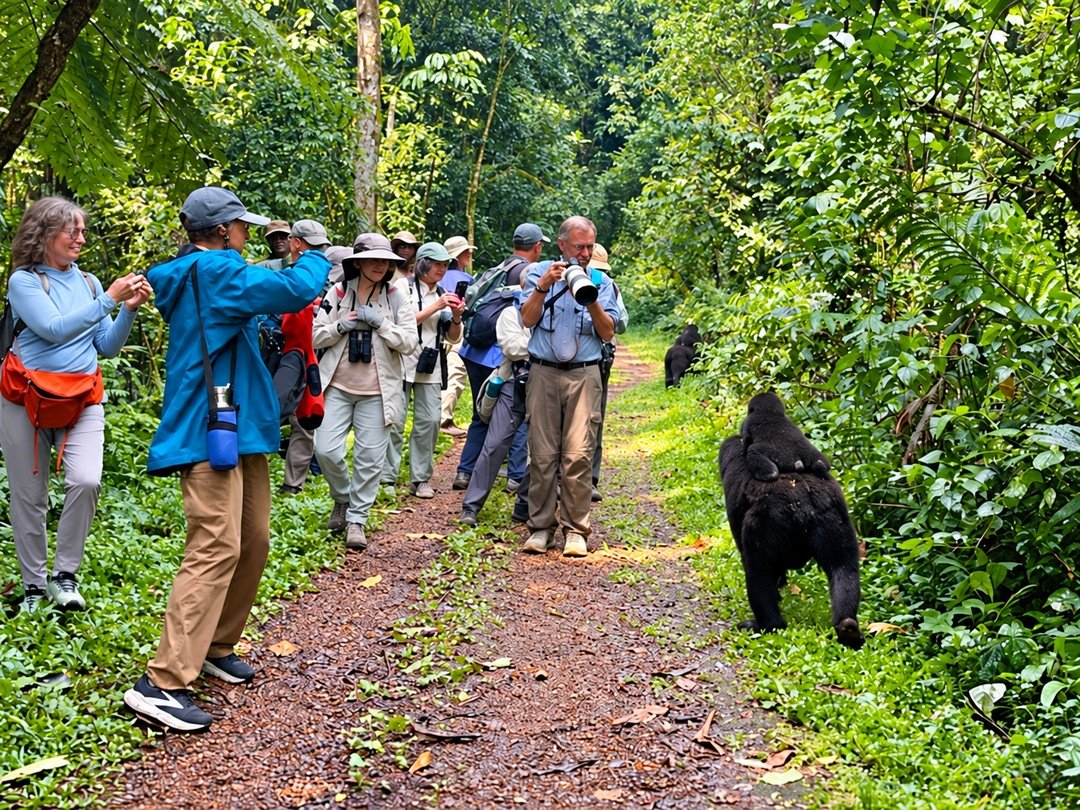
A Gorilla Group Joining Safari From Entebbe offers travelers a practical, social and more affordable way to experience mountain gorilla trekking in Uganda without carrying the full cost of private safari transportation. Instead of hiring a safari vehicle and professional driver-guide exclusively for one traveler or one couple, participants join other visitors traveling on the same scheduled route from Entebbe toward Uganda’s mountain gorilla destinations.
For international travelers arriving through Entebbe International Airport, this safari style can be particularly convenient. You can arrive in Entebbe, spend a night near the airport when necessary and join a scheduled departure toward southwestern Uganda the following morning. Transport, accommodation, major travel arrangements and gorilla trekking logistics can then be coordinated around the same itinerary.
The main destination is usually Bwindi Impenetrable National Park, Uganda’s most established mountain gorilla trekking destination. Depending on permit availability and itinerary planning, travelers may trek in Buhoma, Ruhija, Rushaga or Nkuringo. Some group joining safaris may alternatively include Mgahinga Gorilla National Park, particularly when the itinerary is designed around southwestern Uganda and additional primate experiences.
The journey from Entebbe to gorilla country is long, but it is also part of the Uganda safari experience. Travelers pass through busy towns, agricultural areas, rolling countryside, traditional communities and increasingly mountainous landscapes as the vehicle moves toward the southwest. Unlike flying directly into the region, traveling by road provides a broader introduction to Uganda and allows visitors to see how the landscape changes between central and southwestern Uganda.
A Gorilla Group Joining Safari From Entebbe works particularly well for solo travelers, couples, friends and budget-conscious visitors who want professional organization without paying for an entirely private vehicle. Sharing transport does not reduce the quality of the actual gorilla trekking experience. Once travelers reach the park, gorilla trekking follows the same established procedures regardless of whether they arrived on a private safari or a shared group departure.
For visitors who want to experience Uganda’s mountain gorillas while keeping transportation costs manageable, meeting other travelers and enjoying a professionally coordinated journey, a group joining safari from Entebbe can provide an excellent balance between affordability, organization and adventure.
What Is a Gorilla Group Joining Safari From Entebbe?
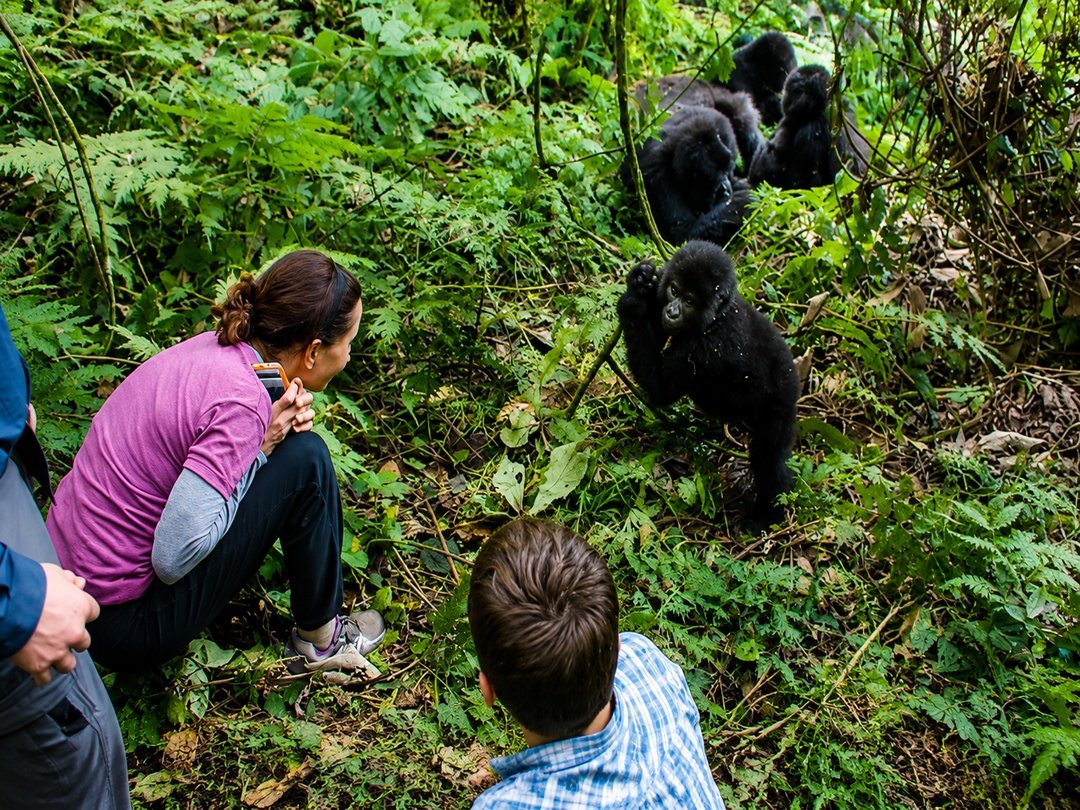
A Gorilla Group Joining Safari From Entebbe is a scheduled Uganda safari where individual travelers reserve seats on the same vehicle and travel together from Entebbe toward a mountain gorilla trekking destination.
The participants normally share transportation, the services of a professional driver-guide and selected safari logistics. Accommodation may be arranged according to the confirmed package, while each traveler requires their own gorilla trekking permit.
This arrangement differs from a fully private gorilla safari, where the safari vehicle and driver-guide are reserved exclusively for one traveler, couple, family or private group. On a group joining safari, the cost of the vehicle, fuel and professional guiding can be divided among several participants.
This shared-cost model is particularly attractive to solo travelers. A person traveling alone may find private transportation to Bwindi expensive because they would otherwise cover the entire cost of the vehicle and driver-guide. Joining other travelers makes it possible to divide these operational costs while still receiving professional safari support.
Couples can also benefit. They may share the safari vehicle with other participants during the road journey while still enjoying private accommodation as a couple.
Friends traveling together can reserve several seats on the same departure and benefit from the same shared arrangement without needing to organize every element of the journey independently.
The safari normally follows an agreed schedule. Travelers receive information about the departure date, meeting location, reporting time and planned route before the journey begins.
Because everyone is traveling together, punctuality is important. Group joining safaris are not as flexible as private safaris, where departure times and stops can often be changed according to individual preferences.
The reward is a more affordable and structured way to reach Uganda’s mountain gorillas.
Why Start a Gorilla Group Joining Safari From Entebbe?
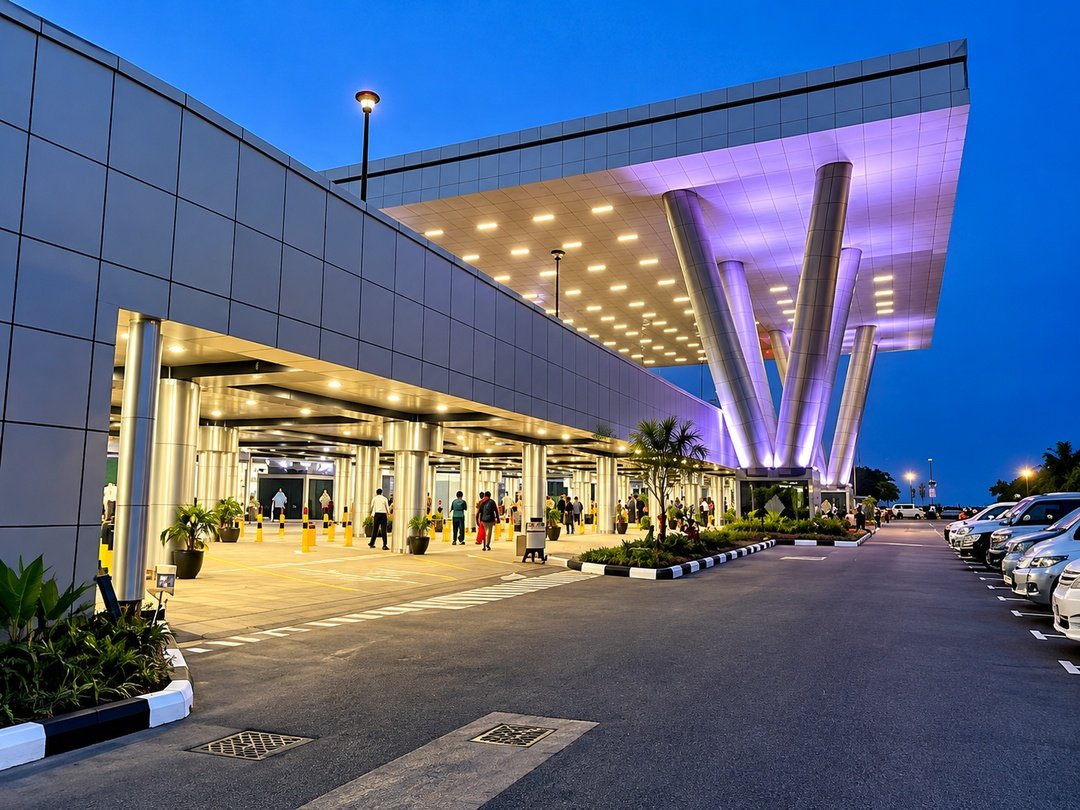
Entebbe is one of the most convenient starting points for international travelers planning a gorilla trekking safari in Uganda.
Most visitors arriving in Uganda by air enter through Entebbe International Airport. Beginning the safari from Entebbe therefore reduces the need to arrange a separate transfer into Kampala before joining a gorilla safari.
Travelers arriving the previous evening can stay at accommodation in Entebbe and meet their safari group the following morning.
This can make the beginning of the journey easier, particularly after a long international flight.
Entebbe also provides a calmer starting environment than the center of Kampala. Depending on the route and traffic conditions, the group can begin traveling toward southwestern Uganda without first making unnecessary movements through the capital.
For travelers with a very early scheduled departure, staying in Entebbe the night before the safari can also reduce the risk of delays.
International visitors should avoid planning a group departure too close to their scheduled flight arrival. Immigration procedures, baggage collection, flight delays and airport transfers can all affect timing.
A night in Entebbe before departure provides more flexibility and allows travelers to begin the road journey rested.
The starting point is also practical for travelers who plan to end their safari at Entebbe International Airport. After returning from Bwindi or another safari destination, the driver-guide can coordinate the final transfer toward Entebbe according to the confirmed itinerary.
Entebbe to Bwindi Impenetrable National Park
The journey from Entebbe to Bwindi Impenetrable National Park is one of the most important parts of a Gorilla Group Joining Safari From Entebbe.
The road transfer takes travelers from central Uganda toward the forested highlands of the southwest.
The group normally departs early because the journey occupies a large part of the travel day.
Once the vehicle leaves Entebbe and the greater Kampala area, the landscape gradually becomes more rural.
Travelers pass through agricultural communities, trading centers, farming areas and towns that provide a broader picture of everyday life in Uganda.
The scenery changes significantly as the journey continues southwest.
Flat and gently rolling countryside gradually gives way to increasingly dramatic hills, valleys and cultivated slopes.
Banana plantations, small farms, cattle areas and traditional communities can all be seen along different sections of the route.
Scheduled stops are normally arranged for meals, refreshments and rest.
These stops are important because the journey is long, particularly for travelers who have recently arrived from international flights.
A well-planned safari avoids rushing unnecessarily and gives the group enough time to travel safely.
As travelers approach the Bwindi region, the scenery becomes increasingly mountainous.
Forested ridges, steep valleys and cultivated highlands begin to dominate the landscape.
This change creates a strong sense that the group is entering a very different part of Uganda.
By the time travelers reach their lodge, the long road journey has already introduced them to several different landscapes and communities.
Bwindi Impenetrable National Park
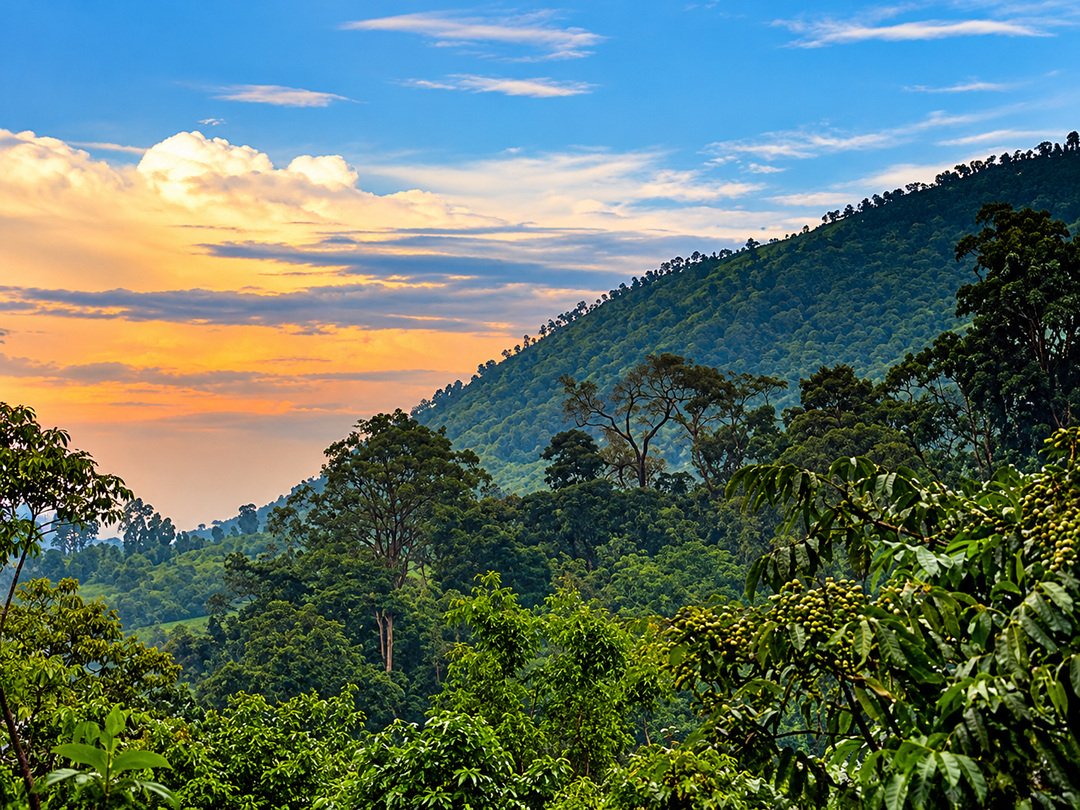
Bwindi Impenetrable National Park is the principal destination for most Gorilla Group Joining Safari From Entebbe itineraries and one of Uganda’s most remarkable wildlife areas. Set within the mountainous landscapes of southwestern Uganda, the park protects an ancient tropical rainforest renowned for its extraordinary biodiversity and, most importantly, its population of endangered mountain gorillas. The thick vegetation, mist-covered ridges, steep valleys and dense forest canopy create a completely different safari environment from Uganda’s open savannah parks, making a visit to Bwindi feel like a journey into one of Africa’s most distinctive wilderness areas.
Gorilla trekking in Bwindi is an active forest experience rather than a traditional vehicle-based safari. Visitors enter the rainforest on foot with experienced ranger guides and trackers, following forest trails and natural pathways in search of an assigned habituated gorilla family. The trek can vary considerably from one day to another because the gorillas move freely through their natural habitat. Some trekking groups may locate their assigned family after a relatively manageable walk, while others may spend several hours climbing forested slopes, crossing muddy ground and moving through dense vegetation before reaching the gorillas. This unpredictability is part of what makes the experience so authentic and memorable.
Bwindi is divided into four main gorilla trekking sectors: Buhoma, Ruhija, Rushaga and Nkuringo. Each area has its own access routes, landscapes, accommodation choices and trekking character, so the sector indicated by the gorilla trekking permit plays an important role in the overall safari plan. For travelers joining a shared safari from Entebbe, careful coordination is especially important because transport, accommodation and the morning transfer to the briefing point must all correspond with the correct trekking sector. A well-planned itinerary therefore begins with permit availability before the final lodge and road arrangements are confirmed.
Buhoma Gorilla Trekking Sector
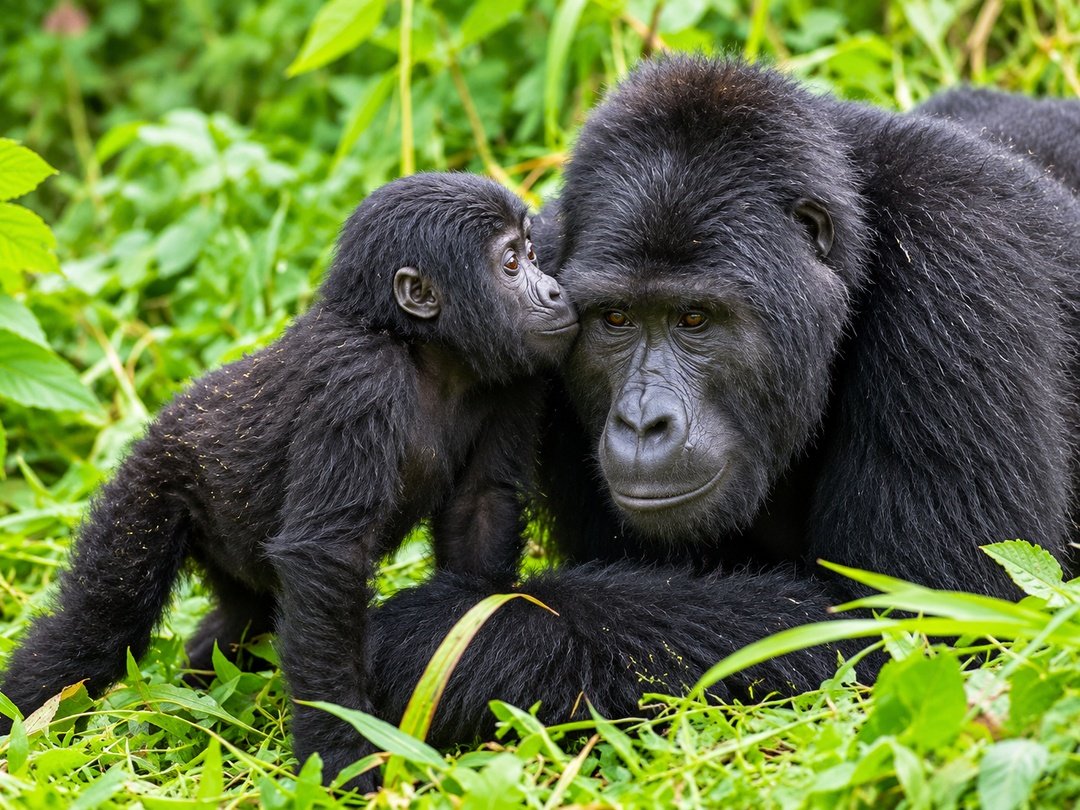
Buhoma is one of the best-known gorilla trekking areas in Bwindi and has played an important role in the development of mountain gorilla tourism in Uganda. Located on the northern side of the forest, the sector offers a wide range of accommodation choices and can fit particularly well into itineraries that combine Bwindi with Queen Elizabeth National Park. This makes Buhoma especially attractive to travelers who want to experience both mountain gorillas and Uganda’s traditional savannah wildlife within the same journey.
The surrounding environment is beautifully forested, with steep green hills and thick vegetation creating an impressive introduction to Bwindi. Travelers staying in the area can enjoy the peaceful atmosphere of the rainforest while remaining within practical reach of the gorilla trekking briefing point. Community experiences and guided activities can also complement the trek, allowing visitors to learn more about the people who live near the forest and the connection between tourism, conservation and local livelihoods.
For group joining safaris, lodge location remains especially important. Travelers should ideally stay close enough to the Buhoma briefing area to avoid unnecessary early-morning driving on trekking day. When accommodation, permits and transport are correctly coordinated, Buhoma can provide a comfortable and rewarding base for a Uganda gorilla trekking safari.
Ruhija Gorilla Trekking Sector
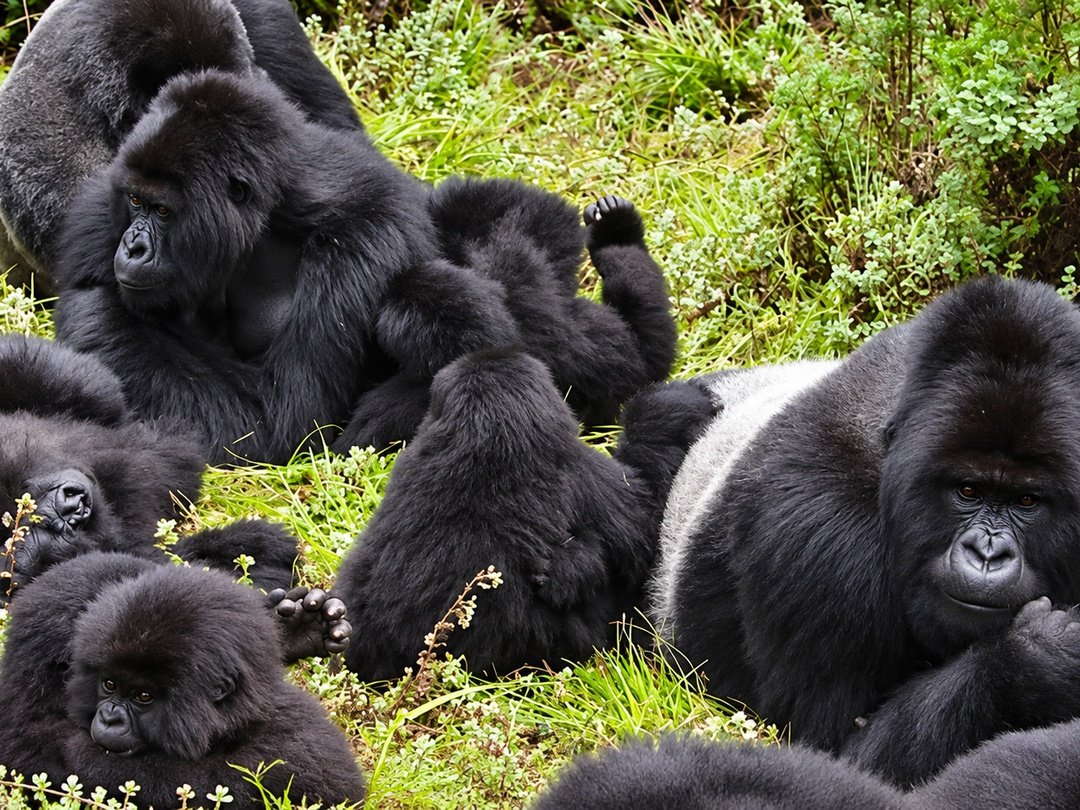
Ruhija lies within a higher section of Bwindi and offers a very scenic mountain-forest environment. The elevation often brings cooler conditions, misty mornings and impressive views across forested ridges, making the area particularly attractive to travelers who enjoy natural scenery as much as the gorilla encounter itself. The forest around Ruhija is also known for excellent birding opportunities, giving wildlife enthusiasts another reason to spend time in this part of Bwindi.
Gorilla trekking in Ruhija can involve physically demanding terrain, with steep sections, muddy paths and dense vegetation forming part of the experience. Travelers should therefore prepare with suitable footwear, rain protection and a reasonable level of fitness. The difficulty of any individual trek cannot be guaranteed in advance because the location of the gorilla family determines the amount of walking required.
For visitors interested in combining mountain gorilla trekking with a stronger hiking experience, Ruhija can be especially rewarding. The combination of elevated scenery, forest walking and the anticipation of locating a gorilla family gives the sector a distinctive wilderness character. Travelers on a group safari should ensure that their accommodation and transport arrangements match the Ruhija permit location so that the early-morning briefing can be reached comfortably.
Rushaga Gorilla Trekking Sector
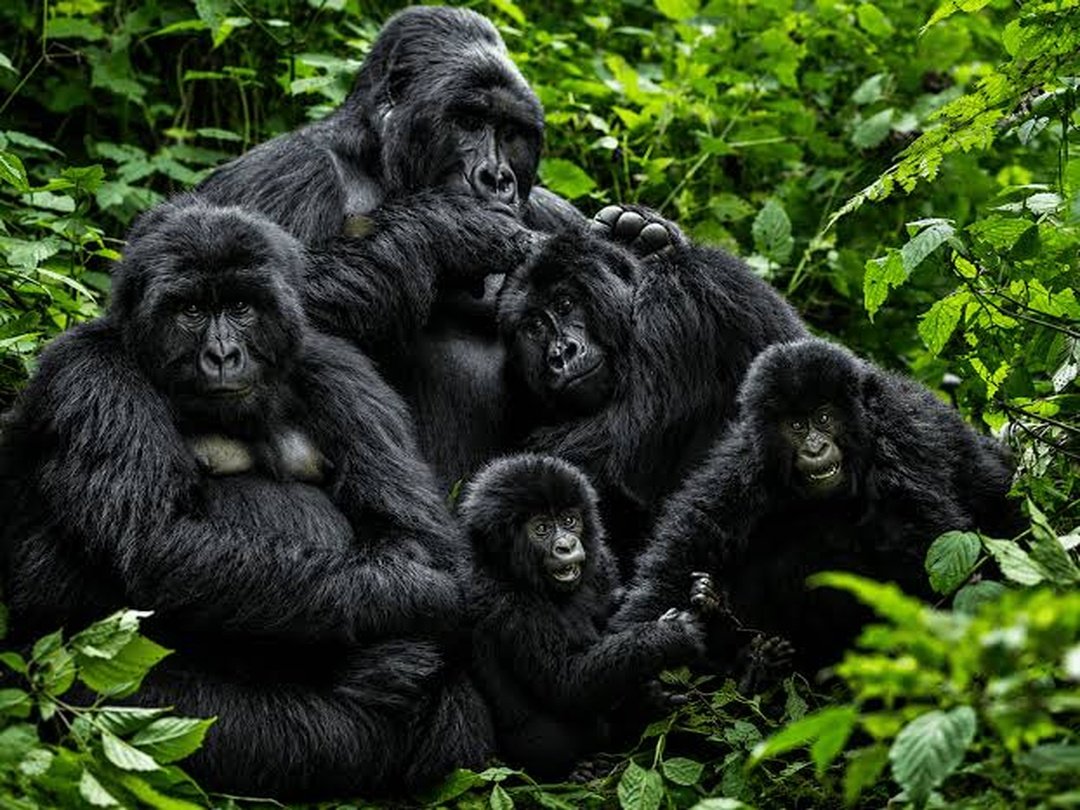
Rushaga is one of the major gorilla tourism areas in southern Bwindi and is particularly important for travelers interested in both conventional gorilla trekking and extended gorilla habituation experiences. The sector is surrounded by dramatic hills, cultivated highlands and thick rainforest, creating an impressive setting for travelers arriving from Entebbe after the long road journey through southwestern Uganda.
Visitors who want more time observing mountain gorillas may also consider Rushaga gorilla trekking and gorilla habituation as part of a longer or separately designed itinerary. Standard gorilla trekking and habituation are different experiences, so the correct permits and safari arrangements need to be confirmed in advance.
Rushaga is also strategically located for travelers interested in extending their journey toward Lake Bunyonyi, Mgahinga Gorilla National Park or cross-border routes involving Rwanda. This makes the sector particularly useful for flexible multi-destination itineraries. For travelers whose primary objective is mountain gorilla trekking, staying near Rushaga allows easier access to the briefing point while providing beautiful views of the surrounding highlands.
Nkuringo Gorilla Trekking Sector
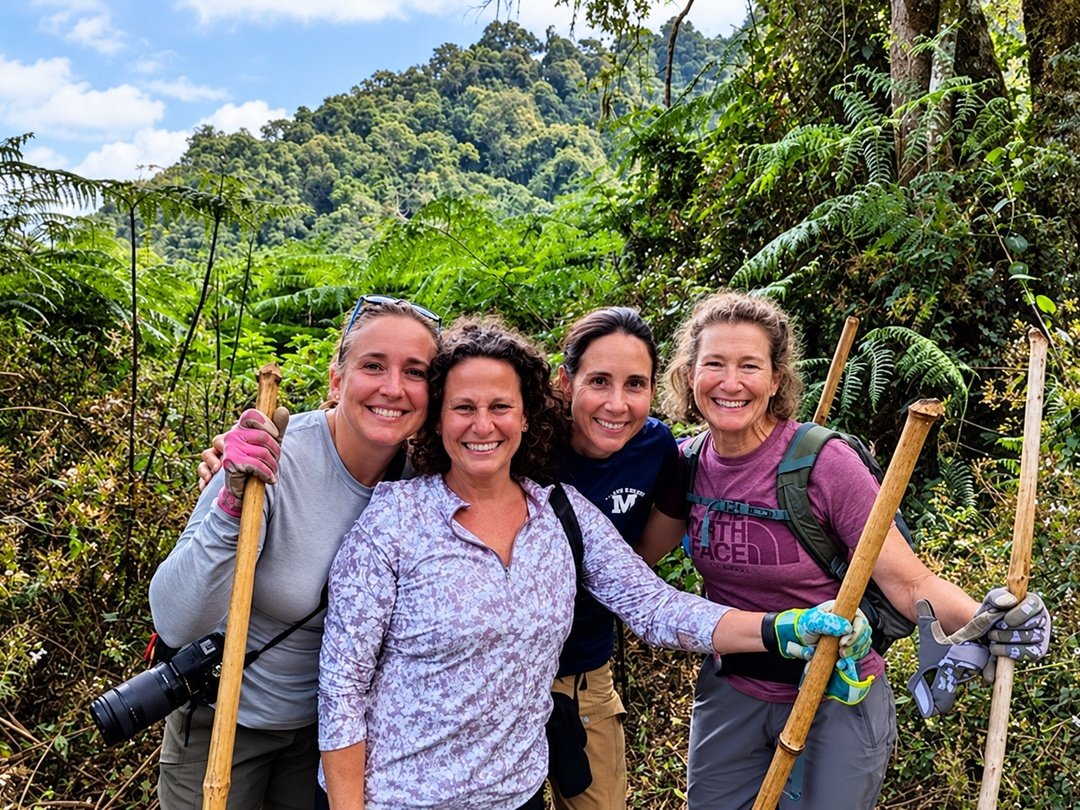
Nkuringo is one of the most dramatic and physically demanding areas of Bwindi, making it particularly appealing to active travelers who want the trek itself to form a significant part of the adventure. The highland landscape is characterized by steep slopes, deep valleys and impressive mountain scenery, creating a sense of remoteness before travelers even enter the rainforest.
The trekking terrain can be challenging, and visitors should prepare for potentially steep ascents and descents depending on the location of the gorilla family. Strong hiking footwear, rain protection and reasonable physical fitness can make the experience considerably more comfortable. Travelers who regularly walk, hike or enjoy outdoor activities may find Nkuringo especially rewarding because the forest encounter is combined with a more demanding trekking environment.
Despite the physical challenge, the scenery surrounding Nkuringo is one of its greatest attractions. The elevated position provides memorable views of southwestern Uganda’s highlands, while the forest itself creates an intimate environment for gorilla trekking. For travelers who want both a wildlife encounter and an active hiking experience, Nkuringo can be an excellent addition to a Bwindi gorilla safari.
Gorilla Trekking During a Group Joining Safari
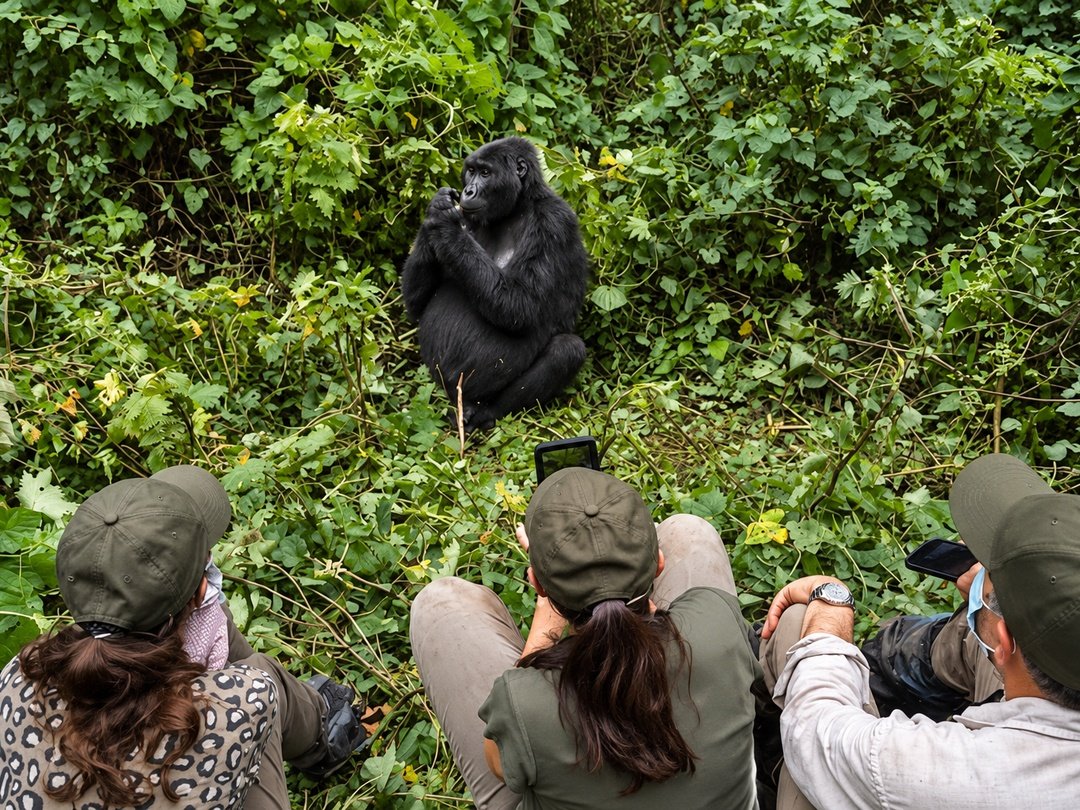
Gorilla trekking is the defining experience of the safari and the activity around which the rest of the journey is organized. The trekking day begins early, usually with breakfast at the lodge followed by a transfer to the correct park briefing point. Travelers should already have their hiking equipment prepared, including suitable footwear, rain protection, drinking water and any camera equipment they intend to carry into the forest.
Before entering the rainforest, visitors attend a briefing conducted by park personnel. The briefing explains forest safety, gorilla viewing etiquette, conservation rules and the behavior expected during the encounter. Travelers may then be organized into trekking groups according to permit arrangements, gorilla family allocations and operational considerations for that particular morning.
The trek begins with experienced rangers and trackers leading visitors into the forest. Mountain gorillas move naturally through their habitat, so their exact location changes from day to day. Trackers use signs such as nests, footprints, feeding remains and previous observations to help determine where the family may have moved. As the group progresses deeper into the forest, the terrain may include steep slopes, muddy ground, thick vegetation and uneven trails.
The anticipation becomes stronger when trackers begin finding recent signs of gorilla movement. When the assigned family is finally located, visitors are guided into a suitable viewing position and given instructions on how to behave. The first sight of a mountain gorilla can be one of the most powerful moments of the entire safari. A dominant silverback may be resting nearby while females feed, juveniles play among the vegetation and younger gorillas remain close to their mothers.
Every encounter is different because the animals are observed within their natural habitat. Visitors may witness feeding, grooming, resting, climbing or family interactions while listening to the sounds of the surrounding rainforest. Photography is possible, but travelers should prepare their cameras in advance and avoid flash photography. Throughout the encounter, ranger instructions must be followed carefully to protect both visitors and the gorillas.
After the viewing period, the group begins the hike back toward the starting point. Travelers may return tired, muddy and physically challenged, but the experience of spending time near a wild mountain gorilla family often becomes the defining memory of the journey. The group then reconnects with the driver-guide and continues according to the confirmed safari itinerary.
Gorilla Trekking Permits
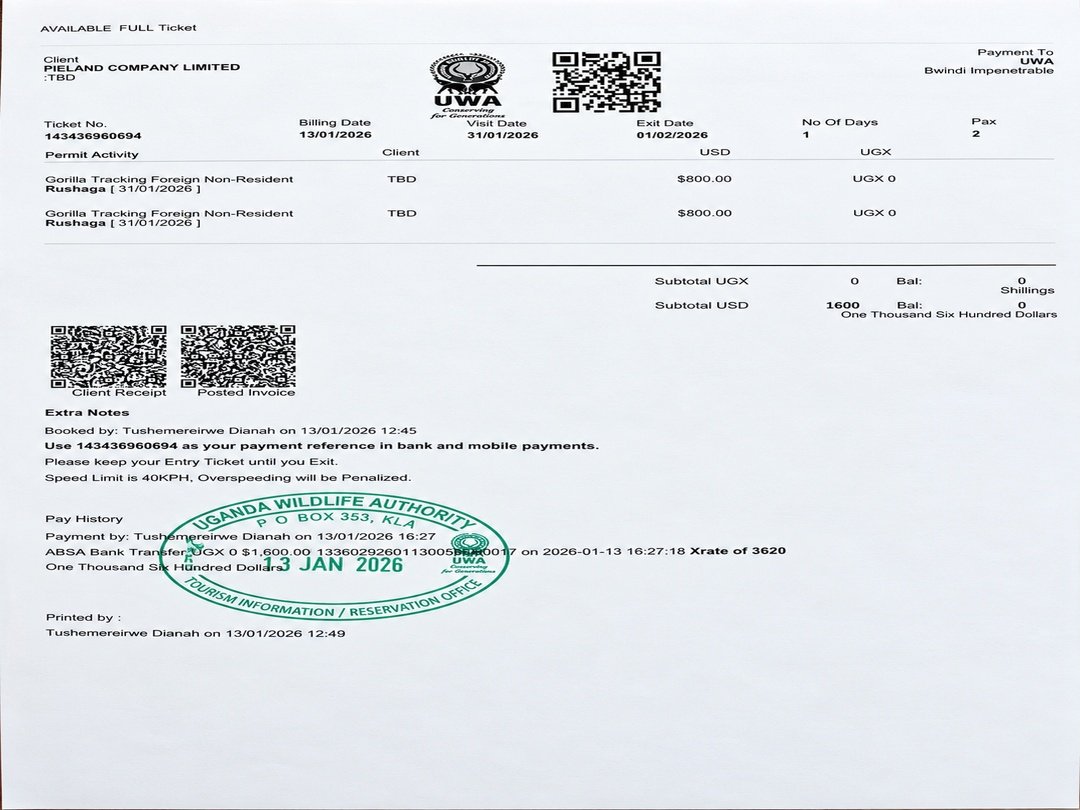
A valid gorilla trekking permit is essential for every traveler who intends to participate in a mountain gorilla trek. The permit is linked to a specific trekking date and helps regulate the number of visitors entering the forest, ensuring that tourism remains controlled and that mountain gorilla families are not exposed to excessive human contact.
Permit planning is especially important on a group joining safari because several elements of the journey must fit together. The trekking date has to match the scheduled safari departure, while accommodation and transport need to correspond with the correct trekking sector. If permits are available in Rushaga, for example, the safari should be designed around practical access to Rushaga rather than using accommodation that creates an unnecessarily long transfer on the trekking morning.
Travelers should therefore confirm their safari early once their preferred dates are known. Waiting until shortly before departure may reduce the available choice of trekking dates or sectors and can make it more difficult to coordinate suitable accommodation with the group schedule. Early confirmation provides more flexibility and allows the safari organizer to arrange the most practical combination of permit, lodge and transport.
Before payment, travelers should also confirm whether the gorilla permit has been included within the total safari quotation or listed separately. Clear information about this important component helps visitors understand the actual cost of the safari before final confirmation.
Typical 3-Day Gorilla Group Joining Safari From Entebbe
A 3 Days Gorilla Trekking Group Joining Safari in Uganda is one of the most practical options for travelers who want to focus mainly on mountain gorilla trekking while keeping the overall journey compact. The itinerary normally includes one day of road travel from Entebbe to Bwindi, a full day dedicated to gorilla trekking and a final return journey to Entebbe.
Day 1: Entebbe to Bwindi Impenetrable National Park
The safari begins early in Entebbe, where travelers meet their professional driver-guide and the other participants joining the scheduled departure. After introductions and a short briefing about the route and expected travel schedule, the group begins the long but scenic journey toward southwestern Uganda.
As the vehicle leaves Entebbe and central Uganda behind, the surrounding scenery gradually changes from busy urban areas to countryside, agricultural communities and rolling hills. The journey provides travelers with a wider view of Uganda beyond the national parks, including farming areas, small towns and traditional rural landscapes. Scheduled stops can be made for refreshments, meals and short breaks, allowing everyone to travel at a comfortable pace.
The scenery becomes increasingly dramatic as the group enters southwestern Uganda. Rolling hills develop into steeper highlands, cultivated valleys and forested ridges as the vehicle approaches Bwindi Impenetrable National Park. By late afternoon or evening, travelers arrive at accommodation positioned within practical reach of the assigned gorilla trekking sector.
After checking in, the remainder of the evening is used for relaxation and preparation. The guide can review the following morning’s schedule, confirm the departure time for the briefing point and remind travelers about the clothing and equipment required for the trek. Dinner is followed by an early night ahead of the main experience of the safari.
Day 2: Gorilla Trekking in Bwindi
The second day is the highlight of the journey. Travelers wake early, enjoy breakfast and transfer to the appropriate park briefing point with their trekking equipment and drinking water. After registering and attending the ranger briefing, participants are organized according to the day’s trekking arrangements before entering the forest.
The search for the gorillas may take a relatively short period or several hours depending on where the assigned family has moved. The trek itself becomes part of the adventure, with visitors walking through dense rainforest, climbing slopes and navigating natural forest paths under the guidance of experienced rangers and trackers.
When the gorillas are located, travelers have the extraordinary opportunity to observe them within their natural environment. A powerful silverback, protective mothers, playful juveniles and younger gorillas may all be visible within the family group. The encounter provides time to watch their behavior, take photographs and appreciate the complex relationships between individual members of the group.
After the experience, travelers hike back through the forest and reconnect with their safari guide. Depending on the itinerary, the afternoon may be spent relaxing at the lodge, enjoying another local activity or continuing toward Lake Bunyonyi for a more peaceful evening after the physical demands of the trek.
Day 3: Return From Bwindi to Entebbe
After breakfast, the group checks out and begins the return journey toward Entebbe. The drive provides a relaxed opportunity to reflect on the gorilla encounter while once again enjoying the changing landscapes of southwestern and central Uganda.
Stops can be arranged for meals, refreshments and rest according to the travel schedule. As the vehicle moves away from Bwindi, the steep highlands gradually give way to broader agricultural landscapes, towns and more densely populated areas closer to central Uganda.
The safari concludes at the agreed drop-off location in Entebbe. Travelers continuing with an international flight should allow generous time between the expected road arrival and airport check-in. Because delays can result from traffic, weather or road conditions, an overnight stay in Entebbe followed by a next-day international departure can provide a more comfortable and less stressful arrangement.
Accommodation on a Gorilla Group Joining Safari From Entebbe
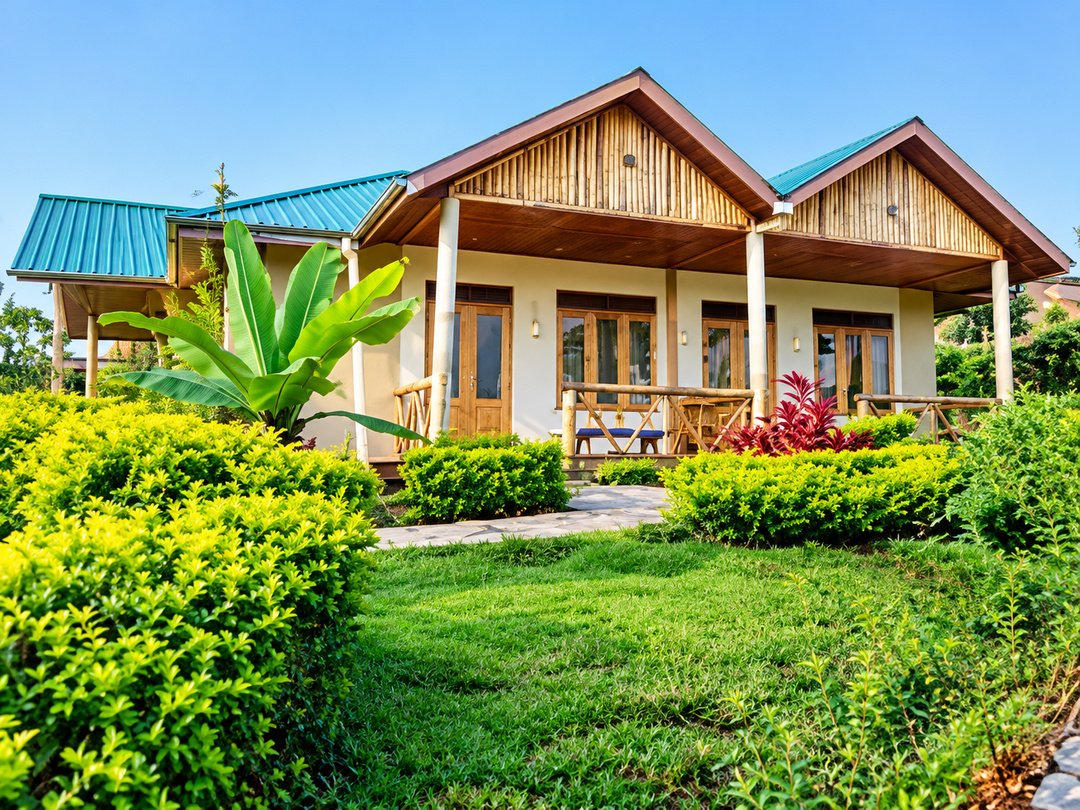
Accommodation plays an important role in the success of a group joining safari because travelers need both comfort and convenient access to the correct gorilla trekking sector. The selected lodge should correspond with the permit location so that participants do not face an unnecessarily long road transfer before the early-morning briefing.
Budget accommodation is commonly used on lower-cost gorilla trekking safaris in Uganda and generally focuses on clean rooms, practical facilities, meals and a convenient location. These properties are particularly suitable for travelers whose main priority is the gorilla encounter rather than high-end lodge services. A well-positioned budget lodge can provide everything needed for a comfortable night before and after trekking.
Midrange accommodation offers additional comfort, often including larger rooms, private bathrooms, attractive views and more developed dining facilities. This category works particularly well for couples and travelers who want a balance between affordability and a higher level of comfort.
Location should remain more important than luxury alone. An expensive lodge situated far from the relevant briefing point can create more inconvenience than a simpler property positioned close to the correct trekking sector. For this reason, accommodation should be selected only after the gorilla permit and trekking area are known.
Solo travelers should also confirm their rooming arrangements before booking. Sharing a safari vehicle does not automatically mean sharing accommodation. A private room can normally be arranged according to the package and lodge availability, although a single-room supplement may apply.
Transport From Entebbe
Shared road transportation is one of the main advantages of a Gorilla Group Joining Safari From Entebbe. Instead of one traveler or couple covering the full cost of a private safari vehicle, participants travel together and divide the major transport expenses associated with the journey.
A professional driver-guide manages the route from Entebbe toward southwestern Uganda and coordinates the major travel stops along the way. The vehicle should provide sufficient space for passengers, luggage and photography equipment while remaining suitable for the long-distance journey and the road conditions encountered near Bwindi.
Because luggage space is shared, travelers are encouraged to pack practically. Soft-sided bags are generally easier to arrange inside a safari vehicle than large rigid suitcases, particularly when several participants are traveling together.
The driver-guide contributes much more than transportation alone. Throughout the journey, the guide helps coordinate departures, lodge check-ins and daily safari arrangements while also providing information about the landscapes, communities and destinations along the route. For first-time visitors to Uganda, having an experienced professional manage these logistics can make the entire journey considerably easier and more enjoyable.
Gorilla Group Joining Safari From Entebbe for Solo Travelers
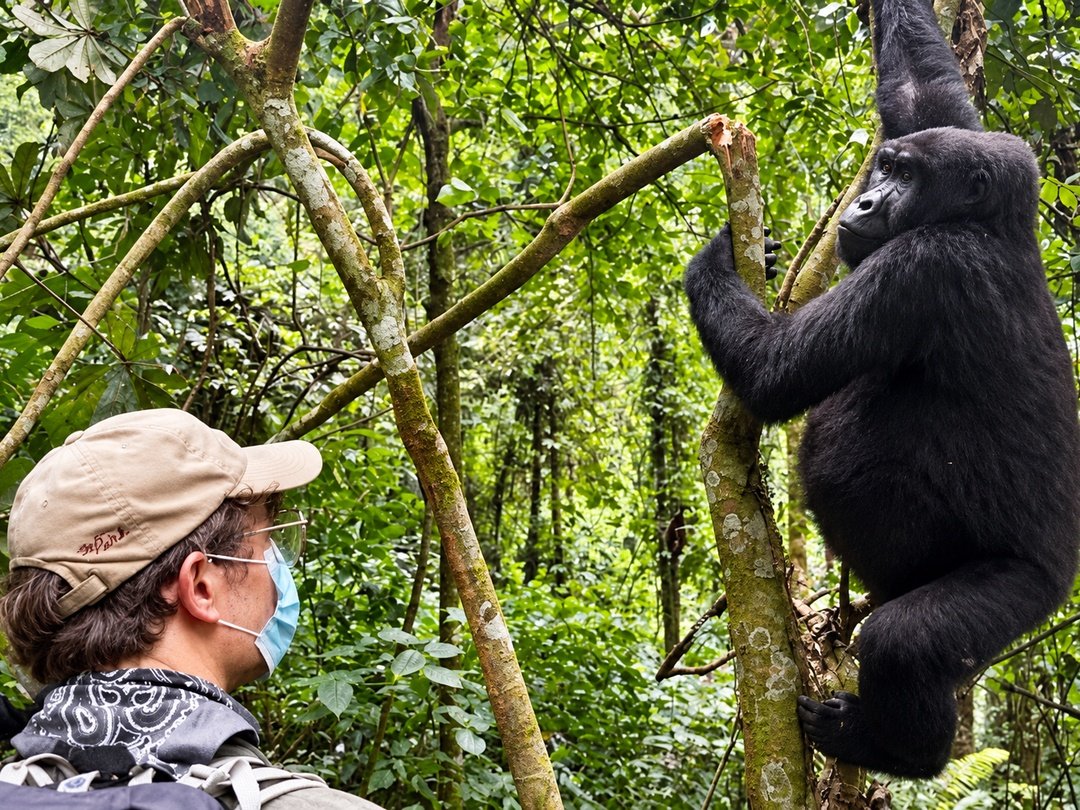
Solo travelers are among the people who benefit most from the group joining concept. Private road transportation to Bwindi can become expensive when one person must cover the entire cost of the safari vehicle, fuel and driver-guide. Joining a scheduled departure allows a solo visitor to reserve one seat and share these costs with other participants.
The arrangement also adds a valuable social element to the journey. The long drive from Entebbe to Bwindi becomes an opportunity to meet travelers from different countries who have come to Uganda for the same reason. Conversations during road transfers, meal stops and lodge evenings can turn what would otherwise be a solitary journey into a more enjoyable shared experience.
Joining a group does not remove a solo traveler’s independence. Participants can still stay in private rooms, manage their own personal time at the lodge and experience the gorilla encounter individually. The shared element mainly applies to transportation and the agreed safari schedule.
For solo travelers visiting Uganda for the first time, this combination of affordability, companionship and professional organization can make a Uganda gorilla safari particularly appealing.
Gorilla Group Joining Safari From Entebbe for Couples
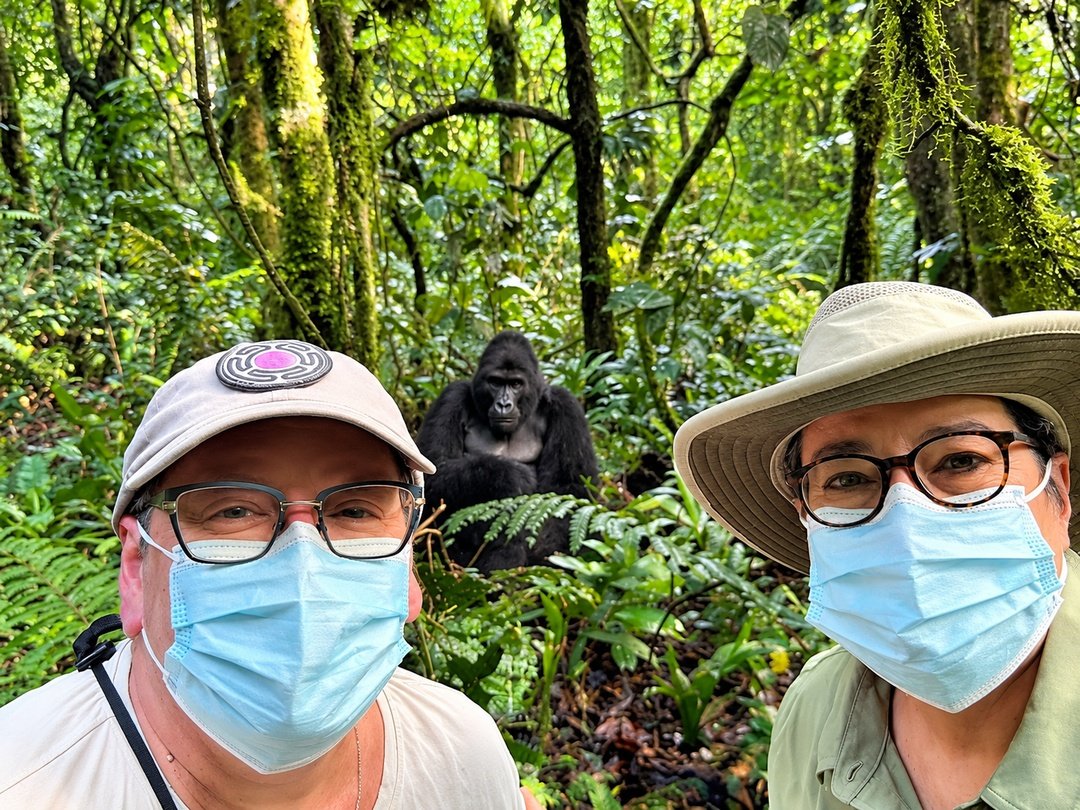
Couples can also benefit from a group safari while maintaining privacy during important parts of the journey. During the daytime, they share the safari vehicle and road transport expenses with other travelers, while accommodation can normally be arranged in a private double room.
This creates a practical balance between cost and comfort. Couples can enjoy the social atmosphere of traveling with other wildlife enthusiasts without giving up their own space in the evening. The gorilla trekking experience itself remains just as meaningful because the park procedures are the same regardless of whether travelers reached Bwindi on a private or shared safari.
Couples seeking complete privacy, customized stops and greater control over departure times may still prefer a private safari. However, travelers who are comfortable following a scheduled itinerary can find a group joining safari an excellent way to experience Bwindi while keeping transport costs manageable.
Gorilla Group Joining Safari From Entebbe for Friends
Friends traveling together can reserve places on the same scheduled departure and enjoy the benefits of shared transport without needing to organize the entire journey themselves. Twin or shared accommodation can normally be arranged according to lodge availability and personal preference.
Friends who want to trek the same gorilla family should communicate this request when the safari is being planned. Permit coordination may make it possible for travelers to remain together, although final trekking arrangements are subject to park procedures and operational considerations.
For groups of friends interested in wildlife, photography or hiking, the journey can become as enjoyable as the gorilla encounter itself. Sharing the long road transfer, meals and anticipation of entering Bwindi creates a memorable social experience before the group even reaches the forest.
Best Time for a Gorilla Group Joining Safari From Entebbe
Mountain gorilla trekking can be enjoyed throughout the year, so there is no single period when visitors must travel. The best time depends on individual preferences, permit availability, international flight schedules and tolerance for different weather conditions.
Comparatively drier periods are often popular because forest trails may be easier to navigate when there has been less rainfall. Steep paths can become less slippery, making the trek more comfortable for some visitors. However, Bwindi is a tropical rainforest, and showers can occur at any time, even during months generally considered drier.
The wetter periods can also provide a beautiful gorilla trekking experience. The forest becomes intensely green, misty and atmospheric, creating excellent conditions for travelers interested in rainforest photography. The main challenge is that trails may become muddier and more physically demanding.
Travelers should therefore avoid choosing dates based only on weather. Gorilla permit availability, lodge space and the possibility of combining Bwindi with other Uganda destinations should also influence the final decision. Once preferred dates are known, confirming the safari early generally provides the greatest flexibility.
What to Pack for Gorilla Trekking
Preparing properly for the gorilla trekking day can make a major difference to comfort in the forest. Strong hiking boots or trekking shoes with reliable grip are among the most important items because Bwindi’s trails can become muddy, slippery and uneven.
Long trousers and a lightweight long-sleeved shirt help protect the skin from vegetation, insects and scratches while walking through dense forest. A waterproof jacket or poncho should also be carried because rain can develop quickly in a tropical rainforest.
Lightweight gloves can be useful when travelers need to hold vegetation for balance on steep sections. A small daypack should provide enough space for drinking water, snacks, camera equipment, rain protection and personal items without becoming unnecessarily heavy.
Photographers should carefully consider how much equipment they carry. Large camera systems can become tiring after several hours of hiking, so it is often better to bring only the equipment that is genuinely needed. Spare batteries and memory cards are useful, while flash photography should not be used during the gorilla encounter.
Personal medication should remain easily accessible. Travelers who prefer not to carry their equipment throughout the trek can also hire a local porter, who can help with backpacks and provide assistance on steep or slippery terrain.
Combining a Gorilla Group Joining Safari From Entebbe With Queen Elizabeth National Park
Travelers with additional time can combine mountain gorilla trekking with Queen Elizabeth National Park to experience two very different sides of Uganda’s wildlife.
Bwindi provides an intimate forest encounter where visitors travel on foot in search of mountain gorillas, while Queen Elizabeth offers open savannah landscapes and traditional game-viewing experiences. Game drives provide opportunities to look for elephants, buffaloes, antelopes, lions and other wildlife associated with Uganda’s western safari circuit.
The contrast between dense rainforest and open savannah makes this one of the most rewarding combinations available in Uganda. Rather than focusing solely on primates, travelers gain a broader understanding of the country’s wildlife diversity.
Enough days should be included so that the journey does not feel rushed. Adding Queen Elizabeth National Park to a short three-day gorilla safari would significantly increase travel pressure, while a longer itinerary allows both destinations to be experienced at a more comfortable pace.
Combining Bwindi With Kibale National Park
Travelers who are especially interested in primates can extend their journey to Kibale Forest National Park, one of Uganda’s leading destinations for chimpanzee tracking.
Combining Kibale and Bwindi creates a highly rewarding primate-focused safari. Although both activities take place within forest environments, the experiences are very different. Mountain gorillas are often observed within relatively stable family groups, while chimpanzees can be more active and may move quickly through the forest.
Experiencing both allows travelers to compare the behavior and habitats of two of Uganda’s most fascinating primates. The journey also provides an opportunity to explore more of western Uganda rather than concentrating entirely on the southern gorilla region.
Because the distance between Kibale and Bwindi is significant, the safari should include enough travel time to avoid rushing between destinations.
Combining Bwindi With Mgahinga Gorilla National Park
A group safari can also be extended to Mgahinga Gorilla National Park, another remarkable primate destination in southwestern Uganda.
Mgahinga has a very different character from Bwindi. Instead of the deeply folded rainforest valleys associated with Bwindi, visitors encounter bamboo forest, high-altitude vegetation and dramatic volcanic scenery connected to the wider Virunga landscape.
Travelers can combine their journey with golden monkey trekking, providing an additional primate experience after mountain gorilla trekking. Mgahinga is also particularly attractive to travelers who enjoy hiking because its mountain environment offers a stronger volcanic and high-altitude character.
Combining Bwindi and Mgahinga works especially well for visitors who want a more active safari centered on primates, forests and mountain scenery rather than traditional savannah game drives.
Combining the Safari With Lake Mburo National Park
Lake Mburo National Park can be incorporated into a longer itinerary between southwestern Uganda and Entebbe, making it a practical addition for travelers who want another wildlife experience without traveling far away from the main return route.
The environment is completely different from Bwindi. Instead of thick rainforest and mountain gorillas, Lake Mburo features open savannah, woodland and wetland habitats supporting plains wildlife and a rich variety of birds.
Game drives and walking safari experiences can introduce travelers to zebras, antelopes and other animals associated with the park. For visitors interested in exploring wildlife on foot, Lake Mburo provides an interesting contrast to the forest trekking experience in Bwindi.
An overnight stop can also help break up the long road journey back toward Entebbe. Instead of completing the entire transfer in one day, travelers can enjoy another national park before continuing to central Uganda.
Group Joining Safari vs Private Gorilla Safari
Both a group joining safari and a private gorilla safari ultimately provide access to the same regulated mountain gorilla trekking experience. The main difference lies in how travelers move between destinations and how much control they have over the schedule.
On a group safari, participants share the safari vehicle, professional driver-guide and agreed route. Departure times, major stops and daily movements are coordinated around the whole group rather than one individual traveler. The principal advantage is cost sharing, particularly on the long road journey between Entebbe and Bwindi.
A private safari offers greater flexibility. The vehicle and driver-guide are reserved exclusively for one traveler, couple, family or private party, allowing departure times, road stops and accommodation arrangements to be customized more easily.
For travelers who value complete privacy and control over the itinerary, a private safari may therefore be more suitable. For solo visitors, couples and friends who are comfortable following a scheduled route, a group joining safari can provide excellent value and a more social experience.
Importantly, sharing transportation does not reduce the quality of the actual gorilla trekking encounter. Once travelers arrive at the park briefing point, trekking follows the same official procedures regardless of how they traveled to Bwindi.
Cost Factors for a Gorilla Group Joining Safari From Entebbe
The total cost of a Gorilla Group Joining Safari From Entebbe depends on several factors rather than one fixed amount. The gorilla trekking permit is one of the most important components because every participating traveler requires an individual permit for the confirmed trekking date.
The permit cost itself is not normally reduced by joining a group. The main financial advantage comes from sharing transportation, fuel and driver-guide expenses with other participants rather than paying these costs privately.
Accommodation category also affects the final quotation. Budget lodges keep the overall safari cost lower, while midrange and luxury properties provide additional comfort at a higher price. The location of the lodge should nevertheless remain a priority because accommodation must provide practical access to the correct trekking sector.
Safari length is another major factor. A short gorilla-focused journey generally costs less than a longer itinerary including Queen Elizabeth National Park, Kibale Forest National Park, Mgahinga Gorilla National Park or Lake Mburo National Park. Additional activities such as chimpanzee tracking, golden monkey trekking, game drives and cultural experiences can also increase the final cost.
Travelers should therefore request a complete quotation based on their specific dates, number of participants, rooming arrangements and preferred activities rather than relying on a general advertised figure.
Responsible Gorilla Trekking
Responsible tourism is essential during any mountain gorilla safari because the animals live within a sensitive natural environment and require careful protection from unnecessary human disturbance.
Visitors should follow ranger instructions throughout the trek and encounter. Loud behavior should be avoided, and travelers should never attempt to touch or feed the gorillas. Photography should be carried out responsibly without using flash.
Respect for Bwindi Impenetrable National Park is equally important. Travelers should avoid leaving rubbish, unnecessarily damaging vegetation or removing natural materials from the forest. Everyone entering the park plays a role in ensuring that the environment remains protected for wildlife and future visitors.
Health precautions are particularly important because mountain gorillas can be vulnerable to certain human illnesses. Anyone who feels unwell before trekking should inform the safari guide and relevant park personnel before entering the forest.
Hiring local porters can also create a positive economic impact. In addition to helping visitors carry equipment and negotiate challenging terrain, porter services provide income opportunities for people living around the park. Responsible tourism therefore contributes not only to wildlife conservation but also to livelihoods within communities surrounding Bwindi.
How to Book a Gorilla Group Joining Safari From Entebbe
Booking begins with confirming your preferred travel dates and checking whether a suitable scheduled group departure is available. Because gorilla trekking permit availability determines much of the itinerary, permits should be checked before accommodation and transport arrangements are finalized.
Once suitable dates are identified, travelers should provide the personal information required for permit and accommodation arrangements. Names should match the travel documents that will be used during the safari to avoid unnecessary complications.
The safari organizer can then coordinate the permit, suitable accommodation and shared transport from Entebbe. Solo travelers should confirm whether the quoted package includes a private room, while couples and friends should communicate their preferred room configuration.
Before making payment, travelers should carefully review what has been included in the quotation. Gorilla permits, transport, accommodation, meals and additional activities should be clearly identified so that there is no uncertainty about the services covered by the safari cost. Travelers should also review the booking and cancellation conditions before confirming their reservation.
Once the booking is complete, participants should receive clear information about the Entebbe meeting point, departure time, trekking date, accommodation arrangements and any preparations required before travel. With these details organized in advance, travelers can begin their Gorilla Group Joining Safari From Entebbe knowing that the major logistics have already been carefully coordinated.
For travelers ready to secure their place, contact Pieland Gorilla Safaris to check scheduled departures, gorilla permit availability and suitable accommodation for the preferred travel dates.
Frequently Asked Questions About Gorilla Group Joining Safari From Entebbe
What is a Gorilla Group Joining Safari From Entebbe?
A Gorilla Group Joining Safari From Entebbe is a scheduled Uganda safari where individual travelers join other participants traveling on the same or a similar route from Entebbe toward Uganda’s mountain gorilla destinations. Instead of paying privately for an entire safari vehicle and driver-guide, travelers share selected services such as transportation and guiding. This makes the journey especially suitable for solo travelers, couples and friends who want a professionally organized gorilla trekking experience while keeping transport costs more manageable.
Is this suitable for solo travelers?
Yes. A Gorilla Group Joining Safari From Entebbe is particularly suitable for solo travelers because it removes the need to pay for private safari transportation alone. Solo visitors can reserve a seat on a scheduled departure, share vehicle and driver-guide costs with other travelers and still enjoy their own gorilla trekking experience. Private accommodation can usually be arranged, although travelers should confirm whether a single-room supplement applies.
Can couples book a Gorilla Group Joining Safari From Entebbe?
Yes. Couples can join the same scheduled safari departure while normally staying together in a private double room. They share transportation and selected safari services with the rest of the group, which can help reduce the overall safari cost while maintaining privacy at the lodge.
Where does a Gorilla Group Joining Safari From Entebbe begin?
The safari normally begins from an agreed meeting point in Entebbe. Depending on the confirmed arrangements, travelers may be collected from selected hotels, guesthouses or another designated location. Participants should arrive before the scheduled departure time because group safaris operate according to a shared timetable.
Can travelers be collected from Entebbe International Airport?
Yes. Airport pickup can be arranged when it forms part of the confirmed itinerary. Travelers arriving on international flights should allow sufficient time for immigration, baggage collection and possible delays before joining the scheduled departure. Spending a night in Entebbe before departure can be a more comfortable option when arrival times are late.
Which gorilla destination is normally visited on a Gorilla Group Joining Safari From Entebbe?
Most itineraries focus on Bwindi Impenetrable National Park because it has several established gorilla trekking sectors and a wide range of accommodation options. Mgahinga Gorilla National Park may also be considered depending on permit availability and the structure of the itinerary.
Which Bwindi sector can be used during a Gorilla Group Joining Safari From Entebbe?
Travelers may trek from Buhoma, Ruhija, Rushaga or Nkuringo depending on permit availability and safari arrangements. Each sector has different access routes, accommodation options and trekking terrain, so accommodation and transport should be coordinated around the confirmed permit location.
Is a gorilla trekking permit required for this safari?
Yes. Every traveler participating in gorilla trekking requires a valid permit for the confirmed date. The permit allows access to the regulated trekking activity and helps control the number of visitors entering the forest each day.
Is the gorilla trekking permit included in a Gorilla Group Joining Safari From Entebbe?
This depends on the confirmed quotation. Some packages include the permit within the total safari cost, while others may list it separately. Travelers should check the inclusions carefully before making payment.
Should permits for a Gorilla Group Joining Safari From Entebbe be booked early?
Yes. Gorilla trekking permits are limited, particularly during popular travel periods. Booking early gives travelers a better chance of securing preferred dates and allows the safari organizer to coordinate the vehicle, accommodation and trekking sector properly.
How long does a Gorilla Group Joining Safari From Entebbe take to reach Bwindi?
The journey normally takes most of the travel day. Exact travel time depends on traffic, road conditions, weather, rest stops and the Bwindi sector being used. Travelers should therefore expect an early departure and a long but scenic journey through central and southwestern Uganda.
Is the road journey comfortable on a Gorilla Group Joining Safari From Entebbe?
The journey is long, but planned meal and rest stops can make it more comfortable. Travelers should wear relaxed clothing and pack practical luggage. The changing scenery, rural communities and highland landscapes also make the road transfer part of the safari experience.
How many days are recommended for a Gorilla Group Joining Safari From Entebbe?
Three days is one of the most common minimum itineraries for travelers whose main objective is gorilla trekking. Longer safaris are recommended for visitors who want to include destinations such as Queen Elizabeth National Park, Kibale National Park, Mgahinga or Lake Mburo.
Can Queen Elizabeth National Park be included?
Yes. Queen Elizabeth National Park can be added when enough time is available. This combination allows travelers to experience mountain gorillas in Bwindi and traditional savannah wildlife through game drives and other activities.
Can chimpanzee tracking be added to a Gorilla Group Joining Safari From Entebbe?
Yes. Chimpanzee tracking in Kibale National Park can be combined with gorilla trekking for travelers interested in a broader Uganda primate safari. Additional days should be included because Kibale and Bwindi are located in different parts of western Uganda.
Can Mgahinga be included in a Gorilla Group Joining Safari From Entebbe?
Yes. Mgahinga can be included for travelers interested in volcanic scenery, additional hiking opportunities, golden monkey trekking or another mountain gorilla destination in southwestern Uganda.
Is accommodation shared on a Gorilla Group Joining Safari From Entebbe?
Not necessarily. Travelers normally share transportation, but accommodation depends on the confirmed safari package. Couples may use double rooms, friends may request twin rooms and solo travelers can usually arrange private accommodation.
Is a Gorilla Group Joining Safari From Entebbe cheaper than a private safari?
It can be more affordable because the vehicle, fuel and driver-guide costs are shared among several participants. Each traveler still requires an individual gorilla trekking permit, so the main savings usually come from shared transportation and selected safari logistics.
Is gorilla trekking physically demanding?
It can be physically demanding because visitors trek through natural rainforest terrain. Trails may be steep, muddy, slippery and covered by dense vegetation. Reasonable fitness, suitable hiking footwear and proper preparation can make the experience more comfortable.
How do travelers book a Gorilla Group Joining Safari From Entebbe?
Travelers should provide their preferred dates, number of participants, accommodation preferences and any additional activities they would like to include. The safari organizer can then check group departure availability, confirm gorilla permits, coordinate transport and accommodation, and prepare the complete itinerary and quotation.
Can families join the safari?
Yes. Families can join when the itinerary and accommodation arrangements suit their needs. Travelers planning to participate in the actual gorilla trek should meet the applicable trekking requirements, while younger family members may require alternative activities.
What is the minimum age for gorilla trekking?
Travelers must meet the minimum age requirement established for gorilla trekking in Uganda. Families traveling with younger children should confirm the applicable requirement before booking and arrange suitable activities for any family members who cannot participate in the trek.
What should I wear for gorilla trekking?
Strong hiking shoes, long trousers, a long-sleeved shirt and a waterproof jacket are recommended. The forest can be muddy and wet, so practical clothing that protects against vegetation and changing weather conditions is important.
Do I need previous hiking experience?
Previous hiking experience is helpful but not compulsory. Travelers with reasonable fitness can usually participate successfully, although preparing with regular walking before the safari can make steep or longer forest treks easier.
Should I hire a porter?
Hiring a porter can make the trek considerably more comfortable. Porters can carry backpacks, cameras and drinking water while also helping travelers negotiate steep or slippery sections of the forest trail.
Can I take photographs during the gorilla encounter?
Yes. Photography is allowed, provided visitors follow ranger instructions and avoid using flash. Travelers should prepare their camera settings before approaching the gorillas so they can focus on the experience without unnecessary adjustments.
Can smartphones be used for gorilla photography?
Yes. Smartphones can be used as long as the flash is disabled and the device does not disturb the animals. Travelers should keep phones on silent mode and continue following all instructions from the ranger team.
How close can visitors get to the gorillas?
Visitors should follow the viewing distance and behavior guidance given by the rangers. Travelers should never deliberately move closer to the gorillas simply to obtain photographs or better views.
What happens if a gorilla approaches me?
Remain calm and follow the ranger’s instructions. Visitors should not touch, feed or make sudden movements toward the gorilla. Rangers are trained to manage close encounters safely.
How long does the gorilla trek take?
The total trekking time varies because mountain gorillas move naturally through the forest. Some groups may locate their assigned family relatively quickly, while others may walk for several hours before reaching them.
Can the safari operate during the rainy season?
Yes. Gorilla trekking operates throughout the year, including wetter months. Rain may make trails muddy and slippery, so travelers should carry waterproof clothing and wear strong footwear with reliable grip.
What is the best time of year for gorilla trekking?
Gorilla trekking can be enjoyed year-round. Comparatively drier periods are often preferred because forest trails may be easier to walk, but rainfall can occur in Bwindi at any time because it is a tropical rainforest.
Can birdwatching be included?
Yes. Bwindi and other destinations along the route offer excellent birdwatching opportunities. Travelers with a strong interest in birds can arrange additional guided birding activities when enough time is available.
Can cultural experiences be included?
Yes. Community visits and cultural activities can be added around Bwindi when they fit the safari schedule. These experiences can introduce travelers to local traditions, crafts, community life and the relationship between tourism and conservation.
Can Lake Bunyonyi be added after gorilla trekking?
Yes. Lake Bunyonyi can be included as a relaxing extension after the trek. Travelers can enjoy the highland scenery, boat activities, birdwatching or simply rest after spending several hours hiking through the forest.
Can Lake Mburo National Park be included?
Yes. Lake Mburo National Park can be included on a longer itinerary, particularly during the journey between southwestern Uganda and Entebbe. The park provides opportunities for game drives, walking safaris and additional wildlife viewing.
Can the safari end at Entebbe International Airport?
Yes. The final transfer can be arranged to Entebbe International Airport or another agreed location in Entebbe. Travelers should provide their onward flight details when the itinerary is being planned.
Can I take an international flight on the same day the safari returns?
It may be possible, but travelers should allow generous time for the long road journey, traffic and airport procedures. A following-day international departure can provide a more relaxed arrangement and reduce the risk of missing a flight because of unexpected delays.
What happens if I become sick before gorilla trekking?
Travelers who become unwell should immediately inform their guide and the relevant park personnel. Mountain gorillas can be vulnerable to some human illnesses, so visitors showing symptoms of potentially contagious conditions may be advised not to participate.
What happens if I arrive late for the group departure?
Group safaris operate according to shared schedules, so late arrival can affect everyone. Travelers should reach the agreed meeting point before the confirmed departure time and allow extra time for unexpected traffic or other delays.
Book Your Gorilla Group Joining Safari From Entebbe With Pieland Gorilla Safaris
Turn your dream of meeting mountain gorillas into a well-planned Uganda adventure with Pieland Gorilla Safaris.
A Gorilla Group Joining Safari From Entebbe allows you to share transport and selected safari costs with other travelers while enjoying professional guiding, carefully coordinated accommodation and an unforgettable gorilla trekking experience.
Whether you are traveling alone, as a couple or with friends, the group joining format provides a practical way to travel from Entebbe to Uganda’s mountain gorilla destinations without the higher transportation cost associated with a fully private safari.
Your journey can also be extended to Queen Elizabeth National Park, Kibale National Park, Mgahinga Gorilla National Park, Lake Mburo National Park and other destinations according to your available time and safari interests.
Contact Pieland Gorilla Safaris to check group departure and gorilla permit availability and begin planning your Uganda gorilla trekking adventure.