
Hiking Mount Biega in Congo + Complete Adventure Guide
Introduction to Mount Biega Hiking Experience
Hiking Mount Biega is one of the most immersive rainforest and scenic adventures in Democratic Republic of Congo. This outdoor adventure offers a rare opportunity to explore untouched montane forest landscapes in the heart of the Democratic Republic of the Congo. Unlike more commercial trekking destinations, Mount Biega remains largely unexplored, giving travelers a true wilderness experience filled with dense vegetation, mist-covered slopes, and a deep sense of isolation in nature. The hike is not just about reaching the summit, but about experiencing a living ecosystem where every step reveals rich biodiversity, unique plant life, and the sounds of an ancient forest.
Where is Mount Biega Located?
Geographic overview
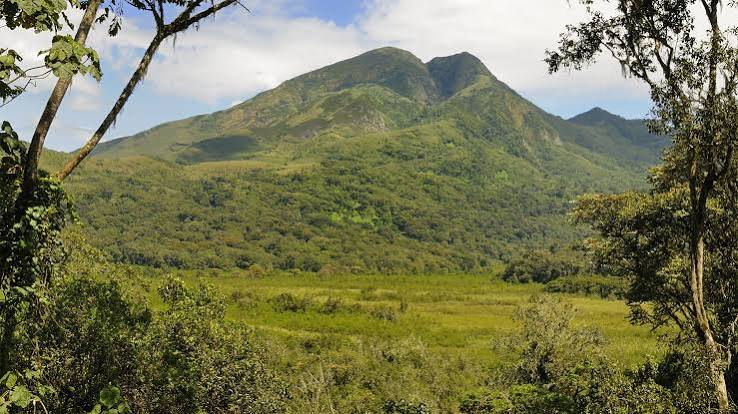
Mount Biega is located in eastern Congo within the Kahuzi-Biega landscape, a region characterized by high-altitude rainforest, volcanic formations, and dramatic green ridges. The mountain sits within one of the most biologically important zones in Central Africa, forming part of a continuous forest ecosystem that supports rare wildlife species and endemic flora. Its terrain is rugged and scenic, with steep slopes, thick jungle cover, and cool mountain air influenced by its elevation and proximity to the Albertine Rift system.
Relation to nearby protected areas
Mount Biega is closely linked to Kahuzi-Biega National Park, one of Africa’s most important rainforest conservation areas and home to the endangered eastern lowland gorillas. The mountain forms part of the wider conservation landscape that connects forest corridors, allowing wildlife to move freely between protected zones. It also lies within reach of the Lake Kivu basin and the broader Albertine Rift ecosystem, making it a strategic location for biodiversity conservation. This connection means hikers are not only exploring a mountain but stepping into a larger protected ecological network that supports some of the rarest species on the continent.
Why Hike Mount Biega?
Biodiversity and rainforest experience
Hiking Mount Biega offers one of the most authentic rainforest encounters in the Albertine Rift region. The mountain is covered in dense montane forest that has remained largely undisturbed, allowing a rich variety of plant and animal life to thrive. As you move through the trails, you pass towering trees, thick moss carpets, giant ferns, and tangled vines that create a living green canopy. This ecosystem is part of the wider biodiversity hotspot of eastern Congo, where rare and endemic species survive in one of Africa’s most important ecological corridors. The experience is deeply immersive, with constant sounds of birds, insects, and distant primates echoing through the forest, creating a sense of walking through a truly ancient wilderness.
Scenic landscapes
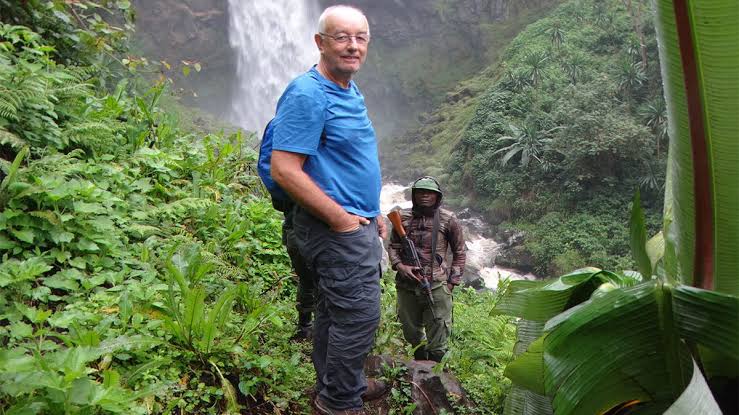
The scenery on Mount Biega is defined by dramatic contrasts of elevation and vegetation. Lower slopes are filled with thick rainforest, while higher sections open into misty ridges and panoramic viewpoints overlooking the surrounding Congo highlands. On clear days, hikers are rewarded with sweeping views of rolling forested hills that stretch toward the Kahuzi-Biega landscape and beyond. Morning hikes often reveal soft layers of mist rising through the valleys, while afternoons bring golden light filtering through the canopy, making the entire environment feel cinematic and untouched.
Wildlife and primates
Mount Biega is part of a region known for its exceptional wildlife richness. While sightings depend on luck and silence along the trail, the forest is home to a variety of primates, including colobus monkeys and other forest species that move through the upper canopy. The area also supports duikers, forest antelope, and an incredible diversity of birdlife, including Albertine Rift endemics that are highly sought after by birdwatchers. The deeper sections of the forest feel alive with movement, even when animals remain hidden, giving hikers a constant sense of being surrounded by thriving wildlife.
Mount Biega Hiking Routes
Main trekking trails
The hiking experience on Mount Biega is centered around natural forest trails that have formed through years of wildlife movement and conservation patrols. These routes are not heavily developed, which adds to the sense of exploration. Most trails begin at lower forest entry points and gradually ascend through dense vegetation into higher elevation zones. The paths often follow ridgelines, river crossings, and natural clearings, offering a mix of challenging climbs and calmer forest walks. Because the mountain is still relatively undeveloped for tourism, each hike feels unique, with guides adapting routes based on weather conditions, terrain, and group ability.
Difficulty levels
Hiking Mount Biega ranges from moderate to challenging depending on the section explored. Lower forest trails are generally manageable for fit beginners, though muddy conditions can increase difficulty, especially during rainy seasons. As elevation increases, the terrain becomes steeper, with narrow paths, slippery roots, and occasional rock sections requiring careful footing. The remote nature of the mountain means hikers should be prepared for a true wilderness experience rather than a structured trekking route, making physical fitness and mental readiness important for the journey.
Duration of hikes
Hiking durations on Mount Biega vary depending on the chosen route and trekking objectives. Short exploratory hikes can take between 2 to 4 hours, focusing on lower forest zones and wildlife observation. Full-day hikes typically last 6 to 8 hours, allowing deeper exploration into the montane forest and ridge areas. Multi-day trekking experiences are also possible in some itineraries, combining Mount Biega with surrounding forest landscapes, where hikers camp or stay in nearby eco-accommodation while exploring different sections of the mountain over consecutive days.
Wildlife and Nature While Hiking Mount Biega in Congo
Primates and forest species
Mount Biega is part of a rich Congo rainforest ecosystem where primates are among the most remarkable highlights. The forest supports species such as colobus monkeys and other arboreal primates that move through the upper canopy in small troops. While sightings are not guaranteed due to the dense vegetation, hikers often experience indirect signs of wildlife such as calls, movement in the treetops, and fresh trails along the forest floor. The area also supports forest duikers and other shy mammals that thrive in undisturbed habitats, making every hike a true wilderness encounter rather than a predictable wildlife viewing experience.
Birdlife
The birdlife on Mount Biega is exceptional, especially for travelers interested in the Albertine Rift endemics. The forest canopy and edge habitats provide shelter to a wide variety of colorful and rare bird species. Birdwatchers can expect constant activity, from melodious forest songs in the early morning to rapid movement of birds across the canopy during the day. The combination of altitude variation and dense forest structure makes Mount Biega an important birding zone within eastern Congo’s broader conservation landscape.
Unique flora
The vegetation on Mount Biega is one of its most striking features. The mountain is covered in ancient montane rainforest characterized by towering hardwood trees, thick moss layers, epiphytes, orchids, and giant ferns. The humid environment supports continuous plant growth, creating a layered forest structure from ground level to canopy. Many of the plant species found here are adapted to high rainfall and low human disturbance, giving the forest an untouched and prehistoric appearance that defines the hiking experience.
Best Time for Hiking Mount Biega in Congo
Dry season vs wet season
The best time to hike Mount Biega is generally during the dry seasons, when forest trails are more stable and visibility within the rainforest improves. During these months, rainfall is lighter, making hiking conditions more comfortable and reducing the risk of slippery paths. The wet season, however, transforms the forest into an even more lush and vibrant environment, with thicker greenery, flowing streams, and dramatic mist effects across the mountain slopes. While more challenging, wet season hikes offer a more intense rainforest atmosphere for experienced trekkers.
Trail conditions
Trail conditions on Mount Biega vary significantly with weather patterns. In the dry season, paths are firmer and easier to navigate, though still naturally rugged due to the untouched terrain. In the wet season, trails can become muddy and steep sections more demanding, requiring proper hiking boots and careful pacing. Regardless of season, the forest remains dense and wild, meaning that even “good” conditions still reflect a true wilderness hiking experience rather than a developed trekking route.
Permits and Requirements for Hiking Mount Biega in Congo
Hiking permits
Access to Mount Biega typically requires authorization from local conservation authorities or park management structures associated with the broader Kahuzi-Biega landscape. Permits help regulate visitor flow, support conservation efforts, and ensure that hiking activities remain sustainable within this sensitive rainforest ecosystem. Travelers are advised to arrange permits in advance through licensed tour operators to ensure smooth access and compliance with local regulations.
Park regulations
Strict park regulations apply throughout the Mount Biega hiking area to protect both visitors and the environment. These rules include staying on designated trails, avoiding disturbance of wildlife, prohibiting littering, and respecting conservation boundaries. Because the mountain lies within a fragile rainforest ecosystem, all activities are closely monitored to maintain ecological balance and protect endangered species that inhabit the region.
Guide requirements
All hikes on Mount Biega must be conducted with certified local guides who are familiar with the terrain and safety conditions. Guides play a crucial role in navigation, wildlife interpretation, and ensuring overall security during the trek. Their knowledge of the forest significantly enhances the experience, helping hikers understand ecological patterns, identify species, and safely explore areas that would otherwise be difficult to navigate independently.
Safety and Travel Tips for Hiking Mount Biega in Congo
Security Considerations for Hiking Mount Biega in Congo
Mount Biega lies within a remote rainforest region of the Democratic Republic of the Congo, where travel conditions vary depending on local stability and accessibility. While the hiking zones associated with the broader Kahuzi-Biega landscape are generally accessed through controlled conservation frameworks, travelers should always rely on licensed tour operators and official park authorities. Independent travel is not recommended due to the dense terrain, limited infrastructure, and need for local navigation expertise. Security is significantly improved when hikes are conducted with trained guides and within designated conservation corridors, where ranger presence and regulated access help ensure visitor safety.
Health and fitness requirements
Hiking Mount Biega requires a reasonable level of physical fitness due to its steep, muddy, and forested terrain. The humid tropical climate can make trekking more demanding, especially during the wet season. Travelers should be prepared for long walking hours, uneven surfaces, and altitude-related exertion. Basic health precautions such as vaccinations, malaria prevention, and travel insurance are strongly advised before visiting eastern Congo. Hydration and pacing are essential throughout the hike, as conditions can become physically challenging even for experienced trekkers.
Packing essentials for Hiking Mount Biega in Congo
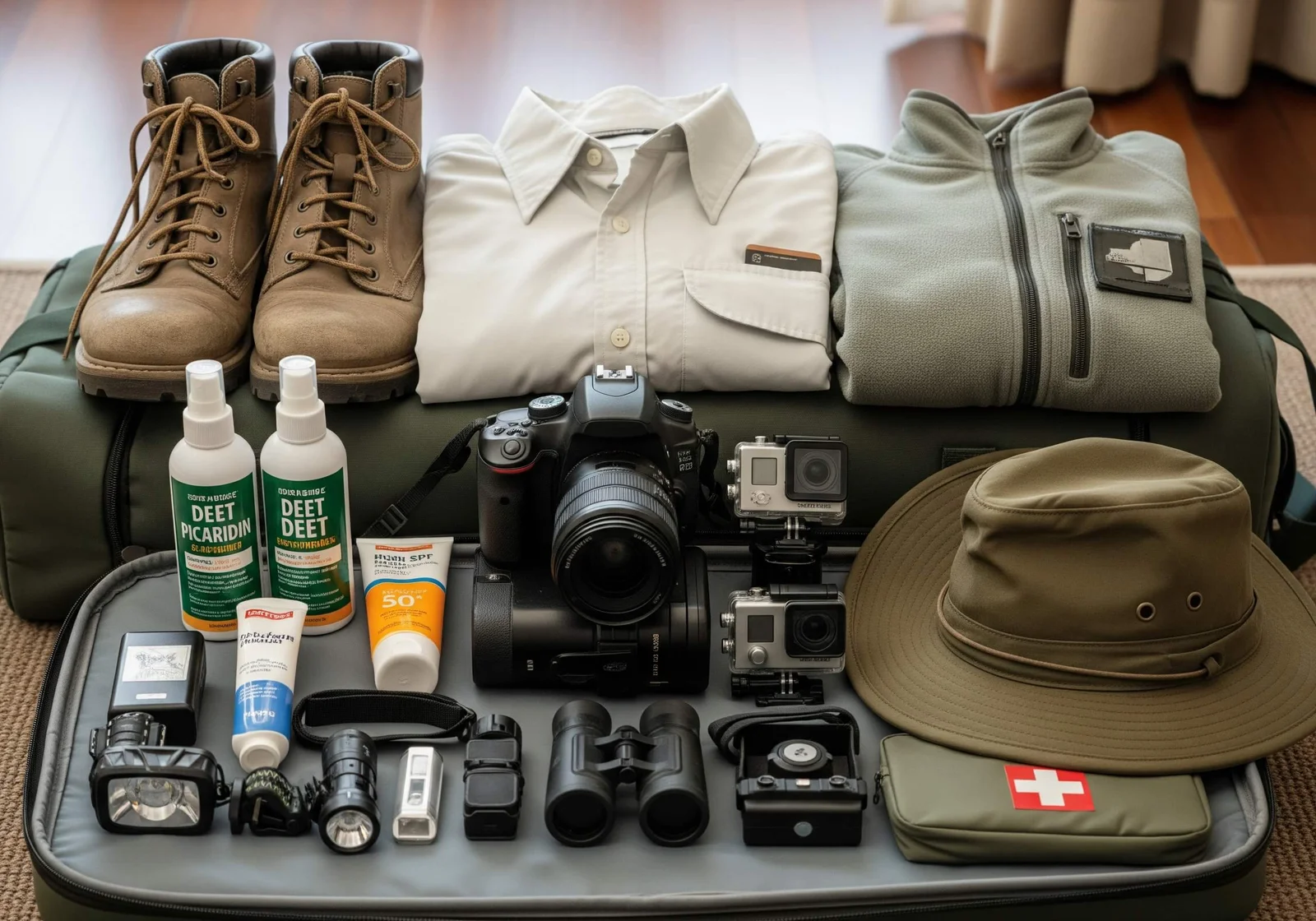
Proper packing is critical for a safe and comfortable hiking experience. Essential items include sturdy waterproof hiking boots, lightweight long-sleeved clothing to protect against insects and vegetation, a rain jacket, and quick-dry trekking wear. A small backpack with drinking water, energy snacks, insect repellent, sunscreen, and a basic first aid kit is highly recommended. For photography and birdwatching, binoculars and a waterproof camera bag are useful additions. Because weather conditions can change quickly in the rainforest, layered clothing and rain protection are particularly important.
How to Get to Mount Biega
Entry points via Rwanda/DRC
The most practical access route to Mount Biega is through neighboring Rwanda, especially via Kigali, which serves as the main international gateway for travelers heading into eastern Congo. From Kigali, travelers typically cross into the Democratic Republic of Congo through border points leading toward Bukavu and the Kahuzi-Biega region. This route is preferred because it offers better infrastructure, reliable transport connections, and easier access to licensed tour operators who arrange permits and guided hikes.
Road and transfer options
Once across the border, access to Mount Biega is mainly by road using 4×4 safari vehicles due to the rugged terrain and forested conditions. Transfers usually pass through Bukavu or nearby gateway towns before reaching the forest entry points. The journey may involve a combination of paved and unpaved roads, with travel times influenced by weather and road conditions. Most visitors rely on organized safari transfers, which include experienced drivers familiar with local routes, ensuring safer and more efficient travel into the remote hiking areas.
Suggested Itineraries for Hiking Mount Biega in Congo
2-day hike option
A 2-day Mount Biega hiking itinerary is ideal for travelers coming from Kigali or nearby eastern Congo towns who want a short but immersive rainforest experience. Day one typically involves border crossing into the Democratic Republic of the Congo, transfer to the Bukavu region, and an afternoon acclimatization walk around the lower forest slopes. This allows hikers to experience the atmosphere of the rainforest, meet local guides, and prepare for the main trek. On day two, the hike begins early, moving through dense montane forest trails with gradual elevation gain. The experience focuses on nature immersion, wildlife tracking signs, and scenic viewpoints before descending in the afternoon and returning to Bukavu or crossing back to Rwanda depending on the itinerary plan.
3–5 day adventure circuit
A 3–5 day adventure circuit is the most rewarding way to explore Mount Biega and its surrounding wilderness. This itinerary combines deeper forest trekking with cultural and conservation experiences in the broader Kahuzi-Biega landscape. Travelers spend the first day traveling from Kigali or Bukavu, followed by an initial forest exploration or short acclimatization hike. The next days are dedicated to longer trekking routes across different sections of the mountain, allowing access to more remote forest zones, ridge viewpoints, and richer wildlife habitats. This extended time also makes it possible to combine Mount Biega with nearby experiences such as rainforest walks in the surrounding conservation area or visits to local communities near Bukavu. The final day is reserved for descent, relaxation, and return transfer through the border corridors back toward Rwanda or onward travel within eastern Congo.
Request a free quote for hiking Mountain Biega.
Accommodation Near Mount Biega
Lodges and camps
Accommodation for Mount Biega hikes is mainly based in the Bukavu area and surrounding gateway towns rather than directly on the mountain itself. The closest options are eco-lodges, guesthouses, and small safari-style camps that serve as bases for trekking expeditions into the forest. These properties typically offer guided hiking support, packed meals, and logistical coordination for park access. Some itineraries may also include basic camping experiences closer to the forest edge, giving travelers a more immersive wilderness stay under controlled conditions with guide supervision.
Budget vs luxury options
Budget accommodation near Mount Biega is mainly found in simple guesthouses in Bukavu, offering clean but basic rooms, local meals, and easy access to transport routes into the forest. These options are ideal for travelers focusing on adventure rather than comfort. Mid-range and luxury options are concentrated around Lake Kivu and Bukavu’s hillside lodges, offering private rooms, scenic lake or forest views, better dining services, and organized safari-style logistics. Luxury stays often include personalized guiding services, private transfers, and curated itineraries that combine Mount Biega with other eastern Congo experiences such as forest exploration and cultural visits, ensuring a comfortable yet adventurous journey
Accommodation Table Near Mount Biega (Bukavu & Surrounding Area)
| Accommodation Type | Example Lodges/Hotels | Location Base | Price Per Night (Approx.) | Experience Level |
|---|---|---|---|---|
| Budget Guesthouses | Exodus Hotel, Hotel Begonias, basic Bukavu guesthouses | Bukavu town | $30 – $100 | Simple, clean, basic amenities, ideal for backpackers |
| Mid-range Hotels | Lakeside Hotel, Coco Lodge, Panorama Hotel, Hotel Elizabeth | Bukavu & Lake Kivu area | $80 – $200 | Comfortable rooms, restaurant, lake/forest views, guided support available |
| Luxury Lodges | L’Orchids Safari Club, select Lake Kivu luxury stays | Lake Kivu / outskirts of Bukavu | $200 – $400+ | High-end service, scenic views, private guides, premium safari experience |
Combine Mount Biega with Other Destinations
Mount Biega is best experienced as part of a wider eastern Congo and Great Lakes adventure circuit, where rainforest trekking, volcanic landscapes, and alpine mountain climbs come together in one of Africa’s most diverse ecological regions. Its location within the broader Albertine Rift makes it a natural gateway to some of the most searched and iconic destinations in Central and East Africa, including primate parks, volcanic peaks, and high-altitude mountain ranges.
Kahuzi-Biega National Park
The closest and most natural combination with Mount Biega is Kahuzi-Biega National Park, a UNESCO World Heritage Site known for its dense rainforest and rare eastern lowland gorillas. This park is one of the most important gorilla trekking destinations in Africa and offers a very different experience from mountain gorilla trekking in Rwanda or Uganda.
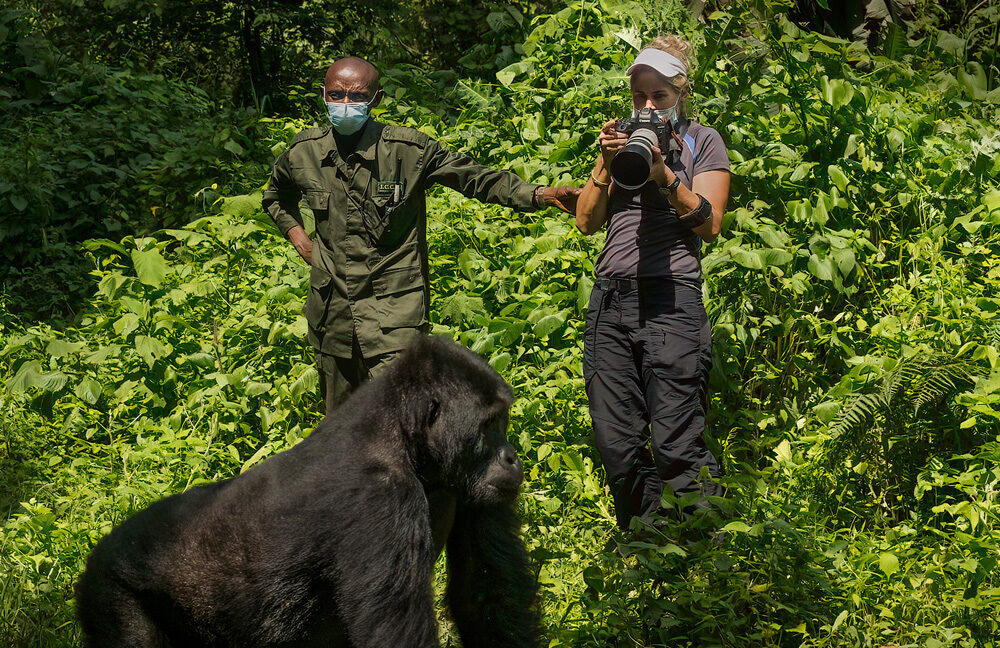
Travelers often combine Mount Biega hiking with gorilla trekking in Kahuzi-Biega to experience both mountain rainforest exploration and direct primate encounters. The park is also home to elephants, chimpanzees, forest buffalo, and hundreds of bird species, making it a complete biodiversity hotspot. The contrast between hiking Mount Biega’s untouched forest slopes and tracking gorillas in Kahuzi-Biega creates one of the most powerful rainforest safari combinations in the Congo basin.
Lake Kivu
Lake Kivu is another essential extension for travelers exploring Mount Biega. This vast freshwater lake sits along the border of Rwanda and the Democratic Republic of the Congo, offering a peaceful contrast to the dense rainforest hikes.
After trekking Mount Biega, many travelers unwind along Lake Kivu’s scenic beaches in Gisenyi, Kibuye, or Bukavu. The lake is famous for boat cruises, coffee tours, island visits, and sunset views over rolling hills. It is also one of Africa’s safest and most beautiful inland lakes, making it a perfect recovery and relaxation stop after challenging jungle hikes.
Virunga Region
The Virunga region represents one of Africa’s richest adventure zones, combining volcanoes, gorilla forests, and dramatic landscapes. It connects easily with Mount Biega through eastern Congo travel circuits and Rwanda border crossings.
The region is home to two of Africa’s most famous volcanic peaks: Mount Nyiragongo and Mount Bisoke, as well as the wider Virunga National Park ecosystem. Travelers who combine Mount Biega with Virunga experience a transition from dense rainforest hiking to active volcanic landscapes and crater lakes. This creates a unique “forest-to-fire” adventure experience that is highly searched in African safari planning.
Mount Nyiragongo
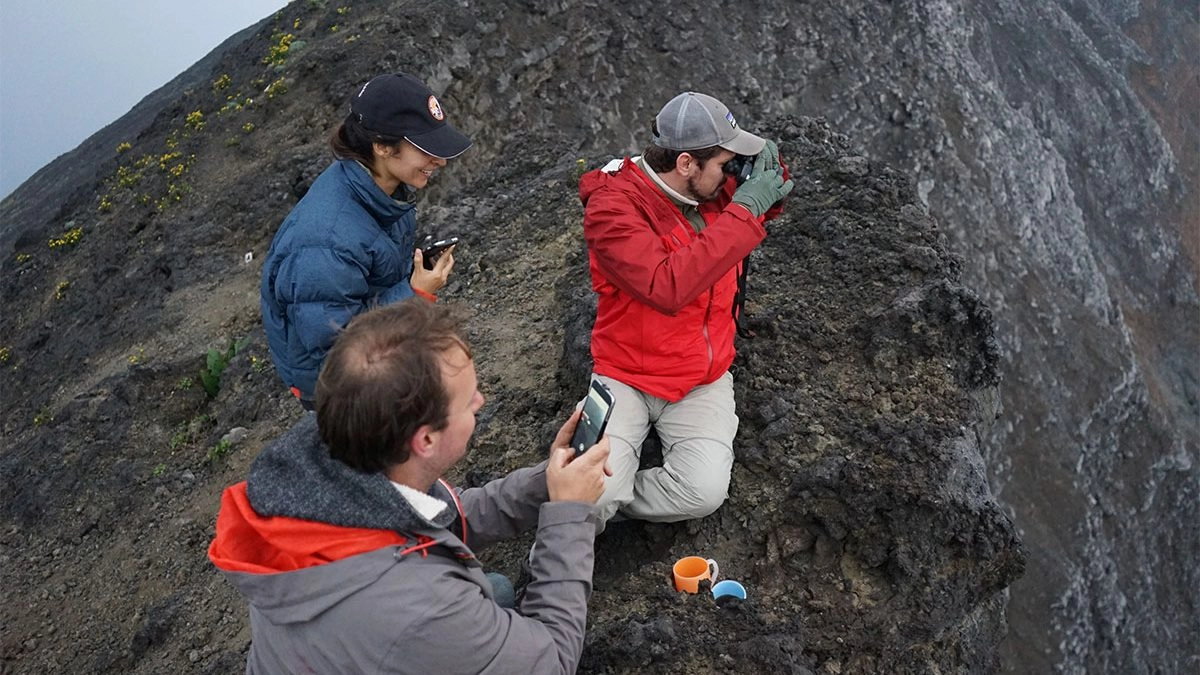
Mount Nyiragongo is one of the most dramatic active volcanoes in the world, famous for its boiling lava lake and night-time crater glow. A hike up Nyiragongo is steep, physically demanding, and highly rewarding, often completed as a 1–2 day expedition.
Combining Mount Biega with Nyiragongo allows travelers to experience two extremes of nature: ancient rainforest ecosystems and one of Earth’s most active volcanic systems. The contrast between silent jungle trekking and the fiery crater of Nyiragongo is one of the most powerful adventure combinations in Central Africa.
Mount Bisoke
Mount Bisoke is an extinct volcano located in the Virunga volcanic chain, famous for its stunning crater lake at the summit. The hike is moderate compared to Nyiragongo and is often completed in a single day from Rwanda’s Volcanoes National Park region.
Travelers combine Mount Biega and Mount Bisoke for a balanced trekking itinerary that includes both rainforest exploration and volcanic mountain hiking. Bisoke offers panoramic views of the Virunga volcanoes, lush bamboo forests, and occasional sightings of mountain gorillas in the surrounding park areas, making it one of the most searched hiking destinations in Rwanda.
Mount Rwenzori
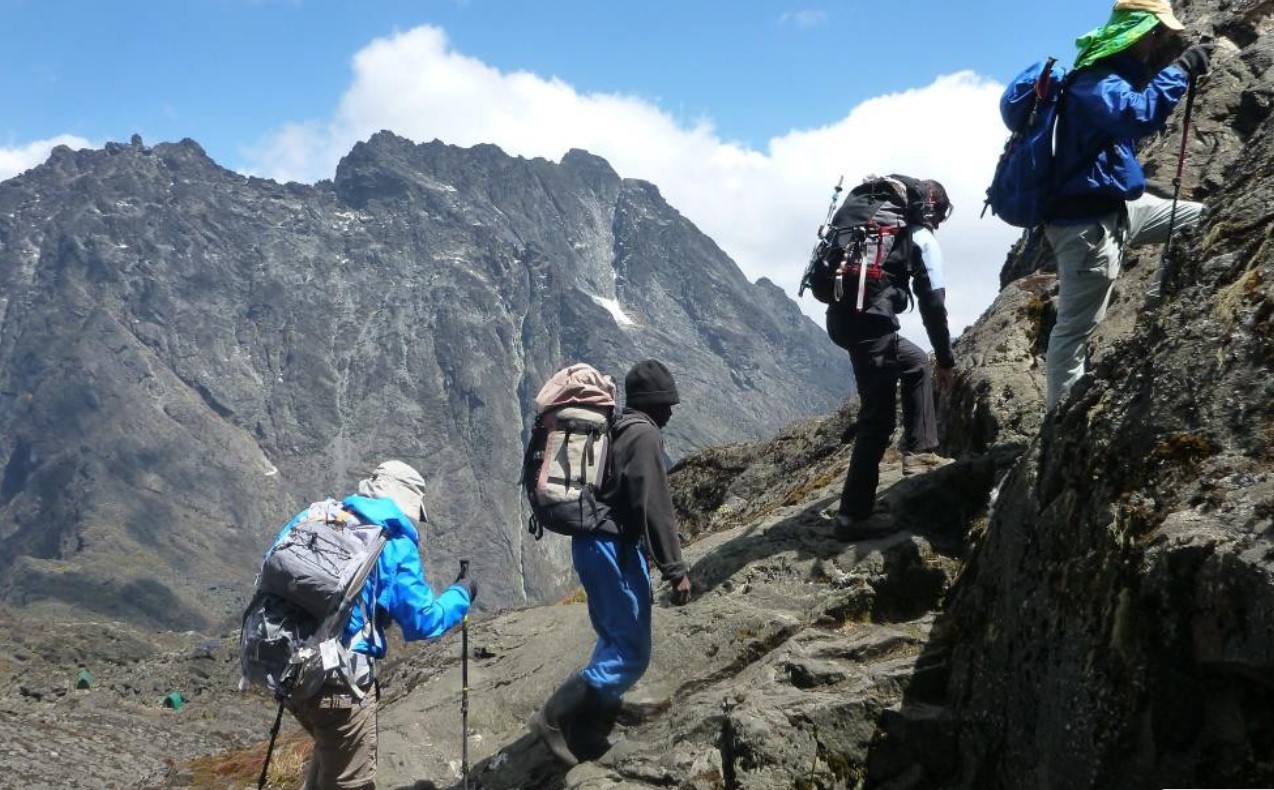
Rwenzori Mountains National Park, often called the “Mountains of the Moon,” is one of Africa’s most iconic high-altitude trekking destinations. It features glaciers, alpine valleys, snow-capped peaks, and dramatic hiking conditions that attract experienced mountaineers from around the world.
Combining Mount Biega with the Rwenzori Mountains creates one of the most diverse trekking circuits in Africa. Travelers move from lowland tropical rainforest in Congo to high-altitude alpine environments in Uganda, experiencing nearly every ecological zone on the continent. The Rwenzori trek is longer and more technical, making it ideal for adventure travelers seeking a serious mountaineering challenge after exploring Mount Biega’s rainforest slopes.
Together, Mount Biega and these destinations form a complete East and Central Africa adventure corridor, connecting rainforest hiking, gorilla trekking, volcanic expeditions, and alpine climbing into one powerful multi-country experience.
FAQs About Hiking Mount Biega in Congo
What is Mount Biega known for?
Mount Biega is known for its untouched montane rainforest, rich biodiversity, and remote hiking experience within the eastern region of the Democratic Republic of the Congo. It is part of a wider ecological system connected to the Kahuzi-Biega landscape, making it an important destination for nature lovers seeking raw, undeveloped wilderness.
Is hiking Mount Biega safe for tourists?
Hiking Mount Biega can be safe when done through licensed tour operators like Pieland Gorilla Safaris and guided conservation systems. The region is remote, so independent travel is not recommended. Safety is greatly improved when travelers follow official routes, use trained guides, and stay within designated trekking zones where ranger support is available.
Where exactly is Mount Biega located?
Mount Biega is located in eastern Congo within the broader Kahuzi-Biega forest region. It lies near Bukavu and is accessible from Rwanda through Kigali, making it part of the Albertine Rift biodiversity corridor.
Do I need a permit to hike Mount Biega?
Yes, permits are required and are usually arranged through park authorities or licensed tour operators. These permits support conservation efforts and regulate visitor access to protect the fragile rainforest ecosystem.
How difficult is the Mount Biega hike?
The hike ranges from moderate to challenging depending on the route and weather conditions. Trails can be steep, muddy, and physically demanding, especially during the rainy season. Good fitness is recommended for all hikers.
How long does it take to hike Mount Biega?
Hikes can take anywhere from a few hours to multiple days depending on the itinerary. Short hikes last around half a day, while full trekking experiences may extend to 2–5 days when combined with surrounding forest areas.
What wildlife can I see on Mount Biega?
Wildlife includes primates such as colobus monkeys, forest duikers, and a wide variety of birds. While large animal sightings are rare due to dense forest cover, the area is rich in biodiversity and known for its ecological importance.
Are gorillas found on Mount Biega?
Gorillas are not commonly trekked directly on Mount Biega itself, but they are found in nearby Kahuzi-Biega National Park, which is part of the same forest ecosystem.
What is the best time to hike Mount Biega?
The best time is during the dry season when trails are more stable and hiking conditions are easier. However, the wet season offers lush scenery and a more dramatic rainforest atmosphere for experienced trekkers.
Can beginners hike Mount Biega?
Yes, beginners can hike easier sections with a guide, but some fitness level is required. Longer or higher-altitude routes are better suited for experienced hikers.
What should I pack for Mount Biega hiking?
Essential items include waterproof hiking boots, rain jacket, insect repellent, lightweight clothing, drinking water, snacks, and a small first aid kit. A waterproof bag is also highly recommended due to frequent rain.
How do I get to Mount Biega from Rwanda?
Most travelers enter through Kigali, then cross into eastern Congo via official border points before continuing to Bukavu. From there, 4×4 vehicles are used to reach forest entry points.
Can I combine Mount Biega with gorilla trekking?
Yes, Mount Biega is often combined with gorilla trekking in Kahuzi-Biega National Park, making it a popular multi-experience itinerary for wildlife and rainforest enthusiasts.
Is Mount Biega part of a national park?
It is connected to the broader Kahuzi-Biega conservation landscape, which includes protected rainforest zones and national park areas.
Are there accommodation options near Mount Biega?
Yes, accommodation is mainly available in Bukavu, ranging from budget guesthouses to mid-range hotels and a few luxury lakeside lodges.
Is it possible to camp on Mount Biega?
Camping is possible in some guided expeditions, but it must be arranged with tour operators and park authorities for safety and environmental reasons.
How fit do I need to be for the hike?
A moderate to high fitness level is recommended. The terrain includes steep climbs, slippery forest paths, and long walking hours.
Are guides required for Mount Biega hiking?
Yes, guides are mandatory. They provide navigation, safety support, wildlife interpretation, and ensure compliance with park regulations.
What languages are spoken by guides?
Most guides speak local Congolese languages, French, and some English depending on the operator and region.
Is there mobile network coverage on Mount Biega?
Network coverage is very limited or nonexistent in the deeper forest areas, so communication should be planned in advance.
What kind of terrain should I expect?
Expect dense rainforest, muddy trails, steep slopes, river crossings, and thick vegetation typical of untouched montane ecosystems.
Can Mount Biega be visited year-round?
Yes, but conditions vary. Dry seasons are easier for hiking, while rainy seasons make the forest more challenging but greener and more scenic.
Is altitude sickness a concern?
Altitude can affect some hikers depending on the route, but most trekking areas are within manageable elevations. Proper pacing is important.
Are there dangerous animals in the forest?
Large dangerous animals are rarely encountered. The forest is more known for shy wildlife that avoids human contact.
What is the cultural experience near Mount Biega like?
Nearby communities offer rich cultural interactions, including local traditions, farming lifestyles, and Congolese hospitality experiences.
How much does a Mount Biega hike cost?
Costs vary depending on duration, permits, guides, and accommodation, typically ranging from budget to mid-range safari pricing depending on the package.
Can I do Mount Biega as a solo traveler?
Solo hiking is not recommended due to safety, navigation challenges, and permit requirements. Guided travel is essential.
What makes Mount Biega different from other hikes in Africa?
Its remoteness, untouched rainforest environment, and lack of mass tourism make it one of the most authentic jungle hiking experiences in Africa.
Is photography allowed during the hike?
Yes, photography is allowed, but travelers should protect equipment from moisture and follow guide instructions in sensitive areas.
Are drones allowed on Mount Biega?
Drone use is restricted in most conservation areas and requires special permission from authorities.
How cold does it get on Mount Biega?
Temperatures are generally mild but can feel cool in higher elevations, especially in early mornings and evenings.
What meals are available during the hike?
Meals are usually arranged by tour operators and include packed lunches or prepared local meals depending on the itinerary.
Is drinking water available on the trail?
Water should be carried by hikers. Natural water sources exist but should be treated before consumption.
Can I see volcanoes from Mount Biega?
In some elevated viewpoints, distant volcanic landscapes of the Albertine Rift may be visible depending on weather conditions.
What is the main highlight of Mount Biega hiking?
The main highlight is the untouched rainforest experience combined with rare biodiversity and the feeling of deep wilderness isolation.
Conclusion and Travel Inspiration
Mount Biega stands as one of the last truly untouched rainforest hiking destinations in Central Africa, offering a rare blend of wilderness, biodiversity, and raw natural beauty. Unlike heavily commercialized trekking routes, this mountain delivers an authentic adventure experience where every step feels like a discovery.
For travelers seeking something beyond the ordinary, Mount Biega represents a journey into the heart of the Congo rainforest—where silence, mist, and ancient forest ecosystems create a powerful connection with nature. Its proximity to iconic destinations like Kahuzi-Biega National Park, Lake Kivu, and the Virunga volcanic region makes it a key piece of one of Africa’s most diverse adventure circuits.
Whether combined with gorilla trekking, volcanic hikes, or alpine climbs, Mount Biega adds a unique rainforest dimension that completes the East and Central Africa adventure story. It is not just a hike—it is an immersion into one of the planet’s most extraordinary natural worlds.