
A Congo Safari Packing List is one of the most important parts of preparing for an unforgettable adventure in the Democratic Republic of Congo. Congo safaris are very different from traditional wildlife holidays because they often combine rainforest trekking, gorilla tracking, volcano hiking, cultural experiences, bird watching, and remote wilderness exploration. Proper packing helps travelers stay comfortable, safe, and fully prepared for changing weather conditions, rugged terrain, and adventurous safari activities.
Whether you are planning Gorilla Trekking in Virunga National Park, hiking Mount Nyiragongo, exploring rainforests in Kahuzi-Biega National Park, visiting the Ituri Forest, or enjoying a Congo wildlife safari, packing the right equipment and clothing can greatly improve your overall safari experience.
A well-prepared Congo Safari Packing List should focus on practical safari clothing, waterproof trekking gear, travel documents, health essentials, hiking equipment, photography accessories, and personal comfort items. Because many Congo safari destinations are located in tropical rainforest environments, travelers should expect humid weather, occasional rain, muddy trails, and cooler temperatures in mountainous areas.
Packing correctly for a Congo safari also helps travelers move more easily during transfers, border crossings, domestic flights, and trekking activities. Lightweight and organized luggage is highly recommended for travelers combining multiple safari destinations across Congo, Rwanda, and Uganda.
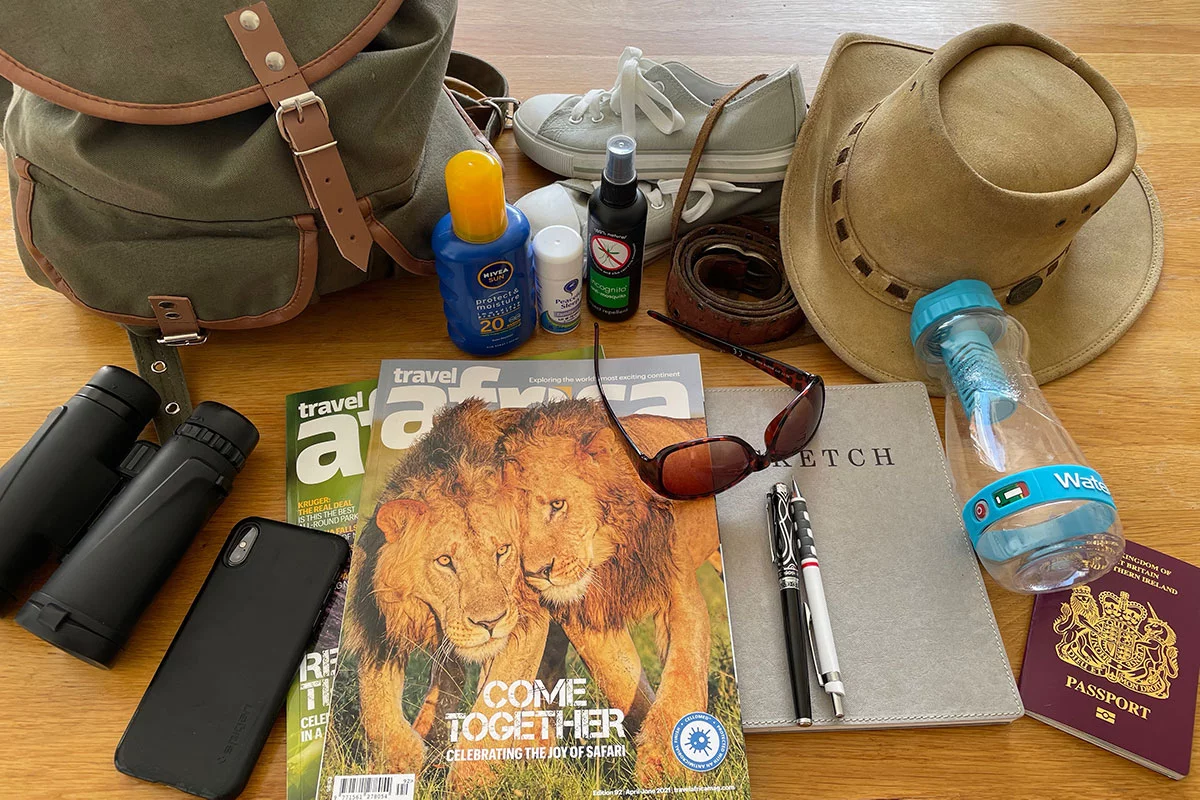
Introduction to a Congo Safari Packing List
An Introduction to a Congo Safari Packing List helps travelers understand the unique requirements of safari travel in the Democratic Republic of Congo. Unlike standard beach holidays or city tours, Congo safaris often involve physically active adventures in remote and natural environments where preparation becomes extremely important.
A typical Congo safari may include:
- Gorilla trekking in dense rainforest
- Volcano hiking on Mount Nyiragongo
- Wildlife safaris in savannah regions
- Chimpanzee tracking
- Cultural visits to local communities
- Bird watching in tropical forests
- Long road transfers across mountainous terrain
Because of these varied activities, travelers need clothing and equipment suitable for both tropical rainforest and high-altitude volcanic conditions.
An effective Congo Safari Packing List helps visitors prepare for:
- Wet and muddy trekking trails
- Rainforest humidity
- Cool mountain temperatures
- Long hiking hours
- Limited luggage space on safari vehicles or flights
- Remote safari conditions
Many travelers underestimate how important proper packing can be for gorilla trekking and volcano hiking. Waterproof hiking boots, warm clothing, rain jackets, and trekking accessories can make a huge difference during the safari experience.
The Introduction to a Congo Safari Packing List also emphasizes responsible and practical packing. Travelers are encouraged to pack lightweight, reusable, and environmentally friendly items while avoiding unnecessary luggage that may become difficult to manage during safari transfers and trekking activities.
Why Proper Congo Safari Packing List Is Important
Congo safari packing list becomes clear once travelers understand the terrain, climate, and adventure activities involved in Congo travel. Congo safaris are highly rewarding but can also be physically demanding due to rainforest trekking, volcanic hiking, changing weather conditions, and remote safari environments.
Proper packing helps travelers stay comfortable during Gorilla Trekking in Congo, Nyiragongo Volcano Hiking, wildlife safaris, and cultural excursions. Wearing incorrect clothing or lacking essential gear may make trekking difficult, uncomfortable, or unsafe in some conditions.
One major reason Why Proper Packing Is Important for a Congo Safari is the unpredictable rainforest climate. Rain can occur suddenly even during dry seasons, and forest trails often become muddy and slippery. Waterproof clothing, proper hiking boots, and protective gear are essential for safe and enjoyable trekking.
Another reason proper packing matters is the variation in altitude and temperature across Congo safari destinations. While lowland rainforests may feel warm and humid, volcanic mountain areas such as Mount Nyiragongo can become very cold at night. Travelers who pack only light clothing may struggle with summit temperatures during overnight volcano hikes.
Why Proper Packing Is Important for a Congo Safari also relates to health and safety. Carrying insect repellent, anti-malaria medication, first aid supplies, reusable water bottles, and personal medications helps travelers stay healthy during their safari.
Good packing preparation also improves safari mobility. Many Congo safari itineraries involve crossing borders, domestic flights, safari vehicles, and hiking activities where lightweight and organized luggage becomes extremely useful.
Ultimately, proper packing allows travelers to focus fully on enjoying gorilla encounters, volcanic landscapes, wildlife viewing, and rainforest adventures without unnecessary discomfort or logistical problems.
Essential Travel Documents to Include on Congo Safari Packing List
Essential Travel Documents are among the most important items on a Congo Safari Packing List. Without the correct documentation, travelers may face delays, denied entry, or complications during border crossings and safari operations.
Travelers visiting Democratic Republic of Congo for gorilla trekking, volcano hiking, wildlife safaris, or cultural tours should carefully organize all required travel documents before departure. Keeping digital copies and printed backups is also highly recommended in case of emergencies or document loss.
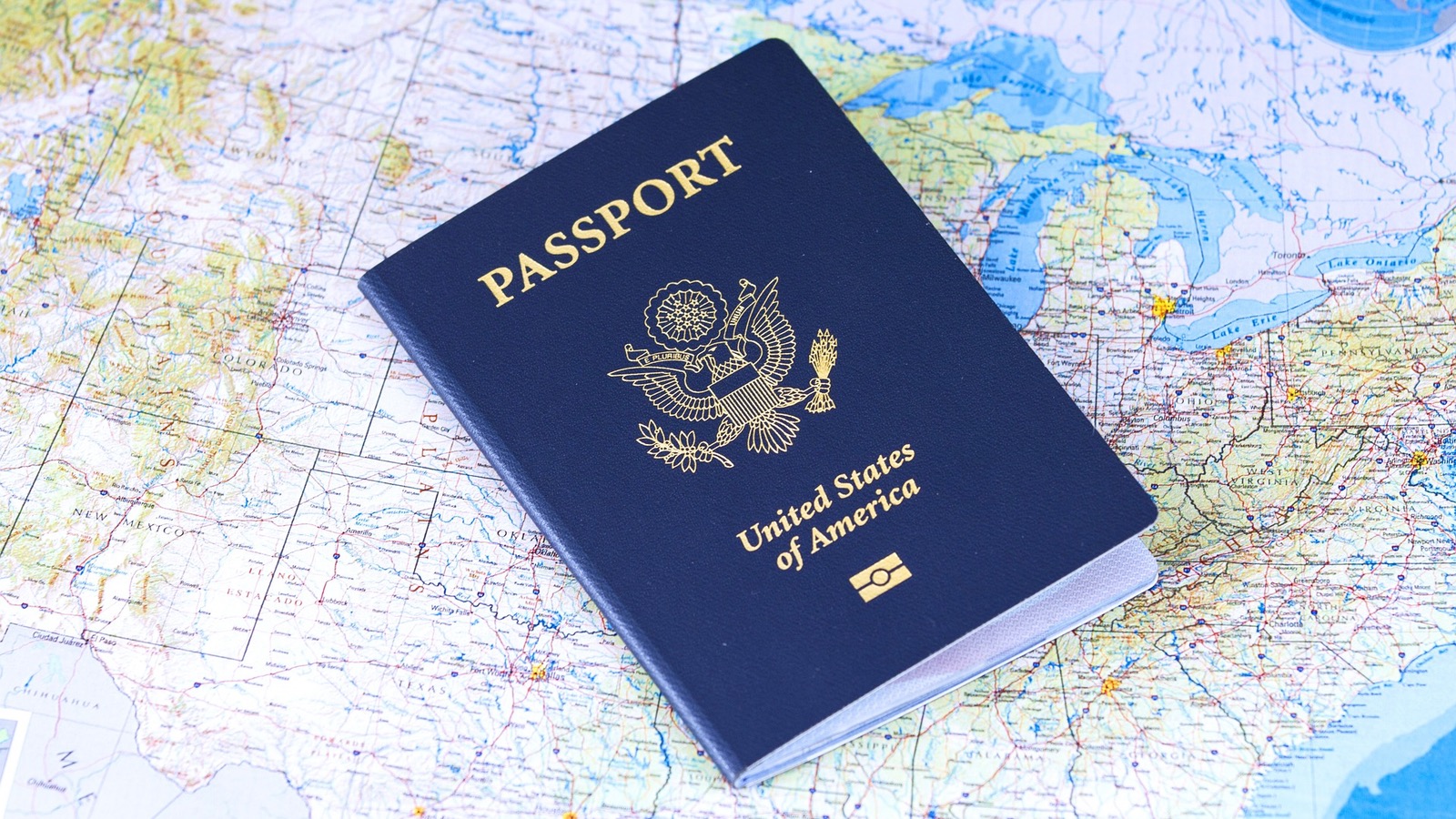
Essential Travel Documents for a Congo safari generally include:
- Valid passport
- Congo tourist visa
- Yellow fever vaccination certificate
- Travel insurance documents
- Flight tickets
- Hotel and safari booking confirmations
- Emergency contact information
- Passport photos
- Copies of important identification documents
Travelers combining Congo with Rwanda or Uganda safaris should also confirm visa requirements for all countries included in the itinerary.
Organizing Essential Travel Documents in a waterproof travel folder or document organizer helps protect them during transfers, rainy weather, and trekking activities.
Passport Requirements
Passport Requirements are extremely important for anyone traveling to Congo for a safari adventure. Travelers visiting Democratic Republic of Congo must carry a valid passport with sufficient validity remaining beyond the intended travel dates.
Most travelers are advised to ensure their passport:
- Has at least six months validity remaining
- Contains several blank visa pages
- Is in good physical condition
- Matches the exact names used on safari and flight bookings
Passport Requirements may also vary depending on nationality and travel route. Visitors crossing from Rwanda into Congo near Goma should ensure their passports are ready for immigration procedures at border crossings.
Travelers are encouraged to carry both printed and digital copies of their passports separately from the original document in case of loss or emergencies during the safari.
Because Congo safaris often involve multiple transfers and border procedures, secure passport storage during travel is highly recommended.
Congo Tourist Visa
A Congo Tourist Visa is required for most international travelers visiting Democratic Republic of Congo for gorilla trekking, wildlife safaris, and volcano hiking adventures.
Travelers usually apply for a Congo Tourist Visa through:
- Congolese embassies
- Consulates
- Authorized safari operators
- Official visa support channels connected to safari bookings
Visa requirements may vary depending on nationality, duration of stay, and safari itinerary. Some gorilla trekking visitors receive assistance from safari companies organizing permits and border entry logistics.
Travelers should confirm:
- Current visa fees
- Processing times
- Passport validity requirements
- Visa application forms
- Invitation letters if required
A Congo Tourist Visa should be arranged well before departure to avoid delays or travel complications.
Yellow Fever Certificate
A Yellow Fever Certificate is one of the most important health requirements for travelers visiting Democratic Republic of Congo. Congo is considered a yellow fever risk country, and proof of vaccination is commonly required at border crossings and immigration checkpoints.
Travelers should receive the yellow fever vaccination at an authorized travel clinic before departure. After vaccination, visitors receive an official Yellow Fever Certificate which must be carried throughout the safari.
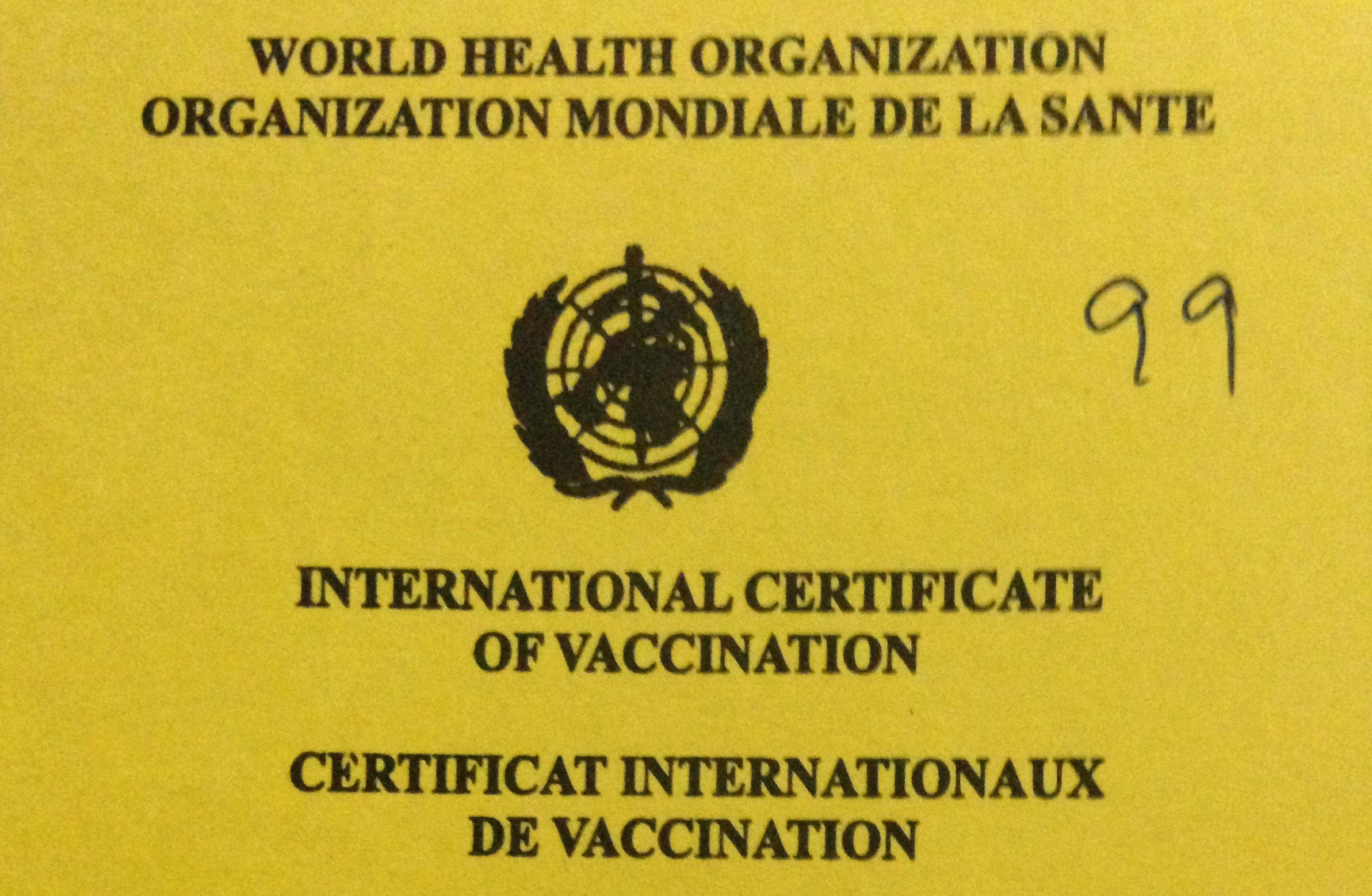
The Yellow Fever Certificate may be requested:
- At international airports
- During border crossings
- By immigration authorities
- During regional travel within East and Central Africa
Travelers without a valid Yellow Fever Certificate may face denied entry or quarantine restrictions depending on current health regulations.
Because some neighboring countries also require proof of yellow fever vaccination, carrying the certificate throughout the entire East Africa safari is strongly recommended.
Travel Insurance Documents
Travel Insurance Documents are highly recommended for all travelers visiting Congo because of the adventurous nature of safari activities such as Gorilla Trekking, Nyiragongo Volcano Hiking, wildlife safaris, and remote rainforest travel.
A good travel insurance policy should ideally cover:
- Emergency medical treatment
- Evacuation services
- Trip cancellations
- Lost luggage
- Flight delays
- Adventure travel activities
- Gorilla trekking and volcano hiking
Travelers should carry both printed and digital copies of their Travel Insurance Documents during the safari. Emergency insurance contact numbers should also be easily accessible in case of medical or travel emergencies.
Because Congo safari activities can involve remote locations and physically demanding trekking, comprehensive travel insurance provides important peace of mind for international travelers.
Safari Booking Confirmations
Safari Booking Confirmations are essential documents that travelers should carry during their Congo safari. These confirmations help verify accommodation reservations, gorilla permits, volcano hiking permits, transport arrangements, and safari itineraries.
Important Safari Booking Confirmations may include:
- Gorilla trekking permits
- Nyiragongo hiking permits
- Safari lodge reservations
- Airport transfer confirmations
- Domestic flight tickets
- Tour itineraries
- Payment receipts
Keeping digital copies on mobile devices alongside printed versions is highly recommended.
Safari Booking Confirmations are especially useful during:
- Border crossings
- Park check-ins
- Permit verification
- Airport transfers
- Lodge arrivals
Well-organized booking documentation helps ensure smooth safari logistics throughout the journey.
Emergency Contact Information
Emergency Contact Information is an important but often overlooked part of a Congo Safari Packing List. Travelers should prepare emergency contacts before departure and keep them easily accessible throughout the safari.
Important Emergency Contact Information may include:
- Family contacts
- Safari operator contacts
- Embassy or consulate numbers
- Travel insurance emergency lines
- Medical emergency contacts
- Airline contact details
- Hotel and lodge phone numbers
Travelers are encouraged to store Emergency Contact Information:
- On mobile phones
- In printed copies
- In travel document organizers
- With travel companions
Because some safari areas in Congo may have limited mobile network coverage, carrying written emergency contacts is highly recommended.
Having proper Emergency Contact Information helps travelers respond quickly during unexpected situations while improving overall travel safety and organization during a Congo safari adventure.
Clothing to Include on Congo Safari Packing List
Choosing the right Clothing for a Congo Safari is extremely important because Congo safaris involve rainforest trekking, volcano hiking, wildlife safaris, cultural tours, and changing weather conditions across different regions. Travelers visiting destinations such as Virunga National Park, Kahuzi-Biega National Park, and the Mount Nyiragongo region need practical, comfortable, and weather-appropriate safari clothing.
The climate in Congo can vary greatly depending on altitude and activity. Rainforests are often humid and wet, while mountain regions such as Nyiragongo become cold during evenings and early mornings. Proper safari clothing helps travelers stay comfortable, protected, and prepared for trekking conditions throughout the journey.
Good Clothing for a Congo Safari should focus on:
- Comfort during long trekking hours
- Protection against insects and vegetation
- Adaptability to rain and cold temperatures
- Lightweight and breathable materials
- Neutral colors suitable for wildlife activities
Travelers are encouraged to avoid overpacking while prioritizing functional outdoor clothing designed for adventure travel and rainforest environments.
Lightweight Safari Clothing
Lightweight Safari Clothing is highly recommended for travelers visiting Congo because many safari activities involve walking, hiking, forest trekking, and warm daytime temperatures. Lightweight clothing helps travelers remain comfortable while moving through rainforest trails, savannah regions, and safari camps.
Breathable fabrics such as moisture-wicking outdoor materials are ideal because they dry quickly and remain comfortable in humid tropical environments. Cotton-blend safari shirts, lightweight trekking trousers, and quick-dry safari wear are excellent options for Congo safari travel.
Lightweight Safari Clothing is especially useful during:
- Gorilla trekking
- Wildlife safaris
- Nature walks
- Cultural village visits
- Long road transfers
- Bird watching excursions
Loose-fitting safari clothing also improves ventilation and reduces discomfort during physically active trekking experiences in humid rainforest conditions.
Travelers should pack multiple lightweight clothing layers because safari activities often begin early in the morning and continue throughout the day.
Neutral Colored Clothing
Neutral Colored Clothing is strongly recommended for Congo safaris because bright colors can disturb wildlife and attract unnecessary attention during trekking and safari activities. Neutral safari colors blend naturally with forest and savannah environments while improving comfort during wildlife encounters.
Recommended neutral colors include:
- Khaki
- Olive green
- Brown
- Beige
- Grey
- Dark green
Neutral Colored Clothing is particularly important for:
- Gorilla trekking
- Chimpanzee tracking
- Bird watching
- Wildlife safaris
- Nature photography
Bright colors such as red, orange, yellow, and neon shades are generally discouraged because they may distract wildlife and stand out strongly in natural environments.
Dark blue and black clothing may also attract insects such as tsetse flies in certain safari regions, making lighter neutral shades more practical for Congo travel.
Neutral safari clothing also photographs well in rainforest and wilderness settings, helping travelers capture more natural safari images during their adventure.
Long-Sleeved Shirts
Long-Sleeved Shirts are one of the most important clothing items for a Congo safari because they provide protection against insects, thorny vegetation, sun exposure, and rainforest conditions.
During Gorilla Trekking in Congo and forest exploration activities, visitors often move through dense vegetation where branches, stinging plants, and insects are common. Long-Sleeved Shirts help protect the arms while improving comfort during trekking.
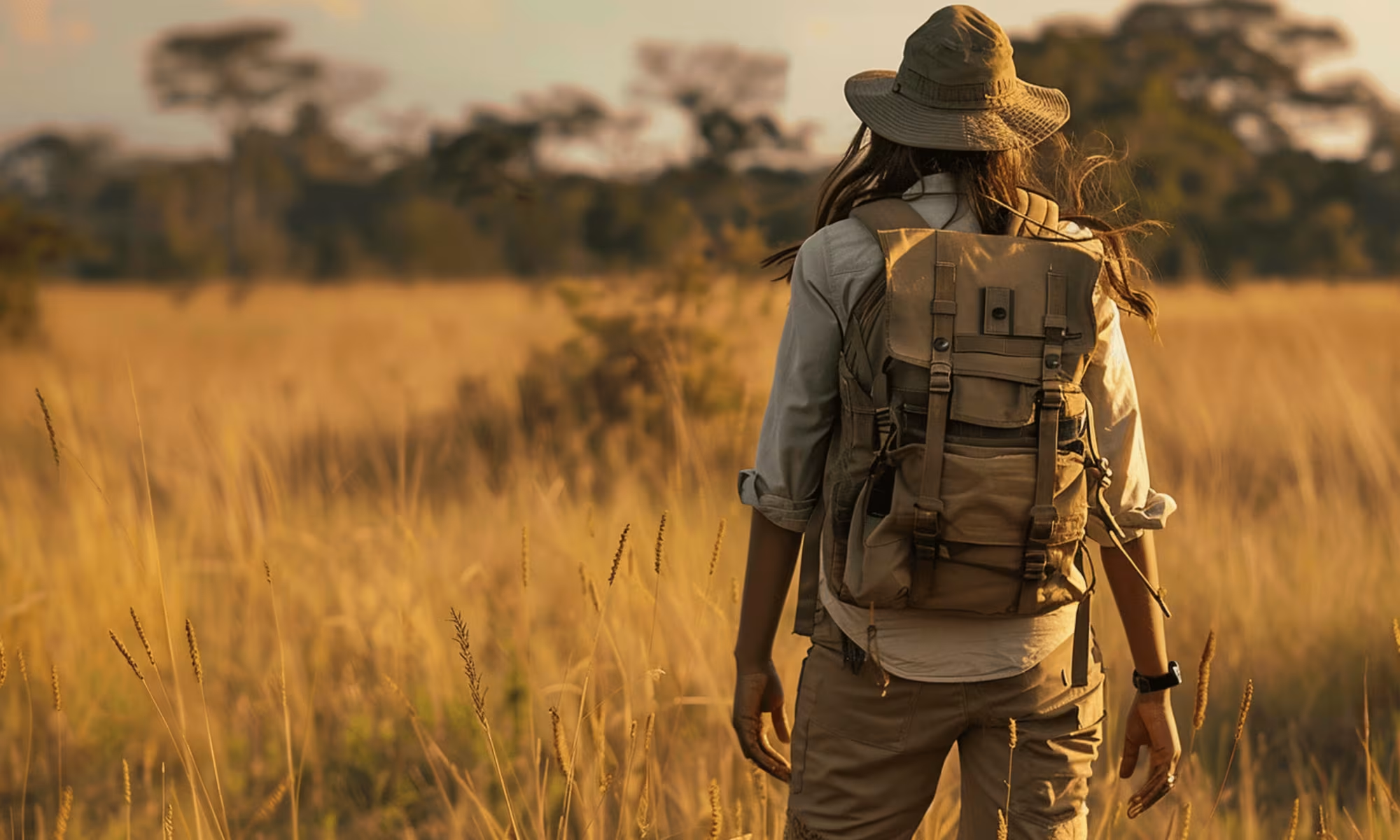
Lightweight moisture-wicking safari shirts are highly recommended because they remain breathable even during warm and humid weather conditions. Shirts with roll-up sleeves are also practical because they provide flexibility during changing temperatures.
Long-Sleeved Shirts are especially useful for:
- Gorilla trekking
- Chimpanzee tracking
- Nature walks
- Bird watching
- Volcano hiking
- Evening safari activities
Travelers should ideally pack several Long-Sleeved Shirts because rainforest conditions can quickly make clothing wet or muddy during trekking activities.
Long Trousers for Trekking
Long Trousers for Trekking are essential for Congo safari adventures because trekking trails often pass through muddy rainforest paths, thick vegetation, volcanic rock, and uneven terrain. Long trekking trousers provide protection against scratches, insect bites, thorny plants, and changing weather conditions.
Quick-dry trekking trousers are highly recommended because rainforest environments can become wet and muddy even during dry seasons. Convertible trekking trousers with zip-off sections can also provide additional flexibility during different safari activities.
Long Trousers for Trekking are particularly important for:
- Gorilla trekking
- Nyiragongo Volcano Hiking
- Forest exploration
- Wildlife walks
- Chimpanzee tracking
Heavy jeans are usually discouraged because they become uncomfortable and difficult to dry in rainforest conditions. Lightweight outdoor trekking trousers are much more practical for Congo safari travel.
Travelers should also consider waterproof over-trousers during rainy seasons when trekking conditions become especially muddy.
Waterproof Rain Jacket
A Waterproof Rain Jacket is one of the most important items to include on a Congo Safari Packing List because rain can occur unexpectedly throughout rainforest regions in Congo. Even during dry seasons, tropical showers are common in gorilla trekking forests and mountainous areas.
A good Waterproof Rain Jacket should be:
- Lightweight
- Breathable
- Easy to carry
- Fully waterproof
- Comfortable for trekking
Rain jackets are especially important for:
- Gorilla trekking in rainforest environments
- Nyiragongo Volcano Hiking
- Wildlife safaris during wet seasons
- Early morning activities
- Forest walks
Rain protection helps travelers remain warm and comfortable while preventing clothing and equipment from becoming soaked during safari activities.
Travelers should avoid heavy bulky jackets and instead choose lightweight waterproof outdoor gear suitable for trekking and adventure travel.
Warm Clothing for Cold Evenings
Warm Clothing for Cold Evenings is very important for travelers visiting mountainous areas of Congo such as Mount Nyiragongo and gorilla trekking regions located at higher altitudes.
Although Congo is known for tropical rainforest climates, evenings and mornings in mountain areas can become surprisingly cold. Travelers participating in the Nyiragongo Volcano Hike especially need warm layers for overnight stays near the crater rim.
Recommended Warm Clothing for Cold Evenings includes:
- Fleece jackets
- Thermal tops
- Warm sweaters
- Insulated jackets
- Warm trekking trousers
- Scarves
- Warm hats
Warm clothing is especially important for:
- Nyiragongo summit overnight stays
- Early morning gorilla trekking briefings
- Cool mountain lodges
- Rainy weather conditions
Layering clothing is highly recommended because temperatures can change significantly between daytime and nighttime safari activities.
Hiking Socks
Hiking Socks are an essential part of proper trekking preparation for Congo safaris. Good hiking socks help prevent blisters, improve comfort, reduce foot fatigue, and keep feet warm and dry during long trekking hours.
Travelers should ideally pack:
- Moisture-wicking hiking socks
- Thick trekking socks for volcano hikes
- Quick-dry outdoor socks
- Extra pairs for wet conditions
Hiking Socks are especially important for:
- Gorilla trekking
- Nyiragongo Volcano Hiking
- Rainforest trekking
- Long walking safaris
Wet socks can quickly become uncomfortable during rainforest trekking, so carrying spare pairs in a waterproof bag is highly recommended.
Quality hiking socks combined with waterproof hiking boots greatly improve overall trekking comfort and foot protection during Congo safari adventures.
Gloves for Gorilla Trekking
Gloves for Gorilla Trekking are highly recommended because rainforest trekking often involves moving through dense vegetation, slippery slopes, branches, and thorny plants. Trekking gloves help protect hands while improving grip during steep or muddy climbs.
Many travelers use lightweight gardening gloves or trekking gloves during Gorilla Trekking in Congo because they provide practical hand protection without adding unnecessary weight.
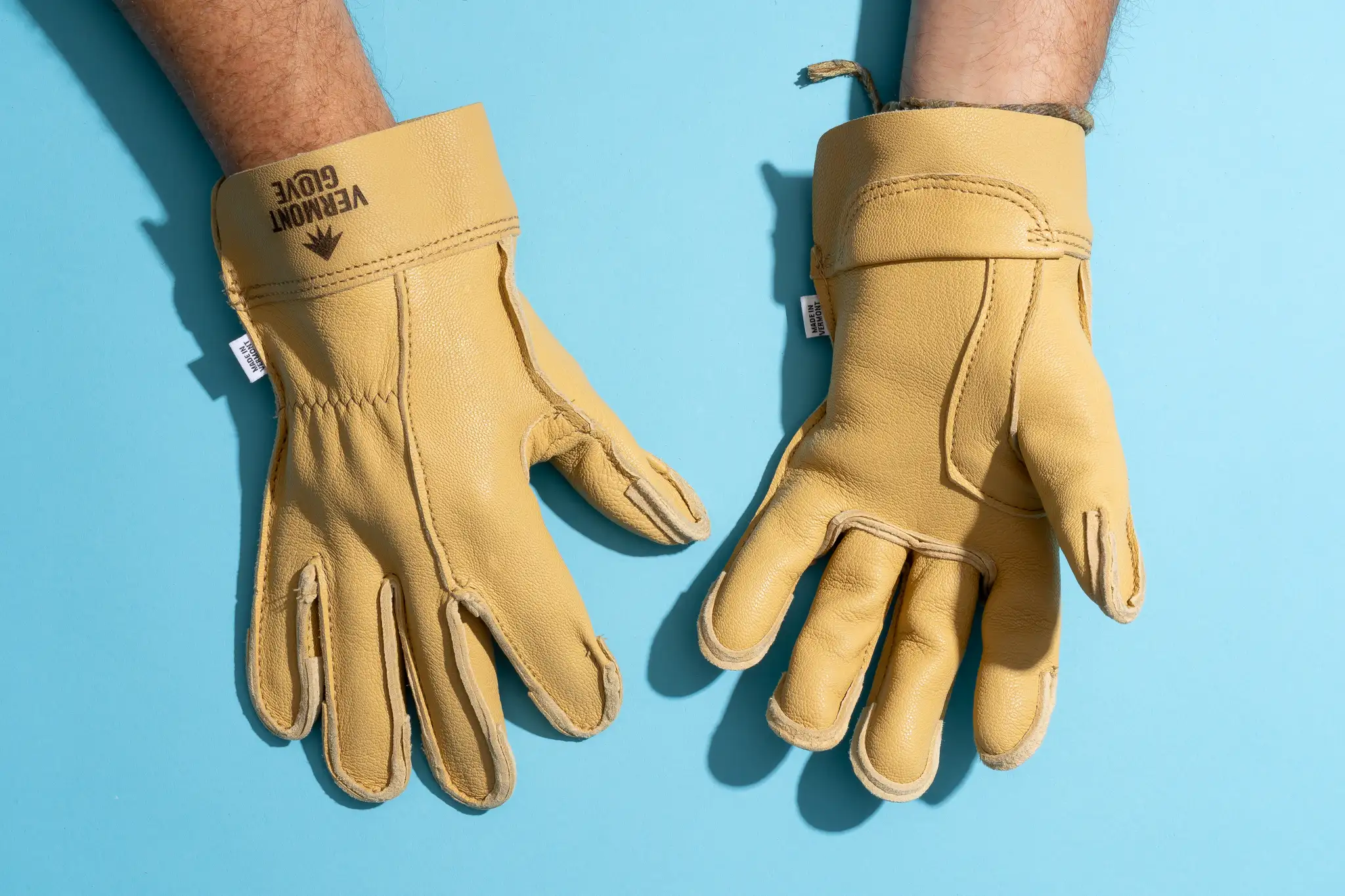
Gloves for Gorilla Trekking are useful for:
- Holding branches during steep climbs
- Protecting hands from stinging plants
- Moving through thick vegetation
- Improving grip during muddy conditions
Lightweight waterproof gloves may also be helpful during rainy weather and cold mountain trekking conditions near volcano regions.
Although often overlooked, Gloves for Gorilla Trekking can greatly improve trekking comfort and safety during rainforest safari adventures.
Sun Hat and Cap
A Sun Hat and Cap are important safari accessories for protecting travelers from direct sunlight during wildlife safaris, road transfers, nature walks, and open savannah activities within Congo.
Although rainforest regions often provide shade, many safari areas and transfer routes involve long periods under strong equatorial sunlight. A wide-brimmed safari hat or lightweight cap helps reduce sun exposure and improve comfort during outdoor activities.
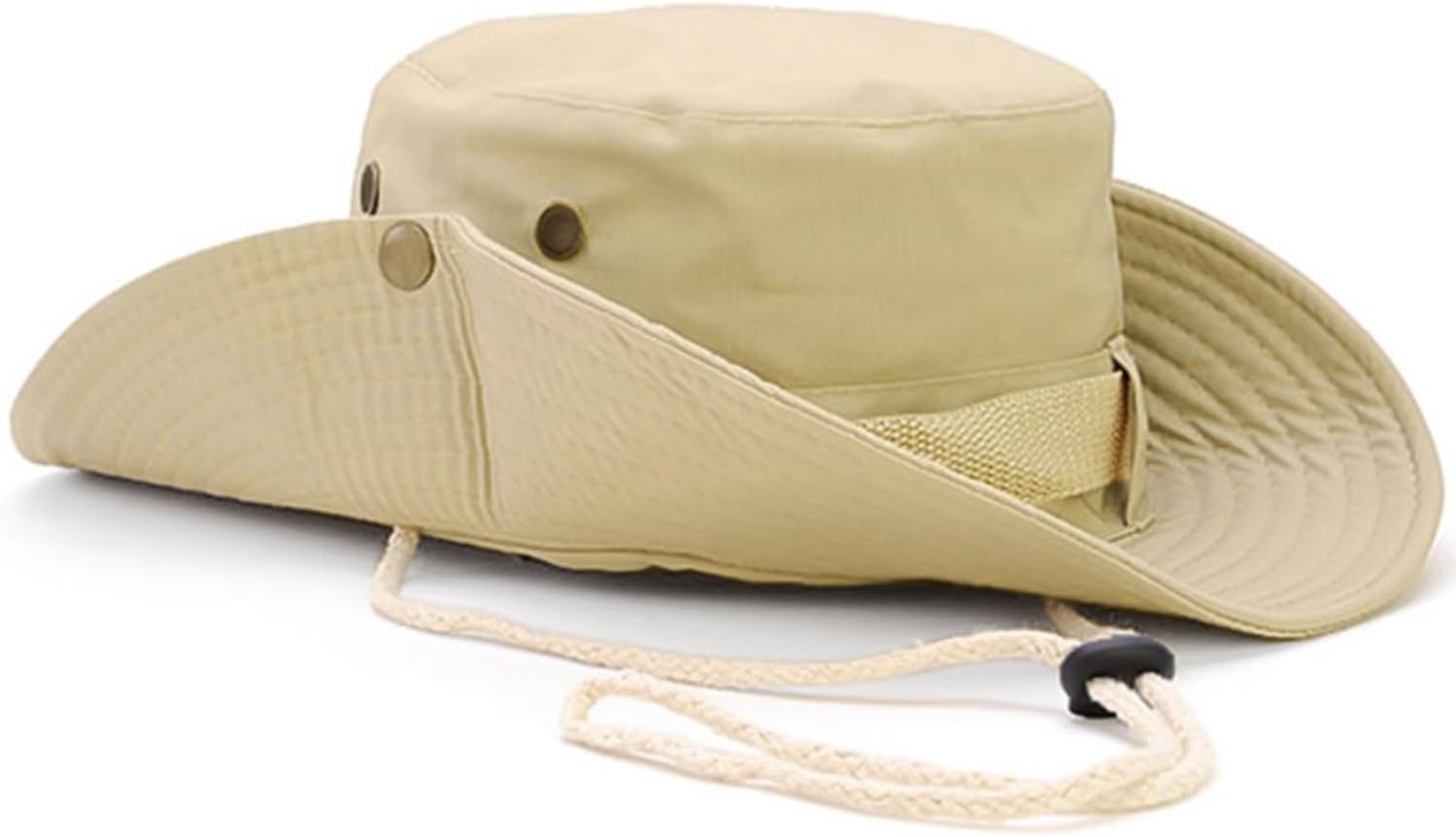
A good Sun Hat and Cap should ideally:
- Be lightweight
- Provide UV protection
- Allow ventilation
- Fit comfortably during trekking
Sun hats are particularly useful during:
- Wildlife safaris
- Bird watching
- Border crossings
- Road transfers
- Cultural village visits
- Volcano hiking lower slopes
Combining a Sun Hat and Cap with sunscreen and sunglasses helps protect travelers from sunburn and heat exposure during Congo safari adventures.
Comfortable Evening Wear
Comfortable Evening Wear is an important part of a Congo Safari Packing List because safari days are often long, physically active, and sometimes challenging. After gorilla trekking, volcano hiking, wildlife safaris, or long road transfers, many travelers appreciate changing into relaxed clothing during evenings at safari lodges or camps.
Evening temperatures in Congo vary depending on location and altitude. Lowland rainforest regions may remain warm and humid, while mountain destinations such as the Virunga region and Mount Nyiragongo can become surprisingly cold after sunset. Packing suitable evening wear helps travelers stay comfortable while relaxing at lodges, dining areas, or campfire gatherings.
Recommended Comfortable Evening Wear includes:
- Lightweight trousers
- Comfortable t-shirts
- Fleece jackets
- Warm sweaters
- Casual long-sleeved shirts
- Light comfortable shoes
- Warm socks for cold evenings
Travelers staying at luxury safari lodges may also pack slightly smarter casual clothing for dinner, although formal wear is generally unnecessary for Congo safaris.
Comfortable Evening Wear should focus on practicality, warmth, and relaxation rather than fashion. Lightweight layers work best because temperatures can change quickly between daytime and nighttime activities.
Footwear to Include on Congo Safari Packing List
Choosing the right Footwear for Congo Safaris is extremely important because safari activities often involve rainforest trekking, volcano hiking, muddy trails, rocky terrain, wildlife walks, and long transfer days. Proper footwear improves comfort, safety, and trekking performance throughout the safari.
Congo safari environments can vary greatly between tropical rainforests, volcanic mountains, wetlands, and savannah areas. Travelers should therefore pack footwear suitable for multiple activities and weather conditions.
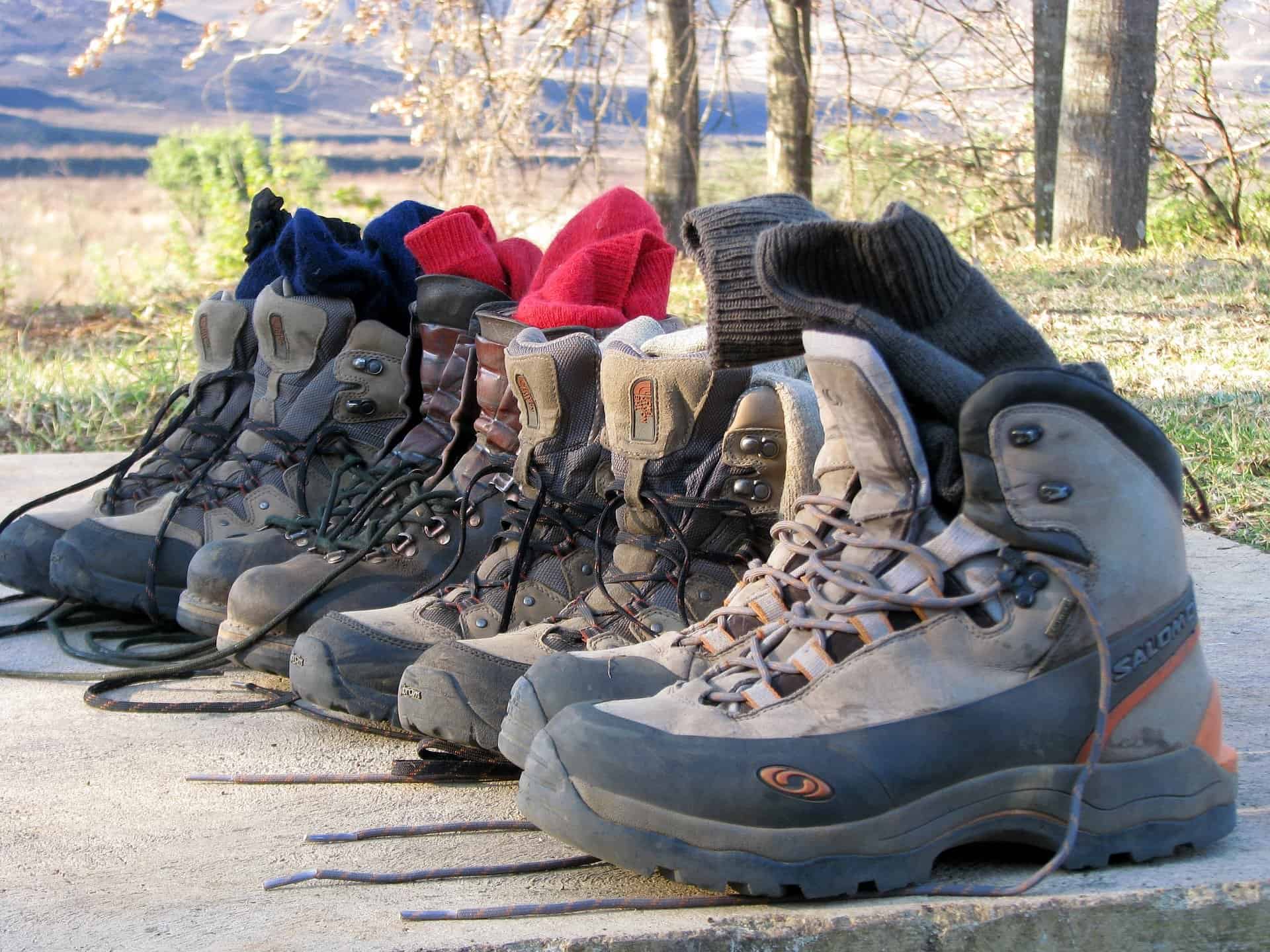
Recommended Footwear for Congo Safaris generally includes:
- Waterproof hiking boots
- Lightweight walking shoes
- Sandals or camp footwear
- Trekking gaiters
Good safari footwear helps prevent injuries, improves balance on difficult terrain, and keeps feet comfortable during physically demanding activities such as Gorilla Trekking in Congo and the Nyiragongo Volcano Hike.
Travelers should always prioritize comfort and functionality over fashion when selecting safari footwear.
Waterproof Hiking Boots
Waterproof Hiking Boots are one of the most essential items for any Congo safari. Gorilla trekking trails, rainforest paths, and volcano hiking routes often become muddy, slippery, steep, and uneven, especially during rainy conditions.
Strong Waterproof Hiking Boots provide:
- Ankle support
- Better grip on muddy trails
- Foot protection on rocky terrain
- Water resistance during rainforest trekking
- Improved comfort during long hikes
Waterproof Hiking Boots are especially important for:
- Gorilla trekking in Congo
- Nyiragongo Volcano Hiking
- Chimpanzee tracking
- Forest exploration
- Nature walks
Travelers are encouraged to wear broken-in hiking boots rather than brand-new footwear to avoid blisters during trekking activities. Good-quality trekking socks combined with waterproof boots greatly improve overall hiking comfort.
Boots with strong traction and durable soles are highly recommended because some Congo safari trails involve steep volcanic rock and slippery rainforest conditions.
Lightweight Walking Shoes
Lightweight Walking Shoes are useful for safari activities that do not require heavy trekking boots. These shoes provide comfort during:
- Lodge relaxation
- Cultural visits
- Road transfers
- City tours
- Short nature walks
- Airport travel
Unlike hiking boots, Lightweight Walking Shoes are easier to wear for casual movement and daily safari activities outside difficult trekking environments.
Comfortable walking shoes also help travelers rest their feet after demanding hikes such as Gorilla Trekking in Congo or Mount Nyiragongo climbs. Breathable trail shoes or lightweight outdoor sneakers are usually excellent choices for safari travel.
Travelers should ideally pack walking shoes that are:
- Lightweight
- Breathable
- Comfortable for long wear
- Easy to clean
- Suitable for uneven surfaces
Having Lightweight Walking Shoes in addition to trekking boots gives travelers more flexibility and comfort throughout the safari.
Sandals or Camp Footwear
Sandals or Camp Footwear are highly recommended for relaxation after trekking and safari activities. After long hours in hiking boots, many travelers appreciate lightweight sandals or open footwear while resting at safari lodges or camps.
Sandals or Camp Footwear are useful for:
- Evening relaxation
- Lodge dining areas
- Shower facilities
- Around safari camps
- Warm weather relaxation
Lightweight sandals also reduce the need to wear heavy trekking boots continuously throughout the safari.
Travelers visiting humid rainforest regions often find sandals comfortable during warmer evenings and casual lodge activities. However, sandals are not recommended for gorilla trekking, volcano hiking, or serious walking activities due to rough terrain and safety concerns.
Simple, lightweight, and durable sandals work best for safari travel because they are easy to pack and comfortable after physically demanding activities.
Gaiters for Muddy Trails
Gaiters for Muddy Trails are highly useful during gorilla trekking and rainforest hiking in Congo. Gaiters are protective coverings worn over hiking boots and lower trousers to prevent mud, water, insects, and vegetation from entering footwear during trekking.
Rainforest trails in Congo can become extremely muddy and slippery, especially during wet seasons. Gaiters for Muddy Trails help keep feet dry and improve trekking comfort during difficult forest conditions. This make them very vital to be included on a Congo safari packing list .
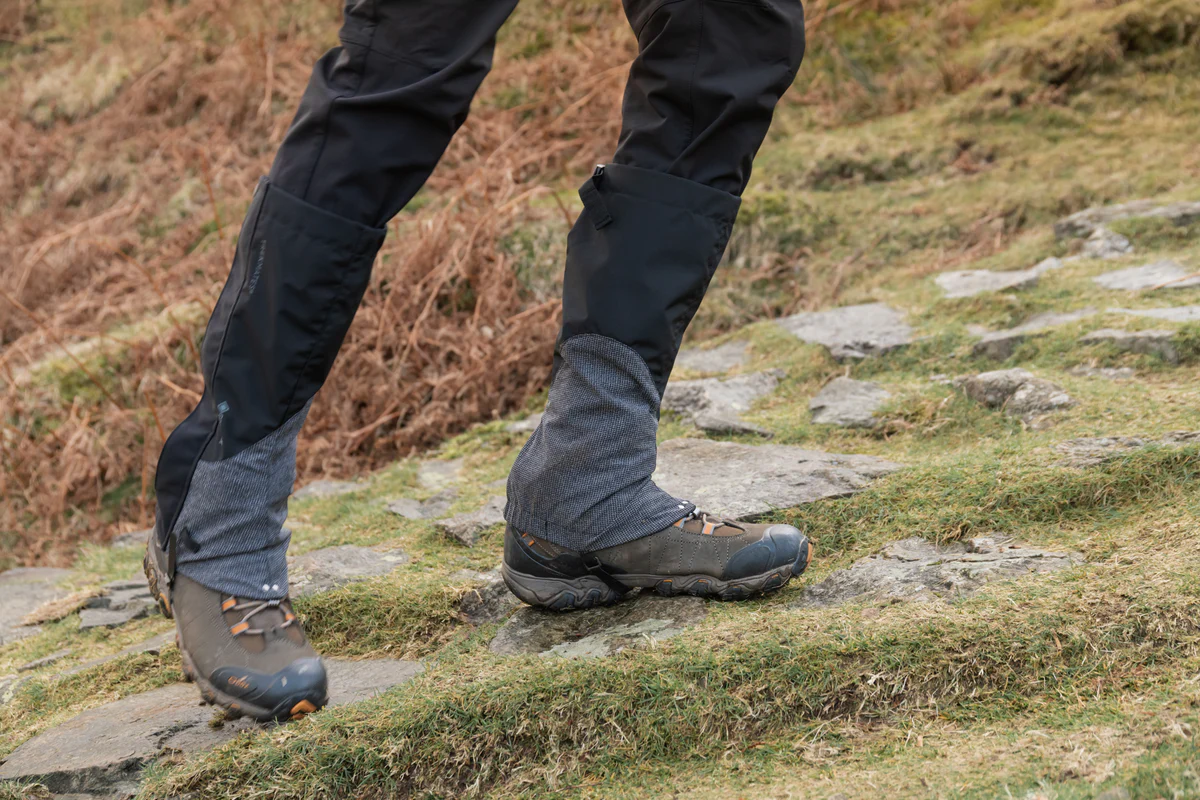
Gaiters are especially useful for:
- Gorilla trekking
- Rainforest hikes
- Volcano trekking
- Wet season safaris
- Muddy forest trails
They also provide additional protection against:
- Thorny plants
- Stinging insects
- Wet vegetation
- Loose volcanic gravel
Many experienced trekkers consider Gaiters for Muddy Trails one of the most practical accessories for Gorilla Trekking in Congo because they help maintain comfort throughout long forest hikes.
Lightweight waterproof gaiters are usually the best option because they remain comfortable while protecting against rainforest conditions and muddy trekking environments.
Congo Safari Packing List for Gorilla Trekking
A Gorilla Trekking Packing List is one of the most important parts of preparing for a successful gorilla safari in Congo, Uganda, or Rwanda. Gorilla trekking takes place in dense tropical rainforest environments where visitors may encounter muddy trails, steep slopes, thick vegetation, rain, insects, and changing mountain weather conditions. Proper packing helps travelers remain comfortable, protected, and fully prepared for the trekking experience.
Whether you are planning Gorilla Trekking in Virunga National Park, Bwindi Impenetrable National Park, or Volcanoes National Park, having the right trekking gear can greatly improve the overall safari experience.
A proper Gorilla Trekking Packing List should focus on:
- Comfort during long hikes
- Protection from rain and vegetation
- Practical trekking equipment
- Hydration and energy supplies
- Weather adaptability
- Photography preparation
Because gorilla trekking often involves several hours of walking through rainforest terrain, travelers should prioritize lightweight, waterproof, and practical safari gear suitable for mountain trekking conditions.
Waterproof Hiking Boots
Waterproof Hiking Boots are the single most important item on a Gorilla Trekking Packing List. Gorilla trekking trails are frequently muddy, steep, slippery, and uneven, especially in rainforest environments where rain can occur unexpectedly.
Good Waterproof Hiking Boots provide:
- Strong ankle support
- Better grip on muddy slopes
- Foot protection from rocks and roots
- Water resistance during wet trekking conditions
- Improved stability during long hikes
Waterproof Hiking Boots are especially important for gorilla trekking because trekkers often move through dense forest, steep mountain trails, and slippery vegetation while searching for gorilla families.
Travelers are encouraged to:
- Break in boots before travel
- Choose lightweight but durable trekking boots
- Use quality hiking socks
- Avoid brand-new footwear during the trek
Comfortable waterproof boots greatly improve safety and reduce fatigue during Gorilla Trekking experiences.
Gardening Gloves
Gardening Gloves are highly recommended for gorilla trekking because rainforest trails often involve thick vegetation, thorny plants, slippery branches, and muddy climbing sections. Gloves help protect hands while moving through dense forest environments.
Many experienced trekkers prefer lightweight gardening gloves because they are:
- Durable
- Lightweight
- Comfortable
- Easy to grip vegetation with
- Affordable and practical
Gardening Gloves are useful for:
- Holding branches during climbs
- Protecting against stinging plants
- Gripping muddy surfaces
- Navigating steep forest trails
Although often overlooked, gloves can make gorilla trekking significantly more comfortable, especially during difficult rainforest sections.
Rain Gear
Rain Gear is essential for gorilla trekking because rainforest weather is highly unpredictable. Even during dry seasons, rain showers can occur suddenly in gorilla trekking regions.
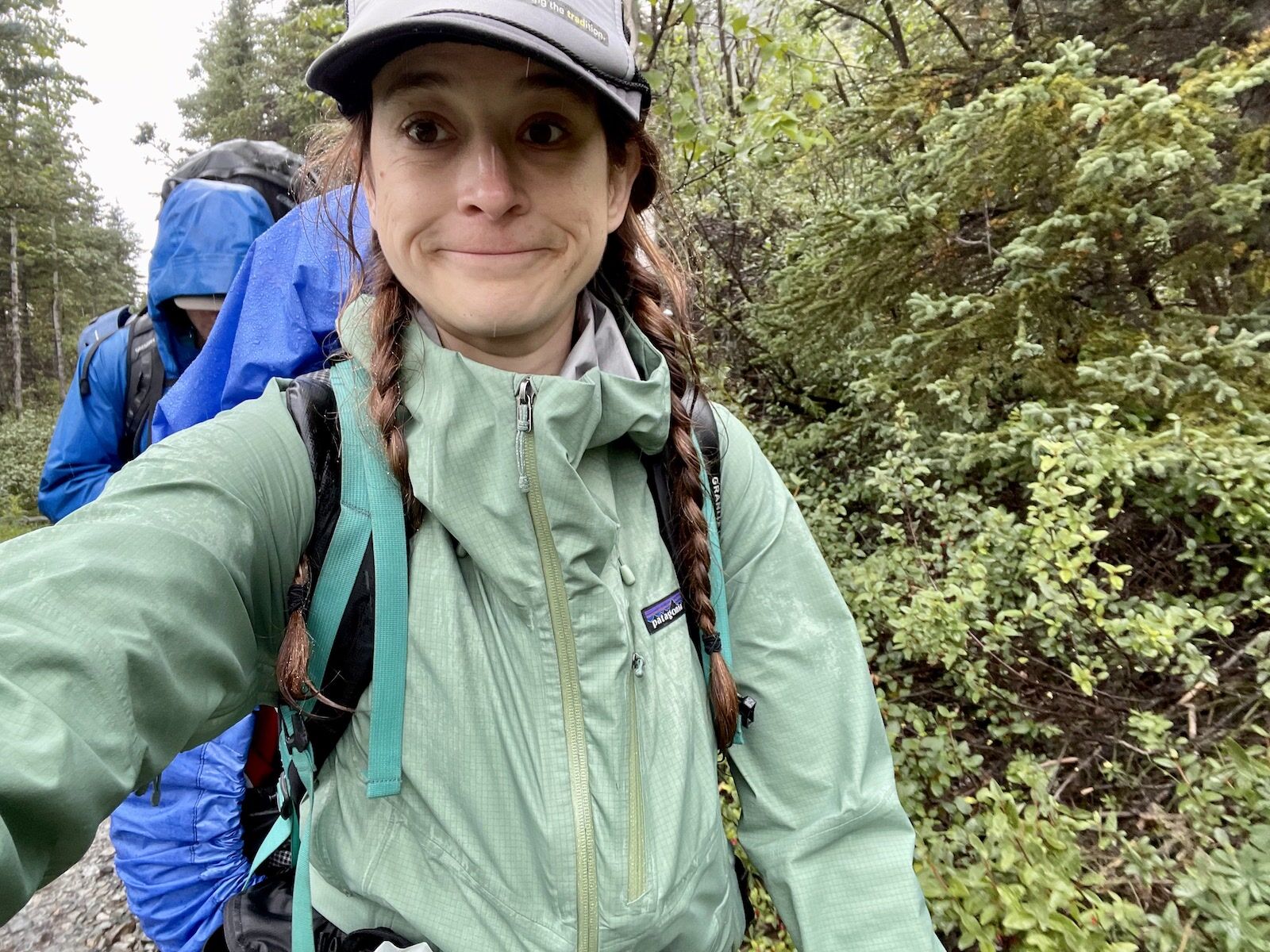
Important Rain Gear items include:
- Waterproof rain jacket
- Lightweight waterproof trousers
- Backpack rain cover
- Waterproof gaiters
- Waterproof gloves
Rain Gear helps trekkers:
- Stay dry and warm
- Protect cameras and electronics
- Maintain comfort during long hikes
- Reduce cold exposure at higher altitudes
Lightweight and breathable rain gear is highly recommended because gorilla trekking can become physically demanding in humid rainforest conditions.
Travelers should avoid heavy raincoats that become uncomfortable during active hiking.
Small Daypack
A Small Daypack is one of the most practical items for gorilla trekking because visitors need a comfortable way to carry water, snacks, rain gear, cameras, and personal items during the trek.
An ideal Small Daypack should be:
- Lightweight
- Waterproof or water-resistant
- Comfortable for long hikes
- Large enough for essentials only
- Easy to carry through forest trails
Items commonly carried in a Small Daypack include:
- Water bottle
- Energy snacks
- Camera
- Rain jacket
- Sunscreen
- Insect repellent
- Extra clothing layer
- Personal medication
Trekkers are advised to avoid oversized backpacks because they become uncomfortable during steep rainforest hikes.
Many travelers also hire porters to help carry daypacks during Gorilla Trekking adventures.
Energy Snacks
Energy Snacks are important during gorilla trekking because some treks can last several hours through mountainous rainforest terrain. Trekking can be physically demanding, especially at higher altitudes and during muddy conditions.
Good Energy Snacks help maintain:
- Energy levels
- Hydration support
- Physical endurance
- Trekking comfort
Recommended Energy Snacks include:
- Energy bars
- Nuts
- Dried fruits
- Chocolate
- Biscuits
- Granola bars
- Bananas
Travelers should pack lightweight snacks that are easy to carry and consume during trekking breaks.
Energy Snacks are especially useful during longer gorilla treks where hikers may spend many hours searching for gorilla families in the forest.
Reusable Water Bottle
A Reusable Water Bottle is an essential item on a Congo Safari Packing List because gorilla trekking and rainforest hiking can be physically demanding and dehydrating. Staying hydrated helps trekkers maintain energy, avoid exhaustion, and remain comfortable during long hikes through Congo’s dense forests and mountainous safari trails.
Travelers are encouraged to carry:
- Refillable water bottles
- Hydration packs
- Lightweight insulated bottles
Using a Reusable Water Bottle also supports environmentally responsible tourism by reducing plastic waste within protected rainforest ecosystems.
Trekkers should ideally carry at least:
- 1.5 to 2 liters of water during the trek
Hydration is especially important during:
- Steep climbs
- Warm humid conditions
- Long trekking hours
- Volcano-region hiking areas
A durable Reusable Water Bottle is one of the most essential items for a successful Gorilla Trekking experience.
Walking Stick
A Walking Stick is highly recommended for gorilla trekking because rainforest trails are often steep, muddy, and slippery. Trekking poles or wooden walking sticks provide balance and support during difficult sections of the hike.
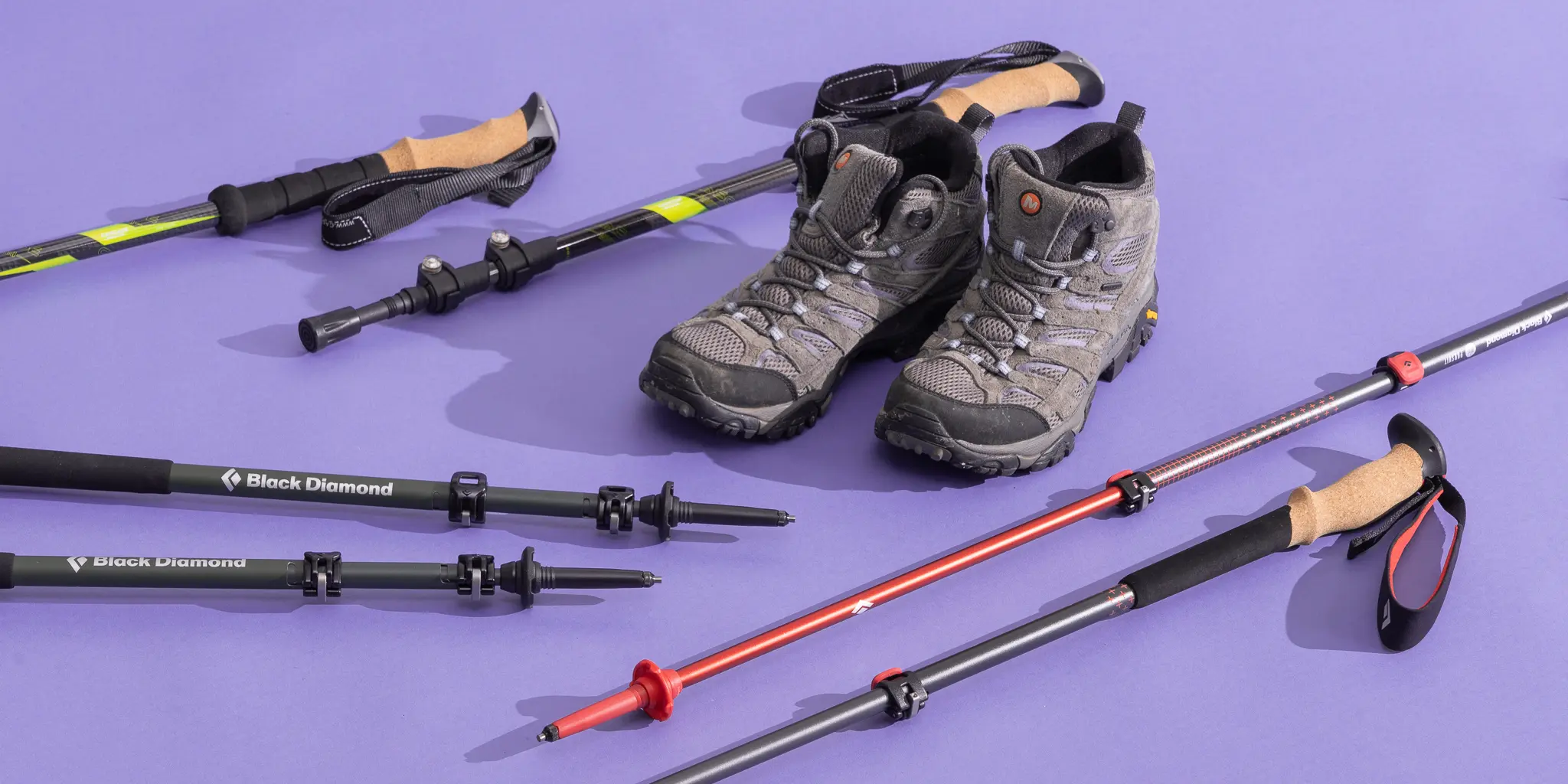
Walking Sticks help with:
- Stability on steep slopes
- Balance during muddy conditions
- Reducing strain on knees
- Navigating uneven terrain
- Improving trekking confidence
Many trekking starting points provide simple wooden Walking Sticks for visitors before the trek begins. Some travelers also prefer collapsible trekking poles for additional comfort and support.
Walking sticks are especially valuable for:
- Older travelers
- Long gorilla treks
- Rainy season trekking
- Volcano-region forest hikes
Using a Walking Stick can greatly improve comfort and safety during Gorilla Trekking adventures.
Insect Repellent
Insect Repellent is an essential item on any Gorilla Trekking Packing List because rainforest environments contain mosquitoes and other insects that can cause discomfort during trekking.
A good Insect Repellent helps protect against:
- Mosquito bites
- Forest insects
- Bug irritation
- Potential insect-related illnesses
Travelers visiting gorilla trekking regions are strongly encouraged to use insect repellent during:
- Early morning treks
- Evening lodge activities
- Forest hikes
- Wildlife walks
Insect repellent sprays, lotions, or roll-ons containing effective mosquito protection ingredients are highly recommended for rainforest safari travel.
Combining Insect Repellent with long-sleeved clothing and trekking trousers improves protection during gorilla trekking experiences.
Camera Equipment
Camera Equipment is extremely important for gorilla trekking because encountering mountain gorillas in the wild is one of Africa’s most unforgettable photography experiences.
Recommended Camera Equipment includes:
- DSLR or mirrorless camera
- Zoom lens
- Extra batteries
- Extra memory cards
- Waterproof camera cover
- Lens cleaning cloth
- Lightweight camera bag
Rainforest environments can be humid and wet, so waterproof camera protection is highly recommended during trekking activities.
Travelers should remember that:
- Flash photography is prohibited near gorillas
- Quiet photography behavior is encouraged
- Cameras should be easy to carry during hiking
Good Camera Equipment allows travelers to capture extraordinary moments during Gorilla Trekking while preserving unforgettable safari memories.
Extra Clothing Layers
Extra Clothing Layers are highly recommended for gorilla trekking because mountain rainforest weather conditions can change quickly throughout the day.
Extra layers help trekkers adapt to:
- Cold early mornings
- Rainfall
- Windy mountain conditions
- Wet forest environments
- Temperature changes after rainfall
Useful Extra Clothing Layers include:
- Fleece jackets
- Lightweight sweaters
- Thermal tops
- Waterproof outer layers
- Spare trekking shirts
Layering clothing is more practical than wearing one heavy jacket because trekkers can adjust clothing throughout the hike depending on weather and physical activity levels.
Extra Clothing Layers are especially important in high-altitude gorilla trekking regions where mornings and evenings can become cold even within tropical rainforest environments.
Nyiragongo Volcano Hiking Packing List
A Nyiragongo Volcano Hiking Packing List is essential for travelers planning to hike Mount Nyiragongo in Virunga National Park. The Nyiragongo hike is one of Africa’s most adventurous volcano experiences and involves steep volcanic terrain, high altitude, changing weather conditions, and cold overnight temperatures near the crater rim.
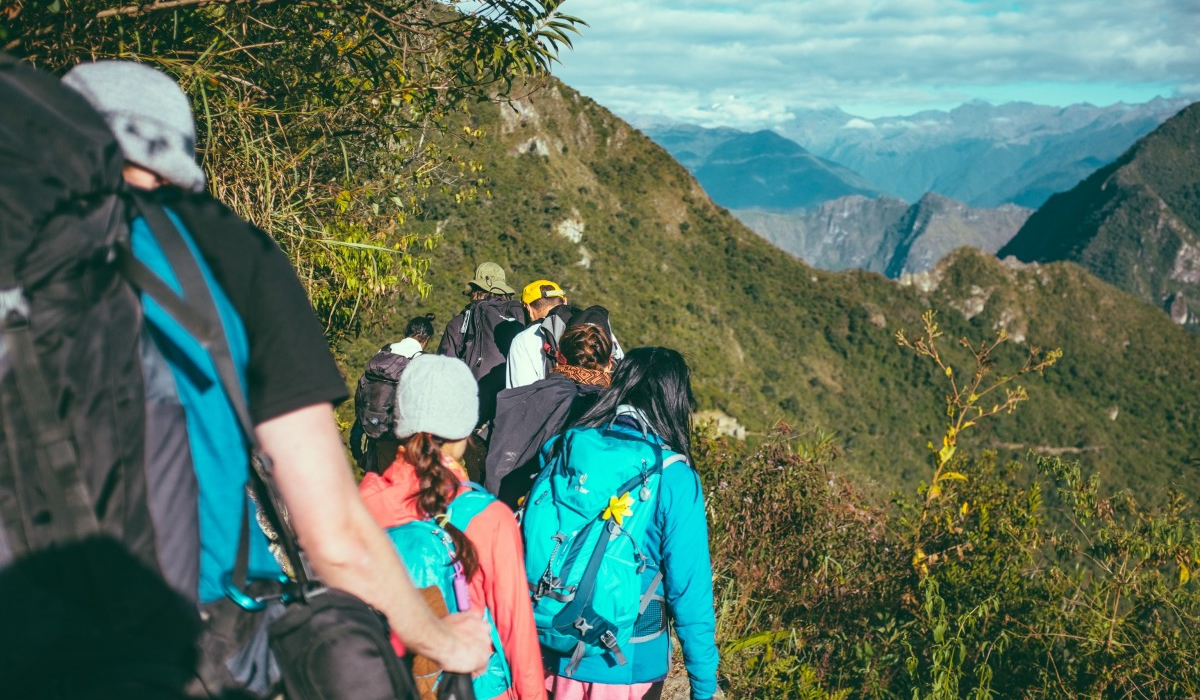
Unlike regular wildlife safaris, the Nyiragongo Volcano Hike requires more specialized trekking equipment and warm clothing because hikers spend the night near the active lava lake at high elevation. Temperatures at the summit can become extremely cold, windy, and wet, especially during evenings and early mornings.
A proper Nyiragongo Volcano Hiking Packing List should focus on:
- Warm mountain clothing
- Waterproof trekking gear
- Hiking support equipment
- Sleeping comfort
- Hydration and energy supplies
- Protection from cold and rain
Packing correctly greatly improves safety, comfort, and enjoyment during the Nyiragongo Volcano Hiking experience.
Warm Jackets and Thermal Wear
Warm Jackets and Thermal Wear are among the most important items for the Nyiragongo Volcano Hike because summit temperatures can become very cold during the night. Although Congo is generally tropical, Mount Nyiragongo rises to high altitude where temperatures drop significantly after sunset.
Recommended Warm Jackets and Thermal Wear include:
- Insulated trekking jackets
- Fleece jackets
- Thermal tops
- Thermal leggings
- Warm hiking trousers
- Lightweight down jackets
Warm clothing is especially important for:
- Overnight stays near the crater rim
- Early morning descent
- Windy summit conditions
- Rainy weather during the climb
Layering is highly recommended because temperatures change dramatically between the lower hiking sections and the summit. Hikers often begin the trek in warm weather and reach cold volcanic conditions later in the day.
Good Warm Jackets and Thermal Wear help hikers remain comfortable while enjoying views of the Nyiragongo Crater Lava Lake during the evening and overnight stay.
Headlamp or Flashlight
A Headlamp or Flashlight is essential for the Nyiragongo Volcano Hike because hikers often move around summit shelters after dark and may require lighting during early morning preparations before descent.
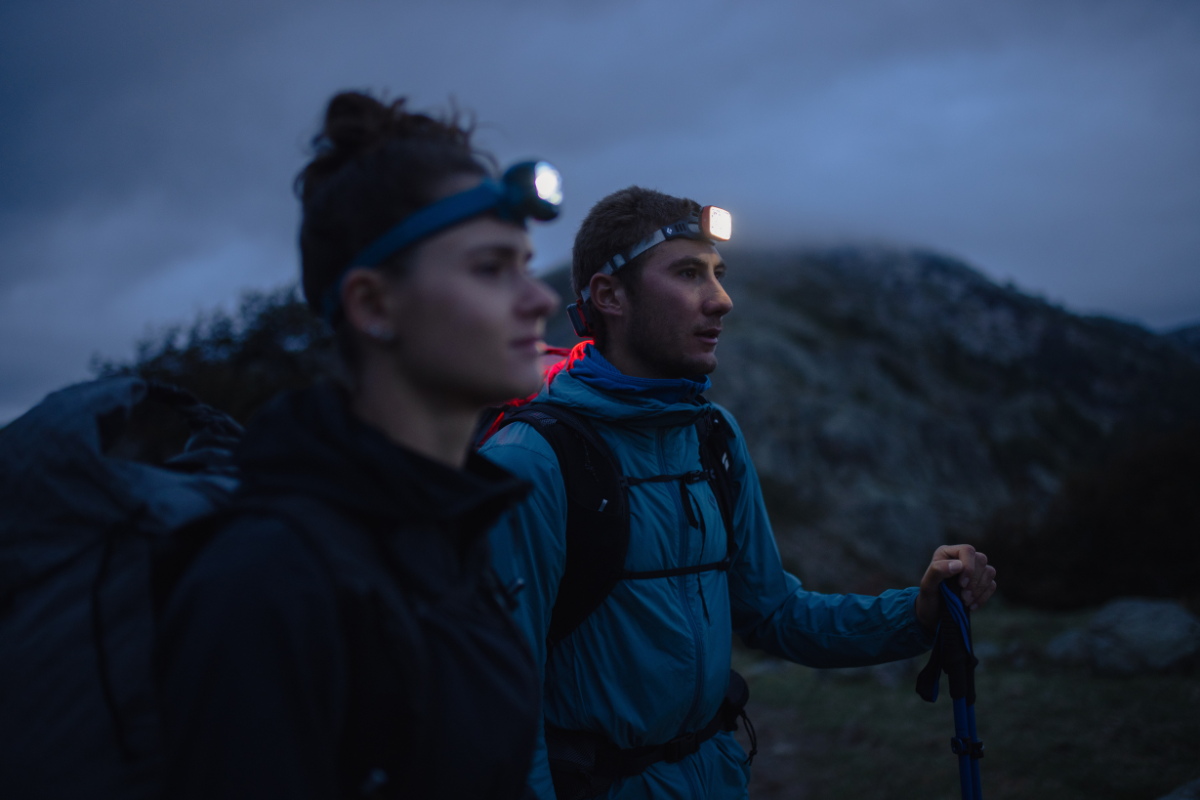
A good Headlamp or Flashlight should ideally:
- Be lightweight
- Have strong battery life
- Provide hands-free lighting
- Be waterproof or water-resistant
Headlamps are generally preferred because they allow hikers to move safely while keeping both hands free for balance and climbing.
A Headlamp or Flashlight is useful for:
- Nighttime movement at the summit
- Inside summit shelters
- Early morning descent preparation
- Emergency situations
- Organizing hiking gear after dark
Travelers are strongly encouraged to carry spare batteries or rechargeable lighting equipment because electricity access at the summit is extremely limited.
Trekking Poles
Trekking Poles are highly recommended for the Nyiragongo Volcano Hike because the trail includes steep volcanic slopes, loose lava rocks, uneven terrain, and slippery sections.
Trekking Poles help hikers:
- Maintain balance
- Reduce knee strain
- Improve stability on steep terrain
- Navigate loose volcanic gravel
- Improve hiking endurance
The climb to Mount Nyiragongo’s summit can take several hours, making Trekking Poles especially useful during both ascent and descent.
Collapsible lightweight trekking poles are ideal because they are easier to carry and adjust depending on terrain conditions.
Many hikers find Trekking Poles extremely helpful during:
- Steep volcanic climbs
- Slippery rainy conditions
- Long downhill sections
- Rocky summit terrain
Using trekking poles greatly improves hiking comfort and reduces fatigue during the Nyiragongo Volcano Hiking experience.
Warm Hat and Gloves
A Warm Hat and Gloves are essential items for the Nyiragongo summit because nighttime temperatures near the crater rim can become very cold and windy.
A Warm Hat helps:
- Retain body heat
- Protect against cold wind
- Improve overnight comfort
- Reduce heat loss during early morning hours
Gloves are important for:
- Cold summit temperatures
- Handling trekking poles
- Climbing rocky sections
- Protecting hands during windy conditions
Recommended items include:
- Thermal gloves
- Fleece gloves
- Wool hats
- Insulated beanies
Travelers often underestimate how cold Mount Nyiragongo becomes at night, making warm accessories extremely important for comfort during the overnight summit experience.
Sleeping Essentials
Sleeping Essentials are important because the Nyiragongo Volcano Hike includes an overnight stay at summit shelters near the crater rim overlooking the lava lake.
Recommended Sleeping Essentials include:
- Warm sleeping bag
- Sleeping liner
- Travel pillow
- Thermal sleepwear
- Lightweight blanket
- Earplugs for windy nights
Although summit shelters provide basic accommodation, temperatures remain cold at high altitude, making proper sleeping equipment very important.
A quality sleeping bag rated for cold mountain conditions is highly recommended for comfortable overnight rest near the Nyiragongo Crater Lava Lake.
Travelers should prioritize lightweight but warm Sleeping Essentials suitable for mountain trekking conditions.
Hiking Backpack
A Hiking Backpack is one of the most practical items for the Nyiragongo Volcano Hike because hikers need to carry clothing layers, water, snacks, camera equipment, and overnight supplies during the climb.
An ideal Hiking Backpack should be:
- Lightweight
- Comfortable for long hikes
- Waterproof or water-resistant
- Large enough for essentials only
- Equipped with padded shoulder straps
Recommended backpack size:
- Approximately 25–40 liters for most hikers
Items commonly carried in a Hiking Backpack include:
- Warm clothing
- Water bottles
- Energy snacks
- Camera equipment
- Rain gear
- Gloves and hats
- Headlamp
- Personal toiletries
Porters are available during the Nyiragongo hike to help carry heavier bags, making the climb more comfortable for many travelers.
Extra Socks
Extra Socks are highly recommended for the Nyiragongo Volcano Hike because volcanic trails, rain, sweat, and cold temperatures can quickly make socks wet and uncomfortable.
Good hiking socks help:
- Prevent blisters
- Keep feet warm
- Improve trekking comfort
- Reduce foot fatigue
Travelers should pack:
- Thick trekking socks
- Moisture-wicking hiking socks
- Warm overnight socks
- Spare dry socks
Changing into dry Extra Socks at the summit can greatly improve warmth and comfort after a long day of hiking.
Wet socks during cold mountain conditions can become very uncomfortable, making extra pairs extremely valuable during the trek.
Waterproof Gear
Waterproof Gear is essential for the Nyiragongo Volcano Hike because mountain weather conditions can change rapidly. Rain, fog, wind, and wet volcanic terrain are common during different seasons.
Important Waterproof Gear includes:
- Waterproof rain jacket
- Waterproof hiking trousers
- Backpack rain cover
- Waterproof gloves
- Waterproof hiking boots
- Waterproof phone or camera protection
Waterproof Gear helps hikers:
- Stay warm and dry
- Protect equipment
- Improve trekking comfort
- Prevent cold exposure
Even during dry seasons, sudden rain showers can occur on Mount Nyiragongo, making waterproof protection extremely important.
Travelers should choose lightweight and breathable waterproof gear suitable for active mountain hiking.
Energy Drinks and Snacks
Energy Drinks and Snacks are important for maintaining energy during the physically demanding Nyiragongo Volcano Hike. The steep climb and high altitude require sustained energy throughout the trek.
Recommended Energy Drinks and Snacks include:
- Energy bars
- Chocolate
- Dried fruits
- Nuts
- Sports drinks
- Electrolyte powders
- Granola bars
- Biscuits
Energy supplies help hikers:
- Maintain stamina
- Prevent dehydration
- Support recovery during rest stops
- Improve endurance during steep climbs
Travelers should pack lightweight snacks that are easy to carry and consume during trekking breaks.
Hydration is especially important during the Nyiragongo Volcano Hike because physical exertion and altitude can increase fatigue and dehydration risk.
Health and Safety Items on Congo Safari Packing List
A Health and Safety Packing List is one of the most important parts of preparing for a Congo safari because many safari destinations involve remote rainforest environments, mountain trekking, wildlife encounters, changing weather conditions, and physically demanding activities. Proper health preparation helps travelers remain comfortable, safe, and medically prepared throughout their safari adventure.
Whether visiting Virunga National Park, Kahuzi-Biega National Park, or hiking Mount Nyiragongo, travelers should carry essential health and hygiene supplies suitable for tropical rainforest and mountain safari conditions.
A complete Health and Safety Packing List helps travelers prepare for:
- Rainforest humidity
- Insect exposure
- Long trekking hours
- Dehydration
- Sun exposure
- Limited medical access in remote areas
Proper preparation greatly improves comfort and reduces health risks during Congo safari experiences.
Personal Medications
Personal Medications are among the most important items to carry during a Congo safari. Travelers visiting remote safari areas may not always have easy access to pharmacies or specialized medication supplies, making advance preparation extremely important.
Visitors should pack:
- Prescription medications
- Allergy medication
- Pain relievers
- Motion sickness tablets
- Digestive medication
- Cold and flu medicine
- Personal medical supplies
Travelers are encouraged to carry Personal Medications in original packaging together with copies of prescriptions if necessary for international travel.
Because gorilla trekking and volcano hiking can be physically demanding, travelers with specific health conditions should consult medical professionals before departure.
It is also highly recommended to keep medications inside waterproof bags during rainforest trekking and safari transfers.
First Aid Kit
A First Aid Kit is highly recommended for all Congo safaris because trekking activities, remote travel, and outdoor conditions can sometimes result in minor injuries or discomfort.
A basic safari First Aid Kit should include:
- Bandages
- Antiseptic cream
- Painkillers
- Blister treatment supplies
- Adhesive tape
- Gauze pads
- Tweezers
- Antihistamines
- Scissors
- Medical gloves
A First Aid Kit is especially useful during:
- Gorilla trekking
- Volcano hiking
- Nature walks
- Wildlife safaris
- Remote travel transfers
Travelers should keep the kit lightweight, organized, and easily accessible throughout the safari.
Although safari operators often carry emergency supplies, having a personal First Aid Kit adds extra comfort and preparedness during outdoor adventures.
Anti-Malaria Medication
Anti-Malaria Medication is strongly recommended for travelers visiting Congo because many safari regions are located within tropical areas where malaria transmission can occur.
Travelers should consult medical professionals or travel clinics before departure to determine the most appropriate Anti-Malaria Medication based on:
- Destination
- Length of stay
- Medical history
- Current health recommendations
Anti-malaria prevention is especially important during:
- Rainforest travel
- Evening safari activities
- Wet seasons
- Rural safari areas
In addition to Anti-Malaria Medication, travelers are encouraged to:
- Use insect repellent
- Wear long-sleeved clothing
- Sleep under mosquito protection where provided
- Avoid unnecessary insect exposure during evenings
Combining medication with mosquito prevention measures greatly improves health safety during Congo safari travel.
Hand Sanitizer
Hand Sanitizer is an important hygiene item during Congo safaris because many activities involve trekking, remote travel, shared transport, and outdoor dining environments.
A good Hand Sanitizer helps travelers maintain hygiene during:
- Gorilla trekking
- Border crossings
- Safari drives
- Camp activities
- Volcano hikes
- Public travel areas
Travel-sized hand sanitizer bottles are easy to carry inside backpacks or pockets during safari activities.
Hand hygiene is particularly important before meals and after trekking activities in rainforest environments.
Many travelers also use Hand Sanitizer during Gorilla Trekking experiences because maintaining cleanliness helps protect the health of endangered mountain gorillas.
Wet Wipes
Wet Wipes are extremely useful during Congo safaris because they help travelers stay clean and refreshed during long travel days and trekking activities where shower access may be limited.
Wet Wipes are useful for:
- Cleaning hands
- Refreshing during hikes
- Wiping trekking gear
- Cleaning dust and mud
- General hygiene during road transfers
Biodegradable Wet Wipes are highly recommended to reduce environmental impact in protected safari areas.
Travelers often find Wet Wipes especially useful after:
- Gorilla trekking
- Nyiragongo Volcano Hiking
- Long safari drives
- Rainforest hikes
Keeping a small pack of Wet Wipes inside a daypack provides quick hygiene support throughout the safari.
Sunscreen
Sunscreen is an important item even during rainforest safaris because travelers are frequently exposed to strong equatorial sunlight during wildlife drives, road transfers, volcano hikes, and open savannah activities.
A good Sunscreen should:
- Offer high SPF protection
- Be sweat resistant
- Protect against UV exposure
- Be suitable for outdoor adventure travel
Sunscreen is particularly important during:
- Nyiragongo Volcano Hiking
- Wildlife safaris
- Bird watching
- Road transfers
- Open volcanic landscapes
Travelers should reapply sunscreen regularly during outdoor activities to avoid sunburn and skin discomfort.
Lip Balm
Lip Balm is often overlooked but very important during Congo safaris, especially for travelers participating in volcano hikes or high-altitude trekking activities.
Cold mountain air, wind, sun exposure, and dehydration can quickly dry out lips during:
- Nyiragongo Volcano Hiking
- Early morning trekking
- High-altitude safari activities
A moisturizing Lip Balm with sun protection helps prevent:
- Dry lips
- Cracking
- Wind irritation
- Sunburn
Travelers are encouraged to keep Lip Balm easily accessible inside trekking backpacks or jacket pockets throughout the safari.
Rehydration Salts
Rehydration Salts are highly recommended for Congo safaris because trekking, hiking, humid rainforest conditions, and long travel days can lead to dehydration and fatigue.
Rehydration Salts help:
- Replace lost minerals
- Maintain hydration
- Support energy recovery
- Reduce exhaustion during trekking
They are especially useful during:
- Gorilla trekking
- Nyiragongo Volcano Hiking
- Hot weather safaris
- Long transfer days
Travelers can mix Rehydration Salts with drinking water during or after physically demanding activities to improve recovery and hydration levels.
Insect Repellent
Insect Repellent is one of the most essential health items for a Congo safari because rainforest regions contain mosquitoes and other insects that can cause discomfort or increase disease risk.
A strong Insect Repellent helps protect against:
- Mosquito bites
- Insect irritation
- Tropical insect exposure
Insect Repellent is particularly important during:
- Gorilla trekking
- Evening lodge activities
- Rainforest hikes
- Wet season safaris
Travelers are encouraged to apply repellent regularly, especially during early mornings and evenings when mosquitoes are often more active.
Combining Insect Repellent with long-sleeved safari clothing provides additional protection during Congo safari adventures.
Face Masks for Gorilla Trekking
Face Masks for Gorilla Trekking are important because mountain gorillas are highly vulnerable to human diseases. Conservation authorities may require visitors to wear masks during gorilla encounters to reduce the risk of disease transmission.
Face Masks for Gorilla Trekking help:
- Protect gorilla health
- Reduce respiratory disease risk
- Support conservation efforts
- Improve responsible tourism practices
Travelers are encouraged to carry:
- Comfortable breathable masks
- Spare clean masks
- Lightweight reusable masks
Even when not mandatory, carrying Face Masks for Gorilla Trekking is considered responsible and highly recommended during gorilla safari experiences.
Electronics and Travel Gadgets
Electronics and Travel Gadgets play an important role during Congo safaris because travelers often rely on cameras, phones, charging equipment, and navigation tools while exploring remote safari destinations.
Useful Electronics and Travel Gadgets help with:
- Photography
- Communication
- Navigation
- Power storage
- Safari documentation
Because some safari areas may have limited electricity access, travelers should prioritize lightweight and reliable travel electronics suitable for remote environments.
Camera and Lenses
Camera and Lenses are essential for capturing gorilla trekking experiences, volcano landscapes, wildlife encounters, and rainforest scenery during a Congo safari.
Recommended equipment includes:
- DSLR or mirrorless camera
- Zoom lenses
- Wide-angle lens for landscapes
- Lightweight camera bag
- Waterproof camera protection
Travelers should avoid carrying excessively heavy photography equipment during trekking activities because rainforest hikes can become physically demanding.
Binoculars
Binoculars are extremely useful during wildlife safaris, bird watching, and forest exploration in Congo.
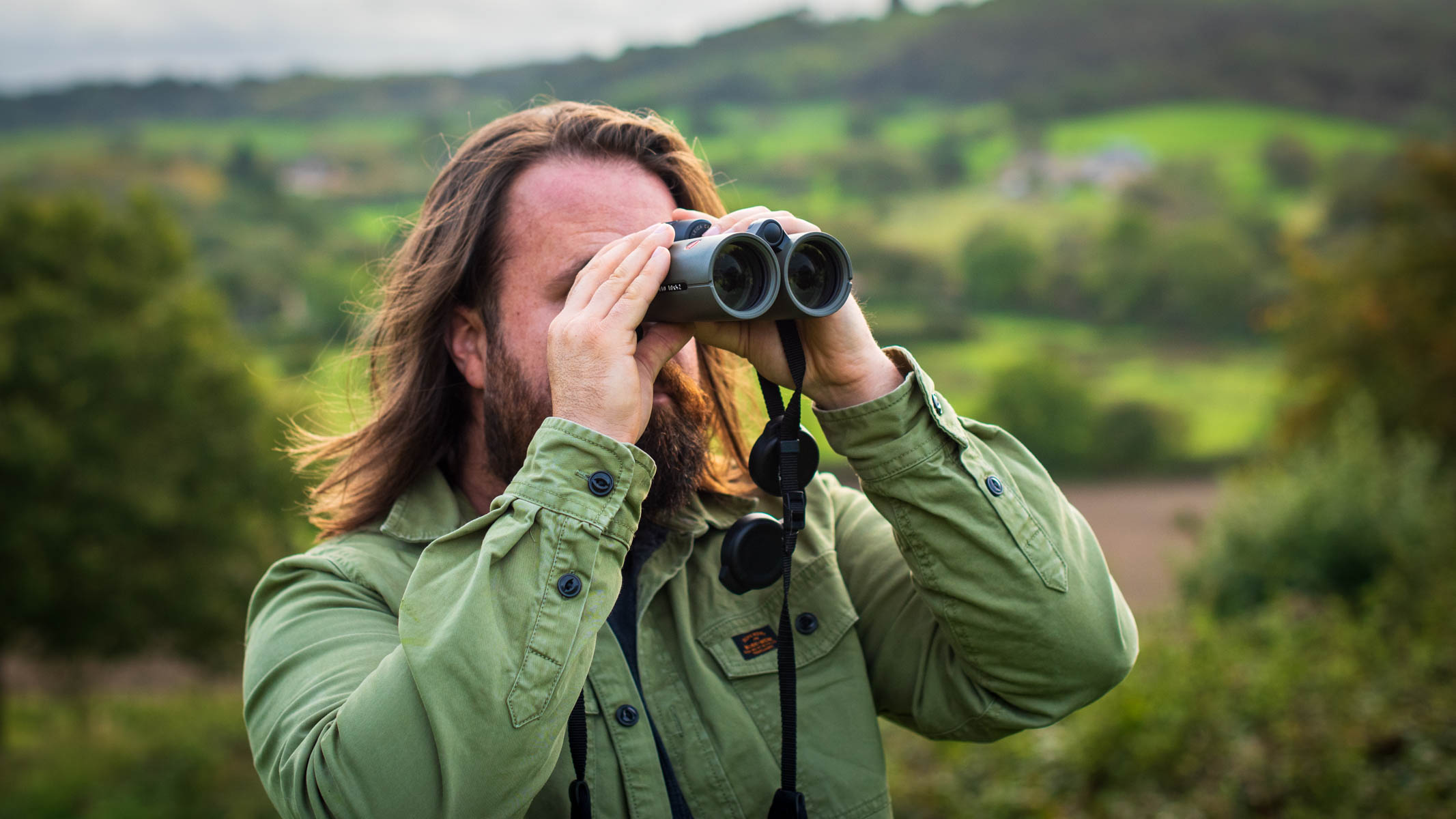
Good Binoculars help travelers observe:
- Bird species
- Wildlife in distant areas
- Forest primates
- Volcano scenery
Compact lightweight binoculars are ideal for safari travel because they are easier to carry during trekking and game drives.
Power Bank
A Power Bank is highly recommended because safari travel often involves long hours away from electricity sources.
Power banks help charge:
- Mobile phones
- Cameras
- GPS devices
- Flashlights
- Small electronics
Power storage becomes especially important during:
- Nyiragongo overnight hikes
- Long safari drives
- Remote lodge stays
High-capacity Power Banks are best for multi-day Congo safari adventures.
Universal Travel Adapter
A Universal Travel Adapter is essential for international travelers visiting Congo because electrical outlets may vary between lodges, hotels, and safari camps.
A good adapter allows travelers to safely charge:
- Phones
- Cameras
- Laptops
- Batteries
- Travel gadgets
Travelers are encouraged to carry compact multi-country adapters suitable for African safari travel.
Extra Memory Cards
Extra Memory Cards are highly recommended because Congo safaris provide exceptional photography opportunities including gorilla encounters, wildlife sightings, volcano landscapes, and cultural experiences.
Travelers often take large numbers of photos and videos during:
- Gorilla trekking
- Volcano hikes
- Wildlife safaris
- Bird watching
Carrying multiple Extra Memory Cards prevents storage shortages during important safari moments.
Mobile Phone
A Mobile Phone is an essential travel item for communication, photography, navigation, emergency contacts, and safari coordination during Congo travel.
Travelers should ensure:
- Phones are unlocked for international SIM cards
- Emergency contacts are stored offline
- Devices are protected from rain and dust
Mobile network coverage may be limited in some remote safari areas, but phones remain extremely useful throughout the journey.
Portable Chargers
Portable Chargers help travelers keep electronics powered during long safari days and remote trekking activities where electricity access may be limited.
Portable Chargers are especially useful during:
- Volcano hikes
- Long transfers
- Wildlife safaris
- Camping experiences
Reliable charging equipment improves convenience and ensures cameras and communication devices remain functional throughout the safari.
Waterproof Phone Case
A Waterproof Phone Case is highly recommended because rainforest trekking and volcano hiking frequently involve rain, mud, dust, and humid conditions.
A Waterproof Phone Case helps protect phones from:
- Rainfall
- Mud
- Water damage
- Dust exposure
- Accidental drops during trekking
Waterproof protection is especially important during:
- Gorilla trekking
- Nyiragongo Volcano Hiking
- Rainforest exploration
- Wet season safaris
Protecting electronics properly helps travelers safely document their Congo safari experiences while avoiding damage in outdoor adventure environments.
Photography Equipment for Congo Safaris
Photography Equipment for Congo Safaris is extremely important because the Democratic Republic of Congo offers some of Africa’s most dramatic and rewarding photography opportunities. From Mountain Gorilla Trekking and rainforest landscapes to active volcanoes, rare bird species, wildlife encounters, and cultural experiences, Congo safaris provide unforgettable moments for photographers of all skill levels.
Whether visiting Virunga National Park, Kahuzi-Biega National Park, or hiking Mount Nyiragongo, travelers should pack photography equipment suitable for rainforest environments, changing weather conditions, and outdoor adventure travel.
Good Photography Equipment for Congo Safaris helps travelers capture:
- Mountain gorillas in natural habitat
- Volcano landscapes and lava lakes
- Wildlife safaris
- Bird species
- Rainforest scenery
- Cultural experiences
- Safari lodge environments
Because Congo safaris often involve trekking through humid rainforest and volcanic terrain, photography gear should be lightweight, weather-protected, and easy to carry during long hiking activities.
Wildlife Photography Cameras
Wildlife Photography Cameras are essential for capturing the extraordinary biodiversity found during Congo safaris. Congo’s national parks support mountain gorillas, chimpanzees, elephants, buffaloes, hippos, monkeys, birds, reptiles, and rainforest wildlife that provide incredible safari photography opportunities.
Recommended Wildlife Photography Cameras include:
- DSLR cameras
- Mirrorless cameras
- Professional bridge cameras
- Lightweight safari cameras with zoom capabilities
Important features for Wildlife Photography Cameras include:
- Fast autofocus
- Good low-light performance
- Strong zoom capability
- Weather resistance
- Lightweight body design
- High image quality
Mirrorless cameras are becoming especially popular for Congo safaris because they are lighter and easier to carry during Gorilla Trekking and volcano hikes.
Travelers interested in professional safari photography may also carry:
- Telephoto lenses
- Wide-angle lenses
- Lightweight tripods
- External camera batteries
Wildlife Photography Cameras should ideally be easy to access quickly because wildlife sightings can happen unexpectedly during safaris and rainforest excursions.
Gorilla Trekking Photography Tips
Gorilla Trekking Photography Tips are extremely important because photographing mountain gorillas in dense rainforest environments can be challenging due to low light, humidity, movement, and trekking conditions.
One of the most important Gorilla Trekking Photography Tips is to avoid using flash photography. Flash is prohibited during gorilla trekking because it may disturb the gorillas and interfere with their natural behavior.
Additional Gorilla Trekking Photography Tips include:
- Use cameras with good low-light performance
- Increase ISO settings in dark forest conditions
- Use fast shutter speeds for movement
- Carry lightweight equipment only
- Keep cameras protected from rain and humidity
- Avoid sudden movements near gorillas
- Respect ranger instructions during photography
A zoom lens is highly recommended because it allows photographers to capture close-up gorilla images while maintaining the required safe distance from the animals.
Travelers should also prepare for muddy and wet rainforest conditions by using waterproof camera covers and lens protection during trekking.
One of the best Gorilla Trekking Photography Tips is to focus not only on close-up gorilla portraits but also on capturing environmental rainforest scenes that show the gorillas within their natural habitat.
Volcano Photography Equipment
Volcano Photography Equipment is especially important for travelers hiking Mount Nyiragongo because the active lava lake and volcanic landscapes provide some of Africa’s most dramatic photography opportunities.
Photographing volcanoes involves unique conditions including:
- Low light
- Smoke
- Heat reflections
- Night photography
- Harsh volcanic terrain
Recommended Volcano Photography Equipment includes:
- DSLR or mirrorless camera
- Wide-angle lens
- Tripod for night photography
- Extra batteries
- Lens cloths
- Waterproof camera protection
- High-capacity memory cards
A tripod is highly recommended for photographing the Nyiragongo Crater Lava Lake at night because long exposure photography greatly improves lava images and volcanic glow effects.
Volcano Photography Equipment should also be lightweight because hikers carry gear to the summit during the Nyiragongo Volcano Hike.
Travelers should protect equipment from volcanic dust, moisture, and cold temperatures near the crater rim.
Bird Photography Gear
Bird Photography Gear is highly useful for travelers interested in photographing Congo’s remarkable birdlife. The rainforests, wetlands, savannahs, and mountain ecosystems of Congo support hundreds of bird species including many Albertine Rift endemics.
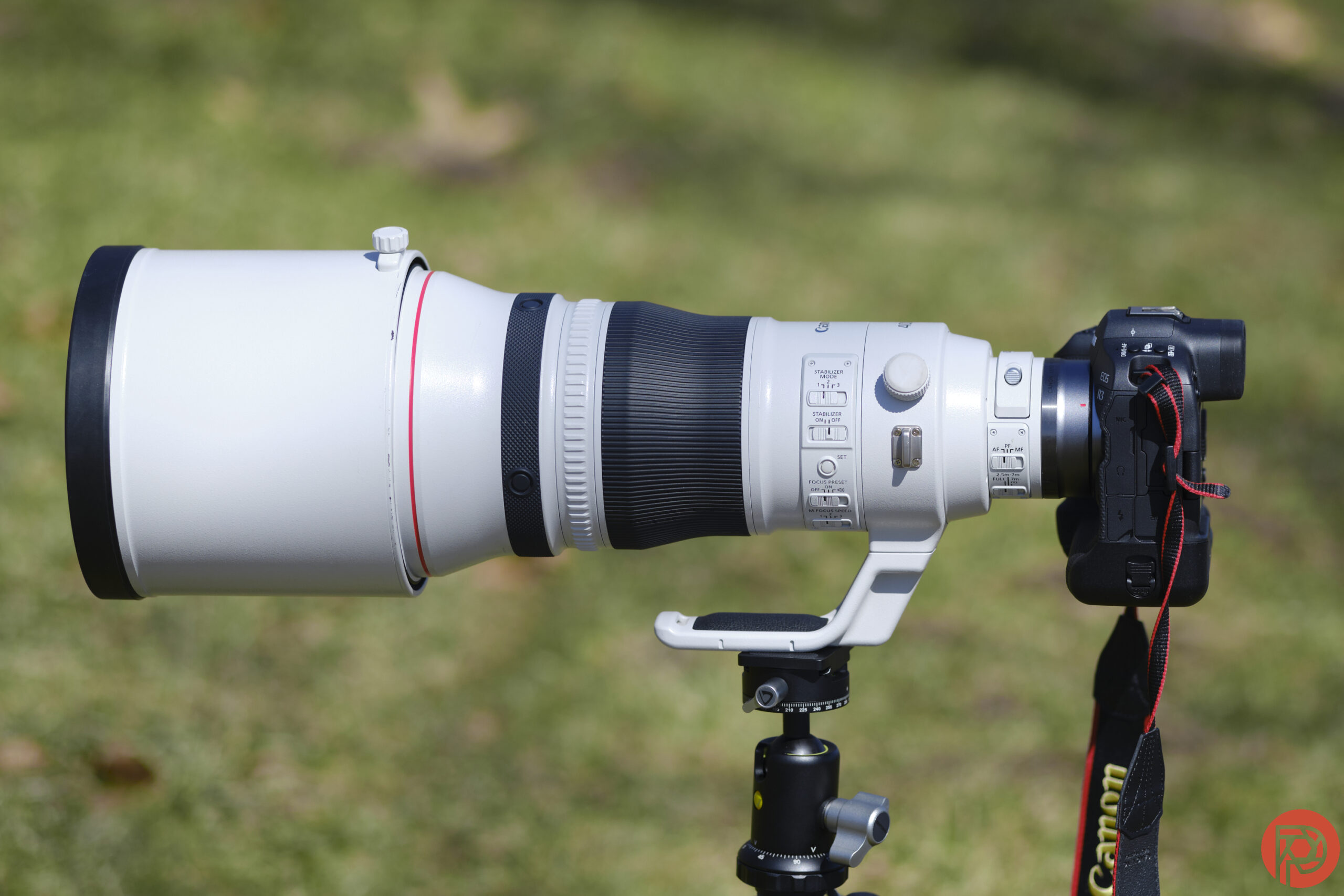
Good Bird Photography Gear generally includes:
- Telephoto zoom lens
- Fast autofocus camera
- Binoculars
- Lightweight monopod
- Extra batteries
- Compact camera bag
Bird photography in Congo often involves:
- Dense rainforest conditions
- Fast-moving subjects
- Low-light environments
- Long observation periods
A telephoto lens with strong zoom capability is highly recommended because many bird species remain high in forest canopies or distant wetland areas.
Bird Photography Gear should also remain lightweight and portable for forest walks and trekking activities.
Travelers visiting Virunga and Kahuzi-Biega often combine bird photography with Gorilla Trekking, nature walks, and wildlife safaris.
Lens Cleaning Kit
A Lens Cleaning Kit is extremely important for Congo safaris because rainforest environments, volcanic dust, humidity, rain, and muddy trekking conditions can quickly affect camera equipment.
A proper Lens Cleaning Kit should include:
- Microfiber cloths
- Lens cleaning solution
- Air blower
- Lens brush
- Cleaning wipes
Rainforest humidity often causes condensation on camera lenses, especially during Gorilla Trekking and forest photography. Regular lens cleaning helps maintain image quality and protects photography equipment during safari activities.
Volcanic environments such as Mount Nyiragongo may also expose cameras to dust and ash particles, making lens maintenance especially important.
Travelers should store Lens Cleaning Kits in waterproof bags for easy access during trekking and outdoor photography sessions.
Camera Rain Protection
Camera Rain Protection is one of the most essential photography accessories for Congo safaris because rainforest weather conditions are highly unpredictable. Rain can occur suddenly during Gorilla Trekking, volcano hikes, wildlife drives, and forest walks.
Recommended Camera Rain Protection includes:
- Waterproof camera covers
- Dry bags
- Waterproof backpacks
- Rain sleeves for lenses
- Waterproof pouches
- Silica gel moisture absorbers
Good Camera Rain Protection helps prevent:
- Water damage
- Lens fogging
- Moisture buildup
- Equipment malfunction
- Dust contamination
Rain protection is especially important during:
- Gorilla trekking in rainforest conditions
- Nyiragongo Volcano Hiking
- Wet season safaris
- Forest bird photography
Travelers are encouraged to choose lightweight and compact rain protection gear that can be quickly deployed during sudden tropical rainfall.
Proper Camera Rain Protection ensures that valuable photography equipment remains safe while travelers capture unforgettable Congo safari moments.
Congo Safari Packing List for Different Safari Seasons
Packing List for Different Congo Safari Seasons is important because weather conditions in the Democratic Republic of Congo can vary greatly depending on rainfall, altitude, rainforest humidity, and safari activities. Travelers visiting Virunga National Park, Kahuzi-Biega National Park, or hiking Mount Nyiragongo should prepare differently depending on the season of travel.
Congo generally experiences:
- Dry seasons from June to September and December to February
- Wet seasons from March to May and October to November
Each season creates unique safari conditions for gorilla trekking, volcano hiking, wildlife safaris, bird watching, and rainforest exploration. Proper seasonal packing helps travelers remain comfortable and prepared throughout their adventure.
Dry Season Packing Tips
Dry Season Packing Tips focus on lighter clothing, sun protection, hydration, and comfortable trekking gear. During the dry seasons, safari trails are generally easier to navigate because there is less mud and rainfall.
Recommended Dry Season Packing Tips include:
- Lightweight trekking clothing
- Breathable safari shirts
- Sun hats and sunglasses
- Reusable water bottles
- Sunscreen
- Comfortable hiking boots
- Lightweight rain jacket for occasional showers
Although dry seasons receive less rainfall, rainforest regions can still experience sudden showers, so waterproof protection remains important.
Dry Season Packing Tips are especially useful for:
- Gorilla trekking
- Wildlife safaris
- Bird watching
- Cultural tours
- Nyiragongo Volcano Hiking
Travelers should also prepare for dusty road conditions during long safari transfers.
Wet Season Packing Tips
Wet Season Packing Tips are essential because Congo rainforests become wetter, muddier, and more humid during rainy periods. Trekking trails can become slippery and physically challenging during wet months.
Important Wet Season Packing Tips include:
- Waterproof hiking boots
- Waterproof rain jacket
- Waterproof backpack covers
- Gaiters for muddy trails
- Extra clothing layers
- Quick-dry trekking clothing
- Waterproof camera protection
Travelers should also carry extra socks and dry clothing because trekking gear can become wet quickly during rainforest hikes.
Wet Season Packing Tips are particularly important for:
- Gorilla trekking
- Forest walks
- Volcano hikes
- Bird photography
- Chimpanzee tracking
Although trekking becomes more demanding during rainy seasons, the forests become extremely green and scenic, offering excellent photography opportunities.
Rainforest Safari Packing Advice
Rainforest Safari Packing Advice focuses on preparing for humid conditions, dense vegetation, insects, and changing weather patterns common within Congo’s tropical forests.
Essential Rainforest Safari Packing Advice includes:
- Long-sleeved clothing
- Waterproof trekking gear
- Insect repellent
- Lightweight breathable fabrics
- Waterproof hiking boots
- Small waterproof backpack
- Rain protection for electronics
Rainforest conditions can change rapidly, and travelers should prepare for:
- Muddy trails
- High humidity
- Dense vegetation
- Rain showers
- Slippery forest paths
Quick-dry clothing is highly recommended because cotton fabrics can remain wet for long periods in humid rainforest environments.
Rainforest Safari Packing Advice is especially important for Gorilla Trekking in Congo and chimpanzee tracking experiences.
Volcano Hiking Weather Preparation
Volcano Hiking Weather Preparation is extremely important for travelers climbing Mount Nyiragongo because mountain weather changes dramatically with altitude.
Important Volcano Hiking Weather Preparation items include:
- Warm thermal layers
- Waterproof jacket
- Gloves and warm hat
- Hiking poles
- Warm socks
- Headlamp
- Waterproof backpack
Temperatures at the summit of Mount Nyiragongo become cold during evenings and early mornings, even when lower areas remain warm.
Volcano Hiking Weather Preparation should also focus on:
- Wind protection
- Rain protection
- Layered clothing systems
- Hydration supplies
- Trekking safety gear
Travelers should prepare for cold overnight conditions near the Nyiragongo Crater Lava Lake during the volcano hike.
Personal Items for a Congo Safari
Personal Items for a Congo Safari help travelers remain comfortable during long road transfers, trekking adventures, lodge stays, and outdoor activities.
Useful Personal Items for a Congo Safari include:
- Toiletries
- Travel towels
- Sunglasses
- Notebook and pen
- Snacks
- Reusable shopping bags
- Neck pillow
- Lip balm
- Hand sanitizer
These small but practical items greatly improve convenience during safari travel across remote regions of Congo.
Toiletries
Toiletries are essential during Congo safaris because many trekking activities and long transfer days require travelers to maintain comfort and hygiene.
Recommended toiletries include:
- Toothbrush and toothpaste
- Soap and shampoo
- Deodorant
- Moisturizer
- Lip balm
- Wet wipes
- Hand sanitizer
- Sunscreen
Travel-sized toiletries are highly recommended because they are easier to carry during trekking and safari transfers.
Travel Towels
Travel Towels are highly practical during Congo safaris because they dry quickly and remain lightweight during travel.
Travel Towels are useful for:
- Volcano hikes
- Rainforest trekking
- Lodge stays
- Camping activities
- Emergency drying during wet conditions
Microfiber travel towels are especially recommended because they are compact, absorbent, and easy to pack.
Sunglasses
Sunglasses are important for protecting eyes during:
- Wildlife safaris
- Road transfers
- Volcano hikes
- Open savannah activities
Good sunglasses help reduce:
- Sun glare
- Eye fatigue
- Dust irritation
UV-protection sunglasses are highly recommended for outdoor Congo safari activities.
Notebook and Pen
A Notebook and Pen are useful for documenting safari memories, wildlife sightings, travel notes, photography ideas, and safari schedules.
Travelers often use notebooks during:
- Bird watching
- Gorilla trekking observations
- Safari journaling
- Photography planning
- Cultural experiences
A small waterproof notebook is especially practical for rainforest travel.
Reusable Shopping Bags
Reusable Shopping Bags are useful for:
- Organizing safari gear
- Carrying wet clothing
- Shopping during cultural visits
- Protecting equipment from dust
Reusable bags also support environmentally responsible safari travel by reducing plastic waste.
Snacks for Long Drives
Snacks for Long Drives are highly recommended because some Congo safari transfers involve several hours of travel through remote regions.
Recommended snacks include:
- Energy bars
- Nuts
- Dried fruits
- Biscuits
- Chocolate
- Granola bars
Lightweight snacks help travelers maintain energy during:
- Border crossings
- Long road transfers
- Delayed travel schedules
Neck Pillow for Transfers
A Neck Pillow for Transfers greatly improves comfort during:
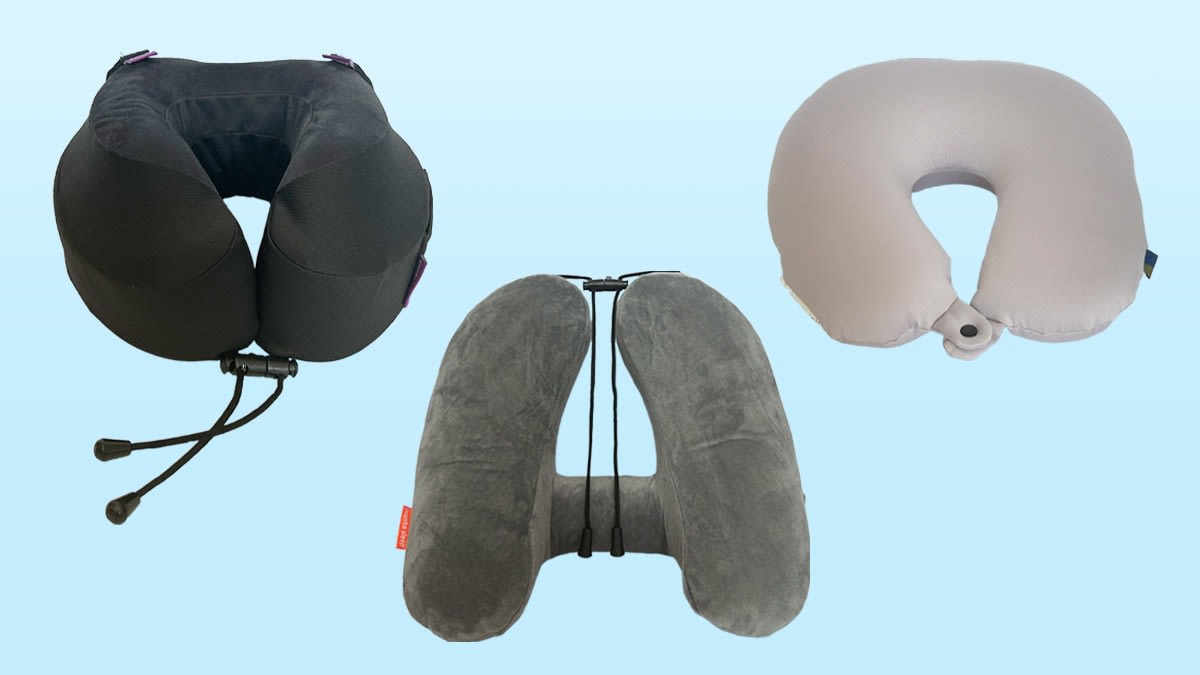
- Long safari drives
- Airport transfers
- Domestic flights
- Cross-border travel
Because Congo safari itineraries may involve long travel hours, neck pillows help travelers rest more comfortably during transportation.
Luxury Congo Safari Packing Tips
Luxury Congo Safari Packing Tips focus on balancing adventure travel with comfort, style, and premium safari experiences.
Luxury travelers often combine:
- Gorilla trekking
- Luxury lodges
- Helicopter safaris
- Fine dining
- Private transfers
Packing for luxury Congo safaris should remain practical while including premium comfort items suitable for upscale safari accommodation.
Luxury Lodge Essentials
Luxury Lodge Essentials may include:
- Comfortable evening wear
- Lightweight luxury clothing
- Premium toiletries
- Portable chargers
- Luxury cameras
- Casual fine dining attire
Luxury safari lodges in Congo generally maintain relaxed dress codes while offering premium safari experiences.
Helicopter Safari Packing Advice
Helicopter Safari Packing Advice focuses on lightweight luggage and compact equipment because helicopter transfers often have strict baggage limits.
Recommended items include:
- Soft-sided bags
- Lightweight clothing
- Compact camera equipment
- Minimal luggage weight
Travelers should avoid oversized hard suitcases during helicopter safari travel.
Fine Dining Clothing
Fine Dining Clothing for luxury safari lodges should remain casual but neat.
Recommended clothing includes:
- Smart casual shirts
- Lightweight trousers
- Comfortable evening shoes
- Casual safari dresses or shirts
Formal clothing is generally unnecessary during Congo safaris.
Luxury Camera Equipment
Luxury Camera Equipment may include:
- Professional DSLR cameras
- Premium lenses
- Drone equipment where permitted
- Lightweight tripods
- Advanced wildlife photography gear
Travelers should still prioritize portability during trekking activities.
Budget Congo Safari Packing Tips
Budget Congo Safari Packing Tips focus on affordable, lightweight, and practical safari preparation.
Budget travelers often prioritize:
- Lightweight luggage
- Affordable trekking gear
- Multi-purpose clothing
- Compact electronics
Proper planning helps budget travelers remain comfortable without excessive safari expenses.
Affordable Trekking Gear
Affordable Trekking Gear may include:
- Budget hiking boots
- Simple rain jackets
- Lightweight backpacks
- Basic trekking poles
- Affordable gloves
Practical gear is more important than expensive brands during Congo safaris.
Backpacking Essentials
Backpacking Essentials include:
- Lightweight backpack
- Compact toiletries
- Portable charger
- Travel towel
- Reusable water bottle
- Quick-dry clothing
Backpackers should focus on efficient packing for mobility and comfort.
Lightweight Packing Advice
Lightweight Packing Advice is extremely important because many safari transfers involve carrying luggage across borders, lodges, and trekking routes.
Travelers should:
- Avoid overpacking
- Use lightweight fabrics
- Limit unnecessary electronics
- Pack versatile clothing
Soft travel bags are often more practical than large hard suitcases.
Budget Travel Accessories
Useful Budget Travel Accessories include:
- Headlamp
- Reusable water bottle
- Portable charger
- Packing cubes
- Compact umbrella
- Waterproof document bag
These affordable accessories improve safari convenience significantly.
What NOT to Pack for a Congo Safari
Knowing What NOT to Pack for a Congo Safari is just as important as knowing what to bring.
Avoid packing:
- Expensive jewelry
- Bright colored clothing
- Heavy suitcases
- Plastic waste materials
- Unnecessary electronics
Overpacking makes safari travel more difficult, especially during trekking and remote transfers.
Expensive Jewelry
Expensive Jewelry is unnecessary during Congo safaris because most activities involve outdoor adventure travel and trekking environments.
Simple practical accessories are much more suitable for safari conditions.
Bright Colored Clothing
Bright Colored Clothing is discouraged because it may:
- Disturb wildlife
- Attract insects
- Stand out during trekking activities
Neutral safari colors are always recommended instead.
Heavy Suitcases
Heavy Suitcases are impractical for:
- Gorilla trekking
- Volcano hikes
- Helicopter safaris
- Border crossings
- Small safari vehicles
Lightweight soft-sided luggage is much more convenient.
Plastic Waste Materials
Plastic Waste Materials should be minimized to support environmentally responsible tourism and conservation efforts within Congo’s protected areas.
Reusable products are highly encouraged.
Unnecessary Electronics
Unnecessary Electronics add weight and increase the risk of damage during trekking and rainforest travel.
Travelers should carry only essential safari gadgets and photography equipment.
Safari Packing Tips for Families
Safari Packing Tips for Families help parents prepare children comfortably and safely for Congo safari adventures.
Family safari packing should focus on:
- Child comfort
- Health supplies
- Entertainment
- Lightweight clothing
- Snacks and hydration
Packing for Children
Packing for Children should include:
- Comfortable clothing
- Warm layers
- Snacks
- Child-safe insect repellent
- Small backpacks
- Entertainment items
Children require extra comfort preparation during long safari drives and trekking regions.
Family First Aid Supplies
Family First Aid Supplies should include:
- Child medication
- Bandages
- Fever medicine
- Antiseptic cream
- Rehydration salts
Family health preparation is especially important during remote safari travel.
Child-Friendly Safari Clothing
Child-Friendly Safari Clothing should focus on:
- Comfort
- Warmth
- Sun protection
- Lightweight fabrics
Neutral-colored outdoor clothing works best for safari activities.
Snacks and Entertainment
Snacks and Entertainment help children remain comfortable during:
- Long road transfers
- Border crossings
- Airport waiting times
Recommended items include:
- Coloring books
- Small games
- Snacks
- Tablets with downloaded content
Congo Safari Packing Checklist
A Congo Safari Packing Checklist helps travelers organize all essential safari items before departure.
Documents Checklist
- Passport
- Congo tourist visa
- Yellow fever certificate
- Travel insurance
- Safari booking confirmations
- Emergency contacts
Clothing Checklist
- Long-sleeved shirts
- Trekking trousers
- Waterproof jacket
- Warm clothing
- Hiking socks
- Gloves
- Sun hat
Trekking Gear Checklist
- Waterproof hiking boots
- Walking stick
- Backpack
- Rain gear
- Trekking poles
- Water bottle
Health and Safety Checklist
- Personal medications
- First aid kit
- Anti-malaria medication
- Insect repellent
- Hand sanitizer
- Rehydration salts
Electronics Checklist
- Camera
- Binoculars
- Power bank
- Travel adapter
- Extra memory cards
- Mobile phone
- Waterproof phone case
Request a quote for your unforgettable Congo safari adventure today and use our complete Congo Safari Packing List to prepare for gorilla trekking, volcano hiking, and wildlife safaris.
Frequently Asked Questions About Congo Safari Packing List
What should I pack for gorilla trekking in Congo?
For Gorilla Trekking in Congo, travelers should pack waterproof hiking boots, long-sleeved shirts, trekking trousers, gardening gloves, rain gear, a reusable water bottle, energy snacks, insect repellent, and a small waterproof backpack. Warm clothing is also recommended because mountain rainforest temperatures can become cool during early mornings and rainy weather.
Are waterproof hiking boots necessary for a Congo safari?
Yes, waterproof hiking boots are extremely important for Congo safaris, especially for gorilla trekking and volcano hiking. Rainforest trails are often muddy, slippery, and uneven, making proper trekking footwear essential for safety and comfort.
What clothes are best for Congo Safari Packing List ?
Neutral-colored lightweight safari clothing is highly recommended. Travelers should pack long-sleeved shirts, trekking trousers, waterproof jackets, warm layers, and comfortable safari clothing suitable for rainforest and mountain conditions.
Why should I avoid bright colored clothing on Congo Safari Packing List ?
Bright colored clothing may disturb wildlife and attract unnecessary attention during gorilla trekking and wildlife safaris. Neutral safari colors such as khaki, olive green, brown, and beige blend naturally with the environment and are more practical for safari activities.
Do I need warm clothes for Congo safaris?
Yes, warm clothing is important, especially for travelers visiting mountainous regions such as Mount Nyiragongo and gorilla trekking areas within Virunga National Park. Even though Congo is tropical, high-altitude regions become cold during evenings and early mornings.
What is the best bag for a Congo safari?
Soft-sided duffel bags and lightweight backpacks are generally the best options for Congo safaris because they are easier to transport in safari vehicles, small aircraft, and during trekking activities. Heavy hard-shell suitcases are less practical for adventure travel in remote safari regions.
How much luggage should I bring on a Congo safari?
Travelers are encouraged to pack light and carry only essential safari items. Lightweight luggage improves mobility during border crossings, trekking activities, road transfers, and helicopter safaris. Most travelers find one medium safari bag and a small daypack sufficient for a Congo safari.
What should I pack for the Nyiragongo Volcano Hike?
For the Nyiragongo Volcano Hike, travelers should pack warm jackets, thermal clothing, gloves, hiking boots, trekking poles, headlamps, waterproof gear, extra socks, snacks, and sleeping essentials suitable for cold summit conditions.
Are trekking poles necessary for Congo safaris?
Trekking poles are highly recommended for Gorilla Trekking and volcano hiking because they improve balance and reduce strain on steep muddy trails and volcanic terrain.
Should I bring insect repellent to Congo?
Yes, insect repellent is highly recommended because rainforest regions contain mosquitoes and other insects. Travelers should also consider anti-malaria medication after consulting medical professionals before travel.
Can I wear shorts during gorilla trekking?
Shorts are generally not recommended during gorilla trekking because rainforest trails contain thorny vegetation, insects, stinging plants, and muddy conditions. Long trekking trousers provide much better protection and comfort.
What photography equipment should I bring for a Congo safari?
Travelers should bring cameras with good low-light performance, zoom lenses, extra batteries, memory cards, waterproof camera protection, and lens cleaning kits. Gorilla trekking and volcano photography often involve humid and wet conditions, making equipment protection very important.
Is flash photography allowed during gorilla trekking?
No, flash photography is not allowed during gorilla trekking because it may disturb mountain gorillas. Visitors should use natural light and appropriate camera settings instead.
Do I need a waterproof jacket for Congo safaris?
Yes, waterproof rain jackets are essential because rainforest weather can change quickly and sudden rain showers are common even during dry seasons.
What health items should I carry for a Congo safari?
Important health items include personal medications, anti-malaria medication, insect repellent, sunscreen, hand sanitizer, rehydration salts, first aid supplies, and a Yellow Fever vaccination certificate.
Is a Yellow Fever Certificate required for Congo?
Yes, travelers visiting Democratic Republic of Congo are commonly required to carry a valid Yellow Fever vaccination certificate during entry and border crossings.
What shoes are best for gorilla trekking?
Waterproof hiking boots with strong grip and ankle support are the best shoes for gorilla trekking because trails are often muddy, steep, and slippery.
Are power banks useful during Congo safaris?
Yes, power banks are extremely useful because some safari areas have limited electricity access. Portable chargers help keep phones, cameras, and electronics powered during long safari days and volcano hikes.
Should I Include binoculars on Congo Safari Packing List ?
Yes, binoculars are highly recommended for wildlife viewing, bird watching, and forest exploration throughout Congo safari destinations.
Can I bring drones for photography in Congo National Parks?
Drone use is highly restricted or prohibited in many protected areas including gorilla trekking regions. Travelers should always confirm current regulations with park authorities before carrying drone equipment.
What toiletries should I put on Congo Safari Packing List ?
Travelers should pack travel-sized toiletries including toothbrushes, toothpaste, soap, shampoo, deodorant, wet wipes, sunscreen, moisturizer, and lip balm.
How do I protect electronics during rainforest trekking?
Electronics should be protected using waterproof bags, rain covers, waterproof phone cases, silica gel packs, and padded camera bags suitable for humid rainforest conditions.
What snacks are useful during trekking?
Energy bars, nuts, dried fruits, chocolate, biscuits, and sports drinks are excellent trekking snacks because they help maintain energy during long hikes.
Should I pack extra socks for Congo safaris?
Yes, extra hiking socks are extremely important because rainforest trekking often involves mud, rain, and wet conditions. Dry socks greatly improve trekking comfort.
Is laundry available at Congo safari lodges?
Some luxury and midrange safari lodges may offer laundry services, though availability varies depending on location and lodge category. Travelers should still pack enough clothing for trekking activities and weather changes.
Book Your Congo Safari with Pieland Gorilla Safaris
Pieland Gorilla Safaris specializes in organizing unforgettable Congo safari adventures including Gorilla Trekking in Virunga National Park, Eastern Lowland Gorilla trekking in Kahuzi-Biega National Park, and volcano hiking on Mount Nyiragongo.
The company offers:
- Customized Congo safari itineraries
- Reliable gorilla permit booking
- Professional safari guides
- Luxury and budget safari options
- Nyiragongo volcano hiking packages
- Congo wildlife safaris
- Rwanda and Uganda combination tours
- Airport and border transfer arrangements
With experienced safari experts, good Congo safari packing list and deep regional knowledge, Pieland Gorilla Safaris helps travelers experience the best of Congo’s rainforests, gorillas, volcanoes, wildlife, and cultural adventures safely and professionally.