
Is It Safe To Visit Congo
Overview for Is It Safe To Visit Congo
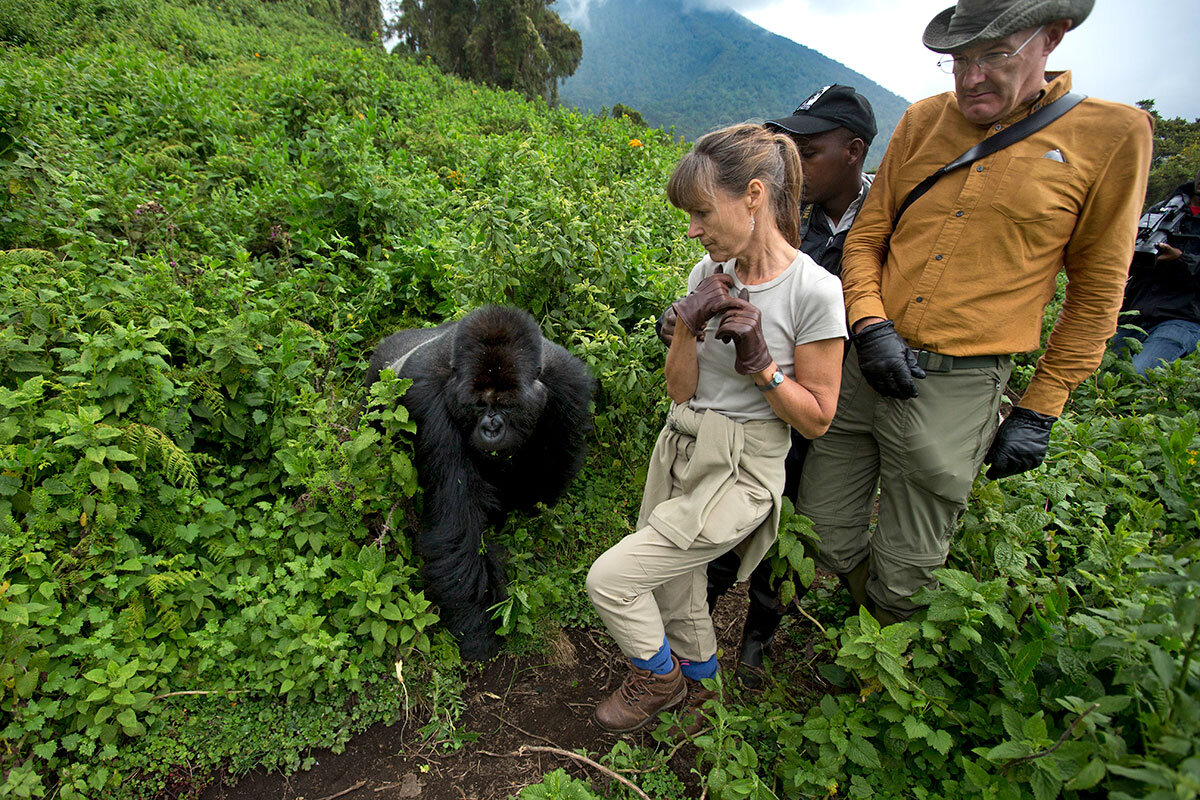
Is it safe to visit Congo is a topic that requires a balanced understanding rather than a generalized assumption before traveling to Congo. The country is often perceived as high-risk due to historical instability in certain regions, yet it also offers some of the most secure and professionally managed wildlife tourism experiences in Africa. In reality, safety in the DRC is not uniform—it varies significantly depending on location, purpose of travel, and level of organization.
For travelers, especially those interested in gorilla trekking and adventure safaris, it is important to understand that tourism activities are concentrated in specific protected zones where security is actively managed. These areas operate under strict conservation and tourism control systems that include armed ranger escorts, regulated entry permits, and guided-only access. As a result, visitors who follow official tourism routes generally experience a well-organized and secure environment.
Safety in the DRC varies primarily because of geography and governance differences across regions. While some eastern and border areas may experience instability due to historical conflicts and armed group activity, major tourist destinations such as national parks operate under controlled security frameworks. This creates a clear distinction between high-risk regions and protected tourism corridors.
Understanding this variation is essential for any traveler planning a visit. With proper planning, licensed tour operators, and adherence to park regulations, travel in designated tourist areas of the DRC can be safe, structured, and highly rewarding.
Safe Travel Regions in the Democratic Republic of the Congo
Despite the country’s complex security landscape, the DRC has several well-established and professionally managed tourism regions that are considered safe for international visitors. These areas operate under strict conservation systems, guided travel regulations, and active security support from trained ranger teams and conservation authorities.
Virunga National Park Area
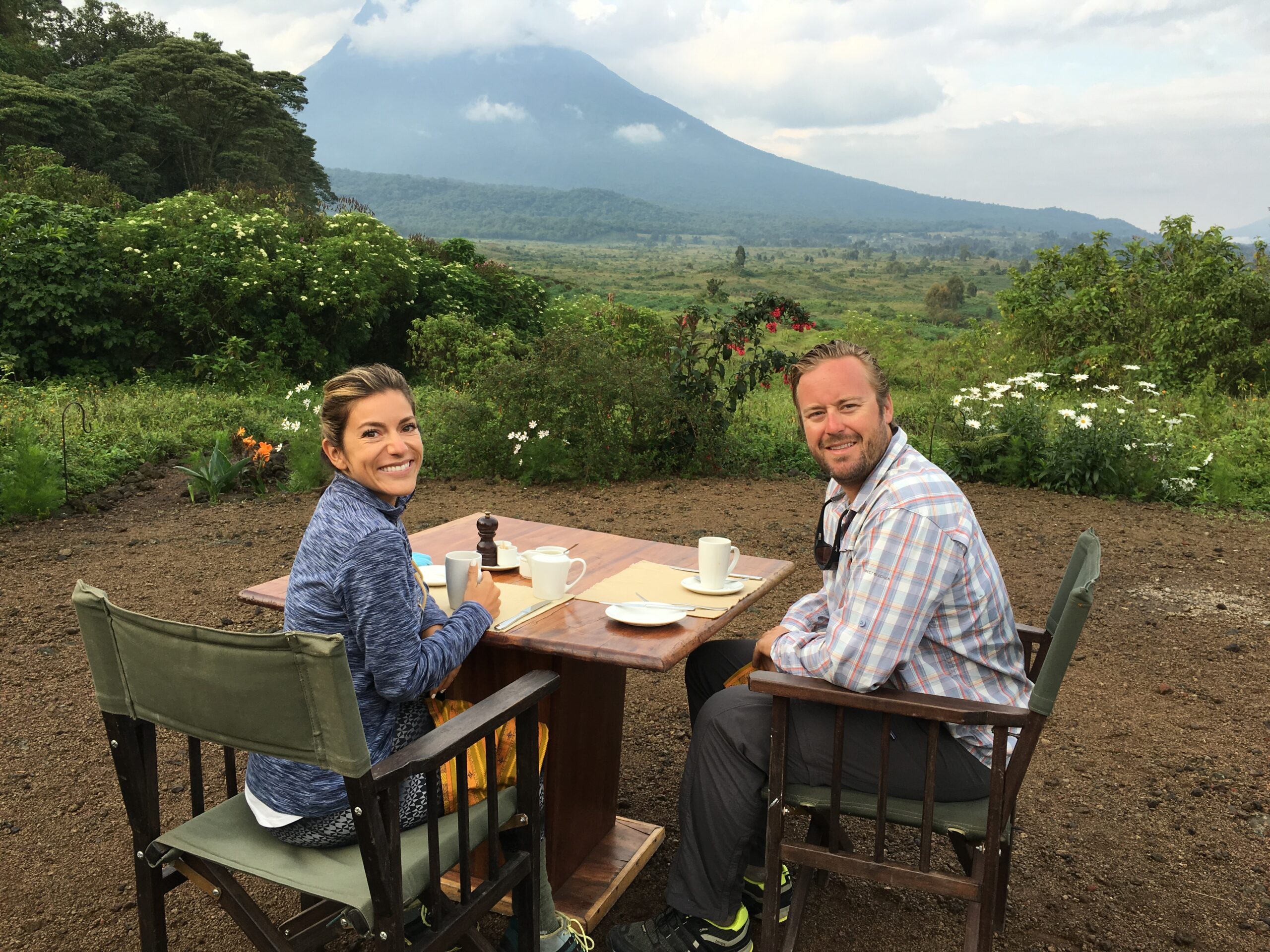
The Virunga region is one of the most secure and organized tourism zones in the DRC. It is Africa’s oldest national park and a UNESCO World Heritage Site, known for mountain gorilla trekking, active volcanoes, and exceptional biodiversity.
Safety in this area is ensured through a strong ranger protection system that includes armed escorts, controlled access points, and constant monitoring of all trekking routes. Visitors are not allowed to explore independently; all movements are guided and pre-approved by park authorities.
Despite being located in eastern DRC, Virunga operates as a highly controlled conservation zone, meaning tourists remain within protected corridors where security is actively managed. This makes it one of the most reliable and structured wildlife tourism experiences in Central Africa.
Kahuzi-Biega National Park Region
Kahuzi-Biega National Park is another key safe tourism destination, famous for being home to the eastern lowland gorillas. The park is closely monitored by conservation authorities who regulate all visitor access through strict permit systems.
Tourism activities here are conducted with trained guides and ranger escorts, ensuring that all trekking experiences remain secure and well-coordinated. Visitor groups are small, and routes are carefully planned to avoid any exposure to unsecured areas.
Although located in a historically sensitive province, the park itself is separated from surrounding instability through controlled entry systems and conservation security measures.
Goma (Selected Safe Zones)
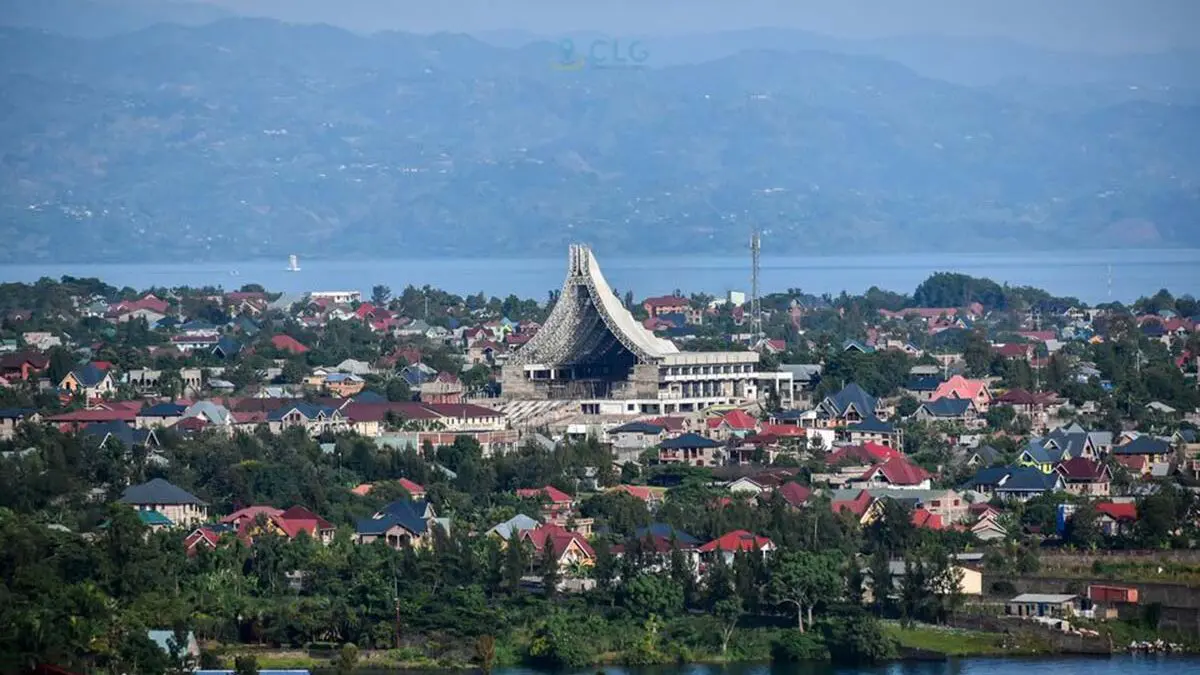
Goma serves as a major gateway city for travelers visiting Virunga National Park. While it is an urban center with normal city-level risks such as traffic congestion and petty crime, certain districts and tourism corridors are considered safe for visitors when using organized tour services.
Tourists typically stay in designated hotels, travel with licensed operators, and move directly between the airport, accommodation, and park entry points. Independent exploration outside recommended zones is generally discouraged.
Goma’s role as a tourism hub is heavily supported by conservation organizations and security coordination between park authorities and local administration.
Kinshasa (Limited Urban Areas for Tourists)
Kinshasa, the capital of the Democratic Republic of the Congo, is one of the more stable urban environments in the country and is generally used as an entry or exit point for international travelers.
While not a wildlife destination, the city offers selected safe zones for tourists, including major hotels, business districts, and cultural sites. Movement is usually limited to arranged transport and guided or pre-planned visits.
Like most large cities, Kinshasa requires standard urban travel precautions such as avoiding unfamiliar neighborhoods at night and using trusted transport services. However, within approved areas, visitors can experience the city safely when following local guidance.
Summary Insight
Safe travel in the DRC is highly dependent on staying within structured tourism corridors and professionally managed regions. Destinations like Virunga and Kahuzi-Biega demonstrate that with strong conservation systems, ranger protection, and guided access, visitors can experience world-class wildlife safaris in a secure and controlled environment.
General Safety Overview
The overall national security situation in the Democratic Republic of the Congo is complex and shaped by both urban development and long-standing regional security challenges. The country is vast, and conditions differ greatly from one province to another. While some regions experience political tension or localized conflict, others—especially key tourism zones—operate under stable and well-protected conditions.
In general, urban centers such as Kinshasa are relatively stable compared to remote eastern regions, but even cities can experience issues such as petty crime, traffic congestion, and infrastructure challenges. On the other hand, remote areas may face security risks linked to armed groups or limited state presence. This makes independent travel in rural regions less advisable without professional guidance.
A major factor influencing safety in the DRC is the clear division between urban environments and remote wilderness areas. Cities like Kinshasa serve as administrative and economic hubs where government presence is stronger, while rural and border regions may have reduced security oversight. This difference is important when planning travel routes and choosing destinations.
Tourism zones, particularly those managed by conservation authorities, play a critical role in improving safety conditions for visitors. National parks such as Virunga and Kahuzi-Biega operate under strict security systems that include armed ranger patrols, controlled entry points, and coordinated protection efforts with conservation partners. These zones are effectively isolated from broader regional instability, allowing tourism activities like gorilla trekking to take place safely.
Within these protected areas, visitor movement is carefully regulated, and all activities are conducted with licensed guides and security personnel. This structured approach significantly reduces risk and ensures that tourists remain within monitored and secure environments throughout their visit.
High-Risk Areas to Avoid in the Democratic Republic of the Congo
While the DRC offers some of Africa’s most rewarding wildlife and adventure experiences, safety conditions vary significantly across regions. Certain areas remain high-risk due to ongoing instability, limited government control, or lack of tourism infrastructure. Understanding these zones is essential for safe travel planning.
Active Conflict Zones in Eastern DRC
The eastern region of the DRC has historically experienced armed group activity and localized conflict, particularly in remote forested and border provinces. These areas are not suitable for independent travel and should be avoided by tourists without official security arrangements.
In such regions, security conditions can change rapidly due to the presence of non-state armed groups and occasional military operations. Unlike protected tourism zones, these areas do not have structured visitor safety systems, making travel unpredictable and potentially dangerous.
For this reason, reputable safari operators strictly avoid routing tourists through uncontrolled eastern territories and instead guide visitors only through secured conservation corridors.
Remote Border Regions with Limited Security Control
Border areas of the DRC, especially those far from major towns or conservation hubs, often have reduced security presence and limited government infrastructure. These regions may include informal crossings, undeveloped roads, and areas with minimal law enforcement coverage.
Because of their remoteness, emergency response services are limited, and communication networks may be unreliable. This makes these zones unsuitable for tourism activities, particularly for travelers unfamiliar with local conditions.
Visitors are strongly advised to avoid self-driven exploration in border regions and instead rely on approved entry points managed through official tourism and immigration channels.
Areas Without Tourism Permits or Ranger Protection
A key safety principle in the DRC is that legitimate wildlife and nature tourism only takes place in areas with formal conservation management. Any location that lacks official permits or ranger supervision should be considered unsafe for visitors.
Protected parks such as Virunga National Park and Kahuzi-Biega National Park operate under strict access control systems that include armed ranger escorts, monitored entry gates, and guided-only trekking rules.
Outside these systems, there is no guarantee of visitor protection, and unauthorized travel into forested or rural areas is strongly discouraged due to the absence of structured security and wildlife monitoring.
Unregulated Rural Travel Zones
Unregulated rural areas in the DRC may appear peaceful but often lack formal tourism oversight, road infrastructure, and emergency services. These zones are typically outside conservation boundaries and are not monitored for visitor safety.
Travel in such areas can be challenging due to poor road conditions, limited communication networks, and absence of trained guides. In addition, cultural and land-use differences may create misunderstandings for foreign visitors unfamiliar with local customs.
For these reasons, rural exploration should only be done within organized safari itineraries that are supported by licensed operators and approved by local authorities.
Key Safety Takeaway
The most important rule when traveling in the DRC is simple: stay within officially recognized tourism zones and always travel with licensed guides. Areas outside conservation and tourism frameworks should be avoided entirely to ensure a safe and controlled travel experience.
Safety Measures in Tourism Areas in the Democratic Republic of the Congo
Tourism in the DRC operates under some of the most structured and security-conscious conservation systems in Africa. In protected areas such as Virunga National Park and Kahuzi-Biega National Park, visitor safety is not left to chance—it is actively managed through multiple layers of protection, regulation, and controlled access. These measures ensure that travelers can safely experience gorilla trekking and wilderness adventures within clearly defined and monitored environments.
Armed Ranger Escorts in National Parks
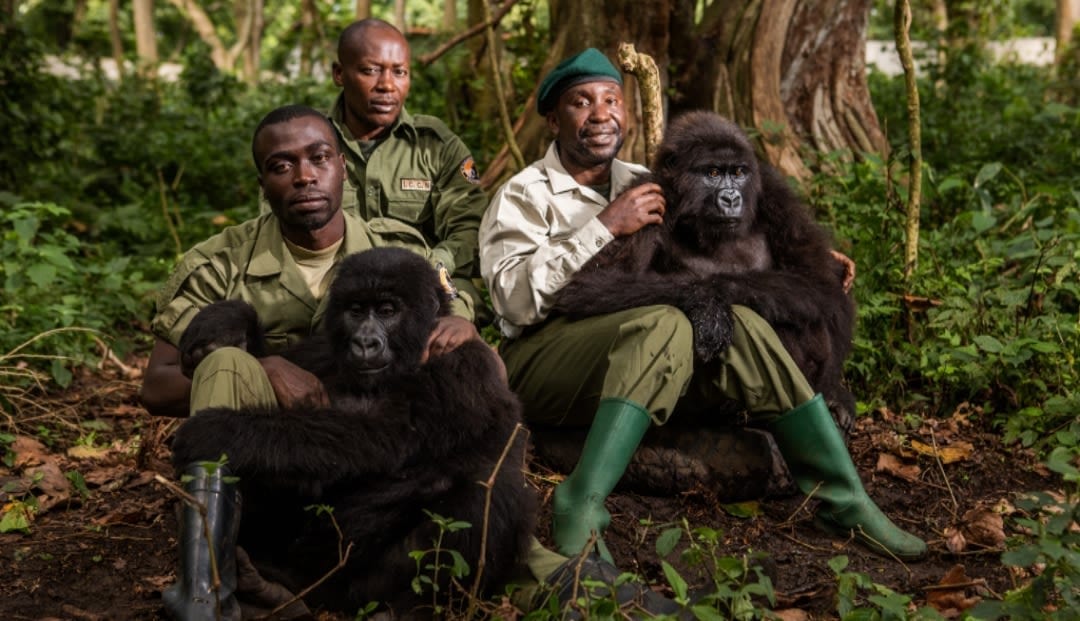
One of the most important safety measures in DRC tourism areas is the presence of highly trained armed ranger escorts. Every trekking group entering the forest is accompanied by professional rangers who are responsible for guiding, protecting, and monitoring visitors throughout the entire experience.
These rangers are not only wildlife experts but also trained in security response and communication protocols. Their presence ensures that visitors remain within safe trekking corridors and are never exposed to uncontrolled forest zones. They also maintain real-time coordination with park headquarters to monitor conditions along trekking routes.
This escort system significantly reduces risk and is a core reason why gorilla trekking in the DRC is considered secure when done through official channels.
Military and Conservation Protection in Virunga and Kahuzi-Biega
In addition to park rangers, key conservation areas such as Virunga operate under a broader protection framework that includes collaboration with national security forces and conservation enforcement teams.
This multi-layered security system is designed to protect both wildlife and visitors. In high-value conservation zones like gorilla habitats and volcano regions, patrol units work continuously to ensure that unauthorized access is prevented and that tourism routes remain safe.
In Virunga National Park, for example, conservation teams operate in coordinated zones that combine ecological protection with security surveillance. Similarly, Kahuzi-Biega National Park maintains structured patrol systems that safeguard trekking routes and visitor areas.
This integration of conservation and security forces creates a controlled environment where tourism can safely operate despite surrounding regional challenges.
Strict Permit-Based Tourism System
All tourism activities in the DRC are regulated through a strict permit system. Visitors cannot enter national parks independently; instead, they must obtain official permits that define their exact trekking date, group allocation, and authorized activity.
This system helps limit the number of visitors in sensitive wildlife habitats while ensuring that all guests are properly registered and accounted for. Permits also help park authorities manage safety logistics, including ranger allocation and route planning.
By controlling access in this way, the DRC ensures that tourism remains organized, traceable, and secure from entry to exit.
Mandatory Guided Tours for All Visitors
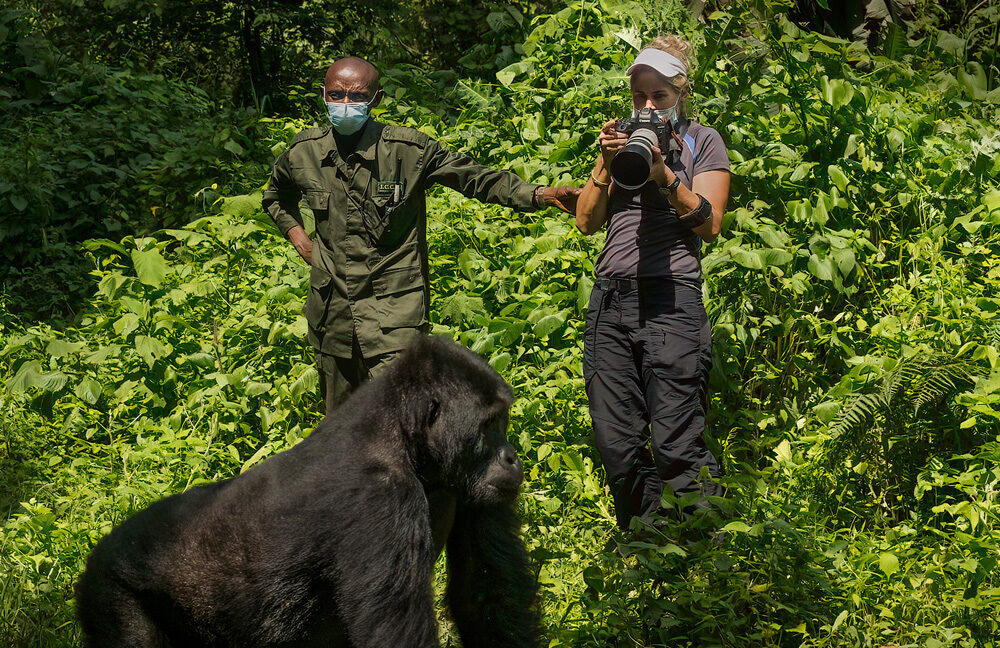
Independent travel inside national parks is not allowed. Every visitor must be accompanied by licensed guides and trained rangers at all times. These professionals are responsible for navigation, wildlife interpretation, and safety supervision.
Guides are trained to understand animal behavior, terrain conditions, and emergency procedures. They ensure that tourists maintain safe distances from wildlife and follow established trekking protocols.
This guided-only system eliminates the risks associated with unfamiliar terrain and ensures that all visitor movements are carefully managed within approved areas.
Controlled Visitor Movements Inside Parks
Movement within DRC tourism zones is strictly controlled through designated routes and timed trekking schedules. Visitors are only allowed to access specific trails that have been assessed for safety and wildlife presence.
Groups are usually small, which helps maintain control and reduces environmental impact. Rangers lead all movements, ensuring that visitors do not deviate from approved paths or enter restricted zones.
In addition, communication systems are in place between ranger teams and park headquarters to monitor each group in real time. This allows for immediate response in case of any unexpected changes in conditions.
The safety framework in DRC tourism areas is built on strict control, professional guidance, and multi-layered protection systems. Through ranger escorts, permit regulation, guided-only access, and coordinated conservation security, destinations like Virunga and Kahuzi-Biega provide a safe and structured way to experience one of Africa’s most extraordinary wildlife environments.
Gorilla Trekking Safety in the Democratic Republic of the Congo
Gorilla trekking is one of the most closely managed and highly regulated wildlife experiences in Africa. In protected conservation areas such as Virunga National Park and Kahuzi-Biega National Park, safety is built into every stage of the trekking experience—from planning and permits to the actual encounter with gorillas in the forest. These systems ensure that visitors can experience wildlife in a controlled, guided, and secure environment.
How Gorilla Trekking Is Managed Safely
Gorilla trekking in the DRC is not a free-roaming activity; it is a tightly controlled conservation experience. Every trek is organized by park authorities and follows a pre-planned system that determines which gorilla family will be visited, which route will be used, and which ranger team will accompany the group.
Before entering the forest, visitors receive a safety briefing that explains trekking rules, expected behavior, and movement guidelines. Groups are then assigned experienced guides and armed ranger escorts who lead the entire journey. This structured system ensures that visitors remain within safe, monitored zones at all times.
Additionally, park monitoring teams track gorilla families daily, ensuring that trekking routes are adjusted based on animal movement and environmental conditions.
Group Size Limitations for Trekkers
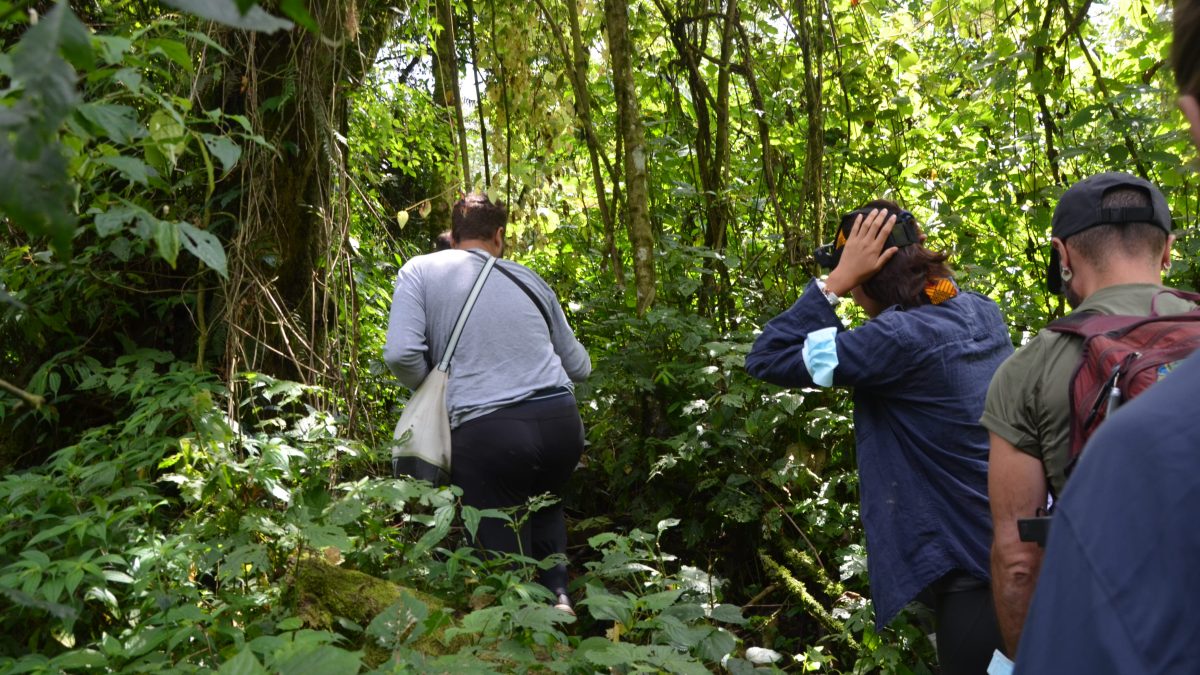
To maintain safety, reduce environmental impact, and protect gorilla behavior, group sizes are strictly limited. Only a small number of visitors—typically no more than eight people per gorilla family—are allowed per trekking session.
This controlled group size helps prevent overcrowding in the forest and ensures that rangers can easily manage and monitor all participants. It also reduces stress on the gorillas, creating a safer and more natural interaction between humans and wildlife.
Smaller groups also allow guides to maintain better communication, provide individual attention, and respond quickly to any situation during the trek.
Ranger Escort Protocols During Trekking
Every gorilla trekking group is accompanied by trained ranger escorts who are responsible for both safety and navigation. These rangers are highly experienced in forest tracking, wildlife behavior, and emergency response.
They move ahead of the group to monitor trail conditions and maintain communication with park headquarters. In addition, they ensure that visitors stay together and follow approved routes without deviation.
In certain areas, especially within Virunga National Park, armed ranger escorts are present as an added security measure due to the park’s proximity to complex regional environments. Their role is purely protective and preventive, ensuring that trekking remains safe from start to finish.
Safety Rules Around Mountain Gorillas
Strict behavioral rules are enforced during gorilla encounters to protect both visitors and wildlife. These rules are based on international primate conservation standards and are carefully explained before each trek.
Visitors are required to maintain a safe distance from gorillas at all times and are instructed not to touch, feed, or provoke them. Sudden movements, loud noises, and direct eye contact are discouraged, as these can be misinterpreted by the animals.
Trekking groups are also limited in the time they spend with gorillas, usually around one hour, to minimize disturbance. If a gorilla shows signs of discomfort, rangers may reposition the group or end the viewing session early to ensure safety.
Health precautions are also enforced, including restrictions on visitors who show signs of illness, to protect gorillas from human-transmitted diseases.
Why Gorilla Trekking Is Considered Safe When Properly Guided
Despite being in a complex region, gorilla trekking in the DRC is widely considered safe when conducted through official systems. The combination of trained ranger escorts, strict permit controls, limited group sizes, and continuous wildlife monitoring creates a highly structured and predictable environment.
Tourists do not move independently in the forest; every step is guided and supervised. This removes many of the risks associated with remote wilderness travel and ensures that visitors remain within secure conservation zones.
When organized through licensed operators and conducted in approved parks like Kahuzi-Biega National Park and Virunga, gorilla trekking becomes a controlled, world-class wildlife experience that balances adventure with safety.
Gorilla trekking safety in the DRC is not accidental—it is the result of carefully designed conservation systems, strict visitor regulations, and professional ranger protection. When followed correctly, these measures make it one of the most secure and rewarding wildlife experiences in Africa.
Transportation Safety in the Democratic Republic of the Congo
Travel logistics in the DRC require careful planning and the use of approved, secure transport systems. For tourists heading to key destinations such as Goma and Bukavu, transportation safety is managed through a combination of controlled air transfers, guided road movements, and regulated border entry points. These systems are designed to minimize exposure to unsafe routes and ensure smooth access to major tourism hubs.
Safe Travel Routes to Goma and Bukavu
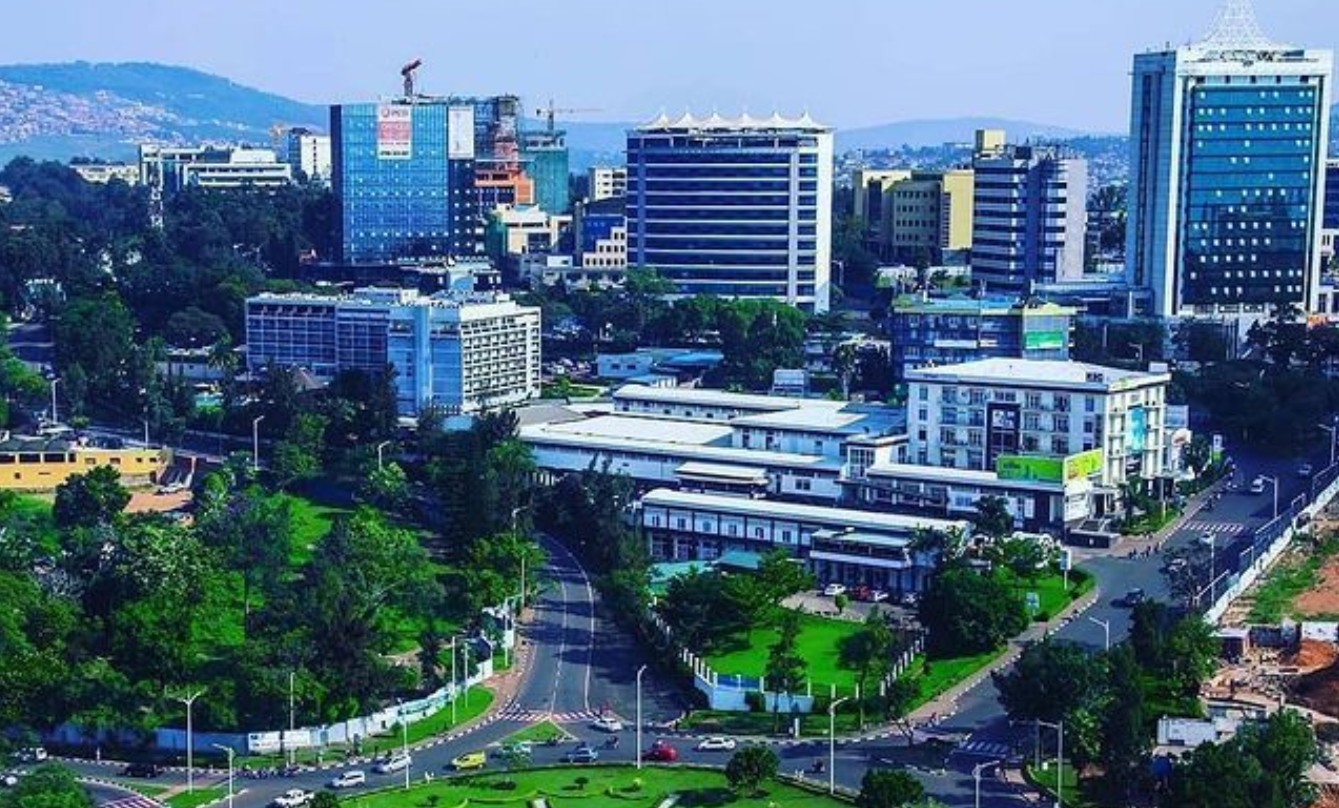
Access to eastern DRC tourism hubs is typically done through well-established entry routes that connect travelers to Goma (gateway to Virunga) and Bukavu (gateway to Kahuzi-Biega). These routes are primarily used by organized tour operators who understand local conditions and security protocols.
Most international travelers enter through neighboring Rwanda, which provides the safest and most reliable access corridor into eastern DRC. From Kigali, travelers are then transferred by road or air into Goma or Bukavu under guided arrangements.
Independent travel on unknown or unmonitored routes is strongly discouraged due to varying road conditions and limited security oversight in rural areas.
Use of Charter Flights and Approved Transfers
Charter flights are one of the safest and most efficient ways to reach remote safari destinations in the DRC. These flights operate between Kigali, Goma, and select airstrips near conservation areas, reducing exposure to long-distance road travel.
Approved transfers are arranged through licensed tour operators and include vetted drivers, insured vehicles, and pre-planned routes. These transfers are coordinated to align with park entry schedules, ensuring that travelers arrive safely and on time for trekking or lodge check-ins.
In many cases, conservation organizations and safari operators work closely with aviation providers to ensure that all flight and ground movements meet strict safety standards.
Road Travel Considerations in Eastern DRC
Road travel in eastern DRC is possible but requires experience, local knowledge, and strict adherence to recommended routes. Main roads connecting border towns and park entry points are used under guided supervision, while remote or unmaintained roads are avoided.
Travel conditions can vary depending on weather, terrain, and security developments, which is why self-driving is not recommended for tourists. Instead, visitors rely on professional drivers who are familiar with safe corridors and communication procedures.
Convoys or guided vehicles are sometimes used in sensitive regions to ensure added coordination and safety during transit.
Border Crossing Procedures (Rwanda–DRC Routes)
The most commonly used and secure entry point for tourism in eastern DRC is the Rwanda–DRC border. Travelers typically cross between Kigali and Goma or Bukavu through official border posts that are monitored by immigration and security authorities.
Border crossing procedures involve passport verification, visa processing (where required), and coordination with tour operators who handle logistical support. These crossings are generally smooth when arranged in advance through licensed safari companies.
Tourists are strongly advised not to attempt informal or unregulated crossings, as official routes are the only recognized entry points for safe tourism access into the DRC.
Accommodation Safety Standards in the Democratic Republic of the Congo
Accommodation in the DRC’s tourism regions is carefully structured to ensure visitor safety, comfort, and controlled access to protected environments. Lodges and eco-camps near major parks such as Virunga National Park and Kahuzi-Biega National Park operate under strict management systems that prioritize both security and conservation.
Security in Park Lodges and Eco-Camps
Park lodges and eco-camps in the DRC are designed as secure sanctuaries for travelers. These facilities are typically located within or near protected conservation zones and are monitored by trained staff and security teams.
Guests are required to check in through controlled entry points, and access to lodge areas is often restricted to registered visitors only. This ensures that movement in and out of the accommodation is tracked and managed effectively.
Many lodges also coordinate directly with park authorities to align guest safety with conservation operations, creating a seamless safety network between accommodation and park activities.
Controlled Access Accommodations Near Virunga and Kahuzi-Biega
Accommodations near key parks such as Virunga and Kahuzi-Biega operate under controlled access systems. This means that only authorized guests, staff, and registered tour operators are allowed entry into lodge premises.
Security gates, verification checks, and escorted transfers are commonly used to ensure that guests remain within safe and monitored environments. These measures help prevent unauthorized access and maintain the integrity of the tourism zones.
Because of their location within conservation landscapes, these lodges are often integrated into park safety systems, providing an additional layer of protection for visitors.
Staffed Security at Safari Lodges
Most safari lodges in the DRC employ trained security personnel who are responsible for guest safety around the clock. These staff members monitor lodge perimeters, manage visitor movement, and coordinate with park rangers when necessary.
In addition to physical security, lodges also implement communication systems that allow quick coordination with emergency services or conservation authorities if needed. This ensures that any issue can be addressed promptly and effectively.
Guests are also briefed on lodge safety procedures upon arrival, including movement restrictions and emergency protocols.
Differences Between City Hotels and Park Lodges
There is a clear difference between city hotels and park lodges in terms of safety structure. City hotels in places like Goma and Kinshasa operate under standard urban security systems, including private security guards and monitored entry points, but they are still subject to general city-level risks.
In contrast, park lodges and eco-camps are located within controlled conservation environments where access is strictly regulated, and security is closely linked to wildlife protection systems. This makes them more structured and predictable in terms of safety for tourists.
While city hotels are suitable for short stays and transit, park lodges offer a more immersive and controlled experience, especially for travelers engaging in gorilla trekking and wildlife safaris.
Transportation and accommodation safety in the DRC is built around a system of controlled access, guided movement, and coordinated security. When travelers use approved transfers, charter flights, and licensed lodges, they remain within a well-managed tourism network that prioritizes safety from arrival to departure.
Best Time to Visit for Safety in the Democratic Republic of the Congo
Choosing the right time to visit the DRC plays an important role in ensuring both safety and overall travel experience. While tourism is possible year-round in key protected areas such as Virunga National Park and Kahuzi-Biega National Park, certain seasons offer better travel conditions, improved accessibility, and smoother logistics.
Dry Season Advantages for Travel and Security
The dry seasons—typically from June to September and December to February—are considered the safest and most reliable periods for travel in the DRC’s tourism regions. During these months, roads are more stable, trekking conditions are more predictable, and visibility in forest areas is significantly better.
In conservation zones, dry weather allows ranger teams and tour operators to maintain more consistent access to trekking routes. Reduced rainfall also minimizes the risk of road blockages and improves communication between park stations and field teams.
From a safety perspective, the dry season supports better coordination of transport, lodging, and park operations, making it the preferred period for gorilla trekking and wildlife safaris.
Seasonal Accessibility to Parks
Access to national parks in the DRC is heavily influenced by seasonal weather patterns. During the wet season, some rural roads and forest trails may become difficult to navigate due to mud, flooding, or reduced visibility.
In contrast, during dry months, access routes to key tourism hubs such as Goma and Bukavu are more reliable, and internal park trails are easier for ranger teams to monitor and manage.
This seasonal accessibility directly impacts how efficiently visitors can move between lodges, trekking points, and transport hubs, making timing an important safety factor.
Weather Impact on Road Safety and Trekking Conditions
Weather conditions significantly affect both road travel and trekking experiences in the DRC. Heavy rains during the wet season can lead to slippery roads, slower travel times, and occasional delays in transport schedules.
Inside forests, wet conditions make trekking trails more challenging, increasing the difficulty of movement and reducing visibility. While gorilla trekking remains possible year-round, wetter conditions require more physical effort and careful navigation.
During the dry season, trails are firmer, rivers are easier to cross, and overall trekking conditions are more stable. This enhances both safety and comfort for visitors, especially in remote conservation areas.
Travel Advisories & Insurance in the Democratic Republic of the Congo
Understanding travel advisories and securing appropriate insurance coverage are essential parts of safe travel planning in the DRC. Because the country has varying regional conditions, travelers are strongly encouraged to stay informed and well-prepared before departure.
Importance of Checking Government Travel Advisories
Before traveling to the DRC, it is crucial to review updated travel advisories issued by official government sources. These advisories provide real-time assessments of security conditions, regional risks, and entry recommendations.
They help travelers understand which regions are safe for tourism, which areas should be avoided, and what precautions are necessary when visiting destinations such as Virunga National Park and Kahuzi-Biega National Park.
Travel advisories should be checked regularly, as conditions in certain regions can change due to environmental or security developments.
Recommended Travel Insurance Coverage
Comprehensive travel insurance is highly recommended for all visitors to the DRC. A strong policy should include coverage for medical emergencies, trip cancellations, evacuation services, and adventure activities such as gorilla trekking.
Given the remote nature of many tourism areas, insurance that covers evacuation by air or specialized medical transport is particularly important. This ensures that travelers can receive timely assistance in case of unexpected health or logistical emergencies.
Insurance also provides financial protection against delays, lost baggage, or changes in travel schedules, which can occur in remote safari environments.
Emergency Evacuation and Contingency Planning
Due to the remote nature of conservation areas, emergency evacuation planning is a key part of tourism safety in the DRC. Many safari operators and lodges have established protocols for coordinating emergency transport, including helicopter or charter flight evacuation when necessary.
Park authorities and conservation teams maintain communication systems that allow rapid response in case of emergencies. Visitors are usually briefed on evacuation procedures upon arrival at lodges or park stations.
Contingency planning also includes alternative routes and backup transport arrangements in case of weather disruptions or logistical delays.
Role of Licensed Tour Operators
Licensed tour operators like Pieland Gorilla Safaris play a critical role in ensuring safe travel throughout the DRC. They coordinate permits, transportation, accommodation, and park access while working closely with conservation authorities and security teams.
By using experienced operators, travelers benefit from local expertise, real-time safety updates, and structured itineraries that avoid high-risk areas. These operators ensure that all movements remain within approved tourism corridors.
In regions such as Virunga National Park and Kahuzi-Biega National Park, licensed operators are essential for accessing protected areas safely and efficiently.
The safest time to visit the DRC is during the dry season when travel conditions are stable, and all tourism systems operate more efficiently. Combined with proper insurance, updated travel advisories, and the use of licensed operators, visitors can significantly reduce risk and enjoy a well-managed safari experience.
Safety Tips for Travelers in the Democratic Republic of the Congo
Traveling in the DRC can be a highly rewarding experience when proper safety practices are followed. The country’s tourism system is built around guided wildlife experiences and controlled access areas such as Virunga National Park and Kahuzi-Biega National Park. Following established safety guidelines ensures that visitors remain protected throughout their journey.
Always Travel with Licensed Guides
One of the most important safety rules in the DRC is to always travel with licensed and approved tour guides. Independent travel in protected or remote areas is not permitted for tourists and can expose visitors to unnecessary risks.
Licensed guides are trained in navigation, wildlife behavior, communication protocols, and emergency response. They coordinate directly with park authorities and ensure that all activities remain within safe and authorized tourism corridors.
By relying on professional guidance, travelers benefit from local expertise and real-time safety management throughout their safari experience.
Follow Ranger Instructions Strictly
Rangers play a critical role in maintaining safety inside national parks. Their instructions are based on real-time environmental conditions, wildlife movement, and security assessments.
Visitors must follow all ranger directions without deviation, including movement speed, group positioning, and behavior near wildlife. These instructions are designed to minimize risk and ensure smooth trekking operations.
Ignoring ranger guidance can disrupt both safety protocols and wildlife conservation efforts, so full cooperation is essential.
Avoid Restricted Zones Completely
Restricted zones in the DRC exist for both conservation and security reasons. These areas may include wildlife protection zones, sensitive ecological habitats, or regions with limited monitoring.
Tourists should never attempt to enter areas outside approved trekking routes or designated visitor zones. Only officially mapped trails and guided routes are considered safe for tourism activities.
Respecting these boundaries ensures that travelers remain within controlled environments where safety systems are actively in place.
Keep Documents and Permits Accessible
All visitors should carry essential travel documents, including passports, visas, gorilla trekking permits, and travel insurance information. These documents may be required at park entry points, border crossings, or accommodation check-ins.
Keeping them easily accessible helps avoid delays and ensures smooth coordination between guides, park authorities, and security personnel.
Permits are especially important in regulated parks such as Virunga National Park and Kahuzi-Biega, where access is strictly controlled.
Respect Park Regulations at All Times
National parks in the DRC operate under strict conservation and safety regulations. These rules include maintaining distance from wildlife, limiting noise levels, following designated paths, and adhering to time restrictions during trekking activities.
Respecting these regulations helps protect both visitors and endangered species such as mountain and eastern lowland gorillas. It also ensures that tourism remains sustainable and safe for future travelers.
Compliance with park rules is mandatory and enforced by trained rangers throughout all visits.
Who Should Visit the Democratic Republic of the Congo?
The DRC is a unique and adventurous destination best suited for travelers seeking authentic, off-the-beaten-path wildlife experiences. With its rich biodiversity, dramatic landscapes, and world-famous gorilla trekking opportunities in places like Virunga National Park and Kahuzi-Biega National Park, it appeals strongly to experienced and well-prepared travelers.
Adventure Travelers Seeking Unique Experiences
The DRC is ideal for travelers who are drawn to raw, immersive, and less commercialized safari experiences. It offers encounters with nature in its most untouched form, from volcanic landscapes to dense tropical rainforests.
These travelers are typically comfortable with guided expeditions and structured safari environments that prioritize conservation and authenticity over mass tourism.
Experienced Safari Travelers
The destination is best suited for travelers who already have experience exploring African safaris or remote natural environments. Familiarity with guided trekking systems, wildlife behavior, and travel logistics enhances the overall experience.
Experienced safari-goers are better prepared to appreciate the structured nature of tourism in the DRC, including ranger-led treks and regulated park access.
Wildlife and Gorilla Enthusiasts
The DRC is one of the most important global destinations for primate conservation, making it a top choice for gorilla enthusiasts and wildlife photographers. Encounters with mountain gorillas and eastern lowland gorillas offer rare and unforgettable experiences.
For those passionate about conservation and biodiversity, the DRC provides a deeply meaningful and educational travel opportunity.
Not Ideal for Independent or First-Time Africa Travelers
Due to its structured tourism systems and remote wilderness environments, the DRC is not recommended for independent travelers or first-time visitors to Africa without guided support.
The destination requires organized itineraries, licensed operators, and strict adherence to park regulations. Travelers unfamiliar with guided safari systems may find the logistics challenging without professional assistance.
The DRC is a destination for carefully guided, experience-driven travel, offering some of the most extraordinary wildlife encounters in Africa. When approached with the right mindset and professional support, it becomes a safe, structured, and unforgettable adventure.
Conclusion: Is It Safe to Visit the Democratic Republic of the Congo?
The question of safety in the DRC does not have a simple yes-or-no answer. Instead, it depends largely on where you travel, how you travel, and who you travel with. While certain regions of the country may experience instability, the key tourism destinations such as Virunga National Park and Kahuzi-Biega National Park operate under highly structured conservation systems that prioritize visitor safety at every stage.
In these protected areas, tourism is carefully managed through ranger escorts, controlled access points, licensed guides, and strict permit systems. This means that travelers are never left to explore independently and are always within monitored, organized environments designed specifically for safe wildlife experiences.
When viewed as a whole, the DRC is a country of contrasts—challenging in some regions, yet remarkably secure and well-organized in its conservation corridors. The presence of professional ranger teams, regulated trekking systems, and coordinated tour operations ensures that visitors can experience its incredible biodiversity with confidence when following official travel structures.
Ultimately, guided safaris transform the experience entirely. With licensed operators handling logistics, safety coordination, and park access, travelers are able to focus on the adventure itself—tracking gorillas, exploring volcanic landscapes, and discovering one of Africa’s most unique wilderness destinations. This structured approach makes tourism in the DRC not only possible, but deeply rewarding when done responsibly.
Frequently Asked Questions About Visiting the Democratic Republic of the Congo
Is it safe to visit the DRC for tourism?
Yes, tourism in the DRC is safe when done through licensed operators and within protected areas such as Virunga National Park and Kahuzi-Biega National Park. Safety is ensured through ranger escorts, permits, and controlled access systems.
Which parts of the DRC are safe for tourists?
Safe areas include Virunga National Park, Kahuzi-Biega National Park, Goma (selected zones), Bukavu (guided areas), and Kinshasa’s main hotel districts.
Is It Safe To Visit Congo for gorilla trekking ?
Yes, gorilla trekking is safe when conducted with official park rangers and guides. All treks are controlled, limited in group size, and monitored throughout the experience.
Is It Safe To Visit Congo with guide?
Yes, all tourism activities in national parks require licensed guides. Independent travel inside protected areas is not allowed.
Why is the DRC considered risky by some travelers?
Some regions have historical instability, but these areas are far from tourism zones. National parks operate under separate security systems.
Is It Safe To Visit Goma ?
Goma is safe in designated areas when using organized tours, especially for visitors heading to Virunga National Park.
Is Kinshasa safe to visit?
Kinshasa is relatively stable in hotel and business districts. Standard city travel precautions are recommended.
Are there armed escorts during safaris?
Yes, ranger escorts accompany all trekking groups, especially in Virunga and surrounding conservation areas.
Can I travel independently in the DRC?
No, independent tourism in parks is not permitted. All travel must be arranged through licensed operators.
Is the border between Rwanda and DRC safe?
Yes, official crossings between Rwanda and DRC are safe when arranged through tour operators.
Do I need a visa to visit the DRC?
Yes, most travelers require a visa, which should be arranged before travel or through approved entry points.
What is the best time to visit the DRC safely?
The dry seasons (June–September and December–February) offer the safest and most stable travel conditions.
Are roads in the DRC safe?
Main tourist routes are safe when using professional drivers, but self-driving is not recommended.
Is Virunga National Park safe?
Yes, Virunga is one of Africa’s most secure conservation areas with strong ranger protection systems.
Is Kahuzi-Biega National Park safe?
Yes, it is safe for guided tours and gorilla trekking under strict park supervision.
What security measures exist in DRC parks?
Ranger escorts, controlled entry points, permit systems, and coordinated patrols ensure safety.
Can I see wildlife safely in the DRC?
Yes, wildlife viewing is safe in designated parks with trained guides and rangers.
Are hotels in the DRC safe?
Park lodges and major hotels in tourist zones are generally safe and well-secured.
Is it safe to take photos during safari?
Yes, photography is safe when done under guide instructions and park regulations.
What should I avoid in the DRC?
Avoid restricted zones, independent travel, and unapproved rural areas.
Is travel insurance necessary?
Yes, comprehensive travel insurance is strongly recommended for all visitors.
Does insurance cover gorilla trekking?
Yes, many policies cover adventure travel, but you must confirm gorilla trekking coverage specifically.
Are emergency services available in parks?
Yes, parks have evacuation systems and coordination with medical and aviation services.
Can families visit the DRC?
Yes, but it is more suitable for experienced travelers and guided safari groups.
Is the DRC safe for solo travelers?
Solo travel is only safe when booked through organized safari packages.
Do I need vaccinations before visiting?
Yes, Yellow Fever vaccination is mandatory, and other travel health precautions are recommended.
Are drones allowed in the DRC?
Drones are restricted in most protected areas and require special permission.
What currency is used in the DRC?
The Congolese Franc (CDF) is the local currency, but USD is widely accepted in tourism areas.
Is internet and communication reliable?
Major hotels and cities have mobile coverage, but remote parks may have limited connectivity.
Why should I visit the DRC despite safety concerns?
Because it offers rare wildlife experiences, especially mountain gorillas, volcanic landscapes, and untouched rainforest ecosystems found nowhere else.
What makes guided safaris safe in the DRC?
They combine licensed operators, ranger protection, controlled routes, and strict conservation systems.
Is Virunga safe for tourists in 2026?
Yes, it remains open and safe for guided tourism under strict security monitoring.
Can I combine Rwanda and DRC safaris safely?
Yes, most travelers enter the DRC via Rwanda for the safest and most organized access.
What is the final safety summary for travelers?
The DRC is safe for tourism only when visitors stay within official park systems and travel with licensed guides.
Request a free quote for Congo safaris.