
Kundelungu National Park
Introduction to Kundelungu National Park
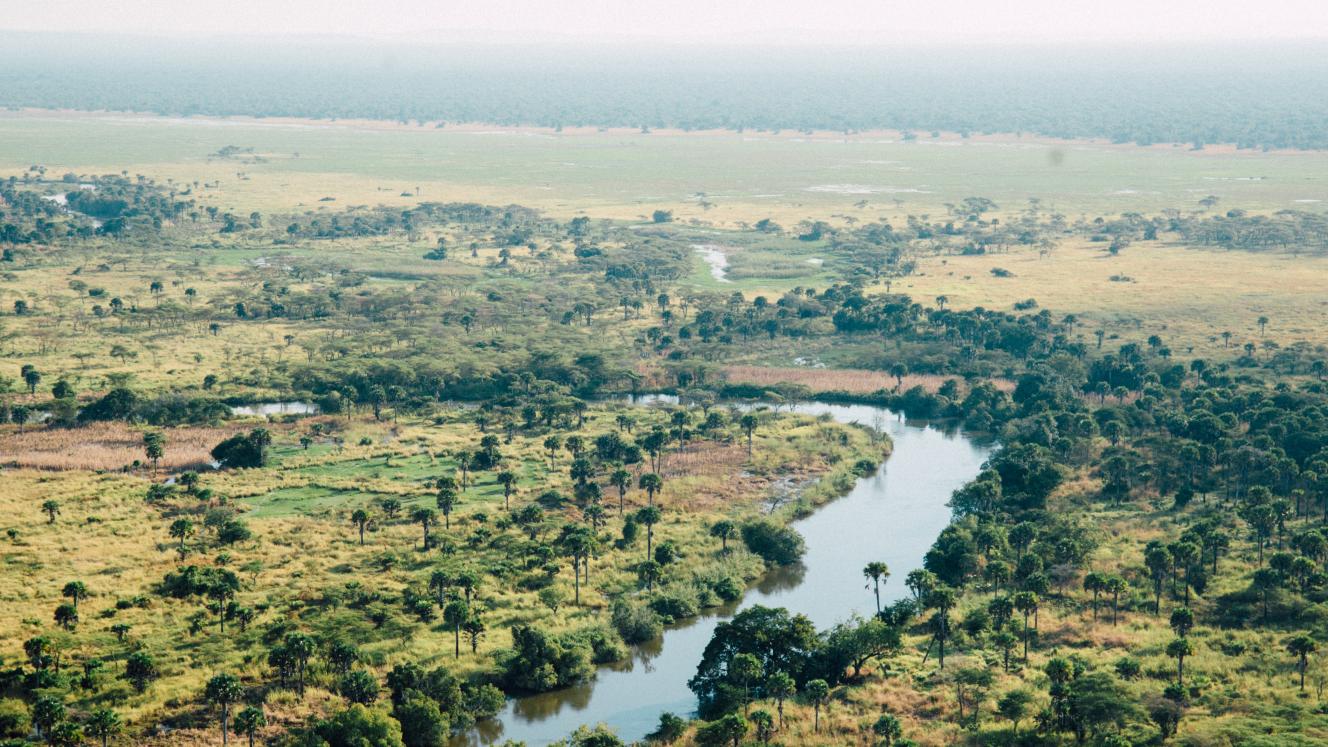
Kundelungu National Park is one of the most spectacular and least-explored protected areas in the Democratic Republic of Congo. Located in the southeastern region of the country, the park is renowned for its dramatic landscapes, rich biodiversity, vast savannahs, scenic plateaus, rivers, waterfalls, and important wildlife populations. Covering thousands of square kilometers of wilderness, Kundelungu offers visitors an authentic African safari experience far from the crowds found in many of the continent’s more famous destinations.
The park is best known for the magnificent Lofoi Falls, one of the tallest waterfalls in Africa, which plunges dramatically from the Kundelungu Plateau into the valley below. Beyond its famous waterfall, the park protects diverse ecosystems that support numerous mammal species, reptiles, birds, and plant communities. Its combination of natural beauty, ecological importance, and remote wilderness makes Kundelungu National Park one of Congo’s hidden gems for nature lovers, photographers, birdwatchers, conservation enthusiasts, and adventurous travelers.
For visitors seeking an off-the-beaten-path safari destination, Kundelungu National Park provides a rare opportunity to explore untouched landscapes while contributing to conservation efforts that protect one of Central Africa’s most valuable natural treasures.
Where is Kundelungu National Park Located
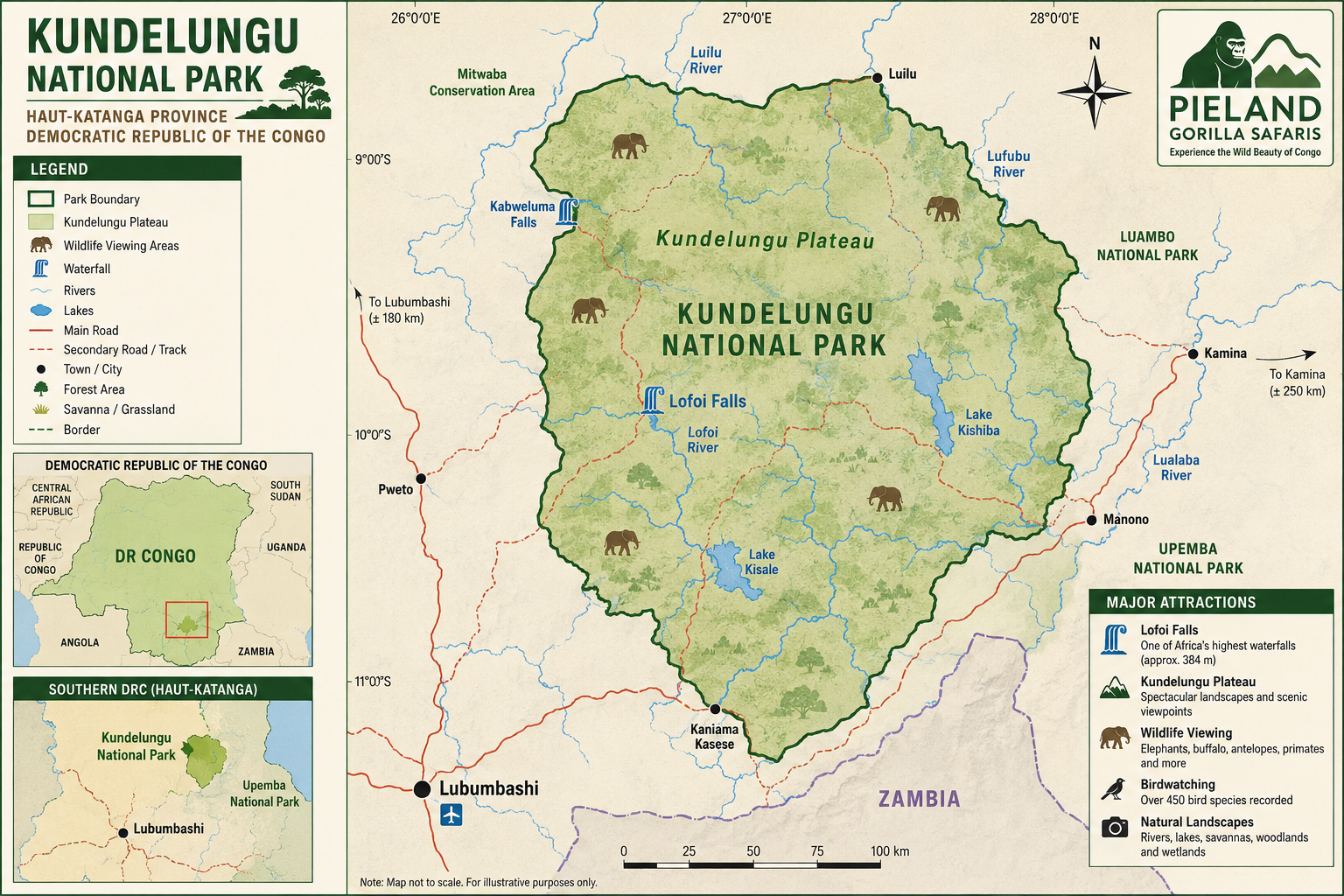
Kundelungu National Park is situated in Haut-Katanga Province in southeastern Democratic Republic of Congo. The park lies near the border with Zambia and forms part of the larger Katanga Plateau region, an area known for its unique landscapes and ecological diversity. Its location places it within one of Congo’s most important conservation zones, alongside nearby protected areas such as Upemba National Park.
The park’s remote setting contributes significantly to its appeal. Unlike heavily visited safari destinations, Kundelungu remains largely untouched by mass tourism, allowing visitors to experience nature in a more authentic and pristine environment. The surrounding region features vast grasslands, woodland habitats, river valleys, and dramatic escarpments that create ideal conditions for wildlife and birdlife.
Most visitors access the park through Lubumbashi, the largest city in southeastern Congo and the primary transportation hub for the region. From Lubumbashi, travelers can continue to the park by road as part of organized safari expeditions.
Quick Facts About Kundelungu National Park
| Feature | Details |
|---|---|
| Location | Haut-Katanga Province |
| Size | 7,600 km² |
| Established | 1970 |
| Famous Attraction | Lofoi Falls |
| Best For | Wildlife, Birding, Waterfalls |
| Closest City | Lubumbashi |
| Best Time | May–October |
Geographic Location
Kundelungu National Park occupies a strategic position on the Kundelungu Plateau in southeastern Congo. The park stretches across a landscape of elevated grasslands, rolling hills, valleys, rivers, and escarpments that create one of the country’s most impressive natural environments.
Its location within the Katanga region gives it a unique ecological character distinct from the rainforests of eastern Congo and the savannahs of northern protected areas. The combination of altitude, climate, and varied terrain supports diverse ecosystems that host a wide range of wildlife species and plant communities.
The park is also closely linked to the Lofoi River system, which contributes to the formation of the famous Lofoi Falls and helps sustain many of the habitats found throughout the protected area. This network of rivers and wetlands plays a critical role in maintaining the ecological health of the park.
Because of its position near other conservation areas, Kundelungu contributes to broader regional biodiversity conservation efforts and serves as an important refuge for wildlife within southeastern Congo.
Designed by the Congo safari specialists at Pieland Gorilla Safaris with extensive experience designing wildlife and conservation safaris across the Democratic Republic of Congo.
History of Kundelungu National Park
Kundelungu National Park was established in 1970 to protect the region’s unique wildlife, landscapes, and ecological resources. The creation of the park reflected growing recognition of the importance of conserving Congo’s natural heritage and safeguarding habitats that support numerous plant and animal species.
Historically, the area served as an important refuge for wildlife populations inhabiting the Katanga Plateau. Its remote location and rugged terrain helped preserve ecosystems that remained relatively undisturbed compared to many other regions. Over time, conservation authorities recognized the need for formal protection to address increasing threats from human activities and habitat degradation.
Since its establishment, Kundelungu National Park has played a significant role in biodiversity conservation within the Democratic Republic of Congo. Conservation initiatives have focused on protecting wildlife, restoring habitats, supporting scientific research, and engaging local communities in sustainable resource management.
Today, the park remains an important symbol of Congo’s commitment to preserving its natural landscapes and ecological diversity for future generations.
Size and Boundaries
Kundelungu National Park covers approximately 7,600 square kilometers, making it one of the largest national parks in the Democratic Republic of Congo. Its vast size allows it to protect a remarkable variety of habitats and wildlife populations across southeastern Congo.
The park encompasses extensive grasslands, miombo woodlands, river valleys, wetlands, and elevated plateau landscapes. These diverse ecosystems provide critical habitat for mammals, birds, reptiles, and numerous plant species. The large size of the park also allows wildlife to move across extensive natural areas with minimal disturbance.
Kundelungu shares ecological connections with neighboring protected areas, particularly Upemba National Park. Together, these conservation landscapes form one of Central Africa’s most important biodiversity regions and contribute significantly to wildlife protection efforts across southeastern Congo.
The boundaries of the park encompass some of the most spectacular scenery in the country, including the famous Lofoi Falls, expansive plateaus, dramatic escarpments, and river systems that define the park’s unique character. These landscapes make Kundelungu National Park not only an important conservation area but also one of Congo’s most visually impressive natural destinations.
Importance of the Kundelungu National Park in Congo Conservation
Kundelungu National Park plays a vital role in the conservation of biodiversity in the Democratic Republic of Congo. As one of the country’s largest protected areas, the park safeguards vast ecosystems that support wildlife, birdlife, freshwater resources, and unique plant communities. Its diverse landscapes, ranging from savannah grasslands and miombo woodlands to rivers, wetlands, and plateaus, provide critical habitats for numerous species that depend on these environments for survival.
The park serves as an important wildlife refuge within southeastern Congo, helping to maintain ecological balance across the wider Katanga region. By protecting large areas of natural habitat, Kundelungu contributes to the preservation of migration routes, breeding grounds, and feeding areas for many animal species. The park also supports scientific research, environmental education, and conservation initiatives aimed at protecting some of Central Africa’s most valuable natural resources.
Kundelungu National Park is particularly important because it forms part of a broader network of conservation landscapes that includes nearby Upemba National Park and other protected ecosystems. Together, these areas contribute significantly to regional biodiversity conservation and climate resilience. The park’s rivers, wetlands, and forests also help regulate water systems and support ecological processes that benefit both wildlife and local communities.
Despite facing challenges such as poaching, habitat degradation, and limited conservation resources, ongoing protection efforts continue to strengthen the park’s role as one of Congo’s most important conservation strongholds. Visitors who travel to Kundelungu National Park directly contribute to these efforts by supporting sustainable tourism and conservation funding.
Why Visit Kundelungu National Park
Kundelungu National Park offers one of the most unique safari experiences in the Democratic Republic of Congo. Unlike the country’s more famous gorilla destinations, Kundelungu is celebrated for its dramatic scenery, remote wilderness, rich biodiversity, and extraordinary natural landmarks. It is a destination where travelers can experience untouched landscapes, remarkable wildlife, breathtaking waterfalls, and authentic adventure far from the crowds.
For nature enthusiasts, photographers, birdwatchers, and travelers seeking a truly off-the-beaten-path African safari, Kundelungu National Park delivers exceptional opportunities for exploration and discovery. The combination of vast plateaus, spectacular river valleys, wildlife habitats, and the famous Lofoi Falls creates a destination unlike any other in Central Africa.
Whether your interests lie in wildlife viewing, landscape photography, conservation tourism, hiking, birdwatching, or simply experiencing one of Africa’s hidden wilderness treasures, Kundelungu National Park offers unforgettable experiences that reward adventurous travelers.
One of Congo’s Most Scenic National Parks
Kundelungu National Park is widely regarded as one of the most beautiful protected areas in the Democratic Republic of Congo. Its landscapes are characterized by rolling grasslands, expansive plateaus, deep valleys, rivers, wetlands, and dramatic escarpments that create stunning scenery throughout the park.
The elevated Kundelungu Plateau provides panoramic views across vast stretches of wilderness, while seasonal changes transform the scenery into vibrant displays of color and life. During the wet season, lush vegetation covers much of the landscape, while the dry season reveals open grasslands that allow visitors to appreciate the scale and beauty of the terrain.
Photographers are particularly attracted to Kundelungu because of the diversity of its landscapes. From sunrise over the plateau to dramatic river valleys and distant horizons, the park offers endless opportunities for capturing extraordinary images.
The scenic beauty of Kundelungu National Park alone makes it a compelling destination, even before considering its wildlife and conservation significance.
Home to the Spectacular Lofoi Falls
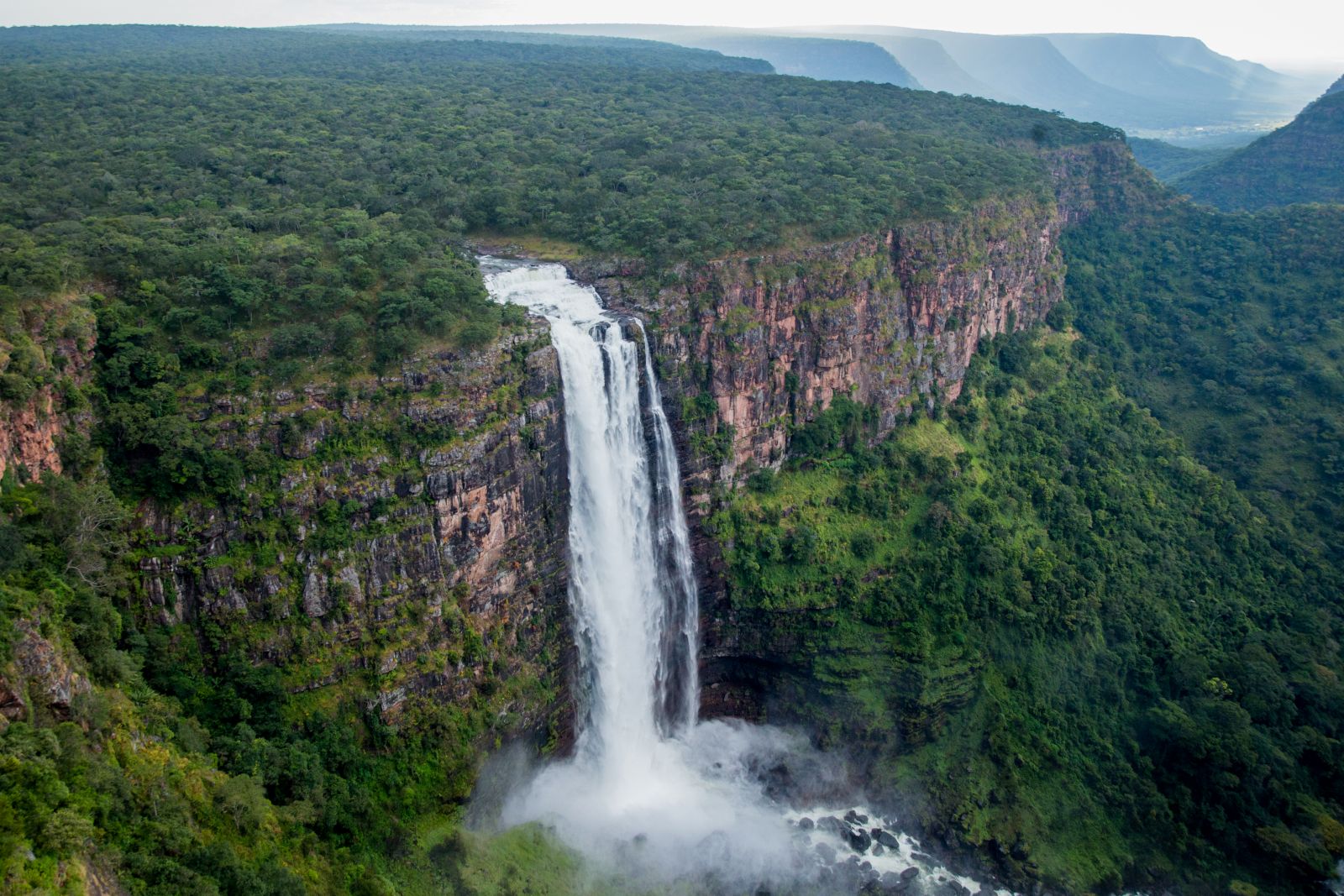
The most famous attraction within Kundelungu National Park is the spectacular Lofoi Falls, one of the tallest waterfalls in Africa. Cascading approximately 384 meters down the escarpment of the Kundelungu Plateau, the falls create one of the most impressive natural spectacles in Central Africa.
The waterfall is fed by the Lofoi River and remains a year-round attraction, although water volume is typically highest during the rainy season. Visitors often consider Lofoi Falls the highlight of their trip due to its sheer scale, scenic setting, and photographic appeal.
Surrounding the falls are lush habitats that support birds, small mammals, and unique vegetation adapted to the moist conditions created by the waterfall. Viewing the falls from designated viewpoints provides breathtaking perspectives and unforgettable memories.
Lofoi Falls is not only one of Congo’s most important natural landmarks but also one of the primary reasons travelers visit Kundelungu National Park.
Diverse Wildlife and Birdlife
Kundelungu National Park supports a wide range of wildlife species across its varied ecosystems. The park’s grasslands, woodlands, wetlands, and river systems provide habitats for elephants, buffalo, antelope species, zebras, hippos, crocodiles, primates, and numerous smaller mammals.
Although wildlife populations have faced challenges over the years, the park remains an important refuge for biodiversity in southeastern Congo. Conservation initiatives continue to support wildlife recovery and habitat protection throughout the region.
Birdlife is particularly impressive within Kundelungu National Park. The diversity of habitats attracts both resident and migratory species, making the park a rewarding destination for birdwatchers. Raptors, waterbirds, woodland species, grassland specialists, and colorful songbirds can all be found throughout the park.
The opportunity to experience wildlife and birdlife in a remote and largely untouched environment adds to the park’s appeal for nature enthusiasts and photographers.
Incredible Landscapes and Plateaus
The Kundelungu Plateau is one of the defining features of the national park and contributes significantly to its ecological and scenic importance. Rising above surrounding valleys and plains, the plateau creates dramatic topography that shapes the park’s ecosystems and natural beauty.
Visitors exploring the plateau encounter rolling grasslands, rocky outcrops, rivers, waterfalls, and spectacular viewpoints that showcase the vastness of southeastern Congo’s wilderness. The elevated terrain also influences local climate patterns, creating conditions that support unique habitats and diverse plant communities.
Beyond the plateau itself, the park contains river valleys, wetlands, forests, and escarpments that add further variety to the landscape. This ecological diversity supports a wide range of wildlife and enhances the overall visitor experience.
The combination of geological features and natural beauty makes Kundelungu National Park one of the most visually impressive destinations in the Democratic Republic of Congo.
Off-the-Beaten-Path Safari Experience
One of the greatest attractions of Kundelungu National Park is its sense of remoteness and exclusivity. Unlike many popular safari destinations that receive large numbers of visitors, Kundelungu remains largely undiscovered by international tourism.
Travelers visiting the park often enjoy vast landscapes without encountering crowds, safari traffic, or heavily developed tourism infrastructure. This creates a more authentic wilderness experience and allows visitors to connect with nature in a meaningful way.
The park appeals particularly to adventurous travelers who value exploration, discovery, and unique experiences. Every journey into Kundelungu feels like an expedition into one of Africa’s last great wilderness areas.
For those seeking an alternative to conventional safari destinations, Kundelungu National Park offers rare opportunities to experience untouched nature, remarkable scenery, and genuine adventure in the heart of Central Africa.
Wildlife in Kundelungu National Park
Kundelungu National Park protects one of the most diverse wildlife habitats in southeastern Democratic Republic of Congo. Its vast grasslands, miombo woodlands, wetlands, rivers, and plateau ecosystems support a wide variety of mammals, reptiles, birds, and other wildlife species. Although the park has experienced conservation challenges over the years, it remains an important refuge for biodiversity within the Katanga region and continues to play a critical role in wildlife conservation.
The diversity of habitats found within Kundelungu National Park creates favorable conditions for both large mammals and smaller species. Visitors exploring the park may encounter elephants, buffalo, antelope, hippos, crocodiles, primates, and numerous bird species while enjoying one of the most remote safari experiences in Central Africa.
For wildlife enthusiasts, photographers, researchers, and conservation travelers, Kundelungu offers an opportunity to observe wildlife in a relatively untouched environment where nature remains largely undisturbed by mass tourism.
African Elephants
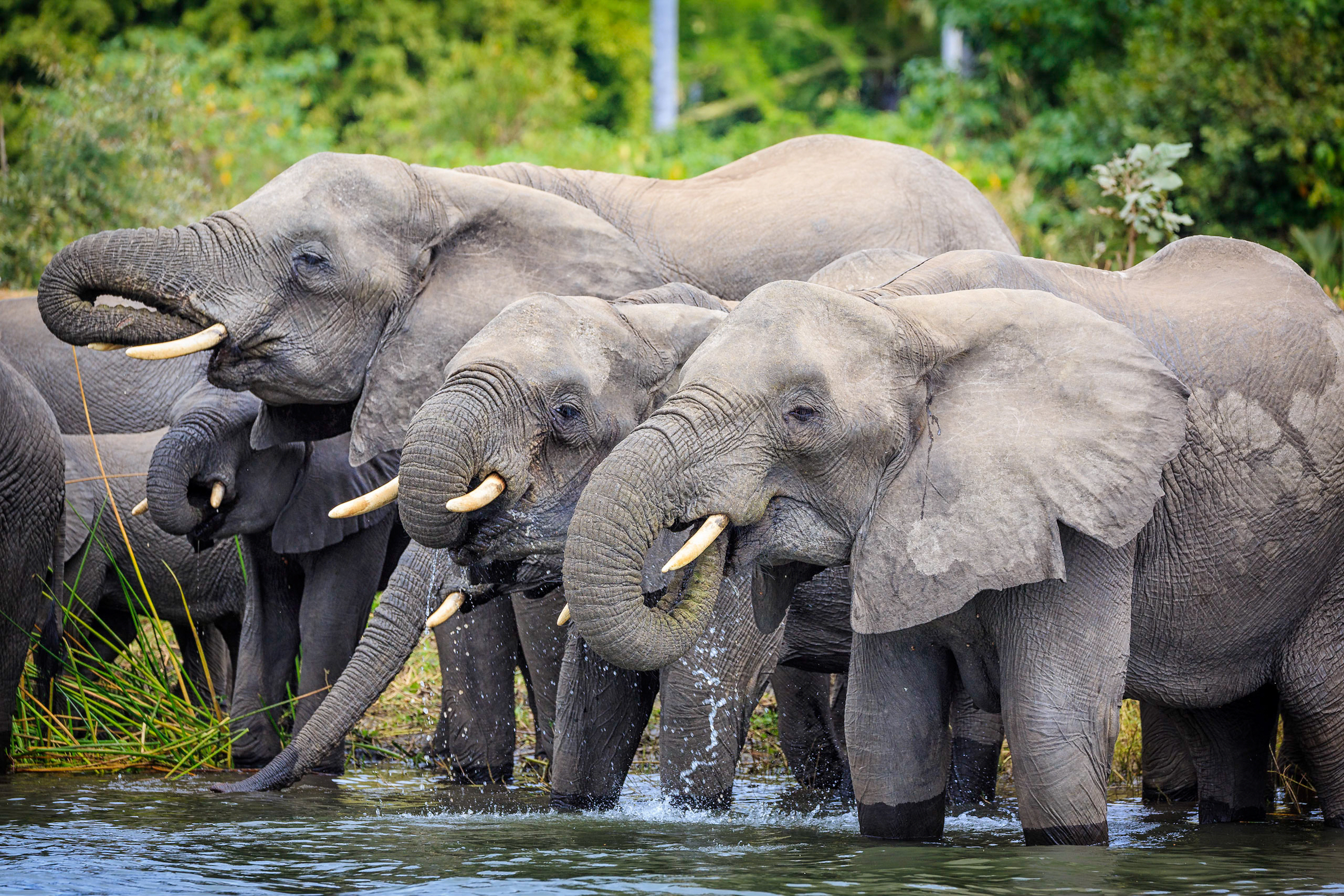
African elephants are among the most iconic wildlife species associated with Kundelungu National Park. These magnificent animals are important ecosystem engineers that help shape the landscape through their feeding habits, migration patterns, and interactions with vegetation.
Elephants contribute to maintaining ecological balance by opening pathways through dense vegetation, dispersing seeds, and creating water access points used by many other species. Their presence supports the overall health and diversity of the park’s ecosystems.
Historically, elephant populations in the region were more extensive, but conservation efforts continue to focus on protecting remaining populations and preserving suitable habitats. Visitors fortunate enough to encounter elephants in Kundelungu experience one of Africa’s most remarkable wildlife spectacles.
Observing these intelligent and socially complex animals within the park’s wilderness landscapes remains one of the highlights of any safari in Kundelungu National Park.
African Buffalo
African buffalo are another important large mammal found within Kundelungu National Park. These powerful animals are highly adaptable and occupy a variety of habitats including grasslands, wetlands, and woodland areas.
Buffalo typically live in herds that can range from small family groups to larger aggregations depending on environmental conditions and food availability. Their strong social structures and defensive behavior make them one of Africa’s most respected wildlife species.
The grasslands and open habitats of Kundelungu provide favorable grazing opportunities for buffalo populations. Their presence contributes to the ecological dynamics of the park by influencing vegetation patterns and serving as prey for large predators where such interactions occur.
Buffalo sightings add excitement to wildlife viewing experiences and provide visitors with opportunities to observe one of Africa’s most iconic safari animals.
Leopards
Leopards are among the most elusive predators inhabiting Kundelungu National Park. Their secretive nature, exceptional camouflage, and largely nocturnal behavior make sightings relatively rare but highly rewarding.
These adaptable cats occupy a variety of habitats including woodlands, rocky outcrops, riverine areas, and grassland edges. Their ability to thrive in diverse environments contributes to their reputation as one of Africa’s most successful predators.
Leopards play an important ecological role by helping regulate populations of smaller mammals and herbivores. Their presence also indicates healthy ecosystems capable of supporting complex predator-prey relationships.
For wildlife enthusiasts and photographers, spotting a leopard in Kundelungu National Park represents a memorable and special safari experience.
Lions
Lions historically occurred within parts of the Kundelungu ecosystem and remain one of the most fascinating predators associated with the region. As apex predators, lions play a crucial role in maintaining ecological balance by influencing herbivore populations and ecosystem dynamics.
The open grasslands and savannah habitats found throughout sections of Kundelungu National Park provide suitable environments for large carnivores. Although lion encounters are not common, their historical significance adds to the park’s wildlife heritage.
Conservation initiatives aimed at protecting habitats and restoring wildlife populations contribute to long-term efforts to preserve predator ecosystems within southeastern Congo.
For many visitors, the possibility of encountering one of Africa’s most iconic predators adds an element of excitement and adventure to their safari experience.
Zebras
Zebras are among the most visually striking animals associated with the grassland ecosystems of Kundelungu National Park. Their distinctive black-and-white stripes make them instantly recognizable and highly popular with wildlife photographers.
These social herbivores typically inhabit open plains and grasslands where they feed on a variety of grasses. Their grazing activities contribute to maintaining healthy vegetation dynamics and support broader ecosystem processes.
Zebras often coexist with other herbivore species, creating diverse wildlife viewing opportunities across the park’s open landscapes. Their presence enhances the classic safari atmosphere of Kundelungu’s savannah environments.
Observing zebras against the backdrop of the Kundelungu Plateau and surrounding wilderness creates unforgettable photographic moments.
Hippos
The rivers, wetlands, and water bodies of Kundelungu National Park provide suitable habitats for hippopotamuses. These semi-aquatic mammals spend much of their time in water during the day before emerging to graze on surrounding vegetation at night.
Hippos play an important role in aquatic ecosystems by influencing nutrient cycling and maintaining habitat conditions that benefit other species. Their movements between land and water contribute to ecological interactions that support biodiversity throughout the park.
Visitors exploring river systems and wetland habitats may encounter hippos resting in pools or moving through waterways. Their size, behavior, and social interactions make them fascinating subjects for wildlife observation.
Hippos remain among the most important large mammals associated with the freshwater environments of Kundelungu National Park.
Crocodiles
Crocodiles are key predators within the aquatic ecosystems of Kundelungu National Park. They inhabit rivers, wetlands, and permanent water sources where they help regulate populations of fish and other aquatic species.
These ancient reptiles are perfectly adapted to life in water and play a vital role in maintaining ecological balance. Their presence reflects the health and productivity of aquatic habitats throughout the park.
Crocodiles are often observed basking along riverbanks or quietly waiting in the water for potential prey. Their stealth, power, and evolutionary success make them one of the most fascinating species found within the park.
For visitors interested in reptile ecology and wildlife behavior, crocodiles offer unique opportunities for observation and photography.
Antelope Species
Kundelungu National Park supports a variety of antelope species that occupy different habitats across the park. These herbivores are essential components of the ecosystem and form an important part of the food chain.
Different antelope species utilize grasslands, woodlands, wetlands, and forest edges depending on their ecological requirements. Their grazing and browsing activities influence vegetation patterns while providing prey for predators.
The diversity of antelope contributes significantly to wildlife viewing opportunities within the park. Visitors may encounter animals ranging from smaller, more elusive species to larger and more conspicuous grazers.
The abundance and variety of antelope reflect the ecological richness of Kundelungu National Park and its ability to support diverse wildlife communities.
Primates
Several primate species inhabit the forests, woodlands, and riverine habitats of Kundelungu National Park. These intelligent and adaptable animals contribute to seed dispersal, forest regeneration, and overall ecosystem health.
Primates are often observed moving through trees, foraging for food, or interacting within social groups. Their behavior provides fascinating insights into the complexity of wildlife communities within the park.
Although Kundelungu is not primarily known as a primate destination like some of Congo’s rainforest parks, the presence of these species adds another dimension to the park’s biodiversity.
For wildlife enthusiasts, observing primates in their natural environment remains one of the rewarding aspects of exploring the park’s varied habitats.
Small Mammals
Beyond its larger wildlife species, Kundelungu National Park supports numerous small mammals that contribute significantly to ecosystem functioning. These include rodents, insectivores, bats, small carnivores, and other species adapted to different habitats throughout the park.
Many small mammals play important ecological roles as pollinators, seed dispersers, predators of insects, and prey for larger animals. Their activities help maintain ecological balance and support healthy ecosystems.
Although often overlooked by visitors focused on larger wildlife, these animals represent an important component of the park’s biodiversity. Researchers and naturalists frequently find the diversity of small mammals particularly interesting because they reflect the complexity and health of the environment.
Together with larger mammals, birds, reptiles, and aquatic species, small mammals contribute to making Kundelungu National Park one of the most ecologically significant protected areas in southeastern Democratic Republic of Congo.
Birdlife in Kundelungu National Park
Kundelungu National Park is one of the most rewarding birdwatching destinations in the Democratic Republic of Congo. The park’s remarkable variety of habitats, including savannah grasslands, miombo woodlands, wetlands, rivers, waterfalls, forests, and plateau ecosystems, supports an impressive diversity of bird species throughout the year. These habitats create ideal conditions for both resident and migratory birds, making the park an important avian conservation area within Central Africa.
Birdwatchers visiting Kundelungu National Park can explore a wide range of ecological zones, each hosting different bird communities. Wetlands attract waterbirds and waders, woodlands support forest species, while open grasslands provide habitat for raptors and ground-dwelling birds. The park’s relatively undisturbed environment allows many species to thrive and provides excellent opportunities for observation and photography.
Whether you are an experienced birder, wildlife photographer, researcher, or nature enthusiast, Kundelungu National Park offers exceptional opportunities to discover the rich birdlife of southeastern Congo.
Bird Species Diversity
Kundelungu National Park supports a remarkable diversity of bird species thanks to its varied ecosystems and favorable climatic conditions. The combination of wetlands, rivers, grasslands, forests, and plateau habitats creates ecological niches that support numerous bird communities.
Visitors can encounter a wide variety of species including raptors, kingfishers, bee-eaters, hornbills, storks, herons, egrets, weavers, sunbirds, francolins, doves, pigeons, rollers, and numerous woodland specialists. Water bodies throughout the park attract aquatic birds, while woodland areas provide habitat for many forest-dependent species.
Bird diversity changes seasonally as environmental conditions influence breeding patterns, food availability, and migration movements. During certain periods of the year, bird activity becomes particularly impressive, with increased sightings and vocal activity throughout the park.
The richness of birdlife contributes significantly to Kundelungu National Park’s biodiversity and enhances its reputation as one of Congo’s most important birdwatching destinations.
Endemic and Rare Birds
One of the most exciting aspects of birdwatching in Kundelungu National Park is the opportunity to observe rare and regionally significant species. The Katanga Plateau and surrounding ecosystems support bird populations that are difficult to find elsewhere, making the park especially attractive to dedicated birders and ornithologists.
The park’s miombo woodlands, river valleys, and plateau habitats provide refuge for specialized species adapted to these unique environments. Some birds have limited geographic distributions and are strongly associated with the ecological conditions found within southeastern Congo and neighboring regions.
Rare raptors, woodland specialists, and wetland birds are among the species that attract birdwatchers to Kundelungu. The relatively low number of visitors and limited disturbance in many parts of the park help maintain suitable conditions for sensitive bird populations.
For bird enthusiasts seeking uncommon species and unique avian experiences, Kundelungu National Park offers exciting opportunities for discovery and observation.
Best Birdwatching Areas
Several areas within Kundelungu National Park stand out as particularly productive birdwatching locations. The diversity of habitats ensures that visitors can encounter different species depending on where they explore.
Wetland areas and river systems are excellent locations for observing herons, egrets, kingfishers, storks, ducks, and other water-associated birds. These habitats often support large concentrations of birds due to abundant food resources and suitable nesting sites.
The miombo woodlands provide opportunities to observe woodland specialists, colorful songbirds, hornbills, and numerous insect-eating species. Birdwatchers exploring these habitats often enjoy excellent sightings during the early morning hours when bird activity is highest.
The Kundelungu Plateau itself offers opportunities to observe grassland birds, raptors, and species adapted to open habitats. Scenic viewpoints and elevated terrain provide excellent conditions for spotting soaring birds and photographing species against dramatic landscapes.
Areas surrounding Lofoi Falls also attract a variety of birds due to the availability of water, dense vegetation, and favorable microclimates created by the waterfall environment.
Migratory Birds
Kundelungu National Park serves as an important seasonal refuge for migratory bird species that travel through Central and Southern Africa. These migrants contribute significantly to the park’s bird diversity during certain times of the year and provide additional excitement for birdwatchers.
Seasonal movements bring various species to the park’s wetlands, rivers, grasslands, and woodlands in search of food, breeding opportunities, or favorable climatic conditions. The abundance of water sources and natural habitats makes Kundelungu an attractive stopover and seasonal destination for many migratory birds.
The arrival of migratory species often coincides with periods of increased bird activity and diversity. During these seasons, visitors may encounter species that are absent during other times of the year, enhancing the overall birdwatching experience.
Monitoring migratory birds also contributes to scientific understanding of broader ecological processes and highlights the international conservation importance of Kundelungu National Park.
Best Time for Birding Kundelungu National Park
Birdwatching can be rewarding throughout the year in Kundelungu National Park, but certain seasons provide particularly favorable conditions for bird enthusiasts.
The wet season is often considered one of the best periods for birdwatching because vegetation is lush, water levels are high, and many species become more active due to breeding activities. During this time, birds are frequently vocal, display colorful breeding plumage, and engage in courtship behaviors that make observation especially rewarding.
The dry season also offers excellent birdwatching opportunities. Reduced vegetation density improves visibility, while birds often concentrate around rivers, wetlands, and remaining water sources. These conditions can make locating and photographing species easier.
Early mornings are generally the most productive times for birdwatching regardless of season. Bird activity is typically highest during the cooler hours after sunrise, when many species are feeding, singing, and moving throughout their habitats.
For serious birdwatchers seeking maximum diversity, a visit during periods when resident and migratory species overlap can provide some of the most rewarding birding experiences available in southeastern Democratic Republic of Congo.
Landscapes and Ecosystems of Kundelungu National Park
Kundelungu National Park is one of the most ecologically diverse protected areas in the Democratic Republic of Congo. Its landscapes range from vast savannah grasslands and extensive miombo woodlands to river systems, wetlands, forests, plateaus, and deep valleys. This remarkable variety of habitats supports a rich diversity of wildlife, birdlife, and plant species while creating some of the most spectacular scenery in Central Africa.
The park’s location on the Kundelungu Plateau has shaped its ecosystems over thousands of years. Changes in elevation, rainfall patterns, water availability, and soil conditions have contributed to the development of distinct ecological zones that support different communities of plants and animals. These habitats are interconnected and together form a complex natural environment that is vital for biodiversity conservation.
For visitors, the diversity of landscapes within Kundelungu National Park creates an ever-changing safari experience. One can move from open grasslands to woodland habitats, from rivers and wetlands to dramatic escarpments and waterfalls, all within a single protected area.
Savannah Grasslands
The savannah grasslands of Kundelungu National Park are among its most recognizable landscapes. These expansive open areas stretch across large portions of the park and provide habitat for numerous herbivores, birds, and predators.
The grasslands are dominated by seasonal grasses that flourish during the rainy season and become golden and open during the dry season. This changing landscape creates different wildlife viewing opportunities throughout the year. During wetter months, the grasslands become lush and green, supporting grazing animals and attracting a variety of bird species. In the dry season, reduced vegetation improves visibility and makes wildlife easier to observe.
The open nature of the savannah allows visitors to appreciate the scale of the park’s wilderness while enjoying panoramic views across the landscape. Wildlife photographers are particularly attracted to these habitats because of the dramatic scenery and opportunities to capture animals against expansive natural backgrounds.
The savannah ecosystem also plays an important ecological role by supporting grazing species and maintaining habitat diversity throughout the park.
Miombo Woodlands
Miombo woodlands cover significant portions of Kundelungu National Park and represent one of the most important ecosystems in the Katanga region. These woodlands are characterized by tree species adapted to seasonal climates and nutrient-poor soils, creating a distinctive landscape found across much of southern and central Africa.
The woodland environment supports a rich variety of wildlife, including birds, mammals, reptiles, and insects. Many species depend on the shelter, food resources, and breeding opportunities provided by these habitats. The woodlands also serve as important corridors that allow wildlife to move between different parts of the park.
Birdwatchers often find the miombo woodlands particularly rewarding because they support numerous woodland specialists and colorful bird species that are difficult to find in open grassland habitats.
The ecological importance of the miombo woodlands extends beyond wildlife conservation. These forests contribute to soil stability, carbon storage, water regulation, and overall ecosystem resilience throughout the park.
Rivers and Wetlands
The rivers and wetlands of Kundelungu National Park form some of the most productive and biologically important habitats within the protected area. These water systems provide essential resources for wildlife and help sustain biodiversity across the landscape.
Numerous rivers flow through the park, creating wetlands, floodplains, and riparian habitats that support aquatic species and attract animals from surrounding areas. During the dry season, these water sources become particularly important as wildlife congregates around rivers and wetlands.
Wetland ecosystems support a wide variety of birds, reptiles, amphibians, fish, and mammals. Hippos, crocodiles, waterbirds, and numerous other species depend on these habitats for survival. The abundance of water also promotes lush vegetation growth that further enhances biodiversity.
For visitors, rivers and wetlands provide excellent opportunities for birdwatching, wildlife observation, photography, and nature exploration. Their scenic beauty adds another dimension to the park’s already impressive landscapes.
Forested Areas
Although much of Kundelungu National Park is dominated by grasslands and woodlands, certain areas contain denser forest habitats that contribute significantly to ecological diversity. These forests often occur along river systems, in sheltered valleys, and within areas that receive higher moisture levels.
Forested habitats provide refuge for numerous species that require cooler temperatures, denser vegetation, and greater protection from environmental extremes. Primates, small mammals, reptiles, insects, and specialized bird species frequently utilize these environments.
The forests also contribute to ecological stability by protecting watersheds, preventing soil erosion, and supporting nutrient cycling processes that benefit surrounding ecosystems.
Visitors exploring forested sections of the park encounter a different side of Kundelungu’s biodiversity, characterized by unique plant communities, shaded environments, and wildlife adapted to more densely vegetated habitats.
Kundelungu National Park’s Plateau
The Kundelungu Plateau is one of tmm he defining geographical features of the national park and gives the protected area much of its unique character. Rising above surrounding landscapes, the plateau provides dramatic views and supports ecosystems that differ from those found at lower elevations.
The elevated terrain influences local climate patterns, vegetation communities, and wildlife distribution throughout the park. Cooler temperatures and distinctive environmental conditions create habitats that support a variety of plant and animal species.
The plateau is also responsible for many of the park’s most spectacular viewpoints. Visitors can enjoy sweeping panoramas that reveal the vastness of southeastern Congo’s wilderness and appreciate the diversity of landscapes protected within the park.
For photographers and nature enthusiasts, the Kundelungu Plateau offers some of the most impressive scenery in the Democratic Republic of Congo.
Lofoi River Valley
The Lofoi River Valley is one of the most scenic and ecologically important areas within Kundelungu National Park. Carved by the Lofoi River over thousands of years, the valley contains diverse habitats, rich vegetation, and dramatic geological formations.
The valley is most famous for hosting the spectacular Lofoi Falls, one of Africa’s tallest waterfalls. The presence of the river and waterfall creates a unique microclimate that supports lush vegetation and attracts a variety of wildlife and bird species.
The combination of cliffs, river systems, forests, wetlands, and waterfalls creates one of the most visually striking landscapes in the entire park. Wildlife often utilizes the valley as a movement corridor and source of water, making it an important ecological feature.
Visitors exploring the Lofoi River Valley experience some of Kundelungu National Park’s most breathtaking scenery while gaining insight into the natural processes that have shaped this extraordinary wilderness over countless generations.
Lofoi Falls – The Highlight of Kundelungu National Park
Among the many natural attractions found within Kundelungu National Park, none is more famous or visually impressive than Lofoi Falls. Often regarded as one of the greatest natural wonders of the Democratic Republic of Congo, the waterfall is the park’s most iconic landmark and a major reason travelers visit this remote wilderness destination. Surrounded by dramatic landscapes, lush vegetation, and diverse wildlife habitats, Lofoi Falls showcases the extraordinary beauty of southeastern Congo.
The waterfall plunges from the elevated Kundelungu Plateau into the valley below, creating a spectacular scene that attracts photographers, nature enthusiasts, birdwatchers, and adventure travelers from around the world. Its powerful flow, impressive height, and pristine setting make it one of Africa’s most remarkable waterfalls and a symbol of the park’s ecological importance.
For visitors exploring Kundelungu National Park, a trip to Lofoi Falls is often the highlight of the entire safari experience. The combination of breathtaking scenery, rich biodiversity, and untouched wilderness creates an unforgettable destination that stands among Central Africa’s greatest natural treasures.
What Are Lofoi Falls?
Lofoi Falls is a magnificent waterfall formed by the Lofoi River as it descends dramatically from the Kundelungu Plateau. The waterfall cascades down steep cliffs before continuing through the Lofoi River Valley, creating one of the most spectacular natural landscapes in the Democratic Republic of Congo.
The falls are surrounded by rugged terrain, forests, grasslands, and riverine habitats that support a variety of wildlife and plant species. The constant flow of water has shaped the surrounding environment over thousands of years, creating a unique ecosystem that differs from many other areas within the park.
The sound of rushing water, the mist rising from the falls, and the panoramic views across the valley combine to create a remarkable sensory experience for visitors. Whether viewed from scenic viewpoints above or from observation areas within the valley, Lofoi Falls offers unforgettable opportunities to appreciate the raw power and beauty of nature.
Today, the waterfall remains one of the most important tourist attractions in southeastern Congo and serves as a symbol of the region’s exceptional natural heritage.
Height and Significance
Lofoi Falls is widely recognized as one of the tallest waterfalls in Africa, with a total drop of approximately 384 meters. This impressive height makes it not only the most famous waterfall in the Democratic Republic of Congo but also one of the continent’s most significant natural landmarks.
The waterfall’s exceptional vertical drop creates a dramatic visual spectacle that can be seen from considerable distances. During the rainy season, increased water flow further enhances the falls’ power and beauty, creating massive plumes of mist and thunderous sounds that echo across the landscape.
Beyond its scenic appeal, Lofoi Falls plays an important ecological role within Kundelungu National Park. The waterfall contributes to local water systems, supports specialized habitats, and helps sustain biodiversity within the surrounding valley. Moisture generated by the falls creates favorable conditions for plant growth and provides habitat for numerous species that depend on the unique microclimate.
Its geological significance is equally impressive, as the waterfall illustrates the dramatic topography and erosional processes that have shaped the Kundelungu Plateau over millions of years.
Wildlife Around Lofoi Falls
The habitats surrounding Lofoi Falls support a diverse range of wildlife species that benefit from the area’s water resources, vegetation, and favorable environmental conditions. The combination of river systems, forests, grasslands, and rocky landscapes creates ideal habitats for many animals.
Birdlife is particularly abundant near the waterfall. The constant availability of water attracts numerous bird species, including kingfishers, herons, egrets, sunbirds, bee-eaters, raptors, and woodland birds. Birdwatchers often consider the area around Lofoi Falls one of the most productive locations within Kundelungu National Park.
Small mammals, reptiles, amphibians, and insects also thrive in the moist habitats created by the waterfall. The surrounding vegetation provides shelter and feeding opportunities for many species that might not occur in drier parts of the park.
Larger wildlife may occasionally utilize the river valley as a source of water and forage, especially during drier periods when water becomes more limited elsewhere. This concentration of wildlife activity enhances the ecological significance of the Lofoi Falls region.
The rich biodiversity associated with the waterfall makes it an excellent destination for wildlife observation, nature photography, and ecological exploration.
Photography Opportunities
Lofoi Falls offers some of the finest photography opportunities in the Democratic Republic of Congo. Its dramatic scenery, powerful water flow, lush surroundings, and changing light conditions create endless possibilities for capturing extraordinary images.
Landscape photographers are drawn to the waterfall’s immense height and the panoramic views available from various vantage points throughout the park. The contrast between the waterfall, surrounding cliffs, forests, and open plateau landscapes creates visually striking compositions.
The mist generated by the falls often produces beautiful atmospheric effects, especially during the early morning and late afternoon hours. Rainbows may occasionally appear when sunlight interacts with the spray, adding further photographic appeal.
Wildlife and bird photographers also find the area rewarding due to the diversity of species attracted to the river system and surrounding habitats. The combination of wildlife and dramatic landscapes allows photographers to create unique images that showcase the natural beauty of Kundelungu National Park.
Whether using professional equipment or a simple camera, visitors are likely to leave with memorable photographs of one of Africa’s most impressive waterfalls.
Best Time to Visit Lofoi Falls in Kundelungu National Park
Lofoi Falls can be visited throughout the year, but seasonal conditions influence both the appearance of the waterfall and the overall visitor experience.
During the rainy season, the waterfall reaches its most powerful state. Increased rainfall throughout the Kundelungu Plateau results in higher water volumes, creating dramatic cascades and impressive displays of natural power. The surrounding vegetation becomes lush and green, enhancing the scenic beauty of the area.
The dry season offers different advantages. Reduced rainfall often improves accessibility and makes travel within the park easier. Clear skies and lower humidity can provide excellent visibility for photography and sightseeing. While water volumes may be somewhat reduced, the waterfall remains spectacular and continues to attract visitors.
For photographers, early morning and late afternoon are generally considered the best times to visit. These periods provide softer lighting conditions, reduced glare, and opportunities to capture dramatic landscape images.
Regardless of the season, Lofoi Falls remains one of the most remarkable attractions in the Democratic Republic of Congo and an essential highlight of any visit to Kundelungu National Park.
Safari Activities in Kundelungu National Park
Kundelungu National Park offers a variety of safari activities that allow visitors to experience its wildlife, landscapes, birdlife, rivers, forests, plateaus, and famous waterfalls from different perspectives. Unlike many traditional safari destinations that focus primarily on game drives, Kundelungu provides a diverse range of nature-based experiences that combine adventure, exploration, photography, conservation, and ecological discovery.
The park’s vast wilderness and relatively low visitor numbers create opportunities for authentic and immersive safari experiences. Whether exploring open grasslands in search of wildlife, hiking through scenic landscapes, observing rare bird species, or visiting the spectacular Lofoi Falls, visitors can enjoy a unique adventure in one of Congo’s most remarkable protected areas.
From casual nature enthusiasts to professional photographers and researchers, Kundelungu National Park offers activities suited to a wide range of interests and travel styles.
Game Drives
Game drives are among the most popular activities in Kundelungu National Park and provide visitors with opportunities to explore the park’s extensive wilderness while searching for wildlife. Using specially equipped safari vehicles, travelers can access different habitats including savannah grasslands, woodlands, river valleys, and open plains.
Game drives allow visitors to cover large areas of the park while observing wildlife in their natural environment. Depending on conditions and wildlife movements, sightings may include elephants, buffalo, zebras, antelope species, primates, reptiles, and numerous bird species. The diversity of habitats ensures that each game drive offers unique wildlife viewing opportunities.
Early morning and late afternoon game drives are particularly rewarding because many animals are more active during cooler temperatures. These periods also provide excellent lighting conditions for photography and wildlife observation.
Beyond wildlife viewing, game drives offer opportunities to appreciate the park’s dramatic landscapes, scenic plateaus, and diverse ecosystems while learning about conservation efforts and ecological processes from experienced guides.
Walking Safaris
Walking safaris provide a more intimate and immersive way to experience Kundelungu National Park. Accompanied by trained guides, visitors can explore natural habitats on foot while gaining a deeper understanding of the park’s ecosystems, wildlife behavior, and plant life.
Unlike vehicle-based safaris, walking safaris encourage visitors to slow down and observe details that might otherwise be overlooked. Animal tracks, bird calls, insects, medicinal plants, and ecological interactions become more apparent when explored at a walking pace.
Guides share valuable insights into the park’s biodiversity while ensuring visitor safety throughout the experience. Walking safaris often focus on wildlife signs, vegetation communities, and ecological relationships that contribute to the overall functioning of the ecosystem.
For travelers seeking a closer connection with nature, walking safaris offer one of the most rewarding ways to explore Kundelungu National Park.
Birdwatching Safaris
Birdwatching safaris are among the park’s most rewarding activities due to the exceptional diversity of birdlife found throughout Kundelungu. The park’s wetlands, rivers, grasslands, forests, and woodlands support numerous resident and migratory bird species, making it one of southeastern Congo’s most promising birding destinations.
Guided birdwatching excursions take visitors to some of the park’s most productive bird habitats where they can search for waterbirds, raptors, woodland specialists, grassland species, and colorful songbirds. Experienced guides help identify species by sight and sound while providing information about behavior, habitats, and conservation status.
Birdwatching is particularly rewarding during the early morning hours when many species are most active. Seasonal migrations and breeding activities further enhance bird diversity throughout the year.
Whether you are a dedicated birder or a casual wildlife enthusiast, birdwatching safaris provide fascinating opportunities to discover the avian richness of Kundelungu National Park.
Photography Safaris
Kundelungu National Park offers exceptional opportunities for wildlife and landscape photography. The combination of dramatic scenery, diverse ecosystems, wildlife habitats, rivers, plateaus, and waterfalls creates endless possibilities for capturing memorable images.
Photography safaris are designed to maximize opportunities for observing and photographing wildlife while taking advantage of favorable lighting conditions. Guides often position vehicles or select viewpoints that allow photographers to capture animals and landscapes from optimal angles.
The park’s remote nature means photographers can often work without the crowds commonly encountered in more popular safari destinations. This exclusivity enhances the overall photography experience and allows greater flexibility when composing shots.
From sweeping landscapes and dramatic sunsets to wildlife encounters and the spectacular Lofoi Falls, Kundelungu National Park provides a wealth of photographic subjects throughout the year.
Hiking and Nature Walks
The varied terrain of Kundelungu National Park makes it an excellent destination for hiking and nature walks. Visitors can explore plateaus, valleys, grasslands, forests, and scenic viewpoints while enjoying close contact with nature.
Hiking routes range from short interpretive walks to more extensive excursions that showcase the park’s diverse landscapes and ecological features. Along the way, visitors may encounter wildlife, birds, unique plant species, and geological formations that highlight the park’s natural heritage.
Nature walks also provide opportunities to appreciate the quieter aspects of the park, including its sounds, textures, and smaller wildlife species that are often overlooked during vehicle-based activities.
For travelers interested in active exploration and outdoor adventure, hiking offers a rewarding way to experience the beauty and diversity of Kundelungu National Park.
Waterfall Excursions
No visit to Kundelungu National Park would be complete without an excursion to the spectacular Lofoi Falls. These excursions allow visitors to experience one of Africa’s tallest waterfalls and one of the most impressive natural attractions in the Democratic Republic of Congo.
Guided visits to the falls often include scenic drives, short walks, and opportunities to view the waterfall from different vantage points. The dramatic drop of the Lofoi River from the Kundelungu Plateau creates breathtaking scenery and unforgettable photographic opportunities.
The area surrounding the falls supports diverse vegetation and wildlife, adding further interest to the excursion. Visitors can enjoy panoramic views, observe birdlife, and learn about the geological and ecological significance of the waterfall.
Waterfall excursions are frequently considered the highlight of a safari in Kundelungu National Park and remain one of the park’s most popular activities.
Wildlife Research Experiences
For travelers interested in conservation and scientific discovery, wildlife research experiences offer unique opportunities to learn about the ongoing efforts to protect Kundelungu National Park’s biodiversity. These activities provide insight into the challenges and successes of wildlife conservation in one of Central Africa’s most important protected areas.
Participants may learn about wildlife monitoring programs, habitat restoration projects, biodiversity surveys, anti-poaching initiatives, and ecological research conducted within the park. Researchers and conservation personnel often share valuable information about species behavior, ecosystem management, and conservation strategies.
These experiences help visitors understand the importance of protecting Kundelungu’s natural resources while fostering greater appreciation for the work being done to preserve its biodiversity.
Wildlife research experiences add an educational dimension to a safari and allow visitors to contribute to a deeper understanding of one of Congo’s most significant conservation landscapes.
Best Time to Visit Kundelungu National Park
Kundelungu National Park can be visited throughout the year, but seasonal changes significantly influence wildlife viewing, birdwatching, photography opportunities, road accessibility, and overall safari experiences. The park’s climate is characterized by distinct dry and wet seasons, each offering unique advantages for visitors.
Because Kundelungu National Park contains a variety of ecosystems including grasslands, woodlands, rivers, wetlands, plateaus, and waterfalls, different seasons highlight different aspects of the park’s natural beauty. Some travelers visit primarily for wildlife viewing, while others are attracted by birdwatching, photography, hiking, or the spectacular scenery surrounding Lofoi Falls.
Understanding seasonal conditions helps visitors choose the best time to travel based on their interests and preferred safari experiences. Whether seeking clear wildlife sightings, dramatic landscapes, abundant birdlife, or lush scenery, Kundelungu National Park offers rewarding experiences throughout the year.
Dry Season
The dry season is generally considered the best time for traditional safari activities in Kundelungu National Park. During this period, rainfall is limited, vegetation becomes less dense, and many animals concentrate around permanent water sources.
Open grasslands and reduced vegetation improve visibility, making it easier to locate and observe wildlife. Roads and tracks are typically more accessible, allowing visitors to explore larger areas of the park with greater ease.
The dry season also provides comfortable conditions for game drives, hiking, walking safaris, and photography excursions. Clear skies and stable weather patterns contribute to excellent visibility and favorable travel conditions.
Visitors interested in wildlife viewing often prefer the dry season because animals are generally easier to find near rivers, wetlands, and remaining water sources. This concentration of wildlife creates rewarding safari experiences and increases opportunities for observation and photography.
The dry season is particularly attractive for travelers seeking classic safari conditions and reliable access to the park’s most important attractions.
Wet Season
The wet season transforms Kundelungu National Park into a lush and vibrant landscape filled with greenery, flowing rivers, and flourishing vegetation. Rainfall rejuvenates ecosystems throughout the park and supports increased biological activity across many habitats.
Grasslands become rich and green, forests appear more vibrant, and wetlands expand significantly. Lofoi Falls is often at its most spectacular during this period as increased water flow creates dramatic cascades and powerful displays of natural beauty.
The wet season also coincides with breeding activity for many wildlife species and increased bird activity throughout the park. Visitors interested in observing ecological processes and experiencing the park at its most colorful often find this season particularly rewarding.
Although some roads may become more challenging due to rainfall, the wet season offers unique opportunities for photography, birdwatching, and landscape exploration that are not available during drier months.
For travelers who appreciate lush scenery and dynamic natural environments, the wet season reveals a different and equally impressive side of Kundelungu National Park.
Wildlife Viewing by Season
Wildlife viewing conditions vary considerably throughout the year. During the dry season, animals tend to gather around rivers, wetlands, and permanent water sources as surface water becomes less abundant elsewhere in the park. These concentrations make wildlife easier to locate and observe.
Open grasslands and reduced vegetation further improve visibility, increasing the likelihood of successful sightings. Mammals such as antelope, buffalo, zebras, and other species are often easier to photograph during this time because they spend more time in accessible areas.
In the wet season, wildlife disperses across the landscape as water becomes widely available. Animals can utilize a greater variety of habitats, making sightings somewhat less predictable. However, this season often provides opportunities to observe breeding behaviors, young animals, and ecological interactions that are less common during drier months.
Each season offers distinct wildlife experiences, and the best choice depends on individual interests and safari goals.
Birding Seasons
Birdwatching remains excellent throughout the year in Kundelungu National Park, but many bird enthusiasts consider the wet season the most rewarding period for birding activities.
The arrival of rains stimulates breeding activity among numerous bird species. During this time, birds become more vocal, display colorful breeding plumage, and engage in courtship behaviors that make observation particularly exciting. Wetlands, rivers, forests, and grasslands all become highly productive bird habitats.
Migratory birds may also increase species diversity during certain periods of the year, creating additional opportunities for birdwatchers to encounter uncommon or seasonal visitors.
The dry season remains highly productive for birding as well. Reduced vegetation improves visibility, while birds often gather around rivers, wetlands, and water sources. These conditions can make locating and photographing species easier.
Regardless of the season, early morning hours typically provide the best birdwatching opportunities due to increased bird activity and favorable lighting conditions.
Photography Seasons
Kundelungu National Park offers outstanding photography opportunities throughout the year, with each season presenting unique visual advantages.
During the dry season, photographers benefit from clear skies, reduced humidity, improved road access, and excellent wildlife visibility. Open landscapes and golden grasslands create classic African safari scenes that are ideal for wildlife and landscape photography.
The wet season offers dramatically different photographic opportunities. Lush green vegetation, flowing rivers, mist-covered landscapes, dramatic cloud formations, and the powerful flow of Lofoi Falls create stunning visual compositions. The vibrant colors and dynamic scenery attract many landscape photographers seeking unique images.
Wildlife photography can be rewarding during both seasons. The dry season generally favors easier animal sightings, while the wet season often provides more visually appealing natural backgrounds and opportunities to photograph young animals and breeding behaviors.
For many photographers, the ideal approach is to choose a season based on preferred subjects. Wildlife specialists often favor the dry season, while landscape and nature photographers frequently appreciate the rich scenery and dramatic conditions of the wet season.
Regardless of when you visit, Kundelungu National Park provides extraordinary photographic opportunities that showcase the beauty, diversity, and wilderness of one of Congo’s most spectacular national parks.
Conservation Efforts in Kundelungu National Park
Kundelungu National Park plays a crucial role in protecting biodiversity in the southeastern region of the Democratic Republic of Congo. As one of the country’s largest protected areas, the park safeguards important ecosystems that support wildlife, birdlife, rivers, forests, wetlands, and grasslands. These habitats provide refuge for numerous species while contributing to ecological stability across the wider Katanga region.
Conservation efforts in Kundelungu National Park focus on protecting wildlife populations, restoring degraded habitats, reducing illegal activities, supporting scientific research, and involving local communities in sustainable resource management. The park’s conservation significance extends beyond its boundaries, as it forms part of a larger network of protected areas that help preserve biodiversity throughout Central Africa.
Despite facing numerous challenges, conservation organizations, government authorities, researchers, and local communities continue working together to ensure the long-term protection of Kundelungu’s natural resources. Their efforts help preserve one of Congo’s most important wilderness landscapes for future generations.
Wildlife Protection Programs
Wildlife protection programs form the foundation of conservation efforts within Kundelungu National Park. These initiatives are designed to safeguard animal populations, monitor biodiversity, and ensure the survival of species that depend on the park’s ecosystems.
Park authorities and conservation partners conduct regular wildlife monitoring activities to assess population trends and identify conservation priorities. Data collected through surveys and field observations help inform management decisions and support effective protection strategies.
Wildlife protection programs focus on maintaining healthy habitats, reducing human-wildlife conflict, and ensuring that key species continue to thrive within the park. Conservation teams work to protect elephants, buffalo, antelope species, birds, reptiles, and other wildlife that contribute to the ecological integrity of the region.
These efforts are essential for preserving biodiversity and maintaining the natural balance that supports healthy ecosystems throughout Kundelungu National Park.
Anti-Poaching Initiatives
Poaching remains one of the most significant threats facing wildlife conservation in many parts of Africa, including Kundelungu National Park. To address this challenge, anti-poaching initiatives have become a central component of conservation efforts within the park.
Park rangers conduct patrols throughout protected areas to deter illegal hunting, remove snares, and monitor wildlife habitats. These patrols help reduce threats to wildlife while strengthening law enforcement within the park.
Conservation organizations often provide training, equipment, and logistical support that enhance the effectiveness of ranger operations. Improved surveillance and monitoring systems also contribute to detecting illegal activities and protecting vulnerable species.
Public awareness campaigns play an important role in anti-poaching efforts by educating communities about the ecological and economic importance of wildlife conservation. Through collaboration between conservation authorities and local stakeholders, anti-poaching initiatives help safeguard biodiversity and strengthen long-term protection efforts.
Habitat Restoration
Healthy habitats are essential for supporting wildlife populations and maintaining ecological balance. Habitat restoration projects within Kundelungu National Park aim to repair areas affected by environmental degradation, human activities, or natural disturbances.
Restoration efforts may involve reforestation, wetland protection, erosion control, and the rehabilitation of degraded ecosystems. These activities help improve habitat quality and create favorable conditions for wildlife and plant communities.
Protecting watersheds and river systems is another important aspect of habitat restoration. Healthy rivers and wetlands support biodiversity while contributing to water security and ecosystem resilience throughout the park.
By restoring natural habitats, conservation programs help ensure that wildlife populations have access to the resources they need for survival and reproduction.
Community Conservation Projects
Local communities play a critical role in the long-term success of conservation efforts in Kundelungu National Park. Community conservation projects aim to build positive relationships between protected areas and the people who live nearby while promoting sustainable development and environmental stewardship.
These initiatives often focus on environmental education, alternative livelihood programs, sustainable agriculture, and community-based natural resource management. By providing economic opportunities linked to conservation, these projects help reduce dependence on activities that may negatively impact wildlife and habitats.
Community engagement also encourages local participation in conservation planning and decision-making processes. When communities benefit from conservation, they are more likely to support efforts to protect wildlife and natural resources.
Sustainable tourism can further strengthen community conservation by generating employment opportunities and creating incentives to preserve the park’s biodiversity. Through collaboration and shared responsibility, community conservation projects contribute significantly to the protection of Kundelungu National Park.
Challenges Facing Conservation
Despite ongoing conservation efforts, Kundelungu National Park faces several challenges that affect its ability to protect wildlife and ecosystems effectively. Addressing these challenges remains essential for ensuring the park’s long-term sustainability.
Poaching continues to pose risks to wildlife populations, particularly in remote areas where monitoring can be difficult. Illegal hunting can reduce animal numbers and disrupt ecological processes that are important for maintaining biodiversity.
Habitat degradation resulting from human activities, unsustainable resource use, and environmental pressures can also affect the health of ecosystems within and around the park. Protecting large landscapes requires ongoing management and significant conservation investment.
Limited funding and logistical constraints present additional challenges. Managing a vast protected area such as Kundelungu requires resources for ranger patrols, infrastructure maintenance, scientific research, community programs, and conservation operations.
Climate change represents another growing concern. Changes in rainfall patterns, temperatures, and ecosystem dynamics may influence wildlife distributions, vegetation communities, and water availability in the future.
Despite these challenges, conservation organizations, government authorities, researchers, and local communities remain committed to protecting Kundelungu National Park. Continued investment in conservation, sustainable tourism, scientific research, and community engagement will be essential for preserving one of the Democratic Republic of Congo’s most important natural treasures.
Accommodation Near Kundelungu National Park
Accommodation options around Kundelungu National Park are relatively limited compared to more established safari destinations in Africa, reflecting the park’s remote and largely untouched nature. However, visitors can still find a range of accommodation choices that cater to different budgets and travel styles. From simple guesthouses and budget lodgings to comfortable safari lodges, private camps, and wilderness camping experiences, travelers can select accommodation that best suits their safari goals.
Many visitors choose to stay in or around Lubumbashi before continuing to the park, while others opt for accommodations closer to the protected area as part of organized safari itineraries. Because tourism infrastructure is still developing, many safari operators arrange lodging as part of complete travel packages that include transportation, meals, guiding services, and park activities.
Regardless of the accommodation category, staying near Kundelungu National Park offers the opportunity to experience one of the Democratic Republic of Congo’s most scenic and least-visited wilderness destinations.
Budget Accommodation
Budget accommodation options are available for travelers seeking affordable ways to explore Kundelungu National Park. These facilities typically provide basic but comfortable lodging and serve as practical bases for wildlife viewing, birdwatching, and nature exploration.
Budget accommodations often include guesthouses, community lodges, simple safari camps, and locally operated establishments. While amenities may be limited compared to luxury properties, they usually provide essential services such as clean rooms, meals, and assistance with local transportation arrangements.
These options are particularly attractive to backpackers, students, researchers, birdwatchers, and adventure travelers who prioritize exploration and conservation experiences over luxury facilities. Staying in budget accommodations can also provide opportunities to interact with local communities and gain insight into everyday life in the region.
For travelers looking to maximize their time in nature while minimizing costs, budget accommodation offers an excellent entry point to Kundelungu National Park.
Typical Budget Accommodation Costs
| Accommodation Type | Estimated Cost Per Night |
|---|---|
| Guesthouse | USD 20 – 50 |
| Community Lodge | USD 30 – 70 |
| Basic Safari Camp | USD 40 – 100 |
| Shared Camping Facilities | USD 10 – 30 |
Midrange Lodges
Midrange lodges provide a balance between comfort and affordability, making them popular among travelers seeking enhanced facilities without the expense of luxury accommodations. These lodges generally offer private rooms, comfortable beds, restaurant services, and organized safari support.
Many midrange accommodations are designed to blend with the surrounding environment while providing modern conveniences that improve the overall travel experience. Visitors often enjoy scenic locations, personalized service, and access to guided activities such as game drives, birdwatching excursions, and waterfall visits.
Midrange lodges are well suited for couples, families, photographers, and safari enthusiasts who want a comfortable base from which to explore Kundelungu National Park. They often include meal plans and can coordinate transportation and park visits as part of larger safari packages.
For many travelers, midrange lodges represent the ideal combination of value, comfort, and accessibility.
Typical Midrange Accommodation Costs
| Accommodation Type | Estimated Cost Per Night |
| Standard Safari Lodge | USD 100 – 250 |
| Comfortable Eco-Lodge | USD 150 – 300 |
| Private Cottage | USD 150 – 350 |
| Full-Service Safari Lodge | USD 200 – 400 |
Luxury Safari Camps
Luxury safari camps provide the highest level of comfort and exclusivity for visitors exploring Kundelungu National Park. These accommodations are typically arranged through specialized safari operators and often form part of customized private safari experiences.
Luxury camps emphasize personalized service, spacious accommodations, gourmet dining, private guiding, and carefully curated wilderness experiences. Some itineraries may include charter flights, exclusive game-viewing opportunities, and customized activities tailored to individual interests.
The remote setting of Kundelungu National Park makes luxury safari experiences particularly appealing for travelers seeking privacy, exclusivity, and access to one of Central Africa’s most pristine wilderness areas. Luxury camps often focus on sustainability and conservation while delivering exceptional levels of comfort.
For honeymooners, photographers, conservation travelers, and high-end safari clients, luxury safari camps offer an unforgettable way to experience the beauty of southeastern Congo.
Typical Luxury Accommodation Costs
| Accommodation Type | Estimated Cost Per Night |
| Luxury Safari Camp | USD 400 – 800 |
| Premium Wilderness Lodge | USD 600 – 1,200 |
| Private Safari Suite | USD 800 – 1,500 |
| Exclusive Luxury Expedition | USD 1,500+ |
Camping Opportunities
Camping is one of the most authentic ways to experience Kundelungu National Park and allows visitors to immerse themselves fully in the wilderness. The park’s remote environment, scenic landscapes, and minimal tourism development create ideal conditions for adventurous travelers seeking close connections with nature.
Camping experiences may range from basic wilderness campsites to fully supported mobile safari camps equipped with tents, meals, guides, and logistical support. Organized camping safaris often include transportation, camping equipment, cooking facilities, and professional staff who manage all operational aspects of the expedition.
Camping allows visitors to enjoy sunrise and sunset views, nighttime wildlife sounds, star-filled skies, and direct access to the park’s natural environments. It is particularly popular among photographers, birdwatchers, researchers, and adventure travelers who value immersion in nature.
For those seeking a true wilderness experience, camping remains one of the most memorable and rewarding ways to explore Kundelungu National Park.
Typical Camping Costs
| Camping Option | Estimated Cost Per Night |
| Basic Campsite | USD 10 – 25 |
| Organized Camping Safari | USD 50 – 150 |
| Mobile Safari Camp | USD 150 – 400 |
| Luxury Tented Camp | USD 400 – 1,000+ |
Whether you choose a budget guesthouse, comfortable lodge, luxury safari camp, or wilderness campsite, accommodation near Kundelungu National Park provides access to one of the Democratic Republic of Congo’s most spectacular natural destinations. Each option offers a unique way to experience the park’s wildlife, landscapes, waterfalls, and remarkable biodiversity while supporting sustainable tourism and conservation efforts in southeastern Congo.
How to Get to Kundelungu National Park
Kundelungu National Park is located in Haut-Katanga Province in southeastern Democratic Republic of Congo and is one of the country’s most remote and least-visited protected areas. Despite its remote location, reaching the park is possible through a combination of air and road transportation, with most journeys beginning in Lubumbashi, the region’s largest city and primary transportation hub.
Traveling to Kundelungu National Park is often considered part of the adventure. The journey takes visitors through diverse landscapes, rural communities, and scenic wilderness areas that provide a glimpse into the natural beauty of southeastern Congo. Because tourism infrastructure remains limited, many travelers choose to visit the park through organized safari packages that handle transportation, accommodation, permits, and guiding services.
Whether arriving from within Congo or combining Kundelungu with other safari destinations, several travel options allow visitors to access this remarkable wilderness area and its famous Lofoi Falls.
Access from Lubumbashi
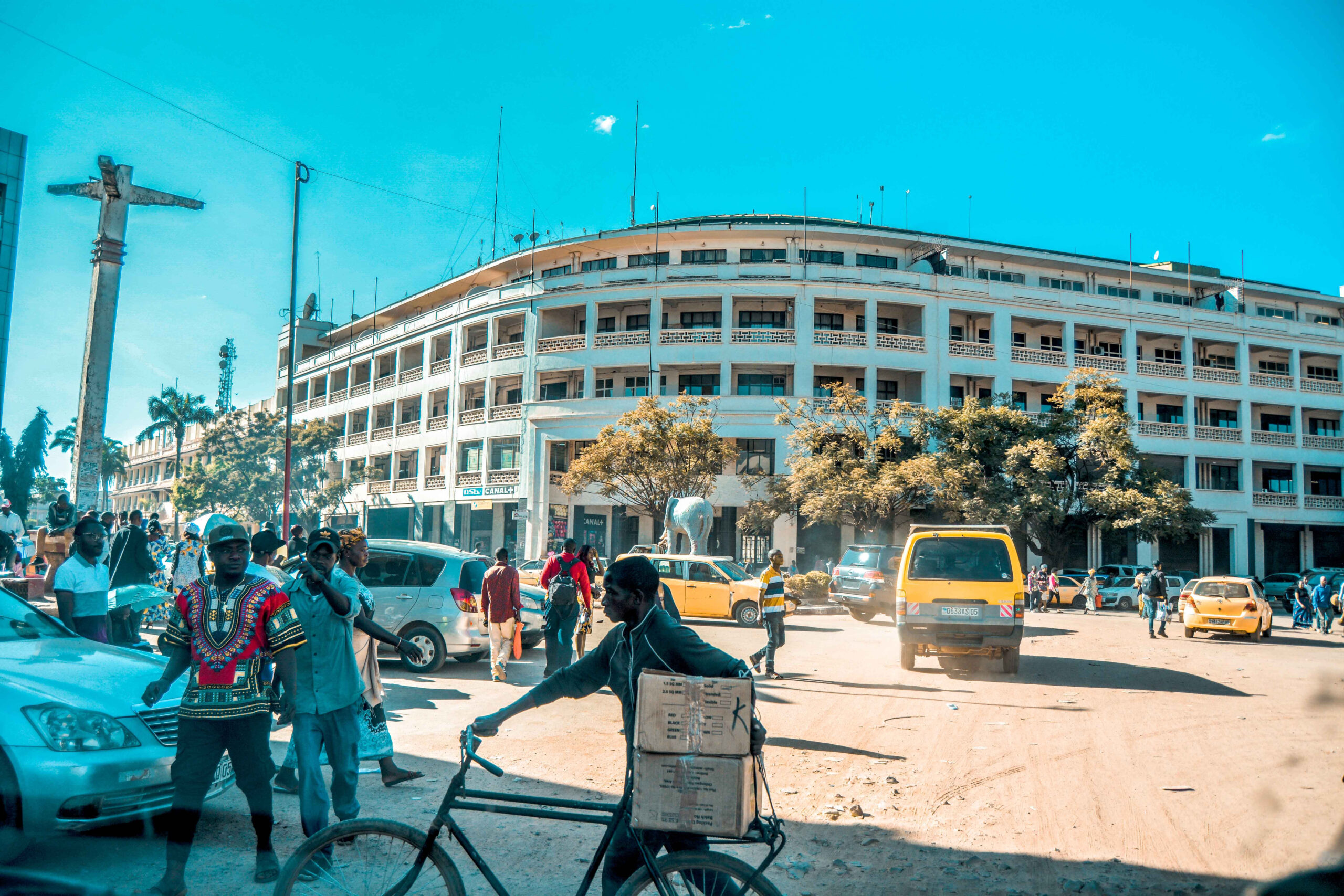
Lubumbashi serves as the primary gateway to Kundelungu National Park. As the second-largest city in the Democratic Republic of Congo, Lubumbashi offers the best transportation connections, accommodation facilities, and travel services for visitors planning to explore southeastern Congo.
Most international and domestic travelers begin their journey in Lubumbashi before continuing to the park. The city provides hotels, restaurants, banking services, transportation companies, and tour operators that help facilitate travel arrangements. Spending a night in Lubumbashi before departing for Kundelungu is often recommended, especially for travelers arriving on long international flights.
From Lubumbashi, visitors can continue to Kundelungu National Park by private vehicle, safari transfer, or specialized expedition transport. The city also serves as a convenient base for travelers combining Kundelungu with nearby destinations such as Upemba National Park.
Because of its strategic location and developed infrastructure, Lubumbashi remains the most practical starting point for any safari to Kundelungu National Park.
Domestic Flights

Domestic flights provide the fastest way to reach southeastern Congo and are particularly useful for travelers arriving from other regions of the Democratic Republic of Congo. Most domestic flights connect through Lubumbashi, which acts as the main aviation hub for the region.
While there are no major commercial airports located directly inside Kundelungu National Park, charter flights can sometimes be arranged as part of specialized safari expeditions. These flights significantly reduce travel time and provide spectacular aerial views of the Kundelungu Plateau, rivers, valleys, and surrounding wilderness landscapes.
Charter services are especially popular among luxury travelers, photographers, researchers, and conservation teams working in remote areas. Although more expensive than road travel, they offer convenience, comfort, and efficient access to regions that may otherwise require long overland journeys.
For visitors with limited time, combining domestic flights with road transfers often provides the most efficient route to Kundelungu National Park.
Road Transfers
Road transfers are the most common method of reaching Kundelungu National Park from Lubumbashi. Traveling by road allows visitors to experience the landscapes and communities of southeastern Congo while enjoying a gradual transition into the park’s wilderness environments.
The journey passes through a variety of scenery, including grasslands, woodlands, rural settlements, and open countryside. Depending on road conditions, weather, and the specific route used, travel times can vary considerably.
Most safari operators utilize four-wheel-drive vehicles capable of handling remote terrain and changing road conditions. During the dry season, roads are generally more accessible, while heavy rains during the wet season may make certain sections more challenging.
Private road transfers offer flexibility and allow travelers to stop for photography, sightseeing, and wildlife observation along the way. Many visitors appreciate the road journey itself as an integral part of the overall safari experience.
For adventurous travelers seeking a deeper understanding of the region, road travel provides a rewarding and memorable introduction to southeastern Congo.
Safari Packages Including Kundelungu
For most visitors, booking a safari package is the easiest and most convenient way to visit Kundelungu National Park. Organized safari packages typically include transportation, accommodation, meals, guiding services, park access, and activity planning, allowing travelers to focus entirely on enjoying their experience.
Safari packages can range from short visits focused on Lofoi Falls and wildlife viewing to extended expeditions that combine Kundelungu National Park with other destinations such as Upemba National Park, Lubumbashi, and additional conservation areas within southeastern Congo.
Customized itineraries are available for birdwatchers, photographers, researchers, conservation travelers, families, and adventure enthusiasts. These personalized safaris allow visitors to tailor activities according to their interests while benefiting from expert logistical support and local knowledge.
Many safari operators also arrange permits, transportation logistics, accommodation reservations, and specialized guiding services that simplify travel to this remote destination. For travelers unfamiliar with the region, organized safari packages provide the safest and most efficient way to experience the extraordinary landscapes, wildlife, and waterfalls of Kundelungu National Park.
Whether choosing a short wildlife adventure or an extended exploration of southern Congo, safari packages make visiting Kundelungu National Park both accessible and rewarding.
Kundelungu National Park Safari Costs
The cost of visiting Kundelungu National Park varies depending on several factors, including the length of the safari, accommodation category, transportation method, group size, activities included, and level of comfort desired. Because Kundelungu is a remote destination in southeastern Democratic Republic of Congo, transportation often represents a significant portion of overall safari expenses.
Visitors can choose from budget adventures, midrange wildlife safaris, or luxury private expeditions that include customized services, professional guides, and exclusive experiences. Understanding the various cost components helps travelers plan effectively and select an itinerary that matches their budget and travel expectations.
While Kundelungu National Park remains less developed than many popular African safari destinations, this remoteness contributes to its exclusivity and authentic wilderness appeal. Costs should be viewed not only as travel expenses but also as contributions to conservation and sustainable tourism efforts in one of Congo’s most important protected areas.
Park Entry Fees
Park entry fees contribute directly to the management and conservation of Kundelungu National Park. These fees help support wildlife protection programs, ranger patrols, habitat conservation, research activities, and park infrastructure maintenance.
Entry fees may vary depending on visitor nationality, residency status, age category, and the duration of the visit. Travelers booking through safari operators often find park fees already included within their overall package price.
Estimated Park Entry Fees
| Visitor Category | Estimated Cost Per Day |
|---|---|
| International Visitor | USD 30 – 60 |
| African Resident | USD 20 – 40 |
| Congolese Citizen | USD 5 – 20 |
| Student Groups | USD 5 – 15 |
| Conservation Researchers | Special Permit Required |
Visitors should verify current fees before travel, as rates may change depending on conservation policies and park management regulations.
Accommodation Costs
Accommodation costs vary according to the level of comfort and services selected. Options range from basic guesthouses and campsites to luxury safari camps and private wilderness lodges.
Budget accommodations provide essential facilities and are suitable for adventurous travelers, researchers, and backpackers. Midrange lodges offer enhanced comfort and convenient safari services, while luxury camps provide exclusive experiences with personalized service and premium amenities.
Estimated Accommodation Costs
| Accommodation Category | Cost Per Person Per Night |
| Budget Guesthouse | USD 20 – 50 |
| Community Lodge | USD 30 – 80 |
| Midrange Safari Lodge | USD 100 – 250 |
| Premium Safari Lodge | USD 250 – 500 |
| Luxury Safari Camp | USD 500 – 1,500+ |
Accommodation rates often include meals, particularly when booked as part of a safari package.
Transport Costs
Transportation is one of the largest expenses associated with visiting Kundelungu National Park due to its remote location. Most journeys begin in Lubumbashi before continuing to the park by road or charter aircraft.
Road transfers are generally the most affordable option and allow travelers to experience the landscapes of southeastern Congo. Private vehicles and organized safari transport provide greater comfort and flexibility, while charter flights offer convenience for visitors with limited time.
Estimated Transport Costs
| Transport Option | Estimated Cost |
| Shared Road Transfer | USD 100 – 250 |
| Private 4×4 Transfer | USD 250 – 800 |
| Safari Vehicle Rental | USD 150 – 400 per day |
| Charter Flight | USD 1,000 – 5,000+ |
| Multi-Day Expedition Transport | USD 500 – 2,500 |
Transport costs may be shared among group members, significantly reducing individual expenses.
Guide Fees
Professional guides play an important role in enhancing visitor experiences while ensuring safety and providing valuable knowledge about wildlife, ecosystems, conservation, and local culture.
Guides help visitors locate wildlife, identify bird species, interpret animal behavior, and understand the ecological significance of the landscapes being explored. Their expertise greatly enriches safari experiences and supports responsible tourism practices.
Estimated Guide Fees
| Guide Service | Estimated Cost |
| Local Guide | USD 20 – 50 per day |
| Professional Safari Guide | USD 50 – 150 per day |
| Birding Specialist Guide | USD 100 – 250 per day |
| Photography Guide | USD 150 – 400 per day |
| Research or Conservation Guide | Custom Pricing |
Many safari packages include guide services within the overall trip cost.
Full Safari Package Costs
Most visitors choose organized safari packages because they simplify logistics and provide comprehensive travel services. Packages often include transportation, accommodation, meals, guides, park fees, activities, and logistical support.
The overall cost depends on safari duration, accommodation level, transportation choices, and included activities. Longer itineraries generally provide better value while allowing visitors to experience more of Kundelungu National Park and surrounding conservation areas.
Estimated Kundelungu National Park Safari Package Costs
| Safari Type | Duration | Estimated Cost Per Person |
| Budget Safari | 2–3 Days | USD 500 – 1,200 |
| Budget Safari | 4–5 Days | USD 800 – 1,800 |
| Midrange Safari | 3–5 Days | USD 1,500 – 3,500 |
| Midrange Safari | 6–7 Days | USD 2,500 – 5,000 |
| Luxury Safari | 3–5 Days | USD 4,000 – 8,000 |
| Luxury Safari | 7–10 Days | USD 6,000 – 15,000+ |
Travelers often combine Kundelungu National Park with nearby destinations such as Upemba National Park, creating extended wildlife and conservation-focused adventures throughout southeastern Democratic Republic of Congo. These combined itineraries typically offer greater diversity of experiences and excellent value for travelers seeking to explore one of Africa’s least-visited wilderness regions.
Although costs vary considerably, a safari to Kundelungu National Park offers access to extraordinary landscapes, spectacular waterfalls, diverse wildlife, exceptional birdlife, and authentic wilderness experiences that few destinations in Africa can match.
Kundelungu National Park vs Other Congo National Parks
The Democratic Republic of Congo is home to some of Africa’s most remarkable protected areas, each offering unique wildlife experiences, landscapes, ecosystems, and conservation significance. While Kundelungu National Park is best known for its dramatic scenery, spectacular Lofoi Falls, and remote wilderness, other Congolese parks are famous for gorilla trekking, traditional wildlife safaris, rainforest exploration, or rare species conservation.
Choosing the right national park depends largely on the type of experience you are seeking. Some travelers prioritize wildlife viewing, while others are interested in gorilla encounters, birdwatching, conservation tourism, hiking, or photography. Understanding the differences between Kundelungu National Park and Congo’s other major protected areas helps visitors select the destination that best matches their interests.
Although Kundelungu may not be as internationally famous as Virunga National Park, its untouched landscapes, low visitor numbers, and extraordinary scenery make it one of Central Africa’s most rewarding hidden gems.
Kundelungu National Park vs Upemba National Park
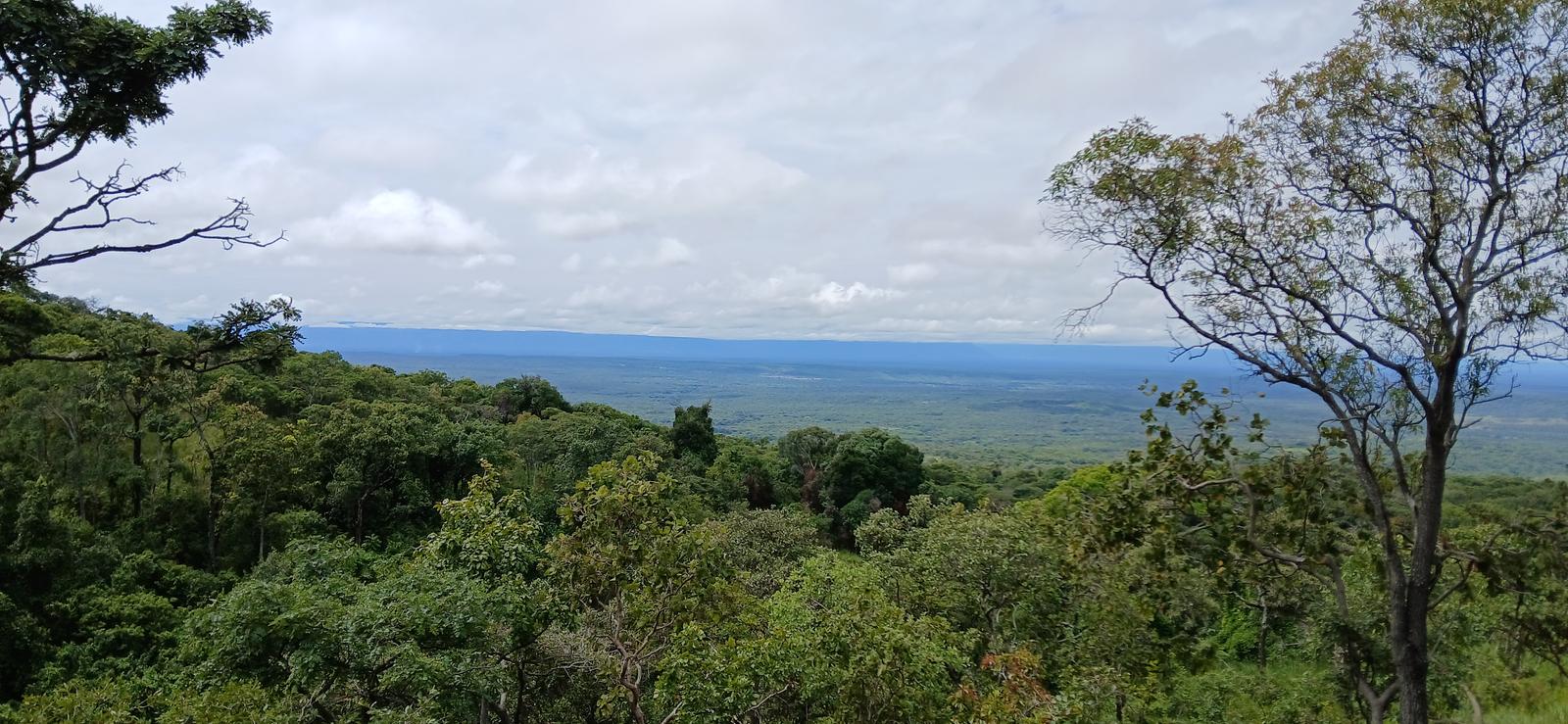
Kundelungu National Park and Upemba National Park are neighboring protected areas located in southeastern Congo and are often combined within a single safari itinerary. Both parks protect vast wilderness landscapes and contribute significantly to biodiversity conservation within the Katanga region.
Kundelungu is particularly famous for its dramatic landscapes, elevated plateaus, river valleys, and the spectacular Lofoi Falls, one of Africa’s tallest waterfalls. The park attracts visitors seeking scenic beauty, hiking opportunities, birdwatching, and nature exploration.
Upemba National Park, on the other hand, is larger and more ecologically diverse. It is renowned for its extensive wetlands, rivers, lakes, floodplains, and grasslands that support a broader range of wildlife habitats. Birdwatchers often consider Upemba one of the best birding destinations in Congo due to its rich wetland ecosystems.
Travelers interested in waterfalls, dramatic scenery, and plateau landscapes may prefer Kundelungu. Those seeking extensive wetlands, birdlife, and diverse ecosystems may find Upemba more appealing. Many visitors choose to explore both parks because they complement each other exceptionally well.
Comparison Table
| Feature | Kundelungu National Park | Upemba National Park |
|---|---|---|
| Famous Attraction | Lofoi Falls | Upemba Depression |
| Wetlands | Moderate | Excellent |
| Birdwatching | Excellent | Exceptional |
| Wildlife Viewing | Good | Good |
| Scenic Landscapes | Exceptional | Excellent |
| Waterfalls | Excellent | Limited |
| Tourism Infrastructure | Limited | Limited |
| Wilderness Experience | Exceptional | Exceptional |
Kundelungu National Park vs Virunga National Park
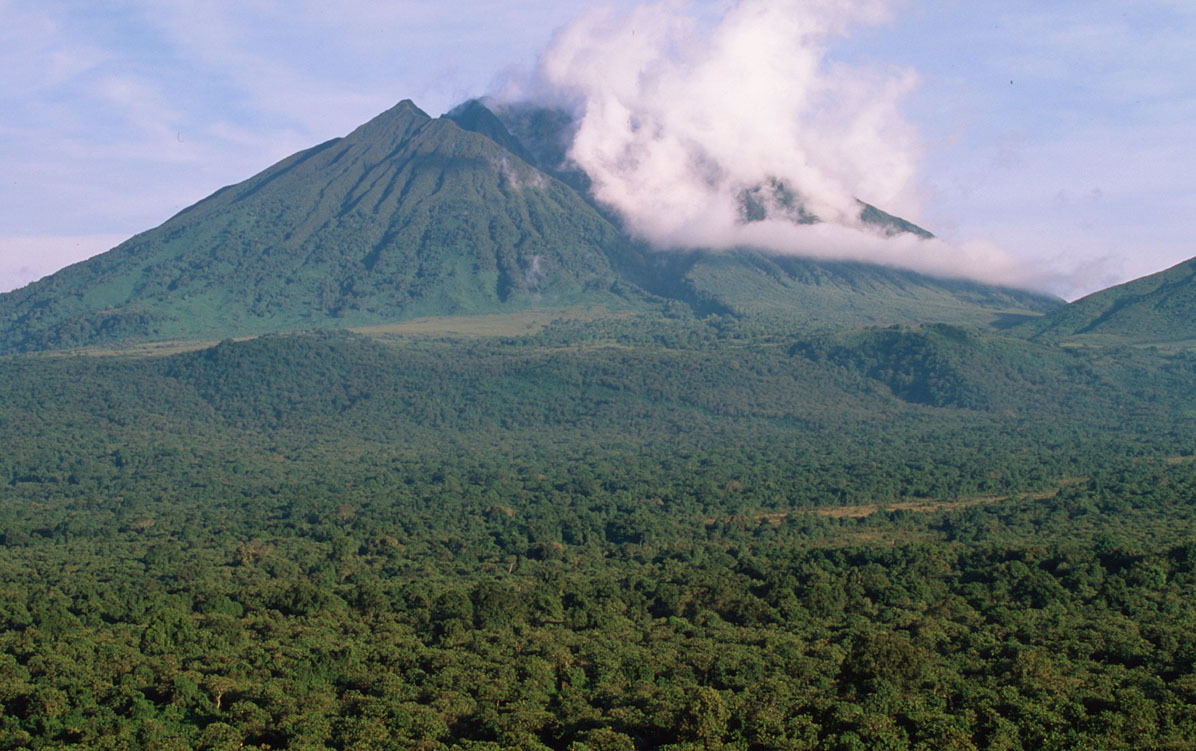
Virunga National Park is the most famous national park in the Democratic Republic of Congo and one of Africa’s most renowned wildlife destinations. It is internationally recognized for mountain gorilla trekking, volcano adventures, and exceptional biodiversity.
Visitors travel to Virunga primarily to encounter mountain gorillas and hike Mount Nyiragongo, one of the world’s most active volcanoes. The park also contains forests, lakes, savannahs, and numerous wildlife species, making it one of Africa’s most diverse protected areas.
Kundelungu National Park offers a completely different experience. Rather than focusing on gorillas and volcanoes, it emphasizes dramatic landscapes, waterfalls, birdlife, wildlife viewing, and wilderness exploration. Visitor numbers are significantly lower, creating a more exclusive and remote safari atmosphere.
Travelers seeking gorilla trekking and world-famous wildlife experiences should choose Virunga. Those looking for solitude, scenic beauty, and one of Congo’s least-explored wilderness destinations may find Kundelungu more rewarding.
Comparison Table
| Feature | Kundelungu National Park | Virunga National Park |
| Gorilla Trekking | No | Yes |
| Volcano Hiking | No | Yes |
| Waterfalls | Excellent | Limited |
| Birdwatching | Excellent | Excellent |
| Wildlife Viewing | Good | Good |
| Tourism Development | Limited | More Developed |
| Visitor Numbers | Very Low | Moderate |
| Adventure Experience | High | Exceptional |
Kundelungu National Park vs Kahuzi-Biega National Park
Kahuzi-Biega National Park is one of the most important rainforest conservation areas in Africa and is globally known for protecting eastern lowland gorillas, the largest gorilla subspecies in the world.
Located near Bukavu in eastern Congo, Kahuzi-Biega consists primarily of tropical rainforest ecosystems that support gorillas, chimpanzees, forest elephants, birds, and numerous endemic species. The park’s primary attraction is lowland gorilla trekking, which draws wildlife enthusiasts from around the world.
Kundelungu National Park differs significantly because its ecosystems are dominated by savannahs, plateaus, woodlands, rivers, and waterfalls rather than dense rainforest. Visitors to Kundelungu typically focus on landscapes, birdlife, hiking, and general wildlife experiences rather than primate tracking.
Travelers interested in gorilla encounters should choose Kahuzi-Biega. Those seeking dramatic scenery, waterfalls, birdwatching, and off-the-beaten-path adventures may prefer Kundelungu National Park.
Comparison Table
| Feature | Kundelungu National Park | Kahuzi-Biega National Park |
| Lowland Gorilla Trekking | No | Yes |
| Rainforest Experience | Limited | Excellent |
| Waterfalls | Excellent | Moderate |
| Birdwatching | Excellent | Very Good |
| Scenic Landscapes | Exceptional | Excellent |
| Hiking Opportunities | Excellent | Good |
| Wildlife Diversity | Good | Excellent |
| Accessibility | Moderate | Better |
Kundelungu National Park vs Garamba National Park
Garamba National Park is often considered Congo’s premier destination for traditional wildlife safaris. Located in northeastern Congo, the park protects extensive savannahs, grasslands, rivers, and woodlands that support many iconic African wildlife species.
Garamba is particularly known for its elephants, buffalo, giraffes, antelope species, predators, and rich birdlife. Historically, it was one of the last refuges of the northern white rhinoceros and remains one of the most significant wildlife conservation areas in Africa.
Compared to Garamba, Kundelungu offers stronger scenic and landscape experiences, particularly due to the Kundelungu Plateau and Lofoi Falls. While Garamba generally provides better opportunities for classic wildlife viewing, Kundelungu excels in photography, hiking, waterfall excursions, and wilderness exploration.
Travelers seeking a traditional safari with larger concentrations of wildlife may favor Garamba. Those interested in dramatic landscapes and nature-based adventure may find Kundelungu more appealing.
Comparison Table
| Feature | Kundelungu National Park | Garamba National Park |
| Traditional Wildlife Safari | Good | Excellent |
| Waterfalls | Exceptional | Limited |
| Birdwatching | Excellent | Excellent |
| Scenic Landscapes | Exceptional | Very Good |
| Hiking Opportunities | Excellent | Moderate |
| Wildlife Density | Moderate | High |
| Wilderness Experience | Exceptional | Excellent |
| Photography Opportunities | Exceptional | Very Good |
Which Congo National Park Is Best
There is no single best national park in Congo because each destination offers a different experience.
- Choose Kundelungu National Park for waterfalls, scenic landscapes, hiking, birdwatching, and remote wilderness adventures.
- Choose Upemba National Park for wetlands, birdlife, ecosystem diversity, and wildlife exploration.
- Choose Virunga National Park for mountain gorilla trekking and volcano adventures.
- Choose Kahuzi-Biega National Park for eastern lowland gorilla trekking and rainforest experiences.
- Choose Garamba National Park for traditional wildlife safaris and savannah ecosystems.
For travelers seeking one of the most beautiful and least-visited protected areas in Africa, Kundelungu National Park stands out as a remarkable destination that combines spectacular scenery, rich biodiversity, iconic waterfalls, and authentic wilderness experiences in the heart of southeastern Democratic Republic of Congo.
Suggested Kundelungu National Park Itineraries
Kundelungu National Park offers a variety of safari experiences ranging from short wildlife adventures to extended expeditions that explore the wider conservation landscapes of southeastern Democratic Republic of Congo. The park’s spectacular scenery, diverse ecosystems, wildlife habitats, birdlife, and famous Lofoi Falls provide enough attractions to support itineraries of varying lengths.
Whether you are seeking a quick introduction to Kundelungu National Park or a comprehensive exploration of southern Congo’s wilderness areas, there are safari options suitable for every type of traveler. Longer itineraries allow visitors to combine Kundelungu with neighboring protected areas such as Upemba National Park, creating some of the most unique safari experiences available in Central Africa.
2 Days Kundelungu National Park Safari
A two-day safari is ideal for travelers with limited time who want to experience the highlights of Kundelungu National Park. This itinerary focuses on the park’s most famous attractions while providing opportunities to enjoy its landscapes, wildlife, and natural beauty.
Day 1: Lubumbashi – Kundelungu National Park
Depart from Lubumbashi in the morning and travel to Kundelungu National Park. Upon arrival, enjoy a scenic game drive through the park’s grasslands and woodland habitats while searching for wildlife and birdlife. Continue to one of the park’s scenic viewpoints for spectacular views of the surrounding wilderness before settling into your accommodation.
Day 2: Lofoi Falls and Return to Lubumbashi
After breakfast, visit the spectacular Lofoi Falls, one of Africa’s tallest waterfalls and the park’s most famous attraction. Explore the surrounding area, enjoy photography opportunities, and learn about the ecological significance of the falls before beginning the return journey to Lubumbashi.
This itinerary provides an excellent introduction to the landscapes and attractions of Kundelungu National Park.
3 Days Wildlife and Lofoi Falls Safari
A three-day safari allows visitors to explore the park in greater depth while enjoying more opportunities for wildlife viewing, birdwatching, and photography.
Day 1: Arrival and Scenic Exploration
Travel from Lubumbashi to Kundelungu National Park. Enjoy a guided game drive through the park’s diverse habitats while observing wildlife and learning about the region’s ecosystems. Overnight near the park.
Day 2: Lofoi Falls and Wildlife Viewing
Spend the day exploring the Lofoi Falls area and surrounding landscapes. Visit scenic viewpoints, photograph the waterfall, and enjoy guided nature walks. In the afternoon, continue wildlife viewing activities and search for birds and other species inhabiting the river valley.
Day 3: Morning Safari and Departure
Begin the day with an early morning game drive when wildlife activity is often highest. After breakfast, depart for Lubumbashi while enjoying final views of the Kundelungu wilderness.
This itinerary combines the park’s most important natural attractions with meaningful wildlife experiences.
5 Days Kundelungu and Upemba Safari
A five-day itinerary allows visitors to experience two of southeastern Congo’s most important protected areas. Combining Kundelungu National Park and Upemba National Park provides a broader understanding of the region’s biodiversity and landscapes.
Day 1: Arrival in Kundelungu National Park
Transfer from Lubumbashi to Kundelungu National Park and enjoy an introductory safari activity.
Day 2: Lofoi Falls and Wildlife Exploration
Spend the day exploring the waterfalls, plateaus, and wildlife habitats of Kundelungu National Park.
Day 3: Transfer to Upemba National Park
Travel to Upemba National Park while enjoying scenic landscapes and opportunities for wildlife observation along the way.
Day 4: Wildlife and Birdwatching in Upemba
Explore the wetlands, rivers, grasslands, and bird-rich habitats that make Upemba one of Congo’s most ecologically important protected areas.
Day 5: Morning Safari and Return
Enjoy a final wildlife activity before returning to Lubumbashi.
This itinerary is particularly attractive for birdwatchers, photographers, conservation enthusiasts, and travelers seeking diverse ecosystems.
7 Days Southern Congo Wildlife Adventure Including Kundelungu National Park
A seven-day safari offers the most comprehensive exploration of southern Congo’s remarkable conservation landscapes. This itinerary combines wildlife viewing, birdwatching, photography, waterfalls, and wilderness experiences across multiple ecosystems.
Day 1: Arrival in Lubumbashi
Arrive in Lubumbashi and prepare for the safari adventure ahead.
Day 2: Transfer to Kundelungu National Park
Travel to Kundelungu National Park and enjoy introductory wildlife viewing activities.
Day 3: Lofoi Falls and Plateau Exploration
Spend a full day exploring the spectacular Lofoi Falls, Kundelungu Plateau, and surrounding landscapes.
Day 4: Wildlife and Birdwatching Safari
Continue exploring Kundelungu’s grasslands, woodlands, rivers, and wildlife habitats.
Day 5: Transfer to Upemba National Park
Travel to neighboring Upemba National Park and begin exploring its diverse ecosystems.
Day 6: Full Day Upemba Safari
Enjoy wildlife viewing, birdwatching, photography, and exploration of the Upemba Depression and surrounding wetlands.
Day 7: Return to Lubumbashi
Complete the adventure with a return journey to Lubumbashi.
This itinerary provides one of the most complete wildlife and nature experiences available in southeastern Democratic Republic of Congo.
Request a quote.
Is Kundelungu National Park Safe to Visit
Kundelungu National Park can be visited safely when travelers plan carefully and work with experienced safari operators familiar with local conditions. Like many remote destinations, safety depends on preparation, reliable logistics, current travel information, and professional guidance.
The park’s remoteness means visitors should avoid independent travel and instead rely on organized tours that provide transportation, accommodation, guides, and local expertise. Professional operators help manage logistics while ensuring visitors can focus on enjoying the park’s wildlife, landscapes, and attractions.
For most travelers, joining a well-organized safari remains the safest and most enjoyable way to experience Kundelungu National Park.
Current Tourism Situation
Kundelungu National Park remains one of the least-visited national parks in the Democratic Republic of Congo. Tourism infrastructure is limited compared to more established African safari destinations, but this lack of mass tourism contributes significantly to the park’s appeal and wilderness character.
Most visitors arrive through organized safari expeditions that coordinate transportation, accommodation, guides, and park access. Because tourism numbers remain low, travelers often enjoy exclusive experiences without the crowds found in more popular safari destinations.
Conditions can change over time, so visitors should always consult reputable tour operators and current travel information before planning a trip. Professional safari companies monitor local developments and can provide updated guidance regarding accessibility, logistics, and visitor safety.
For adventurous travelers seeking remote wilderness experiences, Kundelungu National Park remains one of the most authentic and rewarding conservation destinations in Central Africa.
Travel Safety Tips
Traveling to Kundelungu National Park requires careful planning due to its remote location and developing tourism infrastructure. While the park offers extraordinary wildlife, landscapes, and wilderness experiences, visitors should take sensible precautions to ensure a safe and enjoyable safari.
One of the most important recommendations is to travel with an experienced safari operator that has extensive knowledge of the region. Professional operators manage transportation, accommodations, permits, guides, and logistics while monitoring local conditions and travel advisories. Their expertise significantly reduces potential challenges associated with visiting remote conservation areas.
Visitors should ensure they carry valid travel documents, visas, medical insurance, personal medications, and emergency contact information before departing for the park. Because services may be limited in remote areas, travelers should also prepare essential supplies including insect repellent, sunscreen, first-aid items, and sufficient drinking water.
Weather conditions can affect road accessibility, particularly during the rainy season. Travelers should remain flexible and allow extra time for transportation when necessary. Following the advice of guides and park authorities helps ensure safe movement throughout the park and surrounding regions.
Respecting wildlife safety guidelines is equally important. Animals should never be approached too closely, fed, or disturbed. Maintaining safe viewing distances protects both visitors and wildlife while ensuring natural animal behavior remains undisturbed.
By preparing adequately and traveling responsibly, visitors can safely enjoy the remarkable wilderness experiences that Kundelungu National Park has to offer.
Guided Safari Recommendations
Guided safaris are strongly recommended for anyone visiting Kundelungu National Park. The park’s vast size, remote setting, diverse ecosystems, and limited tourism infrastructure make professional guidance one of the most valuable components of a successful safari experience.
Experienced guides possess extensive knowledge of the park’s wildlife, birdlife, landscapes, and conservation history. Their expertise helps visitors locate wildlife, identify bird species, understand animal behavior, and appreciate the ecological significance of the habitats being explored.
Guides also enhance visitor safety by navigating remote terrain, monitoring environmental conditions, and ensuring compliance with park regulations. Their familiarity with the region allows travelers to access key attractions efficiently while maximizing wildlife viewing opportunities.
Birdwatchers, photographers, researchers, and nature enthusiasts particularly benefit from specialized guides who provide deeper insights into species identification, ecological relationships, and conservation challenges.
Many safari operators offer customized guided experiences that focus on specific interests such as birdwatching, wildlife photography, waterfall excursions, hiking, or conservation tourism. These tailored experiences allow visitors to gain a richer understanding of Kundelungu National Park while enjoying one of the most authentic safari adventures in Central Africa.
Why Visit Kundelungu National Park
Kundelungu National Park is one of the Democratic Republic of Congo’s most remarkable yet least-explored wilderness destinations. The park combines breathtaking landscapes, rich biodiversity, spectacular waterfalls, exceptional birdlife, and remote safari experiences that are increasingly difficult to find elsewhere in Africa.
Unlike more crowded safari destinations, Kundelungu offers visitors the opportunity to explore vast natural landscapes in relative solitude. Its dramatic plateaus, river valleys, grasslands, forests, and waterfalls create a unique environment that appeals to wildlife enthusiasts, photographers, conservation travelers, birdwatchers, and adventure seekers alike.
Whether you are interested in discovering hidden natural wonders, supporting conservation efforts, or experiencing one of Central Africa’s most scenic protected areas, Kundelungu National Park offers unforgettable opportunities for exploration and discovery.
Spectacular Lofoi Falls
Lofoi Falls is undoubtedly the crown jewel of Kundelungu National Park and one of the most impressive waterfalls in Africa. Cascading approximately 384 meters from the Kundelungu Plateau, the falls create a breathtaking natural spectacle that attracts visitors from around the world.
The combination of dramatic cliffs, rushing water, lush vegetation, and scenic viewpoints makes Lofoi Falls one of Congo’s most iconic natural attractions. Visitors can enjoy stunning panoramic views, exceptional photography opportunities, and a deeper appreciation of the geological forces that shaped the landscape.
The waterfall alone is a compelling reason to visit Kundelungu National Park and remains one of the highlights of any safari in southeastern Congo.
Unique Wildlife Experiences
Kundelungu National Park supports a variety of wildlife species across its grasslands, woodlands, wetlands, and river systems. Visitors may encounter elephants, buffalo, zebras, antelope species, hippos, crocodiles, primates, and numerous smaller mammals while exploring the park’s diverse ecosystems.
The relatively low number of visitors creates a more intimate wildlife viewing experience compared to heavily visited safari destinations. Animals can often be observed in peaceful natural settings without the presence of large numbers of safari vehicles.
For travelers seeking authentic wildlife encounters in a remote environment, Kundelungu provides a rewarding and memorable safari experience.
Untouched Wilderness
One of the greatest attractions of Kundelungu National Park is its sense of remoteness and wilderness. Large areas of the park remain largely untouched by modern development, allowing visitors to experience nature in its most authentic form.
The absence of crowds, extensive tourism infrastructure, and heavy visitor traffic creates opportunities for genuine exploration and adventure. Travelers can enjoy vast open landscapes, quiet natural environments, and a profound sense of isolation that is increasingly rare in many parts of the world.
For adventurous travelers seeking destinations beyond conventional safari routes, Kundelungu offers one of Africa’s most rewarding wilderness experiences.
Incredible Birdlife
Birdwatchers will find Kundelungu National Park particularly appealing due to its exceptional avian diversity. The park’s wetlands, rivers, grasslands, forests, and woodlands support numerous resident and migratory bird species throughout the year.
Birdwatching opportunities range from observing waterbirds and raptors to searching for woodland specialists and colorful songbirds. The diversity of habitats ensures that visitors encounter a wide variety of species during their stay.
The park’s remote location and relatively undisturbed ecosystems further enhance its reputation as one of southeastern Congo’s most promising birding destinations.
Scenic Landscapes
Kundelungu National Park is among the most visually impressive protected areas in the Democratic Republic of Congo. Its landscapes include elevated plateaus, dramatic escarpments, rolling grasslands, miombo woodlands, wetlands, river valleys, and waterfalls.
The Kundelungu Plateau provides spectacular viewpoints overlooking vast wilderness areas, while the Lofoi River Valley showcases some of the most dramatic scenery in Central Africa. Seasonal changes transform the landscape throughout the year, creating ever-changing photographic opportunities.
For landscape photographers and nature enthusiasts, the scenic beauty of Kundelungu National Park is one of its greatest attractions.
Conservation Importance
Beyond its beauty and biodiversity, Kundelungu National Park plays a critical role in the conservation of Central Africa’s natural heritage. The park protects important ecosystems, wildlife habitats, watersheds, and ecological processes that support biodiversity throughout the region.
Conservation initiatives focus on wildlife protection, anti-poaching efforts, habitat restoration, scientific research, and community engagement. Visitors who choose to explore Kundelungu contribute directly to these efforts through responsible tourism and conservation support.
By visiting Kundelungu National Park, travelers not only experience one of Africa’s hidden treasures but also help support the long-term protection of one of the Democratic Republic of Congo’s most important conservation landscapes.
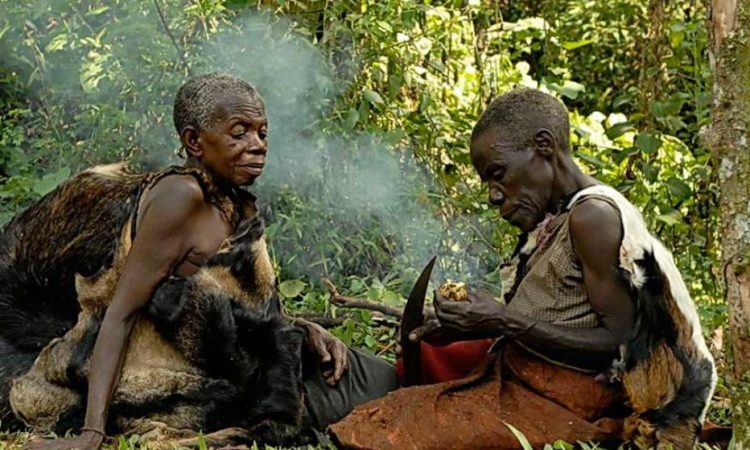
Talk to a Congo safari expert.
Contact Us today.