
Bonobo Tracking in Congo Safari Adventures
Introduction to Bonobo Tracking in Congo
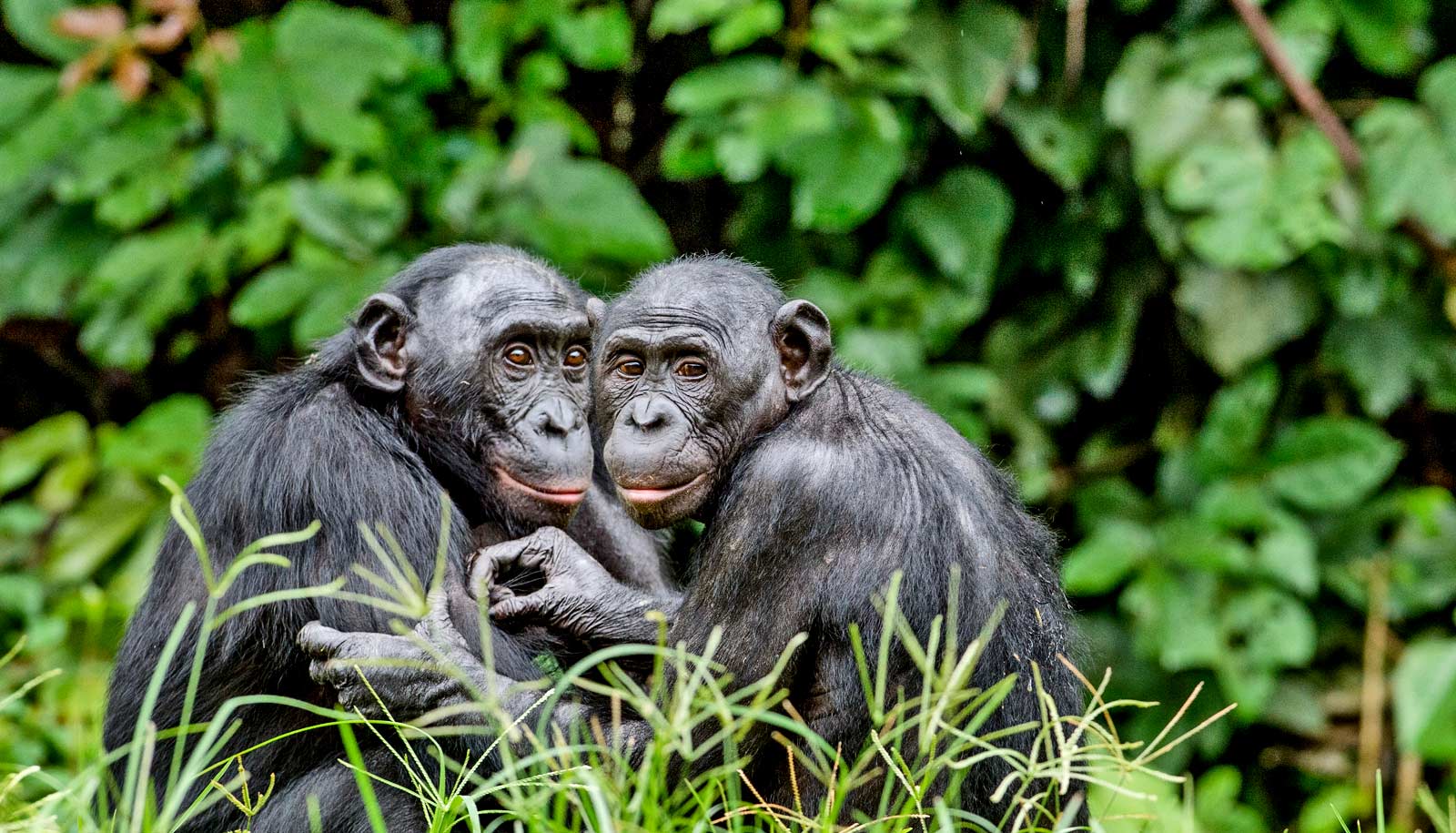
Bonobo Tracking in Congo Safari Adventures offer one of the rarest and most fascinating primate experiences in Africa. The Democratic Republic of the Congo is the only country in the world where bonobos can be found in the wild, making this safari experience truly exclusive for wildlife enthusiasts, researchers, photographers, and adventure travelers. Bonobos are often called the “peaceful cousins of chimpanzees” because of their intelligent, social, and cooperative behavior. Tracking these endangered primates through the untouched rainforests of Congo gives visitors an extraordinary opportunity to witness one of the world’s closest relatives to humans in their natural habitat.
Bonobo Tracking in Congo takes travelers deep into the dense tropical rainforests of the Congo Basin, one of the largest and most biodiverse rainforest ecosystems on Earth. Unlike traditional wildlife safaris focused on open savannah game drives, bonobo tracking is an immersive jungle adventure involving guided forest walks, river journeys, cultural encounters, and wildlife exploration. The experience combines adventure, conservation, photography, and authentic African rainforest experiences in remote and pristine wilderness areas rarely visited by mass tourism.
For travelers seeking unique primate adventures beyond gorilla trekking, Bonobo Tracking in Congo Safari Adventures provide unforgettable encounters with rare wildlife while contributing directly to conservation and community tourism initiatives that protect the future of bonobos and the Congo rainforest.
What is Bonobo Tracking
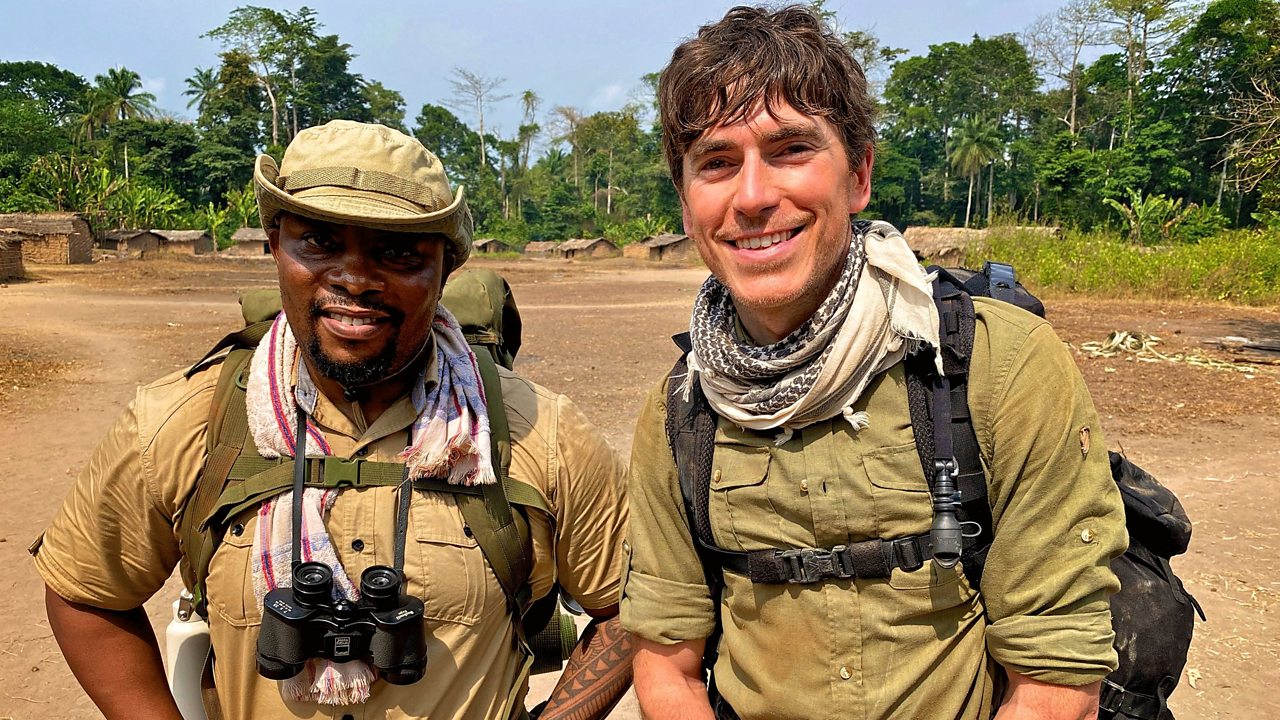
Bonobo tracking is a guided rainforest experience where visitors hike through Congo’s tropical forests in search of habituated bonobo groups. The activity is led by experienced trackers, conservationists, and local guides who monitor bonobo movements and help visitors safely encounter these endangered primates in their natural environment.
During bonobo tracking experiences, travelers may observe bonobos feeding on fruits, swinging through trees, communicating with each other, grooming, caring for young ones, and interacting socially within their family groups. Bonobos are highly intelligent primates known for their peaceful behavior, emotional connections, and strong social structures. Their human-like expressions and interactions make bonobo encounters deeply emotional and educational for visitors.
Bonobo tracking in Congo usually involves moderate forest hiking through muddy jungle trails, river crossings, and thick rainforest vegetation. The experience can last several hours depending on the location of the bonobo families. Once the bonobos are found, visitors are typically allowed to spend a limited amount of time observing and photographing them while following strict conservation guidelines designed to protect the animals and their habitat.
Unlike mountain gorilla trekking which is concentrated in East Africa’s volcanic forests, Bonobo Tracking in Congo Safari Adventures take place in lowland equatorial rainforests, creating a completely different safari atmosphere filled with unique birdlife, forest sounds, butterflies, and rare Congo wildlife species.
Why Bonobo Tracking in Congo is Unique
Bonobo Tracking in Congo is unique because bonobos exist naturally only in the Democratic Republic of the Congo. This means travelers cannot experience bonobo tracking anywhere else in the world, making Congo the ultimate destination for authentic bonobo safari adventures.
One of the most remarkable aspects of Bonobo Tracking in Congo Safari Adventures is the opportunity to explore remote rainforest regions that remain largely untouched by modern tourism. The Congo Basin rainforest offers a raw and adventurous safari atmosphere filled with dense jungle scenery, winding rivers, rare wildlife, and authentic cultural encounters with local communities living near the forests.
Bonobos are also unique among great apes because of their peaceful and highly social nature. They are known for resolving conflicts through cooperation rather than aggression, making their behavior fascinating to scientists and visitors alike. Observing bonobos interact naturally within their communities gives travelers a rare insight into primate intelligence, communication, and family relationships.
Another reason Bonobo Tracking in Congo is unique is the strong conservation impact connected to the experience. Tourism revenue generated from bonobo tracking helps support rainforest conservation projects, anti-poaching initiatives, scientific research, and local communities that protect bonobo habitats. Travelers therefore contribute directly to the survival of one of the world’s most endangered primates.
Bonobo Tracking in Congo Safari Adventures can also be combined with other extraordinary experiences such as gorilla trekking in Virunga National Park, hiking Mount Nyiragongo, Congo River expeditions, chimpanzee tracking, birdwatching, and cultural safaris, creating one of Africa’s most adventurous and diverse safari combinations.
Where to See Bonobos in Congo
The best places for Bonobo Tracking in Congo are located within the vast tropical rainforests of the Democratic Republic of the Congo. Several protected reserves and conservation areas provide opportunities for visitors to encounter bonobos in their natural habitat while supporting important wildlife conservation projects.
Salonga National Park
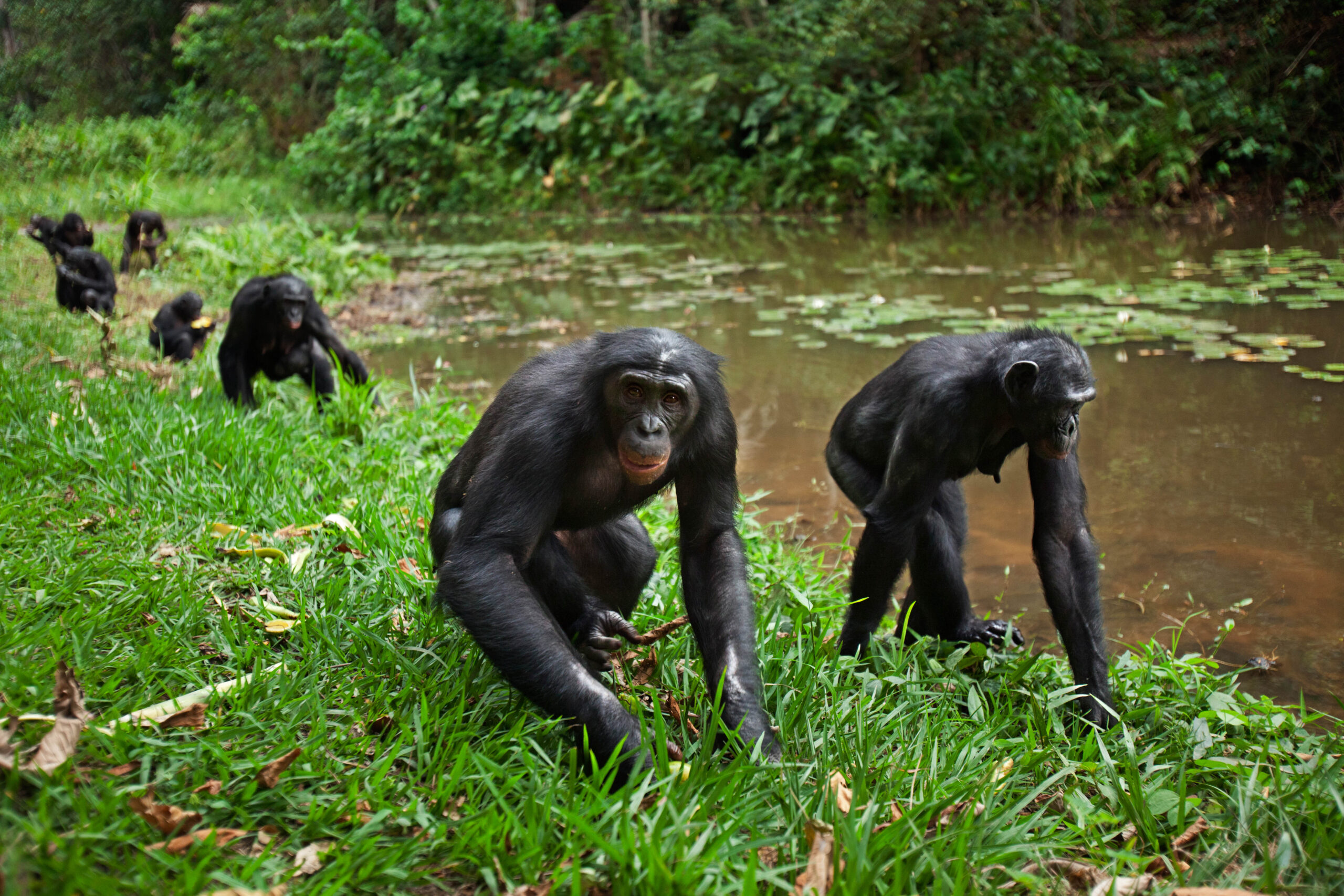
Salonga National Park is the largest tropical rainforest national park in Africa and one of the most important habitats for wild bonobos. Located deep within the Congo Basin, Salonga National Park protects vast untouched rainforest ecosystems filled with rare wildlife species including bonobos, forest elephants, Congo peacocks, and numerous primates. Bonobo tracking in Salonga offers a true expedition-style safari experience for adventurous travelers seeking remote wildlife encounters.
Kokolopori Bonobo Reserve
Kokolopori Bonobo Reserve is one of the leading bonobo conservation areas in Congo and among the best places for bonobo tracking experiences. The reserve works closely with local communities and researchers to protect bonobos while promoting sustainable tourism and scientific studies. Visitors to Kokolopori can enjoy guided bonobo tracking walks, educational conservation experiences, and immersive rainforest adventures.
Luo Scientific Reserve
Luo Scientific Reserve is known for bonobo research and conservation programs that have helped scientists better understand bonobo behavior and ecology. The reserve provides unique opportunities for educational bonobo tracking experiences where visitors can learn about ongoing primate research while exploring Congo’s rainforest ecosystems.
Lomako Forest
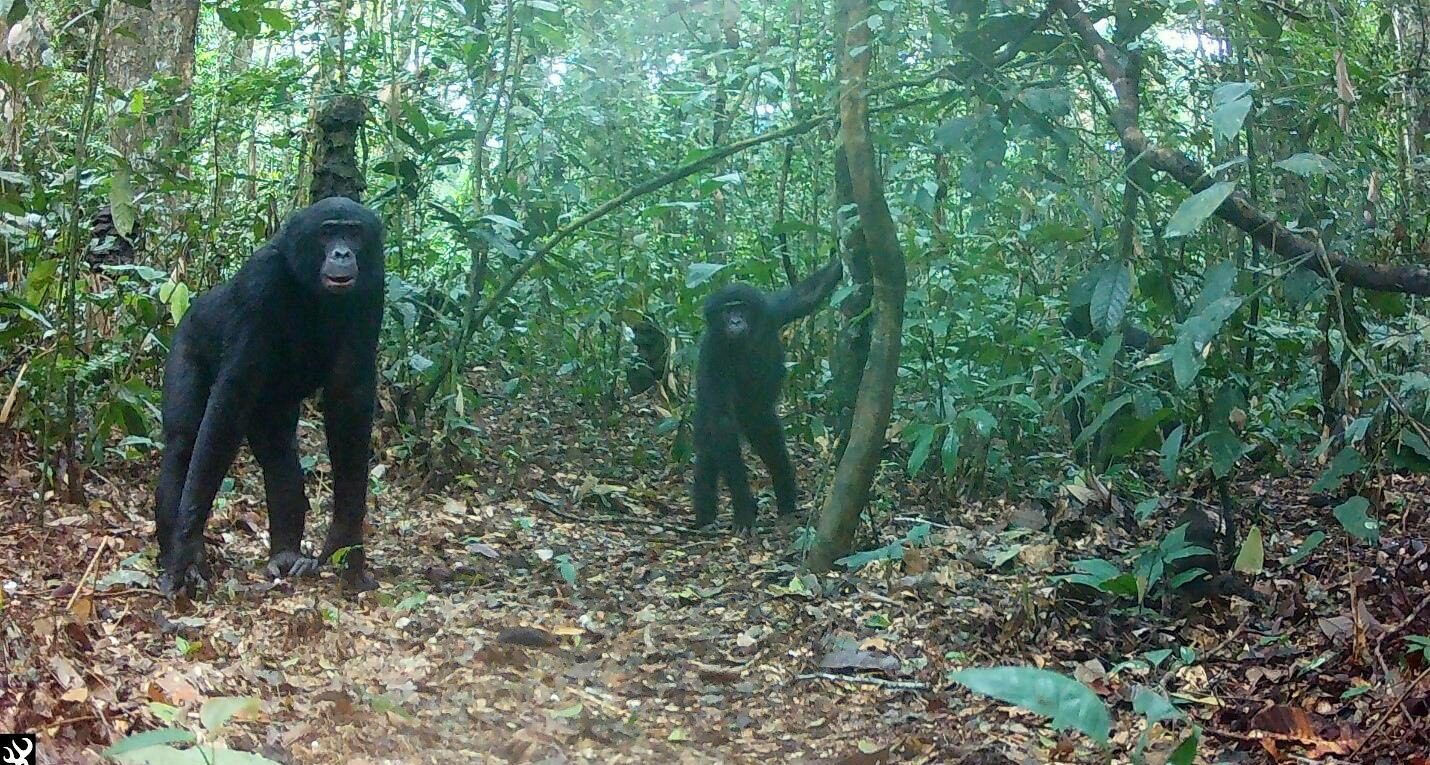
Lomako Forest is another important bonobo habitat located within the Congo rainforest. The forest is known for its biodiversity, birdlife, and opportunities to encounter bonobos in a wild and natural setting far from busy tourist routes. Bonobo tracking in Lomako Forest offers authentic rainforest exploration experiences combined with opportunities to learn about local conservation efforts and traditional forest communities.
Lola ya Bonobo Sanctuary is one of the most famous bonobo conservation centers in the Democratic Republic of the Congo and plays a major role in protecting orphaned and rescued bonobos. Located near Kinshasa, the sanctuary provides visitors with one of the most accessible opportunities to learn about bonobos, conservation efforts, rainforest protection, and primate rehabilitation before exploring deeper rainforest regions for Bonobo Tracking in Congo Safari Adventures.
The name “Lola ya Bonobo” means “Paradise for Bonobos” in Lingala, reflecting the sanctuary’s mission of providing a safe environment for bonobos rescued from illegal wildlife trade, poaching, and habitat destruction. Many of the bonobos at the sanctuary are young orphaned primates whose parents were killed during bushmeat hunting activities in Congo’s forests. Conservation teams at the sanctuary rehabilitate these endangered primates while educating local communities and international visitors about the importance of protecting bonobos and the Congo Basin rainforest.
Visitors to Lola ya Bonobo Sanctuary can observe bonobos closely in large forested enclosures designed to resemble their natural habitat. The sanctuary experience offers educational guided tours where travelers learn about bonobo behavior, intelligence, communication, feeding habits, and conservation challenges facing great apes in Central Africa. The sanctuary also provides excellent opportunities for wildlife photography, primate observation, and conservation learning experiences suitable for families, researchers, and eco-tourists.
Lola ya Bonobo Sanctuary is often included in Bonobo Tracking in Congo Safari Adventures because it offers an easier introduction to bonobo conservation before travelers continue to remote rainforest tracking destinations such as Salonga National Park or Kokolopori Bonobo Reserve. The sanctuary also works closely with international conservation organizations, scientists, and local communities to protect endangered bonobos and preserve Congo’s rainforest ecosystems for future generations.
Ekolo ya Bonobo Community Reserve
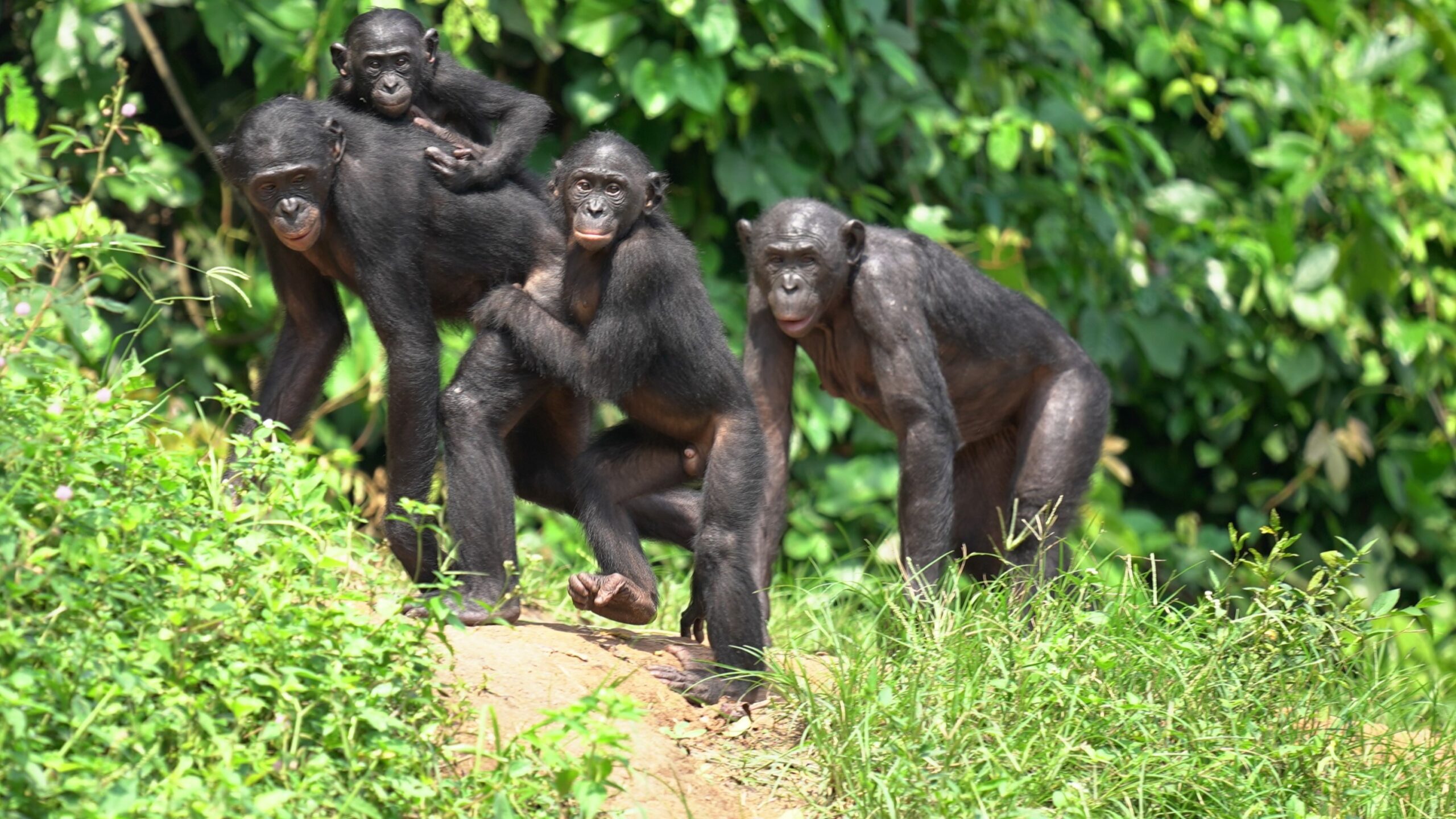
Ekolo ya Bonobo Community Reserve is an emerging community-based conservation area dedicated to protecting bonobos and supporting sustainable tourism in the Democratic Republic of the Congo. The reserve represents an important model of conservation where local communities actively participate in protecting rainforest wildlife while benefiting from eco-tourism and conservation-related activities.
Bonobo Tracking in Congo Safari Adventures at Ekolo ya Bonobo Community Reserve provide travelers with immersive rainforest experiences that combine wildlife encounters, conservation education, and authentic cultural interactions. The reserve protects sections of Congo’s tropical rainforest ecosystem that serve as habitat for bonobos, forest monkeys, birds, reptiles, butterflies, and many other rainforest species unique to the Congo Basin.
One of the most remarkable aspects of Ekolo ya Bonobo Community Reserve is its focus on community involvement and sustainable conservation practices. Local guides, trackers, and conservation teams work together to monitor bonobo populations, prevent poaching, and educate surrounding communities about the importance of preserving bonobo habitats. Tourism revenue generated from Bonobo Tracking in Congo Safari Adventures helps support local livelihoods, schools, healthcare initiatives, and forest conservation projects within nearby communities.
Visitors exploring Ekolo ya Bonobo Community Reserve experience guided rainforest walks through dense jungle trails where they may encounter bonobos feeding, resting, climbing trees, or interacting socially within their family groups. The reserve also offers opportunities for birdwatching, cultural village visits, traditional storytelling experiences, and educational conservation activities that provide deeper understanding of Congo’s rainforest ecosystems and local cultures.
Ekolo ya Bonobo Community Reserve is becoming an increasingly important destination for eco-tourism in Congo because it combines wildlife conservation with community empowerment and responsible tourism. Travelers visiting the reserve contribute directly to the long-term survival of bonobos while enjoying one of Africa’s most unique and meaningful primate safari experiences.
Bonobo Tracking Experience in Congo
Bonobo Tracking in Congo Safari Adventures provide one of the most immersive rainforest wildlife experiences in Africa. Unlike traditional game drives on open savannah plains, bonobo tracking takes visitors deep into the dense tropical rainforests of the Congo Basin where endangered bonobos live freely in their natural habitat. The experience combines adventure, conservation, wildlife observation, photography, and cultural exploration, making it one of the most rewarding primate safaris in the world.
A typical bonobo tracking experience begins early in the morning with a briefing from guides, trackers, and conservation staff. Visitors learn about tracking rules, rainforest safety, bonobo behavior, and conservation guidelines before entering the forest trails. Experienced local trackers often move ahead to locate the bonobo groups while communicating with guides to direct visitors toward the animals.
As travelers hike through the rainforest, they experience the sounds and atmosphere of the Congo Basin including bird calls, insects, monkeys, waterfalls, and thick jungle vegetation. The journey itself becomes part of the adventure, allowing visitors to fully connect with the untouched wilderness of the Democratic Republic of the Congo.
Bonobo Tracking in Congo Safari Adventures are more than wildlife encounters because they also support conservation projects and local communities working to protect one of the world’s rarest great apes. Every tracking experience contributes to rainforest conservation, scientific research, anti-poaching efforts, and sustainable tourism development in Congo.
Forest Walks and Guided Tracking
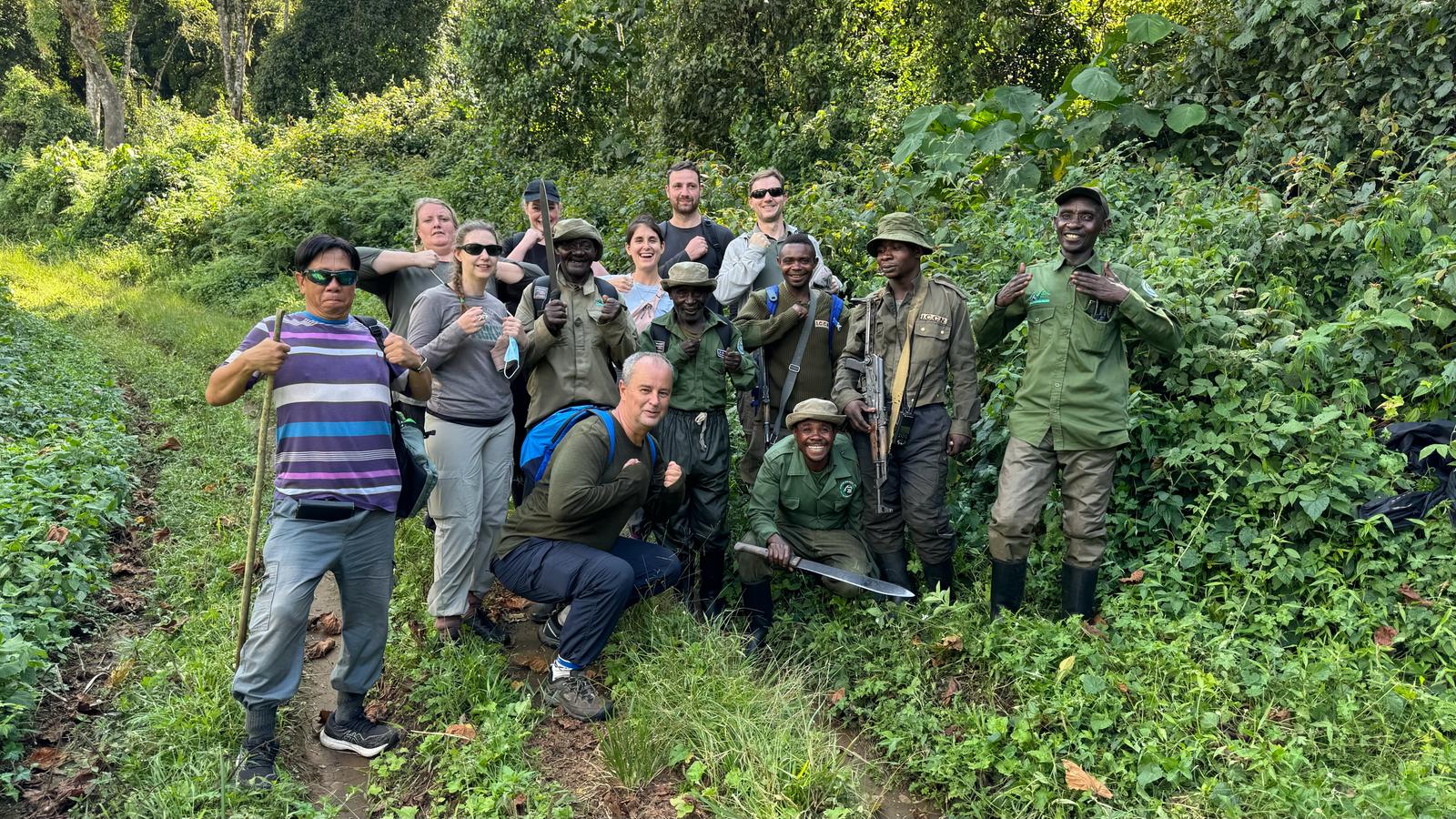
Forest walks during Bonobo Tracking in Congo Safari Adventures take visitors through some of Africa’s most pristine tropical rainforest ecosystems. Guided by experienced trackers and local conservation experts, travelers hike along natural jungle trails surrounded by towering trees, vines, rivers, butterflies, birds, and dense vegetation.
The guided tracking experience is both adventurous and educational. Trackers identify bonobo movements through vocal sounds, feeding signs, footprints, nests, and broken vegetation within the forest. Along the way, guides explain rainforest ecology, medicinal plants, primate behavior, bird species, and conservation challenges facing the Congo Basin rainforest.
The hiking conditions during bonobo tracking can vary depending on weather and forest terrain. Some trails may be muddy, humid, or physically demanding, especially during rainy seasons. However, the adventure of moving through untouched rainforest landscapes adds excitement and authenticity to the safari experience.
Forest walks also provide opportunities to encounter other rainforest wildlife including forest monkeys, birds, reptiles, butterflies, and smaller mammals. The Congo rainforest itself becomes a major attraction during Bonobo Tracking in Congo Safari Adventures because of its extraordinary biodiversity and remote wilderness atmosphere.
Encountering Bonobos in Their Natural Habitat
The highlight of Bonobo Tracking in Congo Safari Adventures is the moment visitors finally encounter bonobos in the wild. After hours of careful tracking through the rainforest, travelers may observe bonobos feeding in trees, resting on branches, grooming each other, playing, or moving through the forest canopy in social groups.
Watching bonobos in their natural habitat is a deeply emotional and unforgettable experience because these endangered primates share many similarities with humans. Their facial expressions, communication, social interactions, and family behavior create powerful connections between visitors and wildlife.
Bonobos are generally peaceful, curious, and social animals. Unlike some other primates, they are known for cooperative behavior and strong social bonds within their communities. Observing mothers caring for young bonobos, juveniles playing together, and groups communicating through sounds and gestures provides extraordinary insight into primate intelligence and social life.
Guides ensure visitors maintain safe viewing distances while respecting strict conservation regulations designed to minimize disturbance to the bonobos. The experience allows travelers to appreciate the importance of protecting Congo’s rainforests and preserving endangered species for future generations.
Bonobo encounters often take place in beautiful rainforest clearings, forest canopies, river edges, or feeding areas, creating magical wildlife moments rarely experienced elsewhere in Africa.
Bonobo Behavior and Social Life
One of the most fascinating aspects of Bonobo Tracking in Congo Safari Adventures is observing the unique behavior and social life of bonobos. Bonobos are among humanity’s closest living relatives and are famous for their intelligence, emotional communication, and peaceful social structures.
Bonobos live in highly social communities led largely by female relationships and cooperation. They communicate through vocal sounds, facial expressions, gestures, grooming, and body movements. Their peaceful and cooperative nature has made them important subjects for scientific studies focused on human evolution, behavior, and communication.
During bonobo tracking experiences, visitors may observe bonobos sharing food, climbing trees, caring for infants, playing, resting, or interacting socially within their groups. Young bonobos are especially playful and energetic, often swinging between branches and engaging in social games that entertain visitors.
Bonobos mainly feed on fruits, leaves, seeds, flowers, and forest vegetation. Their movement patterns through the rainforest are often guided by seasonal fruit availability and feeding locations within their habitat. Guides and trackers help visitors understand these feeding behaviors and explain how rainforest ecosystems support bonobo survival.
The social dynamics of bonobos make Bonobo Tracking in Congo Safari Adventures unique compared to many other wildlife experiences. Their human-like interactions create meaningful and educational encounters that leave lasting impressions on travelers.
Photography Opportunities
Bonobo Tracking in Congo Safari Adventures offer exceptional photography opportunities for wildlife photographers, conservation storytellers, nature enthusiasts, and adventure travelers. The dense Congo rainforest provides dramatic natural lighting, lush green backgrounds, and authentic jungle settings that create stunning wildlife images.
Photographers may capture bonobos climbing trees, feeding, grooming, interacting socially, or caring for their young within their natural rainforest environment. Their expressive faces and human-like behavior make bonobos highly captivating photography subjects.
Morning tracking sessions often provide the best photography conditions because of softer natural light and increased bonobo activity. Professional cameras with telephoto lenses are highly recommended for capturing detailed wildlife images while maintaining safe viewing distances.
Beyond bonobos, the Congo rainforest itself provides outstanding opportunities for nature photography including tropical birds, butterflies, rivers, rainforest vegetation, village life, and scenic jungle landscapes. Travelers can also document local conservation efforts and cultural experiences connected to Bonobo Tracking in Congo Safari Adventures.
Photographers should prepare for humid rainforest conditions by carrying waterproof camera protection, extra batteries, dry bags, and lens cleaning equipment. The combination of rare wildlife, untouched rainforest scenery, and authentic adventure makes Bonobo Tracking in Congo one of Africa’s most rewarding photography safari experiences.
Wildlife and Primates Seen Besides Bonobos
Bonobo Tracking in Congo Safari Adventures offer much more than encounters with bonobos alone. The tropical rainforests of the Democratic Republic of the Congo are among the most biodiverse ecosystems in Africa, filled with rare primates, colorful birds, reptiles, butterflies, and unique forest wildlife species. As travelers explore the dense Congo Basin rainforest during bonobo tracking experiences, they have opportunities to encounter a wide range of wildlife living within these rich equatorial forests.
The untouched rainforests surrounding bonobo habitats support extraordinary biodiversity because of the region’s favorable climate, abundant vegetation, rivers, and remote wilderness areas. Every forest walk during Bonobo Tracking in Congo Safari Adventures can reveal fascinating wildlife encounters, making the experience rewarding for nature lovers, birdwatchers, wildlife photographers, and adventure travelers.
Besides bonobos, visitors may encounter chimpanzees, forest monkeys, tropical birds, reptiles, insects, and numerous smaller rainforest animals hidden within the jungle vegetation. The sounds of birds, primate calls, insects, and forest life create a truly immersive rainforest atmosphere throughout the tracking adventure.
Chimpanzees
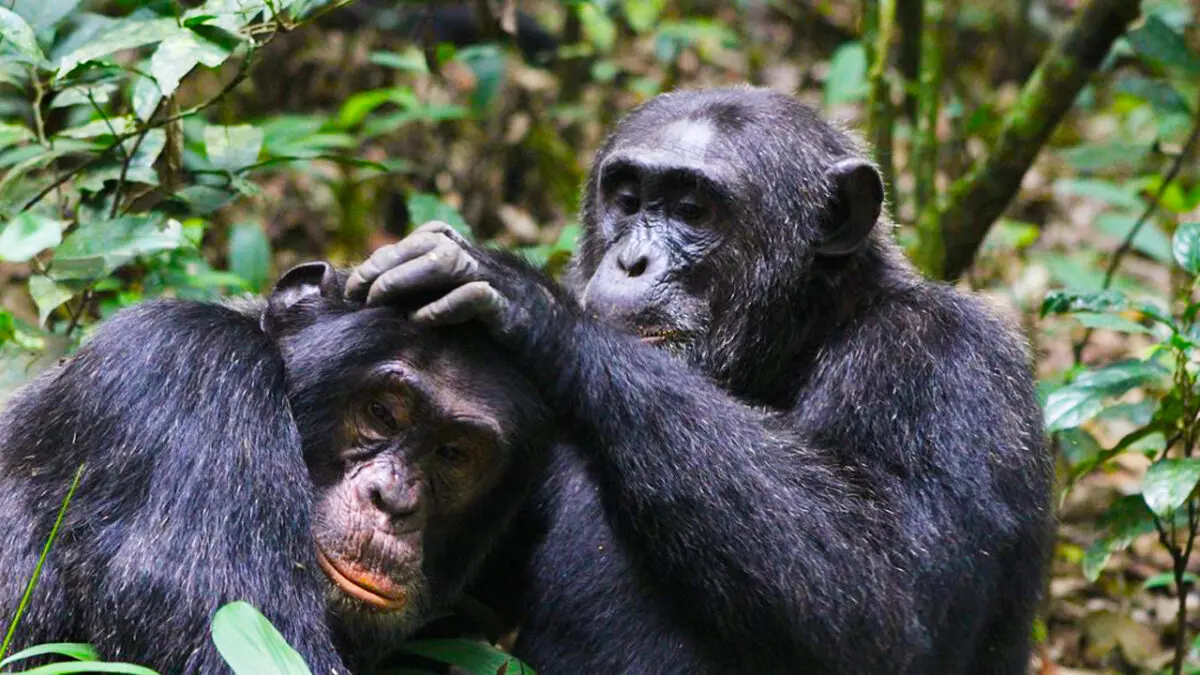
Chimpanzees are among the most exciting primates that can be encountered during Bonobo Tracking in Congo Safari Adventures. Like bonobos, chimpanzees are closely related to humans and are known for their intelligence, social behavior, and remarkable communication abilities. The Congo rainforest provides important habitat for wild chimpanzee populations living within remote forest ecosystems.
Chimpanzees are generally more active, vocal, and energetic compared to bonobos. Visitors may observe chimpanzees climbing trees, feeding on fruits, building nests, using tools, grooming each other, or communicating loudly within their social groups. Their strength, agility, and fast movement through the forest canopy create thrilling wildlife encounters for travelers exploring Congo’s rainforests.
Chimpanzee experiences in Congo are highly valued because they provide deeper understanding of great ape behavior and rainforest ecology. During forest walks, guides and trackers often identify chimpanzee vocalizations, feeding signs, and nesting areas while explaining the differences between chimpanzees and bonobos.
Chimpanzee sightings add extra excitement to Bonobo Tracking in Congo Safari Adventures and create opportunities for wildlife photography, primate observation, and educational safari experiences within one of Africa’s richest rainforest ecosystems.
Forest Monkeys
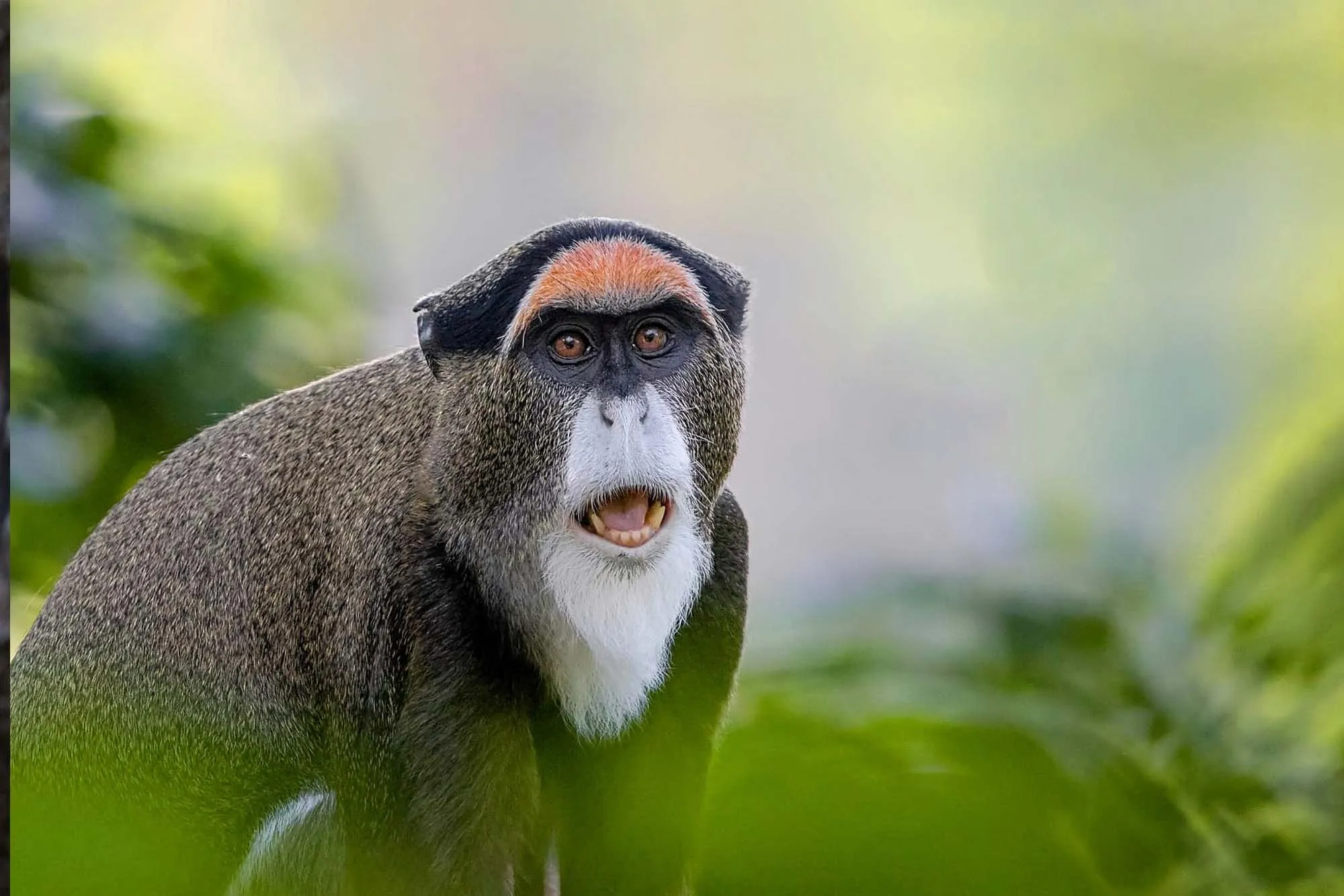
The Congo Basin rainforest is home to many species of forest monkeys that can be seen during Bonobo Tracking in Congo Safari Adventures. These monkeys move through the dense rainforest canopy and forest floor, adding color, movement, and diversity to the jungle experience.
Common monkey species found in Congo’s rainforests include colobus monkeys, blue monkeys, mangabeys, De Brazza’s monkeys, red-tailed monkeys, and various guenon species. These monkeys are often spotted feeding on fruits, leaping between trees, resting in the canopy, or moving in social troops through the forest.
Forest monkeys play an important ecological role in rainforest ecosystems by dispersing seeds and contributing to forest regeneration. Guides during Bonobo Tracking in Congo Safari Adventures help visitors identify different monkey species while explaining their feeding behavior, social structures, and importance within the Congo rainforest ecosystem.
Monkey encounters create excellent opportunities for wildlife photography and enhance the diversity of primate experiences available during Congo safari adventures. Their playful movements and colorful appearances make them fascinating wildlife attractions for visitors exploring the rainforest.
Congo Forest Birds
Bonobo Tracking in Congo Safari Adventures are also exceptional experiences for birdwatchers because the Congo Basin rainforest hosts hundreds of tropical bird species. The forests surrounding bonobo habitats are filled with colorful birds, rare endemic species, and unique rainforest birdlife rarely seen outside Central Africa.
Bird enthusiasts exploring Congo’s rainforests may encounter hornbills, turacos, kingfishers, parrots, bee-eaters, flycatchers, weavers, sunbirds, owls, and the rare Congo peafowl. The sounds of birds singing throughout the forest create a vibrant atmosphere during guided rainforest walks and bonobo tracking excursions.
The Congo rainforest provides excellent habitats for both resident and migratory bird species because of its dense vegetation, rivers, swamps, and tropical climate. Early morning tracking sessions often offer the best birdwatching opportunities as birds become highly active during sunrise hours.
Bird photography is also highly rewarding during Bonobo Tracking in Congo Safari Adventures because of the rich colors and diversity of tropical rainforest birdlife. Travelers interested in birdwatching can combine bonobo tracking with specialized Congo birding safaris for even more comprehensive wildlife experiences.
Reptiles and Butterflies
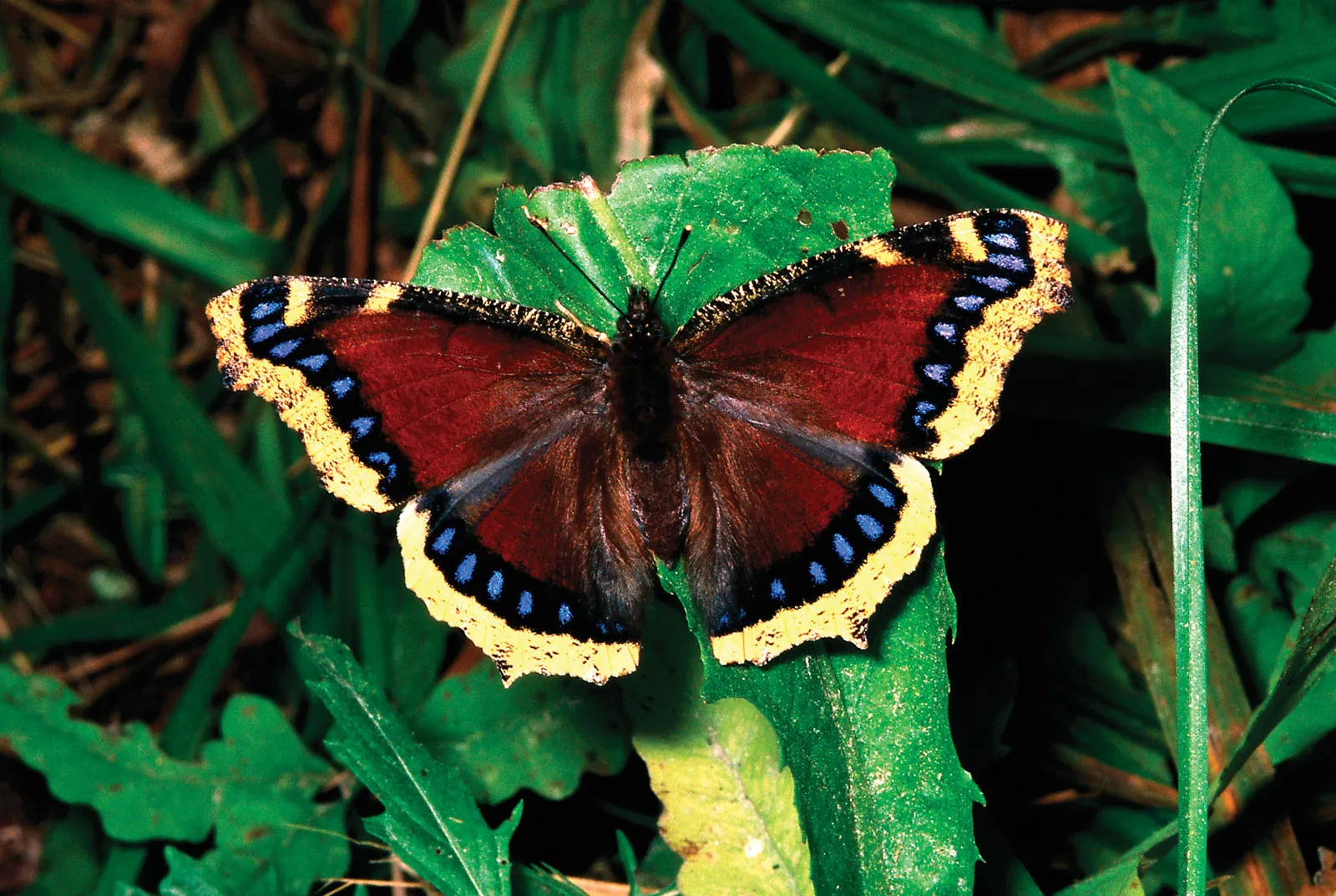
The tropical rainforests of Congo are home to numerous reptiles and butterfly species that add beauty and biodiversity to Bonobo Tracking in Congo Safari Adventures. As visitors walk through the rainforest trails, they may encounter colorful butterflies fluttering through jungle clearings, reptiles basking near rivers, or hidden forest creatures living within the vegetation.
Butterflies are especially abundant within the Congo Basin rainforest because of the warm climate and rich plant diversity. Brightly colored butterfly species move throughout the forest, creating beautiful scenes for photographers and nature enthusiasts exploring the jungle environment.
Reptiles commonly found within Congo’s rainforest ecosystems include forest snakes, chameleons, lizards, frogs, and small crocodiles near wetland areas and rivers. Most reptiles encountered during Bonobo Tracking in Congo Safari Adventures are harmless and play important roles within rainforest ecosystems.
Guides and trackers help visitors safely observe these smaller rainforest species while explaining their ecological importance and behavior within the tropical forest environment. The diversity of insects, reptiles, butterflies, and amphibians further highlights the incredible biodiversity of the Congo Basin and makes Bonobo Tracking in Congo Safari Adventures one of Africa’s richest wildlife experiences.
Best Time for Bonobo Tracking in Congo
The best time for Bonobo Tracking in Congo Safari Adventures is during the dry seasons when rainforest trails are easier to navigate and wildlife viewing conditions are more favorable. The main dry seasons in the Democratic Republic of the Congo are from June to September and from December to February. During these months, forest trails are less muddy, rainfall is lower, and hiking conditions are generally more comfortable for travelers exploring the Congo Basin rainforest.
Dry seasons also improve photography opportunities because there is better natural lighting within the forest and less rain interference during tracking activities. Bonobos are often easier to observe during these periods as they move actively through the rainforest searching for food and interacting socially within their groups.
However, Bonobo Tracking in Congo Safari Adventures can take place throughout the year because the Congo rainforest remains tropical and green in all seasons. During rainy months, the forests become lush and beautiful, although hiking conditions can become more physically demanding due to muddy trails and heavy rainfall. Travelers visiting during wetter months should prepare with waterproof hiking gear and proper rainforest clothing.
The best travel months often depend on the specific bonobo reserve, safari itinerary, and overall Congo safari experience travelers wish to combine with activities such as gorilla trekking in Virunga National Park or hiking Mount Nyiragongo.
How Difficult is Bonobo Tracking in Congo
Bonobo Tracking in Congo Safari Adventures are considered moderately challenging because the experience takes place within dense tropical rainforest environments. Travelers hike through forest trails that may include muddy paths, thick vegetation, river crossings, uneven terrain, and humid conditions depending on the season and location of the bonobo groups.
The difficulty level varies according to weather, trail conditions, fitness level, and how far the bonobos have moved within the forest. Some tracking experiences may involve shorter and easier walks, while others can require several hours of hiking through remote rainforest terrain.
Although bonobo tracking can be physically demanding at times, most travelers with average fitness levels can successfully complete the experience with proper preparation and guidance from experienced trackers. Local guides set manageable hiking paces and assist visitors throughout the rainforest journey.
Travelers preparing for Bonobo Tracking in Congo Safari Adventures are advised to pack waterproof hiking boots, long trousers, rain jackets, insect repellent, gloves, drinking water, and lightweight clothing suitable for tropical rainforest conditions. Hiring local porters in some areas can also make the trekking experience easier and more comfortable.
The reward of finally encountering bonobos in their natural habitat makes the physical effort worthwhile for most visitors, especially for travelers seeking authentic rainforest adventure experiences in Africa.
Bonobo Tracking Permits and Costs
Bonobo Tracking in Congo Safari Adventures usually require permits or conservation fees depending on the reserve or conservation area visited. These permit fees contribute directly to bonobo conservation projects, scientific research, rainforest protection, anti-poaching efforts, and community tourism initiatives within the Democratic Republic of the Congo.
Permit costs for bonobo tracking can vary depending on the destination, season, conservation program, accommodation standard, and safari package inclusions. Some bonobo experiences are offered as part of comprehensive Congo safari itineraries that include accommodation, transport, guides, meals, and conservation contributions.
Travelers planning Bonobo Tracking in Congo Safari Adventures are encouraged to book permits and safari arrangements in advance because access to certain conservation areas may be limited due to logistical challenges, conservation regulations, or restricted visitor numbers designed to protect the bonobos and their habitat.
Additional safari costs may include international flights, domestic flights, river transport, accommodation, Congo tourist visas, porter fees, photography equipment, and optional safari extensions to destinations such as Salonga National Park, Lola ya Bonobo Sanctuary, and Kokolopori Bonobo Reserve.
Booking through experienced Congo safari operators helps travelers organize permits, logistics, transport, and conservation visits smoothly while ensuring safe and responsible tourism experiences.
How to Get to Bonobo Tracking Destinations in Congo
Reaching bonobo tracking destinations in the Democratic Republic of the Congo is part of the adventure because many bonobo habitats are located within remote rainforest regions far from major cities. Bonobo Tracking in Congo Safari Adventures often involve combinations of international flights, domestic flights, river transport, forest drives, and guided transfers into protected rainforest reserves.
Most international travelers begin their journey through Kinshasa, the capital city of the Democratic Republic of the Congo, before continuing toward remote bonobo conservation areas located within the Congo Basin rainforest.
Transport logistics can vary significantly depending on the destination visited, weather conditions, infrastructure, and safari itinerary. Working with experienced safari operators is highly recommended because travel within Congo often requires careful planning, local coordination, and organized transfers between different regions.
Flying to Kinshasa

Most Bonobo Tracking in Congo Safari Adventures begin with international flights arriving in N’djili International Airport, the main international gateway into the Democratic Republic of the Congo. Kinshasa serves as the primary starting point for travelers connecting to bonobo reserves and rainforest conservation areas across the country.
Several international airlines operate flights to Kinshasa from Europe, the Middle East, and other African countries, making the city an important hub for Congo safari travel. After arriving in Kinshasa, travelers may spend a night in the city before continuing to bonobo destinations through domestic flights or river transport.
Kinshasa is also home to Lola ya Bonobo Sanctuary, allowing visitors to experience bonobo conservation and educational tours before traveling deeper into the Congo rainforest for wild bonobo tracking experiences.
Domestic Flights within Congo
Domestic flights are often necessary for Bonobo Tracking in Congo Safari Adventures because of the vast size of the Democratic Republic of the Congo and the remote location of many rainforest reserves. Flights connect Kinshasa to regional airstrips and remote towns closer to bonobo habitats and conservation areas.
Domestic air travel significantly reduces long overland journeys through difficult terrain and allows travelers to access remote safari destinations more comfortably and efficiently. Some flights operate to areas near bonobo reserves, national parks, and rainforest research stations used for conservation tourism.
Domestic flights in Congo can sometimes experience schedule changes or delays due to weather conditions and infrastructure limitations, making flexible safari planning important for travelers visiting remote rainforest destinations.
For luxury Bonobo Tracking in Congo Safari Adventures, charter flights may also be arranged to improve comfort, save travel time, and provide easier access to isolated conservation areas within the Congo Basin rainforest.
River and Forest Transfers
River and forest transfers form an important part of many Bonobo Tracking in Congo Safari Adventures because numerous bonobo habitats are located deep within rainforest regions connected by rivers and jungle tracks rather than paved roads.
Traveling by boat along Congo rainforest rivers offers one of the most scenic and adventurous experiences within the Democratic Republic of the Congo. River journeys provide opportunities to observe rainforest landscapes, local fishing villages, tropical birds, and untouched wilderness areas while traveling toward remote bonobo reserves.
Forest transfers may involve 4×4 safari vehicles, guided jungle walks, canoe crossings, or motorized boats depending on the specific safari route and destination. These journeys allow travelers to experience the authentic atmosphere of the Congo Basin rainforest while accessing some of Africa’s most remote wildlife regions.
Although river and forest transfers can sometimes be long and adventurous, they are an unforgettable part of Bonobo Tracking in Congo Safari Adventures because they immerse visitors fully within the landscapes, cultures, and wilderness of the Congo rainforest.
Accommodation for Bonobo Tracking in Congo
Accommodation during Bonobo Tracking in Congo Safari Adventures ranges from luxury rainforest lodges to comfortable midrange safari camps and affordable budget guesthouses. The type of accommodation available often depends on the bonobo tracking destination, accessibility of the reserve, and the level of comfort travelers prefer during their Congo safari experience.
Many bonobo tracking destinations are located in remote rainforest regions of the Democratic Republic of the Congo, meaning accommodation is designed to blend with the natural environment while providing visitors with comfortable facilities for rest after long rainforest excursions. Some lodges focus on eco-tourism and conservation experiences, allowing travelers to stay close to nature while supporting local communities and wildlife protection programs.
Whether travelers choose luxury lodges, midrange safari camps, or budget accommodation, staying near bonobo reserves offers a unique opportunity to experience the atmosphere of the Congo Basin rainforest while enjoying authentic primate safari adventures.
Luxury Lodges/Hotels

Luxury accommodation for Bonobo Tracking in Congo Safari Adventures offers travelers high-end comfort combined with immersive rainforest experiences. These luxury lodges are designed for travelers seeking exclusive safari experiences, personalized service, private guided activities, and premium facilities within remote tropical forest environments.
Luxury rainforest lodges often feature spacious suites, private decks overlooking the forest, comfortable beds, en-suite bathrooms, fine dining experiences, lounge areas, and beautiful natural surroundings. Some luxury lodges also provide solar-powered facilities, eco-friendly designs, spa services, photography opportunities, and private forest excursions.
Travelers staying in luxury accommodation during Bonobo Tracking in Congo Safari Adventures enjoy personalized safari services including experienced guides, private transfers, porter assistance, gourmet meals, and customized conservation experiences. These lodges are ideal for honeymooners, photographers, researchers, and luxury adventure travelers exploring the Congo rainforest.
Luxury safari accommodation can also be combined with other high-end Congo safari experiences such as gorilla trekking in Virunga National Park, hiking Mount Nyiragongo, and rainforest expeditions across the Congo Basin.
Midrange Safari Camps
Midrange safari camps provide comfortable and affordable accommodation for travelers seeking balanced comfort and adventure during Bonobo Tracking in Congo Safari Adventures. These safari camps are popular among travelers who want quality services, good meals, comfortable rooms, and guided rainforest experiences without the higher costs associated with luxury lodges.
Most midrange safari camps feature comfortable cottages, safari tents, or lodge-style rooms with private bathrooms, mosquito nets, dining areas, and relaxing communal spaces surrounded by rainforest scenery. The camps often maintain eco-friendly operations while offering essential amenities for travelers exploring remote bonobo habitats.
Midrange accommodation is ideal for wildlife enthusiasts, photographers, couples, small safari groups, and travelers wanting immersive rainforest experiences with reliable comfort and organized safari logistics. Many midrange safari camps also work closely with local communities and conservation organizations to support sustainable tourism within the Congo Basin.
Guests staying at midrange safari camps during Bonobo Tracking in Congo Safari Adventures can enjoy guided forest walks, wildlife viewing, cultural visits, birdwatching, and educational conservation experiences while relaxing in peaceful rainforest environments after daily tracking activities.
Budget Accommodation
Budget accommodation for Bonobo Tracking in Congo Safari Adventures offers affordable options for backpackers, researchers, students, adventure travelers, and budget-conscious visitors exploring the Democratic Republic of the Congo. These accommodations may include guesthouses, simple eco-camps, community lodges, basic safari camps, and locally operated forest accommodations near bonobo reserves.
Although budget accommodation is simpler compared to luxury lodges and midrange camps, many facilities still provide clean rooms, mosquito protection, local meals, and access to guided bonobo tracking activities. Staying in budget accommodation often allows travelers to experience authentic local hospitality and closer interaction with nearby communities living around the rainforest regions.
Budget travelers participating in Bonobo Tracking in Congo Safari Adventures should prepare for basic facilities in some remote areas because infrastructure within the Congo rainforest can be limited. However, the affordability of budget accommodation makes bonobo tracking more accessible to travelers seeking unique wildlife adventures in Central Africa.
Many budget accommodations also support community tourism and conservation projects, meaning visitor spending contributes directly to local livelihoods and rainforest protection efforts. For adventurous travelers interested in raw and authentic Congo safari experiences, budget accommodation can provide memorable stays close to nature and local culture.
What to Pack for Bonobo Tracking in Congo
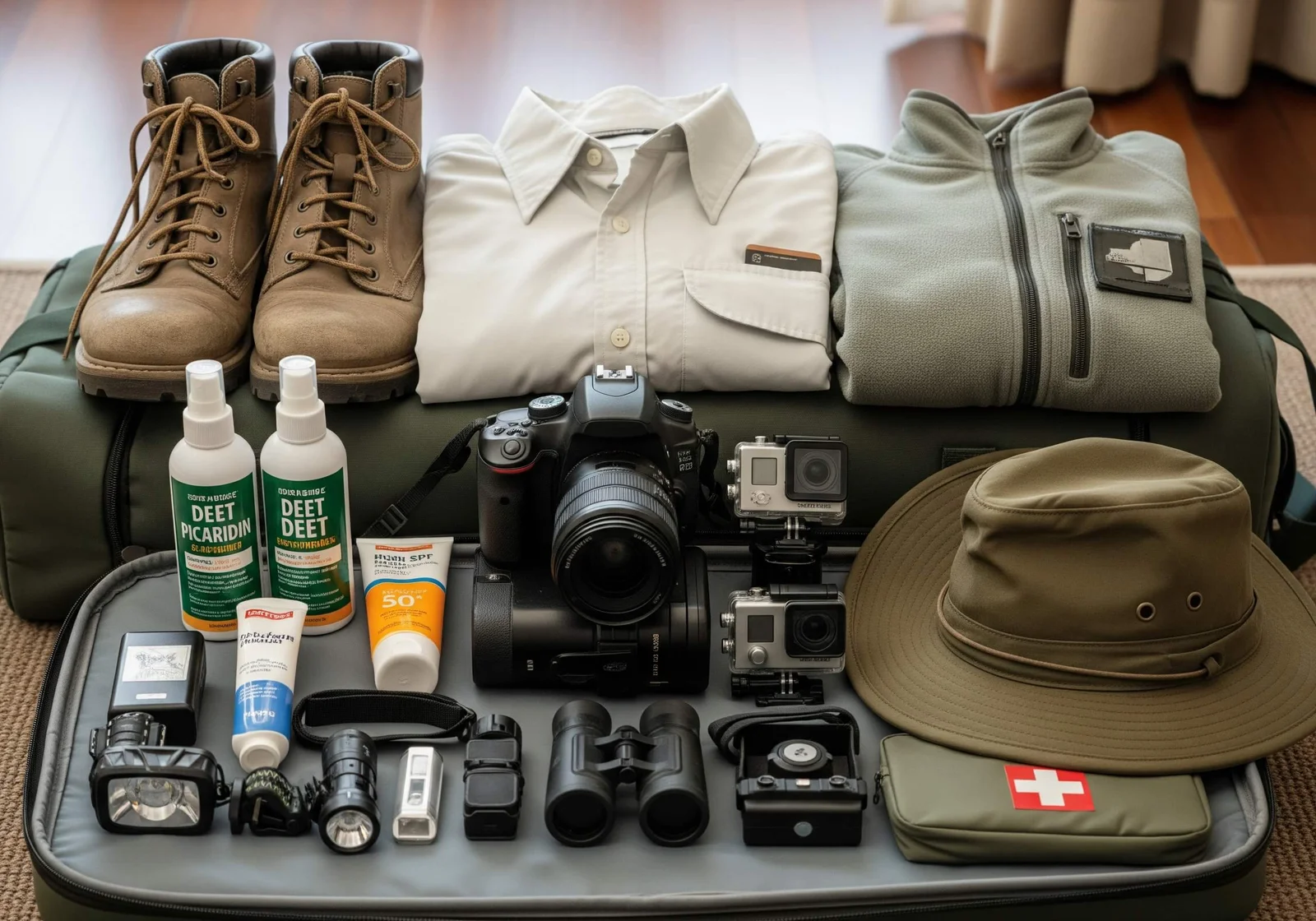
Packing properly for Bonobo Tracking in Congo Safari Adventures is extremely important because the experience takes place in dense tropical rainforests with humid weather, muddy trails, insects, and unpredictable rainfall. The right packing essentials help travelers stay comfortable, safe, dry, and prepared throughout their rainforest adventure in the Democratic Republic of the Congo.
Bonobo tracking often involves long forest walks through thick vegetation, river crossings, slippery paths, and remote wilderness areas within the Congo Basin rainforest. Travelers should therefore pack lightweight but protective clothing suitable for tropical environments while ensuring they are prepared for changing weather conditions.
A well-prepared packing list for Bonobo Tracking in Congo Safari Adventures improves the overall safari experience and allows visitors to fully enjoy close encounters with bonobos and other rainforest wildlife. Essential items include waterproof hiking boots, long-sleeved clothing, rain jackets, insect repellent, cameras, waterproof bags, reusable water bottles, gloves, hats, and personal medical supplies.
Packing correctly is also important for photography, conservation activities, and comfort during travel between remote rainforest reserves and safari camps throughout the Congo Basin.
Waterproof Hiking Boots
Waterproof hiking boots are among the most important items for Bonobo Tracking in Congo Safari Adventures because rainforest trails are often muddy, wet, slippery, and uneven. Strong hiking boots provide proper grip, ankle support, and foot protection while trekking through dense jungle environments.
During bonobo tracking, travelers may walk for several hours through muddy forest paths, shallow streams, thick vegetation, and humid rainforest terrain. Waterproof boots help keep feet dry and comfortable while reducing the risk of slipping or injuries during forest hikes.
Good hiking boots should be lightweight, comfortable, waterproof, and well broken-in before the safari to avoid discomfort or blisters. Strong footwear significantly improves the overall trekking experience and allows travelers to move confidently through Congo’s tropical rainforest landscapes.
Long-Sleeved Clothing
Long-sleeved clothing is highly recommended for Bonobo Tracking in Congo Safari Adventures because it helps protect travelers from insects, thorny vegetation, sun exposure, and scratches while moving through dense rainforest trails.
Lightweight long-sleeved shirts and trousers provide comfort during humid jungle hikes while also helping reduce mosquito bites and skin irritation caused by forest plants. Neutral-colored clothing such as green, brown, or khaki is ideal for rainforest activities because it blends naturally with the environment and is suitable for wildlife observation.
Travelers should avoid bright colors during bonobo tracking because calm natural colors help minimize disturbance to wildlife and improve photography experiences within the rainforest.
Quick-drying clothing is also recommended because rainforest conditions in the Democratic Republic of the Congo can be humid and wet throughout the year.
Rain Jacket
A waterproof rain jacket is an essential packing item for Bonobo Tracking in Congo Safari Adventures because tropical rain showers can occur unexpectedly within the Congo Basin rainforest. Even during dry seasons, sudden rainfall is common in rainforest environments.
A lightweight waterproof jacket helps keep travelers dry and comfortable during forest walks, river transfers, and wildlife tracking activities. Rain jackets also provide additional protection against cool morning temperatures and humid rainforest conditions.
Choosing a breathable and lightweight rain jacket is important because bonobo tracking often involves active hiking in warm tropical weather. Waterproof clothing helps travelers continue enjoying the tracking experience comfortably despite changing weather conditions within the rainforest.
Many experienced safari travelers also pack waterproof backpacks or dry bags to protect clothing, cameras, phones, passports, and electronics from rain and moisture during Bonobo Tracking in Congo Safari Adventures.
Insect Repellent
Insect repellent is extremely important for Bonobo Tracking in Congo Safari Adventures because tropical rainforests contain mosquitoes and other insects common within humid jungle environments. Applying insect repellent helps reduce mosquito bites and improves comfort during rainforest hikes and evening activities.
Travelers visiting the Democratic Republic of the Congo are also encouraged to combine insect repellent with long-sleeved clothing and malaria prevention medication for additional protection while exploring rainforest regions.
Strong insect repellents suitable for tropical climates are highly recommended, especially those designed to protect against mosquitoes during long outdoor activities. Travelers should apply insect repellent regularly during forest walks, boat rides, and evenings at safari camps.
Using insect repellent allows visitors to enjoy bonobo tracking, wildlife viewing, photography, and rainforest exploration more comfortably throughout their Congo safari adventure.
Camera Equipment
Camera equipment is highly recommended for Bonobo Tracking in Congo Safari Adventures because the Congo rainforest offers exceptional opportunities for wildlife photography, nature photography, conservation storytelling, and adventure travel documentation.
Travelers may capture incredible images of bonobos, chimpanzees, forest monkeys, tropical birds, butterflies, rivers, and rainforest landscapes during their tracking experiences. Bonobos themselves are highly photogenic because of their expressive faces, social behavior, and human-like interactions.
Professional cameras with zoom or telephoto lenses are ideal for wildlife photography because visitors must maintain safe viewing distances from bonobos and other primates. Extra batteries, memory cards, lens cleaning kits, and waterproof camera bags are also essential due to the humid rainforest environment.
Photographers participating in Bonobo Tracking in Congo Safari Adventures should protect camera equipment from moisture and rain using waterproof covers or dry bags during forest hikes and river transfers. Morning tracking sessions often provide the best natural lighting conditions for capturing stunning rainforest wildlife photographs.
Besides wildlife photography, travelers can also document local communities, conservation projects, tropical vegetation, river journeys, and authentic Congo safari experiences throughout their rainforest adventure.
Health and Vaccination Requirements
Health preparation is very important for travelers planning Bonobo Tracking in Congo Safari Adventures because the experience takes place in remote tropical rainforest regions within the Democratic Republic of the Congo. Visitors should ensure they are medically prepared before traveling to Congo by obtaining recommended vaccinations, carrying personal medications, and consulting travel health professionals before departure.
The tropical climate of the Congo Basin rainforest can expose travelers to mosquitoes, humidity, heat, and remote travel conditions, making preventive health measures essential for a safe and comfortable safari experience. Travelers are encouraged to carry a personal medical kit including pain relievers, anti-diarrheal medication, antiseptic cream, bandages, insect repellent, sunscreen, and prescription medication if needed.
Hydration is also important during Bonobo Tracking in Congo Safari Adventures because rainforest hiking can be physically demanding due to humid conditions and long forest walks. Drinking bottled or purified water and maintaining good hygiene practices helps reduce health risks during travel in remote rainforest regions.
Travelers should also ensure they meet Congo visa and entry requirements, which may include vaccination certificates and travel documents before arrival in the Democratic Republic of the Congo.
Yellow Fever Vaccination

Yellow Fever vaccination is one of the most important health requirements for Bonobo Tracking in Congo Safari Adventures. The Democratic Republic of the Congo is considered a Yellow Fever risk country, and travelers are commonly required to present a valid Yellow Fever vaccination certificate upon entry.
The vaccination helps protect visitors from Yellow Fever, a mosquito-borne viral disease found in tropical regions of Africa. Travelers are advised to receive the Yellow Fever vaccine at least ten days before traveling to Congo to ensure effective protection and compliance with international travel regulations.
Many airlines and border authorities may request proof of Yellow Fever vaccination before allowing travelers to enter the Democratic Republic of the Congo. Keeping the vaccination certificate safely with travel documents is therefore highly recommended during Bonobo Tracking in Congo Safari Adventures.
Besides meeting entry requirements, the Yellow Fever vaccination provides important health protection for travelers exploring tropical rainforest environments where mosquitoes are present.
Malaria Prevention
Malaria prevention is highly recommended for Bonobo Tracking in Congo Safari Adventures because malaria is present in many tropical regions of the Democratic Republic of the Congo. Since bonobo tracking takes place within humid rainforest environments, travelers should take preventive measures to reduce mosquito bites and minimize malaria risks.
Most travelers are advised to take prescribed anti-malaria medication before, during, and after their Congo safari depending on medical guidance from travel health professionals. In addition to medication, travelers should use insect repellent, wear long-sleeved clothing, sleep under mosquito nets where available, and avoid mosquito exposure during evenings and early mornings.
Using strong insect repellent containing mosquito protection ingredients helps improve comfort during rainforest hikes and safari activities while reducing health risks associated with tropical travel.
Proper malaria prevention allows visitors to safely enjoy Bonobo Tracking in Congo Safari Adventures and other rainforest activities within the Congo Basin ecosystem.
Travel Insurance
Travel insurance is strongly recommended for Bonobo Tracking in Congo Safari Adventures because the experience involves remote travel, rainforest hiking, domestic flights, river transfers, and adventurous safari activities within the Democratic Republic of the Congo.
Comprehensive travel insurance should ideally cover medical emergencies, evacuation services, trip cancellations, lost luggage, flight delays, and emergency transport from remote rainforest regions if needed. Travelers participating in bonobo tracking, gorilla trekking, or volcano hiking activities should also ensure their insurance policy covers adventure tourism and wilderness activities.
Medical facilities can be limited in some remote Congo safari destinations, making emergency evacuation coverage particularly important during Bonobo Tracking in Congo Safari Adventures.
Having proper travel insurance provides travelers with peace of mind and additional security while exploring the remote rainforests and wildlife regions of Central Africa.
Conservation Efforts for Bonobos in Congo
Conservation efforts for bonobos in the Democratic Republic of the Congo are extremely important because bonobos are endangered primates found nowhere else in the world. Bonobo Tracking in Congo Safari Adventures contribute directly to the protection of these rare great apes and the preservation of the Congo Basin rainforest ecosystem.
Major conservation efforts focus on combating poaching, preventing illegal wildlife trade, protecting rainforest habitats, supporting scientific research, and educating local communities about the importance of bonobo conservation. Conservation organizations, local communities, researchers, and eco-tourism operators work together to ensure the survival of bonobos for future generations.
Protected areas such as Salonga National Park, Kokolopori Bonobo Reserve, and Lola ya Bonobo Sanctuary play major roles in protecting bonobo populations through habitat conservation, rehabilitation programs, anti-poaching patrols, and community tourism initiatives.
Tourism revenue generated through Bonobo Tracking in Congo Safari Adventures supports conservation funding, ranger salaries, local employment, scientific monitoring programs, and environmental education projects within nearby communities.
Travelers visiting bonobo destinations therefore become part of global conservation efforts helping protect one of humanity’s closest relatives and one of Africa’s most important rainforest ecosystems.
Community Tourism and Local Experiences
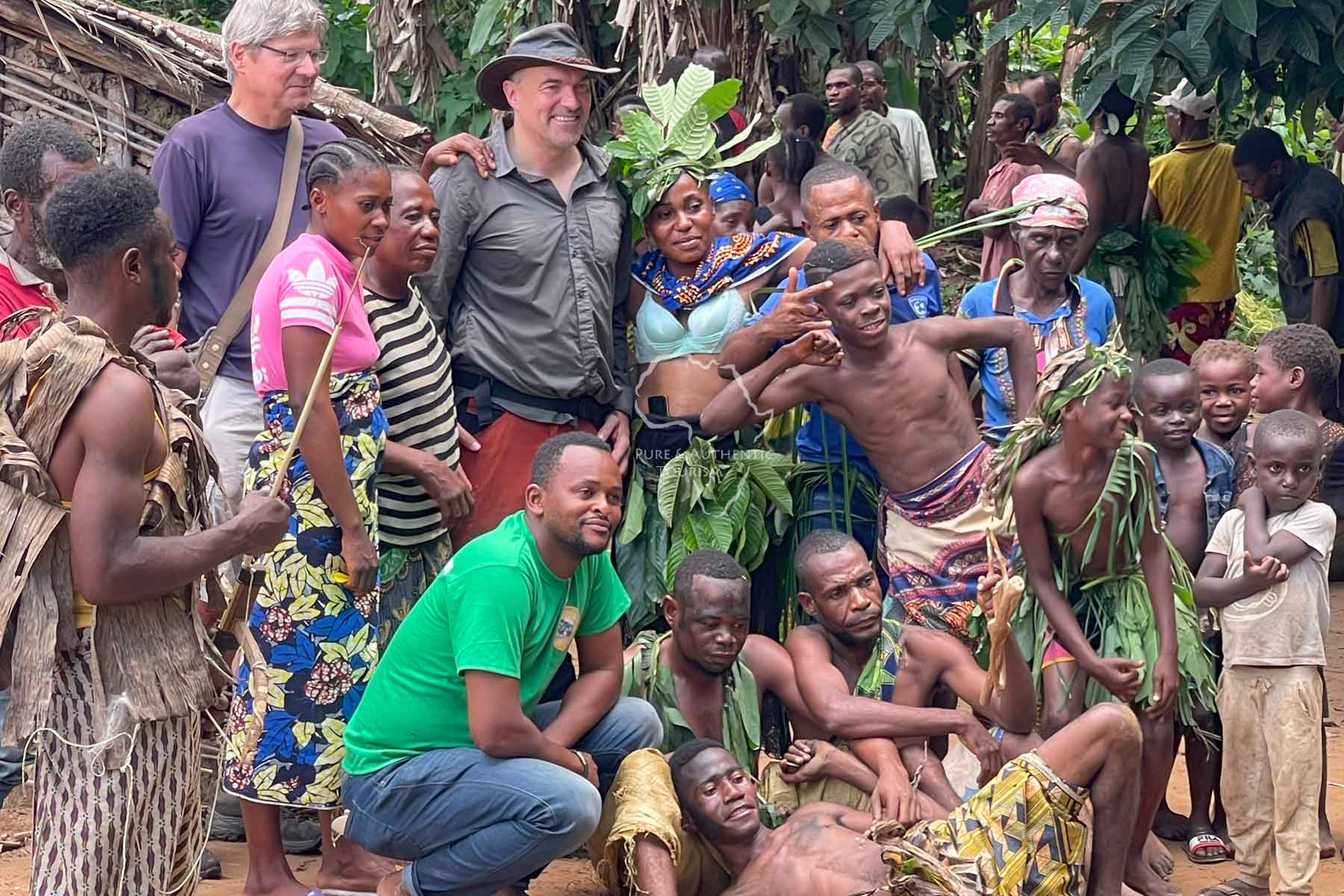
Community tourism forms an important part of Bonobo Tracking in Congo Safari Adventures because many bonobo conservation areas work closely with surrounding local communities to promote sustainable tourism and environmental protection.
Visitors exploring Congo’s rainforest regions often have opportunities to experience local culture through village visits, traditional dance performances, storytelling sessions, local cuisine, handicraft markets, and educational cultural experiences. These activities provide deeper understanding of the communities living near the Congo Basin rainforest and their connection to conservation efforts.
Community tourism helps create local employment opportunities through guiding services, accommodation, transport, handicrafts, cultural activities, and conservation-related projects linked to bonobo tourism. Revenue generated from Bonobo Tracking in Congo Safari Adventures supports schools, healthcare programs, infrastructure development, and sustainable livelihoods for local communities.
Travelers participating in community experiences also gain authentic cultural insights while contributing positively to responsible tourism within the Democratic Republic of the Congo.
Combining wildlife encounters with cultural immersion makes Bonobo Tracking in Congo Safari Adventures more meaningful and helps strengthen local support for long-term rainforest and wildlife conservation.
Safety Tips for Bonobo Tracking in Congo
Bonobo Tracking in Congo Safari Adventures are generally safe when organized through experienced safari operators and conservation authorities. However, travelers should follow important safety guidelines to ensure safe, comfortable, and responsible rainforest experiences within the Democratic Republic of the Congo.
Visitors should always follow instructions from guides, trackers, and park authorities during rainforest hikes and wildlife encounters. Maintaining safe viewing distances from bonobos helps protect both visitors and primates while minimizing disturbance to wildlife.
Wearing proper hiking gear including waterproof boots, long-sleeved clothing, gloves, and rain jackets improves safety and comfort during forest walks. Travelers should also carry drinking water, insect repellent, waterproof bags, and personal medical supplies during tracking activities.
Travelers are advised to avoid feeding wildlife, making loud noises, or attempting to touch bonobos during encounters. Respecting conservation regulations is essential for protecting endangered primates and ensuring sustainable tourism practices.
Booking Bonobo Tracking in Congo Safari Adventures with reliable safari operators helps ensure organized logistics, safe transportation, experienced guides, and updated travel information throughout the safari. Travelers should also monitor travel advisories and follow local guidance when visiting remote rainforest regions in the Democratic Republic of the Congo.
Combining Bonobo Tracking with Other Congo Safari Experiences
Bonobo Tracking in Congo Safari Adventures can easily be combined with other incredible safari experiences across the Democratic Republic of the Congo, creating one of Africa’s most adventurous and diverse wildlife journeys. Congo offers a unique combination of tropical rainforests, active volcanoes, endangered primates, powerful rivers, and authentic cultural encounters rarely found in other safari destinations.
Travelers visiting Congo for bonobo tracking often extend their safari to include gorilla trekking, volcano hiking, river expeditions, birdwatching, chimpanzee tracking, and cultural experiences with local communities. Combining multiple safari activities allows visitors to explore different ecosystems within the Congo Basin while enjoying richer and more rewarding travel experiences.
The combination of bonobo tracking with other Congo adventures creates opportunities for wildlife photography, conservation tourism, rainforest exploration, and immersive African safari experiences suitable for adventure travelers, researchers, photographers, honeymooners, and nature enthusiasts.
Gorilla Trekking in Virunga National Park
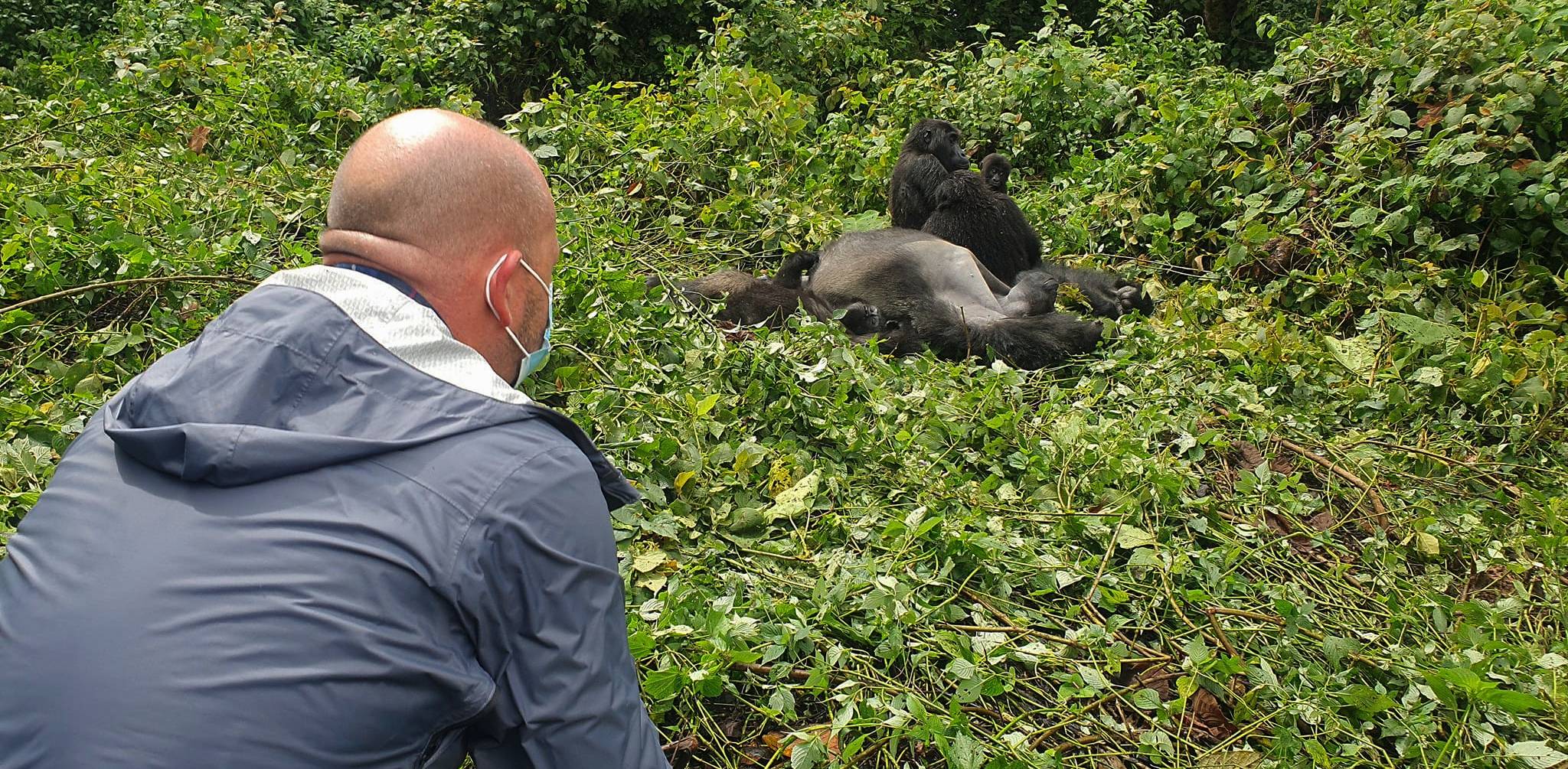
Combining Bonobo Tracking in Congo Safari Adventures with gorilla trekking in Virunga National Park creates one of Africa’s ultimate primate safari experiences. Virunga National Park is one of the most famous gorilla trekking destinations in the world and protects endangered mountain gorillas within its beautiful volcanic rainforest landscapes.
Gorilla trekking in Virunga offers travelers the rare opportunity to encounter mountain gorillas in their natural habitat while guided by experienced park rangers and trackers. The experience involves hiking through tropical forests and volcanic slopes before spending unforgettable moments observing gorilla families feeding, playing, grooming, and interacting naturally.
Combining gorilla trekking with Bonobo Tracking in Congo Safari Adventures allows travelers to experience two of the world’s most remarkable great apes within a single safari itinerary. Visitors can compare the peaceful social behavior of bonobos with the powerful family dynamics of mountain gorillas while exploring different rainforest ecosystems across the Democratic Republic of the Congo.
Virunga National Park also offers spectacular scenery including volcanoes, crater lakes, tropical forests, and diverse wildlife, making it one of the most rewarding safari destinations in Central Africa.
Hiking Mount Nyiragongo
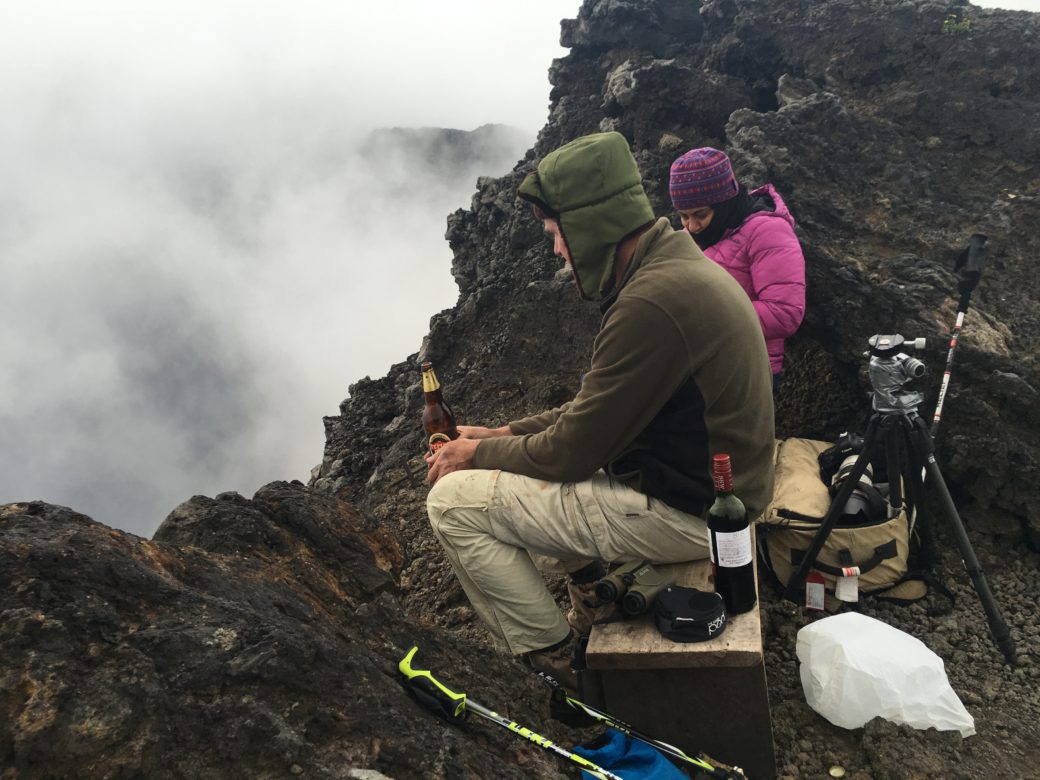
Hiking Mount Nyiragongo is another extraordinary experience that can be combined with Bonobo Tracking in Congo Safari Adventures. Mount Nyiragongo is one of Africa’s most active volcanoes and is globally famous for having the world’s largest lava lake.
The Nyiragongo hiking experience takes travelers through lush forests, volcanic landscapes, and steep mountain trails before reaching the summit where spectacular views of the glowing lava lake await. Spending a night at the summit cabins while observing the lava lake under the night sky is considered one of Africa’s most unforgettable adventure experiences.
Combining bonobo tracking with Nyiragongo hiking offers travelers a perfect mixture of wildlife, adventure, and dramatic natural scenery within the Democratic Republic of the Congo. The safari combination allows visitors to explore both the tropical rainforests of the Congo Basin and the volcanic landscapes surrounding Virunga National Park.
The journey also provides excellent opportunities for photography, birdwatching, conservation tourism, and immersive outdoor adventures within one of Africa’s most unique wilderness regions.
Congo River Expeditions

Congo River expeditions are among the most adventurous experiences that can complement Bonobo Tracking in Congo Safari Adventures. The mighty Congo River is one of Africa’s most important waterways and flows through vast tropical rainforest regions rich in wildlife, local culture, and remote wilderness landscapes.
River expeditions often involve boat journeys through rainforest channels, local fishing villages, forest communities, and untouched jungle scenery rarely visited by mass tourism. Travelers may encounter birds, monkeys, reptiles, fishermen, and beautiful Congo Basin landscapes during river exploration activities.
Combining Congo River expeditions with bonobo tracking creates immersive safari experiences that showcase both the wildlife and cultural richness of the Democratic Republic of the Congo. River travel also offers access to remote rainforest areas and conservation regions difficult to reach by road.
Congo River journeys provide peaceful and scenic moments that contrast beautifully with the physically active rainforest hikes involved in Bonobo Tracking in Congo Safari Adventures.
Cultural Safaris in Congo
Cultural safaris are an important addition to Bonobo Tracking in Congo Safari Adventures because they allow travelers to experience the traditions, lifestyles, music, art, and heritage of local communities living near the Congo Basin rainforest.
Visitors may participate in village walks, traditional dance performances, storytelling sessions, craft workshops, local cooking experiences, and educational cultural encounters organized by nearby communities. These experiences provide deeper understanding of the relationship between local people, rainforest conservation, and sustainable tourism.
Many communities surrounding bonobo reserves play active roles in wildlife conservation and eco-tourism initiatives. Tourism revenue from Bonobo Tracking in Congo Safari Adventures helps support local employment, schools, healthcare services, and environmental conservation programs within these regions.
Cultural safaris also create opportunities for travelers to interact respectfully with local communities while learning about traditional forest lifestyles, indigenous knowledge, and the importance of protecting Congo’s rainforest ecosystems.
Combining cultural experiences with bonobo tracking creates more meaningful and responsible safari adventures while supporting community-based tourism development in the Democratic Republic of the Congo.
Why Book Bonobo Tracking in Congo with Pieland Gorilla Safaris
Booking Bonobo Tracking in Congo Safari Adventures with Pieland Gorilla Safaris offers travelers professional safari planning, experienced local knowledge, reliable logistics, and personalized Congo safari experiences designed for comfort, safety, and unforgettable wildlife encounters.
Pieland Gorilla Safaris specializes in gorilla trekking, bonobo tracking, volcano hiking, wildlife safaris, and cultural experiences across the Democratic Republic of the Congo, Uganda, and Rwanda. The company helps travelers organize permits, accommodation, transportation, border crossings, domestic flights, and customized safari itineraries suited to different travel styles and budgets.
Travelers booking Bonobo Tracking in Congo Safari Adventures with Pieland Gorilla Safaris benefit from experienced safari guides, conservation-focused travel experiences, and support throughout their Congo journey. The company works with trusted local partners and conservation authorities to ensure responsible tourism practices and smooth safari operations within remote rainforest destinations.
Whether travelers are looking for luxury rainforest adventures, midrange safari packages, or budget-friendly Congo tours, Pieland Gorilla Safaris can create tailor-made safari experiences that combine bonobo tracking with gorilla trekking in Virunga National Park, hiking Mount Nyiragongo, Congo River expeditions, chimpanzee experiences, and cultural safaris across Central Africa.
Frequently Asked Questions About Bonobo Tracking in Congo Safari Adventures
Where can I see bonobos in Congo?
Bonobos can only be seen in the wild within the Democratic Republic of the Congo. The best places for Bonobo Tracking in Congo Safari Adventures include Salonga National Park, Kokolopori Bonobo Reserve, Lola ya Bonobo Sanctuary, Ekolo ya Bonobo Community Reserve, and other protected rainforest conservation areas within the Congo Basin.
How much does bonobo tracking cost?
The cost of Bonobo Tracking in Congo Safari Adventures varies depending on the reserve visited, safari duration, accommodation standard, transportation, permits, and included activities. Safari packages may include accommodation, guides, meals, transfers, domestic flights, and conservation fees. Luxury safari packages are generally more expensive than budget or midrange options.
Is bonobo tracking safe?
Bonobo Tracking in Congo Safari Adventures are generally safe when organized with experienced safari operators and conservation authorities. Travelers are guided by professional trackers and local experts who ensure safe rainforest experiences while following conservation regulations and wildlife viewing guidelines.
What is the best time for bonobo tracking?
The best time for Bonobo Tracking in Congo Safari Adventures is during the dry seasons from June to September and December to February. During these months, forest trails are easier to navigate, rainfall is lower, and wildlife viewing conditions are generally more favorable.
How long does bonobo tracking take?
Bonobo tracking experiences can last several hours depending on the location and movement of the bonobo groups. Some tracking activities involve shorter hikes while others may require longer rainforest walks through remote jungle terrain before encountering the bonobos.
What should I pack for bonobo tracking?
Travelers participating in Bonobo Tracking in Congo Safari Adventures should pack waterproof hiking boots, long-sleeved clothing, rain jackets, insect repellent, gloves, reusable water bottles, cameras, waterproof bags, and personal medical supplies suitable for tropical rainforest conditions.
Can children do bonobo tracking?
Age restrictions for Bonobo Tracking in Congo Safari Adventures may vary depending on the conservation area and safari regulations. Some destinations may allow older children accompanied by adults, while others may require minimum age limits for safety and conservation reasons.
Are bonobos different from chimpanzees?
Yes, bonobos are different from chimpanzees although they are closely related. Bonobos are generally known for their peaceful and cooperative social behavior, while chimpanzees are often more aggressive and territorial. Bonobos are also found only in the Democratic Republic of the Congo.
Can bonobo tracking be combined with gorilla trekking?
Yes, Bonobo Tracking in Congo Safari Adventures can be combined with gorilla trekking in Virunga National Park, offering travelers the opportunity to experience two of the world’s most remarkable great ape adventures within a single Congo safari itinerary.
Do I need a Congo visa for bonobo tracking?
Yes, most international travelers require a tourist visa to enter the Democratic Republic of the Congo for Bonobo Tracking in Congo Safari Adventures. Travelers should also ensure they have valid passports, Yellow Fever vaccination certificates, and other required travel documents before arrival.
What wildlife can I see besides bonobos?
Besides bonobos, travelers may encounter chimpanzees, forest monkeys, tropical birds, reptiles, butterflies, and other rainforest wildlife during Bonobo Tracking in Congo Safari Adventures within the Congo Basin ecosystem.
How difficult is bonobo tracking in Congo?
Bonobo tracking is considered moderately challenging because it involves hiking through dense rainforest terrain that may include muddy trails, thick vegetation, river crossings, and humid conditions. Travelers with average fitness levels can usually complete the experience comfortably with proper preparation.
Is Yellow Fever vaccination required for Congo?
Yes, Yellow Fever vaccination is strongly recommended and often required for travelers entering the Democratic Republic of the Congo. Visitors should carry a valid Yellow Fever vaccination certificate during Bonobo Tracking in Congo Safari Adventures.
Can bonobo tracking be combined with Mount Nyiragongo hiking?
Yes, many travelers combine Bonobo Tracking in Congo Safari Adventures with hiking Mount Nyiragongo to experience both rainforest wildlife adventures and Congo’s spectacular volcanic landscapes.
Are photography opportunities good during bonobo tracking?
Yes, Bonobo Tracking in Congo Safari Adventures offer excellent photography opportunities including bonobos, rainforest landscapes, tropical birds, butterflies, forest monkeys, and cultural experiences within the Congo Basin rainforest.
What type of accommodation is available for bonobo tracking?
Accommodation options for Bonobo Tracking in Congo Safari Adventures include luxury rainforest lodges, midrange safari camps, eco-lodges, guesthouses, and budget accommodations depending on the safari destination and travel style.
Why are bonobos important for conservation?
Bonobos are endangered great apes found only in the Democratic Republic of the Congo. Protecting bonobos also helps preserve the Congo Basin rainforest ecosystem, biodiversity, scientific research opportunities, and sustainable community tourism initiatives.
Can bonobo tracking be combined with cultural safaris?
Yes, Bonobo Tracking in Congo Safari Adventures can include cultural experiences such as village visits, traditional dance performances, storytelling sessions, local markets, and community tourism activities near rainforest conservation areas.
What is unique about bonobo tracking in Congo?
Bonobo tracking is unique because bonobos exist naturally only in the Democratic Republic of the Congo. Travelers therefore cannot experience wild bonobo encounters anywhere else in the world, making Congo the only destination for authentic bonobo tracking adventures.
Why book Bonobo Tracking in Congo Safari Adventures with Pieland Gorilla Safaris?
Pieland Gorilla Safaris offers professionally organized Congo safari experiences with experienced guides, customized itineraries, reliable logistics, conservation-focused travel experiences, and opportunities to combine bonobo tracking with gorilla trekking, volcano hiking, wildlife safaris, and cultural adventures across Central Africa.
Talk to a Congo safari expert to book your Bonobo Tracking in Congo Safari Adventures.