
Ebola Outbreak in Uganda 2026
Best Travel Advice During Ebola Outbreak in Uganda
Last Updated: 19th May 2026
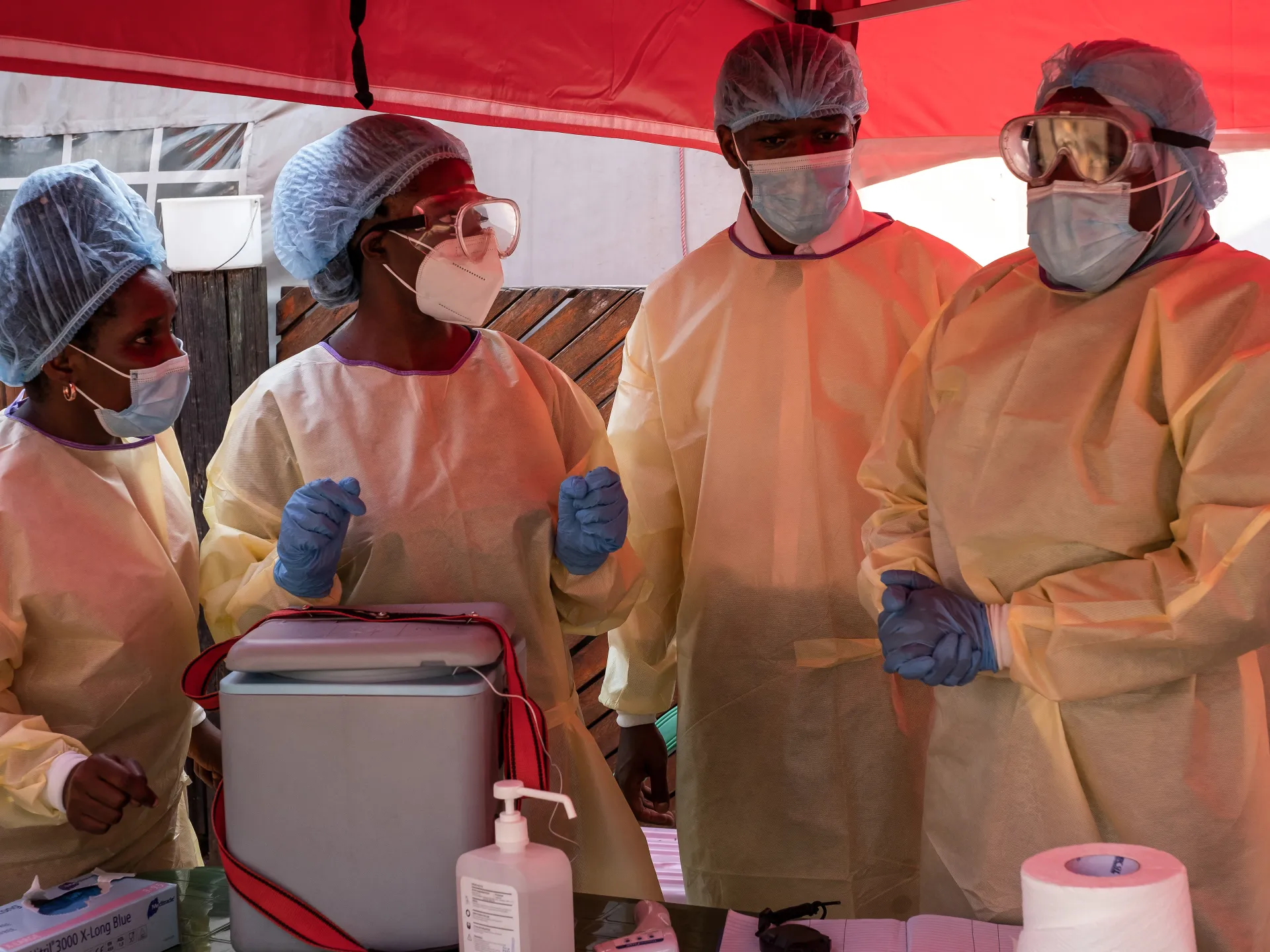
The Ebola outbreak in Uganda has raised understandable concerns among travelers planning for safaris, business trips, and holidays to Uganda. Many tourists are asking important questions about travel safety, airport screening, affected areas, national park operations, and whether gorilla trekking activities are still safe to enjoy.
Uganda is one of Africa’s most popular safari destinations, known for mountain gorilla trekking, Big Five wildlife safaris, chimpanzee tracking, birdwatching, and breathtaking natural landscapes. Every year, thousands of travelers visit the country to explore destinations such as Bwindi Impenetrable National Park, Queen Elizabeth National Park, Murchison Falls National Park, and Kibale National Park for unforgettable wildlife experiences.
Understanding the actual situation is important because headlines and social media reports can sometimes create unnecessary fear or confusion. In reality, Uganda has extensive experience handling public health outbreaks and has developed strong emergency response systems, disease surveillance programs, airport screening procedures, and health monitoring systems designed to contain outbreaks quickly and safely.
In most situations, Ebola outbreaks in Uganda are localized within specific districts rather than affecting the entire country. Many tourism destinations, national parks, and gorilla trekking regions continue operating normally while health authorities focus on targeted containment measures in affected areas.
The Uganda government, health authorities, conservation agencies, tourism operators, and international organizations continue working together to monitor the situation, protect communities, support travelers, and maintain safe tourism operations across unaffected safari regions.
This guide explains the Ebola outbreak in Uganda, what travelers should know before visiting, how the country is responding, and what safari tourists and gorilla trekkers can expect while planning travel to Uganda.
What Is Happening During Ebola Outbreak in Uganda
Uganda is currently responding to an Ebola outbreak that has prompted increased public health monitoring, medical surveillance, and preventive safety measures across parts of the country. Health authorities continue monitoring suspected cases, tracing contacts, strengthening border screening systems, and coordinating with international health organizations to prevent wider transmission.
Despite the outbreak, Uganda remains open for tourism, and many safari destinations continue operating with enhanced health precautions in place. Tourism activities such as gorilla trekking, wildlife safaris, chimpanzee tracking, birdwatching, and cultural tours continue in most national parks and protected wildlife areas.
The situation is being managed through targeted health interventions rather than nationwide shutdowns. This means many regions of Uganda, especially remote safari destinations, continue functioning normally while health teams focus on affected districts and monitored communities.
Travelers arriving during Ebola outbreak in Uganda may notice;
- Temperature screening at airports
- Handwashing and sanitization stations
- Increased health awareness campaigns
- Enhanced cleaning procedures
- Border health monitoring
- Medical preparedness systems
Safari operators, hotels, lodges, and national park authorities are also maintaining additional safety measures to help protect visitors, staff, local communities, and wildlife.
Uganda’s tourism industry remains active, and many travelers continue visiting the country successfully for safari holidays and gorilla trekking experiences.
Overview About Ebola Outbreak in Uganda
The current Ebola situation in Uganda is being closely monitored by the Uganda Ministry of Health together with international organizations like Disease Control and Prevention and World Health Organization.
Ebola is a serious viral disease that spreads through direct contact with infected bodily fluids or contaminated materials. Because Ebola outbreaks can spread rapidly without early intervention, health authorities respond aggressively whenever cases are identified.
Uganda has dealt with Ebola outbreaks before and has developed one of the strongest outbreak response systems in East Africa. This includes:
- Rapid response medical teams
- Contact tracing systems
- Community awareness programs
- Isolation and treatment facilities
- Border screening operations
- Health surveillance systems
The Ebola outbreak in Uganda is generally managed through localized containment efforts rather than nationwide restrictions. This is important for travelers because many safari parks and tourism destinations are often located far from outbreak zones.
Authorities continue providing public updates about:
- Affected districts
- Confirmed and suspected cases
- Health monitoring procedures
- Travel guidance
- Screening measures
- Emergency preparedness
Travelers are encouraged to stay informed through official government updates and reliable international health organizations instead of relying on rumors or misinformation shared online.
When Did Ebola outbreak in Uganda Identified
The Ebola outbreak in Uganda was identified after health authorities detected suspected cases showing symptoms associated with the virus. Medical teams quickly launched investigations, laboratory testing, contact tracing, and emergency response procedures to confirm infections and contain the spread.
Uganda’s health surveillance systems are designed to identify outbreaks early through hospital reporting, district health monitoring, laboratory testing, and community-based health programs.
Once the outbreak was confirmed, authorities immediately activated national emergency response systems involving:
- Health screening checkpoints
- Isolation centers
- Public awareness campaigns
- Emergency medical teams
- Border monitoring operations
- Community health education
The government also increased coordination with international health partners to strengthen preparedness, surveillance, and outbreak management.
In many previous outbreaks, Uganda successfully contained transmission through rapid intervention and strong cooperation between health officials, local communities, border authorities, and international organizations.
The speed of response is one reason Uganda is often recognized internationally for its public health preparedness and outbreak management experience.
How Ebola Outbreak in Uganda is Being Managed
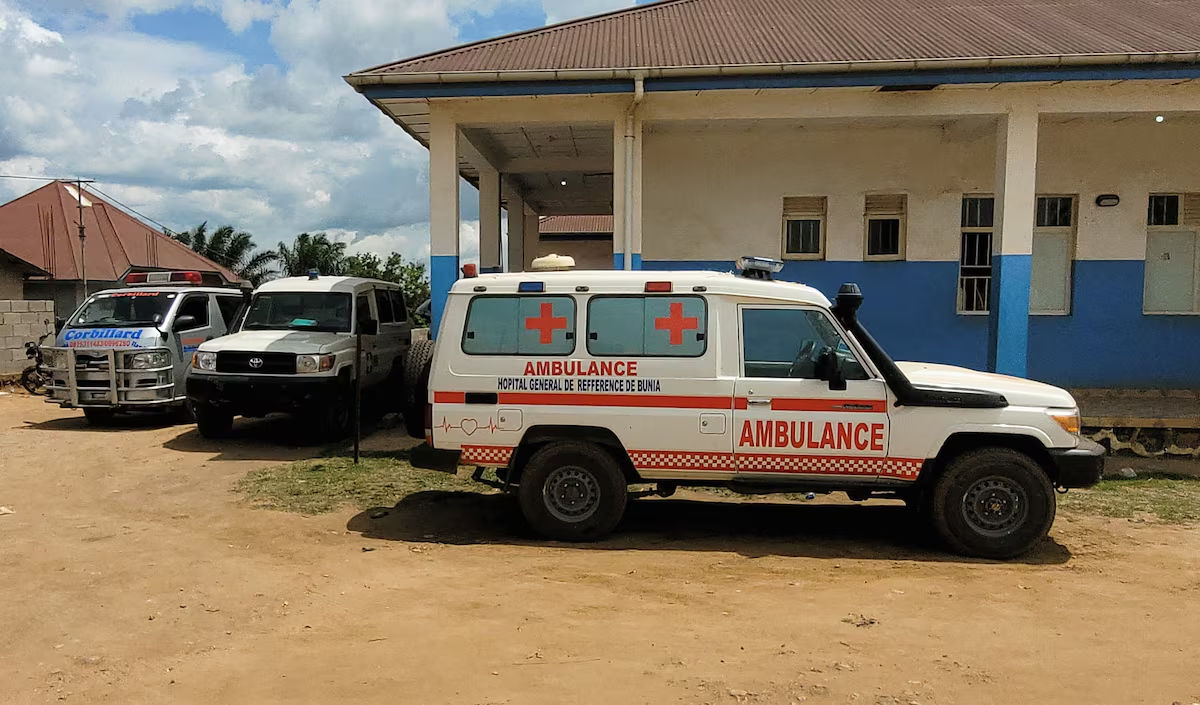
Uganda is responding to the Ebola outbreak through coordinated national health measures aimed at controlling transmission, protecting communities, supporting healthcare systems, and maintaining public safety.
The Uganda Ministry of Health is leading the national response together with district health teams, hospitals, border authorities, conservation agencies, and international organizations such as the World Health Organization and Centers for Disease Control
Key response measures during Ebola outbreak in Uganda include:
- Contact tracing and monitoring
- Isolation and treatment centers
- Health screening at airports and borders
- Community awareness campaigns
- Public health education
- Emergency medical preparedness
- Rapid laboratory testing
- Protective equipment distribution
Health authorities are also working to educate local communities about symptoms, prevention methods, hygiene practices, and the importance of reporting suspected cases early.
At major entry points such as Entebbe International Airport, travelers may encounter enhanced screening procedures including temperature checks, sanitization stations, and health observation systems.
Uganda’s tourism sector is also cooperating closely with health authorities. Safari lodges, national parks, gorilla trekking centers, tour operators, and hotels continue implementing:
- Hygiene protocols
- Visitor health monitoring
- Increased cleaning procedures
- Staff safety training
- Emergency coordination systems
For gorilla trekking specifically, conservation teams maintain strict health guidelines because gorillas are highly vulnerable to human diseases. Visitors, guides, and ranger teams are monitored carefully before trekking activities begin.
Uganda’s overall approach focuses on targeted containment, rapid response, public awareness, and continued monitoring rather than widespread closures. This allows many tourism activities and safari operations to continue safely in unaffected regions while authorities manage the outbreak responsibly.
Current Public Health Measures
Uganda has implemented several public health measures designed to control the Ebola outbreak, reduce transmission risks, strengthen disease surveillance, and protect both residents and international travelers. These measures are being coordinated by the Uganda Ministry of Health together with local health authorities, border agencies, tourism stakeholders, and international health organizations.
Public health efforts are focused on early detection, rapid response, community education, and localized containment rather than nationwide restrictions. This approach allows authorities to manage affected districts while many tourism regions continue operating normally.
Current public health measures in Uganda may include:
- Temperature screening at airports and border crossings
- Contact tracing and monitoring
- Isolation and treatment centers
- Public awareness campaigns
- Handwashing and sanitization stations
- Increased medical surveillance
- Emergency response coordination
- Border health monitoring
- Community health education
- Rapid laboratory testing
At major entry points such as Entebbe International Airport, travelers may encounter health screening procedures before entering the country. Similar monitoring systems may also operate at regional border crossings and transport hubs.
Hotels, safari lodges, restaurants, and tourism facilities often increase hygiene measures by:
- Sanitizing shared spaces regularly
- Providing hand sanitizer
- Monitoring staff health
- Encouraging hygiene awareness
- Improving cleaning protocols
Where there is Ebola outbreak in Uganda, public health system also works closely with conservation authorities to maintain safe operations in national parks and gorilla trekking regions.
The country’s experience managing previous outbreaks has helped strengthen preparedness systems, allowing health authorities to respond quickly whenever new cases are detected.
Understanding the Ebola Outbreak in Uganda
Understanding the Ebola outbreak in Uganda helps travelers separate facts from fear and make informed decisions about visiting Uganda. Ebola is a serious viral disease, but outbreaks are typically managed through organized public health systems designed to identify cases early, isolate infections, trace contacts, and limit further spread.
Uganda has significant experience responding to Ebola outbreaks and has developed strong surveillance and emergency response systems over the years. These systems involve cooperation between hospitals, district health teams, border authorities, laboratories, international organizations, and local communities.
It is important to understand that Ebola outbreaks are usually localized rather than affecting the entire country equally. Many safari destinations, national parks, and tourism regions may remain far from outbreak zones and continue operating under enhanced monitoring and safety protocols.
For travelers visiting Uganda, especially those on organized safaris, the actual risk often remains low when proper health guidelines and official recommendations are followed.
Understanding how Ebola spreads, recognizing symptoms, and following preventive measures helps reduce unnecessary panic while promoting responsible travel practices.
What Is Ebola?
Ebola is a rare but serious viral disease that affects humans and can cause severe illness if not treated quickly. The disease belongs to a group of viruses known as filoviruses and is often referred to as Ebola Virus Disease (EVD).
Ebola was first identified in Central Africa and has since caused outbreaks in several African countries. The disease is named after the Ebola River in the Democratic Republic of Congo, near where one of the earliest known outbreaks occurred.
Ebola can affect many parts of the body and may lead to fever, weakness, vomiting, diarrhea, dehydration, and internal complications in severe cases. Early diagnosis, supportive medical care, and rapid isolation are extremely important in controlling outbreaks and improving survival.
Although Ebola is serious, modern outbreak management systems, surveillance programs, contact tracing, and emergency response measures have greatly improved the ability of countries like Uganda to contain outbreaks more effectively than in the past.
For travelers, understanding that Ebola spreads through direct contact rather than casual interaction is important because it helps reduce misinformation and unnecessary fear.
How Ebola Spreads
Ebola spreads through direct contact with bodily fluids from an infected person or contaminated materials. The virus is not generally spread through casual contact or through the air in the same way as common respiratory illnesses.
Transmission may occur through contact with:
- Blood
- Vomit
- Saliva
- Sweat
- Urine
- Feces
- Contaminated surfaces or objects
Healthcare workers, caregivers, and people in close physical contact with infected individuals are usually at higher risk if proper protective measures are not used.
Ebola does not typically spread through ordinary tourism activities such as:
- Game drives
- Gorilla trekking
- Birdwatching
- Boat safaris
- Wildlife photography
- Staying in safari lodges
Most safari activities in Uganda take place outdoors in controlled tourism environments with organized safety systems and professional guides.
Travelers can reduce risk by:
- Washing hands regularly
- Using hand sanitizer
- Avoiding contact with sick individuals
- Following health guidance
- Cooperating with screening procedures
- Using trusted safari operators
Understanding how Ebola spreads helps travelers focus on practical safety measures instead of unnecessary panic.
Common Ebola Symptoms
Ebola symptoms may appear several days after infection and can vary from mild early symptoms to more serious illness as the disease progresses.
Common symptoms may include:
- Fever
- Fatigue
- Muscle pain
- Headache
- Sore throat
- Weakness
- Vomiting
- Diarrhea
- Stomach pain
In severe cases, additional complications may develop.
Because some early Ebola symptoms can resemble common illnesses such as malaria or flu, laboratory testing and medical evaluation are important whenever suspected cases arise.
Travelers who feel unwell before or during a safari should inform medical professionals, safari operators, or health authorities promptly instead of attempting to continue travel activities while sick.
Uganda’s health authorities continue monitoring suspected cases through hospitals, clinics, border screening systems, and community surveillance programs to identify and isolate infections quickly.
Ebola Prevention and Control Measures
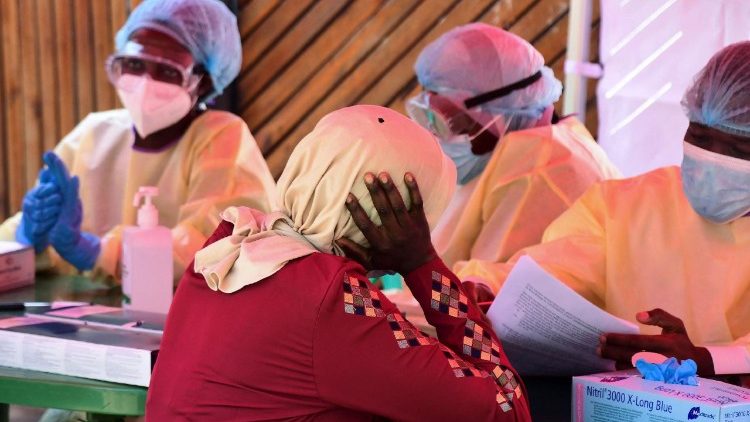
Preventing and controlling Ebola relies heavily on early detection, rapid response, public awareness, and responsible hygiene practices.
Uganda uses several prevention and control strategies including:
- Contact tracing
- Isolation of suspected cases
- Community education
- Border screening
- Health surveillance
- Laboratory testing
- Medical response teams
- Protective equipment for healthcare workers
Tourism facilities and safari operators also contribute by implementing:
- Handwashing stations
- Sanitization procedures
- Staff health monitoring
- Visitor screening where necessary
- Hygiene awareness for guests
Travelers can help protect themselves and others by:
- Washing hands regularly
- Carrying hand sanitizer
- Following official health guidance
- Avoiding contact with sick individuals
- Reporting symptoms early
- Maintaining good personal hygiene
For gorilla trekking activities, additional conservation health protocols already exist because gorillas are vulnerable to human diseases. These measures help protect wildlife while maintaining safe tourism operations.
Strong public awareness campaigns are also important because they help communities understand symptoms, prevention methods, and the importance of early medical care.
Why Ebola Outbreaks Receive Global Attention
Ebola outbreaks receive significant global attention because the disease is serious, can spread rapidly without early control, and requires immediate public health intervention to prevent wider transmission.
International health organizations, governments, airlines, tourism industries, conservation agencies, and border authorities closely monitor outbreaks to ensure traveler safety, support healthcare systems, and coordinate emergency responses.
Ebola also attracts major media coverage because of:
- Its high fatality potential
- Historical outbreaks in Africa
- International travel concerns
- Public health implications
- Impact on tourism and economies
- Cross-border monitoring efforts
However, media coverage can sometimes create the impression that entire countries are unsafe even when outbreaks remain limited to specific districts.
In reality, countries like Uganda often respond aggressively and professionally to outbreaks using modern surveillance systems, medical preparedness, and targeted containment measures.
For safari travelers, it is important to understand that tourism regions may remain operational and safe even during localized outbreaks. National parks, gorilla trekking regions, and wildlife destinations are frequently far from affected areas and continue operating under monitored safety procedures.
Uganda’s experience managing outbreaks, combined with cooperation from the World Health Organization and international partners, helps strengthen confidence in the country’s ability to respond effectively while maintaining tourism operations responsibly.
Ebola outbreaks in Uganda are usually concentrated within specific districts rather than spreading across the entire country. This is an important distinction because many international travelers incorrectly assume that all tourism destinations in Uganda are affected whenever an outbreak is reported.
In reality, Uganda is geographically large, and most safari regions are located far from localized outbreak zones. Health authorities typically focus surveillance, screening, and response measures within specific monitored districts while many tourism areas continue operating normally.
The Uganda Ministry of Health regularly monitors suspected and confirmed cases while coordinating with local health teams, border authorities, hospitals, conservation agencies, and international health organizations.
Travelers are encouraged to follow official updates instead of relying on rumors or generalized social media information that may incorrectly suggest the entire country is unsafe.
Most safari travelers visiting Uganda spend the majority of their time in protected wildlife areas, remote national parks, and organized tourism environments that may be located far from outbreak zones.
Districts Under Monitoring
During an Ebola outbreak, Ugandan health authorities place specific districts under increased monitoring based on confirmed cases, suspected infections, contact tracing investigations, and regional movement patterns.
Districts under monitoring may experience:
- Increased medical surveillance
- Community health campaigns
- Screening checkpoints
- Contact tracing activities
- Public awareness programs
- Rapid response medical deployments
The monitored districts can change as investigations continue and health authorities assess the evolving situation.
Health officials continuously analyze:
- Movement of suspected contacts
- Local transmission risks
- Cross-border travel patterns
- Healthcare system preparedness
- Community exposure levels
These monitoring systems are designed to contain outbreaks quickly and reduce the risk of wider transmission.
In most situations, outbreak response efforts focus on targeted districts rather than introducing nationwide travel restrictions.
This targeted approach allows unaffected regions, including tourism destinations and safari parks, to continue operating with enhanced preventive measures.
Areas With Reported Cases
Areas with reported Ebola cases are usually identified publicly by the Uganda Ministry of Health and international health organizations such as the World Health Organization and CDC Ebola Information
These areas often become the focus of:
- Medical response teams
- Community health interventions
- Isolation and treatment measures
- Contact tracing programs
- Increased surveillance systems
Travelers should understand that even when cases are confirmed within a district, this does not necessarily mean the entire region becomes inaccessible or unsafe for tourism.
Health authorities typically identify:
- Confirmed case locations
- Exposure zones
- Monitored communities
- Healthcare response areas
This helps ensure outbreak management remains localized and controlled.
Uganda’s health system works to isolate cases quickly, monitor potential exposure chains, and reduce further spread through organized response measures.
For travelers, the most important step is staying informed through official government updates and professional safari operators who monitor developments closely.
Areas Considered Safe for Tourism
Many of Uganda’s major tourism destinations continue operating safely during localized Ebola outbreaks because they are geographically distant from monitored districts and operate under organized tourism and health management systems.
Popular safari destinations often considered safe for tourism include:
- Bwindi Impenetrable National Park
- Queen Elizabeth National Park
- Murchison Falls National Park
- Kibale National Park
- Lake Mburo National Park
- Kidepo Valley National Park
- Mgahinga Gorilla National Park
These destinations continue attracting tourists for:
- Gorilla trekking
- Wildlife safaris
- Chimpanzee tracking
- Birdwatching
- Boat safaris
- Nature photography
- Cultural experiences
National parks are highly regulated environments with ranger supervision, organized visitor systems, controlled tourism activities, and strong conservation management.
Most safari activities also take place outdoors in relatively isolated natural environments rather than crowded urban settings.
Tourism businesses across Uganda continue implementing:
- Hygiene measures
- Staff health monitoring
- Vehicle sanitization
- Visitor awareness procedures
- Emergency coordination systems
Travelers using organized safari itineraries often remain within structured tourism routes with professional guides, monitored lodges, and planned transport arrangements.
Difference Between Affected Regions and Safari Destinations
One of the most important things travelers should understand is the difference between affected outbreak regions and Uganda’s main safari destinations.
When international news reports mention “Ebola in Uganda,” many people assume the entire country is equally affected. In reality, outbreaks are usually concentrated within specific districts while many safari parks and tourism areas remain far away from outbreak zones.
Uganda’s safari destinations are spread across different regions of the country, often separated by long distances from monitored districts.
For example:
- Gorilla trekking regions are located in southwestern Uganda
- Savannah safari parks are spread across western and northern Uganda
- Major outbreak zones may occur in entirely different districts
This geographic separation is important because tourism activities often continue normally in unaffected regions while health authorities focus on localized containment.
Most safari travelers experience:
- Private guided transport
- Controlled lodge environments
- Outdoor activities
- Small tourism groups
- Remote wildlife destinations
These conditions naturally reduce many risks associated with densely populated urban areas.
Understanding this distinction helps travelers make informed decisions based on actual risk levels rather than generalized fear created by broad headlines.
Is Uganda Safe for Tourists Right Now?
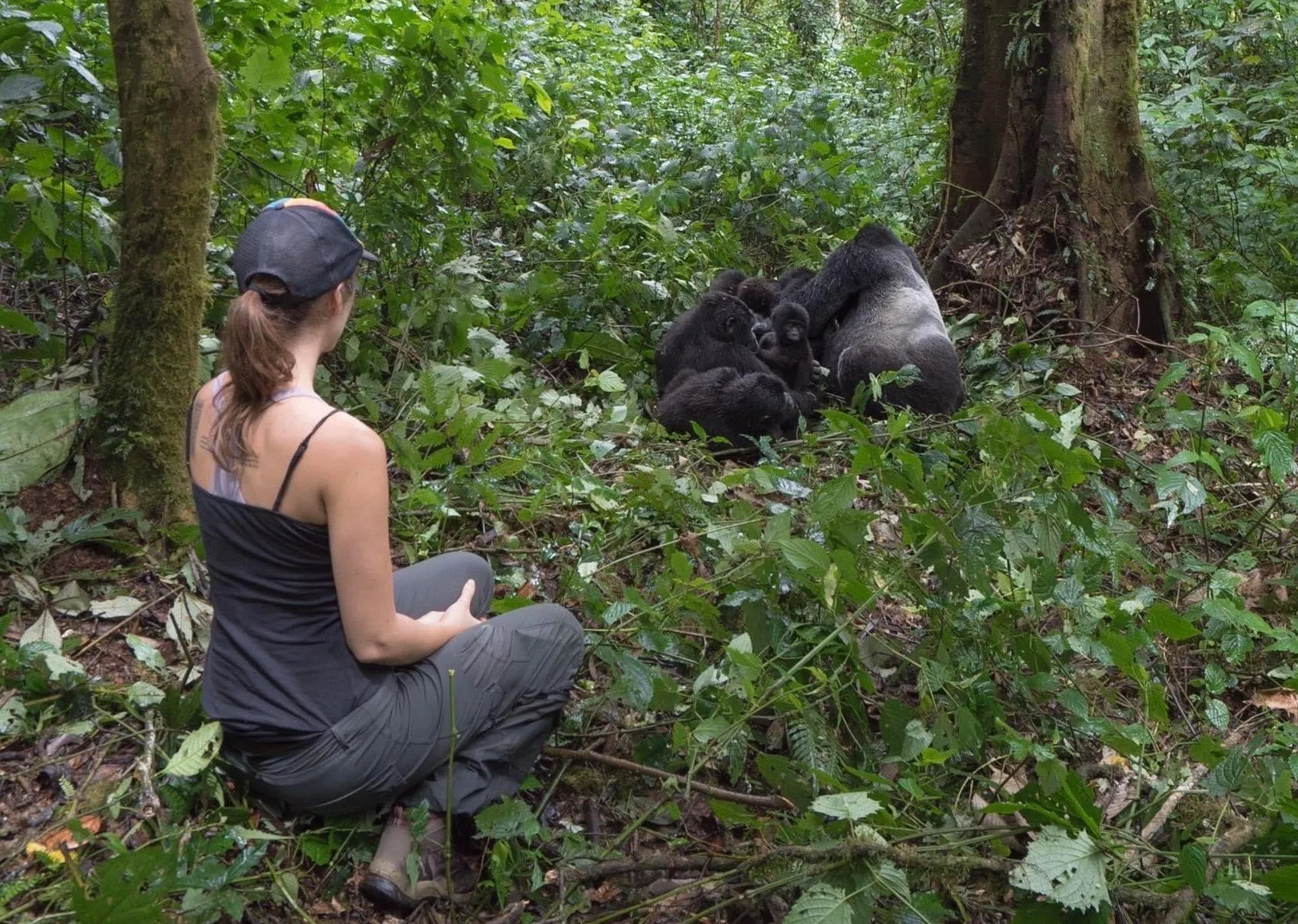
Uganda is generally considered safe for tourists visiting unaffected safari destinations, especially when travelers follow official guidance, use trusted safari operators, and maintain recommended hygiene practices.
Tourism continues operating across many regions of Uganda, including major wildlife parks and gorilla trekking destinations. The country maintains organized tourism systems, experienced safari infrastructure, strong conservation management, and public health monitoring programs designed to support safe travel experiences.
Most visitors traveling to Uganda for safaris spend their time in remote national parks, protected conservation areas, and organized tourism facilities where health monitoring systems and hygiene measures are actively maintained.
Travelers may encounter:
- Temperature screening
- Handwashing stations
- Sanitization procedures
- Health monitoring systems
- Increased hygiene awareness
These measures are designed to reduce transmission risks while maintaining tourism operations responsibly.
For most safari travelers, the actual experience in Uganda remains calm, organized, and professionally managed despite increased public health monitoring.
Visitors are encouraged to:
- Stay informed through official sources
- Follow health recommendations
- Carry travel insurance
- Book with reputable safari operators
- Practice regular hand hygiene
- Monitor travel advisories before departure
Uganda’s experience managing previous outbreaks also provides additional reassurance because the country has established strong emergency response systems and disease containment strategies.
Uganda Remains Open for Tourism
Uganda remains open for tourism, and many safari activities continue operating normally across the country despite localized Ebola monitoring and response efforts.
International travelers continue visiting Uganda for:
- Gorilla trekking
- Wildlife safaris
- Chimpanzee tracking
- Birdwatching tours
- Adventure travel
- Cultural experiences
- Luxury safaris
- Photography expeditions
Major tourism destinations such as Bwindi Impenetrable National Park, Queen Elizabeth National Park, and Murchison Falls National Park continue welcoming travelers under enhanced health and safety measures.
Safari lodges, hotels, tour companies, airlines, and conservation agencies continue operating while cooperating closely with health authorities to maintain safe tourism environments.
Travelers arriving through Entebbe International Airport may notice additional health screening procedures, but tourism services generally continue functioning normally.
Uganda’s tourism industry remains resilient because:
- Most safari activities occur outdoors
- Tourism regions are often far from outbreak zones
- Organized safari systems reduce unnecessary exposure
- Conservation areas maintain controlled visitor access
- Health authorities continue active monitoring
Many travelers continue choosing Uganda because of its mountain gorillas, wildlife diversity, scenic beauty, and authentic safari experiences despite ongoing health monitoring efforts.
For visitors who prepare properly, follow official guidance, and travel responsibly, Uganda continues offering some of Africa’s most rewarding safari and gorilla trekking experiences.
Uganda has strengthened health and safety measures across the country to help control the Ebola outbreak while maintaining safe travel, tourism operations, and public services. These preventive measures are designed to reduce transmission risks, increase early detection, and support rapid response whenever suspected cases are identified.
The Uganda Ministry of Health continues coordinating with hospitals, border authorities, airports, conservation agencies, district health teams, and international organizations to maintain nationwide preparedness and surveillance systems.
Travelers may notice several safety measures during their visit to Uganda, including:
- Temperature screening at airports and border crossings
- Handwashing stations in public areas
- Hand sanitizer availability in hotels and lodges
- Increased hygiene awareness campaigns
- Enhanced cleaning and disinfection procedures
- Health monitoring in tourism facilities
- Medical preparedness systems
- Public health information displays
Many safari lodges, hotels, restaurants, and tourism facilities continue implementing additional hygiene protocols to protect guests, staff, and local communities.
These measures may include:
- Regular sanitization of rooms and shared spaces
- Staff health monitoring
- Sanitized safari vehicles
- Contactless check-in options where possible
- Increased cleaning of dining and reception areas
Transportation providers and safari operators also continue promoting safe travel practices by maintaining vehicle hygiene standards and reducing unnecessary crowd exposure during transfers.
Uganda’s public health response focuses heavily on awareness, prevention, early detection, and localized containment rather than widespread shutdowns. This helps allow tourism, transportation, and daily activities to continue responsibly in unaffected regions.
Health Monitoring Systems
Uganda has developed strong health monitoring systems designed to detect suspected Ebola cases early, trace contacts quickly, and reduce the risk of wider transmission.
These systems are coordinated by the Uganda Ministry of Health in collaboration with regional health offices, hospitals, laboratories, border agencies, conservation authorities, and international partners including the World Health Organization and CDC Ebola Information.
Health monitoring efforts across Uganda may include:
- Screening at airports and border crossings
- Contact tracing systems
- Community surveillance programs
- Rapid laboratory testing
- Monitoring of suspected cases
- Emergency medical response teams
- Public awareness campaigns
- District-level reporting systems
At key entry points such as Entebbe International Airport, travelers may encounter temperature checks, health observation procedures, and screening measures before entering the country.
Hospitals and medical facilities across Uganda also maintain surveillance systems to identify symptoms quickly and coordinate with health authorities if necessary.
Tourism facilities and safari operators are encouraged to remain alert for potential health concerns while maintaining communication with authorities regarding current travel guidance and safety recommendations.
The country’s experience handling previous outbreaks has significantly strengthened its ability to monitor and manage public health situations efficiently.
Tourism Operations During the Outbreak
Tourism operations in Uganda generally continue during localized Ebola outbreaks, especially in safari destinations and national parks located far from affected regions.
Uganda’s tourism sector remains active because many safari activities take place in outdoor environments, remote conservation areas, and organized tourism systems with controlled visitor management.
Popular tourism activities that often continue operating include:
- Gorilla trekking
- Wildlife safaris
- Chimpanzee tracking
- Birdwatching tours
- Boat cruises
- Nature walks
- Cultural experiences
- Photography safaris
National parks such as Bwindi Impenetrable National Park, Queen Elizabeth National Park, Murchison Falls National Park, and Kibale National Park often continue welcoming visitors with additional health precautions in place.
Safari operators and lodges continue implementing:
- Enhanced hygiene measures
- Staff safety training
- Vehicle sanitization
- Visitor awareness procedures
- Health monitoring protocols
Domestic flights, private safari transfers, and organized tourism logistics also continue operating in many situations unless specific travel restrictions are introduced.
Travelers should understand that Uganda’s tourism industry has experience operating responsibly during regional health concerns while maintaining visitor safety and conservation protection.
Professional safari operators continuously monitor:
- Government advisories
- Park operations
- Regional travel conditions
- Health guidance
- Border regulations
This helps ensure travelers receive updated information and safe safari planning support throughout their trip.
What Travelers Should Expect
Travelers visiting Uganda during an Ebola outbreak should expect increased health awareness and preventive measures rather than panic or widespread disruption.
Most safari visitors continue enjoying organized and successful trips across Uganda’s national parks and tourism regions while following simple health guidelines and travel precautions.
Upon arrival in Uganda, travelers may encounter:
- Temperature screening
- Health observation procedures
- Hand sanitization requirements
- Increased hygiene messaging
- Health declaration forms
Within safari lodges and tourism facilities, guests may notice:
- Handwashing stations
- Regular sanitization of shared spaces
- Enhanced room cleaning
- Staff hygiene practices
- Increased public health awareness
Safari activities themselves generally remain calm and professionally managed. Most experiences occur outdoors in small groups under ranger or guide supervision.
Travelers should also expect safari operators to remain updated on:
- Official health guidance
- Regional safety updates
- National park operations
- Border crossing procedures
- Travel advisories
The majority of Uganda safari itineraries continue operating normally, especially in remote wildlife areas far from monitored districts.
Travelers can help ensure a smooth trip by:
- Following hygiene recommendations
- Carrying travel insurance
- Staying informed through reliable sources
- Cooperating with screening procedures
- Traveling with reputable safari companies
For most visitors, Uganda continues providing exceptional gorilla trekking and safari experiences despite increased health monitoring measures.
Are Uganda National Parks Safe to Visit?
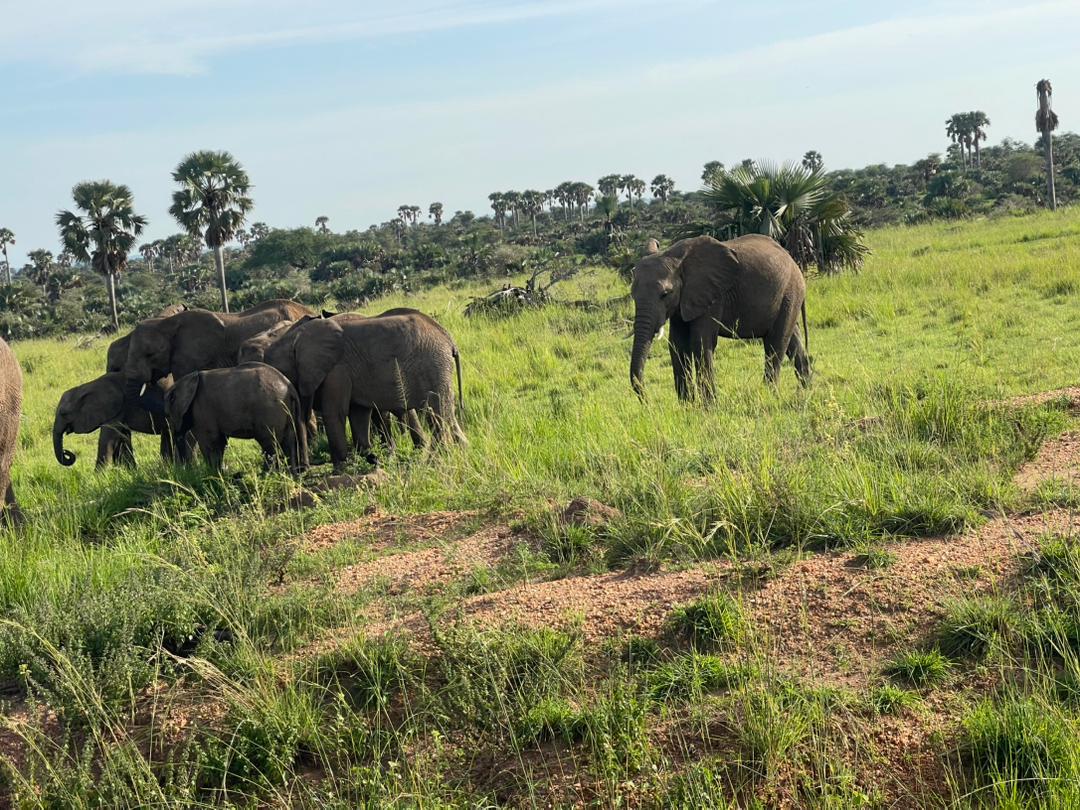
Yes, Uganda National Parks are generally considered safe to visit during localized Ebola outbreaks, particularly when the parks are located outside affected regions and operate under enhanced health and safety procedures.
Most of Uganda’s major safari destinations are remote conservation areas with controlled visitor access, organized tourism systems, trained ranger teams, and regulated safari activities.
Popular parks that often continue operating safely include:
- Bwindi Impenetrable National Park
- Queen Elizabeth National Park
- Murchison Falls National Park
- Kibale National Park
- Lake Mburo National Park
- Kidepo Valley National Park
- Mgahinga Gorilla National Park
Activities such as gorilla trekking, chimpanzee tracking, game drives, boat cruises, and birdwatching usually continue with additional health precautions where necessary.
The Uganda Wildlife Authority works closely with health authorities and tourism stakeholders to maintain safe tourism operations within protected areas.
Additional measures in national parks may include:
- Visitor health screening
- Hand sanitization before activities
- Ranger health monitoring
- Enhanced hygiene awareness
- Controlled visitor group sizes
- Increased lodge cleaning procedures
Because most safari experiences occur outdoors in relatively isolated natural environments, the risk for organized safari travelers often remains lower than in crowded urban areas.
Travelers booking Uganda safaris through experienced tour operators usually benefit from:
- Updated travel guidance
- Organized private transport
- Monitored accommodation
- Professional guide support
- Flexible itinerary planning
For many travelers, Uganda’s national parks continue offering safe, memorable, and world-class safari experiences even during periods of increased public health monitoring.
Bwindi Impenetrable National Park Safety
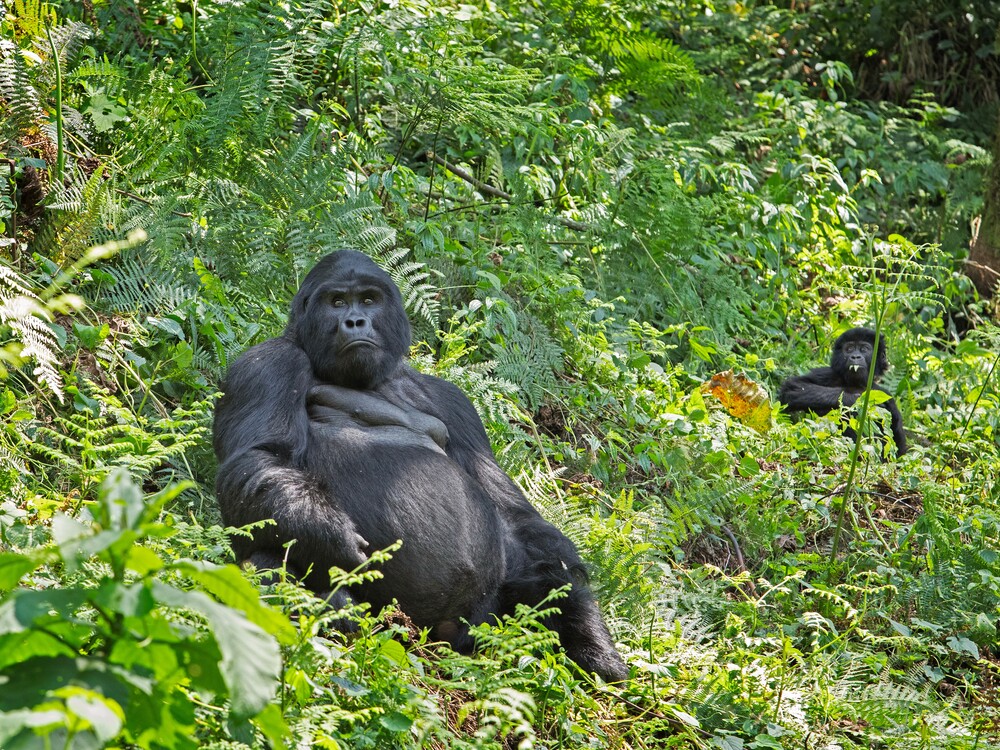
Bwindi Impenetrable National Park remains one of the safest and most carefully monitored tourism destinations in Uganda during Ebola outbreaks. The park is located in southwestern Uganda, far from many outbreak monitoring zones, and continues operating under strict conservation and health management systems.
Bwindi is internationally famous for mountain gorilla trekking and receives visitors from around the world throughout the year. Gorilla trekking activities are highly regulated and conducted in small guided groups under the supervision of trained rangers and conservation staff.
Additional safety measures may include:
- Visitor health screening before trekking
- Hand sanitization procedures
- Ranger and guide health monitoring
- Controlled visitor numbers
- Increased hygiene awareness
- Strict gorilla trekking rules
Because gorillas are vulnerable to human diseases, Bwindi already maintains strong health protocols even outside outbreak periods. Visitors showing symptoms such as fever, flu, vomiting, or contagious illness may not be allowed to participate in trekking activities.
Safari lodges in Bwindi also continue implementing enhanced hygiene and sanitation measures to maintain guest safety and comfort.
For most travelers, Bwindi remains one of Uganda’s safest and most organized safari destinations during periods of increased public health monitoring.
Queen Elizabeth National Park Safety
Queen Elizabeth National Park continues to operate as one of Uganda’s major wildlife safari destinations with enhanced health and safety precautions in place.
The park is known for:
- Tree-climbing lions
- Elephant sightings
- Buffalo herds
- Hippos and crocodiles
- Boat cruises on the Kazinga Channel
- Birdwatching experiences
- Scenic crater lakes
Most safari activities in Queen Elizabeth National Park take place outdoors in open savannah landscapes, which naturally reduces many risks associated with crowded environments.
Safari operations within the park remain highly organized through:
- Guided game drives
- Controlled lodge environments
- Professional ranger supervision
- Monitored tourism systems
Lodges and safari camps continue implementing:
- Sanitization procedures
- Staff health monitoring
- Enhanced room cleaning
- Safe food preparation practices
- Hygiene awareness for guests
The park’s location within Uganda’s tourism circuit allows operators and conservation authorities to maintain effective communication regarding safety updates and health recommendations.
Travelers visiting Queen Elizabeth National Park generally continue enjoying safe and professionally managed wildlife safaris.
Murchison Falls National Park Safety
Murchison Falls National Park remains one of Uganda’s premier safari destinations and continues operating with additional public health precautions during outbreak monitoring periods.
The park is famous for:
- The powerful Murchison Falls
- Big Five wildlife safaris
- Nile River boat cruises
- Giraffe sightings
- Elephant herds
- Lion and leopard encounters
- Birdwatching safaris
Most activities in Murchison Falls National Park take place within vast outdoor wilderness areas with controlled tourism systems and organized safari routes.
Tourism facilities in and around the park continue implementing safety measures such as:
- Handwashing stations
- Vehicle sanitization
- Enhanced cleaning protocols
- Staff hygiene monitoring
- Visitor awareness measures
Safari travelers often use private vehicles and guided safari arrangements, helping reduce unnecessary exposure during transfers and park activities.
The park remains closely monitored by the Uganda Wildlife Authority together with tourism stakeholders and health authorities to maintain safe tourism operations.
For most visitors, Murchison Falls National Park continues offering safe wildlife experiences and well-managed safari adventures.
Kibale Forest National Park Safety
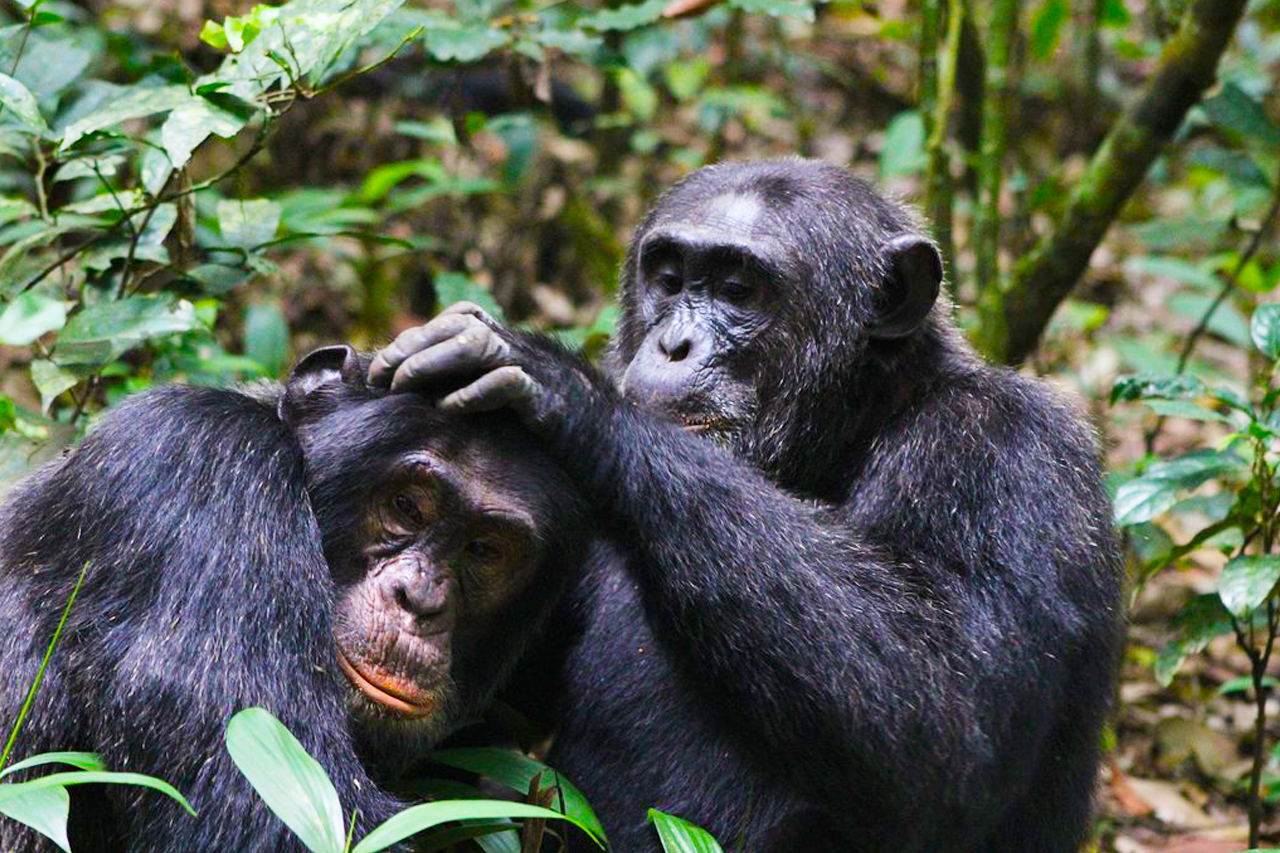
Kibale National Park remains a safe destination for chimpanzee tracking and forest safari experiences during localized Ebola outbreaks.
Kibale Forest is internationally recognized for its high concentration of primates, including chimpanzees, monkeys, and forest wildlife. The park attracts visitors seeking rainforest experiences, guided nature walks, birdwatching, and chimpanzee tracking adventures.
Chimpanzee trekking activities are carefully supervised by ranger guides and conservation staff under controlled tourism procedures.
Additional health precautions may include:
- Visitor health observation
- Hand sanitization before activities
- Ranger safety monitoring
- Controlled group sizes
- Increased hygiene procedures
Because primates can be vulnerable to certain human diseases, conservation authorities already maintain strong health protocols within the park.
Most tourism activities in Kibale take place in outdoor rainforest environments with small guided groups and regulated visitor systems.
Safari lodges around Kibale Forest continue maintaining enhanced hygiene standards and visitor safety procedures.
Travelers visiting Kibale National Park generally continue enjoying safe chimpanzee tracking experiences and professionally organized forest safaris.
Lake Mburo National Park Safety
Lake Mburo National Park remains one of Uganda’s safest and most accessible safari parks during periods of increased health monitoring.
Located relatively close to Kampala and Entebbe, Lake Mburo is known for:
- Zebra sightings
- Giraffes
- Antelopes
- Boat safaris
- Birdwatching
- Walking safaris
- Horseback safari experiences
The park’s tourism activities are conducted within controlled outdoor environments under organized ranger supervision and safari management systems.
Lodges and tourism facilities around Lake Mburo continue implementing:
- Enhanced cleaning procedures
- Hand sanitization stations
- Staff health monitoring
- Visitor hygiene awareness
Because the park receives both international and domestic tourists, operators remain attentive to official health guidance and tourism safety recommendations.
Lake Mburo’s calm safari atmosphere, smaller crowds, and organized tourism systems continue making it a comfortable and safe safari option for many travelers.
Kidepo Valley National Park Safety
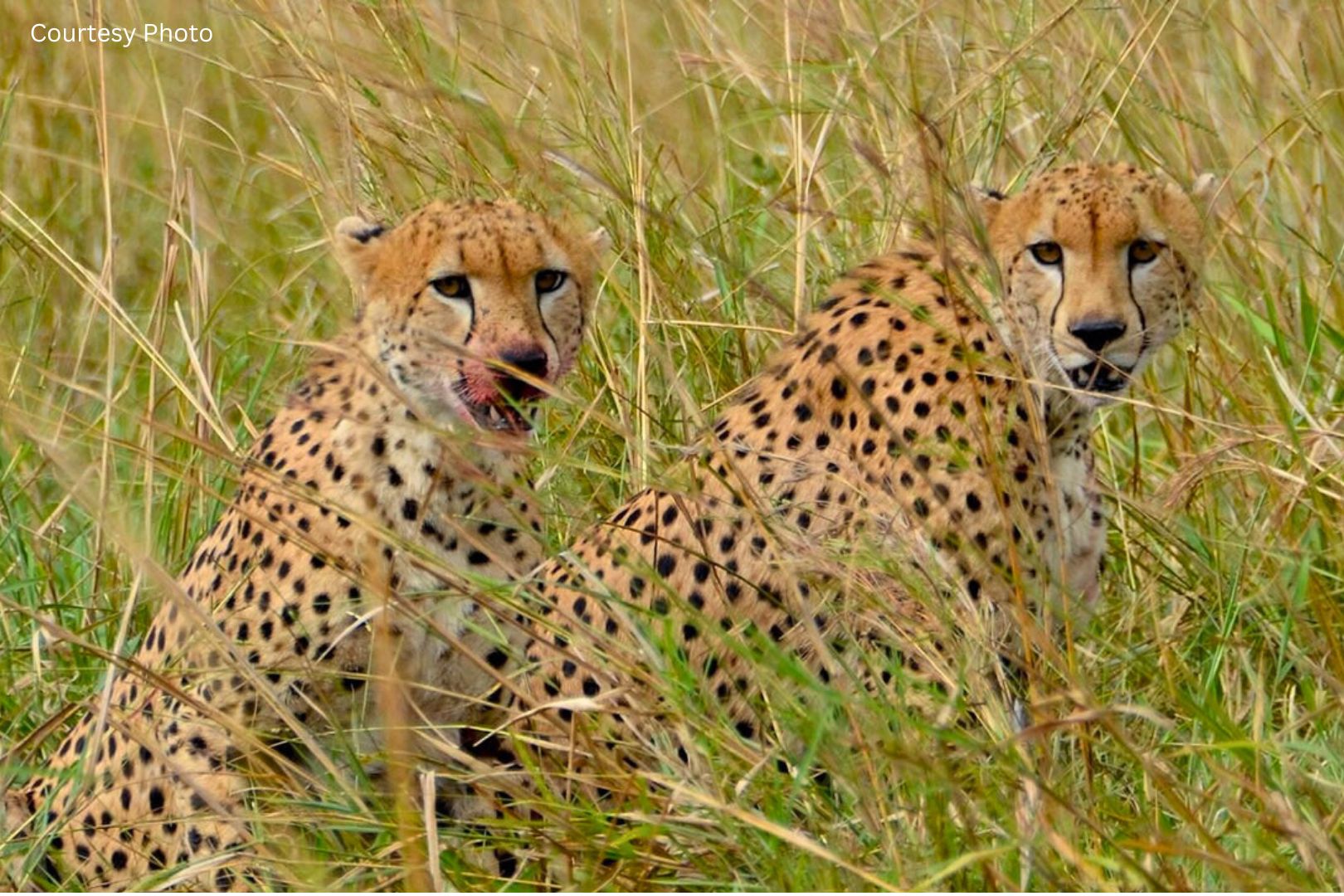
Kidepo Valley National Park remains one of Uganda’s most remote and least crowded safari destinations, making it an attractive option for travelers seeking isolated wilderness experiences during health monitoring periods.
Located in northeastern Uganda, Kidepo Valley National Park is famous for:
- Untouched wilderness landscapes
- Large buffalo herds
- Lions and cheetahs
- Elephant populations
- Exceptional birdwatching
- Scenic savannah views
- Remote safari experiences
The park’s remote location and low tourist density naturally reduce many risks associated with crowded travel environments.
Safari activities in Kidepo are typically conducted through:
- Private guided safaris
- Small visitor groups
- Outdoor game drives
- Controlled lodge environments
Tourism operators and lodges in Kidepo continue maintaining hygiene and safety procedures to support traveler well-being.
Because Kidepo receives fewer tourists compared to some other East African safari parks, visitors often enjoy highly exclusive and peaceful safari experiences.
For travelers seeking remote adventure safaris with minimal crowds, Kidepo Valley National Park remains one of Uganda’s safest and most rewarding wildlife destinations.
Is Gorilla Trekking Safe During the Ebola Outbreak?
Yes, gorilla trekking in Uganda is generally considered safe during localized Ebola outbreaks when proper health guidelines and conservation protocols are followed. Gorilla trekking activities operate under some of the strictest wildlife health and safety regulations in Africa because mountain gorillas are highly vulnerable to human diseases.
Uganda’s gorilla trekking experiences in Bwindi Impenetrable National Park and Mgahinga Gorilla National Park are carefully managed by the Uganda Wildlife Authority together with conservation experts, ranger teams, trackers, veterinarians, and tourism authorities.
Even outside outbreak periods, gorilla trekking follows strict health protocols designed to protect both visitors and gorillas. During Ebola monitoring periods, these measures may become even more reinforced through additional screening, hygiene procedures, and visitor health observation systems.
Gorilla trekking itself takes place in remote rainforest environments with:
- Small visitor groups
- Professional ranger supervision
- Controlled trekking routes
- Outdoor settings
- Limited contact between groups
This highly regulated structure helps maintain safe tourism operations while minimizing unnecessary exposure risks.
Travelers who follow official guidance, maintain good hygiene, and cooperate with ranger instructions can generally continue enjoying safe and unforgettable gorilla trekking experiences in Uganda.
Gorilla Trekking Health Protocols
Gorilla trekking health protocols are designed to protect both humans and gorillas from disease transmission. Because mountain gorillas share a large percentage of human DNA, they are highly susceptible to respiratory infections and other illnesses carried by people.
Uganda already maintains strict gorilla trekking rules throughout the year, but these measures may become even stricter during health outbreaks.
Health protocols may include:
- Visitor health assessments before trekking
- Hand sanitization before entering the forest
- Controlled visitor numbers
- Safe viewing distances from gorillas
- Restrictions for sick travelers
- Ranger health monitoring
- Hygiene awareness briefings
Trekkers are also required to maintain a minimum distance from gorillas during encounters to help reduce disease transmission risks.
Gorilla families are monitored closely by veterinary teams and conservation staff who observe gorilla health conditions regularly within the forest.
The combination of controlled visitor access, professional ranger supervision, and conservation health monitoring makes gorilla trekking one of the most carefully managed wildlife tourism activities in Africa.
Health Screening Before Trekking
Before gorilla trekking begins, visitors may undergo health screening procedures designed to identify possible symptoms and reduce the risk of transmitting illness to gorillas, guides, or other travelers.
Screening procedures may include:
- Temperature checks
- Health observation
- Questions about recent illness
- Hand sanitization requirements
- Safety briefings
Visitors showing symptoms such as:
- Fever
- Flu-like illness
- Persistent cough
- Vomiting
- Diarrhea
- Weakness
may not be permitted to participate in gorilla trekking activities.
These precautions are important because gorillas are extremely vulnerable to human diseases, and conservation authorities take wildlife protection very seriously.
Health screening also helps protect ranger teams, trackers, porters, lodge staff, and local communities involved in tourism operations.
Most travelers find the screening procedures simple, professional, and reassuring because they demonstrate the strong level of care applied to gorilla conservation and visitor safety.
Ranger and Guide Safety Procedures
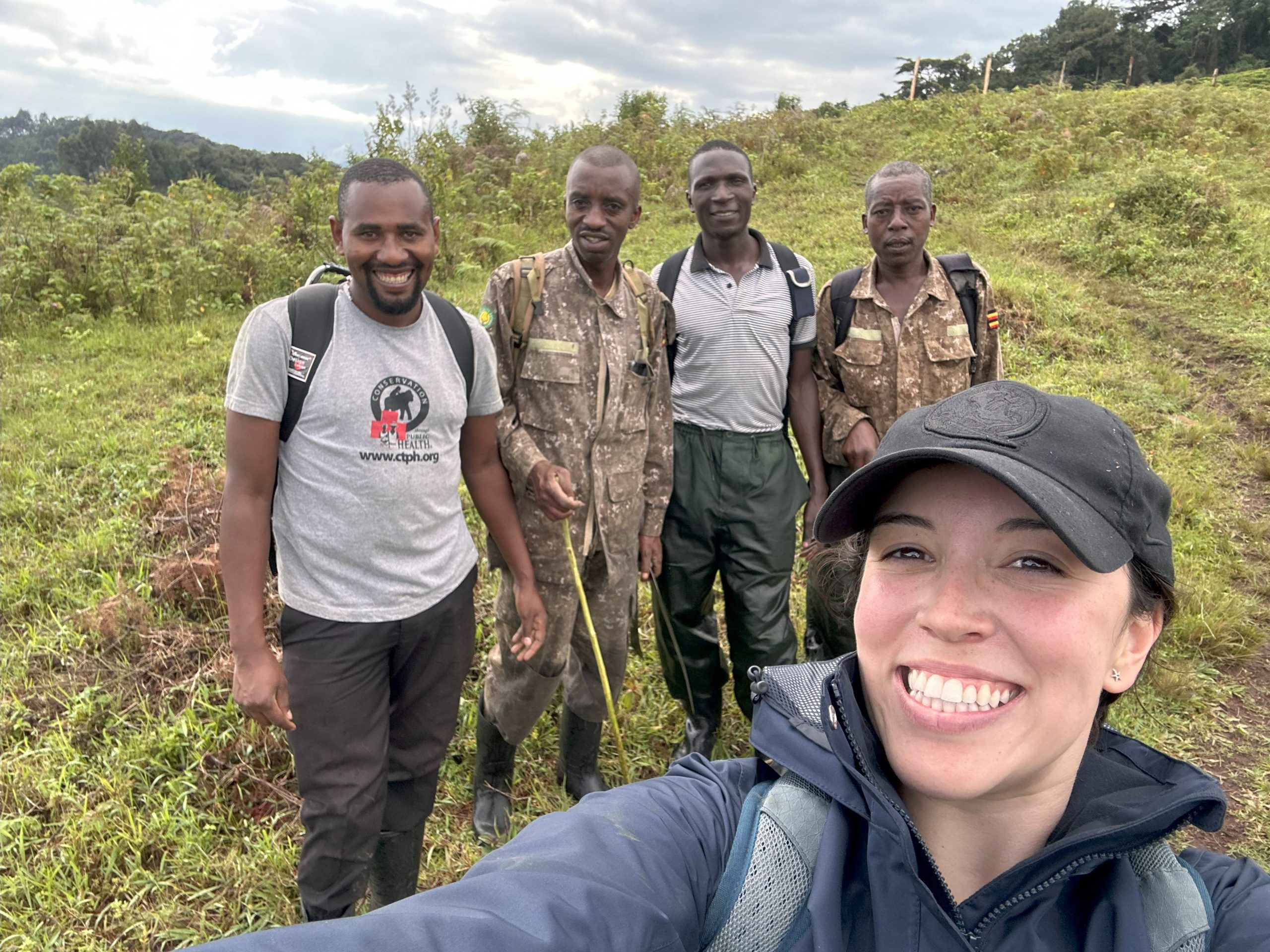
Rangers and safari guides play a critical role in maintaining safe gorilla trekking experiences during Ebola monitoring periods.
The Uganda Wildlife Authority continues working with conservation teams, veterinary experts, and tourism operators to ensure ranger teams follow appropriate safety protocols.
Guide and ranger safety procedures may include:
- Routine health monitoring
- Hygiene training
- Sanitization practices
- Visitor screening support
- Emergency response coordination
- Controlled trekking group management
Before trekking begins, rangers provide detailed safety briefings covering:
- Gorilla behavior guidelines
- Hygiene requirements
- Safe viewing distances
- Emergency procedures
- Forest safety rules
Guides also monitor visitor behavior during treks to ensure conservation and health rules are followed properly.
Because gorilla trekking groups are small and carefully supervised, rangers can quickly identify and manage any potential concerns during the activity.
The professionalism and experience of Uganda’s ranger teams are among the reasons gorilla trekking remains highly organized and well managed even during periods of increased health monitoring.
Protecting Gorillas From Human Diseases
Protecting gorillas from human diseases is one of the highest priorities in Uganda’s conservation and tourism sector. Mountain gorillas are endangered animals, and human illnesses can pose serious risks to their survival.
Because gorillas share much of their genetic makeup with humans, diseases such as flu, respiratory infections, and viral illnesses can spread between humans and gorillas if strict precautions are not maintained.
To protect gorillas, Uganda enforces several conservation health rules including:
- Maintaining safe distances from gorillas
- Limiting visitor numbers
- Preventing sick travelers from trekking
- Monitoring gorilla health regularly
- Restricting direct contact
- Enforcing hygiene procedures
Veterinary teams and conservation experts continue monitoring gorilla groups for signs of illness while working closely with park rangers and tourism authorities.
During health outbreaks such as Ebola monitoring periods, conservation authorities may strengthen visitor screening and hygiene measures even further.
These efforts help ensure gorilla tourism remains sustainable, responsible, and safe for both wildlife and travelers.
Uganda’s commitment to gorilla conservation is one reason the country remains internationally respected for its gorilla trekking experiences and wildlife protection programs.
Gorilla Trekking Rules Travelers Must Follow
All gorilla trekkers visiting Uganda must follow strict trekking rules designed to protect gorillas, visitors, ranger teams, and conservation areas.
These rules are mandatory and enforced by the Uganda Wildlife Authority during every trekking experience.
Important gorilla trekking rules include:
- Do not trek if you are sick
- Maintain the required distance from gorillas
- Follow ranger instructions at all times
- Avoid sudden movements near gorillas
- Do not touch gorillas
- Do not litter in the forest
- Speak quietly during encounters
- Avoid eating near gorillas
- Wash or sanitize hands before trekking
- Stay within your assigned trekking group
Trekkers are also encouraged to:
- Wear proper hiking boots
- Carry rain gear
- Bring drinking water
- Hire porters if needed
- Respect conservation guidelines
The rules help maintain safe and respectful wildlife encounters while reducing disease transmission risks and protecting fragile rainforest ecosystems.
Travelers who follow these guidelines typically enjoy extraordinary and memorable gorilla trekking experiences while supporting conservation efforts in Uganda.
Uganda Airport and Border Health Screening
Uganda has strengthened airport and border health screening procedures to support safe travel and reduce the risk of Ebola transmission during outbreak monitoring periods.
Health screening systems are coordinated by the Uganda Ministry of Health together with airport authorities, border agencies, immigration officials, and international health partners.
At Entebbe International Airport, travelers may encounter:
- Temperature screening
- Health observation procedures
- Hand sanitization stations
- Health declaration requirements
- Medical screening support teams
Border crossings connecting Uganda with neighboring countries may also maintain enhanced monitoring systems depending on current public health conditions.
Travelers entering Uganda are generally advised to carry:
- Valid passports
- Yellow fever vaccination certificates
- Travel insurance documents
- Safari booking confirmations
- Personal medical supplies
Airport and border screening procedures are designed to identify possible symptoms early while maintaining organized international travel operations.
Most travelers experience these procedures as routine, professional, and relatively straightforward.
Uganda’s border health systems continue playing an important role in early detection, public safety, and outbreak prevention while allowing tourism and travel activities to continue responsibly.
Entebbe International Airport Screening Procedures
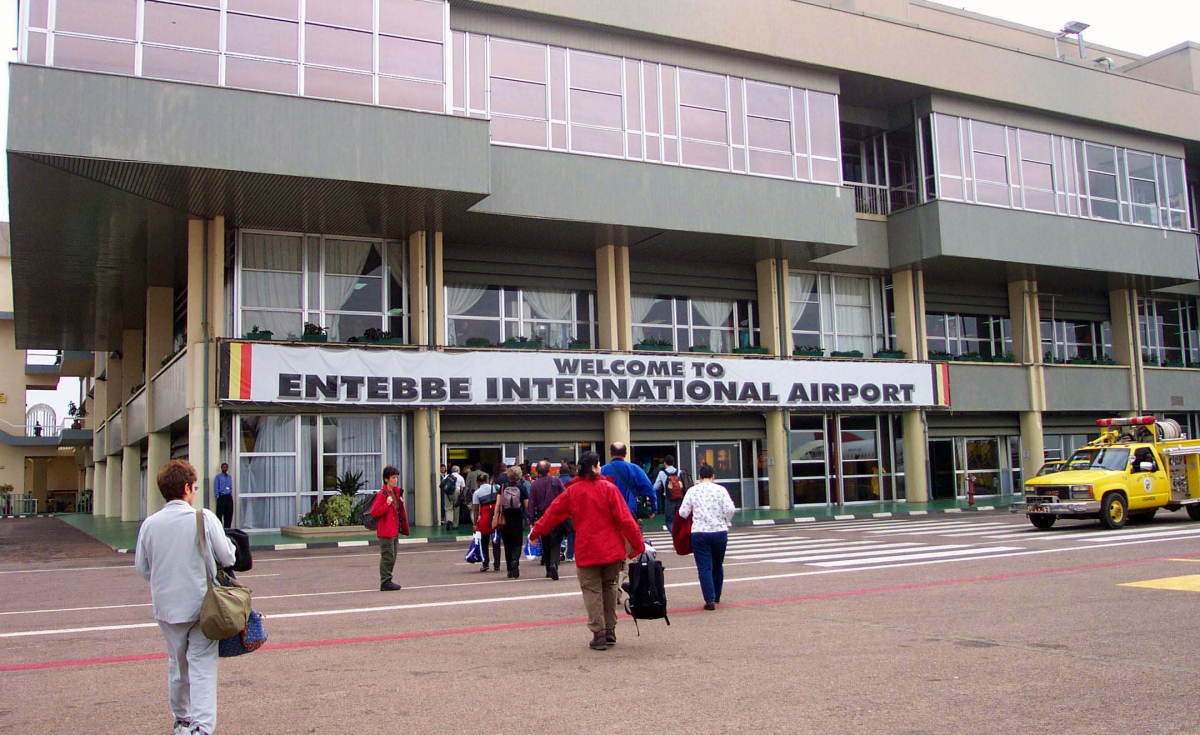
Entebbe International Airport remains Uganda’s primary international gateway and plays a major role in the country’s public health monitoring and outbreak prevention systems. During Ebola monitoring periods, airport authorities and health officials strengthen screening procedures to help detect possible symptoms early and reduce the risk of disease transmission.
Travelers arriving at Entebbe International Airport may encounter several health and safety procedures before entering Uganda.
These measures may include:
- Temperature screening
- Hand sanitization stations
- Health observation procedures
- Health declaration forms
- Medical support personnel on standby
- Public health awareness information
Airport screening systems are designed to identify travelers who may require additional medical evaluation while allowing tourism and business travel to continue in an organized and controlled manner.
Travelers are encouraged to cooperate with airport health teams and ensure they carry all required travel and vaccination documents before arrival.
Despite increased screening measures, airport operations generally continue functioning normally, and most international travelers experience smooth arrival procedures.
The airport also works closely with:
- Immigration authorities
- Border health teams
- Airlines
- Emergency medical personnel
- International health organizations
to maintain safe international travel operations during outbreak monitoring periods.
Border Health Monitoring Systems
Uganda has strengthened border health monitoring systems at major land crossings to help reduce the risk of Ebola transmission between neighboring countries.
The country shares borders with:
- Rwanda
- Kenya
- Tanzania
- South Sudan
- Democratic Republic of Congo
Health monitoring systems at border points may include:
- Temperature screening
- Traveler observation procedures
- Health interviews
- Handwashing stations
- Sanitization points
- Public health messaging
Border health teams continue monitoring movement patterns and maintaining communication with regional authorities to support early detection and rapid response systems.
Some border crossings may experience:
- Increased screening procedures
- Additional health personnel
- Medical preparedness teams
- Traveler awareness campaigns
These systems are designed to strengthen regional public health protection while maintaining controlled travel and trade movement.
Safari travelers crossing borders between Uganda and neighboring countries for East African safari combinations may encounter additional health checks depending on the current situation and travel advisories.
Most organized safari operators help travelers navigate border procedures smoothly while staying updated on any changes to travel regulations.
Health Declaration Requirements
Travelers entering Uganda during periods of increased health monitoring may be required to complete health declaration procedures as part of public health screening systems.
Health declaration forms are designed to help authorities identify possible symptoms, recent travel history, and potential exposure risks.
Travelers may be asked to provide information about:
- Recent countries visited
- Current health condition
- Contact details
- Travel itinerary
- Possible exposure history
These procedures help strengthen surveillance systems and support rapid response efforts if suspected cases are identified.
Health declarations may be completed:
- At airports
- At land border crossings
- During arrival screening procedures
- Through digital systems where available
Travelers are encouraged to provide accurate information and cooperate fully with health officials during screening procedures.
Most visitors experience these requirements as straightforward and routine parts of international travel during periods of increased public health monitoring.
Yellow Fever Vaccination Requirements
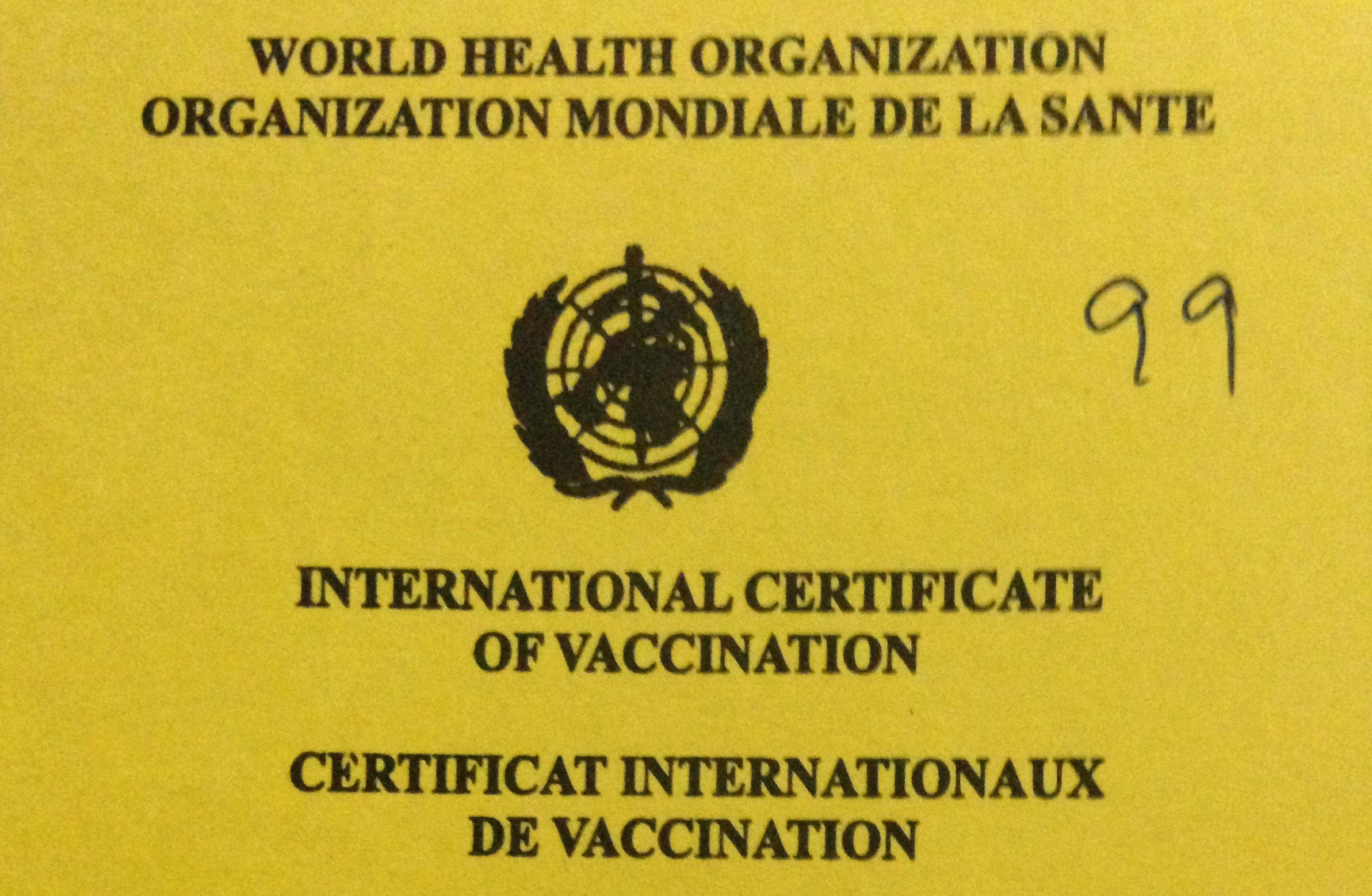
Uganda requires travelers entering the country to present a valid yellow fever vaccination certificate as part of standard international travel health regulations.
The yellow fever vaccination requirement remains important regardless of Ebola monitoring situations because yellow fever is another serious viral disease found in parts of Africa.
Travelers should carry:
- An official yellow fever vaccination card
- Valid travel documents
- Passport copies
- Travel insurance information
The vaccination certificate may be checked:
- At airports
- At border crossings
- During immigration procedures
Travelers without valid vaccination proof may experience delays, additional screening, or possible vaccination requirements upon arrival depending on current regulations.
Safari travelers are encouraged to receive the yellow fever vaccine well before departure and consult travel health professionals regarding additional recommended vaccinations and preventive medication.
Other health recommendations for Uganda travel may include:
- Malaria prevention medication
- Routine travel vaccinations
- Personal medical supplies
- Insect repellent
- Travel insurance coverage
Proper medical preparation helps ensure safer and smoother safari travel experiences in Uganda.
Traveler Health Checks
Traveler health checks are part of Uganda’s preventive health measures during Ebola outbreak monitoring periods. These checks help authorities identify possible symptoms early while supporting safe tourism and international travel operations.
Health checks may occur at:
- Airports
- Border crossings
- Hotels
- Tourism facilities
- National park entry points
Travelers may undergo:
- Temperature screening
- Symptom observation
- Health interviews
- Sanitization procedures
- Medical referrals if necessary
Visitors displaying symptoms such as fever, weakness, vomiting, or severe illness may receive additional medical evaluation before continuing travel.
Most safari travelers experience minimal disruption because organized tourism itineraries often involve:
- Private transportation
- Controlled lodge environments
- Outdoor safari activities
- Small guided groups
Safari operators, lodges, and park authorities also continue monitoring visitor well-being and maintaining communication with health officials when necessary.
Traveler health checks are intended to protect:
- Tourists
- Local communities
- Tourism workers
- Conservation staff
- Wildlife populations
while allowing tourism activities to continue responsibly in unaffected areas.
What the Uganda Government and Health Authorities Are Doing
The Uganda government and national health authorities continue implementing coordinated response measures designed to contain the Ebola outbreak, strengthen public safety, protect communities, and maintain organized public services including tourism operations.
Uganda has extensive experience managing infectious disease outbreaks and continues working with international health organizations, medical experts, conservation agencies, and regional partners to strengthen preparedness and response systems.
Current response efforts focus on:
- Early detection
- Rapid response
- Contact tracing
- Public awareness
- Border monitoring
- Medical preparedness
- Community education
- Disease surveillance
The government’s approach emphasizes localized containment and organized monitoring rather than widespread national shutdowns.
This helps maintain stability in unaffected areas while allowing tourism activities and public services to continue responsibly.
Authorities also continue strengthening communication systems to provide updates on:
- Affected districts
- Health recommendations
- Travel guidance
- Screening procedures
- Public safety measures
Uganda’s experience and preparedness systems remain important factors in managing outbreaks while maintaining confidence among travelers, tourism operators, and international partners.
Uganda Ministry of Health Response
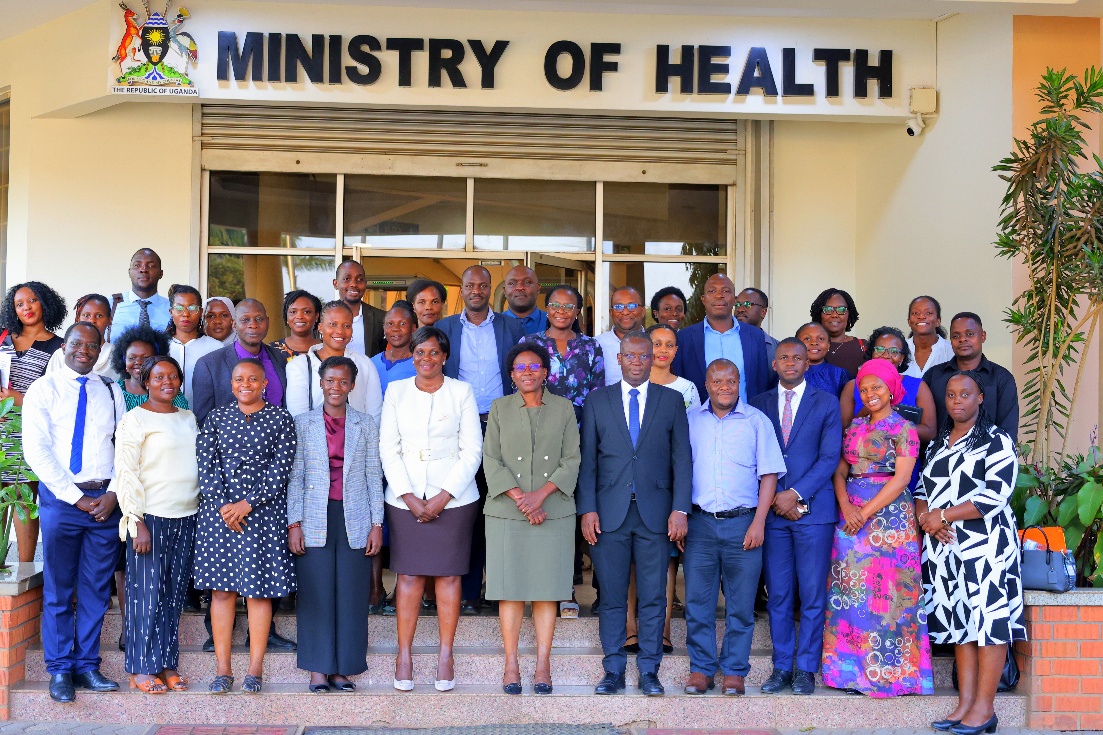
The Uganda Ministry of Health leads the national Ebola response through coordinated surveillance, emergency medical planning, public communication, and outbreak management systems.
The Ministry works with:
- District health offices
- Hospitals and clinics
- Border authorities
- Airport health teams
- International health organizations
- Conservation agencies
- Emergency response teams
Response measures include:
- Monitoring suspected cases
- Contact tracing
- Laboratory testing
- Isolation and treatment facilities
- Public awareness campaigns
- Deployment of medical teams
The Ministry also provides regular updates regarding:
- Affected districts
- Confirmed cases
- Public health guidance
- Travel recommendations
- Safety procedures
Uganda’s health authorities continue focusing on rapid intervention and localized containment to reduce transmission risks while maintaining essential public services and tourism operations.
Collaboration With WHO and International Organizations
Uganda continues working closely with the World Health Organization and other international health organizations to strengthen outbreak response, surveillance systems, laboratory testing, and public health preparedness.
International partnerships help support:
- Technical medical expertise
- Emergency response coordination
- Disease surveillance
- Contact tracing systems
- Community education
- Laboratory support
- Health worker training
Regional and international cooperation also helps improve:
- Border monitoring
- Information sharing
- Emergency preparedness
- Public health communication
Uganda’s collaboration with international organizations provides additional support and reassurance that outbreak response efforts are being managed according to recognized global public health standards.
Contact Tracing and Monitoring
Contact tracing is one of the most important tools used to control Ebola outbreaks. Uganda’s health authorities continue identifying and monitoring individuals who may have been exposed to confirmed or suspected cases.
Contact tracing efforts help:
- Detect infections early
- Reduce further transmission
- Isolate suspected cases quickly
- Monitor exposure chains
- Strengthen outbreak containment
Health teams work closely with local communities, healthcare facilities, and regional authorities to monitor possible contacts and provide medical follow-up where necessary.
Monitoring systems may include:
- Daily health observation
- Symptom tracking
- Community reporting
- Laboratory testing
- Emergency medical referrals
Uganda’s previous experience handling outbreaks has strengthened its ability to conduct organized and rapid contact tracing operations.
Public Awareness Campaigns
Public awareness campaigns play a major role in Uganda’s Ebola response strategy. Health authorities continue educating communities, travelers, healthcare workers, and tourism operators about symptoms, prevention methods, hygiene practices, and outbreak response procedures.
Awareness campaigns may include:
- Radio and television messaging
- Community meetings
- Public posters and notices
- Health education materials
- Airport information displays
- Social media updates
The main goals of public awareness efforts are to:
- Reduce misinformation
- Promote hygiene practices
- Encourage early reporting of symptoms
- Improve community cooperation
- Support public safety
Tourism operators and safari lodges also help share health guidance with visitors while maintaining calm and responsible communication about travel safety.
Emergency Medical Preparedness
Uganda continues strengthening emergency medical preparedness systems to support rapid response during Ebola monitoring periods.
Preparedness measures may include:
- Isolation and treatment facilities
- Medical supply distribution
- Protective equipment for healthcare workers
- Emergency transport systems
- Specialized response teams
- Laboratory testing capacity
- Hospital preparedness planning
Healthcare facilities across monitored regions continue coordinating with national authorities to ensure suspected cases can be identified, isolated, and managed quickly.
Emergency preparedness also extends to:
- Airports
- Border crossings
- Tourism facilities
- National parks
- Local health centers
Uganda’s ability to activate emergency response systems quickly is one reason the country is recognized for strong outbreak preparedness and disease surveillance within the East African region.
Travel Advice for Safari Travelers
Travelers planning a safari in Uganda during an Ebola outbreak should focus on preparation, awareness, and responsible travel rather than panic. Uganda continues welcoming tourists in many safari regions, and most national parks remain operational under enhanced health and safety measures.
The majority of safari activities in Uganda take place in remote wildlife areas, protected conservation zones, and outdoor environments that are often geographically distant from outbreak monitoring districts. Gorilla trekking, wildlife safaris, chimpanzee tracking, birdwatching, and cultural experiences continue operating in many destinations under organized tourism systems.
Travelers can significantly improve their safety and travel experience by:
- Booking through professional safari operators
- Staying informed through official updates
- Following hygiene recommendations
- Carrying comprehensive travel insurance
- Cooperating with health screening procedures
- Following guide and ranger instructions
Uganda’s tourism sector has experience operating responsibly during regional health concerns, and safari operators continue working closely with health authorities, national parks, lodges, and conservation agencies to maintain safe travel experiences.
For most visitors, Uganda safaris remain calm, organized, and highly rewarding despite increased public health monitoring systems.
Book With Trusted Safari Operators
Booking with Pieland Gorilla Safaris is one of the most important steps travelers can take when planning a Uganda safari during periods of increased health monitoring.
Experienced safari companies continue monitoring:
- Government travel advisories
- National park operations
- Border regulations
- Regional health updates
- Transportation conditions
- Lodge safety measures
Professional safari operators also provide:
- Updated travel information
- Organized private transport
- Flexible itinerary planning
- Emergency support coordination
- Trusted accommodation arrangements
- Reliable guide services
Travelers using organized safari services often benefit from structured itineraries that reduce unnecessary exposure to crowded areas while maintaining smooth and efficient travel experiences.
Trusted safari operators also communicate directly with:
- The Uganda Wildlife Authority
- National park authorities
- Tourism lodges
- Airport transport providers
- Local guides and ranger teams
This helps ensure travelers receive accurate and timely information throughout their safari.
Choosing experienced operators with strong local knowledge and professional safety standards helps travelers feel more confident while visiting Uganda during outbreak monitoring periods.
Monitor Official Travel Updates
Travelers visiting Uganda should monitor official travel updates before and during their safari to stay informed about current health recommendations, border procedures, and tourism operations.
Reliable sources of information include:
- Uganda Ministry of Health
- World Health Organization
- CDC Ebola Information
- Embassy travel advisories
- Official tourism authorities like the Uganda Tourism Board
- Professional safari operators like Pieland Gorilla Safaris
Monitoring official updates helps travelers understand:
- Which districts are under monitoring
- Current screening procedures
- Border travel requirements
- Airport health measures
- National park operations
- Public health guidance
Travelers should avoid relying on social media rumors or exaggerated headlines that may incorrectly suggest the entire country is unsafe.
In many situations, safari destinations continue operating normally even when localized outbreak response efforts are active elsewhere in the country.
Staying informed through reliable sources helps travelers make calm, informed decisions based on accurate information rather than unnecessary fear.
Practice Good Hygiene
Practicing good hygiene is one of the most effective ways travelers can help protect themselves and others during an Ebola outbreak.
Simple hygiene measures greatly reduce the risk of disease transmission and support overall public health safety.
Travelers are encouraged to:
- Wash hands regularly
- Use hand sanitizer frequently
- Avoid touching the face unnecessarily
- Cover coughs and sneezes properly
- Avoid contact with sick individuals
- Follow health guidance from authorities
Many safari lodges, hotels, restaurants, and national parks across Uganda continue providing:
- Handwashing stations
- Hand sanitizer
- Enhanced cleaning procedures
- Hygiene awareness information
Most safari activities in Uganda take place outdoors in natural environments, which already reduces many risks associated with enclosed crowded spaces.
Maintaining good personal hygiene throughout the safari helps protect:
- Travelers
- Local communities
- Tourism staff
- Ranger teams
- Wildlife conservation areas
Good hygiene practices also contribute to smoother and safer travel experiences across airports, lodges, national parks, and border crossings.
Carry Travel Insurance
Comprehensive travel insurance is highly recommended for anyone planning a safari or gorilla trekking trip to Uganda.
Travel insurance provides important financial protection and emergency support during international travel, especially during periods of increased public health monitoring.
Travelers should choose insurance policies that cover:
- Medical treatment abroad
- Emergency evacuation
- Trip cancellations or interruptions
- Delayed or missed flights
- Lost baggage
- Adventure activities
- Gorilla trekking and safari activities
Because Uganda safaris often involve remote travel, rainforest trekking, and wildlife activities, travelers should confirm that their policy specifically includes adventure tourism coverage.
Travelers are also encouraged to carry:
- Printed insurance documents
- Emergency contact information
- Copies of passports and travel documents
- Medical information if necessary
Good travel insurance helps provide reassurance and additional security while exploring remote safari destinations and national parks.
Pack Essential Medical Supplies
Travelers visiting Uganda should pack essential medical and travel supplies to support safe and comfortable safari experiences.
Recommended items may include:
- Hand sanitizer
- Personal medication
- Insect repellent
- Malaria prevention medication
- Basic first-aid supplies
- Face masks if preferred
- Sunscreen
- Waterproof hiking boots
- Rain jackets
- Water bottles
For gorilla trekking, travelers should also prepare for rainforest conditions by packing:
- Long-sleeved clothing
- Gardening gloves
- Trekking socks
- Small backpacks
- Energy snacks
Travelers with prescription medication should carry enough supplies for the entire trip along with copies of prescriptions if needed.
Packing properly helps travelers remain comfortable, prepared, and confident throughout their safari experience in Uganda.
Follow Guide and Ranger Instructions
Following guide and ranger instructions is extremely important during Uganda safaris and gorilla trekking experiences.
Professional safari guides and ranger teams are highly trained in:
- Wildlife safety
- Conservation protocols
- Visitor management
- Health precautions
- Emergency procedures
- Forest navigation
During gorilla trekking and safari activities, travelers should always follow instructions regarding:
- Safe distances from wildlife
- Hygiene procedures
- Trekking rules
- Movement within national parks
- Emergency guidance
The Uganda Wildlife Authority maintains strict visitor regulations designed to protect:
- Travelers
- Ranger teams
- Local communities
- Endangered wildlife
- Conservation ecosystems
Guides also monitor changing conditions and communicate important safety updates throughout safari activities.
Travelers who cooperate fully with guides and park authorities usually enjoy smoother, safer, and more rewarding safari experiences across Uganda’s national parks and gorilla trekking destinations.
Should You Cancel Your Uganda Safari?
Most travelers do not automatically need to cancel their Uganda safari simply because an Ebola outbreak has been reported. Ebola outbreaks in Uganda are usually localized within specific districts rather than affecting the entire country, and many safari destinations continue operating normally under enhanced health and safety measures.
Uganda’s major tourism regions, including gorilla trekking parks and wildlife safari destinations, are often located far from monitored outbreak areas. National parks such as Bwindi Impenetrable National Park, Queen Elizabeth National Park, and Murchison Falls National Park frequently remain open and continue receiving visitors safely.
Travelers should avoid making decisions based only on social media rumors or alarming headlines. Instead, it is important to review official updates from:
- Uganda Ministry of Health
- World Health Organization
- Embassy travel advisories
- Professional safari operators
- Official tourism authorities
For many travelers, especially those using organized safari itineraries, the actual travel experience in Uganda remains calm, safe, and professionally managed.
Rather than immediate cancellation, travelers may consider:
- Monitoring official updates
- Reviewing flexible booking options
- Adjusting travel dates if necessary
- Discussing concerns with safari operators
- Updating travel insurance coverage
Uganda’s tourism industry continues working closely with health authorities to support safe travel and maintain responsible safari operations.
When Travelers May Consider Postponing
Although many Uganda safaris continue safely during localized Ebola outbreaks, some travelers may choose to postpone their trip depending on personal circumstances and comfort levels.
Travelers may consider postponing if:
- Official travel advisories recommend against non-essential travel
- Their planned itinerary passes through monitored outbreak districts
- They have underlying medical conditions
- They have weakened immune systems
- Their insurance policy does not provide sufficient medical coverage
- Border restrictions or flight disruptions increase significantly
- They are uncomfortable traveling during active outbreak monitoring
Families traveling with very young children, elderly travelers, or individuals with existing health concerns may also prefer delaying travel until they feel more comfortable with the situation.
Postponement does not necessarily mean canceling a safari permanently. Many travelers simply reschedule their trip to a later period while maintaining their travel plans and safari arrangements.
Professional safari operators often help travelers:
- Adjust itineraries
- Modify travel dates
- Change accommodation schedules
- Update park reservations
- Reorganize transportation
The best decision depends on official guidance, individual risk tolerance, and consultation with trusted travel professionals and healthcare providers.
Why Many Travelers Continue Visiting Uganda
Despite Ebola outbreak monitoring, many travelers continue visiting Uganda because most tourism regions remain operational, safe, and geographically distant from affected districts.
Uganda remains one of Africa’s leading safari destinations because of its:
- Mountain gorilla trekking
- Wildlife safaris
- Chimpanzee tracking
- Scenic landscapes
- Birdwatching opportunities
- Authentic safari experiences
- Friendly hospitality
Most safari activities also occur in remote outdoor environments with:
- Small guided groups
- Controlled tourism systems
- Organized private transport
- Monitored lodges and camps
- Ranger supervision
These conditions naturally reduce many risks associated with crowded public spaces.
Many travelers also feel reassured by Uganda’s strong outbreak response systems and the country’s experience managing previous public health situations.
Safari visitors often continue enjoying:
- Gorilla trekking in Bwindi Impenetrable National Park
- Wildlife safaris in Queen Elizabeth National Park
- Chimpanzee tracking in Kibale National Park
- Boat cruises in Murchison Falls National Park
without significant disruption.
For many travelers, Uganda continues offering extraordinary safari experiences while maintaining organized health and safety systems.
Flexible Safari Booking Policies
Many safari operators in Uganda understand that travelers may feel uncertain during outbreak monitoring periods and therefore offer flexible booking policies whenever possible.
Flexible policies may include:
- Safari date changes
- Credit transfers
- Postponement options
- Flexible payment schedules
- Alternative itinerary arrangements
Some operators may also assist with:
- Rebooking gorilla permits
- Rescheduling accommodation
- Rearranging domestic flights
- Adjusting border crossing logistics
Travelers should carefully review:
- Cancellation terms
- Refund policies
- Permit conditions
- Insurance coverage
- Rescheduling options
before confirming safari arrangements.
Gorilla permits issued through the Uganda Wildlife Authority may still follow specific policies regarding refunds and rescheduling, so travelers should discuss these details directly with their safari operator.
Choosing professional safari companies with strong communication systems and flexible customer support can provide additional reassurance during uncertain travel periods.
Talking to Your Safari Operator Before Travel
Before traveling to Uganda, safari travelers should maintain close communication with their safari operator to receive accurate and updated information about current travel conditions.
Professional safari operators can provide guidance regarding:
- National park operations
- Airport screening procedures
- Border crossing updates
- Health precautions
- Accommodation safety measures
- Transport logistics
- Gorilla trekking schedules
Travelers should feel comfortable asking questions about:
- Current safety conditions
- Emergency response procedures
- Flexible itinerary options
- Medical support availability
- Travel documentation requirements
Experienced safari operators continuously monitor:
- Government advisories
- Tourism operations
- Regional health developments
- International travel guidance
This helps travelers make informed decisions while preparing for their safari.
Maintaining open communication before departure also helps reduce unnecessary stress and ensures travelers understand what to expect upon arrival in Uganda.
Travel Insurance and Health Recommendations
Travel insurance and proper health preparation are strongly recommended for all travelers visiting when there is Ebola outbreak in Uganda especially during periods of increased health monitoring.
Uganda safaris often involve:
- Remote travel
- Gorilla trekking
- Forest hiking
- Wildlife activities
- Domestic flights
- Adventure tourism
Good preparation helps travelers remain safe, comfortable, and confident throughout their trip.
Travelers are encouraged to:
- Purchase comprehensive travel insurance
- Consult travel health professionals
- Carry personal medication
- Receive recommended vaccinations
- Prepare for malaria prevention
- Pack essential medical supplies
Travelers should also remain informed about:
- Current health advisories
- Entry requirements
- Vaccination regulations
- Emergency medical support systems
Most safari travelers who prepare properly continue enjoying safe and rewarding experiences across Uganda.
Why Travel Insurance Is Important
Travel insurance provides important protection for travelers visiting Uganda by covering unexpected situations that may arise during international travel.
Comprehensive travel insurance may help cover:
- Emergency medical treatment
- Hospitalization
- Medical evacuation
- Trip cancellation or interruption
- Flight delays
- Lost luggage
- Adventure activities
- Emergency transport
Because many Uganda safaris involve gorilla trekking and remote travel, travelers should ensure their insurance specifically covers:
- Trekking activities
- Wildlife safaris
- Emergency evacuation
- Adventure tourism
Travel insurance also provides peace of mind and additional support if travel conditions change unexpectedly.
Travelers should carry printed and digital copies of:
- Insurance policies
- Emergency contact details
- Medical information
- Travel confirmations
throughout their safari.
Recommended Vaccinations
Travelers visiting Uganda should consult healthcare professionals or travel clinics before departure to discuss recommended vaccinations and travel health preparation.
Uganda officially requires proof of yellow fever vaccination for most international travelers entering the country.
Other commonly recommended vaccinations may include:
- Hepatitis A
- Hepatitis B
- Typhoid
- Tetanus
- Routine travel immunizations
Travelers should ensure vaccinations are completed well before departure to allow proper protection.
It is also important to carry:
- Vaccination certificates
- Prescription medication
- Copies of medical documents
- Basic first-aid supplies
Travel health professionals can provide guidance based on individual medical history, itinerary, and travel duration.
Malaria Prevention
Malaria prevention is an important part of health preparation for Uganda travel because malaria exists in many parts of the country, including some safari destinations.
Travelers are encouraged to:
- Consult doctors about malaria medication
- Use insect repellent
- Sleep under mosquito nets where provided
- Wear long sleeves in the evenings
- Avoid mosquito bites whenever possible
Many safari lodges and camps provide mosquito protection measures including:
- Treated mosquito nets
- Screened rooms
- Indoor spraying systems
Proper malaria prevention significantly reduces health risks and helps travelers enjoy safer safari experiences.
Medical Evacuation Coverage
During Ebola outbreak in Uganda, medical evacuation coverage is highly recommended for travelers visiting remote safari regions in Uganda.
Some safari destinations are located far from major hospitals, making emergency evacuation coverage important in rare situations involving serious illness or injury.
Medical evacuation insurance may cover:
- Emergency transport
- Air evacuation services
- Transfer to medical facilities
- International medical support
Travelers participating in activities such as:
- Gorilla trekking
- Hiking
- Remote safaris
- Adventure tourism
should ensure evacuation coverage is included in their insurance policy.
This additional protection provides reassurance while traveling in remote wilderness areas.
Health Preparation Before Traveling
Proper health preparation helps travelers enjoy safer and more comfortable safari experiences in Uganda.
Before traveling, visitors should:
- Consult healthcare professionals
- Review vaccination requirements
- Purchase travel insurance
- Prepare malaria prevention medication
- Pack personal medical supplies
- Monitor official travel updates
Recommended travel items include:
- Hand sanitizer
- Prescription medication
- Insect repellent
- Sunscreen
- Waterproof hiking gear
- First-aid supplies
- Copies of travel documents
Travelers should also maintain good hygiene practices throughout their trip and follow guidance provided by safari operators, park authorities, and health officials.
Well-prepared travelers are more likely to enjoy smooth, safe, and rewarding safari experiences while exploring Uganda’s national parks, gorilla trekking regions, and wildlife destinations.
How Safari Operators Are Protecting Travelers During Ebola Outbreak in Uganda
Safari operators in Uganda continue implementing enhanced health and safety measures designed to protect travelers, tourism staff, local communities, and wildlife during periods of increased public health monitoring.
Uganda’s tourism industry has extensive experience operating responsibly during Ebola outbreak in Uganda, and many professional safari companies work closely with:
- Uganda Wildlife Authority
- Health authorities
- National park management teams
- Safari lodges and camps
- Transport providers
- Local communities
to maintain safe and organized tourism operations.
Most safari itineraries in Uganda are already naturally structured around:
- Outdoor activities
- Small visitor groups
- Remote wildlife destinations
- Controlled lodge environments
- Private or guided transport
These conditions help reduce unnecessary crowd exposure while allowing travelers to continue enjoying gorilla trekking, wildlife safaris, chimpanzee tracking, and nature experiences safely.
Professional safari operators like Pieland Gorilla Safaris continue protecting travelers through:
- Enhanced hygiene measures
- Regular sanitization procedures
- Staff health monitoring
- Emergency preparedness planning
- Flexible itinerary management
- Communication with health authorities
- Organized transport systems
During the Ebola outbreak in Uganda, travelers booking with Pieland Gorilla Safaris often benefit from updated travel guidance, coordinated support, and reliable information throughout their safari experience.
Safari operators also help visitors understand:
- Current park operations
- Airport screening procedures
- Border crossing requirements
- Health recommendations
- Safety expectations during travel
This organized approach helps maintain calm, professional, and safe safari experiences across Uganda.
At Pieland Gorilla Safaris, we continue operating gorilla trekking safaris in Bwindi under Uganda Wildlife Authority health protocols
Lodge Hygiene Measures
Safari lodges and camps across Uganda continue strengthening hygiene, sanitation measures during Ebola outbreak in Uganda maintain safe accommodation environments for guests and staff.
Many lodges near popular destinations such as Bwindi Impenetrable National Park, Queen Elizabeth National Park, and Murchison Falls National Park continue implementing additional health and cleanliness protocols during outbreak monitoring periods.
Lodge hygiene measures may include:
- Frequent sanitization of rooms
- Cleaning of shared guest areas
- Handwashing stations
- Hand sanitizer availability
- Regular disinfection of dining areas
- Enhanced kitchen hygiene procedures
- Sanitization of reception areas
- Increased housekeeping procedures
Some lodges also maintain:
- Reduced crowding in dining spaces
- Improved room ventilation
- Contactless check-in options where possible
- Staff hygiene training programs
Because many Uganda safari lodges operate in spacious natural environments with smaller guest numbers, travelers often enjoy quieter and more controlled accommodation settings compared to crowded urban hotels.
Lodges continue balancing comfort, hospitality, and public health awareness while maintaining high-quality safari experiences for international travelers.
Safari Vehicle Sanitization

Safari vehicle sanitization has become an important part of Uganda’s tourism safety procedures during outbreak monitoring periods.
Safari operators continue increasing hygiene standards for:
- Game drive vehicles
- Airport transfer vehicles
- Domestic safari transport
- Private safari cars
- Shared tourism vehicles
Vehicle sanitization measures may include:
- Cleaning high-contact surfaces regularly
- Sanitizing seats and handles
- Hand sanitizer availability inside vehicles
- Routine vehicle cleaning between trips
- Increased ventilation during transfers
Many travelers also choose private safari vehicles because they offer:
- Greater flexibility
- Reduced contact with larger groups
- More personalized safari experiences
- Additional comfort during travel
Professional safari drivers and guides continue following hygiene practices while supporting safe transportation between national parks, airports, lodges, and tourism destinations.
Most safari journeys in Uganda involve long scenic drives through remote landscapes and protected conservation areas rather than crowded public transportation systems.
This organized transport structure naturally supports safer travel experiences for many safari visitors.
Staff Health Monitoring
Staff health monitoring remains an important part of Uganda’s tourism safety systems during Ebola outbreak monitoring periods.
Safari companies, lodges, and conservation agencies continue monitoring the well-being of:
- Safari guides
- Lodge staff
- Rangers
- Drivers
- Trackers
- Porters
- Hospitality teams
Health monitoring measures may include:
- Routine symptom observation
- Staff hygiene procedures
- Health awareness training
- Sanitization protocols
- Medical reporting systems
- Emergency response coordination
Tourism staff are often trained to identify possible health concerns early and respond according to established safety procedures.
Because safari operations rely heavily on close coordination between guides, lodges, conservation teams, and transport providers, maintaining healthy tourism staff is essential for safe and successful safari experiences.
The tourism industry’s cooperation with public health authorities helps strengthen overall preparedness and traveler confidence during outbreak periods.
Many travelers also feel reassured knowing tourism staff receive updated guidance regarding:
- Hygiene procedures
- Guest interaction safety
- Emergency response planning
- Current public health recommendations
This ongoing monitoring supports safer travel experiences across Uganda’s tourism sector.
Emergency Support Systems During Ebola outbreak in Uganda
Uganda’s safari industry continues maintaining emergency support systems designed to assist travelers in the rare event of medical concerns or unexpected travel disruptions.
Professional safari operators often maintain communication networks involving:
- Local health authorities
- National park management teams
- Emergency medical services
- Air evacuation providers
- Hospitals and clinics
- Tourism associations
- Border authorities
Emergency support systems may include:
- Rapid communication procedures
- Medical referral coordination
- Emergency transportation planning
- Flexible itinerary adjustments
- Travel assistance services
- Emergency accommodation support
Many safari operators also help travelers:
- Access medical facilities if needed
- Adjust safari schedules
- Manage travel logistics
- Coordinate airport transfers
- Stay informed about travel updates
Travelers participating in remote activities such as gorilla trekking in Bwindi Impenetrable National Park or wildlife safaris in Kidepo Valley National Park benefit from organized support systems and experienced local coordination teams.
These emergency preparedness measures help ensure safari operations remain organized, responsive, and traveler-focused even during periods of increased health monitoring.
Private Safari Options During Ebola outbreak in Uganda
Private safari options have become increasingly popular among travelers seeking additional comfort, flexibility, and controlled travel environments during outbreak monitoring periods.
Many Uganda safari operators offer private safari experiences that include:
- Private safari vehicles
- Personal guides and drivers
- Flexible schedules
- Exclusive lodge stays
- Customized itineraries
- Private gorilla trekking arrangements where available
Private safaris allow travelers to reduce unnecessary interaction with larger groups while enjoying more personalized wildlife experiences across Uganda’s national parks and gorilla trekking regions.
Benefits of private safaris may include:
- Greater privacy
- Flexible travel timing
- Personalized safari experiences
- Reduced crowd exposure
- Easier itinerary adjustments
- More comfortable transportation
Private safari options are especially popular for:
- Families
- Couples
- Luxury travelers
- Photographers
- Honeymoon safaris
- Small travel groups
Travelers visiting destinations such as Bwindi Impenetrable National Park, Queen Elizabeth National Park, and Murchison Falls National Park often prefer private safaris because they provide additional comfort and peace of mind during travel.
For many visitors, private safari arrangements help create safer, smoother, and more exclusive Uganda safari experiences while maintaining flexibility and personalized service.
Why Uganda Remains One of Africa’s Top Safari Destinations
Uganda continues to rank among Africa’s top safari destinations because of its incredible biodiversity, world-famous mountain gorilla trekking experiences, rich wildlife populations, scenic landscapes, cultural diversity, and authentic safari atmosphere.
Often referred to as the “Pearl of Africa,” Uganda offers travelers a unique combination of rainforest adventures, savannah safaris, primate tracking, birdwatching, cultural experiences, and outdoor exploration within one destination.
Unlike some heavily commercialized safari countries, Uganda still provides many travelers with a more natural, less crowded, and immersive safari experience. Visitors can explore tropical rainforests, rolling savannah plains, crater lakes, waterfalls, mountain ranges, and river ecosystems while encountering some of Africa’s most iconic wildlife species.
Uganda’s tourism industry also continues growing through improved safari infrastructure, conservation programs, domestic flight connections, luxury accommodation, and professionally guided tourism services.
Travelers visiting Uganda can combine:
- Gorilla trekking
- Big Five safaris
- Chimpanzee tracking
- Boat cruises
- Birdwatching
- Hiking adventures
- Cultural tours
- Luxury safari experiences
within a single itinerary.
Even during periods of increased public health monitoring, Uganda remains attractive because many tourism regions continue operating safely under organized conservation and tourism management systems.
For many safari travelers, Uganda offers one of the most rewarding and diverse wildlife experiences in Africa.
Mountain Gorilla Trekking
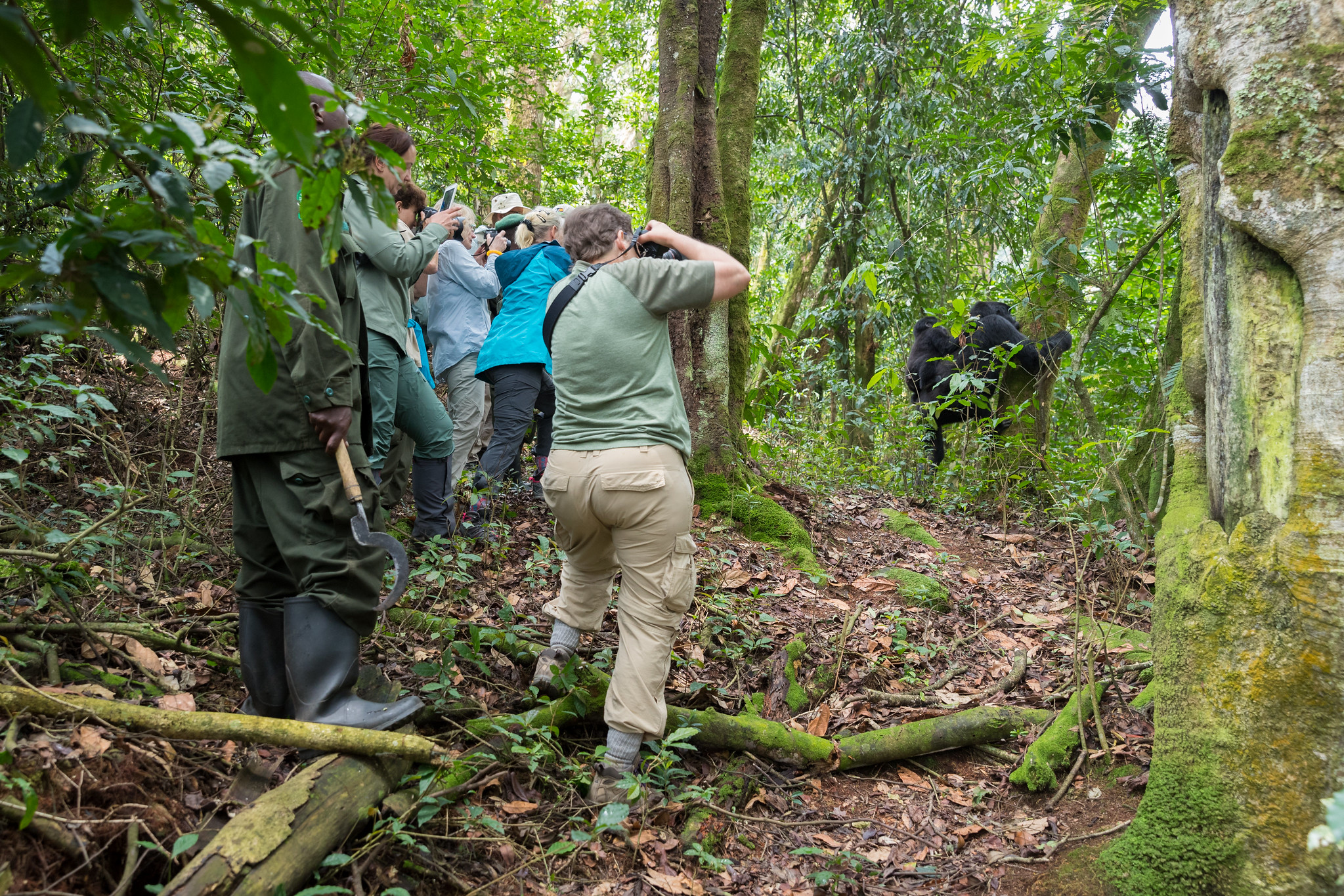
Mountain gorilla trekking remains Uganda’s most famous safari experience and one of the most extraordinary wildlife encounters in the world.
Uganda is home to nearly half of the world’s remaining mountain gorillas, making the country one of the leading gorilla trekking destinations globally.
Gorilla trekking takes place primarily in:
- Bwindi Impenetrable National Park
- Mgahinga Gorilla National Park
Trekkers hike through dense tropical rainforest accompanied by experienced ranger guides and trackers in search of habituated gorilla families living within their natural habitat.
The experience of observing mountain gorillas at close range is often described as emotional, powerful, and life-changing. Visitors can watch gorillas feed, play, groom, rest, and interact with one another within the forest.
Uganda’s gorilla trekking experiences are highly organized and carefully regulated to protect both visitors and gorillas.
Gorilla trekking also supports:
- Wildlife conservation
- Community development
- Ranger protection programs
- Sustainable tourism initiatives
For many travelers, gorilla trekking alone is reason enough to visit Uganda.
Big Five Wildlife Safaris
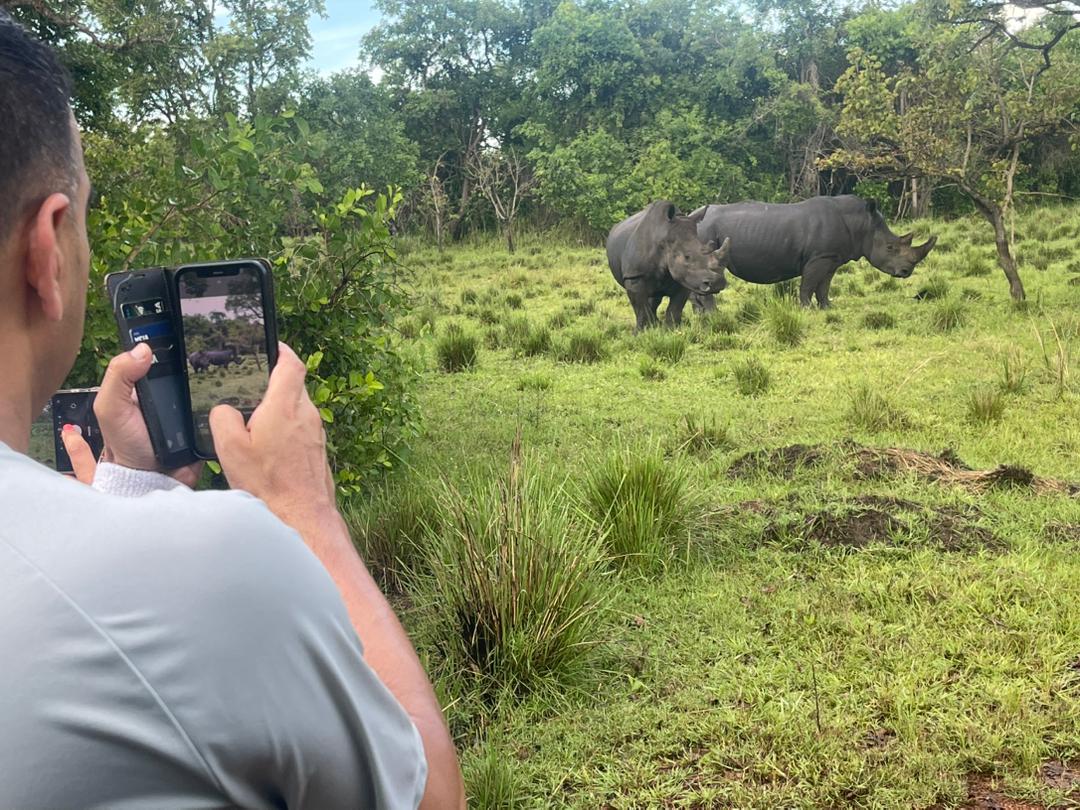
Uganda offers exceptional Big Five wildlife safaris across several national parks and protected conservation areas.
Travelers can encounter iconic African wildlife including:
- Lions
- Leopards
- Elephants
- Buffaloes
- Rhinos
Uganda’s major safari destinations include:
- Queen Elizabeth National Park
- Murchison Falls National Park
- Kidepo Valley National Park
- Lake Mburo National Park
Wildlife safari activities may include:
- Guided game drives
- Boat safaris
- Walking safaris
- Wildlife photography
- Birdwatching excursions
- Night game drives in selected areas
One of Uganda’s most unique wildlife attractions is the famous tree-climbing lions of Ishasha in Queen Elizabeth National Park.
The country also offers impressive elephant populations, hippos, crocodiles, giraffes, antelope species, hyenas, and hundreds of bird species across its varied ecosystems.
Compared to some busier safari destinations in Africa, Uganda often provides more peaceful and less crowded wildlife viewing experiences.
Chimpanzee Tracking Experiences
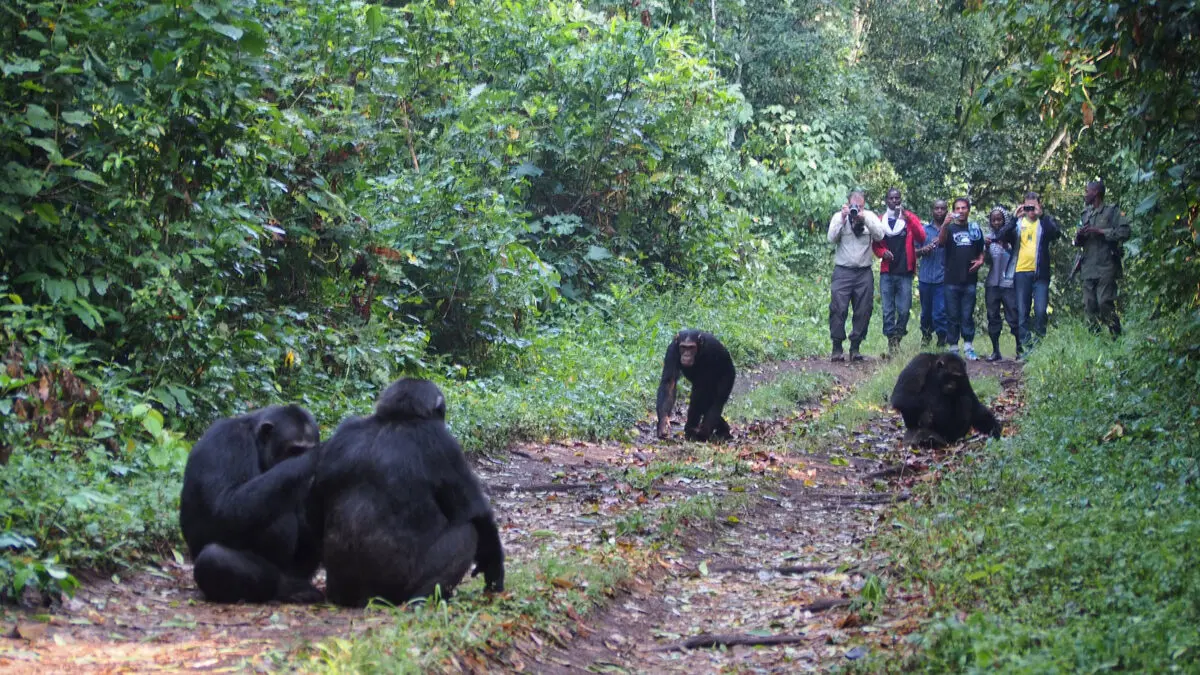
Uganda is one of Africa’s leading chimpanzee tracking destinations and offers travelers unforgettable encounters with wild chimpanzees in natural rainforest environments.
Chimpanzee tracking takes place mainly in:
- Kibale National Park
- Budongo Forest
- Kyambura Gorge
Kibale National Park is especially famous for its high concentration of primates and is often called the primate capital of East Africa.
During chimpanzee tracking experiences, visitors walk through tropical forest accompanied by ranger guides while searching for chimpanzee communities moving through the trees and forest floor.
Travelers may observe chimpanzees:
- Feeding
- Calling loudly
- Swinging through trees
- Grooming
- Socializing within family groups
Uganda also offers chimpanzee habituation experiences in selected locations, allowing travelers to spend extended time with chimpanzee groups while researchers and trackers monitor their behavior.
Chimpanzee tracking adds another extraordinary primate experience to Uganda’s already impressive safari offerings.
Birdwatching Opportunities
Uganda is one of Africa’s top birdwatching destinations and attracts bird enthusiasts from around the world.
The country hosts more than 1,000 recorded bird species across rainforests, wetlands, savannahs, lakes, rivers, and mountain ecosystems.
Birdwatching destinations in Uganda include:
- Bwindi Impenetrable National Park
- Mabamba Swamp
- Queen Elizabeth National Park
- Murchison Falls National Park
- Kibale National Park
Uganda is especially famous for rare species such as the Shoebill Stork, one of Africa’s most sought-after birds.
Birdwatchers visiting Uganda may encounter:
- Hornbills
- Turacos
- Kingfishers
- Eagles
- Sunbirds
- Bee-eaters
- Cranes
- Waterbirds
The country’s wide variety of habitats makes it possible to combine birdwatching with gorilla trekking, wildlife safaris, chimpanzee tracking, and cultural experiences within one safari itinerary.
Uganda’s birdlife diversity continues making it one of the continent’s most rewarding destinations for nature enthusiasts and wildlife photographers.
Scenic Landscapes and Nature
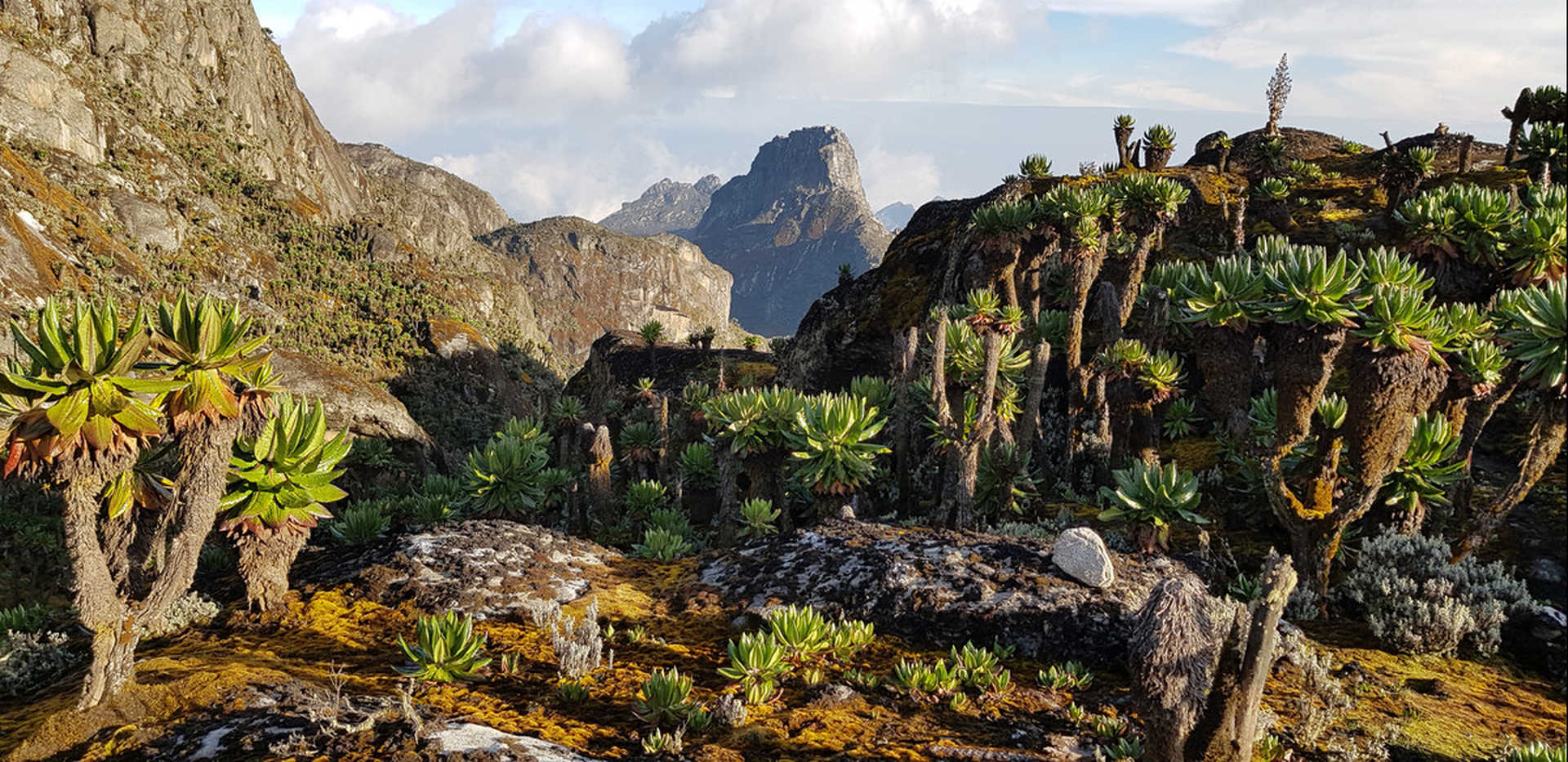
Uganda’s breathtaking landscapes and natural beauty are major reasons why travelers continue visiting the country for safaris and adventure tourism.
The country offers an incredible variety of scenery including:
- Tropical rainforests
- Savannah plains
- Crater lakes
- Mountain ranges
- Waterfalls
- Wetlands
- River systems
- Volcanic landscapes
One of Uganda’s most famous natural attractions is Murchison Falls, where the Nile River explodes through a narrow rocky gorge before crashing into powerful rapids below.
Uganda is also home to:
- The Rwenzori Mountains
- Lake Bunyonyi
- The source of the Nile
- Volcanic highlands near Bwindi
- Scenic tea plantations
- Remote wilderness valleys
These landscapes create exceptional opportunities for:
- Photography
- Hiking
- Nature walks
- Boat cruises
- Relaxation
- Scenic road trips
Uganda’s natural beauty gives travelers far more than traditional wildlife safaris and helps create highly diverse and memorable travel experiences.
Cultural Experiences
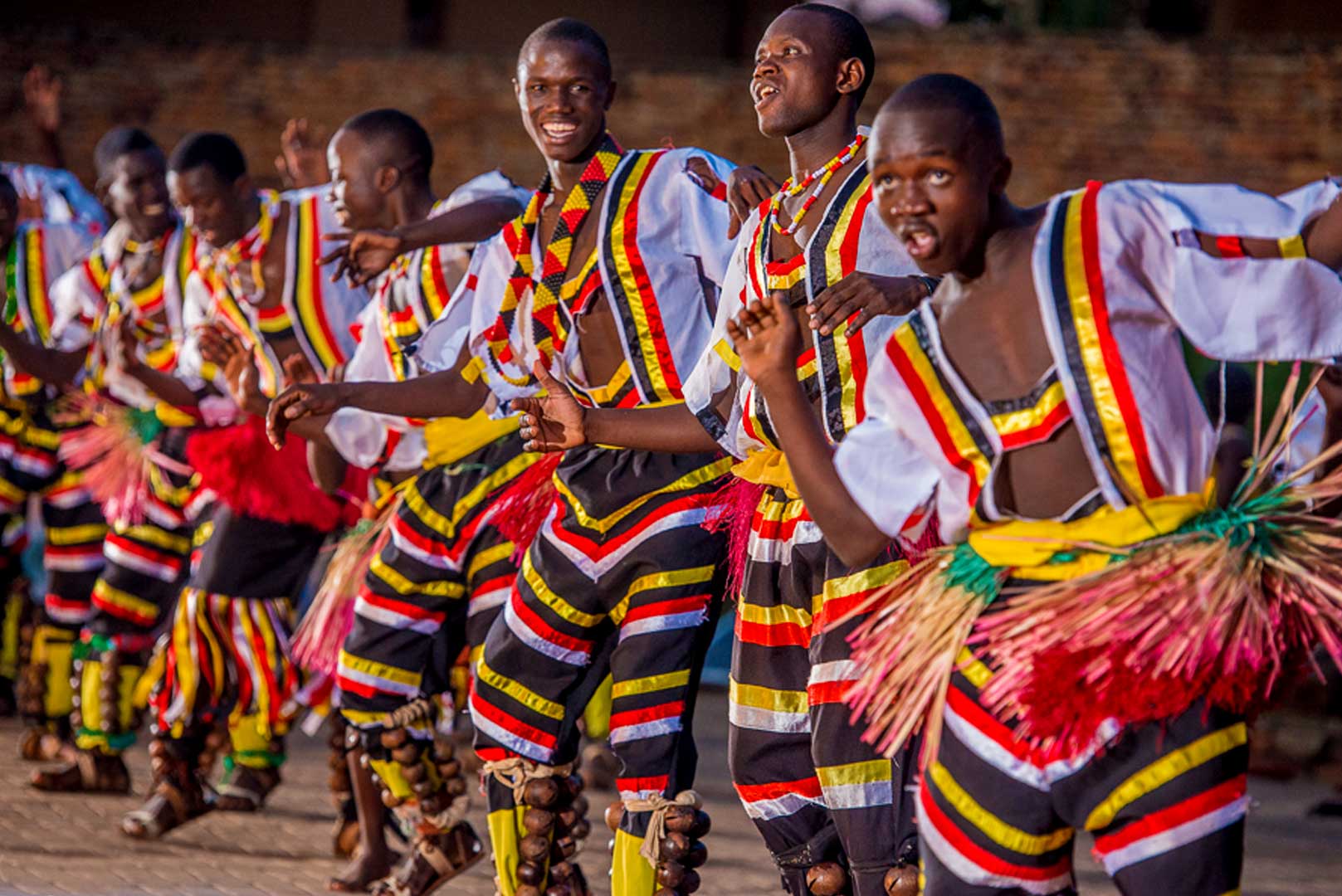
Uganda offers rich cultural experiences that allow travelers to connect with local communities, traditions, music, dance, crafts, and ways of life across different regions of the country.
The country is home to numerous ethnic groups, languages, and cultural traditions that contribute to Uganda’s welcoming and diverse identity.
Cultural experiences may include:
- Village visits
- Traditional dance performances
- Local craft markets
- Community tourism projects
- Cultural storytelling
- Traditional food experiences
- Coffee and banana farm tours
Near gorilla trekking regions such as Bwindi Impenetrable National Park, travelers may also visit Batwa cultural communities to learn about the indigenous forest people who once lived within the rainforest.
Cultural tourism helps support:
- Community livelihoods
- Conservation awareness
- Sustainable tourism development
- Local economic growth
Many safari travelers appreciate Uganda not only for its wildlife but also for the warmth, hospitality, and cultural richness of its people.
Combining cultural experiences with gorilla trekking and wildlife safaris creates a more meaningful and complete understanding of Uganda as one of Africa’s most unique travel destinations.
Expert Insight From Pieland Gorilla Safaris About Ebola outbreak in Uganda
At Pieland Gorilla Safaris, we continue monitoring Uganda’s tourism and public health situation closely while operating safaris responsibly under Uganda Wildlife Authority and Ministry of Health guidance. From our direct experience organizing gorilla trekking safaris, most travelers visiting Bwindi Impenetrable National Park, Queen Elizabeth National Park, Kibale National Park, and Murchison Falls National Park continue enjoying smooth and well-organized safari experiences despite increased health monitoring procedures.
Many of Uganda’s tourism destinations are located far from monitored outbreak districts, and safari operations largely take place in controlled outdoor environments with professional guides, private transportation options, organized lodge systems, and regulated national park activities. We continue working closely with lodges, ranger teams, drivers, and conservation authorities to ensure our travelers receive updated information, safe safari planning, and flexible travel support whenever necessary.
What We Have Experienced on the Ground During Uganda Safaris
From our firsthand experience operating safaris across Uganda during periods of increased health monitoring, the atmosphere in most tourism regions remains calm, organized, and professionally managed. Travelers arriving for gorilla trekking and wildlife safaris often notice additional hygiene measures such as hand sanitization stations, airport screening procedures, and increased health awareness, but safari activities themselves continue operating normally in many destinations.
Our guests continue successfully enjoying gorilla trekking in Bwindi, chimpanzee tracking in Kibale Forest, wildlife safaris in Queen Elizabeth National Park, and boat cruises in Murchison Falls National Park under well-managed tourism systems. Uganda’s conservation authorities, ranger teams, safari lodges, and tourism operators have extensive experience maintaining safe and responsible safari operations, which continues giving many travelers confidence while visiting the country.
Do you need any safari information about Uganda , do not hesistate to Contact Us.
Frequently Asked Questions About Ebola in Uganda
Is Uganda safe to visit during the Ebola outbreak?
Yes, many parts of Uganda remain safe for tourism during localized Ebola outbreaks. Most safari destinations and national parks continue operating normally under enhanced health and safety measures.
Are Uganda national parks affected by Ebola?
Most national parks are usually located far from outbreak monitoring districts. Parks such as Bwindi Impenetrable National Park and Queen Elizabeth National Park often continue operating safely.
Is gorilla trekking safe during the Ebola outbreak?
Yes, gorilla trekking is generally safe when visitors follow strict health protocols and ranger guidelines established by the Uganda Wildlife Authority.
Can tourists still enter Uganda?
Yes, Uganda remains open for international tourism unless official restrictions are announced by authorities.
What health checks are done at Entebbe International Airport?
Travelers may encounter temperature screening, hand sanitization, health observation procedures, and verification of yellow fever vaccination certificates at Entebbe International Airport.
Is Ebola spreading across the entire country?
No, Ebola outbreaks are usually localized within specific districts rather than spreading evenly across Uganda.
Should I cancel my Uganda safari?
Not necessarily. Many travelers continue visiting Uganda safely while monitoring official updates and following recommended health precautions.
Are flights to Uganda operating normally?
International and domestic flights often continue operating normally unless airlines or authorities announce temporary restrictions.
Can I still visit Bwindi Impenetrable National Park?
Yes, Bwindi Impenetrable National Park generally remains open for gorilla trekking unless official park restrictions are introduced.
Is Queen Elizabeth National Park safe for safaris?
Yes, Queen Elizabeth National Park usually continues operating wildlife safaris safely during localized outbreak monitoring periods.
How does Ebola spread?
Ebola spreads through direct contact with bodily fluids from infected individuals or contaminated materials.
Is Ebola airborne?
No, Ebola is not generally considered an airborne disease like some respiratory illnesses.
Can gorillas get diseases from humans?
Yes, mountain gorillas are highly vulnerable to certain human diseases, which is why strict health protocols exist during gorilla trekking.
What happens if a tourist becomes sick during a safari?
Safari operators and lodges usually coordinate with medical facilities and health authorities to assist travelers who become unwell during their trip.
Is travel insurance recommended for Uganda safaris?
Yes, comprehensive travel insurance is strongly recommended for all Uganda safari travelers.
What should travel insurance cover?
Travel insurance should ideally include medical treatment, evacuation, trip cancellation, delayed flights, and safari or trekking activities.
Do I need a yellow fever vaccination for Uganda?
Yes, Uganda generally requires proof of yellow fever vaccination for international travelers entering the country.
Is malaria a concern in Uganda?
Yes, malaria exists in many parts of Uganda, so travelers are encouraged to use preventive medication and mosquito protection.
Are safari lodges following health precautions?
Yes, many safari lodges continue implementing enhanced cleaning, sanitization, staff monitoring, and hygiene procedures.
Are safari vehicles sanitized regularly?
Yes, many safari operators sanitize safari vehicles regularly during outbreak monitoring periods.
Can children travel to Uganda during an Ebola outbreak?
Families may still travel depending on official advisories and personal health considerations. Parents should consult healthcare professionals before travel.
Is Uganda experienced in handling Ebola outbreaks?
Yes, Uganda has extensive experience managing Ebola outbreaks through strong surveillance systems, rapid response teams, and international cooperation.
Are border crossings between Uganda and Rwanda open?
Border operations usually continue unless temporary restrictions are announced by authorities.
Can I combine Uganda and Rwanda safaris?
Yes, many travelers continue combining Uganda and Rwanda safari itineraries depending on current travel regulations.
What are the symptoms of Ebola?
Symptoms may include fever, weakness, headache, vomiting, diarrhea, fatigue, and muscle pain.
How are travelers screened in Uganda During Ebola outbreak in Uganda?
Travelers may undergo temperature checks, health observation, hand sanitization, and health declaration procedures at airports and border crossings.
Are the safari parks crowded during Ebola outbreak in Uganda?
No, safari destinations are often quieter during outbreak monitoring periods, providing more exclusive wildlife experiences.
What are the safest safari destinations in Uganda During Ebola outbreak in Uganda?
Many travelers consider destinations such as Bwindi Impenetrable National Park, Murchison Falls National Park, and Kidepo Valley National Park among the safest organized tourism areas.
Can I reschedule my safari because of Ebola outbreak in Uganda?
Many safari operators offer flexible booking or postponement options depending on current travel conditions and booking policies.
What should I pack for safe travel in Uganda?
Travelers should pack hand sanitizer, insect repellent, personal medication, travel insurance documents, waterproof clothing, and hiking gear.
Are private safaris safer during outbreak periods?
Many travelers prefer private safaris because they reduce interaction with larger groups and provide more personalized travel arrangements.
Is Uganda still worth visiting during an Ebola outbreak?
Yes, many travelers continue visiting Uganda because of its mountain gorillas, wildlife diversity, scenic beauty, and well-organized safari experiences.
How can I stay updated before traveling?
Travelers should follow updates from the Uganda Ministry of Health, World Health Organization, official tourism authorities, and trusted safari operators.
Why do travelers continue choosing Uganda?
Travelers continue choosing Uganda because it offers unique gorilla trekking, wildlife safaris, chimpanzee tracking, birdwatching, cultural experiences, and less crowded safari adventures compared to many other destinations in Africa.