
Gorilla Conservation in Congo
Introduction to Gorilla Conservation in Congo
Gorilla Conservation in Congo is one of the most important wildlife protection efforts in Africa for the endangered gorilla species. The vast tropical rainforests of Congo protect critical habitats for both the Eastern Lowland Gorillas and the Mountain Gorillas, making the country a global conservation priority for primates and biodiversity.
Congo’s forests are among the richest ecosystems in Africa, covering large areas of dense rainforest, volcanic mountains, bamboo forests, swamps, and remote wilderness regions. These habitats support not only gorillas but also chimpanzees, forest elephants, okapis, rare birds, reptiles, butterflies, and countless plant species. Gorilla conservation in Congo therefore plays a major role in preserving the entire Congo Basin ecosystem, which is the second-largest rainforest in the world after the Amazon.
For many years, gorillas in Congo have faced serious threats including poaching, habitat destruction, illegal mining, armed conflicts, and disease outbreaks. Despite these challenges, conservation organizations, local communities, park rangers, and the Congolese government continue to work tirelessly to protect gorillas and their habitats through conservation programs, anti-poaching patrols, tourism initiatives, and environmental education.
Today, gorilla conservation in Congo is strongly linked to sustainable tourism. Gorilla trekking safaris in places like Virunga National Park and Kahuzi-Biega National Park generate revenue that helps fund wildlife protection, ranger operations, veterinary programs, and community development projects. Responsible tourism has become one of the strongest tools helping ensure the survival of gorillas in Congo for future generations.
Travelers visiting Congo for gorilla trekking experiences not only enjoy unforgettable wildlife encounters but also directly contribute to the conservation of endangered gorillas. Every gorilla permit purchased supports habitat protection, conservation research, local employment, and long-term wildlife management programs throughout Congo’s protected areas.
Why Gorilla Conservation in Congo Matters
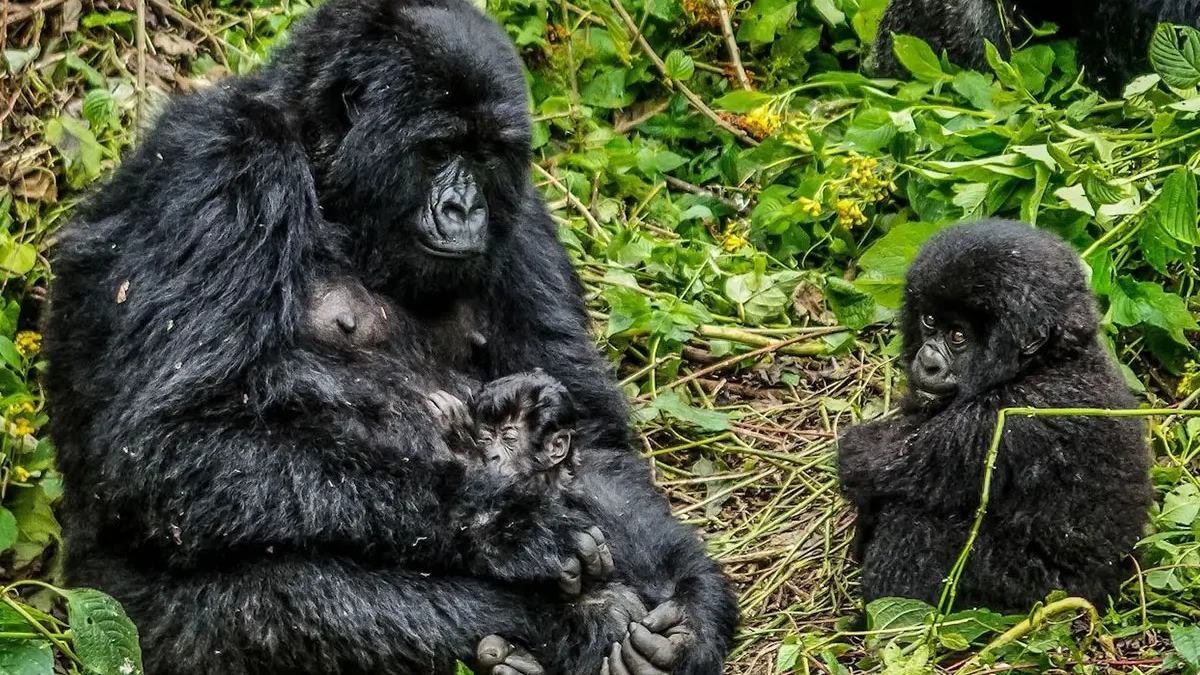
Gorilla Conservation in Congo matters because the country protects a significant percentage of the world’s remaining gorilla population. Congo is one of the few destinations on Earth where tourists can still encounter gorillas in their natural rainforest habitats, making its conservation role globally important for wildlife preservation.
Eastern Lowland Gorillas, also called Grauer’s Gorillas, are found mainly in eastern Congo and are the largest gorilla subspecies in the world. Their population has declined dramatically over the years due to habitat loss, illegal hunting, mining activities, and insecurity in remote forest regions. Without strong conservation efforts, these critically endangered gorillas could face further population declines.
Mountain Gorillas in Congo are found within the Virunga Massif, particularly in Virunga National Park, which forms part of a transboundary conservation area shared by Congo, Uganda, and Rwanda. Mountain gorillas were once on the verge of extinction, but intensive conservation efforts, strict tourism regulations, veterinary care, and habitat protection have helped their numbers slowly increase over time.
Gorilla conservation in Congo also matters because gorillas are considered umbrella species. Protecting gorillas automatically protects vast rainforest ecosystems and many other wildlife species sharing the same habitats. Healthy gorilla habitats support forest regeneration, climate regulation, water catchment systems, and biodiversity conservation throughout the Congo Basin.
Conservation efforts also create economic opportunities for local communities through eco-tourism, guiding services, hospitality, transportation, handicrafts, conservation employment, and community-based tourism projects. Many families living near national parks benefit directly from gorilla tourism, making conservation an important source of sustainable livelihoods.
In addition, gorilla conservation in Congo helps raise global awareness about environmental protection, endangered wildlife, and responsible tourism. International partnerships between conservation organizations, researchers, governments, and tourism operators continue to strengthen conservation programs aimed at protecting gorillas and restoring fragile ecosystems across Congo.
Types of Gorillas Found in Congo
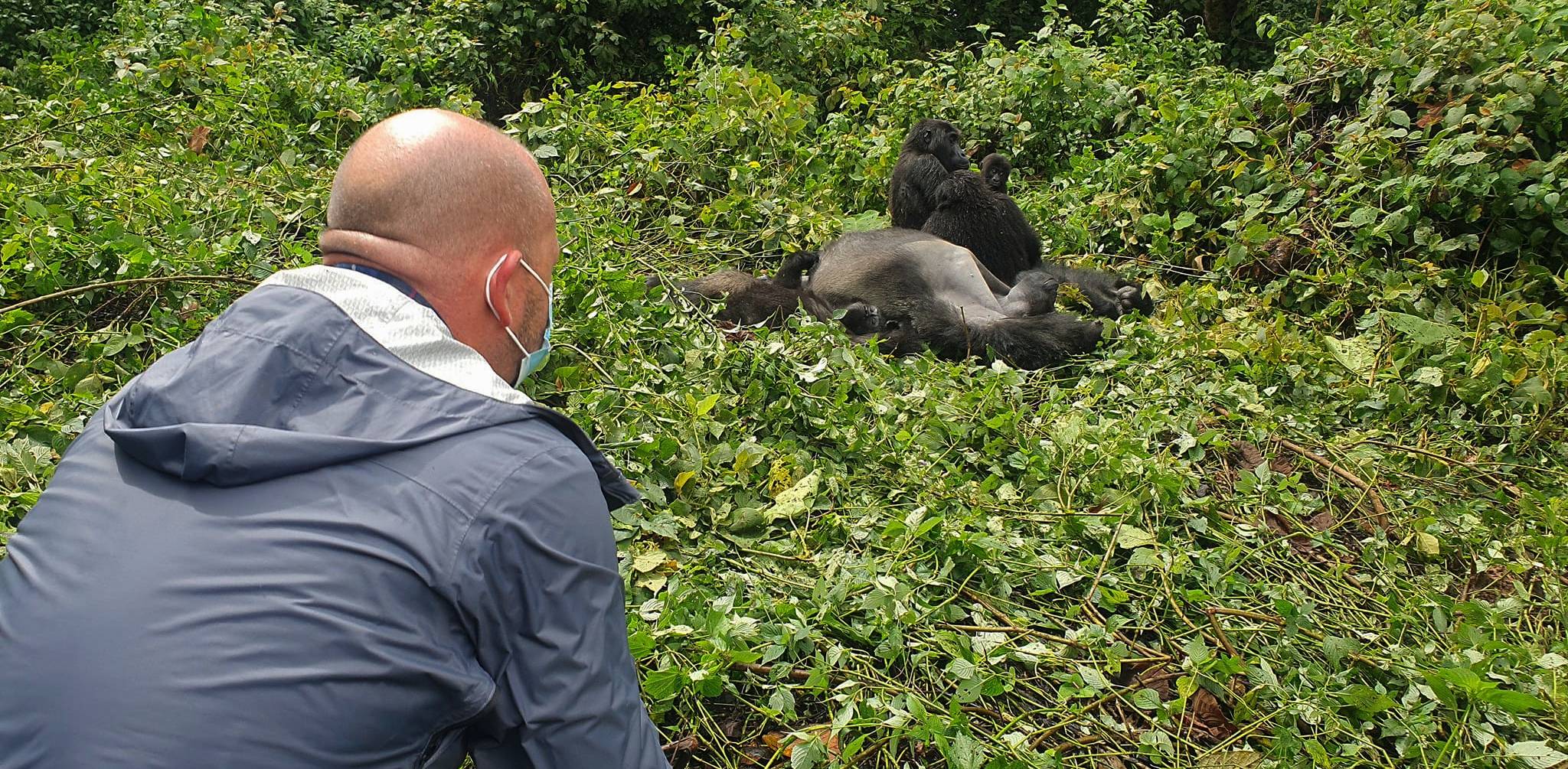
Congo is home to two major gorilla subspecies, making it one of the most important gorilla destinations in Africa. These include the Eastern Lowland Gorilla and the Mountain Gorilla. Both species are endangered and protected within Congo’s national parks and conservation areas.
The dense rainforests and volcanic mountains of eastern Congo provide ideal habitats for these gorillas, allowing visitors to experience unforgettable gorilla trekking adventures while supporting conservation efforts.
Eastern Lowland Gorillas
Eastern Lowland Gorillas, also known as Grauer’s Gorillas, are the largest gorilla subspecies in the world and are found mainly in eastern Democratic Republic of Congo. These gorillas inhabit the lowland tropical rainforests of Kahuzi-Biega National Park, Maiko National Park, Tayna Nature Reserve, and other remote forest ecosystems in eastern Congo.
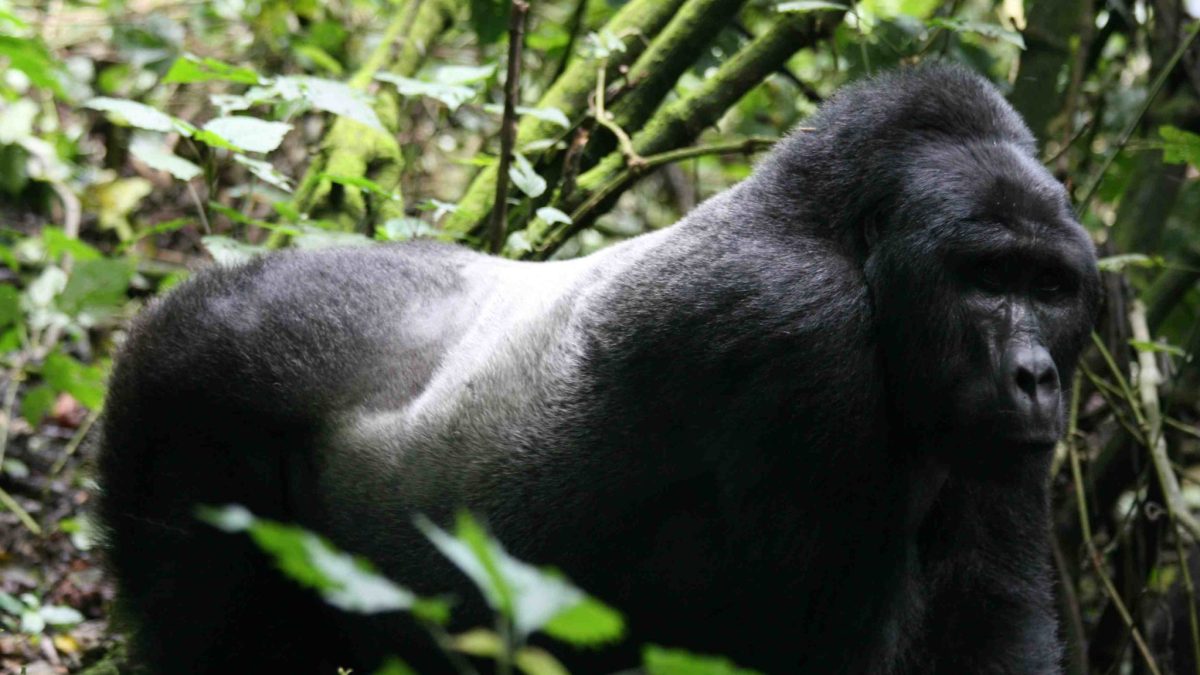
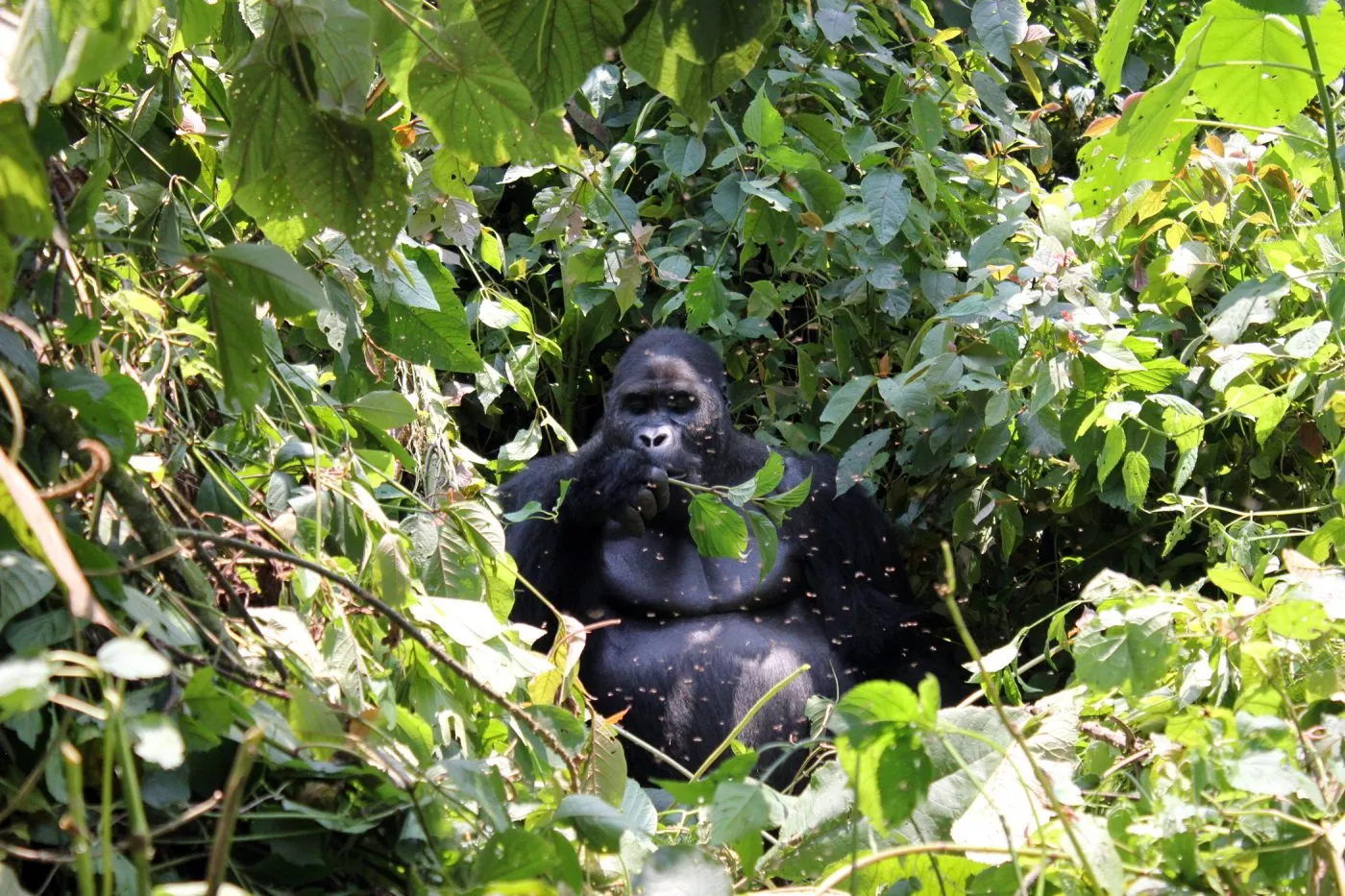
Eastern Lowland Gorillas are known for their massive bodies, broad chests, shorter facial hair, and powerful build. Adult silverbacks can weigh over 200 kilograms and are recognized by the silver patch of hair that develops on their backs as they mature. These gorillas live in family groups led by dominant silverbacks who protect and guide the troop.
Kahuzi-Biega National Park is the most famous destination for Eastern Lowland Gorilla trekking in Congo. The park is a UNESCO World Heritage Site and provides one of the few accessible locations where tourists can track habituated Grauer’s Gorillas in their natural rainforest habitat.
Unfortunately, Eastern Lowland Gorillas face severe threats from illegal mining, deforestation, bushmeat hunting, civil unrest, and habitat fragmentation. Conservation organizations and park authorities continue working to monitor gorilla groups, strengthen anti-poaching patrols, and involve local communities in conservation initiatives.
Tourism plays an important role in protecting Eastern Lowland Gorillas because gorilla trekking revenues help support ranger salaries, conservation projects, veterinary care, and habitat protection programs within Congo’s national parks.
Mountain Gorillas
Mountain Gorillas are among the rarest primates in the world and are found within the Virunga Mountains that stretch across Congo, Uganda, and Rwanda. In Congo, Mountain Gorillas are protected mainly within Virunga National Park, Africa’s oldest national park and one of the continent’s most iconic conservation areas.
Mountain Gorillas live in high-altitude forests, bamboo zones, and volcanic slopes where cool temperatures and dense vegetation create suitable habitats for feeding and nesting. These gorillas are covered with thicker and longer fur compared to other gorilla species, helping them survive in colder mountain environments.
Virunga National Park offers exceptional Mountain Gorilla trekking experiences where visitors hike through forested volcanic terrain to encounter habituated gorilla families in the wild. Gorilla trekking in Virunga is considered one of the most extraordinary wildlife experiences in Africa.
Mountain Gorillas are highly social animals that live in close-knit family groups led by dominant silverbacks. During trekking experiences, visitors observe gorillas feeding, grooming, resting, playing, and interacting naturally within their rainforest habitat.
Over the years, Mountain Gorilla conservation in Congo has faced challenges including armed conflict, habitat encroachment, disease transmission, and poaching. However, conservation partnerships involving park authorities, veterinarians, researchers, rangers, and local communities have helped improve protection efforts and increase gorilla monitoring.
Strict gorilla trekking regulations have also contributed greatly to Mountain Gorilla conservation in Congo. Visitor numbers are controlled, trekking distances are regulated, and tourists are required to follow conservation guidelines designed to minimize stress and disease transmission to gorillas.
Today, Mountain Gorillas remain one of Congo’s greatest conservation success stories and continue attracting travelers from around the world who support wildlife conservation through responsible gorilla tourism.
Key Gorilla Conservation Areas in Congo
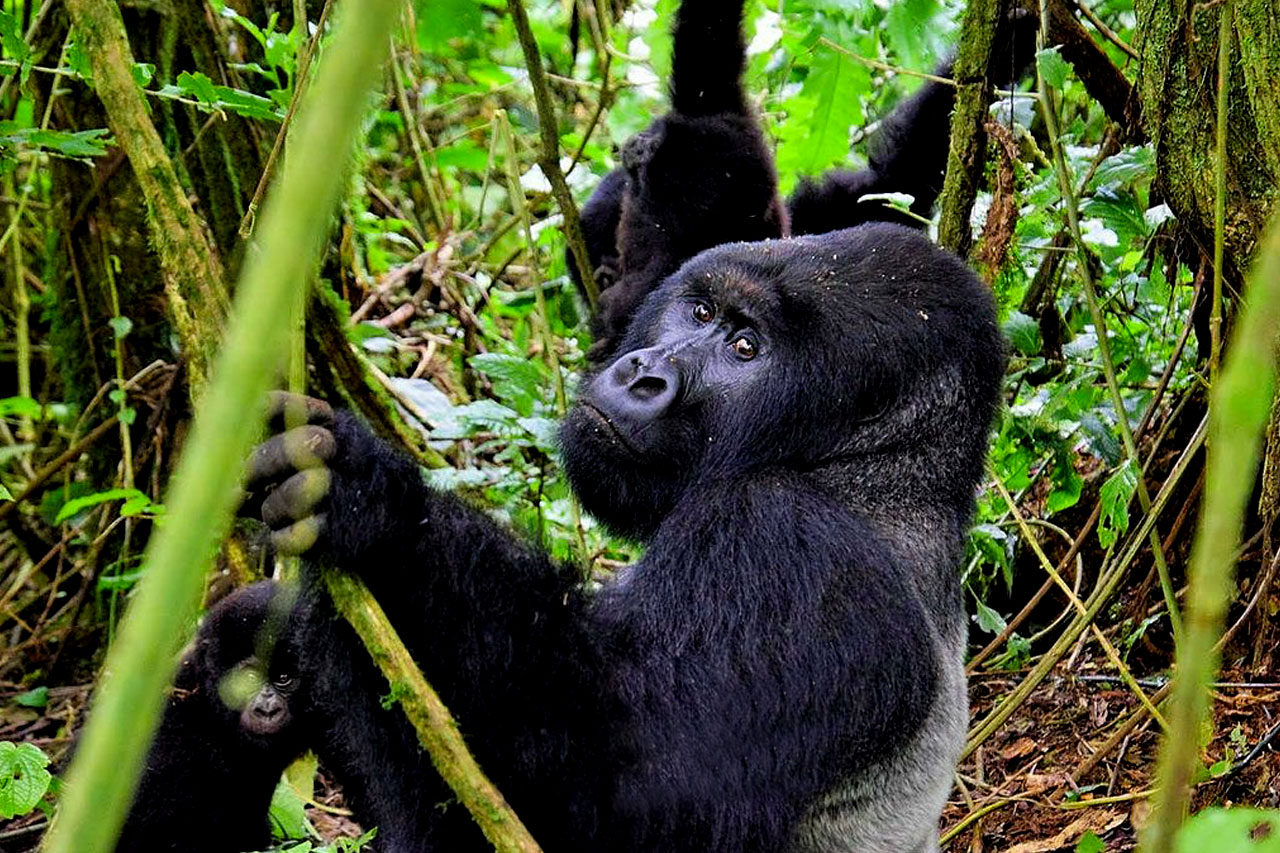
Congo is home to some of Africa’s most important gorilla conservation landscapes, protecting endangered gorilla populations within vast rainforests, volcanic mountains, and remote wilderness ecosystems. These protected areas play a critical role in preserving gorilla habitats, supporting biodiversity conservation, promoting eco-tourism, and safeguarding one of the largest tropical rainforest systems in the world.
The key gorilla conservation areas in Congo include Virunga National Park, Kahuzi-Biega National Park, Maiko National Park, Itombwe Nature Reserve, and Tayna Nature Reserve. Each of these conservation areas contributes significantly to the survival of Mountain Gorillas and Eastern Lowland Gorillas while supporting conservation research, ranger operations, community tourism, and wildlife protection programs.
These protected areas also attract international tourists seeking authentic gorilla trekking experiences in Congo, helping generate conservation funding that supports habitat protection and local community development.
Virunga National Park
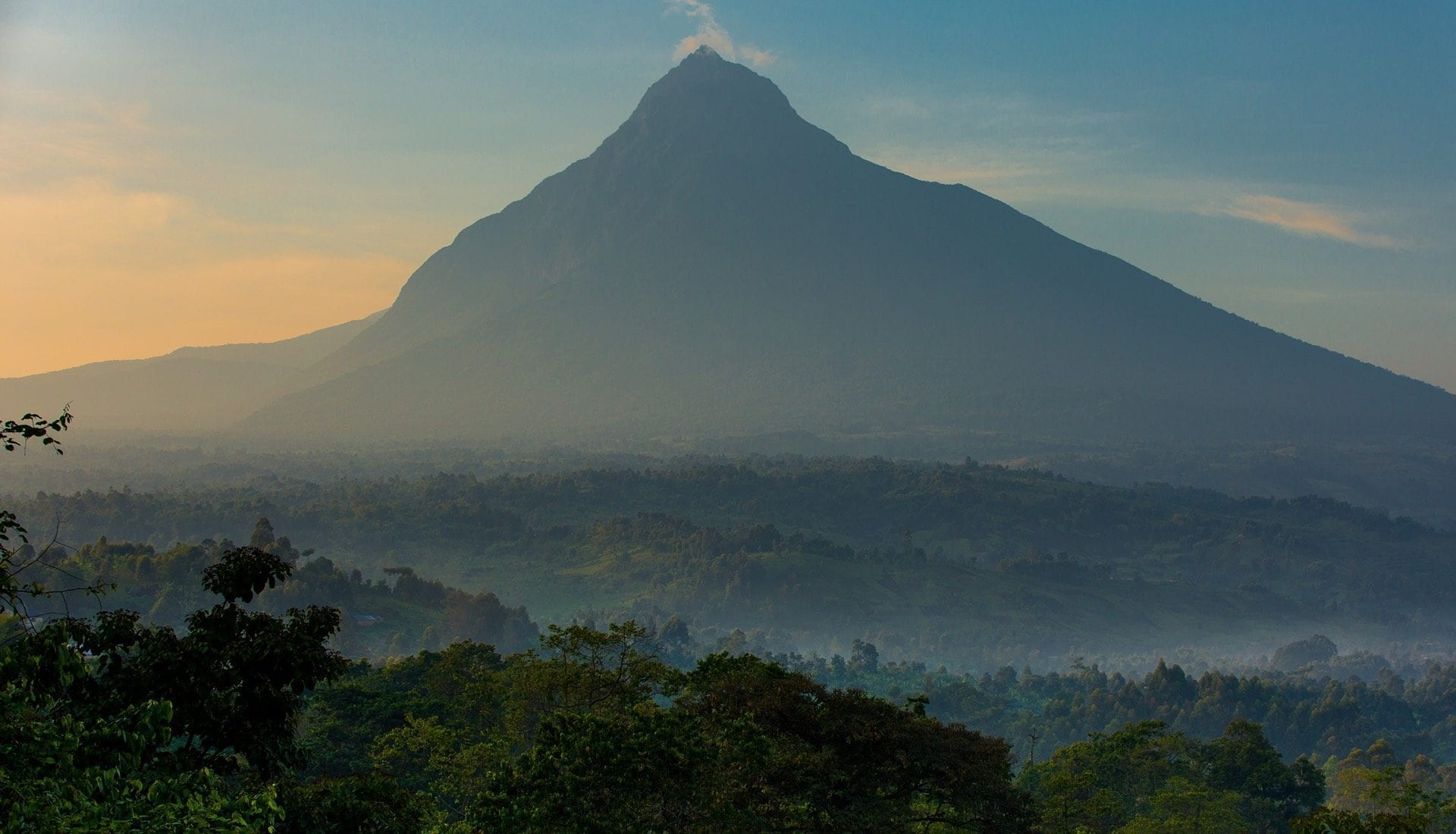
Virunga National Park is the most famous gorilla conservation area in Congo and one of Africa’s oldest national parks. Established in 1925, Virunga National Park is a UNESCO World Heritage Site located in eastern Democratic Republic of Congo along the borders of Uganda and Rwanda.
The park is internationally recognized for protecting the endangered Mountain Gorillas found within the Virunga Mountain ranges. Virunga National Park forms part of the larger Virunga Massif ecosystem shared between Congo, Uganda, and Rwanda, making it one of the most important Mountain Gorilla conservation regions in the world.
Virunga’s diverse landscapes include volcanic mountains, bamboo forests, tropical rainforests, lava plains, savannahs, wetlands, and alpine vegetation zones. These habitats support not only gorillas but also chimpanzees, forest elephants, buffaloes, antelopes, rare birds, reptiles, and unique plant species.
Mountain Gorilla trekking in Virunga National Park offers visitors an extraordinary wildlife experience where tourists hike through dense rainforest trails to encounter habituated gorilla families in their natural habitat. Gorilla tourism in Virunga contributes significantly to conservation funding by supporting ranger patrols, gorilla monitoring, veterinary programs, and local community initiatives.
Virunga National Park has faced major conservation challenges over the years including armed conflict, poaching, illegal charcoal production, habitat destruction, and insecurity. Despite these challenges, dedicated park rangers and conservation organizations continue working tirelessly to protect Mountain Gorillas and preserve the park’s biodiversity.
The park is also famous for Mount Nyiragongo, one of the world’s most active volcanoes, which adds to Virunga’s appeal as a combined gorilla trekking and adventure safari destination in Congo.
Kahuzi-Biega National Park
Kahuzi-Biega National Park is the most important conservation area for Eastern Lowland Gorillas, also known as Grauer’s Gorillas. Located near Bukavu in eastern Democratic Republic of Congo, the park was established in 1970 and later designated as a UNESCO World Heritage Site due to its exceptional biodiversity and conservation importance.
The park is named after Mount Kahuzi and Mount Biega, two extinct volcanic mountains that dominate the surrounding landscape. Kahuzi-Biega National Park contains dense lowland rainforests, bamboo forests, swamps, mountainous terrain, and rich tropical ecosystems that provide ideal habitats for Eastern Lowland Gorillas.
Eastern Lowland Gorillas found in Kahuzi-Biega are the largest gorilla subspecies in the world. The park remains one of the few places where tourists can observe habituated Grauer’s Gorillas in their natural rainforest environment.
Gorilla trekking in Kahuzi-Biega National Park allows visitors to experience close encounters with gorilla families while contributing directly to gorilla conservation efforts. Tourism revenues support anti-poaching patrols, scientific research, gorilla habituation programs, habitat protection, and local community conservation projects.
Apart from gorillas, Kahuzi-Biega National Park protects numerous wildlife species including forest elephants, chimpanzees, monkeys, antelopes, reptiles, butterflies, and hundreds of bird species.
Despite ongoing conservation efforts, the park continues facing threats from illegal mining, deforestation, poaching, and encroachment. Conservation organizations and park authorities continue strengthening protection measures to safeguard Eastern Lowland Gorillas and restore fragile ecosystems.
Maiko National Park
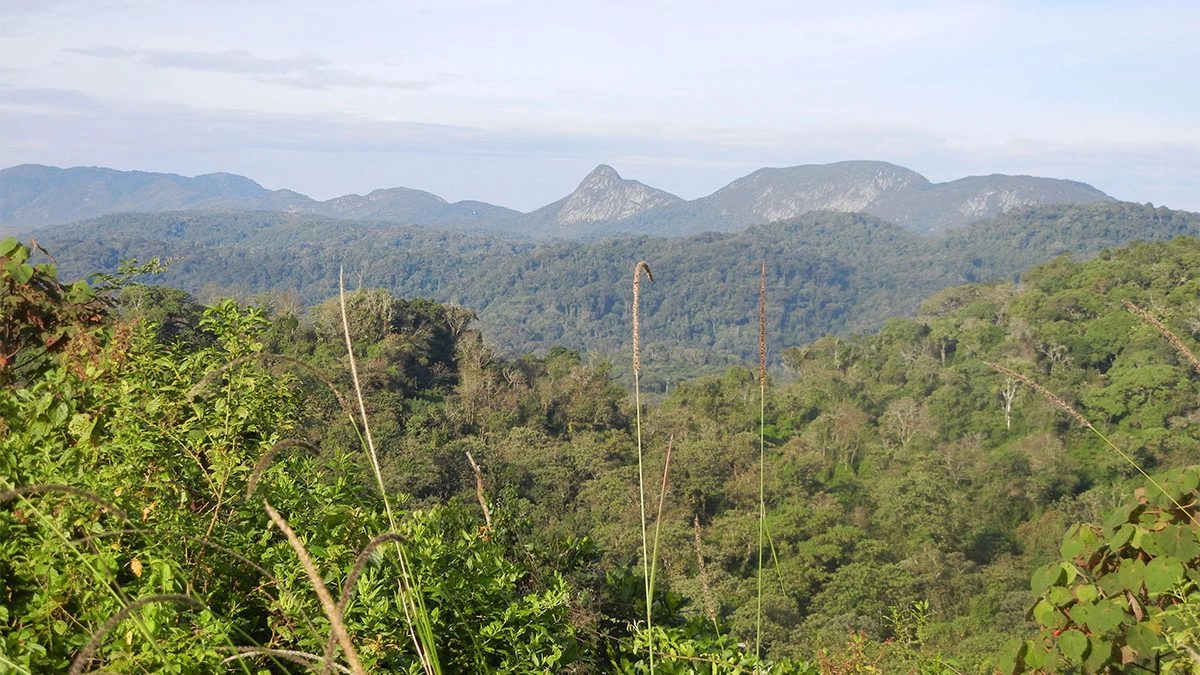
Maiko National Park is one of Congo’s largest and most remote protected conservation areas, covering vast sections of tropical rainforest in eastern Democratic Republic of Congo. The park remains one of the least explored national parks in Africa and plays an important role in protecting endangered Eastern Lowland Gorillas and other rare wildlife species.
The remote and isolated nature of Maiko National Park has helped preserve large areas of untouched rainforest habitat, providing sanctuary for gorillas, chimpanzees, okapis, forest elephants, Congo peacocks, and numerous endemic species.
Eastern Lowland Gorillas within Maiko National Park live deep inside dense tropical forests where human activity remains limited in certain regions. The park’s biodiversity importance makes it a critical conservation area for long-term gorilla survival in Congo.
Conservation efforts in Maiko National Park focus on anti-poaching operations, habitat protection, wildlife monitoring, and reducing illegal human activities such as mining and bushmeat hunting. However, the park faces significant conservation challenges due to insecurity, limited infrastructure, and difficult accessibility.
Although tourism in Maiko National Park remains underdeveloped compared to Virunga and Kahuzi-Biega, conservation organizations continue advocating for stronger protection measures and future eco-tourism opportunities that could support sustainable conservation efforts.
Maiko National Park remains one of Congo’s most valuable wilderness ecosystems and a vital refuge for endangered gorilla populations.
Itombwe Nature Reserve
Itombwe Nature Reserve is an important conservation landscape located in eastern Democratic Republic of Congo along the Albertine Rift region. The reserve protects significant populations of Eastern Lowland Gorillas while also conserving one of Africa’s richest biodiversity hotspots.
The Itombwe Massif contains montane forests, bamboo zones, high-altitude grasslands, and tropical rainforest ecosystems that provide suitable habitats for gorillas and other wildlife species. The reserve is also internationally recognized for its exceptional bird diversity and endemic species.
Eastern Lowland Gorillas living within Itombwe Nature Reserve inhabit remote forested mountains where conservation programs aim to protect fragile gorilla populations from poaching and habitat destruction.
Local communities play a major role in conservation efforts within Itombwe Nature Reserve through community-based conservation programs, environmental education, sustainable land-use initiatives, and eco-tourism partnerships.
Conservation organizations working in Itombwe continue supporting wildlife research, habitat mapping, ranger training, and biodiversity monitoring programs aimed at protecting endangered gorillas and preserving the region’s ecosystems.
Although the reserve remains relatively less visited by tourists, Itombwe Nature Reserve is considered one of Congo’s most ecologically important gorilla conservation areas.
Tayna Nature Reserve
Tayna Nature Reserve is a community-managed conservation area located in eastern Democratic Republic of Congo and forms part of the greater Congo Basin forest ecosystem. The reserve was established through partnerships between conservation organizations and local communities to protect Eastern Lowland Gorillas and promote sustainable conservation.
Tayna Nature Reserve is recognized as one of the first successful community conservation initiatives in Congo where local people actively participate in wildlife protection and habitat preservation efforts.
The reserve contains dense tropical rainforests that support Eastern Lowland Gorillas, chimpanzees, forest elephants, monkeys, and various bird species. Gorilla conservation in Tayna focuses heavily on reducing poaching, preventing deforestation, and promoting environmental awareness among local communities.
Community conservation programs within Tayna Nature Reserve help create employment opportunities through eco-tourism, ranger work, conservation education, sustainable agriculture, and research initiatives. These programs encourage local communities to value wildlife conservation while improving livelihoods.
Tayna Nature Reserve also serves as an important wildlife corridor connecting other gorilla habitats across eastern Congo, helping maintain ecological balance and genetic diversity among gorilla populations.
Today, Tayna Nature Reserve stands as an important example of how community involvement can strengthen gorilla conservation efforts and support long-term wildlife protection in Congo.
Major Threats Facing Gorillas in Congo
Gorillas in Congo face numerous conservation challenges that continue threatening their survival in the wild. Although conservation efforts have improved in many protected areas, endangered gorilla populations remain vulnerable to human activities, environmental destruction, insecurity, and disease outbreaks.
The Democratic Republic of Congo contains some of the largest remaining gorilla habitats in Africa, but these forests are increasingly under pressure from poaching, habitat destruction, illegal mining, armed conflicts, disease transmission, and growing human populations. These threats affect both Mountain Gorillas and Eastern Lowland Gorillas, making long-term conservation efforts extremely important.
Conservation organizations, park rangers, governments, researchers, and local communities continue working together to reduce these threats through anti-poaching operations, habitat protection, community conservation programs, veterinary care, and responsible tourism initiatives.
Poaching
Poaching remains one of the biggest threats facing gorillas in Congo. Although gorillas are legally protected, illegal hunting continues in several forest regions due to poverty, bushmeat demand, illegal wildlife trade, and insecurity within remote conservation areas.
In some cases, gorillas are directly targeted by poachers for bushmeat, while in other situations they are accidentally injured or killed by traps and snares intended for other wildlife species such as antelopes and forest pigs. Young gorillas are sometimes captured illegally for the exotic animal trade, which often results in the death of adult gorillas trying to protect them.
Poaching activities disrupt gorilla family structures and reduce already vulnerable populations. Because gorillas reproduce slowly and females give birth only after several years, even small population losses can have long-term impacts on conservation efforts.
Protected areas such as Virunga National Park and Kahuzi-Biega National Park continue strengthening anti-poaching patrols through highly trained ranger teams who monitor gorilla habitats and remove illegal traps from the forests. Conservation organizations also support intelligence gathering, wildlife law enforcement, and community awareness campaigns aimed at reducing poaching activities.
Tourism revenue generated from gorilla trekking safaris also helps fund ranger salaries, patrol equipment, and conservation operations that protect gorillas from illegal hunting activities across Congo’s national parks.
Habitat Loss
Habitat loss is another major threat facing gorillas in Congo. Large sections of tropical rainforest continue being destroyed due to deforestation, agricultural expansion, settlement growth, charcoal burning, logging, and infrastructure development.
As forests are cleared, gorillas lose critical feeding areas, nesting sites, migration corridors, and breeding habitats. Habitat fragmentation isolates gorilla groups and reduces their ability to move safely across forest ecosystems in search of food and shelter.
Eastern Lowland Gorillas are particularly vulnerable to habitat destruction because they depend heavily on extensive lowland rainforest ecosystems found in eastern Congo. Mountain Gorillas also face pressure where growing human populations expand closer to protected conservation areas.
Deforestation not only affects gorillas directly but also damages the overall biodiversity of the Congo Basin rainforest, threatening many other wildlife species including chimpanzees, forest elephants, okapis, and rare birds.
Conservation organizations continue working with local communities to promote sustainable land-use practices, alternative energy sources, reforestation projects, and environmental education programs aimed at reducing forest destruction around gorilla habitats.
National parks and protected reserves remain critically important because they provide secure habitats where gorillas can survive with minimal human disturbance.
Illegal Mining
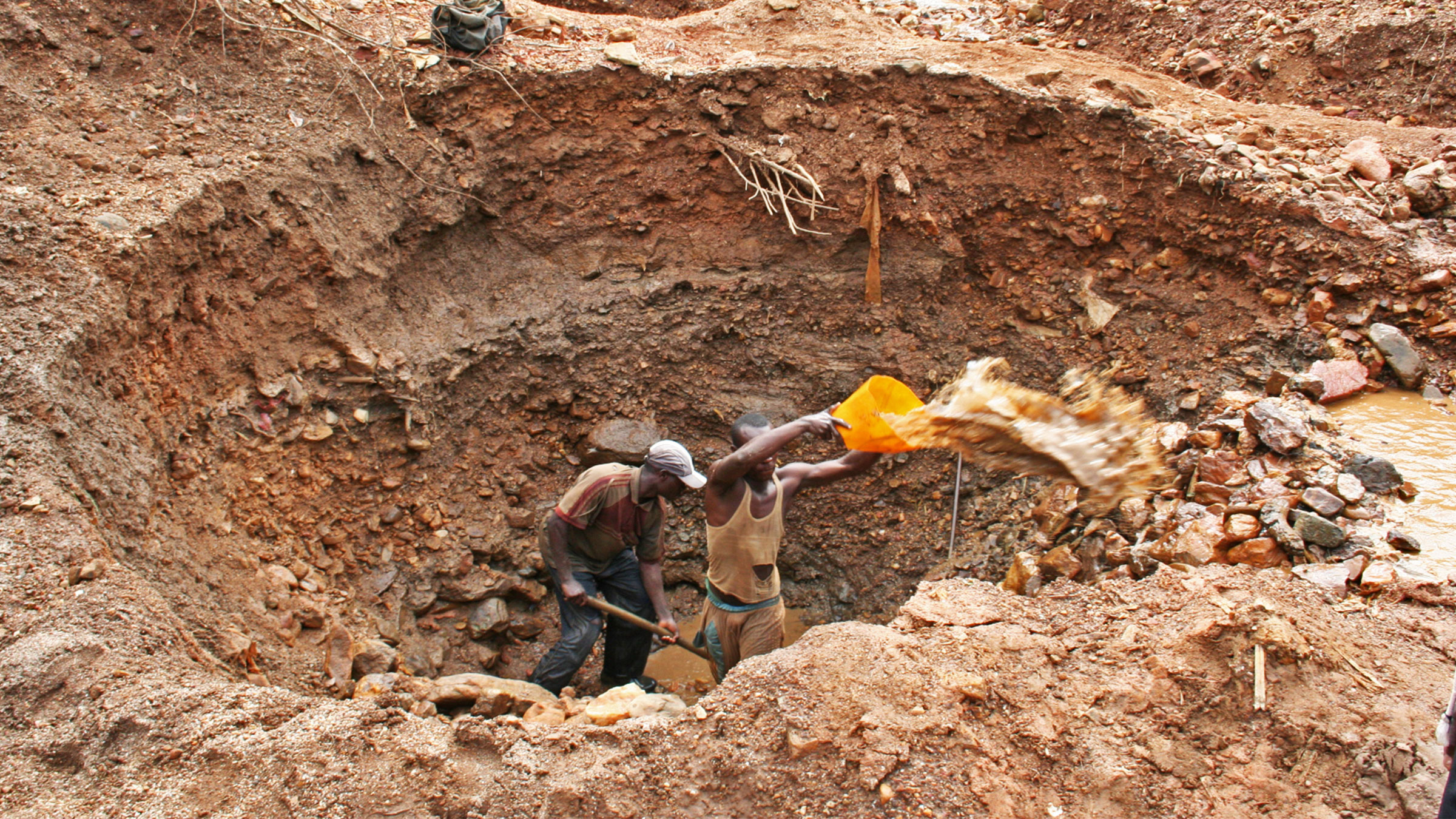
Illegal mining is one of the most serious conservation threats affecting gorilla habitats in Congo. Eastern Democratic Republic of Congo contains valuable mineral deposits including gold, coltan, cassiterite, and other minerals used in global industries. As a result, illegal mining activities have expanded deep into rainforest ecosystems where gorillas live.
Mining camps often lead to large-scale deforestation, river pollution, road construction, wildlife hunting, and human settlement within protected conservation areas. Forests are cleared to create mining sites, while miners frequently hunt wildlife for food, increasing pressure on gorilla populations.
The presence of armed groups and illegal miners inside conservation areas also creates insecurity that limits ranger patrols and conservation operations. In some regions, mining activities directly overlap with critical gorilla habitats, threatening already endangered populations.
Kahuzi-Biega National Park and other eastern Congo conservation areas have experienced significant challenges linked to illegal mining operations. Conservation authorities continue working to remove illegal miners from protected areas while restoring damaged ecosystems.
Reducing illegal mining remains difficult because of economic pressures and weak law enforcement in remote forest regions. However, international conservation partnerships and stronger environmental protection efforts continue helping protect gorilla habitats from mining-related destruction.
Armed Conflict
Armed conflict has severely affected gorilla conservation in Congo for many years. Eastern Democratic Republic of Congo has experienced prolonged insecurity involving rebel groups, militia activities, and political instability, especially in regions surrounding important conservation areas.
Conflicts often force local communities to move into protected forests where they depend on natural resources for survival. Armed groups may also occupy conservation areas, engage in illegal mining, hunt wildlife, and attack park infrastructure.
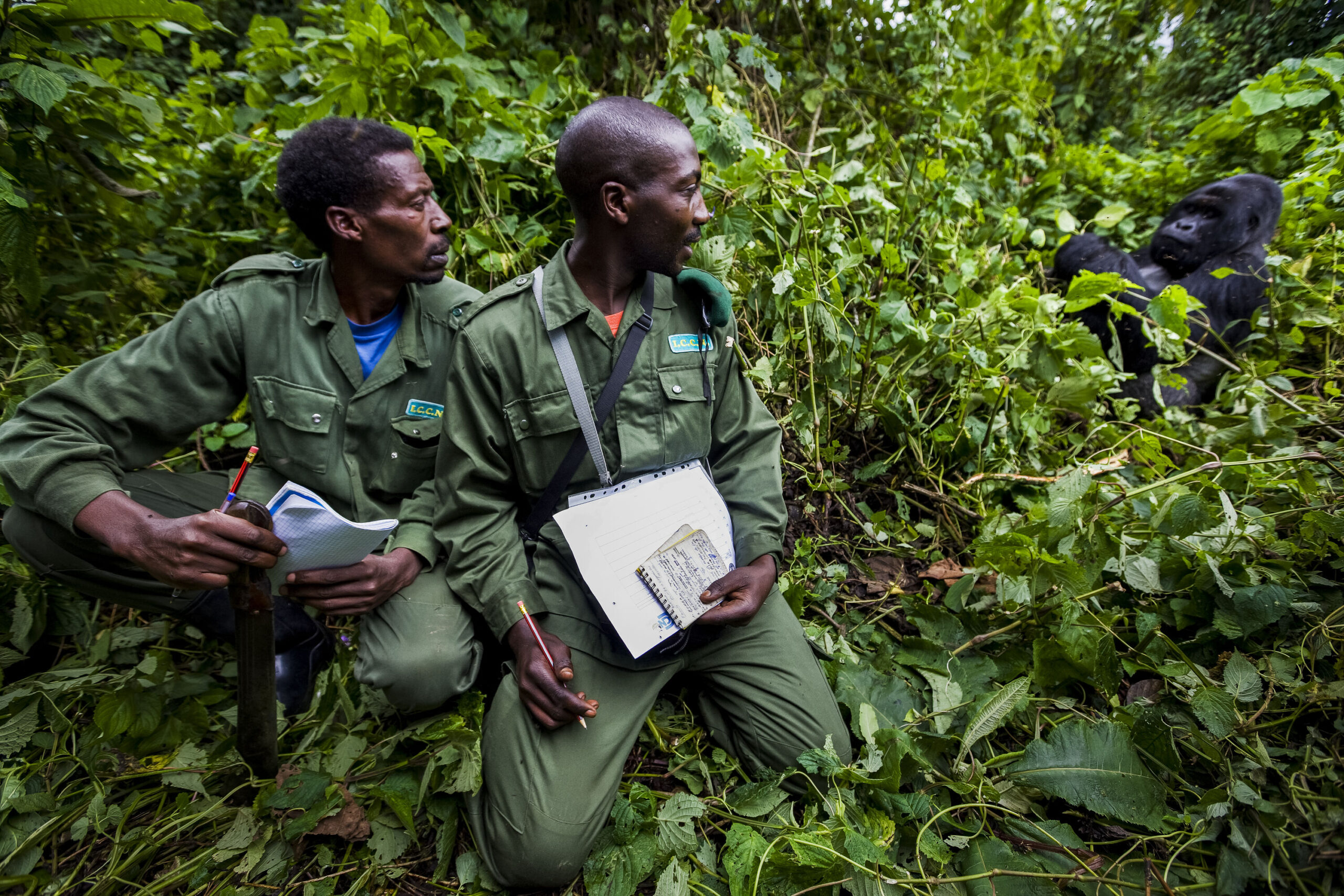
Park rangers protecting gorillas in Congo face extremely dangerous conditions while carrying out conservation duties. Many rangers working in Virunga National Park and other protected areas have lost their lives protecting wildlife and defending national parks from armed groups.
Insecurity also affects tourism activities because periods of conflict can reduce visitor numbers and conservation funding. Gorilla tourism is an important source of revenue that supports ranger operations, veterinary programs, and community development projects.
Despite these challenges, conservation organizations continue working closely with government authorities, local communities, and international partners to strengthen security and ensure the long-term protection of gorilla habitats in Congo.
The dedication of park rangers and conservation teams has played a major role in helping gorilla populations survive despite decades of instability.
Disease Transmission
Disease transmission is another major threat facing gorillas in Congo because gorillas share approximately 98 percent of their DNA with humans. This close genetic relationship makes gorillas highly vulnerable to human diseases including respiratory infections, flu viruses, and other contagious illnesses.
Even common human illnesses can become deadly for gorilla populations because gorillas have limited immunity against certain diseases carried by people. Disease outbreaks can spread quickly within gorilla families due to their close social interactions.
Tourism activities, research operations, and increased human presence near gorilla habitats increase the risk of disease transmission if strict conservation guidelines are not followed.
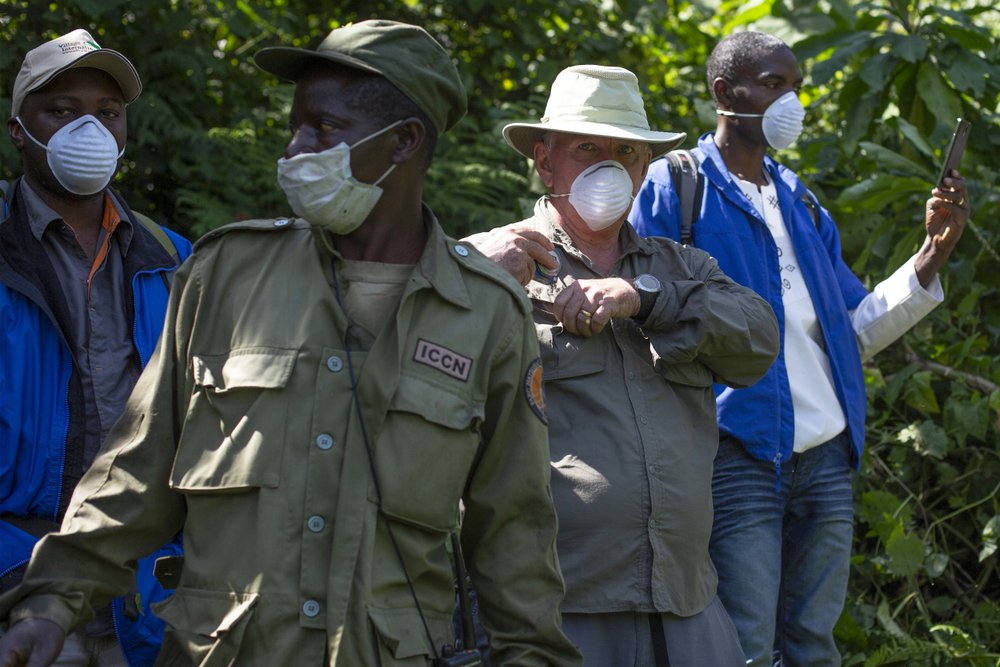
Conservation authorities have introduced strict gorilla trekking rules to reduce health risks. Visitors are required to maintain safe viewing distances, avoid trekking when sick, sanitize hands, and limit interaction time with gorillas. Some parks may also require face masks during gorilla trekking experiences.
Veterinary teams and wildlife health experts regularly monitor gorilla populations for signs of illness and provide emergency interventions when necessary. Organizations such as the Gorilla Doctors play an important role in protecting gorillas through wildlife veterinary care and disease surveillance.
Disease prevention remains a critical part of gorilla conservation in Congo because healthy gorilla populations are essential for long-term species survival.
Human-Wildlife Conflict
Human-wildlife conflict occurs when growing human populations expand closer to gorilla habitats, creating competition for land, food resources, and forest access. As villages and agricultural areas spread near protected forests, encounters between humans and wildlife become more frequent.
In some areas, gorillas may enter farmland searching for food, leading to crop damage and tensions with local communities. Farmers sometimes view wildlife as a threat to their livelihoods, increasing risks of retaliation against animals.
Poverty and limited economic opportunities around conservation areas can also contribute to illegal resource use such as logging, charcoal burning, hunting, and forest encroachment within gorilla habitats.
Conservation organizations continue working closely with communities surrounding national parks to reduce human-wildlife conflict through education programs, alternative livelihood projects, eco-tourism employment, sustainable farming practices, and revenue-sharing initiatives.
Community involvement is extremely important because local support helps strengthen conservation efforts and encourages peaceful coexistence between people and gorillas.
Responsible tourism and conservation funding continue helping create economic benefits for communities living near gorilla habitats, making wildlife conservation more valuable for local residents and future generations.
Gorilla Conservation Efforts in Congo
Gorilla conservation efforts in Congo involve a combination of wildlife protection programs, scientific research, ranger operations, community involvement, eco-tourism, and international conservation partnerships aimed at protecting endangered gorilla populations and preserving their rainforest habitats.
The Democratic Republic of Congo remains one of Africa’s most important gorilla conservation destinations because it protects both Mountain Gorillas and Eastern Lowland Gorillas within vast tropical forest ecosystems. Despite facing challenges such as poaching, habitat destruction, illegal mining, and armed conflict, conservation organizations and park authorities continue implementing major initiatives that support gorilla survival across Congo’s protected areas.
National parks such as Virunga National Park and Kahuzi-Biega National Park play a central role in conservation efforts by providing protected habitats where gorillas can live, reproduce, and thrive with reduced human disturbance.
Conservation programs in Congo focus not only on protecting gorillas themselves but also on preserving biodiversity, supporting local communities, promoting sustainable tourism, and strengthening long-term environmental protection strategies throughout the Congo Basin rainforest.
Anti-Poaching Patrols
Anti-poaching patrols are among the most important gorilla conservation efforts in Congo because they help protect gorillas and other wildlife from illegal hunting, traps, and wildlife trafficking activities.
Highly trained park rangers regularly patrol national parks, nature reserves, and gorilla habitats to monitor wildlife movements, remove snares, detect illegal activities, and prevent poachers from entering protected conservation areas. These patrol teams often operate in difficult and dangerous environments including dense rainforests, mountainous terrain, and remote wilderness regions.
Virunga National Park and Kahuzi-Biega National Park maintain dedicated ranger units that work tirelessly to protect endangered gorillas despite security risks and harsh field conditions. Rangers monitor habituated gorilla families daily to ensure their safety while also safeguarding tourism activities within the parks.
Anti-poaching operations include surveillance patrols, intelligence gathering, wildlife law enforcement, and cooperation with local communities to identify illegal activities threatening gorilla populations. Conservation organizations also provide rangers with training, communication equipment, vehicles, uniforms, and field support necessary for effective conservation work.
Many rangers in Congo have sacrificed their lives protecting gorillas and defending national parks from poachers and armed groups. Their dedication remains one of the strongest foundations of gorilla conservation in Congo.
Tourism revenue generated through gorilla trekking permits helps fund ranger salaries, patrol operations, conservation infrastructure, and wildlife protection programs across gorilla conservation areas.
Habitat Protection
Habitat protection is essential for the survival of gorillas in Congo because gorillas depend on large, healthy rainforest ecosystems for feeding, nesting, breeding, and social interaction.
Conservation organizations and park authorities work continuously to protect gorilla habitats from deforestation, agricultural encroachment, illegal logging, charcoal burning, mining activities, and human settlement expansion.
Protected conservation areas such as Virunga National Park, Kahuzi-Biega National Park, Maiko National Park, Itombwe Nature Reserve, and Tayna Nature Reserve provide critical refuge for endangered gorillas and countless other wildlife species found within the Congo Basin rainforest.
Habitat protection efforts involve boundary monitoring, forest restoration projects, reforestation programs, environmental education campaigns, and sustainable land-use planning around protected areas. Conservation teams also work with local communities to encourage environmentally friendly practices that reduce pressure on forest resources.
Preserving gorilla habitats not only protects wildlife but also helps maintain ecological balance, climate regulation, water systems, and biodiversity throughout the Congo Basin ecosystem.
Forest conservation remains especially important for Eastern Lowland Gorillas because they require extensive lowland rainforest habitats to survive. Mountain Gorillas also rely heavily on protected montane forests and bamboo ecosystems found within the Virunga Mountains.
Through habitat protection efforts, conservation organizations aim to ensure that future generations of gorillas continue thriving in Congo’s rainforests.
Gorilla Monitoring and Research
Gorilla monitoring and scientific research are critical components of gorilla conservation in Congo because they help conservationists understand gorilla behavior, population trends, health conditions, habitat use, and threats affecting survival.
Researchers and conservation teams regularly track gorilla groups within national parks and reserves to collect important data about family structures, feeding behavior, reproduction, migration patterns, and social interactions.
Daily gorilla monitoring programs are especially important for habituated gorilla families visited during gorilla trekking experiences. Rangers and trackers observe gorillas closely to ensure their safety, detect potential health problems, and protect them from poaching threats.
Scientific research also helps conservation authorities estimate gorilla population numbers and evaluate the effectiveness of conservation strategies implemented across different protected areas.
In Virunga National Park and Kahuzi-Biega National Park, conservation research contributes to better wildlife management and helps improve tourism regulations designed to minimize stress and disease risks for gorillas.
Modern conservation technology including GPS tracking, camera traps, drones, ecological mapping, and genetic studies also supports gorilla research programs throughout Congo’s protected forests.
Research findings continue helping global conservation organizations strengthen international efforts aimed at protecting endangered gorilla populations across Central Africa.
Community Conservation Programs
Community conservation programs play a major role in protecting gorillas in Congo because successful wildlife conservation depends heavily on the support and involvement of local communities living near gorilla habitats.
Many conservation organizations work closely with surrounding communities to create sustainable economic opportunities that reduce dependence on forest destruction, poaching, and illegal resource use.
Community conservation initiatives include environmental education, eco-tourism employment, sustainable agriculture, handicraft projects, conservation training, healthcare support, school development, and alternative income programs.
Local residents benefit directly from gorilla tourism through jobs as guides, porters, lodge staff, drivers, rangers, artisans, and conservation workers. Revenue-sharing programs also support community infrastructure projects including schools, health centers, clean water systems, and road improvements.
Conservation education programs help communities understand the importance of protecting gorillas, preserving forests, and promoting responsible environmental practices.
Community-managed reserves such as Tayna Nature Reserve demonstrate how local involvement can successfully support gorilla conservation while improving livelihoods and strengthening environmental protection efforts.
By involving communities in conservation activities, gorilla protection efforts become more sustainable and effective over the long term.
Eco-Tourism and Gorilla Trekking
Eco-tourism and gorilla trekking have become some of the strongest tools supporting gorilla conservation in Congo because tourism generates revenue that directly funds conservation activities and wildlife protection programs.
Gorilla trekking safaris in Virunga National Park and Kahuzi-Biega National Park attract international visitors seeking unforgettable wildlife experiences while contributing financially to conservation efforts.
Every gorilla trekking permit purchased helps support ranger patrols, habitat protection, veterinary care, research programs, tourism infrastructure, and local community projects. Responsible tourism therefore creates economic value for wildlife conservation while encouraging governments and communities to protect gorilla habitats.
Strict gorilla trekking regulations are implemented to minimize disturbance to gorillas and reduce disease transmission risks. Visitor numbers are limited, trekking times are controlled, and tourists must maintain safe distances from gorillas during encounters.
Eco-tourism also creates employment opportunities for thousands of people living near conservation areas, making wildlife conservation economically beneficial for local communities.
In addition to gorilla trekking, eco-tourism in Congo includes nature walks, birdwatching, volcano hiking, cultural experiences, chimpanzee tracking, and rainforest expeditions that support broader conservation efforts across protected ecosystems.
Responsible gorilla tourism continues playing a vital role in securing long-term protection for endangered gorillas in Congo.
Veterinary Care and Disease Prevention
Veterinary care and disease prevention are extremely important for gorilla conservation in Congo because gorillas are highly vulnerable to human diseases and health outbreaks.
Wildlife veterinarians and conservation health experts regularly monitor gorilla populations for signs of illness, injury, respiratory infections, parasites, and other medical conditions that may threaten gorilla survival.
Organizations such as Gorilla Doctors work closely with park authorities to provide emergency veterinary interventions, health monitoring, disease surveillance, and medical treatment for injured or sick gorillas in protected areas.
Disease prevention programs focus heavily on minimizing contact between humans and gorillas during tourism and research activities. Strict trekking guidelines require visitors to maintain safe viewing distances, avoid visiting gorillas when sick, follow hygiene protocols, and sometimes wear face masks during gorilla trekking experiences.
Veterinary teams also conduct necropsies, laboratory testing, and scientific health studies that help conservationists better understand disease risks affecting wild gorilla populations.
Monitoring gorilla health is especially important because diseases can spread rapidly within gorilla families due to their close social behavior. Even common human illnesses such as flu and respiratory infections can become fatal for gorillas.
Through veterinary care and disease prevention efforts, conservation organizations continue helping improve gorilla survival rates and strengthen long-term wildlife conservation across Congo’s national parks and reserves.
Role of ICCN in Gorilla Conservation
The commonly known as ICCN, plays the leading role in gorilla conservation in Congo. ICCN is the government authority responsible for managing national parks, wildlife reserves, protected ecosystems, and endangered species conservation throughout the Democratic Republic of Congo.
ICCN oversees some of Africa’s most important gorilla conservation areas including Virunga National Park, Kahuzi-Biega National Park, Maiko National Park, and several protected reserves that provide sanctuary for Mountain Gorillas and Eastern Lowland Gorillas.
One of ICCN’s primary responsibilities is protecting gorillas from poaching, habitat destruction, illegal mining, and human encroachment. The organization manages ranger patrols, conservation operations, wildlife monitoring programs, and tourism activities within protected areas.
ICCN works closely with park rangers who patrol forests daily to monitor gorilla families, remove snares, stop illegal activities, and ensure visitor safety during gorilla trekking experiences. Rangers under ICCN operate in extremely difficult conditions, especially in remote and conflict-prone regions of eastern Congo.
The organization also collaborates with international conservation partners, tourism operators, veterinary teams, and local communities to strengthen conservation programs and improve wildlife protection efforts across Congo’s national parks.
In addition, ICCN plays an important role in regulating gorilla tourism by implementing trekking guidelines, limiting visitor numbers, protecting gorilla habitats, and ensuring that eco-tourism activities support conservation rather than harming wildlife.
Revenue generated from gorilla trekking permits contributes significantly to ICCN’s conservation work including ranger salaries, infrastructure development, wildlife research, habitat management, and community conservation projects.
Through its continued conservation leadership, ICCN remains one of the most important institutions protecting endangered gorillas and preserving Congo’s rich biodiversity.
Role of Local Communities in Gorilla Protection
Local communities living near gorilla habitats play a very important role in gorilla protection in Congo because long-term conservation success depends heavily on community support and participation.
Communities surrounding national parks and reserves often share landscapes with wildlife and depend on natural resources for their livelihoods. Conservation organizations therefore work closely with local people to promote sustainable development while protecting gorilla habitats.
Community conservation programs provide employment opportunities through tourism, guiding services, porter work, handicrafts, hospitality, ranger support, and conservation projects. Many local residents directly benefit from gorilla tourism activities taking place within protected conservation areas.
Environmental education programs also help communities understand the importance of gorilla conservation, rainforest protection, and biodiversity preservation. These initiatives encourage local people to participate actively in protecting forests and reducing illegal activities such as poaching, logging, and habitat destruction.
Revenue-sharing programs linked to gorilla tourism help fund schools, health centers, water projects, roads, and community infrastructure, creating positive economic benefits from conservation.
Community-managed conservation areas such as Tayna Nature Reserve demonstrate how local involvement can successfully support gorilla conservation while improving livelihoods and environmental sustainability.
In many regions, local communities also assist conservation teams by reporting illegal activities, helping monitor wildlife movements, and participating in reforestation and habitat restoration projects.
By involving communities directly in conservation efforts, gorilla protection becomes more sustainable, effective, and beneficial for both wildlife and people living near protected forests.
Role of International Conservation Organizations
International conservation organizations play a major role in supporting gorilla conservation in Congo through funding, scientific research, veterinary care, ranger training, community programs, and global conservation partnerships.
Many international organizations collaborate closely with ICCN and local conservation authorities to strengthen protection efforts for endangered gorillas and preserve critical rainforest habitats across eastern Congo.
Organizations such as the World Wildlife Fund (WWF), Wildlife Conservation Society (WCS), Gorilla Doctors, Dian Fossey Gorilla Fund, Frankfurt Zoological Society, and UNESCO contribute significantly to gorilla conservation programs in Congo.
These organizations provide financial support for anti-poaching patrols, ranger equipment, habitat protection, ecological research, veterinary interventions, tourism development, and community conservation initiatives.
International conservation partners also support scientific studies that monitor gorilla populations, track wildlife health, analyze conservation challenges, and improve long-term wildlife management strategies.
Veterinary organizations such as Gorilla Doctors play a particularly important role by providing medical care for injured or sick gorillas, conducting disease surveillance, and helping reduce health risks associated with tourism and human interaction.
Conservation organizations also raise international awareness about the importance of protecting gorillas and preserving the Congo Basin rainforest, one of the world’s most valuable ecological regions.
Through global partnerships and conservation funding, international organizations continue helping Congo strengthen its gorilla conservation efforts despite ongoing environmental and security challenges.
How Gorilla Trekking Supports Conservation in Congo
Gorilla trekking supports conservation in Congo by generating revenue that directly funds wildlife protection programs, ranger operations, habitat conservation, community projects, and scientific research.
Every gorilla trekking permit purchased contributes financially to protecting endangered gorillas and maintaining the national parks where they live. Tourism has become one of the strongest conservation tools helping ensure the survival of Mountain Gorillas and Eastern Lowland Gorillas in Congo.
Gorilla tourism revenue helps support anti-poaching patrols, ranger salaries, veterinary care, infrastructure development, ecological monitoring, and gorilla research programs within protected conservation areas such as Virunga National Park and Kahuzi-Biega National Park.
Eco-tourism also creates employment opportunities for local communities through guiding services, hospitality, transportation, porter services, handicrafts, lodge operations, and tourism-related businesses. This economic value encourages communities to support conservation and protect gorilla habitats.
Responsible gorilla tourism increases global awareness about wildlife conservation while promoting sustainable travel practices that benefit both nature and local people.
Strict tourism regulations help minimize disturbance to gorillas while ensuring that tourism activities remain environmentally responsible and conservation-focused.
By participating in gorilla trekking safaris, travelers contribute directly to the long-term protection of one of the world’s most endangered primates and help support rainforest conservation across the Congo Basin.
Responsible Gorilla Trekking Rules in Congo
Responsible gorilla trekking rules in Congo are designed to protect gorillas from stress, disease transmission, and human disturbance while ensuring safe and sustainable wildlife encounters for visitors.
Before trekking begins, tourists receive conservation briefings explaining the importance of respecting gorilla behavior and following park guidelines during the experience.
Visitors are required to maintain a minimum viewing distance from gorillas to reduce the risk of disease transmission. Because gorillas share much of their DNA with humans, they are highly vulnerable to human illnesses including flu and respiratory infections.
Tourists who are sick or showing symptoms of illness are not allowed to participate in gorilla trekking activities. In some conservation areas, visitors may also be required to wear face masks during gorilla encounters.
Gorilla trekking groups are limited to a small number of visitors per gorilla family to minimize stress and overcrowding. Trekking time spent with gorillas is also controlled, usually allowing visitors one hour of observation once the gorilla family is located.
Flash photography is generally discouraged because sudden bright light can disturb gorillas. Visitors are expected to remain calm, avoid loud noises, and follow instructions from park guides and rangers at all times.
Feeding gorillas is strictly prohibited because it can alter natural behavior and increase disease risks. Tourists must also avoid touching gorillas even if they approach closely during encounters.
Responsible trekking practices help ensure that gorilla tourism continues supporting conservation while protecting the health and survival of endangered gorilla populations in Congo.
Best Places to See Gorillas in Congo
Congo offers several exceptional destinations where travelers can see gorillas in their natural rainforest habitats while supporting conservation efforts.
Virunga National Park
Virunga National Park is the best destination for Mountain Gorilla trekking in Congo. Located in eastern Democratic Republic of Congo near the borders of Uganda and Rwanda, the park protects endangered Mountain Gorillas within the Virunga volcanic mountains.
Virunga offers unforgettable gorilla trekking experiences through dense montane forests and volcanic landscapes. The park is also famous for Mount Nyiragongo volcano hikes, making it one of Africa’s most adventurous safari destinations.
Kahuzi-Biega National Park
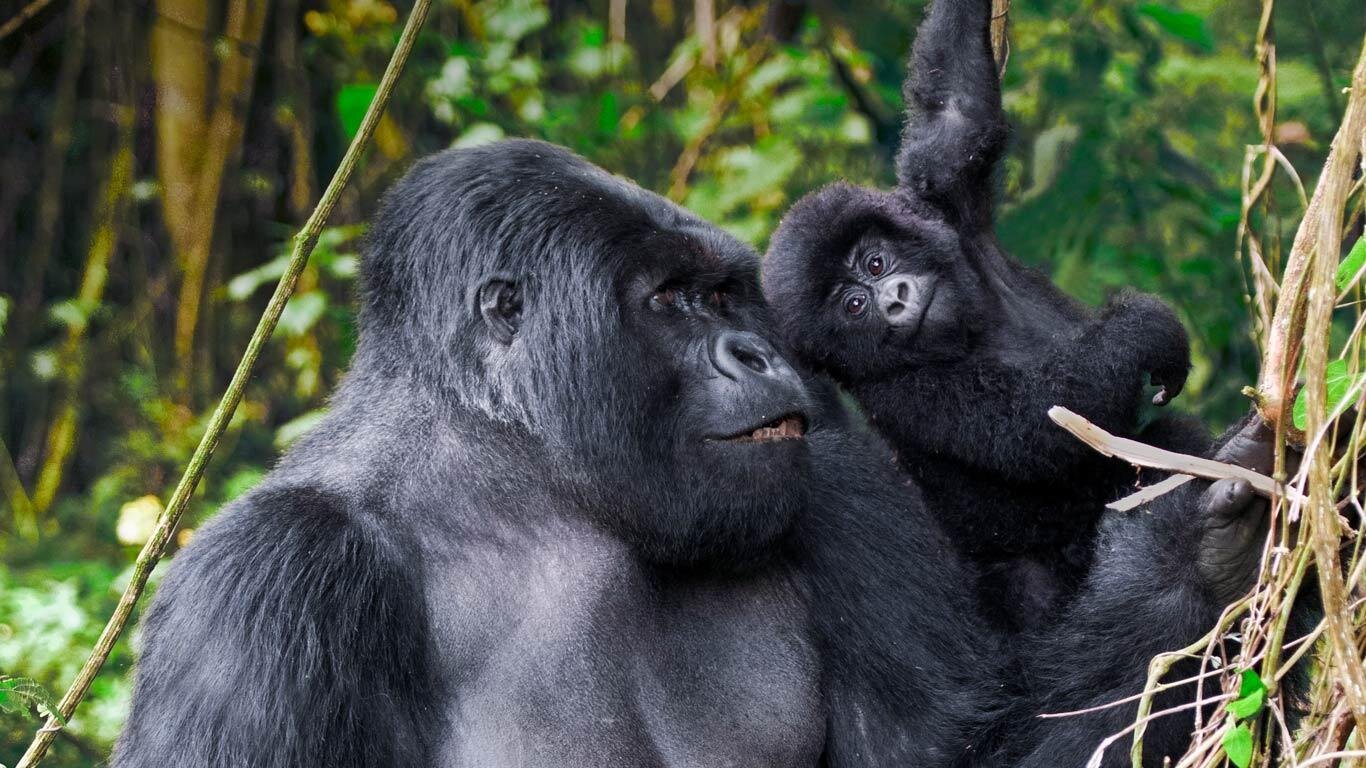
Kahuzi-Biega National Park is the top destination for Eastern Lowland Gorilla trekking in Congo. Located near Bukavu in eastern Congo, the park protects the largest gorilla subspecies in the world, known as Grauer’s Gorillas.
The park’s tropical rainforests provide excellent opportunities for observing habituated Eastern Lowland Gorilla families in their natural habitat. Kahuzi-Biega is also recognized as a UNESCO World Heritage Site because of its exceptional biodiversity.
Maiko National Park
Maiko National Park is one of Congo’s most remote and least explored conservation areas. Although tourism infrastructure remains limited, the park protects important populations of Eastern Lowland Gorillas within vast untouched rainforest ecosystems.
Maiko remains significant for long-term gorilla conservation because of its large wilderness habitats and rich biodiversity.
Itombwe Nature Reserve
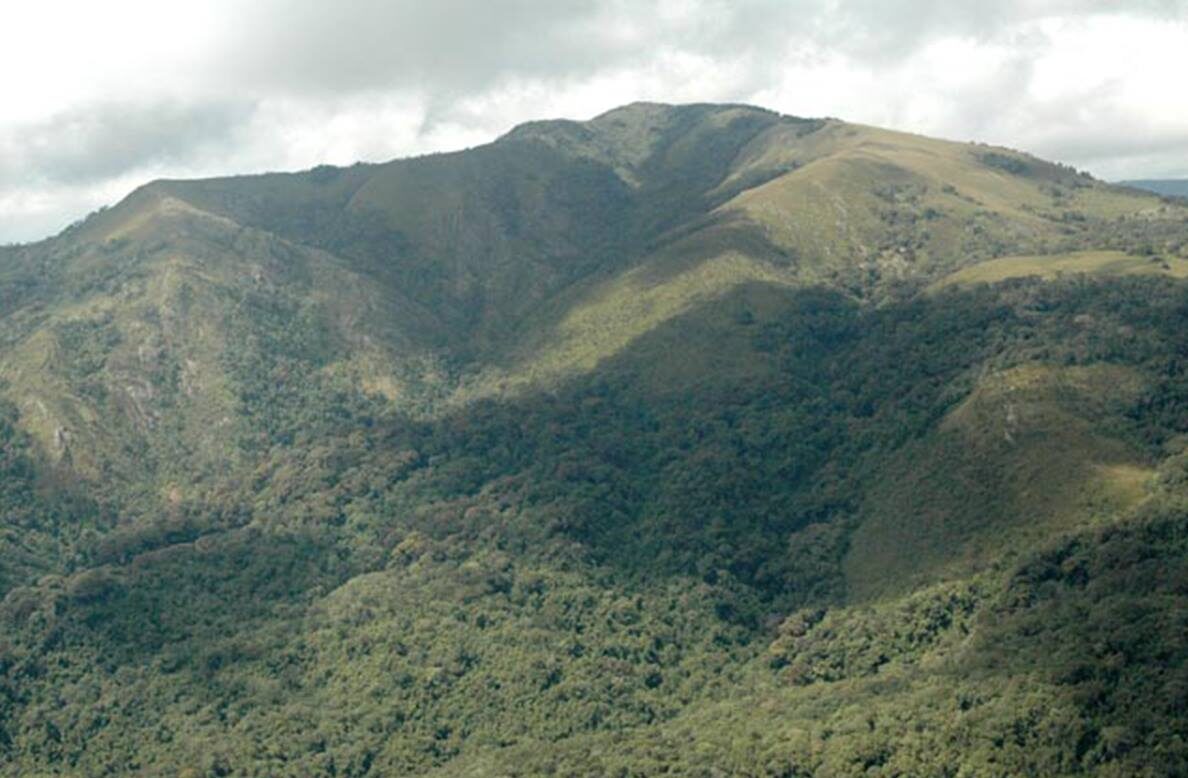
Itombwe Nature Reserve protects remote mountain forests that support Eastern Lowland Gorilla populations and many endemic wildlife species. The reserve remains an important ecological conservation area within the Albertine Rift region of eastern Congo.
Tayna Nature Reserve
Tayna Nature Reserve is a community-managed conservation area focused on protecting Eastern Lowland Gorillas and promoting sustainable conservation through local community involvement.
The reserve demonstrates how community-based conservation programs can successfully support wildlife protection while creating economic opportunities for surrounding communities.
Together, these conservation areas make Congo one of Africa’s most remarkable gorilla destinations for wildlife conservation, eco-tourism, and unforgettable gorilla trekking experiences.
Conservation Success Stories in Congo
Despite decades of environmental challenges, armed conflict, habitat destruction, and poaching, Congo has achieved several remarkable conservation success stories that continue giving hope for the future of endangered gorillas and rainforest ecosystems.
One of the greatest conservation achievements in Congo has been the gradual recovery of Mountain Gorilla populations within the Virunga Massif ecosystem shared by Congo, Uganda, and Rwanda. Intensive conservation efforts involving ranger protection, anti-poaching patrols, veterinary care, tourism management, and international conservation partnerships have helped increase Mountain Gorilla numbers over the years.
Virunga National Park remains one of the most important examples of successful gorilla conservation in Africa. Despite facing insecurity and armed conflict, the park continues protecting endangered Mountain Gorillas while supporting eco-tourism and biodiversity conservation across eastern Congo.
Kahuzi-Biega National Park has also made important progress in protecting Eastern Lowland Gorillas through improved gorilla monitoring, conservation research, anti-poaching operations, and habitat management. Habituated gorilla families within the park continue attracting responsible tourists whose visits help fund conservation activities.
Community conservation initiatives in places such as Tayna Nature Reserve have demonstrated how local involvement can successfully strengthen wildlife protection while improving livelihoods. Through eco-tourism, conservation education, and sustainable development programs, communities are becoming active partners in gorilla conservation rather than threats to wildlife habitats.
Veterinary programs led by organizations such as Gorilla Doctors have helped save injured and sick gorillas through emergency medical interventions and disease prevention efforts. Scientific monitoring and gorilla health research continue improving conservation management strategies across Congo’s protected areas.
Another important conservation success has been growing international awareness about the importance of protecting gorillas and preserving the Congo Basin rainforest. Increased global support for conservation funding, ranger training, tourism development, and environmental protection continues helping strengthen gorilla conservation efforts in Congo.
These achievements show that long-term conservation efforts, responsible tourism, community participation, and international partnerships can positively impact the survival of endangered gorilla populations.
Challenges Facing Gorilla Conservation in Congo
Although conservation efforts have achieved important successes, gorilla conservation in Congo continues facing major challenges that threaten wildlife protection and habitat preservation.
One of the biggest challenges remains insecurity and armed conflict in eastern Democratic Republic of Congo. Armed groups operating near conservation areas create dangerous conditions for park rangers, tourists, researchers, and local communities while also encouraging illegal activities such as poaching and mining within protected forests.
Illegal mining continues damaging important gorilla habitats in several conservation areas. Mining camps often lead to deforestation, pollution, wildlife hunting, and human settlement expansion deep inside rainforest ecosystems where gorillas live.
Habitat destruction caused by agriculture, logging, charcoal burning, and population growth also places increasing pressure on forests surrounding national parks and reserves. As forests shrink, gorilla habitats become fragmented, affecting feeding areas and migration corridors.
Poaching remains another major conservation challenge. Gorillas are sometimes targeted directly for bushmeat or become accidental victims of traps set for other animals. Wildlife trafficking and illegal hunting continue threatening vulnerable gorilla populations in remote forest regions.
Disease transmission remains a serious concern because gorillas are highly susceptible to human illnesses. Tourism, research activities, and growing human populations near gorilla habitats increase the risk of disease outbreaks affecting gorilla families.
Limited conservation funding and infrastructure also affect conservation operations in some regions. Protecting large rainforest ecosystems requires significant financial resources, trained personnel, transportation, equipment, and long-term management strategies.
Climate change is becoming an additional environmental challenge that may affect forest ecosystems, food availability, rainfall patterns, and biodiversity across the Congo Basin.
Despite these obstacles, conservation organizations, ICCN, local communities, and international partners continue working tirelessly to protect gorillas and strengthen conservation efforts throughout Congo.
How Tourists Can Support Gorilla Conservation
Tourists play a very important role in supporting gorilla conservation in Congo because responsible tourism generates conservation funding and promotes awareness about protecting endangered wildlife and rainforest ecosystems.
One of the best ways travelers support conservation is by participating in legal and responsible gorilla trekking experiences through authorized national parks and licensed safari operators. Gorilla trekking permit fees contribute directly to ranger operations, habitat protection, veterinary care, research programs, and conservation management.
Visitors can also support local communities by staying in eco-friendly lodges, hiring local guides and porters, purchasing community handicrafts, and participating in community tourism experiences near conservation areas.
Following responsible gorilla trekking rules is extremely important for protecting gorilla health and reducing stress during wildlife encounters. Tourists should always maintain safe viewing distances, avoid trekking when sick, follow guide instructions, and respect conservation guidelines throughout the experience.
Travelers can further support conservation by learning about gorilla protection efforts, raising awareness about endangered wildlife, and supporting conservation organizations involved in protecting gorillas and rainforests in Congo.
Choosing sustainable safari companies that actively support conservation and community development also helps strengthen responsible tourism initiatives across Congo’s protected areas.
Photography and storytelling can also help conservation by encouraging more global awareness about the importance of protecting gorillas and preserving the Congo Basin rainforest.
Responsible tourism creates economic value for conservation while helping ensure that gorillas remain protected for future generations.
Why Book Congo Gorilla Safaris with Pieland Gorilla Safaris
Pieland Gorilla Safaris offers professionally organized Congo gorilla trekking experiences designed to provide unforgettable wildlife encounters while supporting responsible tourism and conservation efforts.
As an experienced Africa safari company, Pieland Gorilla Safaris specializes in tailor-made gorilla safaris across Congo, Uganda, and Rwanda, helping travelers explore some of Africa’s most remarkable rainforest destinations safely and comfortably.
The company works with trusted local conservation partners, experienced guides, and reliable logistics teams to ensure smooth gorilla trekking adventures in Virunga National Park, Kahuzi-Biega National Park, and other Congo safari destinations.
Pieland Gorilla Safaris assists travelers with gorilla permits, border crossing arrangements, accommodation bookings, transportation, security coordination, and customized safari itineraries designed to match different travel styles and budgets.
Travelers booking with Pieland Gorilla Safaris benefit from knowledgeable local expertise, conservation-focused travel experiences, personalized service, and carefully planned safari operations that prioritize guest safety and environmental responsibility.
The company also supports sustainable tourism by promoting responsible gorilla trekking practices, supporting local communities, and encouraging conservation awareness among travelers visiting Congo.
Whether travelers are looking for Mountain Gorilla trekking in Virunga National Park, Eastern Lowland Gorilla experiences in Kahuzi-Biega National Park, Nyiragongo volcano hiking, or combined Congo safari adventures, Pieland Gorilla Safaris provides well-curated experiences that combine wildlife conservation, adventure, and authentic African travel.
Talk to a Congo safari expert.
Frequently Asked Questions About Gorilla Conservation in Congo
What is gorilla conservation in Congo?
Gorilla conservation in Congo refers to efforts aimed at protecting endangered gorillas, preserving rainforest habitats, preventing poaching, supporting wildlife research, and promoting sustainable tourism within protected conservation areas.
Which gorilla species are found in Congo?
Congo is home to Mountain Gorillas and Eastern Lowland Gorillas, also known as Grauer’s Gorillas.
Where can tourists see gorillas in Congo?
Tourists can see gorillas mainly in Virunga National Park for Mountain Gorillas and Kahuzi-Biega National Park for Eastern Lowland Gorillas.
Why is gorilla conservation important in Congo?
Gorilla conservation is important because Congo protects some of the world’s last remaining gorilla populations and one of Africa’s most valuable rainforest ecosystems.
How does gorilla trekking support conservation?
Gorilla trekking generates revenue used for anti-poaching patrols, ranger salaries, habitat protection, veterinary care, research programs, and community development projects.
Is gorilla trekking in Congo safe?
Gorilla trekking in Congo is organized under strict park regulations and guided by trained rangers and professional safari operators. Safety conditions may vary depending on regional security updates.
What threatens gorillas in Congo?
Major threats include poaching, habitat destruction, illegal mining, armed conflict, disease transmission, and human encroachment into gorilla habitats.
What role does ICCN play in gorilla conservation?
ICCN manages national parks, protects wildlife, oversees ranger operations, regulates tourism, and coordinates conservation programs throughout Congo.
How do local communities help protect gorillas?
Local communities support conservation through eco-tourism, environmental education, sustainable livelihoods, wildlife monitoring, and community conservation initiatives.
Can tourists contribute to gorilla conservation?
Yes. Tourists contribute directly by purchasing gorilla permits, following responsible trekking guidelines, supporting local communities, and choosing conservation-focused safari operators.
What is the best time for gorilla trekking in Congo?
The best time for gorilla trekking in Congo is during the dry seasons from June to September and December to February when forest trails are easier to access.
Are gorillas dangerous during trekking?
Gorillas are generally peaceful animals when visitors follow park guidelines and remain with experienced guides and rangers.
How close can tourists get to gorillas?
Visitors are required to maintain a safe viewing distance from gorillas to reduce disease transmission and minimize stress on the animals.
Why are Mountain Gorillas endangered?
Mountain Gorillas are endangered mainly due to habitat loss, poaching, disease transmission, and historical population decline.
How many gorillas are left in Congo?
Gorilla population numbers vary over time depending on conservation monitoring and research, but Congo remains home to important populations of both Mountain Gorillas and Eastern Lowland Gorillas.