
Gorilla Habituation Experiences in Congo
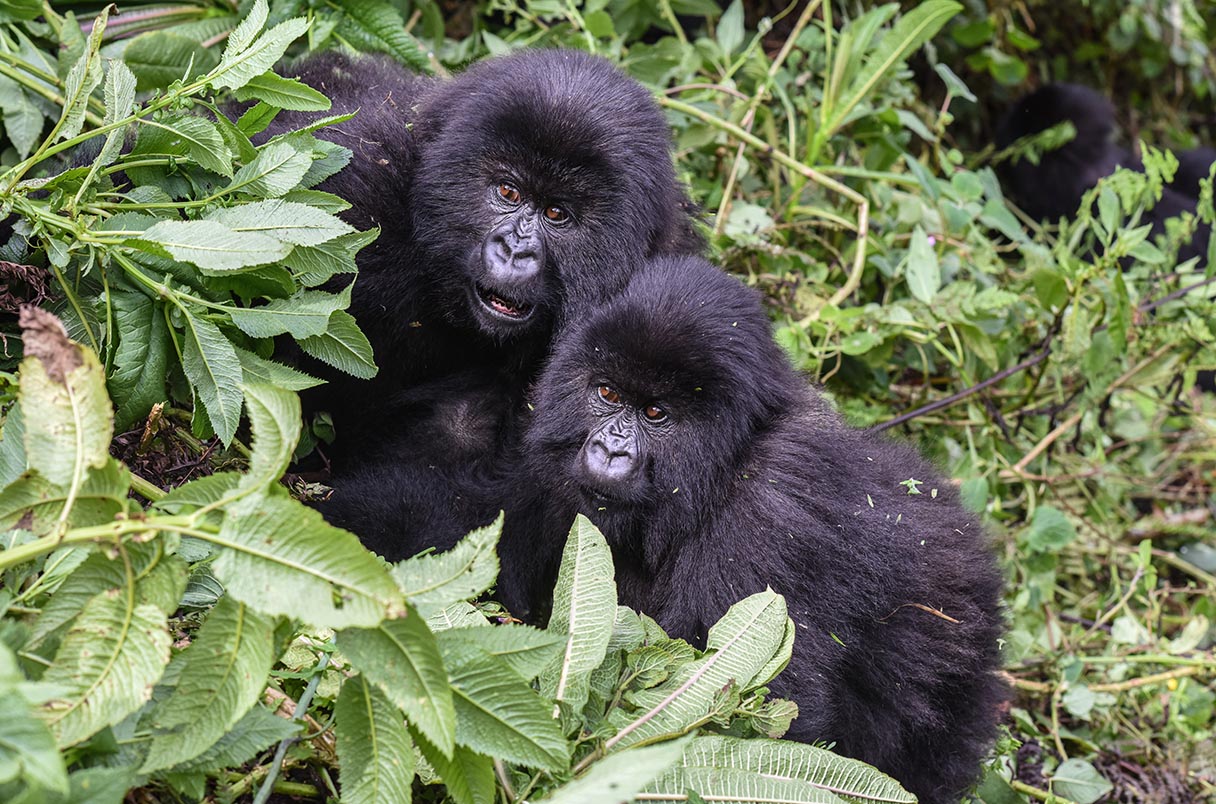
Gorilla Habituation Experiences in Congo offer travelers a deeper and more immersive way to understand gorillas beyond normal trekking visit. Unlike a normal gorilla trek, which focuses mainly on finding a gorilla family and spending limited viewing time with them, gorilla habituation gives visitors a closer look at how wild gorillas gradually become comfortable with the presence of researchers, rangers, trackers, and conservation teams.
Congo is one of Africa’s most powerful gorilla destinations because it is home to both mountain gorillas and eastern lowland gorillas. This makes Gorilla Habituation Experiences in Congo especially unique for travelers who want more than just a short wildlife encounter. The experience connects visitors with conservation, research, rainforest exploration, and the daily work done to protect endangered gorillas in their natural habitat.
For travelers booking with Pieland Gorilla Safaris, Gorilla Habituation Experiences in Congo can be designed as part of a deeper primate safari that may include Virunga National Park, Kahuzi-Biega National Park, rainforest walks, cultural experiences, birding, and other wildlife encounters. It is an excellent choice for photographers, conservation-minded travelers, researchers, and safari lovers who want a richer understanding of gorilla behavior.
Introduction to Gorilla Habituation Experiences in Congo
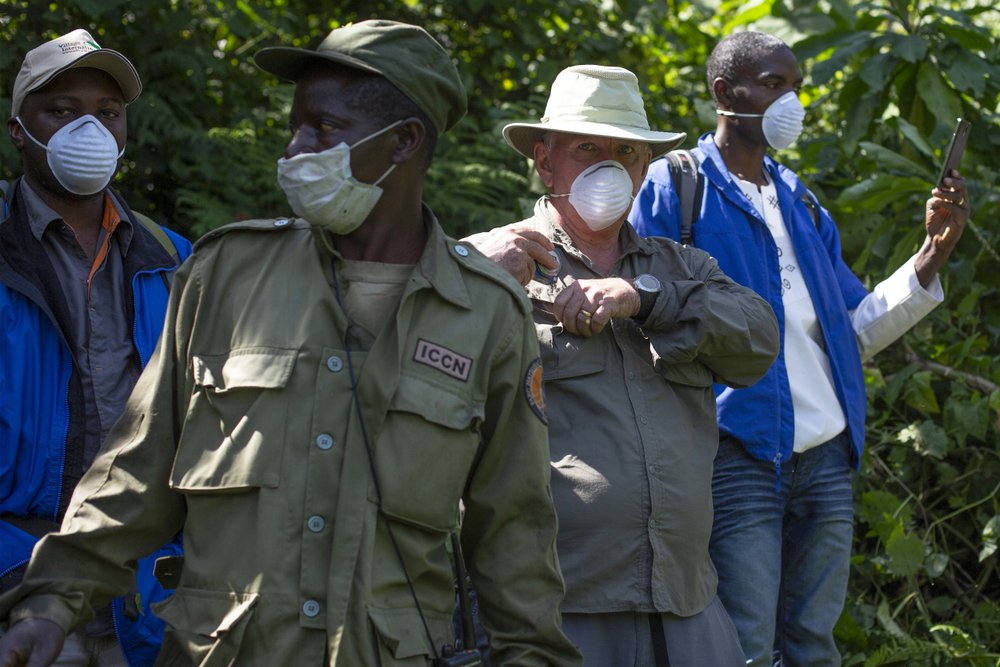
Gorilla Habituation Experiences in Congo introduce visitors to one of the most meaningful conservation activities in Central Africa. The process of habituation involves carefully and patiently allowing wild gorillas to become used to human presence without changing their natural behavior. This is done over a long period by trained trackers, researchers, conservationists, and park rangers.
Congo’s rainforests provide a dramatic setting for this experience. Dense vegetation, misty mountain slopes, volcanic landscapes, and remote tropical forests create a raw and authentic safari atmosphere. Unlike more commercial safari destinations, Congo still feels wild, remote, and deeply connected to nature. This makes Gorilla Habituation Experiences in Congo highly rewarding for travelers who want an authentic wilderness adventure.
During a habituation-style experience, visitors may learn how rangers identify individual gorillas, monitor family movements, observe feeding habits, record social behavior, and protect gorilla groups from threats. The experience is not only about seeing gorillas but also about understanding how conservation works on the ground.
Gorilla Habituation Experiences in Congo are ideal for travelers who want a slow, meaningful, and educational gorilla safari. The focus is not only the final moment of seeing gorillas but the entire journey through the forest, the tracking process, the signs left by gorillas, the work of the ranger team, and the importance of protecting these endangered primates for future generations.
Request a quote for gorilla habituation in Congo.
What is Gorilla Habituation?
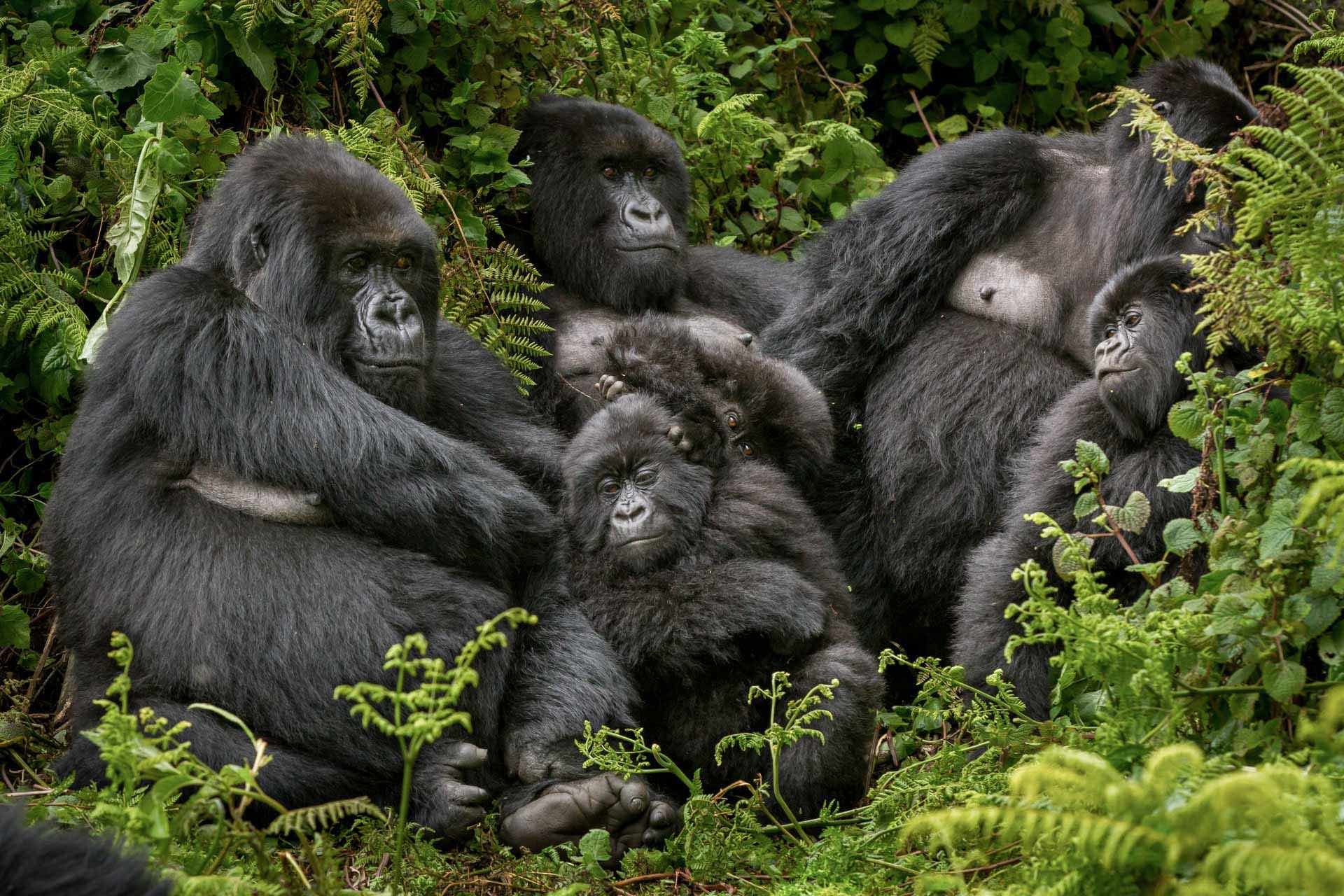
Gorilla habituation is the gradual process of helping wild gorillas become familiar with the presence of humans in a safe, controlled, and respectful way. The purpose is not to tame the gorillas or turn them into tourist attractions. Instead, habituation allows researchers and conservation teams to monitor gorilla families more effectively while keeping the animals wild and protected.
In the early stages of habituation, gorillas may move away quickly when they sense people nearby. Over time, through repeated calm and non-threatening visits by trained teams, the gorillas begin to tolerate human presence from a safe distance. This process can take several years because every gorilla family reacts differently. Some groups become calm more quickly, while others remain shy and difficult to observe.
Gorilla habituation requires patience, discipline, and expert knowledge. Rangers and researchers follow strict rules to avoid stressing the gorillas. They study body language, vocal sounds, feeding patterns, nesting sites, family structure, and movement routes. The goal is to understand the gorillas while protecting their natural way of life.
For visitors, Gorilla Habituation Experiences in Congo offer a rare opportunity to witness part of this conservation process. Instead of simply arriving, taking photos, and leaving, travelers gain insight into how gorilla protection is managed daily. They learn why distance matters, why silence is important, why group sizes are limited, and why responsible tourism plays a major role in gorilla conservation.
Gorilla Habituation Experiences in Congo
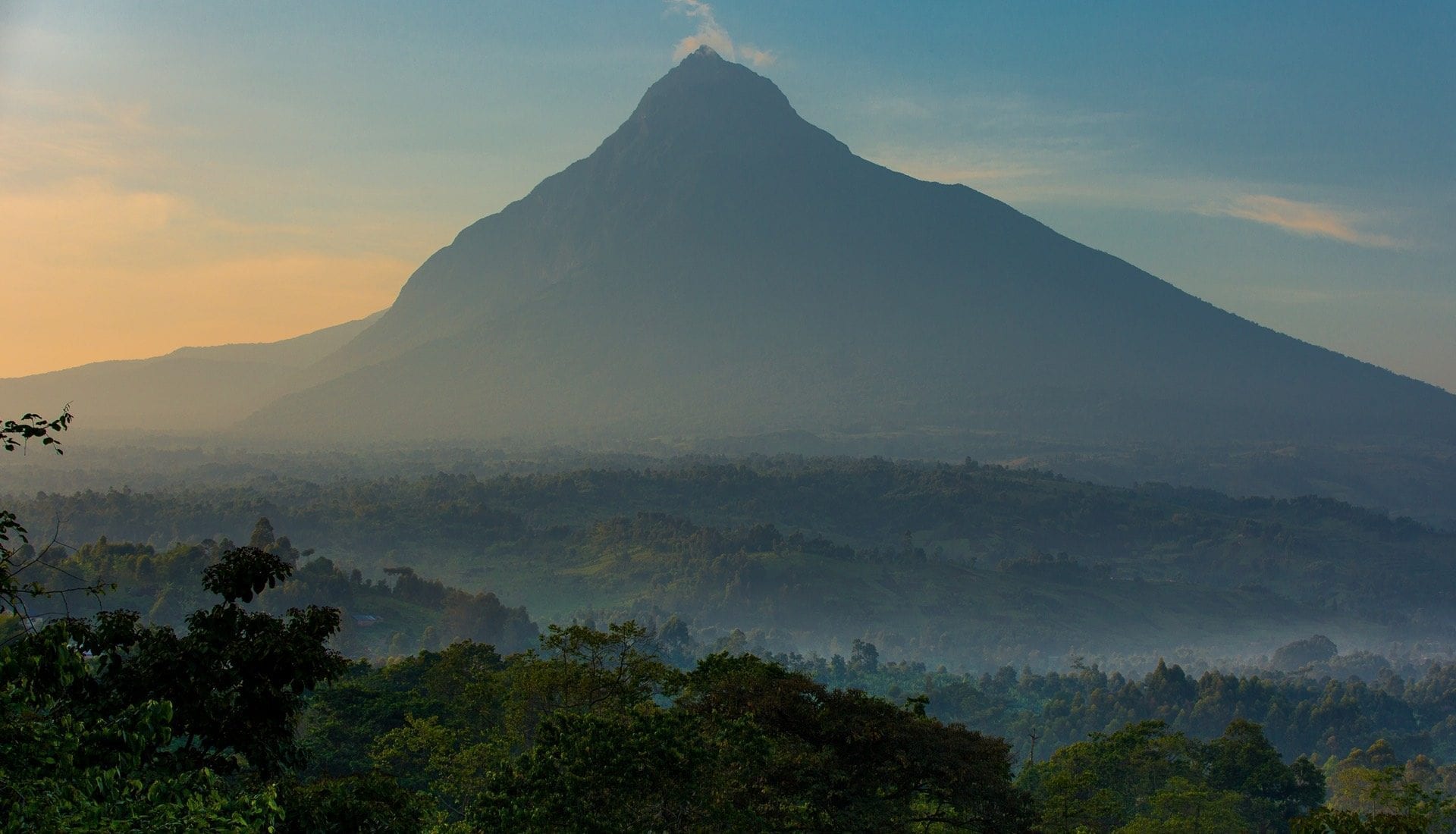
Gorilla Habituation Experiences in Congo are among the most educational primate experiences in Africa. Congo’s gorilla habitats are incredibly diverse, ranging from the volcanic forests of Virunga National Park to the lowland rainforests of Kahuzi-Biega National Park. This gives visitors a chance to understand different gorilla species, different forest environments, and different conservation challenges.
In Virunga National Park, travelers mainly associate Congo with mountain gorillas. These gorillas live in high-altitude forest areas and are closely related to the gorillas found in Uganda and Rwanda. The experience can involve hiking through thick vegetation, learning about mountain gorilla behavior, and understanding how ranger teams protect gorilla families in a challenging landscape.
In Kahuzi-Biega National Park, travelers can encounter eastern lowland gorillas, also known as Grauer’s gorillas. These gorillas are larger than mountain gorillas and live in a different type of forest ecosystem. A gorilla experience here feels different because the terrain, vegetation, group behavior, and conservation story are unique.
Gorilla Habituation Experiences in Congo may include forest tracking, ranger briefings, conservation education, gorilla behavior observation, photography opportunities, and discussions about the threats facing gorillas. These threats may include habitat loss, illegal hunting, disease risk, and human-wildlife pressure.
Difference Between Gorilla Trekking and Gorilla Habituation
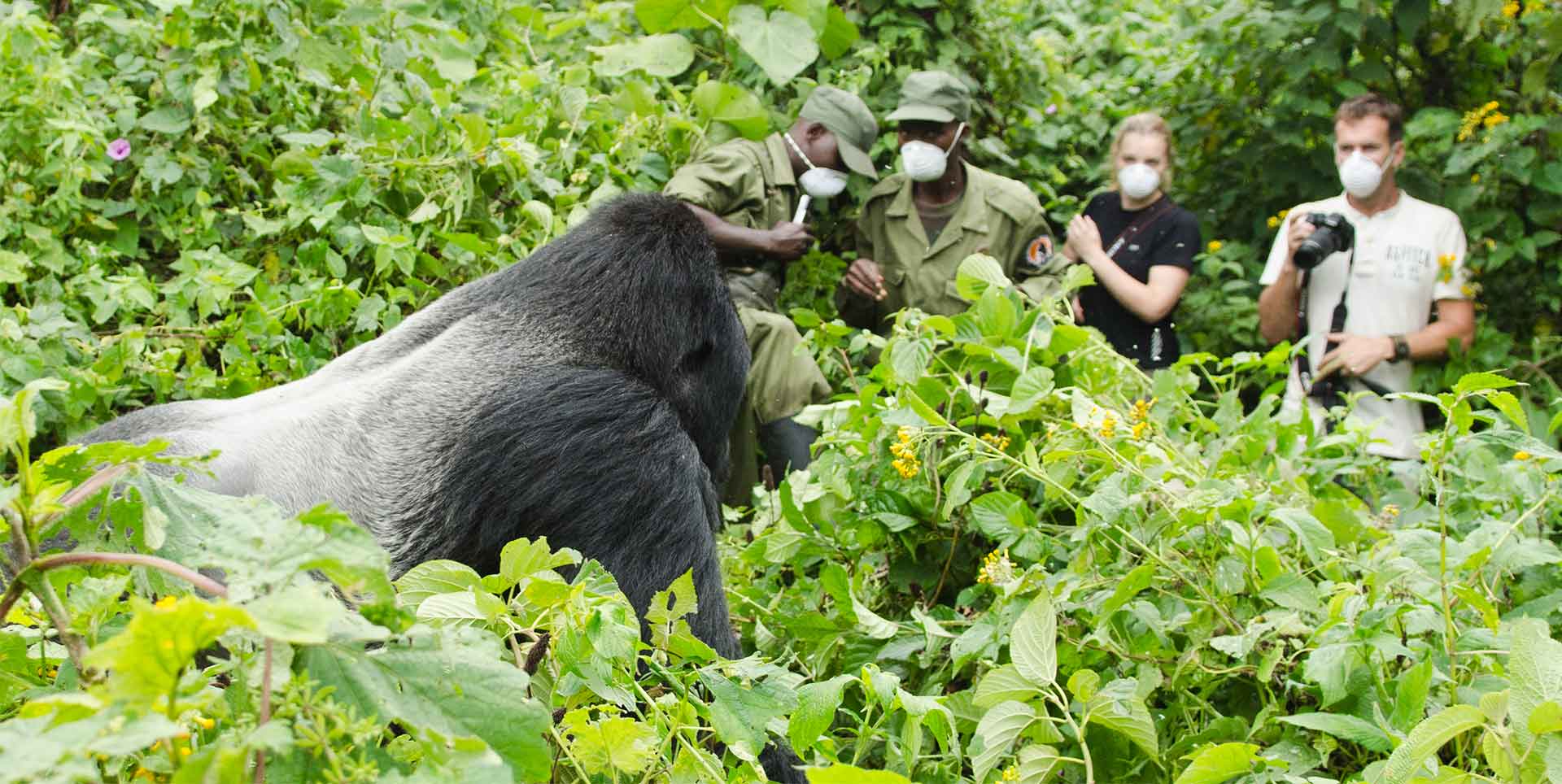
Gorilla trekking and gorilla habituation are closely related, but they are not the same experience. Gorilla trekking is mainly designed for travelers who want to hike into the forest, find a habituated gorilla family, and spend a limited amount of time observing them. It is shorter, more straightforward, and usually easier to fit into a standard safari itinerary.
Gorilla habituation is deeper and more educational. It focuses on the process of understanding gorillas, following their movements, observing their behavior, and learning how conservation teams help wild gorillas become comfortable with carefully controlled human presence. The experience is more about learning and participation than simply viewing.
In gorilla trekking, the gorilla family is already used to humans. This means visitors normally have a higher chance of calm sightings and clear viewing opportunities. In gorilla habituation, the gorillas may still be less predictable, more shy, or more mobile. This makes the experience feel more adventurous and less staged.
Gorilla trekking is best for travelers who want a powerful but shorter gorilla encounter. Gorilla habituation is best for travelers who want more time, more detail, more conservation insight, and a stronger connection to the forest experience.
Where to Experience Gorilla Habituation in Congo
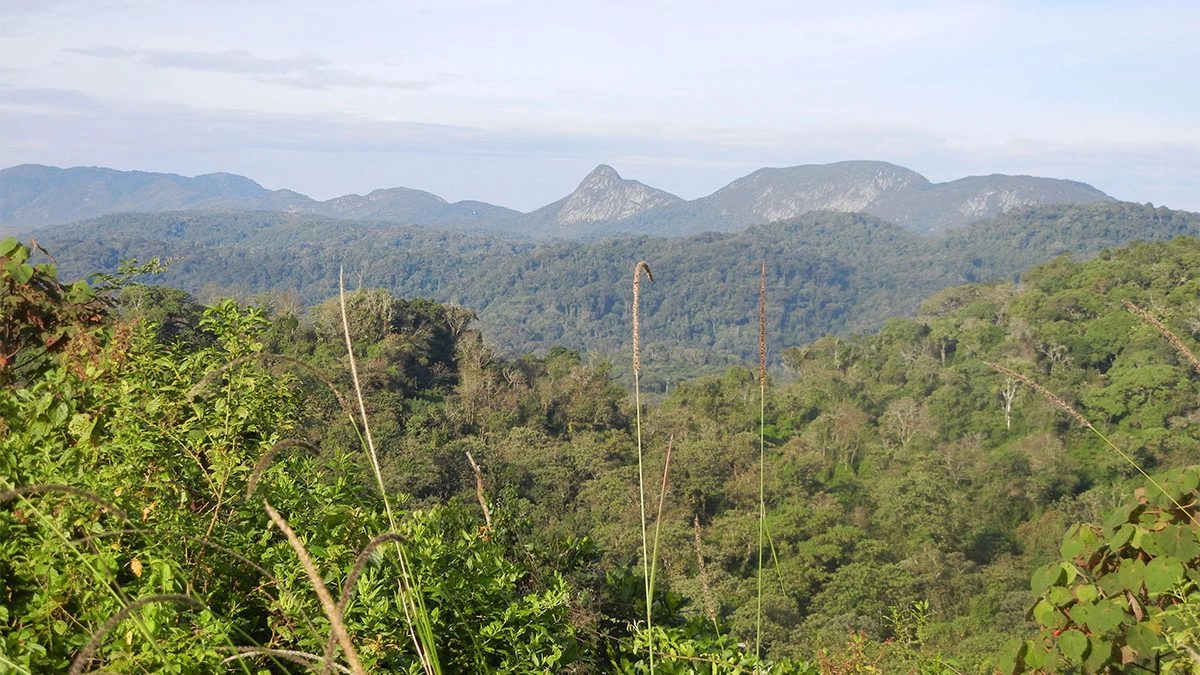
Gorilla Habituation Experiences in Congo are mainly connected to the country’s protected gorilla habitats, especially Virunga National Park and Kahuzi-Biega National Park. These two destinations are the most important places for travelers who want to understand gorilla conservation, gorilla tracking, and the process of helping wild gorillas become comfortable with carefully managed human presence.
Congo is special because it protects two major types of gorillas. Virunga National Park is best known for mountain gorillas, while Kahuzi-Biega National Park is famous for eastern lowland gorillas, also known as Grauer’s gorillas. This makes Congo one of the most unique gorilla safari destinations in Africa, especially for travelers who want a deeper primate experience beyond normal gorilla trekking.
The best place to experience gorilla habituation in Congo depends on the type of gorilla encounter a traveler wants. Visitors interested in mountain gorilla experiences should focus on Virunga National Park, while those interested in eastern lowland gorillas should choose Kahuzi-Biega National Park. Both destinations offer powerful forest experiences, ranger-guided tracking, conservation learning, and rare opportunities to understand gorilla behavior in the wild.
Virunga National Park Gorilla Experiences
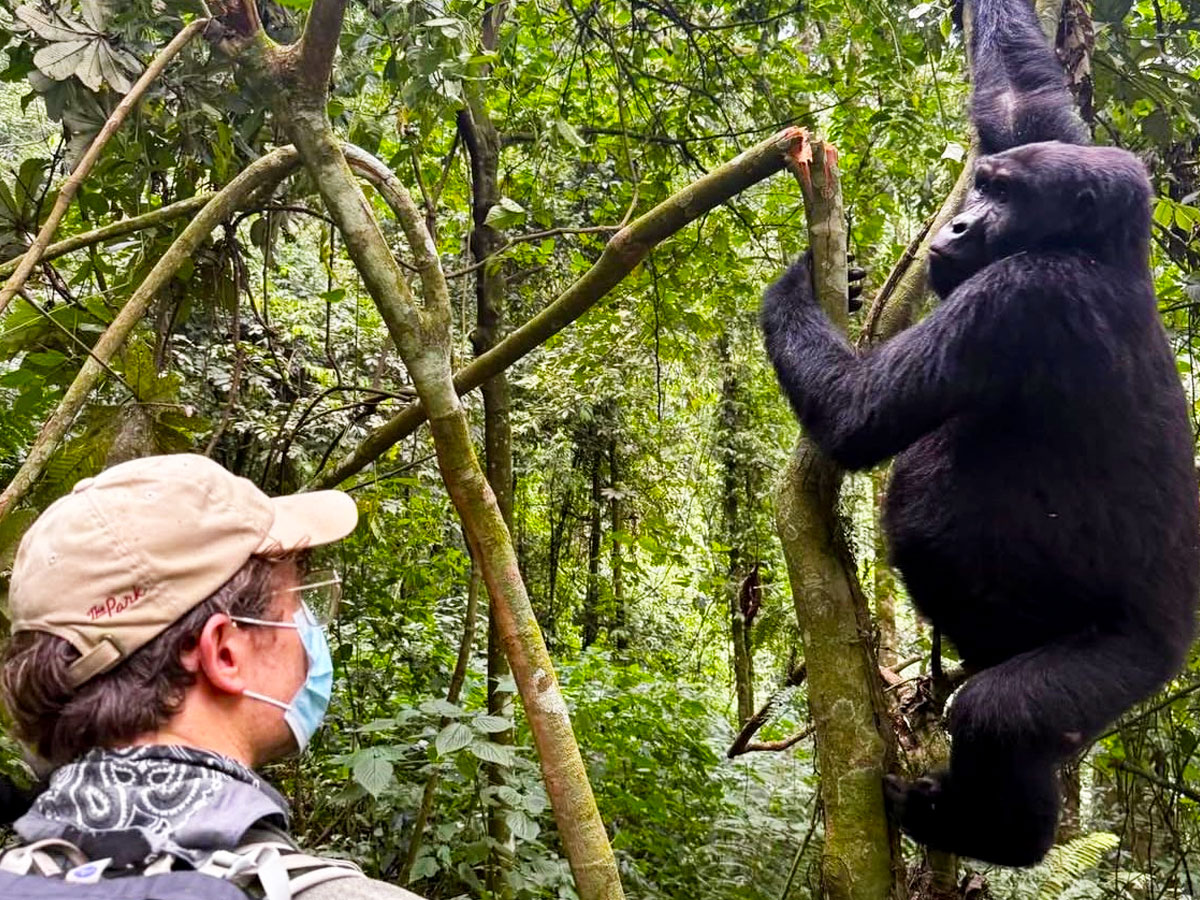
Virunga National Park is one of Africa’s most iconic gorilla destinations and one of the most biodiverse protected areas on the continent. Located in eastern Congo, near the borders with Rwanda and Uganda, Virunga is best known for mountain gorilla experiences in a dramatic landscape of rainforest, volcanoes, valleys, and mist-covered slopes.
Gorilla experiences in Virunga National Park focus mainly on mountain gorilla tracking and conservation education. The park is home to several gorilla families that have been monitored and protected by dedicated ranger teams. These rangers play a major role in tracking gorilla movements, protecting gorilla groups, collecting information, and guiding visitors safely through the forest.
A Virunga gorilla experience usually begins with a briefing from park authorities or ranger guides. Visitors learn about gorilla rules, forest safety, expected trekking conditions, and how to behave when near gorillas. The trek then moves through thick vegetation, bamboo zones, and mountain forest areas, depending on where the gorilla family is located that day.
Although Virunga is mostly known for gorilla trekking rather than a widely marketed tourist-style habituation program, the conservation work behind each gorilla encounter is closely linked to habituation, research, and long-term monitoring. Travelers can still gain deep insight into how mountain gorillas are identified, protected, observed, and gradually familiarized with human presence by conservation teams.
Virunga National Park is ideal for adventurous travelers who want a raw, less crowded, and highly meaningful gorilla safari. The experience feels wild and remote compared to more commercial gorilla destinations. For many visitors, the beauty of Virunga lies not only in seeing mountain gorillas but also in understanding the courage and commitment of the conservation teams that protect them.
Kahuzi-Biega National Park Gorilla Experiences
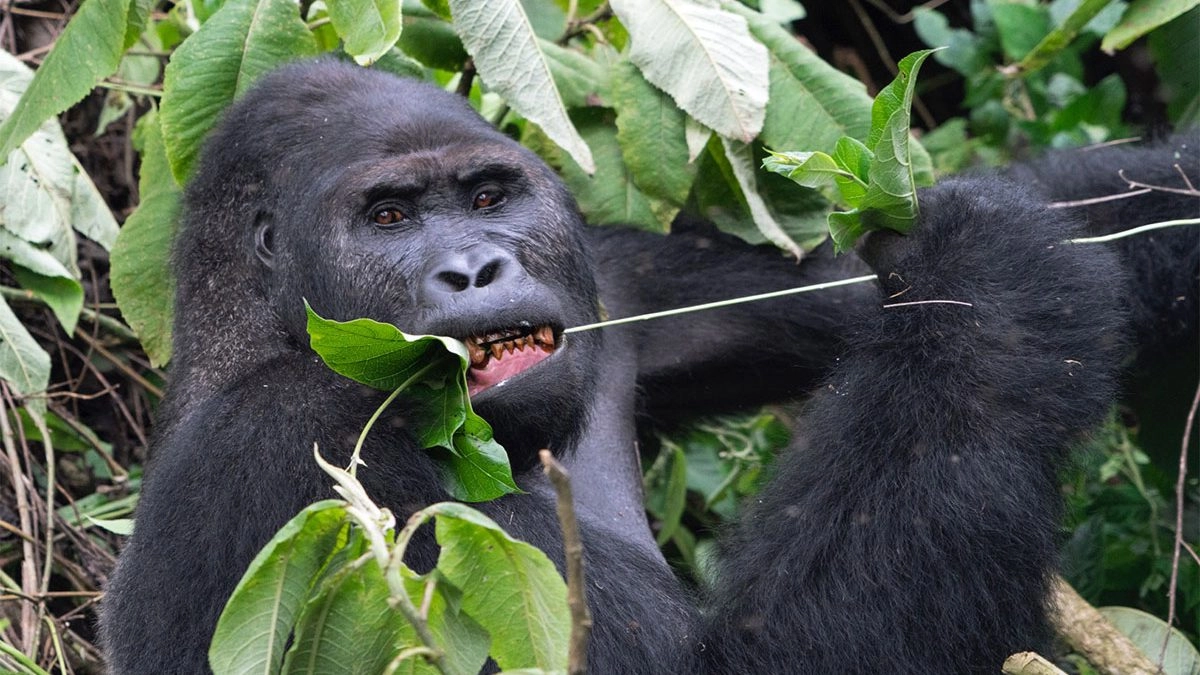
Kahuzi-Biega National Park is one of the best places in the world to experience eastern lowland gorillas. Located near Bukavu in eastern Congo, the park is named after Mount Kahuzi and Mount Biega, two extinct volcanoes that shape the landscape around the protected area. The park is a UNESCO World Heritage Site and one of Congo’s most important conservation areas.
Kahuzi-Biega offers a very different gorilla experience from Virunga. Instead of mountain gorillas, visitors track eastern lowland gorillas, which are larger in body size and live in a different forest environment. These gorillas are found in lush lowland and montane forest habitats, where they feed on leaves, fruits, stems, and other natural vegetation.
The gorilla experiences in Kahuzi-Biega are especially valuable because eastern lowland gorillas are rare and less commonly visited than mountain gorillas. This gives the park a special appeal for travelers who want something unique, educational, and less crowded. The atmosphere is peaceful, the forest is rich, and the tracking experience feels deeply connected to conservation.
A typical Kahuzi-Biega gorilla experience includes a ranger briefing, forest walk, tracking with experienced guides, gorilla observation, and learning about the challenges facing eastern lowland gorillas. Visitors may learn how rangers follow gorilla trails, identify nesting sites, observe feeding behavior, and monitor family movements.
Kahuzi-Biega is one of the strongest destinations to highlight under Gorilla Habituation Experiences in Congo because the park’s gorilla groups have been studied and protected for many years. The experience gives travelers a chance to understand how long-term conservation, research, and careful tourism support the protection of eastern lowland gorillas.
Eastern Lowland Gorilla Habituation
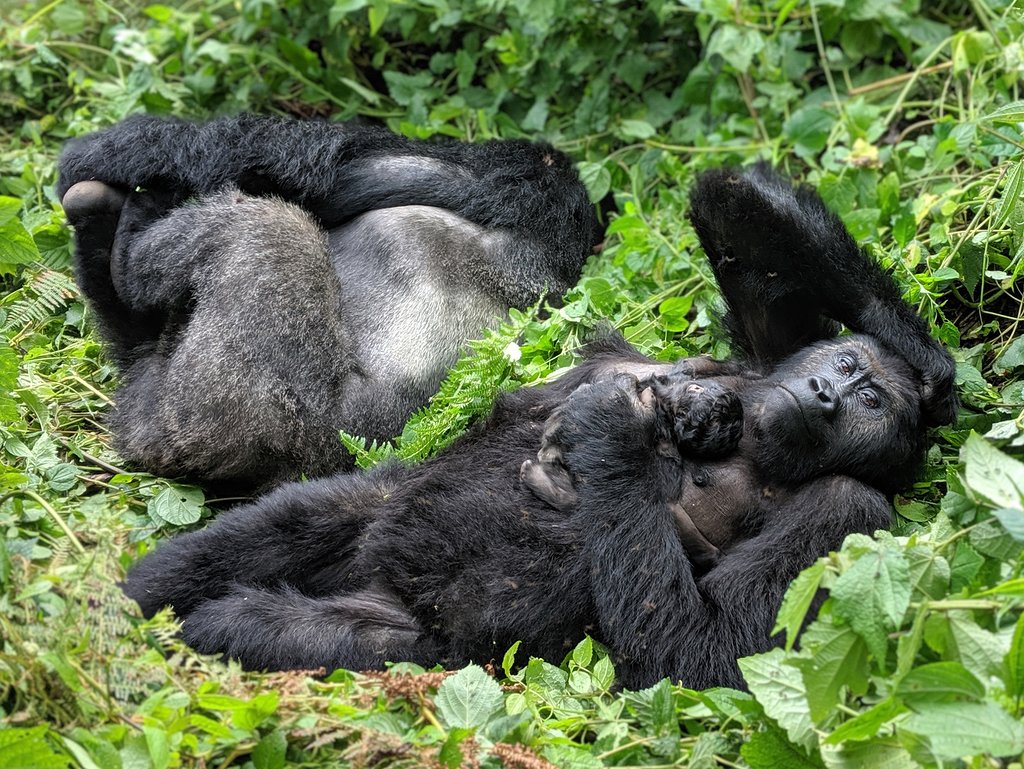
Eastern lowland gorilla habituation is one of the most fascinating conservation processes in Congo. Eastern lowland gorillas, also known as Grauer’s gorillas, are the largest of all gorilla subspecies and are found mainly in the forests of eastern Democratic Republic of Congo. Their size, behavior, forest habitat, and conservation story make them one of Africa’s most remarkable primates.
Habituation of eastern lowland gorillas involves slowly and carefully helping wild gorilla groups become accustomed to the presence of researchers, trackers, and rangers. This process allows conservation teams to monitor gorilla health, study family structure, protect groups from threats, and support controlled tourism where appropriate.
Unlike normal gorilla trekking, which usually involves visiting gorilla families that are already used to human presence, eastern lowland gorilla habituation focuses more on the process behind the experience. Rangers and researchers spend long periods learning each group’s movements, feeding patterns, nesting behavior, vocalizations, and social relationships.
This process requires patience because eastern lowland gorillas may move through dense forest, feed in thick vegetation, or react cautiously to human presence. Conservation teams must respect the gorillas’ comfort levels and avoid forcing interactions. The aim is always to protect natural behavior, not to make gorillas dependent on humans.
Eastern Lowland Gorilla Habituation in Congo is especially meaningful because these gorillas face serious conservation challenges, including habitat loss, illegal hunting, disease risk, and pressure from human activity. Responsible tourism can help support park protection, ranger work, local employment, and conservation awareness.
For travelers, eastern lowland gorilla habituation offers a deeper understanding of what it takes to protect a rare primate species in one of Africa’s most important rainforest regions. It is ideal for guests who want more than a quick sighting. It is for those who want to learn, observe, support conservation, and experience Congo’s rainforest in a responsible and meaningful way.
Mountain Gorilla Habituation in Congo
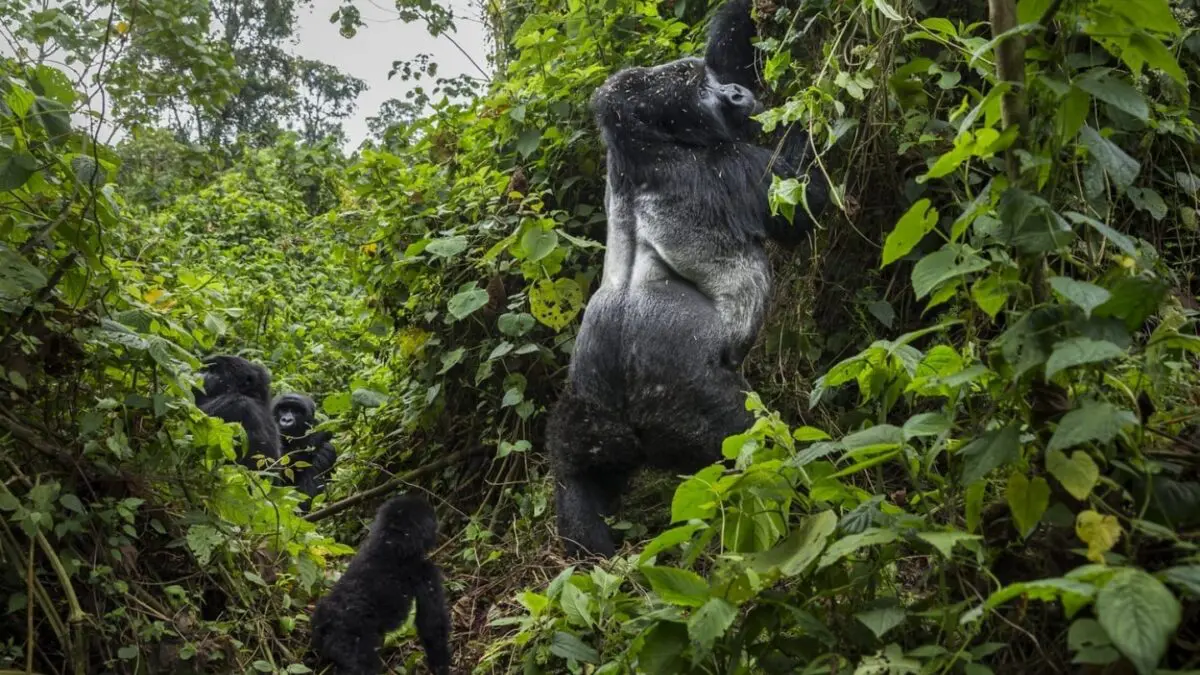
Mountain Gorilla Habituation in Congo is connected mainly to the long-term conservation and monitoring work done in Virunga National Park. Congo is one of the few countries in the world where mountain gorillas survive in their natural habitat, making it a powerful destination for travelers who want to understand gorilla protection beyond a simple trekking experience.
Mountain gorilla habituation is the careful process of helping wild mountain gorilla families become comfortable with the presence of trained rangers, trackers, researchers, and later limited visitors. The goal is not to tame the gorillas, but to allow conservation teams to monitor them safely while preserving their natural behavior.
In Congo, Mountain Gorilla Habituation is deeply tied to conservation, research, ranger protection, and responsible tourism. The forests of Virunga National Park are remote, rugged, and biologically rich, creating a more adventurous setting than many other gorilla destinations. Visitors who explore this experience learn how gorilla families are identified, how their movements are followed, how health is monitored, and how ranger teams protect them from threats.
Mountain Gorilla Habituation in Congo is ideal for travelers who want a rare, educational, and conservation-focused safari. It offers a deeper appreciation of how fragile gorilla survival is and why protected areas like Virunga are so important for the future of mountain gorillas.
How Gorilla Habituation is Conducted
Gorilla habituation is conducted slowly, carefully, and under strict conservation guidelines. It begins with expert trackers and researchers locating a wild gorilla group and observing it from a safe distance. At first, the gorillas may be shy, alert, or uncomfortable with human presence, so the team avoids sudden movement, loud noise, or close contact.
Over time, rangers and researchers visit the gorilla group regularly. They maintain calm behavior, use controlled movements, observe reactions, and allow the gorillas to become familiar with their presence naturally. This process can take several years because every gorilla family behaves differently.
During habituation, the team studies important details such as feeding habits, nesting sites, daily movement routes, family structure, health condition, social behavior, and signs of stress. Rangers also learn how individual gorillas behave, especially silverbacks, mothers, juveniles, and infants.
Visitors who join Gorilla Habituation Experiences in Congo may learn how trackers read forest signs such as broken branches, fresh nests, dung, feeding remains, footprints, and vocal sounds. The experience gives travelers a real understanding of how much skill, patience, and discipline are needed to protect gorillas in the wild.
Time Spent with Gorillas During Habituation
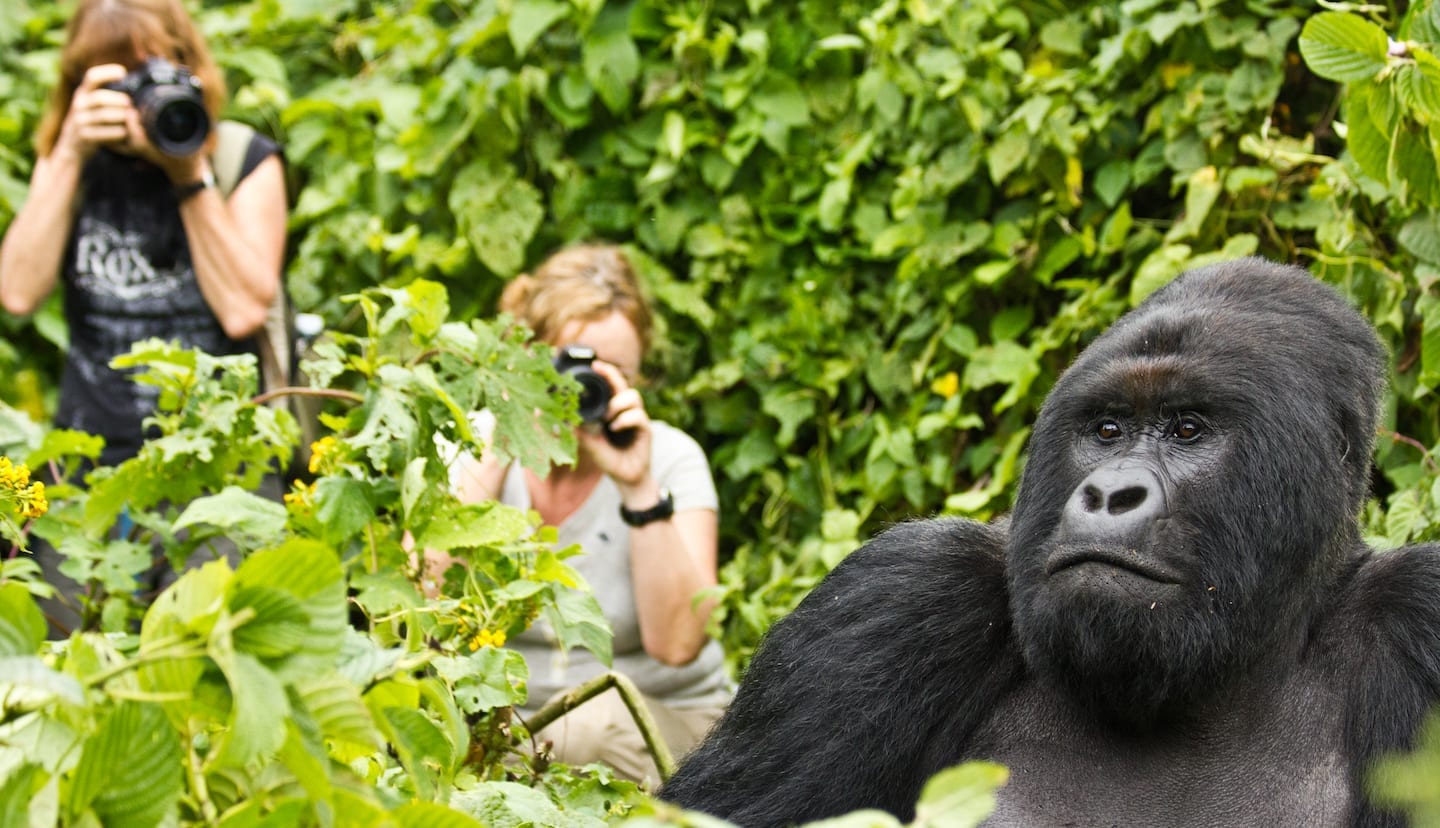
The time spent with gorillas during habituation can be longer and more detailed than a standard gorilla trekking experience, depending on park rules, gorilla behavior, conservation guidelines, and the specific experience available at the time of travel. The focus is not only on viewing gorillas but also on understanding the tracking process, the forest environment, and the work of conservation teams.
In a normal gorilla trek, visitors usually spend a limited viewing period with a habituated gorilla family. In a habituation-style experience, the day can feel more immersive because travelers may spend more time following signs, learning from rangers, observing gorilla movements, and understanding how the habituation process works.
However, the exact time near gorillas is always controlled. Rangers make decisions based on the comfort of the gorilla family, forest conditions, safety, and conservation rules. If gorillas show signs of discomfort, the team may increase distance or reduce viewing time.
This makes Gorilla Habituation Experiences in Congo more responsible and conservation-focused. The value of the experience is not measured only by minutes spent near gorillas, but by the depth of learning, the quality of observation, and the understanding gained about gorilla protection.
What Happens During a Gorilla Habituation Experience
A Gorilla Habituation Experience in Congo usually begins with a detailed briefing from rangers or park guides. Visitors are taught how to behave in the forest, how to keep a safe distance, how to avoid stressing the gorillas, and how to follow the instructions of the ranger team.
After the briefing, the group enters the forest with trained trackers and guides. The search begins by following signs left by gorillas from the previous day. Trackers may look for nests, feeding remains, footprints, broken vegetation, and fresh trails. This part of the experience is very important because it helps visitors understand that gorilla encounters are not staged. They are real wilderness experiences.
When the gorilla group is located, visitors observe quietly and respectfully. Rangers explain the behavior of the gorillas, including feeding, resting, grooming, playing, moving, and communication. Travelers may also learn how silverbacks protect the group, how mothers care for infants, and how young gorillas interact with each other.
The experience may also include conservation discussions about threats facing gorillas, the role of tourism, ranger protection, community involvement, and habitat preservation. For many travelers, this is the most meaningful part because it connects the safari experience with real conservation impact.
Gorilla Families Under Habituation in Congo
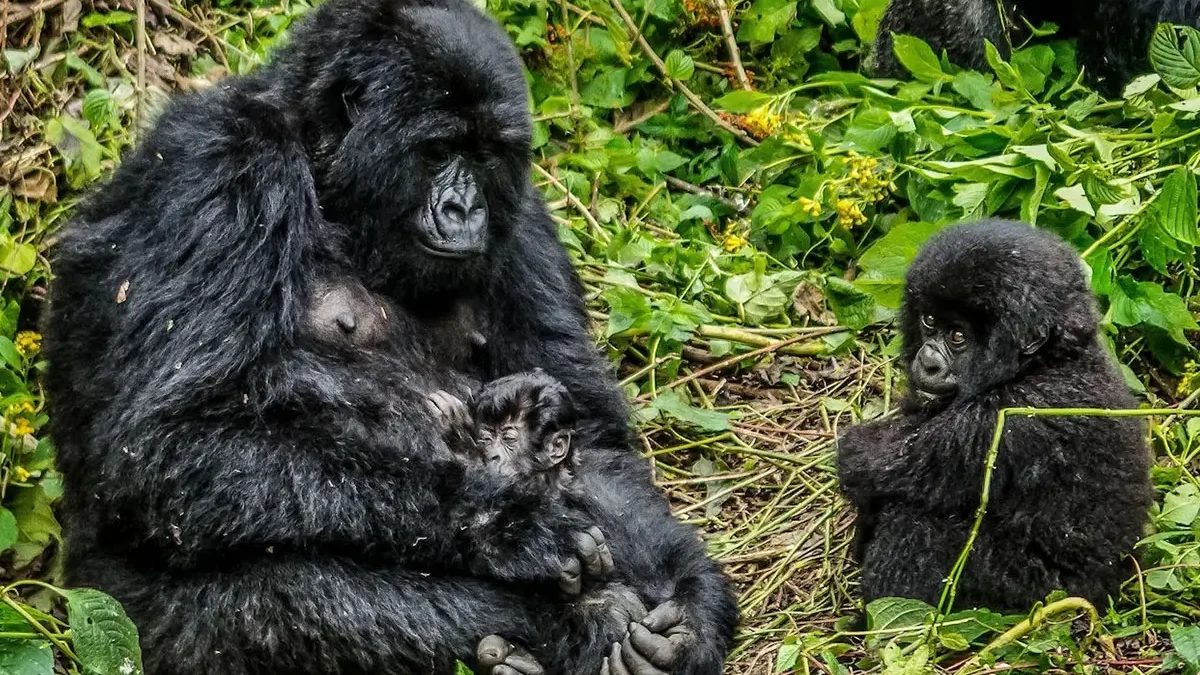
Gorilla families under habituation in Congo are wild gorilla groups that are being carefully monitored and gradually introduced to controlled human presence by conservation teams. These groups are not fully accustomed to visitors, so their behavior can be more unpredictable than fully habituated gorilla families.
The habituation process allows rangers and researchers to understand each family’s structure, movement patterns, feeding areas, health condition, and social behavior. A gorilla family may include a dominant silverback, adult females, juveniles, blackbacks, and infants. Each member plays a role in the group’s daily life.
In Congo, gorilla families connected to conservation monitoring may be found in key gorilla habitats such as Virunga National Park for mountain gorillas and Kahuzi-Biega National Park for eastern lowland gorillas. The availability of families for visitor experiences depends on park management, conservation priorities, safety, and the condition of the gorilla group.
It is important to know that not every gorilla family under habituation is open for tourism. Some groups may be monitored only by researchers and rangers to protect their welfare. Responsible operators like Pieland Gorilla Safaris should always confirm current park guidelines before promising a specific gorilla family or experience.
Researchers and Rangers During Habituation
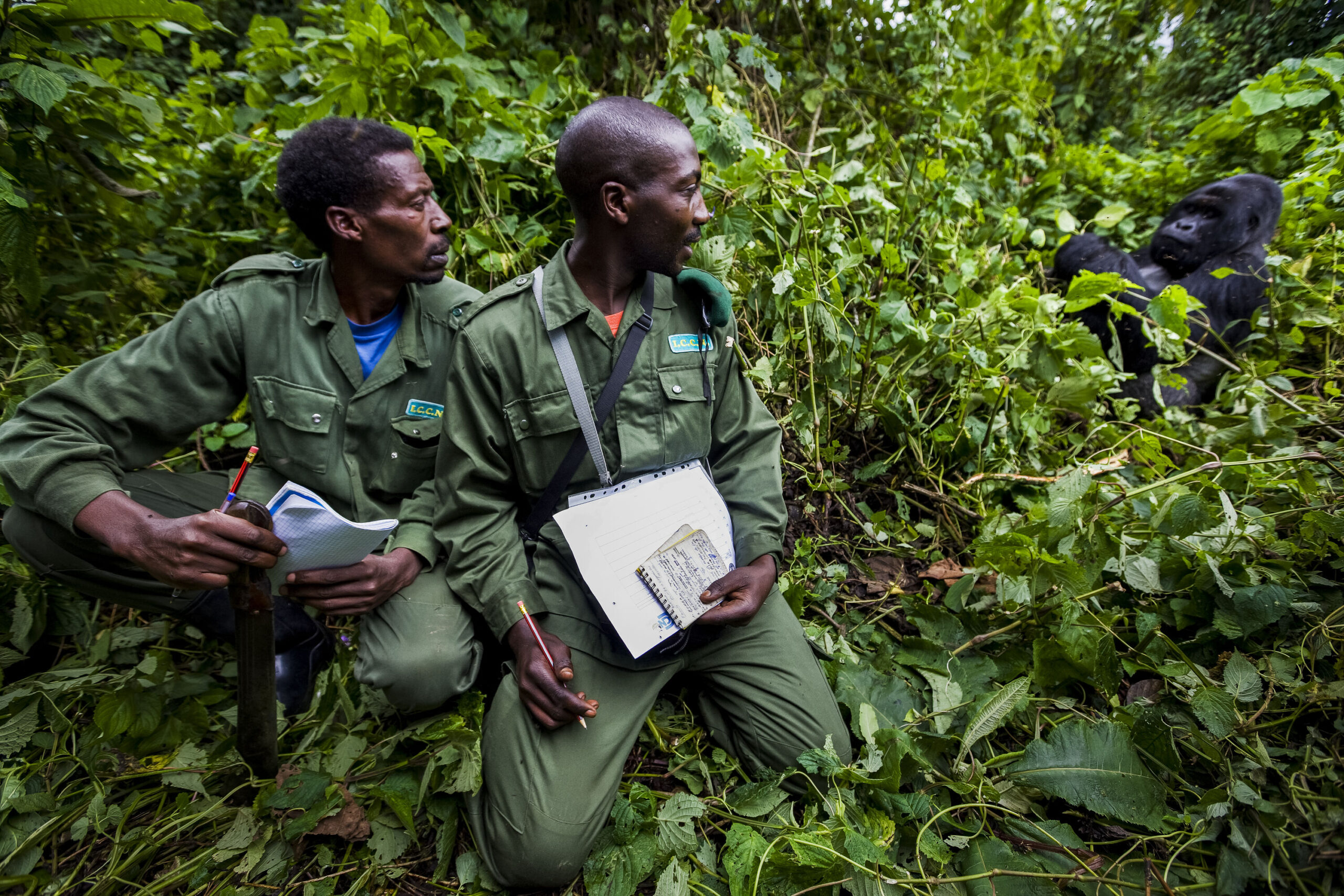
Researchers and rangers play the most important role in Gorilla Habituation Experiences in Congo. Without their daily work, dedication, and protection efforts, gorilla habituation would not be possible. These conservation teams spend years monitoring gorilla families, protecting habitats, studying gorilla behavior, and ensuring that tourism activities remain safe and sustainable.
During habituation, researchers collect valuable scientific information about gorilla families. They study feeding habits, nesting behavior, social structures, movement patterns, communication methods, breeding behavior, and health conditions. Every gorilla family behaves differently, so researchers must carefully observe how each group reacts to human presence before any tourism activity is allowed.
Rangers are responsible for protecting gorillas and visitors within the forest. They patrol gorilla habitats, monitor wildlife movements, prevent illegal activities such as poaching, and guide travelers safely through difficult terrain. In places like Virunga National Park and Kahuzi-Biega National Park, ranger teams work under challenging conditions to protect endangered gorillas and preserve Congo’s rainforest ecosystems.
One of the most fascinating aspects of Gorilla Habituation Experiences in Congo is watching how researchers and trackers locate gorilla families. They study forest signs such as broken branches, feeding remains, fresh nests, dung, footprints, and vocal sounds to determine where the gorillas moved during the night or early morning hours. Their knowledge of the forest is extraordinary and often passed down through years of field experience.
Researchers and rangers also educate visitors throughout the experience. Travelers learn how gorilla families are identified, how gorillas communicate, why safe distances are important, and how tourism contributes to conservation. This educational aspect transforms the experience into more than just a wildlife safari. It becomes a direct connection to conservation work happening on the ground.
Veterinary teams may also support habituation programs by monitoring gorilla health. Since gorillas share a large percentage of human DNA, they are vulnerable to human diseases such as respiratory infections. Rangers enforce strict rules to minimize disease transmission, including limiting visitor numbers, controlling interaction time, and ensuring proper behavior near gorillas.
The courage and commitment of Congo’s ranger teams deserve special recognition. Many rangers dedicate their lives to protecting gorillas in remote and difficult environments. Their work supports biodiversity conservation, sustainable tourism, scientific research, and the long-term survival of endangered gorillas.
For travelers booking with Pieland Gorilla Safaris, understanding the role of researchers and rangers adds emotional depth and meaning to the gorilla habituation experience. Visitors leave with greater respect not only for gorillas but also for the people protecting them every day.
Conservation Importance of Gorilla Habituation
Gorilla habituation is one of the most important conservation tools used to protect endangered gorillas in Congo. Beyond creating tourism opportunities, habituation allows conservation teams to monitor gorilla families closely, study their behavior, improve protection strategies, and generate sustainable tourism revenue that supports wildlife conservation.
One of the biggest conservation benefits of gorilla habituation is improved monitoring. When gorilla families become accustomed to the controlled presence of researchers and rangers, it becomes easier to observe their health, population growth, movement patterns, and social structure. This information helps conservation organizations make informed decisions about habitat protection and gorilla management.
Habituation also plays a major role in anti-poaching efforts. Rangers who regularly follow gorilla groups can quickly identify threats such as traps, illegal hunting activity, or suspicious human presence within protected areas. Continuous monitoring increases the chances of protecting gorillas from wildlife crime and habitat destruction.
Tourism connected to Gorilla Habituation Experiences in Congo also creates economic value for conservation. Responsible tourism generates revenue that helps fund ranger salaries, veterinary programs, park management, gorilla monitoring, community projects, infrastructure, and conservation education. This financial support is critical for long-term gorilla protection.
Local communities also benefit from gorilla tourism through employment opportunities, guiding services, lodge operations, transportation, handicrafts, and cultural tourism. When communities benefit economically from gorilla conservation, they are more likely to support forest protection and sustainable tourism initiatives.
Another major conservation importance of gorilla habituation is awareness creation. Visitors who participate in Gorilla Habituation Experiences in Congo often become ambassadors for conservation after returning home. They share stories, photos, and experiences that increase global awareness about gorilla protection and rainforest conservation.
Gorilla habituation also supports scientific research. Researchers studying habituated gorilla families gain valuable knowledge about gorilla intelligence, communication, genetics, disease risks, reproduction, and environmental adaptation. This information contributes to global conservation science and improves strategies for protecting endangered primates across Africa.
In Congo, gorilla conservation is especially important because mountain gorillas and eastern lowland gorillas face multiple threats, including habitat loss, illegal mining, forest destruction, disease transmission, and political instability. Responsible habituation programs help create a balance between conservation, research, and carefully managed tourism.
Wildlife You May Encounter During Gorilla Habituation
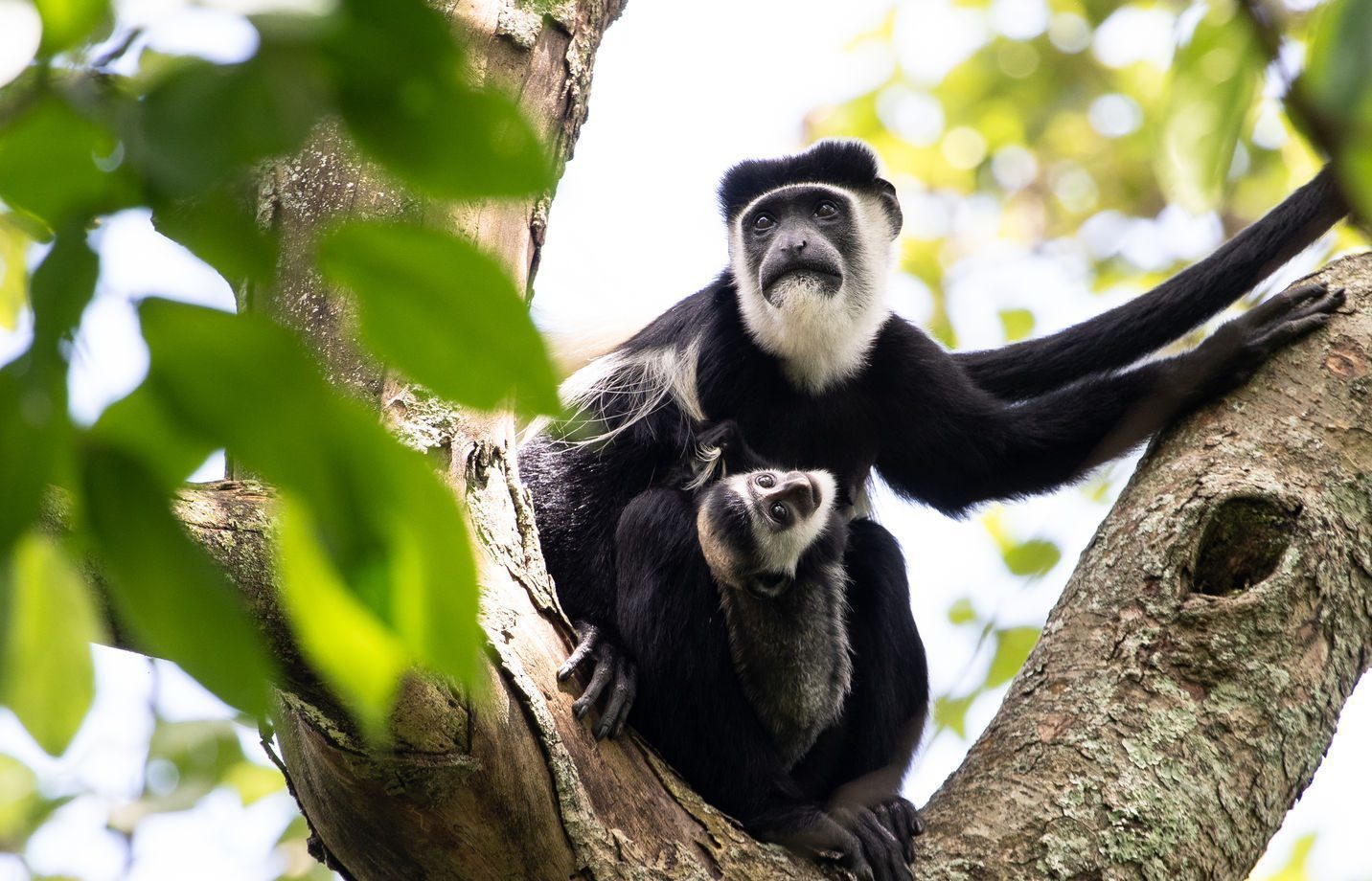
Gorilla Habituation Experiences in Congo offer much more than gorilla encounters alone. Congo’s rainforests are among the richest ecosystems in Africa, filled with diverse wildlife species, tropical birds, primates, reptiles, butterflies, and unique forest plants. The journey through the forest often becomes a complete rainforest safari experience.
Besides mountain gorillas and eastern lowland gorillas, travelers may encounter several other primates during habituation treks. These can include colobus monkeys, blue monkeys, vervet monkeys, baboons, and other forest-dwelling primates depending on the region visited. Their movements through the forest add excitement and biodiversity to the trekking experience.
Birdlife is also remarkable in Congo’s gorilla habitats. Forest bird species, colorful turacos, hornbills, sunbirds, and other tropical birds are commonly seen or heard during treks. Birdwatchers often find Gorilla Habituation Experiences in Congo especially rewarding because the forests support both Albertine Rift endemic birds and central African rainforest species.
The forests are also home to smaller wildlife such as forest antelopes, giant forest hogs, bush pigs, squirrels, reptiles, frogs, butterflies, and insects. Although larger mammals are less commonly seen in dense rainforest environments, the forest itself feels alive with natural activity and sounds.
In areas around Kahuzi-Biega National Park, travelers may also encounter unique eastern lowland rainforest ecosystems filled with rare plant species, giant trees, moss-covered vegetation, waterfalls, and thick jungle scenery. In Virunga National Park, volcanic landscapes and mountain forests create a completely different but equally dramatic environment.
The wildlife encountered during habituation experiences depends on the location, season, weather conditions, and trekking route. Some treks may focus mainly on gorilla tracking, while others provide broader rainforest wildlife experiences.
For photographers and nature lovers, Gorilla Habituation Experiences in Congo are incredibly rewarding because every part of the journey offers visual richness. Misty forests, filtered sunlight, giant vines, rainforest sounds, wildlife movement, and unexpected encounters create a true wilderness atmosphere rarely found elsewhere in Africa.
Difficulty Level of Gorilla Habituation Experiences
Gorilla Habituation Experiences in Congo are considered moderately to highly demanding depending on the trekking location, forest conditions, altitude, weather, and the movement of the gorilla family being tracked. Unlike traditional game drives, gorilla habituation requires walking through natural forest terrain, sometimes for several hours.
The difficulty level can vary greatly from one day to another because gorillas move freely through the forest. Some gorilla families may remain relatively close to the starting point, while others may travel deep into mountainous or dense rainforest areas overnight. Rangers determine the trekking route based on the latest gorilla movements.
In Virunga National Park, mountain gorilla habituation experiences may involve hiking through steep volcanic slopes, muddy trails, bamboo forests, thick vegetation, and uneven terrain. The altitude and mountain environment can make trekking physically challenging, especially during rainy conditions.
In Kahuzi-Biega National Park, eastern lowland gorilla experiences may involve longer walks through dense rainforest vegetation, humid forest conditions, river crossings, and thick jungle terrain. Although some areas are less steep than mountain gorilla habitats, the rainforest environment itself can still be physically demanding.
Weather conditions also affect the difficulty level. During rainy seasons, trails become slippery and muddy, making hiking slower and more challenging. Dry seasons generally offer easier trekking conditions, though the forest can still be humid and physically tiring.
Despite the challenges, Gorilla Habituation Experiences in Congo are achievable for most travelers with reasonable fitness levels and a positive attitude. Rangers move at manageable speeds and usually adjust the pace depending on the group’s ability. Porters are also available in many gorilla trekking areas to assist travelers with bags and provide support on difficult sections.
The physical effort required is part of what makes the experience feel authentic and rewarding. Reaching a gorilla family after trekking through remote rainforest landscapes creates a stronger emotional connection to the encounter.
Fitness Requirements for Gorilla Habituation
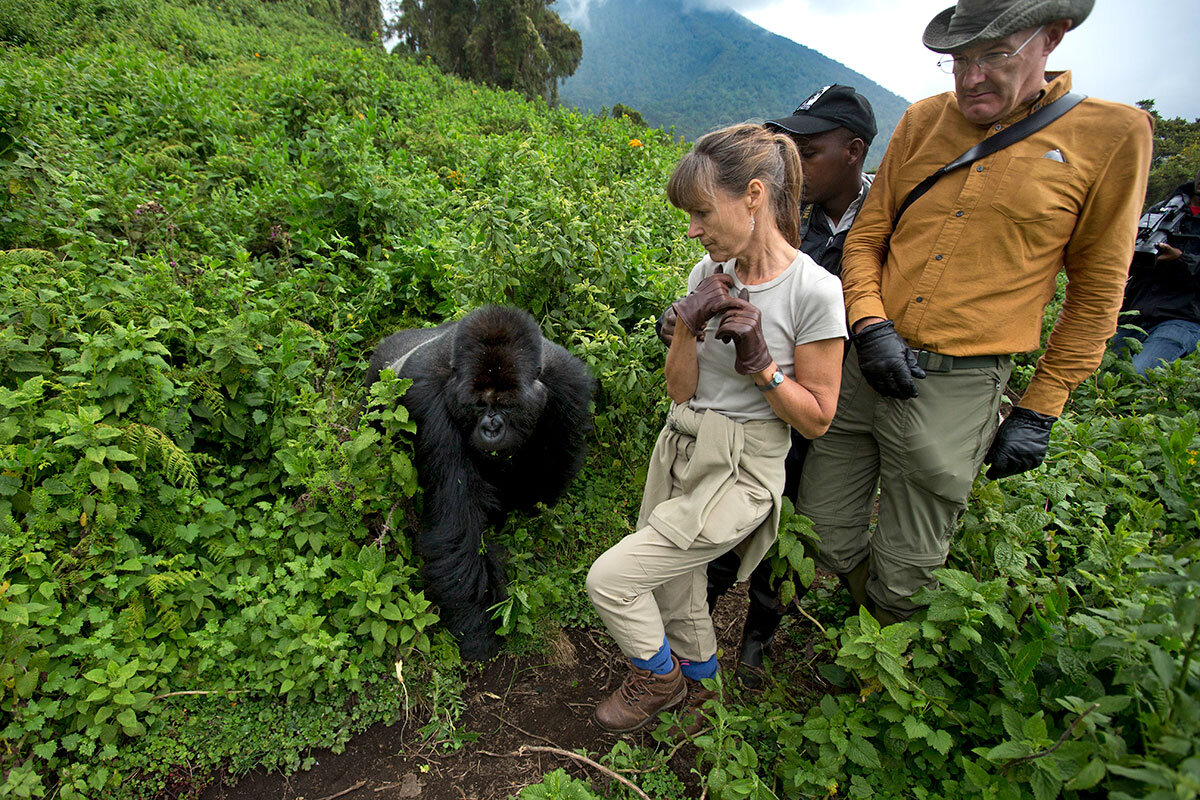
Good physical fitness is recommended for Gorilla Habituation Experiences in Congo because trekking conditions can be unpredictable and physically demanding. Travelers should be prepared for walking through forests, climbing slopes, crossing uneven terrain, and spending several hours hiking in humid conditions.
However, visitors do not need to be professional athletes to participate. Most travelers with average fitness levels can successfully complete the experience if they prepare properly and maintain a steady pace during the trek. The key is endurance, patience, and comfort with outdoor walking rather than extreme athletic ability.
Travelers preparing for Gorilla Habituation Experiences in Congo are encouraged to improve their stamina before travel through regular walking, hiking, stair climbing, or light cardio exercise. Comfortable hiking boots, waterproof clothing, gloves, long trousers, and proper trekking gear are also important for handling forest conditions.
Altitude can affect some visitors in mountain gorilla areas such as Virunga National Park. Slow walking, hydration, and proper rest help reduce fatigue during treks. In rainforest areas like Kahuzi-Biega National Park, humidity and dense vegetation may feel more physically demanding than altitude itself.
Older travelers can also participate successfully, especially with proper preparation and porter assistance. Many gorilla trekking destinations offer porters who help carry bags, provide physical support on steep sections, and improve overall comfort during the hike.
The most important requirement for Gorilla Habituation Experiences in Congo is mental readiness for adventure. Forest conditions can be muddy, wet, unpredictable, and physically tiring, but travelers who embrace the experience often find it incredibly rewarding.
Best Time for Gorilla Habituation Experiences in Congo
The best time for Gorilla Habituation Experiences in Congo is generally during the drier months, from June to September and December to February. These months usually offer better trekking conditions, clearer forest trails, and more comfortable movement through Congo’s gorilla habitats. For travelers visiting Virunga National Park or Kahuzi-Biega National Park, the dry season is often preferred because trails are less muddy, visibility can be better, and hiking becomes easier for most visitors.
However, Gorilla Habituation Experiences in Congo can still be arranged in different seasons depending on park operations, safety conditions, permit availability, and traveler interest. Congo’s rainforests remain green throughout the year, and even during dry months, rainfall can still occur because gorilla habitats are located in tropical forest zones. Travelers should therefore prepare for changing weather at any time of year.
The best travel period also depends on the type of gorilla experience. Travelers interested in mountain gorilla experiences in Virunga National Park may prefer the drier months because the terrain can include slopes, forest paths, and volcanic landscapes. Travelers interested in eastern lowland gorilla experiences in Kahuzi-Biega National Park may also find dry-season travel easier, especially when walking through dense forest and humid lowland vegetation.
For photography, the dry season often provides better light, easier camera handling, and fewer challenges from heavy rain. For travelers who want a quieter and greener forest experience, the wet season can still be rewarding. The forest becomes lush, birdlife is active, and the atmosphere feels very wild and dramatic.
For Pieland Gorilla Safaris, we recommend booking Gorilla Habituation Experiences in Congo several months in advance, especially for travelers planning to visit during peak dry-season months. Congo gorilla permits, park access, accommodation, guides, and cross-border logistics should all be confirmed early.
Dry Season Gorilla Habituation
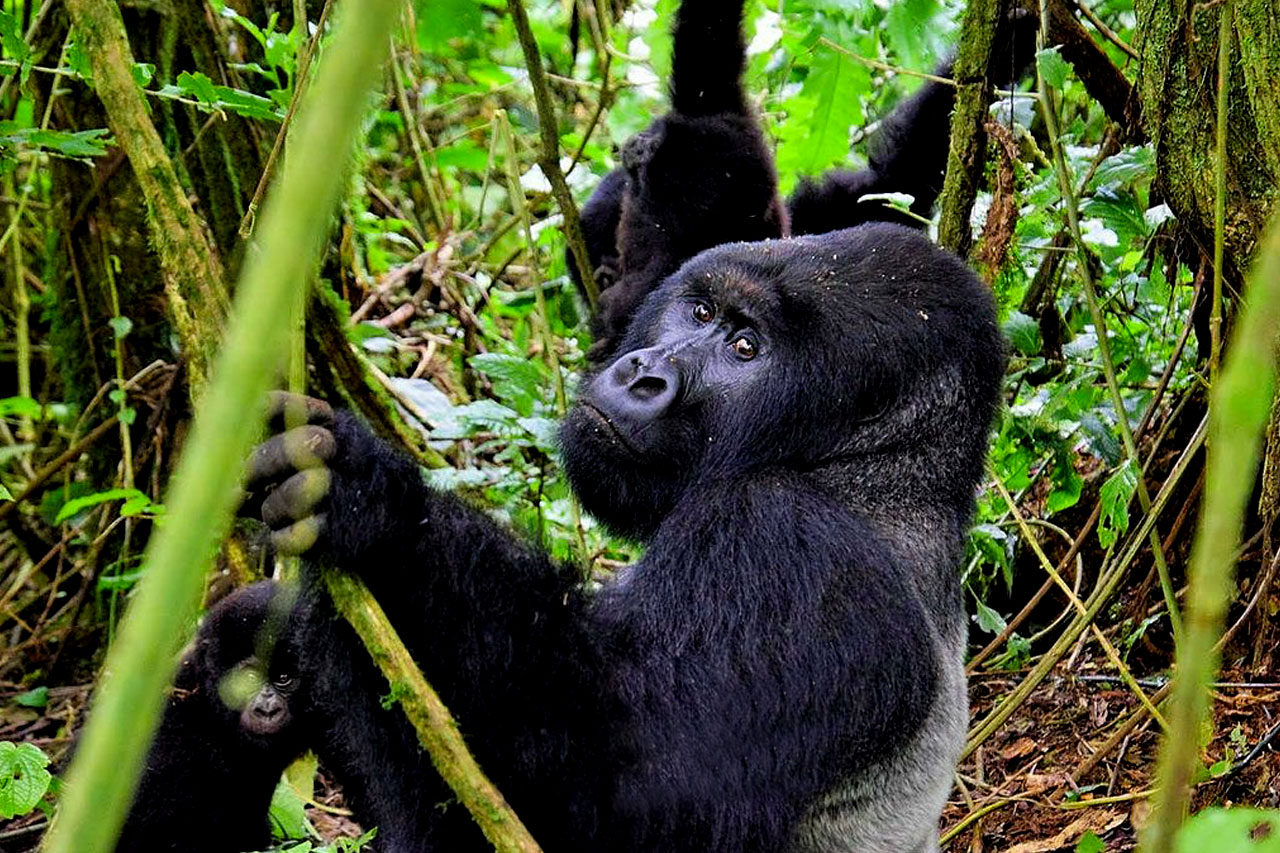
Dry Season Gorilla Habituation in Congo is usually the most recommended option for travelers who want easier trekking conditions and more predictable safari planning. The main dry seasons are June to September and December to February. During these months, forest trails are generally firmer, slopes are less slippery, and visitors often find it easier to walk through gorilla habitats.
The dry season is especially good for first-time gorilla travelers, photographers, older visitors, and guests who may be concerned about muddy trekking conditions. Although the forest can still be humid, dry-season trekking usually feels more manageable than hiking during heavy rains.
In Virunga National Park, dry-season gorilla experiences may be more comfortable because the terrain can be steep and physically demanding. Less mud makes it easier to climb through forest trails, volcanic slopes, and thick vegetation. In Kahuzi-Biega National Park, dry months can also make eastern lowland gorilla tracking smoother, especially in areas where trails pass through dense rainforest.
Dry-season travel also makes it easier to combine Gorilla Habituation Experiences in Congo with other activities such as Nyiragongo-related adventure planning where available, birding, cultural visits, nature walks, Lake Kivu stays, and cross-border safaris through Rwanda or Uganda.
However, dry season is also one of the most popular periods for gorilla safaris in Africa. This means travelers should book early to secure permits, preferred lodges, transport, and guides. Waiting until the last minute may limit availability, especially for private or customized safari arrangements.
Dry Season Gorilla Habituation in Congo is best for travelers who want comfort, easier movement, better logistics, and a smoother overall safari experience.
Wet Season Gorilla Habituation
Wet Season Gorilla Habituation in Congo usually falls around March to May and October to November. During these months, rain is more frequent, trails can become muddy, vegetation grows thicker, and trekking may feel more physically demanding. However, the wet season also has its own unique advantages for adventurous travelers.
The forest becomes beautifully lush during the wet season. Trees, vines, mosses, flowers, and undergrowth create a rich rainforest atmosphere that feels deeply wild and authentic. For travelers who enjoy dramatic landscapes, misty forest scenes, and fewer crowds, the wet season can be a rewarding time for Gorilla Habituation Experiences in Congo.
Birdwatching can also be excellent during wetter months because forest bird activity is often high. Photographers may enjoy the green backgrounds, soft light, mist, and atmospheric forest conditions, although camera protection is very important.
The main challenge of wet-season gorilla habituation is trekking difficulty. Trails may become slippery, muddy, and slower to walk. Visitors should carry waterproof hiking boots, rain jackets, long trousers, gaiters, gloves, and waterproof bags for cameras and phones. Porters are highly recommended because they help with bags and provide support on difficult trail sections.
Wet-season habituation can also be unpredictable. Gorillas may move depending on food availability, weather, and forest conditions. Rangers will always make decisions based on safety and gorilla welfare.
Wet Season Gorilla Habituation in Congo is best for flexible, adventurous, and physically prepared travelers who do not mind rain and muddy trails. It is also good for guests who want a quieter experience with a more intense rainforest feel.
Gorilla Habituation Permit Costs in Congo
Gorilla Habituation Permit Costs in Congo should be explained carefully because Congo is better known for gorilla trekking permits than a widely marketed tourist-style gorilla habituation permit system like Uganda’s gorilla habituation experience. In Uganda, gorilla habituation has a clearly established permit structure, while in Congo, gorilla experiences are more commonly sold as gorilla trekking, conservation-based gorilla tracking, or specialized gorilla safari experiences depending on the park and current operations.
As a guide, Congo gorilla trekking permits are commonly quoted around USD 400 per person for Virunga National Park, making Congo one of the more affordable gorilla destinations compared with Rwanda and Uganda. Several current tour sources list Virunga gorilla permits around USD 400 per person, while Kahuzi-Biega permit pricing is also commonly listed around USD 400 for foreign non-residents, though some operators show different rates depending on residency and updates.
Because prices can change, Pieland Gorilla Safaris always confirms the latest gorilla permit cost directly with the park authorities or trusted ground partners before quoting clients. This is especially important for travelers asking about “gorilla habituation” because the cost may differ depending on whether the experience is standard gorilla trekking, a private conservation visit, a research-style experience, or a special-interest safari.
A complete Gorilla Habituation Experience in Congo costs more than the permit alone. Travelers should also budget for transport, accommodation, meals, border crossing logistics, visa support, park transfers, ranger escort arrangements where needed, guide services, and safari handling fees. Luxury travelers may also add private vehicles, premium lodges, charter arrangements, or multi-country safari extensions.
What is Included in a Gorilla Habituation Permit
A Gorilla Habituation Permit in Congo, or a gorilla experience permit depending on the park’s official structure, generally gives travelers authorized access to participate in a guided gorilla experience within the protected area. The permit is not simply a ticket to see gorillas; it is a conservation contribution that supports park management, ranger operations, gorilla monitoring, and habitat protection.
A typical gorilla permit may include ranger guidance, gorilla tracking access, park-authorized gorilla viewing, briefing before the trek, and controlled time with a designated gorilla family. In standard gorilla trekking, Virunga-related sources commonly state that only a limited number of visitors are allowed per gorilla family per day to reduce stress and disease risk.
The permit also supports the behind-the-scenes conservation work that makes gorilla tourism possible. This includes daily monitoring of gorilla families, anti-poaching patrols, habitat protection, research support, veterinary observation, and ranger-led visitor management.
However, travelers should understand what is not usually included in a gorilla permit. The permit normally does not include accommodation, meals, transport to the park, international flights, visas, (Apply for Congo visit visa) tips, porter fees, personal gear, travel insurance, or private guide services outside the park activity. These costs are usually included separately in a full safari package.
Rules and Regulations During Gorilla Habituation
Rules and Regulations During Gorilla Habituation are designed to protect both gorillas and visitors. Gorillas are powerful wild animals, but they are also vulnerable to stress and human diseases. For this reason, all gorilla experiences in Congo must follow strict park guidelines.
Visitors must follow the ranger’s instructions at all times. Rangers understand gorilla behavior, forest safety, and the correct distance to maintain during the encounter. In many gorilla trekking destinations, visitors are required to remain about 7 meters from gorillas, avoid flash photography, keep voices low, and move slowly around the gorilla family.
Visitor numbers are also limited to reduce pressure on gorilla families. Virunga-related sources state that a maximum of 8 visitors may visit a gorilla family per day, helping reduce disturbance and disease transmission risks.
Travelers who are sick should not visit gorillas because respiratory infections can be dangerous to them. Visitors should cover their mouth when coughing or sneezing, avoid eating or drinking near gorillas, and never leave rubbish in the forest. Some Virunga rule summaries also state that visitors must be 15 years and above to track gorillas.
Flash photography is not allowed because it can disturb gorillas. Travelers should turn off camera flashes before the encounter begins. Loud talking, sudden movement, pointing aggressively, and attempting to touch gorillas are also prohibited.
During habituation-style experiences, rules may be even stricter because gorilla families under habituation may be less comfortable with human presence than fully habituated families. Rangers may ask visitors to remain farther away, stay quieter, or end the viewing period early if the gorillas show signs of stress.
These regulations are not meant to limit the experience; they are what make responsible gorilla tourism possible. By following the rules, travelers help protect Congo’s gorillas, support conservation, and ensure that future visitors can enjoy the same rare wildlife encounter.
What to Pack for Gorilla Habituation in Congo

Packing well is very important for Gorilla Habituation Experiences in Congo because the activity takes place in dense rainforest, mountain terrain, muddy trails, and humid conditions. Travelers should prepare for changing weather, physical trekking, and long hours in the forest.
The most important item is a strong pair of waterproof hiking boots with good grip. Trails in Congo’s gorilla habitats can be slippery, especially in Virunga National Park and Kahuzi-Biega National Park. Long trousers and long-sleeved shirts are also recommended to protect the body from insects, nettles, thorns, and rough vegetation.
A lightweight rain jacket is essential because rainfall can happen at any time, even during the dry season. Travelers should also carry gardening-style gloves or trekking gloves to protect their hands when holding branches or supporting themselves on steep sections.
A small waterproof daypack is useful for carrying water, snacks, camera gear, insect repellent, sunscreen, personal medication, and travel documents. Waterproof covers or dry bags are highly recommended for phones, cameras, and important items.
Other useful items include a walking stick, hat, energy snacks, binoculars, gaiters, reusable water bottle, and a basic first-aid kit. Travelers should avoid bright-colored clothing and instead choose neutral safari colors such as green, brown, grey, or khaki.
Safety During Gorilla Habituation Experiences
Safety During Gorilla Habituation Experiences in Congo is managed through strict park rules, trained ranger teams, professional guides, and careful visitor briefing before entering the forest. Gorillas are wild animals, and their comfort must always come first.
Before the trek begins, visitors receive instructions on how to behave near gorillas. Travelers are told to keep a safe distance, remain calm, avoid loud noise, and follow the ranger’s guidance at all times. These rules protect both the gorillas and the visitors.
Rangers understand gorilla behavior and can read signs of stress, curiosity, warning, or calmness. If a silverback moves, vocalizes, or shows protective behavior, visitors must stay still and follow instructions. Running, shouting, or sudden movement can create unnecessary tension.
Health safety is also very important. Travelers who are sick should not join gorilla habituation because gorillas can catch human illnesses. Visitors should avoid coughing, sneezing, eating, drinking, or leaving rubbish near gorillas.
The forest itself also requires caution. Trails may be muddy, steep, wet, and uneven. Travelers should walk slowly, use walking sticks, wear proper boots, and accept porter support where needed. Porters can help carry bags and assist on difficult trail sections.
With proper preparation, good guides, and respect for park rules, Gorilla Habituation Experiences in Congo can be safe, meaningful, and unforgettable.
Photography Tips During Gorilla Habituation
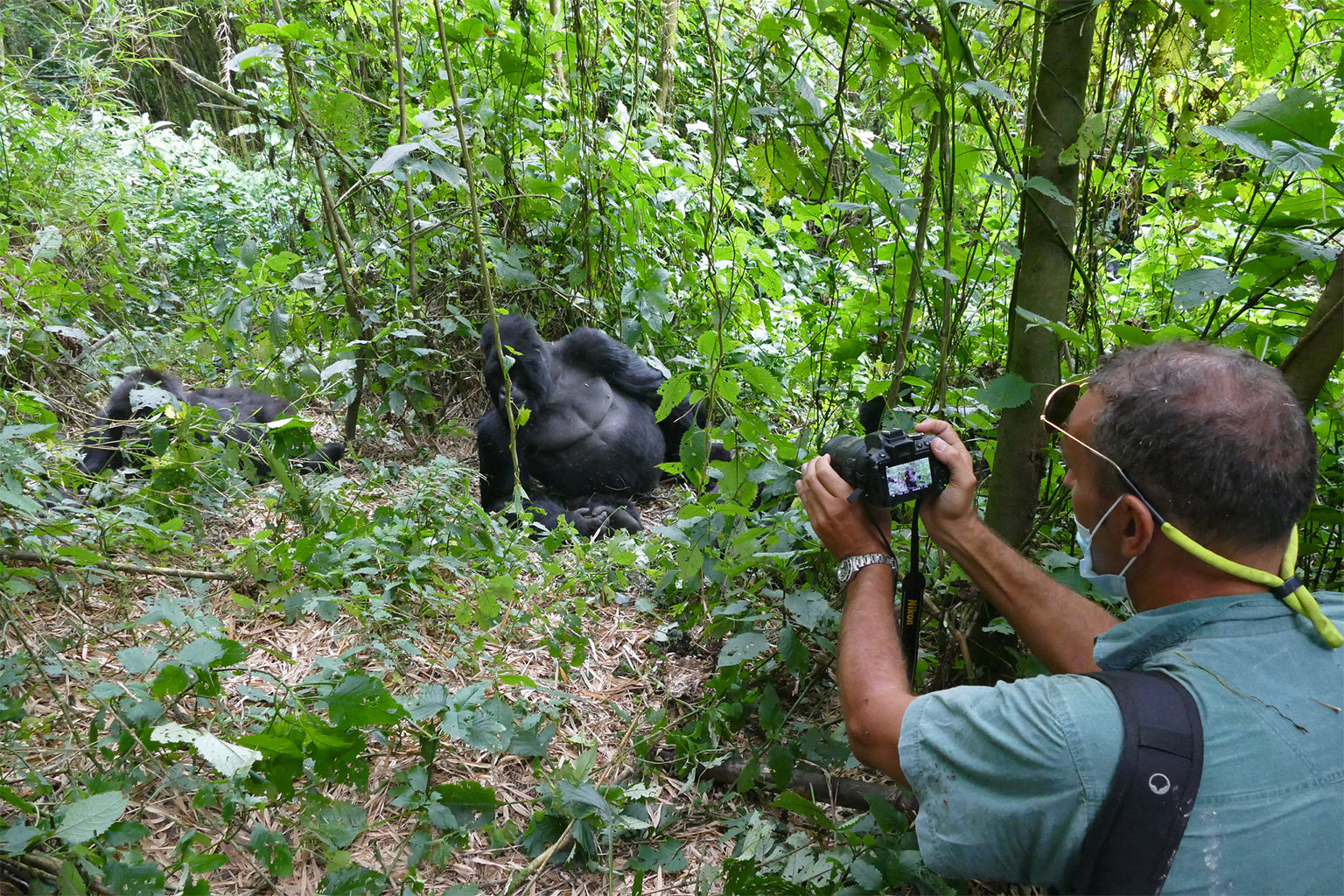
Photography During Gorilla Habituation in Congo can be incredibly rewarding because the experience offers rare chances to capture gorillas in natural rainforest settings. However, photography must always be respectful and guided by conservation rules.
Flash photography should never be used because it can disturb gorillas. Travelers should turn off flash settings before reaching the gorilla family. A camera with good low-light performance is helpful because rainforest conditions can be dark, shaded, and misty.
Photographers should use quiet movements and avoid pushing too close for a better shot. The best photos often come from patience, not pressure. Gorillas may feed, rest, groom, play, or interact naturally when visitors remain calm and respectful.
A zoom lens is useful because travelers must keep a safe distance from gorillas. A lens in the medium to long range allows visitors to capture close-looking images without disturbing the animals. Waterproof camera covers are also important because rain can arrive suddenly.
For phone photography, travelers should clean lenses before the trek, carry a power bank, and avoid using flash. Videos can be beautiful, especially when capturing forest sounds, gorilla movements, and ranger explanations.
The best photography approach is to balance photos with real observation. Gorilla Habituation Experiences in Congo are deeply emotional, and travelers should take time to enjoy the moment without only focusing on the camera.
Luxury Gorilla Habituation Safaris in Congo
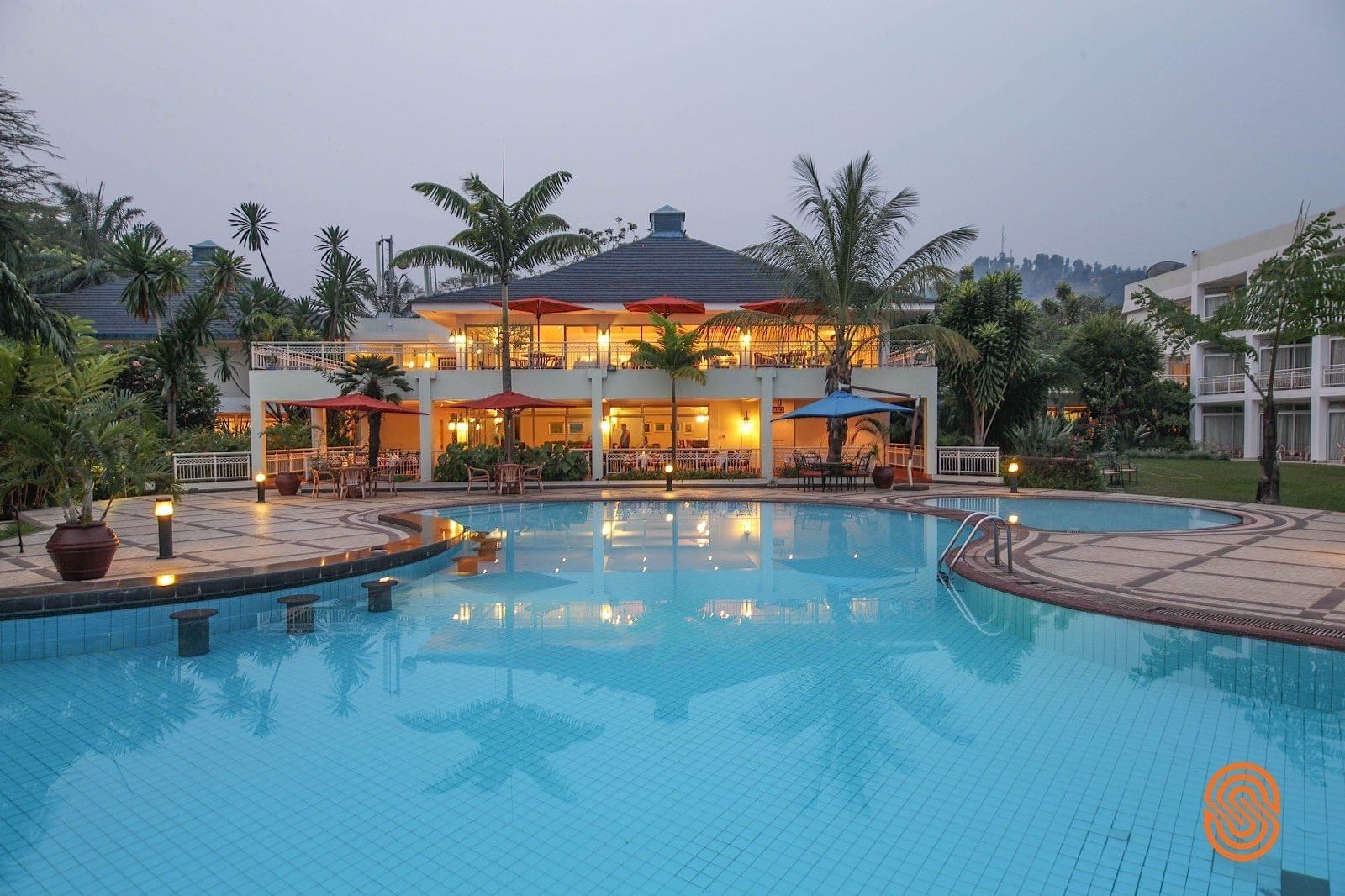
Luxury Gorilla Habituation Safaris in Congo are designed for travelers who want comfort, privacy, expert planning, and a deeper conservation experience. These safaris combine rare gorilla encounters with premium accommodation, private transfers, professional guides, and smooth logistics.
A luxury gorilla habituation safari may include high-end lodge stays, private 4×4 transport, personalized guiding, border assistance, Lake Kivu extensions, cultural experiences, and tailor-made safari planning. Travelers may also combine Congo with Rwanda or Uganda for a complete luxury gorilla journey.
Luxury travelers often value privacy and comfort after trekking. After a demanding day in the forest, they can return to a comfortable lodge, enjoy good meals, relax with scenic views, and prepare for the next activity. This makes the overall journey more enjoyable and less stressful.
Luxury Gorilla Habituation Safaris in Congo are ideal for photographers, honeymooners, conservation travelers, senior travelers, and guests seeking a rare African safari with high-quality service. The experience can be customized with private guides, flexible pacing, premium accommodation, and extra rest days.
Midrange Gorilla Habituation Tours in Congo
Midrange Gorilla Habituation Tours in Congo are perfect for travelers who want comfort, good value, and a well-organized safari without paying for ultra-luxury services. These tours balance quality accommodation, reliable transport, guided activities, and reasonable pricing.
A midrange gorilla habituation tour may include comfortable lodges or guesthouses, private or shared transport, park permits, ranger-guided experiences, meals, and cross-border assistance. This option is ideal for couples, small groups, solo travelers, and families looking for a strong safari experience at a fair cost.
Midrange tours still provide excellent access to gorilla habitats, expert local guidance, and meaningful conservation learning. Travelers can enjoy Virunga National Park, Kahuzi-Biega National Park, Lake Kivu, Bukavu, Goma, and other nearby destinations depending on the itinerary.
The main advantage of a midrange tour is value. Guests receive comfort and professional planning while keeping the safari budget manageable. Accommodation may be simpler than luxury lodges, but it should still be clean, safe, comfortable, and well located for gorilla activities.
Budget Gorilla Habituation Experiences in Congo
Budget Gorilla Habituation Experiences in Congo are designed for travelers who want to experience Congo’s gorillas at the lowest possible cost while still following responsible tourism standards. Congo is often considered one of the more affordable gorilla destinations compared with Rwanda, making it attractive for budget-conscious travelers.
A budget gorilla habituation-style safari may include basic accommodation, shared transport where possible, simple meals, standard gorilla permits, and essential guiding services. The focus is on the gorilla experience rather than luxury extras.
Budget travelers should still expect costs for permits, transport, accommodation, visas, meals, guides, and border logistics. Even a budget Congo gorilla safari requires careful planning because the region involves remote travel, protected areas, and official park procedures.
The most important thing is that budget should never mean unsafe or irresponsible. Travelers should avoid unreliable shortcuts, unlicensed guides, or poorly planned itineraries. Gorilla tourism must always support conservation, follow park rules, and protect the welfare of gorillas.
Budget Gorilla Habituation Experiences in Congo are best for students, backpacker-style travelers, adventure travelers, small groups, and visitors who care more about wildlife and conservation than luxury comfort.
Accommodation Near Gorilla Habituation Areas
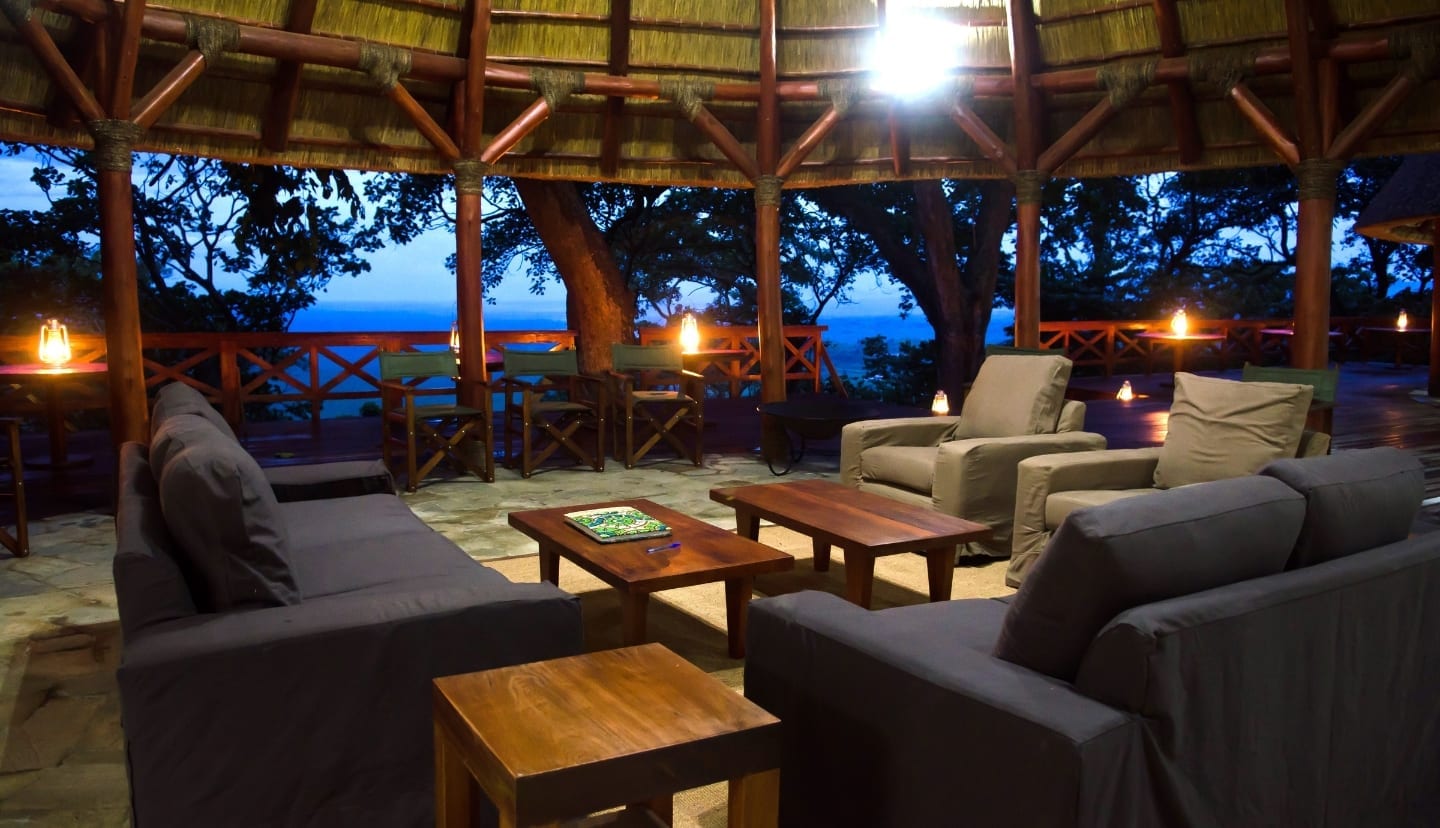
Accommodation near gorilla habituation areas in Congo depends mainly on whether travelers are visiting Virunga National Park for mountain gorilla experiences or Kahuzi-Biega National Park for eastern lowland gorilla experiences. The best accommodation should be close enough to reduce transfer time, safe for guests, comfortable after trekking, and well connected to the park starting point.
For Virunga National Park, travelers usually base around Goma, Bukima, or lodge areas connected to the park depending on current access and park operations. Accommodation options may include safari lodges, tented camps, guesthouses, and city hotels in Goma. Luxury travelers may prefer comfortable lodges with private rooms, good meals, scenic views, and organized park transfers. Midrange travelers can choose clean, secure lodges or guesthouses with reliable service, while budget travelers may stay in simpler accommodation that focuses on location, safety, and affordability.
For Kahuzi-Biega National Park, most travelers stay in or near Bukavu because it is the main gateway city for eastern lowland gorilla experiences. Bukavu has hotels and lodges ranging from basic to comfortable midrange options, with some properties offering views toward Lake Kivu. Staying in Bukavu allows easier access to the park headquarters and makes it practical to combine gorilla activities with Lake Kivu, city visits, cultural experiences, and nearby nature attractions.
Good accommodation near Gorilla Habituation Experiences in Congo should offer early breakfast, packed lunch preparation, secure parking, warm showers, reliable staff, and flexibility for early departures. After a demanding day in the forest, travelers need a peaceful place to rest, clean up, charge cameras, and prepare for the next day.
How to Get to Gorilla Habituation Destinations in Congo

Getting to gorilla habituation destinations in Congo requires careful planning because the main gorilla areas are located in eastern Democratic Republic of Congo. The two most important access points are Goma for Virunga National Park and Bukavu for Kahuzi-Biega National Park.
For Virunga National Park, travelers often route through Kigali in Rwanda, then drive toward the Rwanda–Congo border near Gisenyi and Goma. Kigali International Airport is one of the most practical gateways because it has better international flight connections and easier road access to eastern Congo. From Kigali, the drive to Gisenyi usually takes several hours before crossing into Goma, where guests continue with park or operator-arranged transfers.
For Kahuzi-Biega National Park, many travelers also start from Kigali, then drive south toward Rusizi/Cyangugu and cross into Bukavu. Bukavu is the main base for visiting Kahuzi-Biega National Park. This route is popular for eastern lowland gorilla trekking and is commonly used by travelers combining Rwanda and Congo. Kahuzi-Biega is commonly accessed by road, and some travel guides also describe connections through Goma before continuing toward Bukavu.
Travelers can also reach Congo through Uganda depending on the itinerary, but Rwanda is often the smoother gateway for many Congo gorilla safaris because of road access, flight options, and easier safari combinations. A common lowland gorilla itinerary starts and ends in Kigali, crossing into Congo through the Cyangugu/Rusizi border toward Bukavu.
Because eastern Congo travel can be affected by security conditions, road access, border procedures, and park updates, all routes should be confirmed before travel. Pieland Gorilla Safaris should always check current park access, border requirements, visa procedures, and safety updates before confirming the final itinerary.
Traveling to Congo Through Rwanda
Traveling to Congo through Rwanda is one of the most practical ways to access Gorilla Habituation Experiences in Congo. Rwanda offers a reliable international gateway through Kigali International Airport, good road networks, and direct access to eastern Congo border points.
For travelers visiting Virunga National Park, the most common route is Kigali to Gisenyi, then crossing into Goma. Goma is the main access city for Virunga experiences. This route works well for travelers who want to combine Rwanda gorilla trekking in Volcanoes National Park with Congo mountain gorilla experiences or other eastern Congo adventures.
For travelers visiting Kahuzi-Biega National Park, the common route is Kigali to Rusizi/Cyangugu, then crossing into Bukavu. Bukavu is the gateway to Kahuzi-Biega and eastern lowland gorilla experiences. This route is especially useful for travelers who want a Rwanda–Congo primate safari, combining Nyungwe Forest, Lake Kivu, and Kahuzi-Biega.
Traveling through Rwanda allows guests to enjoy a smoother arrival experience before entering Congo. It also creates excellent multi-country safari options, including Kigali city tours, Volcanoes National Park, Nyungwe chimpanzee trekking, Lake Kivu relaxation, and Congo gorilla experiences.
However, crossing into Congo requires proper documentation. Travelers should confirm visa requirements, passport validity, yellow fever certificate requirements, park permits, and border timing before travel. A professional operator should assist with logistics to avoid delays or confusion.
Gorilla Habituation Safari Itineraries
Gorilla Habituation Safari Itineraries in Congo can be designed for different travel styles, budgets, and interests. Some travelers may want a short gorilla-focused trip, while others may prefer a longer journey combining Congo, Rwanda, Uganda, wildlife safaris, culture, and rainforest experiences.
A short Congo gorilla habituation-style itinerary can be designed for 3 to 4 days. This may include arrival in Kigali, transfer to the Congo border, overnight in Goma or Bukavu, one gorilla experience, and return to Kigali. This option is best for travelers with limited time who mainly want to experience Congo gorillas.
A mid-length itinerary of 5 to 7 days can include more comfort and better pacing. Travelers may spend time in Kigali, cross into Congo, enjoy gorilla habituation or gorilla trekking, add a second gorilla experience, explore Lake Kivu, visit local communities, and return through Rwanda. This style is ideal for travelers who want a deeper experience without rushing.
A longer itinerary of 8 to 12 days can combine Rwanda and Congo beautifully. Guests may visit Kigali, Volcanoes National Park, Lake Kivu, Nyungwe Forest, Bukavu, and Kahuzi-Biega National Park. This creates a rich primate safari with mountain gorillas, eastern lowland gorillas, chimpanzees, golden monkeys, cultural experiences, and scenic landscapes.
For luxury travelers, itineraries should include private transfers, premium lodges, flexible pacing, and extra rest nights. For midrange travelers, itineraries can focus on comfortable accommodation and strong value. For budget travelers, shorter routes, simple accommodation, and shared logistics may help reduce costs.
The strongest Gorilla Habituation Safari Itineraries in Congo are those that balance conservation, comfort, safety, and realistic travel timing. Pieland Gorilla Safaris should avoid overloading itineraries and instead allow enough time for border crossings, road transfers, forest trekking, and rest.
Combining Gorilla Habituation with Nyiragongo Hike

Combining Gorilla Habituation with Nyiragongo Hike can create one of the most adventurous safari experiences in Congo, but this section should be written carefully because Nyiragongo access can change depending on volcanic activity, park operations, and regional safety conditions.
Mount Nyiragongo is one of Africa’s most famous volcanoes and has long been associated with Virunga National Park adventure safaris. The classic Nyiragongo trek begins from Kibati Ranger Post, with hikers climbing from about 1,870 meters to the summit area at about 3,470 meters. The hike is commonly described as a 6.5 km climb each way, with an average ascent of about 4 to 6 hours and descent of around 4 hours, depending on group pace.
A strong itinerary combination may include arrival in Kigali, transfer to Goma, gorilla trekking or habituation-style gorilla experience in Virunga, then Nyiragongo hike if the activity is officially open and safe. After descending, travelers may return to Goma, relax near Lake Kivu, or continue into Rwanda or Uganda.
This combination is ideal for adventurous travelers who want both wildlife and dramatic landscapes. Gorilla habituation offers emotional wildlife depth, while Nyiragongo adds physical adventure, volcanic scenery, and a powerful sense of wilderness.
Combining Gorilla Habituation with Wildlife Safaris
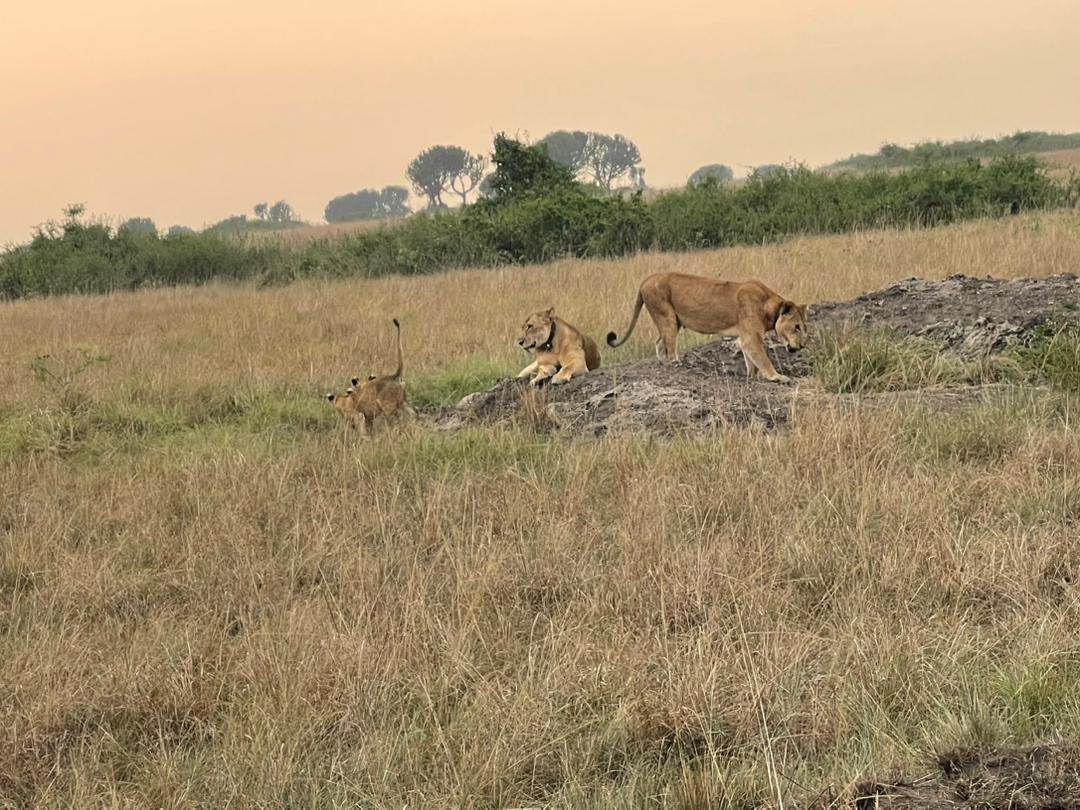
Combining Gorilla Habituation with Wildlife Safaris creates a richer and more complete Congo safari experience. Gorilla habituation gives travelers a deep primate and rainforest experience, while wildlife safaris add variety through savannah landscapes, forest wildlife, birding, river experiences, and cultural encounters.
In Congo, travelers can combine gorilla experiences with other wilderness destinations depending on route, safety, season, and park access. A strong safari itinerary may include mountain gorilla experiences in Virunga National Park, eastern lowland gorilla experiences in Kahuzi-Biega National Park, birding, Lake Kivu relaxation, cultural visits, forest walks, and wildlife-focused extensions.
Wildlife safaris in Congo are very different from classic East African safaris in Kenya, Tanzania, or Uganda. Congo is more rainforest-based, remote, and adventurous. Instead of open plains filled with large herds, travelers experience dense forests, rare primates, forest birds, volcanic scenery, rivers, and unique biodiversity. This makes Congo especially attractive for travelers who want something raw, less crowded, and conservation-focused.
A Congo wildlife safari can also be combined with Rwanda or Uganda for a stronger multi-country experience. Guests may start with gorilla habituation in Congo, then continue to Akagera National Park in Rwanda for Big Five-style game drives, Queen Elizabeth National Park in Uganda for savannah wildlife, or Murchison Falls National Park for boat safaris and game drives. This creates a powerful itinerary that blends gorillas, chimpanzees, savannah wildlife, birds, lakes, and cultural experiences.
Congo Gorilla Habituation vs Uganda Gorilla Habituation
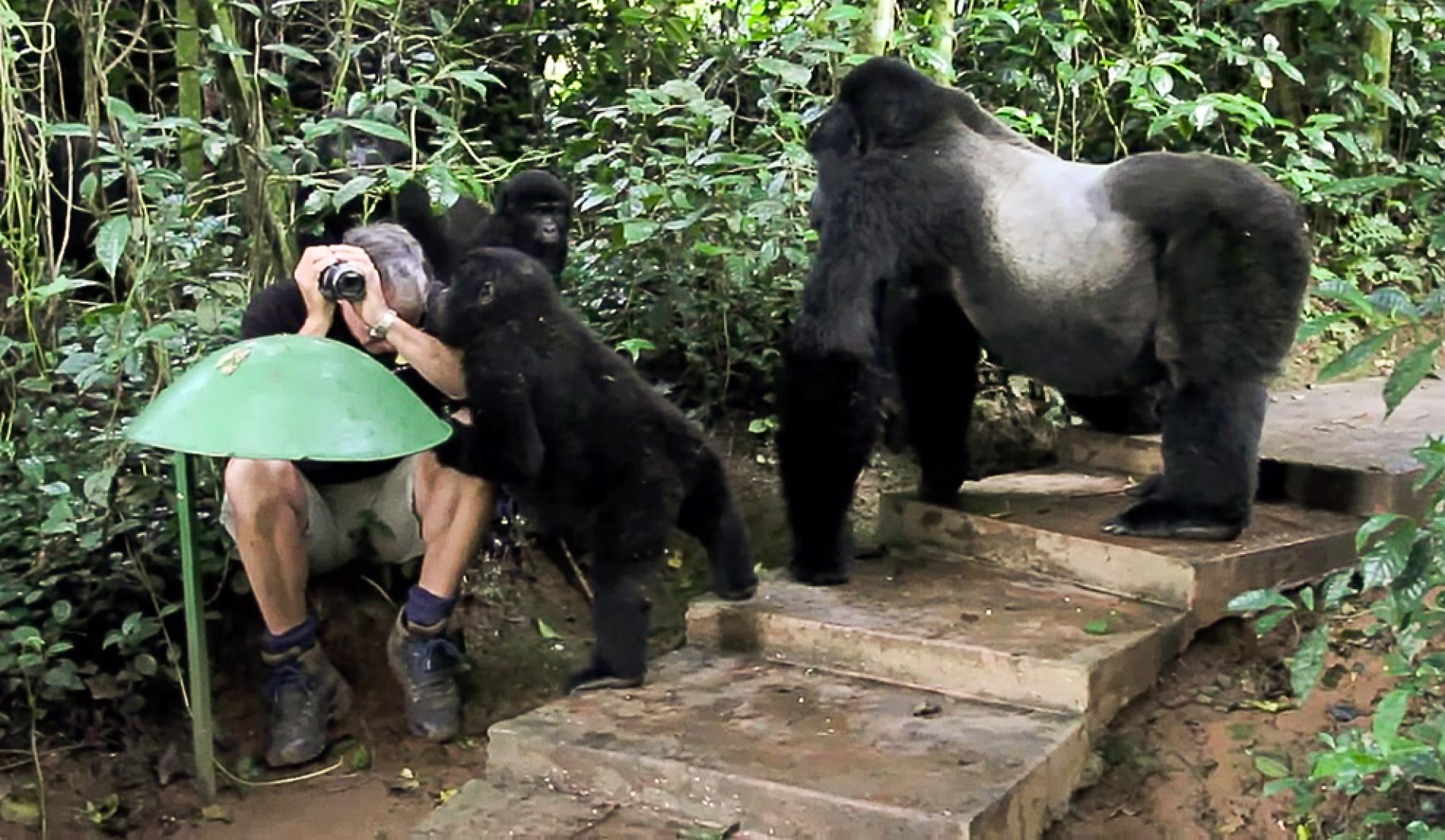
Congo Gorilla Habituation and Uganda Gorilla Habituation offer different experiences, and each destination has its own strengths. Uganda is better known for an officially structured gorilla habituation experience in Bwindi Impenetrable National Park, while Congo offers a more raw, conservation-focused gorilla experience connected to Virunga National Park and Kahuzi-Biega National Park.
Uganda’s gorilla habituation experience is more established for tourism. It is commonly associated with Bwindi’s Rushaga sector, where visitors can spend extended time learning about gorilla behavior with rangers and researchers. Uganda is also easier to package because permit systems, accommodation options, road access, and tourism infrastructure are more predictable.
Congo, on the other hand, feels more adventurous and less commercial. Gorilla Habituation Experiences in Congo are best positioned as conservation-based, educational, and wilderness-focused experiences. Travelers are drawn to Congo because it offers both mountain gorilla and eastern lowland gorilla encounters, making it one of the most unique gorilla destinations in Africa.
The biggest difference is the style of experience. Uganda is ideal for travelers who want a more organized and structured habituation program. Congo is ideal for travelers who want rare gorilla experiences, remote rainforest adventure, fewer crowds, and a stronger sense of raw wilderness.
Cost can also differ. Uganda’s gorilla habituation permit is usually higher than standard gorilla trekking, while Congo’s gorilla trekking permits have often been more affordable than Uganda and Rwanda. However, Congo may require more detailed logistics, border support, security checks, and route planning, which can affect the total safari cost.
Why Choose Congo for Gorilla Habituation Experiences
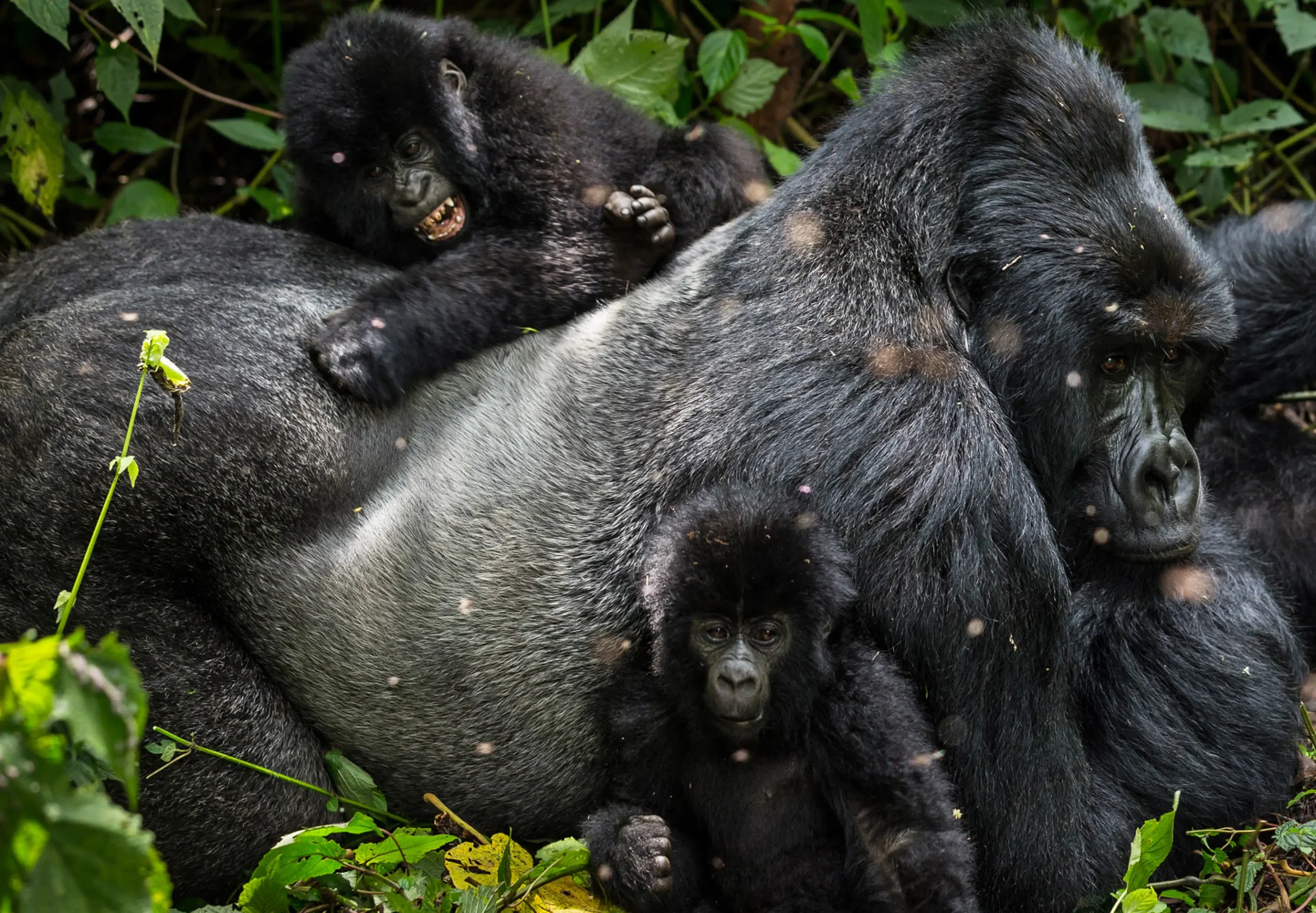
Travelers should choose Congo for Gorilla Habituation Experiences because it offers one of Africa’s most authentic, raw, and meaningful gorilla safari environments. Congo is not a mass-market destination. It is wild, remote, biodiverse, and deeply connected to conservation.
One of the strongest reasons to choose Congo is its gorilla diversity. Congo protects both mountain gorillas and eastern lowland gorillas, giving travelers access to two remarkable gorilla experiences in one country. Virunga National Park is associated with mountain gorillas, while Kahuzi-Biega National Park is the best-known destination for eastern lowland gorillas.
Congo also offers fewer crowds compared with more popular gorilla destinations. This gives the safari a more private and adventurous feeling. Travelers who have already visited Uganda or Rwanda often choose Congo because they want a deeper, less commercial, and more unusual gorilla experience.
Another reason to choose Congo is the conservation story. Gorilla experiences in Congo are closely connected to ranger protection, habitat monitoring, community involvement, and long-term wildlife survival. Visitors do not simply see gorillas; they learn about the people, forests, and conservation systems that keep them alive.
Congo is also ideal for adventure travelers. The landscapes include rainforests, volcanic mountains, lakes, rivers, and remote protected areas. A gorilla habituation-style safari can be combined with Rwanda, Uganda, Lake Kivu, cultural experiences, birding, and other wildlife adventures.
Sustainable Tourism and Gorilla Conservation in Congo
Sustainable tourism is essential for gorilla conservation in Congo. Gorilla Habituation Experiences in Congo should always be designed to protect gorillas, support local communities, fund ranger work, and preserve rainforest habitats for future generations.
Responsible gorilla tourism helps generate revenue for park management, ranger salaries, anti-poaching patrols, conservation research, veterinary monitoring, and community development. When travelers pay for gorilla permits and safari services, part of that value supports the protection of endangered gorillas and their habitats.
Sustainable tourism also creates jobs for local people. Communities near gorilla habitats can benefit through guiding, porter services, lodge employment, transport, cultural tourism, food supply, crafts, and conservation education. When communities receive direct benefits from tourism, they are more likely to support gorilla protection and forest conservation.
Gorilla habituation must always follow ethical rules. Visitor numbers should remain limited, distance from gorillas must be respected, flash photography should be avoided, and sick travelers should not visit gorillas. These rules reduce stress and protect gorillas from human disease.
Conservation in Congo is especially important because gorillas face serious threats from habitat loss, illegal hunting, disease, mining pressure, and human-wildlife conflict. Sustainable tourism cannot solve every problem, but it provides a practical way to create income, awareness, and protection around gorilla habitats.
Contact Us to inquire about gorilla habituation safari in Congo.
Frequently Asked Questions About Gorilla Habituation Experiences in Congo
What is Gorilla Habituation in Congo?
Gorilla Habituation in Congo is the gradual process of helping wild gorillas become familiar with the controlled presence of researchers, rangers, trackers, and limited visitors while keeping the gorillas completely wild in their natural habitat.
Where can Gorilla Habituation Experiences in Congo take place?
Gorilla-related habituation and conservation experiences in Congo are mainly associated with Virunga National Park for mountain gorillas and Kahuzi-Biega National Park for eastern lowland gorillas.
What is the difference between gorilla trekking and gorilla habituation?
Gorilla trekking focuses mainly on visiting a gorilla family that is already accustomed to humans, while gorilla habituation focuses more on understanding gorilla behavior, conservation, and the gradual familiarization process between gorillas and conservation teams.
How long does gorilla habituation take?
The habituation process can take several years because gorillas slowly learn to trust the presence of researchers and rangers without changing their natural behavior.
Is Gorilla Habituation in Congo safe?
Yes, Gorilla Habituation Experiences in Congo are managed by trained rangers, trackers, and conservation teams who follow strict safety guidelines to protect both gorillas and visitors.
Can children participate in Gorilla Habituation Experiences in Congo?
Most gorilla experiences require visitors to be at least 15 years old because of conservation rules and the physical demands of trekking.
What is the best time for Gorilla Habituation Experiences in Congo?
The best time is usually during the dry seasons from June to September and December to February because trekking conditions are generally easier.
Can Gorilla Habituation Experiences happen during the rainy season?
Yes, gorilla experiences continue during wetter months, although trails may become muddy and more physically demanding.
How difficult are Gorilla Habituation Experiences in Congo?
The difficulty level ranges from moderate to challenging depending on the forest terrain, weather, altitude, and the location of the gorilla family.
Do I need to be physically fit for Gorilla Habituation?
Reasonable fitness is recommended because trekking may involve several hours of walking through rainforest terrain.
What should I wear during Gorilla Habituation in Congo?
Travelers should wear waterproof hiking boots, long trousers, long-sleeved shirts, gloves, and rain jackets.
Can older travelers participate in Gorilla Habituation Experiences?
Yes, many older travelers successfully participate with proper preparation and porter assistance.
What animals can I see besides gorillas?
Travelers may encounter monkeys, forest birds, butterflies, reptiles, and other rainforest wildlife during the trek.
What are eastern lowland gorillas?
Eastern lowland gorillas, also called Grauer’s gorillas, are the largest gorilla subspecies and are mainly found in eastern Congo.
What are mountain gorillas?
Mountain gorillas are endangered gorillas living in the mountainous forests of Uganda, Rwanda, and Congo.
Why is Congo special for gorilla experiences?
Congo is unique because it offers both mountain gorilla and eastern lowland gorilla experiences in remote rainforest environments.
Can I combine Congo gorilla experiences with Rwanda safaris?
Yes, many travelers combine Congo gorilla safaris with Rwanda destinations such as Kigali, Lake Kivu, Nyungwe Forest, and Volcanoes National Park.
Can I combine Gorilla Habituation with Uganda safaris?
Yes, Congo gorilla experiences can be combined with Uganda wildlife safaris and primate tours.
How close can visitors get to gorillas?
Visitors must maintain a safe distance as instructed by rangers to reduce stress and disease risks.
Why is flash photography not allowed?
Flash photography may disturb or stress gorillas and is therefore prohibited.
Can I take videos during gorilla habituation?
Yes, videos are allowed as long as flash is disabled and ranger instructions are followed.
What camera is best for Gorilla Habituation photography?
A camera with good low-light performance and a zoom lens is ideal for rainforest photography.
Do gorillas attack humans?
Gorillas are generally calm and peaceful when respected, but they are wild animals and visitors must follow ranger guidance carefully.
What happens if it rains during the trek?
Treks continue in most weather conditions, so travelers should carry waterproof gear.
How many people are allowed to visit a gorilla family?
Visitor numbers are limited to protect gorillas and reduce stress.
Why are gorilla permits expensive?
Permit fees help fund conservation, ranger salaries, habitat protection, veterinary care, and park management.
What does a gorilla permit include?
A permit generally includes ranger-guided gorilla tracking and authorized park access for the gorilla experience.
Does the permit include accommodation?
No, accommodation is usually arranged separately as part of a safari package.
Can I book Gorilla Habituation independently?
It is strongly recommended to book through a trusted safari operator because Congo travel requires careful planning and logistics.
Why should I use Pieland Gorilla Safaris for Congo gorilla tours?
Pieland Gorilla Safaris can help organize permits, transport, accommodation, border crossings, guides, and customized gorilla safari itineraries.
Can Gorilla Habituation Experiences be customized?
Yes, safaris can be tailored for luxury, midrange, or budget travelers depending on interests and travel style.
What is the best gateway to Congo gorilla destinations?
Kigali in Rwanda is commonly used as the main gateway for eastern Congo gorilla safaris.
How do travelers reach Virunga National Park?
Most travelers pass through Kigali and continue to Goma near the Rwanda–Congo border.
How do travelers reach Kahuzi-Biega National Park?
Travelers usually access Kahuzi-Biega through Bukavu after crossing from Rwanda.
Can I combine Gorilla Habituation with Lake Kivu?
Yes, Lake Kivu is a popular addition for relaxation and scenic experiences before or after gorilla trekking.
Can Gorilla Habituation be combined with birdwatching?
Yes, Congo’s rainforests are rich in birdlife and offer excellent birding opportunities.
What food do gorillas eat?
Gorillas mainly feed on leaves, stems, shoots, fruits, roots, and other forest vegetation.
How long is a Gorilla Habituation trek?
The trek duration varies depending on where the gorillas are located and can range from a few hours to most of the day.
Can I hire a porter during the trek?
Yes, porters are available in many gorilla trekking areas and can help carry bags and assist on difficult terrain.
Are Gorilla Habituation Experiences crowded?
No, Congo gorilla experiences are generally less crowded than some other gorilla destinations.
What makes Congo gorilla safaris adventurous?
The remote forests, volcanic landscapes, dense rainforest, and raw wilderness create a very adventurous atmosphere.
Can I see baby gorillas during habituation?
Yes, if infants are part of the gorilla family, visitors may observe them playing and interacting with their mothers.
How do rangers locate gorillas?
Trackers use signs such as nests, dung, feeding remains, footprints, and vocal sounds to follow gorilla movements.
What is a silverback gorilla?
A silverback is the dominant adult male gorilla that leads and protects the gorilla family.
Do gorillas live in families?
Yes, gorillas live in social family groups led by a silverback.
Why is gorilla conservation important?
Gorillas are endangered, and conservation helps protect their habitats, reduce poaching, and support long-term survival.
How does tourism help gorilla conservation?
Tourism revenue supports ranger patrols, conservation programs, local employment, and habitat protection.
Can gorillas catch human diseases?
Yes, gorillas are vulnerable to human illnesses, especially respiratory infections.
What happens if a visitor is sick?
Sick visitors should not participate in gorilla activities to protect gorilla health.
What is the biggest challenge facing gorillas in Congo?
Major threats include habitat loss, illegal hunting, disease, and human pressure on forest ecosystems.
Can Gorilla Habituation Experiences be luxurious?
Yes, luxury gorilla safaris in Congo can include premium lodges, private transport, and tailor-made itineraries.
Are budget gorilla safaris possible in Congo?
Yes, Congo is often considered more affordable than some other gorilla destinations, especially for budget travelers.
Can solo travelers join Gorilla Habituation Experiences?
Yes, solo travelers can join private or group gorilla safaris depending on availability and budget.
What should I carry in my daypack?
Travelers should carry water, snacks, rain gear, insect repellent, camera equipment, and personal medication.
Is travel insurance recommended for Congo gorilla safaris?
Yes, comprehensive travel insurance is strongly recommended for Congo travel and gorilla trekking activities.
Why do travelers describe Gorilla Habituation as emotional?
Seeing gorillas closely in their natural habitat creates a powerful emotional connection with wildlife and conservation.
Is Gorilla Habituation worth it?
Yes, many travelers consider Gorilla Habituation Experiences in Congo among the most meaningful wildlife adventures in Africa because they combine conservation, education, rainforest exploration, and rare primate encounters.