
Is Congo Safe for Tourists
Introduction: Is Congo Safe for Tourists
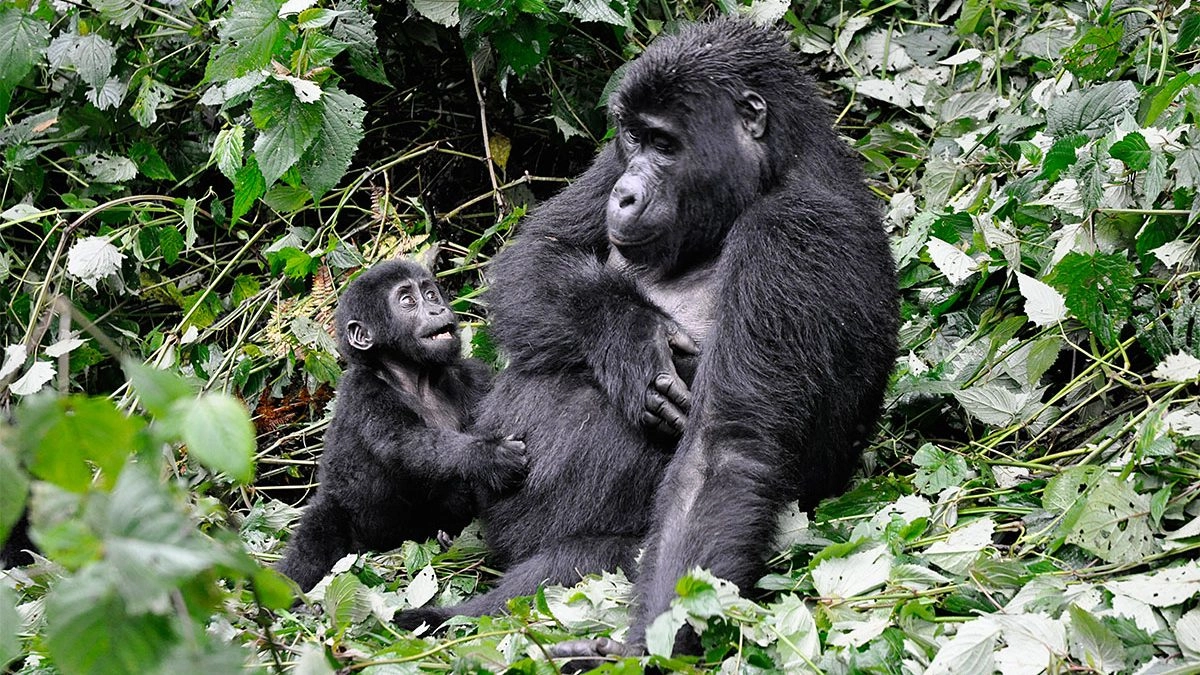
Despite its incredible attractions, Congo often carries a reputation for being unsafe due to historical conflicts, political instability, and reports of crime. While these concerns are not unfounded, they largely depend on the region and context. Many parts of the country, particularly those popular with tourists—like Virunga National Park and the city of Goma—have significantly improved their safety measures, supported by park authorities, local guides, and international organizations like International Union for Conservation of Nature. Understanding the difference between perceived risks and real risks is essential for travelers planning a visit.
Being well-informed before traveling to Congo is crucial. Knowledge about current travel advisories, health requirements, security updates, and safe areas ensures that tourists can fully enjoy their trip without unnecessary stress. Proper planning, such as booking licensed guides, arranging secure accommodations, and respecting local customs, allows visitors to experience the rich wildlife, culture, and natural landscapes of Congo safely. This preparation transforms a trip to Congo from a potentially intimidating journey into an extraordinary and memorable adventure.
Current Security Situation
Political Stability and Regions of Concern
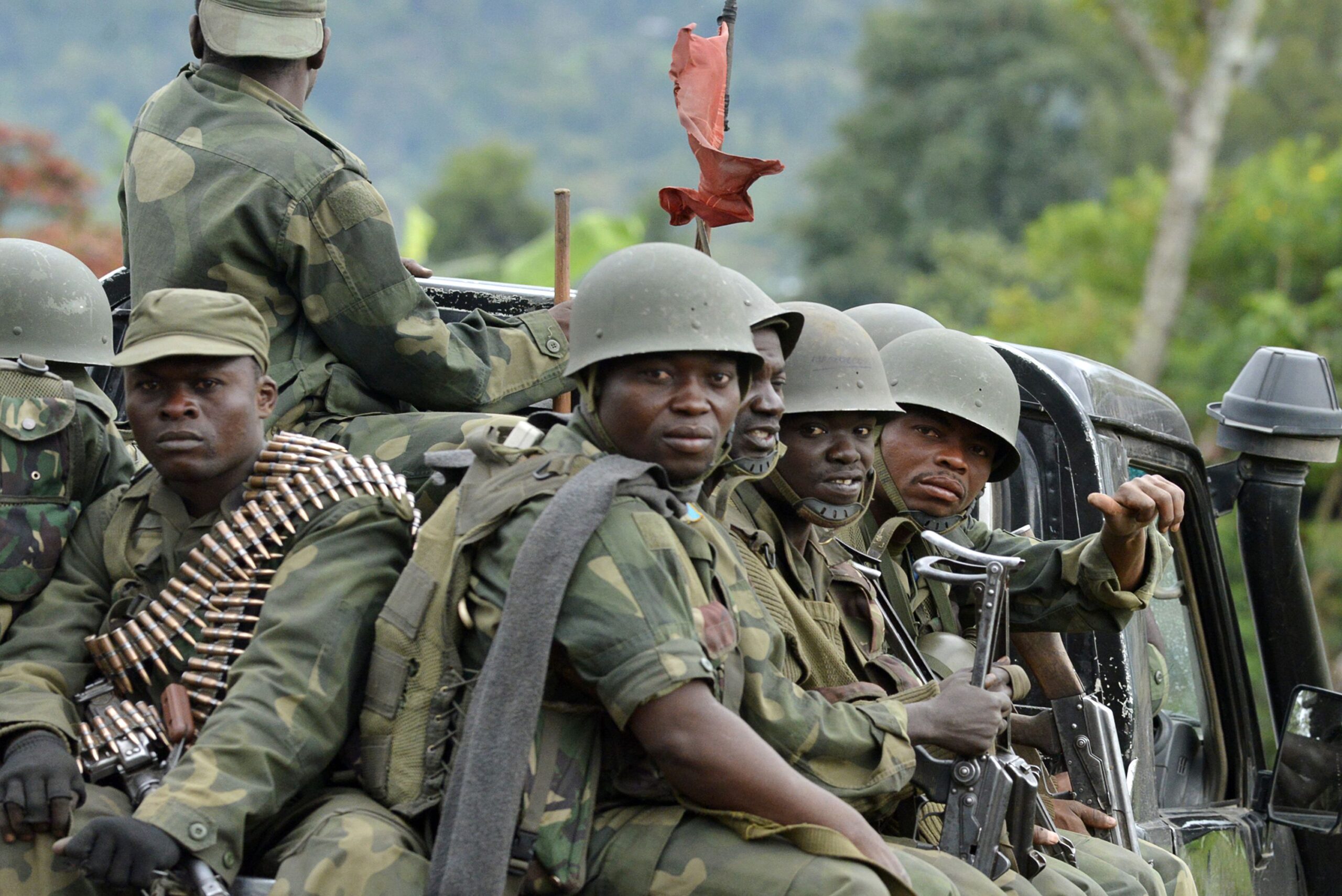
Congo has a complex political landscape shaped by decades of conflict and instability. While large-scale conflicts have decreased in recent years, certain regions—especially in the east near North Kivu, South Kivu, and Ituri provinces—remain sensitive due to occasional clashes between armed groups. Tourist areas such as Virunga National Park and Goma are generally safer, with strong security presence and coordinated park patrols, but travelers are advised to avoid non-tourist regions in the eastern provinces unless accompanied by authorized guides or operators. Central and western Congo, including the capital Kinshasa and major cities like Lubumbashi and Kisangani, have relatively stable environments, though travelers should exercise standard precautions. Staying informed through official travel advisories is essential for understanding which areas are currently safe for tourism.
Crime Levels in Major Cities
Urban areas in Congo can present challenges for tourists, including petty theft, pickpocketing, and occasional opportunistic crime. Kinshasa, as the largest city, experiences the highest concentration of such incidents, particularly in crowded markets, public transport, and tourist hubs. However, violent crime targeting foreigners is rare when common-sense precautions are followed. Travelers are advised to avoid isolated areas at night, use reputable transportation services, and keep valuables secure. Many hotels and lodges provide enhanced security measures, and guided tours significantly reduce exposure to risk.
Conflict Zones and Travel Restrictions
Certain parts of eastern Congo, especially remote border regions and territories controlled by armed militias, are not safe for independent travel. International governments often issue travel advisories warning against non-essential travel to North Kivu, South Kivu, and Ituri outside recognized tourist zones. Tourists are encouraged to travel only with licensed guides and organized safari operators, who are familiar with local conditions and security protocols. Checkpoints and military presence in these areas help maintain order, but unpredictable incidents can occur, making preparation and situational awareness vital.
Health and Safety Precautions
Required Vaccinations
Travelers visiting Congo must ensure they are up-to-date on routine vaccinations, including measles, mumps, rubella (MMR), diphtheria, tetanus, and polio. Additionally, proof of yellow fever vaccination is mandatory for entry into the country. Some visitors may also be advised to receive hepatitis A, hepatitis B, typhoid, and rabies vaccinations depending on the length and type of travel. Consulting a travel clinic before departure ensures compliance with health regulations and protection against common tropical diseases.
Health Risks (Ebola, Malaria, etc.)
Congo has experienced periodic Ebola outbreaks, particularly in the eastern provinces. Travelers should monitor official updates from the World Health Organization (WHO) and adhere strictly to health guidelines. Malaria is widespread across the country, and prophylactic medication, insect repellent, and bed nets are essential. Other mosquito-borne illnesses, waterborne diseases, and food safety risks also exist. Safe travel practices—such as avoiding untreated water, consuming cooked foods, and practicing hand hygiene—help mitigate these risks.
Access to Medical Facilities
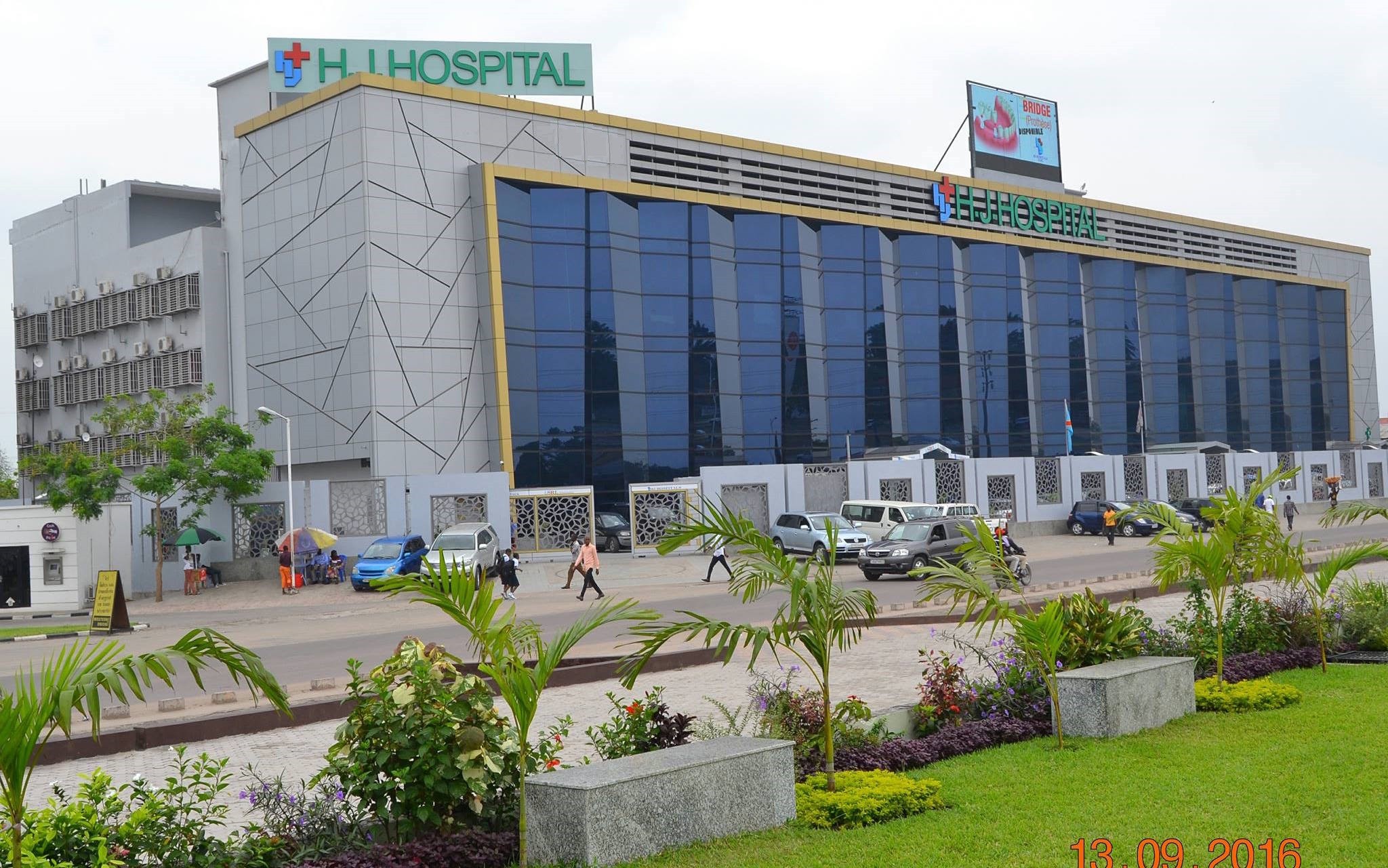
Medical infrastructure in Congo is limited, particularly outside major urban centers. Hospitals and clinics in Kinshasa and Goma are better equipped, but rural and remote areas, including safari destinations, often rely on first-aid kits and evacuation plans. Many high-end safari operators provide medical support, including trained staff and emergency evacuation arrangements to neighboring countries if needed. Travel insurance that covers medical evacuation is highly recommended to ensure timely and effective care in case of emergencies.
Tips for Staying Safe While Traveling
Safe Transportation Options
Navigating Congo requires careful planning due to variable road conditions and security considerations. In major cities, it is recommended to use licensed taxis, hotel-arranged transfers, or reputable ride-hailing services rather than public transport. For long-distance travel, domestic flights can significantly reduce exposure to road hazards and security risks, especially when traveling to remote safari destinations like Virunga or Garamba National Parks. Safari operators often provide private 4×4 vehicles equipped with trained drivers familiar with local terrain, checkpoints, and safe routes. Traveling in convoy with experienced guides further reduces potential risks in less populated areas.
Accommodation Safety
Choosing secure accommodations is a critical part of staying safe in Congo. Reputable hotels and lodges typically provide 24-hour security, controlled access, and staff trained to assist international guests. When booking lodges near parks or in major cities, look for properties recommended by established safari operators or travel organizations. For added safety, request rooms on higher floors, avoid ground-floor windows, and keep valuables in hotel safes. Luxury safari camps often combine comfort with tight security measures, giving tourists peace of mind while staying close to wildlife experiences.
Personal Safety Measures (avoiding night travel, crowds, etc.)
Travelers are advised to maintain heightened awareness in both urban and rural settings. Avoid walking alone at night, especially in poorly lit or unfamiliar areas. Minimize exposure in crowded markets or transit hubs where pickpocketing is common. Keep a low profile by avoiding flashy clothing, expensive jewelry, or openly displaying large amounts of cash. Carry only necessary identification and emergency contacts, and share travel itineraries with trusted contacts. Following guidance from local guides, especially when visiting natural reserves or conflict-adjacent areas, is crucial for minimizing risk.
Travel Insurance and Emergency Support
Importance of Comprehensive Travel Insurance
Travel insurance is essential for anyone visiting Congo due to the country’s limited medical infrastructure and occasional security risks. A comprehensive policy should cover medical emergencies, evacuation, trip cancellations, lost luggage, and theft. Many safari operators require proof of insurance prior to departure, particularly for travelers visiting remote national parks. Coverage for emergency evacuation is critical, as access to specialized medical care may require transport to larger cities or even neighboring countries.
Local Emergency Contacts
Having a list of local emergency contacts can make a critical difference in a crisis. Travelers should keep phone numbers for local authorities, park rangers, and the operator’s 24-hour contact lines. Many lodges and safari operators provide their own emergency protocols, including direct access to nearby hospitals and evacuation resources. It is recommended to store these contacts both digitally and on paper in case mobile connectivity is lost.
Embassy and Consular Assistance
Embassies and consulates play a vital role in supporting tourists during emergencies, whether for medical, legal, or security situations. Travelers should know the location and contact information of their country’s diplomatic missions in Kinshasa or Goma. Services may include guidance on medical evacuation, assistance in reporting crimes, and updates on local security developments. Registering with your embassy before travel can ensure faster response times and additional resources if emergencies arise.
Safe Tourist Attractions
Popular Parks and Wildlife Safaris (e.g., Virunga, Garamba)
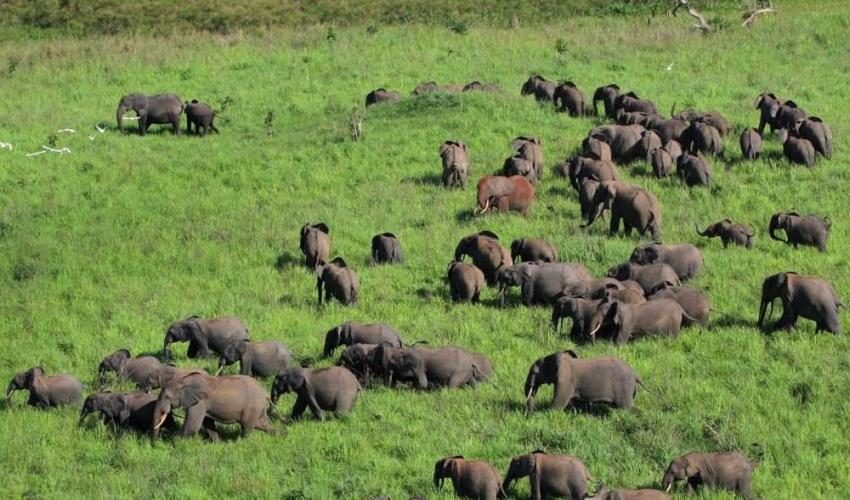
Congo is home to some of Africa’s most unique and adventurous wildlife destinations. Virunga National Park, a UNESCO World Heritage site, offers visitors the rare opportunity to track mountain gorillas, see active volcanoes, and spot wildlife such as elephants, hippos, and okapis. Similarly, Garamba National Park provides classic African savannah safari experiences, with chances to observe elephants, lions, and a variety of antelope species. These parks are patrolled by trained rangers, and most safaris are organized through licensed operators, ensuring a safe and structured experience for visitors.
Cultural and Historical Sites
Beyond wildlife, Congo has a rich tapestry of culture and history. In Kinshasa, tourists can explore local markets, museums, and music scenes that highlight the country’s vibrant urban culture. Smaller towns and villages provide opportunities to engage with local communities, learn traditional crafts, and participate in cultural ceremonies. Travelers are encouraged to approach cultural experiences with respect, guided by knowledgeable locals or reputable operators to ensure both safety and meaningful engagement.
Guided Tours vs. Independent Travel
While independent travel may appeal to adventurous tourists, guided tours are strongly recommended in Congo. Licensed guides and safari operators provide in-depth local knowledge, navigation through secure routes, and up-to-date information on areas to avoid. Guided tours also reduce logistical challenges, including transportation, accommodation bookings, and emergency support. Independent travel is feasible only in well-established urban areas or tourist zones with clear safety protocols; elsewhere, professional guidance is crucial for safety.
Best Practices for Travelers
Hiring Licensed Guides
Engaging a licensed guide is essential for exploring Congo’s national parks and remote areas. Guides not only enhance wildlife experiences with expert knowledge but also ensure that travelers avoid unsafe regions, navigate checkpoints, and adhere to park rules. Most reputable tour operators provide trained guides, drivers, and sometimes security escorts in high-risk zones.
Staying Updated on Local News
Congo’s safety landscape can change rapidly. Travelers should monitor local news, official government advisories, and updates from safari operators. Staying informed about demonstrations, border issues, or sudden outbreaks helps tourists adjust plans and avoid potentially unsafe areas. Mobile apps, radio broadcasts, and embassy alerts are reliable sources for real-time information.
Respecting Local Customs and Laws
Understanding and respecting local customs and laws is both a safety measure and a way to enrich travel experiences. Dress modestly in certain regions, ask permission before photographing locals, and follow guidance on cultural norms. Compliance with local regulations reduces the risk of misunderstandings with authorities and fosters positive interactions with communities.
Conclusion
Traveling to the Democratic Republic of Congo can be an extraordinary and unforgettable experience, offering unmatched wildlife encounters, lush landscapes, and a rich cultural heritage. Safety concerns are often highlighted in global media, but with proper preparation, tourists can enjoy the country responsibly and securely. Key safety considerations include avoiding conflict-prone areas, using licensed guides for safaris and remote travel, adhering to health precautions, securing accommodations, and staying informed through official sources and local contacts.
With these measures in place, visitors can confidently explore Congo’s diverse attractions—from the misty slopes of Virunga National Park and the vast savannahs of Garamba to vibrant urban centers and traditional villages—while minimizing risks. Proper planning, situational awareness, and respect for local customs transform potential challenges into rewarding and safe adventures. Congo remains a destination for the intrepid traveler who values unique wildlife, cultural immersion, and off-the-beaten-path exploration.
Frequently Asked Questions
Are there regions of Congo that are safer than others?
Yes. Tourist-friendly areas such as Virunga National Park, Garamba National Park, and major cities like Kinshasa and Goma are generally considered safe, especially when visited with licensed guides. Conversely, remote eastern regions outside established tourist zones may still experience sporadic security issues and should be approached with caution.
Is it safe to travel independently or only with guided tours?
While independent travel is feasible in urban centers and recognized tourist areas, guided tours are strongly recommended for remote regions, wildlife safaris, and areas near conflict zones. Licensed guides provide expertise, local knowledge, and access to secure routes, enhancing both safety and experience.
What vaccinations are required for tourists?
Travelers must have a yellow fever vaccination certificate to enter Congo. Other recommended vaccinations include tetanus, diphtheria, polio, hepatitis A and B, typhoid, and rabies, depending on the travel itinerary. Consulting a travel clinic is strongly advised.
How reliable is local transport for tourists?
Urban transport in Congo is reliable when using licensed taxis, hotel-arranged transfers, and reputable ride services. Roads to remote areas can be challenging; therefore, domestic flights or private 4×4 vehicles with trained drivers are safer options for long-distance travel.
Are wildlife safaris safe for visitors?
Yes, when organized through licensed safari operators like Pieland Gorilla Safaris. Parks like Virunga and Garamba have well-trained rangers, structured routes, and emergency protocols, ensuring safe wildlife viewing experiences. Following park rules and guide instructions is essential.
Can tourists access medical help in case of emergencies?
Medical facilities exist in major cities such as Kinshasa and Goma. Remote areas rely on safari operator support and emergency evacuation plans. Comprehensive travel insurance covering medical evacuation is highly recommended.
How can I stay updated on travel advisories while in Congo?
Monitor official government advisories, embassy notifications, local news outlets, and information provided by safari operators. Mobile apps, radio, and news websites are useful for real-time updates on security and health conditions.
Do hotels and lodges provide sufficient security?
Reputable hotels and safari lodges typically offer 24-hour security, controlled access, and trained staff. Choosing accommodations recommended by trusted tour operators ensures higher safety standards.
Is it safe to carry cash or cards?
Carrying moderate amounts of cash in secure locations is acceptable, but avoid displaying valuables publicly. Using hotel safes and minimizing cash on hand helps reduce the risk of theft. Credit and debit cards are widely accepted in urban areas but may not be usable in remote regions.
Are there restrictions for tourist photography in certain areas?
Some cultural or sensitive sites may restrict photography. Always ask for permission before photographing locals, religious sites, or security-related areas. Guides can advise on appropriate locations and behaviors.
Is Congo safe for tourists?
Yes, Congo is generally safe for tourists when proper precautions are taken. Visiting well-established tourist areas, traveling with licensed guides, and staying informed about security and health updates ensures a safe and enjoyable experience.
Is Congo safe for tourists on solo traveling?
Solo travel in Congo is possible but requires extra caution. It is recommended to stay in major cities or recognized tourist zones, avoid traveling at night, and use licensed guides for excursions or remote destinations to ensure safety.
Is Congo safe for tourists on group traveling?
Yes, group travel is safer in Congo, especially when organized with a reputable tour operator. Groups benefit from experienced guides, structured itineraries, and additional security measures, reducing the risk of incidents and providing support in emergencies.
Is Congo safe for tourists on family safaris?
Congo can be safe for family safaris if trips are carefully planned. Choosing family-friendly lodges, guided tours, and secure wildlife parks like Virunga or Garamba ensures children and adults can enjoy the experience safely. Health precautions, vaccinations, and child-appropriate activities are also important considerations.
Is Congo safe for tourists on wildlife safari?
Yes, wildlife safaris in Congo are generally safe when conducted with licensed guides and park rangers. Structured safari routes, ranger escorts, and emergency protocols in parks such as Virunga and Garamba provide safe encounters with wildlife.
Is Congo safe for tourists on short safaris?
Short safaris, lasting a few days, are safe when visiting well-established areas with experienced operators. They allow tourists to experience key attractions while minimizing exposure to remote or higher-risk regions.
Is Congo safe for tourists on long safaris?
Longer safaris can also be safe if carefully organized with professional guides, secure accommodations, and proper health and safety planning. Extended itineraries should avoid unstable regions and include contingency plans for medical emergencies or travel disruptions.
Would you like to visit Congo?
Talk to a Congo safari expert.