
Kahuzi-Biega National Park | Congo Gorilla Trekking Destination
Kahuzi-Biega National Park is one of the most biologically rich rainforests in Congo offering a rare combination of jungle experience. This unique ecological blend supports an extraordinary variety of species, many of which are endemic and globally significant. The park is best known for protecting one of the last strongholds of the Eastern Lowland Gorilla (Grauer’s gorilla), making it a critical conservation area in the Congo Basin.
What is Kahuzi-Biega National Park Famous for
Home of Eastern Lowland Gorillas (Grauer’s Gorillas)
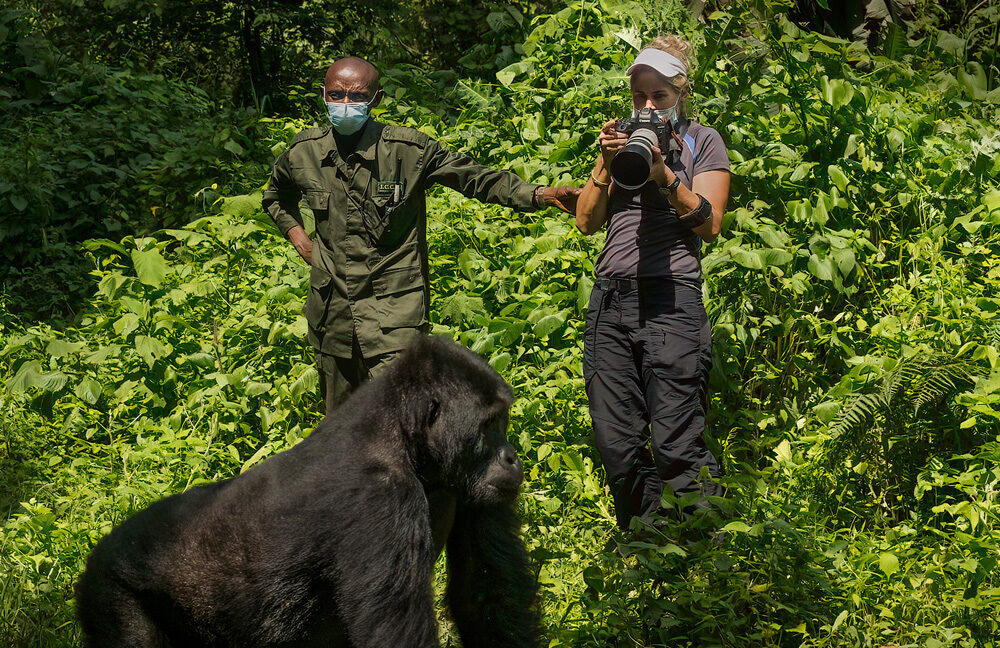
The most iconic species in the park is the Eastern Lowland Gorilla, the largest of all gorilla subspecies. These gentle giants inhabit the thick tropical forests of Kahuzi-Biega, particularly in the lowland sectors where food sources are abundant and terrain is less steep. They live in family groups led by a dominant silverback, and their behavior is similar to other gorilla populations, with strong social bonds, feeding routines, and nurturing interactions.
Tracking these gorillas is one of the most remarkable wildlife experiences in Africa. Treks often begin early in the morning and take visitors deep into the forest, where encounters can include observing gorillas feeding, resting, or interacting within their family groups. Because of their endangered status, sightings are carefully regulated and strictly monitored by park rangers to ensure minimal disturbance.
Beyond gorillas, Kahuzi-Biega National Park hosts a wide range of mammals that thrive within its dense rainforest environment. Forest elephants move silently through the vegetation, playing a key role in shaping the ecosystem by dispersing seeds and creating forest pathways. Other species include chimpanzees, bush pigs, forest hogs, and several species of duikers that are commonly seen along forest edges and clearings.
Smaller primates such as blue monkeys, red-tailed monkeys, and colobus monkeys are frequently observed in the canopy, adding movement and life to the forest layers. Nocturnal species also inhabit the park, including various small carnivores and rodents that contribute to the ecological balance of the forest system.
Birdlife and Endemic Species
Kahuzi-Biega is also a paradise for bird enthusiasts, with a rich diversity of both Albertine Rift endemics and Congo Basin forest specialists. The park’s varied habitats, from swampy lowlands to high-altitude forests, support hundreds of bird species, making it one of the most important birding destinations in the region.
Notable species include the Congo peafowl, African green broadbill, Ruwenzori turaco, and several species of hornbills and sunbirds. The dense canopy and layered forest structure provide ideal nesting and feeding grounds, ensuring year-round bird activity. Many of these species are rare and highly sought after by ornithologists and birdwatchers exploring Central Africa.
Together, the mammals, primates, and birdlife create a deeply interconnected ecosystem, making Kahuzi-Biega National Park one of the most important biodiversity hotspots in the Democratic Republic of Congo and the entire Albertine Rift region.
Gorilla Trekking Experience in Kahuzi-Biega National Park
Gorilla trekking in Kahuzi-Biega National Park is one of the most intimate and authentic wildlife encounters in Africa. Unlike more crowded safari destinations, trekking here takes place in a remote, dense rainforest where visitors track Eastern Lowland Gorillas (Grauer’s Gorillas) in their natural, untouched habitat. The experience is guided by expert rangers and trackers who follow fresh signs such as nests, feeding trails, and vocalizations to locate the gorilla families.
Trekking Sectors
Gorilla trekking in Kahuzi-Biega is mainly conducted in the lowland sector of the park, which is the most accessible and commonly used area for tracking Eastern Lowland Gorillas. This sector is characterized by thick tropical forest, bamboo zones, swampy clearings, and wide feeding grounds that support large gorilla families.
The park is divided into distinct ecological zones, but most trekking activity focuses on ranger-established routes within the lowland forest. Each trek is assigned based on gorilla group movements, ensuring visitors have the best chance of a successful encounter while maintaining strict conservation control.
Trek Duration and Difficulty
The duration of a gorilla trek in Kahuzi-Biega National Park varies depending on the location of the gorilla family on that specific day. Treks typically last between 2 to 6 hours, although in some cases they may extend longer if the gorillas move deeper into the forest.
The difficulty level is generally considered moderate to challenging, mainly due to dense vegetation, muddy trails, and uneven terrain. However, the lowland sector is less steep compared to mountain gorilla habitats, making it relatively more accessible for most fit travelers. Porters are available at the park entrance to assist with luggage and support visitors through difficult sections of the forest.
What to Expect During the Trek
A typical gorilla trekking experience begins early in the morning with a briefing at the park headquarters. Here, rangers explain the rules, assign trekking groups, and provide essential safety guidelines to ensure responsible wildlife viewing.
Once inside the forest, the trek unfolds through thick vegetation, narrow trails, and natural clearings as trackers guide the group toward the gorilla family’s last known location. The atmosphere is immersive, with sounds of birds, rustling leaves, and distant animal calls enhancing the sense of wilderness.
Upon locating the gorillas, visitors are allowed to spend a strictly regulated hour observing them. During this time, you may witness silverbacks monitoring their group, mothers caring for infants, juveniles playing, and individuals feeding or resting peacefully. The experience is quiet, respectful, and deeply moving, offering a rare glimpse into the life of one of humanity’s closest relatives in a pristine rainforest setting.
Best Time to Visit Kahuzi-Biega National Park
The best time to visit Kahuzi-Biega National Park is generally during the dry seasons, when forest trails are more accessible and gorilla trekking conditions are easier. The park experiences a tropical climate, meaning it can be visited year-round, but weather conditions strongly influence trekking comfort and visibility.
The main dry season runs from May to September, with June to August offering the most stable conditions for trekking. During this period, rainfall is lower, forest paths are less muddy, and hiking through the lowland rainforest becomes more manageable. A shorter dry season also occurs from December to February, which is another good window for travel, especially for visitors combining Congo with Rwanda safari circuits.
The rainy seasons occur from March to May and October to November. These months bring heavier rainfall, which makes trails slippery and more physically demanding. However, the forest is at its greenest and most vibrant during this time, and gorilla trekking can still be done successfully with proper preparation.
In summary, while Kahuzi-Biega National Park is a year-round destination, the best overall experience for gorilla trekking is during the dry months (May–September and December–February) when conditions are safer and more comfortable.
How to Get to Kahuzi-Biega National Park
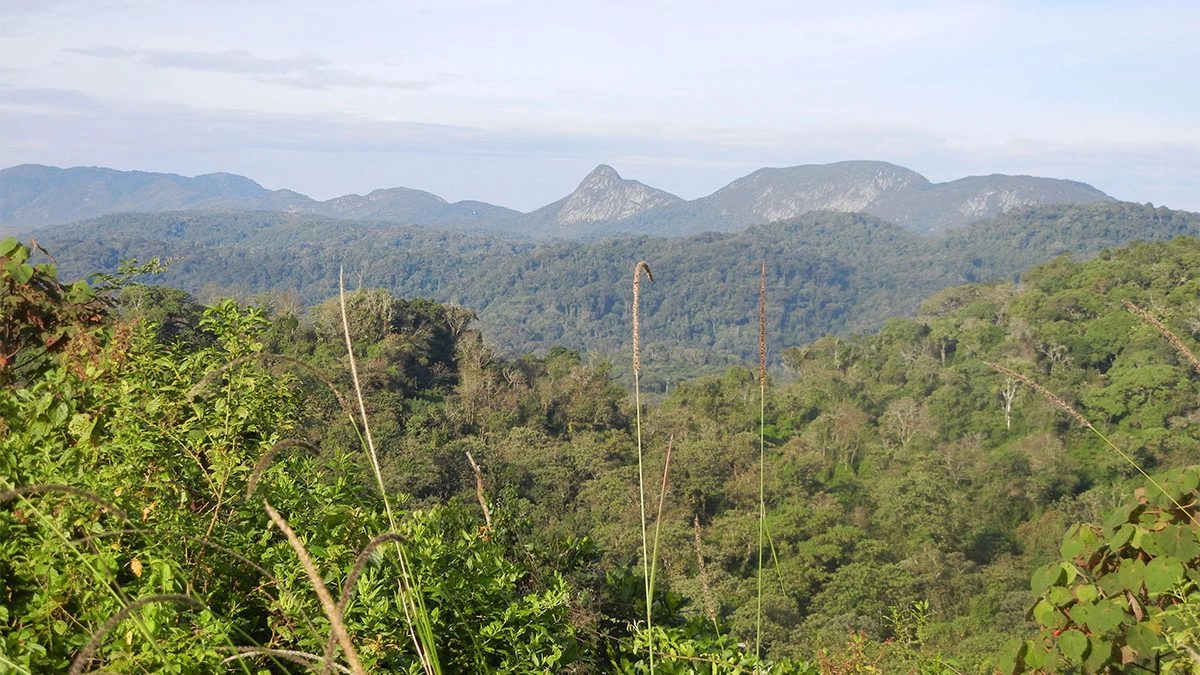
Kahuzi-Biega National Park is located in South Kivu Province in eastern Democratic Republic of Congo, near the city of Bukavu and close to Lake Kivu. Access to the park is possible through several regional routes depending on your starting point.
The most common entry point is Bukavu, which is about 30–40 km from the park headquarters. From Bukavu, the drive takes approximately 1 to 2 hours depending on road conditions.
For international travelers, the most popular route is through Rwanda. Visitors fly into Kigali International Airport and then drive approximately 5–7 hours to Bukavu via the Rusizi/Cyangugu border crossing before continuing to the park. This is the most reliable and commonly used route for safari travelers.
Another option is flying into Goma Airport, followed by a long road journey of about 5–6 hours to Bukavu, and then onward to the park. Boat transport across Lake Kivu between Goma and Bukavu is also available and offers a scenic alternative, taking around 2–6 hours depending on the vessel type.
Because of the region’s terrain, most visitors use 4×4 safari vehicles with experienced drivers and guides, ensuring safe navigation through rural and mountainous roads.
Accommodation Options Near the Park
Accommodation for Kahuzi-Biega National Park is mainly based in Bukavu town, which serves as the main gateway for gorilla trekking. The town offers a range of lodges and hotels suited to different budgets, from simple guesthouses to high-end safari-style stays.
Luxury Lodges
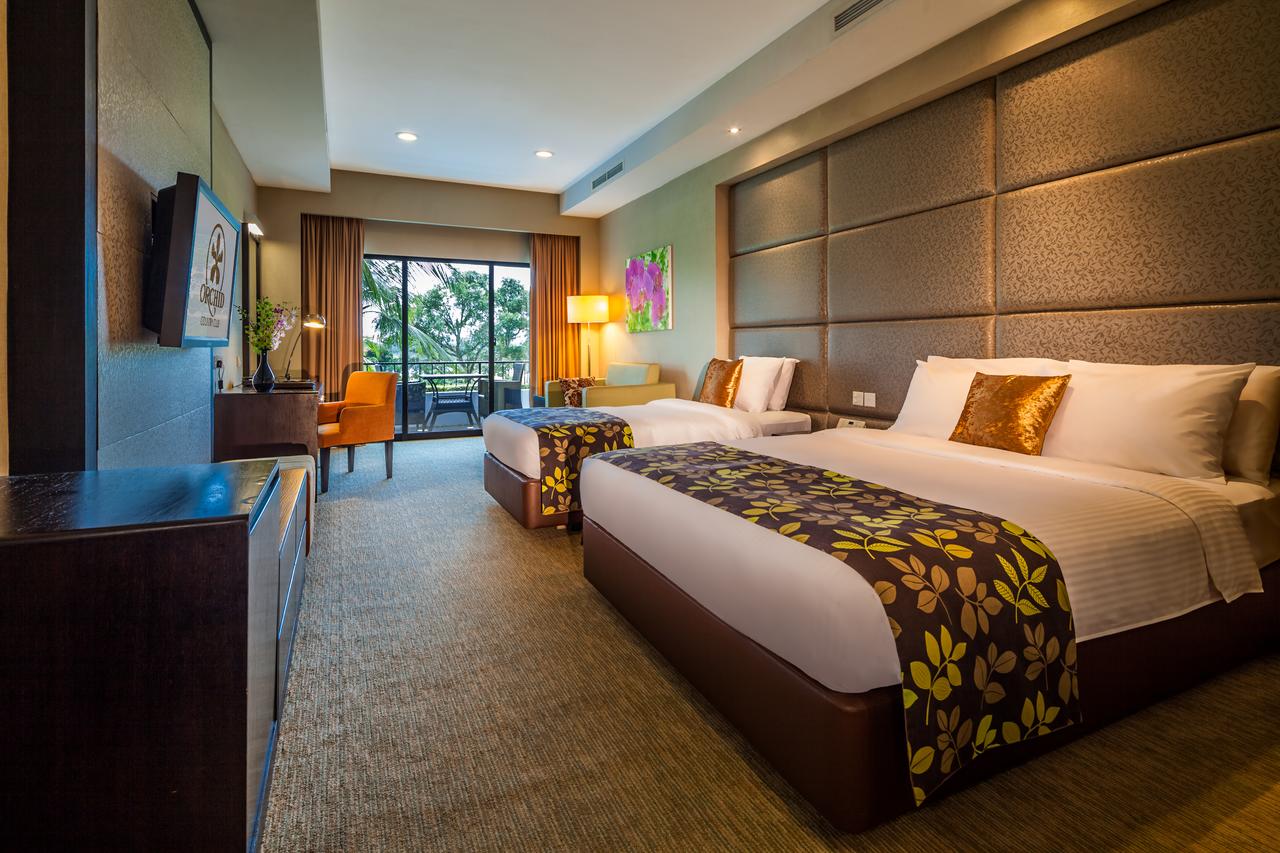
Luxury accommodation in Bukavu focuses on comfort, scenic lake views, and personalized service. These lodges typically offer spacious rooms, private bathrooms, gourmet dining, and relaxing environments overlooking Lake Kivu or surrounding hills. They are ideal for travelers seeking comfort after a challenging rainforest trek.
Midrange Lodges
Midrange options provide a balance between affordability and comfort. These lodges usually offer clean, well-furnished rooms, restaurant services, hot showers, and reliable transport arrangements to the park. They are the most popular choice for gorilla trekking visitors due to good value and convenience.
Budget Stays
Budget accommodation includes small hotels, guesthouses, and basic lodges in Bukavu. These options are simple but functional, offering essential amenities such as beds, meals, and basic security. They are suitable for backpackers or travelers focusing more on experience than luxury comfort.
Activities in and Around Kahuzi-Biega National Park
Kahuzi-Biega National Park offers a rich mix of rainforest adventures, cultural encounters, and scenic lake experiences. The park is not only famous for gorilla trekking but also for its immersive nature-based activities that allow visitors to explore the wider ecosystem of eastern Congo.
Gorilla Trekking
Gorilla trekking is the signature activity in Kahuzi-Biega National Park and the main reason most visitors travel here. The park is home to the endangered Eastern Lowland Gorillas (Grauer’s gorillas), the largest gorilla subspecies in the world.
Treks begin early in the morning from the park headquarters after a briefing by rangers. Visitors then enter the dense tropical rainforest in search of habituated gorilla families. The trek can take a few hours depending on the movement of the gorillas, but the reward is a full hour spent observing them in their natural environment. Watching them feed, groom, play, and interact in family groups is a deeply emotional and unforgettable wildlife experience.
Nature Walks and Forest Hikes
Beyond gorilla trekking, Kahuzi-Biega offers guided nature walks that take visitors deeper into its untouched rainforest. These walks allow you to experience the park’s rich vegetation zones, from lowland tropical forests to higher-altitude montane ecosystems.
During these hikes, visitors may encounter waterfalls, rare plant species, forest birds, and small primates. The experience is slower-paced compared to gorilla trekking, making it ideal for photography, birdwatching, and learning about the forest ecosystem from experienced local guides. The peaceful atmosphere of the forest makes it one of the most immersive nature experiences in Central Africa. There is also hiking at Mount Biega and Mount Kahuzi.
Cultural Visits
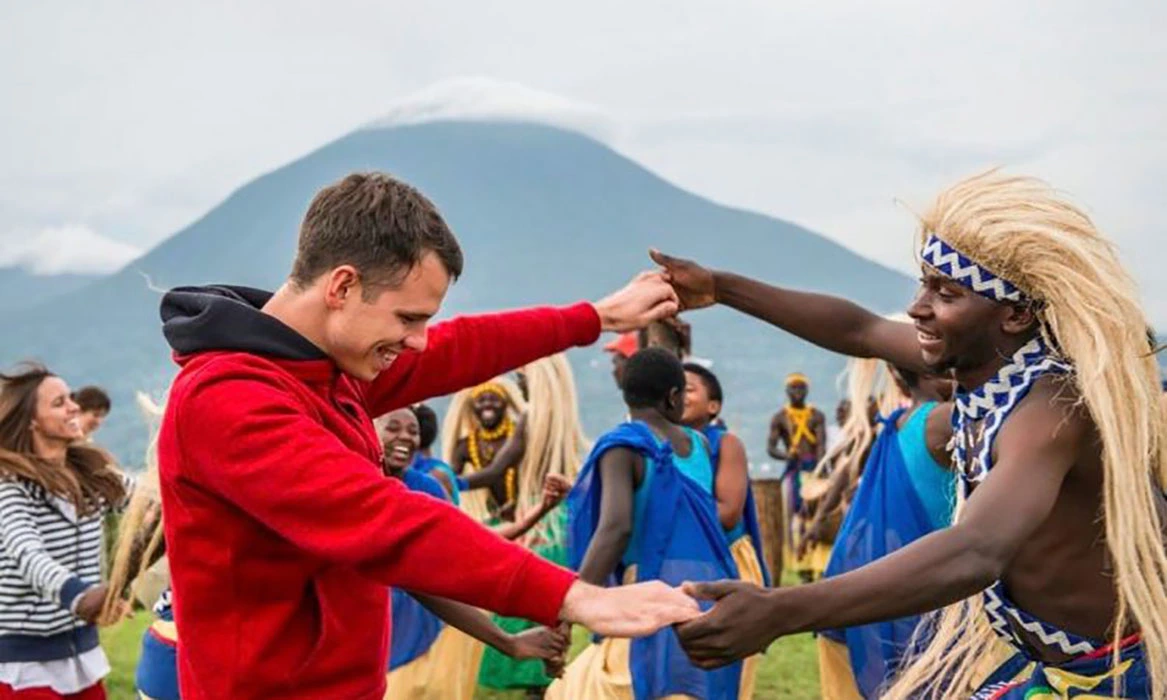
The communities around Bukavu and the park offer meaningful cultural experiences that complement wildlife adventures. Visitors can engage with local Congolese communities to learn about traditional lifestyles, music, dance, and craft-making.
Cultural visits often include interactions with local farmers, artisans, and village groups who share insights into daily life in eastern Congo. These experiences provide a deeper understanding of how local communities coexist with the forest and participate in conservation efforts. Traditional performances and storytelling sessions are also common highlights.
Lake Kivu Excursions
Lake Kivu is one of the most beautiful freshwater lakes in Africa and lies just a short distance from Kahuzi-Biega National Park. It offers a perfect relaxation escape after trekking adventures in the forest.
Visitors can enjoy boat cruises, island visits, kayaking, or simply relax along the lakeside in Bukavu. The lake is surrounded by rolling green hills, fishing villages, and scenic viewpoints that create a calm and refreshing contrast to the dense rainforest. Sunset cruises on Lake Kivu are especially popular, offering stunning views as the sun sets over the water and surrounding mountains.
Permits and Entry Requirements
To visit Kahuzi-Biega National Park, visitors are required to obtain a valid gorilla trekking permit, which is issued by park authorities or authorized tour operators. The permit is essential for anyone participating in gorilla trekking activities and helps support conservation and community development programs.
Visitors must be at least 15 years old to participate in gorilla trekking. Each trekking group is strictly limited to a small number of visitors per day to protect the gorillas and minimize human impact on their habitat.
A valid passport is required for registration, and travelers are advised to book permits in advance, especially during peak travel seasons. This ensures availability and allows proper coordination of trekking logistics, including guides, park entry, and safety briefings.
All visitors are required to follow strict conservation guidelines during their visit, including maintaining safe distances from gorillas, avoiding direct contact, and following ranger instructions at all times. These rules are in place to protect both visitors and wildlife while ensuring the long-term survival of this endangered species.
Safety and Travel Tips
Visiting Kahuzi-Biega National Park is a rewarding but remote rainforest experience, and preparation is essential to ensure a safe and smooth trip. The park is generally safe for tourists when visits are arranged through licensed tour operators and guided by official park rangers, who accompany all trekking and hiking activities.
Because the park is located in eastern Democratic Republic of Congo, travelers should always stay informed about current regional conditions and follow official travel advisories. Movement within the park is strictly controlled, and visitors must never explore independently. All activities are conducted under ranger supervision to ensure both visitor safety and wildlife protection.
Appropriate clothing is important due to the dense forest environment. Lightweight, long-sleeved clothing helps protect against insects and thorny vegetation, while sturdy waterproof hiking boots are essential for muddy and uneven trails. A rain jacket is recommended at any time of year because weather conditions in tropical forests can change quickly.
It is also advisable to carry essentials such as drinking water, insect repellent, gloves for vegetation, and a small backpack. Physical fitness is important for gorilla trekking, as trails can be steep, slippery, and unpredictable. Hiring a porter is strongly encouraged, as it supports local communities and makes the trek significantly easier.
Health precautions should also be considered. Travelers are advised to check routine vaccinations before visiting and carry basic first aid supplies. Respect for wildlife is critical—visitors must maintain a minimum distance from gorillas, avoid loud behavior, and follow all ranger instructions without exception.
Overall, safety in Kahuzi-Biega National Park is well-managed within the trekking system, and with proper preparation, visitors can enjoy a secure and unforgettable rainforest experience.
Conservation Efforts and Challenges
Kahuzi-Biega National Park is one of the most important conservation areas in Africa, playing a critical role in protecting the endangered Eastern Lowland Gorillas (Grauer’s Gorillas) and the wider biodiversity of the Congo Basin rainforest. The park is a UNESCO World Heritage Site, recognized for its global ecological significance.
Conservation efforts in the park focus heavily on gorilla protection, anti-poaching patrols, habitat preservation, and community engagement. Ranger teams regularly monitor gorilla families, track population movements, and protect them from illegal hunting and habitat encroachment. Tourism revenue from gorilla permits directly contributes to these conservation activities and supports local communities living around the park.
Community-based conservation programs are also a key part of the park’s protection strategy. Local communities are involved in guiding, porter services, and cultural tourism initiatives, which helps reduce dependence on forest exploitation while creating alternative income sources linked to tourism.
Despite these efforts, the park faces significant challenges. Illegal mining, deforestation, and past political instability in eastern Congo have all impacted conservation progress. Human-wildlife conflict and pressure on natural resources also continue to pose risks to the ecosystem. In some areas, maintaining full protection of the park remains difficult due to its vast and remote terrain.
However, ongoing collaboration between conservation organizations, government authorities, and international partners is helping to strengthen protection measures. Increased tourism interest in gorilla trekking also provides vital funding that supports long-term conservation goals.
Overall, Kahuzi-Biega National Park represents both a conservation success story and an ongoing challenge—where fragile ecosystems are being actively protected to ensure that future generations can continue to experience one of Africa’s most remarkable rainforest environments.
Suggested Itineraries
2-Day Gorilla Trek Experience
A 2-day visit to Kahuzi-Biega National Park is designed for travelers with limited time who still want to experience one of Africa’s rarest wildlife encounters—tracking the Eastern Lowland Gorillas. This short itinerary typically begins with arrival in Bukavu or transfer from Rwanda via the Rusizi border, followed by an overnight stay in a nearby lodge.
On the second day, visitors head early to the park headquarters for briefing before entering the rainforest for gorilla trekking. The trek can last several hours depending on the location of the gorilla family, but the highlight is spending a full hour observing them in their natural habitat. After the experience, travelers return to Bukavu for departure or onward transfer. This itinerary is fast-paced but highly rewarding for those focused mainly on gorilla trekking.
3–5 Day Congo Safari Extension
A 3 to 5-day safari extension offers a more relaxed and immersive experience in eastern Congo, combining gorilla trekking with cultural and scenic activities. Travelers typically arrive via Kigali or Goma and cross into Bukavu before settling into a lakeside lodge overlooking Lake Kivu.
Day two or three is dedicated to gorilla trekking in Kahuzi-Biega National Park, followed by time to rest and reflect at the lodge. Additional days can include guided nature walks in the forest, cultural visits to local communities, and boat excursions on Lake Kivu. This extension allows travelers to fully experience the region’s biodiversity, landscapes, and cultural richness without rushing.
The longer itinerary is ideal for photographers, wildlife enthusiasts, and adventure travelers seeking a deeper connection with the Congo rainforest ecosystem.
Why Visit Kahuzi-Biega National Park
Kahuzi-Biega National Park is one of the most unique and rewarding safari destinations in Africa, offering an authentic rainforest experience that remains largely untouched by mass tourism. It is one of the few places in the world where visitors can encounter the endangered Eastern Lowland Gorillas in their natural habitat, making it a truly rare wildlife destination.
Unlike more commercial safari parks, Kahuzi-Biega provides a raw and immersive jungle experience where every trek feels personal and adventurous. The dense rainforest, rich biodiversity, and peaceful natural environment create a sense of isolation and discovery that is increasingly rare in modern travel.
The park is also significant for conservation, playing a vital role in protecting one of the most threatened gorilla populations on the planet. Visiting the park directly contributes to conservation efforts and supports local communities through sustainable tourism.
Its location near Lake Kivu adds even more value, allowing travelers to combine rainforest trekking with scenic relaxation by one of Africa’s most beautiful lakes. This combination of wildlife, culture, and landscapes makes Kahuzi-Biega a standout destination for adventurous travelers exploring Central and East Africa.
In essence, Kahuzi-Biega National Park offers more than just a safari—it delivers a deep, meaningful, and unforgettable encounter with nature at its most raw and beautiful form.
Frequently Asked Questions About Kahuzi-Biega National Park
What is Kahuzi-Biega National Park best known for?
Kahuzi-Biega National Park is best known for being one of the few places in the world where you can trek the endangered Eastern Lowland Gorillas, also called Grauer’s gorillas. It is also a UNESCO World Heritage Site due to its exceptional biodiversity and dense Congo rainforest ecosystem.
Where is Kahuzi-Biega National Park located?
The park is located in eastern Democratic Republic of Congo, near the town of Bukavu in South Kivu Province. It lies close to Lake Kivu and forms part of the larger Congo Basin rainforest region.
How do I get to Kahuzi-Biega National Park?
Most travelers access the park through Kigali in Rwanda, then drive to Bukavu via the Rusizi border crossing. From Bukavu, it takes about 1–2 hours by road to reach the park headquarters.
Is it safe to visit Kahuzi-Biega National Park?
Yes, it is generally safe when visiting with licensed tour operators and park rangers. All activities inside the park are guided and controlled. Travelers are advised to follow official travel advisories and avoid independent travel in remote areas.
What animals can I see in Kahuzi-Biega National Park?
The park is home to Eastern Lowland Gorillas, forest elephants, chimpanzees, monkeys such as colobus and blue monkeys, duikers, bush pigs, and a wide variety of forest birds and reptiles.
How difficult is gorilla trekking in Kahuzi-Biega?
Gorilla trekking is moderately challenging. The terrain includes dense forest, muddy paths, and uneven ground. However, it is generally less steep than mountain gorilla trekking, making it suitable for reasonably fit travelers.
How long does gorilla trekking take?
Trekking can take anywhere from 2 to 6 hours depending on the movement of the gorilla family. Once located, visitors spend one hour observing the gorillas.
How much does a gorilla trekking permit cost?
Permit prices can vary depending on government regulations and tourism policies. Visitors are advised to check with licensed operators or park authorities for the most up-to-date rates before travel.
What is the minimum age for gorilla trekking?
The minimum age for gorilla trekking in Kahuzi-Biega National Park is 15 years. This rule is strictly enforced for safety and conservation reasons.
What is the best time to visit Kahuzi-Biega National Park?
The best time to visit is during the dry seasons, from May to September and December to February, when forest trails are more accessible and trekking conditions are easier.
Can I visit Kahuzi-Biega National Park all year round?
Yes, the park is open throughout the year. However, rainy seasons can make trekking more difficult due to muddy and slippery trails.
What should I wear for gorilla trekking?
Visitors should wear long-sleeved shirts, long trousers, waterproof hiking boots, gloves, and a rain jacket. Neutral colors are recommended to blend with the forest environment.
Do I need a guide to enter the park?
Yes, all visitors must be accompanied by official park rangers and guides. Independent trekking is not allowed inside Kahuzi-Biega National Park.
Are porters available during trekking?
Yes, porters are available at the park entrance. They help carry bags and assist visitors on difficult terrain, and hiring them also supports local communities.
How fit do I need to be for the trek?
A moderate level of fitness is required. While not extremely difficult, trekking involves walking through dense forest for several hours in humid conditions.
What is the difference between lowland and mountain gorillas?
Lowland gorillas are larger, with broader bodies and shorter hair compared to mountain gorillas. They live in low-altitude tropical forests, while mountain gorillas live in high-altitude volcanic regions.
How many gorilla families are in Kahuzi-Biega?
The park has several habituated gorilla families available for trekking, though numbers may change depending on conservation status and monitoring updates.
Can I combine Kahuzi-Biega with other destinations?
Yes, it is commonly combined with Lake Kivu, Virunga National Park, or Rwanda safari destinations like Volcanoes National Park and Kigali city tours.
What accommodation is available near the park?
Most accommodation is located in Bukavu and includes luxury lakeside lodges, midrange hotels, and budget guesthouses suitable for different travel styles.
Is Lake Kivu close to Kahuzi-Biega National Park?
Yes, Lake Kivu is very close to the park and can be visited before or after gorilla trekking for relaxation, boat trips, and scenic views.
What should I pack for the trip?
Essential items include hiking boots, rain gear, insect repellent, gloves, sunscreen, a day backpack, reusable water bottle, and a camera with extra batteries.
Do I need vaccinations before visiting?
Yes, travelers are generally advised to have routine vaccinations and may be required to show proof of yellow fever vaccination depending on entry requirements.
Is internet and mobile network available?
Network coverage is available in Bukavu and some surrounding areas, but it becomes limited or unavailable inside the forest.
Can I take photos during gorilla trekking?
Yes, photography is allowed, but flash photography is strictly prohibited to avoid disturbing the gorillas.
How close can I get to the gorillas?
Visitors must maintain a minimum safe distance of about 7 meters, although gorillas may sometimes move closer naturally.
What happens if it rains during the trek?
Trekking continues even in rain, and visitors are advised to carry waterproof gear. The rainforest remains active and wildlife can still be observed.
Are children allowed on gorilla trekking?
No, children under 15 years are not allowed to participate in gorilla trekking for safety and conservation reasons.
Can I book permits on arrival?
It is highly recommended to book permits in advance due to limited daily availability and high demand during peak seasons.
Is Kahuzi-Biega crowded like other safari parks?
No, it is much less crowded compared to other gorilla trekking destinations, offering a more private and intimate wildlife experience.
What language is spoken in the region?
French and Swahili are widely spoken, and English is understood in most tourism-related services.
Is tipping expected in Kahuzi-Biega?
Tipping is not mandatory but is appreciated, especially for guides, rangers, and porters who assist during the trek.
Can I visit during political instability?
Travel depends on current security conditions. Visitors should always check updated travel advisories and rely on licensed operators for safe planning.
What makes Kahuzi-Biega unique?
Its uniqueness lies in being one of the last strongholds of Eastern Lowland Gorillas and offering one of the most untouched rainforest trekking experiences in Africa.
Can I fly into Congo for this trip?
Yes, travelers can fly into Kigali (Rwanda) or Goma (DRC) and then continue by road to Bukavu, which is the main gateway to the park.
Is Kahuzi-Biega suitable for first-time safari travelers?
It is better suited for adventurous travelers due to its remote location and forest trekking conditions, but it is manageable with proper guidance.
How long should I stay at Kahuzi-Biega National Park?
A stay of 2 to 4 days is ideal, allowing time for gorilla trekking, relaxation, and optional cultural or Lake Kivu activities.
What conservation issues affect the park?
The park faces challenges such as deforestation, illegal mining, poaching, and past conflict pressures, although conservation efforts are ongoing.
Why should I visit Kahuzi-Biega instead of other gorilla parks?
It offers a rare opportunity to see Eastern Lowland Gorillas in a vast, untouched rainforest with fewer tourists, creating a more exclusive and raw wildlife experience.
Would you like to visit Kahuzi-Biega National Park?
Talk to a Congo safari expert