
Uganda Gorilla Group Joining Safaris for Backpackers
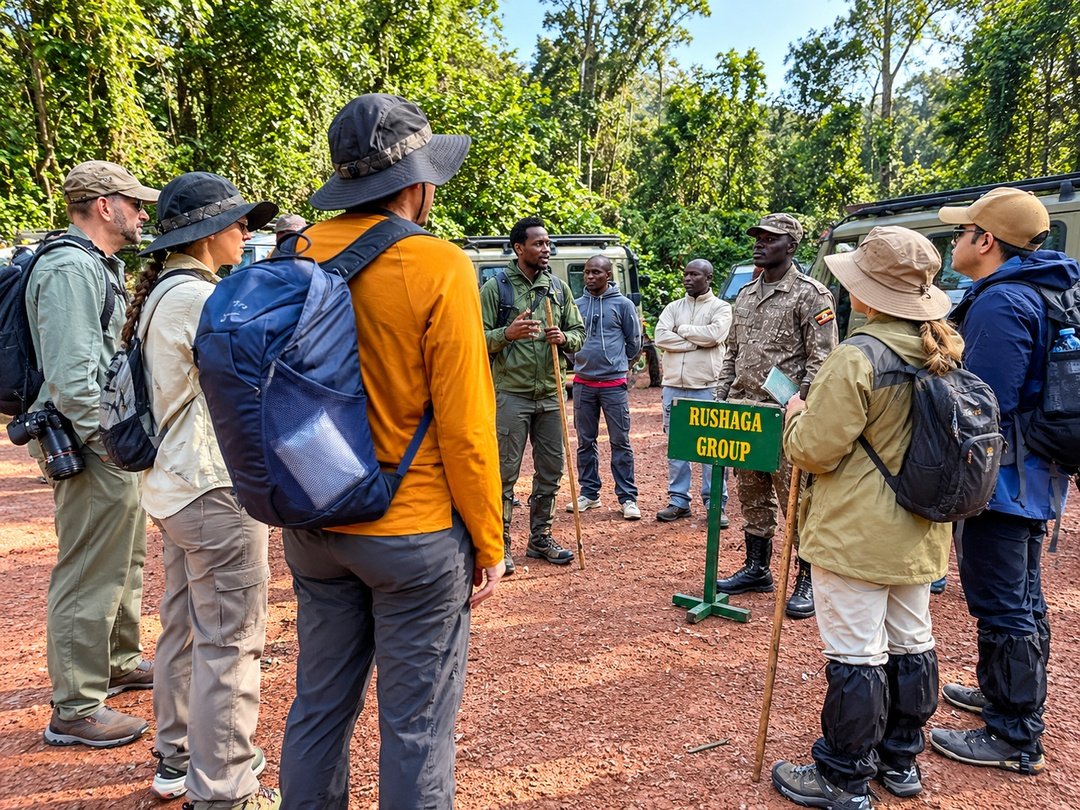
Uganda Gorilla Group Joining Safaris for Backpackers provide one of the most practical ways for budget-conscious travelers to experience mountain gorilla trekking without paying the full transportation costs of a private safari vehicle. By joining other travelers with compatible dates, backpackers can share selected safari expenses while still experiencing the same remarkable mountain forests of Bwindi Impenetrable National Park or Mgahinga Gorilla National Park.
For many backpackers, the challenge is not deciding whether mountain gorilla trekking is worth experiencing. The bigger question is how to organize the journey affordably without sacrificing essential logistics, comfort or responsible safari planning. Long-distance transportation from Entebbe or Kampala to southwestern Uganda can represent a significant part of the total safari cost, particularly for someone traveling alone. A group joining safari addresses this problem by allowing several travelers to use the same vehicle, fuel and professional driver-guide.
This style of safari is particularly suitable for solo backpackers, students, young travelers, long-term African travelers, couples traveling on a limited budget and independent visitors who enjoy meeting other people along the road. Participants may share transport and scheduled safari activities while still using appropriate private, twin or double accommodation according to their booking arrangements.
The purpose of Uganda Gorilla Group Joining Safaris for Backpackers is not to make gorilla trekking “cheap” by cutting important services. A well-planned budget safari should save money through intelligent sharing, sensible accommodation and efficient routing rather than overcrowded vehicles, unsuitable lodges or poorly coordinated trekking arrangements.
Travelers searching for affordable gorilla trekking should therefore look beyond the lowest advertised figure and ask a more useful question: Does this safari provide good value while protecting the quality of the journey?
Backpacker Group Joining Safari vs Private Safari Comparison
| Backpacker Question | Group Joining Safari | Private Safari |
|---|---|---|
| Transport Cost | Shared among travelers | Paid by your booking |
| Best for Solo Travelers | Excellent option for reducing costs | Usually more expensive for one traveler |
| Schedule | Fixed or shared schedule | Flexible and personalized |
| Accommodation | Coordinated with the group route | Greater choice and flexibility |
| Social Experience | High, with opportunities to meet other travelers | More private and independent |
| Route Changes | Limited because the group follows one itinerary | Easier to adjust during the safari |
| Best for Photographers | Good for general wildlife photography | Better flexibility for specialist photography |
Why Uganda Gorilla Group Joining Safaris for Backpackers Make Sense
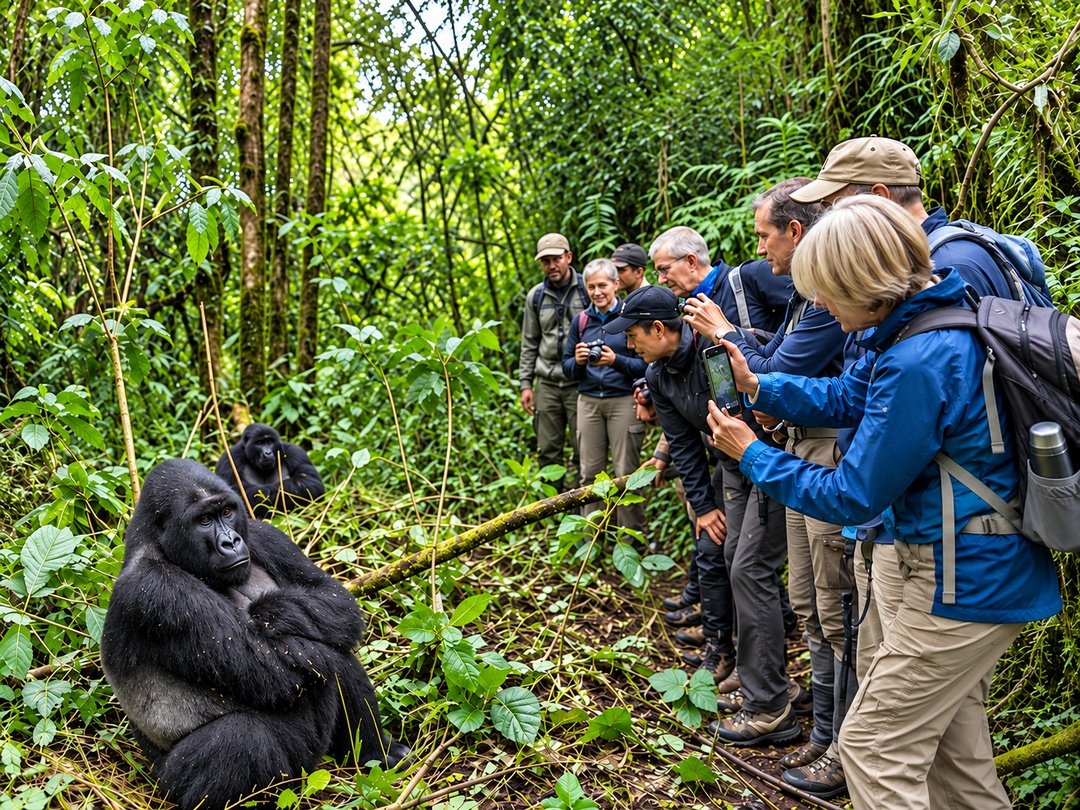
Gorilla trekking is different from ordinary backpacking because visitors cannot simply arrive at the forest, buy a cheap entrance ticket and begin walking independently. The experience requires advance planning, appropriate trekking arrangements, transportation to the correct area, accommodation near the relevant trekking sector and participation in the regulated trekking process.
This structure means that some safari expenses cannot simply be eliminated.
The best backpacker strategy is therefore to identify which costs can genuinely be shared.
Transportation is one of the strongest examples. A safari vehicle making the long journey from Entebbe to Bwindi must operate whether it carries one traveler or several. Fuel, vehicle operation and professional driver-guide services remain necessary. When several backpackers follow the same route, these expenses can be shared rather than carried by one person.
Accommodation provides another opportunity to control spending. Backpackers do not necessarily need luxury forest lodges to enjoy an exceptional gorilla trekking experience. Clean, well-located budget accommodation can provide comfortable sleeping arrangements, meals and practical access to the trekking briefing point.
Travelers interested in this approach can also compare a budget gorilla group joining safari in Uganda with more expensive private arrangements before deciding which option suits their travel style.
What Is a Gorilla Group Joining Safari for Backpackers?

A gorilla group joining safari brings independently booked travelers together on one scheduled safari vehicle when their dates, trekking arrangements and routes are compatible.
One traveler may be backpacking through East Africa alone. Another booking may involve two friends, while another may be a couple visiting Uganda for a short holiday. If all of them want to travel toward Bwindi on compatible dates, they can potentially share transportation rather than booking separate vehicles.
The shared element normally focuses on the vehicle, professional driver-guide and scheduled route.
Travelers do not automatically have to share bedrooms.
A solo backpacker may request a private room where available, two friends may use twin accommodation and a couple may stay in a double room. The precise arrangement depends on the lodge and quotation.
This makes group joining safaris in Uganda especially useful for independent travelers who want to control costs without giving up organized transportation.
Are Uganda Gorilla Group Joining Safaris Only for Backpackers?
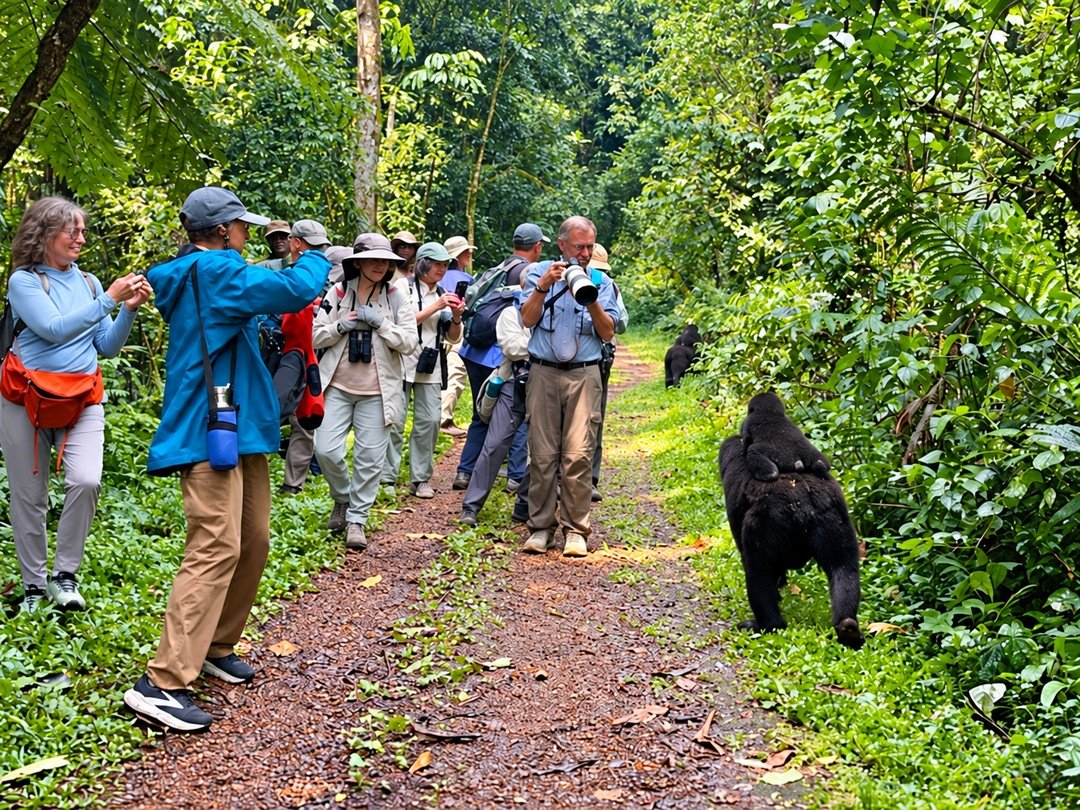
No. Although Uganda Gorilla Group Joining Safaris for Backpackers are especially attractive to budget-conscious and independent travelers, group joining safaris are not limited to people traveling with backpacks or following long overland routes through East Africa. They are simply a practical safari format for travelers who are comfortable sharing selected services such as the safari vehicle, fuel and professional driver-guide.
Solo travelers often join because operating a private safari vehicle alone can make a short gorilla trip relatively expensive. Couples may choose group travel because they would rather use part of their budget for another activity, an additional night or a wildlife extension. Friends may enjoy the social aspect of meeting other travelers while still retaining their own room arrangements.
Some visitors simply prefer a scheduled departure because the route, pickup arrangements and main safari logistics have already been organized. This can be particularly convenient for first-time visitors who do not want to coordinate every stage of the journey independently.
A backpacker should therefore not expect every passenger to be carrying camping equipment or following a low-cost overland journey across Africa. A group vehicle may include a solo traveler, a couple, two friends and another independent visitor. What makes the group compatible is not their age, nationality or style of luggage. It is their ability to follow the same safari route on compatible dates.
That is why group joining safaris in Uganda can appeal to a much wider range of travelers than the word “backpacker” might initially suggest.
Why Solo Backpackers Benefit Most
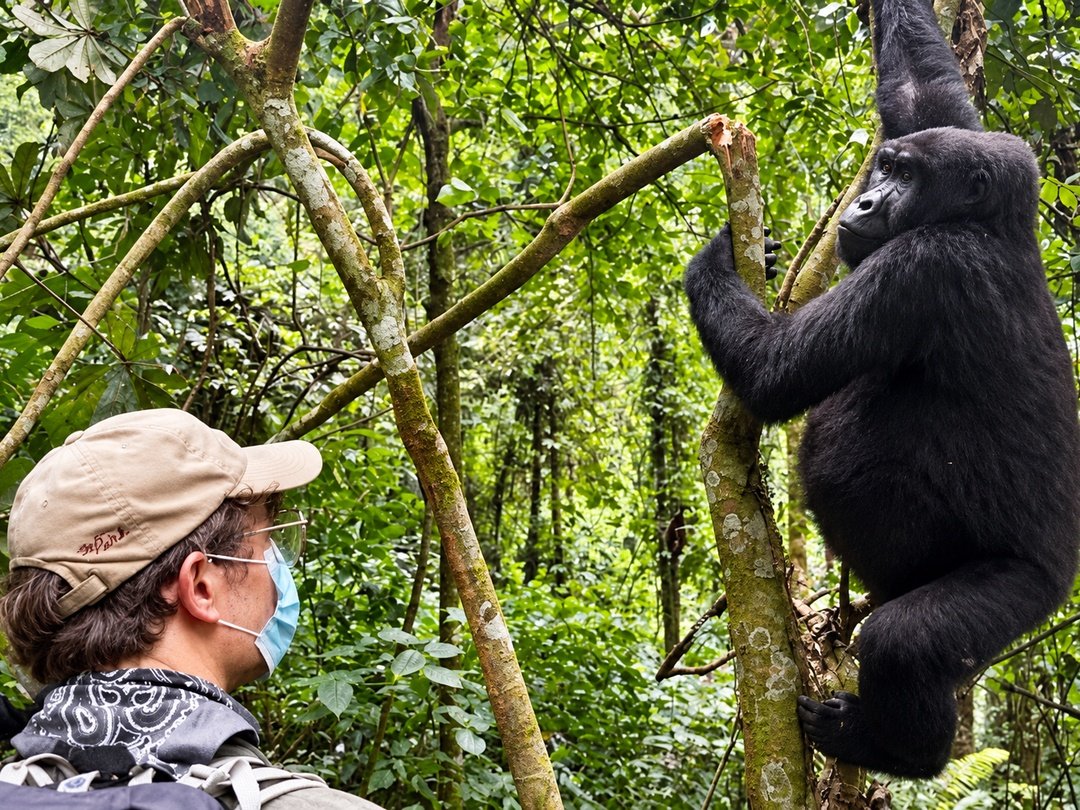
Solo backpackers are among the travelers who can benefit most from Uganda Gorilla Group Joining Safaris for Backpackers because transportation is one of the biggest expenses of a road-based gorilla safari. A safari vehicle must still cover the long journey from Entebbe or Kampala toward southwestern Uganda whether it carries one traveler or several.
When one person books privately, most of the vehicle, fuel and driver-guide costs are associated with that single booking. On a shared departure, those operational expenses can be distributed among several travelers following the same route.
This does not make the gorilla trekking experience itself cheaper or less regulated. The financial advantage comes mainly from the journey surrounding the trek. A solo backpacker pays for a seat within a professionally organized safari instead of funding the entire transport operation alone.
The social element can also make group travel more enjoyable. Backpackers are often accustomed to meeting people in hostels, buses and shared travel environments, and a scheduled gorilla safari creates a similar opportunity. The long road journey toward Bwindi Impenetrable National Park can become part of the travel experience as participants exchange stories about Uganda, Rwanda and other destinations they have visited.
Solo travelers can still retain privacy at the lodge. Sharing a safari vehicle does not automatically mean sharing accommodation. Depending on availability and the quotation, a solo visitor can normally request a private room.
Travelers specifically looking for this format can explore the best Uganda gorilla group tours for solo travelers before deciding whether group joining or private travel better matches their budget and personality.
Backpacker Gorilla Safari vs Private Gorilla Safari
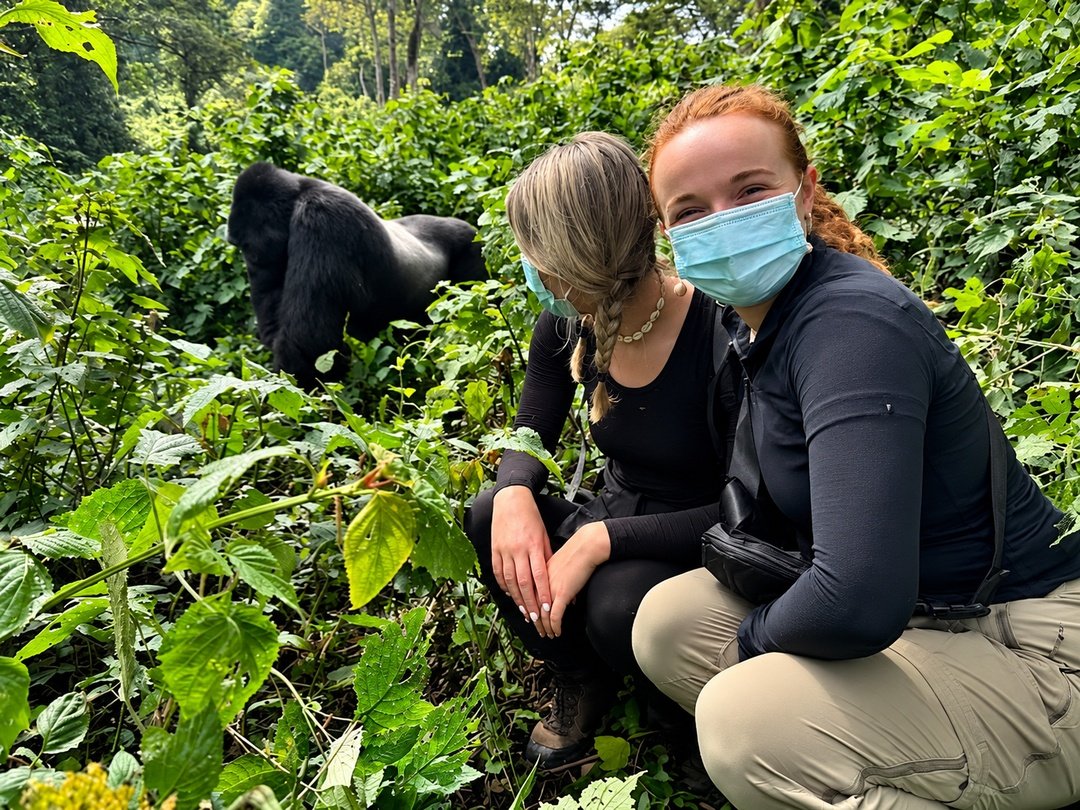
Backpackers should understand the difference between group joining and private travel before automatically selecting whichever quotation appears cheapest.
A group joining safari operates around a shared schedule. Departure times, lunch stops, hotel arrivals, road breaks and onward transfers need to work for everyone using the vehicle. Travelers therefore give up some flexibility in exchange for sharing transportation expenses.
A private gorilla trekking safari in Uganda provides greater control. The vehicle and professional driver-guide serve one booking, making it easier to adjust road stops, choose accommodation and create a personalized route.
For a backpacker interested mainly in a straightforward three-day gorilla experience, a group departure can provide excellent value. The itinerary is relatively simple, and the loss of flexibility may be small compared with the savings created through shared transportation.
Private travel becomes more attractive when the itinerary is complicated. A traveler carrying professional photography equipment, visiting several national parks, birding intensively or building a highly specialized route may benefit from having a dedicated vehicle.
The correct choice therefore depends on more than price. Group joining is strongest when a traveler values affordability, social travel and a clear schedule. Private travel is stronger when independence, privacy and customization are more important.
Where Backpackers Can Save Money
The smartest savings on Uganda Gorilla Group Joining Safaris for Backpackers normally come from three areas: shared transportation, efficient routing and sensible accommodation.
Shared transportation is usually the biggest advantage. Several travelers can divide the operational cost of the safari vehicle and professional driver-guide rather than each booking paying separately for the same long road journey.
Good routing also saves money. A safari that moves logically between destinations uses less unnecessary fuel and avoids wasting time on repeated backtracking. This is particularly important around Bwindi, where selecting the wrong accommodation or trekking area can create avoidable mountain-road transfers.
Accommodation is another area where backpackers can control spending. A traveler whose primary goal is mountain gorilla trekking does not necessarily need an expensive forest suite or premium lodge facilities. Clean, safe and well-located budget accommodation can provide everything needed before and after the trek.
Travelers can compare a budget gorilla group joining safari in Uganda when looking for an affordable structure that still includes the essential safari logistics.
The most important lesson is that saving money should happen through intelligent planning rather than simply choosing the lowest individual price. A cheap lodge located far from the correct trekking area can create additional fuel costs, early departures and unnecessary road time.
Good backpacker travel is therefore about overall value, not merely the cheapest room, cheapest vehicle or cheapest headline package.
Where Backpackers Should Not Cut Costs
Backpackers are often highly skilled at reducing travel expenses, but there are parts of a gorilla safari where aggressive cost-cutting can create more problems than savings.
The trekking arrangements must be properly confirmed. Transportation should be appropriate for the road conditions. Accommodation should be clean, secure and practically located. The itinerary should also allow realistic travel time between destinations.
A backpacker should be cautious about itineraries that appear unusually cheap because they remove important services or compress too many destinations into too few days. A safari that tries to include several national parks within a very short period may look impressive on paper but result in exhausting road travel.
Accommodation location is another area where saving too aggressively can become a false economy. Choosing the lowest-priced property without considering the confirmed trekking sector may result in additional driving and more fuel consumption.
The same principle applies to transport. Group joining should reduce costs through sharing, not through overcrowding the vehicle or using unsuitable transport for long safari roads.
A well-planned budget safari protects the essential elements of the experience while removing unnecessary luxury. That is a much stronger strategy than trying to reduce every expense regardless of its importance.
Gorilla Permits for Backpackers
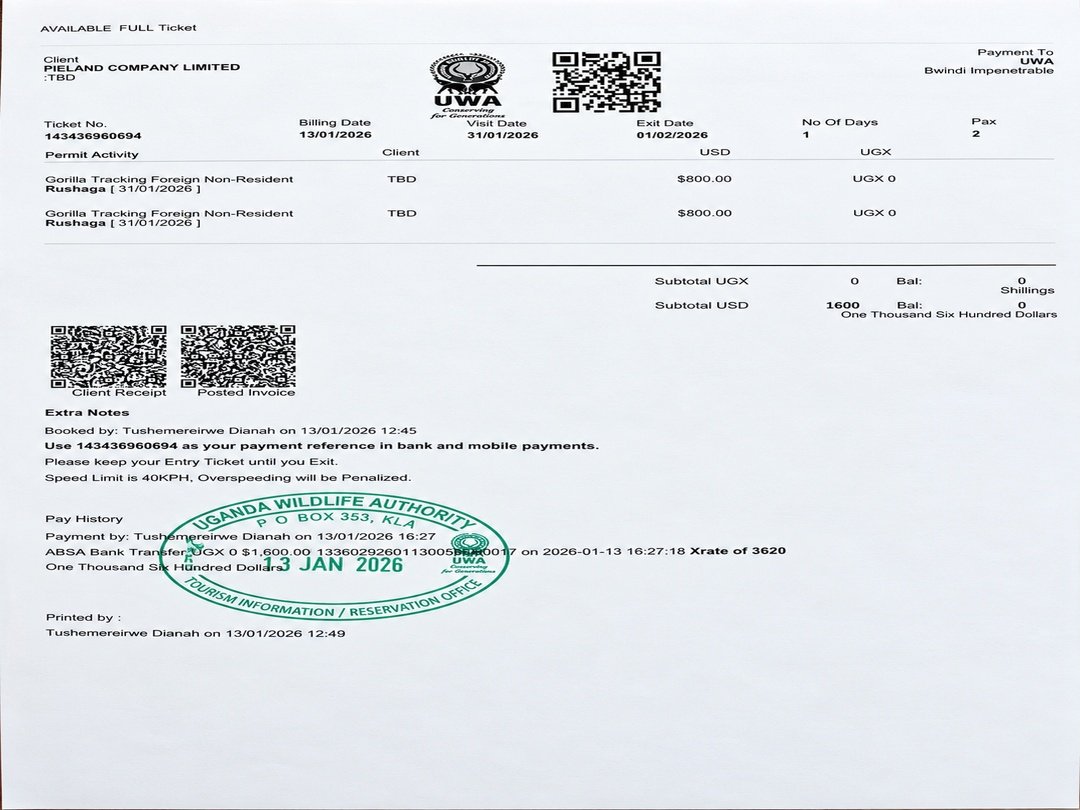
Every traveler participating in gorilla trekking requires the appropriate permit, including backpackers using a shared safari. Joining a group does not remove this requirement and does not turn several individual trekking arrangements into one discounted group permit.
The permit is one of the most important parts of the safari because it establishes the trekking date and helps determine where the traveler needs to stay. The safari route and accommodation should therefore be coordinated around the confirmed trekking arrangements rather than planned independently.
Backpackers who want to understand the process in more detail can read the guide to booking a gorilla permit in Uganda.
Travelers should be cautious about any offer suggesting that they can simply arrive at the forest without the correct arrangements or that sharing a vehicle somehow removes the need for an individual permit.
The main savings from Uganda Gorilla Group Joining Safaris for Backpackers come from sharing the safari vehicle, fuel, driver-guide and other logistical expenses. The permit remains an individual part of the trekking experience.
Why the Gorilla Permit Determines Your Backpacker Route
A backpacker may initially think that planning should begin by finding the cheapest lodge or hostel near Bwindi. In reality, the trekking arrangements should normally guide the route.
Bwindi Impenetrable National Park is not one compact tourism center. Its major gorilla trekking sectors—Buhoma, Ruhija, Rushaga and Nkuringo—are located in different parts of the wider forest region. Travelers who want official information about gorilla trekking locations and trekking sectors can also consult the Uganda Wildlife Authority, which manages Uganda’s protected wildlife areas and gorilla trekking activities.
This matters because road travel between sectors can take considerably longer than the straight-line distance on a map might suggest. Mountain terrain and road conditions can make a poor accommodation choice inconvenient even when the property appears geographically close.
Once the trekking sector is known, the safari can select accommodation within practical reach of the correct briefing point. The vehicle route can then be designed around that location.
This sequence becomes even more important on a group joining safari because several travelers are sharing one vehicle. If participants are scattered across distant sectors, the transport arrangement becomes inefficient and the cost-saving advantage of group travel begins to disappear.
Good backpacker planning should therefore follow a simple order: confirm the trekking arrangements, establish the correct sector, choose suitable accommodation and then coordinate the shared transport route.
Bwindi Impenetrable National Park for Backpackers
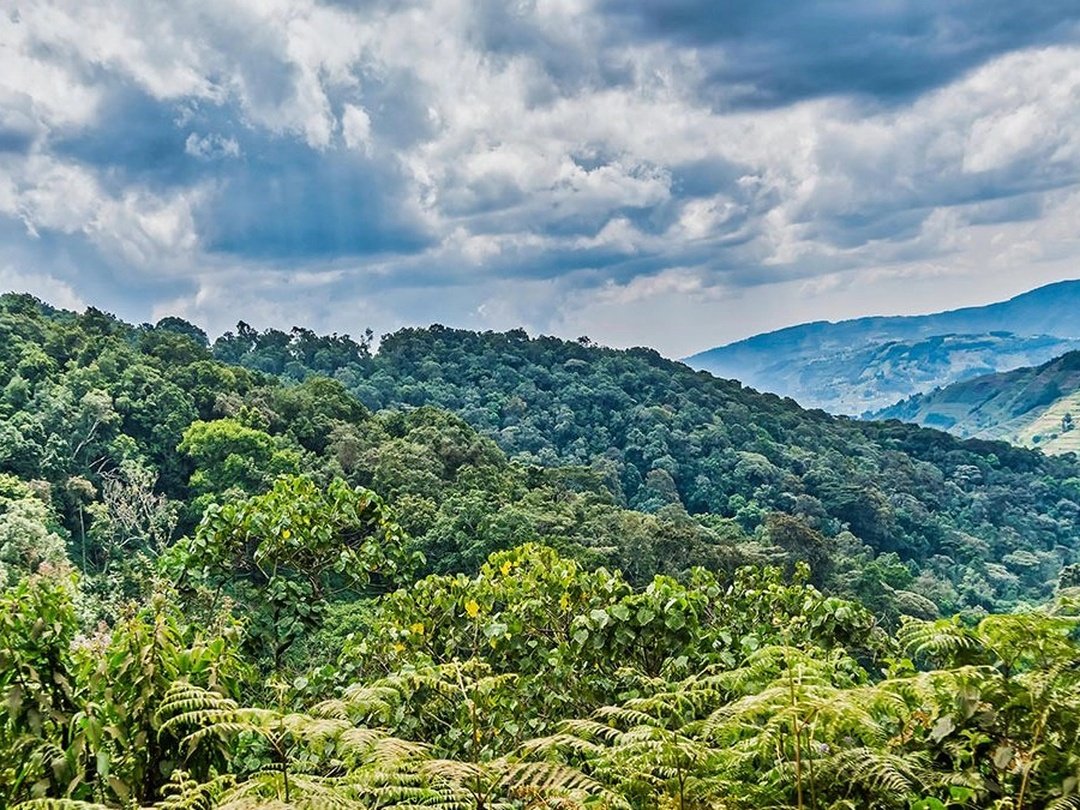
Bwindi Impenetrable National Park is the central destination for many Uganda Gorilla Group Joining Safaris for Backpackers. Its mountain gorilla trekking opportunities, several trekking sectors and broad range of accommodation make it particularly important for budget-conscious travelers.
Backpackers should understand that Bwindi’s four principal trekking sectors—Buhoma, Ruhija, Rushaga and Nkuringo—are not interchangeable from a transport perspective. Each area has its own access roads and nearby accommodation.
This is why the permit and sector should influence the rest of the itinerary. A backpacker who reserves accommodation independently without checking the trekking location may discover that the lodge is inconvenient for the assigned briefing area.
The mountainous landscape also means travelers should avoid judging travel time purely by distance. Roads can be steep, winding and slower than major highways.
For a Bwindi Gorilla Group Joining Safari, the strongest arrangement is one where travelers have compatible trekking dates, sectors and accommodation locations. This allows the shared vehicle to operate efficiently and protects the group from unnecessary detours.
Buhoma for Backpackers
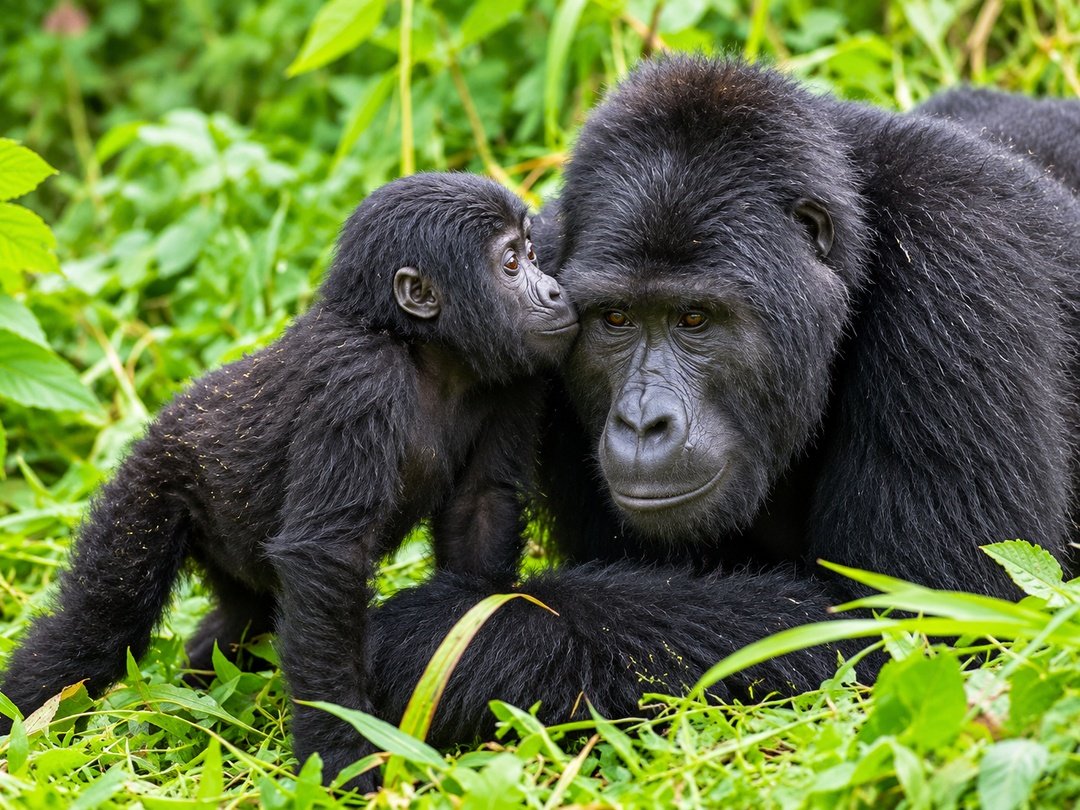
Buhoma can be an excellent option for backpackers when the confirmed trekking arrangements correspond with the sector. As one of Bwindi’s established tourism areas, it has a broad tourism infrastructure and can fit naturally into longer western Uganda routes.
Its location is particularly useful for travelers planning to continue toward Queen Elizabeth National Park. This combination allows backpackers to move from mountain gorilla trekking into traditional wildlife viewing without unnecessary backtracking when the route is organized properly.
Buhoma can therefore work well for travelers who want more than a simple gorilla-only journey.
Budget visitors should still judge accommodation by location as well as price. Staying closer to the correct briefing area can reduce morning transfer time and help keep shared transport efficient.
The goal is not simply to find the cheapest bed. It is to find accommodation that supports the trekking schedule without creating extra transport expenses.
Ruhija for Backpackers
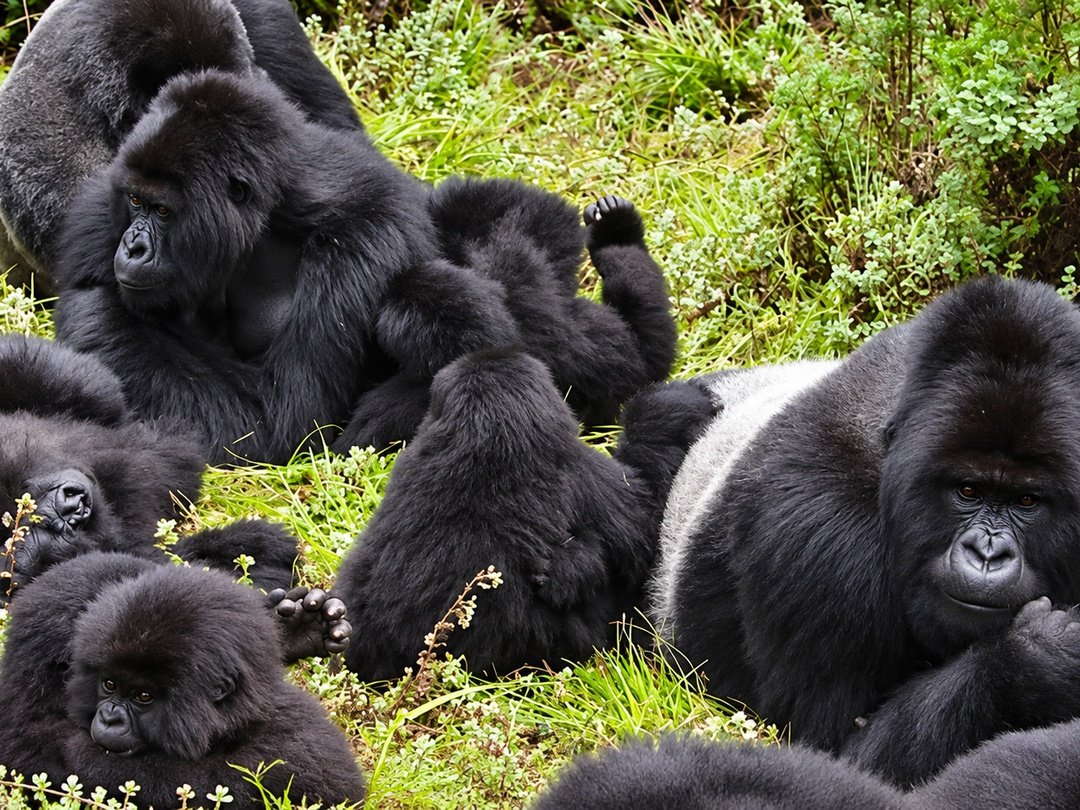
Ruhija provides a beautiful highland forest environment and can suit backpackers who enjoy active travel and are comfortable with mountainous conditions.
Travelers should prepare for the possibility of steep slopes, mud, uneven forest paths and changing weather. The exact length and difficulty of a trek can vary because mountain gorillas move naturally within their habitat.
Proper hiking footwear is therefore more important than expensive safari clothing. Backpackers trying to travel light should still make room for practical trekking essentials, including strong shoes, long trousers, long sleeves and waterproof protection.
The accommodation should also be chosen with the trekking area in mind. A low room rate loses value if it requires a difficult early-morning transfer to reach the briefing point.
Ruhija therefore rewards backpackers who focus on practical preparation rather than simply reducing the cost of every individual item.
Rushaga for Backpackers
Rushaga is particularly important for backpackers traveling through southern Bwindi because its location connects naturally with several other southwestern Uganda destinations.
It can work well with Kisoro, Lake Bunyonyi, Mgahinga Gorilla National Park and selected journeys using Kigali as an entry or exit point.
Travelers interested in this area can learn more about Rushaga gorilla trekking and gorilla habituation before deciding which primate experience suits their trip.
For backpackers moving through Rwanda and Uganda, Rushaga can provide particularly useful routing because the trek can be incorporated into a broader regional journey without requiring unnecessary travel through central Uganda first.
The important point is still coordination. The permit, accommodation and vehicle route should all match the same sector.
Rushaga demonstrates why backpacker safari planning works best when affordability comes from geographical efficiency rather than simply selecting the cheapest individual services.
Nkuringo for Backpackers
Nkuringo provides one of the most dramatic mountain environments around Bwindi and can be highly rewarding for backpackers who enjoy physically active travel.
The trekking terrain can be demanding. Depending on the location of the gorillas, visitors may encounter steep slopes, muddy paths and changes in elevation.
Backpackers should therefore prepare physically and avoid assuming that experience carrying a large travel backpack automatically makes the forest trek easy.
Hiring a porter can be worthwhile even for physically fit travelers. A porter can carry drinking water, photography equipment and a daypack, allowing the visitor to conserve energy for steeper sections of the trek.
This is an important backpacker lesson: saving money does not mean automatically rejecting every optional service. A relatively small expense can sometimes improve the experience significantly.
Accommodation location is also especially important around Nkuringo because mountain-road transfers can take longer than expected.
Mgahinga Gorilla National Park for Backpackers
Mgahinga Gorilla National Park provides another strong option for budget-conscious travelers visiting southwestern Uganda.
Its location near Kisoro and the Virunga mountain landscape can make it particularly practical for backpackers traveling through Rwanda and Uganda or combining several experiences within the same region.
Instead of repeatedly crossing long distances, travelers can build a compact southwestern Uganda itinerary around Mgahinga, Kisoro and southern Bwindi.
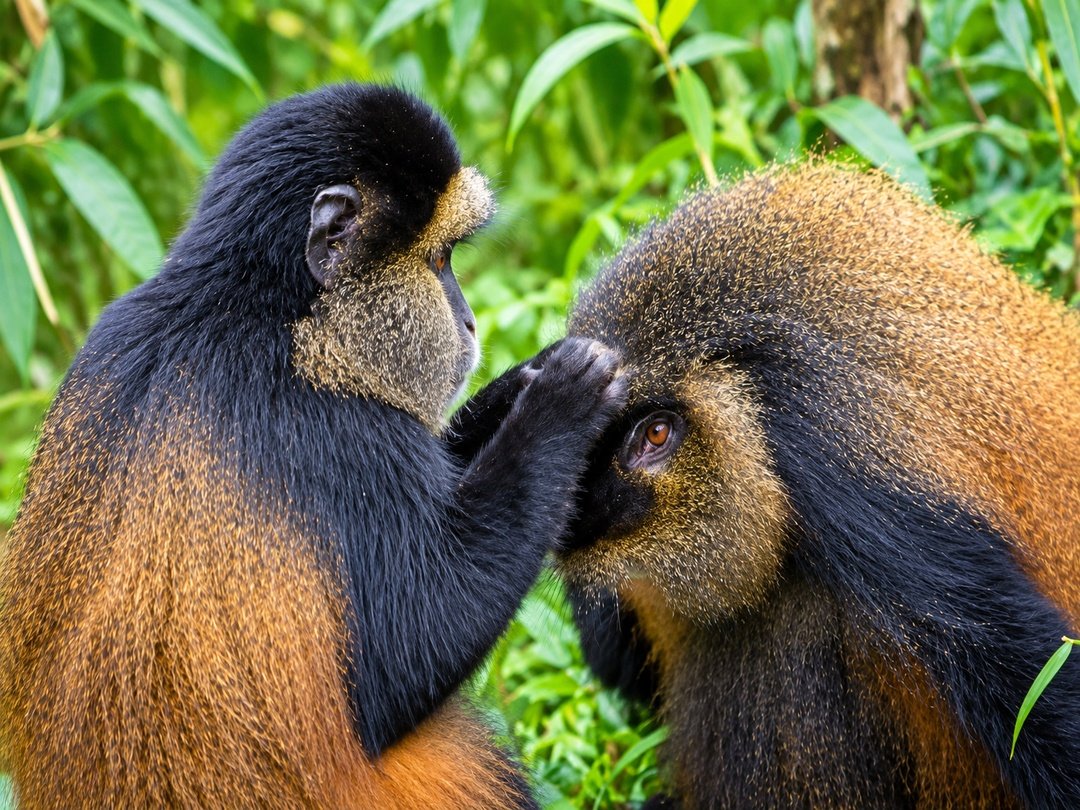
Backpackers interested in additional primate experiences can also consider golden monkey trekking. Combining geographically close activities is one of the most effective ways to control transport expenses while increasing the variety of the safari.
Mgahinga can therefore be particularly attractive to backpackers with flexible schedules who want to spend several days exploring the wider region rather than treating gorilla trekking as an isolated one-day activity.
Uganda Gorilla Group Joining Safaris for Backpackers From Entebbe
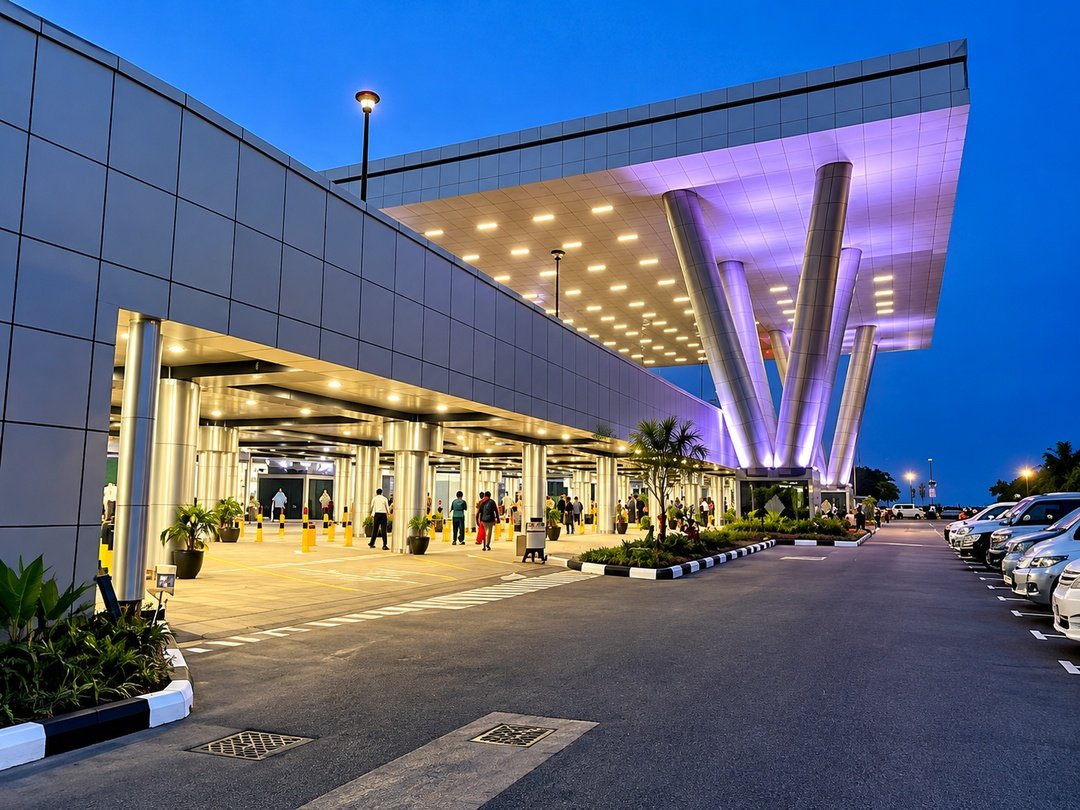
Entebbe is one of the most practical starting points for backpackers arriving in Uganda by international flight.
A traveler can arrive, stay overnight and join an early group departure the following morning. This is generally more comfortable than landing after a long flight and immediately beginning a full-day road journey toward southwestern Uganda.
Scheduled departures depend on punctuality because several travelers may be sharing the same vehicle. Backpackers should therefore confirm the meeting point, collection time and luggage expectations before the safari begins.
Travelers staying in different Entebbe hotels should also understand how pickups are organized. A group vehicle cannot spend excessive time collecting passengers from widely separated locations without delaying the entire journey.
For backpackers who value straightforward logistics, beginning with a confirmed meeting point in Entebbe can make the first day considerably easier.
Uganda Gorilla Group Joining Safaris for Backpackers From Kampala
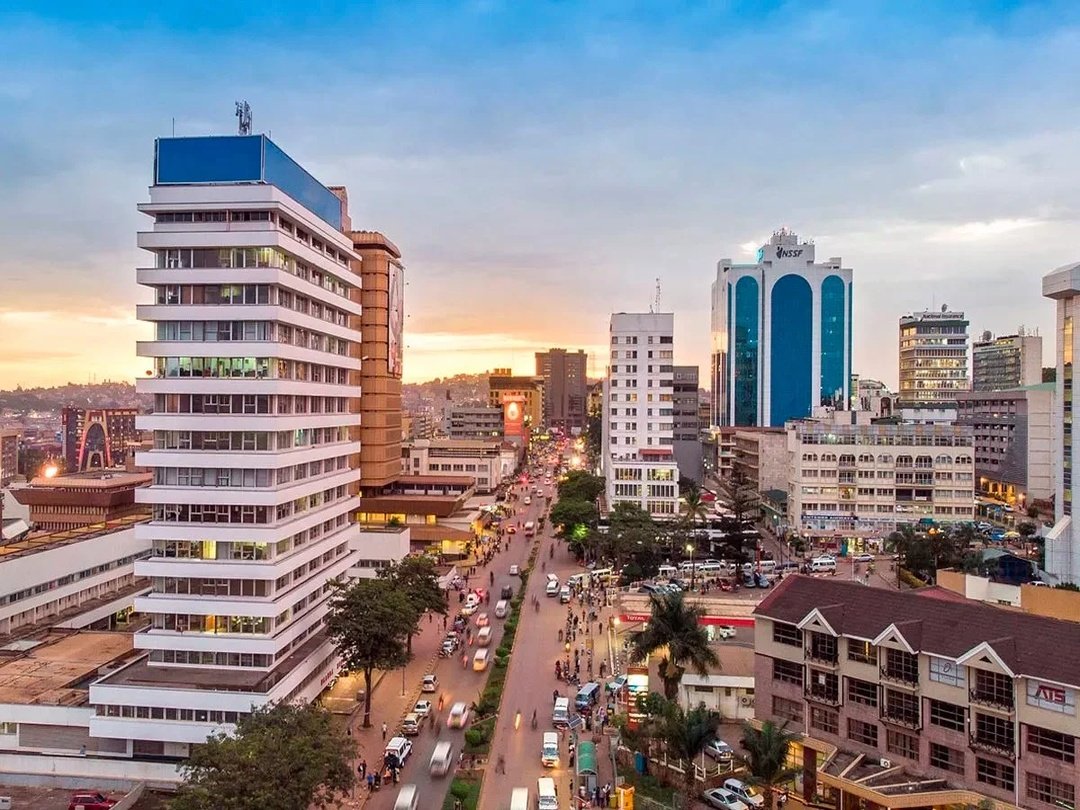
Backpackers already staying in Kampala can join selected gorilla departures when the pickup arrangements fit the scheduled route.
This can be useful for travelers who have spent several days exploring the capital or who are beginning the safari after another activity in central Uganda.
However, Kampala traffic can significantly affect travel time. Group safaris therefore operate most efficiently when participants use practical meeting points rather than requiring numerous collections from distant hostels and hotels.
Before booking accommodation for the night before departure, backpackers should confirm whether the safari officially begins in Kampala or Entebbe.
A small logistical misunderstanding can create unnecessary taxi costs, missed pickup times or an unnecessarily early start.
Good backpacker travel often depends on simple planning decisions like knowing exactly where the shared vehicle begins its journey.
Uganda Gorilla Group Joining Safaris for Backpackers From Kigali
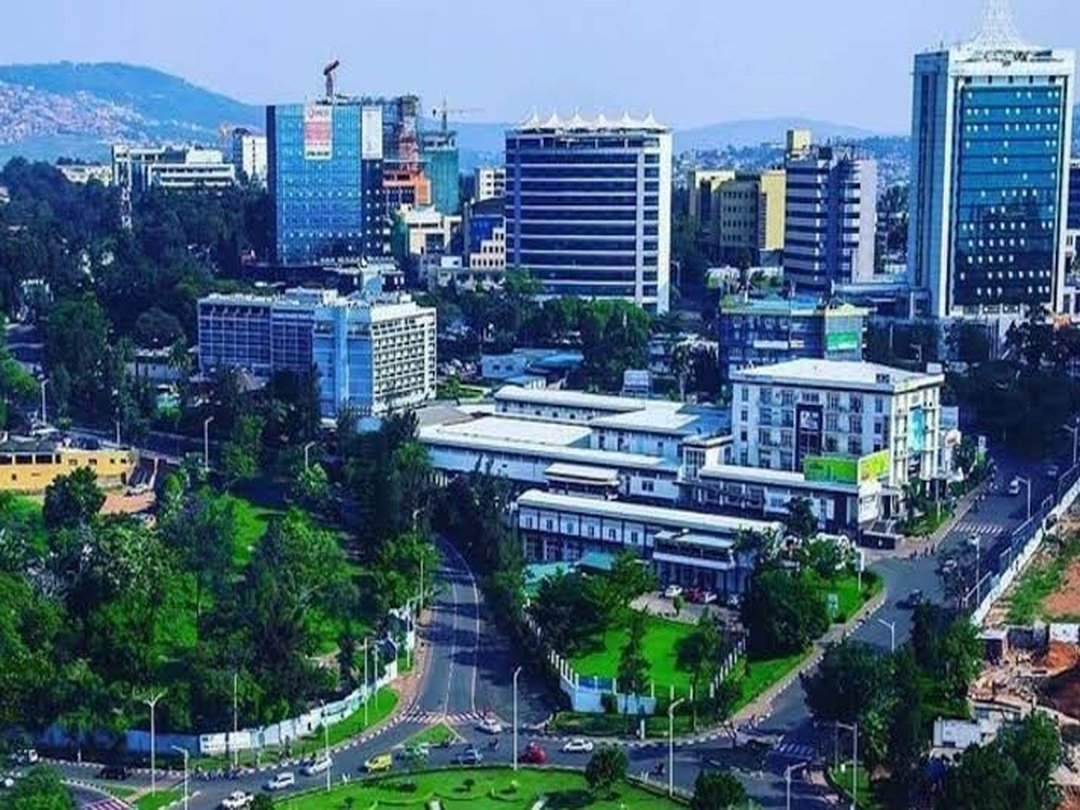
Kigali can be a convenient starting point for backpackers who are already traveling through Rwanda before continuing into Uganda.
Selected travelers can use a gorilla group joining safari from Kigali to Bwindi when their travel dates, border arrangements and trekking plans correspond with an available departure.
The route can be particularly practical for southern Bwindi and Mgahinga because of their position within southwestern Uganda.
Backpackers should remember that this is an international journey. Border formalities and travel documentation need to be considered, and the route should allow realistic time for immigration procedures.
A Kigali departure can be very efficient when organized properly, but travelers should not treat it like a simple domestic transfer.
For backpackers moving through several East African countries, careful cross-border planning can significantly reduce unnecessary backtracking.
Three-Day Gorilla Group Joining Safari for Backpackers
A three-day itinerary is one of the most practical options for backpackers whose main objective is mountain gorilla trekking.
The first day is generally used for the road journey toward the gorilla region, the second centers on the trek and the final day is used for the return journey.
Travelers can review a 3 Days Gorilla Trekking Group Joining Safari in Uganda when comparing short scheduled departures.
The greatest advantage is efficiency. Backpackers with limited time can complete the main wildlife experience without committing to a much longer safari.
The disadvantage is road time. The first and final days can involve substantial driving, particularly when the journey begins from Entebbe or Kampala.
For travelers with a flexible backpacking schedule, adding an extra day can create a more relaxed experience.
Four-Day Backpacker Gorilla Safari
A four-day itinerary provides additional breathing room and can suit backpackers who do not want the safari to feel like a rapid drive to the gorillas followed immediately by a return journey.
The extra day may allow another activity, a scenic stop, Lake Bunyonyi or additional time within southwestern Uganda depending on the confirmed route.
It can also make the safari more comfortable after a physically demanding gorilla trek.
Backpackers traveling for several weeks or months may find that one additional day provides significantly better pacing without dramatically changing the character of the journey.
The itinerary should still remain geographically logical. The purpose of adding a day is to improve the experience, not simply to squeeze another distant destination into the package.
Five-Day Backpacker Gorilla Safari
A five-day itinerary gives backpackers enough time to consider combining mountain gorilla trekking with another major destination.
Depending on the route, this may include Queen Elizabeth National Park, Lake Mburo National Park or another destination that fits naturally into the road circuit.
The key word is naturally.
Adding another national park simply because there is an extra day can create unnecessary road travel and increase costs.
A good five-day backpacker itinerary should use the additional time to create contrast and variety without turning every day into a long transfer.
Travelers should prioritize meaningful experiences over the number of destination names included in the package.
Combining Gorilla Trekking With Queen Elizabeth National Park
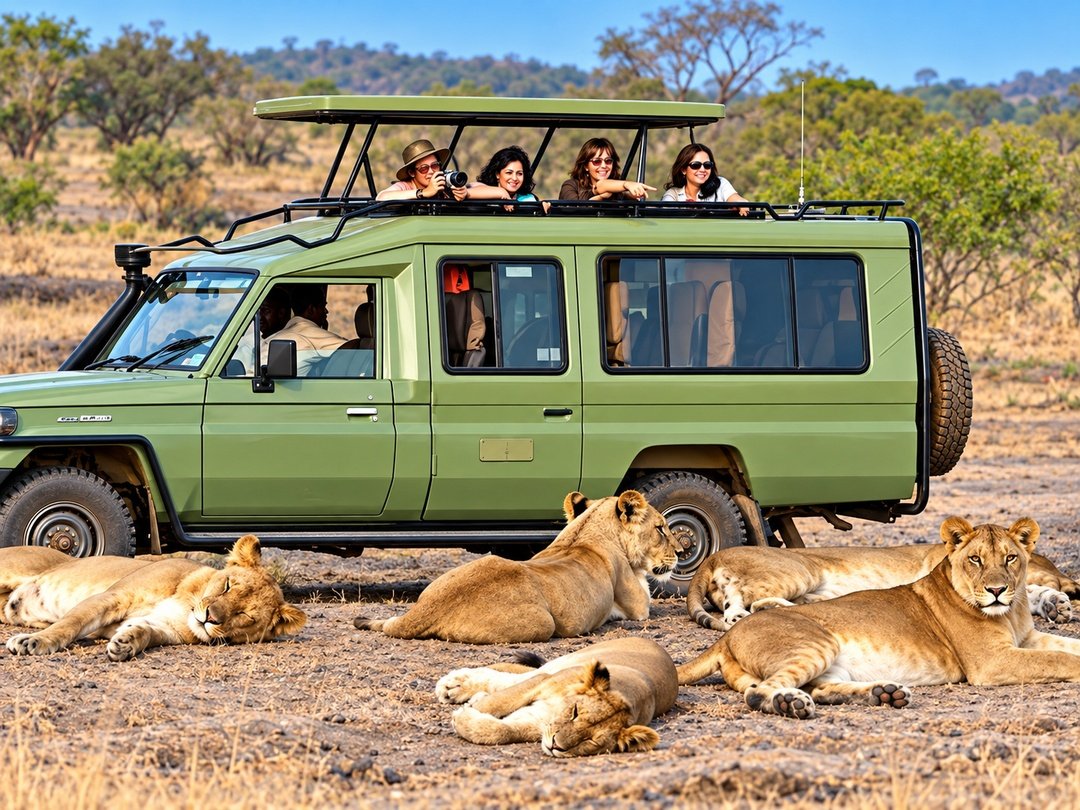
Queen Elizabeth National Park is one of the most logical wildlife additions to a longer backpacker gorilla safari.
The combination provides two very different environments. Bwindi offers dense mountain rainforest and primate trekking, while Queen Elizabeth introduces game drives and open wildlife landscapes.
This makes the route attractive to backpackers who want a broader Uganda safari without building an unnecessarily complicated itinerary.
A group extension works best when all participants are continuing along the same route. If some travelers need to return toward Entebbe while others want to continue to Queen Elizabeth, the shared vehicle arrangement may no longer be practical.
Backpackers should therefore choose a departure that already includes the extension rather than assuming another destination can simply be added after the gorilla trek.
Combining Gorilla Trekking With Kibale National Park
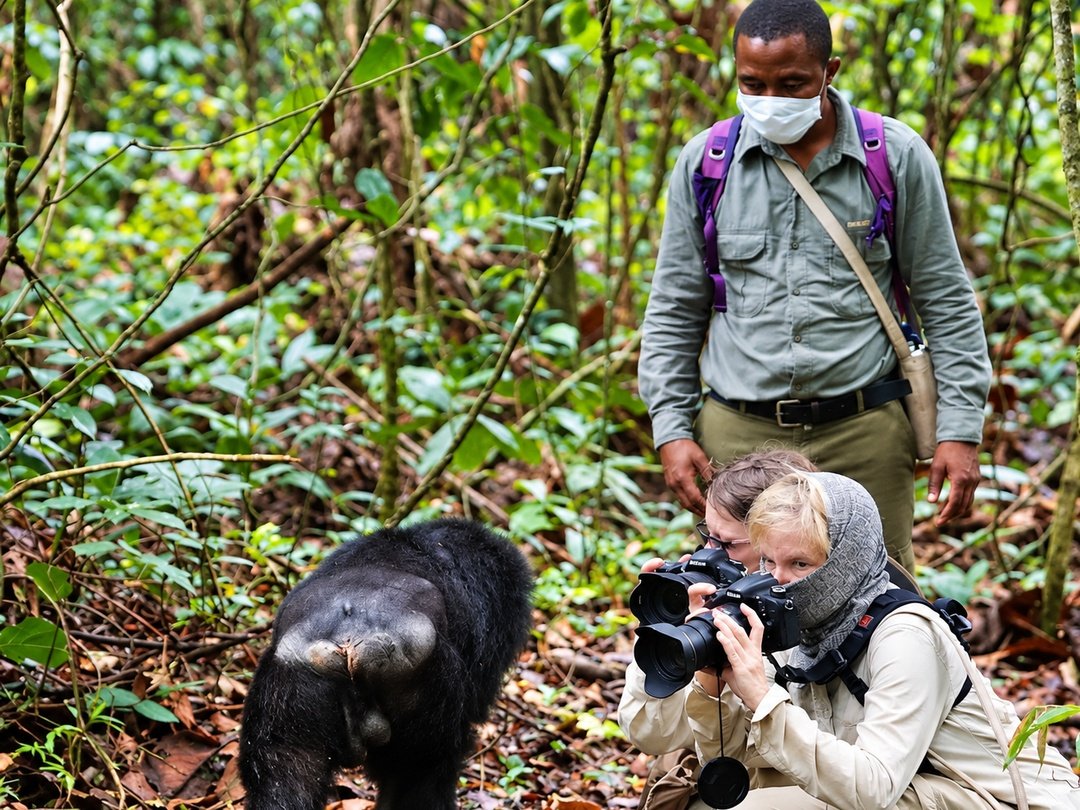
Backpackers interested in primates can extend their journey to Kibale National Park.
This creates the opportunity to combine mountain gorilla trekking with chimpanzee tracking in Uganda.
The two experiences complement each other well because gorillas and chimpanzees provide very different wildlife encounters. Chimpanzees can be highly active and vocal, while mountain gorilla encounters often focus more on observing family behavior within the forest.
The journey between destinations requires additional travel time, so backpackers should avoid compressing the combination into an unrealistic schedule.
For travelers with enough days, however, a gorilla and chimpanzee itinerary can become one of the strongest primate-focused journeys in Uganda.
Adding Lake Mburo National Park
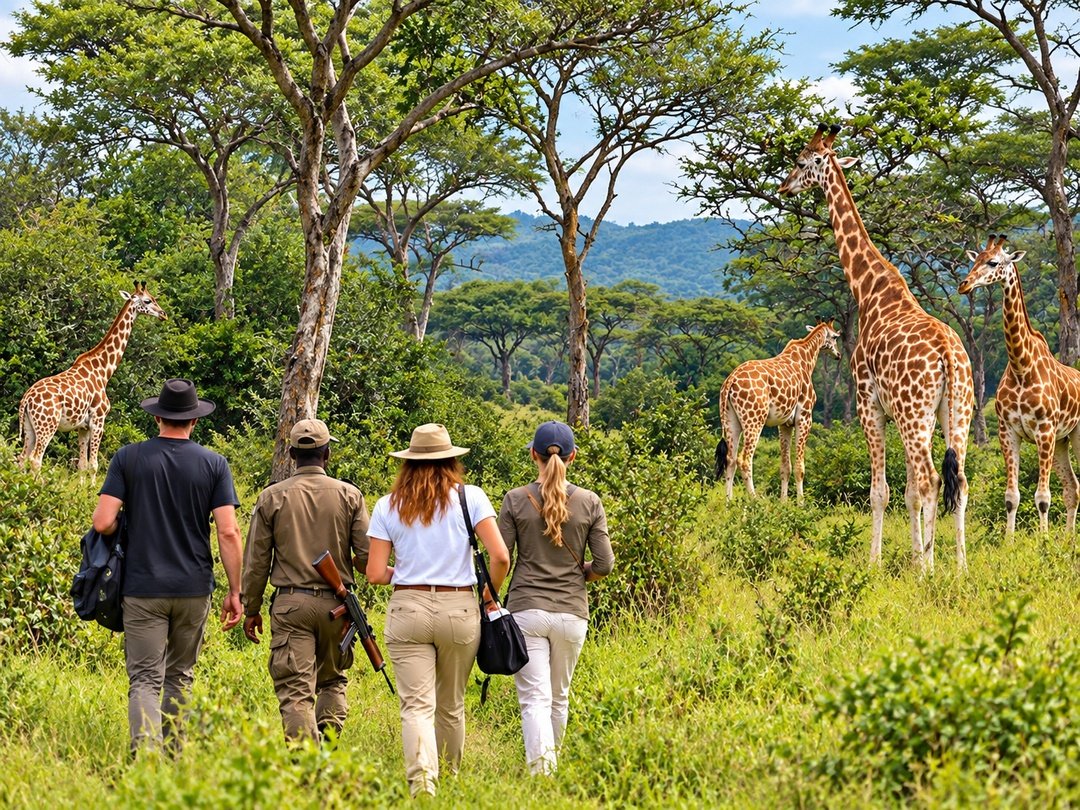
Lake Mburo National Park can fit naturally into selected road itineraries between southwestern Uganda and the Entebbe or Kampala region.
For backpackers, its position can be especially useful because it can break up what would otherwise be one long return journey.
The park also introduces a different wildlife environment from the mountain forests around Bwindi and Mgahinga.
A scheduled group departure needs to include Lake Mburo from the beginning. One traveler cannot normally decide to add the park independently when the rest of the vehicle is returning directly to Entebbe.
When routed correctly, Lake Mburo can improve the journey without creating an excessive detour.
Budget Accommodation for Backpackers
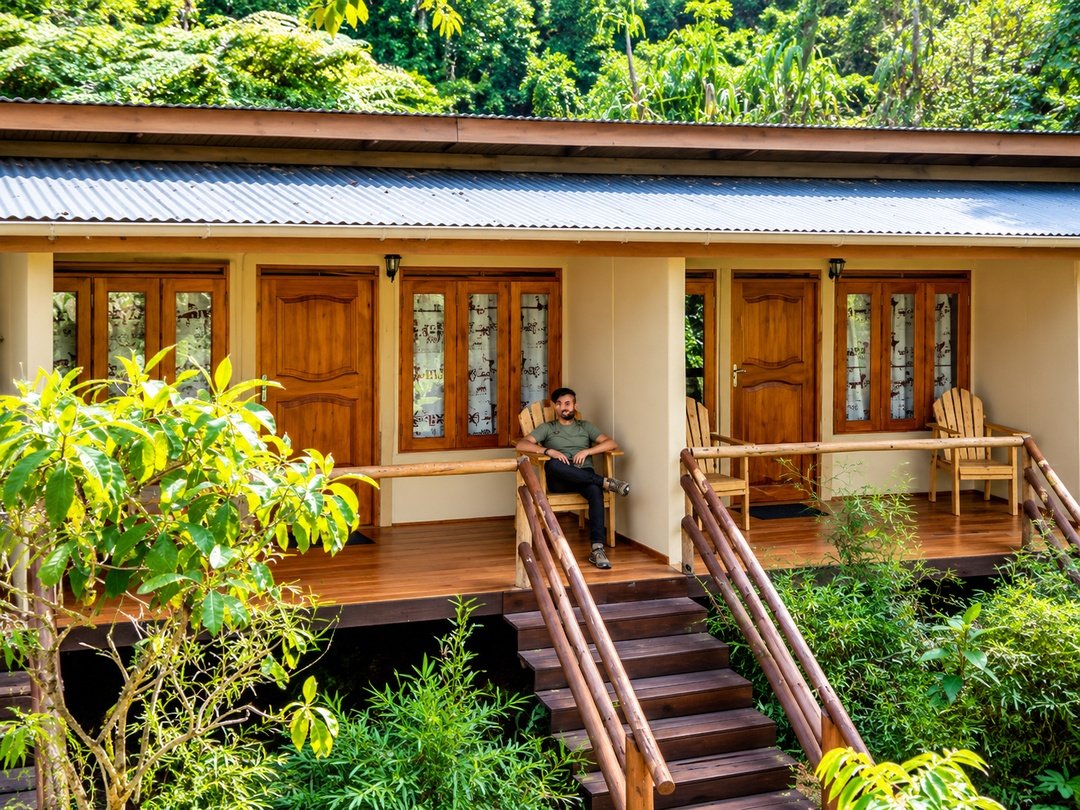
Accommodation is one of the easiest areas for backpackers to control spending without compromising the actual gorilla trekking experience.
A budget lodge does not need luxury facilities. What matters most is cleanliness, reasonable comfort, appropriate meals and practical access to the correct trekking area.
Backpackers should be cautious when accommodation is advertised only as being “near Bwindi.” The park covers a large mountainous region, and a property may still be inconvenient for the specific trekking sector.
The stronger question is whether the lodge is well positioned for the confirmed permit and briefing point.
Paying slightly more for the correct location can sometimes reduce vehicle use, fuel costs and morning travel time.
Budget accommodation should therefore be judged by total safari value rather than room price alone.
Can Backpackers Stay in Hostels?
Hostel-style accommodation can work in some travel centers, but gorilla trekking logistics should remain the priority.
A cheap dormitory bed is not useful if it is located far from the correct trekking briefing point and requires expensive additional transportation the following morning.
Backpackers should therefore avoid applying ordinary city-backpacking logic directly to Bwindi.
In cities, choosing the cheapest hostel may make perfect sense because public transport and restaurants are readily available. Around a mountain gorilla trekking area, location can have a much greater impact on the next day’s activity.
The cheapest bed only provides real value when it works with the safari route.
Shared Safari Vehicles
Shared transportation is the foundation of Uganda Gorilla Group Joining Safaris for Backpackers.
The vehicle allows several travelers to divide operational transport expenses while following the same scheduled route.
However, group joining should not mean maximizing passenger numbers at the expense of comfort.
Backpackers should have reasonable seating space and enough room for normal luggage. Large rucksacks, camping equipment or professional photography cases should be discussed before departure so the vehicle arrangement can be planned properly.
Soft-sided bags are often easier to organize than large rigid suitcases because they fit more efficiently into shared luggage space.
A good group safari creates affordability through sensible sharing, not through overcrowding.
What Backpackers Should Pack
Backpackers often travel relatively light, which can be an advantage on a shared safari.
For the gorilla trek itself, the most important items include strong hiking footwear with reliable grip, long trousers, a long-sleeved shirt and lightweight waterproof protection.
A small daypack is useful for drinking water, personal medication, rainwear and photography equipment.
Travelers should prepare for changing mountain conditions rather than relying completely on general seasonal forecasts. Rain can occur in forest environments even when the broader travel period is considered relatively dry.
Visitors who want more detailed preparation information can read the Ultimate Gorilla Trekking Guide in Uganda.
Practical clothing and reliable footwear are far more important than expensive safari fashion.
Should Backpackers Hire a Porter?
Hiring a porter can be useful even for experienced and physically fit backpackers.
Mountain gorilla trekking may involve steep slopes, mud and several hours of walking before the assigned gorilla family is located.
A porter can carry drinking water, camera equipment and a daypack, allowing the traveler to conserve energy for more difficult sections of the trail.
Backpackers sometimes avoid porter assistance simply because they are accustomed to carrying their own luggage. However, the conditions of a forest trek are very different from walking between transport stations or hostels.
The decision should therefore be based on the terrain, personal fitness and equipment rather than on a desire to eliminate every optional expense.
Backpacker Photography on Gorilla Safaris
Backpackers do not need professional photography equipment to enjoy or document a gorilla trekking experience.
Modern phones, compact cameras and lightweight mirrorless systems can capture memorable images while keeping luggage manageable.
Travelers carrying larger camera bodies, long lenses or protective equipment should inform the safari organizer before joining a shared vehicle. Photography cases can occupy significant luggage space.
Backpackers should also avoid allowing photography to dominate the entire encounter.
Spending every moment looking through a screen can mean missing important animal behavior occurring directly in front of you.
The strongest photographs are valuable, but the experience itself should remain the priority.
How Early Should Backpackers Book?
Backpackers should begin checking their safari arrangements as soon as their general travel period becomes reasonably clear.
Early planning creates more opportunity to match an existing group departure, coordinate the trekking arrangements and secure appropriately located budget accommodation.
Solo backpackers benefit particularly from flexibility. A traveler available across several possible dates has a much better chance of joining a compatible departure than someone restricted to one exact day.
Long-term travelers moving through East Africa should therefore communicate a travel window rather than only one preferred date whenever possible.
Early planning does not mean backpackers need every part of their wider journey fixed months in advance. It simply means confirming the gorilla portion early enough to avoid unnecessary logistical problems.
Last-Minute Backpacker Gorilla Safaris
Last-minute group joining can sometimes be arranged, but travelers should not rely completely on finding a suitable departure only after arriving in Uganda.
Several components need to align: the trekking arrangements, vehicle seat, accommodation and route.
A backpacker with flexible dates may still have good options because the safari can be moved by one or two days to correspond with an existing group.
Someone with a fixed flight and only a very short travel window has far less flexibility.
Last-minute private travel may sometimes be easier because there is no need to match unrelated travelers, but the trekking arrangements and accommodation still need to be available.
The closer the departure becomes, the fewer parts of the safari can be changed easily.
Are Uganda Gorilla Group Joining Safaris for Backpackers Safe?
A professionally organized group joining safari should use appropriate transportation, experienced driver-guides and accommodation suited to the confirmed route.
Backpackers should approach the booking with the same care they would use for any important travel purchase.
Understand what the quotation includes. Confirm the trekking arrangements. Review the itinerary carefully. Know where the accommodation is located and understand the pickup point before making significant payments.
Very low quotations should be examined closely if they appear to exclude essential services or rely on unrealistic travel schedules.
Affordability should come from shared logistics, efficient routing and practical accommodation—not from removing important parts of the safari.
Backpackers and Travel Insurance
Backpackers should consider suitable travel insurance for their wider Uganda or East Africa journey.
Long-term travelers often cross several countries and participate in activities that differ significantly from ordinary city tourism.
The policy should therefore be reviewed according to the traveler’s route, planned activities and personal requirements.
Travelers should also keep copies of important documents separate from the originals and maintain access to essential booking information while moving between destinations.
Insurance should be treated as part of responsible travel planning rather than an unnecessary luxury.
Responsible Backpacker Gorilla Travel
Traveling on a budget does not conflict with responsible tourism.
Backpackers can control costs while still respecting wildlife, local communities, guides, porters and accommodation staff.
Mountain gorilla tourism takes place within a conservation environment, and visitors should follow ranger instructions carefully throughout the trekking activity.
Travelers should not ignore rules simply to obtain a better photograph or create a more dramatic social-media post.
Responsible backpacking also means respecting local communities and recognizing that services such as guiding and porter assistance contribute to livelihoods around the tourism areas.
The best wildlife encounter is one where the traveler enjoys the experience without compromising the welfare of the animals or the environment.
Backpacking Uganda Beyond Gorilla Trekking
For travelers with more time, mountain gorilla trekking can become one part of a broader Uganda backpacking journey.
A primate-focused traveler may continue to Kibale National Park for chimpanzee tracking.
A wildlife-focused backpacker may add Queen Elizabeth National Park or Lake Mburo National Park.
Someone spending more time in southwestern Uganda can combine Bwindi Impenetrable National Park with Mgahinga Gorilla National Park and golden monkey trekking.
This makes the structured group joining safari useful as one part of a more independent journey. Backpackers can use organized transport for the logistically difficult gorilla section and continue exploring other destinations according to their own budget and schedule.
Who Should Choose Uganda Gorilla Group Joining Safaris for Backpackers?
Uganda Gorilla Group Joining Safaris for Backpackers are particularly suitable for travelers who want to control transportation costs, enjoy meeting other people and are comfortable following a scheduled itinerary.
They work especially well for solo backpackers because one person does not need to carry the full cost of a private road vehicle.
Couples and friends can also benefit when they prefer to share transport and direct more of their budget toward additional wildlife experiences or a longer journey.
This safari style also suits travelers who value simplicity. The major transport arrangements, accommodation and gorilla trekking logistics are coordinated within one itinerary instead of requiring the backpacker to organize each component independently.
Travelers who prioritize complete privacy, specialized photography, highly specific accommodation or unrestricted itinerary control may find a private gorilla trekking safari in Uganda more suitable.
The best choice depends on travel style rather than price alone.
Why the Cheapest Gorilla Safari Is Not Always the Best Backpacker Safari
Backpackers are often excellent at comparing prices, but gorilla trekking requires more than simply finding the lowest headline figure.
An unusually cheap quotation should be examined carefully.
Does it include the required trekking arrangements? Is the accommodation close to the correct sector? Is transportation included throughout the itinerary? Are meals provided where alternative restaurants may not be easily accessible? Does the road schedule actually make sense?
A low price that creates additional expenses during the journey is not genuinely affordable.
For example, saving money on a distant lodge may result in additional fuel and transfers. Choosing an overloaded itinerary may create long road days that reduce the quality of the overall safari.
Travelers comparing options can also review the price of gorilla trekking safari in Uganda to understand how different components contribute to the complete trip.
The best backpacker safari delivers the essential experience efficiently while avoiding unnecessary luxury and unnecessary logistical problems.
Uganda Gorilla Group Joining Safaris for Backpackers vs Independent Travel
Experienced backpackers may naturally consider arranging every part of the gorilla journey independently.
Independent travel can work extremely well in many parts of Uganda, but gorilla trekking involves several components that need to correspond correctly.
The traveler must reach the right trekking area at the correct time, stay in accommodation that works with the briefing point and ensure that the trekking arrangements correspond with the intended date.
Transport between major travel centers may also be relatively straightforward, while reaching a particular mountain trekking sector at the correct time can require more careful organization.
A gorilla group joining safari packages these difficult logistics together while retaining much of the affordability independent travelers value.
For many first-time visitors, this creates an excellent middle ground. They avoid paying for an entirely private safari while also avoiding the risk of trying to coordinate every permit, mountain transfer, lodge and briefing arrangement separately.
The backpacker still enjoys a social and relatively economical style of travel, but the most complicated part of the gorilla journey is professionally organized.
Frequently Asked Questions About Uganda Gorilla Group Joining Safaris for Backpackers
What are Uganda gorilla group joining safaris for backpackers?
Uganda gorilla group joining safaris are scheduled or coordinated journeys that allow independently booked travelers to share a safari vehicle, professional driver-guide and selected transport expenses while traveling to Uganda’s mountain gorilla destinations.
They are particularly useful for backpackers, solo travelers, couples and friends who want an organized gorilla trekking safari in Uganda without paying privately for an entire safari vehicle.
Are Uganda gorilla group joining safaris suitable for solo backpackers?
Yes. Solo backpackers are among the travelers who benefit most because long-distance transportation can represent a significant part of a road-based gorilla safari.
By joining travelers following a compatible route, a solo visitor can share vehicle, fuel and driver-guide expenses while normally retaining an individual room where this is included in the booking arrangement. Travelers can also explore the best Uganda gorilla group tours for solo travelers.
How does a Gorilla Group Joining Safari for Backpackers reduce travel costs?
The main savings come from sharing expenses that several travelers can use together, especially the safari vehicle, fuel and professional driver-guide. Instead of one backpacker carrying these transport costs alone, they are distributed among participants following the same route.
The trekking permit itself remains an individual requirement, so the real value comes from efficient logistics rather than reducing the actual gorilla trekking requirement.
Do backpackers have to share bedrooms on a gorilla group joining safari?
No. Sharing transportation does not automatically mean sharing accommodation. Solo travelers can normally request private rooms where available, while friends may use twin rooms and couples may stay in double rooms.
The precise room arrangement should always be confirmed before booking because accommodation conditions can vary between departures and lodges.
Is a group joining safari cheaper than a private gorilla safari?
For many solo travelers and couples, yes. A private safari requires one booking to carry a much larger portion of vehicle, fuel and driver-guide expenses.
Group joining divides those operational costs among several travelers. Backpackers comparing overall value can also review a budget gorilla group joining safari in Uganda before deciding which format fits their budget.
Does a Gorilla Group Joining Safari for Backpackers include a discounted gorilla permit?
No. Sharing a safari vehicle does not normally turn the gorilla permit into a discounted group product. Every traveler still needs the appropriate individual trekking arrangement for the confirmed date.
Backpackers should understand that the principal savings occur through transportation and other shared logistics. More information is available in the guide to booking a gorilla permit in Uganda.
Do backpackers need a gorilla permit before traveling to Bwindi?
Yes. The trekking arrangement is one of the most important components of the entire safari and should be coordinated before travelers assume that accommodation and transport alone are enough.
The permit helps determine the trekking date and relevant entry area, which then influences where the traveler should stay and how the safari vehicle should be routed.
Which national parks in Uganda offer mountain gorilla trekking?
Uganda’s main mountain gorilla destinations are Bwindi Impenetrable National Park and Mgahinga Gorilla National Park.
Bwindi is used by many group joining departures because it has several trekking sectors and a broad range of accommodation, while Mgahinga can be especially convenient for travelers using southwestern Uganda and Kigali routes.
Which destination works best for a Gorilla Group Joining Safari for Backpackers?
Bwindi is used frequently because its different trekking sectors and accommodation options provide several possibilities for scheduled departures. Mgahinga can also work extremely well when the route and confirmed trekking arrangements fit the park.
The better destination is therefore the one that offers compatible trekking arrangements, accommodation and transportation for the traveler’s dates rather than simply the park with the lowest apparent accommodation price.
Which gorilla trekking sectors are found in Bwindi?
The principal trekking sectors are Buhoma, Ruhija, Rushaga and Nkuringo. They are located in different parts of the wider Bwindi region and should not be treated as though they share one central briefing point.
This is why travelers should establish the correct trekking sector before selecting accommodation. A Bwindi Gorilla Group Joining Safari works most efficiently when participants have compatible sectors and routes.
Is Buhoma suitable for backpacker gorilla safaris?
Yes. Buhoma can work well for budget and group travelers when the confirmed trekking arrangements correspond with the sector.
Its location can also be useful for longer itineraries continuing toward Queen Elizabeth National Park, allowing travelers to combine mountain gorillas with traditional wildlife viewing.
Can a Gorilla Group Joining Safari for Backpackers use Rushaga Sector?
Yes. Rushaga can be particularly useful for backpackers traveling through southern Bwindi because it connects naturally with Kisoro, Mgahinga and selected journeys involving Kigali.
Travelers interested in the area can read more about Rushaga gorilla trekking and gorilla habituation before confirming which experience they want.
Is Ruhija suitable for budget travelers?
Yes. Ruhija can be suitable when the trekking arrangements and accommodation are coordinated properly.
Backpackers should arrive prepared for mountain terrain, possible mud and changing forest conditions. Strong footwear, practical clothing and waterproof protection are more important than expensive safari clothing.
Is Nkuringo suitable for backpackers?
Yes, particularly for active travelers comfortable with steep terrain and highland conditions.
Backpackers should prepare physically and consider using a porter if they are carrying photography equipment, drinking water or a daypack. Saving money should not mean rejecting useful support when the terrain is demanding.
Can a Gorilla Group Joining Safari for Backpackers include Mgahinga Gorilla National Park?
Yes. Mgahinga Gorilla National Park can fit very well into selected group joining routes, particularly for travelers using Kisoro or Kigali.
Its location also allows backpackers to combine gorilla trekking with other nearby experiences without repeatedly crossing long distances through Uganda.
Can backpackers add golden monkey trekking to a gorilla safari?
Yes. Travelers visiting Mgahinga can consider golden monkey trekking as an additional primate experience.
Combining geographically close activities is particularly useful for backpackers because it increases the variety of the journey without creating unnecessary long-distance transfers.
Can backpackers begin a gorilla group joining safari from Entebbe?
Yes. Entebbe is one of the most practical starting locations for travelers arriving in Uganda internationally.
Many backpackers prefer to arrive the day before the road safari, spend the night in Entebbe and join an early scheduled departure the following morning rather than beginning a long drive immediately after an international flight.
Where does a Gorilla Group Joining Safari for Backpackers normally start?
Many departures begin in Entebbe or Kampala, while selected routes can begin from Kigali for travelers entering southwestern Uganda through Rwanda.
The exact starting point depends on the scheduled departure, participant locations and wider safari route. Backpackers should confirm the meeting point before reserving accommodation for the night before departure.
Can backpackers start a group joining safari from Kampala?
Yes. Travelers already staying in Kampala can join selected departures when the collection arrangement fits the route.
Because Kampala traffic can cause significant delays, group safaris often work best with practical meeting points rather than numerous pickups from widely separated hostels and hotels.
Can backpackers start a Uganda gorilla safari from Kigali?
Yes. Kigali can be a convenient gateway for backpackers traveling through Rwanda before continuing to southern Bwindi or Mgahinga.
Travelers can consider a gorilla group joining safari from Kigali to Bwindi when the departure dates and border arrangements match their travel plans.
Is a Gorilla Group Joining Safari for Backpackers from Kigali practical?
It can be very practical for travelers already visiting Rwanda because Kigali is geographically convenient for selected southwestern Uganda routes.
Backpackers should remember that the journey involves an international border crossing, so travel documentation, immigration time and the confirmed trekking location need to be included in the route planning.
Is three days enough for a backpacker gorilla safari?
Yes. Three days is one of the most practical formats for travelers primarily interested in mountain gorilla trekking.
The first day normally covers the journey toward the gorilla region, the second centers on trekking and the final day returns toward the starting point. Travelers can compare a 3 Days Gorilla Trekking Group Joining Safari in Uganda.
Is a four-day gorilla safari better for backpackers?
Four days can provide a more relaxed experience because the itinerary does not need to feel like a rapid drive to Bwindi, one trekking day and an immediate return.
The additional time may allow another activity, scenic stop or additional time within southwestern Uganda depending on the confirmed route.
What does a three-day Gorilla Group Joining Safari for Backpackers normally involve?
A typical short itinerary uses the first day for transportation toward the gorilla region, the second day for the trekking activity and the third day for the return road journey.
The exact route depends on the starting location, confirmed trekking sector and accommodation arrangements. Backpackers should therefore compare the actual itinerary rather than assuming every three-day safari follows exactly the same route.
Is a five-day gorilla safari suitable for backpackers?
Yes. Five days provides more opportunity to combine gorilla trekking with another destination without rushing every stage of the journey.
Depending on the route, backpackers may consider Queen Elizabeth, Lake Mburo or another destination that fits geographically with the gorilla region.
Can backpackers combine gorilla trekking with Queen Elizabeth National Park?
Yes. Queen Elizabeth National Park is one of the most logical extensions to a longer gorilla safari.
The combination provides rainforest primate trekking and traditional savannah wildlife viewing. For group travelers, it works best when the entire vehicle is continuing along the same route.
Can a Gorilla Group Joining Safari for Backpackers include Queen Elizabeth National Park?
Yes, when the scheduled departure has enough days and the participants are following a compatible route.
Backpackers should arrange the extension before departure because one traveler cannot normally decide to continue to Queen Elizabeth while the rest of a shared vehicle is scheduled to return directly to Entebbe.
Can backpackers combine gorilla trekking and chimpanzee tracking?
Yes. Travelers with enough time can combine the gorillas with Kibale National Park for a broader primate safari.
This allows visitors to experience both mountain gorillas and chimpanzee tracking in Uganda within one journey.
Can Lake Mburo National Park be added to a backpacker gorilla safari?
Yes. Lake Mburo National Park can fit naturally into selected road routes between southwestern Uganda and central Uganda.
Its position can also help divide the return journey while adding another wildlife environment to the safari.
Can a Gorilla Group Joining Safari for Backpackers include Kibale National Park?
Yes. Kibale can be included when the departure is designed as a longer primate itinerary rather than a short gorilla-only journey.
The combination requires sufficient travel time because Bwindi and Kibale are separate destinations. Backpackers should avoid overloading a short itinerary simply to increase the number of parks visited.
What type of accommodation do backpackers use near Bwindi?
Backpackers can use budget lodges and other practical accommodation that provides cleanliness, reasonable comfort, meals and convenient access to the correct trekking area.
The location of the lodge is particularly important. A property advertised as “near Bwindi” may still be far from the traveler’s actual trekking sector.
Can backpackers stay in hostels before gorilla trekking?
Hostel-style accommodation can be useful in some towns and travel centers, but the property must work with the next day’s trekking logistics.
A cheap bed far from the required briefing point may become expensive once additional transport is included, so location should always be considered alongside room price.
What accommodation works best on a Gorilla Group Joining Safari for Backpackers?
The strongest accommodation is usually a clean, comfortable budget or value lodge located within practical reach of the confirmed trekking area.
The goal is not necessarily to find the cheapest possible room. Backpackers receive better overall value when accommodation reduces unnecessary morning transfers, fuel use and road time.
What should backpackers pack for gorilla trekking?
Important items include strong hiking shoes or boots with reliable grip, long trousers, a long-sleeved shirt and lightweight waterproof protection.
A small daypack is useful for water, personal medication, rainwear and photography equipment. Travelers wanting more preparation guidance can review the Ultimate Gorilla Trekking Guide in Uganda.
Do backpackers need expensive safari clothing?
No. Practical clothing is more important than expensive branded safari wear.
Clothing should provide comfort and protection in a humid forest environment, while footwear should offer enough grip for muddy, uneven or steep trails.
What should I pack for a Gorilla Group Joining Safari for Backpackers?
Pack light but include the essentials needed for mountain forest conditions. Strong footwear, long clothing, rain protection, a small daypack and personal medication should receive priority.
Because luggage space is shared in the safari vehicle, backpackers should avoid unnecessary oversized baggage unless special arrangements have been discussed.
Should backpackers hire a porter during gorilla trekking?
A porter can be extremely useful, particularly when the trek involves steep slopes or several hours of walking.
Even experienced backpackers may appreciate having someone carry water, photography equipment or a daypack so they can conserve energy for difficult forest sections.
Can backpackers carry professional camera equipment?
Yes, but travelers should mention large photography equipment before joining a group vehicle because camera cases, tripods and long lenses may require additional luggage space.
Photographers should also consider whether the fixed schedule of a group departure gives them enough flexibility for the wider photographic journey.
Is photography easy on a Gorilla Group Joining Safari for Backpackers?
Backpackers can take excellent photographs during their safari, but they should understand that the shared vehicle operates according to a common schedule.
Travelers interested primarily in gorilla photography can still find group joining very practical. Those wanting frequent landscape and roadside photography stops may prefer the flexibility of private transportation.
How early should backpackers book a gorilla safari?
Travelers should start checking arrangements once their approximate travel period becomes clear.
Early planning provides more time to match a group departure, coordinate the trekking arrangements and find appropriately located budget accommodation.
Can backpackers book a gorilla group safari at the last minute?
Sometimes, but last-minute travel requires flexibility.
The trekking arrangements, vehicle seat, accommodation and route all need to correspond. A traveler who can move by one or two days has a stronger chance of finding a suitable shared departure.
How early should I reserve a Gorilla Group Joining Safari for Backpackers?
Booking early is particularly useful for travelers with fixed dates because it gives more time to coordinate the trekking sector, accommodation and suitable group departure.
Backpackers traveling through East Africa with flexible schedules can provide several possible travel dates, increasing their chances of joining a compatible group.
Are backpacker gorilla group safaris safe?
A professionally organized safari should use suitable transportation, experienced driver-guides and accommodation appropriate for the confirmed itinerary.
Travelers should understand what is included, confirm their arrangements and review the route carefully before making significant payments.
Should backpackers buy travel insurance?
Travelers should consider suitable insurance according to their broader trip, activities and personal circumstances.
Backpackers moving through several countries should pay particular attention to the geographical coverage and activities included in their chosen policy.
Is a Gorilla Group Joining Safari for Backpackers suitable for first-time visitors to Uganda?
Yes. A scheduled safari can actually be very convenient for first-time visitors because transportation, accommodation and the major gorilla trekking logistics are coordinated within one itinerary.
This provides a useful middle ground between completely independent travel and operating an entirely private safari.
Is backpacker gorilla trekking less authentic than a luxury gorilla safari?
No. Staying in budget accommodation or sharing a safari vehicle does not make the mountain gorilla experience less authentic.
Accommodation category mainly changes comfort and service outside the forest. The important objective remains participating in a properly organized trekking experience in the gorillas’ natural habitat.
Is independent travel cheaper than joining a gorilla safari?
It can appear cheaper when individual components are viewed separately, but travelers need to consider every logistical requirement together.
Transport to the correct trekking sector, accommodation, timing and trekking arrangements must all correspond. A group joining safari can simplify these more complicated parts while preserving much of the affordability independent travelers want.
Is independent travel better than a Gorilla Group Joining Safari for Backpackers?
Independent travel offers greater freedom, but the gorilla portion of a Uganda journey requires careful coordination. Travelers need to reach the correct sector at the right time and ensure their accommodation and trekking arrangements correspond.
Group joining can therefore be particularly valuable for backpackers who enjoy independent travel but prefer professional organization for the more complicated gorilla trekking portion of their journey.
Who should choose a backpacker group joining safari?
This format is particularly suitable for solo travelers, couples and friends who want to reduce transportation expenses and are comfortable following a predetermined route.
It is also a good option for travelers who enjoy meeting other visitors and prefer to leave the complicated gorilla logistics to an organized safari arrangement.
Who should choose a private gorilla safari instead?
Private travel is usually more suitable for visitors who prioritize complete itinerary control, specialized photography, specific accommodation, extensive route customization or a high level of privacy.
Travelers should compare the full value of both options rather than assuming either format is automatically better for everyone.
Who benefits most from a Gorilla Group Joining Safari for Backpackers?
Solo backpackers often receive the greatest financial benefit because they avoid operating an entire safari vehicle alone. Couples and friends can also benefit when they prefer to share transportation costs and use their travel budget for additional experiences.
The safari is particularly suitable for travelers who are flexible, social and comfortable following a scheduled itinerary rather than controlling every stage of the road journey.
Is the cheapest backpacker gorilla safari always the best value?
No. A very low price can become poor value if accommodation is far from the correct trekking area, transportation is uncomfortable or essential services are excluded.
Backpackers should compare the entire package rather than focusing only on the headline price. The price of gorilla trekking safari in Uganda can help travelers understand the different components involved.
What should backpackers check before confirming a gorilla safari?
Travelers should check the safari dates, starting location, trekking arrangements, accommodation, transport, included meals, vehicle arrangement and final destination.
They should also understand whether the departure is already confirmed or still waiting for additional travelers.
How do I book a Gorilla Group Joining Safari for Backpackers?
Start by providing your preferred travel dates, number of travelers, starting point, desired safari duration and whether your dates can move by one or two days.
The available departure can then be matched with appropriate trekking arrangements, practical accommodation and a suitable shared vehicle. Backpackers ready to begin planning can use the Pieland Gorilla Safaris contact page to request a suitable departure.
Ready to Join a Backpacker Gorilla Safari in Uganda?
Tell Pieland Gorilla Safaris your preferred travel dates, number of travelers, starting point and available safari days. We can help match your plans with suitable group departures, practical accommodation and correctly coordinated gorilla trekking arrangements.
Whether you are traveling alone, backpacking Uganda with a friend or moving through several East African countries, a carefully planned group joining safari can help you experience the mountain gorillas without paying unnecessarily for a completely private road journey.