Big Five Safari in Congo
Introduction to Big Five Safari in Congo
A Big Five Safari in Congo offers the most adventurous , unique, raw and least-explored wildlife experiences in Africa. While many travelers associate the Democratic Republic of Congo with mountain gorilla trekking and rainforest adventures, the country also possesses vast wilderness areas that support populations of iconic African wildlife. Congo is home to expansive savannahs, dense forests, wetlands, and remote national parks that create diverse habitats for a remarkable range of species.
Unlike traditional safari destinations such as Kenya, Tanzania, Botswana, or South Africa, a Big Five Safari in Congo combines classic wildlife viewing with extraordinary primate encounters. Visitors can explore remote landscapes where elephants roam freely, lions patrol grasslands, buffalo move through river valleys, and rare wildlife thrives in ecosystems largely untouched by mass tourism.
What makes a Big Five Safari in Congo particularly appealing is the sense of exclusivity and adventure. Many protected areas receive only a fraction of the visitors seen in more established safari destinations, allowing travelers to enjoy authentic wilderness experiences away from crowds. For wildlife enthusiasts seeking something different from the typical African safari, Congo offers an exciting opportunity to discover one of the continent’s last true frontiers.
In addition to wildlife viewing, visitors can experience diverse cultures, breathtaking scenery, volcanic landscapes, tropical rainforests, and conservation projects dedicated to protecting some of Africa’s most endangered species. A Big Five Safari in Congo is therefore much more than a game-viewing holiday; it is a journey into one of Africa’s richest natural environments.
Can You See the Big Five in Congo?
One of the most common questions travelers ask is whether it is possible to see the famous Big Five in Congo. The answer is yes, although sightings differ significantly from those in traditional safari destinations.
The term “Big Five” originally referred to the five most difficult animals for hunters to track on foot: the African elephant, lion, leopard, buffalo, and rhinoceros. Today these animals represent the ultimate wildlife-viewing experience for safari travelers. Congo historically supported all members of the Big Five across its vast ecosystems, particularly within protected areas such as Garamba National Park.
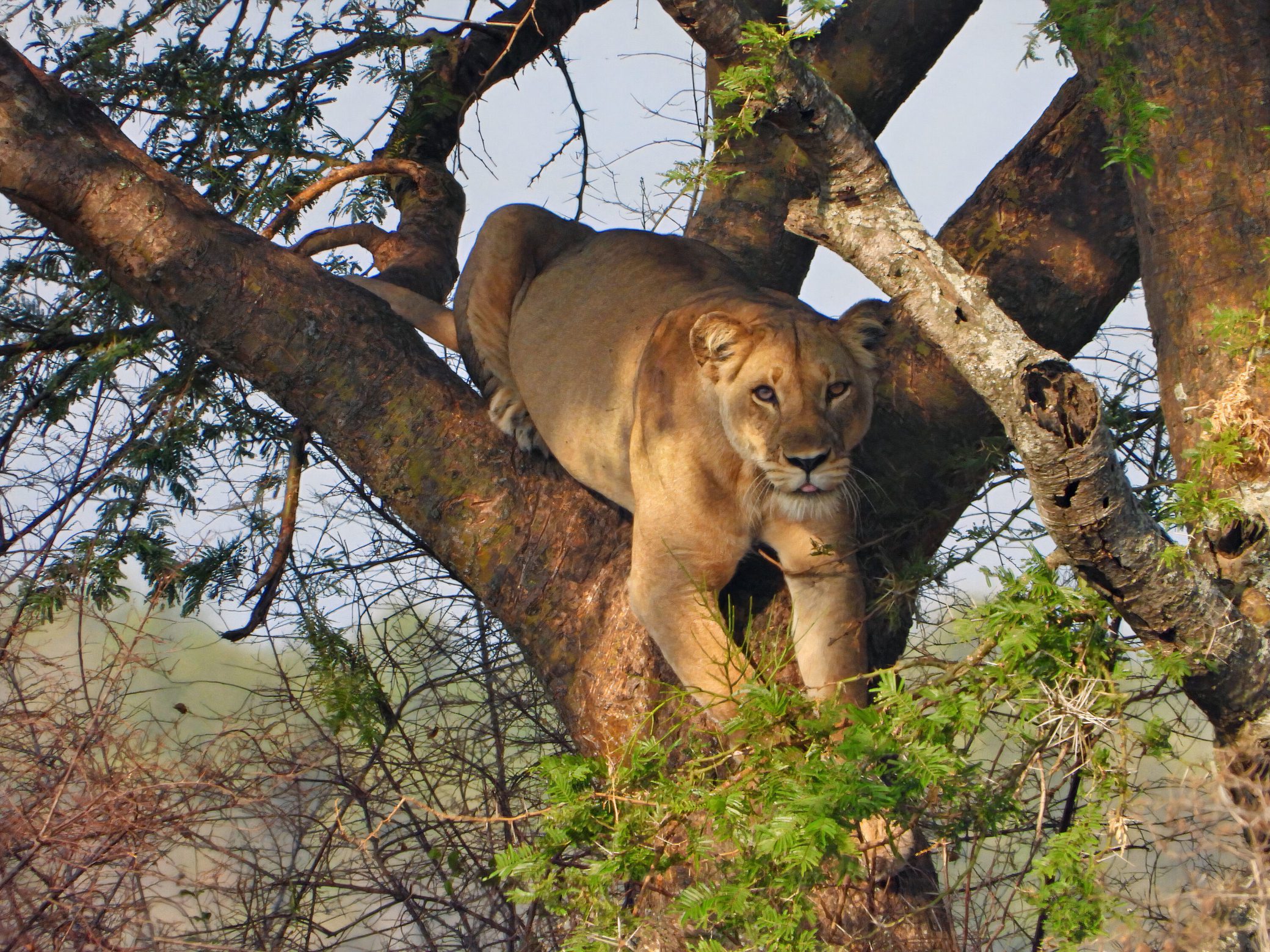
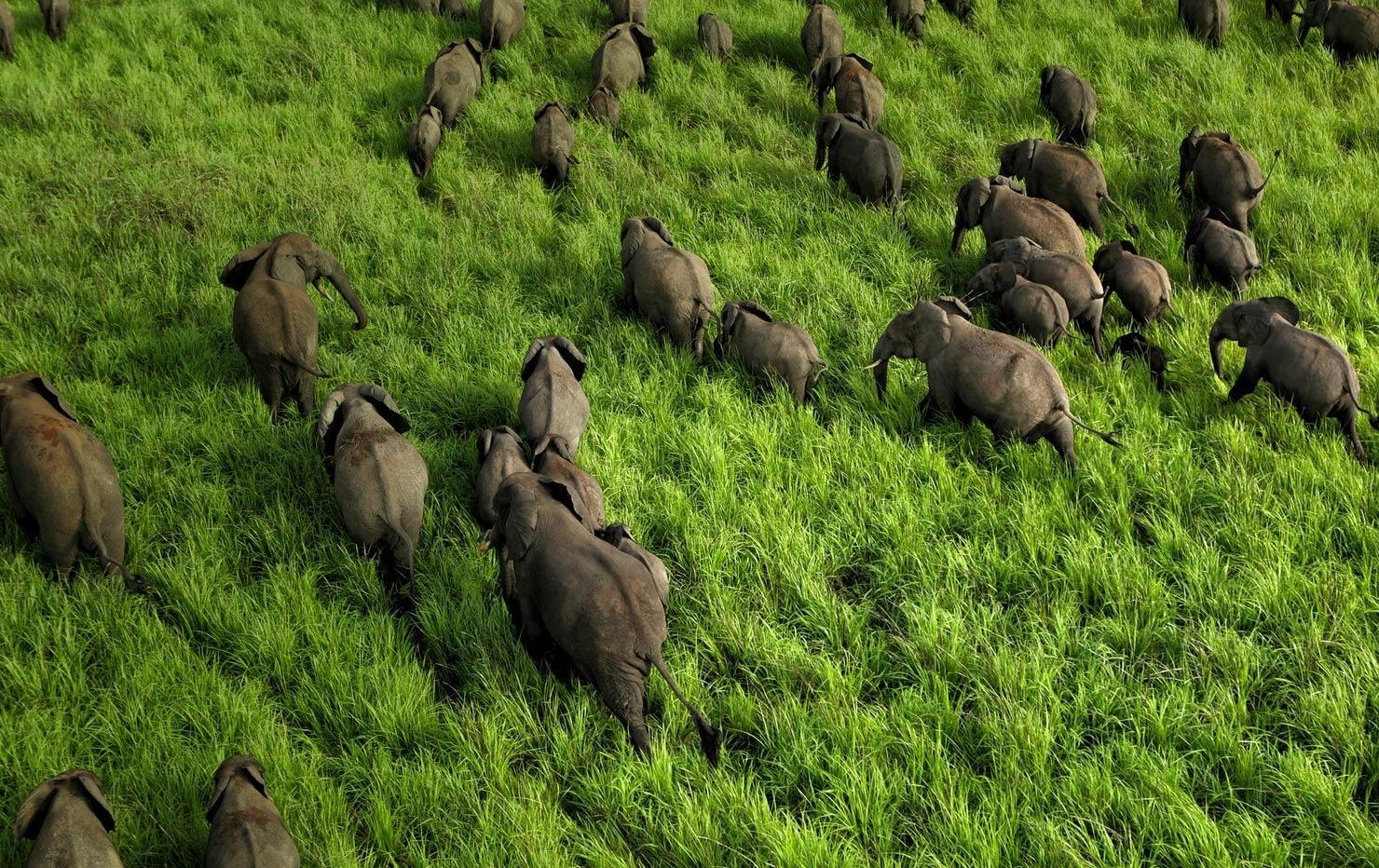
African elephants remain among the most visible members of the Big Five in Congo. Large herds can still be found in protected savannah and forest regions. African buffalo are also present in several parks, often inhabiting open grasslands and riverine habitats. Lions survive in select conservation areas, although their populations are much smaller than those found in East and Southern Africa.
Leopards are perhaps the most elusive of Congo’s Big Five species. Their secretive behavior and preference for dense habitats make sightings relatively rare, even in areas where they are known to occur. Rhinoceroses once thrived in parts of northeastern Congo, particularly in Garamba National Park. While conservation efforts continue, rhino populations have faced significant challenges due to poaching over several decades.
Although seeing all five species on a single trip is uncommon, travelers are rewarded with something few safari destinations can offer: the possibility of combining Big Five wildlife viewing with mountain gorilla trekking, eastern lowland gorilla encounters, chimpanzee tracking, and exceptional birdwatching experiences. This combination makes Congo one of the most diverse safari destinations in Africa.
Where to Go for a Big Five Safari in Congo
Several protected areas across the Democratic Republic of Congo offer opportunities to experience wildlife safaris. Among these, Garamba National Park stands out as the country’s premier destination for travelers seeking a traditional Big Five Safari in Congo.
The country’s national parks cover vast regions of wilderness that include savannahs, forests, mountains, wetlands, and river systems. These diverse ecosystems support a remarkable variety of wildlife and provide opportunities for both classic safari activities and primate adventures.
For travelers interested in large mammals and open savannah landscapes, northeastern Congo offers some of the most promising wildlife-viewing opportunities. Meanwhile, eastern Congo provides unique combinations of wildlife safaris and gorilla trekking experiences that cannot easily be replicated elsewhere in Africa.
Choosing the right destination depends on individual interests, accessibility, security considerations, and the type of safari experience desired. For those specifically searching for a Big Five Safari in Congo, Garamba National Park remains the most important wildlife conservation area.
Garamba National Park
Garamba National Park is widely regarded as the best destination for a Big Five Safari in Congo. Located in the northeastern region of the Democratic Republic of Congo near the border with South Sudan, the park covers approximately 4,900 square kilometers of protected wilderness and forms part of a larger conservation landscape extending across Central Africa.
Established in 1938, Garamba is one of Africa’s oldest national parks and was designated a UNESCO World Heritage Site due to its exceptional biodiversity and ecological significance. The park is characterized by expansive savannah plains, woodland habitats, river systems, and seasonal wetlands that support a rich variety of wildlife.
Historically, Garamba was famous for its populations of northern white rhinoceroses, making it one of the last strongholds for this critically endangered subspecies. Although the northern white rhino is now considered functionally extinct in the wild, conservation efforts within the park continue to protect other important species and habitats.
Visitors to Garamba National Park may encounter African elephants, buffalo, lions, giraffes, hippos, antelope species, hyenas, and numerous bird species. The park supports one of Central Africa’s most important elephant populations and remains a critical conservation area for large mammals.
The landscape of Garamba differs significantly from Congo’s famous rainforest parks. Instead of dense jungle, travelers experience rolling grasslands, acacia woodlands, and open plains that resemble the classic safari scenery associated with East Africa. These habitats make wildlife observation easier and provide opportunities for traditional game drives.
A Big Five Safari in Congo often focuses on Garamba because it offers the country’s closest equivalent to the classic African safari experience. While wildlife populations are still recovering from decades of regional instability and poaching pressures, ongoing conservation initiatives have helped strengthen protection efforts and improve wildlife monitoring throughout the park.
For adventurous travelers seeking an authentic wilderness experience away from heavily visited safari destinations, Garamba National Park represents one of Africa’s most fascinating and underrated wildlife treasures.
Virunga National Park
Virunga National Park is one of Africa’s most famous protected areas and a remarkable destination for travelers seeking a unique wildlife experience in the Democratic Republic of Congo. Established in 1925, Virunga is Africa’s oldest national park and covers more than 7,800 square kilometers of diverse landscapes ranging from volcanic mountains and tropical rainforests to savannahs, lakes, and river systems.
Although Virunga National Park is best known worldwide for its mountain gorillas, it also supports an impressive variety of wildlife that contributes to the broader Big Five Safari in Congo experience. The park’s diverse habitats provide refuge for elephants, buffalo, leopards, hippos, numerous antelope species, and hundreds of bird species. Lions once occurred in larger numbers within the park’s savannah sectors and conservation efforts continue to support wildlife recovery in various areas.
One of the greatest advantages of visiting Virunga National Park is the opportunity to combine traditional wildlife viewing with mountain gorilla trekking. Few destinations in Africa allow travelers to encounter endangered mountain gorillas in the morning and explore wildlife-rich landscapes later in the same safari. This combination makes Virunga a truly exceptional destination for nature enthusiasts.
The park is also home to the spectacular Mount Nyiragongo, one of the world’s most active volcanoes. Many visitors combine gorilla trekking with a hike to the summit to witness the famous lava lake, creating an adventure that blends wildlife, geology, and breathtaking scenery. For travelers seeking a diverse and unforgettable safari, Virunga National Park remains one of the most remarkable destinations in Central Africa.
Upemba National Park
Upemba National Park is one of Congo’s largest and least-explored conservation areas. Located in the southeastern part of the country, the park covers approximately 11,700 square kilometers and encompasses a variety of ecosystems including grasslands, wetlands, lakes, forests, and river valleys.
The park supports significant populations of wildlife and plays an important role in preserving biodiversity within the Democratic Republic of Congo. Visitors may encounter elephants, buffalo, antelopes, zebras, warthogs, crocodiles, and numerous bird species that inhabit the park’s extensive wetlands and savannahs.
What makes Upemba National Park unique is its extraordinary ecological diversity. The region contains one of Africa’s most important wetland systems, creating habitats that support both terrestrial and aquatic wildlife. Large lakes and marshes attract migratory birds and provide critical breeding grounds for many species.
Although tourism infrastructure remains limited compared to more established safari destinations, Upemba offers adventurous travelers an opportunity to explore pristine wilderness areas rarely visited by international tourists. The park represents a promising destination for future wildlife tourism development and remains an important component of Congo’s conservation network.
For travelers interested in discovering untouched African landscapes and experiencing wildlife away from traditional safari routes, Upemba National Park offers an authentic wilderness experience that showcases the natural richness of the Congo Basin.
Kundelungu National Park
Kundelungu National Park lies in southeastern Congo near the border with Zambia and is known for its dramatic landscapes, rolling plateaus, waterfalls, and diverse wildlife. Covering approximately 7,600 square kilometers, the park protects important ecosystems that support numerous species of mammals, birds, and reptiles.
The park is famous for the spectacular Lofoi Falls, one of Africa’s highest waterfalls, which plunges nearly 350 meters down a steep escarpment. This natural attraction adds a scenic dimension to wildlife safaris and makes Kundelungu one of Congo’s most visually impressive national parks.
Wildlife found within Kundelungu includes elephants, buffalo, antelope species, zebras, baboons, warthogs, and predators such as hyenas and leopards. The park’s grasslands and woodland habitats provide suitable conditions for many large mammals while its rivers and wetlands support abundant birdlife.
Kundelungu National Park is particularly attractive for travelers interested in combining wildlife viewing with landscape photography, hiking, and nature exploration. Its relatively remote location means visitor numbers remain extremely low, creating opportunities for exclusive safari experiences in pristine surroundings.
As conservation initiatives continue to strengthen protection efforts throughout the region, Kundelungu is increasingly recognized as one of Congo’s hidden wildlife treasures and an important destination within the country’s broader safari offering.
Animals You Can Expect to See on Big Five Safari in Congo
A Big Five Safari in Congo offers the opportunity to encounter a wide variety of wildlife across the country’s diverse ecosystems. While wildlife densities may differ from those found in East and Southern Africa, Congo compensates with exceptional biodiversity and the possibility of observing species that are difficult to find elsewhere.
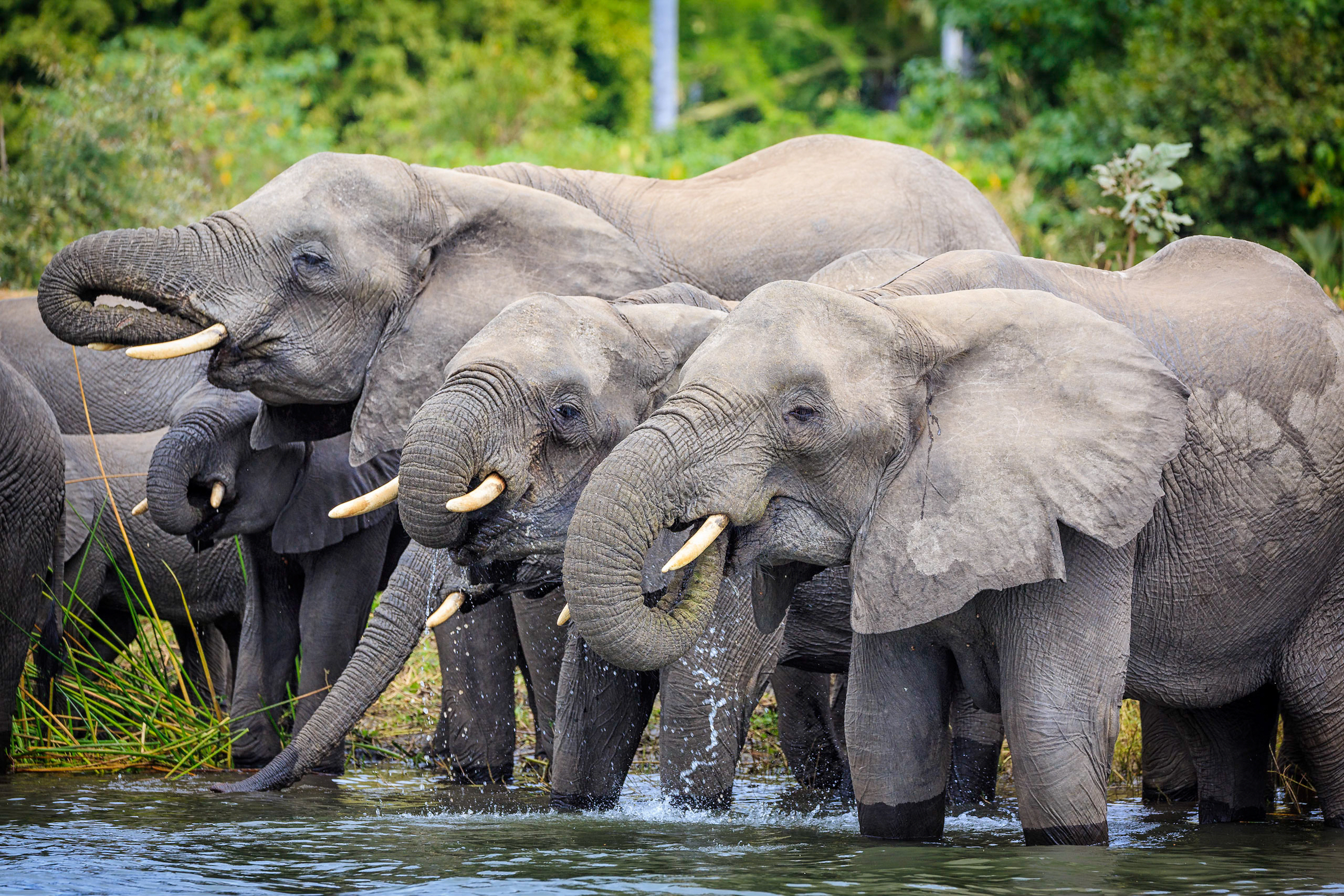
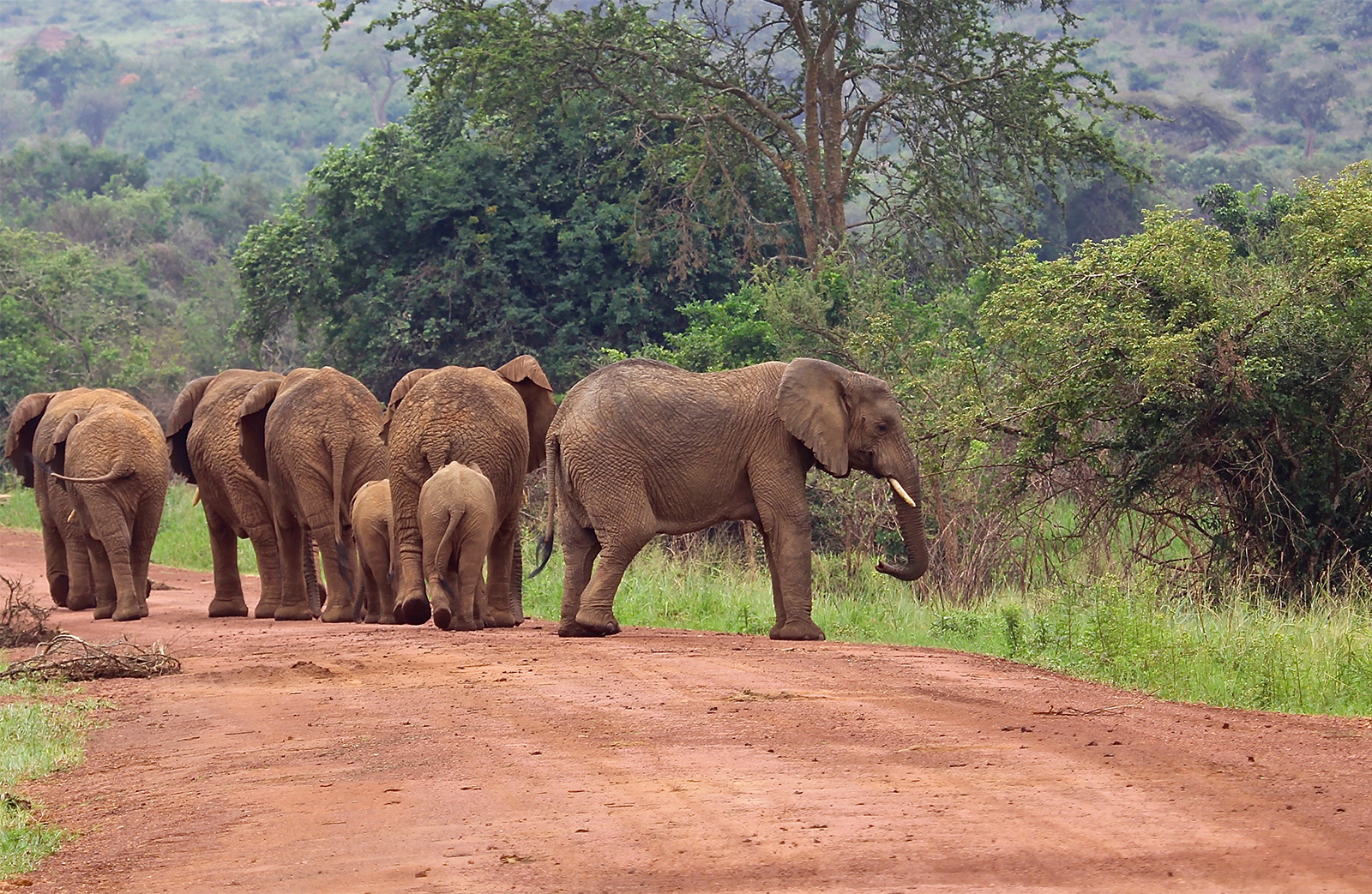
African elephants are among the most important wildlife species in Congo and can be found in several national parks, particularly Garamba National Park. These magnificent animals play a crucial role in shaping ecosystems and remain one of the most sought-after safari sightings.
African buffalo also occur in various protected areas where they inhabit grasslands, woodland habitats, and river systems. Their large herds often provide exciting wildlife viewing opportunities and represent another member of the famous Big Five.
Leopards inhabit many parts of Congo, although their secretive nature makes sightings relatively rare. These elusive predators are primarily nocturnal and are most often detected through tracks, camera traps, or occasional sightings during game drives.
Lions can be found in select savannah ecosystems, particularly in Garamba National Park, where conservation efforts continue to support their populations. Observing lions in such remote wilderness areas provides a unique safari experience that differs greatly from more heavily visited destinations.
Beyond the traditional Big Five, Congo is internationally renowned for its primates. Mountain gorillas in Virunga National Park and eastern lowland gorillas in Kahuzi-Biega National Park attract visitors from around the world. Chimpanzees, baboons, and several monkey species also inhabit many forested regions.
Other wildlife commonly encountered during a Big Five Safari in Congo includes giraffes, hippos, crocodiles, bushbucks, waterbucks, warthogs, hyenas, giant forest hogs, and numerous antelope species. Birdwatchers can enjoy hundreds of recorded bird species ranging from raptors and waterbirds to colorful forest specialists.
The remarkable diversity of species found across Congo’s forests, savannahs, wetlands, and mountains ensures that every safari offers unique wildlife encounters and unforgettable experiences.
African Elephant
The African elephant is one of the most iconic animals that travelers hope to encounter during a Big Five Safari in Congo. As the largest land mammal on Earth, elephants play a vital role in maintaining healthy ecosystems by creating pathways through vegetation, dispersing seeds, and shaping habitats used by numerous other species.
In the Democratic Republic of Congo, elephants inhabit a variety of environments including savannahs, forests, wetlands, and river systems. Garamba National Park supports some of the country’s most important elephant populations and remains one of the best places to observe these magnificent animals in their natural habitat.
Elephants are highly intelligent and social creatures that live in family groups led by experienced matriarchs. Watching a herd interact, communicate, and care for young calves is often one of the most memorable experiences of any safari. Their impressive size, complex behavior, and ecological importance make them a highlight of every Big Five Safari in Congo.
Conservation efforts continue to focus on protecting elephant populations from habitat loss and poaching. Through ongoing wildlife management and anti-poaching initiatives, protected areas throughout Congo are helping to secure a future for these remarkable giants.
African Buffalo
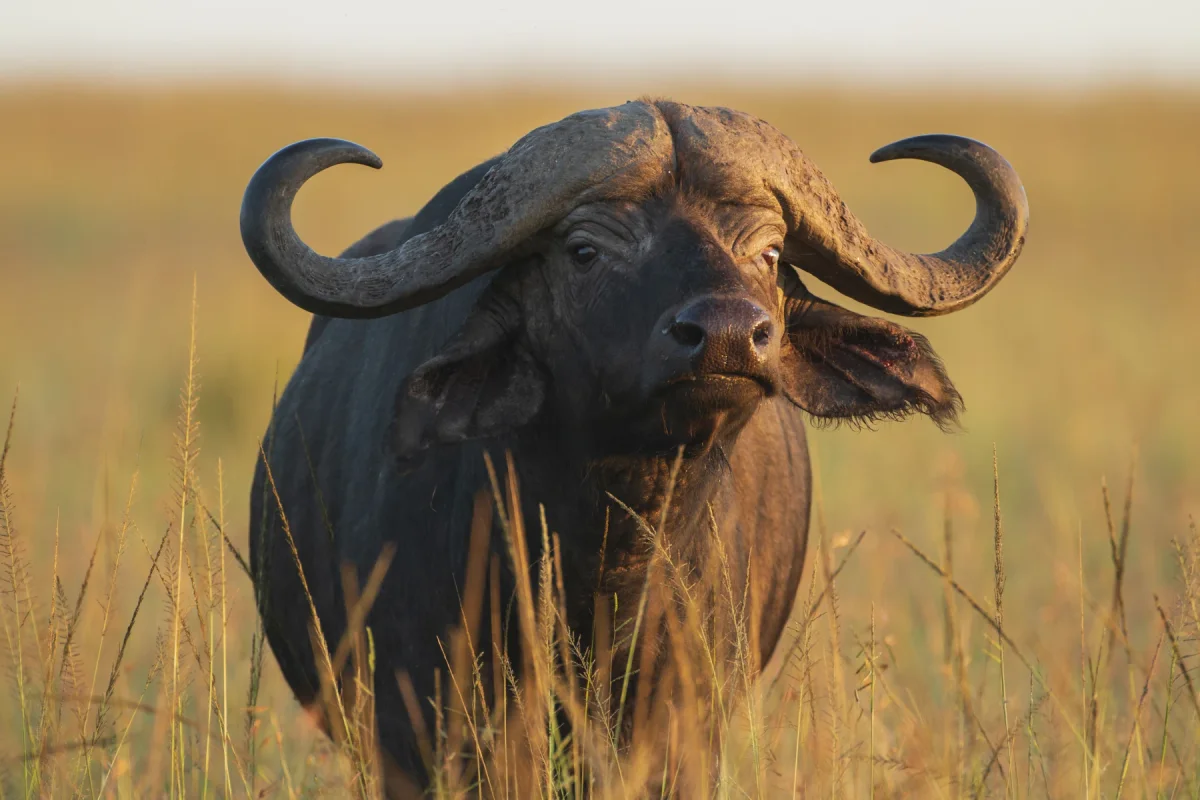
The African buffalo is one of the most powerful and resilient members of the Big Five. Known for its strength, unpredictable behavior, and distinctive curved horns, the buffalo is widely respected throughout Africa and remains a sought-after safari sighting.
Buffalo are found in several protected areas across Congo, particularly in savannah and woodland ecosystems where they graze on grasses and vegetation. Large herds often move together in search of food and water, creating impressive wildlife spectacles across the landscape.
Unlike many other herbivores, buffalo are known for their willingness to defend themselves against predators. Lions frequently target buffalo, leading to dramatic encounters that showcase the intense relationships between predator and prey in the African wilderness.
Visitors on a Big Five Safari in Congo may observe buffalo grazing peacefully on open plains, gathering around water sources, or moving through woodland habitats. Their sheer size and social behavior make them one of the most fascinating animals to encounter during a safari adventure.
Lion
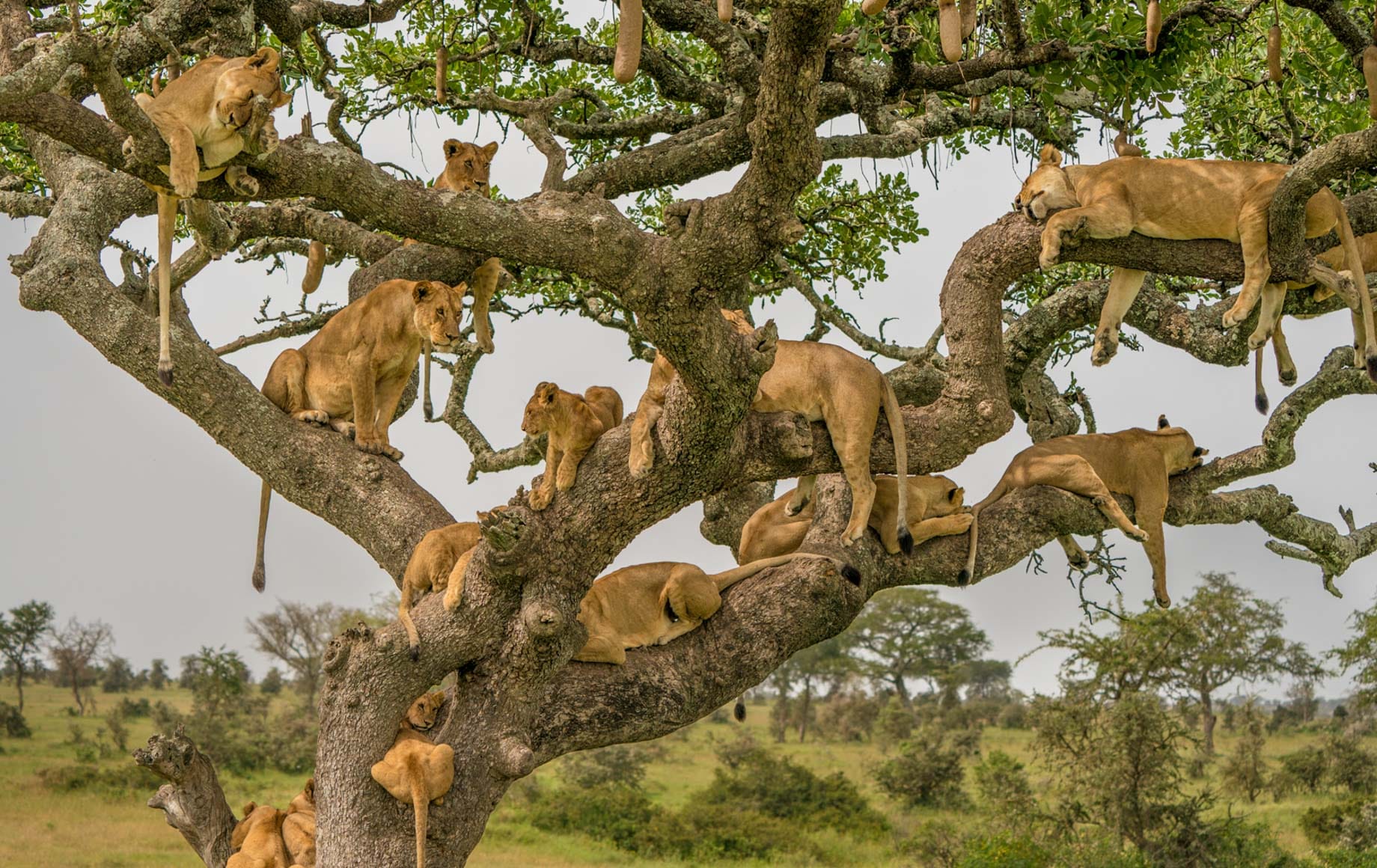
The lion is often regarded as the king of the African wilderness and remains one of the most exciting animals to see during a Big Five Safari in Congo. Although lion populations in Congo are smaller than those found in East and Southern Africa, they continue to survive in select protected areas, particularly within Garamba National Park.
Lions occupy a crucial role as apex predators, helping regulate herbivore populations and maintain ecological balance. They typically inhabit savannahs and open grasslands where they can effectively hunt prey such as buffalo, antelope, and other large mammals.
Unlike solitary predators, lions live in social groups known as prides. These family units consist of related females, cubs, and a small number of adult males that defend territory and breeding rights. Observing pride dynamics provides fascinating insight into the social structure of one of Africa’s most iconic species.
A lion sighting during a Big Five Safari in Congo is often considered a special reward due to the country’s remote wilderness and relatively low visitor numbers. Encountering these majestic predators in an untouched landscape adds a sense of authenticity and adventure to the safari experience.
Leopard
The leopard is perhaps the most elusive member of the Big Five and one of the most difficult animals to spot during a Big Five Safari in Congo. Renowned for its stealth, strength, and adaptability, the leopard thrives in a variety of habitats ranging from dense forests to savannah woodlands.
Leopards are solitary animals that spend much of their time hidden within vegetation or resting in trees. Their spotted coats provide exceptional camouflage, allowing them to move almost invisibly through their surroundings. This natural concealment contributes to their reputation as one of Africa’s most mysterious predators.
These powerful hunters are capable of taking prey much larger than themselves and often drag their kills into trees to protect them from scavengers. Their intelligence and adaptability have allowed them to survive in many different environments throughout Africa.
Although leopard sightings are never guaranteed, travelers exploring Congo’s protected areas may occasionally encounter these magnificent cats during game drives or guided wildlife excursions. For many safari enthusiasts, seeing a leopard in the wild is one of the most rewarding moments of the entire journey.
Rhinoceros
The rhinoceros represents one of the most endangered and historically significant members of the Big Five in Congo. The country once supported populations of the northern white rhinoceros, particularly within Garamba National Park, which was among the last strongholds for this critically endangered subspecies.
For decades, Garamba National Park played a central role in global rhinoceros conservation efforts. Unfortunately, intense poaching pressure severely impacted rhino populations, leading to dramatic declines. Despite these challenges, conservation organizations continue to work toward protecting wildlife habitats and exploring future possibilities for species recovery.
The rhinoceros is admired for its immense size, prehistoric appearance, and powerful presence. Rhinos can weigh several tons and possess remarkable strength, making them one of Africa’s most impressive large mammals. Historically, they occupied grasslands and savannah habitats where they grazed on vegetation and contributed to ecosystem health.
Historically Congo was home to all members of the Big Five, including the Northern White Rhinoceros. Today rhino sightings are no longer a realistic tourism experience.
Travel Tips for Big Five Safari in Congo.
Is Congo Good for a Big Five Safari
Yes, Congo is a good destination for a Big Five Safari, but it offers a very different experience from traditional safari countries such as Kenya, Tanzania, Botswana, or South Africa. Travelers who choose Congo are usually looking for more than just wildlife viewing. They want adventure, exclusivity, biodiversity, and the opportunity to explore one of Africa’s last great wilderness frontiers.
A Big Five Safari in Congo combines classic wildlife encounters with experiences that are almost impossible to find elsewhere. Visitors can track mountain gorillas in Virunga National Park, search for eastern lowland gorillas in Kahuzi-Biega National Park, explore vast rainforests, encounter chimpanzees, and discover wildlife-rich savannahs within the same journey. This combination makes Congo one of the most diverse safari destinations on the continent.
Another major advantage is the low number of tourists. Unlike some popular safari destinations where multiple vehicles may gather around wildlife sightings, Congo offers a more intimate and authentic experience. Visitors often feel as though they are exploring untouched wilderness rather than a heavily visited tourist destination.
For travelers seeking unique wildlife experiences, exceptional biodiversity, conservation-focused tourism, and a genuine sense of exploration, Congo is an outstanding safari destination. It may not offer the same wildlife densities as East Africa’s famous savannahs, but it compensates with extraordinary diversity and unforgettable adventure.
Can You See All Big Five Animals in Congo
Historically, Congo was home to all members of the famous Big Five: elephants, lions, leopards, buffalo, and rhinoceroses. Today, however, seeing all five animals on a single safari can be challenging due to conservation challenges, habitat pressures, and the distribution of wildlife across different regions.
African elephants remain one of the most important wildlife species in Congo and can still be found in several protected areas. Buffalo populations also occur within national parks such as Garamba National Park and Virunga National Park. Lions survive in selected regions, particularly within Garamba National Park, although their numbers are considerably lower than in East African safari destinations.
Leopards inhabit many parts of Congo but are notoriously difficult to observe due to their solitary and secretive behavior. As in most African safari destinations, leopard sightings are often considered special and relatively rare.
Rhinoceroses present the greatest challenge. Garamba National Park was once famous for its northern white rhinoceros population. Unfortunately, severe poaching pressure resulted in the disappearance of this subspecies from the wild. While conservation efforts continue to focus on wildlife protection, rhino sightings are no longer a reliable feature of a Big Five Safari in Congo.
Although seeing all five species is unlikely today, Congo offers something few other destinations can match: the opportunity to combine wildlife viewing with encounters involving mountain gorillas, eastern lowland gorillas, chimpanzees, and other rare rainforest species.
Big Five Safari in Congo vs Kenya
A Big Five Safari in Congo and a safari in Kenya offer two very different African wildlife experiences. Kenya is widely recognized as one of the world’s premier safari destinations, famous for open savannahs, large concentrations of wildlife, and iconic ecosystems such as the Masai Mara.
Kenya provides excellent opportunities to see lions, elephants, buffalo, leopards, rhinos, cheetahs, giraffes, zebras, and thousands of migratory animals. Wildlife viewing is generally easier due to open landscapes and high animal densities. Infrastructure is highly developed, making travel relatively straightforward.
Congo, by contrast, offers a more adventurous and diverse safari experience. Rather than focusing solely on traditional game viewing, Congo combines wildlife safaris with rainforest exploration, gorilla trekking, chimpanzee tracking, volcano hikes, and unique conservation experiences. The country receives far fewer tourists, creating a stronger sense of exclusivity and exploration.
Travelers who prioritize abundant wildlife sightings and classic African safari landscapes may prefer Kenya. Those seeking rare wildlife encounters, primate experiences, and authentic wilderness exploration often find Congo to be more rewarding.
The decision ultimately depends on personal interests. Kenya excels in traditional safaris, while Congo offers exceptional biodiversity and unique wildlife experiences unavailable elsewhere
Big Five Safari in Congo vs Tanzania
Tanzania is another world-renowned safari destination famous for the Serengeti ecosystem, the Great Migration, Ngorongoro Crater, Tarangire National Park, and numerous wildlife-rich reserves. Like Kenya, Tanzania is known for large populations of iconic African animals and exceptional game viewing opportunities.
A safari in Tanzania focuses heavily on traditional wildlife experiences. Visitors can expect excellent chances of seeing lions, elephants, buffalo, leopards, rhinoceroses, cheetahs, wildebeest, zebras, and many other species within vast open landscapes.
A Big Five Safari in Congo provides a very different experience. Wildlife viewing is complemented by dense tropical rainforests, mountain ecosystems, gorilla trekking, chimpanzee encounters, and some of Africa’s most remote wilderness areas. Congo appeals strongly to travelers interested in biodiversity, conservation, and exploration.
Tanzania generally offers more reliable sightings of the traditional Big Five and superior safari infrastructure. Congo, however, provides unique opportunities to experience wildlife that cannot be found in Tanzania, including mountain gorillas, eastern lowland gorillas, and okapis.
For travelers seeking a classic safari, Tanzania is often the preferred option. For those looking for a deeper wilderness experience and extraordinary primate encounters, Congo offers a compelling alternative.
Is Congo Safe for Safari Tourism
Safety is one of the most frequently asked questions about visiting Congo. The answer depends on the specific region being visited and the current conditions at the time of travel.
Many safari destinations in Congo operate under strict security procedures developed in cooperation with park authorities, conservation organizations, and tourism stakeholders. Areas that support gorilla trekking and wildlife tourism often receive significant attention regarding visitor safety and operational planning.
Working with an experienced safari operator is essential. Professional safari companies monitor conditions continuously, provide updated travel advice, arrange secure transportation, coordinate permits, and ensure visitors follow established safety protocols.
Travelers should also obtain comprehensive travel insurance, maintain awareness of official travel advisories, and follow guidance provided by their safari operator. Responsible planning greatly reduces risks and contributes to a smoother travel experience.
Thousands of visitors successfully participate in gorilla trekking and wildlife safaris in Congo each year. With proper preparation, professional support, and careful itinerary planning, many travelers enjoy safe and rewarding safari experiences.
How Much Does a Big Five Safari in Congo Cost
The cost of a Big Five Safari in Congo varies depending on safari duration, accommodation level, transportation arrangements, and included activities. Travelers can choose from budget adventures, comfortable midrange safaris, or exclusive luxury expeditions.
Budget safaris typically range between USD 800 and USD 2,500 per person depending on length and group size. These itineraries often utilize budget lodges, shared transportation, and simpler logistics while still providing access to wildlife and safari activities.
Midrange safaris generally range between USD 3,000 and USD 8,000 per person. These packages provide improved accommodations, private transportation, experienced guides, and more comprehensive itineraries that may include multiple parks and activities.
Luxury safaris can range from USD 8,000 to more than USD 25,000 per person depending on accommodation choices, domestic flights, private guides, gorilla permits, and customized services.
Gorilla trekking permits, domestic flights, and remote logistics often represent the largest expenses. Despite these costs, many travelers consider Congo excellent value because of the unique wildlife encounters and extraordinary diversity available within a single destination.
Which National Park Has the Best Wildlife in Congo
Several national parks compete for the title of Congo’s best wildlife destination, and the answer depends largely on what visitors hope to experience during their safari.
Garamba National Park is generally regarded as the best destination for traditional wildlife safaris. Its savannahs, grasslands, rivers, and wetlands support elephants, buffalo, lions, giraffes, hippos, antelopes, hyenas, and rich birdlife. For travelers focused primarily on classic safari experiences, Garamba offers some of the strongest wildlife viewing opportunities in the country.
Virunga National Park is arguably the most famous national park in Congo due to its mountain gorillas, extraordinary biodiversity, volcanic landscapes, and diverse ecosystems. Visitors can combine gorilla trekking with wildlife viewing, birdwatching, volcano hiking, and conservation experiences.
Kahuzi-Biega National Park is the premier destination for eastern lowland gorillas and rainforest biodiversity. It provides a unique wildlife experience centered around primates, forest species, and conservation-focused tourism.
For traditional wildlife, Garamba National Park is often considered the strongest choice. For overall biodiversity and variety of experiences, many travelers consider Virunga National Park to be the most remarkable protected area in Congo.
Ultimately, the best wildlife park in Congo depends on whether visitors prioritize Big Five species, gorilla trekking, rainforest exploration, birdwatching, or a combination of all these experiences. Together, Garamba, Virunga, and Kahuzi-Biega represent the core of Congo’s extraordinary wildlife tourism offering.
Wildlife Comparison Between Congo, Kenya and Tanzania
| Feature | Congo | Kenya | Tanzania |
|---|---|---|---|
| Big Five | Partial | Excellent | Excellent |
| Gorilla Trekking | Yes | No | No |
| Crowds | Very Low | High | Medium |
| Adventure Level | Very High | Moderate | Moderate |
| Cost | Medium | Medium | High |
Other Wildlife Beyond the Big Five
While the Big Five often attract significant attention, one of the greatest strengths of a Big Five Safari in Congo is the incredible diversity of wildlife that exists beyond these famous animals. The Democratic Republic of Congo is one of the most biologically diverse countries on Earth, containing vast tropical rainforests, mountains, wetlands, savannahs, and river systems that support thousands of species.
Many travelers discover that the true magic of Congo lies not only in the possibility of seeing elephants, lions, buffalo, leopards, and rhinoceroses, but also in encountering rare primates, unique forest mammals, endemic birds, and wildlife found nowhere else on the planet. Congo’s protected areas offer opportunities to experience some of Africa’s most extraordinary animal encounters, making every safari both exciting and highly rewarding.
From the endangered mountain gorillas of Virunga National Park to the elusive okapi hidden within the Congo rainforest, the country provides wildlife experiences that cannot easily be replicated elsewhere in Africa. For nature lovers, photographers, birdwatchers, and conservation enthusiasts, the richness of Congo’s biodiversity adds remarkable value to every safari adventure.
Mountain Gorillas
Mountain gorillas are undoubtedly among Congo’s most famous wildlife attractions and one of the primary reasons travelers visit the country. These critically endangered primates inhabit the mist-covered slopes of the Virunga Mountains within Virunga National Park, creating one of the world’s most unforgettable wildlife experiences.
Sharing approximately 98 percent of their DNA with humans, mountain gorillas display remarkably human-like behaviors, emotions, and social interactions. Visitors who spend time observing a gorilla family often witness mothers caring for infants, juveniles playing together, and dominant silverbacks protecting their groups.
Gorilla trekking involves hiking through dense forest vegetation under the guidance of experienced trackers and park rangers. Once a gorilla family is located, visitors are allowed a carefully regulated hour to observe the animals in their natural environment. This close encounter is frequently described as one of the most emotional and life-changing wildlife experiences available anywhere in the world.
The presence of mountain gorillas transforms a Big Five Safari in Congo into a truly exceptional adventure by combining classic African wildlife viewing with one of the planet’s most sought-after primate encounters.
Eastern Lowland Gorillas
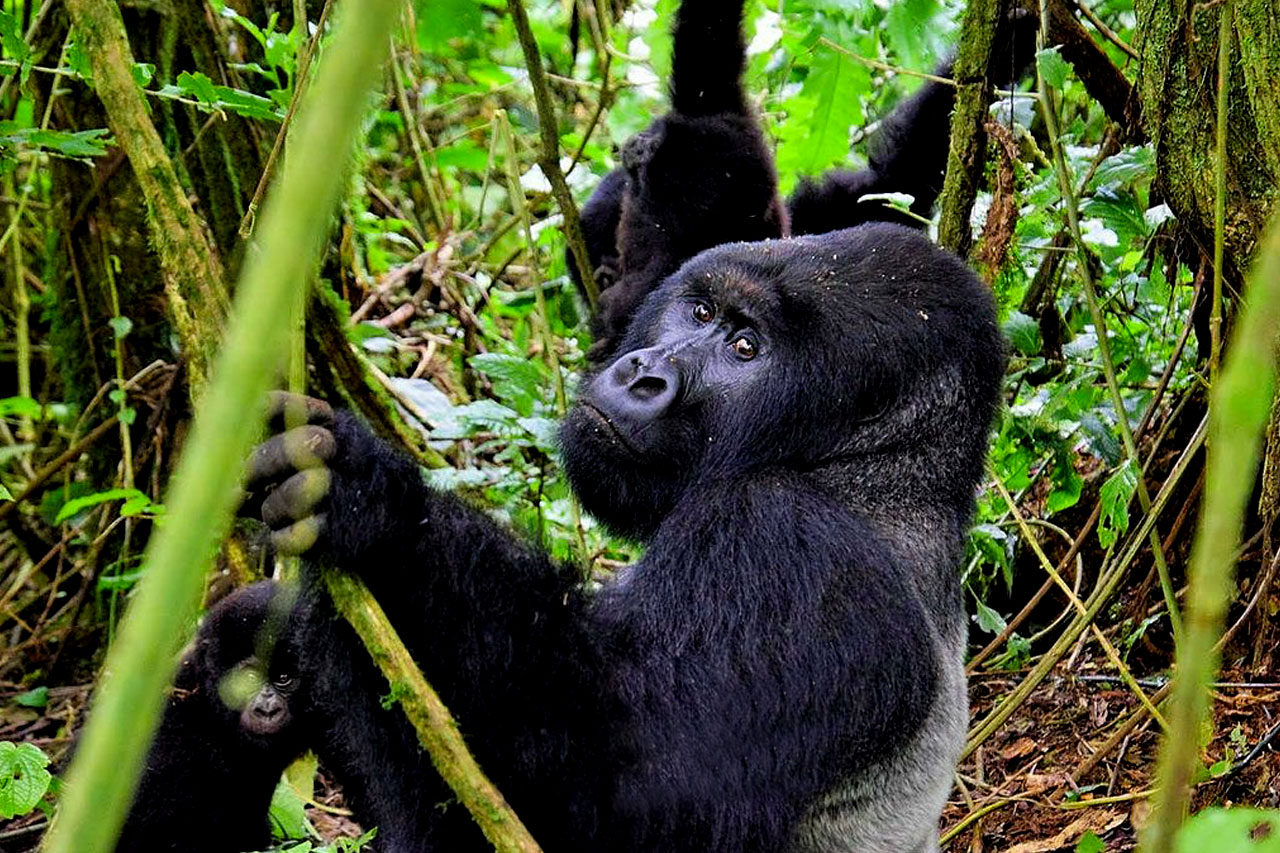
The eastern lowland gorilla, also known as Grauer’s gorilla, is the largest gorilla subspecies in the world and one of Congo’s most remarkable wildlife treasures. These magnificent primates are found primarily within the forests of eastern Democratic Republic of Congo, particularly in and around Kahuzi-Biega National Park.
Compared to mountain gorillas, eastern lowland gorillas possess larger bodies, broader faces, and slightly shorter fur adapted to lower-altitude rainforest habitats. Adult males can weigh more than 200 kilograms and display immense strength while maintaining generally peaceful social behavior.
Tracking eastern lowland gorillas offers a completely different experience from mountain gorilla trekking. The rainforest environment is often more tropical, the gorilla groups may behave differently, and visitor numbers are typically lower, creating a highly exclusive wildlife encounter.
Because eastern lowland gorillas exist only in the Democratic Republic of Congo, observing them in their natural habitat is a unique privilege available nowhere else on Earth. Their conservation importance and rarity make them one of the country’s most valuable wildlife attractions.
Chimpanzees
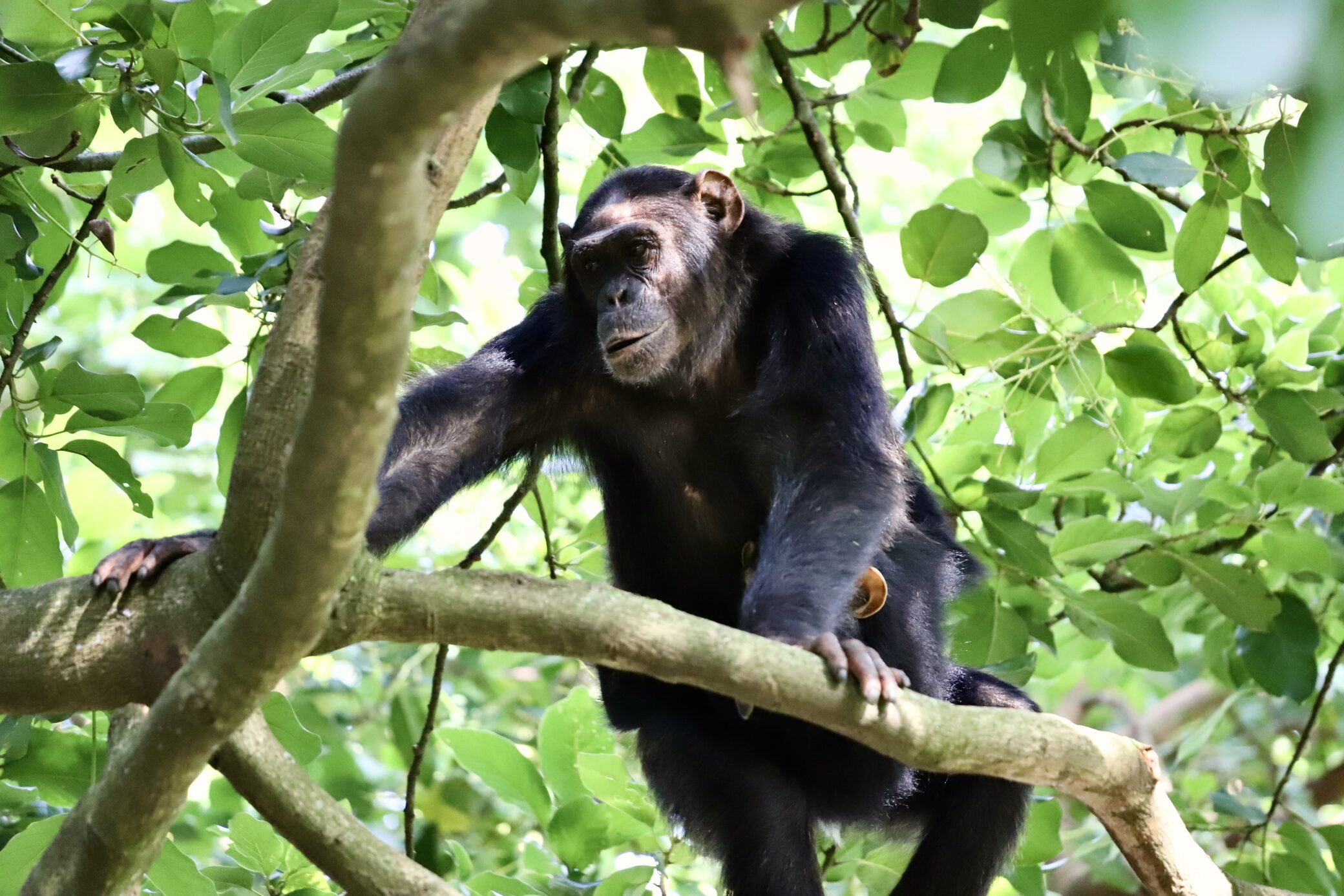
Chimpanzees represent another extraordinary primate species that contributes to the richness of a Big Five Safari in Congo. These highly intelligent animals share an even closer genetic relationship with humans than gorillas and are known for their advanced social structures, problem-solving abilities, and complex communication systems.
Chimpanzees inhabit many of Congo’s tropical forests where they spend much of their time moving through the canopy in search of fruits, leaves, insects, and other food sources. Their energetic behavior, vocalizations, and social interactions provide fascinating opportunities for wildlife observation.
Visitors may witness chimpanzees grooming one another, caring for young offspring, using tools to obtain food, or communicating through a variety of sounds and gestures. Such observations offer remarkable insights into primate behavior and evolution.
Chimpanzee tracking experiences add an exciting dimension to wildlife safaris in Congo, particularly for travelers interested in primates and rainforest ecosystems. The opportunity to observe both gorillas and chimpanzees during a single safari is one of Congo’s most unique advantages.
Okapi
The okapi is one of Africa’s most mysterious and extraordinary mammals. Often referred to as the “forest giraffe,” the okapi is found exclusively within the rainforests of the Democratic Republic of Congo and is considered one of the country’s most iconic endemic species.
Although it resembles a cross between a giraffe and a zebra, the okapi is actually the giraffe’s closest living relative. Its distinctive striped legs help provide camouflage within dense forest vegetation, while its long tongue enables it to feed efficiently on leaves, buds, and forest plants.
Okapis are naturally shy and elusive animals, making sightings in the wild relatively rare. They inhabit remote rainforest regions and are most commonly associated with the Ituri Forest and the Okapi Wildlife Reserve, a UNESCO World Heritage Site renowned for its biodiversity.
For many wildlife enthusiasts, the possibility of seeing an okapi represents one of the most exciting aspects of exploring Congo. The species symbolizes the uniqueness of the Congo Basin and highlights the country’s global importance for wildlife conservation.
Antelope Species
A Big Five Safari in Congo offers opportunities to encounter numerous antelope species that contribute significantly to the country’s diverse ecosystems. These graceful herbivores occupy habitats ranging from open savannahs and wetlands to dense tropical forests.
Species commonly found in various parts of Congo include waterbucks, bushbucks, duikers, kob, reedbucks, and several forest-dwelling antelopes. Each species possesses unique adaptations that allow it to thrive within specific environments.
Antelope play a crucial ecological role by serving as prey for large predators such as lions, leopards, and hyenas. Their grazing and browsing activities also help shape vegetation patterns and support ecosystem balance.
Observing antelope species provides excellent opportunities for wildlife photography and enhances the overall safari experience. Their alert behavior, elegant movements, and diverse appearances contribute to the rich wildlife encounters available throughout Congo’s national parks and reserves.
Birdlife
Congo is a paradise for birdwatchers and ranks among Africa’s most rewarding destinations for birding enthusiasts. The country’s immense variety of habitats supports more than 1,000 recorded bird species, making it one of the continent’s richest birdlife regions.
Birdwatchers exploring Congo may encounter colorful kingfishers, hornbills, bee-eaters, turacos, weavers, storks, herons, eagles, vultures, and numerous forest specialists. Many species are endemic or near-endemic to the Congo Basin, adding further significance to birding experiences.
Wetlands, rivers, lakes, forests, mountains, and savannahs each support distinct bird communities. This habitat diversity allows visitors to observe a remarkable range of species within a relatively short period. Seasonal migrations also bring additional birdlife to certain regions throughout the year.
Even travelers primarily focused on mammals often find themselves captivated by Congo’s spectacular birdlife. Whether observing colorful rainforest birds deep within the jungle or spotting majestic raptors soaring above open savannahs, birdwatching adds another rewarding dimension to a Big Five Safari in Congo and highlights the extraordinary biodiversity of the country.
Best National Parks for Combining Big Five and Gorilla Trekking
One of the greatest advantages of choosing a Big Five Safari in Congo is the opportunity to combine traditional African wildlife viewing with some of the world’s most extraordinary primate encounters. Few destinations in Africa offer travelers the chance to track gorillas in ancient rainforests while also exploring landscapes inhabited by elephants, buffalo, lions, leopards, and other iconic wildlife species.
The Democratic Republic of Congo is uniquely positioned to provide this combination because of its diverse ecosystems and extensive network of protected areas. From the volcanic slopes of the Virunga Mountains to the dense forests of Kahuzi-Biega and the vast savannahs of Garamba, Congo presents wildlife experiences that go far beyond the traditional safari.
For travelers seeking the ultimate combination of gorilla trekking and wildlife safaris, three national parks stand out as the most rewarding destinations. Each park offers distinct landscapes, unique species, and unforgettable opportunities to experience the remarkable biodiversity of the Congo Basin.
Virunga National Park
Virunga National Park is widely regarded as the premier destination for travelers seeking to combine gorilla trekking with a broader wildlife safari experience in Congo. Located in the eastern part of the country along the borders of Rwanda and Uganda, the park protects an extraordinary range of habitats including tropical forests, volcanic mountains, savannahs, wetlands, and lakes.
The park is internationally renowned for its mountain gorillas, which inhabit the forested slopes of the Virunga Mountains. Gorilla trekking in Virunga provides visitors with the rare opportunity to spend time observing one of the world’s most endangered primates in its natural environment. The experience is often described as the highlight of any African safari and attracts wildlife enthusiasts from across the globe.
Beyond gorillas, Virunga supports an impressive variety of wildlife species. Elephants, buffalo, hippos, antelope species, monkeys, and numerous bird species occur throughout the park’s diverse ecosystems. The savannah sectors near Lake Edward provide opportunities for traditional wildlife viewing, while the forested regions support some of the highest levels of biodiversity in Central Africa.
Virunga’s unique combination of mountain gorillas, wildlife safaris, and volcanic landscapes creates a safari experience unlike any other destination on the continent. Visitors can combine gorilla trekking with hikes to Mount Nyiragongo, boat excursions on Lake Edward, nature walks, and wildlife viewing activities, making the park one of the most comprehensive safari destinations in Africa.
For travelers searching for a Big Five Safari in Congo with the added excitement of gorilla trekking, Virunga National Park offers an exceptional blend of adventure, wildlife, and conservation.
Kahuzi-Biega National Park
Kahuzi-Biega National Park is another outstanding destination for combining wildlife experiences with gorilla trekking in Congo. Located near the city of Bukavu in eastern Democratic Republic of Congo, the park covers more than 6,000 square kilometers of protected rainforest, mountainous terrain, and diverse ecosystems.
The park is best known as the home of the eastern lowland gorilla, also known as Grauer’s gorilla. These remarkable primates are the largest gorilla subspecies in the world and are found only in the Democratic Republic of Congo. Trekking to observe eastern lowland gorillas provides a unique wildlife encounter that cannot be experienced anywhere else on Earth.
The forests of Kahuzi-Biega support a rich variety of wildlife including forest elephants, chimpanzees, monkeys, antelope species, giant forest hogs, and hundreds of bird species. The park’s exceptional biodiversity has earned it recognition as a UNESCO World Heritage Site and one of Africa’s most important conservation areas.
Unlike savannah-based safari destinations, Kahuzi-Biega offers a more immersive rainforest experience. Visitors explore dense jungle environments where wildlife encounters feel intimate, authentic, and deeply connected to nature. The park’s mountainous scenery, pristine forests, and relatively low visitor numbers create a sense of exclusivity rarely found in more popular safari destinations.
Travelers interested in primates, biodiversity, and conservation often consider Kahuzi-Biega one of the most rewarding wildlife destinations in Central Africa. The opportunity to track eastern lowland gorillas while exploring one of the continent’s most biologically rich rainforests makes the park an essential addition to any Congo safari itinerary.
Garamba National Park
Garamba National Park is the best destination in Congo for travelers seeking a classic African wildlife safari while still experiencing the country’s remarkable biodiversity. Located in northeastern Democratic Republic of Congo, Garamba is one of Africa’s oldest national parks and has been recognized as a UNESCO World Heritage Site for its outstanding ecological value.
The park is characterized by vast open savannahs, river systems, woodlands, and grasslands that support many of Africa’s iconic large mammals. Garamba is particularly known for its populations of African elephants, buffalo, lions, giraffes, hippos, antelope species, and numerous bird species. These habitats provide some of the best opportunities in Congo for traditional game viewing and wildlife photography.
Historically, Garamba was one of the last strongholds of the northern white rhinoceros and remains an important symbol of African wildlife conservation. Although rhino populations faced severe challenges from poaching, ongoing conservation initiatives continue to protect the park’s remaining biodiversity and wildlife habitats.
While Garamba does not offer gorilla trekking within the park itself, it complements gorilla destinations such as Virunga and Kahuzi-Biega exceptionally well. Many travelers interested in experiencing both the Big Five and gorillas choose to combine Garamba’s savannah wildlife with gorilla trekking adventures elsewhere in eastern Congo.
Garamba delivers the closest experience to a traditional African safari within the Democratic Republic of Congo. The combination of expansive landscapes, large mammals, remote wilderness, and conservation significance makes it an ideal destination for wildlife enthusiasts seeking a comprehensive Big Five Safari in Congo.
Together, Virunga National Park, Kahuzi-Biega National Park, and Garamba National Park represent the most rewarding destinations for travelers interested in combining gorilla trekking with exceptional wildlife viewing. Each park contributes a unique element to the safari experience, allowing visitors to discover the extraordinary diversity that makes Congo one of Africa’s most remarkable wildlife destinations.
Comparison of National Park with Wildlife Viewing
| Animal | Garamba | Virunga | Kahuzi-Biega |
|---|---|---|---|
| Elephant | Excellent | Good | Limited |
| Lion | Good | Rare | No |
| Buffalo | Excellent | Good | Limited |
| Leopard | Rare | Rare | Rare |
| Gorilla | No | Excellent | Excellent |
Best Time for a Big Five Safari in Congo
A Big Five Safari in Congo can be enjoyed throughout the year, but weather conditions, wildlife movements, vegetation density, and road accessibility can significantly influence the overall safari experience. The Democratic Republic of Congo lies within the equatorial region of Africa, resulting in a tropical climate characterized by alternating dry and wet seasons rather than the four traditional seasons experienced in many other parts of the world.
Undershtanding the seasonal patterns can help travelers choose the best time to visit based on their interests. Some visitors prioritize wildlife viewing, while others focus on gorilla trekking, birdwatching, photography, or combining multiple safari activities. Fortunately, Congo offers rewarding experiences year-round, with each season providing its own unique advantages.
The best time for a Big Five Safari in Congo generally falls during the dry seasons when roads are more accessible, wildlife is easier to locate, and trekking conditions are more favorable. However, the wet seasons also present exceptional opportunities for birdwatching, photography, and experiencing the country’s landscapes at their most vibrant.
Dry Season
The dry season is widely considered the best time for a Big Five Safari in Congo. During these months, rainfall decreases, vegetation becomes less dense, and wildlife tends to gather around permanent water sources, making animal sightings more predictable and rewarding.
The primary dry season typically occurs between June and September, while a shorter dry period is often experienced from December to February. These months provide the most comfortable conditions for wildlife viewing, gorilla trekking, nature walks, and photography.
In savannah regions such as Garamba National Park, the dry season improves visibility across open grasslands and woodlands. Animals are easier to spot as they move between feeding and watering areas, increasing the chances of observing elephants, buffalo, lions, antelope species, and other wildlife.
For gorilla trekking in Virunga National Park and eastern lowland gorilla tracking in Kahuzi-Biega National Park, the dry season offers firmer hiking trails and easier forest navigation. Reduced rainfall also improves visitor comfort and creates excellent conditions for photography.
Birdwatchers can still enjoy excellent sightings during the dry season, particularly around wetlands and river systems where birds concentrate near available water sources. The combination of favorable weather and abundant wildlife makes the dry season the most popular period for a Big Five Safari in Congo.
Wet Season
The wet season transforms Congo into a lush green paradise and offers a completely different safari experience. The main rainy season generally occurs between March and May, while a shorter rainy period often takes place between October and November.
During these months, forests become exceptionally vibrant, rivers swell with fresh water, and landscapes are at their most beautiful. Although some roads may become more challenging to navigate, the wet season rewards visitors with stunning scenery and a more intimate connection with nature.
Wildlife viewing remains possible throughout the rainy season, although animals may be more dispersed due to the abundance of water and vegetation. The dense greenery can make wildlife slightly more difficult to locate, but sightings are often enhanced by the dramatic landscapes and fewer tourists.
The wet season is particularly attractive for birdwatchers. Many migratory bird species arrive during this period, increasing the diversity of birdlife throughout Congo’s national parks and reserves. Forest birds become more active, and breeding plumage creates spectacular photographic opportunities.
Photographers often appreciate the soft lighting, rich colors, and dramatic cloud formations that characterize the rainy season. For travelers seeking solitude, lower visitor numbers and untouched wilderness experiences make the wet season an appealing time for a Big Five Safari in Congo.
Safari Activities in Congo
A Big Five Safari in Congo offers far more than traditional game drives. The country’s extraordinary diversity of ecosystems creates opportunities for a wide range of wildlife, adventure, cultural, and conservation experiences. Whether exploring vast savannahs, trekking through rainforests, climbing volcanoes, or observing rare primates, visitors can enjoy some of Africa’s most unique safari activities.
The combination of classic wildlife viewing and exceptional primate encounters sets Congo apart from most other safari destinations. Travelers often combine multiple activities within a single itinerary, creating a comprehensive adventure that showcases the remarkable biodiversity of the Congo Basin.
From tracking endangered gorillas and chimpanzees to discovering remote wilderness areas rich in wildlife, every safari activity contributes to an unforgettable exploration of one of Africa’s last great frontiers.
Game Drives
Game drives remain one of the most popular safari activities in Congo, particularly in parks such as Garamba National Park where open savannah habitats support large mammals and classic safari wildlife. Guided game drives allow visitors to search for elephants, buffalo, lions, antelope species, giraffes, hyenas, and numerous other animals.
Morning and late afternoon game drives are generally the most productive periods because temperatures are cooler and wildlife is more active. Experienced guides help visitors identify animal tracks, interpret wildlife behavior, and locate species that might otherwise go unnoticed.
Gorilla Trekking
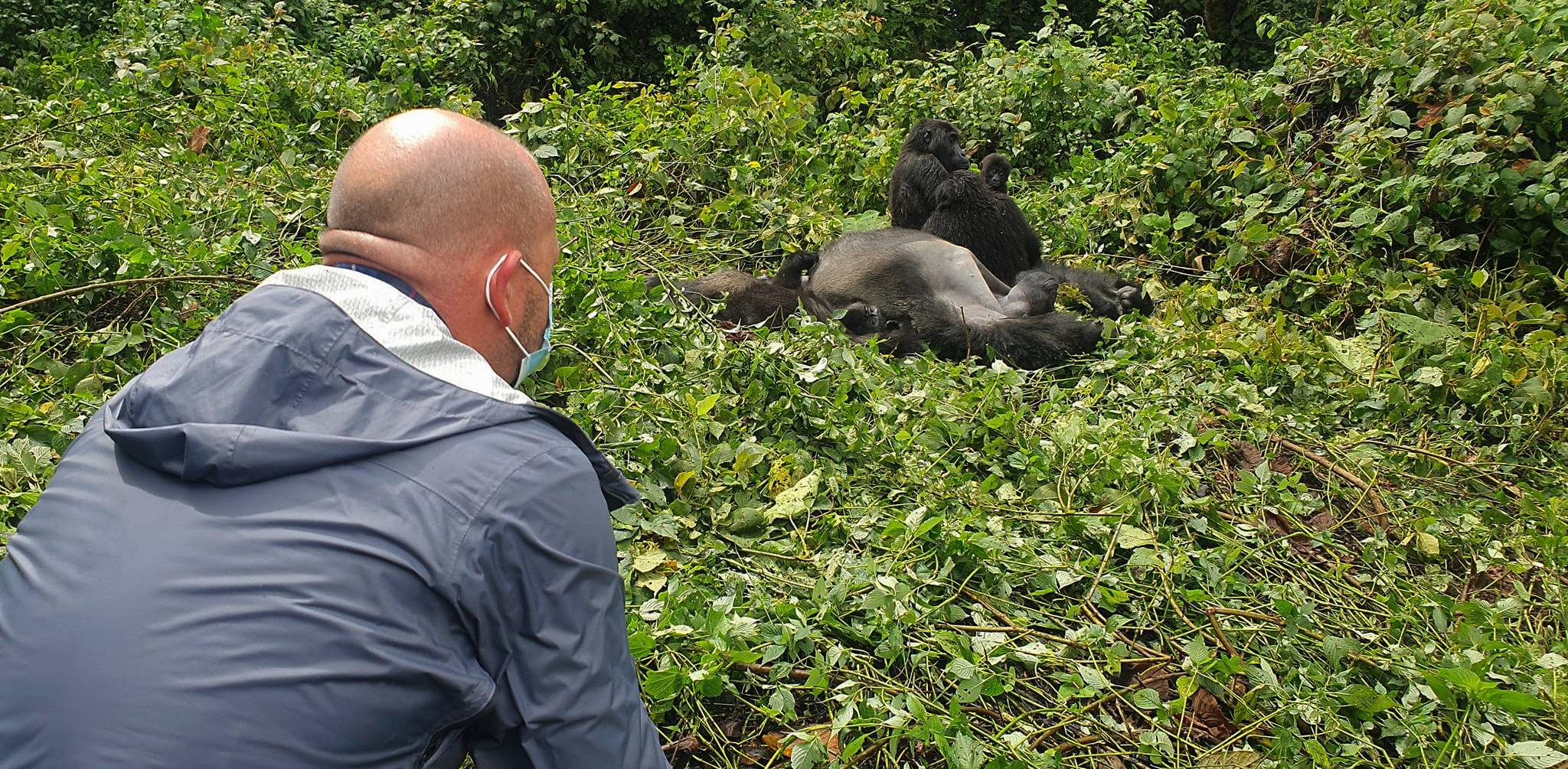
Gorilla trekking is undoubtedly the most famous safari activity in Congo and one of the world’s most extraordinary wildlife experiences. Visitors can trek through Virunga National Park to observe mountain gorillas or explore Kahuzi-Biega National Park to encounter eastern lowland gorillas.
The experience involves hiking through forests under the guidance of professional trackers before spending a precious hour observing a habituated gorilla family. This intimate encounter with one of humanity’s closest relatives is often considered the highlight of a Congo safari.
Chimpanzee Tracking
Chimpanzee tracking provides another fascinating primate experience. Guided treks allow visitors to search for wild chimpanzees within their natural forest habitats while learning about their behavior, communication, and social structures.
Watching chimpanzees interact, forage, and move through the forest canopy offers valuable insight into the intelligence and complexity of these remarkable animals.
Guided Nature Walks
Nature walks allow visitors to experience Congo’s ecosystems from a different perspective. Accompanied by experienced guides and rangers, travelers can explore forests, wetlands, grasslands, and riverbanks while learning about plants, insects, birds, and animal tracks.
Walking safaris often reveal details that may be overlooked during vehicle-based wildlife viewing and provide a deeper understanding of the natural environment.
Bird Watching
With more than a thousand recorded bird species, Congo is one of Africa’s premier birdwatching destinations. Guided birding excursions offer opportunities to observe colorful forest birds, raptors, waterbirds, endemic species, and migratory visitors.
Both experienced birders and casual wildlife enthusiasts can appreciate the extraordinary avian diversity found throughout the country’s protected areas.
Volcano Hiking
One of Congo’s most unique safari activities is hiking Mount Nyiragongo in Virunga National Park. This active volcano contains one of the world’s largest lava lakes and offers spectacular views of the surrounding landscape.
The challenging trek rewards visitors with unforgettable scenery and an opportunity to witness one of Africa’s most remarkable geological wonders.
Boat Safaris
Boat excursions on lakes and rivers provide excellent opportunities to observe wildlife from a different perspective. Visitors may encounter hippos, crocodiles, waterbirds, and animals coming to drink along the shoreline.
Boat safaris also offer outstanding photography opportunities and a peaceful way to explore Congo’s aquatic ecosystems.
Cultural Experiences
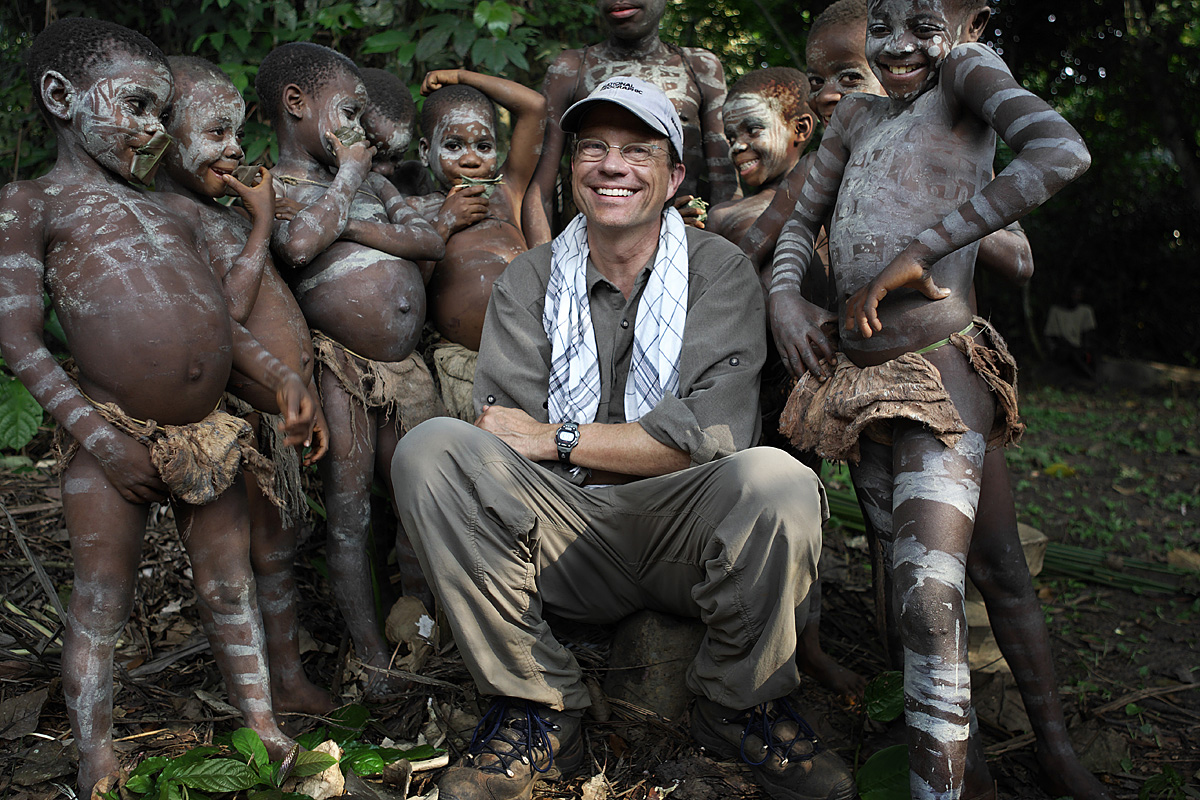
Many safari itineraries include visits to local communities where travelers can learn about traditional lifestyles, cultural heritage, music, dance, crafts, and conservation initiatives. These interactions help visitors gain a deeper appreciation for the people who live alongside Congo’s extraordinary wildlife.
Cultural experiences complement wildlife adventures by providing valuable insight into the human dimension of conservation and sustainable tourism.
Wildlife Photography
The diverse landscapes and wildlife of Congo create exceptional opportunities for photography. From gorilla portraits and dramatic savannah scenes to colorful birds and volcanic landscapes, photographers can capture images that showcase the incredible diversity of the country.
Whether traveling as a professional photographer or simply documenting a safari adventure, Congo provides endless inspiration and unforgettable photographic moments.
Accommodation Options
A Big Five Safari in Congo offers a variety of accommodation choices that cater to different travel styles, budgets, and comfort preferences. While the Democratic Republic of Congo remains a relatively undiscovered safari destination compared to many other African countries, visitors can still find quality lodging options ranging from simple safari camps to comfortable midrange lodges and exclusive luxury properties.
Accommodation experiences vary significantly depending on the national park or region being visited. Areas such as Virunga National Park and Kahuzi-Biega National Park offer safari lodges designed to support gorilla trekking and wildlife tourism, while remote wilderness destinations provide more adventurous and authentic safari experiences.
Choosing the right accommodation can greatly enhance a Big Five Safari in Congo. Whether travelers prioritize affordability, comfort, exclusivity, or proximity to wildlife activities, there are lodging options available to suit every safari itinerary.
Budget Safari Lodges
Budget safari lodges are ideal for travelers who wish to experience Congo’s extraordinary wildlife while keeping overall safari costs manageable. These accommodations focus on providing essential comfort, clean facilities, and convenient access to national parks and wildlife activities without unnecessary luxury.
Most budget safari lodges offer private or shared rooms with basic amenities such as comfortable beds, private bathrooms, mosquito protection, and simple dining facilities. While the level of luxury may be modest, many budget lodges compensate with warm hospitality, beautiful natural surroundings, and excellent locations near major safari attractions.
Budget accommodations are particularly popular among backpackers, adventure travelers, students, conservation volunteers, and wildlife enthusiasts whose primary goal is to maximize time spent exploring national parks and observing wildlife.
In regions near Virunga National Park and Kahuzi-Biega National Park, budget lodges often serve as practical bases for gorilla trekking, chimpanzee tracking, nature walks, and cultural experiences. Many also offer stunning views of forests, mountains, or surrounding landscapes that enhance the overall safari atmosphere.
One of the major advantages of budget safari lodges is their ability to make a Big Five Safari in Congo more accessible without sacrificing the quality of wildlife encounters. Travelers can enjoy unforgettable experiences while maintaining reasonable travel expenses.
Midrange Safari Lodges
Midrange safari lodges represent the most popular accommodation category for visitors undertaking a Big Five Safari in Congo. These properties provide an excellent balance between comfort, service quality, and affordability, making them attractive to couples, families, small groups, and independent travelers.
Midrange lodges typically feature spacious guest rooms, private bathrooms, comfortable furnishings, reliable electricity, hot showers, and well-maintained dining facilities. Many properties also include lounges, gardens, terraces, and communal spaces where guests can relax after a day of wildlife exploration.
The service level at midrange lodges is generally more personalized than at budget accommodations. Guests often enjoy professionally prepared meals, guided activity arrangements, transportation assistance, and knowledgeable staff familiar with local attractions and wildlife experiences.
Many midrange properties are strategically located near major safari destinations, minimizing travel time to activities such as gorilla trekking, game drives, birdwatching excursions, and cultural visits. Their convenient locations make them ideal for travelers seeking both comfort and efficient safari logistics.
For many visitors, midrange safari lodges provide the perfect combination of value and comfort. They allow travelers to enjoy a rewarding Big Five Safari in Congo while maintaining a reasonable budget and experiencing high-quality hospitality throughout their journey.
Luxury Safari Lodges
Luxury safari lodges offer the highest level of comfort, exclusivity, and personalized service available during a Big Five Safari in Congo. Designed for discerning travelers seeking exceptional experiences, these properties combine world-class hospitality with remarkable access to some of Africa’s most extraordinary wildlife destinations.
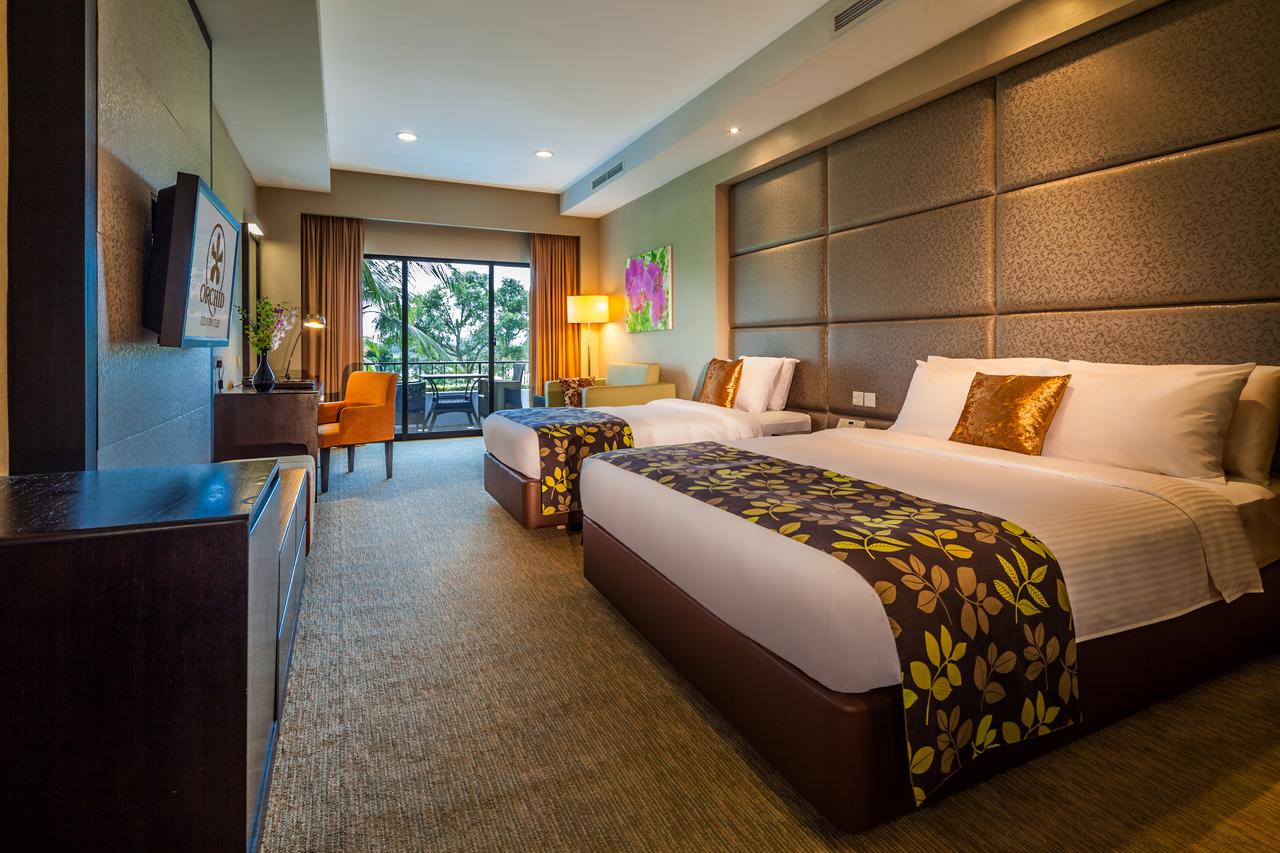
Luxury accommodations typically feature spacious suites, elegant interior design, premium bedding, private terraces, gourmet dining, personalized service, and breathtaking views of surrounding landscapes. Many lodges are carefully integrated into their natural environments, allowing guests to enjoy comfort while remaining closely connected to nature.
Guests staying at luxury safari lodges often benefit from customized safari experiences, private guides, exclusive transportation arrangements, premium dining experiences, and enhanced privacy. Some properties also offer wellness services, spa treatments, fine wines, and tailored activities designed to create unforgettable safari memories.
Luxury lodges near gorilla trekking destinations frequently provide specialized services such as private gorilla trekking arrangements, porter assistance, packed gourmet lunches, and dedicated safari coordinators. These additional services help ensure a seamless and comfortable safari experience from arrival to departure.
One of the greatest attractions of luxury safari lodges is the ability to experience remote wilderness areas without sacrificing modern comforts. Guests can spend the day tracking gorillas, searching for wildlife, or exploring national parks before returning to elegant accommodations that provide relaxation and exceptional hospitality.
For honeymooners, photographers, luxury travelers, and visitors celebrating special occasions, luxury safari lodges offer an extraordinary way to experience a Big Five Safari in Congo. The combination of exclusive wildlife encounters, personalized service, and stunning natural surroundings creates a safari experience that is both adventurous and exceptionally refined.
How to Get to Congo for a Big Five Safari
Planning transportation is an important part of organizing a Big Five Safari in Congo. The Democratic Republic of Congo is one of Africa’s largest countries, covering vast distances and containing diverse landscapes that range from tropical rainforests and volcanic mountains to expansive savannahs and wetlands. As a result, travelers have several options for reaching the country’s national parks and wildlife destinations.
Most international visitors access Congo through neighboring countries such as Rwanda and Uganda, which provide convenient entry points to many of the country’s most popular safari regions. Modern road networks, border crossings, and regional flight connections make it possible to combine a Congo safari with wildlife experiences in other East African destinations.
The best route depends largely on the specific parks included in the itinerary. Travelers visiting Virunga National Park or Kahuzi-Biega National Park often find Rwanda to be the most convenient gateway, while those exploring certain eastern regions may choose to enter through Uganda. For more remote destinations such as Garamba National Park, domestic flights within Congo are often necessary.
Understanding the available transportation options helps travelers maximize their safari experience while minimizing travel time between destinations.
Access via Rwanda
Rwanda is widely considered the easiest and most popular gateway for travelers undertaking a Big Five Safari in Congo, particularly for those visiting eastern Congo’s wildlife destinations. Rwanda’s excellent infrastructure, efficient airport facilities, and proximity to major Congolese national parks make it an ideal starting point for safari adventures.
Most international travelers arrive through Kigali International Airport, the primary international airport in Rwanda. Kigali is served by numerous airlines connecting Africa, Europe, the Middle East, and other international destinations. Upon arrival, visitors can easily transfer to border crossings leading into eastern Congo.
For travelers visiting Virunga National Park, the most commonly used route involves traveling from Kigali to the border town of Gisenyi before crossing into Goma, one of eastern Congo’s principal cities. The journey typically takes only a few hours and provides scenic views of Rwanda’s rolling hills and volcanic landscapes.
Visitors heading to Kahuzi-Biega National Park often travel from Kigali to Bukavu via the Cyangugu border crossing. This route offers one of the most convenient access points for eastern lowland gorilla trekking and wildlife experiences in the region.
Many safari operators prefer beginning Congo safaris in Rwanda because of the country’s stable tourism infrastructure, comfortable accommodation options, and efficient transportation services. Travelers can also combine Rwanda gorilla trekking experiences with a Big Five Safari in Congo, creating a diverse and rewarding East African safari itinerary.
Access via Uganda
Uganda provides another excellent entry point for travelers planning a Big Five Safari in Congo. Its strategic location along Congo’s eastern border makes it particularly useful for visitors combining wildlife experiences across both countries.
Most international visitors arrive through Entebbe International Airport, Uganda’s primary international gateway. Located near the capital city of Kampala, Entebbe receives flights from major African, European, Middle Eastern, and international destinations.
From Uganda, travelers can access eastern Congo through several border crossings depending on their final safari destination. Popular entry points include Bunagana, Mpondwe, and other border posts connecting Uganda with the Democratic Republic of Congo.
The Uganda route is especially attractive for visitors wishing to combine Uganda’s renowned wildlife experiences with a Congo safari. Many itineraries include gorilla trekking in Bwindi Impenetrable National Park, chimpanzee tracking in Kibale Forest, or game drives in Queen Elizabeth National Park before continuing into Congo for additional wildlife adventures.
For travelers interested in exploring both countries, Uganda offers a practical and highly rewarding gateway. Combining Uganda’s established safari infrastructure with Congo’s remote wilderness areas creates an exceptional safari experience that showcases the diversity of East and Central Africa.
Road transfers from Uganda into eastern Congo often provide scenic journeys through mountainous landscapes, rural communities, and wildlife-rich regions. These overland adventures add an extra dimension to the safari experience and allow visitors to appreciate the natural beauty of the region.
Domestic Flights Within Congo
Due to the immense size of the Democratic Republic of Congo, domestic flights often play a crucial role in connecting travelers to remote safari destinations. While road travel is possible in certain regions, distances between national parks can be considerable and road conditions may vary depending on weather and location.
Domestic aviation services help reduce travel times significantly and allow visitors to maximize their time exploring wildlife areas rather than spending days on long overland journeys. For travelers visiting multiple national parks, domestic flights can greatly improve itinerary efficiency and overall comfort.
Garamba National Park, located in northeastern Congo, is one of the destinations where domestic flights are particularly important. The park lies far from major urban centers and accessing it by road can be challenging and time-consuming. Charter flights and scheduled domestic services provide more practical options for reaching this remote wildlife sanctuary.
Flights may also connect major cities such as Kinshasa, Goma, Bukavu, Kisangani, and other regional hubs that serve as gateways to Congo’s protected areas. Depending on the safari itinerary, travelers may use a combination of domestic flights, road transfers, and boat transportation to reach their final destinations.
Many luxury and tailor-made safari packages include domestic flight arrangements as part of the overall itinerary. These services offer increased convenience, reduced travel times, and spectacular aerial views of Congo’s forests, rivers, mountains, and wildlife habitats.
For travelers seeking to explore multiple regions during a Big Five Safari in Congo, domestic flights provide the most efficient way to experience the country’s extraordinary diversity while maximizing time spent enjoying wildlife encounters and safari activities.
Whether entering through Rwanda, Uganda, or utilizing domestic air services within Congo, modern transportation options make it increasingly accessible to discover one of Africa’s most fascinating wildlife destinations. Careful route planning ensures a smoother journey and allows visitors to fully appreciate the exceptional experiences that await during a Big Five Safari in Congo.
Big Five Safari Costs in Congo
Understanding the costs involved is an important part of planning a Big Five Safari in Congo. The Democratic Republic of Congo remains one of Africa’s most unique safari destinations, offering extraordinary wildlife experiences, gorilla trekking opportunities, vast wilderness areas, and relatively low visitor numbers compared to many traditional safari countries.
The overall cost of a Big Five Safari in Congo varies depending on several factors, including the duration of the safari, the national parks visited, accommodation standards, transportation methods, and the activities included in the itinerary. Travelers can choose from budget-friendly adventures to exclusive luxury expeditions tailored to their specific interests and comfort preferences.
A typical Congo safari budget should account for park entry fees, accommodation, transportation, guide services, meals, permits where applicable, and any domestic flights required to access remote wildlife destinations. While Congo can sometimes be more logistically complex than other safari destinations, the exceptional wildlife encounters and unique experiences often provide excellent value for adventurous travelers.
The following sections provide an overview of the main costs associated with a Big Five Safari in Congo.
Park Fees
Park fees contribute directly to conservation efforts, wildlife protection, ranger salaries, habitat management, and community development projects. Fees vary depending on the national park being visited and whether visitors participate in specialized activities such as gorilla trekking.
Virunga National Park and Kahuzi-Biega National Park typically require separate permits for gorilla trekking in addition to standard park entry fees. Garamba National Park and other wildlife reserves generally charge conservation fees that grant access to wildlife viewing areas and safari activities.
Park fees help support ongoing conservation initiatives that protect endangered species such as mountain gorillas, eastern lowland gorillas, elephants, and other wildlife that form part of Congo’s remarkable biodiversity.
Estimated Park Fees
| Activity / Park | Estimated Cost (USD) |
|---|---|
| Virunga National Park Entry | $100 – $150 |
| Kahuzi-Biega National Park Entry | $40 – $100 |
| Garamba National Park Entry | $50 – $100 |
| Gorilla Trekking Permit (Virunga) | $400 |
| Eastern Lowland Gorilla Permit | $400 |
| Chimpanzee Tracking Permit | $100 – $150 |
| Nature Walks & Ranger Activities | $20 – $100 |
Park fees are subject to change and should always be confirmed when booking.
Accommodation Costs
Accommodation costs can represent a significant portion of a Big Five Safari in Congo budget. Fortunately, travelers can choose from a wide range of lodging options that suit different budgets and travel styles.
Budget accommodations generally provide basic but comfortable facilities suitable for adventurous travelers who prioritize wildlife experiences over luxury amenities. Midrange lodges offer enhanced comfort, private facilities, quality dining, and convenient access to safari activities. Luxury lodges provide premium services, exceptional hospitality, and exclusive safari experiences.
Accommodation prices often vary depending on the location, season, level of service, and proximity to major wildlife attractions. Properties located near gorilla trekking destinations or remote national parks may command higher rates due to logistical challenges and limited availability.
Estimated Accommodation Costs Per Person Per Night
| Accommodation Category | Estimated Cost (USD) |
| Budget Safari Lodge | $50 – $150 |
| Budget Camp | $40 – $100 |
| Midrange Safari Lodge | $150 – $350 |
| Superior Midrange Lodge | $350 – $600 |
| Luxury Safari Lodge | $600 – $1,200 |
| Ultra-Luxury Safari Experience | $1,200 – $2,500+ |
Sample Accommodation Budget for a 5-Day Safari
| Category | Approximate Total Cost |
| Budget Safari | $200 – $750 |
| Midrange Safari | $750 – $3,000 |
| Luxury Safari | $3,000 – $10,000+ |
Transport Costs
Transportation costs vary significantly depending on the safari route, number of destinations visited, road conditions, and whether domestic flights are included.
Many travelers begin their Big Five Safari in Congo through Rwanda or Uganda before transferring by road into eastern Congo. Ground transportation often includes 4×4 safari vehicles with experienced drivers who are familiar with local routes and wildlife areas.
For remote destinations such as Garamba National Park, domestic flights or charter aircraft may be necessary. While air travel increases safari costs, it dramatically reduces travel times and allows visitors to access some of Congo’s most remote wildlife regions.
Estimated Transport Costs
| Transportation Type | Estimated Cost (USD) |
| Airport Transfer | $30 – $100 |
| Shared Road Transfer | $50 – $200 |
| Private 4×4 Vehicle Per Day | $150 – $400 |
| Safari Land Cruiser Per Day | $250 – $600 |
| Domestic Flight (One Way) | $200 – $600 |
| Charter Flight | $1,000 – $5,000+ |
| Fuel & Driver Allowance Per Day | $50 – $150 |
Typical Transportation Costs by Safari Style
| Safari Style | Estimated Transport Cost |
| Budget Safari | $300 – $800 |
| Midrange Safari | $800 – $2,000 |
| Luxury Safari | $2,000 – $8,000+ |
Guided Safari Costs
Professional guides are essential for maximizing wildlife sightings and ensuring a safe, informative safari experience. Experienced guides possess extensive knowledge of animal behavior, ecosystems, conservation efforts, and local cultures.
Guided safaris significantly improve the chances of locating wildlife and enhance visitors’ understanding of Congo’s unique biodiversity. Depending on the safari package, guide fees may already be included in the overall price.
Specialized guides for gorilla trekking, birdwatching, photography, and wildlife research expeditions may command higher rates due to their expertise and training.
Estimated Guided Safari Costs
| Guided Activity | Estimated Cost (USD) |
| Local Wildlife Guide (Half Day) | $30 – $60 |
| Professional Safari Guide (Full Day) | $80 – $200 |
| Specialist Birding Guide | $100 – $250 |
| Photography Safari Guide | $150 – $400 |
| Private Ranger-Led Walk | $30 – $100 |
| Gorilla Trekking Guide | Usually Included |
| Chimpanzee Tracking Guide | Usually Included |
Estimated Total Cost of a Big Five Safari in Congo
The overall cost of a Big Five Safari in Congo depends on the travel style chosen and the activities included.
| Safari Type | 3 Days | 5 Days | 7 Days |
| Budget Safari | $800 – $1,500 | $1,500 – $2,500 | $2,500 – $4,000 |
| Midrange Safari | $2,000 – $3,500 | $3,500 – $6,000 | $5,000 – $8,500 |
| Luxury Safari | $5,000 – $8,000 | $8,000 – $15,000 | $12,000 – $25,000+ |
A Big Five Safari in Congo offers exceptional value for travelers seeking a rare combination of classic African wildlife, endangered gorillas, pristine wilderness, and authentic adventure. Whether choosing a budget expedition or an ultra-luxury safari, visitors gain access to one of Africa’s most diverse and least-explored wildlife destinations.
Safety and Travel Considerations
Safety is one of the most important factors to consider when planning a Big Five Safari in Congo. The Democratic Republic of Congo is one of Africa’s most rewarding wildlife destinations, offering extraordinary biodiversity, mountain gorillas, eastern lowland gorillas, vast wilderness areas, and unique safari experiences. However, due to its size, infrastructure challenges, and occasional regional security concerns, travelers should plan carefully and work with experienced safari operators familiar with local conditions.
The safety situation can vary significantly between different regions of the country. Areas that support tourism activities, particularly those associated with gorilla trekking and wildlife conservation, are often managed with strict security protocols and close cooperation between park authorities, conservation organizations, and government agencies. Travelers should always seek current information regarding travel conditions before finalizing their safari plans.
Using reputable tour operators is highly recommended for anyone undertaking a Big Five Safari in Congo. Professional safari companies monitor conditions continuously, coordinate transportation logistics, arrange permits, and ensure that visitors receive updated guidance throughout their journey. Organized safaris also reduce many of the logistical challenges associated with independent travel.
Visitors should ensure they possess valid passports, visas, travel insurance, vaccination records, and any required permits before departure. Comprehensive travel insurance covering medical emergencies, evacuation services, and trip interruptions is particularly important when visiting remote wildlife areas.
Health preparations are equally essential. Depending on travel routes and regions visited, travelers may require vaccinations and preventive medications. Consulting a travel health specialist before departure is strongly advised. Carrying personal medications, insect repellent, sunscreen, and a basic first-aid kit can further improve comfort and preparedness.
Transportation arrangements should be carefully planned, especially when visiting remote national parks. Domestic flights, private transfers, and organized safari vehicles often provide the safest and most efficient means of travel. Road conditions may vary significantly between regions, particularly during rainy seasons.
Despite these considerations, thousands of travelers successfully visit Congo’s wildlife destinations each year. With proper planning, professional guidance, and responsible travel practices, a Big Five Safari in Congo can be a safe, rewarding, and unforgettable experience.
Best Big Five Safari Packages in Congo
A Big Five Safari in Congo can be tailored to suit different interests, budgets, and travel styles. The best safari packages combine Congo’s traditional wildlife experiences with the country’s extraordinary primate encounters, creating journeys that showcase the remarkable diversity of the Democratic Republic of Congo.
Popular itineraries often include visits to Virunga National Park, Kahuzi-Biega National Park, and Garamba National Park, allowing travelers to experience savannah wildlife, tropical rainforests, mountain gorillas, eastern lowland gorillas, and chimpanzees within a single safari. Congo’s unique position as both a wildlife and primate destination makes its safari packages different from those found elsewhere in Africa.
Some of the most sought-after safari packages include 5-day wildlife and gorilla trekking safaris, 7-day wildlife and primates expeditions, 10-day Congo discovery safaris, and extended 14-day conservation-focused journeys that explore multiple ecosystems across the country. These itineraries provide opportunities to experience wildlife viewing, gorilla trekking, birdwatching, cultural encounters, volcano hiking, and conservation activities within one adventure.
The best Big Five Safari in Congo package is one that balances wildlife experiences, comfortable accommodations, efficient transportation, and sufficient time to explore the country’s unique national parks without rushing between destinations.
Luxury Big Five Safari in Congo
A Luxury Big Five Safari in Congo is designed for travelers seeking exceptional comfort while exploring one of Africa’s most remote and biodiverse wilderness destinations. These safaris combine premium accommodations, personalized service, expert guiding, and carefully planned logistics to create a seamless travel experience.
Luxury itineraries often include private airport transfers, charter or domestic flights where appropriate, exclusive safari vehicles, professional wildlife guides, and high-end lodges located near major safari attractions. Guests enjoy spacious suites, gourmet dining, personalized service, and carefully curated activities that maximize comfort and wildlife encounters.
Many luxury travelers combine gorilla trekking in Virunga National Park or Kahuzi-Biega National Park with wildlife viewing experiences and cultural visits. Some itineraries also include the iconic Mount Nyiragongo hike, creating a diverse adventure that blends wildlife, primates, and spectacular landscapes.
A Luxury Big Five Safari in Congo appeals to honeymooners, photographers, conservation enthusiasts, and discerning travelers who want to experience the country’s extraordinary wildlife while enjoying the highest standards of hospitality and comfort.
Budget Big Five Safari in Congo
A Budget Big Five Safari in Congo provides an affordable way to experience the country’s wildlife and natural beauty without sacrificing the quality of the adventure. These safaris are particularly attractive to backpackers, students, solo travelers, and budget-conscious wildlife enthusiasts.
Budget itineraries typically utilize comfortable guesthouses, budget lodges, shared transportation, and group safari departures. Travelers can still enjoy wildlife viewing, gorilla trekking opportunities, cultural experiences, and guided nature activities while maintaining manageable travel costs.
One of Congo’s major advantages is that gorilla trekking permits have historically been more affordable than comparable permits in neighboring countries, making Congo an attractive option for travelers seeking value-focused primate experiences.
Budget safaris often focus on key highlights rather than extensive multi-park itineraries. Common options include 3-day wildlife adventures, 4-day gorilla trekking experiences, and 5-day wildlife and primate combinations that deliver exceptional value while showcasing some of Congo’s most remarkable attractions.
Family Big Five Safari in Congo
A Family Big Five Safari in Congo offers an exciting opportunity for families to experience wildlife, conservation, and cultural learning together. Carefully designed family itineraries focus on safe, educational, and enjoyable activities suitable for both adults and younger travelers.
Family-friendly safaris often include wildlife viewing, birdwatching, nature walks, community visits, cultural experiences, and conservation education programs. These activities allow children to learn about ecosystems, wildlife protection, and local cultures in an engaging and memorable way.
When planning a family safari, accommodation selection becomes particularly important. Family-friendly lodges provide larger rooms, family suites, flexible meal options, and comfortable environments where parents and children can relax after daily activities.
It is important to note that gorilla trekking generally has a minimum age requirement of 15 years, meaning younger children may participate in alternative wildlife and cultural activities while older family members undertake trekking experiences. Families working with experienced safari operators can create customized itineraries that ensure every member enjoys the adventure.
A Family Big Five Safari in Congo combines education, exploration, and adventure while creating lifelong memories in one of Africa’s most extraordinary wildlife destinations.
Honeymoon Big Five Safari in Congo
A Honeymoon Big Five Safari in Congo offers couples a rare combination of romance, adventure, exclusivity, and unforgettable wildlife encounters. Unlike more heavily visited safari destinations, Congo provides a sense of privacy and discovery that appeals to couples seeking a truly unique honeymoon experience.
Honeymoon itineraries often combine luxury lodges, private transfers, romantic dining experiences, gorilla trekking adventures, scenic landscapes, and intimate wildlife encounters. The remote nature of many safari destinations creates a feeling of exclusivity that enhances the romantic atmosphere.
Many couples choose to combine gorilla trekking with wildlife safaris, allowing them to share some of Africa’s most remarkable experiences together. Watching a gorilla family in its natural habitat, exploring pristine rainforests, and witnessing spectacular landscapes creates powerful memories that last long after the honeymoon has ended.
Luxury accommodations frequently offer private suites, stunning views, personalized service, and opportunities for quiet relaxation between safari activities. Some honeymoon itineraries also include Lake Kivu experiences, volcano adventures, cultural encounters, and conservation-focused activities that add further depth to the journey.
A Honeymoon Big Five Safari in Congo is ideal for couples who value adventure, wildlife, and authentic experiences over conventional luxury holidays. It combines romance with exploration and offers the chance to begin a new chapter together in one of Africa’s last great wilderness frontiers.
Suggested Big Five Safari Itineraries
One of the greatest advantages of a Big Five Safari in Congo is the ability to combine traditional African wildlife viewing with extraordinary primate encounters. Depending on available time, travelers can choose from short wildlife-focused adventures or longer expeditions that explore multiple national parks and ecosystems.
The following itinerary suggestions provide an overview of popular safari durations that allow visitors to experience the best of Congo’s remarkable biodiversity.
3 Days Big Five Safari in Congo
A 3 Days Big Five Safari in Congo is ideal for travelers with limited time who want a short introduction to the country’s wildlife and natural beauty. This itinerary focuses primarily on traditional safari experiences within accessible wildlife regions.
Day 1: Arrival and Transfer to Wildlife Area
Upon arrival, travelers are met by their safari guide and transferred to the selected national park or wildlife reserve. The journey often includes scenic views of local landscapes, rural communities, and natural habitats. After checking into the lodge, guests may enjoy an introductory nature walk or evening wildlife viewing activity.
Day 2: Full Day Wildlife Safari
The second day is dedicated to wildlife exploration. Morning and afternoon game drives provide opportunities to search for elephants, buffalo, lions, antelope species, giraffes, and other wildlife. Guided activities help visitors understand the ecology and conservation significance of the region.
Day 3: Morning Safari and Departure
An early morning game drive offers a final opportunity to observe wildlife before breakfast. Guests then transfer back to their departure point, bringing an unforgettable short safari adventure to a close.
This itinerary is ideal for travelers seeking a brief but rewarding introduction to a Big Five Safari in Congo.
5 Days Big Five and Gorilla Trekking Safari
A 5 Days Big Five and Gorilla Trekking Safari combines traditional wildlife viewing with one of the world’s most extraordinary primate experiences. This itinerary is among the most popular options for visitors seeking diversity and adventure.
Day 1: Arrival and Transfer to Safari Destination
Arrival and transfer to the selected wildlife area. Depending on arrival times, guests may enjoy a short game drive or nature walk before settling into their accommodation.
Day 2: Big Five Wildlife Experience
A full day of wildlife viewing allows visitors to search for elephants, buffalo, lions, leopards, antelope species, and other wildlife. The day typically includes both morning and afternoon safari activities.
Day 3: Transfer to Gorilla Trekking Region
After breakfast, guests travel to a gorilla trekking destination such as Virunga National Park or another designated gorilla habitat. The journey offers opportunities to experience Congo’s diverse landscapes and local cultures.
Day 4: Gorilla Trekking Adventure
This is often considered the highlight of the safari. Accompanied by professional trackers and rangers, visitors trek through the forest in search of a habituated gorilla family. Upon locating the gorillas, guests spend a memorable hour observing their behavior and social interactions.
Day 5: Departure
Following breakfast, guests begin their return journey to the departure city or border crossing, concluding an incredible combination of wildlife safari and gorilla trekking.
This itinerary offers one of the best introductions to Congo’s unique wildlife attractions.
7 Days Congo Wildlife Safari
A 7 Days Congo Wildlife Safari allows visitors to experience a broader range of ecosystems, wildlife species, and safari activities. The additional days provide more opportunities for wildlife viewing and exploration.
Day 1: Arrival and Safari Briefing
Arrival, transfer to accommodation, and safari orientation.
Day 2: Morning and Afternoon Game Drives
Explore wildlife-rich areas in search of elephants, buffalo, predators, and various herbivore species.
Day 3: Nature Walks and Wildlife Exploration
Guided walking safaris and additional wildlife viewing activities provide deeper insight into local ecosystems.
Day 4: Transfer to a Second Wildlife Area
Travel to another national park or protected area, allowing visitors to experience different habitats and species.
Day 5: Full Day Wildlife Safari
Continue exploring diverse landscapes while searching for additional wildlife and enjoying photography opportunities.
Day 6: Birdwatching and Cultural Experiences
The day may include birding excursions, community visits, conservation activities, or optional nature walks.
Day 7: Final Safari Activity and Departure
Enjoy a final wildlife experience before beginning the journey home.
A 7 Days Congo Wildlife Safari provides a more comprehensive exploration of the country’s remarkable biodiversity and natural beauty.
10 Days Congo Big Five and Primates Safari
The 10 Days Congo Big Five and Primates Safari represents one of the most complete wildlife experiences available in Central Africa. This itinerary combines traditional wildlife safaris, gorilla trekking, chimpanzee tracking, birdwatching, cultural experiences, and exploration of multiple national parks.
Day 1: Arrival in Congo
Arrival, welcome briefing, and overnight stay.
Day 2: Transfer to Wildlife Area
Travel to the first national park and enjoy introductory wildlife viewing activities.
Day 3: Big Five Wildlife Safari
Full-day game drives searching for elephants, buffalo, lions, leopards, and other wildlife species.
Day 4: Additional Wildlife Exploration
Continue safari activities in different habitats and ecosystems.
Day 5: Transfer to Gorilla Trekking Destination
Journey to a gorilla trekking region while enjoying scenic landscapes along the route.
Day 6: Gorilla Trekking Experience
Spend an unforgettable day tracking and observing mountain gorillas or eastern lowland gorillas.
Day 7: Chimpanzee Tracking
Explore rainforest habitats while searching for wild chimpanzees and other primates.
Day 8: Birdwatching and Nature Exploration
Discover Congo’s exceptional birdlife and biodiversity through guided excursions.
Day 9: Cultural and Conservation Experiences
Visit local communities, conservation projects, and cultural attractions that highlight the connection between people and wildlife.
Day 10: Departure
After breakfast, transfer to the airport or border crossing for onward travel.
Request a quote.
The 10 Days Congo Big Five and Primates Safari offers the ultimate opportunity to experience the extraordinary diversity that makes Congo one of Africa’s most unique safari destinations. Combining classic wildlife viewing with rare primate encounters creates an adventure unlike any other safari experience on the continent.
Conservation Efforts and Wildlife Protection
Conservation is at the heart of every Big Five Safari in Congo. The Democratic Republic of Congo contains one of the largest remaining tropical rainforest systems on Earth and serves as a refuge for some of Africa’s most endangered wildlife species. From mountain gorillas and eastern lowland gorillas to forest elephants, chimpanzees, okapis, and numerous rare bird species, Congo plays a critical role in global biodiversity conservation.
The country’s national parks and protected areas are managed through a combination of government agencies, conservation organizations, local communities, and international partners working together to safeguard wildlife and natural habitats. These collaborative efforts have helped protect vast wilderness areas despite the many challenges associated with managing such large and remote ecosystems.
One of the most important aspects of wildlife conservation in Congo is anti-poaching protection. Dedicated rangers patrol national parks daily to combat illegal hunting, habitat destruction, and wildlife trafficking. These conservation professionals often work under challenging conditions to protect some of Africa’s most valuable wildlife populations.
Virunga National Park has become internationally recognized for its conservation achievements, particularly its efforts to protect endangered mountain gorillas. Through habitat protection, veterinary programs, community development initiatives, and tourism revenue, the park has contributed significantly to the survival of these remarkable primates.
Kahuzi-Biega National Park plays an equally important role in conserving eastern lowland gorillas, the largest gorilla subspecies in the world. Conservation projects within the park focus on protecting rainforest habitats, supporting research initiatives, and engaging local communities in sustainable resource management.
Garamba National Park continues to protect important populations of elephants, buffalo, lions, giraffes, and numerous other species that contribute to Congo’s wildlife heritage. Ongoing conservation programs help strengthen ecological monitoring, wildlife research, habitat restoration, and law enforcement activities throughout the park.
Tourism contributes directly to many of these conservation efforts. Revenue generated through park fees, gorilla permits, accommodation, and safari activities helps fund ranger operations, conservation programs, community projects, and wildlife monitoring initiatives. Every visitor participating in a Big Five Safari in Congo plays a role in supporting the long-term protection of these extraordinary ecosystems.
Community involvement is another essential component of conservation success. Many programs provide education, employment opportunities, healthcare support, and sustainable livelihood initiatives that encourage local communities to benefit from wildlife protection and tourism development. By creating economic incentives linked to conservation, these projects help reduce pressure on natural resources while improving quality of life for surrounding populations.
As global attention increasingly focuses on environmental sustainability and biodiversity protection, Congo’s protected areas remain vital strongholds for wildlife conservation. Visitors who choose a Big Five Safari in Congo not only experience incredible wildlife encounters but also contribute to the preservation of one of the world’s most important natural landscapes.
Why Choose Congo for a Big Five Safari?
A Big Five Safari in Congo offers an experience unlike any other wildlife destination in Africa. While countries such as Kenya, Tanzania, Botswana, and South Africa are renowned for traditional safaris, Congo provides something far more unique: the opportunity to combine classic wildlife viewing with extraordinary primate encounters, untouched wilderness, and authentic adventure.
One of the biggest reasons to choose Congo is its incredible biodiversity. The country is home to vast rainforests, savannahs, wetlands, mountains, volcanoes, and river systems that support an extraordinary variety of wildlife. Visitors can encounter elephants, buffalo, lions, leopards, gorillas, chimpanzees, okapis, hippos, antelope species, and over a thousand bird species during a single safari.
Few destinations in Africa allow travelers to combine Big Five wildlife viewing with gorilla trekking. In Congo, visitors can spend one day exploring wildlife-rich savannahs and another day trekking through mist-covered forests to observe endangered gorillas in their natural habitat. This unique combination creates a safari experience that cannot easily be matched elsewhere on the continent.
Another major advantage is exclusivity. Congo remains one of Africa’s least-visited safari destinations, meaning travelers often enjoy wildlife encounters without the crowds commonly found in more established tourism regions. Game drives, nature walks, and gorilla treks frequently feel more personal and intimate, enhancing the overall safari experience.
Adventure seekers are particularly drawn to Congo because of its sense of exploration and discovery. The country’s remote wilderness areas, active volcanoes, pristine rainforests, and diverse ecosystems provide opportunities for experiences that go beyond traditional safari activities. Whether climbing Mount Nyiragongo, tracking eastern lowland gorillas, or exploring remote national parks, every day brings something new and exciting.
Congo also offers remarkable opportunities for wildlife photography. The combination of dramatic landscapes, rare species, vibrant cultures, and untouched habitats provides endless inspiration for photographers seeking unique images. The low visitor numbers often allow for more flexible and rewarding photography experiences.
For conservation-minded travelers, a Big Five Safari in Congo provides an opportunity to directly support wildlife protection efforts. Tourism revenue contributes to habitat preservation, anti-poaching operations, research programs, and community development projects that help secure the future of endangered species and ecosystems.
The diversity of safari experiences available is another compelling reason to visit. Travelers can enjoy game drives, gorilla trekking, chimpanzee tracking, birdwatching, volcano hikes, cultural visits, nature walks, and conservation-focused activities within a single itinerary. Few destinations offer such a wide variety of wildlife and adventure opportunities.
Finally, Congo offers a genuine sense of authenticity. The country’s wilderness areas remain largely untouched, allowing visitors to experience nature in its purest form. The landscapes feel wild, the wildlife encounters feel personal, and the adventures feel truly extraordinary.
For travelers seeking more than a traditional safari, a Big Five Safari in Congo delivers rare wildlife encounters, world-class primate experiences, remarkable biodiversity, and unforgettable adventures. It is a destination for explorers, wildlife enthusiasts, photographers, and conservation supporters who want to discover one of Africa’s last great wildlife frontiers.
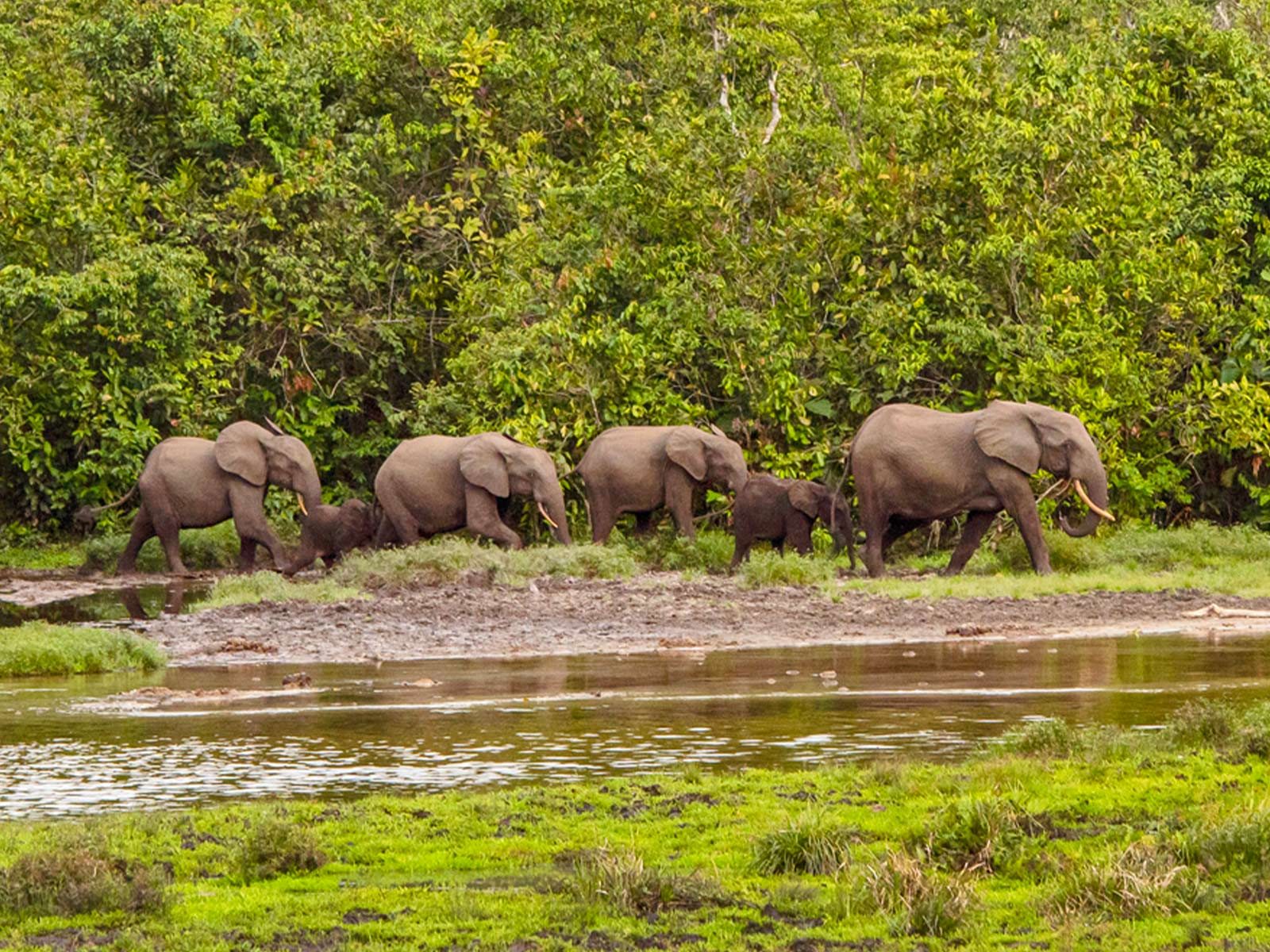
Related Congo Safari Experiences
A Big Five Safari in Congo can easily be combined with several other exceptional safari experiences, creating a richer and more complete adventure through one of Africa’s most biodiverse destinations. Congo is not only a place for elephants, buffalo, lions, leopards, and rare rhino conservation history; it is also one of the world’s greatest destinations for gorilla trekking, rainforest exploration, chimpanzee tracking, birdwatching, cultural encounters, and conservation-focused travel.
These related Congo safari experiences allow travelers to go beyond traditional wildlife viewing and discover the country’s forests, mountains, rivers, communities, and rare species in greater depth. Whether visitors want a primate-focused safari, a classic wildlife adventure, a birding expedition, or a cultural journey, Congo offers a powerful combination of wilderness and authenticity.
Gorilla Trekking in Congo
Gorilla trekking in Congo is one of the most remarkable wildlife experiences in Africa and a perfect addition to a Big Five Safari in Congo. The country is home to both mountain gorillas and eastern lowland gorillas, making it one of the few destinations where travelers can enjoy two different gorilla experiences within the same broader safari region.
Mountain gorilla trekking is mainly associated with Virunga National Park, where visitors hike through misty forests on the slopes of the Virunga Mountains in search of habituated gorilla families. The trek can vary in length depending on the movement of the gorillas, terrain conditions, and weather, but the reward is unforgettable. Spending time with a gorilla family in its natural habitat allows travelers to observe silverbacks, mothers, infants, and playful juveniles as they feed, rest, communicate, and interact.
Eastern lowland gorilla trekking is best experienced in Kahuzi-Biega National Park near Bukavu. These gorillas, also known as Grauer’s gorillas, are the largest gorilla subspecies in the world and are found only in the Democratic Republic of Congo. The experience feels different from mountain gorilla trekking because the forest habitat, gorilla behavior, and landscape create a more tropical rainforest atmosphere.
Gorilla trekking in Congo adds emotional depth to a safari because it brings visitors face-to-face with one of humanity’s closest relatives. It is not simply a wildlife sighting; it is a deeply moving encounter that connects travelers with conservation, habitat protection, and the fragile future of endangered species. For many visitors, gorilla trekking becomes the highlight of their entire Congo safari.
Congo Wildlife Safaris
Congo wildlife safaris provide an opportunity to explore some of the most remote and least crowded wilderness areas in Africa. Unlike heavily visited safari destinations, Congo offers a more raw and adventurous experience where landscapes feel vast, wild, and largely untouched by mass tourism.
Garamba National Park is one of the best destinations for classic wildlife safaris in Congo. Its savannahs, woodlands, rivers, and wetlands support elephants, buffalo, lions, giraffes, hippos, antelopes, hyenas, and many bird species. The park gives travelers a traditional safari atmosphere while maintaining the remote character that makes Congo so special.
Virunga National Park also offers wildlife viewing beyond its famous gorillas. The park’s diverse ecosystems include forests, savannahs, wetlands, lakes, and volcanic landscapes that support elephants, buffalo, hippos, antelope species, monkeys, and rich birdlife. Visitors can combine gorilla trekking with nature walks, lake experiences, volcano hikes, and wildlife viewing for a more varied safari.
Congo wildlife safaris are ideal for travelers who value exclusivity, conservation, and exploration. Wildlife sightings may be less predictable than in places with very high animal densities, but the reward is the feeling of discovering a true wilderness. Every sighting feels special because it happens in a landscape that remains one of Africa’s last great natural frontiers.
Congo Chimpanzee Tracking
Congo chimpanzee tracking offers another fascinating primate experience for travelers who want to understand the richness of the country’s rainforest ecosystems. Chimpanzees are intelligent, social, energetic, and highly expressive animals, making them one of the most exciting species to observe in the wild.
During chimpanzee tracking, visitors enter forest habitats with trained guides and trackers who search for signs such as vocal calls, nests, feeding remains, and movement in the canopy. The experience can be active and unpredictable because chimpanzees often move quickly through the forest, sometimes high in the trees and sometimes on the ground.
Watching chimpanzees in their natural environment offers incredible insight into primate behavior. Visitors may observe grooming, feeding, calling, climbing, playing, resting, or social interactions within the group. Their intelligence and complex relationships make every encounter feel dynamic and meaningful.
Chimpanzee tracking combines beautifully with gorilla trekking and Big Five wildlife viewing because it adds another layer to Congo’s primate safari appeal. For travelers interested in evolution, behavior, photography, and conservation, chimpanzee tracking is one of the most rewarding experiences to include in a Congo safari itinerary.
Congo Birding Safaris
Congo birding safaris are among the most underrated wildlife experiences in Africa. The Democratic Republic of Congo is home to an extraordinary variety of habitats, including tropical rainforests, wetlands, lakes, rivers, mountains, savannahs, and forest edges. This habitat diversity supports one of the richest bird populations on the continent.
Birdwatchers can expect opportunities to see forest specialists, colorful turacos, hornbills, kingfishers, bee-eaters, sunbirds, weavers, raptors, waterbirds, herons, storks, and many Congo Basin species. Wetlands and river systems attract water-associated birds, while dense forests shelter rare and localized species that are difficult to find elsewhere.
Virunga National Park, Kahuzi-Biega National Park, the Ituri Forest region, Garamba National Park, and other protected areas all offer excellent birding potential. Birding safaris can be designed as standalone expeditions or added to a broader Big Five Safari in Congo for travelers who want a deeper appreciation of biodiversity.
Congo is especially attractive for serious birders because it contains many species linked to Central African forests and Albertine Rift ecosystems. Even casual safari travelers often become fascinated by the country’s birdlife because the colors, sounds, and variety add constant excitement between major mammal sightings.
Congo Cultural Tours
Congo cultural tours add an important human dimension to a Big Five Safari in Congo. The country is home to a rich diversity of communities, traditions, languages, music, dance, crafts, food, and local knowledge systems shaped by generations of life alongside forests, rivers, mountains, and wildlife.
Cultural experiences may include visits to local villages, community tourism projects, traditional music and dance performances, craft workshops, market visits, storytelling sessions, local cooking experiences, and interactions with conservation-linked communities. These activities allow travelers to understand the relationship between people, wildlife, land, and heritage.
When planned responsibly, cultural tours directly support local livelihoods and help communities benefit from tourism. This is especially important around national parks, where conservation success often depends on creating positive relationships between protected areas and surrounding communities.
Cultural tours also make a Congo safari more personal and memorable. They allow visitors to see beyond wildlife and appreciate the resilience, creativity, and hospitality of the Congolese people. For travelers seeking a meaningful safari, combining wildlife encounters with cultural experiences creates a deeper and more balanced journey through the Democratic Republic of Congo.