
Chimpanzee Trekking in Congo
Introduction to Chimpanzee Trekking in Congo
Experiencing chimpanzee trekking in Congo provides one of the most thrilling and extraordinary wildlife adventures in Central Africa. Congo’s lush rainforests are home to some of the rarest and most intelligent primates on the planet, including endangered chimpanzees and the closely related bonobos. Unlike more frequented safari destinations, Congo provides an off-the-beaten-path adventure where travelers can immerse themselves in dense, untouched forests and observe these fascinating creatures in their natural environment.
What sets Congo apart is the combination of rich biodiversity, remote landscapes, and authentic encounters with wildlife. Trekking here allows visitors to see chimpanzees displaying complex social behaviors such as grooming, playing, and communicating with vocalizations and gestures. These moments provide a rare opportunity to understand the social structure and daily life of one of humanity’s closest relatives, making each trek deeply educational, emotionally impactful, and unforgettable.
Equally important is the emphasis on conservation and ethical tourism. Chimpanzee trekking in Congo is carefully managed to minimize human impact, protect habitats, and support local communities. Every permit, guided trek, and responsible tour contributes directly to the protection of these endangered species and the preservation of their rainforest home. By choosing Congo, travelers participate in a form of tourism that balances adventure with sustainability, ensuring that future generations can continue to experience these remarkable primates in the wild.
This introduction sets the stage for an adventure that combines exploration, education, and environmental stewardship, offering more than just a wildlife sighting—it is a journey into the heart of Congo’s pristine forests and an intimate encounter with one of Africa’s most iconic primates.

Key Locations of Chimpanzee Trekking in Congo
Congo is home to some of the most remote and ecologically significant national parks in Africa, making it an unparalleled destination for chimpanzee trekking.
Salonga National Park
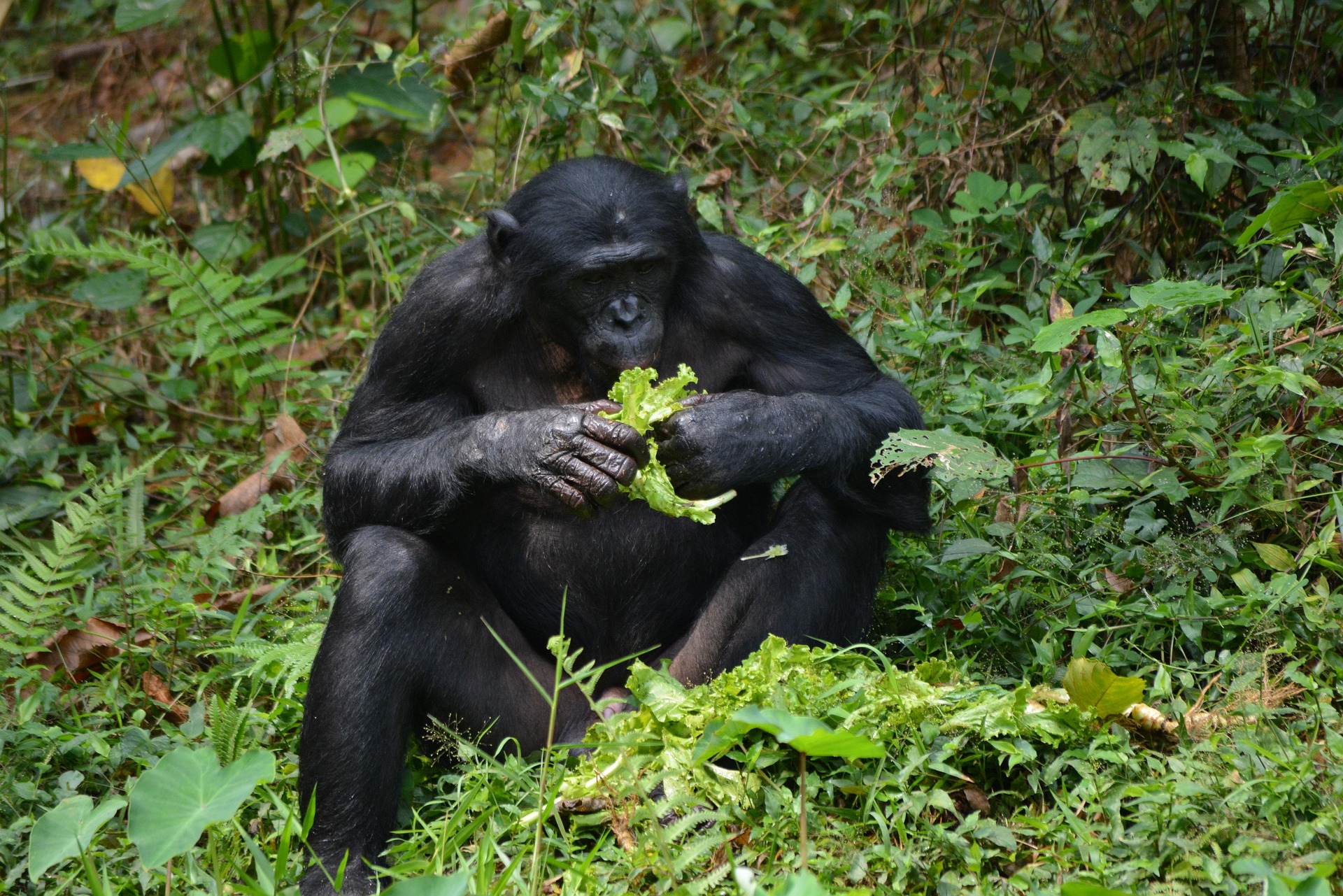
Salonga National Park stands as the heart of Central Africa’s rainforest wilderness. As Africa’s largest tropical rainforest reserve, Salonga is almost entirely untouched, offering a genuine wilderness experience. The park provides habitat not only for endangered chimpanzees but also for bonobos, forest elephants, and countless bird and insect species. Access often requires river transport, adding a sense of adventure and isolation. This remoteness ensures fewer visitors, allowing for intimate wildlife encounters while also emphasizing the importance of conservation in this fragile ecosystem.
Maiko National Park
Maiko National Park is one of Congo’s least-explored parks, renowned for its dense forests and pristine habitats. The park is home to some of the rarest wildlife species, including elusive chimpanzees. Its limited accessibility has helped preserve the park’s biodiversity, making it an ideal location for travelers seeking a truly immersive and authentic trekking experience. The forests here are dense, humid, and teeming with life, offering trekkers the chance to observe chimpanzees navigating their natural environment while also enjoying sightings of other rare species such as okapis and forest elephants.
Virunga National Park
Virunga National Park is perhaps the most famous of Congo’s protected areas, globally recognized for its mountain gorilla populations. While gorilla trekking often takes center stage, the park also supports populations of chimpanzees, making it a versatile location for primate enthusiasts. Treks here allow visitors to combine chimpanzee tracking with breathtaking scenery, including volcanic slopes, crater lakes, and diverse rainforest habitats, offering an unforgettable experience that blends adventure, wildlife observation, and environmental education.
Together, these parks represent the core of Congo’s chimpanzee trekking opportunities, each providing unique landscapes, wildlife encounters, and cultural experiences that cannot be replicated elsewhere.
Trekking Experience Overview
Chimpanzee trekking in Congo is an immersive journey into dense, biodiverse rainforests guided by experienced rangers and trackers who understand the habits and movements of these intelligent primates. The experience begins with a briefing at the park headquarters, where visitors learn about safety protocols, park rules, and the behavior of chimpanzees. This preparation ensures both the safety of the trekkers and the protection of the wildlife.
The trek itself can range from moderate walks to physically challenging hikes, depending on the location of the chimpanzee groups, forest density, and terrain. Visitors navigate through thick vegetation, muddy trails, and uneven ground, often crossing streams and observing the intricate forest ecosystem along the way. Guides provide fascinating insights into the rainforest environment, pointing out signs of wildlife such as nests, feeding areas, footprints, and vocalizations, creating a deeper understanding of the chimpanzees’ natural behaviors.
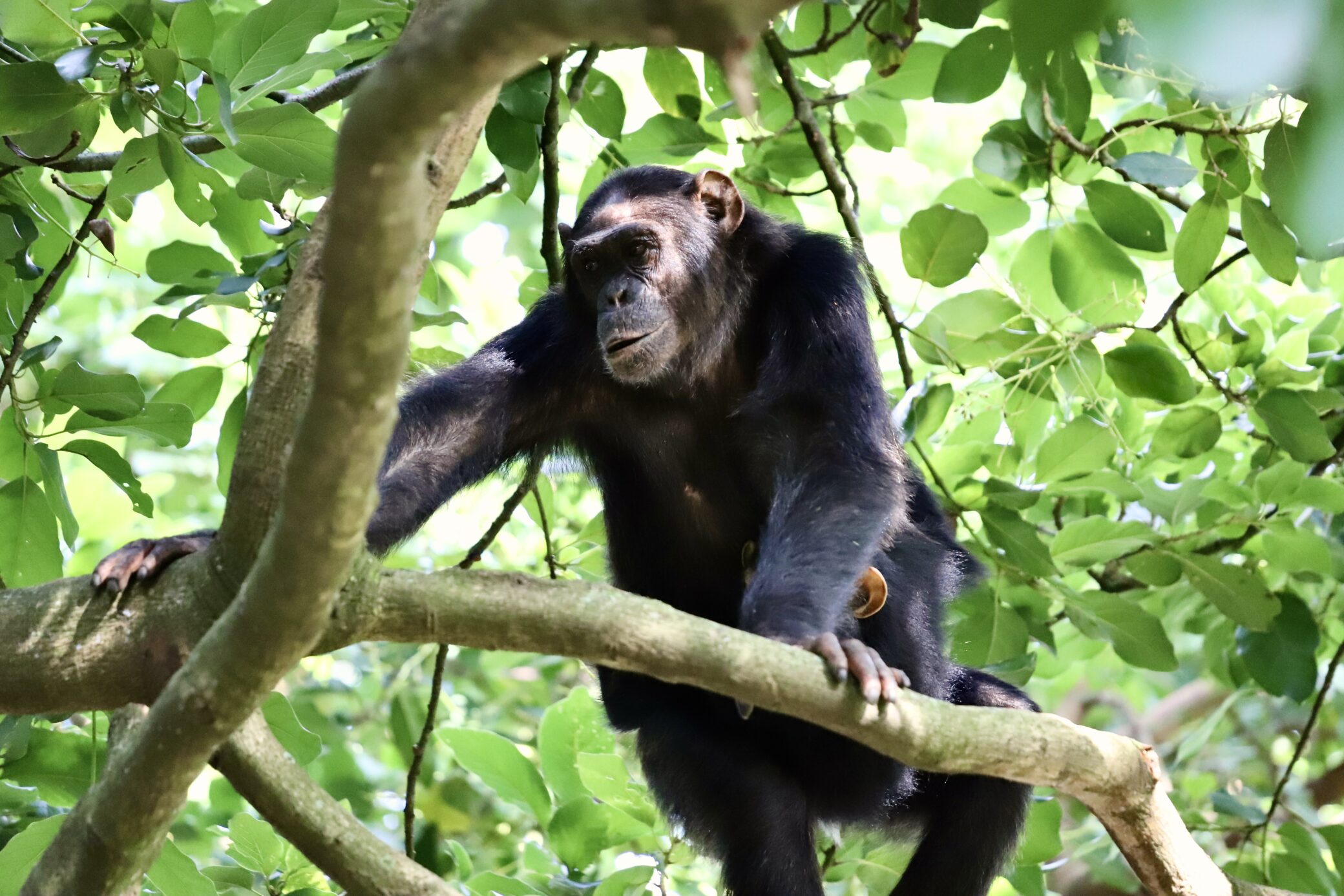
Upon locating a chimpanzee group, visitors have the opportunity to spend a limited but meaningful period observing the primates in their natural habitat. These encounters allow for observation of complex social behaviors such as grooming, playing, feeding, and communication through gestures and vocalizations. The experience is calm, educational, and deeply rewarding, offering travelers the chance to connect with some of the closest relatives to humans while witnessing the challenges these animals face in the wild.
Chimpanzee trekking in Congo is more than just a wildlife encounter—it is an opportunity to participate in conservation-focused tourism. Treks are carefully regulated to minimize human impact, with strict rules on group sizes, behavior near primates, and hygiene. This ensures that visitors can enjoy an authentic, safe, and responsible experience while directly supporting the preservation of Congo’s chimpanzees and their rainforest homes.
Chimpanzee trekking in Congo begins with an essential pre-trek briefing at the park headquarters, where trained rangers and guides explain safety protocols, park regulations, and the expected behavior around chimpanzees. This briefing ensures that visitors understand how to interact responsibly with the environment and wildlife, highlighting the importance of conservation and minimizing human impact on these endangered primates.
Once the trek begins, travelers are accompanied by experienced trackers and rangers who possess intimate knowledge of the forest, chimpanzee behavior, and the ecosystem. These experts not only guide visitors safely through challenging terrain but also interpret the forest environment, pointing out signs of wildlife, nesting sites, feeding areas, and other subtle indications of chimpanzee activity. Their expertise transforms the trek into an educational and immersive journey.
The trek typically leads participants through dense rainforest, across rivers, and over uneven terrain, offering an authentic adventure in one of the world’s most remote and biodiverse landscapes. Trekkers may encounter towering trees, thick undergrowth, and humid conditions that showcase the raw beauty of Congo’s jungles. Along the way, guides provide context on the ecological significance of the forest and the role of chimpanzees within it.
The highlight of the experience is the observation of chimpanzee behavior, where travelers witness these intelligent primates engaging in natural activities such as social interactions, feeding, grooming, and play. These moments provide a rare opportunity to study chimpanzee family dynamics, communication patterns, and social structures up close, all while respecting their space and well-being.
What to Expect on Chimpanzee Trekking in Congo
Visitors should prepare for varying levels of difficulty and duration depending on the location of the chimpanzee groups and the forest conditions. Treks can range from relatively short, moderate walks to longer, more physically demanding hikes over muddy trails, steep slopes, and dense vegetation. The rainforest environment requires a reasonable level of fitness, though the pace is carefully managed by experienced guides to ensure safety for all participants.
An important aspect of the trek is immersive learning. Trackers teach visitors how to read forest signs, including chimpanzee nests, footprints, vocalizations, and feeding remains. This process not only enhances the trekking experience but also deepens understanding of the chimpanzees’ natural behaviors and survival strategies.
The time spent observing chimpanzees is carefully controlled to minimize stress on the animals and support conservation efforts. Typically, visitors are allowed a designated period to watch the chimpanzees at close range, providing an intimate, educational, and emotionally impactful encounter. Throughout the trek, every activity is designed to balance adventure with responsible wildlife observation, ensuring that the experience is both unforgettable and sustainable.
Trekking Rules and Guidelines
Chimpanzee trekking in Congo is carefully regulated to protect both visitors and the primates. Observing strict guidelines ensures a safe, ethical, and conservation-focused experience.
Visitors must maintain a safe distance from chimpanzees at all times, allowing the animals to behave naturally without feeling threatened. Direct contact is strictly prohibited, as even seemingly friendly gestures can stress the chimpanzees or transmit diseases. Similarly, loud noises, sudden movements, flash photography, eating, or drinking near the primates are not allowed, as these actions can disrupt their behavior and compromise their safety.
Guides and rangers play a critical role in ensuring the trek runs smoothly. Travelers should follow all ranger instructions and remain in designated groups, which enhances safety in dense forest environments and minimizes disturbance to wildlife. Treks should be postponed if participants are experiencing illness such as flu, cough, or fever, to prevent disease transmission to the chimpanzees.
Environmental responsibility is also essential. Visitors are expected to carry out all waste and maintain forest hygiene, preserving the pristine rainforest ecosystem that supports chimpanzee populations and countless other species. Adherence to these rules not only guarantees a rewarding wildlife encounter but also contributes directly to the long-term conservation of Congo’s endangered primates.
Physical Preparation and Gear
Chimpanzee trekking requires careful physical preparation and appropriate gear to navigate the challenging rainforest environment safely and comfortably. Recommended clothing includes long trousers, long-sleeved shirts, gloves, sturdy hiking boots, and waterproof rain gear. These protect against insects, thorny vegetation, and unpredictable weather while ensuring mobility through dense undergrowth and muddy trails.
Depending on the trek and personal needs, hiring porters is recommended to assist with carrying cameras, backpacks, water, or other equipment. This not only lightens the load for trekkers but also supports local communities by providing employment around the parks.
Physical fitness is crucial, as the rainforest terrain can be steep, slippery, and uneven. Trekkers should be prepared for walking over long distances, crossing streams, and navigating natural obstacles such as roots, rocks, and fallen branches. Even moderate fitness levels are sufficient for shorter treks, but longer or more strenuous routes demand endurance, balance, and careful pacing. Proper preparation ensures that visitors can fully enjoy the trek while safely observing chimpanzees in their natural habitat.

Permits and Booking for Chimpanzee Trekking in Congo
Access to chimpanzee trekking in Congo is strictly controlled to protect these endangered primates and their habitats. Chimpanzee trekking permits are required for all visitors, and daily availability is limited to ensure minimal disturbance to the animals. Each permit typically grants a specified amount of time with a particular chimpanzee group, making early planning essential, especially during peak travel seasons.
Permits must be obtained through authorized operators, such as established local safari companies like Pieland Gorilla Safaris, who coordinate all logistics, including park entry, guided treks, and safety arrangements. Booking through reputable operators guarantees compliance with park regulations, ensures a guided and safe trekking experience, and provides professional support for transportation, accommodation, and cross-border travel if needed.
Permit fees are more than just an entry ticket—they directly support conservation efforts, ranger salaries, and local community initiatives. By purchasing a permit, visitors contribute to the protection of Congo’s chimpanzees, help fund ongoing habitat preservation, and support sustainable tourism that benefits both wildlife and local livelihoods.
Best Time to Visit
The optimal periods for chimpanzee trekking in Congo are the dry seasons, which typically run from June to September and December to February. During these months, forest trails are less muddy, rivers are easier to cross, and trekking conditions are safer and more comfortable. Dry weather also improves visibility in the forest, making wildlife sightings—including chimpanzees—more reliable and photography opportunities more rewarding.
The wet seasons, March to May and October to November, bring heavier rainfall, which can make trails slippery and increase the physical challenge of the trek. However, visiting during the wet season has its advantages: the forest becomes exceptionally lush and green, there are often fewer visitors, and some lodges or operators may offer lower rates. Travelers during these months can enjoy a more intimate, peaceful experience, though they should be prepared with proper rain gear, waterproof footwear, and extra precautions for safety and comfort.
Choosing the right season depends on personal preferences for crowd size, forest scenery, and trekking conditions, but either period offers a truly immersive and unforgettable encounter with Congo’s chimpanzees.
Conservation and Ethical Tourism
Chimpanzee trekking in Congo is not just an adventure—it is a powerful way to contribute to the protection of chimpanzees and their rainforest habitats. These primates are highly intelligent, social animals whose survival is increasingly threatened by habitat loss, poaching, and disease. Responsible trekking ensures that human presence does not disrupt their natural behaviors while providing critical funding for conservation initiatives. Every visitor, permit, and guided trek helps sustain ranger patrols, anti-poaching measures, and habitat restoration programs.
Equally important is the role of supporting local communities through responsible tourism. Many Congolese communities live near national parks and rely on sustainable tourism as a key source of income. By hiring local guides, porters, and drivers, and staying in community-run lodges, travelers directly benefit these communities, creating incentives for conservation and empowering residents with livelihoods tied to preserving their natural heritage. Cultural experiences, such as village visits or artisan workshops, further strengthen the connection between tourism and community development.
Visitors are also encouraged to practice minimal-impact trekking. This includes adhering to park rules, staying on designated trails, avoiding littering, and minimizing noise. Respecting the environment ensures that the forests remain pristine for wildlife and future generations of travelers. Ethical practices also extend to photography, maintaining a safe distance, and following ranger guidance at all times.
By combining adventure with conservation awareness, ethical tourism, and community support, chimpanzee trekking in Congo becomes a transformative experience—one that fosters deep connections with wildlife, nature, and local people, while leaving a positive, lasting impact on the ecosystem.
Frequently Asked Questions About Chimpanzee Trekking in Congo
What is the minimum age for chimpanzee trekking in Congo?
Participants must be at least 15 years old. This rule protects both visitors and chimpanzees, reducing the risk of disease transmission and ensuring safety in the rainforest.
How long does a chimpanzee trek last?
Treks typically last 2 to 6 hours, depending on the location of the chimpanzee group, forest conditions, and terrain. Some treks may be shorter and moderate, while others require longer, more physically challenging hikes.
What should I wear for chimpanzee trekking?
Wear long trousers, long-sleeved shirts, gloves, sturdy hiking boots, and rain gear. Lightweight, breathable clothing that protects against insects, thorny vegetation, and wet conditions is recommended.
Can I take photographs during the trek?
Yes, photography is encouraged, but flash photography is prohibited to avoid disturbing the chimpanzees. Cameras with zoom lenses are recommended to capture close-up shots while maintaining a safe distance.
Do I need a guide for chimpanzee trekking?
Yes. Treks are led by trained rangers and experienced trackers. They ensure your safety, help locate chimpanzees, and provide educational insights about the forest ecosystem and primate behavior.
Are chimpanzee trekking permits required?
Absolutely. Permits are mandatory, limited in number, and must be booked through authorized operators. Permit fees directly support conservation, ranger programs, and local communities.
What is the best time of year to trek chimpanzees in Congo?
The dry seasons, from June to September and December to February, offer the best trekking conditions with safer trails and easier river crossings. Wet seasons (March–May, October–November) provide lush scenery and fewer crowds but require extra preparation for muddy trails.
How physically demanding is chimpanzee trekking?
Trekking can range from moderate to strenuous depending on forest density, terrain, and weather. Visitors should be prepared for walking through dense vegetation, steep slopes, and humid conditions, though guides pace the trek to suit all fitness levels.
Can I combine chimpanzee trekking with other activities?
Yes. Congo treks can be combined with gorilla trekking, wildlife safaris, birdwatching, volcano hikes, and cultural experiences for a richer and more comprehensive safari itinerary.
What measures are in place for conservation and ethical tourism?
Treks follow strict guidelines: maintain distance from chimpanzees, avoid loud noises, carry out all waste, and stay on designated trails. Every permit and tour supports primate conservation and local communities, ensuring responsible and sustainable tourism.
Are porters available during treks?
Yes. Hiring a porter is recommended to assist with carrying backpacks, cameras, and water. This not only makes trekking easier but also supports local employment in park communities.
What should I do if I’m ill before the trek?
Visitors experiencing flu, fever, or contagious illness should not trek, as chimpanzees are highly susceptible to human diseases. Rangers may advise rescheduling to protect both your health and that of the primates.
Is chimpanzee trekking safe?
Yes. When conducted under trained rangers and trackers, chimpanzee trekking in Congo is safe and well-regulated. Following guidelines and maintaining a safe distance ensures minimal risk while maximizing wildlife encounters.
Do i need visa for chimpanzee trekking in Congo?
Yes, you need a Congo tourist visa .
Request a quote for chimpanzee trekking in Congo.